 Small batches, high standards. Our rapid prototyping service makes validation faster and easier —
  EN
EN


Signs Of Forged Wheel Damage: What's Cosmetic Vs. Dangerous
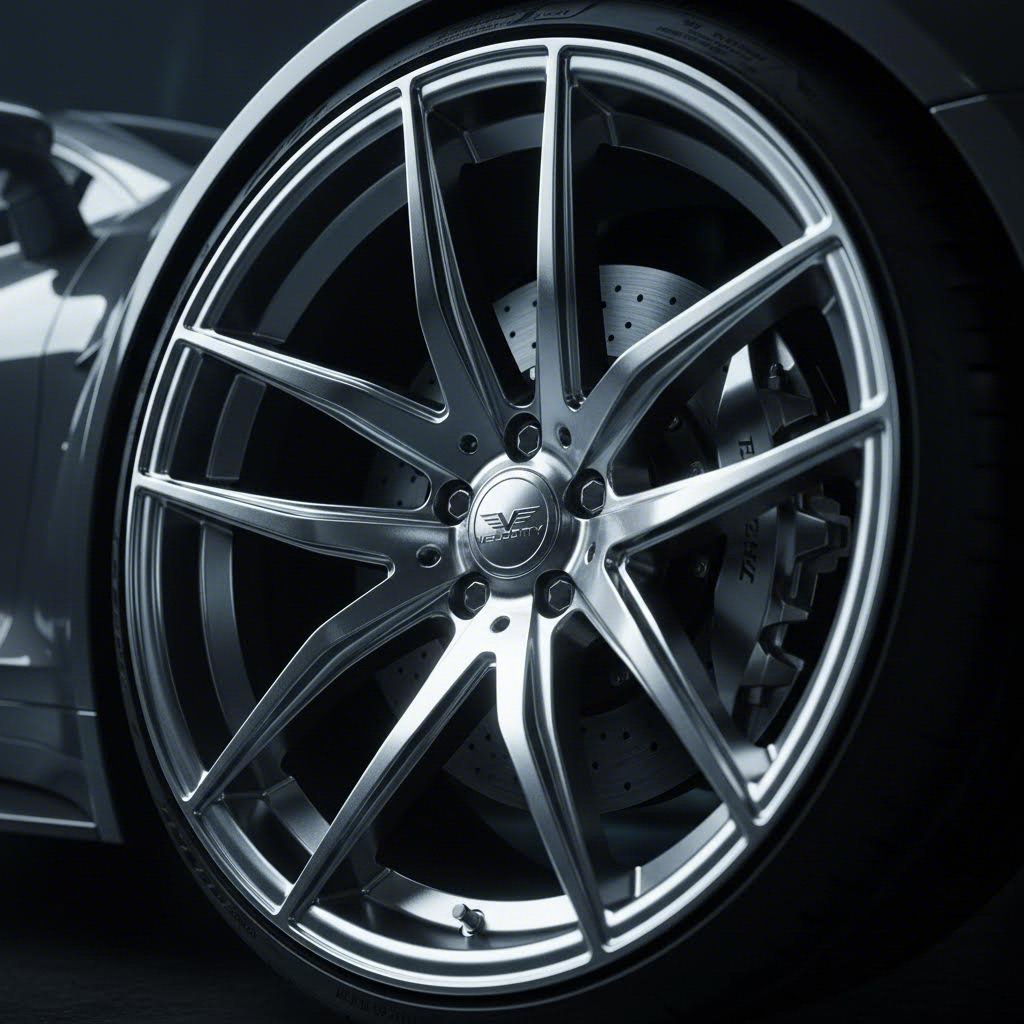
Understanding Forged Wheel Construction and Why Damage Signs Differ
You've invested thousands of dollars in forged wheels for your performance vehicle. They're lighter, stronger, and built to handle the most demanding driving conditions. But here's the catch—when something goes wrong, the signs of forged wheel damage look nothing like what you'd see on standard cast wheels. Miss these subtle warning signs, and you could be facing a catastrophic failure at highway speeds.
Understanding what makes forged wheels unique isn't just for gearheads—it's essential knowledge for protecting both your investment and your safety. So, what exactly sets these premium wheels apart, and why do they require a completely different inspection approach?
Why Forged Wheels Demand Special Attention
When discussing the difference between wheel and rim components, forged wheels occupy the top tier of wheel technology. Unlike a standard wheel rim, which may be cast from molten aluminum poured into molds, forged wheels are created through an entirely different process that fundamentally changes the metal's characteristics.
The forged wheels meaning goes beyond just a manufacturing label. These wheels represent a significant investment—typically ranging from $3,000 to over $10,000 per set, according to Performance Plus Tire. For performance enthusiasts and luxury vehicle owners, this investment delivers approximately three times the strength of cast wheels while achieving 25-30% weight reduction. That's not marketing hype—it's measurable engineering that translates to real performance gains.
But here's what most generic wheel damage articles miss: the very properties that make forged wheels superior also create unique damage patterns. When you're trying to understand the difference between wheel and tire issues, recognizing these distinct patterns becomes critical for early detection and proper diagnosis.
The Forging Process and Its Impact on Damage Patterns
To understand what does forged wheels mean in practical terms, you need to understand how they're made. The forging process begins with a solid block of aerospace-grade 6061-T6 aluminum alloy. Unlike cast wheels that start as liquid metal, forged wheels maintain aluminum in its solid state throughout shaping.
Here's where things get interesting. Hydraulic presses apply between 8,000 to 10,000 tons of force to the heated aluminum, according to industry specifications. This immense pressure does something remarkable—it aligns the aluminum's internal grain structure with the wheel's final shape, creating denser, stronger material with no porosity or weak points.
Because forged wheels feature a compressed, aligned grain structure rather than the random crystalline pattern found in cast wheels, damage manifests as gradual bending and stress fractures rather than sudden, catastrophic shattering—a critical distinction that affects both how you inspect these wheels and how seriously you should treat any damage you discover.
This forged wheels definition matters when assessing damage because:
- Stress propagates differently: Cracks follow the aligned grain structure, often appearing in predictable locations near spoke bases and lug holes
- Damage is often subtle: The dense material resists obvious deformation, meaning serious structural compromise may hide behind seemingly minor surface indicators
- Failure mode differs: When damaged, forged wheels typically bend rather than shatter—making them potentially repairable but also meaning damage can go undetected longer
Understanding rim vs wheel terminology helps here too. What is a wheel rim in the context of forged construction? The rim portion—the outer edge where your tire seats—undergoes the same compression process as the rest of the wheel. This means rim damage on forged wheels behaves differently than on cast alternatives, often showing as subtle stress lines rather than obvious cracks.
Most wheel damage content online focuses on cast wheels, where catastrophic failure patterns are more common and visible damage is more obvious. Forged wheel owners need specialized knowledge because their wheels can harbor dangerous structural compromise while appearing nearly perfect to the untrained eye. The following sections will give you exactly that expertise—the ability to distinguish between cosmetic blemishes and genuinely dangerous damage that demands immediate attention.
Visual Damage Signs Every Forged Wheel Owner Must Recognize
Now that you understand why forged wheels behave differently under stress, let's get practical. What exactly should you be looking for when you inspect your wheels? The challenge with forged wheel damage is its subtlety—the same density that makes these wheels incredibly strong also means cracks and deformations can hide in plain sight.
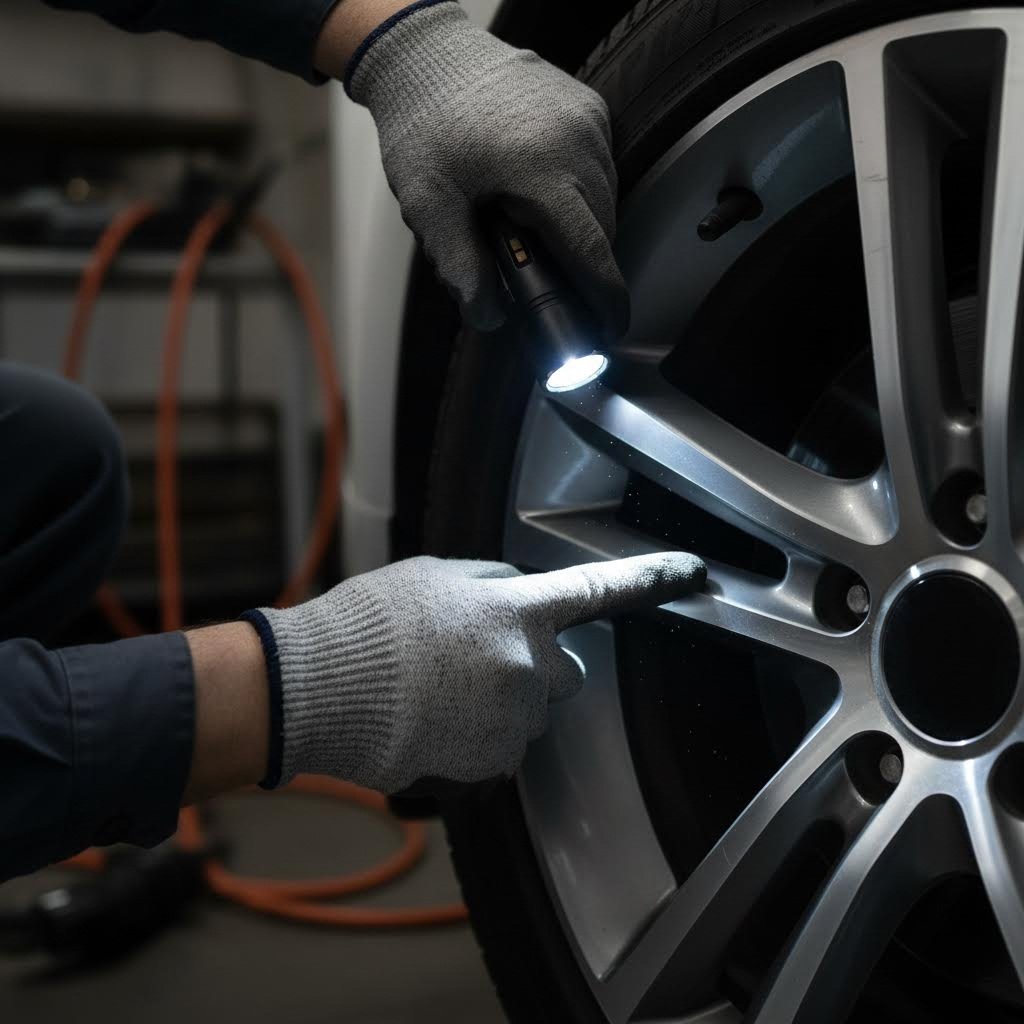
Regular rim inspection isn't just recommended for forged wheel owners—it's essential. According to Wheels Doctor, you should examine your wheels at least once a month and always before long trips. But knowing when to look is only half the battle. Knowing what to look for separates those who catch problems early from those who discover them too late.
Hairline Cracks and Stress Fractures
Ever wondered what does a cracked rim look like on a forged wheel? Unlike the dramatic splits you might see on cast wheels, a cracked wheel in forged construction often appears as nothing more than a fine line—sometimes barely visible without proper lighting. These hairline cracks typically develop in specific high-stress zones where the forging process concentrates load-bearing forces.
Here's what makes detecting a hairline crack in rim surfaces so challenging: the compressed grain structure of forged aluminum creates micro-fractures that may be invisible from certain angles. According to The Wheel Specialist, these cracks can be subtle enough that inspecting in good light becomes critical for detection.
The most common locations for stress fractures include:
- Spoke bases: Where spokes meet the hub center, stress concentrates during acceleration and braking
- Lug hole surroundings: The mounting points experience repeated stress cycles from torque loads
- Inner barrel transitions: Where the spoke design transitions to the rim barrel, geometry changes create stress risers
- Valve stem holes: Often overlooked, these openings interrupt the wheel's structural continuity
To detect these subtle indicators, combine visual and tactile inspection methods. Position your wheel in direct natural light and examine surfaces from multiple angles—cracks often become visible only when light catches them at specific angles. Then run your fingernail or a clean cloth across suspected areas. A crack rim surface will catch fabric fibers or your fingernail in ways smooth metal won't.
Spoke Base and Lip Damage Indicators
Spoke failures rarely happen suddenly on forged wheels. Instead, they begin as micro-cracks that propagate over time—sometimes over months or even years of driving. This progressive nature creates both an opportunity and a danger. You have time to catch problems early, but you might also grow accustomed to subtle changes that indicate worsening rim damage.
Real-world failure scenarios often follow a predictable pattern. A driver hits a pothole or curb, creating initial microscopic damage at a spoke base. Over subsequent weeks, the crack slowly extends with each wheel rotation. Eventually, what started as an invisible stress line becomes a visible fracture—and by that point, structural integrity is already compromised.
Lip damage from curb impacts presents differently. The outer rim edge—where your tire bead seats—takes direct hits during parallel parking mishaps or encounters with raised road edges. On forged wheels, this damage typically appears as:
- Flat spots along the rim lip where the original curved profile has been compressed
- Surface gouges that extend beyond simple cosmetic scratching
- Subtle bends that cause the lip to deviate from its original plane
- Paint or coating cracks radiating outward from impact points
According to Liskey's Auto and Truck Service, unusual noises like clicking, clunking, or scraping while driving may also indicate structural wheel damage affecting alignment and balance. If you notice these sounds after any impact event, immediate inspection is warranted.
Your Systematic Visual Inspection Checklist
Sounds complex? It doesn't have to be. Following a systematic approach ensures you don't miss critical damage areas. Here's a comprehensive rim inspection checklist specifically designed for forged wheel owners:
- Preparation: Clean wheels thoroughly—dirt and brake dust can hide cracks and make damage invisible
- Lighting: Inspect in bright, natural daylight or use a strong LED flashlight at various angles
- Hub area: Check all spoke bases where they connect to the center hub for any crack or stress line
- Lug holes: Examine the area surrounding each lug hole for stress fractures or elongation
- Spoke surfaces: Run fingers along each spoke from hub to rim, feeling for irregularities
- Inner barrel: Use a mirror or phone camera to inspect the inner wheel surface that faces inward
- Outer lip: Examine the entire circumference for flat spots, gouges, or deviations from round
- Bead seat: Check where the tire mounts for corrosion, pitting, or damage that could cause air leaks
- Finish integrity: Look for paint cracks or coating failures that may indicate underlying stress
Remember that a cracked rim—even one with a hairline crack in rim surfaces—is never safe to continue driving on. As wheel repair specialists confirm, driving with a cracked wheel is dangerous and could lead to complete wheel failure. If you spot any crack, regardless of size, the wheel needs professional evaluation before your next drive.
The difference between a broken rim disaster and a timely repair often comes down to consistent inspection habits. Build monthly wheel checks into your maintenance routine—your forged wheel investment and your safety depend on catching these subtle signs before they become dangerous failures. But visual damage is only part of the equation. Next, we'll explore the driving symptoms that reveal hidden damage you can't see during a static inspection.
Driving Symptoms That Reveal Hidden Forged Wheel Damage
You've inspected your forged wheels visually and everything looks fine. But something still feels off when you drive. Maybe there's a subtle vibration at highway speeds, or your tire pressure keeps dropping without explanation. These driving symptoms often reveal hidden damage that even careful visual inspection can miss—and understanding what your vehicle is telling you could prevent a dangerous failure.
Forged wheels communicate problems differently than their cast counterparts. The same dense grain structure that makes them stronger also means damage often hides internally, manifesting through performance changes rather than visible cracks. Let's decode what your vehicle is trying to tell you.
Vibration Patterns That Signal Wheel Problems
When you feel unusual vibrations through your steering wheel or seat, your first instinct might be to blame tire balance. But symptoms of a bent wheel often mimic balance issues while indicating something far more serious. The key difference lies in when and how these vibrations occur.
According to Woodie's Auto Service, vibrations from a bent tire rim typically worsen as you accelerate and can easily be mistaken for simple tire balance problems. However, there's a critical distinction: balance issues usually create consistent vibration across all speeds, while bent wheel symptoms often appear or intensify within specific speed ranges—commonly between 50-70 mph where resonance effects amplify the irregularity.
Here's what to pay attention to:
- Speed-specific vibration: A bent wheel often causes vibration that appears at certain speeds and diminishes above or below that range
- Steering wheel shake: Front wheel damage transmits directly through the steering column
- Seat vibration: Rear wheel damage typically manifests as vibration felt through the seat and floor
- Progressive worsening: Unlike tire balance issues that remain constant, bent wheel rim symptoms tend to worsen over time as damage propagates
Forged wheels exhibit bent wheel symptoms somewhat differently than cast alternatives. Because the forged material bends rather than cracks under impact, you might notice a subtle oscillation or wobble that develops gradually. Cast wheels, by contrast, often show immediate, dramatic vibration when damaged—or fail catastrophically without warning.
Air Pressure Loss and Tire Wear Clues
Is your tire losing air without any visible puncture? This frustrating symptom often points directly to wheel damage rather than tire failure. According to The Wheel Specialist, hitting potholes, curbs, or road debris can bend or distort a wheel, preventing the tire from sitting evenly on the rim and causing slow, constant leaks.
The relationship between wheel damage and tire damage creates a vicious cycle. A bent wheel causes uneven tire contact with the road, which accelerates tire wear in specific patterns. This tire damage then masks the underlying wheel problem, leading many drivers to simply replace tires without addressing the root cause—only to experience the same premature wear on their new tires.
Watch for these pressure and wear patterns:
- Slow leaks requiring weekly top-ups: Rim damage that compromises the bead seat prevents proper tire sealing
- Inner or outer edge wear: A bent wheel alters camber angle, causing one edge to wear faster
- Cupping or scalloping: Irregular depressions around the tire circumference indicate wheel wobble
- One tire wearing faster than others: Localized damage affects individual wheel performance
As Premier Color and Wheels notes, a wheel problem can snowball quickly—what looks like a small cosmetic flaw can become a costly chain reaction affecting tires, suspension, and brakes.
Symptom Comparison: Diagnosing the Root Cause
Distinguishing between a bent wheel, cracked wheel, and simple tire issue can be challenging since symptoms often overlap. Use this comparison to help identify what you're dealing with:
| Symptom | Bent Wheel | Cracked Wheel | Tire Issue |
|---|---|---|---|
| Vibration pattern | Speed-specific, worsens with acceleration | Inconsistent, may come and go | Constant across all speeds |
| Air pressure loss | Gradual, consistent leak | May be sudden or gradual depending on crack location | Usually rapid if punctured |
| Tire wear | Uneven inner/outer edge wear | May cause localized unusual wear | Even wear or center/edge wear from pressure issues |
| Handling changes | Pulling to one side, reduced steering precision | Unpredictable handling, possible sudden changes | Generally stable unless severely damaged |
| Visual signs | Subtle wobble when spinning wheel | Hairline fractures in high-stress areas | Visible puncture, bulge, or tread damage |
Is a Slightly Bent Rim Dangerous?
This question comes up constantly among forged wheel owners, and the answer isn't simply yes or no—it depends on severity and location. A minor bend on the outer lip might be acceptable for continued driving with monitoring, while even a slight bend near a spoke base could indicate dangerous structural stress.
According to automotive service experts, continuing to drive with a bent rim doesn't just create vibrations—it can compromise tire integrity, increase the chance of blowouts, and place added stress on suspension components. Poor tire contact also makes stopping distances longer and steering less responsive, especially in wet conditions.
Here's authoritative guidance based on damage severity:
- Minor outer lip bend (no vibration): Monitor closely, professional inspection recommended within one week
- Moderate bend causing vibration: Stop driving immediately, have the wheel professionally evaluated
- Any bend near spoke bases or lug holes: Consider the wheel unsafe until professionally cleared
- Bend accompanied by air loss: Do not drive—the bead seal is compromised
The stakes are simply too high to guess. A bent car rim that seems like a minor inconvenience can lead to sudden tire failure at highway speeds. As one real-world example from Premier Color and Wheels illustrates, a driver who ignored steering wheel vibrations experienced a tire blowout weeks later due to a cracked rim he never addressed—resulting in repair bills five times higher than a simple rim fix would have cost.
Your forged wheels are engineered to provide feedback about their condition. Vibrations, pressure loss, and wear patterns aren't just annoyances—they're warning signals. Now that you can interpret these symptoms, the next step is understanding how to distinguish between damage that's merely cosmetic and damage that poses genuine safety risks.
Cosmetic Scratches Versus Dangerous Structural Damage
You've spotted damage on your forged wheels. Now comes the critical question every owner faces: is this just an eyesore, or is it a safety hazard that demands immediate action? The line between cosmetic blemishes and structural compromise isn't always obvious—but making the wrong call could cost you far more than a wheel replacement.
Understanding this distinction is especially important for forged wheel owners. The same manufacturing process that creates superior strength also means damage behaves differently than on cast wheels. Let's build a clear framework for assessing what you're dealing with.
Cosmetic Versus Structural Damage Assessment
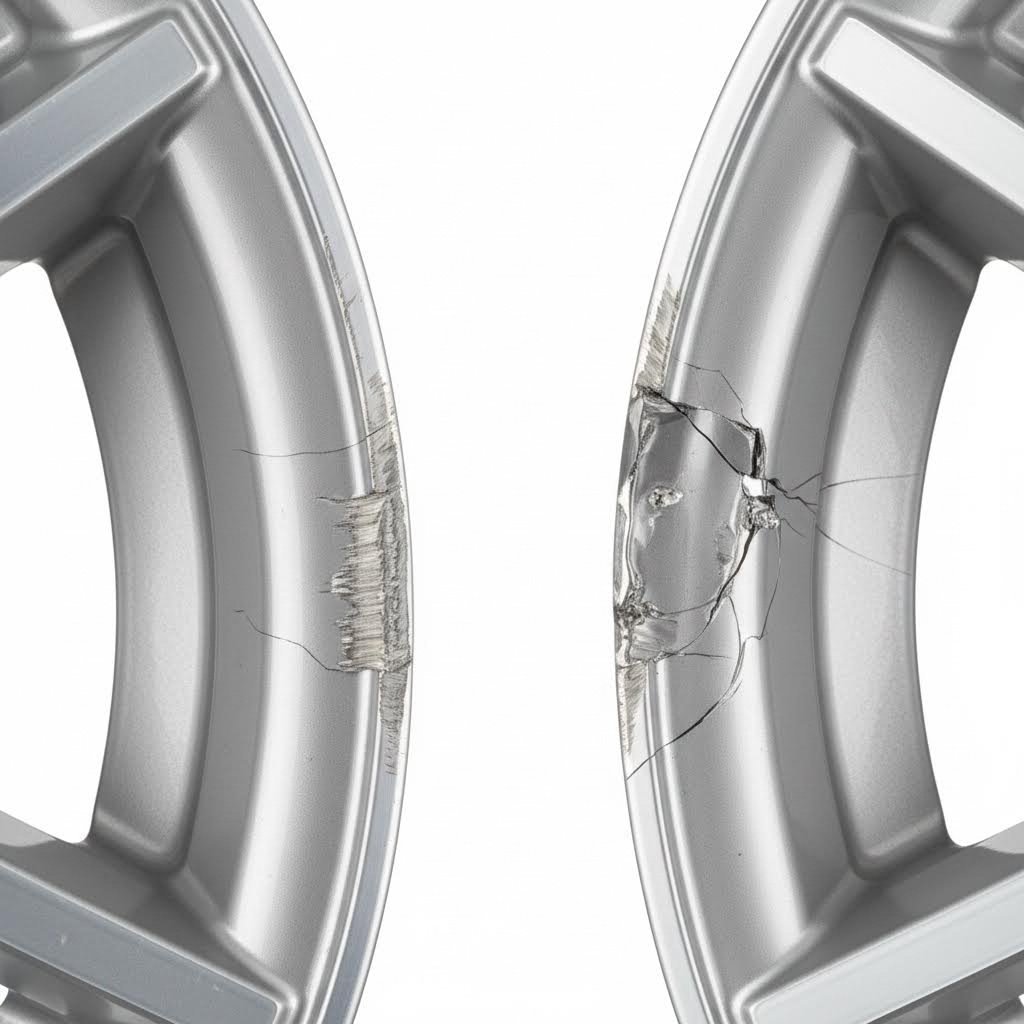
Tire curb rash is probably the most common damage forged wheel owners encounter. That sickening scrape against a curb during parallel parking leaves your heart racing—but is curb rash bad enough to compromise safety? In most cases, the answer is no, but the depth and location of the damage determine everything.
Surface-level cosmetic damage includes:
- Light curb rash: Superficial scrapes affecting only the clear coat or paint layer, with no metal deformation
- Minor scratches: Thin marks from road debris that don't penetrate beyond the wheel's protective finish
- Small chips: Localized paint loss that exposes bare metal but doesn't affect structural material
- Brake dust staining: Discoloration that looks alarming but represents only surface contamination
These issues affect appearance and, if left untreated, can lead to corrosion—but they don't immediately compromise your wheel's ability to perform safely. You can continue driving while planning repairs at your convenience.
Structural damage requiring immediate attention looks different:
- Deep gouges: Scratches that remove significant material, creating stress concentration points
- Flat spots on the lip: Any deformation of the rim edge indicates the wheel absorbed serious impact force
- Cracks radiating from damage: Even hairline fractures extending from impact points signal compromised integrity
- Dents affecting the bead seat: Deformation where your tire seals against the wheel prevents proper air retention
Here's a practical test: run your fingernail across the damaged area. If the damage catches your nail and you can feel a distinct edge or depression deeper than the paint layer, you're likely dealing with structural concern rather than cosmetic imperfection.
Corrosion and Pitting Warning Signs
Wheel corrosion affects forged wheels differently than cast alternatives—and understanding this difference matters for both diagnosis and treatment. According to K7 Forged, while aluminum rims naturally form a protective oxide layer that provides extra protection compared to steel rims, no wheel is invincible against environmental factors.
So what is pitting on wheels, and why should you care? Pitting describes small surface cavities that develop when corrosive elements attack the metal beneath your wheel's protective coating. On forged wheels, pitting typically starts at areas where the clear coat has been compromised—often from curb damage, stone chips, or improper cleaning with acidic products.
Rim corrosion on forged wheels progresses through distinct stages:
- Stage 1 - Surface oxidation: White powdery deposits appear on bare aluminum, indicating the metal is reacting with air and moisture
- Stage 2 - Active pitting: Small crater-like depressions form as corrosion eats into the metal surface
- Stage 3 - Spreading deterioration: Pitted rims develop expanding areas of rough, corroded texture
- Stage 4 - Structural compromise: Severely corroded wheels lose material thickness, weakening load-bearing capacity
Wheel bead corrosion deserves special attention because it directly causes the slow leaks discussed in the previous section. According to Tire Review, wheel damage, pitting, and corrosion around the bead area are common causes of slow leaks that frustrate both drivers and technicians. The bead seat—where your tire seals against the rim—must remain smooth and undamaged for proper air retention.
Environmental factors accelerate this progression. Coastal areas with salt air, regions using road salt in winter, and even harsh brake dust accumulation all speed up the journey from minor surface oxidation to dangerous structural deterioration.
Damage Severity Categories and Recommended Actions
Use this framework to categorize any damage you discover and determine your appropriate response:
-
Category 1 - Cosmetic Only (Safe to drive, repair at convenience):
- Light curb rash affecting only clear coat
- Surface scratches less than 1mm deep
- Minor discoloration or staining
- Small paint chips with no metal deformation
-
Category 2 - Monitor Closely (Safe short-term, schedule professional inspection):
- Early-stage surface oxidation on bare metal
- Deeper scratches approaching 2mm depth
- Beginning pitted rims with isolated small pits
- Curb rash with visible metal exposure
-
Category 3 - Immediate Attention Required (Professional inspection before continued driving):
- Active rim corrosion spreading beyond initial damage
- Wheel bead corrosion causing slow air leaks
- Deep gouges removing structural material
- Any visible cracks, regardless of size
-
Category 4 - Do Not Drive (Wheel replacement likely necessary):
- Severely corroded wheels with material loss
- Structural deformation visible to the naked eye
- Multiple cracks or single crack near spoke base
- Damage accompanied by vibration or air loss symptoms
Remember that cosmetic damage left untreated becomes structural damage over time. Those pitted rims you've been ignoring? The corrosion continues working beneath the surface, eating away at your wheel's integrity even when visible progression seems slow. According to wheel specialists, corrosion in car rims isn't something that instantly becomes an issue—it takes time, but it remains dangerous.
The bottom line? When in doubt, seek professional evaluation. A qualified wheel specialist can measure material thickness, check for hidden cracks, and provide definitive guidance on whether your forged wheel remains safe for service. The cost of inspection is minimal compared to the consequences of guessing wrong about structural integrity. Understanding these damage categories prepares you for the next consideration: how different forged wheel materials respond to damage in unique ways.
Material Differences Between Forged Aluminum and Magnesium Wheels
Not all forged wheels are created equal. While we've discussed damage patterns common to forged construction, the specific material your wheels are made from dramatically affects how damage manifests, how quickly it progresses, and what repair options exist. Are forged wheels aluminum? Most are—but some high-performance applications use magnesium, and understanding these material differences could save you from misdiagnosing a serious problem.
Let's break down what makes each material unique and why your inspection approach should differ depending on what's under that glossy finish.
Forged Aluminum Damage Characteristics
When people ask about forged rims meaning in practical terms, they're usually referring to forged aluminum wheels—the most common type found on performance and luxury vehicles. The 6061-T6 aerospace-grade aluminum used in quality forged wheels offers an excellent balance of strength, weight savings, and damage resistance.
Understanding what does alloy wheels mean helps clarify terminology here. "Alloy wheels" refers broadly to wheels made from aluminum or magnesium alloys rather than steel. Most alloy wheels are cast, while forged wheels represent the premium segment of this category. So when discussing alloy wheel damage versus forged wheel damage, you're often comparing manufacturing methods as much as materials.
Forged aluminum wheels exhibit specific damage characteristics:
- Gradual deformation under impact: Rather than cracking immediately, aluminum bends and absorbs energy, making damage less obvious but still serious
- Predictable crack propagation: When cracks do form, they follow the aligned grain structure created during forging
- Corrosion resistance: Do alloy wheels rust? Technically no—aluminum doesn't rust like steel. However, aluminum does oxidize, and this oxidation can progress to pitting if protective coatings are compromised
- Repairable in many cases: The material properties of forged aluminum allow skilled technicians to straighten minor bends without compromising structural integrity
Alloy rim damage on forged aluminum wheels typically shows as subtle bending, hairline cracks near stress concentration points, or surface oxidation. The good news? These wheels are generally more forgiving than magnesium alternatives, and repair options are more widely available.
Magnesium Wheel Specific Concerns
Forged magnesium wheel rims represent the ultimate in weight reduction—approximately 25% lighter than comparable aluminum wheels according to research published in PMC. This weight savings translates directly to improved acceleration, braking, and handling. However, magnesium's unique properties create inspection and maintenance challenges that aluminum owners never face.
Why are magnesium wheels illegal in some contexts? Actually, they're not broadly illegal—but certain racing sanctioning bodies and jurisdictions restrict their use due to fire concerns. Magnesium burns at extremely high temperatures and is difficult to extinguish, creating safety considerations in crash scenarios that don't apply to aluminum.
The real concern for daily drivers isn't fire risk—it's magnesium's distinct failure modes:
- Greater sensitivity to corrosion: Magnesium corrodes more aggressively than aluminum, especially when exposed to road salt or moisture
- Different crack behavior: According to manufacturing research, magnesium alloys have a narrower range of forming temperature parameters and are more sensitive to strain rate, meaning damage can occur more suddenly
- Galvanic corrosion risk: When magnesium contacts dissimilar metals (like steel lug bolts), accelerated corrosion occurs at the contact point
- Limited repair options: Many wheel repair shops lack the expertise and equipment to safely work on magnesium wheels
Inspection protocols for forged magnesium wheel rims must account for these vulnerabilities. Pay particular attention to areas around mounting hardware, where galvanic corrosion commonly initiates, and any exposed surfaces where protective coatings may have been compromised.
Material Comparison: Damage Susceptibility and Inspection Priorities
Understanding how these materials differ helps you tailor your inspection approach and make informed decisions about repairs:
| Factor | Forged Aluminum | Forged Magnesium |
|---|---|---|
| Weight advantage | 25-30% lighter than cast aluminum | 25% lighter than forged aluminum |
| Corrosion resistance | Good—forms protective oxide layer | Very Low—extremely sensitive to atmospheric moisture |
| Impact damage behavior | Bends gradually, absorbs energy | More prone to sudden cracking under stress |
| Common failure locations | Spoke bases, lug holes, rim lip | Same areas plus mounting points due to galvanic corrosion |
| Repair feasibility | Widely repairable for minor damage | Specialists required; many shops won't attempt repairs |
| Inspection frequency | Monthly recommended | Bi-weekly recommended, especially in harsh climates |
| Critical inspection areas | Stress points, coating integrity | All aluminum areas plus contact points with steel hardware |
The different wheel types require different maintenance philosophies. Forged aluminum owners can often adopt a "fix it when you notice it" approach for minor cosmetic issues. Magnesium wheel owners don't have that luxury—small coating chips or early corrosion signs demand immediate attention before they escalate into structural problems.
This technical understanding explains why generic wheel damage content often falls short for forged wheel owners. The types of wheel construction matter enormously for both diagnosis and treatment. A crack that might be repairable on an aluminum wheel could render a magnesium wheel unsafe, while corrosion that seems minor on aluminum might be actively destroying a magnesium wheel's structural integrity.
Armed with this material-specific knowledge, you're better equipped to assess damage on your particular wheels. But what happens when you've identified damage and need to decide what comes next? Understanding how damage progresses—and the controversial topic of wheel straightening—becomes your next essential consideration.
Damage Progression and the Straightening Safety Debate
You've identified damage on your forged wheels. Maybe it's a subtle bend from that pothole last month, or perhaps hairline cracks you've been watching nervously. Now comes the question that keeps performance vehicle owners up at night: can you drive with a bent rim, or is it time for expensive repairs? And if repair is an option, will straightening actually restore your wheel—or create a ticking time bomb?
Understanding how wheel damage progresses helps you make informed decisions rather than gambling with your safety. Let's examine what happens when forged wheel damage goes unaddressed, and settle the straightening controversy once and for all.
How Damage Progresses Without Intervention
Forged wheels don't fail suddenly the way cast wheels often do. Instead, damage follows a predictable progression that gives observant owners opportunities to intervene—if they understand what's happening beneath the surface.
According to Boberry Manufacturing, forged wheels are designed to withstand high levels of stress and force, but repeated damage can compromise their structural integrity. This compromise happens in stages:
- Stage 1 - Initial Impact Damage: A pothole, curb strike, or road debris creates microscopic stress at the point of impact. The forged grain structure absorbs and distributes this stress, but localized deformation or micro-fractures may occur. At this stage, damage might be completely invisible.
- Stage 2 - Stress Concentration: The initial damage point becomes a stress riser. Every wheel rotation, every braking event, every acceleration creates cyclic loading that concentrates at this weakened area. The bent wheel rim or micro-crack begins acting as a focal point for further damage.
- Stage 3 - Crack Propagation: Micro-fractures extend along the forged grain structure. What started as an invisible stress point becomes a hairline crack. This progression can take weeks or months depending on driving intensity and damage severity.
- Stage 4 - Visible Structural Compromise: Cracks become detectable through careful inspection. The wheel may develop noticeable symptoms—vibrations, air pressure loss, or handling changes. Many drivers first recognize problems at this stage.
- Stage 5 - Potential Failure: Without intervention, continued stress cycling can lead to sudden structural failure. While forged wheels typically bend rather than shatter catastrophically, spoke separation or rim failure at highway speeds remains extremely dangerous.
Research on aluminum wheel fatigue life demonstrates that local strain accumulation at stress concentration points directly predicts eventual failure, according to studies published in JSTOR. This means the damage you're ignoring today is actively accumulating the strain that leads to tomorrow's failure.
The timeline varies dramatically based on several factors: damage severity, driving style, vehicle weight, and road conditions all influence how quickly progression occurs. A bent car rim on a lightweight sports car driven gently might remain stable for months. The same damage on a heavy SUV driven aggressively over rough roads could progress to dangerous levels within weeks.
Driving with a damaged forged wheel isn't just risking wheel replacement costs—it's gambling with tire blowouts, suspension damage, loss of vehicle control, and the safety of everyone in your vehicle and those sharing the road with you.
The Straightening Controversy Resolved
Can you fix bent wheel rim damage through straightening, or does the process create more problems than it solves? This debate generates passionate opinions on both sides—but the answer depends entirely on damage type, severity, and location.
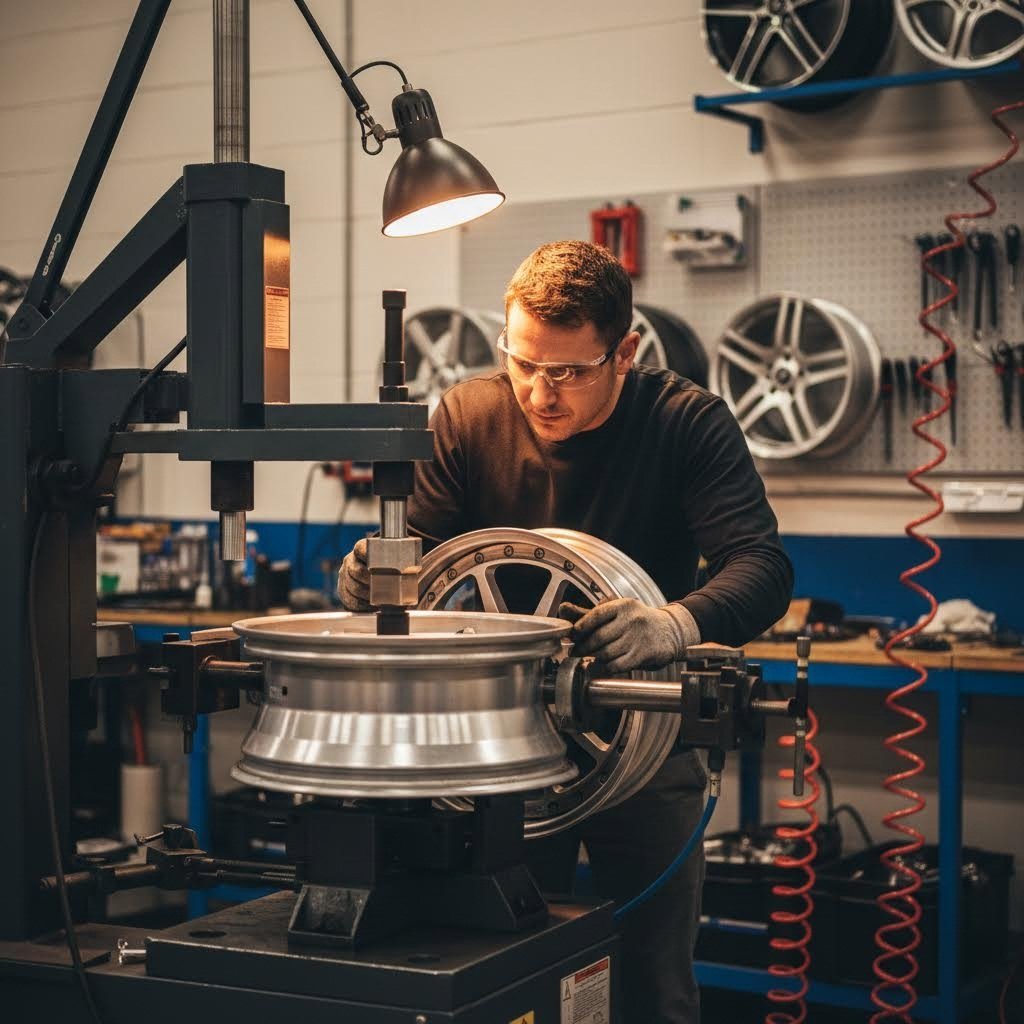
According to forged wheel specialists, bent wheels can often be straightened using specialized machines. The wheel is heated to a specific temperature before pressure is applied to return it to its original shape. After straightening, forged wheels may need heat treatment (tempering) to restore their hardness and strength.
Here's when straightening is appropriate:
- Minor outer lip bends: Slight deformation of the rim edge from curb contact, with no accompanying cracks
- Shallow bends affecting only the barrel: Deformation in the wheel's cylindrical portion that doesn't involve spoke connections
- First-time damage: Wheels that haven't been previously repaired maintain more of their original strength characteristics
- Damage confirmed as bend-only: Professional inspection (including non-destructive testing) confirms no crack formation
Here's when straightening becomes dangerous:
- Any accompanying cracks: Straightening a cracked wheel applies stress that can propagate existing fractures
- Spoke base involvement: Bends near where spokes meet the hub indicate stress in critical load-bearing areas
- Severe deformation: Major bends require aggressive force to correct, potentially exceeding the metal's remaining ductility
- Previously repaired wheels: Each repair cycle reduces the material's remaining fatigue life
- Bent car rim symptoms persisting after repair: Continued vibration or handling issues suggest incomplete restoration
The straightening process itself introduces considerations. Heating the aluminum changes its temper state, and improper technique can leave the wheel softer than original specifications. Quality repair facilities use precise temperature control and post-repair heat treatment to address this concern, but not all shops maintain these standards.
When Replacement Becomes the Only Safe Option
Sometimes, no amount of skilled repair can restore a damaged forged wheel to safe service. Recognizing when replacement is mandatory prevents both safety risks and wasted repair investment.
Replacement indicators you cannot negotiate include:
- Structural cracks: Any crack in a forged wheel—regardless of size or location—compromises the carefully engineered grain structure
- Multiple repair history: Wheels previously straightened or welded have reduced fatigue life and shouldn't undergo additional repair
- Spoke damage: Bent or cracked spokes affect the wheel's primary load-bearing structure
- Severe corrosion: Material loss from corrosion reduces cross-sectional area and load capacity
- Hub bore damage: Deformation of the center bore affects proper mounting and centering
As repair specialists note, repairing a heavily cracked or severely bent wheel may not restore it to its original strength, and in some cases, it may even lead to further issues down the road. In certain industries, such as motorsports, safety regulations may prohibit the use of repaired wheels entirely.
The economics matter too. Forged wheel repair costs range from moderate for straightening to significant for welding and heat treatment. When total repair costs approach 50-60% of replacement cost—and the wheel has already been repaired once—replacement often makes more financial sense while eliminating ongoing safety uncertainty.
Remember: bent rims that seem stable today are accumulating fatigue damage with every mile. The decision to repair or replace isn't just about today's safety—it's about ensuring that wheel remains reliable thousands of miles from now. Having established when professional intervention is necessary, the next consideration becomes understanding exactly what repairs are feasible and when replacement truly becomes your only option.
Repair Versus Replacement Decision Framework for Forged Wheels
You've assessed the damage, identified whether it's cosmetic or structural, and understand how forged wheel damage progresses. Now comes the decision that hits your wallet directly: should you repair that damaged wheel or replace it entirely? Given that forged wheels represent a substantial investment—often $750 to $2,500 per wheel—making the right call here matters enormously.
The repair versus replacement decision for forged wheels differs fundamentally from standard alloy wheels. The same premium construction that justifies their higher price also creates unique economic calculations. Let's build a practical framework for making this decision with confidence.
When Repair Makes Financial Sense
Understanding scraped rim repair cost factors helps you evaluate whether repair investment is justified. According to Boberry Manufacturing, while repairing forged wheels is often cheaper than replacing them entirely, the price of repairs can quickly add up—especially if multiple wheels are damaged.
Repair typically makes financial sense when:
- Damage is cosmetic only: Surface scratches, light curb rash, and minor paint damage can be addressed through refinishing at reasonable cost
- Bends are minor and localized: Small deformations on the outer lip—without accompanying cracks—respond well to professional straightening
- The wheel hasn't been previously repaired: First-time repairs maintain more of the wheel's original fatigue life
- Total repair cost stays below 40-50% of replacement: Beyond this threshold, the economics shift toward replacement
- Damage affects only one wheel: Repairing a single wheel preserves your matched set
So how much does dented wheel rim repair actually cost? The answer depends heavily on damage type and repair method. Surface refinishing for cosmetic scratches might run $75-$150 per wheel. Professional straightening for minor bends typically costs $150-$300. More complex repairs involving welding and heat treatment can reach $300-$500 or more.
Wondering how to fix curb rash rims without breaking the bank? Light cosmetic damage often responds to DIY touch-up kits for $25-$50—though results vary with skill level. Professional cosmetic repair delivers better results and typically includes protective clear coat reapplication that prevents future corrosion.
The key insight? Forged wheels' higher initial investment actually improves repair economics in many cases. A $300 straightening repair on a $1,500 wheel represents 20% of replacement cost—far more attractive than the same repair on a $400 cast wheel where you're already at 75% of replacement value.
Replacement Indicators You Cannot Ignore
Some car rim damage simply cannot be safely repaired, regardless of cost considerations. When structural integrity is compromised, no amount of skilled repair restores the wheel to its original safety standards.
According to Vesteon wheel specialists, some damage is too bad to fix. If cracks spread to the spokes or the hub, it's better to get a new wheel. Big damage is like a broken bone—it won't heal right.
Replacement becomes mandatory when you encounter:
- Any structural cracks: Hairline fractures in forged material indicate compromised grain structure that repair cannot restore
- Spoke base damage: Bends or cracks where spokes meet the hub affect primary load-bearing structure
- Multiple previous repairs: Each repair cycle consumes fatigue life—wheels with repair history face accelerated failure risk
- Severe deformation: Major bends requiring aggressive straightening exceed safe repair limits
- Hub bore damage: Center bore deformation prevents proper mounting and vehicle centering
- Extensive corrosion: Material loss from severe pitting reduces load-bearing cross-section
Here's a reality check on damaged rims: attempting to repair damage that crosses into replacement territory doesn't just waste money—it creates ongoing safety risk. A repaired wheel that shouldn't have been repaired may pass initial inspection yet fail catastrophically months later as hidden damage propagates.
Forged Wheel Repair Decision Matrix
Use this comprehensive comparison to evaluate your specific situation:
| Damage Type | Repair Feasibility | Typical Cost Range | Safety Consideration | Recommendation |
|---|---|---|---|---|
| Light curb rash (paint only) | Excellent | $75-$150 | Low risk—cosmetic only | Repair when convenient |
| Deep scratches exposing metal | Good | $100-$200 | Monitor for corrosion | Repair within 2-4 weeks |
| Minor outer lip bend | Good (first occurrence) | $150-$300 | Moderate—verify no cracks | Professional straightening |
| Dented wheel rim (barrel area) | Moderate | $200-$400 | Requires NDT inspection | Specialist evaluation first |
| Hairline crack (any location) | Critical / Non-Repairable | N/A | High risk—structural failure possible | Replace immediately |
| Spoke base damage | Not recommended | N/A | Critical load-bearing area | Replace immediately |
| Previously repaired wheel with new damage | Poor | N/A | Reduced fatigue life | Replace—don't stack repairs |
| Severe bend requiring major straightening | Questionable | $300-$500+ | May exceed material limits | Get specialist opinion; likely replace |
Finding Qualified Repair Specialists
Not all wheel repair shops can safely work on forged wheels. The specialized equipment and expertise required means you need to choose carefully—a poor repair is worse than no repair at all.
According to industry experts, look for shops with certified tools and standards like Japanese VIA or German TUV certifications. Quality facilities should share clear reports and may even show documentation of the repair process.
When evaluating repair facilities, ask about:
- Forged wheel experience: How many forged wheels do they repair monthly? Generic alloy experience doesn't translate directly
- Non-destructive testing capability: Can they perform dye penetrant or ultrasonic testing to detect hidden cracks?
- Heat treatment equipment: Post-repair tempering restores material properties—shops without this capability deliver inferior results
- Warranty policies: Reputable shops stand behind their work with meaningful guarantees
- Before/after documentation: Quality facilities document damage assessment and repair completion
The damaged wheel sitting in your garage represents both a problem and a decision point. Armed with this framework, you can evaluate whether repair makes sense—or whether replacement is the smarter path forward. But beyond reacting to damage, what can you do to prevent it in the first place? Understanding preventive measures and the role of manufacturing quality in wheel longevity offers the final piece of the puzzle.
Prevention and the Role of Quality Forging in Wheel Longevity
You've learned to identify damage, assess severity, and make informed repair decisions. But here's the truth that experienced forged wheel owners understand: preventing damage costs far less—in money, time, and stress—than reacting to it. And prevention starts with two factors entirely within your control: how you maintain your wheels and the manufacturing quality you choose when purchasing.
What is a forged wheel's greatest enemy? Neglect. The same engineering that makes forged aluminum parts incredibly strong also means owners sometimes assume these wheels are indestructible. They're not. Let's explore how proactive maintenance and quality-conscious purchasing decisions protect your investment for years to come.
Preventive Maintenance Best Practices
According to ATA Wheel, maintaining your forged wheels goes beyond regular cleaning—it requires systematic inspection, proper care techniques, and attention to the conditions that accelerate wear. Here's a comprehensive maintenance approach designed specifically for forged wheel owners:
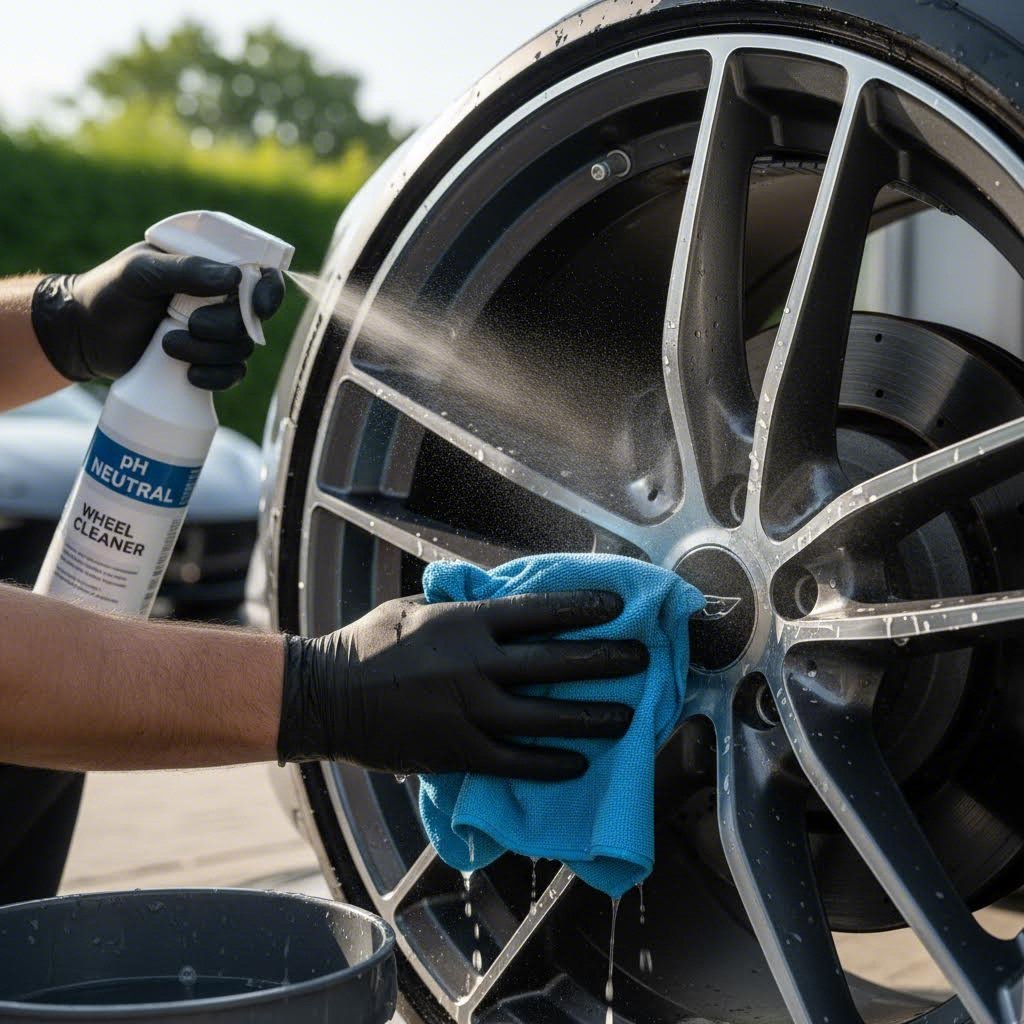
- Establish a cleaning routine: Clean your wheels every two weeks using pH-neutral wheel cleaners. Avoid acidic products that can damage protective clear coats and expose bare aluminum to corrosion
- Don't forget the barrel: The inner wheel surface accumulates brake dust and road grime that leads to corrosion over time. Use a dedicated wheel brush to clean areas you can't easily see
- Dry immediately after washing: Water spots aren't just cosmetic—standing water accelerates oxidation on any exposed aluminum surfaces
- Apply protective sealant quarterly: Quality wheel sealants create a barrier against brake dust, road salt, and environmental contaminants
- Inspect during every cleaning: Make visual and tactile inspection part of your cleaning routine—you're already handling the wheel, so check for developing issues
Your driving habits matter too. Those aggressive parking maneuvers that occasionally scrape curbs? Each impact, even minor ones, creates stress points that accumulate over time. Potholes you could avoid but don't? They're slowly working against your wheel investment. The lightest rims on the market still can't defy physics—impact damage affects all wheels regardless of construction quality.
Proper wheel maintenance also includes professional services at appropriate intervals. As wheel specialists recommend, have your wheels balanced whenever you notice vibration and aligned if the vehicle pulls to one side. These services prevent the uneven stress distribution that accelerates wear on both wheels and tires.
Why Manufacturing Quality Matters for Longevity
Not all forged wheels deliver equal durability. The difference between wheels that serve reliably for a decade and those that develop problems within a few years often comes down to manufacturing quality—specifically, the precision of the forging process and the rigor of quality control.
According to Singla Forging, quality assurance in forging isn't just a checkpoint at the end of production—it's an integrated discipline spanning design, material selection, process control, and final inspection. Even minor defects in forged components can lead to serious performance and safety issues, making robust quality frameworks essential.
Understanding different wheel types and their manufacturing standards helps you make informed purchasing decisions. Key quality indicators include:
- Material verification: Quality manufacturers verify chemical composition and traceability of raw aluminum billets before forging begins
- Controlled heating: Improper heating during forging leads to grain growth, oxidation, or cracking. Precision temperature monitoring ensures consistent microstructures
- Tooling management: Worn dies cause dimensional inaccuracies and surface defects. Quality-focused facilities maintain strict die life management
- Non-destructive testing: Premium manufacturers perform ultrasonic testing or other NDT methods to detect internal flaws invisible to visual inspection
- Certification standards: Look for manufacturers holding internationally recognized certifications that demonstrate systematic quality management
The types of wheel manufacturing processes vary significantly in quality control rigor. According to Rockett Inc., the forging process itself creates denser, more uniform products with fewer internal flaws compared to casting—but only when executed with proper process control.
This is where manufacturer selection becomes crucial. Companies like Shaoyi (Ningbo) Metal Technology exemplify the quality-focused approach that produces reliable forged components. Their IATF 16949 certification—the international quality management standard specifically for automotive manufacturing—demonstrates commitment to the rigorous quality control that prevents defects from reaching customers. While their expertise centers on precision hot forging for suspension arms and drive shafts, the same quality principles apply across automotive forging applications.
Whether evaluating weld forged rims or single-piece construction, manufacturing quality directly correlates with long-term damage resistance. Wheels produced under strict quality systems maintain dimensional accuracy, consistent material properties, and reliable protective coatings—all factors that extend service life and reduce damage susceptibility.
The bottom line? Your forged wheel investment protection begins before you ever mount a wheel on your vehicle. Choosing manufacturers with proven quality systems, maintaining wheels properly throughout their service life, and addressing damage promptly when it occurs creates a comprehensive approach that maximizes both safety and value. With these preventive foundations in place, you're ready to implement an ongoing inspection routine that catches problems early—before they become dangerous.
Taking Action to Protect Your Forged Wheel Investment
You now understand the signs of forged wheel damage that matter—from hairline cracks hiding near spoke bases to the subtle vibrations signaling hidden bends. You know how to distinguish cosmetic scratches from dangerous structural compromise, and you have a framework for deciding between repair and replacement. But knowledge without action protects nothing.
The difference between forged wheel owners who catch problems early and those who face expensive failures comes down to consistent habits. Let's translate everything you've learned into a practical action plan you can implement today.
Your Forged Wheel Inspection Action Plan
How to tell if rim is bent, cracked, or corroded? Follow this systematic checklist during your monthly inspections:
- Clean first, inspect second: Dirt and brake dust hide damage—never inspect unwashed wheels
- Use proper lighting: Natural daylight or bright LED at multiple angles reveals hairline cracks invisible otherwise
- Check high-stress areas first: Spoke bases, lug holes, and rim lips demand priority attention
- Combine visual and tactile methods: Run your fingernail along surfaces to detect irregularities you can't see
- Inspect the inner barrel: Use a mirror or phone camera to examine surfaces facing inward
- Monitor tire wear patterns: Uneven wear often indicates wheel problems before other symptoms appear
- Track air pressure trends: Consistent slow leaks suggest bead seat damage requiring investigation
- Document what you find: Photos help you track whether minor issues are progressing over time
Wondering how to check if rims are bent without professional equipment? Spin each wheel slowly while watching the rim lip from a fixed reference point. Any visible wobble or deviation from true indicates deformation requiring closer evaluation.
When to Seek Professional Assessment
Your monthly inspections catch most developing problems, but certain situations demand immediate professional evaluation. Recognizing signs of a bad tire versus wheel damage sometimes requires expert diagnosis—don't guess when safety is at stake.
Schedule professional assessment immediately when you notice:
- Any visible crack, regardless of size or location
- Vibrations that persist after tire balancing
- Unexplained air pressure loss in a specific tire
- Handling changes following pothole or curb impacts
- Bad tire symptoms that new tires don't resolve
Understanding the various types of tire damage helps you communicate effectively with technicians. Describe exactly what you've observed—cupping, inner edge wear, or irregular patterns—so they can correlate tire symptoms with potential wheel issues.
Your forged wheels represent both a significant financial investment and a critical safety component. Protecting that investment isn't about choosing between performance and safety—it's about recognizing that proper maintenance delivers both.
The types of rim damage you've learned to recognize—from cosmetic curb rash to dangerous structural cracks—each require appropriate response. Cosmetic issues deserve attention to prevent corrosion progression. Structural concerns demand immediate professional evaluation before your next drive.
Build wheel inspection into your existing routine. Pair it with monthly tire pressure checks or regular car washes. Consistency matters more than perfection—a quick five-minute inspection every month catches problems that sporadic annual checks miss entirely. Your forged wheels are engineered to deliver exceptional performance for years. Give them the attention they deserve, and they'll reward you with the reliability and safety that justified your investment in the first place.
Frequently Asked Questions About Forged Wheel Damage
1. How do you know if a wheel is damaged?
Inspect your forged wheels by visually examining for cracks, dents, or chips in bright natural light. Check lug hole areas for stress fractures and run your fingernail along surfaces to detect irregularities. Also monitor for driving symptoms like vibrations at specific speeds, unexplained air pressure loss, and uneven tire wear patterns—these often reveal hidden damage that visual inspection misses.
2. How can you tell if a wheel is forged?
Forged wheels are typically 25-30% lighter than cast wheels of the same size due to their compressed grain structure. Look for manufacturer markings on the inner barrel indicating 'forged' or specific alloy codes like '6061-T6.' Forged wheels also feel denser when tapped and often command premium prices ranging from $750 to $2,500 per wheel.
3. Can a forged wheel be repaired?
Yes, but only by qualified specialists with proper equipment. Minor outer lip bends and cosmetic scratches are typically repairable through professional straightening and refinishing. However, any structural cracks, spoke base damage, or previously repaired wheels should be replaced rather than repaired. Quality repair facilities use heat treatment post-repair and may hold certifications like TUV or VIA standards.
4. Is a slightly bent rim dangerous?
It depends on severity and location. A minor outer lip bend without vibration may be monitored short-term, but bends near spoke bases or lug holes indicate stress in critical load-bearing areas and require immediate professional evaluation. Any bend causing vibrations, air pressure loss, or handling changes should not be driven on until inspected—compromised wheels can lead to tire blowouts and loss of vehicle control.
5. What causes forged wheels to crack or bend?
Pothole impacts, curb strikes, and road debris are primary causes. Unlike cast wheels that may shatter, forged wheels typically bend and absorb energy due to their aligned grain structure. Over time, untreated damage creates stress concentration points where cracks propagate with each wheel rotation. Environmental factors like road salt and brake dust accelerate corrosion that weakens structural integrity.