 Small batches, high standards. Our rapid prototyping service makes validation faster and easier —
  EN
EN


Shipping Custom Forged Wheels Without A Single Scratch Or Dent
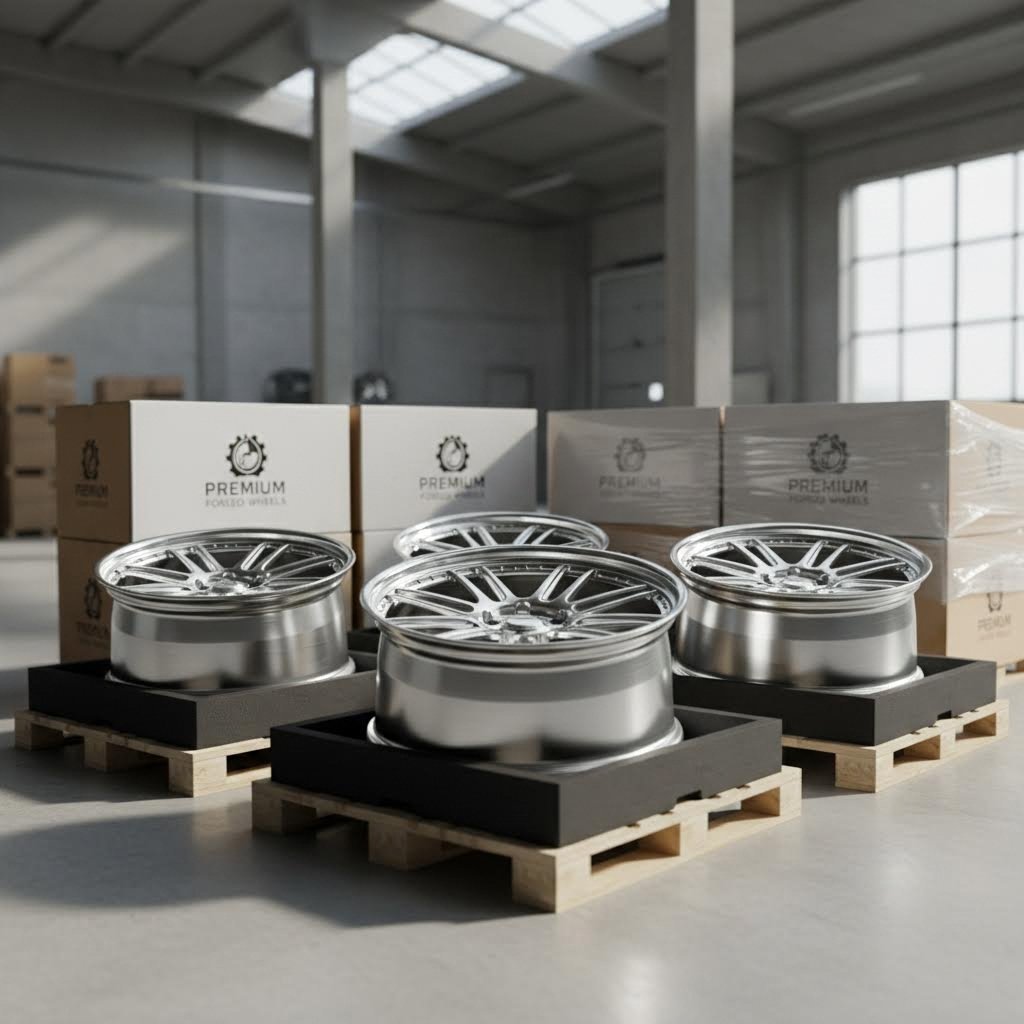
Understanding the Stakes When Shipping Premium Forged Wheels
Imagine spending thousands on a set of stunning Forgiato rims or Vossen wheels, only to have them arrive with scratches, dents, or worse. Unfortunately, this nightmare scenario happens more often than you'd think. Shipping custom forged wheels presents unique challenges that standard aftermarket wheel logistics simply don't encounter.
Why the difference? Custom forged wheels are engineered masterpieces. Their substantial weight—often significantly heavier than cast alternatives—puts stress on packaging during transit. Their precision-machined surfaces and custom finishes, whether polished to a mirror shine or powder-coated in exclusive colors, are vulnerable to even minor impacts. Unlike mass-produced wheels, these premium components demand specialized handling at every step of the logistics chain.
Why Custom Forged Wheels Demand Special Shipping Attention
When you're investing in high-end wheels from brands like Forgiato or working with wheel pros who understand performance requirements, you're not just buying metal—you're acquiring carefully crafted automotive art. Every surface tells a story of precision manufacturing. Whether you're outfitting a vintage muscle car restoration project or upgrading a modern performance vehicle with wheel spacers for that perfect stance, the last thing you need is shipping damage ruining your investment.
Standard shipping practices often fall short because they don't account for the unique characteristics of forged wheel construction. The density, weight distribution, and delicate finishes require packaging solutions specifically designed for these premium components.
The Premium Difference in Wheel Logistics
This comprehensive guide walks you through everything you need to know about shipping custom forged wheels safely. You'll learn professional packaging methods that actually work, how to select the right carriers, realistic timeline expectations, international shipping considerations, and proper delivery inspection procedures.
Proper shipping practices aren't just about preventing damage—they're about protecting the full value of your investment from the moment your wheels leave the manufacturer until they're safely in your hands.
Whether you're a first-time buyer or a seasoned collector, understanding these logistics fundamentals ensures your premium wheels arrive exactly as intended—without a single scratch or dent. Let's dive into what makes shipping these high-end components different and how you can guarantee their safe arrival.
How Forged Wheel Construction Influences Shipping Needs
Ever wonder why your friend's cast wheels shipped in basic cardboard while your custom forged set required specialized packaging? The answer lies in the fundamental differences between how these wheels are manufactured—and those differences have major implications for transit safety.
Understanding what makes forged wheels unique helps explain why they demand premium shipping methods. When you're investing in billet wheels or American Force wheels for your truck, you're paying for a manufacturing process that creates superior products—but also components that require extra care during delivery.
Forged vs Cast Wheel Shipping Considerations
Cast wheels are created by pouring molten aluminum into a mold, which can result in microscopic air pockets and inconsistencies within the metal structure. Forged wheels, on the other hand, start as solid aluminum billets that are compressed under extreme pressure—sometimes exceeding 8,000 tons. This process fundamentally changes the metal's grain structure, creating a denser, stronger product.
What does this mean for shipping? According to industry data from Scott's U-Save, forged wheels are approximately 3x stronger than cast alternatives while being about 25% lighter. This superior strength-to-weight ratio affects packaging decisions in surprising ways:
- Higher density material: The compressed aluminum structure makes forged wheels more susceptible to surface damage from impacts, as energy transfers differently through the dense metal
- Precision-milled surfaces: Unlike cast wheels with their as-molded finishes, forged wheels are typically milled using CNC machines to achieve exact specifications—these machined surfaces show scratches more readily
- Custom finish vulnerability: Premium finishes on forged carbon fiber wheels or polished forged truck wheels require additional protective layers during transit
- Weight distribution patterns: The uniform grain structure means weight is distributed differently than in cast wheels, affecting how the wheel should be positioned during shipping
Material Properties That Affect Transit Safety
The manufacturing process for fully forged wheels eliminates the porosity issues common in cast alternatives. While this creates a superior product for your vehicle, it also means the wheel's surface is more refined and, ironically, more susceptible to visible cosmetic damage.
Think about it this way: a cast wheel's slightly irregular surface might hide minor scratches, but a precision-milled forged wheel displays every imperfection. This is why manufacturers of premium forged wheels invest in enhanced packaging that includes foam protection and 7-layer cartons, as noted by Tree Wheels in their international shipping guidelines.
Custom specifications add another layer of complexity. When you order forged wheels with unique bolt patterns, specific offsets, or custom welds for multi-piece designs, you're receiving components built precisely to your requirements. These custom elements often feature intricate spoke designs, specialized lip profiles, and finish combinations that standard packaging simply cannot adequately protect.
The price difference tells part of the story—forged wheels typically cost 3-5 times more than comparable cast options. This premium reflects not just the manufacturing process but also the specialized care required throughout the entire supply chain, from quality control to final delivery. When you're shipping wheels that cost several thousand dollars per set, cutting corners on packaging and carrier selection simply doesn't make sense.
Now that you understand why forged wheel construction demands special shipping attention, let's explore the specific packaging methods that professional manufacturers use to ensure these premium components arrive in perfect condition.
Professional Packaging Methods That Protect Your Investment
You've invested in a stunning set of chrome rims or custom-painted deep dish rims—now what? The difference between receiving pristine wheels and damaged goods often comes down to one critical factor: packaging quality. Generic boxes and bubble wrap simply won't cut it when you're shipping custom forged wheels worth thousands of dollars.
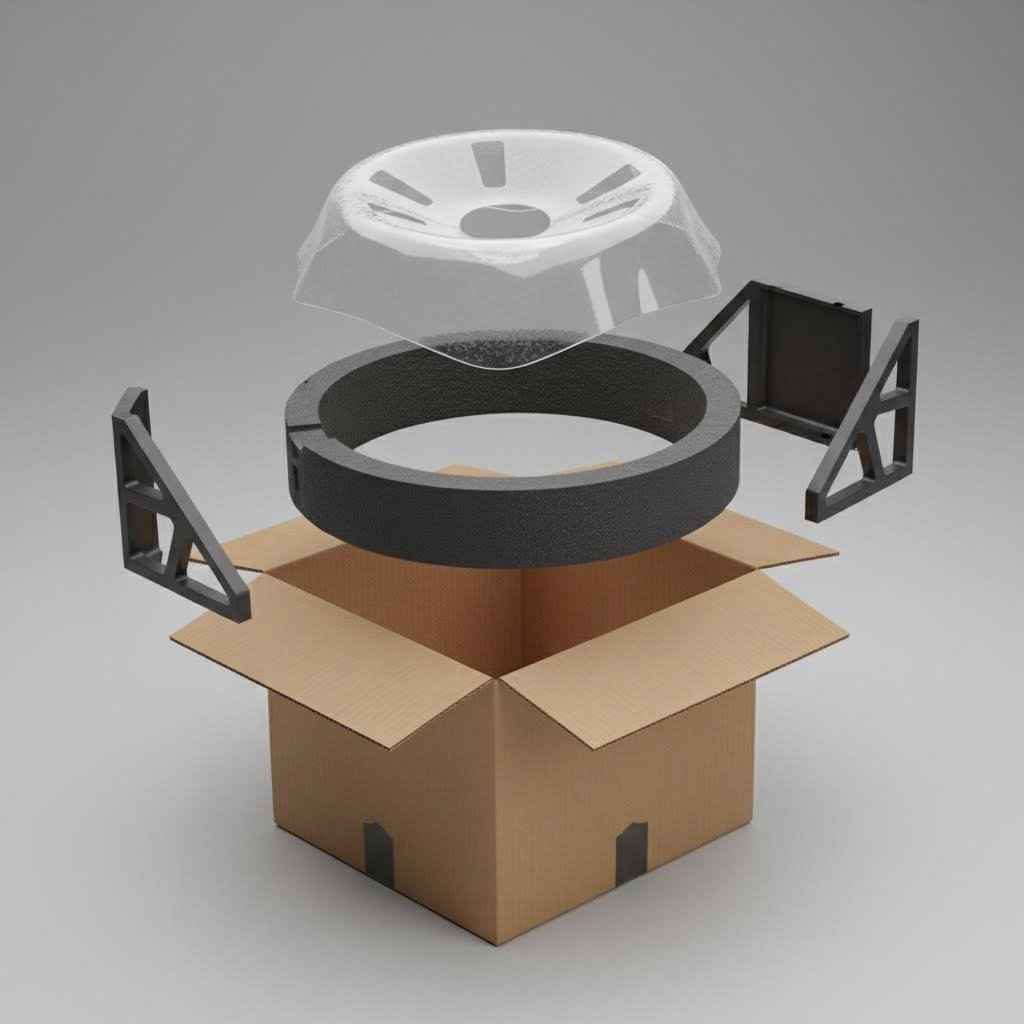
Professional-grade packaging for premium wheels follows a multi-layer protection philosophy. Each layer serves a specific purpose, working together to absorb shock, prevent surface contact, and distribute stress during the inevitable bumps and drops that occur in transit. Let's break down exactly what proper wheel packaging looks like and why every layer matters.
Essential Packaging Materials for Wheel Protection
According to packaging specialists at Foam Industries, custom foam packaging makes a significant difference when shipping automotive components. For forged wheels specifically, you'll need these essential materials:
- Custom foam inserts: High-density foam molded to cradle each wheel's specific dimensions, suspending it away from box walls
- Wheel-specific cardboard dividers: Heavy-duty corrugated separators that prevent wheel-to-wheel contact when shipping multiple units
- Protective face covers: Soft foam or fabric sheets that shield polished and chrome wheels from surface scratches
- Heavy-duty outer cartons: Double-wall corrugated boxes rated for items weighing 50+ pounds, with reinforced corners
- Edge protectors: Corner guards that absorb impact forces directed at vulnerable wheel lips and barrel edges
Why does generic packaging fail? Standard boxes and packing peanuts allow wheels to shift during transit. When a 25-pound black rim moves inside its container, it generates momentum that simple padding cannot absorb. The result? Dented lips, scratched faces, and damaged finishes that diminish both appearance and value.
Layer-by-Layer Protection Strategy
Professional wheel shippers like CalChrome have developed proprietary foam injection techniques specifically for premium wheels. Their method suspends each wheel in a non-compressive protective barrier—testing has shown this packaging withstands drops from 10 feet without wheel damage.
Here's how proper layered protection works from the inside out:
- First layer - Face protection: Apply a soft microfiber or foam sheet directly against the wheel face to prevent finish contact with any harder materials
- Second layer - Inner foam cradle: Position the wheel within a custom-cut foam insert that matches its exact diameter and depth profile
- Third layer - Lip and edge guards: Install foam rings or corner protectors around the outer lip where BBS rims and similar designs are most vulnerable
- Fourth layer - Cardboard dividers: When shipping multiple wheels, place heavy-duty corrugated dividers between each unit to eliminate any possibility of contact
- Fifth layer - Inner box padding: Fill remaining voids with foam blocks or air pillows to prevent movement within the container
- Sixth layer - Heavy-duty outer carton: Use a double-wall corrugated box rated for the actual weight of your wheels, not a lighter-duty alternative
- Seventh layer - External reinforcement: Apply corner protectors and edge guards to the outside of the box for additional impact absorption
Finish-Specific Protection Methods
Different wheel finishes require tailored protection approaches. Chrome wheels are particularly susceptible to fingerprints and chemical reactions, so handlers should wear clean cotton gloves during packaging. Polished aluminum surfaces show scratches immediately—these need soft fabric barriers rather than plastic films that can trap moisture.
For powder-coated and custom painted finishes, GWP Packaging recommends considering that standard cardboard can be surprisingly abrasive. Specialist coatings or additional soft material layers between the wheel surface and any cardboard contact points prevent scuffing during the jostling that naturally occurs in transit.
Hardware and Accessories Packaging
Don't overlook the small stuff. Mounting hardware including each lug nut, hub centric rings, and valve stems should be packaged separately from the wheels themselves. These metal components can cause serious finish damage if they come loose during shipping.
Best practice involves placing all hardware in a sealed plastic bag, then securing that bag inside a small cardboard box. This secondary container should be taped firmly to the interior of the main wheel box—never allowed to float freely where it could shift and contact wheel surfaces.
Weight Distribution and Stress Management
Forged wheels are dense, and that weight creates unique packaging challenges. Improper weight distribution causes boxes to fail at corners and seams during handling. Professional shippers position each wheel so its weight centers over the strongest point of the container.
Consider this: a single 22-inch forged wheel might weigh 30 pounds or more. When a delivery driver stacks packages, that weight presses down on whatever's below. Proper packaging distributes this stress across the entire box bottom rather than concentrating it at contact points.
The investment in professional-grade packaging typically adds $20-50 per wheel compared to basic solutions. When you're protecting wheels worth $1,000-5,000 each, this represents smart insurance rather than unnecessary expense. The next step in ensuring safe delivery? Selecting carriers equipped to handle these premium shipments properly.
Selecting Carriers Equipped for Custom Wheel Deliveries
You've got your custom forged wheels perfectly packaged—now comes the critical decision that can make or break the entire shipping experience. Which carrier should you trust with your premium truck rims? Not all shipping companies handle heavy, high-value automotive components equally, and choosing the wrong one could undo all that careful packaging work.
When shipping custom forged wheels, carrier selection involves balancing weight requirements, handling quality, transit times, and cost. Understanding your options helps you make informed decisions that protect your investment from pickup to delivery.
Choosing the Right Carrier for Heavy Wheel Shipments
Why do certain freight carriers specialize in automotive components? It comes down to equipment, training, and experience. Carriers that regularly handle rims for trucks and dually wheels understand the weight distribution challenges and surface protection requirements these items demand.
According to Zero Down Supply Chain Solutions, the general weight limit for a single parcel is 150 pounds. Most standard parcel carriers like UPS and FedEx operate within this threshold. However, a complete set of 22-inch forged wheels with rims with tires can easily exceed this limit—pushing your shipment into freight territory.
What makes freight carriers preferable for wheel shipments? Several factors matter:
- Fewer handling points: Properly palletized freight generally has a lower damage rate because it moves through fewer automated sorting hubs than individual parcels
- Specialized equipment: Freight carriers offer liftgate service for locations without loading docks—essential for residential deliveries of heavy wheels
- Weight capacity: Freight shipments can handle hundreds or thousands of pounds, eliminating concerns about exceeding parcel limits
- Dedicated handling: Your wheels travel with other palletized freight rather than tumbling through automated conveyor systems
Freight vs Parcel Shipping Decisions
When does parcel shipping make sense versus freight? The decision often depends on shipment weight and quantity. Shipping a single lightweight wheel under 70 pounds? Parcel might work. Shipping a complete set of heavy forged wheels? Freight becomes the smarter choice.
According to industry guidelines from Zero Down Supply Chain Solutions, LTL (Less-Than-Truckload) shipments often become more economical than multiple parcel shipments once your total weight exceeds 200-500 pounds going to the same destination. For wheel enthusiasts ordering complete sets, this threshold is typically crossed.
Dimensional weight calculations also affect your options. Parcel carriers impose size limits—packages cannot exceed 108 inches in length or 165 inches in combined length and girth. Large diameter wheels packaged with proper protection can approach these limits quickly.
Consider this scenario: you're shipping four 24-inch forged wheels to someone upgrading their F150. The combined F150 weight capacity might handle these massive wheels, but shipping them requires understanding that each wheel in its protective packaging might measure 28+ inches across. Standard parcel options become impractical—freight shipping provides the capacity and handling these premium components deserve.
Comparing Your Shipping Options
Different shipping methods offer distinct advantages depending on your priorities. Here's how the main options compare for shipping custom forged wheels:
| Feature | Standard Ground Parcel | LTL Freight | White Glove Service |
|---|---|---|---|
| Weight Limit | Up to 150 lbs per package | Hundreds to thousands of lbs | Hundreds to thousands of lbs |
| Transit Time | 1-5 business days | 3-10 business days | 5-14 business days |
| Handling Quality | Automated sorting systems | Palletized, fewer touchpoints | Premium care, specialized teams |
| Residential Delivery | Standard | Requires liftgate service | Inside delivery included |
| Tracking | Real-time, detailed | Milestone-based updates | Proactive communication |
| Best For | Single lightweight wheels | Complete wheel sets | Ultra-premium, high-value sets |
White Glove Service: When Premium Matters Most
For truly high-value wheel shipments, white glove service represents the gold standard. According to FreightCenter, white glove freight service is a premium shipping solution that includes inside pickup and delivery, item placement, unpacking, and protective handling throughout transit.
What makes white glove different from standard freight? The comparison is significant:
- Inside delivery: Your wheels are brought inside rather than left at curbside
- Two-person teams: Trained delivery crews handle heavy, oversized items safely
- Scheduled appointments: Flexible delivery windows coordinated with your availability
- Protective handling: Enhanced care throughout the entire shipping process
For hybrid trucks owners investing in custom forged wheels that cost $5,000+ per set, white glove service provides peace of mind that justifies the premium pricing.
Residential Delivery Considerations
Shipping heavy wheels to a home address introduces challenges that commercial deliveries don't face. Most residences lack loading docks, meaning freight shipments require liftgate service to safely lower pallets to ground level.
When arranging delivery, confirm these details with your carrier:
- Liftgate availability and additional fees
- Delivery appointment scheduling options
- Whether someone must be present to sign
- Access restrictions (narrow driveways, steep grades)
Tracking and Communication Expectations
Different shipping methods offer varying levels of visibility into your shipment's journey. Parcel carriers typically provide real-time tracking with multiple daily scans. Freight shipments offer milestone-based updates—pickup confirmation, in-transit notifications, and delivery scheduling.
What should you expect during transit? Reputable carriers provide order confirmation, pickup verification, transit updates at major checkpoints, and proactive communication if delays occur. Before booking, ask about tracking capabilities and how the carrier handles communication for high-value shipments.
With the right carrier selected and your wheels safely in transit, the next question becomes: how long will this process actually take? Understanding realistic timelines helps you plan your installation and avoid frustration with unexpected delays.

From Order Confirmation to Doorstep Delivery
So you've placed your order for a stunning set of custom forged wheels—now what? Understanding the journey from order confirmation to delivery helps set realistic expectations and reduces the anxiety of waiting. The timeline varies dramatically depending on whether you're purchasing in-stock wheels or commissioning truly custom-manufactured pieces with specific custom wheel offset requirements.
Here's the reality: shipping custom forged wheels involves multiple stages, each with its own timeframe. Knowing what happens at each step—and when to expect communication—transforms the waiting period from stressful uncertainty into informed anticipation.
Timeline Expectations for Custom vs Ready-to-Ship Wheels
The difference between ordering in-stock wheels and custom-manufactured pieces is substantial. According to Variant Wheels, in-stock items typically ship within 2-5 business days. However, their made-to-order and custom items may take up to 10-12 weeks—a significant difference that affects your planning.
Why such a dramatic range? In-stock wheels sit ready in warehouse inventory. They've already been manufactured, inspected, and packaged. Your order triggers picking, final quality checks, and carrier pickup. Custom wheels, on the other hand, haven't been created yet when you place your order.
Consider this breakdown of typical timelines based on wheel type:
- In-stock standard wheels: 2-5 business days to ship, plus 3-7 days transit
- Semi-custom collections: 10-15 business days for production, plus shipping time
- Designer and specialty series: 4-8 weeks production, depending on finish selection
- Fully custom specifications: 10-12 weeks for manufacturing, plus shipping time
When you order 5x114.3 wheels or 5x120 wheels from existing inventory, you're looking at the fastest possible delivery. But when you specify unique wheel offset configurations, custom finishes, or non-standard bolt patterns, the manufacturing process adds weeks to your timeline.
What Happens Between Order and Arrival
Every wheel shipment—whether in-stock or custom—follows a predictable sequence of phases. Understanding these stages helps you know exactly where your order stands at any given moment.
- Order processing (1-2 business days): Your order enters the system, payment is verified, and specifications are confirmed. For custom offsets or unique configurations, this phase may include a verification call to ensure accuracy.
- Manufacturing (0-12 weeks): In-stock items skip this phase entirely. Custom wheels enter production, where raw aluminum billets are forged, machined to your exact specifications, and finished according to your selections.
- Quality inspection (1-3 business days): Every wheel undergoes testing before shipping. This includes dimensional verification, balance checks, and finish inspection. Manufacturers check that your specified offset wheels match the ordered specifications precisely.
- Professional packaging (1 business day): Wheels are carefully packaged using the multi-layer protection methods discussed earlier, ensuring they're prepared for safe transit.
- Carrier pickup (1-2 business days): The packaged shipment is collected by your selected carrier and enters their logistics network.
- Transit (3-10 business days): Your wheels travel from the manufacturer to your location. Transit time depends on distance, shipping method, and carrier performance.
- Delivery (scheduled): Your wheels arrive at your specified address, ready for inspection and installation.
Communication Touchpoints You Should Expect
Quality wheel suppliers maintain proactive communication throughout the process. You shouldn't need to chase updates—they should come to you. Here's what professional communication looks like:
- Order confirmation: Immediate email verifying your purchase details, specifications, and expected timeline
- Production updates: For custom orders, periodic status reports as your wheels move through manufacturing phases
- Shipping notification: Alert when your wheels ship, including carrier information and estimated delivery date
- Tracking information: Direct links to monitor your shipment's progress in real-time
If you're not receiving these communications, that's a red flag. As noted by SD Wheel, customers consistently praise suppliers who provide great shipping times and great follow-up. Silence during the waiting period often indicates process problems.
How Location Affects Delivery Speed
Proximity to major shipping hubs significantly impacts how quickly your wheels arrive. Manufacturers located near major logistics centers can get shipments moving faster and with more carrier options.
Consider these geographic factors:
- Manufacturer location: Companies based near major freight corridors offer faster transit to most destinations
- Your proximity to distribution centers: Addresses near major cities typically receive deliveries faster than rural locations
- Carrier hub access: Some regions have limited carrier coverage, extending transit times
- Port access for international orders: Manufacturers near major ports can expedite international shipments significantly
Factors That Can Cause Delays
Even with perfect planning, delays happen. Understanding common causes helps you respond appropriately rather than panicking when timelines shift:
- Custom specification complexity: Unusual bolt patterns, extreme offset wheels configurations, or specialty finishes may require additional manufacturing time
- Material availability: Certain aluminum alloys or finish materials may have supply constraints
- Quality control failures: If inspection reveals issues, wheels may need rework—this delays shipping but protects you from receiving defective products
- Weather events: Severe weather can halt both manufacturing operations and carrier transit
- Peak season volumes: Holiday periods and major automotive show seasons create backlogs
- Carrier capacity issues: During high-demand periods, carriers may have limited availability for heavy freight shipments
Setting Realistic Expectations
The bottom line? If you need wheels quickly, order from in-stock inventory. If you want specific custom offsets, unique finishes, or non-standard specifications, plan for a 3-month timeline from order to installation. This buffer accounts for manufacturing, shipping, and any unexpected delays.
For those ordering 5x114.3 wheels or 5x120 wheels in popular configurations, check whether manufacturers keep these common sizes in stock—you might avoid the extended custom manufacturing timeline entirely.
With a clear understanding of shipping timelines, you're prepared to plan your build accordingly. But what if you're ordering wheels from overseas? International shipments introduce additional considerations that domestic orders don't face—let's explore what cross-border delivery involves.

International Shipping Requirements and Considerations
Ordering forged offroad wheels from an overseas manufacturer or shipping American Racing wheels to a customer abroad? International shipping introduces a completely different set of challenges compared to domestic delivery. The longer transit times, customs procedures, and additional handling points mean your premium wheels face more risk—and require more preparation.
Whether you're importing forged off road wheels from Asia or exporting to enthusiasts worldwide, understanding these cross-border requirements helps you avoid costly surprises and ensures your investment arrives safely.
Navigating International Wheel Shipments
Domestic shipping is relatively straightforward—your wheels travel within one country's logistics network under consistent regulations. International shipments cross borders, pass through customs inspections, and navigate varying regulations at each point. This complexity affects everything from documentation to packaging requirements.
According to Huddex, selecting the appropriate shipping method is essential for international efficiency. You'll encounter several options:
- Door-to-door shipping: The most convenient option, managing pickup, transport, customs clearance, and delivery directly to the recipient's address
- Port-to-port shipping: More cost-effective but requires coordination for transport to and from ports at both ends
- Door-to-port or port-to-door: Hybrid options offering flexibility to meet diverse logistical requirements and budget considerations
For fuel wheels for sale being shipped internationally, door-to-door service typically provides the best protection for high-value items. The additional cost buys you professional handling throughout the entire journey rather than leaving vulnerable transit gaps.
Customs Considerations for Cross-Border Deliveries
Customs documentation can make or break an international wheel shipment. Missing or incorrect paperwork leads to delays, storage fees, and sometimes returned shipments. Before your wheels cross any border, ensure you have these essential documents prepared:
- Commercial invoice: Detailed description of the wheels including value, material composition, and intended use
- Packing list: Itemized contents with weights and dimensions for each package
- Bill of lading or airway bill: Transportation contract between shipper and carrier
- Certificate of origin: Document confirming where the wheels were manufactured
- Harmonized Tariff Schedule (HTS) codes: Classification codes that determine applicable duties
- Import/export licenses: Required for certain destinations or wheel specifications
The duties and taxes consideration is significant. According to Performance Plus Tire, current tariff policies create substantial cost implications for wheel imports. Chinese imports face 10% tariffs, while Mexican and Canadian imports carry 25% rates. For buyers seeking american made cars components, understanding these tariff structures helps with purchasing decisions.
These aren't just numbers on paper—they directly impact your wallet. The Harmonized Tariff Schedule codes determine exactly which products face tariffs and at what rates. Wheels typically fall under Chapter 87 (vehicle parts), with additional considerations if raw materials like aluminum trigger Section 232 duties.
Transit Time Expectations and Tracking Limitations
International transit times vary dramatically based on origin, destination, and shipping method. Here's what to realistically expect:
| Shipping Method | Transit Time | Best For |
|---|---|---|
| Air freight express | 3-7 business days | Urgent, high-value single wheel shipments |
| Air freight standard | 7-14 business days | Complete sets needing faster delivery |
| Ocean freight (FCL) | 20-45 business days | Large volume orders, cost-sensitive shipments |
| Ocean freight (LCL) | 25-50 business days | Smaller quantities sharing container space |
Tracking becomes less precise once shipments cross borders. Domestic carriers provide real-time updates at every scan point. International shipments often show gaps—your wheels might disappear from tracking for days while clearing customs or transferring between carriers in different countries.
For those searching for american tires near me who end up importing specialty wheels, this tracking uncertainty requires patience. Professional shippers provide milestone updates (customs clearance, port departure, arrival notifications) rather than the continuous tracking domestic shipments offer.
Packaging Reinforcement for Longer Journeys
International shipments face more handling points, longer transit times, and harsher conditions than domestic deliveries. Your wheels might travel by truck, ship, and truck again—each transfer introducing potential damage opportunities.
According to Huddex, proper packing protects items from damage during transit and ensures they arrive safely at their destination. For international wheel shipments, this means reinforcing the already-robust packaging discussed earlier:
- Additional moisture barriers: Ocean shipments expose packages to humidity—waterproof wrapping prevents corrosion
- Enhanced corner protection: Extra reinforcement at package corners where damage most commonly occurs
- Vibration dampening: Additional foam layers to absorb the constant vibration of long ocean voyages
- Crating for high-value shipments: Wooden crates provide superior protection for ultra-premium wheels
How Port Proximity Streamlines International Shipping
Manufacturers located near major ports offer significant advantages for international buyers. Port proximity reduces domestic transit time before international shipping begins, provides access to more shipping lines with competitive rates, and enables established relationships with freight forwarders who specialize in automotive components.
Consider the logistics advantage: a manufacturer situated near a major international port like Ningbo Port—one of the world's busiest—can get shipments moving faster with more carrier options than inland producers. This strategic positioning, combined with established export infrastructure, streamlines the entire international shipping process.
For example, Shaoyi (Ningbo) Metal Technology leverages their location near Ningbo Port to expedite international deliveries of precision forged components. Their established global logistics networks, combined with IATF 16949 certified manufacturing, demonstrate how supply chain optimization extends from production through delivery. Manufacturers with this level of infrastructure integration typically offer more reliable international shipping timelines.
Regional and Seasonal Considerations
International shipping isn't consistent year-round or across all regions. Several factors affect transit times and reliability:
- Peak shipping seasons: Pre-holiday periods (September-November) create container shortages and delays
- Lunar New Year: Asian manufacturing regions typically shut down for 2-3 weeks, affecting production and shipping schedules
- Weather patterns: Monsoon seasons and winter storms can delay ocean shipments significantly
- Port congestion: Major ports periodically experience backlogs that add days or weeks to transit times
- Regional regulations: Some countries have additional import requirements or inspection processes for automotive components
Planning international wheel purchases around these factors helps avoid frustrating delays. Order well ahead of known busy periods, and build extra buffer time into your project timeline.
International shipping adds complexity, but proper preparation transforms potential headaches into manageable logistics. The key is understanding requirements before your wheels ship—not scrambling to solve problems after they're already in transit.
With international considerations addressed, protecting your investment throughout transit becomes the next priority. Whether shipping domestically or across borders, understanding insurance options and damage prevention strategies ensures you're covered if problems arise.
Damage Prevention and Insurance Protection Strategies
You've invested thousands in HRE rims or Forgiato wheels, packaged them perfectly, and selected the right carrier. But here's a sobering reality: according to industry estimates, approximately 1-in-10 packages experience damage during transit. When you're shipping custom forged wheels worth $5,000 or more, those odds suddenly feel uncomfortably high.
Understanding your insurance options—and knowing exactly how to document your shipment—separates protected buyers from those left holding damaged wheels and denied claims. Let's break down what coverage actually protects you and what steps ensure successful claims if problems arise.
Protecting Your Wheel Investment During Transit
Most buyers assume their wheels are automatically insured during shipping. The truth? Basic carrier coverage rarely matches the actual value of premium forged wheels. According to PartnerShip, carrier liability is determined by commodity type and freight class, often covering only a certain dollar amount per pound—sometimes as little as $0.25 per pound.
Think about that math. A 25-pound Vossen wheel worth $2,000 might only have $6.25 in carrier liability coverage. That's a massive gap between what you'd lose and what you'd recover.
Understanding the difference between coverage types helps you make informed decisions:
- Carrier liability (declared value): Basic coverage included with shipping, calculated per pound of freight—typically $0.25-$2.00 per pound for LTL shipments
- Carrier add-on insurance: Additional coverage purchased through the carrier, often costing 2-3% of declared value
- Third-party shipping insurance: Independent coverage from specialized insurers, typically offering better rates (around 1% of value) and broader protection
Insurance Options for High-Value Shipments
When should you rely on basic carrier coverage versus investing in additional protection? The decision becomes clearer when you understand the limitations of each option.
According to ShipStation, carrier-declared value coverage comes with significant restrictions. Many carriers have created loopholes in their terms of service that allow them to deny claims for damage in certain categories—including acts of God, improper packaging, or damage not noted on the delivery receipt.
Third-party insurance offers distinct advantages for shipping Weld wheels and other premium components:
- All-risk coverage: Protection against a broader range of damage scenarios than carrier liability provides
- Unified terms: One consistent set of rules regardless of which carrier handles your shipment
- Faster claims processing: Claims typically paid within 5-30 business days versus 120+ days through carriers
- No negligence requirement: You don't need to prove the carrier was at fault—only that damage occurred
For high-value wheel shipments, the math favors third-party insurance. At 1% of shipment value, insuring a $4,000 set of forged wheels costs just $40—a small price for genuine protection.
Common Damage Types and Coverage Considerations
Premium forged wheels face specific damage risks during shipping. Understanding these helps you both prevent problems and document them properly if they occur:
- Curb rash during handling: Scratches along the wheel lip caused by rough handling or drops—covered by comprehensive insurance policies
- Finish scratches: Surface damage to polished, chrome, or painted faces from contact with packaging materials or other objects
- Structural damage: Cracks, bends, or deformation from severe impacts—the most serious and costly damage type
- Spoke damage: Bent or broken spokes on wheels with concave up or concave down profiles, where deep dish designs create vulnerable areas
- Mounting surface damage: Scratches or dents on the hub mounting face that affect proper wheel seating
Carrier liability limitations often exclude cosmetic damage entirely. If your wheels arrive with finish scratches but remain structurally sound, a basic liability claim might be denied. Third-party insurance typically covers cosmetic damage—critical when you're paying premium prices for perfect finishes.
Pre-Shipment Documentation Checklist
The strength of any claim depends on documentation created before your wheels ship. According to Marlin Blue, documentation is your strongest asset in a cargo damage claim. Create this evidence package before packaging your wheels:
- Photograph each wheel face: Clear, well-lit images showing the entire wheel face without shadows or glare
- Document the barrel and lip: Multiple angles capturing the wheel's edge and inner barrel condition
- Capture spoke details: Close-ups of spoke designs, especially on concave down profiles where damage is common
- Record serial numbers: Clear images of any manufacturer markings, serial numbers, or authentication details
- Photograph packaging process: Images showing wheels being placed in protective materials and boxes
- Document box condition: Photos of sealed packages before carrier pickup
- Save all receipts: Purchase invoices, shipping receipts, and insurance documentation
- Create a written inventory: Detailed description of each wheel including finish, size, offset, and value
Store these images with timestamps in cloud storage you can access from anywhere. If you need to file a claim, you'll have irrefutable evidence of pre-shipment condition.
The Claims Process: Timeline and Evidence Requirements
If your wheels arrive damaged, acting quickly and methodically determines whether your claim succeeds or fails. According to PartnerShip, carrier liability claims must be filed within 9 months of delivery and require the delivery receipt to include notice of damage.
Here's how the claims process typically unfolds:
| Stage | Carrier Liability Claims | Third-Party Insurance Claims |
|---|---|---|
| Filing deadline | Within 9 months of delivery | Varies by policy (often 60-90 days) |
| Acknowledgment | Within 30 days | Typically 1-5 business days |
| Resolution timeline | Up to 120 days | Typically 5-30 business days |
| Negligence proof | Required—must prove carrier fault | Not required—only proof of damage |
| Payout basis | Manufacturing cost, not retail value | Declared value up to policy limits |
What evidence strengthens a successful claim? According to cargo claims specialists, comprehensive documentation significantly improves outcomes:
- Before and after photographs: Side-by-side comparison showing pre-shipment condition versus damage
- Delivery receipt notations: Damage noted on the receipt at the time of delivery
- Packaging condition photos: Images of damaged boxes, crushed corners, or compromised protective materials
- Independent inspection reports: Professional assessment from a qualified surveyor for high-value claims
- Repair estimates: Quotes from qualified wheel refinishers documenting restoration costs
The time to prepare for a damage claim is before your wheels ship—not after they arrive damaged. Comprehensive documentation transforms potential claim denials into successful recoveries.
With proper insurance coverage in place and thorough documentation practices, you're protected against the financial loss that shipping damage can cause. The final piece of the puzzle? Knowing exactly how to inspect your wheels upon arrival and what steps to take if something isn't right.

Inspecting Your Custom Wheels Upon Delivery
Your custom forged wheels have finally arrived—but before you excitedly tear into that packaging, stop. The next few minutes determine whether you'll catch shipping damage while you can still file a claim or discover problems weeks later when it's too late. Proper delivery inspection isn't just recommended—it's essential protection for your investment in premium wheels and alloys.
Here's what many buyers don't realize: once you sign that delivery receipt without noting exceptions, you've essentially accepted the shipment as undamaged. Carriers use your signature as proof that everything arrived in good condition. Fighting a claim after an unconditioned signature becomes exponentially harder.
Your Delivery Day Inspection Checklist
According to freight handling guidelines from NISE Network, you should never sign a delivery receipt before inspecting for damage. This applies whether you're receiving premium forged wheels, standard steel wheels, or any high-value shipment.
Before the driver leaves, ask yourself these critical questions:
- Is this shipment actually for me? Verify your name and address on the delivery receipt matches exactly
- Does the piece count match? Count every box and compare against what the receipt indicates
- Is there visible external damage? Look for crushed corners, holes, water stains, or broken seals
- Has the packaging been tampered with? Check whether sealing tape appears cut or re-applied
If time permits, open packages while the driver waits. Yes, this takes a few extra minutes. But discovering damage with the delivery person present creates immediate documentation and strengthens any subsequent claim.
What to Look for When Your Wheels Arrive
A systematic approach ensures you don't miss anything. Follow this step-by-step inspection process:
- Exterior box condition assessment: Photograph all sides of each package before opening. Document any dents, tears, water damage, or signs the box was dropped. Pick up cartons if possible—listen for rattling that might indicate broken components inside.
- Interior packaging integrity check: As you open each box, evaluate whether the foam inserts, dividers, and protective materials remain intact. Shifted or compressed packaging suggests the contents experienced significant impact during transit.
- Individual wheel examination: Remove each wheel carefully, supporting its weight to avoid drops. Inspect the face for scratches, the lip for curb rash, the barrel for dents, and the mounting surface for damage. Check spoke details thoroughly—especially on deep-dish designs where spoke damage commonly occurs.
- Hardware verification: Confirm all accessories are present and undamaged. Check hub caps, valve stem caps, wheel center caps, and any included mounting hardware. Metal components loose in packaging can cause finish damage, so inspect carefully.
Identifying Shipping Damage vs Manufacturing Defects
Not all problems originate during shipping. According to ICHOME's quality assessment guidelines, distinguishing between manufacturer defects and transportation damage is critical because the distinction directly affects warranty claims, liability allocation, and resolution paths.
Signs pointing to shipping damage include:
- External packaging shows clear evidence of impact, crushing, or mishandling
- Damage appears localized to one area consistent with an impact point
- Only one wheel in a set shows problems while others remain pristine
- Protective materials are displaced or compressed
Signs suggesting manufacturing defects include:
- Multiple wheels from the same order show identical issues
- Problems appear in areas that packaging protected completely
- Finish inconsistencies exist without corresponding physical damage
- Issues involve internal characteristics rather than surface damage—unlike hubcaps which might show only cosmetic issues
This distinction matters because shipping damage claims go to the carrier, while manufacturing defects are covered under the manufacturer's warranty. Document everything regardless—you'll sort out responsibility afterward.
Proper Documentation Methods
If you discover any issues, documentation created immediately carries the most weight. According to freight inspection protocols, damage notations should be specific—describe the damage accurately and pinpoint the locations of all defects.
When noting exceptions on the delivery receipt:
- Be specific: Write "crushed corner on box 2, visible scratch on wheel face" rather than just "damaged"
- Include quantities: Note exactly how many pieces show damage
- Get driver acknowledgment: Have the driver sign both copies of the receipt after you've written your exceptions
- Record names and times: Write the driver's full name, date, and time of delivery on your copy
Immediately after the driver leaves, create additional documentation:
- Photograph all damage from multiple angles with good lighting
- Take comparison shots showing damaged areas against undamaged portions
- Video the unpacking process if you haven't opened everything yet
- Save all packaging materials until claims are resolved
Return and Exchange Procedures
Discovered a problem? Time limits matter. Most carriers require damage claims to be initiated within specific windows—often 5-15 days for visible damage and longer for concealed damage. Contact both the carrier and the seller immediately.
Typical steps when issues are found:
- Notify the carrier by phone immediately, then follow up in writing within 24 hours
- Contact the wheel seller with photos and your delivery receipt showing noted exceptions
- Request a carrier inspection if damage is significant—document who waives inspection if they decline to send someone
- Preserve all packaging materials and damaged items exactly as received
- Follow the seller's return authorization process before shipping anything back
Don't assume a damage claim automatically means a full refund. Depending on damage severity and seller policies, you might receive replacement wheels, repair coverage, or partial credit. Understanding these options upfront helps set expectations.
Proper Storage After Delivery
Can't install your wheels right away? Proper storage protects your investment until installation day arrives. Store wheels in a climate-controlled environment away from direct sunlight, which can fade finishes over time. Keep them in their original protective packaging if possible.
If you must remove wheels from packaging for space reasons:
- Place soft cloth or foam between stacked wheels to prevent surface contact
- Store wheels face-up or on their sides—never resting on the lip where damage concentrates
- Keep away from chemicals, solvents, and automotive fluids that might contact finishes
- Cover with breathable fabric rather than plastic, which can trap moisture
With your wheels safely inspected, documented, and properly stored, you've completed the shipping journey successfully. The final consideration? Ensuring your next wheel purchase comes from a manufacturer who takes shipping as seriously as they take manufacturing quality.
Partnering with Manufacturers Who Ship with Care
You've learned the packaging methods, carrier selection criteria, timeline expectations, and inspection procedures that protect your investment. But here's the truth that ties everything together: the best shipping experience starts long before your wheels ever touch a cardboard box. It begins with choosing manufacturers and suppliers who treat shipping excellence as an extension of manufacturing quality—not an afterthought.
Think about it this way. A manufacturer obsessed with precision during forging, machining, and finishing won't suddenly become careless when packaging those same wheels. Quality-focused companies apply the same attention to detail throughout the entire fulfillment process. The question is: how do you identify these partners before you've placed an order?
Choosing Partners Who Prioritize Shipping Excellence
What separates suppliers who ship premium wheels flawlessly from those who cross their fingers and hope for the best? Several observable practices reveal a company's commitment to safe delivery:
- Professional packaging standards: Ask about packaging materials before ordering. Quality suppliers describe multi-layer protection, custom foam inserts, and heavy-duty cartons—not "standard boxing"
- Established carrier relationships: Long-term partnerships with freight carriers specializing in automotive components indicate shipping expertise and negotiated handling protocols
- Tracking transparency: Suppliers invested in customer experience provide proactive shipping updates rather than leaving you to hunt for information
- Responsive communication: How quickly and thoroughly does a supplier answer pre-sale questions about shipping? Their responsiveness now predicts their responsiveness if problems arise
- Documented procedures: Professional operations have written packaging and shipping protocols—ask if they can share their standards
When evaluating weld racing wheels suppliers or any premium wheel manufacturer, these practices reveal more about likely shipping outcomes than promises or marketing claims. Companies that invest in shipping infrastructure protect both their reputation and your wheels.
Quality Manufacturing Meets Quality Logistics
Here's something most buyers overlook: manufacturing certifications tell you about more than just production quality. According to discussions on automotive quality forums, standards like IATF 16949 encompass delivery rating as part of customer requirements—logistics performance is explicitly included in quality management systems, not treated as a separate concern.
What does this mean practically? Manufacturers holding IATF 16949 certification have documented systems for supplier management, including the carriers and logistics providers they use. They track delivery performance metrics, investigate shipping failures, and implement corrective actions when problems occur. This systematic approach produces consistently better outcomes than ad-hoc shipping practices.
Consider the evidence from AmTech International's quality standards: their cold forged components are produced in ISO 9001, IATF 16949, and QS 9000 certified facilities, with rigorous inspection and quality control at every stage. This certification-backed approach extends naturally into fulfillment—the same documentation discipline that ensures manufacturing precision applies to packaging verification and shipping procedures.
Work wheels and other premium Japanese manufacturers have long understood this connection. Their reputation for quality encompasses the entire customer experience, from order placement through delivery. American manufacturers competing at this level recognize that shipping failures undermine manufacturing excellence—both must align.
What Certifications Actually Indicate
Why do certifications matter for shipping specifically? According to industry supplier evaluation guidelines, certifications signal adherence to stringent quality control processes that extend beyond manufacturing into all customer-facing operations.
Key certifications to look for when evaluating wheel suppliers:
| Certification | What It Indicates | Shipping Relevance |
|---|---|---|
| IATF 16949 | Automotive-specific quality management | Includes delivery performance requirements and supplier management |
| ISO 9001 | General quality management systems | Documented procedures, corrective action processes, continuous improvement |
| SEDEX SMETA | Ethical supply chain practices | Responsible supplier relationships throughout logistics chain |
These aren't just certificates hanging on a wall. According to IATF implementation discussions, certified organizations must demonstrate that delivery ratings meet customer requirements—meaning shipping performance faces the same scrutiny as manufacturing quality.
Strategic Location Advantages
Geography plays a surprising role in shipping reliability. Manufacturers located near major logistics hubs can move products faster, access more carrier options, and maintain established relationships with freight specialists who understand automotive component handling.
For international orders especially, port proximity matters enormously. Shaoyi (Ningbo) Metal Technology exemplifies this advantage—their location near Ningbo Port, one of the world's busiest international shipping hubs, enables fast global delivery with established logistics networks. Combined with their IATF 16949 certification and rigorous quality control from rapid prototyping through final delivery, they demonstrate how manufacturing excellence and shipping capability reinforce each other.
When evaluating raceline wheels suppliers or any manufacturer for your next purchase, consider their logistics infrastructure alongside their product quality. A company producing excellent wheels in a remote location with limited carrier access faces inherent shipping challenges that even perfect packaging cannot fully overcome.
Evaluating Supplier Shipping Practices
Before placing your order for cragar wheels or any premium forged set, ask these revealing questions:
- What packaging materials and methods do you use? Listen for specifics—foam type, box ratings, protection layers
- Which carriers do you work with regularly? Established relationships indicate shipping expertise
- How do you handle shipping damage claims? Their answer reveals whether they'll support you or disappear when problems occur
- What tracking and communication should I expect? Proactive updates indicate customer-focused operations
- Do you have quality certifications covering your fulfillment processes? Documentation demonstrates systematic approaches
Suppliers confident in their shipping practices answer these questions thoroughly. Evasive or vague responses suggest shipping isn't a priority—and your wheels may reflect that indifference.
The Complete Quality Picture
As highlighted by industrial component sourcing experts, timely delivery is essential to maintaining smooth operations, and efficient manufacturing processes combined with state-of-the-art logistics systems enable consistent on-time deliveries. This integration of production and fulfillment capabilities defines truly professional wheel suppliers.
Whether you're sourcing us mag wheels for a show car build or ordering forged wheels for daily driving, the supplier you choose determines far more than product quality. Their shipping practices—shaped by quality certifications, logistics infrastructure, and operational discipline—determine whether those beautiful wheels arrive ready for installation or require claims, returns, and frustrating delays.
The manufacturer who cares enough to forge your wheels to exact specifications is the same one who cares enough to package them properly, select appropriate carriers, and ensure they arrive without a single scratch or dent. Quality doesn't stop at the factory door—it extends through every touchpoint until your wheels are safely in your hands.
Your investment in custom forged wheels deserves partners who treat shipping as seriously as manufacturing. By evaluating certifications, asking the right questions, and choosing suppliers with proven logistics capabilities, you ensure that the wheels you've carefully selected arrive exactly as intended—ready to transform your vehicle's appearance and performance.
Frequently Asked Questions About Shipping Custom Forged Wheels
1. What is the typical lifespan of forged wheels?
Forged aluminum wheels offer exceptional durability, typically lasting 10 years or more with proper care. Their compressed grain structure makes them approximately 3x stronger than cast alternatives while being 25% lighter. This superior construction means they withstand daily driving stress better than other wheel types, though proper shipping and handling remain essential to avoid cosmetic damage that could diminish their appearance and value over time.
2. Can I ship wheels through UPS?
Yes, UPS accepts wheel shipments within their weight and size limits—typically up to 150 pounds per package and 108 inches in length. Shipping costs range from approximately $22-65 depending on destination zone. However, for complete sets of heavy forged wheels, LTL freight often becomes more economical and offers better handling. When shipping through parcel carriers, ensure professional-grade packaging with custom foam inserts and heavy-duty boxes rated for the actual wheel weight.
3. How to package rims for shipping?
Proper wheel packaging requires a multi-layer approach: first, apply soft microfiber protection directly against the wheel face. Next, position each wheel within custom-cut foam inserts matching its exact dimensions. Add foam rings around the outer lip, use heavy-duty cardboard dividers between multiple wheels, and place everything in double-wall corrugated boxes rated for 50+ pounds. Package mounting hardware separately in sealed bags to prevent finish damage from loose metal components.
4. How much does it cost to ship forged wheels internationally?
International forged wheel shipping costs vary significantly based on method and destination. Air freight express runs highest but delivers in 3-7 days, while ocean freight is more economical with 20-45 day transit times. Additional costs include customs duties (10-25% depending on origin country), documentation fees, and enhanced packaging for longer journeys. Manufacturers located near major ports like Ningbo can offer competitive rates through established logistics networks and streamlined export processes.
5. What insurance should I get when shipping expensive custom wheels?
Basic carrier liability often covers only $0.25-2.00 per pound—leaving a $2,000 wheel with just $6-50 in protection. Third-party shipping insurance at roughly 1% of declared value provides comprehensive coverage including cosmetic damage, faster claims processing (5-30 days versus 120+ days), and no negligence proof requirements. For premium forged wheels costing $1,000-5,000 each, this additional coverage represents essential protection rather than optional expense.