 Small batches, high standards. Our rapid prototyping service makes validation faster and easier —
  EN
EN


Benefits Of Forged Brake Calipers: Why Weight Savings Win Races
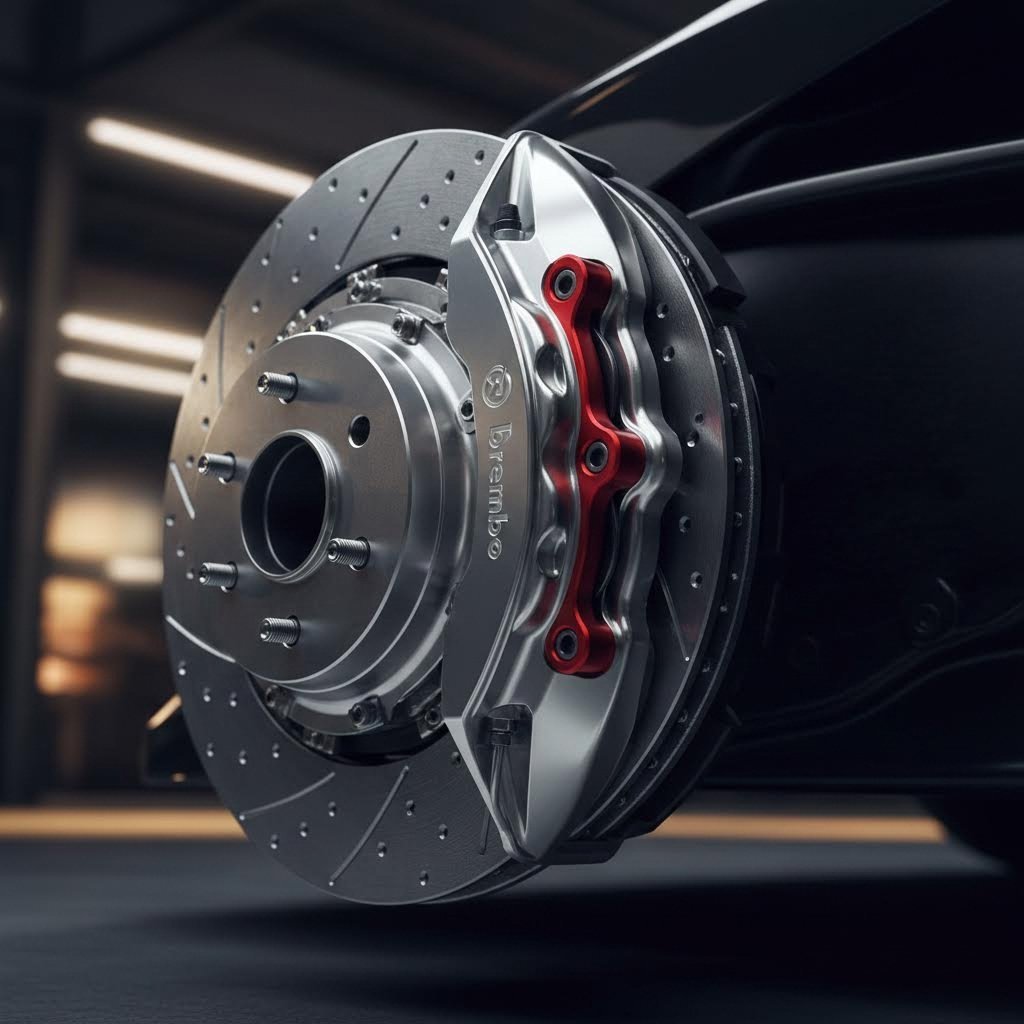
Understanding Forged Brake Calipers and Why Construction Method Matters
When you slam on the brakes at highway speed, what stands between you and a collision? Your brake calipers. These critical components squeeze your brake pads against the rotors, converting kinetic energy into stopping power. But here's what most drivers never consider: how that caliper was manufactured dramatically affects its strength, weight, and reliability under pressure. Understanding what brake calipers do—and why their construction method matters—can mean the difference between confident braking and compromised safety.
What Makes a Brake Caliper Forged
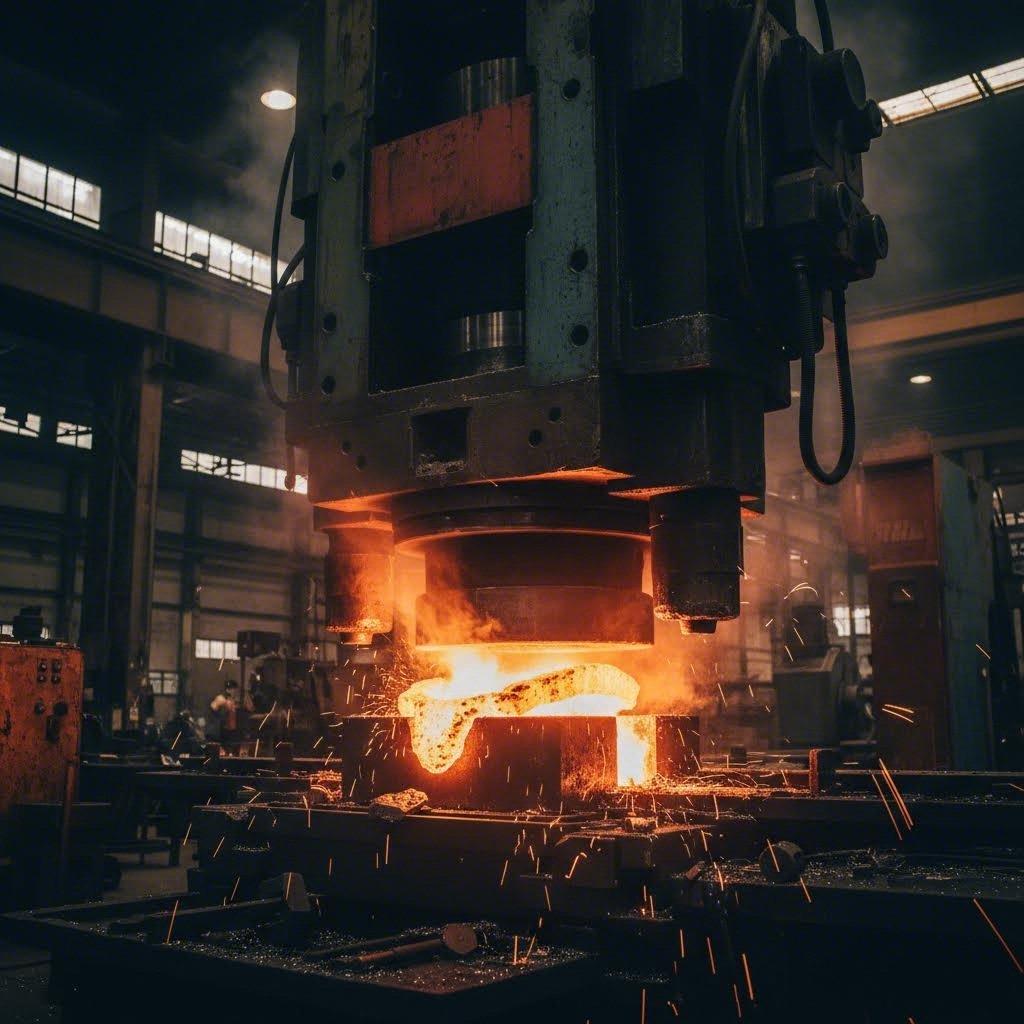
So, what's a forged brake caliper exactly? Imagine a blacksmith hammering red-hot metal into shape. Forging follows this same principle but with industrial precision. The process begins with aluminum alloy material subjected to immense pressure—often thousands of pounds per square inch—while remaining in a solid state. This mechanical force reshapes the metal without melting it, fundamentally transforming its internal structure.
Unlike cast calipers, where molten metal is poured into molds and allowed to cool, forged calipers never reach a liquid state during manufacturing. After the initial forging, CNC (Computer Numerical Control) machining precisely cuts the component to exact specifications. This two-step approach delivers both the refined internal structure from forging and the dimensional accuracy from precision machining.
When you're exploring what are good brake calipers for performance applications, this manufacturing distinction becomes crucial. Cast calipers may look identical on the outside, but their internal characteristics tell a completely different story.
The Science Behind Metal Compression
Here's where things get fascinating. When metal undergoes forging, something remarkable happens at the microscopic level. The heating and deformation process refines the internal grain structure through a phenomenon called metallurgical recrystallization. Think of it like aligning scattered fibers in a rope—when they're all running in the same direction, the rope becomes dramatically stronger.
High-pressure forging refines the grain structure, making it denser and more uniform throughout the metal form. This results in greater strength and superior resistance to impact and shear damage compared to cast alternatives.
This refined grain structure eliminates the porosity problems common in cast components. When molten metal cools in a mold, tiny air pockets can become trapped inside, creating weak points. Forged metal, compressed while solid, has no opportunity for these voids to form. The result? What are calipers on cars that can handle extreme stress without risking structural compromise.
For drivers who push their vehicles hard—whether on track days or spirited mountain roads—this density difference translates to tangible benefits. The denser material structure means better heat dissipation during intense braking, reduced risk of deformation under load, and consistent performance when it matters most. These advantages form the foundation of why forged brake calipers have become the gold standard in high-performance braking systems.

Key Performance Advantages of Forged Brake Calipers
You've probably heard that forged brake calipers are lighter and stronger than their cast counterparts. But what does that actually mean when you're pushing your vehicle through a tight corner or making a panic stop? The real benefits of forged brake calipers extend far beyond simple weight reduction—they fundamentally transform how your vehicle handles, stops, and responds to your inputs. Let's break down exactly why these performance calipers deliver such remarkable advantages.
Superior Strength Without Added Weight
Here's the paradox that makes forged brake calipers so valuable: they're simultaneously stronger and lighter than cast alternatives. How is this possible? The answer lies in the refined grain structure we discussed earlier. Because forging compresses metal under extreme pressure, the resulting material achieves superior mechanical properties without requiring additional bulk for reinforcement.
This matters because brake calipers are part of your vehicle's unsprung mass—the weight not supported by your suspension. Every gram of unsprung weight directly affects how quickly your suspension can react to road imperfections and steering inputs. When you reduce caliper weight, you're not just saving mass; you're improving handling response across every driving scenario.
Think about what happens when you turn the steering wheel. Heavier unsprung components resist directional changes due to their greater inertia. Good brake calipers made through forging reduce this resistance, allowing your vehicle to respond more quickly to steering inputs. The result? A more precise, connected driving experience where the car goes exactly where you point it.
But the benefits don't stop at cornering. Lighter performance brake calipers also mean:
- Improved suspension compliance: With less mass to control, your suspension maintains better tire contact with the road surface during cornering, increasing overall grip.
- Enhanced acceleration: Reduced rotational inertia means your engine needs less energy to accelerate and decelerate the wheels, effectively increasing available power.
- Superior braking efficiency: Lighter components require less energy to slow down, allowing your braking system to work more efficiently with shorter stopping distances.
- Reduced stress on suspension components: Less weight means less strain on wheel bearings, control arm bushings, and other critical suspension parts.
- Refined ride quality: Your suspension reacts more quickly to road imperfections, absorbing bumps more effectively while maintaining handling precision.
Forged brake calipers maintain structural integrity under high-load braking conditions where cast alternatives might experience slight deformation. This rigidity ensures tighter, more stable contact between brake pads and rotors, leading to more direct braking force transmission and faster response times. When milliseconds matter—whether avoiding an accident or shaving time on a race track—this difference becomes critical.
Enhanced Thermal Management Under Stress
Imagine descending a mountain pass, repeatedly applying your brakes for mile after mile. This scenario generates tremendous heat through friction between brake pads and rotors. Without proper thermal management, that heat buildup leads to brake fade—the terrifying moment when your brake pedal goes soft and stopping power disappears.
Performance calipers made through forging excel at managing this thermal challenge. Their dense material structure provides superior heat dissipation compared to cast alternatives. Remember those microscopic air pockets that form in cast metal? They actually act as insulators, trapping heat inside the caliper body. Forged metal, being uniformly dense, conducts heat away more efficiently.
This thermal advantage creates a cascade of benefits during aggressive driving:
- Lower brake fluid temperatures: Better heat dissipation prevents the excessive heat transfer that causes brake fluid to vaporize, maintaining hydraulic pressure.
- Consistent pedal feel: Stable temperatures mean predictable braking behavior lap after lap or descent after descent.
- Extended component lifespan: Reduced thermal stress means less warping, cracking, and degradation of caliper seals and pistons.
- Compatibility with high-performance fluids: Superior heat management allows the use of high-boiling-point brake fluids that further enhance performance.
- Optimal pairing with high performance brake discs: Carbon-ceramic and other advanced rotors perform best when paired with calipers that match their thermal capabilities.
For track enthusiasts and spirited drivers, this thermal stability isn't a luxury—it's essential. When you're braking from triple-digit speeds into a hairpin, you need absolute confidence that your brakes will perform identically on lap twenty as they did on lap one. Forged construction delivers that consistency by maintaining structural integrity and braking efficiency even when temperatures soar.
The combination of reduced weight and enhanced thermal management creates a compounding effect. Lighter calipers generate less rotational heat during normal driving, and when temperatures do rise, the superior material properties handle that heat more effectively. This is why serious performance applications—from weekend track warriors to professional racing teams—consistently choose forged brake calipers over any alternative.
Forged vs Cast vs Billet Brake Calipers Compared
Now that you understand the advantages forged brake calipers bring to the table, you're probably wondering: how do they stack up against the alternatives? When shopping for different kinds of calipers, you'll encounter three primary manufacturing methods—cast, forged, and billet. Each approach has distinct characteristics that make it suitable for specific applications. Let's break down this comparison so you can make an informed decision based on your actual driving needs rather than marketing hype.
Cast Calipers and Their Limitations
Cast brake calipers represent the most common manufacturing approach, and for good reason—they're cost-effective to produce in high volumes. The casting process involves heating aluminum ingots until they reach a molten state, then pouring this liquid metal into a pre-shaped mold. Once cooled and solidified, the basic caliper form emerges, ready for machining and finishing.
Several casting methods exist, each with its own trade-offs:
- Sand casting: The most economical option with rough surface finishes and limited dimensional accuracy—suitable for basic applications where precision isn't critical.
- Metal casting: Offers improved surface quality and higher production efficiency, making it the standard for most OEM brake calipers.
- Low-pressure casting: Reduces internal porosity and improves overall part quality, though at higher production costs than conventional methods.
Here's the fundamental limitation: when molten metal cools inside a mold, the resulting grain structure becomes random and non-directional. This inconsistency creates areas of varying strength throughout the caliper body. Additionally, tiny air pockets can become trapped during cooling, creating microscopic voids that weaken the structure and reduce heat dissipation efficiency.
For everyday commuting and standard driving conditions, these limitations rarely cause problems. Cast calipers provide adequate braking performance for most passenger vehicles and cost significantly less to manufacture—savings typically passed on to consumers. However, when you're dealing with fixed calipers designed for high-performance applications or repeated high-stress braking cycles, these inherent weaknesses become increasingly problematic.
Where Billet Fits in the Performance Hierarchy
Billet brake calipers occupy an interesting middle ground that often confuses buyers. The term "billet" refers to a solid block of metal—typically aluminum alloy—from which the caliper is machined using CNC equipment. Unlike forging, which reshapes metal under pressure, billet manufacturing is purely subtractive: sophisticated cutting tools remove material until only the desired shape remains.
This approach offers several compelling advantages. CNC machining can achieve extremely tight tolerances—down to thousandths of an inch—and allows for intricate geometries that would be difficult or impossible to forge. If you need a custom design or a low-volume production run, billet machining provides flexibility that forging simply cannot match. Design modifications between versions require only programming changes rather than expensive new dies.
The billet material itself has a uniform, non-directional grain structure, meaning strength is consistent in all directions. This predictability is valuable for engineering purposes, and billet calipers can be quite strong—especially when machined from high-grade aluminum alloys. Companies like Performance Friction Clover SC and other precision brake component manufacturers have developed impressive billet caliper designs for specific racing applications.
However, billet manufacturing has significant drawbacks. The subtractive process wastes substantial material—sometimes 60-70% of the original block ends up as metal chips. This waste, combined with the time-intensive machining process, makes billet calipers considerably more expensive than forged alternatives of comparable performance. Furthermore, because the grain structure isn't aligned through compression, billet calipers generally don't achieve the same fatigue strength and impact resistance as forged units in high-stress, repetitive-load environments.
So when does billet make sense? Primarily for prototype development, ultra-low-volume specialty applications, or situations where unique geometries are required. For production performance calipers—whether floating calipers vs fixed designs—forging typically delivers better value.
The Complete Manufacturing Comparison
Understanding what brake calipers suit your needs requires looking at multiple factors simultaneously. The following comparison table provides the quantitative framework you need for decision-making:
| Characteristic | Cast Calipers | Forged Calipers | Billet Calipers |
|---|---|---|---|
| Manufacturing Process | Molten metal poured into molds, then cooled | Solid metal compressed under extreme pressure, then CNC machined | Solid block machined via CNC in subtractive process |
| Typical Weight | Heaviest option; requires more material for equivalent strength | Up to 30% lighter than cast with superior strength | Similar to forged; depends on design optimization |
| Grain Structure | Random, non-directional with potential porosity | Aligned, dense, follows part contours | Uniform but non-directional throughout |
| Strength Characteristics | Adequate for normal use; may deform under extreme loads | Superior fatigue strength, impact resistance, and rigidity | Good uniform strength; less fatigue resistance than forged |
| Heat Resistance | Limited; internal porosity reduces thermal conductivity | Excellent; up to 40% better heat dissipation than standard units | Good; uniform structure aids thermal management |
| Production Cost | Lowest; simple process with high material efficiency | Moderate to high; die costs offset by efficient production | Highest; 50-70% more than cast due to machining time and material waste |
| Consumer Price Range | $50-$200 per caliper (OEM replacement) | $300-$800+ per caliper (performance applications) | $500-$1,500+ per caliper (specialty/racing) |
| Best Applications | Daily drivers, standard passenger vehicles, budget builds | Track use, motorsports, performance street vehicles, heavy-duty applications | Prototypes, custom one-offs, ultra-specialized racing builds |
| Design Flexibility | Limited by mold design; changes require new tooling | Moderate; die changes are expensive but feasible | Highest; programming changes enable rapid modifications |
What does this comparison reveal? For most performance-oriented applications, forged calipers deliver the optimal balance of strength, weight savings, thermal management, and cost-effectiveness. Cast calipers remain the sensible choice for standard vehicles where extreme braking demands simply don't occur. Billet occupies a niche for those who need maximum customization flexibility or are developing prototypes before committing to forging dies.
The key insight here isn't that one method is universally "better"—it's that each serves different needs. When you're evaluating fixed calipers or comparing floating calipers vs fixed designs for your specific vehicle, understanding these manufacturing differences helps you invest appropriately. Pay for forged construction when you'll actually benefit from it; don't overspend on billet when forged delivers equivalent performance at lower cost.
With this manufacturing comparison as your foundation, the next logical question becomes: what specific materials and piston configurations should you look for when selecting forged brake calipers?
Material Science and Piston Design in Forged Calipers
You've seen how forging creates superior brake calipers—but the manufacturing process is only half the equation. The aluminum alloy selected and the piston configuration chosen determine exactly how that forged caliper performs under real-world conditions. These details rarely get discussed in depth, yet they directly influence braking power, heat management, and long-term durability. Whether you're researching automotive brake calipers for a track build or evaluating aftermarket brake calipers for your street performance vehicle, understanding these specifications helps you make smarter purchasing decisions.
Aluminum Alloy Grades and Performance Implications
Not all aluminum is created equal. When manufacturers forge brake calipers, they select specific alloy grades based on the intended application's demands. Each alloy brings a unique combination of strength, weight, thermal properties, and corrosion resistance to the table. Here's what you need to know about the most common options:
2024-T4: This high-strength alloy originated in aerospace applications, where failure simply isn't an option. According to Al Forge Tech's specifications, 2024-T4 offers exceptional durability and reliability for brake calipers operating under extreme conditions. Its excellent fatigue resistance makes it ideal when you're repeatedly subjecting components to intense stress—think aggressive track driving with hard braking zones lap after lap. The T4 temper designation indicates it's been solution heat-treated, providing improved strength characteristics over untreated material.
6061-T6: Consider this the versatile workhorse of aluminum alloys. It delivers good strength with easier machinability than more exotic options, making it a popular choice across automotive and general manufacturing applications. For performance street calipers where you need solid performance without the premium pricing of aerospace-grade materials, 6061-T6 strikes an appealing balance. The T6 temper means it's been solution heat-treated and artificially aged for optimal mechanical properties.
7075-T6: When absolute strength matters above all else, 7075-T6 enters the conversation. This alloy is commonly found in aircraft structures and professional race car components—applications where weight penalties are unacceptable but structural failure would be catastrophic. However, its very high strength comes with trade-offs: 7075 is more challenging to work with during manufacturing and typically commands premium pricing. For dedicated motorsport brake calipers rotors systems, the performance justifies the investment.
A356-T6: While primarily a casting alloy, A356-T6 deserves mention because you'll encounter it frequently in OEM and aftermarket specifications. It offers good strength and can be heat-treated to improve wear resistance. Some manufacturers use this alloy for hybrid approaches or specific caliper designs where its properties align well with performance requirements.
How does alloy selection affect your daily experience? Imagine two identical caliper designs—one forged from 6061-T6, another from 7075-T6. The 7075 unit will typically weigh slightly less while handling higher stress loads without deformation. It'll also cost more. If you're building a weekend track warrior that sees repeated high-heat cycles, that premium makes sense. For spirited street driving with occasional track days, 6061-T6 likely delivers everything you need at a friendlier price point.
Corrosion resistance varies between alloys as well. The 6000 series generally offers better corrosion resistance than the 2000 or 7000 series, which matters if your vehicle sees winter salt, coastal humidity, or other harsh environmental conditions. Some manufacturers address this by applying anodized coatings or other protective finishes to higher-strength alloys, preserving their performance benefits while adding environmental protection.
How Piston Configuration Affects Braking Power
Here's where things get really interesting. The number and arrangement of pistons inside your caliper directly determines how brake pad force is distributed across the rotor surface. More pistons aren't automatically better—it's about matching the configuration to your specific braking demands and pad compound characteristics.
When you press the brake pedal, hydraulic fluid pushes against the caliper pistons, which in turn press the brake pads against the rotor. With a single piston (common in sliding caliper designs), all that force concentrates in one location. Add more pistons, and you're spreading that force across a larger pad surface area, enabling more uniform pad wear and more consistent friction throughout the braking zone.
- 2-piston configurations: The entry point for fixed caliper designs. Two pistons—one on each side of the rotor—provide balanced clamping force and improved pad wear compared to single-piston floating designs. You'll find these on sport-oriented OEM vehicles and entry-level aftermarket brake calipers. They're perfectly adequate for spirited street driving and occasional track use with moderate brake demands.
- 4-piston configurations: The sweet spot for most performance applications. With two pistons per side, these calipers distribute force more evenly across the pad surface, reducing hot spots and promoting consistent wear patterns. Many aftermarket brake calipers targeting enthusiast street and track-day use feature this layout. The additional pistons allow for differential sizing—smaller leading pistons and larger trailing pistons—to compensate for pad taper wear and maintain even contact throughout the pad's lifespan.
- 6-piston configurations: When maximum braking power and thermal capacity matter, six-piston calipers deliver. Three pistons per side enable even finer control over pad pressure distribution, and the increased piston area generates greater clamping force for a given hydraulic pressure. Heavy vehicles, dedicated track machines, and high-speed applications benefit most from this configuration. The trade-off? Increased weight (though still less than equivalent cast designs) and higher cost.
- 8-piston and beyond: Reserved for the most demanding motorsport applications—endurance racing, heavy-duty towing vehicles, and purpose-built race cars. These configurations maximize pad contact area and allow for sophisticated pressure distribution strategies, but they're overkill for anything short of professional competition or extreme specialty applications.
Piston sizing matters just as much as piston count. Larger pistons generate more clamping force but require more pedal effort or brake booster assistance. Differential piston sizing—using progressively larger pistons toward the trailing edge of the pad—helps maintain even pad wear as the pad naturally tapers during use. Well-engineered automotive brake calipers account for these dynamics in their design, matching piston configuration to intended use case.
What configuration should you choose? For street performance with occasional track days, 4-piston forged calipers typically offer the ideal balance of braking power, weight savings, and cost. Dedicated track vehicles benefit from 6-piston designs that can handle repeated high-heat cycles without fade. Unless you're building a purpose-built race car, 8-piston configurations represent diminishing returns for most enthusiasts.
The interplay between alloy selection and piston configuration creates the complete performance picture. A 4-piston caliper forged from 7075-T6 aluminum represents a fundamentally different tool than a 6-piston cast caliper—lighter, stronger, and more thermally efficient despite having fewer pistons. When evaluating aftermarket brake calipers, look beyond simple specifications to understand how material science and mechanical design work together. This knowledge helps you invest in components that genuinely match your driving style and performance goals.

Real-World Applications Where Forged Calipers Excel
You understand the science behind forged brake calipers—the refined grain structure, superior thermal management, and optimal alloy selection. But where does all this technical knowledge actually translate into real-world performance gains? Knowing when upgraded brake calipers make a genuine difference versus when they're simply expensive overkill helps you invest wisely. Let's explore the specific scenarios where forged construction delivers undeniable advantages, ranked by how dramatically they benefit from this technology.
Track Day and Motorsport Applications
If there's one environment that exposes brake caliper weaknesses ruthlessly, it's the race track. Consider what happens during a typical track session: you're braking from triple-digit speeds into tight corners, sometimes several times per minute, for 20-30 minutes straight. Each braking event generates tremendous heat through friction, and unlike street driving, there's no leisurely cruise to let components cool down between stops.
This repeated high-heat cycling is precisely where forged brake calipers shine brightest. According to Road & Track's brake technical analysis, when brake calipers can't cool off before the next application, temperatures continue climbing until they boil the brake fluid—causing air bubbles that compress when you hit the pedal, resulting in that terrifying soft brake feel. Forged calipers' superior heat dissipation delays this thermal cascade, maintaining consistent pedal feel lap after lap.
Professional motorsport teams understand this intimately. In racing applications where vehicles undergo intense braking in short time intervals, forged calipers remain the optimal choice due to their enhanced durability and reliability. The dense material structure maintains structural integrity under conditions that would cause cast alternatives to experience slight deformation—deformation that translates to inconsistent pad contact and unpredictable braking behavior.
For dedicated track enthusiasts pursuing brake system upgrades, forged construction isn't a luxury—it's fundamental equipment. Whether you're running time attack events, wheel-to-wheel competition, or simply enjoying spirited lapping days, the performance consistency forged calipers provide becomes immediately apparent after your first extended session.
Performance Street Driving Benefits
Track driving represents the most demanding scenario, but spirited street driving presents its own challenges where forged calipers deliver meaningful advantages. Imagine carving through a mountain pass—you're repeatedly slowing for tight switchbacks, accelerating out, then braking hard for the next curve. Or picture aggressive canyon runs where quick directional changes demand precise brake modulation and instant response.
The weight savings of forged calipers particularly benefit performance street driving. Reduced unsprung mass means your suspension responds more quickly to steering inputs and road imperfections. When you dive into a corner and simultaneously apply brakes, lighter calipers allow the suspension to manage weight transfer more effectively, maintaining better tire contact and grip throughout the maneuver.
Performance brake kits with calipers featuring forged construction also excel in high-performance street vehicles where factory brakes may struggle to match the car's capabilities. Many modern sports cars and muscle cars produce power levels that outpace their OEM braking systems during aggressive driving. Upgrading to forged calipers as part of a comprehensive brake system upgrade addresses this imbalance, ensuring your stopping power matches your acceleration.
Applications Ranked by Benefit Magnitude
Where should you prioritize forged brake calipers in your build? The following ranking helps you understand which applications benefit most dramatically from this technology:
- Dedicated motorsport and racing vehicles: Maximum benefit. Repeated high-heat cycles, extreme loads, and the need for absolute consistency make forged construction essential. Professional and amateur racing series rely on forged calipers for their proven reliability under the most punishing conditions.
- Regular track day enthusiasts: Very high benefit. If you're running multiple track events per season and pushing your vehicle's limits during extended sessions, forged calipers prevent the fade and inconsistency that plague cast alternatives. The investment pays dividends in both performance and safety.
- Heavy-duty towing and hauling applications: High benefit. Repeatedly slowing heavy loads—whether descending mountain grades with a trailer or navigating urban traffic with a fully loaded truck—generates sustained heat that overwhelms standard braking systems. Forged calipers' thermal stability prevents fade during exactly these demanding scenarios.
- High-performance street vehicles driven aggressively: Moderate to high benefit. Spirited canyon driving, occasional track days, and vehicles with significant power modifications all benefit from upgraded brake calipers. The weight savings improve handling response, while thermal management handles the occasional extended high-demand situations.
- Sports cars and performance sedans with spirited daily driving: Moderate benefit. If you genuinely use your vehicle's performance capabilities regularly—hard braking for on-ramps, spirited weekend drives, occasional enthusiastic commutes—forged calipers enhance the driving experience through better response and reduced fade during aggressive use.
Notice what's missing from this list? Standard daily commuting. The honest truth is that forged brake calipers are engineered for demands that most daily driving simply never creates. Understanding where these components excel helps you make informed decisions about whether the investment aligns with your actual driving habits—a topic we'll explore in depth next.
When Forged Brake Calipers May Not Be Worth the Investment
Here's the truth that performance brake manufacturers rarely advertise: forged brake calipers aren't the right choice for everyone. While the previous sections highlighted genuine performance advantages, spending $2,000 to $5,000 on a brake caliper upgrade only makes sense when your driving demands justify it. For many drivers, that investment delivers minimal real-world benefit. Let's explore the scenarios where your money is better spent elsewhere—or where stock equipment works perfectly fine.
When Stock Calipers Are Good Enough
If you're wondering how much are brake calipers for your daily driver, the answer reveals an important truth: OEM cast calipers typically cost between $50 and $200 each for a reason. They're engineered to handle the demands of normal driving with excellent reliability. For the average commuter covering 12,000-15,000 miles annually, factory brake systems provide more than adequate stopping power throughout their lifespan.
Think about your typical drive. You accelerate gradually, maintain highway speeds, and brake smoothly for traffic lights and stop signs. This low-stress pattern never generates the sustained heat that challenges brake components. Your calipers rarely experience temperatures above 300°F during normal commuting—well within the comfort zone of standard cast construction. The superior thermal management of forged calipers simply never gets utilized.
The following situations indicate that stock calipers serve your needs perfectly well:
- Daily commuting in urban or suburban environments: Stop-and-go traffic doesn't generate enough heat to challenge properly maintained OEM brakes.
- Highway cruising with gradual speed changes: Gentle braking from highway speeds creates minimal thermal stress on brake components.
- Vehicles driven primarily for transportation rather than performance: When getting from point A to point B matters more than driving dynamics, standard equipment excels.
- Older vehicles where other maintenance takes priority: Before investing in performance calipers, ensure your suspension, tires, and other systems are properly sorted.
- Vehicles never taken to a race track or driven aggressively: Without repeated high-heat cycles, forged construction's primary advantages remain dormant.
Budget Considerations for Everyday Drivers
When calculating calipers car cost for a performance upgrade, the brake calipers themselves represent only part of the expense. A complete big brake kit often requires larger wheels to clear the new components—potentially adding $1,500 or more to your total investment. You'll also need high-performance brake pads designed for the upgraded calipers, premium brake fluid, and possibly stainless steel brake lines. Installation by a qualified technician adds labor costs on top of parts.
For budget-conscious enthusiasts asking how much are calipers for cars that would actually benefit from an upgrade, here's a smarter approach: start with high-quality brake pads and fresh rotors on your existing calipers. This combination often delivers 70-80% of the improvement you'd notice from a complete caliper upgrade at a fraction of the cost. If you still experience brake fade or want more performance after this upgrade, then consider forged calipers as your next step.
The diminishing returns become clear when you examine real-world usage patterns. A $3,000 forged brake kit on a vehicle that never exceeds 7/10ths driving intensity delivers essentially no measurable benefit over quality pads and rotors on stock calipers. That same $3,000 could fund better tires (which improve both braking and cornering), suspension upgrades, or a driver education course that makes you faster and safer than any brake upgrade alone.
Honest self-assessment matters here. If your vehicle spends 95% of its time in conditions where factory brakes work flawlessly, the benefits of forged brake calipers remain theoretical rather than practical. Save the premium investment for builds where track time, aggressive canyon driving, or heavy-duty applications genuinely demand superior thermal management and structural rigidity. For everyone else, properly maintained OEM equipment delivers safe, reliable braking without the premium price tag.
Installation Compatibility and Maintenance Considerations
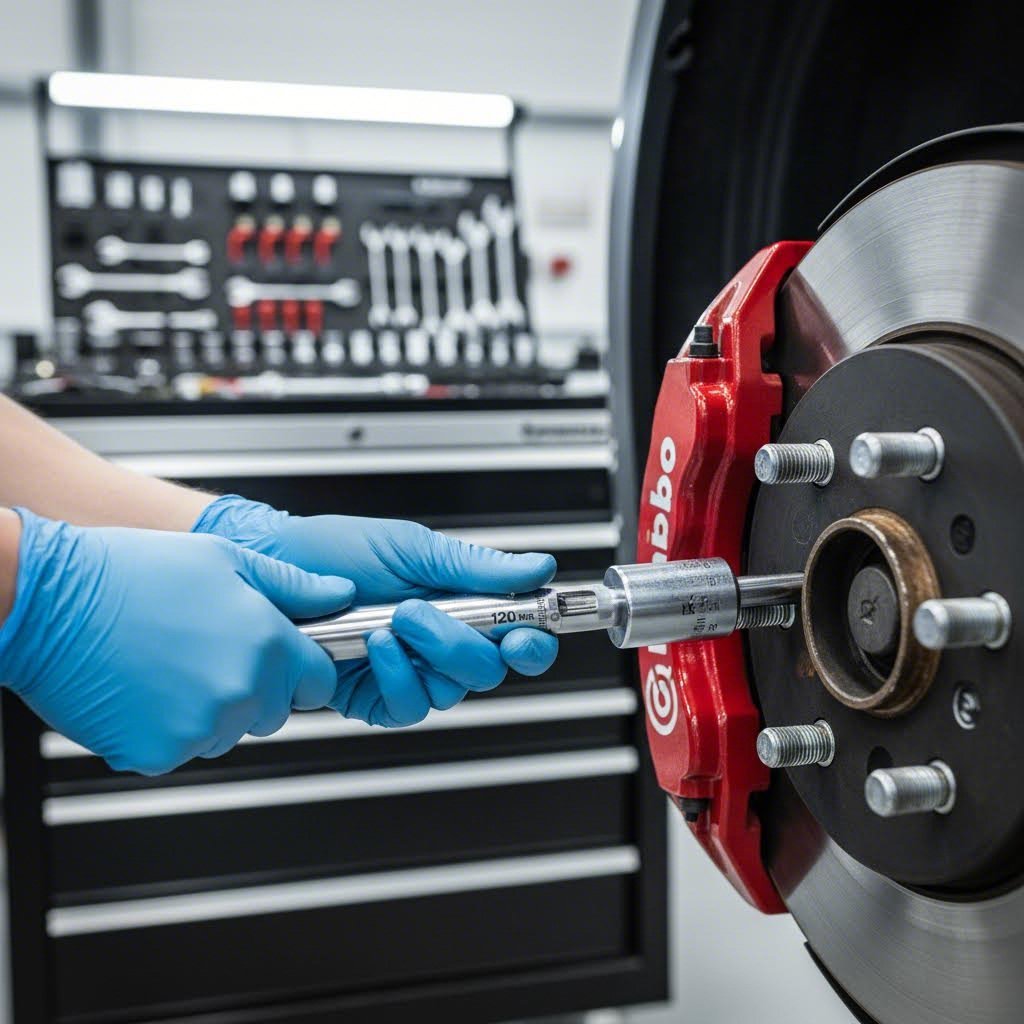
So you've decided forged brake calipers make sense for your application—now what? Before clicking "add to cart," you need to verify that your chosen calipers will actually fit your vehicle without expensive surprises. This practical step often gets overlooked in the excitement of planning a brake upgrade, yet compatibility issues account for a significant percentage of aftermarket brake kit returns. Let's walk through everything you need to check before purchasing, plus how to keep your investment performing optimally for years to come.
Fitment and Compatibility Essentials
Wheel clearance represents the most common fitment challenge when upgrading to larger forged calipers. That impressive 6-piston caliper might deliver incredible stopping power, but if it contacts your wheel spokes, you're not going anywhere. According to Ksport's wheel clearance guide, you should always confirm adequate clearance regardless of wheel size—even if the manufacturer claims compatibility with your wheel diameter.
How do you verify clearance? Most reputable brake kit manufacturers provide paper templates that replicate the caliper's profile. Print the template at 100% scale, mount it to cardboard for rigidity, and test-fit it against your wheel's inner surface. If the template contacts the spokes, you'll need either different wheels or wheel spacers to push the wheel outward. Keep in mind that spacers change your vehicle's track width, potentially affecting fender clearance and handling characteristics.
Beyond wheel clearance, several other compatibility factors require attention:
- Brake line modifications: Larger calipers typically mount in different positions than stock units, requiring new brake lines with appropriate routing. Stainless steel braided lines offer improved pedal feel and durability—consider upgrading simultaneously with your calipers.
- Master cylinder compatibility: Your master cylinder must move enough fluid to operate the new caliper pistons effectively. According to brake system specialists, a 0.625" master cylinder typically works with four-piston calipers featuring pistons up to approximately 30mm diameter, with total piston area up to roughly 11,000mm². Larger caliper setups may require master cylinder upgrades to maintain proper pedal travel and feel.
- Rotor diameter requirements: Forged calipers designed for performance applications often require larger rotors than stock. Verify that the kit includes appropriately sized rotors and that your wheels can accommodate the increased diameter.
- Mounting bracket specifications: Vehicle-specific brackets adapt universal caliper designs to your particular suspension geometry. Confirm that brackets are included and designed for your exact year, make, and model—even within the same model line, mounting points can vary between production years.
- ABS sensor clearance: Modern vehicles with anti-lock braking systems need adequate clearance between the caliper body and ABS tone ring. Interference here can trigger warning lights or compromise ABS function.
For popular platforms like Ford Focus ST brake calipers upgrades or Ford performance brakes applications, manufacturer-specific kits typically address these compatibility concerns. However, if you're piecing together components from multiple sources, verify each element individually. Some enthusiasts choose caliper covers vs paint for aesthetic customization—while pink brake caliper covers or other decorative options add visual flair, ensure any covers you select don't interfere with heat dissipation or caliper function.
Maintenance Requirements for Longevity
One of the often-overlooked benefits of forged brake calipers is their exceptional longevity when properly maintained. The dense material structure that provides strength and thermal management also resists the degradation that plagues lesser components over time. However, "low maintenance" doesn't mean "no maintenance."
Forged calipers require the same fundamental care as any quality brake component:
- Regular brake fluid replacement: Brake fluid absorbs moisture over time, lowering its boiling point and compromising performance. Flush your brake system every two years for street use, or after every track day for aggressive applications.
- Caliper slide pin lubrication: If your forged calipers use a floating design (less common in performance applications), keep slide pins properly lubricated to ensure even pad wear.
- Piston seal inspection: During brake pad changes, inspect the rubber dust boots protecting caliper pistons. Cracked or torn boots allow contamination that can damage piston seals and cause leaks.
- Caliper bleeder maintenance: Bleeder screws can corrode over time. Apply anti-seize compound during installation and periodically verify they haven't frozen in place.
- Visual inspection for damage: After track sessions or aggressive driving, inspect calipers for any signs of heat discoloration, cracks, or physical damage.
The longevity advantage of forged construction becomes apparent over extended ownership. Where cast calipers might develop microscopic cracks or deformation after years of thermal cycling, forged units maintain their structural integrity far longer. Many motorsport teams rebuild forged calipers with new seals and pistons multiple times before the caliper bodies themselves require replacement—a testament to the durability that quality forging provides.
Pre-Purchase Checklist
Before finalizing your forged brake caliper purchase, verify the following:
- Wheel clearance confirmed via template or physical measurement
- Wheel spacer requirements identified (if needed) with appropriate hubcentric spacers selected
- Brake line routing confirmed with replacement lines ordered if necessary
- Master cylinder compatibility verified based on total piston area calculations
- Vehicle-specific mounting brackets included in kit
- Rotor diameter compatible with wheel inner diameter
- ABS sensor clearance confirmed for your specific vehicle
- Brake pad compound selected for your intended use (street, track, or dual-purpose)
- High-temperature brake fluid on hand for system fill
- Installation by qualified technician scheduled (unless you have appropriate experience and tools)
Taking time to verify compatibility upfront prevents frustrating delays, costly returns, and potential safety issues. With proper preparation, your forged brake caliper upgrade will deliver the performance benefits you're seeking from day one—and continue delivering them for years of spirited driving ahead.
Making the Right Choice for Your Braking Needs
You've now explored the complete picture—from grain structure science to real-world applications, from alloy specifications to installation requirements. The question remains: which brake caliper construction method actually makes sense for your specific situation? Making this decision confidently requires honest self-assessment about your driving habits, performance goals, and budget priorities. Let's synthesize everything into a practical framework that guides you toward the right choice.
Matching Caliper Choice to Your Driving Style
Think about your last month of driving. How many times did you push your brakes hard enough to smell them? Did you experience any brake fade during spirited driving? Have you attended track days or considered signing up? Your honest answers reveal which category you fall into—and which investment level makes sense.
Consider where you genuinely fit among these driver profiles:
- The dedicated track enthusiast: You run multiple track events per season, push hard during extended sessions, and demand absolute consistency from your braking system. Forged calipers aren't optional—they're essential equipment. The thermal stability and structural integrity directly impact your lap times and safety margins.
- The spirited street driver: Weekend canyon runs, occasional spirited commutes, and maybe one or two track days annually describe your usage. Performance brake callipers with forged construction enhance your driving experience noticeably, though you might start with quality pads and rotors before committing to a full caliper upgrade.
- The daily commuter: Transportation is your priority. You appreciate cars but rarely push beyond 6/10ths driving intensity. Stock calipers maintained properly serve you perfectly—save your upgrade budget for experiences or other vehicle improvements.
- The heavy-duty user: Towing, hauling, or mountain driving with significant loads defines your needs. Forged calipers' thermal management prevents the fade that endangers you and your cargo during sustained heavy braking.
Reading through a-premium brake caliper review articles or researching spoon brake calipers for specific applications helps refine your choice within each category. However, no review replaces honest assessment of your actual driving patterns. The best caliper is one matched to demands you'll genuinely place on it—not theoretical scenarios you imagine but rarely encounter.
Quality Manufacturing Makes the Difference
Here's what separates exceptional forged brake calipers from merely adequate ones: manufacturing quality control. The forging process itself creates superior material properties, but only when executed with precision and consistency. Just as traditional blacksmith calipers required skilled craftsmanship to produce reliable measuring tools, modern forged brake calipers demand rigorous manufacturing standards to deliver their full performance potential.
The manufacturing process matters as much as the design. A perfectly engineered caliper produced without proper quality control becomes an unpredictable liability rather than a performance asset.
What should you look for when evaluating manufacturers? IATF 16949 certification represents the gold standard for automotive component manufacturing. This internationally recognized standard—developed by major automakers including Ford, GM, BMW, and Mercedes-Benz—defines Quality Management System requirements focusing on continual improvement, defect prevention, and supply chain reliability. Manufacturers holding this certification demonstrate commitment to the structured processes that produce consistently reliable components.
Consider how this applies practically. A forged caliper manufacturer with IATF 16949 certification implements:
- Documented production process controls: Every manufacturing step follows validated procedures with monitoring and measurement systems.
- Systematic problem-solving methodologies: When issues arise, structured approaches like 8D analysis identify root causes and prevent recurrence.
- Rigorous supplier management: Raw material quality is verified and controlled throughout the supply chain.
- Continuous improvement culture: Manufacturing processes evolve based on performance data and customer feedback.
Companies like Shaoyi (Ningbo) Metal Technology exemplify this manufacturing excellence in precision hot forging. Their IATF 16949 certification and rigorous quality control demonstrate the standards that produce reliable forged components—not just brake calipers, but suspension arms, drive shafts, and other safety-critical automotive parts requiring consistent material properties. This breadth of forging expertise indicates deep understanding of the metallurgical principles that make forged components superior.
When manufacturers offer rapid prototyping alongside high-volume production capabilities, they're demonstrating the engineering depth necessary for quality forged components. The same attention to grain structure alignment, proper heat treatment, and dimensional accuracy applies whether producing ten prototypes or ten thousand production units. This consistency is what transforms raw forging potential into real-world braking performance you can depend on.
Your Decision Framework
Bringing everything together, your caliper choice depends on three factors: your driving demands, your budget reality, and your timeline. Use this decision framework to guide your next steps:
- If you track your vehicle regularly: Prioritize forged calipers with appropriate piston configuration for your vehicle weight and power level. The investment pays dividends in performance consistency and reduced fade.
- If you drive spiritedly but rarely track: Start with high-quality brake pads and fresh rotors. If you still want more after experiencing that improvement, upgrade to forged calipers as phase two.
- If you commute primarily: Maintain your existing system properly. Quality replacement pads and rotors when needed serve you better than premature upgrades.
- If you tow or haul heavy loads: Consider forged calipers as a safety investment rather than a performance luxury. Sustained heavy braking demands thermal management that forged construction provides.
The benefits of forged brake calipers are real and measurable—but only when your driving actually demands them. Whether you're researching performance brake callipers for an upcoming build or simply understanding your options, you now have the knowledge to invest wisely. Match your caliper choice to your genuine needs, prioritize manufacturers with proven quality standards, and your braking system will reward you with confidence every time you approach a corner or need to stop quickly.
Frequently Asked Questions About Forged Brake Calipers
1. Are upgraded calipers worth it?
Upgraded forged calipers are worth the investment for drivers who regularly track their vehicles, drive spiritedly on mountain roads, or tow heavy loads. The benefits include up to 30% weight reduction, superior heat dissipation preventing brake fade, and enhanced structural rigidity for consistent pedal feel. However, for daily commuters who rarely push their brakes hard, OEM cast calipers provide perfectly adequate performance at a fraction of the cost.
2. Why are Brembo calipers better?
Premium forged calipers like Brembo translate motorsport-proven design into street applications through superior stiffness, thermal control, and precise pad contact. The forging process creates aligned grain structures that deliver better strength-to-weight ratios and heat dissipation compared to cast alternatives. This results in improved pedal feel, reduced brake fade during aggressive driving, and longer component lifespan under demanding conditions.
3. Are OEM brake calipers better than aftermarket?
It depends on your intended use. OEM calipers offer excellent fitment and reliability for standard driving conditions. However, high-quality aftermarket forged calipers from IATF 16949 certified manufacturers like Shaoyi Metal Technology provide superior performance for track use and spirited driving through enhanced thermal management, reduced weight, and greater structural integrity under extreme braking demands.
4. What are the pros and cons of fixed calipers?
Fixed calipers offer greater stiffness and stability since they don't move during braking, resulting in better handling and more consistent brake feel at high speeds. Multi-piston fixed designs distribute clamping force evenly across the pad surface. The drawbacks include higher manufacturing and installation costs, plus increased complexity. For performance applications, forged fixed calipers deliver the optimal combination of strength, weight savings, and thermal management.
5. What is the difference between forged, cast, and billet brake calipers?
Cast calipers use molten metal poured into molds, creating random grain structures with potential porosity. Forged calipers compress solid metal under extreme pressure, aligning grain structure for 30% weight reduction and superior strength. Billet calipers are CNC-machined from solid blocks, offering design flexibility but with higher material waste and cost. Forged construction delivers the best balance of performance, durability, and value for track and aggressive street applications.