 Small batches, high standards. Our rapid prototyping service makes validation faster and easier —
  EN
EN


How To Choose A Sheet Metal Company Without Costly Regrets
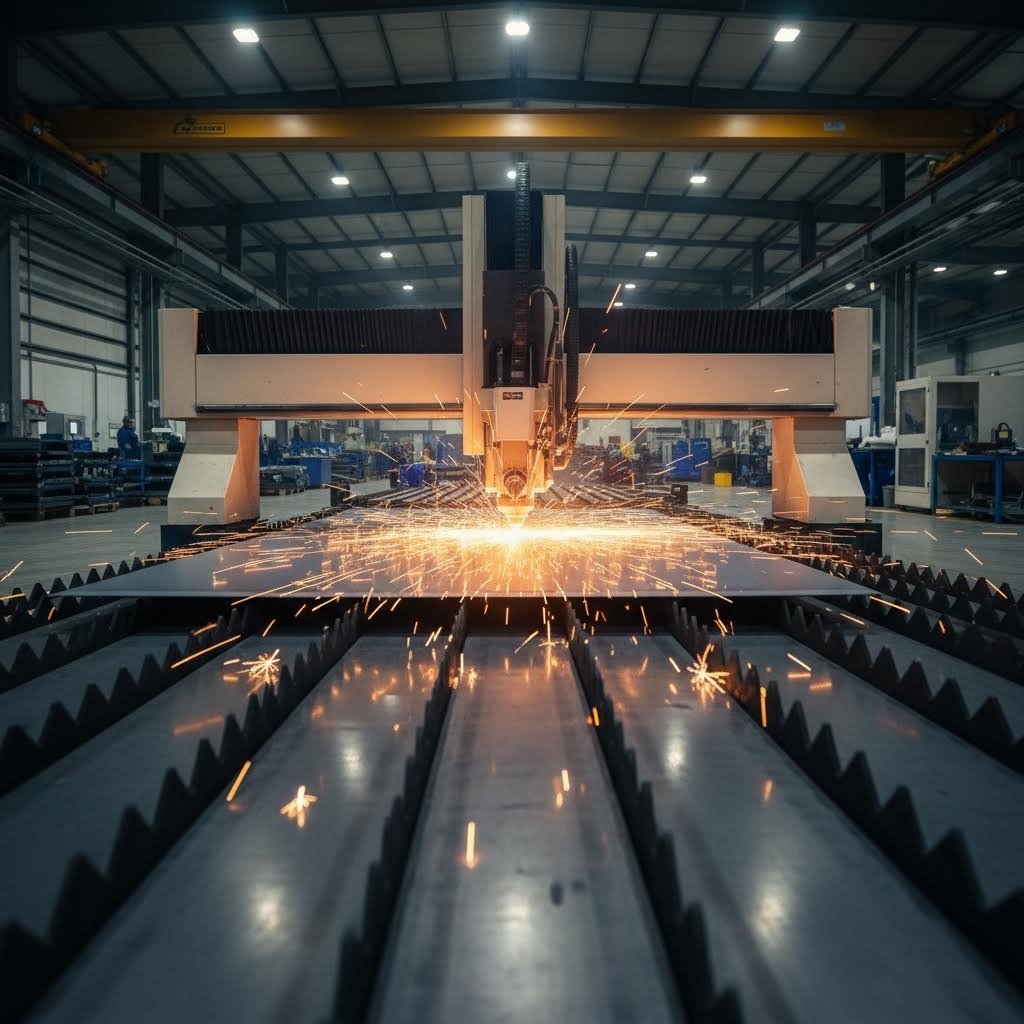
Understanding the Role of a Sheet Metal Company in Modern Manufacturing
When you need precision metal components for your next project, where do you turn? Whether you're developing automotive parts, constructing HVAC systems, or building electronic enclosures, a sheet metal company serves as the backbone of your manufacturing supply chain. These specialized fabricators transform flat metal sheets into the three-dimensional components that power virtually every industry you can imagine.
The sheet metal fabrication market continues its impressive growth trajectory, with forecasts projecting it will continue its expansion, with the global sheet metal fabrication services market valued in the hundreds of billions. This expansion reflects just how essential these manufacturers have become to modern production needs.
What Sheet Metal Companies Actually Do
Imagine taking a flat piece of steel or aluminum and passing it through a series of carefully orchestrated processes until it emerges as a finished, functional component. That's the core mission of metal fabrication specialists. They take raw metal sheet material and apply cutting, bending, forming, and assembly techniques to create everything from simple brackets to complex structural assemblies.
Here are the primary services you'll find at most sheet metal fabrication facilities:
- Laser Cutting: Precision cutting using focused light beams to create intricate shapes with minimal material waste and exceptional accuracy
- CNC Punching: Computer-controlled punching operations that create holes, slots, and formed features at high speed
- Forming and Bending: Shaping flat metal sheets into angles, channels, and complex geometries using press brakes and specialized tooling
- Welding: Joining multiple metal pieces together through fusion techniques like MIG, TIG, or spot welding
- Finishing: Surface treatments including powder coating, plating, and painting that protect components and enhance appearance
Some fabrication companies specialize in just one element of this process—perhaps they're experts in CNC machining or surface treatment. Others, known as full-service fabricators, handle everything from initial design review through final assembly. According to industry data, metal cutting holds the largest proportion of the market and represents the area with highest forecast growth.
Industries That Depend on Metal Fabrication
You'll find steel fabrication and sheet metal fabrication services supporting a remarkably diverse range of sectors. The U.S. fabricated metals industry alone encompasses over 33,000 companies providing more than 1.3 million jobs—a clear indicator of just how integral these services are to the broader economy.
Consider the industries that rely heavily on metal sheet components:
- Automotive: Body panels, chassis components, brackets, and structural reinforcements
- Aerospace: Aircraft skins, structural members, and precision assemblies requiring tight tolerances
- HVAC: Ductwork, equipment housings, and corrugated metal components for ventilation systems
- Electronics: Enclosures, chassis, and shielding for sensitive equipment
- Construction: Structural components, architectural elements, and building systems
What makes a sheet metal company indispensable isn't just their equipment—it's their ability to translate your design requirements into manufacturable, cost-effective solutions. The best fabricators offer collaborative design reviews, identifying ways to optimize your product for smooth and repeatable manufacture before production ever begins.
As you navigate the sourcing process, understanding what these manufacturers do—and how they differ from one another—becomes your foundation for making informed decisions. The chapters ahead will equip you with the knowledge to evaluate potential partners, understand their capabilities, and ultimately select the right fabricator for your specific needs.
Sheet Metal Fabrication vs Metal Stamping vs General Manufacturing
Sounds confusing? You're not alone. One of the most common points of confusion when sourcing metal components is understanding the difference between sheet metal fabricating, metal stamping, and general metal manufacturing. Each approach serves distinct purposes, and choosing the wrong one can cost you time, money, and quality. Let's break down these processes so you can confidently select the right method for your project.
Fabrication vs Stamping Explained
Think of metal fab as a versatile, flexible approach to creating metal parts. Sheet metal fabrication transforms flat sheets into finished components through cutting, bending, punching, and welding operations. Fabricators use standard tooling—laser cutters, CNC punch presses, and press brakes—to shape your parts without requiring expensive custom dies. This makes fabrication sheet metal processes ideal for prototypes, custom designs, and low-to-medium volume production runs.
Metal stamping, on the other hand, employs custom-designed dies to press metal sheets into specific shapes. When a die cut machine stamps a metal blank, it can perform multiple operations—punching, embossing, bending—in a single stroke. The result? Exceptional precision and uniformity across thousands or even millions of identical parts. However, creating those custom dies requires significant upfront investment, sometimes costing tens of thousands of dollars per tool.
General metal manufacturing encompasses a broader spectrum of metalworking processes beyond just sheet metal. This includes machining, casting, forging, and extrusion—techniques that work with metal in various forms, not just flat sheets. When your project requires three-dimensional complexity or materials thicker than typical sheet gauges, general manufacturing methods often come into play.
Choosing the Right Manufacturing Method
How do you decide which approach fits your needs? Consider these critical factors:
- Production Volume: Fabrication excels at quantities from one to several thousand pieces. Stamping becomes cost-effective only at higher volumes where tooling costs can be amortized.
- Tolerance Requirements: Stamping achieves tolerances as tight as ±0.001" to ±0.005", while fabrication typically delivers ±0.005" to ±0.015".
- Design Flexibility: Need to iterate quickly or make design changes? Fabrication adapts easily without expensive retooling.
- Feature Complexity: Deep draws, tiny parts under 1", and precise curved bends often require stamping's custom tooling.
Understanding kerf—the width of material removed during cutting—also matters when evaluating metal sheet fabrication precision. Laser cutting produces a narrower kerf than plasma or waterjet methods, affecting both dimensional accuracy and material utilization.
| Factor | Sheet Metal Fabrication | Metal Stamping | General Manufacturing |
|---|---|---|---|
| Typical Volume | 1 to 10,000+ pieces | 10,000 to millions of pieces | Varies widely by process |
| Tooling Costs | Low (standard tooling) | High ($10,000-$100,000+ per die) | Moderate to high |
| Lead Times | Days to weeks | Weeks to months (tooling) | Varies by complexity |
| Best Applications | Prototypes, enclosures, brackets, custom parts | Fasteners, automotive components, high-volume parts | Machined parts, castings, forgings |
| Tolerance Range | ±0.005" to ±0.015" | ±0.001" to ±0.005" | Varies by process |
| Design Changes | Easy and inexpensive | Costly (requires new tooling) | Moderate difficulty |
Here's a practical takeaway: if you're producing fewer than several thousand parts or expect design revisions, start with a sheet metal company specializing in fabrication. Their flexibility and lower upfront costs make them ideal partners for development and low-volume production. Once your design stabilizes and volumes justify the tooling investment, transitioning to stamping can dramatically reduce per-piece costs.
The key is having an early design consultation with your chosen manufacturer. They can assess your drawings and recommend whether fabrication, stamping, or a combination of methods will deliver the best results for your specific requirements—saving you from costly surprises down the road.
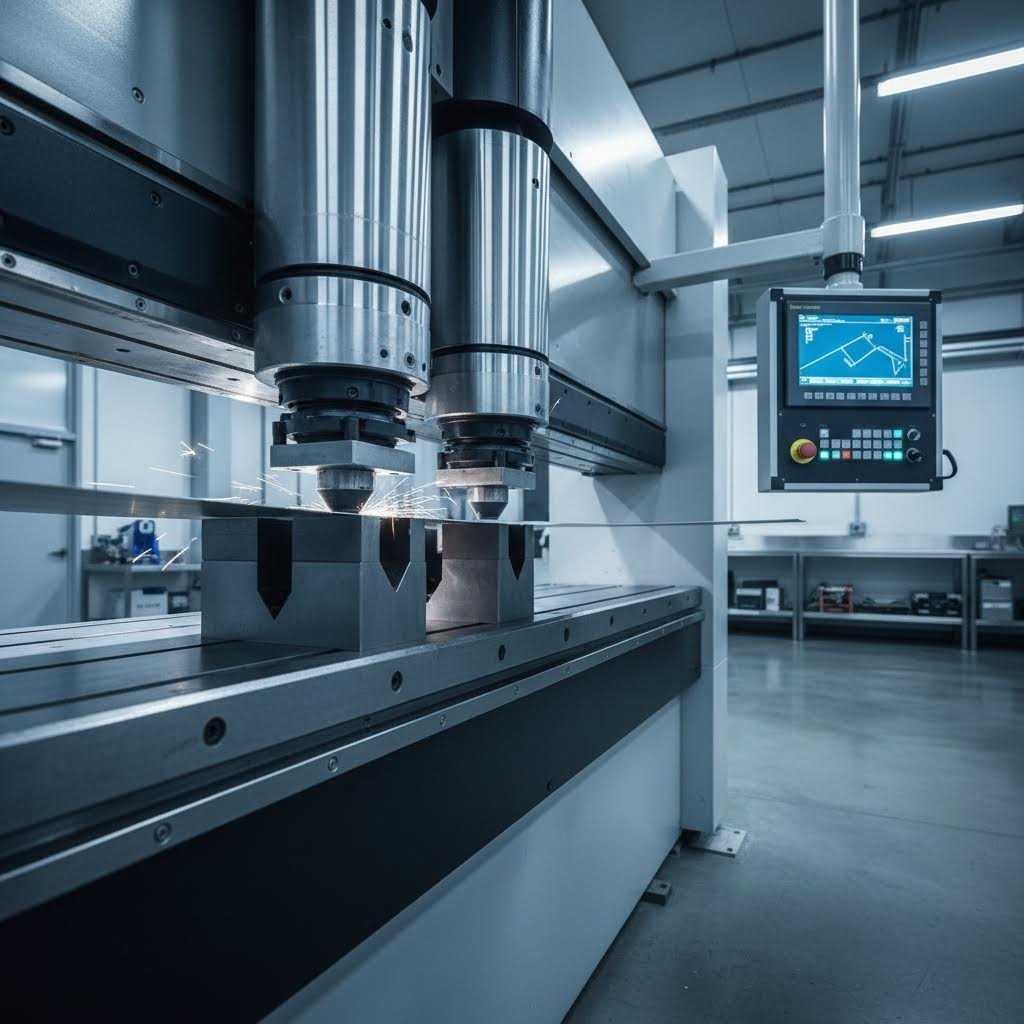
Technology and Equipment That Power Sheet Metal Operations
Ever walked through a modern fabrication shop? The first thing you'll notice is the sophisticated machinery humming with precision. Understanding what equipment a sheet metal company uses—and how that technology affects your project outcomes—gives you a significant advantage when evaluating potential suppliers. Let's explore the essential machines and systems that transform raw metal sheets into finished components.
Essential Equipment in Modern Fabrication Shops
When you're assessing a fabricator's capabilities, their equipment list tells you a lot about what they can deliver. The CNC meaning—Computer Numerical Control—describes machinery that operates through programmed digital instructions rather than manual adjustments. This automation ensures repeatable accuracy across large production batches, making CNC technology the backbone of precision sheet metal work.
Here are the key equipment categories you'll encounter:
- Laser Cutting Systems: A laser cutter delivers clean edges, minimal heat distortion, and highly accurate cuts. These machines handle complex geometries, fine holes, and intricate patterns that traditional cutting methods simply cannot achieve. CNC laser cutting reduces material waste while maintaining exceptional precision across stainless steel, aluminum, and carbon steel.
- CNC Press Brakes: These machines control bend angles and depths with programmable back gauges and real-time feedback systems. Hydraulic, electric, and servo press brakes each offer distinct advantages—hydraulic models deliver raw power, electric versions provide energy efficiency, and servo systems excel at precision control and repeatability.
- CNC Turret Punching Machines: When speed meets consistency, turret punching shines. These systems punch holes, emboss shapes, and create louvers with high repeatability. Combined with automated material handling, they significantly reduce labor costs while maintaining accuracy across large production runs.
- Metal Cutter Varieties: Beyond laser cutting, fabrication shops may employ plasma cutters for thicker materials, waterjet systems for heat-sensitive applications, or shearing equipment for straight cuts on lighter gauge sheets.
- Welding Equipment: MIG, TIG, and spot welding systems join fabricated components. The welding method selected depends on material type, thickness, and structural requirements.
How CNC Technology Transforms Metal Forming
Why does CNC technology matter so much? Imagine you need 500 identical brackets with precise 90-degree bends. Manual bending introduces human variation—operator fatigue, measurement inconsistencies, material springback differences. CNC press brakes eliminate these variables by executing cutting, bending, punching, and forming tasks with repeatable accuracy that stays consistent whether you're making the first piece or the five-hundredth.
The bending process particularly benefits from CNC control. Modern press brakes adjust automatically for material thickness variations and calculate springback compensation, ensuring your parts emerge exactly as specified. This level of precision proves critical when components must fit together during assembly without rework or adjustment.
Beyond bending, laser cutting cutting operations demonstrate CNC advantages clearly. The machine follows programmed tool paths with micron-level precision, producing complex shapes that nest efficiently on material sheets. This nesting optimization—often handled by CAD/CAM software—minimizes waste and reduces your per-piece material costs.
The Role of CAD/CAM Software in Production
Think of CAD/CAM software as the translator between your design intent and machine action. Computer-Aided Design (CAD) creates your digital part model, while Computer-Aided Manufacturing (CAM) converts that model into specific machine instructions. This digital workflow allows engineers to simulate CNC sheet metal processes, identify potential issues, and adjust designs before production begins.
When evaluating potential suppliers, ask about their software capabilities. Advanced fabricators use CAD/CAM integration to:
- Optimize material nesting for reduced waste
- Simulate bending sequences to prevent tool collisions
- Generate accurate cost estimates based on actual machine operations
- Identify manufacturability issues before cutting the first piece
You might wonder how equipment choices affect your bottom line. A fabricator with older manual equipment may quote lower hourly rates but require more labor hours per part. Meanwhile, a shop with advanced CNC systems delivers faster turnaround, tighter tolerances, and more consistent quality—often at competitive total costs despite higher equipment investments.
When preparing specifications for quotes, having access to a drill bit size chart or drill size chart helps you communicate hole requirements accurately. These reference tools ensure your drawings specify standard sizes that fabricators can produce efficiently without custom tooling.
Understanding these technology fundamentals positions you to ask informed questions during supplier evaluations. But equipment represents only part of the equation—the materials processed through these machines matter equally. Next, we'll explore how material selection impacts your project's success and cost.
Material Selection Guide for Sheet Metal Projects
Choosing the wrong material for your project can mean premature corrosion, structural failure, or budget overruns. When you work with a sheet metal company, material selection becomes one of your most consequential decisions—affecting everything from part performance to final cost. Let's walk through the options so you can specify exactly what you need.
Common Materials and Their Applications
What material should you choose? The answer depends entirely on your application's demands. Each metal brings distinct properties to the table, and understanding these differences helps you communicate requirements clearly to your fabricator.
Carbon Steel remains the workhorse of metal fabrication. Its combination of strength, weldability, and affordability makes it ideal for structural components, brackets, and general-purpose applications. However, carbon steel requires protective finishes to prevent rust in exposed environments. You'll find grades like S235JR and DC01 commonly used for their excellent formability and weldability.
Stainless Steel Sheet solves the corrosion problem by incorporating chromium into the alloy. A 304 stainless steel sheet offers excellent corrosion resistance for food processing, medical equipment, and architectural applications. Need even better protection against chlorides and harsh chemicals? 316 stainless steel adds molybdenum for enhanced stability against non-oxidizing acids—making it the go-to choice for marine and chemical processing environments.
Aluminum Sheet delivers when weight matters. At roughly one-third the density of steel, aluminum alloys provide excellent strength-to-weight ratios. Consider these common options:
- 5052 Aluminum: Highest strength among non-heat-treatable alloys with excellent corrosion resistance—ideal for marine applications
- 6061 Aluminum: A versatile, heat-treatable alloy with good mechanical properties and weldability for structural components
- 7075 Aluminum: High-strength aerospace-grade material with excellent resistance to fatigue and stress corrosion cracking
Specialty Alloys address specific performance requirements. When standard materials fall short, you might consider brass for electrical conductivity, copper for thermal management, or titanium for extreme strength-to-weight applications. A steel plate or metal plate in specialty alloys typically commands premium pricing but delivers properties impossible to achieve otherwise.
Understanding Sheet Metal Gauge Sizing
Here's where things get tricky. When someone mentions "16 gauge steel," what thickness are they actually describing? The gauge system—a legacy from 19th-century manufacturing—uses numbers that inversely correlate with thickness. Smaller gauge numbers mean thicker material. But that's not the confusing part.
The real challenge? The same gauge number refers to different thicknesses across materials. A 16-gauge stainless steel sheet measures differently than a 16-gauge aluminum sheet. This inconsistency causes costly miscommunication between buyers and fabricators regularly.
Most sheet metal gauge chart references vary by material, with steel typically following the Manufacturer's Standard Gauge (MSG) and aluminum using the Brown & Sharpe system. Here's a practical reference showing common gauge sizes across materials:
| Gauge Number | Steel Thickness (mm) | Aluminum Thickness (mm) | Stainless Steel Thickness (mm) | Typical Applications |
|---|---|---|---|---|
| 10 | 3.40 | 2.59 | 3.57 | Heavy structural components, steel plates |
| 12 | 2.77 | 2.05 | 2.78 | Equipment housings, heavy brackets |
| 14 | 1.98 | 1.63 | 1.98 | Enclosures, automotive panels |
| 16 | 1.59 | 1.29 | 1.59 | HVAC ductwork, general fabrication |
| 18 | 1.27 | 1.02 | 1.27 | Electrical enclosures, light structural |
| 20 | 0.91 | 0.81 | 0.91 | Decorative panels, light covers |
| 22 | 0.76 | 0.64 | 0.76 | Electronic chassis, thin enclosures |
| 24 | 0.61 | 0.51 | 0.61 | Decorative trim, light-duty covers |
A practical tip: always specify thickness in millimeters or inches rather than relying solely on gauge sizes. This eliminates ambiguity and ensures your fabricator quotes the exact material you need. Keep a gauge size chart handy when reviewing drawings or preparing specifications.
Material Selection Factors to Consider
How do you narrow down your options? Evaluate each candidate material against these critical factors:
- Environment: Will parts face moisture, chemicals, UV exposure, or temperature extremes? Corrosion-resistant materials like stainless steel or anodized aluminum prevent premature failure in harsh conditions.
- Load Requirements: What forces will the component experience? Tensile strength, yield strength, and fatigue resistance determine whether a material can handle your application's stresses.
- Weight Constraints: In transportation, aerospace, and portable equipment, every gram matters. Aluminum and specialty alloys offer strength without the mass penalty of steel.
- Formability: Complex geometries require materials that bend and form without cracking. Lower-carbon steels and certain aluminum alloys accommodate intricate shapes better than high-strength alternatives.
- Budget: Material costs vary dramatically. Carbon steel costs a fraction of stainless, which itself costs less than titanium or specialty alloys. Balance performance needs against project economics.
Remember that thickness directly impacts three critical outcomes. Thicker gauge materials provide greater strength and rigidity but add weight and cost. Thinner gauges reduce material expenses and weight but may require reinforcement or limit application suitability. Your fabricator can recommend optimal thicknesses based on structural analysis and manufacturing considerations.
Material selection establishes your project's foundation—but raw fabricated parts rarely ship directly to end use. Surface finishing transforms bare metal into components ready for real-world deployment, and understanding your finishing options completes your specification toolkit.

Surface Finishing Options for Fabricated Metal Parts
You've selected your material, finalized your design, and found a capable sheet metal company—but your job isn't done yet. Raw fabricated parts rarely go directly into service. Surface finishing transforms bare metal into components that resist corrosion, look professional, and perform reliably for years. Understanding your finishing options helps you specify complete requirements rather than leaving critical decisions to chance.
According to industry experts, metal finishing is a crucial last step in the sheet metal fabrication process. It improves aesthetic appearance, reduces surface roughness for parts that need to mate or seal, and provides extra durability and protection. Let's explore the three primary finishing categories so you can make informed choices for your project.
Powder Coating and Paint Finishes
Ever wondered why outdoor furniture and appliances maintain their vibrant colors for years? Powder coating is often the answer. This finishing method sprays dry polymer particles—typically polyester, epoxy, or combinations of these—onto grounded metal surfaces using electrostatic charge. The coated components then cure at temperatures between 180 and 200 degrees Celsius, melting the powder into a smooth, durable film.
What makes powder coat finishes so popular? Consider these advantages:
- Exceptional Durability: Powder coated surfaces typically measure 0.002" to 0.006" thick, providing excellent abrasion resistance and impact protection
- Vast Color Options: Manufacturers can choose from thousands of RAL and Pantone shades, plus textures ranging from smooth matte to hammered or wrinkled finishes
- Environmental Benefits: The process releases virtually no volatile organic compounds (VOCs), and up to 98% of excess powder can be collected for reuse
- Weather Resistance: Quality powder coatings retain around 90% of their original gloss even after 15 years of outdoor exposure
- Faster Lead Times: Powder coating services generally complete work faster than plating processes
When should you choose powder coating? It excels for large parts—4' x 4' is a standard size—where uniform coverage matters. Architectural facades, window frames, equipment housings, and outdoor furniture all benefit from this finish. However, keep one limitation in mind: thicker layers may obscure fine details on precision-machined parts.
Anodizing and Plating Options
Need electrical insulation or superior wear resistance on aluminum components? Anodizing might be your answer. This electrochemical process submerges aluminum in an acidic electrolyte solution while applying electricity, creating a porous aluminum oxide layer directly on the surface. The resulting bond is 5 to 10 times stronger than regular paint adhesion.
Anodized aluminum delivers remarkable performance characteristics. Surface hardness typically reaches 60 to 70 on the Rockwell C scale—comparable to tool steel. This makes anodized surfaces exceptionally resistant to wear, scratching, and abrasion in demanding industrial environments. The porous oxide layer can also absorb dyes, allowing manufacturers to add lasting colors like bronze, gold, and black that resist fading for over 20 years.
Metal plating takes a different approach, depositing metals like nickel, zinc, or chrome onto surfaces through electrochemical or autocatalytic reactions. Each plating type serves specific purposes:
- Chrome Plating: Provides mirror-like finishes for decorative applications—think bathroom fixtures and automotive trim
- Nickel Plating: Enhances corrosion resistance and surface hardness; electroless nickel-phosphorus maintains approximately ±2 microns thickness consistency across complex shapes
- Zinc-Nickel Alloys: Offers sacrificial corrosion protection, withstanding around 1,000 hours of salt spray testing—popular for automotive fasteners
- Gold Plating: Reduces contact resistance by roughly 40% compared to copper contacts, critical for high-performance electrical connections
Chromate conversion coating deserves mention for applications requiring both corrosion resistance and electrical conductivity. Unlike anodizing, which insulates, chromate treatments maintain conductivity while passivating metal surfaces.
Comparing Your Finishing Options
How do these methods stack up against each other? Your choice depends on balancing performance requirements against budget and timeline constraints.
| Property | Powder Coating | Anodizing | Metal Plating |
|---|---|---|---|
| Corrosion Resistance | Excellent (up to 2,000 hours salt spray) | Excellent (1,000+ hours salt spray) | Moderate to Excellent (varies by type) |
| Typical Thickness | 0.002"–0.006" | 0.0002"–0.001" | <0.0001" to 0.001" |
| Abrasion Resistance | Excellent | Good to Excellent | Poor to Good |
| Color Options | Thousands of colors and textures | Limited metallic and dyed shades | Metallic finishes only |
| Electrical Properties | Insulative | Insulative | Conductive |
| Relative Cost | Lower initial cost | 15-30% higher than powder coating | $1.50-$15+ per square foot |
| Best Applications | Large parts, outdoor equipment, appliances | Aluminum aerospace and automotive parts | Electrical contacts, decorative fixtures |
Cost considerations extend beyond initial finishing prices. While anodizing costs more upfront, it requires virtually no maintenance over a lifespan exceeding 20 years. Powder coatings may need refinishing every 8 to 12 years in harsh conditions. When evaluating high-traffic surfaces, anodized components resist scratches significantly better, reducing long-term expenses by approximately 40% according to industry testing.
Here's the bottom line: specify your finishing requirements as carefully as your material and dimensional specifications. A complete request for quote should include environmental exposure conditions, aesthetic requirements, electrical properties needed, and expected service life. This information helps your fabricator recommend the most appropriate—and cost-effective—finish for your application.
Surface finishing protects your investment, but how do you verify that a fabricator can deliver consistent quality? The answer lies in understanding industry certifications and quality standards—the subject we'll explore next.
Quality Certifications and Standards in Sheet Metal Manufacturing
How do you know if a sheet metal company can actually deliver what they promise? Fancy equipment and impressive facility tours tell part of the story—but certifications provide objective proof that a fabricator meets recognized industry standards. Understanding these credentials helps you evaluate potential suppliers with confidence and match their qualifications to your project requirements.
As one industry resource notes, quality certifications demonstrate commitment to the customer and to their profession, producing premium components while providing added assurance that manufactured items meet all buyer requirements. Let's break down what these certifications actually mean for your sourcing decisions.
Key Industry Certifications Explained
When evaluating steel fabricators or metal fabricators near me, you'll encounter several certification acronyms. Each one signals specific capabilities and quality management practices. Here's what matters most:
- ISO 9001: Considered the most universal form of manufacturing certification, ISO 9001 establishes prerequisites for a robust quality management system. This certification confirms that products and services comply with customer expectations and regulatory mandates. If a fabricator lacks even this baseline certification, proceed with caution.
- IATF 16949: Developed by the International Automotive Task Force, this certification is vital for automotive manufacturing companies. It builds upon ISO 9001 while adding requirements for product design, production processes, improvement initiatives, and customer-specific standards. For chassis components, suspension parts, or any automotive application, this certification is non-negotiable.
- AS9100: Specific to the aerospace industry and aircraft parts, AS9100 certification states that parts meet the requirements of safety, quality, and high standards posed by the aviation industry. The aerospace sector demands this specialized certification because of how technical and safety-critical every component must be.
- ISO 13485: If your project involves medical devices, this certification ensures components are designed and manufactured with patient safety as the priority. Rigorous inspections and documentation requirements address the unique demands of medical manufacturing.
- ISO 14001: This environmental management certification guides organizations in developing environmental policies, identifying potential impacts, and establishing objectives for sustainable practices. While not directly related to part quality, it signals a responsible manufacturing partner.
- UL Certifications: Underwriters Laboratories certifications like UL 1332 ensure products meet rigorous safety and performance standards. For custom enclosures and electrical housings, UL certification assures customers that products will meet or exceed stringent specifications.
Which certifications should you require? Match them to your industry. Automotive buyers should insist on IATF 16949. Aerospace projects demand AS9100. For general industrial applications, ISO 9001 provides solid baseline assurance that quality management systems are in place.
Quality Control in Metal Fabrication
Certifications establish frameworks, but day-to-day quality control processes determine whether your parts actually meet specifications. When assessing a potential fabricator, dig deeper into how they implement quality management.
A well-implemented quality management system establishes clear guidelines and procedures for every stage of production, from new product introduction through final inspection and shipping. Look for these quality control elements:
- Incoming Material Inspection: Verification that raw materials meet specifications before entering production—checking tensile strength, thickness, and material composition
- In-Process Inspection: Dimensional checks and visual inspections at critical production stages, catching issues before they compound
- Final Inspection: Comprehensive verification against drawing requirements before parts ship, often including CMM measurements for critical dimensions
- Documentation and Traceability: Material certifications, inspection records, and production data that track each part from raw material through delivery
- Calibrated Equipment: Regularly verified measurement tools ensuring inspection accuracy
Welding quality deserves special attention for fabricated assemblies. When evaluating a fabricator's welding capabilities, understanding the differences between mig vs tig welding helps you assess whether they have appropriate processes for your materials. TIG welding provides superior precision and cleaner welds on thin materials like stainless steel and aluminum, while MIG welding offers faster production speeds for thicker sections. The tig vs mig welding choice often depends on material type, thickness, and aesthetic requirements—a knowledgeable fabricator matches the process to your application.
Quality management systems also foster a culture of continuous improvement. The best fabricators don't just catch defects—they analyze root causes and implement corrective actions that prevent recurrence. Ask potential suppliers about their defect rates, corrective action processes, and how they handle non-conforming material.
Matching Certifications to Your Requirements
Here's practical guidance for evaluating supplier credentials:
| Your Industry | Required Certification | Additional Considerations |
|---|---|---|
| Automotive | IATF 16949 | PPAP capability, customer-specific requirements |
| Aerospace | AS9100 | NADCAP for special processes, traceability documentation |
| Medical Devices | ISO 13485 | FDA registration, cleanroom capabilities if required |
| General Industrial | ISO 9001 | Industry-specific standards as applicable |
| Electrical Enclosures | ISO 9001 + UL | NEMA ratings, specific UL listings for your application |
Remember that 316 stainless steel parts for marine or chemical processing applications may require additional material traceability beyond standard certification requirements. Always verify that a fabricator can provide mill certifications and maintain lot traceability throughout production.
Certifications tell you what a fabricator CAN do—but communication, responsiveness, and cultural fit determine what they WILL do for your specific project.
Understanding certifications gives you a framework for initial screening. But how do you evaluate the complete picture—from capabilities and lead times to communication style and geographic considerations? The next section provides a practical roadmap for selecting the right sheet metal partner.

How to Evaluate and Select the Right Sheet Metal Partner
You've done your homework on materials, equipment, and certifications. Now comes the critical decision: which sheet metal company deserves your business? Selecting the wrong fabricator leads to missed deadlines, quality issues, and budget overruns that can derail your entire project. The right partner, however, becomes a competitive advantage—delivering consistent quality while helping you optimize designs and reduce costs.
Whether you're searching for metal fabrication near me or considering suppliers across the country, a systematic evaluation approach separates reliable partners from risky choices. As one industry expert notes, finding reliable and trustworthy sheet metal fabricators is challenging, but following proven evaluation criteria dramatically improves your odds of success.
Essential Questions to Ask Potential Suppliers
Before requesting quotes, you need to assess whether a fabricator can actually deliver what you need. Don't settle for vague assurances—dig into specifics that reveal true capabilities. Here are the critical questions to ask when evaluating fabrication shops near me or distant suppliers:
- Verify Their Viability and Track Record: How long has the company been in business? A fabricator with decades of experience brings institutional knowledge that newer shops simply cannot match. Ask about their financial stability—will they still be in business a month from now? Request references from similar projects and follow up with those customers.
- Assess Technical Capabilities: Can they handle your specific requirements? Review their equipment list against your project needs. If you need laser cutting for intricate patterns, CNC bending for complex forms, or specialized welding for stainless steel assemblies, confirm they have both the machinery and operator expertise. Some sheet metal fab near me options may excel at simple brackets but struggle with complex assemblies.
- Confirm Relevant Certifications: Match their credentials to your industry requirements. Automotive projects demand IATF 16949 certification. Aerospace components require AS9100. Don't accept claims at face value—ask for current certification documents and verify expiration dates.
- Evaluate Workforce Quality: Proficient sheet metal fabrication companies should have experienced and well-trained professionals. Ask about operator certifications, training programs, and employee tenure. High turnover often signals quality inconsistencies.
- Understand Their Supply Chain Management: How do they handle material sourcing and inventory? The COVID-19 crisis exposed fragile supply chains across manufacturing. The ability to pivot at a moment's notice distinguishes reliable suppliers from those who leave you waiting.
- Assess Quality Control Processes: What inspection methods do they use? Ask about in-process checks, final inspection protocols, and how they handle non-conforming parts. Poor quality manifests in many ways—imprecise metal specs, sloppy workmanship, careless logistics resulting in delays or damaged goods.
- Evaluate Communication Responsiveness: How quickly do they respond to inquiries? A fabricator who takes a week to answer emails during quoting will likely communicate poorly during production. Test their responsiveness before committing.
Geographic and Scalability Considerations
Should you prioritize sheet metal near me or consider distant suppliers with specialized capabilities? Both approaches have merit depending on your situation.
Local fabricators offer distinct advantages. It's wise to choose sheet metal fabricators located close to you to reduce transportation expenses and simplify after-sales service. When issues arise—and they sometimes do—having a supplier within driving distance accelerates problem resolution. You can visit their facility, review parts in person, and build stronger working relationships.
However, proximity shouldn't override capability. A distant fabricator with superior equipment, relevant certifications, and proven experience in your application may deliver better results than a nearby shop lacking those qualifications. Consider total cost, including shipping, rather than just quoted piece prices.
Scalability matters equally. Ask potential suppliers about:
- Minimum Order Quantities: Some fabricators focus on high-volume production and won't quote small runs. Others specialize in prototypes and custom metal signs but struggle with production quantities.
- Prototyping Capabilities: Can they produce samples quickly for design validation? Rapid prototyping accelerates your development cycle and reduces risk before committing to production tooling.
- Production Capacity: If your volumes grow, can they scale with you? Understand their current utilization and expansion plans.
- Secondary Services: Do they offer finishing, assembly, and hardware installation? Components like a rubber gasket or fasteners might require additional suppliers if your primary fabricator lacks assembly capabilities.
Some sheet metal fabricators will do the primary duties of fabrication and sub-contract the rest. Sub-contracting increases chances of miscommunication and quality variability. Whenever possible, work with a single source that handles your project from start to finish.
Preparing Your Project for Quoting
Want accurate quotes that you can actually compare? The information you provide determines the quality of responses you receive. Incomplete requests force fabricators to make assumptions—and those assumptions may not match your expectations.
Here's what to include in every quote request:
- Complete Drawings: Provide 2D drawings with dimensions, tolerances, and GD&T callouts where applicable. 3D CAD files (STEP, IGES, or native formats) help fabricators assess manufacturability and develop accurate estimates.
- Material Specifications: Specify exact material type, grade, and thickness. State "304 stainless steel, 16 gauge (1.59mm)" rather than just "stainless steel." Include any material certifications required.
- Tolerance Requirements: Identify critical dimensions and their acceptable variation. Standard sheet metal tolerances differ from precision machining—clarify expectations upfront.
- Quantity Information: Provide both initial quantities and estimated annual usage. Fabricators price differently for 50 pieces versus 5,000, and understanding your volume trajectory helps them propose appropriate solutions.
- Finish Requirements: Specify surface treatments—powder coating colors, plating types, or special finishes. Include any performance requirements like salt spray hours or hardness specifications.
- Hardware and Assembly: List any fasteners, inserts, or sub-components that require installation. Clarify whether you'll supply these or expect the fabricator to source them.
- Delivery Requirements: State your target delivery date and any flexibility. Rush orders typically cost more—being upfront about timelines enables accurate pricing.
The more complete your quote request, the more accurate and comparable the responses you'll receive—saving time and preventing costly surprises later.
When evaluating returned quotes, look beyond unit price. Consider lead time, payment terms, quality guarantees, and the fabricator's responsiveness throughout the quoting process. Successful fabrication companies understand that fulfilling customer requests is just the starting point—true excellence lies in proactively addressing potential issues and actively problem-solving throughout the process.
With your evaluation criteria established and quote package prepared, you're ready to engage potential suppliers. But understanding what happens after you award the project—from design review through final delivery—helps you set realistic expectations and plan effectively for success.

The Sheet Metal Project Lifecycle from Design to Delivery
You've selected your fabricator, submitted your drawings, and awarded the project. Now what? Understanding the complete journey from initial consultation through final delivery helps you plan effectively, communicate clearly, and avoid surprises that derail timelines. Whether you're working with stainless steel sheet metal for food processing equipment or aluminum sheet metal for lightweight enclosures, the project lifecycle follows predictable phases that smart buyers understand and leverage.
As one industry source explains, DFM isn't just a one-time activity—it's a proactive, iterative process that spans the entire product development lifecycle. This perspective applies equally to sheet fabrication projects of all sizes. Let's walk through each phase so you know exactly what to expect.
From Concept to Finished Part
Imagine your project as a relay race—each phase hands off to the next, and smooth transitions determine overall success. Here's the typical sequence you'll experience when working with a capable sheet metal company:
- Initial Consultation and Requirements Review: The project begins with collaborative discussion. Your fabricator reviews drawings, asks clarifying questions, and confirms material specifications. This phase establishes project scope, identifies potential challenges, and aligns expectations between both parties. Experienced fabricators engage early to provide Design for Manufacturability (DFM) input to refine your design for both speed optimization and production readiness.
- Design for Manufacturability (DFM) Review: Your fabricator examines your design through a manufacturing lens. Can the specified tolerances be held economically? Do bend radii work with available tooling? Are there features that complicate production unnecessarily? This critical review often reveals opportunities to simplify designs, reduce costs, and improve quality—all before cutting the first piece of metal.
- Material Procurement: Once designs are finalized, your fabricator sources the specified materials. For stainless steel sheet metal fabrication projects, this might involve ordering specific alloy grades with required certifications. Lead times vary—common materials may be stocked, while specialty alloys require weeks to procure. Your fabricator should communicate material availability and any potential delays upfront.
- Prototyping and First Article Production: Before committing to full production, most projects benefit from prototype validation. Early design validation with accurate, functional prototypes helps teams catch flaws, test fit, form, and function, while also avoiding costly production missteps. This phase lets you verify dimensions, check assembly fit, and confirm that the design works in real-world conditions.
- Production: With prototypes approved, full production begins. Your fabricator executes cutting, forming, welding, and assembly operations according to established procedures. In-process inspections catch issues before they compound. Communication during this phase keeps you informed of progress and any unexpected challenges.
- Quality Inspection and Testing: Before parts ship, comprehensive inspection verifies conformance to specifications. Advanced inspection methods, including CMM and laser scanning, ensure dimensional accuracy. Documentation including inspection reports and material certifications accompanies finished parts.
- Surface Finishing: If your project requires powder coating, plating, or other treatments, this phase transforms raw fabricated components into finished parts. Finishing processes may be performed in-house or through qualified sub-contractors depending on the fabricator's capabilities.
- Packaging and Shipping: Proper packaging protects your investment during transit. Your fabricator should use appropriate protection for the material and finish specified—preventing scratches on anodized aluminum or damage to precision-machined surfaces.
Throughout this lifecycle, communication proves critical. The best fabricators provide regular updates, flag potential issues proactively, and respond quickly when questions arise. Establish communication expectations early—who your primary contact is, how often you'll receive status updates, and escalation procedures if problems develop.
The Value of DFM Support
Why does Design for Manufacturability deserve special emphasis? Because decisions made during design lock in the majority of your manufacturing costs. According to industry experts, DFM reduces production headaches, lowers costs, and helps you ship a product that meets your quality and performance goals.
Consider what happens without proper DFM review. You might specify unnecessarily tight tolerances that require expensive secondary operations. Or design features that look great in CAD but prove difficult to form in sheet metal. Perhaps bend sequences that work mathematically but create tool interference in practice. Each of these issues adds cost and delays discovery until production—when changes become exponentially more expensive.
A thorough DFM review examines your design for:
- Tolerance Optimization: Identifying where tight tolerances truly matter versus where standard fabrication accuracy suffices
- Bend Feasibility: Confirming that bend radii, sequence, and spacing work with available press brake tooling
- Material Utilization: Optimizing part nesting to minimize scrap and reduce material costs
- Assembly Considerations: Ensuring parts fit together properly and can be assembled efficiently
- Feature Simplification: Suggesting alternatives that achieve the same function with easier manufacturing
In a real-world example from StudioRed's experience, a manufacturer suggested flipping a printed circuit board upside down to enable in-process testing without additional fixtures. The change required about 30 hours of CAD rework but saved significant time and resources in the long run. Had this DFM input been received later in the process, the redesign effort would have been much greater.
How Rapid Prototyping Accelerates Development
Speed matters in today's competitive environment. Rapid prototyping compresses your development timeline by delivering functional parts in days rather than weeks. This acceleration enables faster design iteration, earlier validation, and quicker time-to-market.
Rapid metal prototyping is the fast-track method of turning CAD designs into real, functional metal parts, typically focusing on faster lead times compared to traditional manufacturing. With prototypes in hand quickly, you can test fit with mating components, validate performance under actual operating conditions, and identify design improvements before investing in production quantities.
For aluminum welding assemblies or complex stainless steel sheet metal fabrication projects, prototype validation proves especially valuable. Welded assemblies may reveal distortion patterns or fit issues that analysis alone cannot predict. Physical testing with actual prototype parts eliminates guesswork and builds confidence in your production design.
Leading manufacturers demonstrate these lifecycle principles through specific capabilities. For instance, Shaoyi (Ningbo) Metal Technology offers 5-day rapid prototyping combined with comprehensive DFM support—capabilities particularly valuable for automotive applications requiring IATF 16949 certification. Their approach exemplifies how the best fabricators integrate speed with quality throughout the project lifecycle.
Communication Best Practices Throughout Your Project
Even with the best fabricator, poor communication can derail projects. Establish these practices from the start:
- Designate Clear Contacts: Identify a single point of contact on each side to prevent confusion and ensure accountability
- Establish Update Cadence: Agree on regular status updates—weekly for longer projects, more frequently during critical phases
- Document Decisions: Confirm important discussions in writing to prevent misunderstandings
- Address Issues Immediately: Don't wait for problems to escalate—raise concerns as soon as they appear
- Provide Timely Feedback: When your fabricator requests approvals or clarifications, respond quickly to prevent delays
Remember that your fabricator cannot read your mind. If something matters to you—a specific surface appearance, a critical dimension, or a delivery milestone—communicate it explicitly. The more clearly you express requirements and expectations, the better your results will be.
Understanding this lifecycle prepares you for productive partnerships with sheet metal fabricators. But knowing what happens during production is only part of the equation—you also need practical guidance on taking that first step and initiating your project effectively.
Taking Action and Starting Your Sheet Metal Project
You've absorbed a tremendous amount of information about materials, equipment, certifications, and evaluation criteria. Now it's time to put that knowledge into action. Whether you're launching a small custom project or preparing for high-volume production, the steps you take in the next few days will shape your entire manufacturing experience. Let's translate everything you've learned into a practical action plan.
Taking the Next Step with Confidence
Ready to reach out to potential fabricators? Before you send that first email or make that phone call, ensure you've prepared properly. The quality of your initial outreach directly influences the quality of responses you receive.
Here's your pre-engagement checklist:
- Clarify Your Requirements: Know exactly what you need—material type, thickness, quantities, tolerances, and finish requirements. Vague requests produce vague quotes.
- Prepare Complete Documentation: Gather your CAD files, 2D drawings with dimensions, and any specification documents. As noted by TORNQVIST Custom Metal Fabricators, "Without clear, detailed drawings, we're just guessing at what you need."
- Identify Certification Requirements: Match your industry to required credentials—IATF 16949 for automotive, AS9100 for aerospace, ISO 9001 for general industrial applications.
- Establish Realistic Timelines: Rush jobs cost more. If you have flexibility, communicate it honestly to receive more competitive pricing.
- Define Success Criteria: Beyond price, what matters most? Lead time? Communication responsiveness? Design support? Local proximity?
For small custom projects and prototypes, focus on finding fabricators who welcome low-volume work without excessive minimum order requirements. Some sheet metal works specialists thrive on quick-turn prototypes and one-off custom pieces—these partners offer flexibility that high-volume shops cannot match.
High-volume production buyers face different considerations. Scalability, capacity, and consistent quality across thousands of parts become paramount. Evaluate whether potential suppliers can grow with your needs and maintain quality standards as volumes increase. For galvanized sheet metal components or other corrosion-resistant materials, confirm that fabricators have experience with your specific material requirements at production scale.
What to Expect from Your First Quote
You've submitted your request. What happens next? Understanding the quoting process helps you evaluate responses effectively and identify the best partner for your needs.
A comprehensive quote response should include:
- Itemized Pricing: Breakdown of material costs, labor, finishing, and any tooling or setup charges
- Lead Time Estimates: Production timeline from order confirmation through delivery
- Tolerance Capabilities: Confirmation that they can hold your specified tolerances or suggestions for achievable alternatives
- Material Sourcing: Whether materials are stocked or require procurement lead time
- Payment Terms: Deposit requirements, progress payments, and final payment expectations
When requesting quotes, be specific about tolerances. As Approved Sheet Metal emphasizes, "Without defined tolerances, your fabricator must assume standard defaults—which may not meet your design intent." Call out critical dimensions, specify datum references for features requiring alignment, and consider manufacturing realities like bend springback when defining acceptable variation.
Response time itself reveals important information. Some buyers seek a sheet metal instant quote for simple parts, while complex assemblies require thorough engineering review. A fabricator who responds within hours demonstrates operational efficiency and customer focus. For automotive buyers specifically, suppliers offering rapid quote turnaround—such as Shaoyi's 12-hour response capability—can accelerate decision-making significantly when project timelines are tight.
The supplier who communicates clearly during quoting will communicate clearly during production—responsiveness in the first interaction predicts partnership quality throughout your project.
Compare quotes carefully, looking beyond unit price. A fabricator quoting slightly higher but offering faster turnaround, better communication, or included DFM support often delivers superior total value. Factor in shipping costs, especially when evaluating distant suppliers against local options.
Finally, don't hesitate to ask questions. Clarify anything unclear in the quote response. Request references from similar projects. Ask about their quality processes and how they handle issues when they arise. The fabricators who welcome these questions—rather than deflecting them—are the ones who will serve you best when challenges inevitably emerge.
Your journey from concept to finished components starts with a single step: reaching out to qualified fabricators with complete, well-prepared documentation. Armed with the knowledge from this guide, you're positioned to select a sheet metal company that delivers quality, value, and reliability—without the costly regrets that come from uninformed decisions.
Frequently Asked Questions About Sheet Metal Companies
1. What does a sheet metal company do?
A sheet metal company transforms flat metal sheets into functional three-dimensional components through specialized processes including laser cutting, CNC punching, forming, bending, welding, and finishing. These fabricators serve diverse industries such as automotive, aerospace, HVAC, electronics, and construction. Full-service fabricators handle everything from initial design review and DFM support through final assembly and surface finishing, while some specialize in specific processes like precision cutting or powder coating.
2. What is the difference between sheet metal fabrication and metal stamping?
Sheet metal fabrication uses standard tooling like laser cutters and press brakes to shape parts without custom dies, making it ideal for prototypes and low-to-medium volumes. Metal stamping employs custom-designed dies to press metal into shapes in single strokes, achieving tighter tolerances (±0.001" to ±0.005") and cost efficiency at high volumes. Fabrication offers design flexibility and lower upfront costs, while stamping requires significant tooling investment but dramatically reduces per-piece costs for production runs exceeding 10,000 units.
3. What certifications should I look for in a sheet metal fabricator?
The required certifications depend on your industry. ISO 9001 is the baseline quality management certification for general manufacturing. Automotive projects require IATF 16949 certification, which addresses automotive-specific quality standards. Aerospace components demand AS9100 certification for safety-critical requirements. Medical device applications need ISO 13485 certification. For electrical enclosures, look for UL certifications alongside ISO 9001. Always verify current certification documents and expiration dates before committing to a supplier.
4. How do I choose the right material for my sheet metal project?
Material selection depends on five key factors: environment exposure, load requirements, weight constraints, formability needs, and budget. Carbon steel offers strength and affordability for general applications but requires protective finishes. Stainless steel provides excellent corrosion resistance—304 for standard applications, 316 for marine and chemical environments. Aluminum delivers lightweight strength, with 5052 for marine use, 6061 for structural components, and 7075 for aerospace applications. Always specify thickness in millimeters or inches rather than gauge numbers to avoid material discrepancies.
5. What information should I include when requesting a sheet metal fabrication quote?
Provide complete 2D drawings with dimensions, tolerances, and GD&T callouts, along with 3D CAD files in STEP or IGES format. Specify exact material type, grade, and thickness. Include initial quantities and estimated annual usage, surface finish requirements with performance specifications, hardware and assembly needs, and target delivery dates. The more complete your request, the more accurate and comparable quotes you'll receive. Leading fabricators like Shaoyi offer 12-hour quote turnaround when provided with comprehensive documentation.