 Small batches, high standards. Our rapid prototyping service makes validation faster and easier —
  EN
EN


Servo Press Benefits for Automotive Stamping: The Engineering ROI
TL;DR
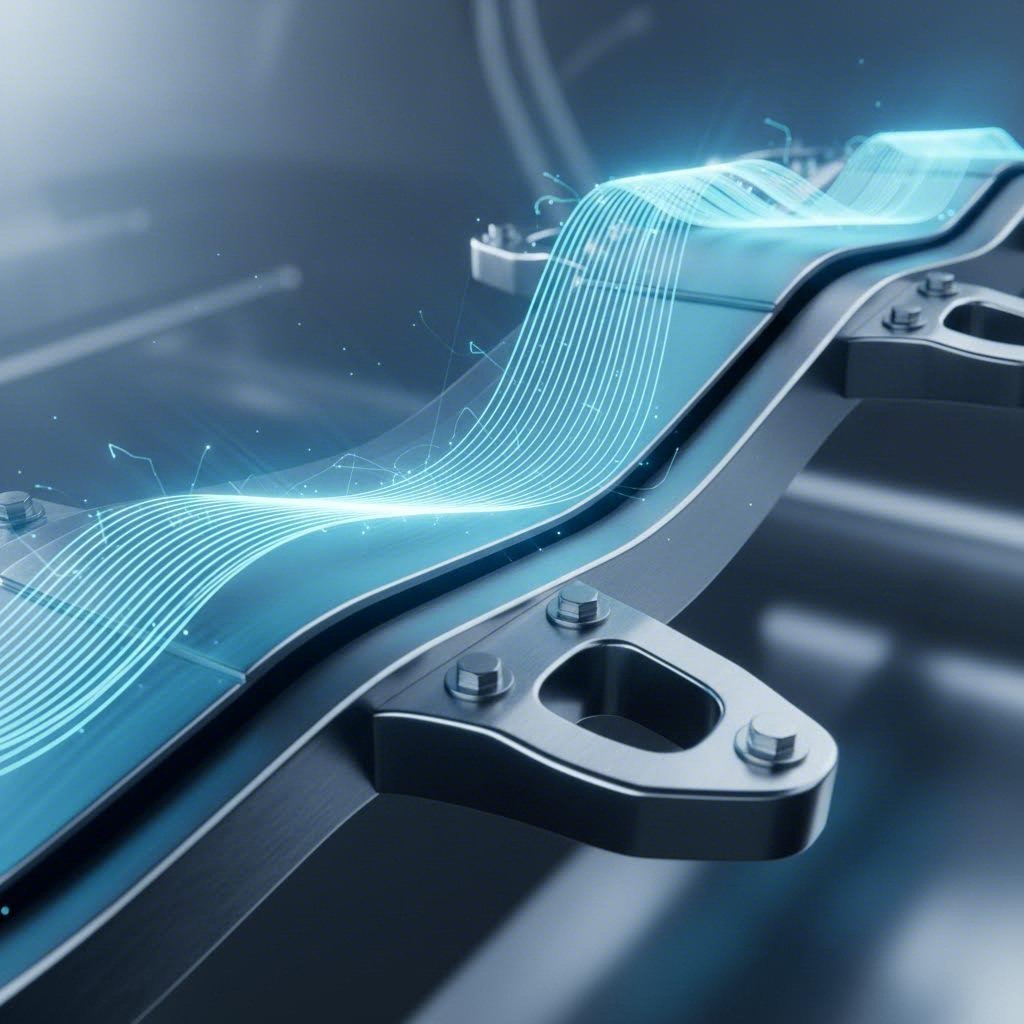
Servo presses represent a fundamental shift from fixed-velocity flywheels to programmable motor technology, offering infinite control over ram speed and position. For automotive stamping, this technology delivers three critical engineering advantages: the ability to form Advanced High-Strength Steel (AHSS) without cracking by adjusting dwell times, a 30–50% reduction in energy costs via regenerative braking, and significantly extended tool life through "silent blanking" profiles. As manufacturers pivot to EV components requiring deep draws and tight tolerances, upgrading to servo technology allows for higher strokes per minute (SPM) through pendulum motion, future-proofing production lines against evolving OEM standards.
Precision Forming of Complex Geometries & AHSS
The primary driver for servo press adoption in the automotive sector is the material science challenge posed by modern vehicle design. As OEMs shift toward Advanced High-Strength Steels (AHSS) and lightweight aluminum to meet crash safety and fuel economy standards, traditional mechanical presses often fail. The fixed velocity of a flywheel-driven ram strikes the material too aggressively, leading to fractures, or moves too quickly through the forming window, causing springback.
Servo presses solve this physics problem through programmable slide motion. Unlike a mechanical press that is bound to a fixed kinematic curve, a servo press can slow the ram velocity to near-zero just millimeters before contact — a technique often called "silent blanking." This controlled entry allows the material to flow plastically rather than tearing. According to data cited by MetalForming Magazine, the ability to dwell at Bottom Dead Center (BDC) eliminates the elastic recovery (springback) inherent in high-tensile materials, ensuring part geometry meets tolerance without requiring secondary calibration hits.
This infinite control also enables "multi-strike" capabilities within a single cycle. For complex geometries like B-pillars or chassis components, the ram can perform a pre-form, retract slightly to release built-up stress, and then complete the final form. This capability renders the press not just a hammer, but a precision shaping instrument capable of achieving tolerances as tight as ∞ +/- 0.0005 inches, a benchmark essential for automated assembly lines.
Cycle Time Optimization: The Pendulum Advantage
A common misconception is that because servo presses can slow down for forming, they are slower overall. In reality, they significantly increase Strokes Per Minute (SPM) through a mode known as "pendulum motion." Traditional presses must complete a full 360-degree crank rotation for every cycle, wasting valuable time on the non-working half of the stroke.
Servo presses, however, utilize programmable servo motors that can reverse direction instantly. For shallow parts or progressive die operations, the press can be programmed to move only through the necessary stroke length — for example, moving from 180 degrees to 90 degrees and back. By eliminating the unnecessary "air cutting" portion of the cycle, manufacturers can often double their output. Shuntec notes that this flexibility allows operators to program fast approach and return speeds while maintaining the optimal slow forming speed, effectively decoupling cycle time from forming velocity.
This efficiency extends to integration with transfer automation. The servo press can signal auxiliary equipment the exact moment clear of the die, allowing transfer arms to enter earlier than with a mechanical cam switch. This synchronization creates a seamless, high-speed production line optimized for high-volume automotive runs.
Tool Life Extension and Maintenance Reduction
The violent "snap-through" shock generated when a mechanical press punches through high-tonnage material is the leading cause of die wear and press maintenance. This reverse tonnage sends damaging vibrations through the press structure and the tooling, leading to premature cutting edge failure and cracked die components.
Servo technology mitigates this significantly through controlled breakthrough speeds. By decelerating the ram immediately prior to material fracture, the press reduces the snap-through energy absorbed by the machine. Industry reports from The Fabricator indicate that this reduction in shock and vibration can extend die maintenance intervals by double or more. For automotive suppliers running expensive carbide tooling, this translates to substantial OpEx savings.
Furthermore, the reduction in vibration creates a quieter plant environment. The "silent blanking" profile can reduce noise levels by several decibels, improving worker safety and compliance with OSHA regulations without the need for expensive sound dampening enclosures.

Energy Efficiency & Sustainability
As the automotive supply chain faces increasing pressure to report and reduce carbon footprints, the energy profile of stamping equipment has become a key decision factor. Traditional presses rely on massive flywheels that must run continuously, drawing power even during idle times. In contrast, servo presses consume energy primarily when the ram is in motion — a "power on demand" architecture.
More importantly, modern servo presses feature regenerative braking systems similar to those found in hybrid vehicles. When the press ram decelerates or the motor brakes, the kinetic energy is converted back into electricity and stored in capacitor banks. This stored energy is then used to power the next acceleration phase. AHE Automation highlights that this technology can reduce overall energy consumption by 30–50% compared to hydraulic or mechanical counterparts, while also reducing peak power surges by up to 70%.
Applications in EV & Scaling Production
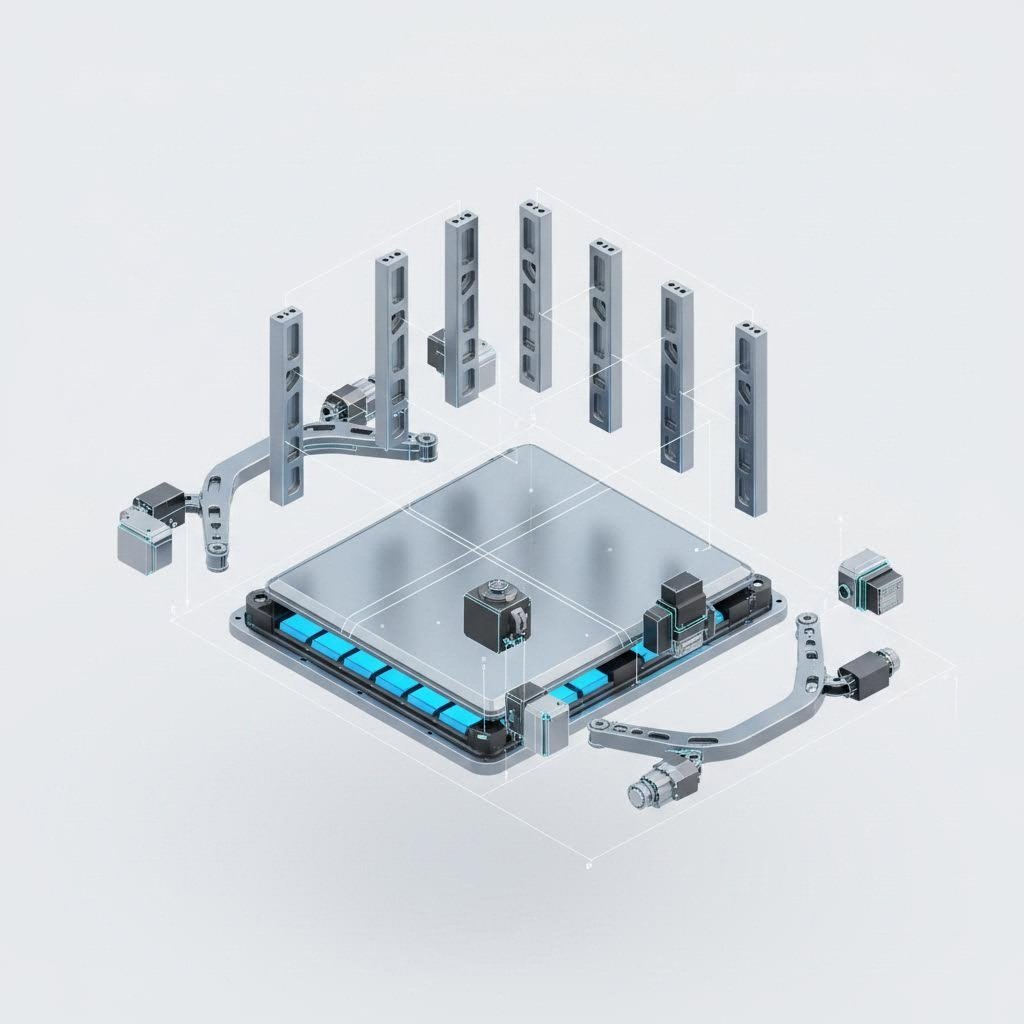
The transition to Electric Vehicles (EVs) has introduced new component requirements that favor servo technology. Battery enclosures require deep drawing of aluminum with zero tearing, while motor lamination stacks require interlocking precision that only active slide control can guarantee. Fuel cell bipolar plates, with their intricate flow channels, demand extreme coining flatness that servo presses deliver via high-tonnage dwelling.
Implementing these advanced forming capabilities requires a strategic approach to scaling. Whether you are in the rapid prototyping phase or ramping up for mass production, selecting partners with the right equipment capability is crucial. For instance, manufacturers like Shaoyi Metal Technology leverage high-tonnage precision presses (up to 600 tons) and IATF 16949-certified processes to bridge the gap between engineering samples and high-volume delivery. Accessing such comprehensive stamping solutions allows automotive tiers to secure critical components—from complex control arms to subframes—without the risk of capacity bottlenecks.
Ultimately, the servo press is not just a replacement for the mechanical press; it is a platform for innovation. It enables the production of lighter, stronger, and more complex vehicle structures that define the next generation of automotive engineering.
Frequently Asked Questions
1. Can existing mechanical presses be retrofitted with servo technology?
Yes, it is possible to retrofit existing press frames with linear servo actuators, as noted by engineering retrofit specialists. This approach replaces the crankshaft, flywheel, and clutch with servo modules, retaining the robust frame while gaining programmable control. This can be a cost-effective alternative to buying a new machine, offering roughly 70-80% of the benefits of a purpose-built servo press at a fraction of the capital cost.
2. How does a servo press compare to a hydraulic press for deep drawing?
While servo-hydraulic presses combine the tonnage of hydraulics with the precision of servo control, a purely mechanical servo press is generally faster. For deep drawing, a servo press creates a hybrid advantage: it mimics the maintained pressure of a hydraulic press during the form but utilizes the rapid return speeds of a mechanical press, often resulting in higher parts-per-minute than a traditional hydraulic system.
3. What is the typical ROI period for a servo press investment?
Although the upfront cost of a servo press is higher than a standard mechanical press, the ROI is typically realized within 18 to 24 months. This rapid payback is driven by three factors: energy savings (up to 50%), reduced scrap rates from higher precision (especially with expensive AHSS materials), and the elimination of secondary operations like in-die tapping or assembly which are enabled by the servo's programmable dwell functions.