 Small batches, high standards. Our rapid prototyping service makes validation faster and easier —
  EN
EN


Radiator Support Stamping: The Hidden VIN Guide for Restorers
TL;DR
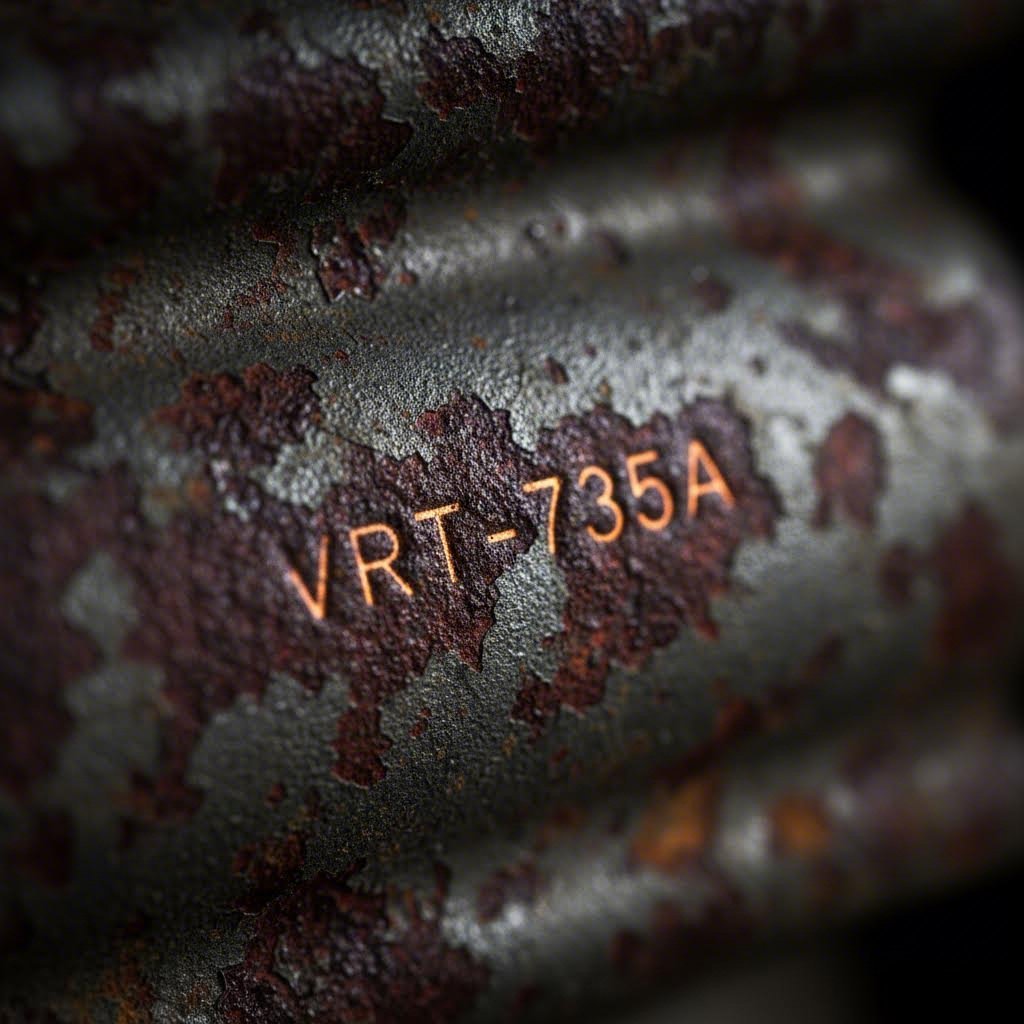
In the context of classic car restoration—specifically for Mopar, Ford, and GM muscle cars—radiator support stamping refers to the partial Vehicle Identification Number (VIN) or Shipping Order (SO) number stamped into the metal of the radiator core support. This "hidden VIN" is a critical tool for verifying a vehicle's authenticity and "numbers matching" status.
For most 1969 and newer Mopars, you will typically find this stamp on the driver's side upper radiator tie bar or beneath the coolant sticker. If you are unable to locate it, the stamp may be filled with paint, located on the vertical face of the yoke, or the panel may be a service replacement. Do not sandblast this area during restoration, as you risk destroying this vital identification mark forever.
What is Radiator Support Stamping?
To understand the significance of this term, we must distinguish between the two ways it is used in the automotive world: the identification mark and the manufacturing process.
1. The Identification Mark (The "Hidden VIN")
For collectors and restorers, this is the primary definition. Manufacturers like Chrysler (Mopar) and Ford stamped partial VINs or order numbers into body panels—including the radiator core support—as a theft deterrent and for factory tracking. Unlike the dashboard VIN plate or the Fender Tag, which are screwed or riveted on, these numbers are physically impressed into the unibody structure. Finding this stamp is often the only way to prove a high-value muscle car is a genuine factory build and not a "rebody" (a generic shell dressed up with VIN tags from a rare car).
2. The Stamped Component
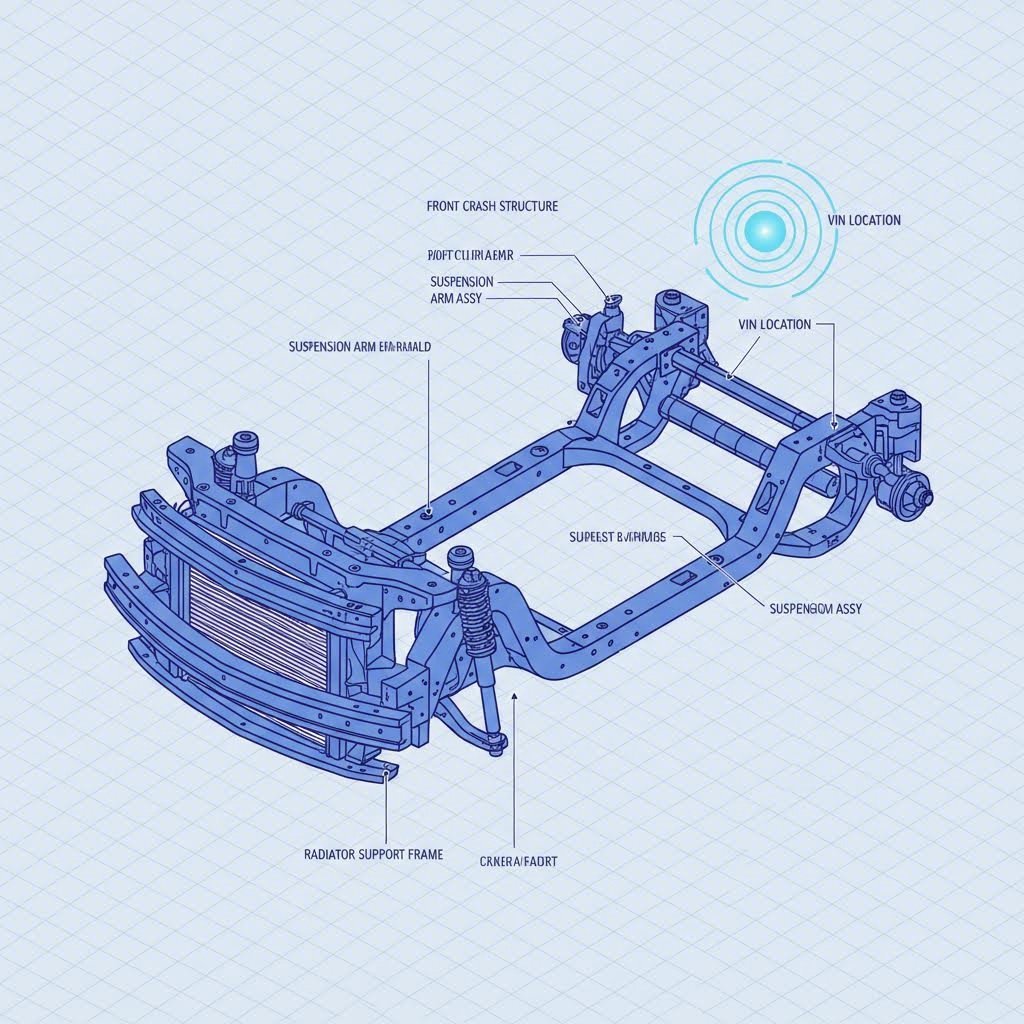
In a broader engineering context, the radiator support itself is a product of metal stamping—a manufacturing process where sheet metal is pressed into shape. While vintage supports were simple heavy-gauge steel, modern automotive stamping has evolved into a high-precision science. Industry leaders like Shaoyi Metal Technology now utilize advanced 600-ton presses to bridge the gap from rapid prototyping to high-volume manufacturing, ensuring critical components like subframes and control arms meet rigorous global OEM standards.
For the purpose of this guide, we will focus exclusively on the identification mark used for classic vehicle verification.
Location Guide: Where to Find the Stamp
Locating the radiator support stamp can be a forensic investigation. The location varies significantly by manufacturer, year, and assembly plant. Mopar vehicles from the muscle car era (1968–1974) are the most commonly discussed, but variances exist.
Mopar (Dodge, Plymouth, Chrysler)
For B-Bodies (Charger, Road Runner, GTX) and E-Bodies (Challenger, Barracuda), the stamp is elusive but predictable. Use this checklist:
- Driver's Side Top Bar: The most common location for 1969+ models is the upper tie bar (the horizontal metal strip running across the top of the radiator) on the left (driver's) side.
- Under the Coolant Sticker: Factory workers often placed the "Anti-Freeze" or coolant decal directly over the stamp. You may need to feel for the impression through the sticker or carefully inspect the edges.
- Vertical Face / Radiator Yoke: On some St. Louis-built cars, the stamp appears on the vertical face of the support, facing the engine. In rare cases, it may even be stamped upside down.
- Back Side: On some 1969 Road Runners, owners have reported finding the stamp on the rear-facing side of the support, closer to the radiator cap.
Ford (Mustang, Fairlane)
Ford stamping practices were less consistent regarding VINs on core supports compared to Mopar. Instead of a VIN, you are more likely to find:
- Date Codes: Stamped sequences like "11 15 W2" indicating the day, month, and shift.
- Location: Check the flat areas near the hood latch or, on early Mustangs (1965–1966), look below the battery tray area behind the lateral brace.
Decoding the Numbers
Once you have located the stamp, the next challenge is interpretation. The sequence you find will rarely match the full 13-digit VIN on your dashboard. Instead, it is a "Partial VIN" or "Sequence Number."
The Partial VIN (1969+ Mopar)
On most Mopars from 1969 onward, the radiator support stamp consists of the following:
- Year Code: A single digit or letter (e.g., '9' for 1969, '0' for 1970).
- Plant Code: A letter indicating the assembly plant (e.g., 'G' for St. Louis, 'E' for Los Angeles).
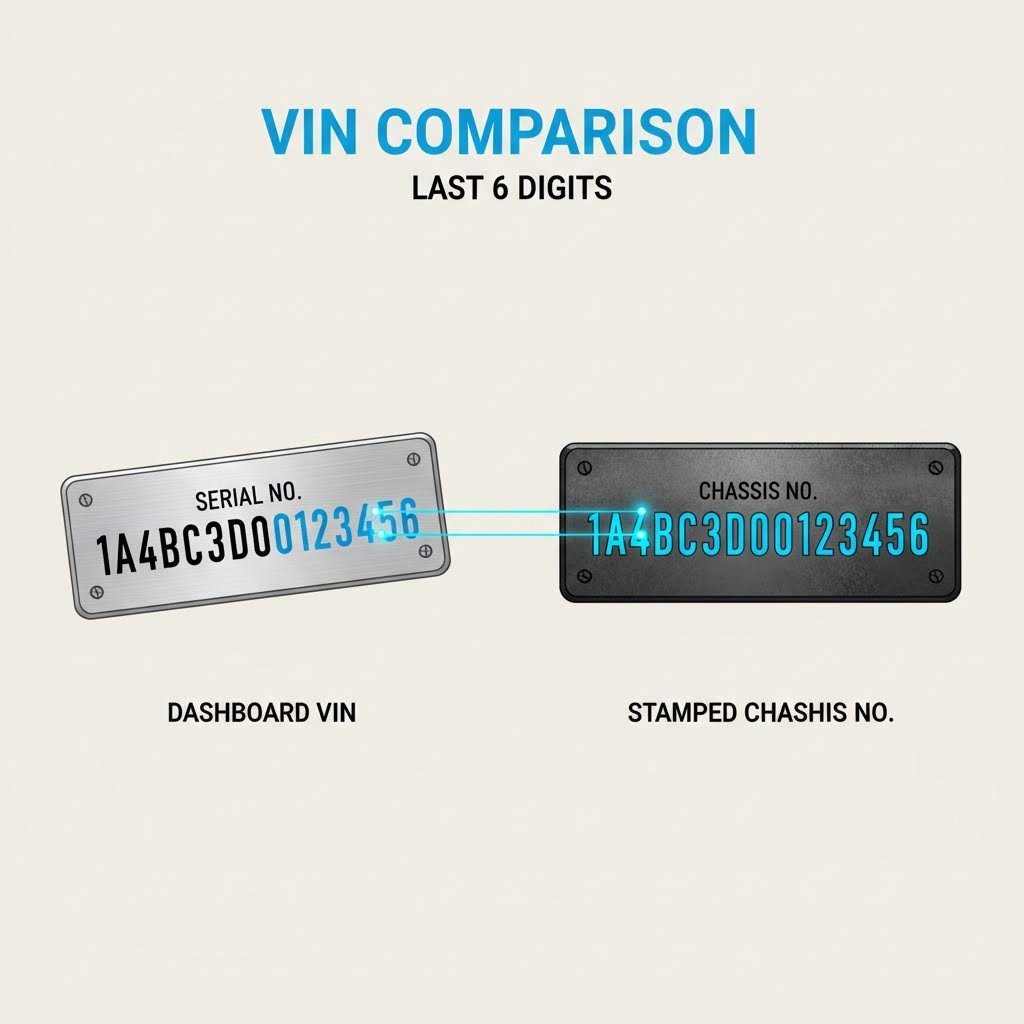
- Sequence Number: The most critical part—these are the last six digits of the VIN.
Verification Example:
If your dashboard VIN is JS23R0B150000 (a 1970 Dodge Challenger R/T built in Hamtramck), your radiator support stamp should read something like 0B150000. If the last six digits match, you have a "numbers matching" body panel.
Shipping Order (SO) Numbers (Pre-1969)
For cars built before 1969, identifying marks often track the Shipping Order (SO) number rather than the VIN. This number can be found on the Fender Tag but will not appear in the dashboard VIN. This frequently causes panic among novice restorers who assume their numbers don't match because they are comparing two different data sets.
Restoration & Preservation Techniques
The radiator support stamp is often faint, having been struck by hand on a moving assembly line. Preserving it during a restoration is paramount for the vehicle's future value.
The Sandblasting Danger
Never sandblast the stamping area. Industrial blasting media is aggressive enough to erase the shallow factory die stamps completely. Once the metal is smoothed over, the provenance is lost.
Safe Stripping Methods
To reveal a stamp buried under fifty years of paint and grease:
- Chemical Stripping: Use a gel-based paint stripper on the specific area. It removes layers without removing metal.
- Fine Abrasives: If mechanical removal is necessary, use 0000 steel wool or a very fine sanding sponge by hand. Go slowly.
- Highlighting: For car shows, some restorers lightly rub a grease pencil or white crayon over the stamp to make the characters "pop" against the body color, though purists often prefer the subtle, painted-over look.
Troubleshooting: Missing or Unreadable Stamps
It is a common scenario: you have scraped the paint, checked every angle with a mirror, and found nothing. Does this mean the car is a fake?
Not necessarily. There are several legitimate reasons for a missing radiator support stamp:
- Service Replacement Parts: If the car was in a front-end collision early in its life, the dealership may have installed a "Service Replacement" core support. These parts were sold over the counter and typically have no VIN stamps, or generic date codes only.
- Faint Strikes: Factory dies wore out. On Monday morning or Friday afternoon, a worker might have struck the metal too lightly. Heavy layers of primer and paint can easily fill these shallow divots.
- Production Variance: As noted in enthusiast communities, certain vehicles (like some Plymouth Superbirds) have been documented leaving the factory without core support stamps due to the chaotic nature of their conversion process.
If the radiator stamp is missing, verify the vehicle's identity using the trunk lip stamp (under the weatherstrip on the driver's side) or the cowl stamp (often hidden under the heater box). If these secondary hidden VINs match the dash, your vehicle's body is authentic.
Conclusion: The Verdict on Your Vintage Metal
Finding and decoding the radiator support stamp is one of the most rewarding steps in verifying a classic car's history. It transforms a piece of steel into a documented artifact, linking the chassis directly to the factory build sheet. While the process requires patience—and often a good flashlight—the result provides the ultimate proof of identity that every collector seeks.
Remember that these stamps are merely one piece of the puzzle. Always cross-reference the radiator support with the cowl, trunk lip, and transmission stamps to build a complete picture of your vehicle's originality. Whether you find a perfect match or a blank service replacement, understanding the story behind the metal is what restoration is all about.
Frequently Asked Questions
1. Does a missing radiator support stamp mean my car has been wrecked?
Not always, but it is a strong indicator. A missing stamp often suggests the core support was replaced with a "Service Replacement" part, likely due to a front-end collision. However, it could also result from a very faint factory strike being filled with paint, or the car being a specific model year (like pre-1968 Mopars) where VINs were not consistently stamped on the support.
2. Can I re-stamp the radiator support myself?
Ethically and legally, this is a grey area often frowned upon. While you own the car, re-stamping a replacement panel to match the VIN is considered by many in the collector community to be fraudulent, especially if not disclosed during a sale. It is generally better to leave a replacement panel unstamped and document the reason (e.g., accident repair) rather than creating a "counterfeit" numbers-matching car.
3. Where exactly is the stamp on a 1970 Dodge Challenger?
On a 1970 E-Body like the Dodge Challenger, look on the top horizontal tie bar of the radiator support, specifically on the driver's side. It is frequently located under the factory coolant decal. If it is not there, check the vertical face of the support on the engine side, as placement varied by assembly plant.