 Small batches, high standards. Our rapid prototyping service makes validation faster and easier —
  EN
EN


Tipos e Usos de Colunas-Guia: Evite o Desalinhamento Dispendioso
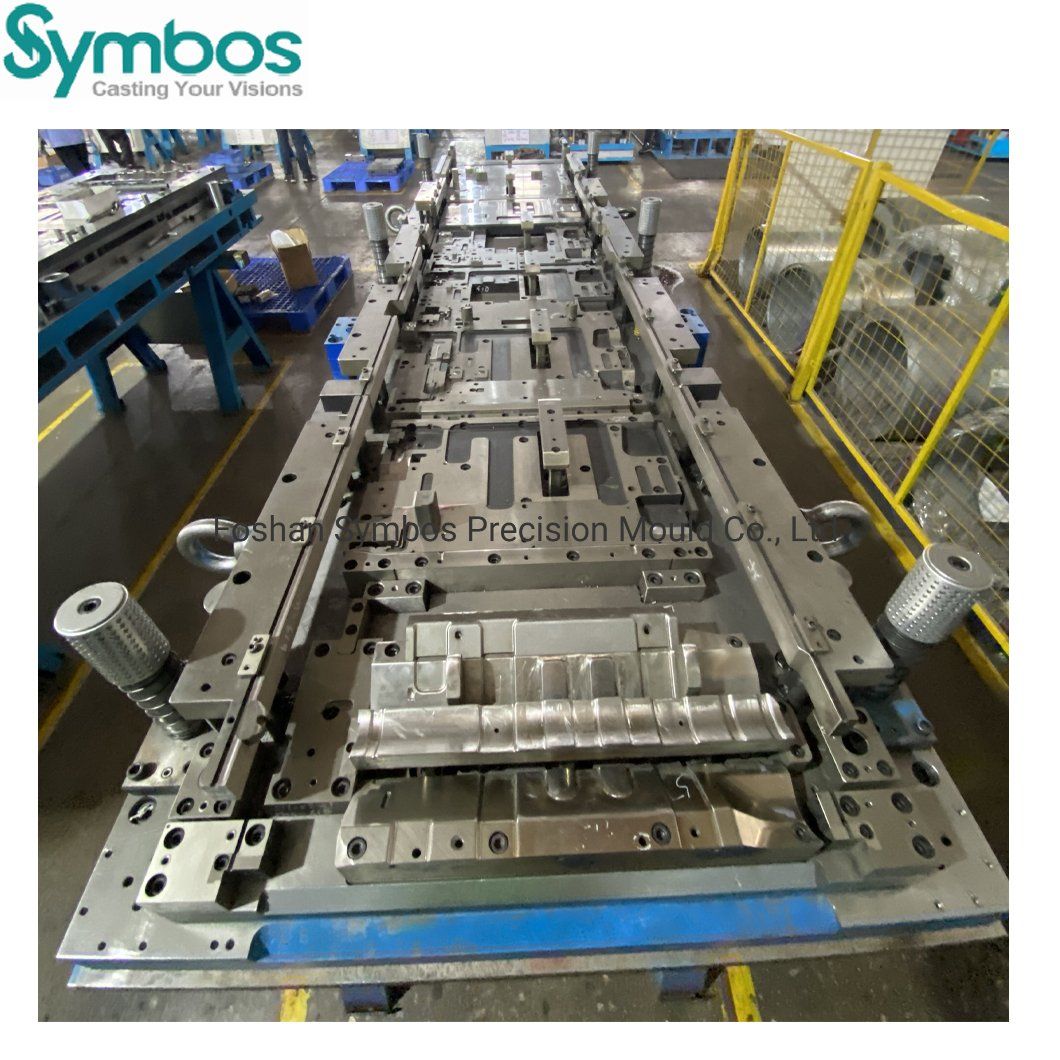
Colunas-Guia e Noções Básicas de Movimento Guiado
Parece complexo? Quando as pessoas pesquisam tipos e usos de colunas-guia, normalmente precisam de um ponto de partida claro. Uma coluna-guia é um elemento cilíndrico de precisão que se insere em uma bucha-guia correspondente para manter duas seções móveis da ferramenta no caminho correto durante a abertura e o fechamento . Na prática, contudo, essa coluna é apenas uma parte do sistema de guia. O ajuste da bucha, a lubrificação, a perpendicularidade da montagem, a limpeza e quaisquer elementos rolantes, como gaiolas de esferas, afetam se o alinhamento permanece estável ou se desvia lentamente. . Na ferramenta real, contudo, esse pilar é apenas uma parte do sistema de guia. O ajuste das buchas, a lubrificação, a quadratura da montagem, a limpeza e quaisquer elementos rolantes, como gaiolas de esferas, afetam se o alinhamento permanece estável ou se desvia lentamente.
Uma coluna-guia é um elemento de alinhamento de precisão que funciona em conjunto com uma bucha acoplada e outros componentes relacionados para manter as metades móveis da ferramenta em movimento ao longo de um caminho controlado.
O Que É uma Coluna-Guia
Em moldes de injeção, os pinos-guia direcionam a metade móvel em direção à metade fixa e ajudam a prevenir desalinhamento ou colisão entre cavidade e núcleo, conforme descrito pela Future Mould. Eles também podem suportar a metade móvel e auxiliar no posicionamento em certos layouts de moldes. Isso parece simples, mas os compradores frequentemente cometem o mesmo erro: comparam os pinos como se fossem peças isoladas. A precisão de guia é, na verdade, resultante da interação entre o pino, a bucha, a geometria da carcaça, o ajuste e a forma como o conjunto é instalado e mantido. Como Vardhman destaca, a precisão das ferramentas provém do movimento guiado, não da força.
Por que o Alinhamento é Importante nas Ferramentas
Quando o alinhamento está incorreto, os danos raramente se limitam a um único local. Você pode observar desgaste unilateral, arranhões, aumento de atrito, calor excessivo, movimento ruidoso, defeitos nas peças ou paradas não programadas. Tanto em moldes quanto em matrizes, os elementos de guia devem entrar em contato antes que as faces de trabalho ou os punções assumam carga, um princípio também refletido em Gud Mould imagine uma base de molde bem usinada com instalação inadequada ou lubrificação negligenciada. Mesmo aço premium desgastar-se-á precocemente se uma carga lateral for imposta ao sistema.
Se você chegou aqui por meio de pesquisas não relacionadas, como 'pilares de trajetórias guiadas', 'pilares das trajetórias guiadas' ou 'guia de pilares de ética em IA', este artigo trata do alinhamento mecânico de ferramentas, e não de estruturas educacionais ou de políticas.
Pilar-guia vs Pino-guia vs Haste-guia
A terminologia dos catálogos varia; portanto, segue a versão em português simples:
- Pilar-guia : o termo técnico comum para o elemento de alinhamento temperado que se insere em uma bucha.
- Pino guia : frequentemente usado de forma intercambiável com 'pilar-guia' na literatura sobre moldes.
- Haste-guia : um termo mais amplo, geralmente empregado em dispositivos de fixação ou automação, e nem sempre equivalente a um pilar padronizado de molde ou conjunto de matriz.
- Buca-guia ou bucha : a manga de acoplamento que suporta e controla o movimento do pino-guia.
- Gaiola de esferas : um retentor para elementos rolantes utilizado em alguns conjuntos de guia de precisão.
Você perceberá que o nome isoladamente não indica se uma peça é adequada para altas velocidades, cargas de choque, ambientes empoeirados ou repetibilidade precisa. A escolha real começa quando esses termos básicos são separados nas principais famílias de pinos-guia que os compradores efetivamente encontram nos catálogos de ferramentas.
Famílias de Pinus-Guia e Usos Típicos
Ao abrir um catálogo de ferramentas, a parte confusa raramente é apenas o nome. Trata-se, na verdade, de compreender por que dois pinos-guia aparentemente semelhantes são destinados a funções muito distintas. As principais famílias são diferenciadas com base em três perguntas práticas: como o pino-guia é montado , como ele se move no interior da bucha de acoplamento e qual velocidade, carga e repetibilidade o sistema deve suportar. Você perceberá que a escolha correta depende menos de identificar a opção mais avançada e mais de adaptar o projeto às reais condições de trabalho.
Se o seu histórico de pesquisas também incluir termos como 'guia de construção de personagem Rogue em Pillars of Eternity', 'guia de construção em Pillars of Eternity', 'guias de construção em Pillars of Eternity 2' ou 'guia de classes em Pillars of Eternity', esta seção trata do alinhamento de ferramentas mecânicas, e não de construções de personagens no jogo.
Colunas-guia padrão e com ombro
Colunas-guia padrão, ou simples, são o estilo básico de deslizamento utilizado com buchas simples correspondentes. A lógica de seu projeto é direta: um elemento cilíndrico temperado e acabado desliza dentro de uma bucha, mantendo as metades móveis em uma trajetória controlada. Elas são comuns em moldes, matrizes e ferramentas em geral, pois são familiares, práticas e, muitas vezes, mais fáceis de manter do que sistemas mais especializados.
Colunas-guia de ombro, ou com cabeça, aprimoram esse conceito ao adicionar um ombro ou cabeça de localização. Esse recurso adicional ajuda a controlar a posição de montagem e o assentamento axial, o que pode melhorar a consistência da montagem. Em termos práticos, uma coluna padrão é frequentemente escolhida quando um método de guia simples e comprovado é suficiente. Já o tipo com ombro faz mais sentido quando o próprio método de montagem exige um controle mais rigoroso.
- Utilize estilos lisos quando : a ferramenta opera em velocidade moderada, a contaminação é controlável e a robustez e simplicidade são prioritárias.
- Evite estilos lisos quando : o atrito deve ser muito baixo ou os requisitos de repetibilidade forem excepcionalmente elevados.
- Utilize estilos com ombro quando : você deseja uma localização mais precisa e uma instalação mais controlada.
- Evite estilos com ombro quando : o projeto não se beneficia do recurso adicional de montagem ou o acesso para manutenção torna-se inconveniente.
Sistemas de Guiamento com Rolamentos de Esferas e de Precisão
Parece complexo? Imagine a diferença entre deslizar um eixo em uma bucha e permitir que elementos rolantes transmitam o movimento. Colunas-guia com rolamentos de esferas reduzem o contato deslizante e podem proporcionar um deslocamento mais suave, menor atrito e melhor repetibilidade no ambiente adequado. Normalmente são combinadas com buchas de esferas ou arranjos semelhantes com elementos rolantes, não com buchas lisas convencionais.
Sistemas de guia de alta precisão se sobrepõem a essa família, mas nem sempre são idênticos. Alguns dependem de elementos rolantes; outros baseiam-se em ajustes rigorosamente controlados entre a coluna e a bucha. A ideia central é a mesma: controle mais apertado do movimento. A contrapartida é a sensibilidade. Sistemas de precisão normalmente exigem maior atenção à limpeza, à precisão de montagem e à disciplina de manutenção. Em ambientes sujeitos à sujeira e a choques, um sistema de deslizamento liso mais robusto pode ser a escolha mais adequada para longa vida útil.
Variantes Robustas e Removíveis
Variantes de alta resistência são selecionadas para ferramentas maiores, cargas laterais mais intensas, choques ou ciclos de trabalho mais severos. Seu valor reside na estabilidade sob condições de serviço mais exigentes, e não apenas no tamanho. Estilos removíveis ou desmontáveis são projetados tendo em vista a manutenção. Permitem que oficinas substituam componentes sujeitos ao desgaste com menor interrupção do restante do conjunto, o que é especialmente útil em ferramentas de produção, onde o tempo de inatividade é caro.
| Família | Estilo de Design | Tipo de Movimento | Pontos fortes | Limitações | Arranjo de buchas compatível | Contexto típico de ferramental |
|---|---|---|---|---|---|---|
| Padrão ou simples | Coluna cilíndrica reta para montagem simples | Deslizante | Robusto, familiar e economicamente viável, muitas vezes mais tolerante a condições de uso severas | Atrito e desgaste superiores aos dos sistemas de rolagem; depende fortemente da lubrificação | Buca deslizante simples | Bases gerais de moldes, matrizes comuns e dispositivos com velocidade moderada e controle adequado de sujeira |
| Com rebaixo ou cabeça | Coluna com ombro de localização ou cabeça | Deslizante | Posição de assentamento e montagem mais controlada, útil para a consistência da montagem | Montagem menos flexível; o recurso adicional pode ser desnecessário em ferramentas simples | Bucha lisa, frequentemente com um arranjo de montagem que corresponde ao conceito de ombro | Ferramentas nas quais a retenção e a precisão de instalação são mais importantes do que o número mínimo de peças |
| Com rolamentos | Coluna utilizada com elementos rolantes | Laminação | Menor atrito, deslocamento mais suave, adequado para taxas de ciclo mais elevadas | Mais sensível à sujeira, choques e negligência na manutenção | Bucha de esferas ou conjunto de bucha com elementos rolantes | Matrizes e matrizes-ferramenta limpas e de alta velocidade, nas quais o movimento suave é uma prioridade |
| Sistema de guia de alta precisão | Conjunto de guia combinado com ajuste rigorosamente controlado ou orientação por rolamento | Deslizante ou por rolamento, conforme o projeto | Alta repetibilidade, controle mais rigoroso do movimento, melhor consistência posicional | Exige instalação cuidadosa, limpeza e compatibilidade do sistema | Disposição combinada de buchas de precisão | Moldes de precisão, matrizes de tolerâncias finas, conjuntos onde a repetibilidade de alinhamento é crítica |
| Removível ou desmontável | Elemento de guia projetado para facilitar sua substituição ou manutenção | Geralmente deslizante, às vezes parte de um conjunto maior passível de manutenção | Melhora a capacidade de manutenção e reduz a interrupção causada por reparos | Pode acrescentar complexidade ao projeto em comparação com estilos básicos fixos | Carcaça de bucha orientada para serviços ou configuração de bucha substituível | Ferramentas de produção que exigem manutenção planejada e renovação mais rápida |
| Pesado-Duty | Disposição de guia mais robusta para cargas mais severas | Geralmente deslizantes, às vezes sistemas reforçados de precisão | Mais adequado para ferramentas maiores, choques e cargas laterais mais intensas | Pode ser excessivo para trabalhos leves e pode aumentar o espaço ocupado e o custo | Buca lisa de parede espessa ou sistema robusto de buchas combinadas | Matrizes grandes, ferramentas de prensa e montagens industriais exigentes |
A família de catálogos oferece-lhe um ponto de partida, não uma solução completa. Um pilar que parece perfeito no papel ainda pode apresentar desempenho insuficiente se o tipo de bucha, os elementos rolantes, o caminho de lubrificação ou o método de montagem forem inadequados. É nessa relação sistêmica que o desempenho da orientação é realmente definido.
Como os Pilares-Guia, Buchas e Gaiolas de Esferas Trabalham em Conjunto
Uma família de catálogos informa como uma unidade-guia é construída. Seu comportamento real só se manifesta após a montagem completa da pilha-guia: o pilar ou poste-guia, a bucha acoplada, qualquer gaiola de esferas, os furos de fixação, o caminho do lubrificante e os componentes de fixação auxiliares. Em Ciência das Matrizes , pinos-guia são descritos como as peças que posicionam as placas superior e inferior, garantindo que os componentes de corte e conformação mantenham sua folga projetada. Essa é a visão sistêmica necessária pelos compradores. O pilar isoladamente não garante o alinhamento.
Como os Pilares-Guia e as Buchas Trabalham em Conjunto
Em um sistema de deslizamento, um pino liso desliza diretamente no interior de uma bucha. O contato é superfície contra superfície, de modo que o atrito e o calor são maiores do que nos sistemas de orientação por rolamento. A mesma fonte observa que pinos lisos, ou de atrito, são comumente utilizados em aplicações onde se espera uma grande quantidade de esforço lateral. Essas configurações frequentemente empregam buchas revestidas com bronze-alumínio, tampões de grafite e graxa de alta pressão para controlar o desgaste. A vantagem é a robustez. A desvantagem é maior resistência ao movimento, maior desgaste e menor adequação para operação em altas velocidades.
Em um sistema de rolamento, o pino-guia e a bucha são separados por rolamentos esféricos mantidos em uma gaiola. Guia do Fabricante explica que esses conjuntos funcionam com pré-carga, ou folga negativa, de modo que o movimento depende de um contato controlado por rolamento, em vez de um ajuste frouxo por deslizamento. Isso reduz o atrito e pode melhorar a repetibilidade, mas também torna o sistema mais sensível à contaminação, a erros de montagem e a falhas na lubrificação.
Quando as Gaiolas de Esferas Melhoram a Orientação
Parece complexo? Imagine a diferença entre deslizar um eixo em uma bucha e deixar que rolamentos suportem o movimento. As gaiolas de esferas são mais úteis quando a velocidade é maior, o movimento precisa permanecer suave e os técnicos se beneficiam de uma separação mais fácil dos moldes durante a manutenção. Arranjos totalmente pré-carregados funcionam bem em aplicações de alta velocidade e curso curto. Condições com pré-carga aliviada ou desengajada podem ser adequadas para cursos mais longos e podem ajudar a gaiola a reiniciar sua posição a cada ciclo. A contrapartida é a disciplina na manutenção. Não se recomenda graxa para componentes guia com rolamentos de esferas, pois ela pode aprisionar contaminantes e interferir no rolamento. Óleo leve ou óleo mineral refinado é a opção mais segura, conforme orientação citada.
Acessórios que Afetam o Desempenho
Peças pequenas muitas vezes determinam se os principais elementos guia terão vida útil prolongada. Blocos de apoio podem complementar os pinos-guia quando a força estiver fortemente desbalanceada. A ventilação adequada é importante, pois o ar aprisionado pode empurrar a gaiola para fora de sua posição. Pinos lubrificadores com furos transversais internos pode alimentar lubrificante automaticamente. Em algumas montagens de superfície, uma mola mantém a gaiola de esferas em sua posição inicial, em vez de depender apenas da gravidade.
| Componente | Papel | Tipo de contacto | Padrão de Desgaste | Implicações para manutenção | Situações ideais para ferramentas |
|---|---|---|---|---|---|
| Coluna lisa mais bucha lisa | Alinhamento básico com suporte deslizante direto | Deslizante | Desgaste superficial e sulcos relacionados ao atrito caso a lubrificação diminua | Requer graxa e verificações regulares de desgaste, especialmente em altas velocidades | Ferramentas que esperam esforço lateral ou priorizam simplicidade robusta em vez de atrito mínimo |
| Guiador mais gaiola de esferas mais bucha | Orientação precisa com atrito reduzido | Laminação | Rastreamento, aquecimento ou achatamento se a pré-carga ou a lubrificação estiverem incorretas | Requer condições limpas, óleo leve, pré-carga correta e montagem cuidadosa | Aplicações de alta velocidade, curso curto e funcionamento mais suave |
| Bloco de calcanhar ou bloco-guia | Complementa ou substitui o guia sob cargas desbalanceadas | Deslizamento sobre placas de desgaste | Desgaste localizado nas faces carregadas | Importante onde uma força unidirecional pode provocar a deflexão dos pinos | Matrizes ou ferramentas grandes, onde os principais elementos-guia necessitam de suporte contra cargas laterais |
| Características de lubrificação e ventilação | Proteger a qualidade do movimento e a vida útil dos componentes | Suporte indireto | Lubrificação inadequada gera calor; ventilação deficiente pode deslocar a posição da gaiola | Frequentemente negligenciado, mas essencial para uma vida útil estável | Qualquer montagem guiada em que tempo de operação contínua e repetibilidade sejam fundamentais |
- Associar um pilar de alta precisão a uma bucha lisa não projetada para esse método de guia
- Utilizar graxa em uma montagem de rolamento de esferas que deveria operar com óleo leve
- Escolher guia por rolagem em ambientes dominados por cargas laterais elevadas e sujeira
- Ignorar a localização do furo, a retilineidade do furo ou o paralelismo dos postes-guia durante a montagem
- Desconsiderar a ventilação, a entrega de lubrificante ou o controle da posição da gaiola
- Esperando que os componentes do guia corrijam uma prensa desleixada ou mal mantida.
Se sua pesquisa também incluiu 'quatro pilares das vias orientadas', 'quatro pilares das vias orientadas' ou 'quatro pilares das vias orientadas', esta seção trata da orientação mecânica de ferramentas. E, assim que toda a pilha estiver visível, a seleção do tipo deixa de ser um exercício de catálogo e passa a ser uma decisão baseada na aplicação.
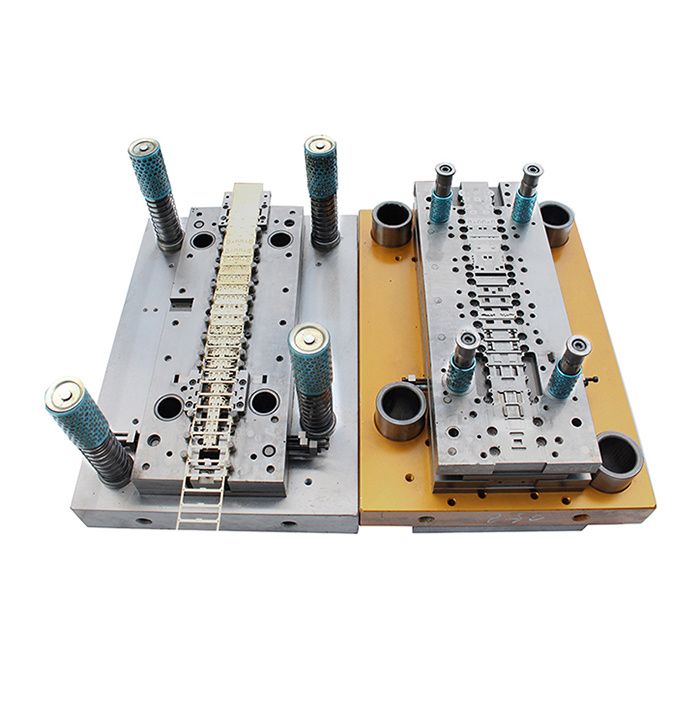
Correspondência entre Tipos de Pilares de Guia e Aplicações Reais de Ferramentas
Essa decisão de aplicação torna-se mais clara quando você deixa de perguntar qual família de guias é a melhor em geral e começa a perguntar o que a ferramenta deve suportar em cada ciclo. Um molde de injeção preocupa-se com o alinhamento entre cavidade e núcleo durante a abertura e o fechamento. Uma matriz de estampagem preocupa-se em manter as seções superior e inferior movendo-se com precisão, para que as folgas entre punção e matriz permaneçam uniformes. Um dispositivo de fixação ou uma montagem automatizada podem priorizar mais a repetibilidade, o acesso para manutenção e a limpeza do que a carga bruta de conformação. O mesmo conjunto de guias pode parecer impressionante em um catálogo e ainda assim ser inadequado para uso.
Se buscas não relacionadas, como guia de combate de Pillars of Eternity, guia de combate de Pillars of Eternity 2, guia de stronghold de Pillars of Eternity ou guia de navio de Pillars of Eternity 2, o levaram até aqui, esta seção trata do alinhamento de ferramentas industriais.
Colunas-guia para moldes de injeção
Nos moldes de injeção, a Future Mould descreve as colunas-guia como as peças que alinham as metades móvel e fixa, suportam a metade móvel em moldes maiores, auxiliam no posicionamento em alguns layouts e até contribuem para a ventilação através da folga entre a coluna-guia e a bucha. Você perceberá, na prática, o que isso significa: a seleção do molde é determinada pela repetibilidade do fechamento, pelo tamanho do molde e pelo custo potencial de um desalinhamento entre as cavidades.
- Utilize estilos padrão ou com ombro quando : a base do molde for convencional, o percurso de abertura e fechamento for previsível e a lubrificação e inspeção rotineiras forem viáveis.
- Utilize orientação de maior precisão quando a correspondência entre cavidade e núcleo é mais sensível, ações laterais aumentam as exigências de posicionamento ou a contagem de ciclos torna pequenas perdas de alinhamento onerosas.
- Evitar arranjos de guias excessivamente delicados quando a contaminação, o risco de corrosão ou a manutenção inconsistente são mais prováveis do que exigências de alinhamento ultra-preciso.
Melhor Adequação para Estampagem e Matrizes Progressivas
As ferramentas de estampagem exercem pressões diferentes sobre o sistema de guia. A CNstamping explica que os componentes de guia mantêm as seções superior e inferior da matriz movendo-se na direção correta, de modo que os punções e as matrizes mantenham uma folga uniforme. A mesma fonte observa ainda que muitas ferramentas utilizam um pilar-guia principal e uma bucha-guia principais para o guia inicial, seguidos por um pilar-guia secundário e uma bucha-guia secundária para uma orientação mais precisa. Isso é especialmente útil em trabalhos progressivos, onde a repetibilidade deve ser mantida ao longo de sucessivos ciclos de prensagem e avanço da tira.
- Utilizar pilares-guia principais de alta resistência quando a carga da prensa, os impactos, o tamanho da ferramenta ou a aplicação de carga excêntrica forem significativos.
- Utilizar arranjos com guias principais e secundárias quando o matriz tem maior volume, os folgas são menores ou estações progressivas tornam o erro acumulado mais oneroso.
- Usar guias simplificados com mais cautela quando a matriz é destinada apenas a protótipos ou produção em pequena escala e sua estrutura foi intencionalmente reduzida para economizar tempo ou custo.
- Evitar opções de baixa capacidade ou de difícil manutenção quando a matriz opera em um ambiente de prensa sujo ou o acesso para substituição é inadequado.
Um detalhe merece atenção aqui. Na linguagem de estampagem, um pino-guia pode referir-se ao guia da tira ou à extração da tira durante a alimentação, não necessariamente ao principal elemento de alinhamento entre as seções superior e inferior da matriz. Compradores que ignoram essa distinção podem escolher, desde o início, a família incorreta de componentes.
Onde Fixações e Automação Exigem Escolhas Diferentes
Parece complexo? Imagine duas montagens lado a lado. Uma é uma matriz de produção fechando sob força repetida de prensa. A outra é uma placa de fixação ou um deslizador de automação que simplesmente precisa retornar à posição com suavidade. Fixações e unidades de automação frequentemente permitem priorizar, de forma mais aberta, embalagem, velocidade de substituição e controle de contaminação. Nesses casos, colunas lisas ou com ombro são frequentemente a escolha prática quando o movimento é moderado e a simplicidade de manutenção é importante.
- Utilize estilos lisos ou com ombro quando : o movimento é moderado, o acesso para manutenção é relevante e a montagem não justifica um sistema de guia altamente sensível.
- Utilize guia de precisão ou rolamento quando : o movimento deve permanecer muito suave e a montagem deve retornar à posição com variação mínima.
- Evite superespecificar se o quadro, o atuador ou as superfícies de montagem não conseguirem manter o mesmo nível de precisão, um conjunto premium de guias não resolverá os problemas do sistema como um todo.
| Aplicação | Padrão de Movimento | Exigência de precisão | Exposição ao desgaste | Família recomendada de colunas-guia | Abordagem de buchas combinadas | Observações práticas para seleção |
|---|---|---|---|---|---|---|
| Moldes de injecção | Movimento repetido de abertura e fechamento entre as metades móvel e fixa | Alto nas áreas de encaixe da cavidade e do núcleo | Desgaste dependente de lubrificação, com possível exposição à contaminação ou corrosão | Guia padrão, com ombro ou de alta precisão para moldes sensíveis | Buça-guia combinada dimensionada conforme a estrutura do molde e sua aplicação | Priorizar o alinhamento confiável no fechamento, especialmente em moldes maiores ou mais complexos |
| Bases de molde | Fechamento e abertura lineares controlados | Moderada a alta, dependendo da complexidade do molde | Desgaste deslizante constante ao longo de altas contagens de ciclos | Estilos padrão ou com ombro para a maioria das bases de uso geral | Bush de guia liso com ajuste consistente e acesso à lubrificação | Boa escolha quando a simplicidade comprovada e a manutenção fácil são mais importantes do que a precisão extrema |
| Matrizes de estampagem | Movimento vertical alternado da prensa | Alta, pois a folga entre o punção e a matriz deve permanecer uniforme | Carga de choque e mudanças repetidas de direção | Colunas-guia principais de alta resistência | Disposição robusta de buchas-guia para orientação primária da matriz | Ideal quando a carga e o impacto são mais exigentes do que no fechamento típico de moldes |
| Matrizes progressivas | Golpes repetidos da prensa com avanço da tira através das estações | Muito alta em múltiplas estações | Desgaste elevado por ciclo, com risco de acumulação de erros | Colunas-guia principais mais colunas-guia secundárias, ou conjuntos de alta precisão, quando justificados | Bucha principal para orientação inicial, mais bucha-guia secundária para controle mais refinado | Vale a complexidade adicional quando o volume é elevado e a repetibilidade determina a qualidade da peça |
| Ferramentas de pressão | Movimento alternado de conformação ou corte | Moderada a alta, dependendo da folga da ferramenta | Alto potencial de choque e carga lateral | Guia plana pesada ou robusta | Configuração resistente de bucha plana com ajuste passível de manutenção | Priorizar durabilidade e facilidade de reforma onde as condições da prensa forem severas |
| Instalações | Movimento curto de localização ou fixação guiada | Geralmente moderada, às vezes alta para localização repetitiva | Frequentemente afetada por sujeira e manuseio, em vez de alta força | Estilos planos, com ombro ou removíveis | Bucha simples e lisa para substituição fácil | Escolha o sistema de guia mais simples que ainda garanta posicionamento repetível |
| Conjuntos de automação | Indexação linear, movimento deslizante ou posicionamento repetido | Moderada a alta, conforme as necessidades de registro | Pode ser sensível à contaminação se operar em alta velocidade | Estilos de precisão ou com rolamentos de esferas em sistemas limpos; estilos simples em aplicações mais severas | Bucha de precisão ou bucha com rolamentos de esferas, quando a limpeza do ambiente o permitir | Ajuste a família de guias ao ambiente real de operação, não apenas à precisão almejada teoricamente |
A aplicação reduz rapidamente as opções viáveis, mas não conclui a seleção. Uma família de colunas adequada ao tipo de movimento pode ainda apresentar desgaste prematuro se o material, a dureza, o acabamento superficial, o revestimento e a química do lubrificante não forem compatíveis com o ambiente operacional. É nesse ponto que a vida útil começa a diferir da simples adequação dimensional.
Materiais, Dureza e Opções de Superfície para Colunas-Guia
Quando um sistema-guia bem escolhido ainda desgasta-se muito rapidamente, o problema muitas vezes está oculto nos detalhes do material e da superfície. Pesquisas publicadas na revista Problemas de Tribologia identificam o desgaste e a fadiga por contato como principais modos de falha das colunas-guia, ambos impulsionados pelo atrito nas superfícies em contato. Em termos simples, uma coluna-guia não precisa apenas ter o tamanho adequado; ela precisa de uma superfície e de uma condição do material capazes de manter o alinhamento, mesmo com variações contínuas de carga, movimento e lubrificação.
Opções de Material que Afetam o Desgaste
Uma maior dureza pode ser vantajosa, mas apenas quando o restante do sistema a suporta. O mesmo estudo em tribologia relaciona a durabilidade à distribuição de carga, à deformação de contato, à rugosidade superficial e ao comportamento do lubrificante. Você perceberá o que isso significa em termos comerciais:
- Uma coluna-guia mais dura e tratada termicamente é vantajosa quando a tensão de contato for elevada e o ajuste com a peça acoplada for controlado.
- Um material-base resistente é essencial, pois baixa rigidez ou cargas concentradas podem anular os benefícios de uma superfície dura.
- Em serviço abrasivo ou mal mantido, uma configuração de deslizamento mais simples pode ter maior durabilidade do que um sistema de rolamento mais delicado.
Noções Básicas sobre Dureza, Acabamento e Revestimento
Parece complexo? Imagine dois pilares com dureza semelhante. Aquele com acabamento superior e lubrificação mais estável normalmente opera com maior suavidade e desgasta-se mais lentamente. O estudo sobre guias citado acima constatou que a rugosidade superficial e as estruturas lubrificantes influenciam o comportamento operacional e a estabilidade do movimento. Também menciona lubrificantes sólidos redutores de atrito, como dissulfeto de molibdênio e nitreto de boro hexagonal, além de discutir o nitreto de boro cúbico como uma direção promissora para aumentar a resistência ao desgaste das superfícies de guia. Essa é a conclusão prática para o comprador: a qualidade da superfície e o suporte lubrificante podem ser tão importantes quanto o valor de dureza indicado em um catálogo.
Condições Ambientais que Alteram a Melhor Opção
A presença de detritos altera rapidamente a equação. Em pesquisa de revestimentos em superfícies de NiCrBSi, os resíduos maiores de óxido de alumínio no óleo causaram maior desgaste e maior atrito do que partículas de tamanho nanométrico. Para ferramentas reais, isso significa que o risco de contaminação pode superar os benefícios de um acabamento ou revestimento premium.
- Ambientes limpos e controlados permitem que acabamentos finos e superfícies de baixo atrito entreguem seu verdadeiro benefício.
- Ambientes sujos favorecem superfícies e estilos de guia que toleram resíduos e são mais fáceis de relubrificar.
- A compatibilidade com a lubrificação é importante, pois uma condição inadequada do lubrificante aumenta o atrito e desestabiliza o movimento.
- A exposição à corrosão ou à umidade aumenta o valor da proteção superficial, mas essa proteção ainda deve corresponder às condições reais de resíduos e lubrificante.
O melhor pino-guia é aquele que corresponde ao ambiente operacional, e não aquele com a etiqueta de precisão mais sofisticada.
Se buscas como guia de atributos de Pillars of Eternity, guia de equipamentos de Pillars of Eternity ou guia de encantamentos de Pillars of Eternity o trouxeram até aqui, esta seção trata do desgaste de ferramentas mecânicas. Os catálogos costumam condensar essas opções de material e superfície em rótulos-padrão curtos, razão pela qual esses códigos merecem uma análise mais atenta.
Guia de leitura dos padrões de colunas-guia sem se perder
Quando um catálogo deixa de usar descrições simples e passa a listar códigos curtos, a confusão geralmente surge rapidamente. As normas ISO, DIN, AFNOR e números de documentos, como ISO 9182, não são meros enfeites técnicos. Em termos práticos de compra, são rótulos de referência que ajudam você a identificar com que peça um componente deve ser compatível, como ele é descrito e com que segurança pode ser adquirido ou substituído. O oficial ISO OBP existe para auxiliar os usuários na navegação por normas, códigos e termos definidos, o que serve como um lembrete útil de que o código indicado na linha do catálogo é relevante.
Por que os padrões de colunas-guia são importantes
Você notará que os padrões tornam-se mais valiosos quando peças precisam ser substituídas anos depois ou adquiridas de mais de uma fonte. Uma referência padronizada pode facilitar a discussão sobre dimensões, denominações e compatibilidade esperada com ferramenteiros, compradores e equipes de manutenção. Ela também reduz o risco de encomendar um pilar que pareça semelhante, mas não corresponda à disposição prevista da bucha ou ao estilo de montagem. Ainda assim, uma etiqueta de padrão é apenas um ponto de partida. Ela não garante baixo desgaste, boa lubrificação, instalação correta ou alinhamento confiável em uma aplicação severa.
ISO, DIN, AFNOR e ISO 9182 em linguagem simples
Parece complexo? Imagine essas etiquetas como marcadores de mapa, e não como promessas de qualidade.
- ISO : geralmente indica uma referência a normas internacionais.
- DIN : geralmente sinaliza uma referência a normas comumente associadas à prática industrial alemã.
- AFNOR : geralmente aponta para uma referência a normas associadas à prática francesa de normalização.
- ISO 9182 um documento ISO numerado específico que você pode ver nos catálogos de colunas-guia. O número é importante porque identifica a referência exata, e não apenas o órgão normativo.
Para os compradores, a conclusão prática é simples: o acrônimo indica quem publicou o padrão, enquanto o número indica qual padrão a peça deve seguir.
Como Usar Padrões na Aquisição
- Registre o código completo do padrão indicado no desenho, na cotação ou na listagem do catálogo.
- Verifique o componente acoplado, especialmente a bucha, para garantir que ambas as peças sigam a mesma referência ou uma referência claramente compatível.
- Pergunte ao fornecedor quais peças são realmente intercambiáveis e quais são apenas visualmente semelhantes.
- Registre, em seu controle de compras, o tipo de montagem, a observação sobre o material, a observação sobre o acabamento e os pontos de inspeção.
- Planeje a substituição considerando todo o sistema de guia, e não apenas a coluna isoladamente.
Se buscas como 'princípios orientadores sobre negócios e direitos humanos — três pilares', 'guia dos pilares da eternidade' ou 'guia oficial do jogo Pillars of Eternity da Prima' o trouxeram até aqui, esta seção trata de normas para ferramentas mecânicas. Um código familiar pode simplificar a aquisição, mas a melhor escolha ainda depende da carga, velocidade, contaminação, expectativas de manutenção e do tipo de ferramenta que você está realmente projetando.
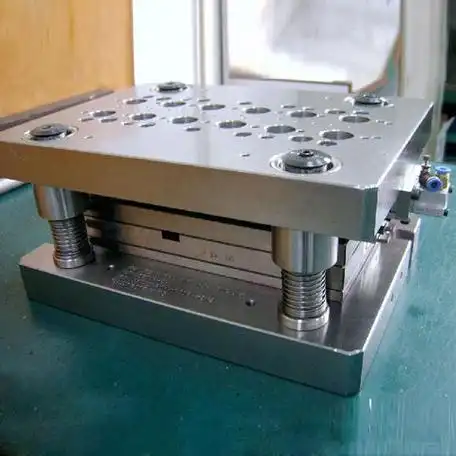
Fluxo de Trabalho Prático para a Seleção de Pilares-Guia
Os códigos de normas ajudam você a identificar uma família de peças, mas não determinam se essa família deve estar em sua ferramenta. Ao comparar os tipos e usos de colunas-guia, o fluxo de trabalho mais seguro é simples: comece com a aplicação, restrinja as condições operacionais e, em seguida, decida quanto suporte de engenharia o projeto realmente necessita. Isso é importante porque a melhor escolha para uma ferramenta de prensa suja costuma ser muito diferente da melhor escolha para um molde limpo e de alta repetibilidade. Na Hoorenwell, moldes gerais são projetados com foco na adaptação à carga, resistência ao desgaste e facilidade de manutenção, enquanto moldes para corpos de prova mais exigentes priorizam orientação de alta precisão, baixo atrito e posicionamento repetitivo estável.
Se sua pesquisa também incluiu 'Pillars of Eternity 2 – Guia', 'Guia para iniciantes de Pillars of Eternity', 'Guia para novos jogadores de Pillars of Eternity' ou 'Guia de criação de personagens de Pillars of Eternity 2', esta seção trata da seleção de ferramental mecânico.
Comece com o Tipo de Ferramenta
- Defina primeiro a ferramenta: molde de injeção, matriz de estampagem, matriz progressiva, dispositivo de fixação ou deslizamento automatizado.
- Mapeie o padrão de carga: fechamento centrado, esforço lateral, carga de impacto ou influência da alimentação por tira.
- Defina o objetivo de precisão: alinhamento geral, posicionamento repetitivo rigoroso ou consistência entre estações múltiplas.
- Verifique a velocidade do curso e o comprimento de deslocamento, pois movimentos curtos e rápidos e deslocamentos longos e moderados não sobrecarregam os guias da mesma maneira.
- Avalie honestamente o risco de contaminação e a disciplina de lubrificação, não de forma idealizada.
- Escolha a bucha conforme o tipo de movimento: bucha lisa para serviço robusto de deslizamento, ou orientação por rolagem apenas quando a limpeza e a precisão de montagem o permitirem.
- Defina a estratégia de substituição: peças fixas simples para ferramentas de baixo risco, ou layouts removíveis e recondicionáveis quando o custo da parada for elevado.
Restrinja pela Precisão, Velocidade e Desgaste
Parece complexo? Imagine duas ferramentas. Uma opera em um ambiente de estampagem, sujeita a choque, força excêntrica e sujeira industrial. A outra é um molde de precisão cuja vida útil depende inteiramente do fechamento repetível. Essas condições orientam a seleção em direções distintas. Ming Chiang descreve o sistema de guia em matrizes de estampagem como os "trilhos" da ferramenta durante o fechamento em alta velocidade, razão pela qual escolhas inadequadas de alinhamento se manifestam rapidamente como desgaste nas bordas, instabilidade e problemas de manutenção.
| Sinal de seleção | Para o que normalmente aponta | Direção do guia | Escolha adequada de bucha | Principal precaução |
|---|---|---|---|---|
| Ambiente sujo e carga de choque | A durabilidade é mais importante do que o atrito mínimo | Guia deslizante simples ou reforçada | Bucha simples | Não especifique em excesso sistemas de rolagem delicados |
| Alta repetibilidade e ciclos rápidos curtos | Variações no alinhamento tornam-se caras rapidamente | Orientação de precisão ou orientação por rolagem, quando justificada | Conjunto de buchas de precisão ou de rolagem compatíveis | Funciona apenas se a montagem e a limpeza forem mantidas sob controle |
| Curso mais longo com velocidade moderada | O padrão de desgaste e a estabilidade da lubrificação predominam | Sistemas de deslizamento robustos frequentemente permanecem práticos | Bucha lisa com bom acesso à lubrificação | Não ignore o planejamento de manutenção |
| Alto custo de tempo de inatividade | A facilidade de manutenção afeta o custo total mais do que o preço unitário | Layouts removíveis ou orientados para manutenção | Disposição de buchas substituíveis | A substituição rápida ainda exige controle adequado do encaixe |
Quando envolver um parceiro de engenharia de matrizes
Você frequentemente pode adquirir componentes-padrão de guia diretamente quando o tipo de ferramenta é familiar e o risco é baixo. O cálculo muda nas matrizes complexas de estampagem automotiva, onde o layout da tira, a carga nas estações, a velocidade da prensa e a seleção dos guias interagem. É nesse ponto que a validação de engenharia justifica seu valor. Como exemplo, Matrizes de Estampagem Automotiva Shaoyi estrutura seus serviços em torno da norma IATF 16949 de gestão da qualidade, simulação por CAE, prototipagem em até 5 dias e uma taxa de aprovação de 93% na primeira avaliação para programas de ferramental automotivo. Editorialmente, a conclusão útil não é apenas o nome da marca. Trata-se de saber quando seu projeto necessita de simulação, comprovação por protótipo e controle de processo no estilo OEM antes que o sistema de guias seja definitivamente incorporado ao aço.
| Caminho de seleção | CAPACIDADE | Sistema de Qualidade | Velocidade de Prototipagem | Ajuste de fabricação |
|---|---|---|---|---|
| Parceiro de engenharia de matrizes de estampagem automotiva Shaoyi | Desenvolvimento de matrizes com suporte de CAE para programas automotivos e validação de produção | IATF 16949 | Tão pouco quanto 5 dias | Ideal para matrizes complexas de estampagem automotiva, nas quais as decisões sobre guias exigem revisão de engenharia |
| Parceiro certificado geral de engenharia de matrizes | Revisão de aplicação, suporte à fase de ensaio e otimização de ferramental | Varia conforme o fornecedor | Dependente do projeto | Adequado para moldes e matrizes de maior risco que vão além da simples substituição por catálogo |
| Fornecedor de componentes padrão | Peças de catálogo e correspondência dimensional | Focado em peças e normas | Geralmente em estoque ou com curto prazo de entrega | Ideal quando o conceito orientador já foi comprovado |
| Seleção conduzida internamente pelo comprador | Controle rápido de compras com base no conhecimento existente | Dependente de processos internos | Depende de recursos internos | Funciona bem para ferramentas repetitivas, mas o risco aumenta quando há alterações na carga, velocidade ou contaminação |
Uma decisão inteligente de compra representa apenas metade do trabalho. Mesmo um conjunto de guias adequado pode perder desempenho devido a ajuste inadequado, disciplina insuficiente na lubrificação ou sinais de desgaste ignorados; por isso, instalação e manutenção merecem tanta atenção quanto a seleção.
Instalação, Manutenção e Próximos Passos do Pilar-Guia
Essa deriva de desempenho normalmente começa após a seleção, e não antes dela. Um pilar e uma bucha bem combinados ainda podem apresentar desgaste precoce se o alojamento não estiver quadrado, se o ajuste for distorcido durante a prensagem, se a lubrificação nunca atingir todo o comprimento de contato ou se detritos forem arrastados para o caminho de deslizamento. A Vardhman deixa esse ponto claro: erros de instalação são uma causa comum de falha prematura da bucha-guia. Na prática, a mesma disciplina observada nas IMTEK recomendações de instalação precisa de guias também se aplica aqui, especialmente superfícies de montagem limpas, aperto controlado, alinhamento baseado em referências e nova verificação após um período de assentamento.
Verificações de Instalação que Protegem o Alinhamento
Parece complexo? Imagine prensar uma bucha ligeiramente inclinada em um alojamento irregular. O pilar pode ainda entrar, mas já ocorrerá carregamento lateral no primeiro ciclo. Antes de uma ferramenta entrar em produção, verifique os aspectos básicos que protegem o movimento concêntrico:
- Confirme se a carcaça da bucha está limpa, isenta de rebarbas, usinada corretamente e perpendicular ao eixo de guia.
- Utilize uma prensagem axial controlada, não martelamento, para que a bucha não incline nem se deforme.
- Verifique a interferência prevista para o ajuste, em vez de forçar uma montagem excessivamente apertada.
- Certifique-se de que o pilar entre de forma concêntrica e percorra toda a curso sem travamento.
- Aplique o lubrificante adequado para o material da bucha e assegure-se de que ele atinja toda a área de contato.
- Reverifique a segurança dos fixadores e o alinhamento após o assentamento inicial, especialmente em ferramentas de precisão.
- Registre o estado do ajuste, o lubrificante utilizado, as datas de inspeção e quaisquer calços ou ajustes efetuados.
Padrões de Desgaste Que Indicam a Escolha Incorreta
Você perceberá que os sistemas de guia normalmente deixam pistas antes de falharem completamente. Os padrões de desgaste são particularmente úteis porque indicam a causa raiz:
- O desgaste unilateral geralmente sinaliza um desalinhamento na instalação.
- Superfícies polidas ou vitrificadas frequentemente indicam lubrificação inadequada.
- Riscos ou transferência de material podem indicar galling, presença de detritos ou materiais de acoplamento incompatíveis.
- Aumento do ruído ou relubrificação incomumente frequente geralmente significa que a folga está aumentando.
A substituição deve ser planejada quando a folga ultrapassar os limites aceitáveis, a precisão do alinhamento começar a se deteriorar ou a demanda de lubrificação aumentar anormalmente. Adiar essa substituição pode danificar o pilar, o alojamento e as placas de ferramenta adjacentes.
Onde Encontrar Apoio de Engenharia
Para moldes e matrizes de uso rotineiro, uma instalação e inspeção disciplinadas podem ser suficientes. Já nos projetos automotivos de estampagem, a tolerância é menor. Quando as escolhas de guias também devem atender aos requisitos de qualidade dos fabricantes de equipamentos originais (OEM), à velocidade de ensaio e à capacidade de fabricação, uma avaliação de engenharia externa pode ser vantajosa. Como exemplo, Shaoyi apoia programas de matrizes para estampagem automotiva com gestão da qualidade IATF 16949, desenvolvimento de matrizes baseado em CAE, prototipagem em até 5 dias úteis e taxa de aprovação de amostras na primeira tentativa superior a 93%. Esse tipo de suporte faz mais sentido quando você está validando um sistema completo de matriz, e não simplesmente substituindo uma peça padrão de catálogo.
O alinhamento confiável resulta do sistema de guia adequado, instalado corretamente, lubrificado de forma apropriada, inspecionado precocemente e substituído antes que o desgaste se propague.
Se buscas como 'Pillars of Eternity – Guia', 'Pillars of Eternity – Guia do jogo' ou 'Pillars of Eternity – Guia passo a passo' o levaram até aqui, esta seção final trata da manutenção real de ferramentas. É aqui que os tipos e usos de colunas-guia deixam de ser um tópico de catálogo e passam a se refletir diretamente na disponibilidade operacional, na qualidade das peças e nos custos de reparo.
Perguntas frequentes sobre tipos e usos de colunas-guia
1. O que é uma coluna-guia e como ela difere de um pino-guia ou de uma haste-guia?
Um pino-guia é um elemento de alinhamento temperado que funciona em conjunto com uma bucha-guia correspondente para controlar a abertura e o fechamento de duas seções da ferramenta. Em muitos catálogos de moldes, o termo 'pino-guia' é usado como quase sinônimo, mas, em trabalhos de estampagem, o mesmo termo pode, às vezes, referir-se a uma função de guia diferente. 'Haste-guia' é um termo mais amplo e aparece frequentemente em dispositivos de fixação ou automação; portanto, os compradores devem confirmar o tipo de bucha acoplada, o método de montagem e a referência normativa antes de efetuar o pedido.
2. Quando devo usar pinos-guia simples em vez de pinos-guia com rolamentos?
Os pinos-guia simples geralmente são a opção mais segura quando a ferramenta está sujeita a choques, cargas laterais, sujeira do ambiente industrial ou condições de manutenção menos controladas. Os sistemas com rolamentos fazem mais sentido quando o movimento deve permanecer suave, a velocidade de ciclo é maior e o ambiente é suficientemente limpo para proteger os elementos rolantes. A regra prática é simples: escolha a orientação por deslizamento para resistência e a orientação por rolamento apenas quando todo o sistema puder suportar sua precisão.
3. Quais tipos de colunas-guia são os melhores para moldes de injeção, matrizes de estampagem e dispositivos?
Os moldes de injeção frequentemente utilizam estilos padrão ou com ombro para um alinhamento confiável no fechamento, reservando sistemas de maior precisão para ferramentas em que o encaixe das cavidades é particularmente sensível. As matrizes de estampagem e matrizes progressivas tendem mais a exigir colunas-guia principais de alta resistência ou arranjos com colunas-guia principais e secundárias, pois o controle de choque e folga é mais crítico. Dispositivos e conjuntos de automação normalmente se beneficiam de estilos mais simples, removíveis ou com ombro, exceto quando o movimento extremamente suave e repetível for o principal objetivo do projeto.
4. Os padrões ISO, DIN, AFNOR ou ISO 9182 garantem a intercambiabilidade?
Não por si só. Essas normas ajudam a identificar famílias de peças, convenções de nomenclatura e estruturas dimensionais, o que facilita a aquisição e a substituição, mas não confirmam automaticamente que o pino-guia, a bucha, o ajuste, o acabamento e o estilo de fixação funcionarão em conjunto na sua ferramenta. Um código de norma é útil para aquisições, mas o desempenho ainda depende da correta correspondência do sistema e das condições de aplicação.
5. O que causa o desgaste do pino-guia e o desalinhamento, e quando devo envolver um parceiro de engenharia?
O desgaste precoce geralmente resulta de desalinhamento, lubrificação inadequada, presença de detritos, combinação incorreta de buchas ou da instalação forçada de um conjunto de guias de precisão em um ambiente demasiado áspero para ele. Desgaste unilateral, sulcos, aumento de ruído e demanda crescente por lubrificação são sinais de advertência comuns de que o sistema de guia ou o método de instalação necessitam de atenção. Se você estiver trabalhando em uma matriz complexa para estampagem automotiva, em uma ferramenta progressiva de alta velocidade ou em qualquer projeto com exigências de qualidade OEM, uma revisão técnica externa pode ser vantajosa. Nesses casos, um parceiro com validação por CAE e processos conforme a norma IATF 16949, como a Shaoyi, pode ajudar a confirmar se as escolhas de guia estão adequadas ao projeto completo da matriz antes que os riscos de produção aumentem.