 Small batches, high standards. Our rapid prototyping service makes validation faster and easier —
  EN
EN


The Real Risk Of Powder Coating Forged Wheels
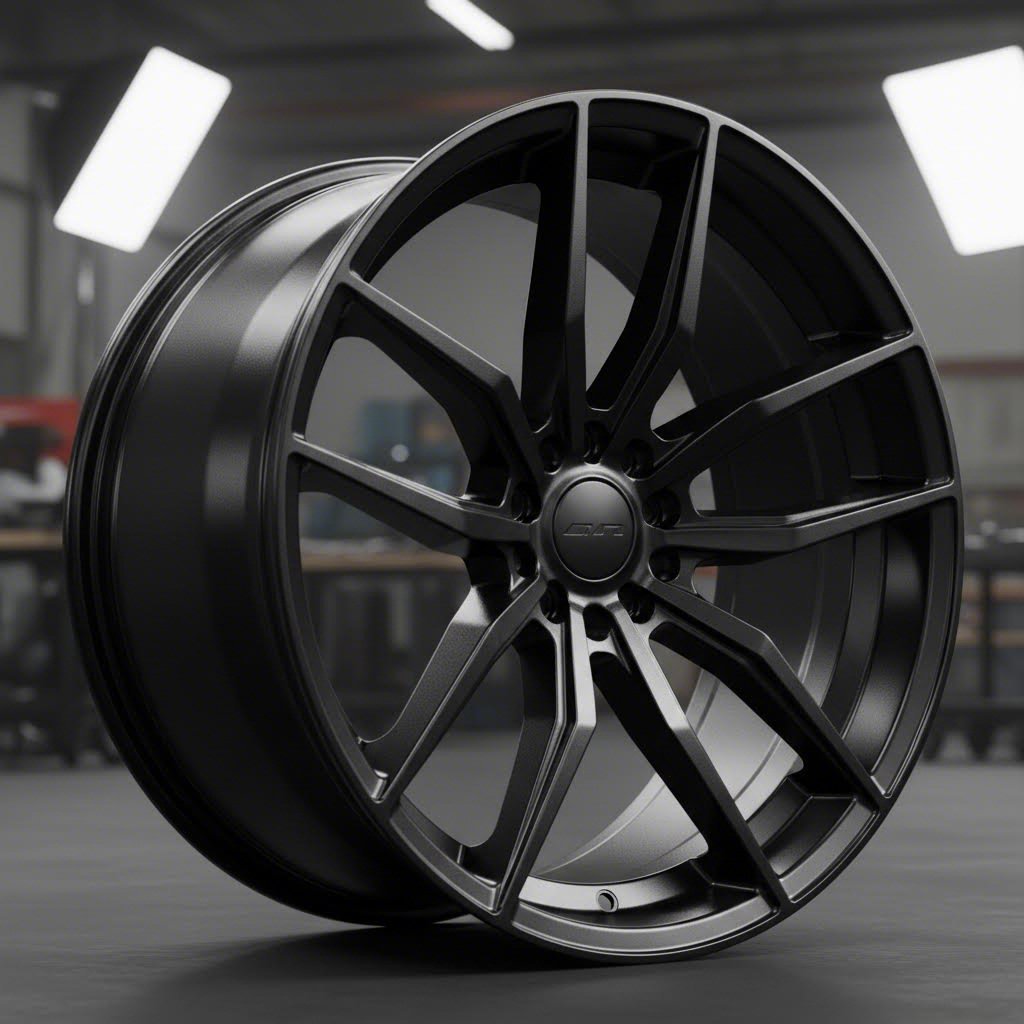
What Powder Coating Means for Forged Wheels
If you've spent any time in automotive enthusiast forums, you've likely encountered heated debates about powder coating forged wheels. Some swear by it as the ultimate protective finish, while others warn it could compromise your expensive aluminum. So what's the truth? Understanding exactly what powder coating is—and how forged wheels differ from their cast counterparts—gives you the foundation to make an informed decision.
So, what is powder coating rims exactly? Unlike traditional wet paint that uses liquid solvents to carry pigment onto a surface, powder coating involves applying dry, finely ground particles directly to metal. These particles contain pigment, resin, and additives that fuse together under heat to create an exceptionally durable finish. When you're considering powder coating car wheels, you're choosing a process fundamentally different from spray painting—one that creates a thicker, more resilient coating without the drips or runs common with liquid finishes.
The Electrostatic Finishing Process Explained
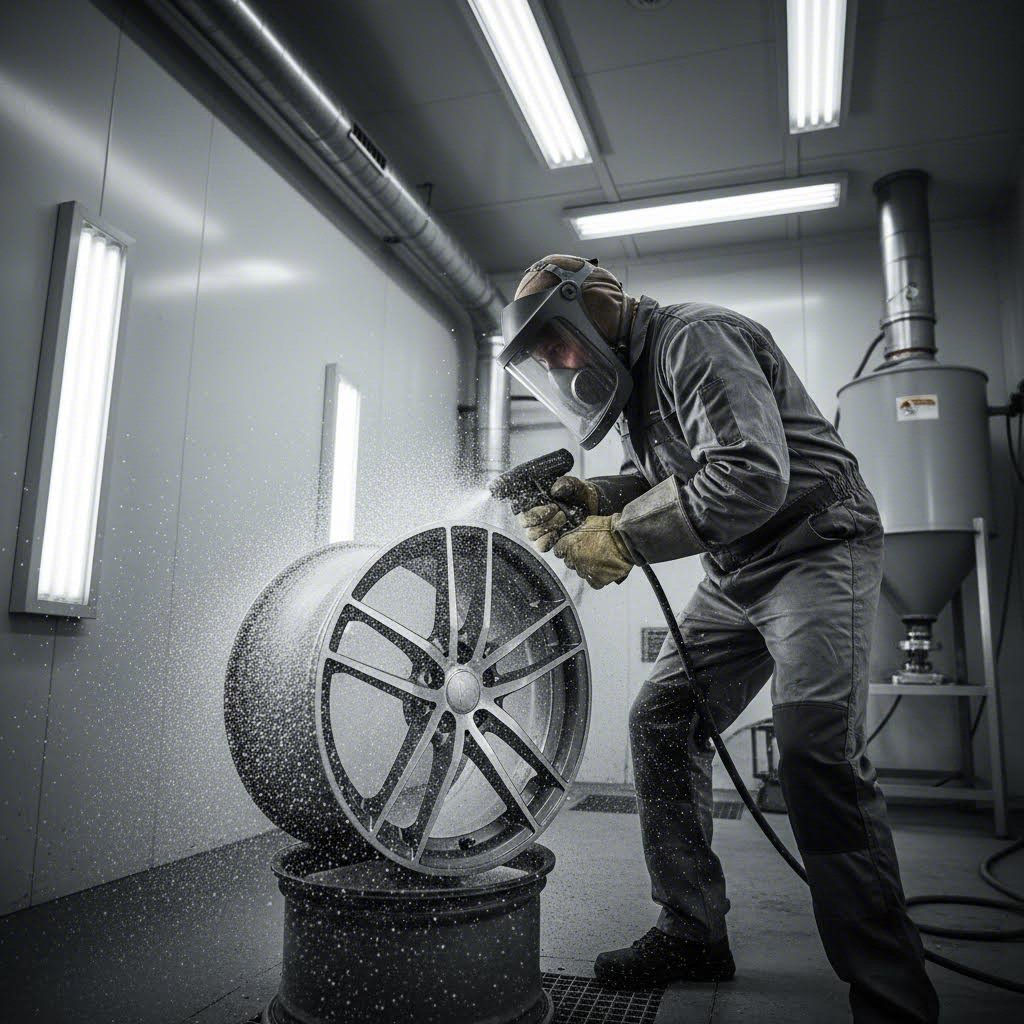
Here's how the magic happens. During powder coating aluminum wheels, a specialized spray gun applies an electrostatic charge to the powder particles as they leave the nozzle. Your wheel, meanwhile, is grounded—creating an opposite electrical charge. This difference in charge causes the powder to cling uniformly to every surface of the wheel, including hard-to-reach areas like spoke crevices and barrel interiors.
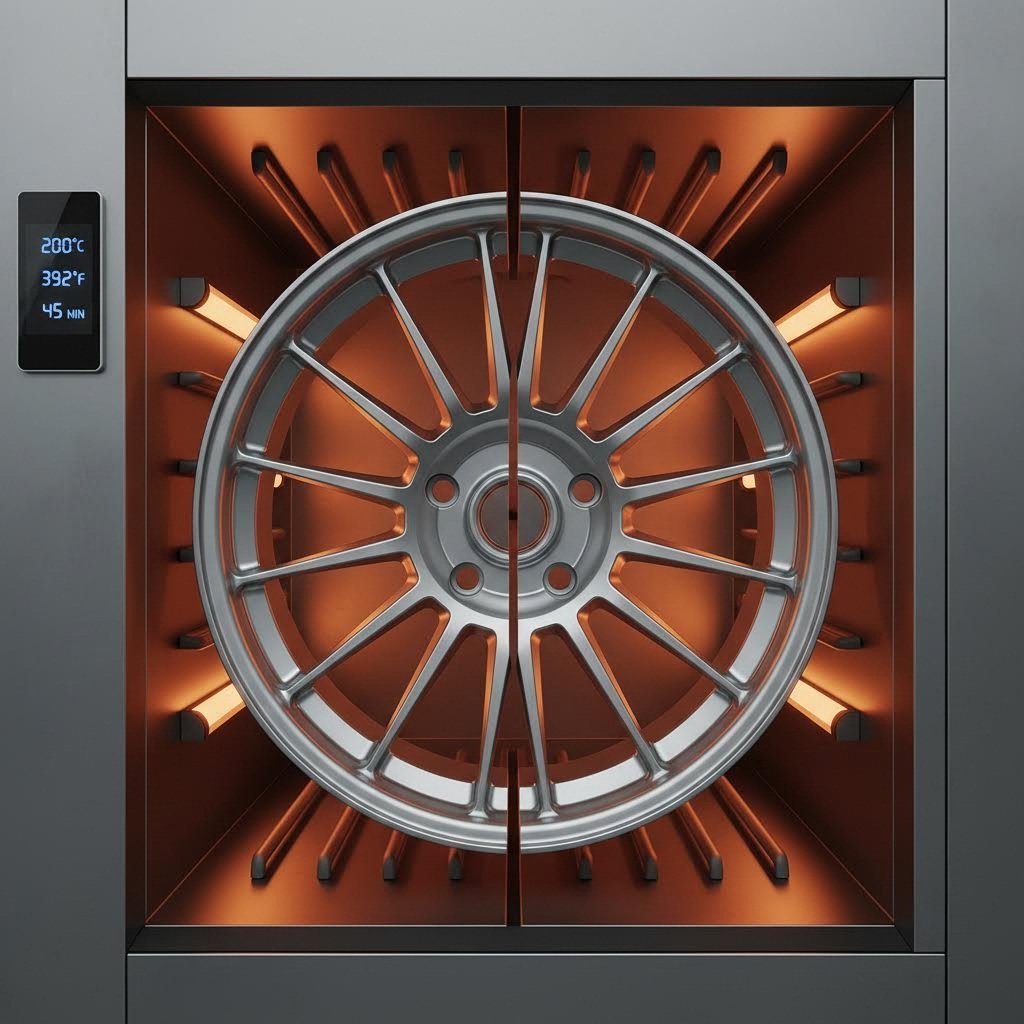
Once the powder is applied, the wheel enters a curing oven where temperatures typically range between 110 and 250°C (230-482°F). During this thermal curing phase, the powder particles melt, flow together, and chemically cross-link to form a continuous, hardened film. This fusion process is what gives powder coated rims their legendary durability—the finish essentially becomes part of the metal rather than sitting on top of it.
Proper grounding during application is critical. According to industry research, maintaining excellent ground significantly improves coating uniformity and surface quality. Poor grounding leads to inconsistent film thickness, wasted material, and potentially compromised protection.
Why Forged Wheels Require Special Consideration
Understanding forged wheels meaning starts with their manufacturing process. Unlike cast wheels—where molten aluminum is poured into a mold and allowed to solidify—forged wheels begin as a solid piece of aluminum called a "billet." This billet is subjected to intense heat and tremendous pressure, compressing and aligning the metal's grain structure.
This forging process creates wheels that are:
- Denser and less porous than cast alternatives, making them naturally more resistant to corrosion
- Stronger pound-for-pound, allowing manufacturers to use less material while maintaining structural integrity
- More expensive due to the time-intensive, precision manufacturing required
Here's where the coating consideration becomes crucial. The very heat and pressure that give forged wheels their superior strength also make them potentially sensitive to the thermal curing process. Cast wheels, with their more random grain structure and inherent porosity, are generally more forgiving during high-temperature finishing. Forged aluminum, however, achieved its precise metallurgical properties through carefully controlled heating and cooling during manufacturing.
When you expose a forged wheel to powder coating cure temperatures—which can exceed 400°F—you're essentially reheating metal that was engineered to perform optimally based on its original heat treatment. This raises legitimate questions about whether the curing process could alter the wheel's grain structure or mechanical properties.
This isn't to say powder coating forged wheels is inherently dangerous. Rather, it means the process demands more attention to temperature control, timing, and expertise than coating standard cast wheels. The following sections explore exactly what risks exist and how to mitigate them effectively.
Why Enthusiasts Choose Powder Coating for Performance Wheels
Now that you understand what powder coating involves, you might be wondering—why do so many performance enthusiasts specifically choose this finish for their forged wheels? The answer lies in a compelling combination of durability and aesthetics that few other finishing methods can match.
When you invest thousands of dollars in quality forged wheels, the last thing you want is a finish that chips at the first gravel road or fades after a summer of parking outdoors. Rim powder coating addresses these concerns head-on, creating a protective barrier that outperforms traditional paint in nearly every measurable category.
Durability That Withstands Track Abuse
Imagine blasting down a race track at triple-digit speeds, brake dust swirling around your wheels, small debris peppering the surfaces with every lap. This is precisely the environment where motorsport powder coating proves its worth.
The electrostatic application and thermal curing process creates a finish that's highly resistant to chips, scratches, and fading. Unlike wet paint that forms a relatively thin film on the surface, powder coating bonds chemically during the curing process, resulting in a thicker, more resilient layer that can absorb impacts without flaking.
Here's what makes powder coating particularly appealing for track day enthusiasts:
- Chip resistance: The thick, flexible coating absorbs impacts from road debris, gravel, and track marbles without cracking or peeling like traditional paint would
- Chemical resistance: Brake dust, tire compounds, and cleaning solvents that would eat through conventional finishes have minimal effect on properly cured powder coating
- UV stability: Extended exposure to sunlight won't cause the yellowing or fading common with painted wheels—your finish stays consistent season after season
- Corrosion protection: The coating acts as a barrier against rust and oxidation, protecting your investment even in harsh weather conditions
- Heat tolerance: Once cured, the finish handles the elevated temperatures generated during aggressive braking far better than alternatives
Track day regulars particularly appreciate how long does powder coated rims last under demanding conditions. While painted wheels might require touch-ups or refinishing after a single season of spirited driving, quality powder-coated wheels maintain their appearance through years of hard use.
Aesthetic Possibilities Beyond Factory Finishes
Durability alone doesn't explain the powder coating phenomenon. The aesthetic versatility plays an equally important role in its popularity among enthusiasts.
Factory wheel finishes typically offer limited options—usually some variation of silver, gray, black, or perhaps a polished lip. Powder coating opens up a world of customization that lets you truly personalize your vehicle's appearance.
When it comes to finish options, you'll find remarkable variety:
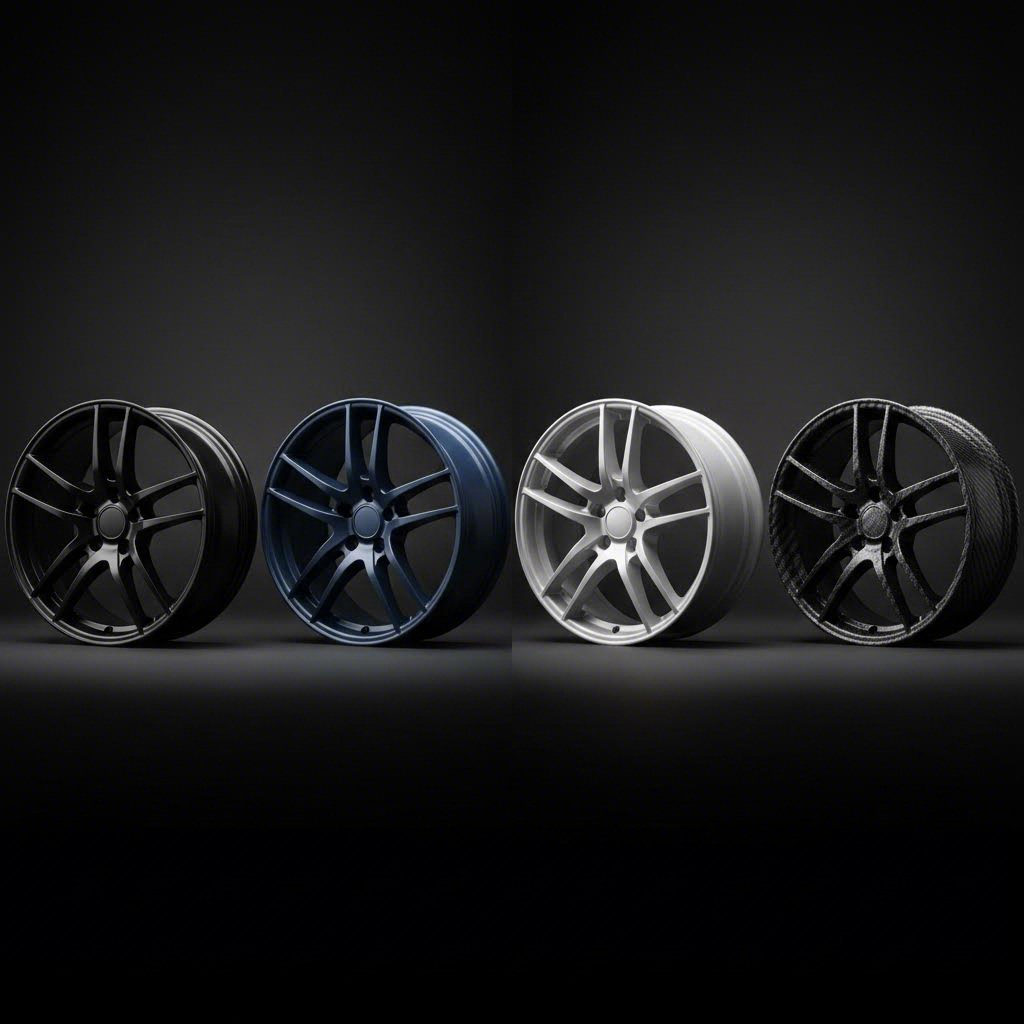
- Gloss finishes: Deep, mirror-like shine that rivals traditional wet paint at its best
- Matte finishes: Sophisticated flat appearances that complement modern vehicle styling
- Textured finishes: Wrinkle, hammer-tone, and other tactile effects impossible to achieve with conventional paint
- Metallic finishes: Sparkle and depth that catch light from every angle
The color possibilities deserve special mention. Want powder coated white wheels that stay crisp and clean-looking? Powder coating delivers superior color consistency compared to painted alternatives. Looking for something bolder? Gold powdercoat has become increasingly popular among enthusiasts seeking that aggressive, motorsport-inspired aesthetic.
When you powder coat gold wheels, you're getting a finish that won't oxidize or tarnish like actual gold-colored paint might over time. Those powder coated gold wheels you see on show cars and weekend track builds maintain their brilliant appearance because the pigment is essentially locked within the cured coating itself.
Perhaps most importantly, powder coated wheels have a thicker coating than those with liquid paint, and the powder doesn't run or drip during application. This means more consistent coverage across complex wheel designs—no thin spots on spoke edges or pooling in barrel corners that plague wet paint applications.
The combination of extreme durability and unlimited aesthetic possibilities explains why serious enthusiasts continue gravitating toward this finishing method. But as we'll explore next, achieving these benefits on forged aluminum requires understanding the thermal considerations that can make or break your coating project.
The Heat Debate and Forged Aluminum Integrity
Here's where things get controversial. Spend any time on automotive forums discussing powder coating forged wheels, and you'll encounter wildly conflicting opinions. Some owners report flawless results after years of hard use. Others insist they'd never subject their expensive forged aluminum to the curing oven. So who's right?
The answer isn't black and white—it depends entirely on understanding the metallurgical science behind forged aluminum and the specific temperatures involved. Let's break down what's actually happening inside your wheel during the powder coating process.
Understanding Heat Exposure Risks
Remember how forged wheels achieve their superior strength? Through a carefully controlled process of heating and cooling that aligns the aluminum's grain structure. This heat treatment—known as "tempering" or "age hardening"—gives forged wheels their exceptional strength-to-weight ratio.
Doug Mason, Global Technical Manager at Howmet Wheel Systems, explains the core concern clearly: "The main issue is that wheels are essentially aluminium that has been heat treated—in other words, its strength is imparted by going through a special thermal process during the manufacture of the wheel."
Here's what this means for your coating project. When you powder coat aluminum wheels, you're essentially reheating metal that was engineered with precise thermal properties. If the curing temperature climbs too high or the wheel remains in the oven too long, you risk:
- Grain structure alteration: The carefully aligned molecular structure that gives forged aluminum its strength can begin to relax and shift
- Reduced hardness: The tempered state that provides optimal strength can soften, making the wheel more susceptible to damage
- Dimensional changes: In extreme cases, overheated wheels can actually change shape—particularly at the bead seat where the tire mounts
- Compromised fatigue resistance: The wheel's ability to handle repeated stress cycles without cracking may decrease
This isn't theoretical. According to Alcoa Wheels' technical documentation, if you powder coat aluminum rims and the temperature reaches 204°C (400°F) for five minutes, "that's when you could have an issue with the wheel itself." And here's the sobering reality—standard powder coating cure temperatures often hover right around this threshold.
Temperature Thresholds for Safe Curing
So what temperatures are we actually dealing with? Standard powder coating typically cures between 180-210°C (356-410°F), with the wheel needing to reach and maintain this temperature for 15-20 minutes. You can see the potential problem—the upper range of normal curing temperatures approaches the danger zone for forged aluminum.
Here's a breakdown of the critical thresholds to understand:
| Temperature | Duration | Potential Effect on Forged Aluminum |
|---|---|---|
| Below 177°C (350°F) | Any duration | Generally safe—minimal risk to heat treatment |
| 177-190°C (350-375°F) | 15-20 minutes | Low risk with most forged alloys |
| 190-204°C (375-400°F) | 15-20 minutes | Moderate risk—depends on specific alloy |
| Above 204°C (400°F) | 5+ minutes | Elevated risk—may affect mechanical properties |
The conflicting experiences you read about online start to make sense when you consider these variables. Owners who report success often worked with coating shops that carefully controlled temperatures below the danger threshold. Those expressing concern may have encountered shops using standard high-temperature processes without adjusting for forged aluminum.
Before committing to any powder coating shop, ask this critical question: "What exact temperature will my forged wheels reach during curing, and for how long?" Any reputable shop experienced with forged wheels should be able to provide specific numbers—if they can't, consider looking elsewhere.
The question of how long does powder coating last on rims becomes relevant here too. Some shops offer lower-temperature powder coatings that cure around 150-177°C (300-350°F), well within the safe zone for forged aluminum. However, these formulations may sacrifice some durability compared to standard high-temperature cures. When considering how long does powder coat last on rims treated at lower temperatures, expect slightly reduced chip and chemical resistance—though the finish will still significantly outperform wet paint.
Understanding these temperature dynamics helps explain why professional expertise matters so much when coating forged wheels. The right shop knows exactly how to balance cure temperature, duration, and coating formulation to protect both your wheel's integrity and the finish's longevity. The next section explores how proper pre-coating preparation further reduces risk and sets the stage for optimal results.
Pre-Coating Preparation Requirements for Forged Wheels
You've seen those dramatic powder coated rims before and after transformations online—dull, oxidized wheels emerging from the process looking factory-fresh. What you don't see in those glamorous photos is the painstaking preparation work that makes such results possible. When it comes to powder coating for rims, especially forged aluminum, preparation isn't just important—it's everything.
Think of it this way: even the most expensive powder coating applied over contaminated or improperly prepared surfaces will fail prematurely. Worse, aggressive preparation methods suitable for cast wheels can actually damage forged aluminum, compromising both the finish and the wheel's structural integrity. Understanding how to powder coat rims properly starts long before any powder touches the surface.
Stripping and Surface Preparation Essentials
Before new coating can be applied, any existing finish must come off completely. This includes factory clear coats, previous powder coating, or aftermarket paint. Incomplete stripping leads to adhesion problems, bubbling, and premature coating failure.
Professional shops typically use one of several stripping approaches:
- Chemical stripping: Specialized solutions dissolve existing coatings without mechanical abrasion. This method is gentler on forged aluminum but requires thorough rinsing to prevent residue contamination
- Thermal stripping: High-temperature burn-off removes organic coatings, but this method requires careful temperature monitoring to avoid approaching the danger zones discussed earlier
- Media blasting: The most common method, using abrasive particles to remove coatings mechanically—though technique matters enormously with forged wheels
Once stripping is complete, thorough cleaning removes any remaining contaminants. According to industry pretreatment guidelines, testing cleanliness before proceeding is essential. The water-break-free test—observing whether water beads up or sheets off the surface—quickly reveals organic residues that could affect powder coating adhesion.
Media Blasting Considerations for Forged Aluminum
Here's where powdercoating wheels gets tricky for forged applications. Standard blasting practices that work fine on cast wheels can damage forged aluminum's denser, more refined surface structure.
How do you powder coat rims without causing surface damage? It starts with selecting appropriate media. According to aluminum wheel blasting specialists, the right approach separates stripping from finishing and carefully controls pressure throughout:
| Media Type | PSI Range | Best Application |
|---|---|---|
| Glass bead (80-120 grit) | 40-60 PSI | Final finishing for satin appearance |
| Aluminum oxide (120-150 grit) | 45-70 PSI | Maximum coating adhesion |
| Crushed glass/garnet (60-80 grit) | 60-80 PSI | Heavy coating stripping only |
Critical considerations for forged wheels include:
- Avoid steel media entirely: Steel particles can embed in aluminum, creating corrosion points that undermine your coating from within
- Skip silica sand: Beyond health hazards, it produces inconsistent finishes unsuitable for precision forged surfaces
- Reduce pressure on thin areas: Spoke edges and decorative details require gentler treatment than barrel surfaces
- Maintain proper standoff distance: 150-250mm between nozzle and surface prevents localized overheating and ensures even coverage
After blasting, timing becomes critical. Fresh aluminum oxidizes rapidly, and fingerprint oils devastate adhesion. Professional shops apply primer within 4-24 hours of blasting, handling wheels with gloves only throughout the process.
The before and after powder coating rims results you admire depend heavily on this invisible preparation work. Outgassing—heating the wheel briefly before coating to release trapped gases from the porous aluminum—prevents pinholes and bubbling in the final finish. Proper masking protects valve stem holes, lug seat surfaces, and hub mounting areas where coating would interfere with proper fitment and safety.
Why does all this matter beyond aesthetics? Because preparation quality directly impacts both finish durability and wheel safety. Coating applied over contaminated surfaces will chip and peel, exposing bare aluminum to corrosive brake dust and road chemicals. Aggressive blasting that damages the wheel's surface can create stress concentration points where cracks may eventually develop. Taking shortcuts during preparation might save time initially, but it compromises everything the coating is meant to protect.
With preparation fundamentals covered, understanding how powder coating compares to alternative finishing methods helps you make the best choice for your specific forged wheel application.
Comparing Finish Options for Forged Wheel Applications
So you've weighed the benefits and risks of powder coating forged wheels—but how does it actually stack up against the alternatives? This is where many enthusiasts get stuck. Each finishing method brings its own trade-offs involving heat exposure, durability, cost, and suitability for different driving scenarios.
Whether you're building a weekend track warrior, a pristine show car, or simply refreshing your daily driver's wheels, understanding these differences helps you make a decision you won't regret. Let's break down each option specifically for forged aluminum applications.
Powder Coating vs. Wet Paint for Forged Wheels
The most common comparison enthusiasts make is between powder coating and traditional wet paint. Both can deliver stunning results, but they differ significantly in application, durability, and heat considerations.
When you powder coat aluminum wheels, you're committing to the thermal curing process we've already discussed. Wet paint, by contrast, cures through chemical evaporation at ambient or low-bake temperatures—typically below 82°C (180°F). This dramatically reduces heat exposure concerns for forged aluminum.
Here's where the trade-offs become clear:
- Durability: Powder coating wins decisively. Its thicker, chemically bonded finish resists chips, chemicals, and UV degradation far better than even high-quality automotive paint
- Heat exposure: Wet paint requires minimal heat, making it inherently safer for heat-sensitive forged alloys
- Finish quality: Both can achieve excellent results, though wet paint allows more control over metallic flakes, color transitions, and custom effects like candy finishes
- Repairability: Wet paint scratches can be touched up or blended. Powder coating damage typically requires stripping and recoating the entire wheel
For forged wheels seeing regular track duty, powder coating alloy wheels typically makes more sense despite the heat considerations—the durability advantage outweighs the risks when proper temperature control is maintained. For show cars where the wheels rarely face harsh conditions, high-quality wet paint may deliver comparable visual results with less thermal risk.
Alternative Finishes Worth Considering
Beyond the powder-versus-paint debate, several other finishing options deserve consideration for forged wheel applications.
Ceramic Coating: This isn't a finish replacement but rather a protective layer applied over existing finishes. Ceramic coatings create hydrophobic, chemical-resistant surfaces that make cleaning easier and extend the life of underlying paint or powder coating. They require no heat application but also don't change the wheel's appearance significantly. Think of ceramic as insurance for your chosen finish rather than an alternative to it.
Wheel Anodising: This electrochemical process creates an incredibly hard, corrosion-resistant oxide layer directly on the aluminum surface. Anodizing offers excellent durability and unique aesthetic options—particularly attractive satin and colored finishes. However, the process works best on specific aluminum alloys, and not all forged wheels are candidates. The treatment also limits color options compared to powder coating or paint.
Vinyl Wrap: Modern wheel wraps have come a long way, offering complete color changes without any heat exposure or permanent alteration. Powdercoat wheels demand commitment—vinyl wrap offers flexibility. You can change colors seasonally or remove the wrap entirely to return to the original finish. The downsides? Vinyl doesn't handle brake heat as well as other finishes, may lift at edges on aggressive track use, and typically lasts 3-5 years compared to a decade or more for quality powder coating alloy rims.
The following comparison table evaluates each option across the criteria that matter most for forged wheel applications:
| Finish Type | Heat Exposure Required | Durability Rating | Cost Range (per wheel) | DIY Feasibility | Best Use Case |
|---|---|---|---|---|---|
| Powder Coating | High (177-210°C / 350-410°F) | Excellent (8-10+ years) | $100-$250 | Low—requires specialized equipment | Track cars, daily drivers needing maximum durability |
| Wet Paint (2-stage) | Low (ambient to 82°C / 180°F) | Good (5-7 years) | $150-$400 | Moderate—requires spray booth, skill | Show cars, custom color work, candy finishes |
| Ceramic Coating | None | N/A (protective layer only) | $50-$150 | High—DIY kits available | Supplemental protection for any finish |
| Anodizing | None (electrochemical process) | Excellent (10+ years) | $200-$500 | Very low—industrial process | Specific alloys, unique satin aesthetics |
| Vinyl Wrap | Low (heat gun for application only) | Moderate (3-5 years) | $75-$200 | Moderate—requires patience, practice | Temporary changes, show cars with limited driving |
What does this mean for your specific situation? Consider these scenarios:
- Daily driver in harsh climates: Powder coat wheel applications excel here—the chemical and corrosion resistance justifies the thermal concerns when done properly
- Dedicated track car: Powder coating remains ideal for durability, but ensure your shop understands forged aluminum temperature limits
- Concours show car: High-quality wet paint or anodizing may deliver the precise finish quality judges appreciate, with less thermal risk
- Seasonal color changes: Vinyl wrap offers flexibility no permanent finish can match
The "right" choice ultimately depends on how you'll use your wheels and what compromises you're willing to accept. Track enthusiasts generally accept powder coating's thermal considerations in exchange for its unmatched durability. Show car builders might prioritize the finer finish control wet paint provides.
Whichever direction you lean, finding the right shop to execute your chosen finish matters enormously. The next section covers exactly what questions to ask and what red flags to watch for when vetting powder coating providers for your forged wheels.
How to Vet Powder Coating Shops for Forged Wheels
Finding a shop that can powdercoat rims is easy. Finding one that truly understands the unique demands of forged aluminum? That requires asking the right questions and knowing exactly what separates competent professionals from operators who might compromise your expensive wheels.
The difference between a successful powder coating project and a damaged wheel often comes down to the shop's experience and process control. Auto wheel powder coating for forged applications demands specialized knowledge that not every general coating shop possesses. Before handing over your wheels, you need to verify the shop can deliver results without risking the metallurgical integrity you paid premium prices for.
Questions to Ask Before Committing
When you're wondering how long does it take to powder coat rims, experienced shops will give you detailed timelines that account for proper preparation, controlled curing, and quality inspection. Rush jobs should raise immediate red flags—quality forged wheel coating cannot be hurried.
Use this numbered checklist when evaluating potential shops:
- What exact cure temperature and duration do you use for forged aluminum wheels? Acceptable answers fall between 150-190°C (300-375°F) with specific timing. Vague responses like "standard temperatures" suggest they don't differentiate their process for forged applications
- Which forged wheel brands have you coated previously? Experience with brands like Apex, BBS, HRE, Forgeline, or Volk indicates familiarity with high-end forged aluminum. Ask for photos of completed work on similar wheels
- How do you monitor and document oven temperatures during curing? Professional shops use calibrated thermocouples that record actual metal temperature—not just ambient oven temperature. Request copies of temperature logs from previous jobs
- What powder formulations do you offer for heat-sensitive applications? Shops experienced with forged wheels typically stock low-temperature cure powders specifically for aluminum applications
- What preparation methods do you use, and how do you protect against embedded contamination? Look for answers mentioning glass bead or aluminum oxide media at controlled pressures—never steel shot or aggressive silica sand
- Do you provide written documentation of your process and warranty coverage? Reputable shops stand behind their work with clear warranty terms covering adhesion, color consistency, and defects
How much to powdercoat rims varies significantly based on wheel size, complexity, and preparation requirements. Expect to pay $150-$300 per wheel for quality powder coating for wheels with forged applications. Quotes significantly below this range often indicate shortcuts in preparation or process control that could compromise your results.
Evaluating Results and Identifying Issues
Once your wheels return from powder coating car rims service, careful inspection can reveal potential problems before they become safety concerns. Knowing what to look for helps you catch issues while warranty claims remain valid.
Start with visual inspection under good lighting:
- Coating consistency: The finish should appear uniform across all surfaces—no thin spots on spoke edges, no pooling in barrel corners, no orange peel texture that indicates improper application or cure
- Color matching: All four wheels should match precisely. Variations between wheels suggest inconsistent cure temperatures or powder batch differences
- Surface defects: Look for pinholes, bubbles, or rough spots that indicate contamination or outgassing problems during cure
More critically, watch for these heat damage indicators that may suggest your forged wheels were overheated during curing:
- Visible discoloration: Bare aluminum areas (like uncoated mounting surfaces) should retain their original appearance. Blue, gray, or rainbow tinting suggests excessive heat exposure
- Dimensional changes: Mount your tires and check for bead seating issues or unusual vibration that could indicate warping
- Surface softening: In severe cases, you may notice the wheel feels different when handling—though this requires comparison against an untreated reference
Regarding warranty implications, understand that powder coating forged wheels typically voids the original manufacturer's structural warranty. Most wheel manufacturers explicitly state that aftermarket refinishing releases them from liability for defects or failures. Before proceeding, request written documentation from your coating shop that includes:
- Specific temperature and duration records for your wheels
- The powder formulation used and its cure specifications
- The shop's warranty covering their workmanship and any defects arising from their process
This documentation won't restore the manufacturer's warranty, but it provides recourse if coating-related problems emerge and establishes a professional standard of care should questions arise later. Some enthusiasts photograph their wheels extensively before and after coating to document baseline condition.
Armed with the right questions and inspection knowledge, you can confidently select a shop capable of delivering beautiful, durable results without compromising your forged wheels. But what if standard powder coating temperatures still concern you? The next section explores low-temperature alternatives and special considerations for motorsports applications where both wheel integrity and finish durability are non-negotiable.
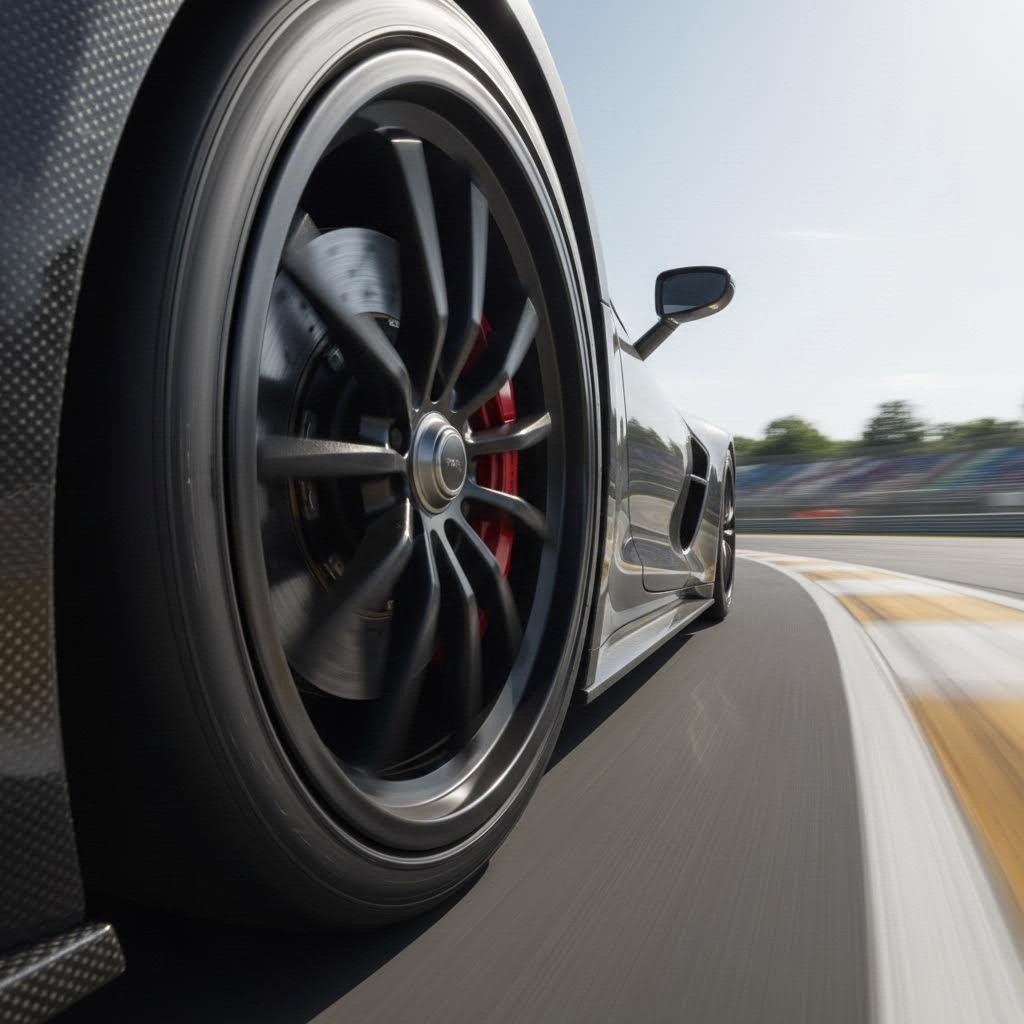
Low-Temperature Options and Motorsports Applications
What if you want the durability benefits of powder coating but remain concerned about thermal risks to your forged aluminum? You're not alone. This question drives many enthusiasts toward low-temperature powder coating alternatives—formulations designed specifically to cure below the danger thresholds that threaten forged wheel integrity.
But here's the honest truth: lower cure temperatures come with trade-offs. Understanding exactly what you gain and what you sacrifice helps determine whether these alternatives make sense for your specific application—especially if you're pushing your wheels hard on track.
Low-Temperature Coating Alternatives
Standard powder coatings cure between 180-210°C (356-410°F), putting them uncomfortably close to the temperatures that can affect forged aluminum's heat treatment. Low-temperature formulations address this directly, curing at 150-165°C (300-330°F)—well within the safe zone for virtually all forged wheel alloys.
These specialty powders achieve lower cure temperatures through modified resin chemistry. The trade-off? The chemical cross-linking that occurs during curing isn't quite as complete or robust as standard high-temperature formulations. In practical terms, this means:
- Slightly reduced chip resistance: Low-cure coatings may show wear sooner under heavy abuse than their high-temperature counterparts
- Decreased chemical resistance: Aggressive brake dust and cleaning solvents may affect the finish more readily over time
- Shorter overall lifespan: Expect 5-8 years of solid performance rather than the 10+ years possible with standard powder coating
- Limited color and finish options: Not all colors and textures are available in low-cure formulations
That said, low-temperature coating powder wheels still significantly outperforms wet paint in durability and chemical resistance. For many enthusiasts, accepting a modest durability reduction to eliminate thermal risk entirely represents a reasonable compromise—particularly on irreplaceable vintage forged wheels or ultra-premium applications where the wheels themselves cost more than some cars.
When discussing options with your coating shop, ask specifically about low-cure powder availability. Shops experienced with forged aluminum typically stock these alternatives and can advise whether the finish trade-offs align with your intended use.
Special Considerations for Track Day Wheels
Motorsports powder coating presents unique challenges. Track day enthusiasts need wheels that maintain structural integrity through repeated high-stress cycles while sporting finishes that withstand brake dust, tire marbles, and the occasional off-track excursion. Both wheel strength and coating durability matter equally.
According to wheel engineering research from 949 Racing, track use subjects wheels to forces far beyond what industry test standards were designed to evaluate. The JWL standards most aftermarket wheels are built to were created in 1981—before HPDE events even existed. Modern track-prepared cars on sticky tires can generate 1.4g or higher sustained cornering loads, dramatically exceeding the roughly 1g these standards simulate.
This reality has important implications for power coating rims destined for track duty:
- Wheel integrity trumps finish concerns: A slightly less durable coating on a structurally sound wheel beats a perfect finish on potentially compromised aluminum
- Temperature monitoring is non-negotiable: Ensure your coating shop provides documented temperature records proving your wheels stayed within safe limits
- Consider low-cure options seriously: The modest durability reduction may be worth accepting to eliminate any question about metallurgical effects
- Inspect wheels regularly: Track wheels experience accelerated fatigue regardless of coating choice—visual inspections before each event should become routine
As the 949 Racing research emphasizes, even factory-fresh wheels have finite fatigue life under track conditions. Pro race teams typically retire wheels after a single season, regardless of visible condition. While most enthusiasts don't need such aggressive replacement schedules, this underscores the importance of starting with uncompromised wheel structures—which means being conservative about powder coating temperatures.
What about the DIY angle? Home powder coating equipment has become increasingly accessible, and many enthusiasts wonder about tackling forged wheel coating themselves. Here's the straightforward answer: for forged wheels specifically, professional coating is strongly recommended despite the cost savings DIY offers.
The reasoning is practical. Learning how to powder coat rims at home requires significant equipment investment—spray gun, curing oven large enough for wheels, compressor, and proper ventilation. More critically, achieving consistent results on forged aluminum demands precise temperature control and monitoring that entry-level equipment rarely provides. Powder coating steel wheels or cast aluminum makes an excellent DIY learning project. But your expensive forged wheels? The risk-reward calculation favors professional expertise.
If you're determined to explore DIY powder coating rims, start with practice wheels—cast replacements or steel spares—before attempting forged applications. This builds technique and reveals your equipment's temperature characteristics without risking premium components.
With finishing options thoroughly explored, the final piece of the puzzle is developing a clear decision framework that weighs all factors against your specific needs. Understanding when powder coating makes sense, when alternatives serve better, and how manufacturing quality affects the entire equation brings everything together.
Decision Framework and Quality Manufacturing Considerations
You've absorbed a lot of technical information about powder coating forged wheels. Now it's time to synthesize everything into a practical decision framework you can actually use. Whether you're wondering can you powder coat wheels safely or debating if you can powder coat rims on your specific application, the answer depends on weighing several interconnected factors against your unique situation.
The goal isn't finding a universal "right" answer—it's understanding which variables matter most for your wheels, your driving style, and your expectations. Let's build that framework together.
Making the Right Decision for Your Wheels
Start by honestly assessing three fundamental questions about your forged wheel application:
Question 1: What is forged rims construction, and how premium are your specific wheels?
Not all forged wheels carry equal thermal sensitivity. Entry-level forged wheels from reputable manufacturers typically use alloys and heat treatments that tolerate powder coating temperatures well when properly controlled. Ultra-premium wheels from manufacturers like HRE or Forgeline may use more specialized alloys that warrant extra caution. Understanding your wheel's specific construction helps calibrate your risk tolerance.
Question 2: How will you actually use these wheels?
- Daily driver in harsh conditions: Powder coating's superior durability likely justifies accepting controlled thermal exposure—road salt, brake dust, and curb rash punish lesser finishes relentlessly
- Dedicated track weapon: Consider low-temperature powder alternatives or high-quality wet paint to eliminate any structural integrity questions while maintaining finish durability
- Show car with minimal driving: Wet paint or anodizing may deliver equivalent visual results without thermal concerns
- Dual-purpose street and track: Work with a shop experienced specifically in forging rims applications who can document temperature control throughout their process
Question 3: Can you access genuinely qualified professionals?
The shop you choose matters as much as the finish you select. A mediocre shop using standard processes poses more risk than an experienced professional using controlled temperatures on challenging applications. If your area lacks shops with documented forged wheel experience, consider shipping your wheels to a specialist rather than compromising with local generalists.
Here's a decision matrix summarizing the key factors:
| Your Situation | Recommended Approach | Key Considerations |
|---|---|---|
| Daily driver, experienced local shop available | Standard powder coating with temperature documentation | Ensure cure temperatures stay below 190°C (375°F) |
| Track use, durability critical | Low-temperature powder coating | Accept modest durability trade-off for structural certainty |
| Ultra-premium wheels, show car use | High-quality wet paint or anodizing | Minimize thermal risk entirely on irreplaceable components |
| Limited shop options locally | Ship to specialist or use vinyl wrap | Don't compromise on expertise for convenience |
The Value of Precision in Automotive Components
Understanding how to powder coat wheels properly ultimately connects to a broader truth about automotive components: quality finishing can only preserve what quality manufacturing creates. The care you invest in protecting your forged wheels reflects the precision engineering that made them worth protecting in the first place.
This relationship between manufacturing excellence and finishing requirements runs throughout the automotive industry. Are forged wheels alluminium? Yes—and that aluminum's properties depend entirely on how precisely it was forged, heat-treated, and machined. The same principle applies to every critical component in your vehicle, from suspension arms to drivetrain elements.
Consider what separates forgettable components from exceptional ones. It's rarely a single factor but rather the accumulation of precision at every manufacturing stage—material selection, forging parameters, heat treatment protocols, machining tolerances, and quality verification. Companies operating under rigorous quality standards like IATF 16949 build these precision requirements into every process, ensuring components meet demanding automotive specifications consistently.
This manufacturing philosophy explains why some forged components command premium prices while others don't. When you see precision automotive forging operations backed by IATF 16949 certification and comprehensive in-house engineering, you're looking at the kind of quality control that produces components worthy of careful finishing attention. Hot forging solutions executed under such standards create the metallurgical consistency that makes informed finishing decisions possible—you can trust the aluminum's properties because the manufacturing process was controlled from start to finish.
The wheel rim powder coating decisions you make should reflect this same precision mindset. Just as quality manufacturers document their processes and verify their results, quality coating shops provide temperature records, use calibrated equipment, and stand behind their work with meaningful warranties. The parallel isn't coincidental—both disciplines understand that automotive components operate under demanding conditions where shortcuts eventually reveal themselves.
Whether you're evaluating forged wheels, suspension components, or any precision automotive part, asking about manufacturing standards and quality certifications provides insight into what you're actually buying. Components produced under rigorous quality management systems typically deliver the performance and longevity that justify their finishing and protection investments.
The best powder coating decision protects the precision that went into manufacturing your wheels. Match your finishing investment to your component quality—exceptional wheels deserve exceptional care.
Ultimately, powder coating forged wheels isn't inherently risky—uninformed powder coating is. Armed with the knowledge from this guide, you can confidently evaluate your options, vet potential shops, and make decisions that protect both your wheels' appearance and their structural integrity for years of driving enjoyment ahead.
Frequently Asked Questions About Powder Coating Forged Wheels
1. Can you powder coat forged aluminum wheels?
Yes, you can powder coat forged aluminum wheels, but the process requires careful temperature control. Standard powder coatings cure at 350-400°F, which approaches the threshold where forged aluminum's heat treatment may be affected. Working with experienced shops that use low-temperature cure powders (300-350°F) and document their process ensures both finish quality and wheel integrity are preserved.
2. What are the downsides of powder coating?
Powder coating requires specialized equipment and higher upfront costs than liquid paint. Repairs are difficult since scratches typically require stripping and recoating the entire wheel. For forged wheels specifically, the thermal curing process poses potential risks to the aluminum's metallurgical properties if temperatures exceed safe thresholds. Low-temperature alternatives offer reduced durability compared to standard formulations.
3. How long does powder coating last on forged rims?
Quality powder coating on forged rims typically lasts 8-10+ years with proper application, significantly outperforming wet paint. The electrostatically applied and thermally cured finish resists chips, chemicals, UV degradation, and brake dust exceptionally well. Low-temperature powder coatings designed for heat-sensitive alloys may last 5-8 years due to slightly reduced chemical cross-linking during the lower cure temperatures.
4. What temperature is safe for powder coating forged wheels?
Temperatures below 177°C (350°F) are generally safe for most forged aluminum alloys. The 177-190°C (350-375°F) range presents low risk with proper timing. Above 204°C (400°F) for more than five minutes can affect the wheel's heat treatment and potentially weaken the grain structure. Always request documented temperature logs from your coating shop before committing.
5. Is powder coating better than wet paint for track wheels?
For track use, powder coating typically outperforms wet paint due to superior chip resistance, chemical durability, and heat tolerance once cured. The thicker, chemically bonded finish handles brake dust, road debris, and aggressive cleaning better than conventional paint. However, ensure your shop uses temperature-controlled processes appropriate for forged aluminum to avoid compromising wheel strength under high-stress track conditions.