 Small batches, high standards. Our rapid prototyping service makes validation faster and easier —
  EN
EN


On Demand CNC Decoded: From Design Upload To Finished Part
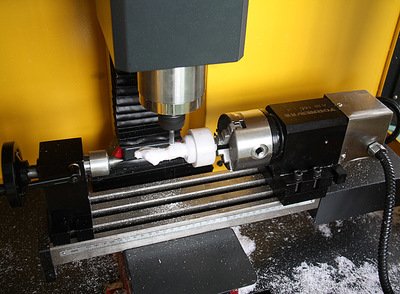
What On-Demand CNC Machining Actually Means
Ever wondered why some manufacturers can deliver custom machined parts in days while traditional shops quote weeks or months? The answer lies in a fundamental shift in how precision CNC machining services operate. Rather than waiting for large batch orders to justify setup costs, modern CNC machining on demand allows you to order exactly what you need, when you need it.
On-demand CNC machining is a manufacturing model where parts are produced on a per-order basis using computer numerical control machines, eliminating minimum order quantities and enabling rapid production of custom components precisely when required.
This definition matters because it represents a complete departure from how metal machining traditionally worked. Understanding this distinction helps you make smarter procurement decisions for your next project.
The Shift From Batch Production to Flexible Manufacturing
Traditional CNC manufacturing operates on a batch production model. Manufacturers receive high-volume orders, produce parts in bulk, and store them in inventory until needed. The logic? Spreading fixed costs across thousands of units minimizes per-part pricing. However, this approach comes with hidden expenses: warehouse storage, inventory management, and the risk of parts becoming obsolete before they're ever used.
On-demand manufacturing flips this equation entirely. According to industry analysis, flexible CNC systems can achieve up to 80% reduction in in-process inventory by processing and moving parts efficiently without creating bottlenecks. Instead of stockpiling components, you order them as project needs arise.
What makes this possible? Several converging factors:
- Advanced CNC metal capabilities: Modern multi-axis machines can switch between different part geometries with minimal setup time
- Digital workflow integration: CAD/CAM software translates designs directly into machine instructions, eliminating manual programming delays
- Automated material handling: Robotic systems and automated guided vehicles keep production flowing continuously
- Global logistics networks: E-commerce-era shipping infrastructure enables rapid delivery of finished parts anywhere
How On-Demand CNC Redefines Part Procurement
For engineers and product developers, this model changes everything about how you source components. Consider the traditional procurement headache: you need 50 prototype brackets, but the machine shop quotes a 500-piece minimum. You either overpay for parts you'll never use or wait weeks while they batch your order with others.
With a true CNC service built around on-demand principles, you order those 50 brackets and receive them within days. Need to modify the design after testing? Order another 50 with updated specifications. No wasted inventory. No lengthy renegotiations.
The core value proposition breaks down into three measurable benefits:
- Zero minimum order quantities: Order one part or one thousand based on actual project requirements
- Reduced inventory costs: Pay only for parts you'll use immediately rather than warehousing excess stock
- Rapid iteration cycles: Test designs quickly, identify improvements, and order revised versions without delay
This approach proves particularly valuable in innovation-driven sectors. Industries like robotics and aerospace require manufacturing products in limited numbers because constant improvements make large inventories impractical. On-demand CNC machining provides the agility these sectors need to stay competitive.
The result? You get precision cnc machining quality without the traditional constraints that once made custom machined parts accessible only to companies with massive production budgets.
The Complete On-Demand CNC Process Explained
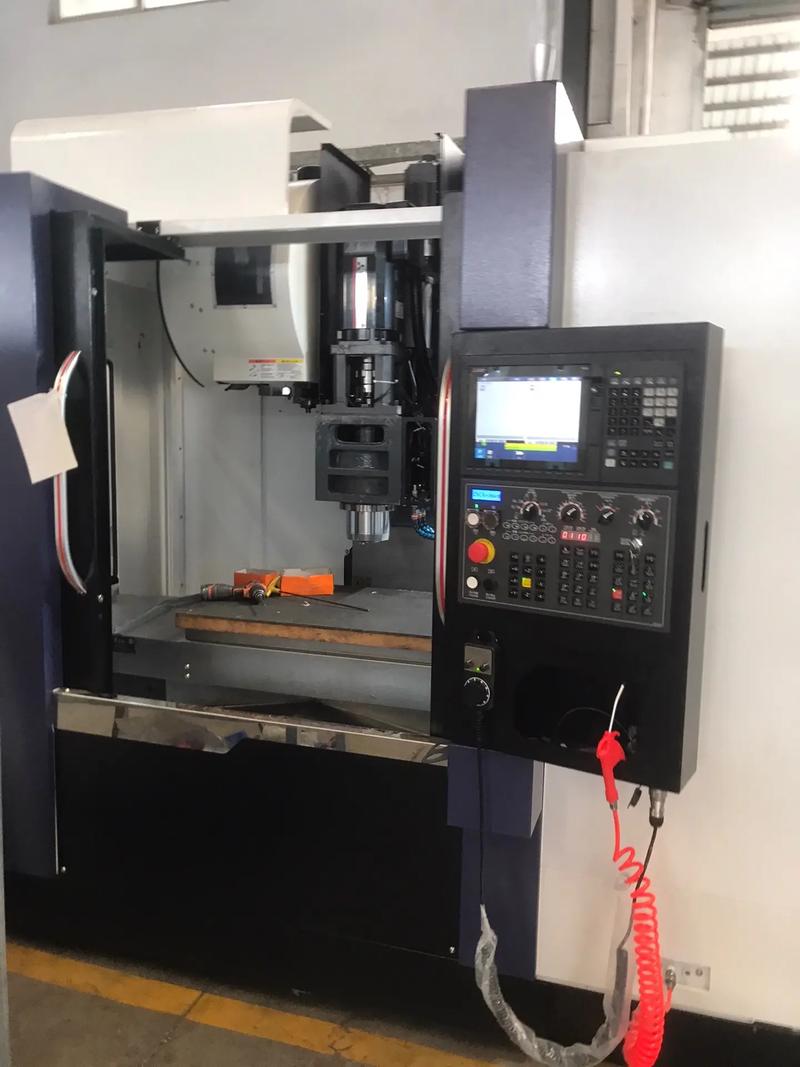
So you understand what on-demand CNC machining means conceptually. But what actually happens between uploading your design file and holding the finished part in your hands? This workflow transparency is something many providers gloss over, leaving engineers uncertain about what to expect. Let's walk through every stage so you know exactly how online cnc machining services transform your digital design into physical reality.
From CAD Upload to Doorstep Delivery
The beauty of modern on-demand manufacturing lies in its streamlined digital workflow. Gone are the days of emailing CAD files back and forth, waiting days for manual quotes, and wondering where your order stands in the production queue. Today's platforms compress what once took weeks into a matter of days.
Here's how the complete process unfolds:
- File Upload and Instant Quoting: You start by uploading your CAD file—typically in STEP, IGES, or native formats like SolidWorks or Fusion 360. Within seconds, automated systems analyze your geometry, calculate machining time, and generate a cnc quote online. According to All3DP's analysis of top CNC services, the best platforms deliver instant quotes that help you order everything from brackets and molds to custom fasteners faster than traditional methods ever allowed.
- Design for Manufacturability (DFM) Feedback: Before production begins, automated DFM analysis scans your design for potential issues. Are wall thicknesses too thin? Will internal corners require special tooling? Could a small design tweak reduce machining time significantly? You receive actionable feedback that helps optimize your part for manufacturing—often within minutes of upload.
- Material and Finish Selection: Next, you choose from available materials and surface finishes. Whether you need aluminum for lightweight prototypes or stainless steel for functional testing, the platform displays compatible options along with their impact on pricing and lead time. Surface finish selections—from as-machined to bead blasted or anodized—get specified at this stage.
- Order Confirmation and Production Scheduling: Once you approve the quote and specifications, your order enters the production queue. Modern facilities use intelligent scheduling systems that distribute tasks across multiple machines, optimizing for both speed and machine utilization. JLCCNC notes that smart scheduling and workflow optimization are key factors in achieving fast turnaround without compromising quality.
- Precision Machining: Your cnc machining parts enter production on the appropriate equipment—whether 3-axis milling for simpler geometries or 5-axis machining for complex contours. Automated toolpath planning and cutting parameter management minimize idle time while maintaining tight tolerances.
- Quality Inspection: Before shipping, finished parts undergo quality verification. This typically includes dimensional inspection using coordinate measuring machines (CMMs), surface finish checks, and visual inspection for defects. For critical applications, you can request inspection reports documenting that your machined parts meet specified tolerances.
- Shipping and Delivery: Finally, parts are carefully packaged and shipped via your selected carrier. Most platforms offer expedited shipping options, with some achieving doorstep delivery in as little as three days from order placement.
The Digital Thread Connecting Design to Production
What makes this process genuinely different from traditional machine shops? The digital thread—a continuous flow of data connecting every stage from design through delivery.
Imagine this scenario: you upload a prototype design Monday morning. By Monday afternoon, you've reviewed DFM feedback, adjusted a problematic feature, and confirmed your order. Real-time monitoring lets you track progress from machining through inspection. By Thursday, you're holding functional parts ready for testing.
This digital connectivity enables several advantages for cnc machining prototyping projects:
- Real-time communication: Questions about your order get resolved through integrated messaging rather than phone tag with shop floor managers
- Transparent tracking: You see exactly where your order stands at any moment—no more wondering whether production has even started
- Instant cost estimation: Material changes, quantity adjustments, or design modifications immediately reflect in updated pricing
- Reduced errors: Data flows directly from your CAD file to machine instructions, eliminating manual transcription mistakes
From CAD upload to finished parts, all steps are managed through unified digital platforms. This approach reduces communication delays and errors that plague traditional procurement processes. For engineers accustomed to lengthy quote cycles and uncertain timelines, this transparency transforms how quickly you can iterate on designs.
The online machining quotes you receive aren't just faster—they're more accurate because they're generated from direct analysis of your actual geometry rather than rough estimates based on verbal descriptions. This precision in quoting translates to fewer surprises when invoices arrive, making budget planning far more predictable for your development projects.
CNC Machining Types and When to Use Each
You've uploaded your design and received instant quotes. But here's a question that trips up many engineers: which machining process will actually produce your part? Understanding the difference between 3-axis milling, 4-axis milling, 5 axis cnc machining services, and cnc turning services helps you make smarter decisions before committing to an order. Let's break down each approach so you know exactly when to specify which capability.
Matching Machine Capabilities to Part Geometry
Think of CNC machining types as tools in a toolbox. You wouldn't use a sledgehammer to hang a picture frame, and you shouldn't specify 5-axis machining for a simple flat bracket. The key is matching machine capabilities to your part's geometric demands.
3-Axis CNC Milling represents the workhorse of cnc machining milling operations. The cutting tool moves along three linear axes: X, Y, and Z. Your workpiece stays fixed while the tool approaches from above. This configuration excels at producing flat surfaces, simple contours, and features accessible from one direction. Think brackets, plates, enclosures, and basic housings. According to industry analysis from SWCPU, 3-axis machining offers lower equipment costs, easier programming, and straightforward operation—making it accessible for most standard parts.
The catch? If your part needs features on multiple sides, you'll require separate setups. Each repositioning introduces potential alignment errors and extends production time. For many projects, this tradeoff is perfectly acceptable. But complex parts suffer.
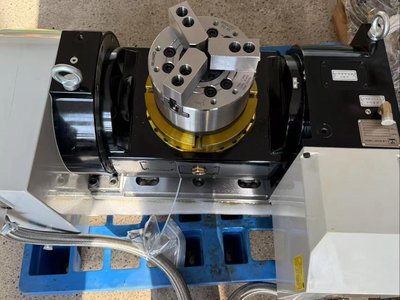
4-Axis CNC Milling adds a rotational axis (typically the A-axis) that allows your workpiece to rotate around the X-axis. This capability shines when machining cylindrical or symmetrical parts where features wrap around the circumference. Imagine machining helical patterns, indexing to access multiple faces, or cutting features on round stock without manual repositioning.
Common applications include camshafts, impellers, valve bodies, and pipe fittings. The capability comparison from SWCPU notes that 4-axis reduces setup times, improves accuracy for rounded features, and shortens cycle times for appropriate geometries—though programming complexity increases compared to 3-axis systems.
CNC Turning takes a fundamentally different approach. Instead of spinning the cutting tool, the workpiece itself rotates while a stationary single-point tool removes material. This cnc turning service proves ideal for rotational parts: shafts, pins, bushings, threaded rods, and any component with cylindrical symmetry. According to 3ERP, turning provides excellent concentricity, roundness, and dimensional accuracy—often maintaining tolerances within ±0.002 inches for standard components.
Modern CNC turning centers often include live tooling capabilities, allowing them to perform secondary milling operations without transferring the part to a separate machine. If your design combines rotational features with milled flats or cross-drilled holes, a mill-turn center handles everything in one setup.
When 5-Axis Machining Justifies the Investment
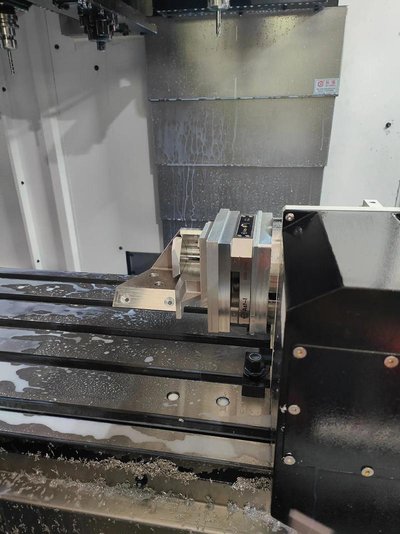
Here's where things get interesting. 5-Axis CNC Machining adds a second rotational axis, enabling the cutting tool or workpiece to tilt and rotate for access to virtually any surface without repositioning. This capability eliminates the cumulative errors from multiple setups while enabling geometries that would be impossible on simpler machines.
When does the premium for 5 axis cnc machining services make sense? Consider these scenarios:
- Complex contours and organic shapes: Aerospace impellers, medical implants, and turbine blades feature compound curves that require continuous tool orientation adjustment
- Deep cavities and undercuts: Features that a 3-axis tool simply cannot reach without collision become accessible when the tool can approach from multiple angles
- Tight tolerance requirements: Single-setup machining means all features reference the same datum, eliminating tolerance stack-up between operations
- Superior surface finishes: Maintaining optimal cutting angles throughout complex geometries reduces tool vibration and produces smoother results
YCM Alliance's analysis confirms that while 5-axis equipment requires higher initial investment and more sophisticated programming, the reduction in setup time, improved tool life, and enhanced part quality often justify the additional costs for suitable applications.
For engineers searching for cnc milling services near me or evaluating whether their project needs access to a metal cnc machine with advanced capabilities, the decision framework is straightforward: start simple and add complexity only when geometry demands it.
| Machining Type | Best Applications | Geometric Complexity | Typical Tolerance Range |
|---|---|---|---|
| 3-Axis Milling | Flat brackets, plates, simple enclosures, single-sided features | Low to moderate; features accessible from one direction | ±0.005" (±0.127mm) standard |
| 4-Axis Milling | Cylindrical parts, helical features, multi-face indexing, camshafts | Moderate; rotational symmetry with peripheral features | ±0.003" (±0.076mm) achievable |
| 5-Axis Milling | Aerospace components, medical implants, turbine blades, complex molds | High; compound curves, undercuts, multi-angle surfaces | ±0.001" (±0.025mm) precision |
| CNC Turning | Shafts, pins, bushings, threaded components, rotational parts | Low to moderate; primarily cylindrical or conical geometry | ±0.002" (±0.05mm) standard |
Notice how tolerance capabilities tighten as machine complexity increases? That's not coincidental. More axes mean better tool positioning, reduced deflection, and fewer opportunities for error accumulation between setups.
Before requesting quotes, ask yourself: Can this part be machined from one direction? If yes, 3-axis likely suffices. Does it need features around a cylindrical body? Consider 4-axis or turning. Are there compound angles, deep pockets, or surfaces that require tool approach from multiple directions? That's 5-axis territory.
Making this determination upfront saves time during the quoting process and ensures your parts arrive manufactured on equipment suited to their geometric requirements. Understanding these distinctions transforms you from someone ordering parts into an engineer who specifies exactly what their project needs.
Material Selection Guide for On-Demand CNC Projects
You've determined the right machining process for your part's geometry. Now comes an equally critical decision: which material should you specify? Choosing the wrong cnc machining materials can undermine even the most perfectly designed component. Too soft, and your part wears prematurely. Too hard, and machining costs skyrocket. Understanding material properties, machinability characteristics, and application requirements helps you balance performance with budget.
Aluminum Alloys for Lightweight Precision
When engineers think aluminum machining, two alloys dominate the conversation: 6061 and 7075. Both contain magnesium as a primary alloying element, but their distinct compositions create dramatically different performance profiles.
6061 Aluminum represents the versatile workhorse of on-demand manufacturing. With approximately 1% magnesium and 0.6% silicon, this alloy offers an excellent balance of strength, formability, and corrosion resistance. According to UnionFab's detailed analysis, 6061 delivers tensile yield strength around 276 MPa while remaining highly machinable—the silicon content improves cutting characteristics, allowing efficient drilling, milling, and turning operations.
What makes 6061 particularly attractive for prototyping? Its surface finish. Parts come off the machine with a brighter, smoother texture than 7000-series alloys, reducing post-processing requirements. You'll find 6061 in aerospace secondary structures, automotive chassis components, bicycle frames, and general enclosures where moderate strength meets weight savings.
7075 Aluminum steps up when strength becomes paramount. Containing 5.6-6.1% zinc along with higher magnesium and copper content, 7075 achieves yield strength around 455 MPa—over 60% stronger than 6061. The same analysis notes that 7075 offers superior fatigue resistance and hardness (150 BHN versus 95 BHN for 6061), making it ideal for high-stress applications.
The tradeoff? Machinability decreases. Higher magnesium and copper content makes 7075 harder and more abrasive to machine, producing longer chips that require careful management. Cost also increases—7075 bar stock typically runs 25-35% more expensive than equivalent 6061 dimensions. Reserve this alloy for aircraft structures, military applications, high-performance automotive components, and tooling where strength justifies the premium.
Stainless Steels: Balancing Strength and Corrosion Resistance
When your application demands toughness beyond what aluminum provides, stainless steel becomes the go-to choice. Three grades appear most frequently in on-demand machining: 303, 304, and 316.
Material 303 stainless steel was specifically engineered for machinability. The addition of sulfur or selenium to its 18% chromium and 8% nickel base creates the most readily machinable austenitic stainless steel available. According to Atlantic Stainless, this composition maintains good mechanical and corrosion-resistant properties while dramatically improving cutting efficiency. You'll find 303 in nuts, bolts, aircraft fittings, gears, screws, and electrical enclosures—any application requiring heavy machining of stainless components.
304 Stainless Steel accounts for over 50% of stainless steel used worldwide. Why such dominance? Exceptional corrosion resistance to both chemical and atmospheric exposure, combined with excellent weldability and formability. Kitchen equipment, food processing machinery, architectural trim, and chemical containers all rely on 304's balanced properties. The tradeoff versus 303 is reduced machinability—expect longer cycle times and faster tool wear.
ST steel 316L adds 2-3% molybdenum to the formula, providing increased resistance to pitting and crevice corrosion in chloride-rich environments. This makes 316L the preferred choice for marine hardware, chemical processing equipment, pharmaceutical systems, and medical devices. The "L" designation indicates low carbon content, improving weldability while maintaining corrosion resistance. When specifying parts for harsh environments or regulatory-sensitive applications, 316L offers the durability to perform reliably over extended service life.
Engineering Plastics That Machine Like Metal
Not every application needs metal's strength. Engineering plastics offer compelling advantages: lighter weight, natural lubricity, electrical insulation, and often lower machining costs. Three materials stand out for precision applications.
POM (Acetal/Delrin) delivers exceptional dimensional stability, low friction, and stiffness that rivals soft metals. These properties make it perfect for precision gears, bearings, bushings, and electrical insulators. Machinability is excellent—tools cut cleanly with minimal wear, producing chips that evacuate easily from the cutting zone.
Machinable nylon (typically PA6 or PA66) provides outstanding toughness and impact resistance combined with good chemical resistance. When you need wear pads, sliding components, or functional prototypes that must survive real-world abuse, nylon for machining offers an ideal solution. The material absorbs some moisture, which can affect dimensions in humid environments—something to consider for precision applications.
For the most demanding plastic applications, PEEK (Polyetheretherketone) delivers performance approaching metal while maintaining plastic's weight advantages. With excellent temperature resistance, chemical inertness, and biocompatibility, PEEK appears in aerospace seals, medical implants, and high-temperature industrial components. According to LS Manufacturing's material guide, PEEK qualifies among the highest-performing engineering plastics, though it requires careful machining parameters to manage heat generation during cutting. Expect to pay a premium for this exceptional performance.
Quick Reference: Material Comparison Table
| Material | Key Properties | Common Applications | Machinability Rating |
|---|---|---|---|
| Aluminum 6061 | Lightweight, good strength, excellent corrosion resistance, smooth finish | Enclosures, frames, automotive parts, aerospace secondary structures | Excellent |
| Aluminum 7075 | Very high strength, fatigue resistant, hard | Aircraft structures, military components, high-stress tooling | Good |
| 303 Stainless Steel | Good corrosion resistance, designed for machining | Fasteners, fittings, shafts, electrical components | Excellent (for stainless) |
| 304 Stainless Steel | Superior corrosion resistance, highly weldable | Food processing, kitchen equipment, chemical containers | Moderate |
| 316L Stainless Steel | Excellent pitting resistance, chloride tolerant, biocompatible | Marine hardware, medical devices, pharmaceutical equipment | Moderate |
| Brass | Corrosion resistant, electrically conductive, decorative finish | Plumbing fittings, electrical connectors, decorative hardware | Excellent |
| Carbon Steel | High strength, economical, weldable | Structural components, fixtures, general mechanical parts | Good |
| POM (Delrin) | Stiff, low friction, dimensionally stable | Gears, bearings, bushings, insulators | Excellent |
| Nylon (PA6) | Tough, impact resistant, good wear properties | Wear pads, bushings, functional prototypes | Very Good |
| PEEK | High temperature, chemically inert, biocompatible | Aerospace seals, medical implants, high-temp components | Moderate (requires care) |
Material Certification Requirements for Regulated Industries
Selecting the right material is only half the equation for certain applications. If your parts go into aerospace, medical, or automotive systems, you'll likely need material traceability documentation proving the metal or plastic meets specification requirements.
What should you request? At minimum, ask for Mill Test Reports (MTRs) or Certificates of Conformance (C of C) that verify material composition, heat treatment condition, and mechanical properties. For medical-grade materials, ensure documentation confirms biocompatibility testing per ISO 10993 or USP Class VI standards. Aerospace applications may require conformance to AMS (Aerospace Material Specifications) or specific customer specifications.
When evaluating on-demand providers, ask whether they maintain certified material stock or source from qualified suppliers with full traceability. The best providers document materials from receipt through final part delivery, ensuring that quality inspections can trace any component back to its original material lot. This documentation proves invaluable during regulatory audits and customer qualification processes.
Understanding these material options transforms your quoting process. Rather than accepting whatever the shop recommends, you specify exactly what your application requires—balancing performance needs against machining efficiency and cost. This knowledge positions you to have informed conversations with manufacturing partners about the optimal material for your specific project requirements.
Tolerance Specifications and Precision Capabilities
You've selected your material and machining process. Now comes a decision that directly impacts both your project budget and part functionality: tolerance specifications. Sounds technical? It is—but understanding tolerances separates engineers who get exactly what they need from those who either overpay for unnecessary precision or receive parts that don't fit their assemblies.
Here's the reality many on-demand providers won't tell you: specifying tolerances tighter than your application requires can double your part cost and triple your lead time. Conversely, leaving tolerances ambiguous invites manufacturing variation that may compromise your design intent. Let's demystify what tolerances actually mean for your cnc machined parts and how to specify them intelligently.
Understanding Standard vs Precision Tolerances
Every manufacturing process involves some degree of variation. Tolerances define the acceptable range of this variation for specific dimensions on your part. Think of them as the guardrails within which your precision machining parts must fall to function correctly.
Standard CNC machining tolerances typically fall around ±0.25 mm (±0.010") for most precision machining services. This baseline reflects normal variations in machine tool accuracy, thermal effects, tool wear, and setup repeatability while maintaining economical production rates. According to Modus Advanced's comprehensive tolerance guide, this level accommodates real-world variations in equipment, environment, and human factors without requiring specialized procedures.
For many applications—enclosures, brackets, mounting plates, general mechanical components—standard tolerances work perfectly. Your parts assemble correctly, function as designed, and arrive at competitive pricing.
Precision tolerances tighten this range to ±0.05 mm (±0.002") or better. Achieving this level requires temperature-controlled environments, high-precision spindles, and enhanced quality control measures. When does this matter? Mating surfaces with tight fits, bearing interfaces, and optical mounting applications genuinely benefit from precision cnc machining services.
Ultra-precision requirements push into ±0.0125 mm (±0.0005") territory. At this level, manufacturers need full environmental control—temperature stability within ±0.5°C, vibration isolation, and specialized inspection equipment. Small cnc machining operations at this precision level demand significantly more time, expertise, and verification.
When Tighter Tolerances Cost More Than They Add
Here's where many engineers stumble: assuming tighter equals better. The relationship between tolerance and manufacturing complexity isn't linear—it's exponential.
Manufacturing cost analysis from Modus Advanced reveals the true impact: moving from standard tolerances (±0.25 mm) to precision tolerances (±0.025 mm) typically doubles costs. Push to ultra-precision (±0.0025 mm), and you're looking at costs 24 times higher than standard machining. Why such dramatic increases?
- Slower machining speeds: Tighter tolerances require reduced cutting parameters to minimize deflection and heat generation
- More frequent tool changes: Tools must be replaced before normal wear affects critical dimensions
- Enhanced inspection: Every cnc machining part requires more measurement points using higher-precision instruments
- Climate control requirements: Temperature variations affect metal dimensions—a 300 mm aluminum part expands approximately 0.07 mm for every 10°C temperature change
- Iterative processing: Cut, measure, adjust, repeat—precision work becomes a careful dialogue between machining and verification
The most expensive tolerance is often the one that provides no functional benefit. Before specifying ±0.001" on every dimension, ask yourself: what actually happens if this feature varies by ±0.005"? If the answer is "nothing significant," you've identified an opportunity to reduce costs without compromising performance.
Factors Affecting Achievable Tolerances
Not every dimension on your part can achieve the same precision. Several factors determine what's realistically achievable for each feature:
- Material properties: Aluminum machines more predictably than titanium. Plastics introduce thermal expansion and relaxation effects that metals don't exhibit. Material thermal expansion coefficients directly affect dimensional stability during and after machining
- Part geometry: Thin walls deflect under cutting forces. Deep pockets limit tool rigidity. Features far from clamping points experience more variation than those near fixturing
- Machine capability: Standard CNC equipment differs from precision-grade machines with ceramic spindle bearings and enhanced thermal compensation
- Feature size: Small holes and fine details inherently carry larger percentage variations than large surfaces. A 0.05 mm variation matters little on a 100 mm dimension but represents significant error on a 1 mm feature
Understanding these factors helps you specify tolerances that align with manufacturing realities rather than theoretical ideals. A feature toleranced at ±0.01 mm on a thin, cantilevered wall may simply be impossible to achieve consistently—no amount of precision equipment overcomes physics.
Specifying Tolerances Intelligently
Smart tolerance allocation starts with understanding which dimensions actually matter for your part's function. Not every feature on your drawing requires the same level of control.
Develop a tolerance hierarchy based on functional importance:
- Critical dimensions: Features affecting assembly fit, sealing surfaces, or safety functions deserve your tightest specifications
- Important dimensions: Features affecting performance but with some acceptable variation
- Standard dimensions: General features where normal machining variation creates no functional impact
This hierarchy guides both your design decisions and communicates priorities to your manufacturing partner. Critical tolerances receive the most attention during production and inspection, while standard tolerances rely on normal process control.
One final consideration: Geometric Dimensioning and Tolerancing (GD&T) often permits larger tolerances than traditional methods while still ensuring parts assemble correctly. A well-designed datum structure that references critical features locally—rather than creating long tolerance chains—can achieve the same functional requirements with significantly looser individual specifications.
The goal isn't the tightest possible tolerances. It's tolerances tight enough to ensure your parts function correctly, loose enough to manufacture economically, and clearly communicated so your on-demand partner delivers exactly what you need.
Industry Certifications and Quality Standards Explained
You've specified materials, tolerances, and machining processes. But here's a question many engineers overlook until it's too late: does your manufacturing partner hold the certifications your industry requires? Beyond impressive-sounding acronyms, certifications directly impact part quality, traceability, and your ability to pass regulatory audits. Understanding what each certification actually means helps you evaluate cnc manufacturing shops based on substance rather than marketing claims.
Certifications That Matter for Your Industry
Why do certifications matter beyond checking a compliance box? They represent third-party verification that a manufacturer has implemented systematic quality controls. When a precision machining company holds ISO 9001, auditors have verified documented procedures, trained personnel, calibrated equipment, and continuous improvement processes. This isn't about paperwork—it's about consistent, repeatable quality in every cnc machining shop operation.
ISO 9001 serves as the foundation for quality management across industries. According to CNC Machines' certification directory, this internationally recognized standard focuses on meeting customer needs and enhancing satisfaction through effective system processes. For stainless steel machining or any general manufacturing work, ISO 9001 certification indicates a supplier has established:
- Documented quality procedures and work instructions
- Regular internal audits and management reviews
- Corrective action processes when issues arise
- Customer feedback mechanisms and satisfaction tracking
AS9100D builds upon ISO 9001 with aerospace-specific requirements. This certification addresses the unique demands of aviation, space, and defense applications where failure consequences are catastrophic. Additional requirements include configuration management, first article inspection protocols, and enhanced traceability throughout the supply chain. If your parts fly, your supplier should hold AS9100D certification.
IATF 16949 targets automotive supply chain excellence specifically. Beyond general quality management, this standard emphasizes defect prevention, continuous improvement, and waste reduction throughout metal parts manufacturing processes. For engineers sourcing chassis components, powertrain parts, or safety-critical automotive hardware, IATF 16949 certification signals a supplier understands the relentless quality demands of automotive OEMs.
ISO 13485 governs medical device manufacturing with patient safety as the primary focus. Requirements extend beyond general quality to include risk management, sterilization validation, biocompatibility considerations, and regulatory compliance documentation. Medical-grade components demand suppliers who understand that a dimensional error could affect patient outcomes—not just assembly convenience.
ITAR (International Traffic in Arms Regulations) isn't a quality standard but a regulatory compliance requirement for defense-related manufacturing. ITAR registration means a machine shop services provider has implemented security protocols protecting controlled technical data and restricting access to U.S. persons only. Defense contractors must verify ITAR compliance before sharing controlled drawings or specifications.
| Certification | Primary Industry | Key Requirements | What It Means for Your Parts |
|---|---|---|---|
| ISO 9001 | General manufacturing | Quality management system, customer focus, continuous improvement | Consistent quality, documented processes, corrective action procedures |
| AS9100D | Aerospace | ISO 9001 plus configuration management, first article inspection, supply chain controls | Full traceability, enhanced inspection, risk mitigation for flight-critical parts |
| IATF 16949 | Automotive | Defect prevention, production part approval, statistical process control | Zero-defect mentality, process capability verification, supplier accountability |
| ISO 13485 | Medical devices | Risk management, design controls, sterility requirements, regulatory compliance | Patient safety focus, validated processes, complete device history records |
| ITAR | Defense | Access controls, technology transfer restrictions, export compliance | Secure handling of controlled data, U.S. person requirements |
Quality Management Systems Behind Reliable Parts
Certifications establish the framework, but day-to-day quality depends on how rigorously that framework is implemented. Two elements distinguish truly capable precision machining companies from those merely holding certificates: Statistical Process Control (SPC) and comprehensive inspection documentation.
Statistical Process Control uses real-time data to monitor machining operations and detect trends before they produce out-of-specification parts. According to Buell Automatics' inspection standards guide, SPC tracking ensures issues like tool wear are caught before they impact quality. Rather than inspecting defects after they occur, SPC prevents them by identifying process drift and triggering corrective action proactively.
What does SPC look like in practice? Imagine your part has a critical bore diameter specified at 25.00 ±0.02 mm. With SPC monitoring, operators measure each part (or samples at defined intervals) and plot results on control charts. When measurements trend toward specification limits—even while still in tolerance—the system alerts operators to investigate. Tool replacement, coolant adjustment, or other corrections happen before producing non-conforming parts.
Inspection Documentation provides the paper trail proving your parts meet requirements. For regulated industries, this documentation isn't optional—it's mandatory for traceability and audit readiness. Key inspection elements include:
- First Article Inspection (FAI): Comprehensive measurement of initial production parts verifying all design specifications are achieved before full production
- In-process inspection: Verification during production catching issues before they propagate through remaining operations
- Final inspection reports: Dimensional verification, surface finish measurements, and visual inspection results for completed parts
- Material certifications: Mill test reports linking each part to verified material composition and properties
Buell Automatics emphasizes that every machined part should have a paper trail—from raw material certs to inspection reports—enabling OEMs to audit quality at any step. This documentation proves essential for ISO 9001, ITAR, and IATF 16949 compliance.
When evaluating potential suppliers, ask specific questions: How do you implement SPC in production? What inspection documentation accompanies shipments? Can you provide FAI reports per AS9102 format? The answers reveal whether certifications reflect genuine operational discipline or merely wall decorations.
For automotive applications requiring IATF 16949 compliance and stringent SPC implementation, suppliers like Shaoyi Metal Technology demonstrate how certification translates into practical capability—delivering precision CNC machining with the documentation and process controls automotive OEMs demand.
Understanding these certification requirements transforms how you evaluate manufacturing partners. Rather than accepting any cnc machining shop claiming quality capabilities, you now know which specific certifications your industry requires—and what questions to ask to verify genuine compliance versus superficial claims.
On-Demand CNC vs Alternative Manufacturing Methods
You've explored materials, tolerances, and certifications for on-demand CNC machining. But here's a question worth asking before placing any order: is CNC machining actually the right approach for your project? Sometimes 3D printing delivers faster results. Other times, injection molding proves more economical. Understanding when each manufacturing method shines—and when it falls short—helps you make smarter sourcing decisions from the start.
Let's compare on-demand CNC against the alternatives you're likely considering, with clear decision criteria based on real-world tradeoffs.
CNC vs 3D Printing for Functional Prototypes
This comparison comes up constantly in prototype machining discussions. Both methods produce parts from digital files. Both enable rapid iteration. So when does cnc prototyping beat additive manufacturing?
The fundamental difference lies in how parts are made. CNC machining removes material from a solid block—it's subtractive. 3D printing builds layer by layer—it's additive. This distinction creates meaningful performance differences.
According to Ecoreprap's 2025 prototyping comparison, CNC rapid prototyping achieves precision of ±0.05 mm, making it ideal for functional prototypes requiring mechanical testing. CNC prototype machining excels when structural integrity matters—parts can withstand real loads because they're cut from solid engineering materials rather than built from deposited layers.
3D printing offers different advantages. Complex internal geometries, lattice structures, and organic shapes that would be impossible or prohibitively expensive to machine become straightforward. The same analysis notes that 3D printing particularly shines for design validation and rapid iterations during early development stages.
When should you choose cnc prototype over 3D printing?
- Material requirements: Need actual production materials like 7075 aluminum or 316L stainless steel? CNC delivers parts from real engineering stock. Most 3D printed materials can't match machined metal performance
- Functional testing: Parts undergoing stress, load, or environmental testing benefit from CNC's solid material properties
- Surface finish: Machined surfaces typically achieve smoother finishes without the layer lines inherent in additive processes
- Tolerance precision: CNC maintains tighter tolerances (±0.05 mm typical) versus 3D printing (±0.1-0.2 mm depending on technology)
When does 3D printing make more sense?
- Complex geometries: Internal channels, hollow structures, or organic forms impossible to reach with cutting tools
- Very early prototypes: Concept models where form matters more than function
- Multiple design iterations: When you expect to print, test, and revise several times before committing to final geometry
Many companies now use both methods strategically. Carbon fiber prototyping might use 3D printing for complex aerodynamic shapes while cnc prototype machining produces functional mounting hardware from aluminum. The technologies complement rather than compete when applied thoughtfully.
CNC Machining vs Injection Molding
Injection molding produces plastic parts by injecting molten material into a mold cavity. For high volumes, it's extraordinarily efficient. But the upfront investment changes everything about the economic calculation.
Ensinger's detailed comparison explains the tradeoff clearly: CNC machining requires no mold tooling, making initial investment lower, but per-unit costs remain relatively steady regardless of volume. Injection molding demands significant upfront tooling investment, but dramatically reduces per-part costs for high-volume production.
Consider the numbers. A simple injection mold might cost $5,000-$15,000. Complex molds with multiple cavities or intricate features can exceed $100,000. That investment only makes sense when amortized across thousands or tens of thousands of parts.
On-demand CNC wins when:
- Quantities stay below 500-1,000 units: Tooling costs can't be justified at lower volumes
- Designs aren't finalized: Modifying a CAD file costs nothing; modifying a mold costs thousands
- You need metal parts: Injection molding is primarily a plastics process
- Timeline is critical: Mold fabrication adds weeks or months to project schedules
Injection molding wins when:
- Production quantities exceed several thousand units: Per-part costs drop dramatically at scale
- Design is locked: Changes are expensive once tooling exists
- Complex plastic geometries: Features like living hinges or snap fits that machining handles poorly
When Traditional Machine Shops Still Make Sense
On-demand platforms offer speed and convenience. But traditional machine shops haven't disappeared for good reason. When does working directly with a local shop outperform digital manufacturing platforms?
Norck's manufacturing comparison identifies scenarios where traditional relationships excel:
- Very high volumes: Traditional manufacturers optimize for batch production, achieving lower per-unit costs at scale
- Established relationships: Long-term partnerships enable customized service, priority scheduling, and flexible terms
- Specialized processes: Exotic materials, unusual secondary operations, or industry-specific requirements may exceed platform capabilities
- Design collaboration: Complex projects benefit from face-to-face engineering discussions that platforms can't replicate
On-demand CNC wins when:
- Speed matters most: Prototype machining services through digital platforms deliver in days, not weeks
- Quantities are low to medium: No minimum order quantities mean you order exactly what you need
- Design iteration is ongoing: Rapid cnc prototyping accelerates development cycles
- Geographic constraints don't exist: Digital platforms access manufacturing capacity globally
Manufacturing Method Comparison
| Method | Best Volume Range | Material Options | Lead Time | Cost Structure |
|---|---|---|---|---|
| On-Demand CNC | 1-500 parts typical; scales to thousands | Metals (aluminum, steel, titanium, brass), engineering plastics (Delrin, PEEK, nylon) | 3-10 days typical | No tooling; per-part cost relatively flat across volumes |
| 3D Printing | 1-100 parts; prototype-focused | Thermoplastics (PLA, ABS), resins, limited metal powders | 1-5 days typical | Low setup; material costs can be high for metals |
| Injection Molding | 1,000-1,000,000+ parts | Thermoplastics primarily; some thermosets | 4-12 weeks (including tooling) | High upfront tooling; very low per-part at volume |
| Sheet Metal Fabrication | 10-10,000 parts | Steel, aluminum, stainless steel, copper | 5-15 days typical | Low tooling for simple parts; moderate per-part |
| Traditional Machine Shop | 100-100,000 parts | Full range of metals and plastics | 2-6 weeks typical | Setup costs spread across larger batches |
Decision Framework: Choosing Your Manufacturing Method
Still uncertain which approach fits your project? Work through these questions:
What quantity do you need? Below 500 parts, on-demand CNC almost always wins on total cost. Above 5,000 identical plastic parts, injection molding becomes compelling. Between those ranges, detailed cost comparison determines the winner.
What material does your application require? Need actual aluminum, steel, or engineering plastics? CNC delivers. Concept models from commodity plastics? 3D printing works fine. High-volume plastic production? Injection molding excels.
How tight are your tolerances? Precision requirements favor CNC machining. Rapid cnc prototyping maintains ±0.05 mm where additive processes struggle to hold ±0.1 mm consistently.
How critical is your timeline? On-demand prototype machining services deliver functional parts in days. Traditional shops and injection molding add weeks for setup and tooling.
The best manufacturing strategy often combines methods. Rapid prototypes might use 3D printing for concept validation, CNC machining for functional testing, and injection molding for production volumes. Each technology contributes where it adds the most value—and smart engineers know when to deploy each one.
Design for Manufacturability Best Practices
You've compared manufacturing methods and decided on-demand CNC fits your project. But before uploading that CAD file and requesting quotes, there's one critical step that separates smooth production from costly delays: optimizing your design for manufacturability. The reality? Small design decisions made at your workstation directly determine whether your cnc milling parts arrive on time and on budget—or require expensive revisions mid-production.
Design for Manufacturability (DFM) isn't about limiting creativity. It's about understanding how cutting tools interact with your geometry so you can achieve the same functional outcome with fewer complications. According to Hubs' comprehensive DFM guide, following these principles can significantly reduce machining time while improving achievable precision. Let's walk through the rules that matter most.
Design Rules That Reduce Machining Costs
Think about what happens during CNC machining: a rotating cutting tool removes material from a solid block. That tool has a cylindrical shape with limited reach. Every design decision either works with these physical realities—or fights against them.
Wall Thickness: Thin walls vibrate during cutting, reducing accuracy and risking damage. Industry guidelines recommend minimum wall thicknesses of 0.8 mm for metals and 1.5 mm for plastics. Push thinner, and you'll face increased scrap rates, slower feed rates, and higher costs. For cnc plastic machining operations, remember that plastics are prone to warping from residual stresses—thicker walls provide stability throughout the cutting process.
Internal Corner Radii: Here's a detail many engineers overlook: CNC tools are round, so internal corners always have a radius matching the tool diameter. Designing sharp 90-degree internal corners forces machinists to use progressively smaller tools, dramatically increasing cycle time. The solution? Add internal corner radii equal to at least one-third of the cavity depth. Slightly larger radii (even 1 mm above minimum) allow the tool to follow a circular path rather than stopping at corners, improving both surface finish and machining speed.
Cavity Depth: Deep pockets create problems. Tool deflection increases, chip evacuation becomes difficult, and vibration intensifies. Limit cavity depths to four times their width for reliable results. Need deeper? Consider designing variable-depth cavities or accepting that specialized tooling and slower speeds will increase costs.
Hole Specifications: Standard drill bit sizes machine faster and cheaper than custom diameters. For holes requiring tight tolerances, use standard diameters below 20 mm. Maximum recommended hole depth is four times the nominal diameter for standard operations—deeper holes require specialized drilling approaches. One detail that saves headaches: blind holes machined with drill bits have a 135-degree conical floor, while end-milled holes are flat. Design accordingly.
Thread Design: Threads longer than three times the nominal diameter provide no additional strength—the first few threads carry most of the load. For blind holes with threads smaller than M6, add an unthreaded length equal to 1.5 times the nominal diameter at the bottom to accommodate tap geometry.
- Maintain minimum wall thickness: 0.8 mm for metals, 1.5 mm for plastics to prevent vibration and warping
- Add internal corner radii: At least ⅓ of cavity depth; larger radii improve surface finish and reduce cycle time
- Limit cavity depths: Maximum 4x width for standard tooling; deeper requires specialized approaches
- Use standard hole sizes: Standard drill diameters reduce tool changes and machining time
- Keep hole depth reasonable: 4x diameter recommended; 10x typical maximum without specialized tooling
- Optimize thread length: 3x nominal diameter provides full strength; longer threads waste machining time
- Specify achievable tolerances: Tight tolerances only where functionally necessary; standard tolerances elsewhere
- Consider tool access: Align features with principal axes; avoid geometries requiring specialized fixturing
Common DFM Mistakes That Delay Production
Even experienced engineers make design choices that complicate manufacturing. Recognizing these patterns before submitting your files saves revision cycles and accelerates delivery.
Over-tolerancing: Specifying ±0.01 mm on every dimension when standard tolerances work fine is the most common—and costly—mistake. As LS Manufacturing's DFM analysis notes, non-justified precision can triple machining time. Reserve tight tolerances for features where they genuinely matter.
Ignoring Setup Complexity: Every time the workpiece must be repositioned, the machine requires recalibration—introducing potential alignment errors and adding non-cutting time. Design parts accessible from as few sides as possible. Parts requiring four or more setups face significantly higher costs than those machinable in one or two orientations.
Neglecting Material Machinability: That exotic alloy might offer perfect performance properties, but if it machines poorly, costs skyrocket. Harder materials require slower feeds, cause faster tool wear, and extend cycle times. When possible, select materials optimized for machining—like 303 stainless instead of 316 when corrosion requirements permit.
Forgetting Text Guidelines: Need part numbers or logos engraved? Maintain 0.5 mm spacing between characters and use sans-serif fonts like Arial or Verdana in sizes 20-point or larger. Engraved text machines more efficiently than embossed text since less material removal is required.
Overlooking Plastic-Specific Considerations: Acrylic cnc machining and cnc polycarbonate operations introduce challenges metals don't face. These materials generate heat during cutting that can cause melting or stress cracking. Sharp tools, appropriate speeds, and adequate chip clearance become critical. Design features with these thermal sensitivities in mind—avoid deep narrow slots where heat concentrates.
File Formats and Model Preparation
Your CAD model is the manufacturing instruction set. Preparing it correctly ensures accurate quotes and smooth production.
Preferred File Formats: STEP (.stp, .step) files work universally across quoting platforms and CAM systems. IGES files provide an alternative, though STEP offers better feature preservation. Native formats from SolidWorks, Fusion 360, or Inventor work with some platforms but may require conversion.
Model Preparation Checklist:
- Export only the geometry needed for manufacturing—remove assembly components, reference geometry, and construction elements
- Verify the model is watertight with no gaps, overlapping surfaces, or self-intersecting geometry
- Confirm dimensions match your intended units (millimeters vs. inches)
- Remove suppressed or hidden features that might confuse automated analysis
- Include threads as modeled geometry or specify in accompanying documentation
According to PCBWay's CAD preparation guide, overlapping or stacked geometry causes CNC machines to rework the same areas repeatedly, weakening material and introducing defects. Fusing all geometry into a single layer eliminates these redundancies before production begins.
When Technical Drawings Help: Some specifications can't live in a STEP file. Include 2D technical drawings when your design requires threaded holes, tolerances tighter than standard, specific surface finish callouts, heat treatment specifications, or part marking requirements. The CAD file defines geometry; the drawing communicates manufacturing intent.
Applying these DFM principles before requesting quotes transforms your custom cnc machining services experience. You'll receive more accurate pricing, encounter fewer mid-production questions, and see cnc machine parts and cnc turning parts arrive faster and closer to your design intent. The investment in upfront optimization pays dividends throughout the manufacturing process.
Understanding On-Demand CNC Pricing and Cost Factors
You've optimized your design for manufacturability. Now comes the question every engineer asks before clicking "submit order": how much will this actually cost? Unlike traditional manufacturing where pricing feels like a black box, understanding cnc machining price drivers empowers you to make informed decisions—and sometimes dramatically reduce costs without sacrificing quality.
Here's what most on-demand providers won't tell you: your design choices influence final pricing more than material selection or quantity. Knowing which factors drive costs helps you balance precision requirements against budget constraints before requesting quotes.
What Drives On-Demand CNC Pricing
Ever wondered how much to get a metal part made? The answer depends on several interconnected factors that combine to determine your final quote. Understanding each element helps you identify optimization opportunities.
Material Costs: Raw material represents a significant portion of your quote. According to Geomiq's cost analysis, material pricing varies based on type, availability, and market conditions. Aluminum 6061 typically costs less than 7075. Titanium commands premium pricing. Readily available materials like brass machine economically, while exotic alloys increase both material and machining expenses.
Machining Time: Time equals money in CNC operations. Complex geometries requiring multiple tool changes, slow feed rates for hard materials, or intricate features that demand careful passes all extend cycle time. Industry analysis from Deburring Technologies confirms that cutting out significant chunks of production time directly impacts costs—whether through automation, process optimization, or smarter design choices.
Setup Complexity: Every time the workpiece requires repositioning, operators must recalibrate and verify alignment. Parts machinable from one or two orientations cost less than those requiring four or more setups. Custom fixtures for unusual geometries add further expense.
Tolerance Requirements: Tighter tolerances demand slower machining, more frequent measurement, and enhanced quality control. Moving from standard tolerances (±0.127 mm) to precision specifications can double costs—or more for ultra-precision requirements.
Surface Finishes: As-machined surfaces (3.2 µm Ra) incur no additional cost. Smoother finishes require progressively more effort: 1.6 µm Ra adds approximately 2.5%, 0.8 µm Ra adds 5%, and mirror-like 0.4 µm Ra finishes can increase costs by 15% or more.
Quantity Breaks: Here's where economies of scale work in your favor. Geomiq's pricing data reveals dramatic per-unit reductions at volume: a part costing £134 for one unit drops to £38 per unit at 10 pieces and just £13 per unit at 100 pieces. Setup costs amortize across larger batches, delivering 70-90% per-unit savings.
Strategies to Optimize Your Machining Budget
Ready to reduce costs on your cnc parts without compromising function? These strategies target the highest-impact areas:
- Simplify geometry where possible: Complex features requiring continual repositioning or specialized tooling increase time and cost. Design parts accessible from fewer orientations
- Select cost-effective materials: Choose the most economical material meeting your requirements. Aluminum 6061 costs less than 7075 when extreme strength isn't critical
- Specify tolerances strategically: Apply tight tolerances only to functionally critical dimensions. Standard tolerances (±0.127 mm) work for most features
- Use standard surface finishes: Specify smoother finishes only where appearance or function demands them
- Order in batches: Even modest quantity increases deliver significant per-unit savings through setup cost distribution
- Incorporate standard components: Use off-the-shelf fasteners, bearings, and hardware rather than machining custom versions
- Optimize blank sizing: Minimize material waste by designing parts that fit efficiently within standard stock dimensions
When searching for cnc services near me or machining services near me, remember that the lowest quote isn't always the best value. According to Binho's pricing structure analysis, transparent quotes break costs into clear categories—from material procurement through post-production operations. Compare like-for-like specifications including material grades, tolerances, and finishes.
Requesting and Comparing Quotes Effectively: Upload the same STEP file to multiple providers using identical specifications. Note differences in quoted lead times, included inspection documentation, and shipping costs. Some platforms offer instant pricing that updates as you adjust specifications—use this feature to experiment with design modifications and quantity changes before committing.
The most impactful cost optimization happens before you request quotes. Custom metal parts designed with manufacturability in mind—reasonable tolerances, accessible features, appropriate materials—quote lower and produce faster than designs requiring workarounds. That investment in upfront planning directly translates to budget savings when orders ship.
Selecting the Right On-Demand CNC Partner
You've mastered materials, tolerances, DFM principles, and cost optimization strategies. Now comes the decision that ties everything together: choosing which on-demand CNC partner actually deserves your business. This isn't simply about finding the lowest quote or fastest lead time. The right manufacturing partner becomes an extension of your engineering team—catching design issues before production, delivering consistent quality, and scaling with your project demands.
So how do you separate genuinely capable suppliers from those making empty promises? Let's build a systematic evaluation framework you can apply to any project.
Evaluating On-Demand CNC Partners for Your Project
Think of supplier selection as risk management. Every order you place represents a bet that parts will arrive on time, within specification, and at the quoted price. Your evaluation criteria should address each potential failure point before it affects your project timeline.
According to WMTCNC's comprehensive buyer's guide, choosing the right CNC machining supplier isn't just about cost—it's about value. The supplier's depth in capabilities, support, and scalability matters significantly for both immediate needs and long-term partnership potential.
Certifications That Match Your Industry: We covered certification requirements earlier, but here's the practical application: verify certifications before investing time in detailed discussions. Need aerospace parts? Confirm AS9100D certification. Medical devices? ISO 13485 is non-negotiable. Automotive components require IATF 16949 compliance with documented Statistical Process Control (SPC) implementation.
Material Capabilities and Supply Chain: Can the supplier source your required materials with proper traceability documentation? MFG Solution's supplier evaluation guide emphasizes that understanding how materials respond to different machining parameters—and maintaining supply chain relationships for specialty alloys—separates capable partners from those who struggle with anything beyond aluminum and mild steel.
Tolerance and Precision Capabilities: Don't accept vague claims about "high precision." Ask specific questions: What standard tolerances do you hold? What precision tolerances are achievable with additional cost? What inspection equipment verifies critical dimensions? Capable suppliers provide clear answers backed by calibrated measurement systems.
Lead Time Reliability: Industry analysis confirms that typical CNC machining lead times range from 1-3 weeks depending on volume and complexity. But quoted lead times mean nothing without delivery reliability. Ask about on-time delivery rates and how the supplier handles schedule disruptions.
Communication Quality: How responsive is the technical team during quoting? Do they provide meaningful DFM feedback or simply process files without review? As MFG Solution notes, the ability to pivot quickly and support engineering development is often what separates a good vendor from a great partner.
Partner Evaluation Checklist
Before committing to any supplier, work through this verification process:
- Certification verification: Request current certificates with valid dates; confirm scope covers your required processes
- Material traceability: Ask for sample Mill Test Reports (MTRs) demonstrating documentation practices
- Equipment capabilities: Confirm they operate the machine types your geometry requires (3-axis, 5-axis, turning)
- Inspection documentation: Request sample inspection reports showing measurement capabilities and reporting format
- Reference customers: Ask for contacts in your industry who can verify performance claims
- Communication responsiveness: Note response times during quoting—they reflect production communication patterns
- Prototype testing: Start with a small order to verify quality and process before committing to larger volumes
- Post-delivery support: Understand warranty policies, replacement procedures, and technical support availability
Key Questions Before Placing Your First Order
When you've identified potential partners—whether through searching "cnc machining services near me" or evaluating global platforms—these questions reveal true capabilities:
- What is your typical lead time for parts similar to mine, and what percentage of orders ship on time?
- How do you implement quality control during production, not just final inspection?
- What happens if parts arrive out of specification—what's your corrective action process?
- Can you provide full material traceability documentation with each shipment?
- Do you offer expedited services, and what's the realistic turnaround for rush orders?
- What CAD file formats do you accept, and how quickly do you provide DFM feedback?
WMTCNC's analysis recommends starting with a prototype project—it's the fastest way to verify a supplier's true ability, process discipline, and quality mindset before scaling into full production.
Industry-Specific Considerations
Different industries demand different evaluation priorities. When searching for a "cnc shop near me" or "cnc machine shop near me," consider these sector-specific requirements:
Automotive Applications: IATF 16949 certification is essential, but implementation depth matters more than the certificate itself. Look for suppliers demonstrating SPC monitoring, Production Part Approval Process (PPAP) capability, and experience with automotive OEM requirements. Partners like Shaoyi Metal Technology exemplify this approach—their IATF 16949-certified facility combines strict SPC implementation with lead times as fast as one working day for precision automotive components, from complex chassis assemblies to custom metal bushings.
Aerospace Applications: AS9100D certification addresses configuration management and first article inspection requirements critical for flight hardware. Verify suppliers maintain controlled access to technical data and can provide full lot traceability from raw material through final inspection.
Medical Device Applications: ISO 13485 certification ensures risk-based quality management appropriate for patient-contact components. Ask about cleanroom capabilities if required, biocompatibility documentation for material certifications, and experience with FDA-regulated manufacturing.
Consumer Electronics: Speed and cosmetic quality often matter more than extreme tolerances. Evaluate surface finish capabilities, anodizing or plating partnerships, and the ability to scale from prototypes to production volumes rapidly. Custom cnc machining near me searches often prioritize communication convenience, but don't sacrifice capability for proximity alone.
Making Your Decision
The best on-demand CNC partner balances multiple factors: technical capability matching your requirements, certifications appropriate for your industry, communication responsiveness that supports your development timeline, and pricing that fits your budget constraints.
Don't let urgency override due diligence. A supplier who delivers late or out-of-spec costs far more than any quote savings. Invest time upfront evaluating capabilities, request sample parts when uncertain, and build relationships with partners who consistently deliver.
Whether you need a "cnc service near me" for quick prototypes or a global partner for production volumes, the evaluation framework remains consistent: verify capabilities, confirm certifications, test with small orders, then scale with confidence. Your manufacturing partner should make your engineering work easier—not add uncertainty to an already complex development process.
Frequently Asked Questions About On-Demand CNC Machining
1. What is the hourly rate for a CNC machine?
CNC machining hourly rates typically range from $30-$100 per hour depending on location, machine complexity, and required precision. However, on-demand CNC services usually quote per-part rather than hourly, factoring in material costs, machining time, setup complexity, and tolerance requirements. Quantity significantly affects pricing—a single part might cost $134 while ordering 100 units can drop per-unit costs to around $13.
2. How long does on-demand CNC machining take from order to delivery?
Most on-demand CNC services deliver parts within 3-10 days, with some providers offering expedited options as fast as one working day for urgent projects. The timeline depends on part complexity, material availability, tolerance requirements, and current production capacity. Digital platforms compress traditional lead times by automating quoting, DFM feedback, and production scheduling—turning what once took weeks into days.
3. What materials can be used in on-demand CNC machining?
On-demand CNC services machine a wide range of materials including aluminum alloys (6061, 7075), stainless steels (303, 304, 316L), carbon steels, brass, titanium, and engineering plastics like Delrin, nylon, and PEEK. Material selection depends on your application requirements—strength, corrosion resistance, weight, and machinability all factor into the decision. Certified suppliers provide material traceability documentation for regulated industries.
4. When should I choose CNC machining over 3D printing for prototypes?
Choose CNC machining when you need functional prototypes made from production-grade materials like aluminum or stainless steel, require tight tolerances (±0.05mm), or need parts for mechanical testing under real loads. 3D printing works better for early concept models, complex internal geometries, or rapid design iterations where material properties matter less than form validation. Many engineers use both strategically throughout development.
5. What certifications should I look for in an on-demand CNC partner?
Required certifications depend on your industry: ISO 9001 covers general quality management, AS9100D applies to aerospace, IATF 16949 governs automotive supply chains, and ISO 13485 addresses medical device manufacturing. Beyond certificates, verify suppliers implement Statistical Process Control (SPC), provide full material traceability, and offer inspection documentation like First Article Inspection reports. IATF 16949-certified partners like Shaoyi Metal Technology demonstrate automotive-grade quality with documented SPC implementation.