 Small batches, high standards. Our rapid prototyping service makes validation faster and easier —
  EN
EN


Metal Machining Services Decoded: 9 Cost Factors Shops Won't Tell You
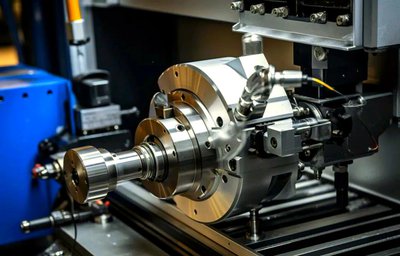
Understanding Metal Machining Services and Their Manufacturing Role
Ever wondered how the components inside your car engine, smartphone, or even medical devices achieve such remarkable precision? The answer lies in metal machining services—a manufacturing process that transforms raw metal blocks into finished parts with accuracy measured in thousandths of an inch. Whether you're an engineer sourcing components or a business owner exploring production options, understanding this foundational process can save you significant time and money.
What Metal Machining Actually Means for Your Project
At its core, metal machining is a subtractive manufacturing process. Think of it like sculpting—you start with a solid block of material and carefully remove everything that isn't your final part. As the process works, precision cutting tools shape metals and alloys to match exact design specifications, creating machined parts that meet strict dimensional requirements.
But here's what most shops won't tell you upfront: the real value isn't just cutting metal. It's achieving tolerances and surface finishes that other manufacturing methods simply cannot match. When you need components that fit together perfectly, withstand extreme conditions, or meet regulatory standards, precision CNC machining becomes your most reliable option.
If you've ever searched for "cnc near me" or "cnc machining near me," you've likely encountered dozens of providers listing their equipment and capabilities. What's often missing is a clear explanation of why machining exists in the first place and when it's the right choice for your project.
From Raw Stock to Precision Components
The transformation from raw metal stock to finished component involves several critical steps:
- Material selection: Choosing the right metal alloy based on strength, weight, and corrosion requirements
- Toolpath programming: Converting CAD designs into machine instructions
- Material removal: Systematically cutting away excess material using rotating tools or fixed cutting points
- Quality verification: Measuring finished parts against design specifications
This process enables manufacturers to produce parts with tolerances as tight as ±0.001 inches—precision that's essential for components in aerospace, medical devices, and high-performance automotive applications. The consistency is equally important; once a machining program is established, it can produce hundreds or thousands of identical parts with minimal variation.
Precision manufacturing isn't just about making things small or accurate—it's about creating components where failure isn't an option. In aerospace, medical, and automotive industries, machined parts must perform flawlessly every single time.
Understanding metal machining goes beyond knowing what equipment a shop owns. It's about recognizing when this process delivers value that justifies its cost—and when alternative methods might serve your project better. The following sections break down the specific processes, materials, and cost factors that will help you make informed decisions and communicate effectively with machining service providers.
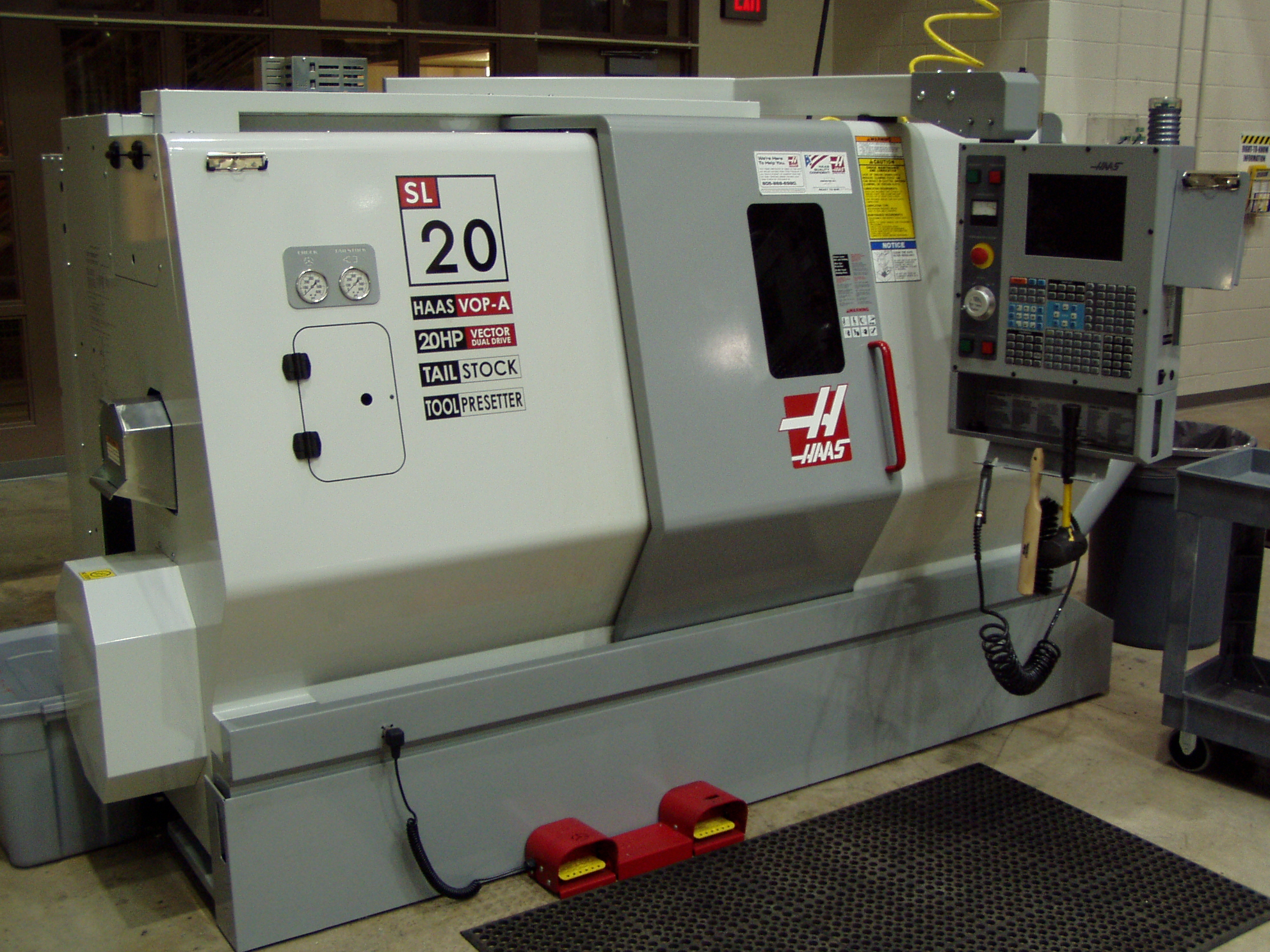
Core Metal Machining Processes and When to Use Each
So you understand why machining matters—but how do you know which process fits your project? Choosing between CNC milling, CNC turning, or specialized methods like EDM can feel overwhelming. The truth is, each technique excels in specific situations, and selecting the wrong one often leads to unnecessary costs or compromised quality. Let's break down each process so you can match your part requirements to the right method.
CNC Milling Explained
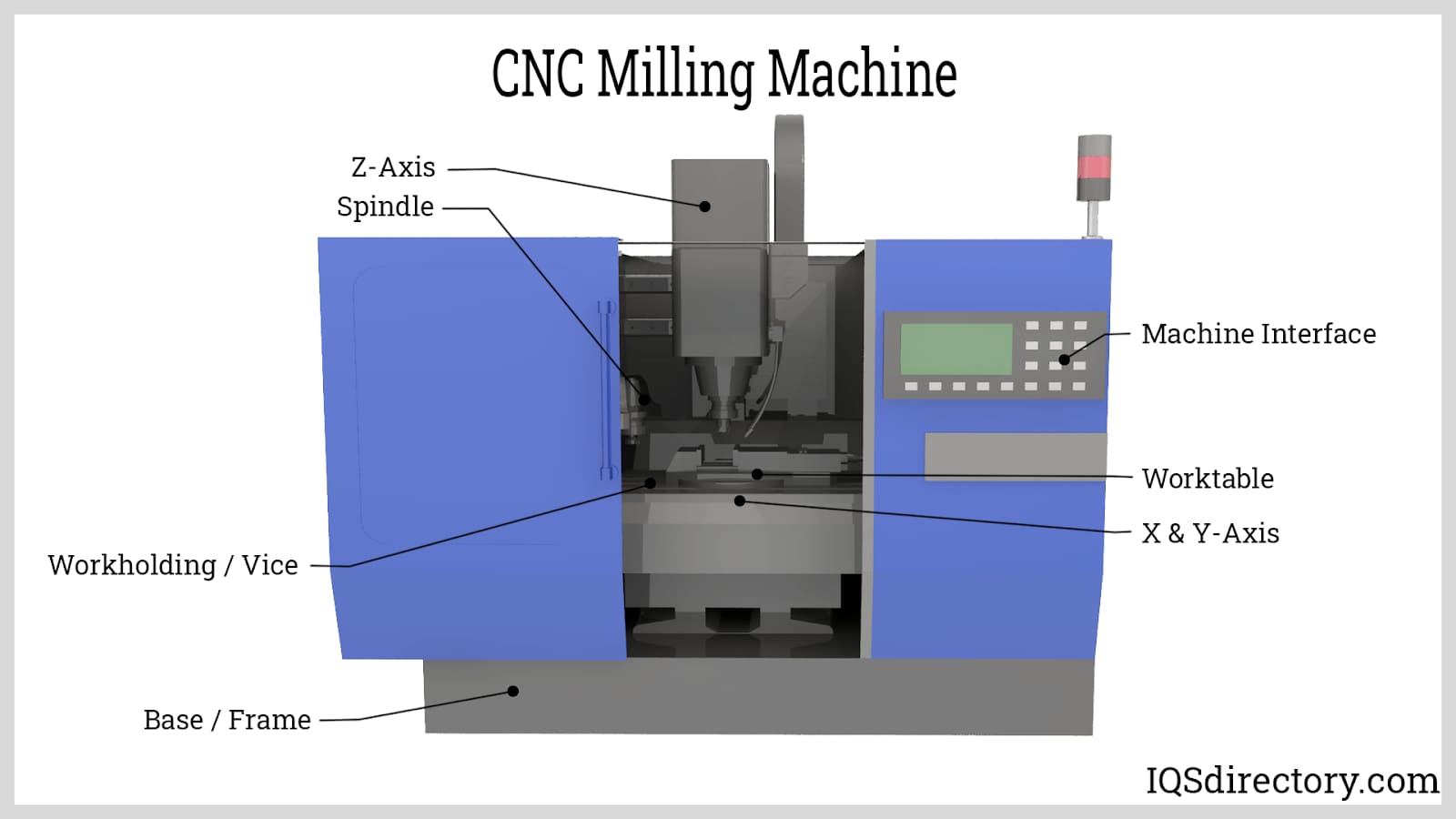
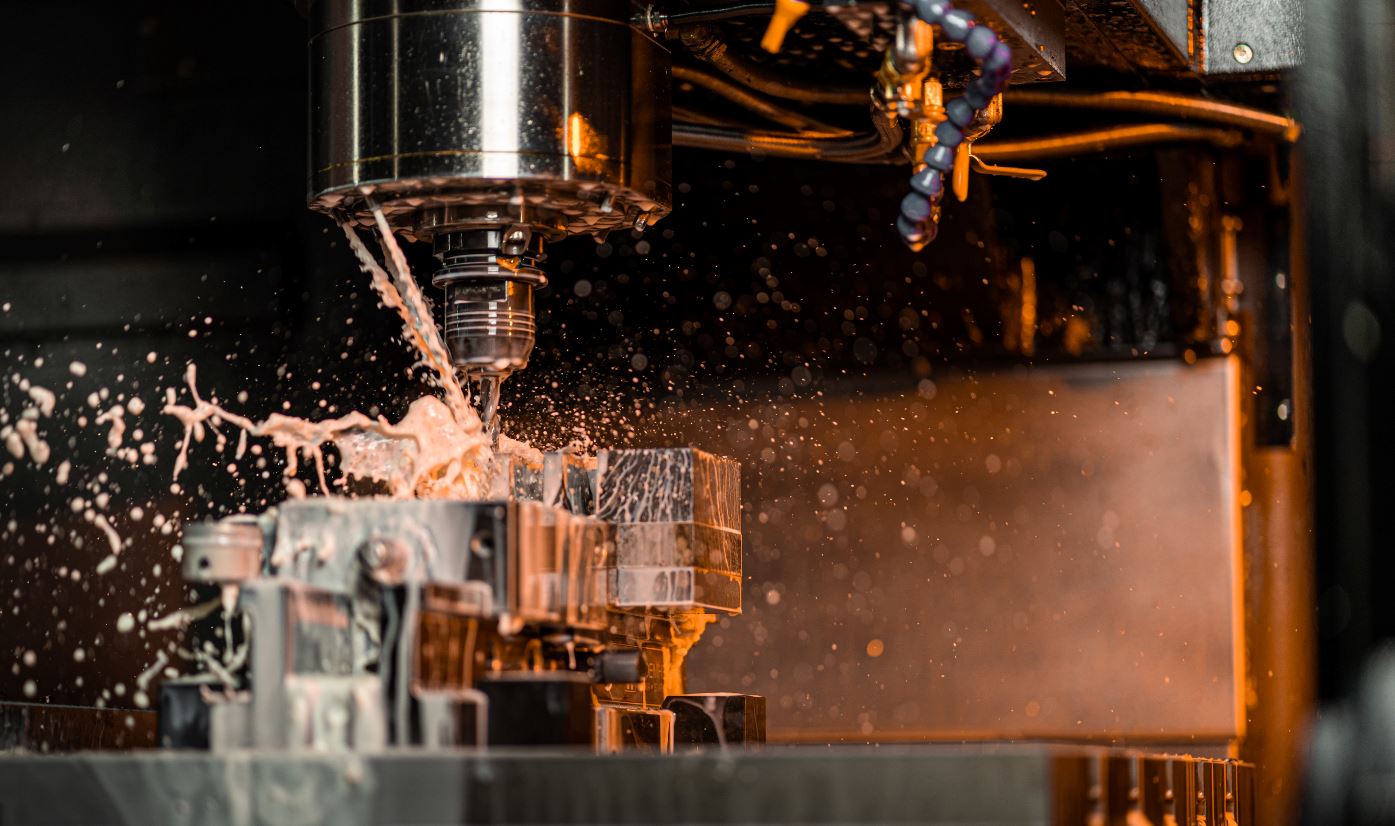
Imagine a rotating cutting tool moving across a stationary workpiece, carving away material layer by layer. That's CNC machining milling in action. This process uses multi-point cutting tools that spin at high speeds while traversing along the X, Y, and Z axes to create complex shapes, pockets, and contours.
CNC milling shines when your parts feature:
- Flat surfaces and angular features: Perfect for housing enclosures, mounting plates, and brackets
- Complex 3D contours: Ideal for molds, dies, and sculptured surfaces
- Multiple operations in one setup: Drilling, slotting, and facing can happen without repositioning
The distinction between 3-axis and 5-axis milling matters more than most shops explain. A 3-axis CNC cutting machine moves the tool in three linear directions, requiring you to reposition parts manually for complex geometries. This works fine for simpler components but introduces alignment errors and adds setup time.
Five-axis machines add two rotational movements, allowing the tool to approach the workpiece from virtually any angle. When does this matter? If your design includes deep cavities, undercuts, or surfaces that curve in multiple directions, 5-axis machining eliminates multiple setups and delivers superior surface finishes. However, it comes with higher hourly rates—so reserve it for parts that truly demand that capability.
Turning, Drilling, and Grinding Fundamentals
Not every part needs milling. When your component is cylindrical—think shafts, bushings, or threaded fasteners—CNC turning becomes the more efficient choice. Here, the workpiece spins while a stationary cutting tool removes material. This approach produces round parts faster and more economically than milling ever could.
Key characteristics of CNC turning include:
- Speed advantage: Cylindrical parts are produced significantly faster than with milling
- Excellent concentricity: Parts maintain true roundness because the workpiece rotates around its centerline
- Lower cost per part: Simpler tooling and faster cycle times reduce expenses
For precision hole-making, drilling is just the starting point. A standard drill creates the initial hole, but if you need exact diameters or mirror-smooth internal surfaces, boring and reaming follow. Boring enlarges and aligns holes with precision, while reaming provides the final sizing and finish—often achieving tolerances within 0.0005 inches.
Grinding serves a different purpose entirely. When surface finish requirements exceed what CNC milled or turned parts can achieve, grinding removes microscopic amounts of material using abrasive wheels. Hardened steels that would destroy conventional cutting tools can be ground to exact specifications. This process is slower and more expensive, but sometimes it's the only path to meeting your requirements.
Swiss machining deserves special mention for small, complex parts. This technique combines turning and milling operations in a single machine, producing intricate components like medical implants and watch parts with exceptional precision. If your parts are under one inch in diameter and require multiple features, swiss machining often delivers the best combination of accuracy and efficiency.
EDM (Electrical Discharge Machining) takes a completely different approach. Instead of cutting, it uses controlled electrical sparks to erode conductive materials. Wire EDM threads a thin electrode through the workpiece, cutting intricate contours that would be impossible with conventional tools. According to 3ERP's technical guide, wire EDM can achieve tolerances as tight as 0.0001 inches and positional accuracy up to 0.000004 inches—making it indispensable for aerospace components and precision tooling.
| Process Type | Best Applications | Typical Tolerances | Material Suitability | Relative Cost |
|---|---|---|---|---|
| 3-Axis CNC Milling | Flat parts, pockets, simple contours | ±0.002" to ±0.005" | Metals, plastics, composites | Low to Medium |
| 5-Axis CNC Milling | Complex curves, aerospace parts, molds | ±0.001" to ±0.002" | All machinable metals | Medium to High |
| CNC Turning | Shafts, bushings, cylindrical parts | ±0.001" to ±0.003" | Metals, plastics | Low |
| CNC Cutting/Drilling | Holes, counterbores, threaded features | ±0.002" to ±0.005" | All machinable materials | Low |
| Grinding | Hardened parts, precision surfaces | ±0.0001" to ±0.0005" | Hardened steels, carbide | High |
| Wire EDM | Intricate contours, hard materials | ±0.0001" to ±0.0004" | Conductive materials only | High |
Selecting the right process comes down to matching your part's geometry, material, and tolerance requirements to the method that delivers those results most efficiently. Cylindrical parts point toward turning. Complex prismatic shapes need milling. Ultra-tight tolerances on hardened materials? That's grinding or EDM territory. When you understand these distinctions, you can communicate more effectively with CNC fabrication providers and avoid paying for capabilities your project doesn't actually require.
Of course, process selection is only half the equation. The material you choose affects not just which processes work—but how much your machining parts will ultimately cost.
Metal Material Selection Guide for Machining Projects
You've identified the right machining process for your part—but have you considered how your material choice will affect everything from cycle time to final cost? Material selection is where many projects go off track. Pick an alloy that's difficult to machine, and your quote could double. Choose one that can't hold tight tolerances, and you'll face quality issues down the line. Understanding the machining characteristics of common CNC machining materials helps you balance performance requirements against budget realities.
Aluminum Alloys for Lightweight Precision
When engineers need parts that are both strong and lightweight, aluminum machining is often the first choice. But not all aluminum alloys behave the same way under cutting tools. The two grades you'll encounter most frequently—6061 and 7075—serve very different purposes.
6061 Aluminum is often called "structural aluminum" for good reason. According to Kormax's technical comparison, this alloy offers excellent corrosion resistance and weldability, making it ideal for general engineering applications. It's easier to machine than most metals, which translates directly to lower costs. You'll find CNC aluminum parts made from 6061 in automotive components, bicycle frames, marine hardware, and industrial equipment.
Key advantages of machined aluminum 6061 include:
- Superior machinability: Cuts cleanly with minimal tool wear
- Good formability: Bends and shapes without cracking
- Cost-effective: Lower raw material cost and faster machining rates
- Excellent weldability: Joins easily when assembly requires welding
7075 Aluminum steps up when strength becomes the priority. This alloy delivers yield strength nearly double that of 6061—approximately 503 MPa compared to 276 MPa. That makes aluminum CNC parts from 7075 essential for aerospace structures, military equipment, and high-performance sporting goods where every ounce matters but failure isn't an option.
However, 7075's higher zinc content creates trade-offs. It's more challenging to machine, doesn't weld as easily, and costs significantly more than 6061. If your application doesn't require that extra strength, you're paying a premium for capability you won't use.
Steel Grades and Their Machining Characteristics
Stainless steel machining presents a different set of challenges and opportunities. Unlike aluminum, stainless steels work-harden during cutting—meaning the material gets harder as you machine it. This characteristic demands careful process control and appropriate tooling.
The austenitic stainless steels (300 series) are the most commonly machined. According to Carpenter Technology's machining guide, three grades dominate:
- 303 Stainless: Contains ten times more sulfur than 304, dramatically improving machinability. The trade-off? Reduced corrosion resistance and weldability. Choose this when machining efficiency matters more than environmental exposure.
- 304 Stainless: The workhorse grade offering balanced corrosion resistance and mechanical properties. It produces stringier chips and causes more tool wear than 303, but delivers smoother surface finishes.
- 316 Stainless: Superior corrosion resistance for marine and chemical environments. Chips are tougher to break, requiring more machine horsepower and careful parameter selection.
Carbon steel offers a more economical alternative when corrosion resistance isn't critical. Grades like 1018 and 1045 machine easily and accept heat treatment well. They're the go-to choice for gears, shafts, and structural components in protected environments.
Specialty Metals and Their Machining Realities
Beyond aluminum and steel, several specialty materials serve specific applications—but each comes with machining challenges that directly impact your costs.
Brass and Bronze: Machining bronze and brass is remarkably straightforward. These copper alloys produce short, easily managed chips and achieve excellent surface finishes with minimal effort. They're ideal for bushings, fittings, and decorative components. The main consideration is cost—copper-based alloys carry higher raw material prices than steel.
Titanium: Here's where costs escalate dramatically. As Machining Custom's analysis explains, titanium machining requires specialized tooling that wears out faster, slower cutting speeds that extend cycle times, and substantial coolant systems to manage heat. The material itself costs significantly more than aluminum or steel. But for aerospace, medical implants, and defense applications, titanium's strength-to-weight ratio and biocompatibility justify these expenses.
Plastics and Composites: While not metals, materials like machining nylon and other engineering plastics often come up in CNC projects. They machine easily but require different tooling geometries and speeds to prevent melting or poor surface finish.
| Material | Machinability Rating | Strength | Corrosion Resistance | Cost Factor | Common Applications |
|---|---|---|---|---|---|
| Aluminum 6061 | Excellent | Moderate (276 MPa yield) | Good | Low | Automotive parts, frames, marine hardware |
| Aluminum 7075 | Good | High (503 MPa yield) | Moderate | Medium | Aerospace structures, military equipment |
| 303 Stainless Steel | Good | High | Moderate | Medium | Fasteners, fittings, machined components |
| 304 Stainless Steel | Moderate | High | Excellent | Medium | Food equipment, medical devices, architecture |
| 316 Stainless Steel | Low-Moderate | High | Superior | Medium-High | Marine hardware, chemical processing |
| Carbon Steel (1018) | Excellent | Moderate | Poor | Low | Shafts, pins, general machinery |
| Brass | Excellent | Low-Moderate | Good | Medium-High | Fittings, valves, decorative parts |
| Bronze | Excellent | Moderate | Good | Medium-High | Bushings, bearings, marine components |
| Titanium (Grade 5) | Poor | Very High | Excellent | Very High | Aerospace, medical implants, defense |
| Copper | Good | Low | Good | High | Electrical components, heat sinks |
How Material Choice Affects Your Bottom Line
Here's what shops often don't explain clearly: material selection creates a cascade effect throughout your project. Choose a difficult-to-machine material like titanium, and you'll face:
- Longer cycle times: Slower cutting speeds mean more machine time per part
- Higher tooling costs: Aggressive materials wear out cutting tools faster
- Tighter process control: Some materials require more careful parameter management
- Premium raw material pricing: Specialty alloys cost more before machining even begins
Conversely, selecting an easy-to-machine material like 6061 aluminum or free-machining brass can dramatically reduce your per-part costs—sometimes by 50% or more compared to challenging alloys.
The key is matching material properties to actual application requirements. If your part operates in a controlled indoor environment, paying extra for 316 stainless steel's superior corrosion resistance wastes money. If your component must survive saltwater exposure, skimping on material grade creates liability.
Understanding these relationships between material characteristics, machining behavior, and cost drivers prepares you for the next critical step: decoding the factors that actually determine your machining quote.
Metal Machining Cost Factors and Pricing Transparency
Ever requested a quote for machined parts and wondered why the number seemed so high—or so different from another shop's estimate? You're not alone. Most metal machining services hide their pricing logic behind "request a quote" buttons, leaving buyers guessing about what actually drives costs. The reality? Once you understand the key variables, you can design smarter, negotiate better, and avoid budget surprises.
What Drives Your Machining Quote
Every CNC machining price breaks down into a handful of core components. Knowing these helps you identify where your money goes—and where you might trim expenses without sacrificing quality.
- Material costs: Raw stock pricing varies dramatically. Aluminum costs a fraction of titanium, and even within steel grades, specialty alloys carry premium pricing. Market fluctuations also affect what you'll pay month to month.
- Machine time: The hours your part spends on equipment determine a significant portion of the quote. Complex geometries, hard materials, and tight tolerances all extend cycle times. A basic 3-axis mill charges less per hour than a 5-axis machine, but the simpler equipment may require multiple setups that offset those savings.
- Setup complexity: Before any cutting begins, machinists must program toolpaths, mount fixtures, load tools, and verify alignments. For small CNC machining orders—especially prototypes—this setup cost spreads across fewer parts, inflating your per-unit price.
- Tolerance requirements: This is where costs can escalate faster than expected. According to Frigate's tolerance cost analysis, the relationship between tighter tolerances and machining expense isn't linear—it's exponential. Moving from ±0.05 mm to ±0.02 mm might increase costs by 50%, but going from ±0.02 mm to ±0.01 mm can multiply expenses several times over.
- Quantity: Volume dramatically shifts economics. Prototypes carry high per-unit costs because setup, programming, and engineering time spread across just a handful of parts. Production runs distribute those fixed costs across hundreds or thousands of units.
- Finishing operations: Surface treatments like anodizing, powder coating, or bead blasting add processing steps and material costs. Even basic deburring requires labor that factors into your final price.
Hidden Cost Factors Most Buyers Miss
Beyond the obvious line items, several factors quietly inflate machining quotes—often without clear explanation.
Tooling wear and specialty cutters: Difficult materials like stainless steel or titanium chew through cutting tools faster. Some geometries require custom tooling that the shop must purchase or fabricate specifically for your job. These costs get passed along, sometimes as separate line items, sometimes buried in higher hourly rates.
Inspection requirements: Tight tolerances demand verification. CMM (coordinate measuring machine) time, first-article inspection reports, and statistical process control all add measurable costs. For low volume CNC machining, where each part may need 100% inspection rather than statistical sampling, quality assurance expenses can represent a significant portion of your total.
Design inefficiencies: Features that seem minor on your CAD model—deep pockets, thin walls, internal corners without adequate radii—can force slower feed rates, multiple tool changes, or specialized fixturing. These "hidden" costs often don't appear as separate charges but inflate machine time and setup complexity.
| Cost Factor | Low Impact | Medium Impact | High Impact |
|---|---|---|---|
| Material Selection | Standard aluminum (6061) | Stainless steel (304/316) | Titanium, Inconel, specialty alloys |
| Tolerance Requirements | ±0.005" or looser | ±0.002" to ±0.003" | ±0.001" or tighter |
| Part Complexity | Simple prismatic shapes, few features | Multiple operations, moderate contours | 5-axis geometries, deep cavities, thin walls |
| Order Quantity | Production runs (500+ units) | Mid-volume (50-500 units) | Prototypes (1-20 units) |
| Surface Finishing | As-machined | Basic anodizing or bead blasting | Polishing, plating, multiple treatments |
| Inspection Level | Visual check, basic dimensional | CMM sampling, standard reports | 100% inspection, full documentation |
The Tolerance-Cost Relationship You Need to Understand
Here's something most online machining quotes won't explain clearly: specifying tolerances tighter than your application actually requires is one of the fastest ways to inflate costs. As precision manufacturing research indicates, unnecessary precision triggers a cascade of expensive consequences—slower feeds, more rigid fixturing, increased inspection time, and higher scrap rates.
One European automotive supplier discovered that relaxing non-critical tolerances from ±0.01 mm to ±0.03 mm—on features where assembly function allowed it—reduced their machining cost by approximately 22% while cutting inspection backlogs significantly. The lesson? Reserve tight tolerances for features that genuinely demand them, and question whether "just in case" specifications are worth their machinist metal cost.
Batch Size Economics: Prototypes vs. Production
Understanding how volume affects pricing helps you plan projects more strategically. According to Zintilon's cost analysis, the cost structure between prototyping and production differs dramatically:
- Prototypes (1-20 pieces): Setup costs, programming, and engineering time spread across very few units. Tool paths may be less optimized since the focus is functional validation rather than cycle time minimization. Expect premium per-unit pricing.
- Production runs (100+ pieces): The same fixed costs distribute over many units, dramatically reducing per-unit expense. Optimized tool paths, dedicated fixturing, and operator efficiency from repetition all contribute to lower costs.
When requesting a CNC quote online, consider whether your prototype run might transition to production. Some shops offer volume pricing tiers that reward commitment to larger orders—information worth asking about before finalizing your supplier selection.
Armed with this pricing transparency, you're better positioned to make design decisions that control costs from the start—which is exactly what the next section covers.
Design for Manufacturability in Metal Machining
You've seen how material selection and tolerance requirements affect your machining quote. But here's what many engineers discover too late: design decisions made early in the CAD phase often determine whether your custom machined parts come in on budget—or blow past estimates entirely. The good news? A handful of straightforward design rules can dramatically reduce machining time, minimize tool changes, and prevent the defects that lead to costly rework.
Design Rules That Reduce Machining Costs
Think of these guidelines as a checklist before you submit your next design for quoting. Each recommendation targets a specific machining constraint that, when ignored, forces shops to slow down operations or employ specialized (expensive) tooling.
- Wall thickness minimums: According to Summit CNC's DfM guidelines, keep all wall thicknesses greater than 0.02 inches. Thinner walls become brittle and prone to vibration during cutting, leading to poor surface finish or outright breakage. For metal parts, 1.5 mm serves as a practical minimum threshold.
- Internal corner radii: CNC machine parts cannot have perfectly sharp internal corners—the rotating cutting tool always leaves some radius. Design internal corners with radii of at least 0.0625 inches. Here's a counterintuitive tip from Xometry's technical guide: using a non-standard radius (slightly larger than the endmill diameter) actually reduces costs because the tool doesn't need to stop and pivot at corners, eliminating vibration and chatter marks.
- Pocket depth ratios: Limit pocket depths to no more than 6x the smallest internal corner radius. Deeper pockets require long-reach cutting tools that flex, vibrate, and break more easily—driving up both cycle time and tooling costs.
- Hole depth-to-diameter ratios: Standard drills perform best when hole depth stays within 4x the diameter. Deeper holes require specialized tooling, peck drilling cycles, and careful chip evacuation—all adding time and expense to your cnc machining part.
- Thread specifications: Stick to standard thread sizes whenever possible. Custom cnc parts with non-standard threads require special taps that shops may need to order, adding lead time and tooling charges to your quote.
- Tolerance callouts: Apply tight tolerances only where function demands them. According to In-House CNC's design analysis, blanket tight tolerances across all features multiply machining time and inspection requirements without functional benefit.
Avoiding Common Design Mistakes
Even experienced designers occasionally create features that cause machining headaches. Recognizing these pitfalls helps you catch problems before they become expensive surprises.
Unnecessary complexity: Intricate geometries that serve purely aesthetic purposes add machining time without functional value. Complex shapes may require extra setups, specialized tools, and multiple operations—each adding cost. If a feature doesn't affect how precision machining parts perform, simplify it.
Poor tool access: Tight corners, sharp angles, and hidden features can make it impossible for cutting tools to reach every surface in a single setup. When machinists must reposition the workpiece, alignment errors creep in and setup time multiplies. Design with tool access in mind—imagine the cutting tool's path through your part.
Deep cavities with small radii: Combining deep pockets with minimal corner radii forces the use of long, thin tools that deflect under cutting pressure. The result? Poor surface finish, extended cycle times, and higher risk of tool breakage. Either increase corner radii or reduce pocket depth.
Ignoring material properties: Designing the same wall thickness for aluminum and titanium ignores how differently these materials behave. Harder materials require thicker walls and larger radii to prevent vibration during machining.
| Design Feature | Recommended Specification | Why It Matters |
|---|---|---|
| Wall Thickness | ≥0.02" (0.5 mm) for metals; ≥0.08" (2 mm) for plastics | Prevents vibration, chatter, and part breakage during machining |
| Internal Corner Radii | ≥0.0625" (1.6 mm); slightly larger than tool diameter | Allows continuous tool motion; eliminates stopping and pivoting that causes chatter marks |
| Pocket Depth | ≤6x the smallest internal corner radius | Enables use of standard tooling; reduces risk of tool deflection and breakage |
| Hole Depth | ≤4x hole diameter | Standard drills perform reliably; deeper requires specialty tools and peck cycles |
| Thread Depth | ≤3x nominal diameter | Ensures adequate thread engagement without requiring custom tap lengths |
| Non-Critical Tolerances | ±0.005" or looser | Avoids exponential cost increases associated with tight tolerance machining |
| Exterior Edges | Chamfers instead of fillets | Chamfers machine faster with standard tools; fillets require complex 3D paths |
How Thoughtful Design Prevents Defects
Beyond cost savings, following DfM principles directly reduces rejection rates. Many common CNC milling parts defects trace back to design choices that create machining challenges:
- Chatter marks: Caused by tool vibration in deep pockets or thin walls—preventable by increasing wall thickness and using appropriate corner radii
- Dimensional drift: Occurs when multiple setups introduce alignment errors—reducible by designing for single-setup machining or multi-axis compatibility
- Surface finish problems: Result from tool deflection in deep features—avoidable by limiting depth ratios and specifying adequate radii
- Part distortion: Happens when thin-walled sections release internal stress unevenly—manageable through symmetrical designs and minimum wall specifications
When your design follows these guidelines, shops can machine faster with standard tools, maintain tighter actual tolerances (even when specifications allow looser), and deliver parts with fewer quality issues. That translates directly to lower quotes, shorter lead times, and fewer headaches during production.
Of course, even perfectly designed parts need verification. Understanding quality standards and certifications helps you ensure your machining partner can actually deliver the precision your project demands.
Quality Standards and Industry Certifications Explained
You've designed your part for manufacturability and understand what drives pricing—but how do you verify that a shop can actually deliver the precision they promise? This is where certifications matter. Unfortunately, most precision machining companies list acronyms like ISO 9001 or AS9100D without explaining what these standards actually require or why they should influence your supplier selection. Let's decode what each certification means for your project.
Quality Certifications Decoded
Think of certifications as verified proof that a machine shop has implemented specific quality management systems—and that an independent auditor has confirmed they follow those systems consistently. Each certification targets different industries with unique requirements.
ISO 9001:2015 serves as the foundation. This international standard establishes baseline quality management principles: documented processes, management commitment, continuous improvement, and customer focus. Virtually any manufacturing organization can pursue ISO 9001, and it's often the minimum expectation for serious buyers. However, it doesn't address industry-specific concerns like traceability for medical devices or counterfeit parts prevention for aerospace.
ISO 13485 builds on ISO 9001 specifically for medical device manufacturing. According to Greenlight Guru's comprehensive guide, this standard emphasizes risk-based approaches throughout product realization, requiring manufacturers to document design controls, validate processes, and maintain traceability from raw materials through finished devices. Medical machining under this standard demands biocompatible materials, cleanroom protocols where applicable, and extensive documentation that regulatory agencies can audit.
IATF 16949 addresses automotive industry demands. This standard incorporates all ISO 9001 requirements while adding automotive-specific elements: advanced product quality planning (APQP), production part approval processes (PPAP), and statistical process control (SPC). According to Advisera's IATF overview, major automakers require this certification as a condition of doing business—making it essential for any shop serving automotive supply chains.
AS9100D represents the gold standard for aerospace CNC machining. Released in September 2016, this revision incorporates ISO 9001:2015 foundations while adding critical aerospace requirements. According to BPRHub's AS9100D analysis, key additions include operational risk management, configuration management throughout product lifecycles, and counterfeit parts prevention protocols. Notably, 96% of AS9100 certified companies have fewer than 500 employees—this isn't just for aerospace giants.
ITAR (International Traffic in Arms Regulations) differs from quality standards—it's a regulatory compliance requirement for defense-related manufacturing. Companies handling ITAR-controlled items must register with the State Department, implement access controls, and restrict information sharing to U.S. persons. High precision machining services for defense applications require ITAR compliance regardless of other quality certifications.
| Certification | Industry Focus | Key Requirements | Why It Matters |
|---|---|---|---|
| ISO 9001:2015 | General manufacturing | Documented QMS, management review, continuous improvement | Baseline quality assurance; minimum expectation for professional suppliers |
| ISO 13485 | Medical devices | Design controls, process validation, traceability, risk management | Required for FDA-regulated products; ensures patient safety documentation |
| IATF 16949 | Automotive | APQP, PPAP, SPC, defect prevention, supply chain control | Mandatory for OEM supply chains; demonstrates production consistency |
| AS9100D | Aerospace & Defense | Risk management, configuration control, counterfeit prevention, traceability | Required by Boeing, Airbus, and defense contractors; zero-tolerance for quality failures |
| ITAR | Defense | State Department registration, access controls, U.S. person restrictions | Legal requirement for defense articles; non-compliance carries severe penalties |
Matching Certifications to Your Industry Needs
Here's what most buyers get wrong: they assume more certifications always mean better quality. In reality, you need certifications that match your actual application—and paying premium rates for aerospace-certified precision machining services when your parts go into consumer electronics wastes money.
Ask yourself these questions:
- Is my product FDA-regulated? Medical devices, implants, and diagnostic equipment require suppliers with ISO 13485 certification and appropriate quality documentation.
- Am I supplying automotive OEMs or Tier 1 suppliers? IATF 16949 is typically non-negotiable. Without it, you won't be considered regardless of your technical capabilities.
- Does my application involve flight-critical components? Aerospace primes require AS9100D certification and often conduct their own supplier audits beyond certification requirements.
- Are my parts defense-related? ITAR compliance must be verified before any technical data exchange occurs.
For general industrial applications, ISO 9001 typically provides sufficient assurance that a shop maintains consistent processes. Don't over-specify certification requirements—it limits your supplier options and increases costs without adding value.
Quality Control Methods Behind the Certifications
Certifications verify that systems exist, but the actual quality control methods determine whether your parts meet specification. Understanding these techniques helps you evaluate whether a shop's capabilities match your precision requirements:
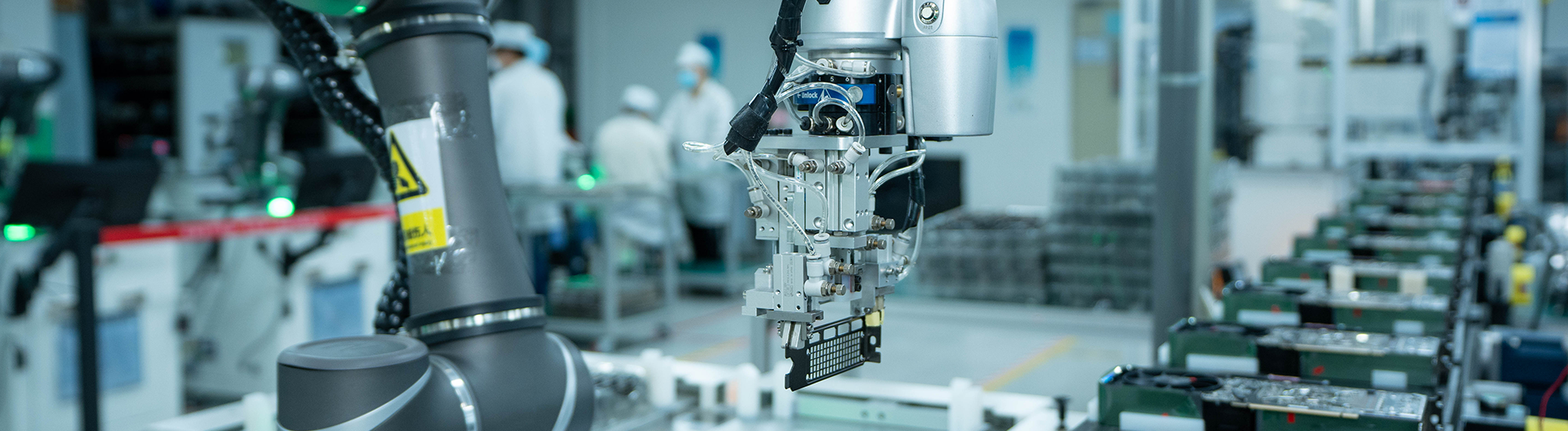
- CMM inspection: Coordinate Measuring Machines use touch probes or laser scanning to verify dimensional accuracy against CAD models. CMM provides the objective data needed for first article inspection reports and ongoing production verification.
- Statistical Process Control (SPC): Rather than inspecting every part, SPC monitors key characteristics over time to detect process drift before defects occur. IATF 16949 specifically requires SPC implementation for automotive production.
- First Article Inspection (FAI): Before production begins, the first completed part undergoes comprehensive measurement against every drawing dimension. AS9100D and IATF 16949 both require formal FAI procedures with documented results.
- In-process inspection: Critical dimensions are verified during machining—not just at final inspection. This catches problems early when correction is still possible.
When evaluating precision machining companies, ask specifically about these methods. A shop listing impressive equipment means little if they can't demonstrate how they verify the parts coming off those machines actually meet your specifications.
With quality standards clarified, the next logical question becomes: when is machining the right choice compared to alternative manufacturing methods?
Metal Machining Versus Alternative Manufacturing Methods
So you understand machining processes, materials, and cost drivers—but here's the question that often goes unanswered: when should you choose metal CNC machining over casting, forging, or 3D printing? Each method has its sweet spot, and selecting the wrong one can mean overpaying by 50% or more. Let's break down when machining wins, when alternatives make sense, and why hybrid approaches often deliver the best results.
When Machining Beats the Alternatives
CNC metal parts excel in specific scenarios that other manufacturing methods struggle to match. According to The Steel Printers' comparative analysis, machining delivers unmatched dimensional accuracy—capable of achieving tolerances as tight as ±0.001 mm, significantly better than both casting and metal 3D printing.
Choose machining when your project demands:
- Tight tolerances on critical features: No other process matches machining's precision for mating surfaces and assembly interfaces
- Superior surface finishes: As-machined surfaces often eliminate secondary finishing operations
- Low to medium volumes with design changes: No tooling investment means design iterations don't trigger expensive mold or die modifications
- Wide material selection: Virtually any metal alloy can be machined, unlike casting or 3D printing with their more limited material portfolios
- Rapid CNC prototyping needs: Parts can go from CAD to finished component in days rather than weeks
CNC prototyping particularly shines when you need functional prototypes in production-grade materials. Unlike carbon fiber prototyping or plastic 3D prints that only approximate final properties, machined prototypes behave exactly like production parts—because they're made the same way.
Choosing Between Subtractive and Additive Methods
The decision between machining and alternatives typically comes down to three factors: quantity, complexity, and required properties. According to QC Forge's manufacturing comparison, no single process always wins—each has distinct advantages depending on the application.
Casting becomes cost-effective at higher volumes where tooling costs spread across many parts. It excels at producing large, complex shapes where machining would waste excessive material. However, casting struggles with tight tolerances and often requires secondary machining on critical surfaces anyway.
Forging produces the ultimate metallurgical properties—superior fatigue strength and impact toughness that other processes cannot match. When component failure is catastrophic (think aerospace landing gear or automotive crankshafts), forging's wrought properties justify its higher cost. But forgings still need machining to achieve final dimensions.
Metal 3D printing enables geometries impossible to machine—internal cooling channels, lattice structures, and organic shapes. For small batches of highly complex parts, additive manufacturing can be more economical than machining. However, as industry research indicates, 3D printed parts often require post-process machining to achieve the desired tolerances on critical features.
| Manufacturing Method | Best For | Limitations | Typical Tolerances | Cost at Volume |
|---|---|---|---|---|
| CNC Machining | Precision parts, prototypes, low-medium volumes | Material waste, geometric constraints | ±0.001" to ±0.005" | Moderate (scales linearly) |
| Casting | Large complex shapes, high volumes | Porosity risk, poor tensile strength, tooling costs | ±0.010" to ±0.030" | Low at high volume |
| Forging | High-strength critical components | Limited geometry, expensive tooling | ±0.010" to ±0.030" | Moderate-high |
| Metal 3D Printing | Complex geometries, customization, small batches | Size limits, surface finish, material options | ±0.005" to ±0.010" | High (doesn't scale well) |
| Sheet Metal Fabrication | Enclosures, brackets, thin-walled parts | Limited to sheet forms, minimal 3D features | ±0.005" to ±0.015" | Low at volume |
| Injection Molding (Metal) | Small complex parts at very high volumes | Size limits, high tooling investment | ±0.003" to ±0.005" | Very low at high volume |
Hybrid Manufacturing: The Best of Both Worlds
Here's what experienced manufacturing engineers know: the smartest approach often combines methods rather than choosing just one. According to ADDere's hybrid manufacturing analysis, combining additive with subtractive processes unlocks capabilities neither achieves alone.
Common hybrid approaches include:
- Cast then machine: Casting creates the rough shape economically; machining finishes critical surfaces to specification
- Forge then machine: Forging delivers superior material properties; machining provides dimensional accuracy
- Print then machine: Additive manufacturing produces complex near-net shapes; CNC prototype finishing achieves tight tolerances on mating surfaces
This hybrid approach offers tangible benefits: enhanced surface quality and dimensional accuracy, improved mechanical properties (machining removes defects inherent in 3D printed parts), and reduced material waste compared to machining from solid stock.
The key is matching each process to what it does best. Use casting or forging for bulk material in the right metallurgical condition, then let machining deliver the precision those processes cannot achieve alone. Understanding these trade-offs positions you to specify the most cost-effective manufacturing approach—not just default to whatever a single supplier happens to offer.
Of course, different industries have different requirements that influence which methods and combinations make sense. Let's examine how specific sectors approach these manufacturing decisions.
Industry-Specific Metal Machining Requirements
You've learned about certifications and when machining beats alternative methods—but here's what really separates capable suppliers from the rest: understanding that aerospace, automotive, and medical sectors each demand fundamentally different approaches. A shop that excels at automotive production may struggle with aerospace documentation requirements. One that masters medical device traceability might lack the volume capacity automotive OEMs require. Let's examine what each sector actually demands from precision CNC machining services.
Automotive Component Machining Requirements
Automotive manufacturing operates on a simple principle: zero defects at scale. When you're producing thousands of components monthly, even a 0.1% rejection rate creates massive problems downstream. This reality shapes every requirement automotive buyers impose on their machining partners.
According to American Micro Industries' certification guide, IATF 16949 certification is essentially the entry ticket for automotive supply chains. Major automakers require this certification as a condition of doing business—without it, your technical capabilities simply don't matter.
Key automotive machining requirements include:
- IATF 16949 certification: Combines ISO 9001 foundations with automotive-specific elements including Advanced Product Quality Planning (APQP) and Production Part Approval Process (PPAP)
- Statistical Process Control (SPC): Real-time monitoring of critical dimensions to detect process drift before defects occur—not just inspecting parts after they're made
- High-volume capability: Ability to scale from prototype machining to thousands of units monthly without quality degradation
- Defect prevention focus: Systems designed to prevent problems rather than catch them after the fact
- Supply chain documentation: Complete traceability and the ability to respond to quality concerns across your entire production history
What does this look like in practice? Facilities like Shaoyi Metal Technology demonstrate how IATF 16949-certified operations implement strict SPC protocols while maintaining the flexibility to scale from rapid prototyping to mass production. Their one-day lead time capability for certain components shows how certified automotive suppliers balance speed with the quality systems major OEMs demand. This combination of certification, process control, and scalability represents the benchmark for evaluating automotive machining partners.
For custom CNC machining services targeting automotive applications, expect rigorous supplier audits, detailed capability studies, and ongoing performance monitoring. The automotive industry doesn't just want parts—they want predictable, documented quality at every production run.
Aerospace and Medical Precision Standards
If automotive demands zero defects at volume, aerospace raises the stakes even higher: zero defects when lives depend on every component. According to Jiga's aerospace machining analysis, standard tolerances in this sector often reach ±0.0005 inches (±12.7 µm) for structural parts, with engine components requiring ±0.0002 inches (±5 µm) or tighter.
Aerospace CNC turning services and 5 axis CNC machining services become essential when producing the complex geometries these applications demand. The requirements extend far beyond precision:
- AS9100D certification: Builds on ISO 9001 while adding aerospace-specific controls for risk management, configuration control, and counterfeit parts prevention
- NADCAP accreditation: Specialized certification for critical processes including heat treatment, coatings, and non-destructive testing
- Exotic material expertise: Titanium alloys, Inconel, and nickel superalloys require specialized tooling, cooling systems, and machining parameters
- Complete traceability: Every component must track back to mill certificates, heat lot numbers, and processing records throughout its entire lifecycle
- First Article Inspection (FAI): Comprehensive dimensional verification per AS9102 before production begins
The documentation burden alone distinguishes aerospace work. As the reference materials indicate, every aerospace part must be supported by FAI reports, dimensional inspection records, material certifications, and process validation documentation. This paperwork isn't bureaucratic overhead—it's how the industry ensures airworthiness and enables failure investigation when problems occur.
Medical Device Manufacturing Standards
Medical machining occupies unique territory: the precision requirements of aerospace combined with biocompatibility concerns and regulatory frameworks designed to protect patient safety. According to Mina Product Development's medical manufacturing overview, ISO 13485 certification forms the foundation, but the requirements extend much further.
Stainless steel CNC machining services for medical applications must address:
- ISO 13485 certification: The definitive quality management standard emphasizing design controls, process validation, and risk-based approaches throughout product realization
- Biocompatible materials: FDA-approved metals, plastics, and silicones that meet sterilization requirements and won't cause adverse reactions in patients
- FDA 21 CFR Part 820 compliance: Known as the Quality System Regulation, this governs design, manufacturing, and tracking for devices sold in the United States
- Cleanroom protocols: Contamination control during manufacturing for implants and devices that contact patients
- Extensive documentation: Complete design history files, manufacturing records, and complaint handling procedures that regulatory agencies can audit
The traceability requirements deserve special emphasis. Every medical component must be traceable from raw material through finished device—and those records must be maintained for the life of the product plus additional years. When a recall occurs, manufacturers must identify every affected unit within hours, not weeks.
How Industry Requirements Shape Supplier Selection
Understanding these sector-specific demands transforms how you evaluate potential machining partners. The wrong choice doesn't just affect quality—it can delay product launches, trigger regulatory problems, or disqualify you from supply chains entirely.
| Industry | Primary Certification | Critical Capabilities | Documentation Requirements | Typical Lead Times |
|---|---|---|---|---|
| Automotive | IATF 16949 | SPC, high-volume production, PPAP | Control plans, capability studies, PPAP packages | Prototype: 1-5 days; Production: ongoing |
| Aerospace | AS9100D, NADCAP | 5-axis machining, exotic materials, traceability | FAI per AS9102, material certs, process records | 2-12 weeks depending on complexity |
| Medical | ISO 13485 | Biocompatible materials, cleanroom, validation | Design history files, DHR, complaint handling | Prototype: 1-2 weeks; Validation: 4-8 weeks |
When evaluating suppliers for these demanding sectors, ask pointed questions:
- Can you provide current certification documents—not just claims on your website?
- What SPC systems do you use, and can you share capability study examples?
- How do you handle material traceability from receipt through shipment?
- What's your documented first-pass yield for similar components?
- Can you scale from prototype machining to production volumes without re-qualification?
The answers reveal whether a shop truly operates at the level your industry demands—or simply lists certifications they technically hold without the operational depth to deliver consistently. With these sector-specific requirements clear, the final step is understanding how to evaluate and select the right machining partner for your specific needs.
Selecting the Right Metal Machining Service Provider
You've absorbed the technical knowledge—processes, materials, cost drivers, and industry requirements. But here's where theory meets reality: finding a machining partner who actually delivers on their promises. Whether you're searching for a cnc machine shop near me or evaluating suppliers across the country, the selection process determines whether your project succeeds or becomes a cautionary tale. Too many buyers learn this lesson the hard way after missed deadlines and quality failures.
Evaluating Machining Partners Beyond Price
The lowest quote rarely equals the best value. According to TQ Manufacturing's supplier selection guide, many companies face common pitfalls—inconsistent quality, late deliveries, and poor communication—that lead to costly rework, production delays, and dissatisfied customers. Smart evaluation looks beyond the bottom-line number.
When vetting machining shops near me or distant suppliers, assess these critical factors:
- Certifications that match your requirements: Don't just confirm they hold ISO 9001—verify whether they maintain the industry-specific certifications your application demands. Ask for current certificates, not outdated claims.
- Equipment capabilities aligned with your parts: A shop with twenty 3-axis mills won't help if your design requires 5-axis work. Understand their machine inventory and whether it matches your geometric and tolerance requirements.
- Communication responsiveness: According to industry research, testing responsiveness during the evaluation phase predicts future performance. If they take days to respond to initial inquiries, expect communication delays during production.
- Quality documentation practices: Capable shops provide inspection reports, certificates of conformity, and statistical process control data when needed. Ask to see examples before committing.
- Lead time reliability: What's their typical on-time delivery rate? How do they manage production capacity to avoid delays? Vague answers here signal potential problems.
The project lifecycle extends beyond cutting metal. Evaluate whether potential partners offer design consultation—catching manufacturability issues before machining begins saves everyone time and money. Similarly, understand their post-machining capabilities: can they handle finishing operations, assembly, and packaging, or will you coordinate multiple vendors?
Facilities like Shaoyi Metal Technology demonstrate what comprehensive capability looks like: one-day lead times for certain components, complex chassis assembly expertise, and precision CNC machining services that scale from prototypes to production. These benchmarks help you calibrate expectations when evaluating any supplier's claims.
Red Flags When Choosing a Machine Shop
Experienced buyers learn to spot warning signs before they become expensive problems. According to All Metals Fabricating's supplier evaluation insights, too often businesses treat job shops as interchangeable, sending out blanket RFQs and choosing the lowest price—only to face delays and reworks due to poor quality.
Watch for these warning signs when reviewing local machine shops or any cnc shop near me:
- Lack of relevant certifications: No industry-recognized quality control certifications—or certifications that don't match your application requirements
- Vague answers about delivery: Inability to provide clear lead times or on-time delivery metrics suggests capacity management problems
- Poor communication patterns: Slow response times, unclear explanations, or defensive reactions to technical questions
- Limited industry experience: No proven track record working with your materials, tolerances, or application requirements
- No structured quality system: Relying only on final inspection without in-process controls or documentation
- Resistance to facility visits: Reputable machine shop services welcome customer audits—reluctance suggests something to hide
According to Unisontek's quality evaluation guide, even the best equipment cannot guarantee quality without skilled personnel and proper systems. Shops that invest in continuous training demonstrate long-term commitment to maintaining high standards.
| Evaluation Factor | Questions to Ask | What Good Looks Like |
|---|---|---|
| Certifications | Can you provide current certificates? When was your last audit? | Up-to-date certifications matching your industry; willingness to share audit results |
| Equipment | What machines will produce my parts? What's your capacity utilization? | Specific machine assignments; modern equipment with capacity for your volume |
| Communication | Who will be my main contact? How do you handle project updates? | Dedicated account manager; proactive status updates; rapid response to inquiries |
| Quality Systems | What in-process inspections do you perform? Can you share sample reports? | CMM capability; documented inspection procedures; SPC for critical dimensions |
| Lead Time | What's your current lead time? What's your on-time delivery rate? | Clear timelines with contingency plans; OTD above 95%; real-time tracking available |
| Problem Resolution | How do you handle non-conformities? Can you share a corrective action example? | Documented root cause analysis; corrective action procedures; proactive notification |
| Scalability | Can you grow with my production needs? What's your maximum capacity? | Track record of scaling with customers; investment in technology upgrades |
Making Your Final Selection
After gathering information, compare suppliers on an apples-to-apples basis. According to industry evaluation best practices, customize your criteria based on what matters most for your specific project—not all factors carry equal weight for every application.
Consider starting with a smaller order to validate performance before committing to larger volumes. This trial approach reveals whether machinist shops near me or distant suppliers actually deliver on their promises when real stakes are involved.
Remember that the best partnerships develop over time. A supplier who understands your requirements, communicates proactively, and solves problems effectively becomes a competitive advantage—not just a vendor. Whether you need automotive-grade precision with IATF 16949 certification, aerospace traceability, or medical-device documentation, finding the right match transforms metal machining services from a procurement headache into a strategic capability.
For those seeking reliable manufacturing solutions with certified quality systems and proven scalability, explore options like Shaoyi Metal Technology's automotive machining services—where rapid prototyping capability meets mass production consistency.
Frequently Asked Questions About Metal Machining Services
1. What is the hourly rate for a CNC machine?
CNC machining hourly rates typically range from $50 to $200 per hour, depending on machine complexity, material being cut, and project requirements. Basic 3-axis machines cost less per hour than advanced 5-axis equipment. Factors like tolerance requirements, material hardness, and part complexity also influence the effective hourly rate. For automotive-grade precision with IATF 16949 certification, facilities like Shaoyi Metal Technology offer competitive rates while maintaining strict quality standards and lead times as fast as one working day.
2. How much does CNC milling cost per hour?
CNC milling costs average $50 to $200 per hour based on machine type, material selection, and geometric complexity. 3-axis milling runs at the lower end, while 5-axis operations command premium rates due to advanced capabilities. Beyond hourly rates, total project costs include setup time, programming, tooling wear, and inspection requirements. Choosing easy-to-machine materials like 6061 aluminum can reduce effective hourly costs by enabling faster cutting speeds and extended tool life.
3. What is the cost of machining?
Machining costs depend on six primary factors: material costs, machine time, setup complexity, tolerance requirements, quantity, and finishing operations. Tight tolerances increase costs exponentially—moving from ±0.05mm to ±0.01mm can multiply expenses several times. Prototype runs carry higher per-unit costs since setup spreads across fewer parts, while production volumes of 500+ units significantly reduce per-piece pricing. Material selection also impacts costs dramatically, with titanium machining costing several times more than aluminum.
4. What certifications should I look for in a metal machining service provider?
The certification requirements depend on your industry. ISO 9001 serves as the baseline for general manufacturing quality. Automotive applications require IATF 16949 certification with Statistical Process Control capabilities. Aerospace components demand AS9100D certification and often NADCAP accreditation. Medical device machining needs ISO 13485 certification with FDA 21 CFR Part 820 compliance. Defense-related work requires ITAR registration. Always verify current certification status rather than relying on website claims.
5. When should I choose CNC machining over 3D printing or casting?
Choose CNC machining when your project requires tight tolerances (±0.001 inches or better), superior surface finishes, or production-grade material properties. Machining excels for low-to-medium volumes where design changes are likely since no tooling investment is required. Casting becomes more economical at higher volumes where tooling costs spread across many parts. Metal 3D printing suits complex geometries impossible to machine, though printed parts often require post-machining for critical surfaces. Many projects benefit from hybrid approaches combining multiple methods.