 Small batches, high standards. Our rapid prototyping service makes validation faster and easier —
  EN
EN


Custom CNC Machining Service Secrets: Cut Costs Without Cutting Quality
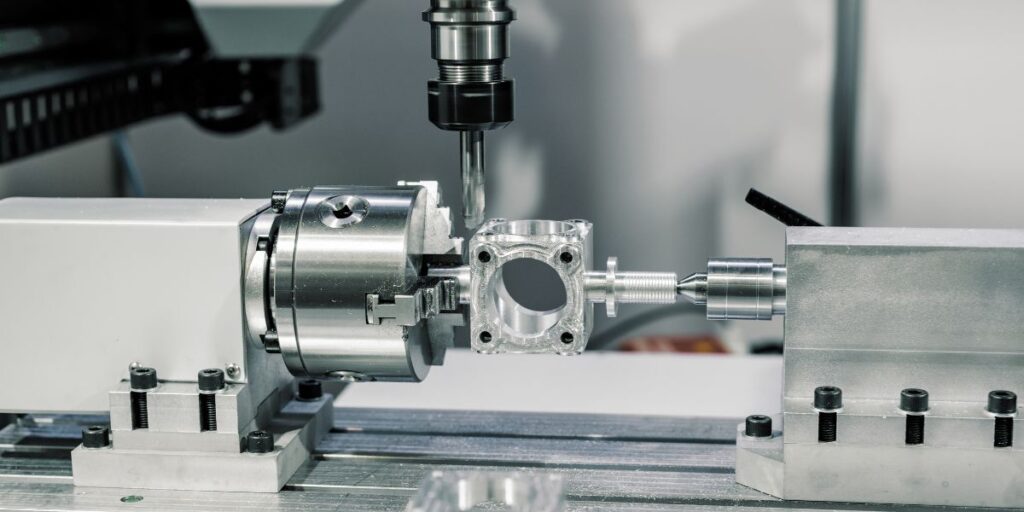
Understanding Custom CNC Machining and Its Manufacturing Role
When you need precision components that standard off-the-shelf parts simply cannot deliver, a custom CNC machining service becomes your essential manufacturing partner. But what exactly does this term mean? At its core, it refers to computer numerical control technology paired with tailored manufacturing expertise that transforms raw materials into components built specifically to your unique specifications.
Unlike conventional manufacturing approaches that produce identical parts in massive quantities, custom cnc machining services adapt every aspect of the process to meet your project's exact requirements. From aerospace brackets to medical device housings, this technology powers the creation of mission-critical components across virtually every industry.
How Subtractive Manufacturing Creates Precision Parts
Imagine starting with a solid block of aluminum, steel, or engineering plastic. Now picture specialized cutting tools systematically removing material layer by layer until a complex, three-dimensional component emerges. That's subtractive manufacturing in action, and it's the foundation of all CNC machining operations.
Computer numerical control makes this possible by translating digital design files into precise machine movements. The CNC controller reads your CAD model and directs cutting tools along programmed paths with accuracy measured in thousandths of an inch. This precision cnc machining approach ensures every cut, every contour, and every feature matches your design intent exactly.
Metal machining through CNC technology excels at creating parts with superior surface finishes and tight tolerances that additive methods struggle to achieve. Whether you're working with cnc metal components or engineering plastics, the subtractive process delivers consistent, repeatable results.
What Makes a CNC Service Truly Custom
Standard machining focuses on producing large volumes of identical parts with predetermined specifications. Custom services, however, take an entirely different approach. They adapt tooling, programming, and processes specifically for your project's unique demands.
What separates a truly custom provider from a standard CNC shop? Consider these defining capabilities:
- Material Flexibility: Working with diverse materials from common aluminum alloys to exotic titanium grades and specialty plastics
- Tolerance Control: Achieving tight dimensional tolerances tailored to your functional requirements, not just standard specifications
- Geometric Complexity: Handling intricate designs, undercuts, and multi-axis features that standard operations cannot produce
- Scalability: Seamlessly transitioning from single prototypes to production volumes without sacrificing quality or precision
CNC fabrication partners offering genuine custom capabilities invest in advanced equipment, skilled programmers, and quality systems that enable this flexibility. They collaborate with you during design review, suggest manufacturability improvements, and optimize processes for your specific requirements.
The result? Components that fit your application perfectly, manufactured efficiently, and delivered on your timeline. Understanding these fundamentals helps you evaluate potential providers and make informed decisions for your next precision machining project.
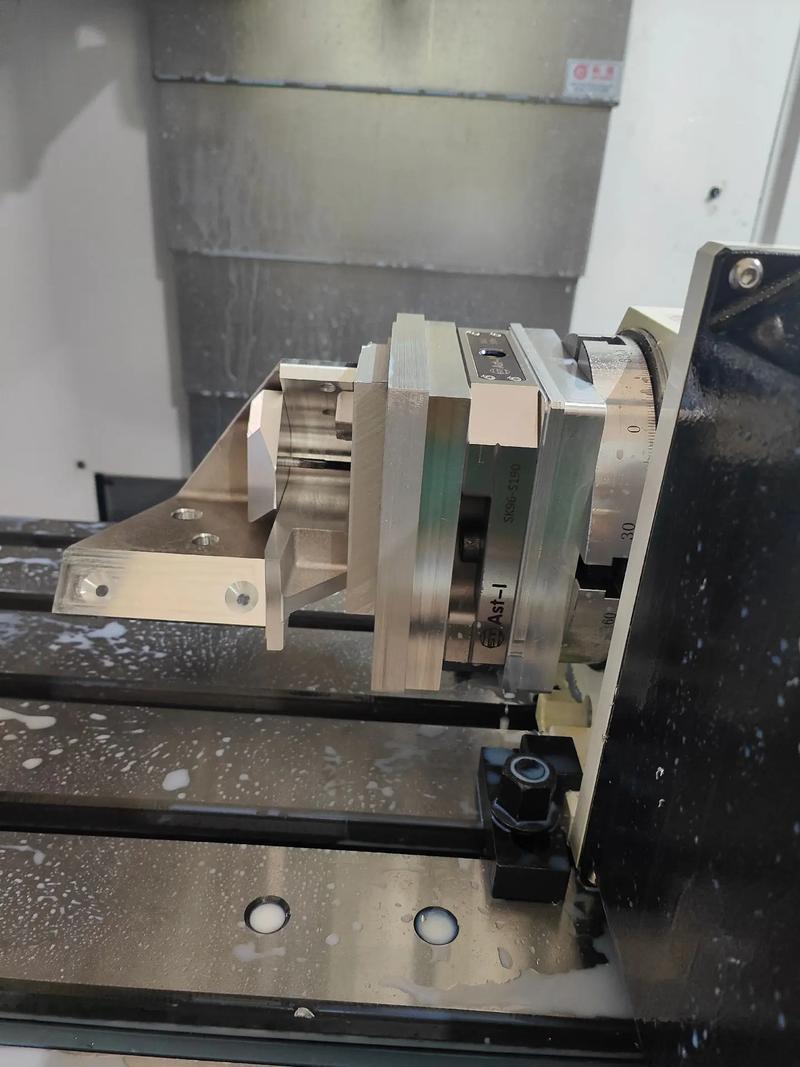
CNC Machining Processes Explained With Clear Use Cases
Choosing the right machining process can mean the difference between a cost-effective production run and an expensive lesson in manufacturing inefficiency. Each CNC process offers distinct advantages depending on your part geometry, material selection, and precision requirements. Understanding when to use each method helps you communicate more effectively with your custom CNC machining service provider and ultimately saves both time and money.
Let's break down the major processes you'll encounter and explore exactly when each one makes the most sense for your project.
Milling Operations From 3-Axis to 5-Axis Complexity
CNC milling uses rotating multi-point cutting tools that move across a stationary workpiece to remove material. Think of it as the sculptor's approach to manufacturing, where the tool carves away everything that isn't your finished part. The complexity of your component determines which milling configuration you need.
3-Axis Milling represents the workhorse of cnc machining milling operations. The cutting tool moves along three linear axes: X (left-right), Y (front-back), and Z (up-down). This setup handles flat surfaces, pockets, slots, and straightforward contours with excellent efficiency. If your part features can be machined from a single direction without repositioning, 3-axis milling delivers reliable results at lower costs.
When does 3-axis fall short? Complex geometries with undercuts, compound angles, or features on multiple faces require repositioning the workpiece, adding setup time and potential alignment errors.
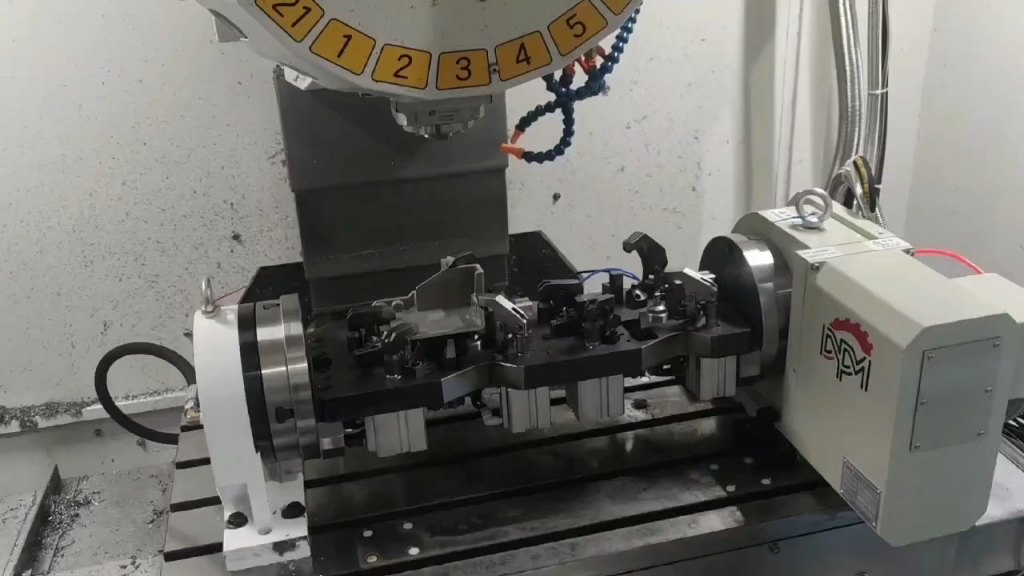
5-Axis Milling solves these challenges by adding two rotational axes to the standard three linear movements. The cnc cutting machine can approach your workpiece from virtually any angle, machining complex contours, undercuts, and intricate surfaces in a single setup. This capability proves essential for aerospace components, medical implants, and mold cavities with organic shapes.
5 axis cnc machining services command higher hourly rates, but often reduce total project costs by eliminating multiple setups and improving surface finish quality on complex parts.
When Turning Outperforms Milling for Your Parts
Here's a simple rule: if your part is round or cylindrical, cnc turning should be your first consideration. The process rotates the workpiece against a stationary single-point cutting tool, making it exceptionally efficient for shafts, pins, bushings, and any component with rotational symmetry.
A cnc turning service excels at maintaining concentricity and achieving tight tolerances on diameters. Modern CNC turning centers equipped with live tooling can even add milled features like flats, cross-holes, and keyways without moving the part to a separate machine.
When should you specifically request cnc turning services over milling? Consider turning when your part requires:
- External or internal threads with precise pitch control
- Consistent diameter tolerances across the part length
- Smooth surface finishes on cylindrical surfaces
- High-volume production of round components
Swiss Machining takes cnc turning to another level for small, slender parts that would flex or vibrate in conventional lathes. The workpiece feeds through a guide bushing positioned close to the cutting zone, providing exceptional support and stability. This swiss machining approach achieves diametral tolerances as tight as ±0.0004 mm on parts that other methods simply cannot handle.
Medical device manufacturers rely heavily on swiss machining for bone screws, dental implants, and surgical instrument components. Electronics companies use it for connector pins and contact probes requiring extreme precision at small scales.
EDM for the Impossible Cuts
What happens when your material is too hard for conventional cutting, or your geometry includes features no rotating tool can reach? Electrical Discharge Machining (EDM) uses controlled electrical sparks to erode material regardless of hardness. This cnc cutting process machines hardened tool steels, tungsten carbide, and other materials that would destroy conventional cutting tools.
Wire EDM threads a thin electrically charged wire through your workpiece, cutting intricate profiles with exceptional accuracy. Die makers use this process extensively for stamping dies and injection mold components. Sinker EDM uses a shaped electrode to create complex cavities and textured surfaces impossible to achieve through milling.
| Process Type | Best Applications | Typical Tolerances | Material Suitability | Relative Cost |
|---|---|---|---|---|
| 3-Axis Milling | Flat surfaces, pockets, slots, simple contours | ±0.05 mm to ±0.025 mm | Aluminum, steel, plastics, brass | Low to Medium |
| 5-Axis Milling | Complex contours, undercuts, aerospace parts, medical implants | ±0.025 mm to ±0.01 mm | All machinable metals, composites, engineering plastics | Medium to High |
| CNC Turning | Shafts, pins, bushings, threaded components | ±0.025 mm to ±0.01 mm | Round bar stock in metals and plastics | Low to Medium |
| Swiss Machining | Small precision parts, medical screws, electrical contacts | ±0.01 mm to ±0.0004 mm | Stainless steel, brass, titanium, engineering plastics | Medium to High |
| EDM (Wire/Sinker) | Hardened materials, intricate cavities, fine details | ±0.01 mm to ±0.005 mm | Any conductive material including hardened steels and carbide | High |
Understanding these process distinctions empowers you to have more productive conversations with machining partners. When you know that your cylindrical shaft belongs on a lathe rather than a mill, or that your complex aerospace bracket needs 5-axis capability, you can request appropriate quotes and avoid costly process mismatches.
The material you select plays an equally important role in process selection and overall project success. Different metals and plastics present unique machining challenges that directly impact your costs, lead times, and final part quality.
Material Selection Guide for CNC Machined Components
You've selected the right machining process for your project. Now comes an equally critical decision that directly impacts part performance, production costs, and lead times: choosing the optimal material. Your custom CNC machining service can work with dozens of metals and plastics, but selecting the wrong one leads to parts that fail prematurely, cost more than necessary, or simply don't fit the application.
Sounds overwhelming? It doesn't have to be. Whether you need the lightweight strength of aluminum, the corrosion resistance of stainless steel, or the dimensional stability of delrin plastic, understanding material properties helps you make confident decisions that balance performance with budget.
Metal Selection From Aluminum to Exotic Alloys
Metals dominate CNC machining applications for good reason. They offer superior strength, thermal conductivity, and durability that most plastics cannot match. However, each metal family presents distinct advantages and machining characteristics that affect your final costs.
Aluminum Alloys represent the workhorse of CNC machined components. Their excellent machinability means faster cutting speeds, longer tool life, and lower production costs compared to harder metals. According to Worthy Hardware, switching from stainless steel to aluminum can reduce cycle times by nearly 40% while extending cutting tool life threefold.
Two aluminum grades dominate custom machining requests:
- 6061 Aluminum: The general-purpose champion. This precipitation-hardened alloy offers excellent mechanical properties, weldability, and corrosion resistance. You'll find it in jigs, fixtures, electronic enclosures, and automotive components where moderate strength meets budget efficiency.
- 7075 Aluminum: When strength-to-weight ratio matters most, this zinc-strengthened alloy delivers. With tensile strength reaching 540 MPa and excellent fatigue resistance, 7075 serves aerospace structures, high-performance automotive parts, and military applications.
Stainless Steels step in when corrosion resistance and strength requirements exceed aluminum's capabilities. These chromium-nickel alloys require slower machining speeds and generate more tool wear, but their durability justifies the added cost for demanding applications.
Three grades cover most custom CNC machining service requests:
- 303 Stainless: Enhanced machinability through added sulfur makes this the easiest stainless to machine. The trade-off? Slightly reduced corrosion resistance compared to other grades. Choose 303 for parts requiring extensive machining where extreme corrosion exposure isn't a concern.
- 304 Stainless: The "18/8" stainless (18% chromium, 8% nickel) offers excellent corrosion resistance and mechanical properties. Food processing equipment, medical devices, and general industrial applications rely on this versatile grade.
- 316 Stainless: Added molybdenum provides superior resistance to chlorides and acids. Marine hardware, chemical processing equipment, and pharmaceutical components specify 316 when exposure to harsh environments demands maximum protection.
Carbon Steels deliver high strength and toughness at lower material costs than stainless grades. C45 steel, for example, offers high tensile strength suitable for shafts, gears, and structural components where corrosion resistance isn't critical.
Brass and Bronze excel in applications requiring low friction, excellent machinability, and corrosion resistance. CNC bronze and machining bronze operations produce bearings, bushings, and marine hardware with exceptional wear characteristics. These copper alloys machine beautifully, allowing tight tolerances and smooth surface finishes.
Titanium commands premium pricing but delivers an unmatched strength-to-weight ratio combined with excellent corrosion resistance and biocompatibility. Grade 5 titanium (Ti-6Al-4V) serves aerospace, medical implant, and high-performance applications where no other material can meet the requirements.
Engineering Plastics for Demanding Applications
When your application requires electrical insulation, chemical resistance, lightweight construction, or specific friction properties, engineering plastics offer capabilities metals cannot match. Modern CNC equipment machines these materials with precision, creating components for medical devices, electronics, food processing, and industrial automation.
Delrin (Acetal/POM) stands out for dimensional stability and precision machining. This delrin plastic maintains tight tolerances because it resists moisture absorption that causes other plastics to swell or shrink. High stiffness, low friction, and excellent wear resistance make Delrin ideal for gears, bearings, and precision mechanical components. However, its susceptibility to chemical attack limits suitability for some environments.
Nylon offers exceptional strength and durability at moderate cost. Machinable nylon grades provide high wear resistance and low friction properties that suit bushings, rollers, and structural components. When machining nylon, remember that this material absorbs moisture from the environment, which can affect dimensional stability over time. For applications requiring maximum precision, nylon for machining may need conditioning or post-machining stabilization.
PEEK (Polyetheretherketone) represents the premium tier of engineering plastics. According to Xometry, PEEK retains exceptional strength, chemical resistance, and dimensional stability even at elevated temperatures. Aerospace, medical, and semiconductor industries specify PEEK when no other plastic can withstand the operating environment. The trade-off? Material costs significantly exceed other plastic options.
Polycarbonate combines high impact resistance with optical clarity. CNC polycarbonate machining produces transparent or translucent components for sight glasses, protective covers, and medical device housings. Its shatter resistance makes it the preferred choice over acrylic when impact protection matters.
Acrylic (PMMA) provides excellent optical clarity and weather resistance at lower cost than polycarbonate. Acrylic CNC machining creates display cases, light fixtures, and signage components that can be polished to high-gloss finishes. While prone to scratching and less impact-resistant than polycarbonate, acrylic's aesthetic qualities and machinability make it valuable for visual applications.
Comprehensive Material Comparison
| Material Category | Common Grades | Machinability Rating | Key Properties | Typical Applications |
|---|---|---|---|---|
| Aluminum Alloys | 6061, 7075, 2024, 5083 | Excellent | Lightweight, good thermal conductivity, corrosion resistant | Aerospace structures, electronic enclosures, automotive components |
| Stainless Steel | 303, 304, 316, 17-4PH | Moderate to Difficult | High strength, excellent corrosion resistance, heat resistant | Medical devices, food processing, marine hardware |
| Carbon Steel | 1018, 1045, C45 | Good | High strength, excellent toughness, weldable | Shafts, gears, structural components |
| Brass/Bronze | C360, C932, C954 | Excellent | Low friction, corrosion resistant, excellent machinability | Bearings, bushings, marine fittings, electrical connectors |
| Titanium | Grade 2, Grade 5 (Ti-6Al-4V) | Difficult | Highest strength-to-weight ratio, biocompatible, corrosion resistant | Aerospace components, medical implants, racing parts |
| Delrin/Acetal | Delrin 150, Acetal Copolymer | Excellent | Dimensional stability, low friction, wear resistant | Gears, bearings, precision mechanical parts |
| Nylon | Nylon 6, Nylon 6/6, Cast Nylon | Good | High strength, wear resistant, absorbs moisture | Bushings, rollers, structural components |
| PEEK | PEEK Natural, PEEK GF30 | Good | High temperature resistance, chemical resistant, strong | Semiconductor handling, aerospace, medical devices |
| Polycarbonate | Lexan, Makrolon | Good | Impact resistant, optically clear, heat resistant | Sight glasses, protective covers, medical housings |
| Acrylic | Cast Acrylic, Extruded PMMA | Good | Optical clarity, weather resistant, polishable | Display cases, signage, light fixtures |
Making Your Material Decision
With so many options available, how do you narrow down the right choice? Focus on these key decision factors:
- Mechanical Requirements: What loads, stresses, and impacts must your part withstand? High-stress applications demand steel or titanium, while moderate requirements allow aluminum or engineering plastics.
- Environmental Exposure: Will your component face moisture, chemicals, salt spray, or extreme temperatures? Stainless steel, PEEK, and specific plastic grades resist harsh conditions that would degrade other materials.
- Weight Constraints: When every gram matters, aluminum and engineering plastics outperform steel. Titanium delivers maximum strength at minimum weight for the most demanding weight-sensitive applications.
- Budget Considerations: Material costs and machinability directly impact your project budget. Aluminum machines faster and costs less than stainless steel. PEEK commands premium pricing compared to Delrin or nylon.
Your custom CNC machining service partner can provide guidance based on your specific application requirements. Share details about operating conditions, performance expectations, and budget constraints to receive material recommendations that balance all factors effectively.
With material selection clarified, the next challenge involves designing parts that machine efficiently without driving up costs. Understanding design-for-manufacturability principles helps you avoid common mistakes that inflate quotes and extend lead times.
Design for Manufacturability Principles That Reduce Costs
You've selected the perfect material and identified the right machining process. But here's where many projects go sideways: your design looks fantastic in CAD software, yet the quote comes back shockingly high. What happened? The culprit is almost always design choices that seem minor on screen but create major manufacturing headaches.
Design for manufacturability (DFM) bridges the gap between your engineering intent and real-world production efficiency. According to Modus Advanced, effective DFM implementation can reduce manufacturing costs by 15-40% and cut lead times by 25-60% compared to non-optimized designs. Those aren't trivial savings when you're producing custom machined parts at scale.
The good news? Most costly design mistakes follow predictable patterns. Understanding these patterns before submitting your files for quoting puts you ahead of engineers who learn these lessons the expensive way.
Critical Design Features That Impact Machining Success
Every machined parts design includes features that directly influence production time, tooling requirements, and final cost. Let's examine the specifications that matter most.
Wall Thickness Minimums
Thin walls look elegant in CAD models but create real problems on the shop floor. When walls become too thin, they flex and vibrate during cutting operations. According to Zenith Manufacturing, walls thinner than 0.5mm can increase machining time by 100% to 300% because machinists must take extremely light, careful cuts to prevent deformation.
What are safe minimums? For aluminum cnc machine parts, maintain at least 0.8mm wall thickness. For engineering plastics, that threshold rises to approximately 1.5mm. Parts with walls below these limits experience dramatically higher rejection rates from warping and breakage during machining.
Internal Corner Radii Requirements
Here's a fundamental reality that surprises many designers: CNC cutting tools are round. A rotating end mill physically cannot create a perfectly sharp 90-degree internal corner, no matter how precisely programmed. Achieving that sharp edge requires switching to Electrical Discharge Machining (EDM), which costs 3 to 5 times more per corner than standard milling.
The solution? Add internal corner radii to your design. A minimum 0.030" (0.76mm) radius allows standard tooling compatibility. For deep pockets, increase to 0.060" (1.52mm) to reduce tool deflection. The largest radius your design can accommodate always produces the fastest, most cost-effective results.
Hole Depth-to-Diameter Ratios
Deep, narrow holes present significant manufacturing challenges. Standard drill bits perform efficiently up to an aspect ratio of approximately 4:1 (depth four times the diameter). Beyond this sweet spot, costs escalate quickly:
- 4:1 to 6:1 ratio: Requires specialized deep-hole drills and peck drilling cycles that add cycle time
- 6:1 to 10:1 ratio: Demands gun drills or specialized equipment, potentially adding days to lead time
- Beyond 10:1 ratio: Often requires external processing at specialized facilities
Before specifying deep holes, ask whether the feature is truly necessary. If access from the opposite side is possible, a through-hole eliminates depth concerns entirely.
Thread Specifications
Software defaults often create unnecessary constraints for threaded features. CAD programs typically specify exact drill sizes and cut tap requirements when manufacturers may prefer roll tapping for improved thread quality and tool life.
Recommended approach: specify thread class and engagement depth rather than dictating exact drill sizes. Call out "1/4-20 UNC-2B, 0.375" minimum engagement" and let the machinist optimize the process. This flexibility reduces costs without compromising your functional requirements.
Critical consideration: ensure pre-drill tapping depth exceeds actual thread depth. Every tap has thread lead-in that requires additional clearance. Bottoming taps need 1-2 threads of clearance, while standard taps require 3-5 threads. Insufficient depth causes broken taps and scrapped parts.
Undercuts and Deep Pockets
Features that standard tools cannot reach from above require specialized approaches. Undercuts often demand T-slot cutters, lollipop end mills, or multiple setups that dramatically increase machining parts costs. Deep pockets force the use of extended-reach tooling prone to deflection and vibration, requiring slower feed rates and more finishing passes.
When your cnc machining part design requires these features, expect quotes to reflect the added complexity. Sometimes redesigning to eliminate undercuts or reduce pocket depth saves more than maintaining the original geometry.
Avoiding Costly Design Mistakes Before Quoting
Beyond individual feature specifications, certain design approaches consistently inflate costs without adding functional value. Review your designs for these common errors before requesting quotes:
- Unnecessarily tight tolerances: Applying ±0.05mm globally when only one or two features actually require that precision. According to industry experts, this single mistake commonly transforms a $50 part into a $500 part. Specify tight tolerances only where function demands them.
- Features requiring special tooling: Complex curves, varying radii, and decorative elements that require custom programming and extended cycle times. Ask whether each feature serves a functional purpose or merely aesthetic preference.
- Poor material selection for intended function: Choosing materials that machine slowly or wear tools excessively when alternatives would perform equally well. A part designed for 316 stainless that could function in 303 stainless machines significantly faster.
- Cast-optimized designs for machined prototypes: Draft angles designed for injection molding or casting require specialized tooling or complex programming when machined. Create separate design versions optimized for each manufacturing method.
- Overly smooth surface finishes: Specifying Ra 0.8 μm when standard machined finish (Ra 3.2 μm) would function identically. Each step toward smoother finishes adds secondary operations and cost.
Preparing CAD Files for Accurate Quotes
Your file preparation directly impacts quote accuracy and turnaround time. Follow these guidelines for smooth submissions:
- Preferred formats: STEP (.stp, .step) files provide the most universal compatibility. IGES, Parasolid, and native formats from major CAD packages (SolidWorks, Inventor, Fusion 360) are typically accepted.
- Eliminate overlapping geometry: Overlapping or stacked vectors cause the CNC machine to work over the same area repeatedly, weakening material and introducing defects. Fuse all geometry into clean, single-layer representations.
- Include 2D drawings for critical dimensions: While 3D models convey geometry, 2D drawings communicate tolerances, surface finish requirements, and inspection criteria that quotes must account for.
- Specify material and quantity: Ambiguity delays quotes. State exactly which alloy or plastic grade you need, and provide quantity requirements including any prototype versus production volume distinctions.
- Call out special requirements: Certifications, inspection documentation, special packaging, or other requirements beyond standard machining affect pricing and must be communicated upfront.
A single design decision—such as specifying an unnecessarily tight tolerance or complex geometry—can cascade through multiple manufacturing steps. What appears as a minor design choice can add days to programming time, require specialized tooling with extended lead times, and significantly increase per-unit costs.
Taking time to optimize your design for manufacturability before requesting quotes pays dividends throughout the project. You'll receive more accurate pricing, faster turnaround, and parts that meet specifications without costly revisions.
Understanding these design principles naturally leads to the next question every buyer asks: what actually drives the final number on your CNC machining quote? The factors that determine pricing deserve equally careful consideration.
CNC Machining Cost Factors and Budget Planning
You've optimized your design for manufacturability. Now comes the moment of truth: understanding exactly what drives that cnc machining price on your quote. Unlike commodity products with predictable pricing, custom CNC machining services calculate costs based on multiple interconnected factors that many buyers never fully understand.
Here's what most providers won't tell you upfront: nearly every line item on your quote traces back to five fundamental cost drivers. Understanding these factors transforms you from a passive quote recipient into an informed buyer who can make strategic decisions that reduce costs without sacrificing quality.
What Actually Drives Your CNC Machining Quote
When you submit a design for an online machining quotes request, the pricing algorithm or estimator evaluates several distinct cost categories. Each contributes to your final number in ways you can influence.
Material Costs and Waste
Raw material represents a significant portion of any cnc machining parts quote. According to Komacut, material selection impacts both the direct cost per kilogram and the indirect costs associated with machining characteristics. Aluminum and standard steels occupy the lower end of the pricing spectrum due to abundance and established supply chains. Stainless steels with specialty alloying elements command higher prices, while titanium costs significantly more due to refinement complexity.
But raw material cost tells only part of the story. CNC machining is subtractive manufacturing, which means you're paying for material that ends up as chips on the shop floor. A part machined from a solid block may consume three to five times its finished weight in raw stock. Complex geometries with deep pockets generate even higher material waste ratios.
The machinist metal cost calculation also considers stock availability. Standard bar sizes and sheet thicknesses cost less than special-order dimensions. Designing your part to fit within common stock sizes reduces both material cost and lead time.
Machine Time Based on Complexity
Every minute your part occupies a CNC machine carries a cost. According to industry data, hourly machine rates vary significantly by equipment type: basic 3-axis mills command lower rates than 5-axis machining centers, which in turn cost less per hour than specialized Swiss turning equipment.
What determines how long your part takes to machine? Several interrelated factors:
- Material hardness: Harder materials require slower cutting speeds to prevent tool damage. A stainless steel part may take twice as long to machine as an identical aluminum design.
- Feature complexity: Intricate details, tight corners, and deep pockets require smaller tools moving at slower speeds with multiple finishing passes.
- Surface finish requirements: Achieving smoother finishes demands lighter cuts and additional passes that extend cycle times.
- Part size: Larger parts simply require more tool travel time, though they may benefit from more aggressive cutting parameters.
Small cnc machining projects often face proportionally higher per-part costs because minimum machine time charges apply regardless of how quickly the actual cutting completes.
Setup Charges for Tooling and Fixturing
Before any cutting begins, a machinist must program the operation, select appropriate tools, and create fixtures to hold your part securely. This setup time represents what manufacturers call Non-Recurring Engineering (NRE) cost.
According to Fictiv, setup typically comprises a substantial portion of prototype machining bills. These costs include CAM programming to generate toolpaths, machine configuration for your specific requirements, and custom fixturing when standard vises or clamps cannot adequately secure your geometry.
Parts requiring multiple setups—where the workpiece must be repositioned to machine different faces—multiply these costs. Each reorientation demands new fixturing, additional programming, and careful alignment to maintain feature relationships across setups.
Tolerance Requirements Affecting Inspection Time
Tighter tolerances don't just slow machining; they extend quality verification time. Parts with critical dimensions require measurement using coordinate measuring machines (CMMs), surface profilometers, or other precision instruments. Each measured feature adds inspection time that contributes to your quote.
Standard tolerances allow efficient sampling inspection where only representative parts undergo full measurement. Tighter specifications may require 100% inspection of critical features, dramatically increasing per-part quality costs on production runs.
Finishing Operations
Many parts require secondary operations beyond basic machining. Anodizing, plating, heat treating, painting, and assembly services each add cost and lead time. Some finishes require outside processing at specialized facilities, introducing logistics costs and coordination overhead.
Even simple deburring and edge breaking add handling time. Parts with many machined edges require more extensive finishing attention than simpler geometries.
Volume Considerations From Prototype to Production
Perhaps no factor influences per-part pricing more dramatically than quantity. Understanding why helps you make strategic ordering decisions.
Remember those setup costs? When you order a single prototype, you bear 100% of the programming, fixturing, and machine setup expense. Order ten identical parts, and that same setup cost spreads across ten units. Order a hundred, and setup becomes nearly negligible on a per-part basis.
This setup amortization explains why cnc quote online tools show steep price reductions as quantities increase. The actual machining cost per part remains relatively constant, but fixed costs dilute rapidly with volume.
Material purchasing also improves with quantity. Suppliers offer better pricing on larger material orders, and shops can optimize cutting layouts to reduce waste when producing multiple parts from the same stock.
However, the relationship isn't linear forever. At very high volumes, CNC machining may become less cost-effective than processes like injection molding or die casting that require expensive tooling but deliver lower per-part costs at scale.
Practical Strategies to Reduce Your Costs
Armed with understanding of what drives pricing, you can make informed decisions that reduce quotes without compromising part function:
- Consolidate features where possible: Combining multiple simple parts into one more complex component often reduces total cost by eliminating duplicate setups and assembly operations.
- Relax non-critical tolerances: Apply tight tolerances only to features where function demands them. Standard machining tolerances cost nothing extra; precision specifications add inspection time and slower machining passes.
- Select readily machinable materials: When your application allows flexibility, choosing aluminum over stainless steel or 303 stainless over 316 can significantly reduce cycle times and tool costs.
- Design for standard tooling: Features that match common tool sizes (standard drill diameters, typical end mill radii) avoid special tool procurement and setup.
- Minimize setups: Parts that can be fully machined in one or two orientations cost less than designs requiring four or five repositioning operations.
- Consider finish requirements carefully: Specify surface finishes only as smooth as function requires. Each step toward mirror finishes adds secondary operations.
The most effective cost reduction happens during design, not during quoting. By the time you're reviewing prices, your geometry has already determined most of your manufacturing costs.
When you understand these cost drivers, comparing quotes from different custom CNC machining service providers becomes more meaningful. You can identify whether price differences reflect capability variations, efficiency differences, or simply different approaches to the same manufacturing challenge.
Of course, CNC machining isn't your only option. Understanding when alternative manufacturing methods make more sense helps you allocate your budget most effectively across different project requirements.
CNC Machining Versus Alternative Manufacturing Methods
Now that you understand what drives CNC machining costs, here's a question worth asking: is CNC machining actually the right choice for your project? Sometimes the answer is a resounding yes. Other times, alternative manufacturing methods deliver better results at lower costs.
Making the wrong process selection can mean overpaying by 50% or more, or worse, receiving parts that don't meet your performance requirements. The key lies in understanding where each manufacturing method excels and where it falls short.
Your custom CNC machining service provider should help you evaluate alternatives honestly. A partner focused on your success will sometimes recommend a different process entirely. Let's examine the major alternatives and establish clear decision criteria.
CNC Versus Additive Manufacturing Decision Criteria
3D printing, also known as additive manufacturing, builds parts layer by layer from digital files. This approach offers capabilities CNC machining simply cannot match, but it also carries limitations that make CNC the superior choice for many applications.
When 3D Printing Wins
Rapid cnc prototyping projects often benefit from 3D printing's speed and design freedom. According to Protolabs, additive manufacturing proves perfect for rapid prototyping due to its quick turnaround times and lower costs relative to other processes. Need a functional prototype in 24-48 hours? 3D printing often delivers faster than any machining operation.
Complex internal geometries showcase additive manufacturing's unique strengths. Lattice structures for lightweighting, internal cooling channels, and organic shapes that would require extensive 5-axis machining print without additional complexity. Carbon fiber prototyping through specialized 3D printing processes creates lightweight, high-strength components for drone frames, racing components, and aerospace applications.
However, 3D printed parts typically exhibit inferior mechanical properties compared to machined components. Layer adhesion creates directional weakness, and surface finishes require post-processing to match machined quality.
When CNC Machining Wins
CNC prototype machining delivers parts with true production-grade material properties. When your prototype must perform exactly like the final product, machining from solid stock eliminates the anisotropic weakness inherent in layered manufacturing.
Prototype machining services also excel when your design requires tight tolerances. While industrial 3D printers achieve ±0.1mm accuracy, CNC machining routinely holds ±0.025mm or tighter. For parts that must fit precisely with mating components, this difference matters.
Material selection further favors CNC prototyping for functional testing. Want to test your prototype in actual production-grade 7075 aluminum or 316 stainless steel? Machining uses the exact material your production parts will use, while 3D printing limits you to printable materials that may only approximate production properties.
When Alternative Processes Make More Sense
Injection Molding for High-Volume Plastics
When your plastic part quantities reach thousands or tens of thousands, injection molding's economics become compelling. According to RPWorld, injection molding tooling costs over a thousand dollars depending on geometry complexity, but the per-part cost drops dramatically at scale.
CNC machining prototyping often serves as the bridge to injection molding. You can validate designs through machined prototypes, then invest in tooling once specifications are frozen. This approach minimizes risk while eventually achieving the lowest per-part costs for production volumes.
However, injection molding imposes design constraints that machining doesn't. Draft angles, uniform wall thickness, and gate location requirements may force design compromises. If your geometry cannot accommodate these constraints, machining may remain the better option even at higher volumes.
Die Casting for Metal Production Runs
Similar economics apply to metal parts. Die casting requires expensive tooling but produces parts rapidly once that investment is made. Aluminum and zinc die castings serve automotive, consumer electronics, and industrial applications where volumes justify tooling costs.
CNC machining complements die casting rather than competing directly. Many die cast parts require machined features for critical tolerances, threaded holes, or mating surfaces that casting cannot achieve. The combination delivers cost-effective production with precision where needed.
Sheet Metal Fabrication for Enclosures and Brackets
When your design involves flat material formed into three-dimensional shapes, sheet metal fabrication often costs less than machining from solid stock. Enclosures, brackets, chassis, and panels typically machine more efficiently as bent sheet metal than as carved blocks.
The material waste comparison tells the story. A machined enclosure might start as a 10-pound aluminum block and finish as a 1-pound part. The same enclosure formed from sheet metal consumes perhaps 1.5 pounds of material with minimal waste.
Manufacturing Process Comparison
| Manufacturing Method | Ideal Volume Range | Material Options | Tolerance Capability | Lead Time | Cost Structure |
|---|---|---|---|---|---|
| CNC Machining | 1 to 10,000 parts | Extensive: metals, plastics, composites | ±0.025mm to ±0.005mm | 1-3 weeks typical | Low setup, moderate per-part |
| 3D Printing | 1 to 500 parts | Limited: specific polymers, some metals | ±0.1mm to ±0.05mm | 1-5 days typical | Minimal setup, higher per-part |
| Injection Molding | 1,000 to 1,000,000+ parts | Extensive thermoplastics | ±0.05mm to ±0.025mm | 3-8 weeks (includes tooling) | High tooling, very low per-part |
| Die Casting | 5,000 to 500,000+ parts | Aluminum, zinc, magnesium alloys | ±0.1mm to ±0.05mm | 6-12 weeks (includes tooling) | Very high tooling, low per-part |
| Sheet Metal Fabrication | 1 to 50,000 parts | Sheet metals: steel, aluminum, stainless | ±0.25mm to ±0.1mm | 1-3 weeks typical | Low setup, varies by complexity |
CNC machining excels in the prototype-to-medium-volume range where superior material properties, tight tolerances, and design flexibility outweigh the per-part cost advantages of high-volume processes.
Making Your Process Decision
How do you choose? Consider these questions:
- What's your expected lifetime volume? Single prototypes and low volumes favor CNC. High volumes justify tooling investments for molding or casting.
- How tight are your tolerance requirements? When precision matters, CNC machining prototyping delivers accuracy that additive and casting processes struggle to match.
- What material properties do you need? True production-grade metals and engineering plastics machine readily. 3D printing and casting limit your material options.
- How quickly do you need parts? 3D printing wins for speed. Injection molding and die casting require weeks of tooling lead time.
- Is your design finalized? Iterating designs is cheap with CNC and 3D printing. Changes after tooling investment are expensive.
Many successful projects combine processes strategically. Cnc machining prototyping validates designs before tooling investment. 3D printing creates fixtures and test assemblies. Injection molding or die casting handles production volumes while CNC machining adds precision features.
Understanding these trade-offs helps you allocate manufacturing budgets wisely. The goal isn't always choosing the cheapest option—it's selecting the process that delivers the best value for your specific requirements.
Whichever process you choose, quality assurance determines whether your parts actually meet specifications. Understanding inspection methods and industry certifications helps you evaluate providers and set appropriate requirements for your projects.
Quality Assurance and Industry Certifications Explained
You've selected the right process, optimized your design, and chosen appropriate materials. But how do you know the parts you receive will actually meet your specifications? Quality assurance separates precision machining services that deliver consistent results from shops where every shipment becomes a gamble.
Certifications and inspection methods aren't just bureaucratic checkboxes. They represent verified systems that catch problems before parts reach your assembly line. Understanding what these standards actually mean helps you evaluate potential providers and set appropriate requirements for your precision machining parts projects.
Quality Certifications Decoded for Buyers
When evaluating precision machining companies, you'll encounter various certification acronyms. Each represents specific quality management requirements tailored to different industries and risk levels. Here's what they actually mean for your projects.
ISO 9001: The Foundation
Think of ISO 9001 as a driver's license for manufacturing. According to Modo Rapid, this certification verifies that a supplier has documented quality control processes and continuous improvement practices. An independent auditor has confirmed the shop maintains standardized procedures for everything from incoming material inspection to final shipment verification.
What does this mean practically? Better traceability of your parts, smoother communication, and fewer surprises when you inspect the shipment. For general commercial applications, ISO 9001 certification provides reasonable confidence that the shop operates professionally.
IATF 16949: Automotive Excellence
The automotive industry demands more rigorous quality controls than general manufacturing. IATF 16949 builds on ISO 9001 with additional requirements specific to automotive supply chains. Precision cnc machining services holding this certification demonstrate capabilities including:
- Statistical process control (SPC) monitoring production consistency
- Advanced Product Quality Planning (APQP) for new part launches
- Defect prevention systems rather than just detection
- Supply chain risk management protocols
If you're sourcing components for automotive applications, IATF 16949 certification isn't optional—it's the entry ticket to serious consideration.
AS9100D: Aerospace-Grade Rigor
When lives depend on part performance, aerospace and defense industries require AS9100D certification. This standard layers additional safety and reliability protocols onto ISO 9001 requirements. Cnc precision machining services certified to AS9100D maintain stricter documentation, more rigorous process validation, and enhanced risk management systems.
For landing gear brackets, structural components, or any part where failure isn't an option, AS9100D certification signals a provider capable of meeting the most demanding requirements.
ISO 13485: Medical Device Compliance
Medical device manufacturing requires specialized quality systems addressing biocompatibility, traceability, and regulatory compliance. ISO 13485-certified shops understand FDA requirements, maintain clean manufacturing environments, and document everything needed for regulatory submissions.
| Certification | Industry Focus | Key Requirements | When Required |
|---|---|---|---|
| ISO 9001 | General Manufacturing | Documented QMS, continuous improvement, process control | Commercial and industrial applications |
| IATF 16949 | Automotive | SPC, APQP, defect prevention, supply chain management | Automotive OEM and Tier suppliers |
| AS9100D | Aerospace/Defense | Enhanced documentation, risk management, traceability | Aircraft, spacecraft, defense components |
| ISO 13485 | Medical Devices | Biocompatibility, regulatory compliance, clean manufacturing | Implants, surgical instruments, diagnostic equipment |
Inspection Methods That Verify Part Conformance
Certifications establish systems. Inspection methods verify that individual parts actually meet specifications. Understanding these verification approaches helps you request appropriate documentation and interpret the reports you receive.
Coordinate Measuring Machine (CMM) Inspection
CMM inspection represents the gold standard for dimensional verification in precision machining services. According to The Supplier, a CMM inspection report provides a structured table of measured values mapped to your drawing, showing nominal dimensions, actual measurements, deviations, tolerances, and pass/fail status for each feature.
These touch-probe machines measure complex geometries with exceptional accuracy, verifying true position, perpendicularity, flatness, and other geometric tolerances that simpler tools cannot assess. When your cnc machining materials require tight tolerance verification, CMM data provides the evidence you need.
Surface Finish Verification
Surface roughness affects part function, appearance, and mating characteristics. Profilometers measure the microscopic peaks and valleys on machined surfaces, quantifying roughness in Ra (average roughness) or other standardized parameters. When your specifications call out surface finish requirements, verification data confirms the machining process achieved the required smoothness.
Material Certification Traceability
How do you know the aluminum in your parts is actually 7075-T6 as specified? Material certifications trace raw materials back to mill certificates documenting chemical composition, mechanical properties, and heat treatment. This traceability becomes critical for aerospace, medical, and other regulated applications where material substitution could cause catastrophic failures.
What Buyers Should Request
Don't wait for quality problems to establish documentation requirements. Specify your expectations upfront when requesting quotes from precision machining companies:
- First Article Inspection (FAI) Reports: Comprehensive dimensional verification of initial production parts, establishing the baseline for ongoing production. FAI locks in the process and prevents hidden drift over time.
- Material Certifications: Mill test reports documenting material composition, properties, and traceability. Essential for regulated industries and recommended for any critical application.
- Dimensional Inspection Data: CMM reports or other measurement data verifying critical dimensions meet specifications. Request balloon-to-line mapping where drawing callouts correspond directly to report line items.
- Surface Finish Measurements: Profilometer readings confirming Ra values meet your requirements. Important for sealing surfaces, bearing interfaces, and aesthetic applications.
Tolerance Expectations by Process
What tolerances can you realistically expect from different machining processes? According to 3ERP, achievable precision varies significantly based on the process type and equipment quality:
| Process Type | Standard Tolerance | Precision Tolerance | Notes |
|---|---|---|---|
| 3-Axis Milling | ±0.05mm (±0.002") | ±0.025mm (±0.001") | Readily achievable on quality equipment |
| 5-Axis Milling | ±0.025mm (±0.001") | ±0.01mm (±0.0004") | Tighter tolerances add programming complexity |
| CNC Turning | ±0.025mm (±0.001") | ±0.01mm (±0.0004") | Diameters typically hold tighter than lengths |
| Swiss Machining | ±0.01mm (±0.0004") | ±0.005mm (±0.0002") | Exceptional precision on small parts |
| EDM | ±0.01mm (±0.0004") | ±0.005mm (±0.0002") | Material hardness doesn't affect capability |
Remember that tighter tolerances require more inspection time and slower machining passes. Specify precision only where function demands it, and allow standard tolerances elsewhere to optimize costs.
Quality documentation isn't bureaucratic overhead—it's your evidence that parts meet specifications. Requesting appropriate reports upfront costs far less than discovering problems after assembly.
Different industries impose varying requirements for documentation, traceability, and certification levels. Understanding sector-specific compliance considerations helps you communicate requirements effectively and select providers equipped to meet your industry's standards.
Industry Applications From Automotive to Aerospace
Understanding quality certifications and inspection methods gives you the foundation. But here's the reality: every industry applies these principles differently. What satisfies an electronics manufacturer may fall far short of aerospace requirements. What works for general industrial components won't pass muster in medical device production.
When you're sourcing precision components, industry-specific compliance isn't optional—it's the price of admission. Selecting a custom CNC machining service without understanding your sector's unique demands risks receiving parts that look perfect but fail regulatory scrutiny or field performance tests.
Let's examine what each major industry actually requires and why these differences matter for your sourcing decisions.
Automotive Component Requirements and Supply Chain Standards
The automotive sector operates on razor-thin margins with zero tolerance for production disruptions. When a single defective component can halt an assembly line costing hundreds of thousands of dollars per hour, quality systems become mission-critical infrastructure rather than bureaucratic exercises.
IATF 16949: The Non-Negotiable Standard
According to the Automotive Industry Action Group (AIAG), IATF 16949:2016 defines quality management system requirements for organizations across the global automotive industry. This standard replaced ISO/TS 16949 and was developed with unprecedented industry engagement from OEMs and suppliers worldwide.
What does IATF 16949 certification actually mean for your cnc turning parts and machined components? Certified facilities demonstrate capabilities including:
- Statistical Process Control (SPC): Real-time monitoring of critical dimensions ensures consistency across production runs, catching drift before out-of-tolerance parts ship
- Advanced Product Quality Planning (APQP): Structured launch processes that validate manufacturing capability before production begins
- Production Part Approval Process (PPAP): Documented evidence that the supplier understands customer requirements and can consistently meet them
- Failure Mode and Effects Analysis (FMEA): Proactive identification of potential failure points before they cause quality escapes
For high-volume automotive production, SPC monitoring proves particularly critical. Rather than inspecting parts after machining, certified facilities track process variables in real-time. Control charts flag trends before they produce defective parts, enabling intervention while the process remains capable.
Finding a partner that combines IATF 16949 certification with responsive service can dramatically accelerate your automotive projects. Shaoyi Metal Technology's IATF 16949-certified facility exemplifies this approach, delivering precision CNC machining services that scale seamlessly from rapid prototyping to mass production. Their strict Statistical Process Control protocols ensure consistent quality on components like chassis assemblies and custom metal bushings, with lead times as fast as one working day for urgent requirements.
Material and Traceability Requirements
Automotive applications increasingly specify machined aluminum and aluminum cnc components for weight reduction initiatives. When your design calls for cnc aluminum parts, documentation must trace material from mill certificate through finished component. Any break in this chain creates compliance gaps that auditors will identify.
Stainless steel machining for automotive applications—exhaust components, fuel system parts, sensor housings—requires similar traceability plus verification that material grades meet corrosion resistance specifications for the intended environment.
Aerospace CNC Machining: Where Failure Isn't an Option
Aerospace cnc machining operates under the most stringent quality regimes in manufacturing. When components fly at 35,000 feet or beyond Earth's atmosphere, every machined feature must perform exactly as designed under extreme conditions.
AS9100D Certification Requirements
According to American Micro Industries, AS9100 builds upon ISO 9001 and introduces additional requirements specific to the aerospace sector, emphasizing risk management, stringent documentation, and product integrity control throughout complex supply chains.
What distinguishes AS9100D from general quality certifications? The standard demands:
- Enhanced Risk Management: Formal processes for identifying, assessing, and mitigating risks at every production stage
- Counterfeit Part Prevention: Verified supply chains that eliminate the possibility of unapproved materials entering production
- Configuration Management: Absolute control over design revisions ensuring every part matches current specifications
- Human Factors Consideration: Recognition that operator error risks must be designed out of processes
NADCAP Accreditation for Special Processes
Beyond AS9100D, aerospace components often require NADCAP accreditation for special processes. This additional layer of verification covers heat treating, chemical processing, nondestructive testing, and other operations where process control directly affects material properties and part performance.
When sourcing aerospace cnc machining, verify that your provider holds appropriate certifications for every process your parts require. A shop certified for machining but not heat treatment creates a gap that could disqualify your components.
Medical Machining: Patient Safety Above All
Medical machining serves applications where component failure directly endangers human life. Surgical instruments, implantable devices, and diagnostic equipment demand quality systems designed specifically for this responsibility.
ISO 13485: The Medical Device Standard
According to BPRHub, ISO 13485 focuses exclusively on medical device quality management, creating a framework that ensures patient safety and product performance. This standard addresses the unique regulatory requirements medical manufacturers face.
Key ISO 13485 requirements affecting CNC machined medical components include:
- Design and Development Controls: Documented processes ensuring designs meet intended use requirements
- Biocompatibility Verification: Material selection and process controls that ensure patient safety
- Complete Traceability: Ability to trace any component back through every production step to raw material origin
- Complaint Handling Systems: Formal processes for investigating and addressing any quality concerns
FDA Compliance Considerations
For components entering the U.S. market, FDA 21 CFR Part 820 (Quality System Regulation) imposes additional requirements. Medical machining providers must understand how their quality systems interface with customer regulatory submissions and maintain documentation supporting FDA compliance.
Stainless steel machining dominates medical applications due to biocompatibility, corrosion resistance, and sterilization compatibility. Surgical instruments, bone plates, and implant components typically specify 316L or 17-4PH stainless grades with extensive material certification documentation.
Sector-Specific Compliance Considerations
Beyond the major sectors, specialized industries impose additional requirements worth understanding.
Electronics and Semiconductor
Electronics manufacturing demands exceptional cleanliness and ESD (electrostatic discharge) protection. CNC machined housings, heat sinks, and structural components must meet contamination control requirements that general machining shops may not address. Machined aluminum components for semiconductor equipment often require specialized cleaning protocols and particle-free packaging.
Defense and ITAR Compliance
Defense-related machining falls under International Traffic in Arms Regulations (ITAR), which strictly controls technical data and component handling. According to American Micro Industries, compliance requires registered status with the U.S. Department of State and rigorous information security protocols. Only ITAR-registered facilities can legally produce controlled defense components.
Energy and Nuclear
Nuclear applications require NQA-1 quality programs with even more rigorous documentation than aerospace standards. Components for reactor systems, fuel handling, and safety systems undergo scrutiny that makes AS9100D look straightforward by comparison.
Matching Provider Capabilities to Your Industry
How do you verify a potential supplier can meet your industry's requirements? Consider this evaluation approach:
| Industry | Required Certifications | Key Documentation | Critical Capabilities |
|---|---|---|---|
| Automotive | IATF 16949 | PPAP packages, SPC data, material certs | High-volume consistency, rapid response |
| Aerospace | AS9100D, NADCAP (as applicable) | First article inspection, full traceability | Exotic materials, tight tolerances |
| Medical | ISO 13485 | DHF support, biocompatibility documentation | Clean manufacturing, validation support |
| Defense | ITAR registration, AS9100D | Classified handling capability | Security clearances, controlled access |
| Electronics | ISO 9001 minimum | Cleanliness verification, ESD protocols | Contamination control, precision finishing |
Industry certifications aren't interchangeable. An AS9100D-certified shop excels at aerospace work but may lack the automotive-specific systems IATF 16949 demands. Verify certifications match your actual requirements.
Understanding these industry-specific requirements helps you ask the right questions during supplier evaluation. A provider who immediately grasps your compliance needs signals experience serving your sector. One who seems unfamiliar with basic terminology may struggle to meet your documentation requirements regardless of machining capability.
With industry requirements clarified, the final piece of the puzzle involves selecting the right manufacturing partner. Beyond certifications and capabilities, factors like communication responsiveness, scalability, and geographic considerations influence project success.
Selecting the Right CNC Machining Partner for Your Projects
You've mastered the technical knowledge—processes, materials, design principles, cost drivers, and industry requirements. Now comes perhaps the most consequential decision: choosing which custom CNC machining service will actually produce your parts. This choice determines whether your project succeeds smoothly or becomes a frustrating lesson in what can go wrong.
Searching for "cnc near me" or "machinist near me" returns dozens of options. But proximity alone tells you nothing about capability, quality, or reliability. The lowest quote might come from a shop that will miss your deadline or deliver parts that don't meet specifications. The highest price doesn't guarantee the best results either.
What separates excellent manufacturing partners from mediocre ones? Let's break down the evaluation criteria that actually matter and walk through the process from initial contact to delivered parts.
Evaluating CNC Service Provider Capabilities
Before requesting quotes, you need to assess whether a potential partner can actually produce your parts. According to JLC CNC, not all CNC machining companies are created equal—some specialize in basic milling or prototyping, while others have advanced capabilities like 5-axis machining, Swiss turning, or EDM. Matching your project requirements to provider capabilities prevents wasted time and disappointing results.
Technical Capability Assessment
Start with the fundamentals: can they make what you need? Evaluate these core capabilities:
- Equipment List and Capacity: What machines do they operate? A cnc machine shop near me with only 3-axis mills cannot produce your 5-axis aerospace component regardless of how competitive their pricing appears. Request specific equipment lists including machine brands, axis counts, and working envelope dimensions.
- Tolerance Capabilities: Ask what minimum tolerances they consistently hold, not just what they claim on marketing materials. Quality machining shops near me will provide tolerance ranges for different processes and materials based on actual production experience.
- Material Experience: Machining titanium differs fundamentally from machining aluminum or engineering plastics. Verify experience with your specific materials, especially for exotic alloys or specialty plastics that require specialized tooling and parameters.
- Relevant Certifications: As covered previously, certifications like ISO 9001, IATF 16949, AS9100D, and ISO 13485 verify documented quality systems. Match certification requirements to your industry needs.
Quality System Verification
Capabilities mean nothing without quality systems that ensure consistent results. According to industry experts, no matter how advanced the machines, quality assurance is where reliable CNC machining companies stand apart.
What should you verify?
- Inspection Capabilities: Do they have CMM equipment for precision measurement? Surface profilometers for finish verification? Optical comparators for profile inspection? The presence of appropriate metrology equipment signals a shop that takes quality seriously.
- Material Sourcing Transparency: Where do they purchase raw materials? Can they provide mill certifications tracing material to original production? Shops with established supply chains deliver more consistent material properties and faster lead times.
- In-Process Controls: How do they monitor production quality? First piece inspections? Statistical process control? Regular sampling throughout production runs? Catching problems during production costs far less than discovering them at final inspection.
- Customer References: Can they provide references from customers in your industry? Speaking with existing customers reveals real-world performance that marketing materials never capture.
Red Flags and Green Lights in Partner Selection
Experience teaches patterns. Certain behaviors reliably predict excellent partnerships while others signal trouble ahead. Recognizing these signals early saves considerable frustration.
Green Lights: Signs of a Strong Partner
- They ask questions: According to JLC CNC, a great custom CNC machining service doesn't just ask for a STEP file—they ask questions about your application, requirements, and constraints. Engaged suppliers who seek to understand your needs deliver better results than those who simply process orders.
- DFM feedback is proactive: Quality partners identify manufacturability issues before quoting, suggesting modifications that reduce costs or improve quality. This collaborative approach signals experience and genuine interest in your success.
- Communication is responsive: How quickly do they respond to inquiries? Can you reach engineers directly, or only sales representatives? According to Stecker Machine, strong communication leads to fewer errors, better parts, and lower costs over time.
- Quotes are detailed and transparent: Good quotes itemize costs clearly—material, machining time, setup charges, finishing operations, and inspection. Transparency enables informed decisions and reduces surprise charges later.
- They discuss scalability: Can they handle both your prototype and eventual production volumes? Partners who think beyond the immediate order demonstrate commitment to long-term relationships.
Red Flags: Warning Signs to Heed
- Attractively low prices without explanation: According to industry guidance, don't simply pursue the lowest price—pay attention to qualification and reputation when choosing a service provider. Unusually low quotes often indicate cut corners, hidden charges, or capability gaps.
- Vague responses to technical questions: If a cnc shop near me cannot clearly explain their tolerance capabilities, inspection methods, or material sourcing, they may lack the expertise your project requires.
- No reference customers available: Established shops with satisfied customers provide references readily. Reluctance to connect you with existing customers suggests problems they prefer to hide.
- Unrealistic lead time promises: When every competitor quotes 3-4 weeks and one promises 5 days, investigate carefully. Rushed production often sacrifices quality.
- Poor communication responsiveness: If getting quote responses takes weeks, imagine how difficult resolving production issues will be. Communication patterns during quoting predict service quality throughout the relationship.
Understanding the Quote-to-Delivery Workflow
Knowing what happens after you submit your design helps you prepare appropriately and set realistic expectations. According to Stecker Machine, the RFQ process results in more than just a quote—it provides details about timelines, capabilities, machining techniques, external services, and serves as a guide after work is awarded.
Step 1: RFQ Submission
Your request for quote package should include:
- 3D CAD files (STEP format preferred for universal compatibility)
- 2D drawings with tolerances, surface finishes, and critical dimensions called out
- Material specifications including grade and any special requirements
- Quantity requirements for both initial order and projected volumes
- Target delivery timeline
- Any special requirements: certifications, inspection documentation, finishing operations
Complete packages receive faster, more accurate quotes. Missing information triggers back-and-forth that delays the entire process.
Step 2: Design Review and DFM Feedback
Quality providers review your design for manufacturability before finalizing quotes. According to Stecker Machine, a successful RFQ response incorporates Design for Manufacturability—DFM can drive costs down, simplify production, minimize design rework, and maintain quality.
Expect feedback on:
- Features that require special tooling or extended machining time
- Tolerance specifications that exceed standard capabilities
- Material selection alternatives that improve machinability or reduce cost
- Design modifications that simplify production without affecting function
This collaborative phase often identifies significant cost savings. Embrace DFM feedback rather than viewing it as criticism.
Step 3: Quote Acceptance and Order Placement
Once you accept a quote, confirm all technical details in writing:
- Final specifications including any DFM modifications agreed upon
- Committed delivery schedule
- Quality documentation requirements
- Payment terms and conditions
According to JLC CNC, confirm technical details like material specifications, processing accuracy, and surface treatment before placing orders to prevent misunderstandings.
Step 4: Production Scheduling and Execution
Your order enters the production queue based on capacity and commitment dates. During production:
- CAM programming generates optimized toolpaths
- Material is procured and verified against specifications
- Fixtures are created or configured
- Machining operations execute according to program
- In-process inspections verify conformance
Many modern providers offer online tracking tools for real-time production visibility. According to industry best practices, maintaining regular communication with your service provider keeps you informed of progress and enables quick response to any issues.
Step 5: Quality Verification
Before shipment, completed parts undergo final inspection per your specifications. This may include:
- Dimensional verification against drawing requirements
- Surface finish measurement for critical surfaces
- Visual inspection for defects
- Functional testing if applicable
- Documentation compilation including inspection reports and material certifications
Step 6: Shipping and Delivery
Parts are packaged appropriately for the component type and transit conditions, then shipped via your specified method. Tracking information enables visibility throughout delivery.
Making Your Final Selection
After evaluating capabilities, verifying quality systems, and understanding the workflow, how do you make the final decision? Consider this evaluation framework:
| Evaluation Criteria | Weight | What to Assess |
|---|---|---|
| Technical Capability Match | High | Equipment, tolerances, materials, processes align with requirements |
| Quality System Adequacy | High | Certifications, inspection equipment, documentation capabilities |
| Communication Quality | Medium-High | Responsiveness, technical engagement, DFM collaboration |
| Scalability | Medium | Ability to support prototype through production volumes |
| Price Competitiveness | Medium | Fair value relative to capability and quality |
| Lead Time Reliability | Medium | Track record of on-time delivery |
| Geographic Considerations | Low-Medium | Shipping costs, time zone alignment, site visit feasibility |
While searching for local machine shops or machinist shops near me offers advantages in communication and shipping, don't limit your search artificially. A capable partner across the country often outperforms a mediocre local machine shops option. Focus on capability match first, then consider logistics.
The best manufacturing partnerships combine technical excellence with responsive communication. A shop with perfect equipment but poor communication creates more problems than one with good equipment and excellent service.
Finding the right custom CNC machining service partner requires investment of time and attention upfront. But this investment pays dividends throughout your project: accurate quotes, realistic timelines, parts that meet specifications, and responsive support when questions arise. Whether you're producing a single prototype or scaling to production volumes, the partner you select shapes your project's success more than any other single decision.
Take the evaluation process seriously. Ask the hard questions. Verify capabilities rather than accepting claims at face value. The effort you invest in partner selection directly translates to smoother projects, better parts, and manufacturing relationships that support your success for years to come.
Frequently Asked Questions About Custom CNC Machining Services
1. What is custom CNC machining and how does it differ from standard machining?
Custom CNC machining adapts every aspect of computer numerical control manufacturing to your unique specifications, unlike standard operations that produce identical parts in mass quantities. Custom services offer material flexibility across metals and plastics, precise tolerance control tailored to functional requirements, capability for complex geometries with undercuts and multi-axis features, and seamless scalability from single prototypes to production volumes. This personalized approach ensures components match exact design intent for applications ranging from aerospace brackets to medical device housings.
2. How much does CNC machining cost?
CNC machining costs depend on five primary factors: material costs and waste ratio, machine time based on part complexity, setup charges for programming and fixturing, tolerance requirements affecting inspection time, and finishing operations. Material selection significantly impacts pricing—aluminum machines faster and costs less than stainless steel. Quantity dramatically affects per-part pricing through setup amortization; ordering ten parts spreads fixed costs across more units. Cost reduction strategies include relaxing non-critical tolerances, selecting readily machinable materials, and designing for standard tooling.
3. What materials can be CNC machined?
CNC machining works with extensive material options including aluminum alloys (6061, 7075), stainless steels (303, 304, 316), carbon steels, brass, bronze, and titanium for metal applications. Engineering plastics include Delrin/acetal for dimensional stability, nylon for strength and wear resistance, PEEK for high-temperature applications, polycarbonate for impact resistance, and acrylic for optical clarity. Material selection should balance mechanical requirements, environmental exposure, weight constraints, and budget considerations. IATF 16949-certified facilities like Shaoyi Metal Technology provide guidance on optimal material choices for automotive and industrial applications.
4. What certifications should I look for in a CNC machining supplier?
Required certifications depend on your industry. ISO 9001 provides foundational quality management for general commercial applications. IATF 16949 is essential for automotive supply chains, covering statistical process control and defect prevention systems. AS9100D addresses aerospace and defense requirements with enhanced risk management and documentation. ISO 13485 applies to medical device manufacturing with biocompatibility and regulatory compliance protocols. Verify certifications match your specific industry requirements—an aerospace-certified shop may lack automotive-specific IATF systems your project demands.
5. How do I choose the right CNC machining partner?
Evaluate potential partners on technical capability match (equipment, tolerances, material experience), quality system adequacy (certifications, inspection equipment), communication responsiveness, and scalability from prototype to production. Green lights include proactive DFM feedback, detailed transparent quotes, and willingness to provide customer references. Red flags include unusually low prices without explanation, vague technical responses, and poor communication during quoting. Request equipment lists, verify tolerance capabilities with actual production data, and confirm relevant industry certifications before committing to ensure smooth project execution.