 Small batches, high standards. Our rapid prototyping service makes validation faster and easier —
  EN
EN


Magnesium Vs Aluminum Forged Wheels: Which Saves More Unsprung Weight?
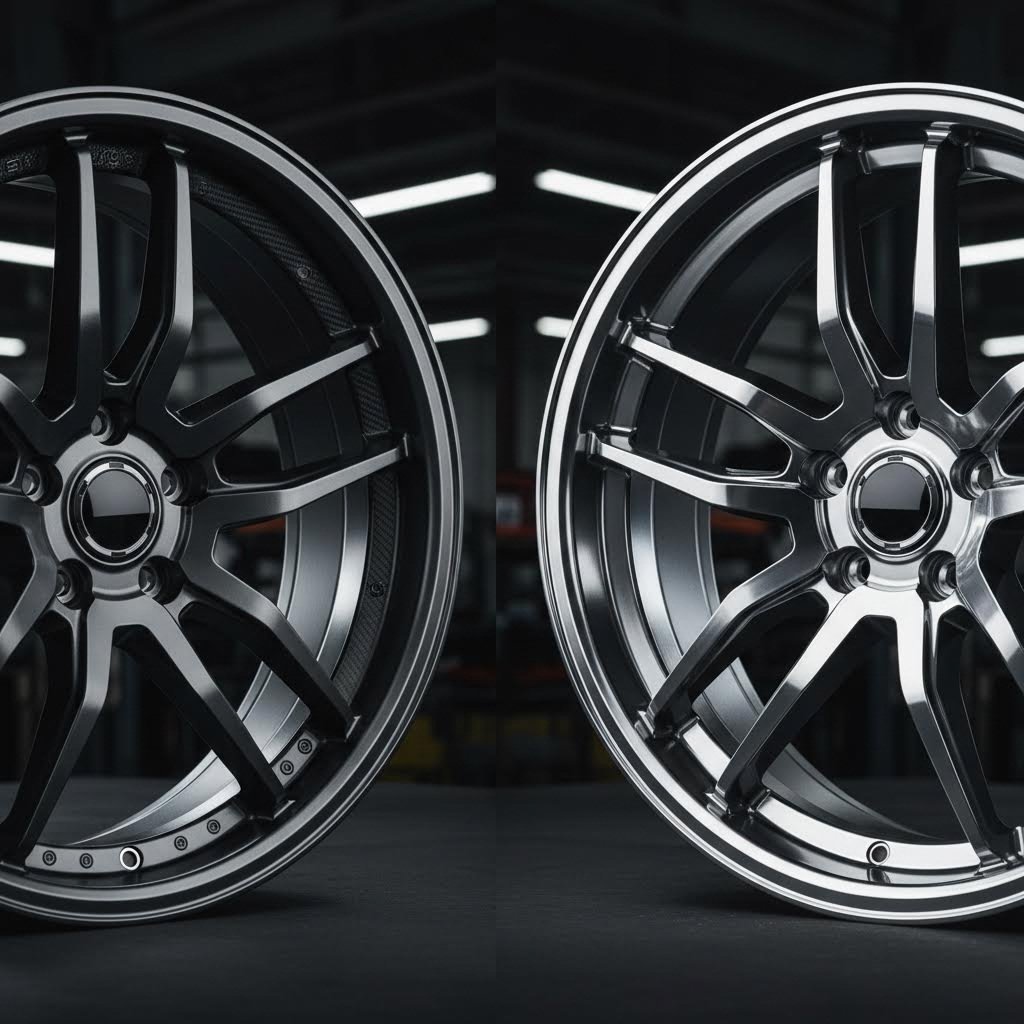
The Great Wheel Material Debate Explained
When you're chasing every tenth of a second on the track or simply want your daily driver to feel more alive, one upgrade stands above most others: lightweight wheels. But here's where things get interesting. Should you invest in magnesium wheels or stick with forged aluminum options? This magnesium vs aluminum debate has sparked countless forum arguments and pit lane discussions among performance enthusiasts worldwide.
The stakes are higher than many drivers realize. Your wheel choice directly influences how your vehicle accelerates, brakes, corners, and even how much fuel it consumes. Why? Because wheels are part of your unsprung mass—the weight your suspension must constantly control as you drive.
Why Wheel Material Matters More Than You Think
Imagine trying to change direction quickly while holding a bowling ball versus a basketball. That's essentially what your suspension experiences with heavy wheels compared to lightweight alternatives. According to real-world testing data, reducing wheel weight by just 12 pounds per corner improved a Mazda Miata's 0-60 time by 0.29 seconds—a significant gain from a single modification.
One pound of rotating wheel weight impacts performance similar to 5-10 pounds of static vehicle weight. This multiplier effect makes wheel weight reduction one of the most efficient performance upgrades available.
This multiplier exists because wheels do double duty. They're not just dead weight sitting on your car—they're constantly spinning, requiring energy to accelerate and decelerate. When comparing alloy vs aluminum wheels or exploring the lightest motorcycle wheels available, understanding this principle changes everything about how you evaluate your options.
What This Comparison Covers
Whether you're a track-focused enthusiast squeezing every last bit of performance from your build or a daily driver seeking a more responsive feel behind the wheel, this comprehensive guide addresses your needs. Much like how upgrading to a lithium motorcycle battery reduces weight for improved power-to-weight ratio, or how frame sliders protect your investment during spirited riding, choosing the right wheel material represents a strategic performance decision.
In the sections ahead, we'll explore:
- Weight differences – How much lighter are magnesium wheels, and what does that translate to in real-world performance?
- Durability factors – Addressing historical concerns and modern solutions for both materials
- Cost considerations – Initial investment versus long-term ownership value
- Real-world applications – Which material suits track use, street performance, and daily driving
By the end, you'll have the knowledge to make an informed decision that matches your driving style, budget, and performance goals. Let's dive into what separates these two premium wheel materials.
How We Evaluated Each Wheel Material
Before diving into the magnesium vs aluminum showdown, you need to understand how we're measuring these wheel materials. A fair comparison requires consistent criteria—otherwise, you're comparing apples to oranges. Think of it this way: you wouldn't judge a stainless steel exhaust pipe solely on its price without considering durability and performance, right? The same logic applies here.
Our Evaluation Criteria
We analyzed both magnesium alloy wheels and forged aluminum options across six critical factors. Each criterion directly impacts your driving experience and ownership satisfaction:
- Weight-to-strength ratio – How much strength does the material deliver per pound? This determines whether weight savings come at the expense of structural integrity.
- Corrosion resistance – Can the wheel withstand moisture, road salt, and environmental exposure without degrading? This affects longevity and appearance retention.
- Manufacturing quality – How does the production process influence the final product's consistency and reliability? Not all forged magnesium wheel rims are created equal.
- Heat dissipation – How effectively does the material transfer heat away from brakes during aggressive driving? Critical for track use and spirited street driving.
- Repairability – Can damage be fixed, or does any impact mean replacement? This significantly affects total cost of ownership.
- Total cost of ownership – Beyond the sticker price, what are the ongoing costs for maintenance, potential repairs, and eventual replacement?
These factors matter because they represent the complete picture of living with your wheel choice. A wheel that saves weight but corrodes within two years isn't a bargain—it's an expensive mistake.
Understanding Forged vs Cast Manufacturing
So, what are mag wheels made of, and why does manufacturing method matter so much? Here's where things get technical, but stay with me—this knowledge will save you money and frustration.
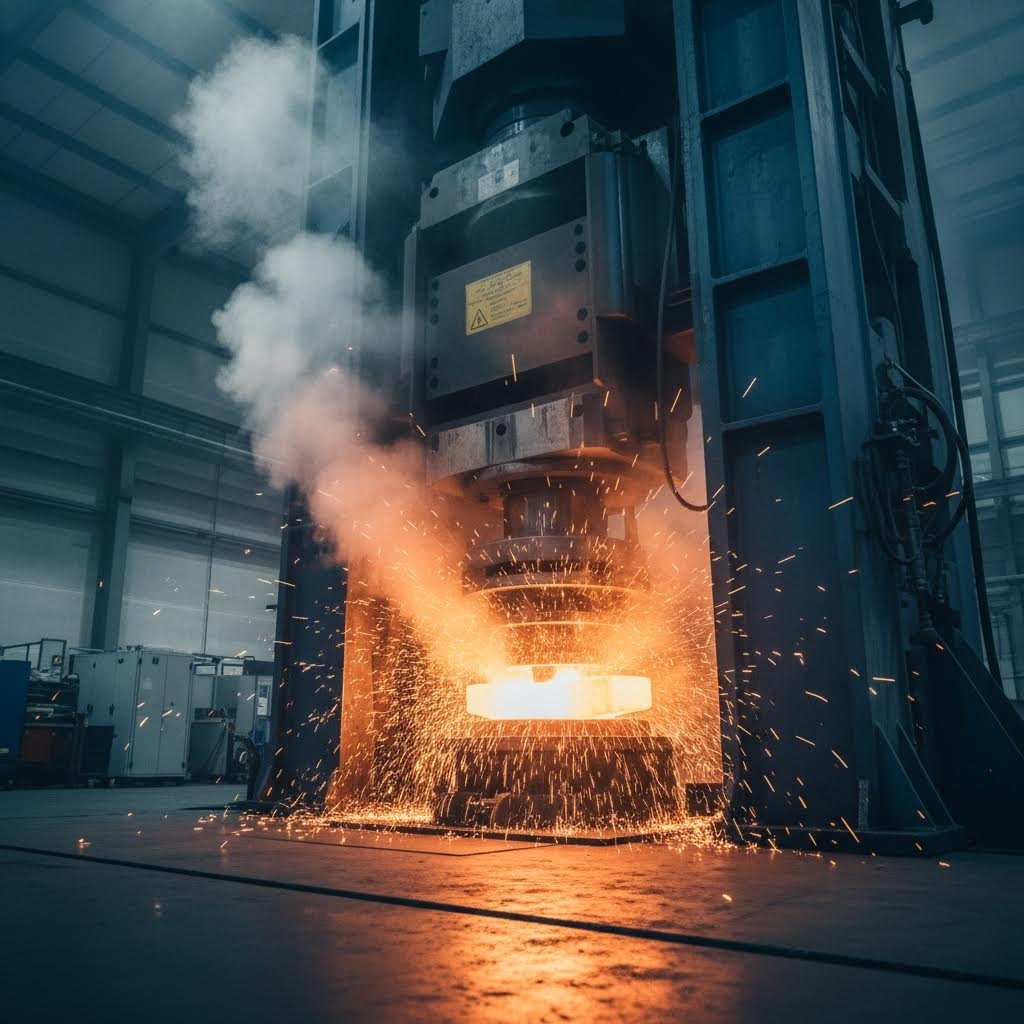
Forged wheels start as a solid block of metal called a billet. Manufacturers subject this billet to extreme pressure, mechanically ramming it until the metal becomes incredibly dense. According to industry analysis, this process aligns the metal's grain structure, creating a wheel that can be up to three times stronger than cast alternatives.
Cast wheels, by contrast, begin as molten metal poured into a mold. While this method is faster and cheaper, liquid metal can trap air bubbles during cooling. These bubbles create weak points throughout the wheel structure—microscopic flaws that can become failure points under stress.
The forging process creates a denser product that is both lighter and more durable. This density advantage means manufacturers can remove more material while maintaining strength, resulting in wheels that weigh 20-25% less than their cast counterparts.
Why focus on forged wheels exclusively? Because when comparing premium materials like magnesium and aluminum, cast versions don't represent either material's true potential. A cast magnesium wheel shares many weaknesses with cast aluminum—porosity, brittleness, and inconsistent grain structure. Forging eliminates these variables, allowing us to compare the materials themselves rather than manufacturing shortcuts. Much like how a quality stainless steel exhaust pipe outperforms cheaper alternatives due to material purity and construction, forged wheels carbon fiber composites, and other premium components deliver their best performance only when manufacturing matches material potential.
With these evaluation standards established, let's examine how forged magnesium actually performs against these criteria.

Forged Magnesium Wheels Performance Analysis
You've seen the evaluation criteria. Now let's put forged magnesium under the microscope. These wheels represent the pinnacle of lightweight performance—the choice of serious racers and enthusiasts who refuse to compromise. But are magnesium rims worth the premium? Let's find out.
Weight Savings That Transform Performance
Here's the headline number: forged magnesium wheels reduce weight by approximately 10-40% compared to aluminum wheels of similar size. In practical terms, you're looking at 3-6 pounds saved per wheel versus comparable forged aluminum options. Multiply that by four corners, and you've removed 12-24 pounds of unsprung, rotating mass from your vehicle.
What does that feel like from the driver's seat? According to track testing data, drivers reported:
- Crisper throttle response – Your engine isn't wasting energy spinning heavy rims, so power delivery feels more immediate
- Shorter braking distances – Less rotating energy means less work for your brakes to scrub off speed (7-12 feet shorter in testing)
- Sharper turn-in – Reduced unsprung mass helps the suspension react faster to steering inputs
- Better curb compliance – Lighter wheels settle faster over bumps and track surface imperfections
Real-world lap time data tells the story best. A C7 Z06 running forged magnesium wheels at Autobahn North dropped from 1:34.8 to 1:33.1—a 1.7-second improvement simply from changing wheels. Similar gains appeared at Road America and GingerMan Raceway across different platforms. When searching for magnesium rims for sale, these performance numbers justify serious consideration.
The advantages of mag wheels become especially apparent in the magnesium vs aluminum weight comparison. Typical forged magnesium wheel weights range from approximately 14-20 pounds each, while forged aluminum alternatives in similar sizes weigh 21-30 pounds. For magnesium alloy wheels bike and motorcycle applications, this difference becomes even more pronounced relative to total vehicle weight.
Modern Solutions to Historical Concerns
If you've heard horror stories about magnesium wheels corroding or cracking, you're not alone. Those concerns trace back to earlier alloy formulations and manufacturing processes. But here's what's changed: modern magnesium alloys are formulated with reduced impurities and enhanced properties, often combined with REACH-compliant protective coatings.
Advanced alloys like Elektron 21 offer superior corrosion resistance, maintaining high performance over extended periods even in harsh conditions. Today's manufacturers apply multi-stage coatings and sealants specifically designed to guard against water, salts, and environmental exposure. Iconic names like Halibrand magnesium wheels and Cragar magnesium wheels pioneered racing applications decades ago—modern versions benefit from vastly improved metallurgy and protective technologies.
Heat dissipation deserves special attention for track enthusiasts. Magnesium's lower thermal mass means it takes on less heat and sheds it faster during a session. This quicker heat cycling between braking zones helps maintain stable braking performance and prevents tire temperatures from creeping up during extended stints. Whether you're considering classic magnesium blue wheels for a vintage build or modern competition setups, thermal management matters.
Pros of Forged Magnesium Wheels
- Maximum weight reduction (up to 40% lighter than aluminum)
- Superior acceleration and braking response
- Excellent heat dissipation for track use
- Improved suspension compliance and tire contact
- Measurable lap time improvements (1-2 seconds at most circuits)
Cons of Forged Magnesium Wheels
- Significantly higher purchase price than aluminum alternatives
- Requires more diligent maintenance and inspection routines
- Limited repairability—damage often means replacement
- Protective coatings need periodic attention
- Fewer finish and style options compared to aluminum
The honest assessment? Forged magnesium wheels deliver measurable, real-world performance gains that justify their premium for serious track use. However, they demand respect in terms of maintenance and come with higher replacement costs if damaged. Understanding these tradeoffs helps you decide whether magnesium matches your priorities—or whether forged aluminum offers a better balance for your needs.
Forged Aluminum Wheels Performance Analysis
Now that you've seen what magnesium brings to the table, let's examine the material that dominates performance wheel manufacturing worldwide. Forged aluminum wheels occupy a sweet spot that makes them the go-to choice for everyone from weekend track warriors to professional racing teams operating under budget constraints. But are aluminum wheels good enough to compete with magnesium's weight advantage? The answer might surprise you.
The Proven Performance Standard
When comparing aluminum vs alloy rims, there's often confusion about terminology. Here's the clarification: "alloy wheels" typically refers to aluminum alloy wheels. The difference between normal wheels and alloy wheels comes down to material—steel versus aluminum alloy. So when you see "alloy rims vs aluminum rims" discussed, they're usually the same thing.
Forged aluminum delivers an impressive strength-to-weight ratio that explains its market dominance. According to industry research, forged aluminum exhibits mechanical properties similar to steel while maintaining a far superior strength-to-weight ratio. This balance means manufacturers can create wheels that are both lightweight and incredibly durable.
The numbers tell the story. Forged aluminum wheels typically weigh between 21-30 pounds each depending on size and design—heavier than magnesium, yes, but significantly lighter than cast alternatives. For aluminum bike rims and automotive applications alike, this weight range delivers meaningful performance improvements over stock wheels without the premium pricing of magnesium.
What makes alum alloy wheels particularly attractive is their versatility. The forging process allows for intricate designs that would be impossible with other materials or manufacturing methods. You get aesthetic flexibility alongside performance—something that matters when your wheels serve both track and street duty.
Why Aluminum Dominates the Market
Several practical advantages explain why forged aluminum commands the largest share of the performance wheel market:
Corrosion resistance stands out immediately. Aluminum 6061 alloy—the most common grade for forged wheels—is highly resistant to corrosion, making it suitable for all weather conditions without the specialized coating maintenance magnesium requires. Drive through winter salt, park in coastal humidity, or rinse your wheels with any cleaner you choose—aluminum shrugs it off.
Repairability represents another major advantage. When you curb a forged aluminum wheel, a skilled technician can often repair the damage. Bent lips can be straightened, gouges can be filled and refinished, and cracks in non-critical areas can sometimes be welded. With magnesium, similar damage usually means buying a new wheel. Over years of ownership, this repairability translates to significant cost savings.
Heat management deserves attention too. While magnesium dissipates heat slightly faster due to lower thermal mass, aluminum's thermal conductivity still excels compared to steel. Alloy wheels dissipate heat much faster than steel wheels, which positively impacts tire longevity and brake performance during spirited driving. For most street applications and many track scenarios, aluminum provides more than adequate thermal performance.
The forging technology itself has advanced remarkably. Modern closed-die forging creates wheels with exceptional precision and near-net shapes, minimizing material waste while maximizing strength. This efficiency keeps costs lower than magnesium while delivering products that require minimal finishing—passing savings to you without compromising quality.
Pros of Forged Aluminum Wheels
- Excellent strength-to-weight ratio at accessible price points
- Superior corrosion resistance requiring minimal maintenance
- Repairable when damaged—saving replacement costs
- Wide variety of designs, sizes, and finishes available
- Proven reliability for both street and track applications
- Better availability and shorter lead times than magnesium
Cons of Forged Aluminum Wheels
- Heavier than magnesium (typically 30-40% more per wheel)
- Less dramatic performance gains compared to magnesium upgrades
- Still premium-priced compared to cast or flow-formed options
- Maximum weight reduction limited by material density
The bottom line? Forged aluminum wheels represent the rational choice for most performance enthusiasts. You sacrifice some weight savings compared to magnesium, but you gain practicality, durability, and value that make sense for real-world ownership. The question becomes: how much do those weight differences actually matter in measurable performance terms? That's exactly what we'll quantify in the next section.

Weight Comparison and Performance Impact
You've seen the individual strengths of both materials. Now let's answer the question that matters most: is magnesium lighter than aluminum, and by how much? More importantly, what do those weight differences actually mean for your driving experience? The physics here might surprise you—wheel weight works differently than weight elsewhere on your vehicle.
Understanding Rotational Mass Impact
Picture spinning a heavy flywheel versus a light one. Getting that flywheel moving requires energy—and stopping it requires just as much. Your wheels work exactly the same way. But here's the twist that makes lightweight wheels car upgrades so effective: wheel weight counts multiple times against performance.
Your vehicle's weight breaks down into three distinct categories, according to engineering analysis:
- Sprung weight – Everything supported by your suspension: engine, body, interior, passengers
- Unsprung weight – Components NOT supported by suspension: wheels, tires, brakes, axles, suspension components themselves
- Rotational weight – Parts that spin: wheels, tires, driveshafts, brake rotors
Here's why this matters: your wheels are both unsprung AND rotational. They carry a double penalty. Reducing unsprung weight helps your suspension react faster to bumps and maintain better tire contact. Reducing rotational weight means less energy needed to accelerate and decelerate. Cut wheel weight, and you improve both simultaneously.
Think about rotational inertia this way: imagine spinning a weight on a string. A short string makes spinning easy. A long string—with weight at the far end—requires much more effort. Your wheel's rim sits at the "far end" of the rotation axis, so weight there hurts performance more than weight near the hub. The lightest rims concentrate their mass toward the center whenever possible.
Real Performance Gains Explained
Let's put real numbers to this comparison. Based on manufacturer data, here's how typical forged wheels compare:
| Wheel Size | Forged Magnesium Weight | Forged Aluminum Weight | Weight Savings |
|---|---|---|---|
| 17-inch | 12-15 lbs | 18-22 lbs | 6-7 lbs per wheel |
| 18-inch | 14-17 lbs | 21-25 lbs | 7-8 lbs per wheel |
| 19-inch | 16-19 lbs | 24-28 lbs | 8-9 lbs per wheel |
| 20-inch | 18-22 lbs | 27-32 lbs | 9-10 lbs per wheel |
At 18 inches—a popular performance size—a magnesium wheel weighs roughly 14 pounds compared to 21 pounds for aluminum. That's 7 pounds per corner, or 28 pounds total across all four wheels. But remember the multiplier effect? Because this weight is both unsprung and rotational, the performance impact equals roughly 140-280 pounds of static weight reduction elsewhere on the vehicle.
What does this translate to in real driving scenarios?
- Acceleration – Less rotational inertia means your engine accelerates the wheels more easily. Drivers report noticeably quicker throttle response, particularly from a standstill and during mid-corner exits.
- Braking – Your brakes don't just stop the car—they stop the spinning wheels. Lighter wheels require less braking force to scrub off speed, resulting in shorter stopping distances and reduced brake fade during repeated hard stops.
- Suspension response – With less unsprung mass fighting against it, your suspension reacts faster to road imperfections. Tires maintain better contact with the pavement, improving grip through corners and over bumps.
- Steering feel – Reduced rotational inertia at the front wheels translates to sharper, more immediate steering response. Turn-in feels crisper, and the car changes direction with less resistance.
The aluminium vs alloy wheels debate often misses this physics lesson. When comparing steel wheels vs aluminum wheels, aluminum wins convincingly on weight. But when comparing aluminium wheels vs alloy wheels—which are typically the same thing—the real question becomes whether to step up to forged construction or premium materials like magnesium.
Track testing confirms these gains aren't theoretical. Vehicles running forged magnesium consistently post lap times 1-3% faster than identical setups on forged aluminum. That 3% edge sounds small until you realize it can mean the difference between podium positions in competitive environments. For street driving, the improvements manifest as a car that simply feels more alive—more responsive to inputs, more connected to the road surface.
Understanding these weight dynamics helps you evaluate whether magnesium's premium justifies its cost for your specific use case. But weight is only part of the ownership equation—maintenance and durability matter too, especially for wheels that see regular street use.
Ownership Experience and Maintenance Reality
You've seen the performance numbers. Now let's talk about what happens after the purchase—the part many buyers overlook until they're already committed. Owning a mag rim requires a different mindset than aluminum, and understanding these differences upfront prevents frustration down the road. Whether you're running a magnesium wheel setup for weekend track duty or daily street use, maintenance habits directly impact longevity and appearance.
Maintenance Requirements Compared
Think of wheel maintenance like caring for different types of leather. Some materials forgive neglect; others demand regular attention. Here's how the two materials stack up in real-world ownership scenarios:
| Maintenance Task | Forged Magnesium | Forged Aluminum |
|---|---|---|
| Cleaning Frequency | After every wet drive or weekly minimum | Every 2-4 weeks or as needed |
| Cleaning Products | pH-neutral cleaners only; avoid acidic or alkaline formulas | Most wheel cleaners safe; avoid harsh acids |
| Protective Coating Check | Monthly inspection for chips or wear | Annual inspection typically sufficient |
| Coating Reapplication | Every 1-2 years or when damage appears | Rarely needed unless refinished |
| Crack/Damage Inspection | Before every track session; monthly for street use | Seasonal inspection adequate for most users |
| Winter Storage | Recommended to swap to winter wheels | Can run year-round with proper care |
The key difference? Magnesium wheels demand proactive care rather than reactive maintenance. Salt, moisture, and brake dust—especially iron-based particles—can attack protective coatings and eventually reach the base metal. That's why many owners treat magnesium wheel cleaning with the same discipline they'd apply to motorcycle chain cleaner routines or motorbike chain grease schedules: consistent attention prevents expensive problems.
Aluminum forgives more. Skip a wash or two, drive through winter slush, use a slightly aggressive cleaner—and your wheels likely survive without drama. This resilience explains why many enthusiasts choose aluminum for daily drivers while reserving magnesium for dedicated track cars or fair-weather performance vehicles.
Durability Myths Debunked
Let's address the elephant in the room: are alloy wheels aluminum, and is magnesium really that fragile? The first question has a simple answer—yes, most alloy wheels are aluminum alloys. The second question requires more nuance.
The fragility myth stems from two sources: outdated experiences with older magnesium formulations and confusion between different wheel types. Early magnesium racing wheels did suffer corrosion issues and occasionally cracked under stress. But here's what's changed:
- Modern alloy formulations – Today's forged magnesium uses advanced alloys with carefully controlled impurity levels, dramatically improving both strength and corrosion resistance
- Multi-layer protective systems – Current coating technologies create barriers that weren't available decades ago, sealing the surface against moisture and chemical attack
- Improved forging techniques – Better manufacturing processes create more consistent grain structures with fewer stress concentrators
The reality? A properly maintained modern magnesium wheel handles street use just fine. Plenty of owners run them year-round in moderate climates without issues. The caveat is that "properly maintained" means actually following the maintenance schedule—not treating them like aluminum wheels and hoping for the best.
Repairability remains the genuine distinction between materials. When you curb an aluminum wheel, a skilled technician can often straighten bent lips, fill gouges, and refinish the surface. Are alloy rims aluminum? Yes, and that aluminum's ductility allows reshaping without catastrophic failure. Magnesium doesn't offer the same forgiveness. Significant impact damage typically means replacement rather than repair—and at magnesium price points, that distinction matters financially.
Environmental factors affect each material differently:
- Road salt – Accelerates corrosion on both materials, but magnesium requires more immediate cleaning to prevent coating degradation
- Coastal humidity – Salt air poses minimal threat to aluminum; magnesium benefits from more frequent protective treatments in coastal areas
- Brake dust – Iron particles can embed in both surfaces, but react more aggressively with magnesium if protective coatings are compromised
- UV exposure – Affects clear coats on both materials similarly; quality coatings resist degradation for years
The bottom line on durability? Modern magnesium wheels aren't fragile—they're just less tolerant of neglect. Treat them right, and they'll deliver years of service. Ignore maintenance, and you'll discover why some enthusiasts still consider them high-maintenance. Understanding these ownership realities helps you choose the material that matches not just your performance goals, but your maintenance personality too.
Price Analysis and Total Cost of Ownership
You've seen the performance gains and maintenance requirements. Now comes the question that ultimately decides most purchases: what does all this actually cost? The magnesium vs aluminum forged wheels debate gets real when you start comparing price tags—and the gap might be wider than you expect. But sticker price tells only part of the story. True ownership cost factors in everything from initial investment to potential repairs and eventual replacement.
Initial Investment vs Long-Term Value
Let's start with the numbers that matter most. Forged aluminum wheels typically range from $400-$800 per wheel for quality options, putting a complete set between $1,600-$3,200. Premium forged aluminum from top manufacturers can push toward $1,000-$1,500 per wheel, but you're getting exceptional quality at that tier.
Magnesium car wheels? Expect to pay significantly more. Quality forged magnesium starts around $1,500-$2,500 per wheel, with elite racing options exceeding $3,000-$4,000 each. A complete set of magnesium wheels can easily cost $6,000-$16,000—sometimes approaching the value of the car they're mounted on.
| Cost Category | Forged Aluminum | Forged Magnesium |
|---|---|---|
| Per Wheel (Entry-Level Quality) | $400-$600 | $1,500-$2,000 |
| Per Wheel (Premium) | $800-$1,500 | $2,500-$4,000+ |
| Complete Set (4 wheels) | $1,600-$6,000 | $6,000-$16,000+ |
| Annual Maintenance Cost | $50-$100 | $150-$400 |
| Typical Repair Cost | $150-$400 | Usually full replacement |
Why such a dramatic price difference? Several factors drive magnesium's premium:
- Raw material costs – Magnesium suitable for forging costs more than aluminum alloys
- Manufacturing complexity – Magnesium requires more specialized equipment, controlled atmospheres, and expertise to forge safely
- Lower production volumes – The automotive magnesium wheel market remains relatively niche, limiting economies of scale
- Finishing requirements – Multi-layer protective coatings add significant processing time and cost
When evaluating aluminum or alloy wheels—which are typically the same thing—versus magnesium, the initial price gap represents just the starting point of your cost calculation.
When Premium Materials Make Financial Sense
Here's where intended use transforms the value equation entirely. The same wheel that makes perfect financial sense for one application becomes wasteful spending for another. Let's break this down by use case:
Dedicated track cars and competitive racing: Magnesium often justifies its premium here. When you're chasing lap times, the 1-2 second improvements documented with magnesium wheels can mean podium positions versus mid-pack finishes. Professional teams factor wheel costs into their overall racing budget, where gaining competitive advantage matters more than ownership economics. Magnesium car parts in racing applications represent performance investments rather than consumer purchases.
Street performance with occasional track days: Alloy or aluminum wheels typically make more sense. You'll enjoy meaningful performance improvements over stock wheels at a fraction of magnesium's cost. The durability and repairability advantages of aluminum also matter more when your wheels face daily driving hazards—curbs, potholes, parking garage pillars. Aluminum vs alloy wheels in this context means choosing forged over cast, not switching materials entirely.
Daily drivers seeking upgrades: Forged aluminum delivers the best value proposition. You capture most of the unsprung weight benefits without the maintenance demands or replacement costs that make magnesium impractical for regular street use. The price difference could fund other meaningful upgrades—better tires, suspension components, or brake packages.
The repair cost disparity deserves special attention. Curb a forged aluminum wheel, and a $150-$400 repair often restores it to perfect condition. Damage a magnesium wheel similarly, and you're likely shopping for a $2,000+ replacement. Over years of ownership, this repairability advantage compounds significantly.
Manufacturing quality directly influences both performance and total ownership cost. Precision hot forging creates wheels with consistent material density and strength throughout—no weak spots, no hidden porosity. This manufacturing precision comes from facilities with rigorous quality control systems. Companies operating under IATF 16949 certification—the automotive industry's quality management standard—maintain the engineering discipline and inspection protocols that ensure components meet exact specifications. When evaluating wheel purchases, understanding forging quality standards helps you distinguish premium products from those cutting corners on manufacturing.
In-house engineering capabilities matter too. Manufacturers who design, prototype, and produce wheels under one roof can optimize every aspect of the product. They control material selection, forging parameters, heat treatment, and finishing processes—eliminating the quality variations that occur when production gets outsourced across multiple facilities. This integrated approach typically costs more initially but delivers better long-term value through consistent quality and durability.
Consider the five-year ownership calculation:
- Forged aluminum: $2,400 initial purchase + $400 maintenance + $300 one curb repair = $3,100 total
- Forged magnesium: $8,000 initial purchase + $1,500 maintenance + $2,500 one replacement = $12,000 total
That $8,900 difference over five years could fund substantial additional performance modifications. Unless you're extracting maximum value from magnesium's weight savings through competitive track use, aluminum typically delivers better performance-per-dollar for most enthusiasts.
The financial calculus becomes clearer with this framework: choose magnesium when lap times directly translate to competitive success or personal satisfaction that justifies the premium. Choose aluminum when you want meaningful performance improvements with practical ownership economics. Neither choice is wrong—but matching your investment to your actual use case ensures you're getting real value rather than paying for capabilities you'll never fully utilize.
Head-to-Head Material Comparison Summary
You've explored the individual characteristics, weight savings, maintenance demands, and cost realities of both wheel materials. Now it's time to consolidate everything into a clear, actionable comparison. Whether you're deciding between magnesium versus aluminum for a dedicated race car or evaluating mag rims for bikes and motorcycles, this section gives you the complete picture at a glance.
Complete Feature Comparison
When comparing alloy vs aluminium wheels—remembering that most alloy wheels are aluminum—the real decision point comes when stepping up to premium forged options in either material. The table below captures every critical factor we've analyzed, helping you quickly identify which trade-offs align with your priorities:
| Comparison Factor | Forged Magnesium | Forged Aluminum | Winner |
|---|---|---|---|
| Weight (18" wheel) | 14-17 lbs | 21-25 lbs | Magnesium |
| Weight Savings vs Stock | Up to 40% | Up to 25% | Magnesium |
| Strength-to-Weight Ratio | Excellent | Very Good | Magnesium |
| Absolute Strength | Good | Excellent | Aluminum |
| Corrosion Resistance | Moderate (requires coatings) | Excellent (natural oxide layer) | Aluminum |
| Heat Dissipation | Excellent (lower thermal mass) | Very Good | Magnesium |
| Repairability | Limited (usually replacement) | Good (can straighten/refinish) | Aluminum |
| Maintenance Demands | High (frequent cleaning/inspection) | Low (routine care sufficient) | Aluminum |
| Initial Cost (per wheel) | $1,500-$4,000+ | $400-$1,500 | Aluminum |
| Total Cost of Ownership | Higher (maintenance + replacement) | Lower (repairs possible) | Aluminum |
| Design/Finish Options | Limited | Extensive | Aluminum |
| Availability | Limited (longer lead times) | Widely available | Aluminum |
The pattern becomes clear when you study this breakdown. Magnesium wins decisively on weight-related factors—the very metrics that translate directly to performance gains. Aluminum dominates practical ownership considerations: durability, maintenance simplicity, repairability, and cost. Understanding what are the 3 types of rims—steel, cast aluminum, and forged aluminum—helps contextualize where forged magnesium sits: above all three in performance, but demanding compromises in practicality.
Best Material by Application Type
Raw specifications only tell part of the story. How you actually use your vehicle determines which material delivers genuine value versus expensive overkill. Here's how the magnesium versus aluminum decision plays out across different driving scenarios:
Dedicated Track Cars
When your vehicle exists solely for lap times, magnesium makes compelling sense. Every pound saved translates to measurable improvements in acceleration, braking, and handling response. The documented 1-2 second lap time gains justify the premium when you're competing for positions or personal bests. Maintenance intensity matters less when you're already inspecting the vehicle thoroughly between sessions. Budget for replacement rather than repair, and factor that cost into your overall racing program.
Recommendation: Forged magnesium—the performance advantage aligns perfectly with the application.
Street Performance Vehicles
Here's where the aluminum rims vs alloy comparison gets practical. Your car sees track days, spirited canyon runs, and regular street driving. You want performance gains without creating a maintenance burden or financial liability every time you encounter a pothole. Forged aluminum delivers meaningful weight reduction over stock wheels—typically 15-25%—while surviving the real-world hazards of street use. When comparing aluminum wheels vs alloy wheels in this context, you're really choosing between forged and cast construction, with forged being the clear performance choice.
Recommendation: Forged aluminum—optimal balance of performance and practicality.
Daily Drivers Seeking Upgrades
Your priorities here emphasize reliability, value, and reasonable maintenance demands. You want your car to feel more responsive without creating headaches. Forged aluminum checks every box: noticeable improvement in steering feel and ride quality, minimal maintenance requirements, repairable if damaged, and priced accessibly enough that a curb strike doesn't ruin your month. The performance difference versus magnesium exists, but rarely manifests meaningfully in daily driving scenarios.
Recommendation: Forged aluminum—delivers the upgrade experience without ownership compromises.
Motorcycle Applications
Weight sensitivity reaches its extreme on two wheels. When your entire vehicle weighs 400-600 pounds, saving 10-15 pounds of unsprung, rotating mass creates proportionally dramatic effects. Mag rims for bikes and dedicated sport motorcycles see frequent use precisely because the performance-to-weight calculation favors magnesium more strongly than in automotive applications. Track-focused riders often accept the maintenance trade-offs for the handling improvements. Street riders typically find forged aluminum delivers sufficient improvement without the specialized care magnesium demands.
Recommendation: Magnesium for track/racing; forged aluminum for street sport riding.
Notice how intended use—not material superiority—drives these recommendations. Neither forged magnesium nor forged aluminum is universally "better." Each excels within specific contexts. The question isn't which material performs best in a laboratory; it's which material performs best for your actual driving life.
With this comprehensive comparison framework in hand, you're equipped to make an informed decision. But perhaps you're still uncertain which category fits your situation—or you're balancing multiple priorities that don't fit neatly into one box. The final section addresses exactly that challenge, providing specific guidance based on driver profiles and decision-making frameworks.

Which Wheel Material Is Right for You
You've absorbed the data, compared the specifications, and understood the trade-offs. Now comes the moment of decision. Choosing between aluminum vs magnesium ultimately depends on who you are as a driver, how you use your vehicle, and what you're willing to invest—both financially and in ongoing maintenance. There's no universal "best" answer, only the best answer for your specific situation.
Let's cut through the remaining uncertainty with clear recommendations tailored to different driver profiles. Find yourself in one of these categories, and you'll have your answer.
Recommendations by Driver Profile
Track Enthusiasts Prioritizing Maximum Performance
You live for lap times. Every tenth of a second matters, and you're willing to pay—both in dollars and maintenance discipline—to extract maximum performance from your setup. Your car might see limited street duty, but the track is where it truly lives.
- Your choice: Forged magnesium wheels
- Why it works: The 30-40% weight advantage over aluminum translates directly to measurable gains. When magnesium vs aluminum strength gets tested at the limit, modern magnesium alloys deliver—and the thermal management advantages keep your brakes consistent through long sessions.
- Budget reality: Plan for $6,000-$16,000+ for a quality set, plus higher annual maintenance costs and potential full-wheel replacement if you encounter damage
- Critical consideration: Inspect before every session, maintain protective coatings religiously, and budget for replacement rather than repair
For you, the investment calculates differently than casual drivers. A 1.5-second lap time improvement might separate podium finishes from mid-pack results. That competitive advantage justifies the premium.
Street Performance Drivers Seeking Balanced Upgrades
You push your car hard on weekend canyon runs or occasional track days, but it also handles daily commuting, grocery runs, and parking garage navigation. You want meaningful performance gains without creating ownership headaches.
- Your choice: Forged aluminum wheels
- Why it works: You'll capture 60-70% of the performance benefit at roughly 25-40% of the cost. Are aluminum rims good? For your application, they're ideal—delivering noticeable improvements in throttle response, braking feel, and steering precision while shrugging off the inevitable encounters with real-world road hazards.
- Budget reality: Expect $1,600-$6,000 for a quality set, with minimal ongoing maintenance costs and repairable damage scenarios
- Critical consideration: Invest the savings in complementary upgrades—better tires, brake pads, or suspension components that amplify the wheel upgrade's benefits
The math favors aluminum here. You're not leaving significant performance on the table, and you're gaining practical durability that matches how you actually use the vehicle.
Budget-Conscious Buyers Wanting Best Value
Performance matters to you, but so does financial responsibility. You're upgrading thoughtfully, maximizing improvement per dollar spent rather than chasing ultimate specifications regardless of cost.
- Your choice: Entry-level to mid-tier forged aluminum wheels
- Why it works: The performance gap between $500 forged aluminum wheels and $800 premium aluminum is smaller than the gap between stock cast wheels and any forged option. You're capturing the biggest improvement—the switch from cast to forged construction—at the most accessible price point.
- Budget reality: $1,600-$2,400 for a complete set delivers transformative improvement over factory wheels
- Critical consideration: Prioritize reputable manufacturers with proven quality control—a cheap forged wheel with manufacturing defects isn't a bargain, it's a liability
Remember: the question "why are magnesium wheels illegal" sometimes surfaces because of safety concerns with inferior products. Quality matters at every price point. Manufacturing precision—like that maintained by facilities with IATF 16949 certification—ensures components meet exact specifications for safety-critical automotive parts. Whether you're buying aluminum or magnesium, understanding forging quality standards protects your investment and your safety.
Motorcycle Riders
Weight sensitivity reaches its peak on two wheels. Your entire vehicle might weigh less than many car engines, making every pound of wheel weight proportionally more significant.
- Track/racing focus: Forged magnesium delivers dramatic handling improvements that transform how a bike with mag wheels responds to inputs. Gold motorcycle rims and other premium finishes often indicate magnesium construction designed for competitive use.
- Street sport riding: Forged aluminum provides the sweet spot—meaningful weight reduction without the specialized maintenance magnesium demands when exposed to varied weather and road conditions
- Touring/cruising: Quality cast or flow-formed aluminum balances durability with reasonable weight savings for applications where ultimate performance matters less than reliability
The magnesium car debate applies differently to motorcycles. Because total vehicle weight is so much lower, the proportional impact of wheel weight savings becomes more pronounced—making magnesium's premium more justifiable for serious performance riders.
Making Your Final Decision
Still uncertain? Ask yourself these clarifying questions:
- How often do you actually push your vehicle to its limits? Honest assessment here prevents overspending on capabilities you'll rarely use.
- What's your maintenance personality? If you struggle to maintain regular oil changes, magnesium's demands will frustrate you.
- How would you handle a damaged wheel? If a $2,500 replacement would create genuine financial stress, aluminum's repairability offers important insurance.
- What else could you upgrade with the price difference? Sometimes the smarter path invests magnesium's premium across multiple upgrades that work together.
Manufacturing quality deserves final emphasis regardless of which material you choose. Precision forging with rigorous quality control—the kind maintained at facilities with rapid prototyping capabilities and comprehensive testing protocols—ensures your wheels perform as designed under the stresses of real-world use. Cutting corners on manufacturing to save money on premium materials defeats the purpose entirely.
The best wheel choice isn't the one that wins on paper—it's the one that matches your actual driving life, budget reality, and maintenance habits.
You now have the knowledge to make an informed decision. Whether you choose the ultimate weight savings of forged magnesium or the balanced excellence of forged aluminum, you're upgrading to wheels that will transform how your vehicle accelerates, brakes, and handles. That's the real win—choosing quality forged wheels that align with your priorities rather than defaulting to factory equipment or chasing specifications that don't match your reality.
Trust the analysis, trust your self-assessment, and enjoy the performance gains waiting on the other side of your decision.
Frequently Asked Questions About Magnesium vs Aluminum Forged Wheels
1. Are magnesium or aluminum wheels better?
Neither material is universally better—the choice depends on your priorities. Magnesium wheels are up to 40% lighter than aluminum, making them ideal for competitive racing where every gram counts. However, aluminum wheels offer superior corrosion resistance, easier repairability, and significantly lower costs. For track-focused applications, magnesium delivers measurable lap time improvements. For street performance and daily driving, forged aluminum provides the optimal balance of performance gains and practical ownership.
2. What is the difference between forged aluminum and forged magnesium wheels?
The primary difference lies in weight and maintenance requirements. Forged magnesium weighs approximately 30-40% less than forged aluminum of similar size, reducing unsprung and rotational mass for improved acceleration, braking, and handling. However, magnesium requires specialized protective coatings, more frequent cleaning, and typically cannot be repaired if damaged. Forged aluminum is more corrosion-resistant, widely available, and repairable—making it more practical for street use while still offering significant weight savings over cast alternatives.
3. Are forged magnesium wheels good for street use?
Modern forged magnesium wheels can handle street use when properly maintained. Advanced alloy formulations and multi-layer protective coatings have largely resolved historical corrosion concerns. However, they demand proactive care—weekly cleaning after wet drives, monthly coating inspections, and pH-neutral cleaners only. Many enthusiasts reserve magnesium for track-dedicated vehicles or fair-weather use while running aluminum for daily driving to avoid the specialized maintenance magnesium requires in varied conditions.
4. Why are magnesium wheels illegal in some places?
Magnesium wheels are not broadly illegal, but some racing organizations have historically restricted them due to fire concerns with older alloy formulations. Early magnesium could ignite under extreme conditions. Modern magnesium alloys are formulated to significantly reduce this risk, and most contemporary racing series permit them. The misconception persists from decades-old regulations. Today's forged magnesium wheels from reputable manufacturers meet stringent safety standards and are legal for both street and most competition applications.
5. How much do forged magnesium wheels cost compared to aluminum?
Forged magnesium wheels typically cost 3-4 times more than comparable forged aluminum options. Quality forged aluminum ranges from $400-$1,500 per wheel, putting a set at $1,600-$6,000. Forged magnesium starts around $1,500-$2,500 per wheel, with premium racing options exceeding $4,000 each—meaning a complete set costs $6,000-$16,000 or more. Additionally, magnesium's higher maintenance demands and replacement-only repair scenarios increase total ownership costs significantly compared to repairable aluminum alternatives.