 Small batches, high standards. Our rapid prototyping service makes validation faster and easier —
  EN
EN


Machining Online Demystified: From First Quote To Finished Part
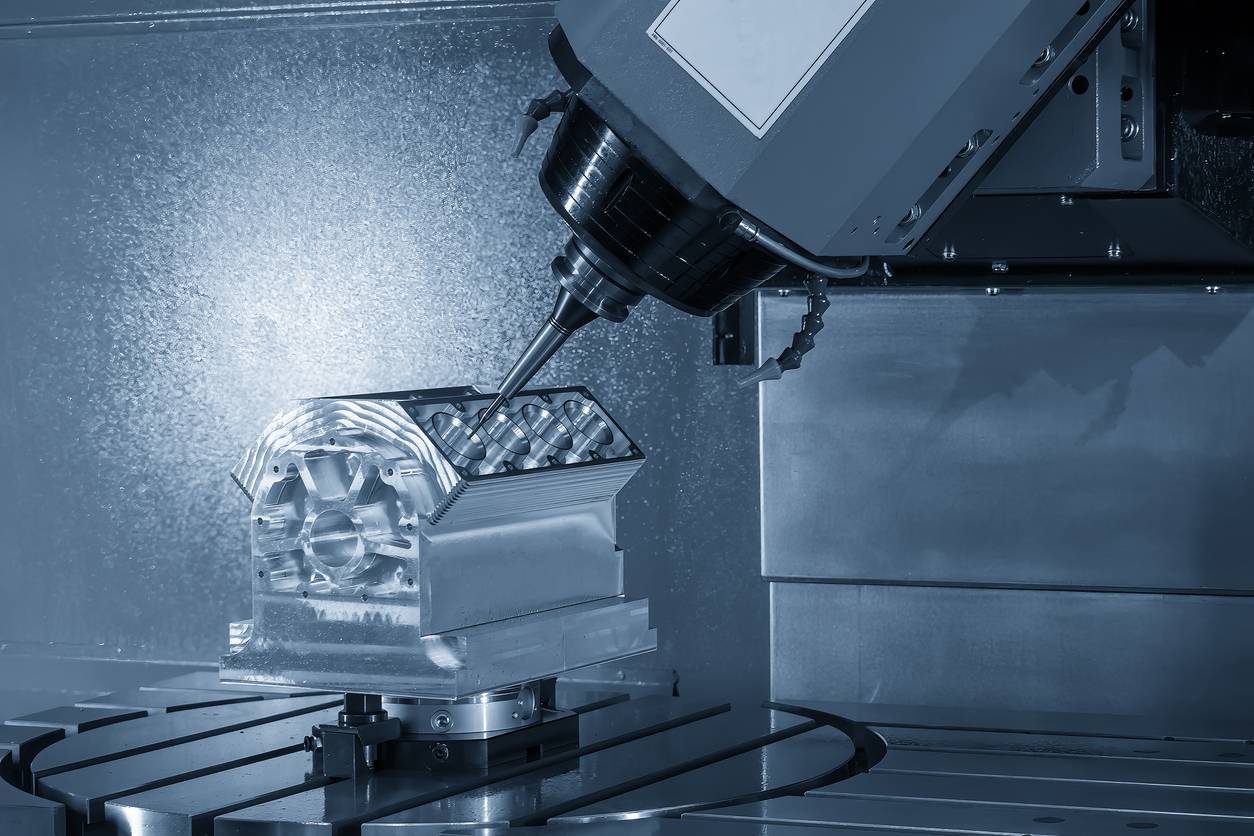
What Machining Online Actually Means for Modern Manufacturing
Ever needed a custom metal part and wondered how long you'd spend on the phone chasing quotes? For decades, that frustration defined machining procurement. You'd flip through directories, call local machine shops one by one, explain your requirements repeatedly, and then wait—sometimes days—just to receive pricing that might not even be comparable. Now imagine uploading a CAD file and receiving an accurate quote in minutes. That's machining online, and it's fundamentally reshaping how engineers and manufacturers connect.
From Local Shops to Global Networks
Traditional machining procurement relied heavily on geography. Engineers would search for "cnc machine shops near me," hoping to find a facility with the right capabilities and competitive pricing within driving distance. This approach had its merits—face-to-face relationships, quick turnarounds for local pickups, and the ability to inspect work in person. However, it also came with significant limitations.
Many local machine shops operate with limited capacity, which becomes a bottleneck when you need larger production runs or faster turnarounds. Manual quoting processes introduce delays, and pricing inconsistencies leave customers uncertain about costs until the final invoice arrives. As manufacturing demands grow more complex, these challenges compound quickly.
Digital manufacturing platforms eliminate these bottlenecks by connecting you to networks of hundreds—sometimes thousands—of vetted suppliers. Instead of being restricted by what's available nearby, you gain access to specialized cnc service providers worldwide, each matched to your specific project requirements through intelligent algorithms.
The Digital Transformation of Parts Procurement
So what exactly changed? The shift from traditional to online machining quotes centers on three key innovations: automation, transparency, and scalability.
When you submit a design to an online platform, AI-powered systems immediately analyze your CAD file. These algorithms examine part geometry, material selection, dimensional tolerances, and machining complexity to generate pricing—often within minutes rather than days. According to industry sources, this streamlined digital approach eliminates many delays associated with traditional procurement, accelerating the entire process from ordering to production.
The result? You can compare options instantly, make informed decisions faster, and start production sooner. Whether you're prototyping a single component or scaling to thousands of units, the workflow remains consistent and predictable.
How File-to-Part Platforms Actually Work
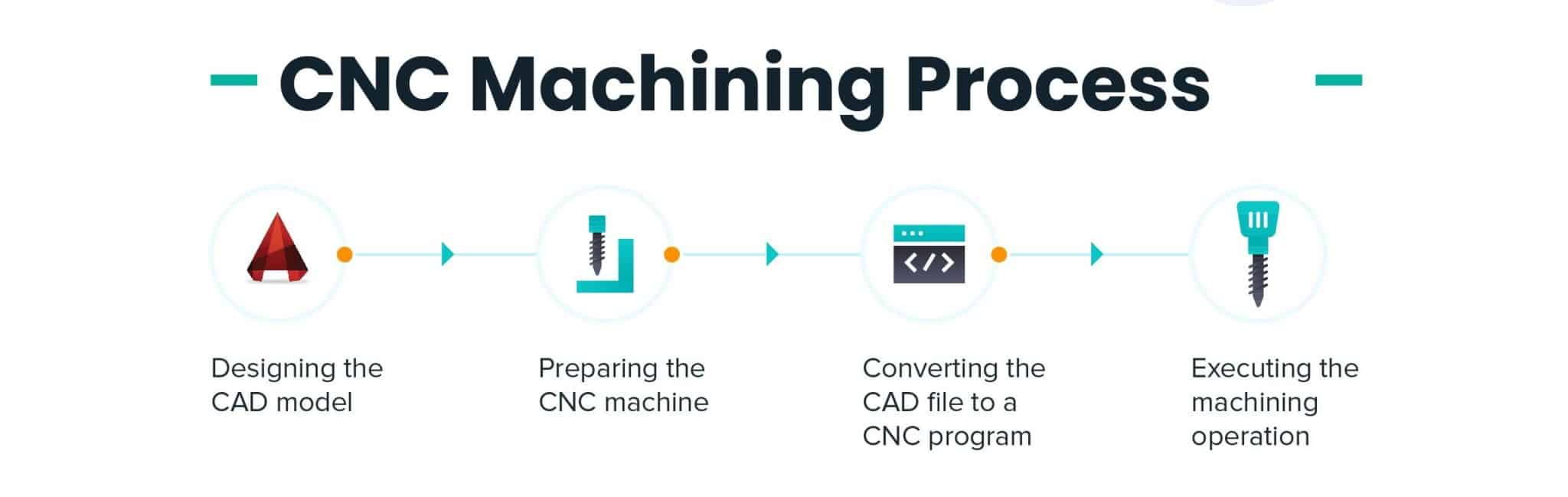
Getting a cnc quote online follows a straightforward process that any engineer can master quickly. You begin by uploading your design files—typically in formats like STEP, IGES, or native CAD formats. The platform's quoting engine then extracts product manufacturing information, analyzing everything from wall thicknesses to hole depths.
Next, you configure your order: select materials, specify surface finishes, set tolerance requirements, and choose your delivery timeline. The system cross-references your specifications against supplier capabilities, matching your project with manufacturers best suited to deliver quality results efficiently.
Core components of modern online machining platforms include:
- Instant Quoting: AI-driven algorithms analyze CAD files and deliver accurate pricing in minutes, eliminating the back-and-forth of traditional quote requests
- DFM Feedback: Automated manufacturability analysis identifies potential issues before production, helping you optimize designs for cost and quality
- Order Tracking: Real-time visibility into production status, quality checks, and shipping keeps you informed at every stage
- Quality Assurance: Standardized inspection protocols and supplier performance monitoring ensure consistent results across all orders
This combination of automation and oversight creates something traditional procurement rarely offered: predictability. You know what you're paying, when parts will arrive, and what quality standards apply—before you commit to an order. That transparency transforms how engineering teams plan projects, manage budgets, and meet deadlines.
The Complete Online Machining Workflow Explained
Sounds complex? It doesn't have to be. Once you understand how machined parts move from your screen to your doorstep, the entire process becomes remarkably intuitive. Unlike traditional procurement—where mysteries lurked behind every stage—modern digital platforms offer unprecedented transparency into each step of production. Let's walk through exactly what happens from the moment you prepare your CAD files until finished components arrive at your facility.
Preparing Your CAD Files for Submission
Your journey toward precision machining services begins long before you click "upload." Proper file preparation prevents delays, reduces back-and-forth communication, and ensures accurate quotes. Think of it as laying the foundation for everything that follows.
Most platforms accept universal 3D CAD formats that preserve your design intent completely. The most commonly supported options include:
- STEP (.stp, .step): Following the ISO 10303 standard, STEP files maintain geometry, tolerances, and material properties seamlessly across different CAD systems. According to industry experts, STEP format enables global teams to collaborate in real time while ensuring design intent transmits without loss.
- IGES (.igs, .iges): An older but widely compatible format suitable for transferring surface and solid geometry between different software platforms
- STL (.stl): Primarily used for 3D printing but accepted by some cnc machining milling platforms for simpler geometries
- Native CAD formats: Many services also accept SolidWorks, Inventor, or Fusion 360 files directly
Before uploading, verify your model contains no broken surfaces, gaps, or overlapping geometry. Modern platforms often include automated repair tools—some achieving tolerances as precise as 0.001mm during the healing process—but clean files accelerate processing and improve quote accuracy.
Understanding Automated DFM Analysis
Here's where online machining truly outshines traditional methods. Within moments of uploading your design, sophisticated algorithms examine every feature for manufacturability. This automated Design for Manufacturability (DFM) analysis catches issues that might otherwise delay production or inflate costs.
What exactly does the system check? Imagine a virtual machinist reviewing your part with decades of experience, but completing the assessment in seconds rather than hours. The software evaluates wall thicknesses, hole depth-to-diameter ratios, internal corner radii, undercuts, and accessibility for standard tooling.
According to Protolabs' engineering insights, automated DFM feedback typically falls into two categories:
- Advisory suggestions: Recommended improvements that enhance part quality or reduce costs—implementing them is optional but beneficial
- Required changes: Critical modifications necessary for successful manufacturing—without addressing these, production cannot proceed
This instant feedback loop transforms how engineers iterate on designs. Instead of waiting days for manual review from an overwhelmed application engineer, you receive actionable insights immediately. You can refine your model, resubmit, and confirm manufacturability—all before your morning coffee gets cold.
From Order Confirmation to Doorstep Delivery
Once your design passes DFM review and you approve the quote, what happens behind the scenes? Let's demystify the production journey step by step:
- Order Confirmation and Programming (Hours 1-4): Your approved design enters the production queue. AI algorithms recommend optimal tool paths and cutting parameters based on your specifications—reducing manual programming time by up to 50% compared to traditional methods. G-code generation happens automatically, matched precisely to the assigned machine's capabilities.
- Material Procurement and Preparation (Hours 4-24): If stock material isn't already on hand, suppliers source the specified alloy or plastic grade. For common materials like 6061 aluminum or 304 stainless steel, this step often completes within hours. Specialty alloys may require additional lead time.
- Production Scheduling (Day 1-2): Intelligent scheduling systems match your job with available machines. Whether you need cnc turning service for cylindrical components or multi-axis milling for complex geometries, the platform assigns equipment that optimizes both capability and efficiency.
- Machining and In-Process Monitoring (Days 2-5): Your part takes shape on the shop floor. Many advanced facilities integrate IoT sensors that monitor vibration, temperature, and cutting forces in real time. Abnormality detection algorithms can pause operations automatically if tool wear or dimensional drift occurs—pushing machining success rates above 99%.
- Quality Inspection (Days 5-6): Finished parts undergo dimensional verification. Some facilities employ 3D laser scanning, comparing point cloud data against your original CAD model with accuracies reaching ±0.005mm. Inspection reports document any deviations, ensuring you receive exactly what you ordered.
- Shipping and Delivery (Days 6-10): Quality-approved components receive appropriate packaging and ship via your selected carrier. Real-time tracking keeps you informed until the machined parts arrive at your facility.
These timelines represent typical scenarios for standard complexity and quantities. Cnc prototyping orders—especially single-piece runs—often compress dramatically, with some platforms delivering first samples within 72 hours for straightforward geometries.
The transparency embedded in this workflow eliminates the uncertainty that plagued traditional procurement. You're never left wondering where your parts are or what's causing delays. Every status update, quality checkpoint, and shipping notification flows directly to your dashboard, transforming what was once an opaque process into something genuinely predictable.
Understanding how costs factor into this workflow helps you make smarter decisions from the start—which brings us to pricing transparency and the variables that influence what you'll pay.
Understanding CNC Machining Pricing and Cost Factors
Why does one quote come back at $50 per part while another lands at $500? The answer isn't mystery or markup magic—it's math. Every cnc machining price reflects a precise calculation of time, materials, complexity, and expertise. Yet most suppliers guard these details like trade secrets, leaving customers guessing at what drives their costs up or down.
That opacity ends here. Understanding what influences pricing transforms you from a passive quote recipient into an informed decision-maker who can optimize designs, negotiate effectively, and predict budgets accurately. Whether you're ordering custom machined parts for prototyping or scaling to production volumes, these factors determine what you'll pay.
Why Tight Tolerances Cost More
Here's a reality that catches many engineers off guard: specifying ±0.001" instead of ±0.005" doesn't just add a little extra—it can multiply your costs by 3-4x. According to industry analysis, ultra-tight tolerances of ±0.0001" can increase machining costs by up to 24x compared to standard specifications.
Why such dramatic differences? Tight tolerances demand:
- Slower cutting speeds: Machines must operate more carefully, extending cycle times significantly
- Multiple finishing passes: Achieving precision requires progressive refinement rather than aggressive material removal
- Specialized equipment: Climate-controlled environments and high-precision machines carry premium hourly rates
- Intensive inspection: Every critical dimension requires CMM verification, adding $50-150 per part in measurement costs alone
The practical takeaway? Reserve tight tolerances exclusively for features that genuinely require them—mating surfaces, sealing interfaces, and functional fits. A medical device housing that dropped non-functional exterior tolerances from ±0.001" to ±0.005" reduced per-part costs from $340 to $195—a 43% savings without affecting performance.
Material Selection and Your Budget
The cnc machining materials you specify influence pricing in two distinct ways: raw material cost and machinability. Some metals cost more to purchase; others cost more to cut. The smartest material choices balance both considerations against your application requirements.
Aluminum alloys like 6061 represent the sweet spot for many projects—affordable to purchase and exceptionally easy to machine. Stainless steel costs more upfront and requires 40-60% longer cutting times due to its hardness. Titanium? Expect premium pricing on both fronts, justified only when strength-to-weight ratios or biocompatibility genuinely matter.
Plastics offer their own cost dynamics. Machining nylon or delrin material proves cost-effective for prototypes and lightweight components, with most engineering polymers machining faster than metals. However, specialty plastics like PEEK approach metal pricing due to material costs alone.
The Hidden Costs of Complex Geometries
Every feature on your part translates to machine time, setups, and tool changes—each adding to your final invoice. Understanding these relationships helps you design smarter from the start.
Small cnc machining jobs with intricate features often surprise customers with higher-than-expected quotes. Deep pockets require specialized extended-reach tooling. Thin walls demand careful support and slower feeds to prevent deflection. Internal sharp corners? Physically impossible without EDM, which costs significantly more than standard milling.
The machinist metal cost equation also includes setup charges that remain fixed regardless of quantity. Complex parts requiring multiple orientations might need four or five setups, each adding programming time and machine preparation. Simpler designs that complete in one or two setups spread these costs more efficiently.
| Cost Factor | Impact Level | How It Affects Pricing |
|---|---|---|
| Material Type | High | Raw material cost plus machinability determine baseline; titanium costs 5-10x more than aluminum |
| Tolerance Requirements | High | Each tighter tolerance tier adds 1.5-4x cost multiplier; ultra-tight specs up to 24x |
| Part Complexity | High | Multiple setups, special tooling, and extended cycle times compound costs quickly |
| Order Quantity | Medium-High | Setup costs spread across volume; 100-unit orders typically reduce per-part cost by 70-90% |
| Lead Time | Medium | Rush orders carry 50-100% premiums for priority scheduling and overtime labor |
| Surface Finish | Low-Medium | Standard finishes included; polished or specialty finishes add 2.5-15% to base price |
| Secondary Operations | Medium | Anodizing, plating, heat treatment each add separate processing costs |
Volume plays a powerful role in precision cnc machining economics. According to manufacturing cost analysis, ordering 10 units instead of one can reduce per-part costs by 70%, while scaling to 100 units achieves up to 90% savings per unit. The math is straightforward: one-time programming, setup, and tooling expenses distribute across every piece you order.
Rush orders flip this equation in the opposite direction. Need parts in three days instead of ten? Expect premiums of 50-100% as suppliers prioritize your job over scheduled work, often requiring overtime labor to meet aggressive deadlines.
The most effective cost reduction strategy? Apply Design for Manufacturability principles before requesting quotes. Simplify geometries where function permits. Specify standard tolerances on non-critical features. Choose aluminum over exotic alloys when performance requirements allow. These decisions—made early in your design process—deliver far greater savings than negotiating with suppliers after designs are locked.
With pricing fundamentals clear, selecting the right material becomes your next critical decision. The following section breaks down when to choose specific metals and plastics based on your application requirements.
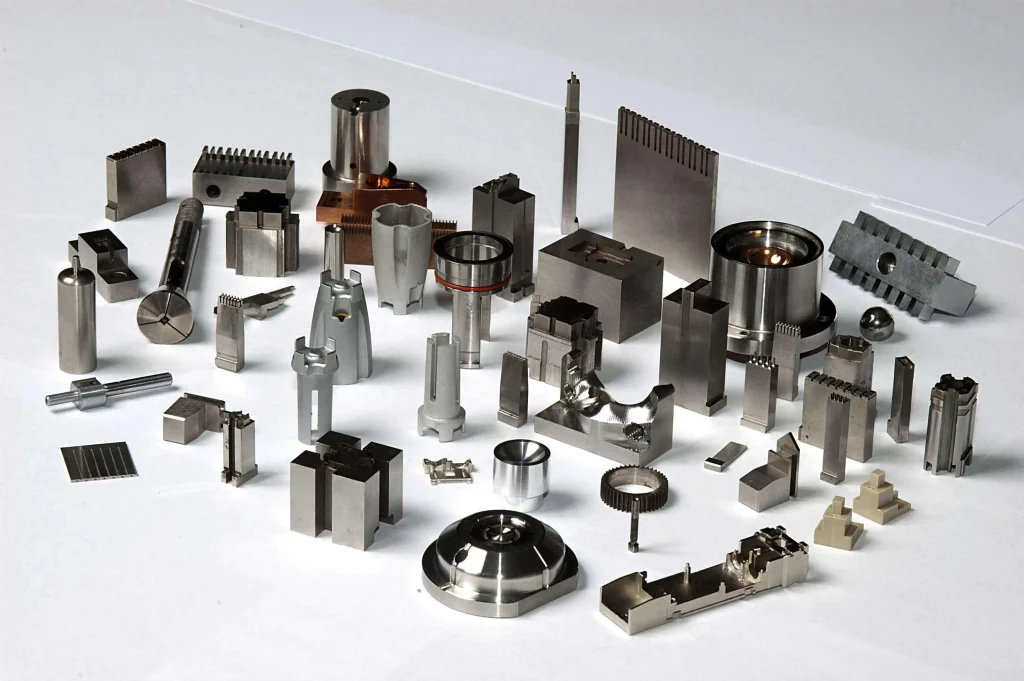
Choosing the Right Material for Your CNC Parts
You've optimized your design, understood the pricing factors, and you're ready to order. But which material should you actually specify? This decision shapes everything—part performance, production cost, lead time, and longevity in your application. Yet most online platforms simply list available options without explaining when each material makes sense.
That approach leaves you guessing. Should you choose 6061 or 7075 aluminum? Does your application genuinely need stainless steel, or would mild steel suffice? When do engineering plastics outperform metals entirely? Let's answer these questions with the practical guidance you need.
Aluminum vs Steel for Your Application
When engineers think aluminum machining, they're typically weighing three key advantages: weight savings, thermal conductivity, and corrosion resistance. Aluminum alloys deliver an excellent strength-to-weight ratio while machining faster than most alternatives—keeping costs competitive even for complex geometries.
According to material selection experts, Aluminum 6061 stands as the most common general-use alloy, offering good machinability and versatility for prototypes through production runs. Need something stronger? Aluminum 7075 approaches steel-level strength after heat treatment, making it the go-to choice for aerospace applications where weight reduction is critical.
Steel enters the conversation when your parts face:
- High stress loads: Shafts, gears, and structural brackets that must withstand significant forces
- Wear resistance requirements: Components with sliding contact or repeated impact
- Temperature extremes: Applications where thermal stability matters more than weight
Mild steels like 1018 offer excellent machinability and weldability at lower cost, suitable for fixtures, jigs, and general-purpose components. Alloy steels such as 4140 deliver higher hardness and fatigue resistance for demanding industrial applications—though they require more aggressive machining parameters and often longer cycle times.
Stainless Steel Machining: When Corrosion Resistance Matters
Stainless steel machining becomes essential when your parts face corrosive environments, moisture exposure, or strict hygiene requirements. The chromium content creates a self-healing oxide layer that protects against rust and chemical attack.
Stainless steel 304 handles most environmental conditions effectively while maintaining good machinability. For marine applications or exposure to saline solutions, 316 stainless provides superior corrosion resistance worth the modest cost premium. In extreme environments—think oil and gas equipment—2205 Duplex delivers twice the strength of standard stainless grades.
Be aware: stainless steels machine slower than aluminum, typically requiring 40-60% longer cycle times. This affects both pricing and lead times, so specify stainless only when corrosion resistance genuinely matters for your application.
When Engineering Plastics Outperform Metals
Here's a perspective many engineers overlook: machining nylon or other engineering plastics often delivers better results than metals for specific applications. Plastics aren't just cheaper alternatives—they offer properties metals simply cannot match.
Nylon for machining excels when you need:
- Excellent impact absorption and flexibility
- Chemical resistance to oils, solvents, and fuels
- Self-lubricating properties for bearing surfaces
- Significant weight reduction without sacrificing toughness
Delrin plastic (POM) represents the highest-machinability option among engineering polymers. According to manufacturing guidelines, delrin material offers high stiffness, low friction, excellent dimensional stability at elevated temperatures, and very low water absorption—making it ideal when precision matters in plastic components.
PEEK stands apart for high-performance applications. Its strength-to-weight ratio approaches metals, it withstands temperatures above 200°C, and medical-grade versions provide biocompatibility for implants and surgical instruments. The material cost is substantial, but the performance justifies it for demanding applications.
Specialty Alloys for Demanding Environments
Machining bronze and brass opens possibilities that other metals cannot match. These copper-based alloys combine excellent wear resistance with natural lubricity—essential for bearings, bushings, and sliding contact surfaces.
CNC bronze components excel in marine environments where corrosion resistance and strength must coexist. According to alloy specialists, bronze's durability and excellent corrosion resistance—especially in seawater—make it optimal for ship propellers, underwater fittings, and heavy industrial bearings.
Brass C36000 offers exceptional machinability, ranking among the easiest materials to cut. This translates directly to lower machining costs for high-volume applications like fittings, connectors, and decorative architectural components. The material's electrical conductivity also makes it valuable for certain electronic applications.
| Material | Machinability | Strength | Relative Cost | Best Applications |
|---|---|---|---|---|
| Aluminum 6061 | Excellent | Medium | Low | General-purpose parts, prototypes, enclosures |
| Aluminum 7075 | Good | High | Medium | Aerospace components, high-stress brackets |
| Mild Steel 1018 | Excellent | Medium | Low | Jigs, fixtures, structural components |
| Stainless 304 | Moderate | High | Medium | Food equipment, medical, general corrosion resistance |
| Stainless 316 | Moderate | High | Medium-High | Marine, chemical processing, harsh environments |
| Brass C36000 | Excellent | Medium | Medium | Fittings, connectors, decorative parts |
| Bronze | Good | High | Medium-High | Bearings, bushings, marine hardware |
| Delrin (POM) | Excellent | Medium | Low | Precision gears, bearings, low-friction parts |
| Nylon 6/66 | Good | Medium | Low | Bushings, wear pads, impact-resistant components |
| PEEK | Good | High | Very High | Medical implants, aerospace, high-temp applications |
The practical approach to material selection follows three steps. First, define your mechanical and environmental requirements—loads, temperatures, corrosion exposure, and wear conditions. Second, identify candidate materials from the table above that satisfy those requirements. Third, select the option that balances performance with cost for your specific quantity and budget constraints.
Remember that material choice also affects downstream operations. Aluminum and plastics accept a wide range of surface treatments economically. Stainless steel limits finishing options but often needs none. Specialty alloys may require specific handling that adds to total project cost.
With material selection clarified, understanding industry certifications ensures your chosen supplier can deliver parts that meet your sector's quality requirements—which we'll explore next.
Industry Requirements and Quality Certifications Decoded
You've selected your material and optimized your design. But here's a question many first-time buyers overlook: does your supplier actually hold the certifications your industry demands? In regulated sectors, delivering parts without proper documentation isn't just problematic—it's often grounds for rejection, regardless of dimensional accuracy.
Understanding quality certifications transforms you from someone hoping parts will pass inspection into someone who knows they will. These standards aren't bureaucratic obstacles; they're frameworks ensuring every component meets rigorous, verifiable requirements. Let's decode what each certification means and when you genuinely need them.
Certification Requirements by Industry Sector
Different industries impose distinct quality mandates based on their risk profiles and regulatory environments. According to industry certification experts, certified processes mean the methods and equipment themselves are held to documented standards, promoting consistency from one batch to the next.
ISO 9001:2015 serves as the foundation for quality management systems across all industries. This internationally recognized standard establishes baseline requirements for customer focus, process approach, continual improvement, and evidence-based decision-making. If a supplier lacks ISO 9001, they're essentially operating without formalized quality controls—a red flag for any serious procurement.
Beyond this baseline, sector-specific certifications address unique requirements:
- Aerospace (AS9100D): Builds upon ISO 9001 with stringent requirements for risk management, documentation control, and product integrity throughout complex supply chains. NADCAP accreditation often accompanies AS9100 for special processes like heat treating and nondestructive testing.
- Medical Devices (ISO 13485): Mandates strict controls over design, manufacturing, traceability, and risk mitigation. Every medical machining component must be fully traceable with documented complaint and recall handling procedures.
- Automotive (IATF 16949): Combines ISO 9001 principles with sector-specific requirements for continuous improvement, defect prevention, and supplier oversight. This certification is typically mandatory for Tier 1 and Tier 2 automotive suppliers.
- Defense (ITAR Compliance): Requires registered status with the U.S. Department of State and strict information security protocols for handling sensitive technical data and components.
When ordering aerospace cnc machining or medical machining parts online, always verify supplier certifications before submitting your order. Reputable platforms display these credentials prominently—if you can't find certification information, ask directly.
Prototype Orders vs Production Runs
Here's something prototype machining services don't always explain clearly: certification requirements often differ between prototype and production quantities. Understanding these distinctions helps you balance compliance needs with budget constraints.
Prototype machining typically focuses on validating design intent and fit. For early-stage development—especially in non-regulated industries—full certification compliance may be optional. You're testing concepts, not shipping to end users. Many cnc machining prototyping platforms offer streamlined quality processes suitable for this stage at lower cost.
Production runs change everything. Once machining parts move toward customer delivery, certification requirements become non-negotiable in regulated sectors. Medical device manufacturers must demonstrate FDA 21 CFR Part 820 compliance. Automotive suppliers need documented Statistical Process Control data. Aerospace components require complete material traceability from raw stock through finished inspection.
The practical implication? Starting with a prototype machining supplier that lacks your industry's certifications creates headaches later. You'll either need to requalify your design with a certified manufacturer—adding time and cost—or risk production delays while your original supplier scrambles for certification. Choosing certified partners from the beginning, even for prototypes, ensures seamless scaling when production demands arrive.
How Tolerances Affect Your Timeline and Budget
Tolerance specifications create ripple effects beyond machining costs alone. They influence which suppliers can accept your work, what inspection methods apply, and how quickly parts ship.
Standard tolerances (±0.005" or looser) qualify for the broadest supplier network and fastest turnaround. Most general-purpose machine shops handle these specifications routinely without specialized equipment or extended verification.
Tight tolerances (±0.001" to ±0.002") narrow your options significantly. These specifications demand:
- Climate-controlled machining environments to prevent thermal expansion
- Higher-precision equipment with finer resolution
- CMM inspection rather than simple go/no-go gauging
- More experienced operators commanding premium rates
Ultra-tight tolerances (below ±0.0005") enter specialty territory where lead times extend substantially. Fewer facilities possess the equipment and expertise required, reducing competitive options and often adding days or weeks to delivery schedules.
Minimum order quantities also interact with these factors. Simple, loosely-toleranced parts might have no MOQ—suppliers happily produce single pieces. Complex, tightly-toleranced components may require minimum quantities of 5-10 units to justify setup costs and programming time. High-volume production runs (100+ pieces) typically achieve the best per-unit pricing as fixed costs distribute across larger quantities.
The certification-tolerance relationship matters too. ISO 13485 medical facilities must document inspection procedures for every tolerance callout. AS9100 aerospace shops require first article inspection reports with dimensional verification of all critical features. These documentation requirements add time—often 1-3 days—beyond actual machining completion.
Knowing these interconnections helps you set realistic expectations. Rush prototype machining with standard tolerances? Absolutely achievable in days. Production aerospace cnc machining with tight tolerances and full AS9100 documentation? Plan for weeks, not days, and budget accordingly.
With certification requirements clear, the next consideration becomes whether CNC machining is even the right manufacturing method for your project—or whether alternatives might serve you better.
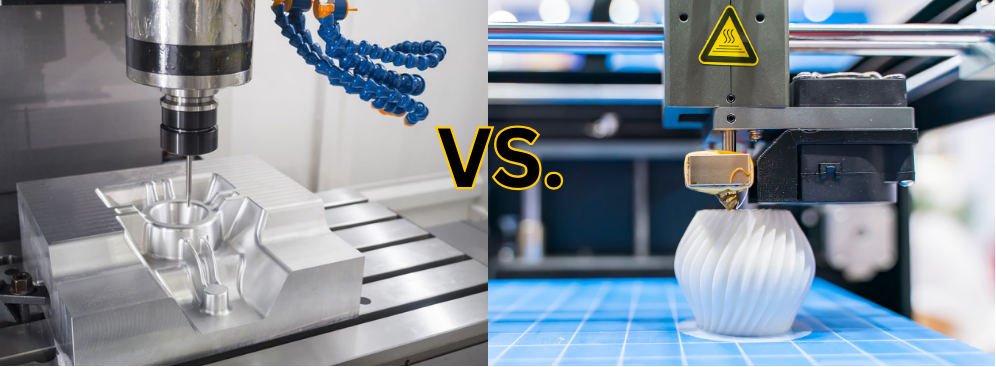
CNC Machining vs Alternative Manufacturing Methods
Here's a question that separates experienced engineers from newcomers: is CNC machining actually the right choice for your project? Sometimes the answer is a resounding yes. Other times, 3D printing, injection molding, or sheet metal fabrication delivers better results at lower cost. Making the wrong call wastes money, extends timelines, and compromises part performance.
The decision isn't about which process is "best"—it's about which process fits your specific requirements. Volume, material needs, tolerances, surface finish expectations, and budget constraints all influence the optimal path forward. Let's break down when each method makes sense so you can choose confidently.
CNC Machining vs 3D Printing Decision Guide
When should you reach for a cnc cutting machine versus a 3D printer? The answer depends heavily on what matters most for your application.
According to manufacturing comparison experts, 3D printing delivers net shape parts quickly with minimal setup, whereas CNC machining requires individual programming and generally manual supervision. For complex geometries that don't require extreme precision, additive manufacturing often wins on speed and cost—sometimes at one-tenth the price of machined equivalents.
However, cnc fabrication holds decisive advantages in several critical areas:
- Material properties: CNC-machined parts retain the native strength of solid billet material. 3D-printed parts often exhibit weakened properties—FDM printing in ABS may deliver only 10% of the material's rated tensile strength, while SLS nylon approaches 100%.
- Precision and tolerances: CNC cutting achieves tolerances of ±0.001" routinely, with ±0.0005" possible when needed. 3D printing struggles with high-precision features and typically exhibits visible layer lines on curved surfaces.
- Surface finish: Machined surfaces come off the tool smooth and uniform. Additive processes create stepped surfaces from layer-by-layer construction, often requiring post-processing for cosmetic applications.
- Material selection: CNC metal processing works with virtually any engineering material—aerospace alloys, pre-hardened tool steels, exotic composites. 3D printing remains limited to materials compatible with specific printing technologies.
For carbon fiber prototyping and other advanced composite work, CNC often proves essential since many additive processes cannot handle these materials effectively.
The cost dynamics shift with volume too. 3D printing maintains consistent per-unit costs regardless of quantity—the hundredth part costs the same as the first. CNC machining spreads setup costs across larger runs, making it increasingly competitive as quantities grow. For production runs beyond 50-100 pieces, machined parts frequently cost less per unit than printed alternatives.
When Injection Molding Makes More Sense
Injection molding enters the conversation when volume climbs into thousands of units. According to manufacturing analysis, injection molding requires expensive mold creation upfront, but per-unit costs decrease dramatically for high-volume production—typically becoming economical beyond 1,000 units.
CNC machining involves no tooling costs, making it ideal for rapid prototyping or short production runs. However, the per-unit cost remains relatively constant as volume increases. This creates a crossover point where injection molding becomes the smarter financial choice.
Consider these decision factors:
- Quantity threshold: Below 1,000 units, CNC machining typically wins on total cost. Above 5,000 units, injection molding almost always proves more economical.
- Design stability: Injection molds are expensive to modify. If your design might change, CNC's software-driven flexibility allows rapid iteration without costly tooling rework.
- Material requirements: CNC handles metals, engineering plastics, and composites equally well. Injection molding primarily processes thermoplastics, with limited metal injection molding options available.
- Tolerance expectations: CNC achieves ±0.001" commonly. Injection-molded parts typically range from ±0.003" to ±0.020", influenced by material shrinkage and mold complexity.
- Lead time needs: CNC parts can ship within days. Injection molding requires weeks for mold design, fabrication, and testing before production begins.
For time-sensitive projects, CNC holds a clear advantage. Without mold fabrication delays, machined parts often reach your facility while injection mold tooling is still being cut.
Sheet Metal and Other Fabrication Alternatives
Metal punching and sheet metal fabrication serve different design intents than CNC machining. While machining removes material from solid blocks, sheet processes bend, punch, and weld thin-gauge materials into enclosures, brackets, and structural components.
Sheet metal excels for:
- Large enclosures and housings where solid machining would waste excessive material
- Lightweight structural frames and brackets
- High-volume production of simple geometries
Aluminium spinning offers another alternative for axially symmetric parts like cones, domes, and cylindrical housings. This rotational forming process proves economical for medium volumes where CNC turning would generate excessive waste from large-diameter stock.
However, when your design requires complex 3D features, tight tolerances on multiple surfaces, or materials thicker than standard sheet gauges, CNC machining remains the appropriate choice.
Hybrid Approaches for Optimal Results
Experienced engineers rarely force an either/or decision. Strategic combination of processes often yields the best outcomes:
- Prototype with CNC, produce with injection molding: Validate designs quickly through machining, then invest in tooling once specifications stabilize.
- 3D print for form, CNC for function: Use additive manufacturing for visual mockups, then machine functional prototypes from production-intent materials.
- Machine critical features, fabricate the rest: Combine sheet metal housings with CNC-machined precision inserts for cost-effective assemblies.
| Criteria | CNC Machining | 3D Printing | Injection Molding | Sheet Metal |
|---|---|---|---|---|
| Ideal Quantity | 1-1,000 units | 1-100 units | 1,000+ units | 10-10,000 units |
| Typical Tolerance | ±0.001" to ±0.005" | ±0.005" to ±0.020" | ±0.003" to ±0.020" | ±0.010" to ±0.030" |
| Material Options | All metals, plastics, composites | Limited polymers, some metals | Thermoplastics primarily | Sheet metals only |
| Surface Finish | Excellent, as-machined | Visible layer lines | Replicates mold texture | Good, may show bend marks |
| Setup/Tooling Cost | Low (programming only) | Very low | High ($3K-$100K+ for molds) | Low to medium |
| Lead Time | Days to 2 weeks | Hours to days | Weeks to months | Days to 2 weeks |
| Design Flexibility | High (software changes) | Very high | Low (mold modifications costly) | Medium |
| Part Strength | Full native material properties | 10-100% depending on process | Near-native for polymers | Full sheet properties |
The decision framework becomes clearer when you ask the right questions: How many parts do I need now and over the product lifecycle? What tolerances do critical features require? Which materials satisfy my mechanical and environmental demands? How stable is my design, and might it change soon?
Answering these honestly points toward the optimal manufacturing approach—sometimes CNC machining alone, sometimes alternatives, and frequently a strategic combination that leverages each process where it excels.
Once you've confirmed CNC machining fits your project, optimizing your design for manufacturability ensures you get the best possible results at the lowest achievable cost.
Design for Manufacturability Best Practices
You've confirmed CNC machining is the right choice. Your material is selected, certifications checked, and budget approved. But here's where many projects stumble: submitting a design that looks perfect on screen but creates nightmares on the shop floor. The result? Unexpected cost increases, manufacturing delays, or parts that simply cannot be made as drawn.
Design for Manufacturability (DFM) bridges the gap between design intent and production reality. These principles help you create cnc machine parts that machines can actually produce efficiently—saving money, accelerating delivery, and improving final quality. Let's explore the mistakes that trip up even experienced engineers and the guidelines that prevent them.
Avoiding the Most Common Design Mistakes
Certain design errors appear with remarkable consistency across uploaded CAD files. According to manufacturing experts, these limitations relate to the basic mechanics of the cutting process and mainly concern tool geometry and tool access. Understanding why these features cause problems helps you avoid them from the start.
Impossible internal corners: When material is removed from a workpiece, the geometry of the tool transfers to the machined part. This means internal corners always have a radius, no matter how small a cutting tool was used. Sharp 90-degree internal corners are physically impossible with standard milling—the only alternatives involve EDM (electro-discharge machining) or extremely slow cutting with tiny tools. Both options multiply costs dramatically.
Overly thin walls: According to DFM guidelines, decreasing wall thickness reduces material stiffness, which increases vibrations during machining and lowers achievable accuracy. Plastics prove particularly problematic—they're prone to warping from residual stresses and softening from cutting heat. Minimum recommended thicknesses: 0.8 mm for metals, 1.5 mm for plastics.
Unnecessarily tight tolerances: Specifying ±0.001" everywhere because it "seems professional" is a costly mistake. According to manufacturing checklists, a standard tolerance of 0.005" works for metals and 0.010" for plastics. Tight tolerances should be reserved for genuinely critical features—mating surfaces, bearing fits, and sealing interfaces.
Features requiring special tooling: Deep, narrow pockets exceeding 4 times the diameter of the pocket's corner radius typically require long-reach or custom tooling. These specialty tools cost more, cut slower, and introduce deflection risks. Similarly, thin slots requiring full tool engagement extend machining time substantially.
Optimizing Your Design for Lower Costs
Smart design decisions made before ordering translate directly to lower quotes and faster delivery. Here's what experienced engineers do differently:
Corner radius strategy: Protolabs recommends making corner radii slightly larger than the tool required to machine them. For example, if you specify a 0.5" corner radius, the machinist uses a tool smaller than 0.5" to avoid chatter from full engagement. Adding internal fillets of at least ⅓ times the cavity depth ensures appropriate tooling exists and improves surface finish quality.
Cavity depth limits: Recommended cavity depth is 4 times the cavity width. Tool deflection, chip evacuation problems, and vibrations become increasingly prominent as depth-to-width ratios increase. If deeper pockets are unavoidable, consider variable-depth designs that allow efficient tooling access.
Hole specifications: Design holes with standard drill sizes whenever possible. According to machining guidelines, recommended maximum hole depth is 4 times the nominal diameter, with 10 times being typical for deeper requirements. Non-standard diameters must be cnc milled rather than drilled—applying maximum cavity depth restrictions and increasing cycle time.
Thread optimization: Thread depths beyond 1.5 times the diameter don't add meaningful holding strength. The majority of load concentrates in the first few threads anyway. For internal threads, add unthreaded length equal to 1.5 times the nominal diameter at the bottom of blind holes when using taps.
Surface finish callouts: Define necessary surface finishes realistically. A standard 0.125 Ra shows visible machining marks but costs less. Moving to 0.063 Ra provides cosmetic quality with minimal visible marks but extends machining time. Specify fine finishes only where functional requirements or visual appearance genuinely demand them.
- Internal corners: Always include fillets or radii—sharp internal corners are impossible to machine directly
- External corners: Use 45° chamfers rather than radii—they're faster to machine and more cost-effective
- Wall thickness: Maintain at least 0.8 mm for metals and 1.5 mm for plastics to prevent deflection and warping
- Cavity depth: Keep depths to 4× width maximum; deeper pockets require specialty tooling
- Hole depth: Standard drilling handles 4× diameter easily; beyond 10× requires specialized approaches
- Thread depth: 1.5× diameter provides adequate strength; deeper threads waste machining time
- Tolerances: Specify tight tolerances only on critical features—±0.005" works for most metal applications
- Text and engraving: Use engraved text (not embossed) with minimum 20-point sans-serif fonts for best results
- Undercuts: Use standard T-slot or dovetail geometries; custom undercut tools add lead time and cost
- Feature alignment: Orient features to six principal directions when possible to minimize machine setups
When to Consult with Machinists Before Ordering
Automated DFM analysis catches many issues, but some situations warrant human expertise before finalizing designs. According to manufacturing best practices, engaging machinists and manufacturing engineers for feedback on complex designs—and being open to modifications based on their expertise—prevents costly surprises.
Consider reaching out when:
- Your part requires tolerances tighter than ±0.002" on multiple features
- Complex 3D surfaces or compound angles create uncertain tool access
- Thin-walled sections must maintain flatness under machining forces
- Critical features require specific inspection methods or documentation
- Your application involves unusual materials or specialty alloys
For cnc plastic machining projects, material-specific guidance proves especially valuable. Plastics behave differently under cutting forces—some materials gum up tooling, others chip unexpectedly, and many require specific feed rates to prevent melting or surface damage. An experienced machinist can recommend optimal parameters that automated systems might miss.
The cnc milling parts you receive reflect the design decisions you make upfront. Every feature you specify—every tolerance, corner radius, and surface finish callout—translates into machine operations, tooling requirements, and ultimately your invoice. Investing time in DFM optimization before clicking "order" pays dividends in faster delivery, lower costs, and parts that perform exactly as intended.
When designs involve regulated industries like automotive, aerospace, or medical, additional considerations apply. These sectors impose specific requirements that influence both design choices and supplier selection—which we'll examine next.
Industry-Specific Applications and Requirements
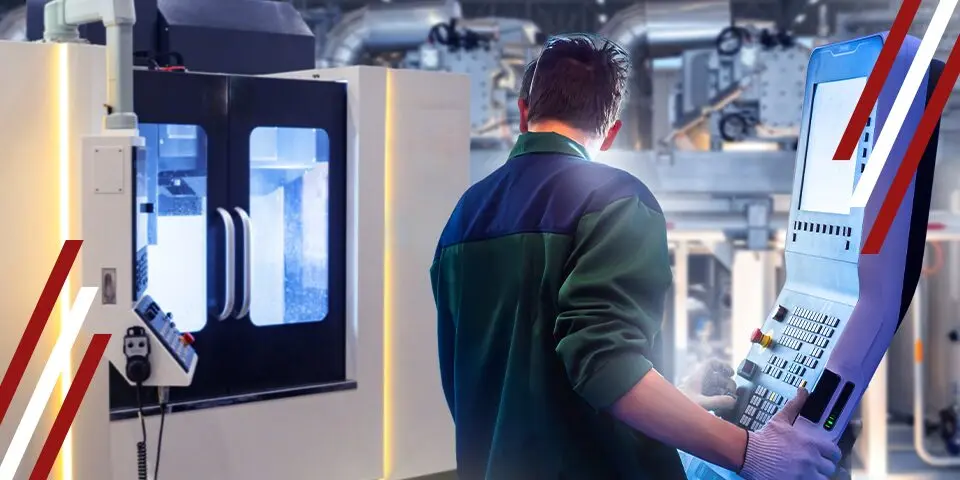
Imagine ordering the same machined component for four different customers—an automotive OEM, an aerospace prime contractor, a medical device manufacturer, and a general industrial equipment company. Would you use identical processes, documentation, and quality controls for each? Absolutely not. Each sector imposes distinct requirements that fundamentally shape how parts must be produced, inspected, and documented.
Understanding these industry-specific demands transforms how you approach machining online. The supplier capable of delivering consumer electronics enclosures may lack the certifications, traceability systems, or process controls required for aerospace or medical applications. Choosing partners aligned with your sector's requirements prevents costly qualification failures and production delays.
Automotive Parts Manufacturing Requirements
The automotive industry demands something most sectors don't prioritize equally: high-volume consistency. When you're supplying components for vehicles produced by the thousands daily, every part must be virtually identical to the last. According to automotive manufacturing specialists, Tier 1 suppliers and OEMs face critical challenges from quality instability, production volatility disrupting JIT schedules, and partners with non-IATF 16949 systems presenting significant supply chain risks.
IATF 16949 certification stands as the gatekeeper for serious automotive work. This standard extends ISO 9001 requirements with automotive-specific controls for defect prevention, continuous improvement, and supplier oversight. Unlike general quality certifications, IATF 16949 embeds quality at every production and planning point—changing quality from a promise into a demonstrable, process-driven discipline.
What makes automotive cnc turning services different from general machining? Statistical Process Control (SPC) becomes mandatory rather than optional. Every critical dimension gets monitored continuously, with control charts tracking variation in real time. When parameters drift toward specification limits, operators intervene before defects occur—not after.
Key considerations for automotive machining include:
- IATF 16949 certification: Non-negotiable for Tier 1 and Tier 2 suppliers; demonstrates systematic defect prevention
- Statistical Process Control: Continuous monitoring ensures consistent quality across high-volume production runs
- PPAP documentation: Production Part Approval Process validates that manufacturing processes can consistently produce conforming parts
- JIT delivery capability: Lean production systems and safety stock management support just-in-time scheduling demands
- Change management systems: Formal processes handle engineering changes without disrupting production stability
- Full material traceability: Documentation tracks components from raw material through finished inspection
For engineers seeking cnc prototype machining that scales seamlessly to production, certified automotive suppliers like Shaoyi Metal Technology offer IATF 16949-certified precision cnc machining services with lead times as fast as one working day for chassis assemblies and custom metal components. Their rapid cnc prototyping capabilities allow design validation before committing to mass production tooling.
Meeting Aerospace Quality Standards
Aerospace manufacturing operates under a simple reality: failure is not an option. When components fly at 35,000 feet, quality systems must prevent defects absolutely—not merely detect them after production. This drives requirements far more rigorous than most industries demand.
AS9100D serves as the aerospace quality management standard, building upon ISO 9001 with sector-specific controls for risk management, configuration management, and product integrity throughout complex supply chains. According to certification experts, AS9100 emphasizes stringent documentation and product integrity control that general quality standards don't address.
Beyond AS9100, NADCAP accreditation validates special processes critical to aerospace components. Heat treating, chemical processing, and nondestructive testing each require separate NADCAP certification—demonstrating that specific process controls meet aerospace industry standards. For 5 axis cnc machining services producing complex aerospace geometries, these process certifications ensure every operation meets exacting requirements.
Critical aerospace machining considerations include:
- AS9100D certification: Foundation requirement for aerospace supply chain participation
- NADCAP accreditation: Required for special processes like heat treatment and NDT
- Complete material traceability: Every component traces back to raw material lot, mill certification, and processing history
- First Article Inspection (FAI): Comprehensive dimensional verification of initial production units per AS9102
- Configuration management: Formal systems control design changes and maintain revision accuracy
- Foreign Object Debris (FOD) prevention: Rigorous cleanliness and accountability protocols throughout production
The documentation burden in aerospace exceeds most other sectors. Every dimensional callout requires verified inspection data. Material certifications must accompany shipments. Process parameters get recorded and retained for years. Custom cnc machining services targeting aerospace must build these capabilities into their fundamental operations—not treat them as optional add-ons.
Medical Device Machining Considerations
Medical machining introduces a unique priority: patient safety. Components implanted in human bodies or used in life-sustaining equipment face regulatory scrutiny unlike any other application. ISO 13485 certification provides the quality management framework specifically designed for medical device manufacturing.
According to industry certification guidelines, ISO 13485 outlines strict controls over design, manufacturing, traceability, and risk mitigation. Facilities seeking this certification must implement detailed documentation practices, thorough quality checks, and effective complaint and recall handling procedures.
Biocompatibility requirements add another layer of complexity. Materials contacting human tissue must demonstrate safety through testing protocols like ISO 10993. This influences material selection, surface finish specifications, and even cleaning procedures. A component perfectly acceptable for industrial equipment may be entirely unsuitable for medical applications due to biocompatibility concerns.
Essential medical device machining requirements include:
- ISO 13485 certification: Quality management system specifically designed for medical device production
- FDA 21 CFR Part 820 compliance: U.S. Quality System Regulation governing design, manufacturing, and tracking
- Biocompatibility documentation: Evidence that materials meet ISO 10993 requirements for patient contact
- Device History Records: Complete manufacturing documentation for each production lot
- Validated cleaning processes: Documented procedures ensuring contaminant-free components
- Complaint handling systems: Formal processes for tracking and addressing quality issues
Cnc turning services for medical applications must also address precision requirements often tighter than other industries. Implant components, surgical instruments, and diagnostic equipment frequently require tolerances below ±0.001"—demanding specialized equipment and controlled environments.
Industrial Applications: Balancing Performance and Cost
General industrial machining operates with different priorities than regulated sectors. While quality remains important, the emphasis shifts toward durability, cost-effectiveness, and delivery reliability. ISO 9001 certification typically suffices for quality management, without the sector-specific additions aerospace, automotive, or medical applications require.
Industrial equipment manufacturers often prioritize:
- ISO 9001 certification: Baseline quality management demonstrating documented processes and continuous improvement
- Competitive pricing: Cost optimization through design simplification and material selection
- Reliable delivery: Consistent lead times supporting production planning
- Material versatility: Capability to machine diverse materials from aluminum to hardened steels
- Scalability: Flexibility to handle prototype quantities through production volumes
- Technical support: Engineering collaboration for design optimization and problem-solving
The industrial sector offers greater flexibility in supplier selection. Without the rigid certification requirements of regulated industries, buyers can prioritize capabilities most relevant to their specific applications—whether that's rapid turnaround, specialty material expertise, or high-volume production capacity.
However, this flexibility doesn't mean quality becomes optional. According to manufacturing best practices, evaluating suppliers requires looking beyond unit price to consider total cost of ownership—including quality costs, inventory carrying costs, and the hidden expenses of unreliable delivery or inconsistent quality.
Whether your application falls into automotive, aerospace, medical, or industrial categories, matching supplier capabilities to your sector's requirements prevents qualification failures and production delays. Certified manufacturers with demonstrated experience in your industry bring process controls, documentation systems, and technical expertise that general-purpose shops simply cannot match.
With industry requirements understood, the final step is translating this knowledge into action—selecting the right partner and placing your first order with confidence.
Getting Started with Online CNC Machining Services
You've made it through the complete guide—from understanding digital platforms to selecting materials, decoding certifications, and optimizing designs for manufacturability. Now comes the moment that matters: actually placing your first order. How do you translate all this knowledge into confident action?
The difference between successful online cnc machining services experiences and frustrating ones often comes down to preparation. Engineers who approach their first order systematically—checking files, verifying requirements, and evaluating suppliers methodically—consistently achieve better outcomes than those who rush through the process.
Your Online Machining Readiness Checklist
Before uploading that CAD file, walk through these essential verification steps:
- File preparation complete: Your STEP or IGES file contains clean geometry with no broken surfaces, gaps, or overlapping features
- Tolerances reviewed: Tight specifications appear only on critical features—mating surfaces, bearing fits, and functional interfaces
- Material selected: You've chosen based on application requirements, not assumptions—balancing mechanical properties, corrosion resistance, and machinability
- DFM principles applied: Internal corners include fillets, wall thicknesses meet minimums, and cavity depths stay within recommended limits
- Quantity determined: You understand how volume affects per-unit pricing and have optimized order size accordingly
- Certification requirements identified: If your industry demands ISO 13485, AS9100D, or IATF 16949, you've confirmed supplier compliance
- Timeline established: You know your true deadline and have built buffer for inspection, potential revisions, and shipping
The best machining outcomes result from preparation before ordering—not problem-solving after parts arrive. Invest fifteen minutes reviewing your design against DFM principles, and you'll save days of potential rework.
Evaluating Service Providers Effectively
Not all machine shop services deliver equivalent results. According to industry research, companies that prioritize detailed analysis of proposals reduce project costs by up to 20% compared to those making quick decisions based solely on price.
When comparing providers, look beyond the quoted number:
- Certification verification: Request documentation—reputable suppliers display credentials prominently and provide certificates upon request
- Transparent pricing: According to manufacturing experts, trustworthy services offer clear, upfront pricing without hidden fees, including breakdowns for material cost, machining time, post-processing, and shipping
- Communication responsiveness: How quickly do they answer technical questions? Slow responses during quoting often predict poor communication during production
- DFM feedback quality: Does their platform provide meaningful manufacturability analysis, or just basic file acceptance?
- Quality documentation: Can they provide inspection reports, material certifications, and first article data when your application requires it?
- Scalability: Will they support you from cnc prototyping service through production volumes without requiring supplier changes?
If you're searching for machining shops near me, remember that geographic proximity matters less than capability alignment. Digital platforms connect you to vetted suppliers worldwide—often delivering better results than local options lacking your required certifications or specializations.
Transparent pricing and responsive communication during the quoting phase reliably predict supplier performance during production. If getting a clear answer proves difficult before you order, expect similar challenges after.
Taking the Next Step with Confidence
For critical applications—particularly automotive components requiring IATF 16949 certification and Statistical Process Control—choosing production-ready partners from the start prevents painful supplier transitions later. The capabilities you need for prototyping should scale seamlessly into mass production.
Shaoyi Metal Technology exemplifies this approach for automotive supply chains, delivering high-tolerance chassis assemblies and custom metal components with lead times as fast as one working day. Their IATF 16949-certified facility combines rapid cnc prototyping capabilities with the process controls—including documented SPC—that automotive OEMs and Tier 1 suppliers require for production qualification.
Whether you're validating a new design through prototyping or scaling proven components to volume production, the evaluation criteria remain consistent:
- Match supplier certifications to your industry's requirements
- Verify pricing transparency and communication quality
- Confirm capability to handle your complexity and tolerance specifications
- Ensure scalability from your current quantity through anticipated production volumes
The journey from first quote to finished part becomes predictable when you've done the preparation. Your CAD files are optimized. Your material selection makes sense for the application. Your tolerances reflect genuine functional requirements rather than arbitrary tightness. And your supplier holds the certifications your industry demands.
That's machining online at its best—not a leap of faith, but a calculated decision built on understanding. Upload your file, review the DFM feedback, confirm the quote, and watch precision components arrive at your facility exactly as specified. The digital transformation of parts procurement isn't coming someday; it's here now, ready to serve your next project.
Frequently Asked Questions About Machining Online
1. What is the best online CNC machining service?
The best online CNC machining service depends on your specific requirements. For general prototyping, platforms offering instant quoting and fast turnaround excel. For regulated industries like automotive, aerospace, or medical, prioritize suppliers with relevant certifications such as IATF 16949, AS9100D, or ISO 13485. Evaluate providers based on pricing transparency, DFM feedback quality, communication responsiveness, and their ability to scale from prototypes to production volumes. Certified manufacturers like Shaoyi Metal Technology offer IATF 16949-certified services with lead times as fast as one working day for automotive applications.
2. How much does CNC machining cost online?
CNC machining costs online vary based on several factors: material type (titanium costs 5-10x more than aluminum), tolerance requirements (ultra-tight specs can increase costs up to 24x), part complexity, order quantity, and lead time. Single prototypes typically cost more per unit than production runs due to fixed setup costs. Ordering 100 units instead of one can reduce per-part costs by up to 90%. Rush orders carry 50-100% premiums. To reduce costs, apply DFM principles, specify standard tolerances on non-critical features, and choose materials like 6061 aluminum that machine efficiently.
3. What file formats do online CNC machining services accept?
Most online CNC machining platforms accept universal 3D CAD formats including STEP (.stp, .step), IGES (.igs, .iges), and STL files. STEP format is preferred as it maintains geometry, tolerances, and material properties seamlessly across different CAD systems. Many services also accept native CAD formats from SolidWorks, Inventor, and Fusion 360. Before uploading, ensure your model contains no broken surfaces, gaps, or overlapping geometry. Clean files accelerate processing and improve quote accuracy.
4. How long does online CNC machining take from order to delivery?
Typical online CNC machining timelines range from 3-10 days depending on complexity and quantity. The workflow includes order confirmation and programming (1-4 hours), material preparation (4-24 hours), production scheduling (1-2 days), machining and monitoring (2-5 days), quality inspection (1 day), and shipping. Simple prototype orders with straightforward geometries can ship within 72 hours. Rush orders are available at premium pricing. Certified automotive suppliers like Shaoyi Metal Technology offer lead times as fast as one working day for specific components.
5. What certifications should I look for in an online CNC machining supplier?
Required certifications depend on your industry. ISO 9001:2015 serves as the baseline for quality management across all sectors. Automotive applications require IATF 16949 certification with Statistical Process Control. Aerospace demands AS9100D and often NADCAP accreditation for special processes. Medical device manufacturing requires ISO 13485 and FDA 21 CFR Part 820 compliance. Defense applications need ITAR compliance. Always verify supplier certifications before ordering, especially for regulated industries where non-certified parts face rejection regardless of dimensional accuracy.