 Small batches, high standards. Our rapid prototyping service makes validation faster and easier —
  EN
EN


Your First Laser Cutting Quote: Several Costly Mistakes To Dodge
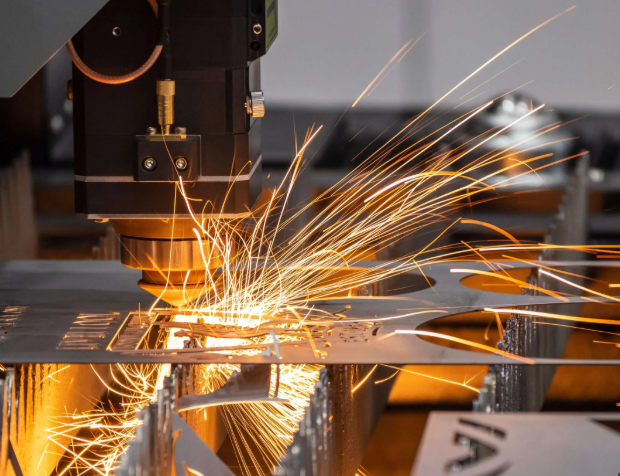
Understanding What a Laser Cutting Quote Really Means
When you request a laser cutting quote, you're receiving far more than a simple price tag. Think of it as a detailed roadmap that reveals whether your project is feasible, how long it will take, and what factors are driving your costs. Understanding these components puts you in control of your budget and helps you make smarter decisions before production begins.
What a Laser Cutting Quote Actually Tells You
A professional quote breaks down the complete picture of your project's manufacturing requirements. According to industry pricing standards, providers calculate your final price using this foundational formula: material costs plus variable costs (machine time) plus fixed costs, multiplied by a profit margin. Each element tells you something specific about your project.
Here are the key elements typically included in a comprehensive laser cutting quote:
- Material costs — The raw material price for your chosen metal or substrate, including any waste generated during cutting
- Cutting time charges — Machine hourly rates (typically $60 to $120 per hour) multiplied by estimated production time
- Setup fees — One-time charges covering machine calibration, material loading, and file preparation
- Finishing operations — Any secondary processes like deburring, bending, or surface treatments
- Shipping and handling — Logistics costs based on part weight, quantity, and destination
When reviewing laser cutting rates from different providers, these line items help you compare apples to apples rather than guessing why one quote differs from another.
Why Quote Accuracy Matters for Your Project Budget
Have you ever received a final invoice that looked nothing like the original estimate? Inaccurate quotes create budget chaos—and the root cause is usually incomplete information flowing in either direction.
The laser cutting price you receive upfront directly impacts your project planning, procurement timelines, and overall profitability. When quotes miss critical details, you face unexpected laser cutting charges that can derail schedules and strain relationships with your own customers.
Consider this: a quote that accurately reflects your design complexity, material specifications, and quantity requirements becomes a reliable planning tool. It helps you forecast costs for laser cut parts across multiple projects and negotiate better terms with suppliers. Conversely, a vague or incomplete quote often signals potential problems down the line.
Understanding what drives your laser cutting cost empowers you to optimize designs before requesting quotes, ask informed questions when reviewing proposals, and identify red flags that indicate unreliable vendors. This knowledge transforms you from a passive buyer into a strategic partner in the manufacturing process.
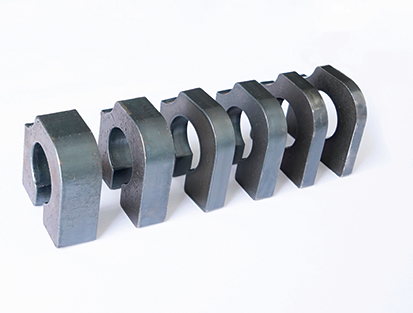
Key Factors That Determine Your Laser Cutting Price
Now that you understand what a laser cutting quote contains, let's explore what actually drives those numbers. Every pricing factor works together to determine your final cost—and knowing how each one influences your quote helps you make design and material decisions that keep expenses under control.
Material Selection and Its Direct Impact on Pricing
The material you choose affects your quote in two significant ways: the raw material cost itself and how that material behaves during cutting. Laser cutting steel sheet, for example, typically costs less than cutting equivalent thicknesses of aluminum or stainless steel because of both material pricing and processing differences.
When evaluating the price of laser cutting for your project, consider these material-related factors:
- Base material cost — High-grade aluminum and specialty alloys cost more than mild steel laser cutting applications, directly increasing your quote
- Cutting speed variations — Different metals require adjusted laser power and feed rates, with softer materials typically cutting faster
- Reflectivity challenges — Aluminium laser cutting requires specific laser types or settings because the material reflects light, potentially increasing processing time
- Thickness considerations — Thicker materials demand more energy, slower speeds, and longer cutting cycles, all of which raise costs
According to RapidDirect's pricing analysis, the cost of laser cutting steel is generally lower than high-grade aluminum even when design complexity and cutting time remain identical—simply because the raw material pricing differs significantly.
Material thickness deserves special attention. Thicker laser cut sheet metal requires more energy and slower cutting speeds to achieve clean edges. As noted by Komacut's research, this increased cutting time and energy consumption leads to higher overall costs. Additionally, thicker materials cause more equipment wear, potentially adding maintenance-related charges to your quote.
How Design Complexity Multiplies Cutting Time
Imagine tracing a simple square versus an intricate decorative pattern. The square takes seconds; the pattern takes minutes. This same principle drives laser cutting of metal sheets—the more complex your design, the longer the cutting path and the higher your costs.
Design complexity impacts your quote through several mechanisms:
- Total cutting path length — Longer paths mean more machine time at your provider's hourly rate
- Number of pierce points — Each cutout requires the laser to pierce the material, and more pierces add time and cost
- Tight tolerances — Precision requirements may force slower cutting speeds to maintain accuracy
- Intricate geometries — Sharp corners and fine details require careful speed adjustments
Here's something many buyers overlook: custom size sheet metal orders that don't fit standard sheet dimensions create waste. Smart nesting—arranging your parts efficiently on the material sheet—maximizes usage and minimizes scrap. When you optimize your design for efficient nesting, you reduce material waste and lower your overall cost.
Pricing Factor Reference Guide
The following table summarizes how different factors influence your laser cutting quote, helping you prioritize where to focus your optimization efforts:
| Factor | Impact Level | How It Affects Price |
|---|---|---|
| Material Type | High | Specialty metals like stainless steel or titanium cost more than mild steel; reflective materials may require specialized equipment |
| Material Thickness | High | Thicker materials require slower cutting speeds, more energy, and cause greater equipment wear |
| Design Complexity | High | Intricate designs extend cutting paths and pierce points, directly increasing machine time |
| Order Quantity | Medium-High | Larger orders spread setup costs across more units; bulk material purchasing often reduces per-piece pricing |
| Tolerance Requirements | Medium | Tighter tolerances demand slower cutting speeds and may require additional quality checks |
| Nesting Efficiency | Medium | Poor nesting wastes material; optimized layouts reduce raw material costs significantly |
| Secondary Processes | Medium | Finishing operations like deburring, chamfering, or threading add labor time and equipment costs |
| Lead Time | Low-Medium | Rush orders may incur premium charges; standard timelines avoid urgency pricing |
Volume and Setup Cost Dynamics
Sounds complex? Here's the straightforward reality: every laser cutting job requires initial setup regardless of whether you order ten parts or ten thousand. Machine calibration, material loading, and file preparation all happen before the first cut.
For small orders, these fixed setup costs represent a significant portion of your quote. As quantity increases, that same setup expense spreads across more units, driving down your per-piece price. This economy of scale explains why laser cutting steel in larger batches often provides dramatically better value than single prototypes.
Production volume also affects material efficiency. High-volume orders allow providers to optimize sheet utilization across multiple cutting runs, reducing waste percentages and passing those savings along to you. When planning your project, consider consolidating orders or timing requests to take advantage of volume pricing.
With a clear understanding of what drives your costs, you're ready to prepare your project files and specifications—the next critical step in securing an accurate quote.
Preparing Your Project for an Accurate Quote
You've learned what drives laser cutting costs—now it's time to put that knowledge into action. The quality of information you provide when requesting a quote directly determines how accurate that quote will be. Submit incomplete or unclear details, and you're almost guaranteed to face pricing adjustments later. Prepare thoroughly, and you'll receive reliable estimates that hold up through production.
File Formats That Get You Accurate Quotes Faster
When you send design files to a sheet metal laser cutter provider, the format matters more than you might expect. According to Steelway Laser Cutting, DXF (Drawing Exchange Format) files are the preferred standard across most laser cutting services because they store precise 2D and 3D vector data that CNC machines can interpret directly.
Here are the file formats most providers accept and when to use each:
- DXF files — The gold standard for metal sheet laser cutting; universally compatible and preferred by most providers
- DWG files — Native AutoCAD format that contains detailed layer and dimension information; easily converted to DXF if needed
- STEP files — Ideal for 3D models and complex assemblies; particularly useful when your project involves bending or forming operations
- SVG files — Common for simpler designs; can be converted to DXF but may require cleanup
- AI or EPS files — Adobe Illustrator formats that work for some providers but typically require conversion
Before sending any file, verify these critical details:
- Convert text to outlines — Active text boxes can cause cutting errors; convert all text into vector shapes
- Eliminate overlapping lines — Lines that intersect or share edges confuse CNC systems and create cutting path errors
- Close all contours — Open shapes cause the laser to stop mid-cut; every outline must connect completely
- Remove unnecessary elements — Delete dimension notes, borders, and unused objects that could be misinterpreted as cut paths
- Verify actual dimensions — If you converted from a raster image, printing at 100% scale helps confirm measurements
Think of your design file as instructions for a highly precise machine. The cleaner and more accurate those instructions, the faster your laser cutter for sheet metal can process your request—and the more reliable your quote becomes.
Design Specifications Every Quote Request Needs
Beyond file format, your quote request must include specific technical details that enable accurate pricing. Missing any of these forces providers to make assumptions, which often results in quote revisions or unexpected charges during production.
According to Approved Sheet Metal, including complete specifications in your RFQ dramatically speeds up the quoting process and reduces back-and-forth communication.
Complete Quote Request Checklist
Use this comprehensive checklist when preparing your custom cut sheet metal requests:
- Material type and grade — Specify the exact alloy (e.g., 304 stainless steel, 6061 aluminum, mild steel) rather than general categories
- Material thickness — Provide precise gauge or millimeter measurements; different thicknesses dramatically affect cutting time and cost
- Quantity required — Include both initial order quantity and anticipated future volumes if relevant for pricing discussions
- Critical tolerances — Call out dimensions that require tight control; over-tolerancing increases costs unnecessarily
- Finish requirements — Specify any surface treatments like powder coating, anodizing, or deburring
- Hole specifications — Include diameter, depth, and threading requirements for any tapped holes
- Welding instructions — If applicable, note whether parts are internal or external and any specific welding requirements
- Assembly information — For complex projects, include CAD models showing how parts fit together
- Deadline requirements — State your target delivery date so providers can assess feasibility
How Design File Quality Affects Your Bottom Line
Imagine submitting a custom cut metal request with overlapping lines and open contours. The provider must either clean up your file—adding time and cost—or request revisions, delaying your quote. Either scenario works against your budget and timeline.
Poor file quality creates several downstream problems:
- Quoting delays — Providers spend time clarifying specifications instead of processing your request
- Pricing adjustments — File cleanup charges or design corrections get added to your final invoice
- Production errors — Ambiguous instructions can lead to scrap parts and recuts
- Extended timelines — Each revision cycle pushes your delivery date further out
Conversely, submitting clean, complete files signals professionalism and often results in priority attention from vendors. When providers see well-prepared requests, they recognize a customer who understands the process—and they respond with more accurate, competitive quotes.
With your files prepared and specifications documented, the next question becomes how you'll actually submit your quote request. The method you choose—instant online tools or traditional RFQ processes—depends on your project's specific requirements.
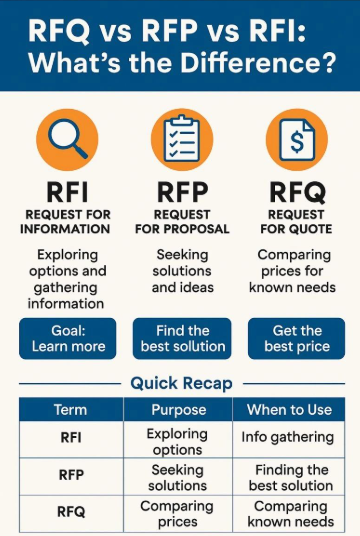
Instant Online Quotes vs Traditional RFQ Processes
Your files are ready and specifications documented—but now you face a choice that can significantly impact both your timeline and pricing accuracy. Should you use a laser cutting instant quote platform for speed, or submit a traditional Request for Quote for detailed analysis? The answer depends on what you're making, how complex it is, and how much precision your budget requires.
When Instant Online Quotes Work Best
Online laser cutting services have transformed how buyers source simple parts. Upload your DXF file, select your material and quantity, and receive pricing in minutes—sometimes seconds. For the right projects, this speed creates genuine value.
A laser cutting online quote works well when your project meets these criteria:
- Standard geometries — Simple shapes like brackets, panels, or basic cutouts with minimal complexity
- Common materials — Standard mild steel, aluminum, or stainless steel in readily available thicknesses
- Relaxed tolerances — Parts that don't require precision beyond typical laser cutting capabilities
- Prototype quantities — Small batches where speed matters more than optimized per-unit pricing
- Flexible budgets — Situations where you can absorb potential cost variations without project impact
According to 3ERP's analysis of AI quoting systems, instant platforms excel at straightforward processes like 3D printing where cost calculations are based on material weight and volume. For laser cutting service online, the accuracy depends heavily on how well the algorithm interprets your design complexity—which can be hit or miss.
Here's the trade-off you're making: instant systems use automated algorithms to estimate cutting time and cost. These algorithms work from predefined parameters, not manufacturing experience. When your design fits neatly within those parameters, you'll get reasonable pricing quickly. When it doesn't, you may face surprises later.
Projects That Require Manual RFQ Review
Some projects simply demand human expertise. When complexity increases, tolerances tighten, or customization enters the picture, a traditional RFQ process delivers accuracy that automated systems cannot match.
According to Wikifactory's comparison research, manual quoting provides significant advantages for CNC machining and sheet metal fabrication because experienced engineers can evaluate manufacturability, suggest design improvements, and provide realistic cost assessments based on actual production conditions.
Consider a manual RFQ when your project involves:
- Complex geometries — Intricate patterns, tight internal corners, or designs requiring specialized cutting sequences
- Tight tolerances — Precision requirements that demand slower cutting speeds or secondary verification
- Specialty materials — Unusual alloys, coated materials, or non-standard thicknesses
- High volumes — Production runs where optimized nesting and process refinement significantly impact costs
- Secondary operations — Parts requiring bending, welding, threading, or surface treatments
- Critical applications — Components where quality control documentation or certification matters
The manual process takes longer—typically 12 to 48 hours versus minutes—but that time investment often pays dividends. As LS Manufacturing reports, experienced quoters provide more than pricing: they identify potential production issues, suggest cost-saving design modifications, and deliver transparent breakdowns showing exactly where your money goes.
Comparing Your Quoting Options
The following table helps you determine which approach fits your specific situation:
| Dimension | Instant Online Quote | Manual RFQ Process |
|---|---|---|
| Turnaround Time | Minutes to hours | 12-48 hours typical |
| Project Complexity | Best for simple, standard designs | Handles intricate geometries and special requirements |
| Accuracy for Custom Work | Limited; may require revision after human review | High; engineers evaluate manufacturability directly |
| Cost Transparency | Often provides single total price | Typically includes itemized cost breakdown |
| Design Feedback | Minimal or none | Often includes DFM recommendations |
| Best Use Cases | Prototypes, simple brackets, standard parts | Production runs, precision components, multi-operation parts |
| Risk of Hidden Costs | Higher; algorithms may miss complexity | Lower; experienced eyes catch potential issues upfront |
Recognizing Which Approach Fits Your Project
Still unsure which path to choose? Ask yourself these questions:
- How critical is cost certainty? — If your budget has no flexibility, invest time in a manual quote to avoid surprises
- Does your design push any boundaries? — Unusual geometries, thin features, or tight spacing often confuse automated systems
- Will you need ongoing production? — Building a relationship with a provider through the RFQ process pays dividends for repeat orders
- How much does quality documentation matter? — Certifications, inspection reports, and traceability require human coordination
One practical approach: use online laser cutting platforms for quick ballpark estimates, then submit a formal RFQ to verify pricing before committing. This gives you speed for initial planning and accuracy for final budgeting.
Whichever method you choose, you'll likely receive multiple quotes to compare. Understanding how to evaluate those competing proposals—and spot the red flags that signal trouble—becomes your next critical skill.
How to Compare and Evaluate Multiple Quotes
You've submitted your specifications to several providers—now your inbox fills with competing proposals. Here's where many buyers make their most expensive mistake: choosing based solely on the bottom-line number. That lowest price often hides costs that surface later, turning a bargain into a budget disaster.
Evaluating metal laser cutting services requires looking beyond the total and understanding what each line item actually includes. A thorough comparison protects your project from unexpected charges, quality issues, and timeline disruptions that no spreadsheet captures at first glance.
Reading Between the Lines of Competing Quotes
When you spread multiple quotes across your desk, the price variations can seem puzzling. One CNC laser cutting services provider quotes significantly less than another—but why? The answer usually hides in the details, not the summary.
Start by comparing these critical elements across every quote you receive:
- Material specifications — Does the quote explicitly state the alloy, grade, and thickness? Vague descriptions like "stainless steel" without grade specification (304, 316, etc.) leave room for substitution with cheaper alternatives
- Tolerance statements — Look for specific dimensional tolerances; quotes lacking this information may deliver parts that don't fit your assembly requirements
- Setup and programming fees — Some providers bundle these into per-piece pricing while others list them separately; ensure you're comparing equivalent structures
- Finishing operations — Verify whether deburring, edge treatment, or surface preparation is included or priced as an add-on
- Quality documentation — Inspection reports, material certifications, and traceability records may carry additional charges not reflected in base pricing
- Revision policies — Understand how changes after quote acceptance affect your costs and timeline
According to LTJ Industrial's fabrication guide, a well-structured quote should make it easy to compare vendors by providing transparent line-item breakdowns. When a quote presents only a lump sum without detailed components, you're essentially buying blind.
Consider this scenario: Provider A quotes $2,000 for your parts, while Provider B quotes $2,400. The lower quote seems obvious—until you discover Provider A excludes deburring (add $300), uses commercial-grade material instead of your specified alloy (potential $400 rework), and charges revision fees for any design clarifications ($150 each). Suddenly, that "savings" evaporates.
Assessing Vendor Reliability Beyond Price
The cheapest laser cut services mean nothing if parts arrive late, out of spec, or never at all. Experienced buyers know that vendor reliability often matters more than shaving a few percentage points off the quote.
When evaluating laser cutting services near me or distant providers, examine these reliability indicators:
- Quality certifications — ISO 9001 certification indicates documented quality management systems; industry-specific certifications (AS9100 for aerospace, ISO 13485 for medical) signal specialized capability
- Equipment and capacity — Providers with modern fiber laser systems typically deliver faster, cleaner cuts than those running older CO2 equipment
- Communication responsiveness — How quickly did they respond to your RFQ? Slow quote turnaround often predicts slow production communication
- Reference availability — Established providers readily share case studies or customer references; hesitation suggests limited track record
- Financial stability — According to procurement research, suppliers under financial strain struggle to purchase quality materials and maintain equipment properly
A custom laser cutting service with a proven track record may cost slightly more upfront but delivers consistent quality and reliable timelines. That consistency has real value when your production schedule depends on receiving parts as promised.
Red Flags That Signal Unreliable Quotes
Some warning signs should trigger immediate caution—or disqualification entirely. These red flags often indicate providers who either lack expertise or plan to recover margins through hidden charges and shortcuts.
Watch for these quote warning signs:
- Vague material specifications — Quotes stating only "aluminum" or "steel" without alloy grades leave room for inferior substitutions that affect part performance
- Missing tolerance information — No tolerance callouts suggest the provider may not understand precision requirements or plans to deliver whatever their equipment produces
- Unclear revision policies — If the quote doesn't explain how design changes are handled, expect disputes when modifications become necessary
- Unrealistic timelines — Providers promising delivery far faster than competitors may be overcommitting capacity or planning to rush without proper quality checks
- No quality documentation mention — Legitimate providers address inspection and certification upfront; silence on quality systems suggests inadequate processes
- Excessive payment upfront — Demands for full payment before production begins create risk with no recourse if problems occur
- Resistance to site visits or samples — According to LS Precision Manufacturing, legitimate providers welcome factory visits and readily share sample work demonstrating their capabilities
Here's a practical test: ask clarifying questions about anything unclear in the quote. Reliable providers respond promptly with detailed explanations. Unreliable ones dodge, delay, or become defensive. That communication pattern during quoting predicts exactly what you'll experience during production.
Creating Your Quote Comparison Framework
Systematic comparison prevents emotional decisions and ensures you're evaluating equivalent offerings. Consider building a simple scoring matrix that weights factors according to your project priorities.
| Evaluation Criteria | Weight | What to Compare |
|---|---|---|
| Total Cost (adjusted for scope) | 25% | Normalize prices by ensuring all quotes include identical scope and specifications |
| Material Quality Assurance | 20% | Explicit alloy specifications, material certifications, traceability documentation |
| Tolerance and Quality Capability | 20% | Stated tolerances, inspection processes, relevant certifications |
| Lead Time Reliability | 15% | Quoted timeline, historical on-time performance, capacity indicators |
| Communication Quality | 10% | Response speed, clarity, willingness to answer technical questions |
| Value-Added Services | 10% | DFM feedback, secondary operations, design optimization suggestions |
When searching for a stainless steel laser cutting service or any specialized provider, adjust these weights based on what matters most for your specific application. Medical device components might weight quality documentation at 30%, while prototype brackets for internal testing might prioritize speed and cost.
The goal isn't finding the cheapest quote—it's identifying the provider who delivers the best overall value for your specific requirements. Sometimes that means paying a premium for reliability. Other times, a newer provider offers competitive pricing with adequate capability.
With your evaluation complete, you'll need to consider one more critical factor before committing: how timeline and urgency affect the pricing you've received.
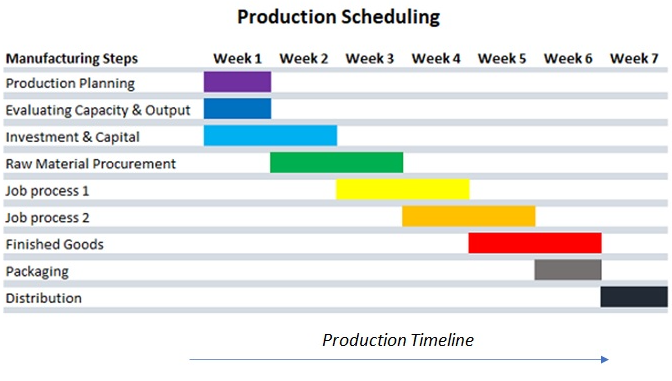
Timeline Expectations and Urgency Pricing
You've compared quotes and identified your preferred provider—but have you factored in when you actually need those parts? Timeline expectations directly impact your final cost, and understanding how urgency pricing works can save you significant money or prevent a project disaster when deadlines get tight.
Every laser cutting service near me or distant operates within capacity constraints. Machines run scheduled jobs, materials require sourcing, and quality checks take time. When you need parts faster than standard production allows, providers must reorganize their workflow—and that reorganization comes at a premium.
Standard vs Rush Timelines and What They Cost
Standard production timelines exist because they represent the most efficient way to process orders. According to JLCCNC's cost analysis, typical sheet metal fabrication takes 5-7 business days, allowing providers to optimize machine scheduling, batch similar materials, and perform thorough quality inspections.
Rush orders disrupt this efficiency. When you request expedited delivery, steel laser cutting service providers must:
- Bump other jobs — Your project jumps the queue, requiring schedule reorganization that affects other customers
- Run overtime — Expedited work often requires extended shifts or weekend production, increasing labor costs
- Skip batching efficiencies — Running your job immediately prevents combining it with similar materials or setups
- Expedite materials — If your specified material isn't in stock, overnight shipping from suppliers adds cost
The result? Rush orders typically carry surcharges ranging from 20% to 40% above standard pricing. For complex projects requiring fiber laser cutting services with tight tolerances, that premium can climb even higher because accelerated timelines leave less room for careful setup and verification.
Here's what many buyers miss: the urgency clock starts when production begins, not when you submit your quote request. If your design files need cleanup, specifications require clarification, or materials need sourcing, those delays consume your timeline before cutting even starts. As noted by Happy Eco News research on metal laser cutting, a well-prepared CAD design tailored to cutting specifications is like a head start in a race—it shaves off delays before they have a chance to creep in.
How Project Type Affects Your Timeline
Not all projects move through production at the same pace. Your order volume, complexity, and finishing requirements all influence realistic delivery expectations.
| Project Type | Typical Timeline | Cost Impact | Key Timeline Factors |
|---|---|---|---|
| Single Prototype | 3-5 business days | Baseline + setup costs spread over one unit | File preparation, material availability, machine scheduling |
| Small Batch (10-50 units) | 5-7 business days | Moderate per-unit cost; setup amortized across batch | Nesting optimization, quality sampling, potential finishing |
| Production Run (100+ units) | 7-14 business days | Lowest per-unit cost; volume efficiencies apply | Material procurement, extended cutting time, comprehensive QC |
| Rush Prototype | 1-2 business days | 20-40% premium over standard | Queue priority, potential overtime, expedited handling |
| Rush Production | 5-7 business days | 25-50% premium; depends on volume | Capacity displacement, overtime scheduling, accelerated QC |
Production cutting services handling large volumes face additional timeline considerations. Material procurement becomes significant—if your order requires more sheet metal than the provider stocks, sourcing delays extend your lead time regardless of machine availability. According to manufacturing timeline research, working with a supplier who keeps deep inventory pays off because there's no waiting on deliveries or hold-ups when the right material sits in someone else's warehouse.
Planning Ahead to Avoid Premium Pricing
The most effective way to avoid urgency surcharges? Plan backward from your actual need date, then add buffer time for the unexpected.
Consider these timeline planning strategies:
- Request quotes early — Submit RFQs 2-3 weeks before you need production to begin, allowing time for comparison and negotiation without pressure
- Confirm material availability upfront — Ask providers about stock levels for your specified materials during the quoting process
- Submit production-ready files — Clean DXF files with verified dimensions eliminate the file preparation delays that eat into your timeline
- Build finishing time into schedules — According to fabrication timeline analysis, many parts head straight into deburring, powder coating, or secondary machining after cutting—failing to factor in these stages is one of the most common mistakes when estimating turnaround
- Communicate deadlines clearly — Providers can often accommodate specific dates when given adequate notice; last-minute demands eliminate flexibility
For time-sensitive projects with hard deadlines, consider splitting your order strategically. Request a small prototype batch on expedited timing for validation, then place your production order on standard lead times. This approach lets you verify fit and function without paying rush premiums on your entire volume.
Steel cutting services and other production-focused providers often reward advance planning with priority scheduling. Building ongoing relationships means your orders receive preferential treatment without premium charges—providers value predictable, well-organized customers.
With timeline expectations aligned to your budget, you're almost ready to submit your quote request. But first, let's address the common mistakes that derail even well-planned projects—errors you can easily avoid with the right preparation.
Common Quote Request Mistakes and How to Avoid Them
You've learned the fundamentals of laser cutting quotes, compared providers, and planned your timeline. Now comes the moment of truth—submitting your actual request. This is precisely where many buyers stumble, making errors that inflate costs, delay projects, or result in parts that don't meet specifications.
According to Approved Sheet Metal's fabrication analysis, design problems crop up in approximately 50% of customer inquiries. That's half of all requests requiring corrections before production can begin. The good news? These mistakes follow predictable patterns, meaning you can avoid them entirely with proper preparation.
Specification Errors That Inflate Your Quote
Incomplete or unclear specifications force providers to make assumptions—and those assumptions rarely favor your budget. When critical details are missing, experienced fabricators quote conservatively to protect themselves from scope creep and rework costs.
Here are the most frequent mistakes that lead to inaccurate quotes, ranked by how often they cause problems:
- Omitting material grade specifications — Stating "stainless steel" without specifying 304, 316, or another grade leaves room for interpretation. Different grades have vastly different costs and cutting characteristics. According to CIMtech's analysis of over 1,000 projects, always specify grade, thickness, and tolerance range upfront to ensure accurate pricing.
- Requesting unrealistic tolerances — Many engineers default to machining-style tolerances of ±0.002" without realizing laser metal sheet cutting operates differently. As Approved Sheet Metal explains, a single bend could have a tolerance of ±0.010", and tolerances stack with each additional operation. Over-tolerancing forces slower cutting speeds and additional quality checks, driving up your quote unnecessarily.
- Forgetting secondary operation requirements — Your quote request mentions laser cutting sheet metal, but what about deburring, bending, threading, or surface finishing? Each omitted step creates a pricing gap that surfaces later as change orders.
- Providing incomplete quantity information — Quoting for a prototype without mentioning planned production volumes prevents providers from offering volume discounts or optimizing their approach for your long-term needs.
- Ignoring material thickness implications — Specifying custom metal laser cutting without confirming that your design works at the chosen thickness leads to manufacturability issues. Thin sections may warp; thick sections may require adjusted corner radii.
The solution? Treat your quote request like a contract specification. Every detail you provide eliminates guesswork and brings your quoted price closer to your actual production cost.
File Problems That Delay Your Project
Even perfect specifications can't save a project when design files create processing headaches. According to Dipec's manufacturing guide, submitting a file with missing information can lead to delays, incorrect parts, or even job rejections.
These file-related errors cause the most frequent delays in custom laser cutting projects:
- Using incompatible file formats — Submitting PDF images or low-resolution graphics instead of vector-based DXF or DWG files forces providers to recreate your design from scratch. As noted by precision manufacturing research, CNC machines operate based on precise digital instructions—if the file is formatted incorrectly, it leads to errors or time-consuming design revisions.
- Leaving text as active fonts — Text boxes that aren't converted to outlines may not translate properly across different software systems. According to CAD preparation guidelines, even forgetting to convert fonts to outlines can halt an entire CNC job in its tracks.
- Including overlapping or duplicate lines — What looks fine on screen creates cutting path confusion. The laser may trace the same edge twice, wasting time and potentially damaging materials.
- Designing without manufacturing constraints — According to CIMtech's project experience, design files may look perfect on screen, but if they're not optimized for laser cutting, they lead to excessive scrap, warping, or cracking from heat buildup, and stress on parts that are too thin or unsupported.
- Specifying holes too close to edges or bends — Sheet metal fabrication standards recommend hole-to-edge distance of at least 2x material thickness and hole-to-bend distance of at least 3x material thickness to prevent distortion.
Material Selection Errors That Create Rework
Choosing the wrong material—or specifying it incorrectly—creates problems that no amount of skilled custom metal cutting can fix. These errors often don't surface until parts fail during assembly or use.
Watch for these material-related mistakes:
- Selecting materials based on machining recommendations — According to Approved Sheet Metal, resources like engineering forums are loaded with advice that isn't relevant in a sheet metal shop, often recommending hard materials perfect for machining but impossible to bend without unusually large radii.
- Ignoring material behavior during cutting — As CIMtech notes, not all materials behave the same during cutting. Some alloys require specific laser types; others need adjusted parameters to prevent warping or edge quality issues.
- Specifying unavailable or exotic materials — Forum recommendations sometimes suggest materials that aren't even available domestically, creating sourcing delays and premium costs.
The practical solution? Consult with your fabrication partner before finalizing material choices. Experienced providers can guide you toward materials that are feasible and cost-effective while achieving your performance requirements.
How to Submit Better Quote Requests
Avoiding these mistakes comes down to preparation and communication. Before clicking submit on your next quote request, run through this verification process:
- Validate your file format — Confirm you're submitting DXF, DWG, or STEP files with all text converted to outlines and no overlapping geometry
- Specify complete material details — Include alloy grade, thickness, and any surface finish requirements
- Review tolerance callouts — Identify which dimensions are truly critical versus cosmetic, and communicate this distinction clearly
- List all operations needed — Document cutting, bending, finishing, and any assembly requirements
- Include a technical drawing — According to manufacturing best practices, always accompany your primary CAD file with a technical drawing in PDF format, especially when you have critical tolerances or assembly instructions
Remember what experienced fabricators advise: treat your laser cutting partner like part of your design team, not just a vendor. Early dialogue about specifications, materials, and tolerances prevents the costly surprises that derail budgets and timelines.
With these common pitfalls mapped out, you're nearly ready to submit a quote request that delivers accurate pricing. But first, consider whether laser cutting is actually the right process for your project—because choosing the wrong cutting method before you quote creates problems no preparation can fix.
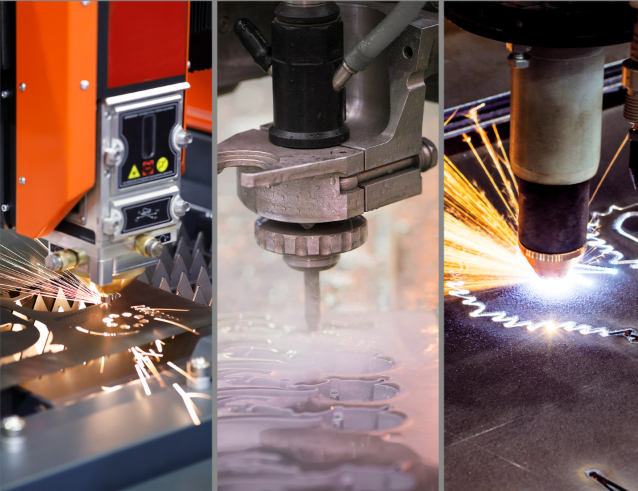
Choosing the Right Cutting Method Before You Quote
Before investing time in a laser cutting quote, ask yourself a fundamental question: is laser cutting actually the best method for your project? Requesting quotes for the wrong cutting technology wastes everyone's time and may lock you into a process that costs more or delivers inferior results compared to alternatives.
Metal laser cutting excels in many applications—but it's not universally superior. Plasma, waterjet, and traditional machining each offer distinct advantages depending on your material thickness, precision requirements, production volume, and budget constraints. Understanding these trade-offs before you quote prevents costly pivots after production planning has already begun.
When Laser Cutting Delivers the Best Value
A laser cutter for metal shines brightest when precision and edge quality matter most. According to Industrial Metal Supply's comparison research, laser cutting provides accurate cuts to 0.005" positional tolerance—precision that conventional cutting methods simply cannot match without secondary finishing operations.
Choose laser cutting metal processes when your project involves:
- Thin to medium thickness materials — A laser that cuts metal performs optimally on materials under 25mm (approximately 1 inch), delivering faster, cleaner cuts than alternatives in this range
- Intricate geometries and fine details — According to Wurth Machinery's testing, laser cutting works best when fine details or precise holes are needed, creating sharp corners and smooth edges requiring no additional finishing
- High part-to-part consistency — Computer-controlled laser cutter metal systems deliver identical results across thousands of parts without operator variability
- Small holes relative to material thickness — Laser cutting produces clean, round holes down to approximately the material thickness, where other methods struggle
- Mixed operations on single sheets — The same equipment can cut, etch part numbers, mark bend lines, and engrave directional features before separating parts
Cutting laser metal also offers operational advantages that affect your total project cost. According to manufacturing comparisons, laser cutting machines are computer controlled and can be programmed to run without an operator for multiple hours, allowing complex projects to be completed around the clock—reducing labor costs and accelerating delivery.
Material nesting efficiency provides another laser advantage. The focused beam creates thin cutting seams (kerf), allowing parts to be nested closer together with minimal spacing. This maximizes sheet utilization and reduces your material costs compared to methods requiring wider tool paths.
Alternative Methods Worth Considering
Sometimes the best decision is recognizing when laser cutting isn't your optimal choice. Each alternative technology offers specific advantages that may better serve your project requirements.
Plasma Cutting for Thick Conductive Metals
When working with thick steel plate, plasma cutting often delivers better value than laser. According to comprehensive cutting technology testing, if you're cutting 1/2" steel plate or thicker, plasma offers the best speed and cost efficiency. For 1-inch steel, plasma cutting runs approximately 3-4 times faster than waterjet with operating costs roughly half as much per foot.
A complete plasma system costs around $90,000 compared to significantly higher investment for equivalent laser capability on thick materials. For metal fabrication shops focused primarily on structural steel and heavy aluminum, plasma often provides the best return on investment.
Waterjet Cutting for Heat-Sensitive Applications
Waterjet technology uses high-pressure water mixed with abrasive to cut virtually any material—from steel to stone—without generating heat. According to AAA Metals' cutting guide, this cold cutting method generates a smaller heat-affected zone during operations, reducing the risk of material thermal distortion that can compromise part integrity.
Waterjet becomes the clear choice when:
- Heat damage must be avoided — No warping, hardening, or heat-affected zones that compromise material properties
- Cutting non-metallic materials — Stone, glass, composites, and food products cut cleanly without thermal effects
- Extremely thick materials are involved — Waterjet handles plates up to 6 inches thick, far exceeding laser capabilities
- Material properties must remain unchanged — Critical for aerospace components and precision assemblies where heat effects are unacceptable
Traditional Machining for Specific Applications
Sawing, shearing, and milling remain relevant for certain project types. According to manufacturing process research, sawing allows for close tolerance cutting with fast speeds and high cut quality, resulting in quicker turnaround without additional finishing for materials with greater thicknesses or varying cross-sections.
One main benefit of traditional metal cutting equipment is lower operating cost than laser cutting for simple, straight cuts where precision geometry isn't required.
Cutting Method Comparison Guide
The following table helps you match your project requirements to the most appropriate cutting technology before requesting quotes:
| Factor | Laser Cutting | Plasma Cutting | Waterjet Cutting | Traditional Machining |
|---|---|---|---|---|
| Precision Capability | Excellent (±0.005") | Good (±0.020") | Excellent (±0.005") | Varies by method |
| Optimal Thickness Range | Up to 25mm (1") | Over 12mm (1/2") | Up to 150mm (6") | Varies widely |
| Material Compatibility | Most metals; limited on reflective/heat-sensitive | Conductive metals only | Nearly universal | Most metals |
| Heat-Affected Zone | Small but present | Moderate to large | None | Minimal |
| Edge Quality | Excellent; minimal finishing | Good; may need cleanup | Excellent; smooth edges | Good; varies by method |
| Cost Efficiency: Low Volume | Moderate | Good for thick metals | Higher | Good for simple cuts |
| Cost Efficiency: High Volume | Excellent | Excellent for thick metals | Moderate | Varies |
| Best Applications | Electronics, medical devices, precision parts, automotive components | Structural steel, heavy equipment, shipbuilding | Aerospace, stone/glass, food processing | Bar stock, simple shapes, high-thickness materials |
Confirming Laser Cutting Is Right for Your Project
Before submitting your quote request, run through these validation questions:
- Is your material under 25mm thick? — Thicker materials may process more efficiently with plasma or waterjet
- Does your design require intricate details or tight tolerances? — Laser cutter for steel delivers precision that justifies any cost premium over rougher methods
- Can your material tolerate heat exposure? — Heat-sensitive applications may require waterjet despite higher costs
- Is your material reflective? — Copper, brass, and certain aluminum alloys may require specialized fiber lasers or alternative cutting methods
- What volume are you producing? — Laser's automation advantages compound with higher quantities
For automotive and precision metal components where projects require both laser cutting and complementary operations like metal stamping, some manufacturers offer integrated services that streamline your supply chain. For example, Shaoyi Metal Technology provides IATF 16949-certified metal stamping with 12-hour quote turnaround and 5-day rapid prototyping—valuable when your project involves both cut parts and stamped assemblies for chassis, suspension, or structural components.
According to fabrication industry analysis, many successful shops eventually incorporate multiple cutting technologies, starting with the system that addresses their most common projects. As your business grows, adding complementary methods expands capabilities—but laser cut metal remains the foundation for precision work across most manufacturing applications.
With your cutting method confirmed, you're ready to take the final steps toward submitting a quote request that delivers accurate pricing and sets your project up for manufacturing success.
Taking the Next Steps Toward Your Project
You've navigated the complete journey from understanding what drives laser cutting costs to confirming that laser cutting is the right method for your project. Now comes the moment that determines whether all that preparation pays off—actually submitting your quote request and moving toward production.
The difference between buyers who receive accurate, competitive quotes and those who face frustrating revisions comes down to preparation and communication. Everything you've learned in this guide positions you to request quotes strategically, evaluate responses intelligently, and launch your laser cutting fabrication project with confidence.
Your Quote Request Action Plan
Before you submit your next request, run through this comprehensive checklist. Each item addresses a common failure point that causes delays, pricing surprises, or quality issues:
- Finalize your design files — Submit production-ready DXF or STEP files with all text converted to outlines, overlapping lines removed, and contours fully closed
- Specify complete material details — Include exact alloy grade (304 stainless, 6061 aluminum, etc.), thickness in millimeters or gauge, and any surface finish requirements
- Document critical tolerances clearly — Call out only the dimensions that truly require tight control; avoid blanket tolerancing that inflates costs unnecessarily
- List all secondary operations — Deburring, bending, threading, welding, powder coating—every finishing step affects pricing and timeline
- Include quantity and volume projections — Share both immediate order size and anticipated future volumes to unlock potential pricing optimization
- State your realistic deadline — Provide your actual need date, not an artificially compressed timeline that triggers rush premiums
- Attach a technical drawing — Supplement your CAD file with a PDF drawing showing critical dimensions, tolerances, and assembly context
- Prepare questions about capabilities — Ask about quality certifications, inspection processes, and material sourcing to evaluate reliability beyond price
When searching for metal laser cutting services near me or evaluating distant providers, this checklist ensures you're submitting requests that generate accurate, comparable quotes the first time.
Setting Up for Manufacturing Success
Accurate quotes are just the beginning. The real goal is establishing manufacturing partnerships that deliver consistent quality, reliable timelines, and competitive value across multiple projects.
As noted by Dahlstrom Roll Form's fabrication specialists, your relationship with your vendor is a partnership—success depends on open communication and a willingness to collaborate. A strong partnership produces high-quality products delivered on schedule, while a weak one can result in frustration and costly delays.
Consider these strategies for long-term success:
- Engage engineers early — According to Century-Tywood's quoting best practices, having your engineers talk directly with the fabricator's engineering team about tolerancing, true positioning, and ease of manufacturing not only clarifies specifications but also opens the door for potential improvements and cost savings
- Submit complete documentation upfront — Providing your full package of specifications, application context, and assembly details reduces back-and-forth exchanges that could delay production when information trickles in slowly
- Discuss tolerances honestly — Overly tight tolerances increase costs and may raise red flags during inspection; work with your provider to align expectations on what's truly necessary
- Plan for ongoing production — If this project may become a repeat order, discuss volume pricing structures and lead time guarantees from the start
For projects requiring custom laser cut stainless steel or other specialty materials, early collaboration becomes even more critical. Material availability, cutting parameter optimization, and quality verification all benefit from transparent communication before production begins.
Many modern providers now use laser quoting software that accelerates turnaround—platforms like Paperless Parts enable fabricators to provide accurate quotes quickly when customers supply properly formatted STEP files alongside PDF drawings. Embracing these digital workflows speeds your path from quote to finished parts.
For projects extending beyond laser cutting into precision metal components, integrated manufacturing partners offer additional value. Companies like Shaoyi Metal Technology provide comprehensive DFM support and rapid prototyping across both laser cutting and metal stamping operations, streamlining the quote-to-production process when your project requires multiple fabrication methods. Their 12-hour quote turnaround and 5-day prototyping capability demonstrate how prepared buyers can accelerate even complex automotive and structural component projects.
The nine mistakes outlined in this guide—from specification errors to timeline miscalculations—are entirely avoidable. Armed with this knowledge, you're positioned to request quotes that accurately reflect your project requirements, compare proposals on equal footing, and select partners who deliver quality parts on schedule and within budget.
Your next sheet metal laser cutting machine project starts with a single, well-prepared quote request. Make it count.
Frequently Asked Questions About Laser Cutting Quotes
1. How are laser cutting costs calculated?
Laser cutting costs are calculated using a formula that combines material costs, variable costs (machine time at $60-$120 per hour), and fixed costs like setup fees, multiplied by a profit margin. The cutting time depends on material type, thickness, and design complexity. Additional factors include nesting efficiency, number of pierce points, and any secondary operations like deburring or bending. For high-volume orders, setup costs spread across more units, reducing per-piece pricing significantly.
2. How much should I charge or expect to pay for laser cutting?
Laser cutting pricing varies based on material type, thickness, design complexity, and quantity. Simple brackets in mild steel might cost $50-100 for prototypes, while complex stainless steel parts run higher. Volume orders reduce per-unit costs as setup fees amortize across more pieces. Rush orders typically add 20-40% premiums. To get accurate pricing, submit production-ready DXF files with complete material specifications, tolerance requirements, and quantity details to multiple providers for comparison.
3. What file formats work best for laser cutting quotes?
DXF (Drawing Exchange Format) files are the industry standard for laser cutting because CNC machines interpret them directly. DWG files from AutoCAD and STEP files for 3D models also work well. Before submitting, convert all text to outlines, eliminate overlapping lines, close all contours, and remove unnecessary elements like dimension notes. Clean files with verified dimensions speed up quoting and prevent pricing adjustments during production.
4. When should I use instant online quotes versus traditional RFQ processes?
Instant online quotes work best for simple geometries, common materials, relaxed tolerances, and prototype quantities where speed matters most. Traditional RFQ processes deliver better accuracy for complex geometries, tight tolerances, specialty materials, high-volume production runs, and parts requiring secondary operations. For critical projects, consider using instant platforms for ballpark estimates, then submitting formal RFQs to verify pricing before committing to production.
5. What information do I need to prepare before requesting a laser cutting quote?
Prepare complete material specifications including alloy grade and thickness, production-ready CAD files in DXF or STEP format, quantity requirements with future volume projections, critical tolerance callouts, secondary operation needs like bending or finishing, and realistic deadline requirements. Include a PDF technical drawing showing critical dimensions and assembly context. Complete documentation eliminates back-and-forth communication and results in faster, more accurate quotes from providers.