 Small batches, high standards. Our rapid prototyping service makes validation faster and easier —
  EN
EN


Is Aluminum a Metal? The Truth That Changes Material Choices
Is Aluminum a Metal?
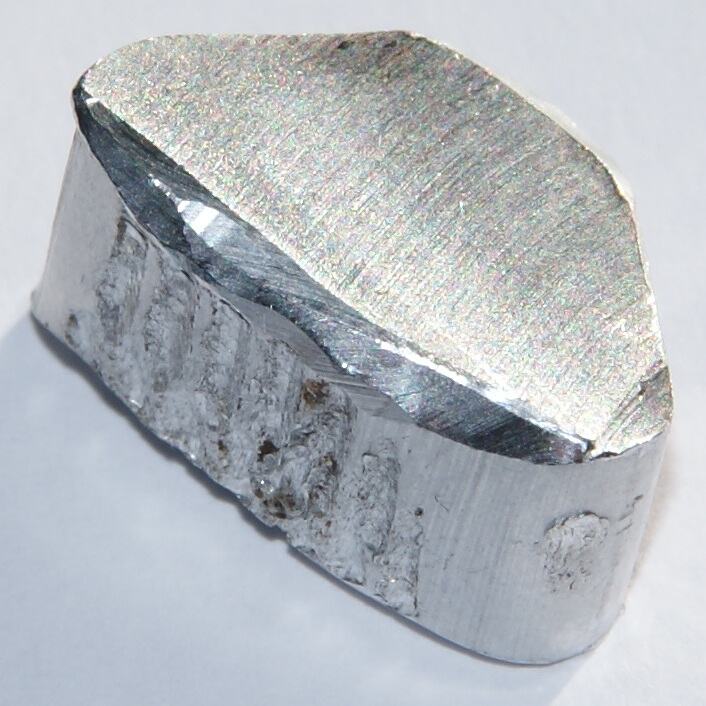
If you searched is aluminum a metal, the direct answer is yes. Aluminum is a metal, and it is also a chemical element. In industry and everyday products, it is often used in alloy form because pure aluminum is relatively soft, while alloying can improve strength and performance.
Aluminum Is a Metal in Plain English
Yes, aluminum is a metal.
More precisely, it is a lightweight, silvery metal and a non-ferrous metal, which means it does not contain iron. The RSC periodic table identifies it as the element Al. So if you are wondering is aluminum a metal or a nonmetal, chemistry puts it firmly on the metal side. If your question is is aluminum an element, that answer is yes as well.
Where Aluminum Fits in the Classification Ladder
- Element: aluminum, with the symbol Al
- Metal: a true metallic element
- Non-ferrous metal: contains no iron
- Post-transition metal: commonly grouped in this general chemistry category
- Alloy usage: often encountered in aluminum alloys rather than as fully pure metal
Why This Basic Answer Matters in Real Use
This simple classification affects real decisions. People choose metals for conductivity, formability, durability, and fabrication options, and aluminum belongs in that conversation. That is why searches like is aluminum metal and is aluminum a metal or nonmetal keep showing up when someone compares it with steel, copper, or plastic.
It also matters because aluminum does not behave like the heavy metals many people picture first. It feels light in the hand, resists corrosion well, and shows up in cans, foil, window frames, and aircraft parts. Those differences can make people pause, even though the classification itself is not in doubt. The interesting part is not whether it is a metal, but why it seems unusual compared with iron-based materials.
Why Aluminum Confuses People
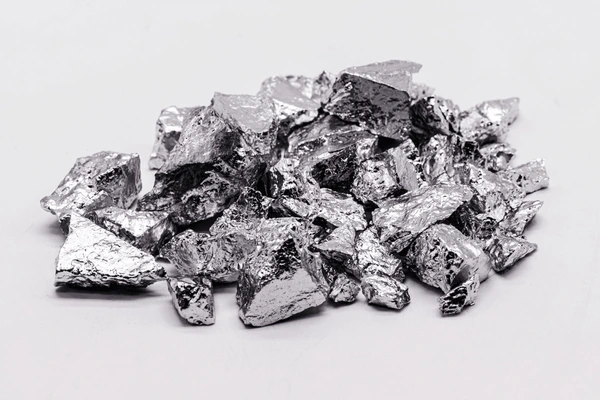
Aluminum often breaks the picture many people have of a metal. We tend to imagine metals as heavy, strongly magnetic, and quick to show the reddish-brown damage seen on old steel. Aluminum does not act that way in everyday life, so it can seem oddly different even though it is still a true metal.
Why Lightweight Metals Seem Counterintuitive
Weight is usually the first thing that throws people off. A soda can, a roll of foil, or a slim window frame feels so light that some readers start wondering whether it belongs with plastics or metalloids instead. That is one reason searches like is aluminum a metalloid keep showing up. The catch is simple: being lightweight does not cancel metallic identity. Aluminum is real metal, just much lighter than iron-based materials people know best.
- Myth: Metals must feel heavy. Reality: Aluminum is a metal even though it feels light in the hand.
- Myth: If it does not rust like steel, it is not metallic. Reality: does aluminum rust is a common search, but rust is specific to iron and steel. Aluminum forms a thin protective oxide layer instead.
- Myth: If a magnet does not stick, it cannot be a metal. Reality: Searches such as is aluminium magnetic material reflect this confusion, but pure aluminum is paramagnetic, so its response to a magnetic field is very weak in ordinary use.
Why Aluminum Does Not Behave Like Iron or Steel
Iron and steel corrode into flaky iron oxide. Aluminum behaves differently. When a fresh aluminum surface meets air, it quickly develops a thin, hard oxide film that helps protect the metal underneath. So if you are asking does aluminum rust or will aluminum rust, the practical answer is that it can corrode under certain conditions, but it does not rust in the iron-and-steel sense.
Why Nonmagnetic Does Not Mean Nonmetal
Strong everyday magnetism is typical of ferromagnetic metals like iron and nickel, not aluminum. That is why is aluminum a magnetic metal sounds like a useful test but actually is not. Some aluminum alloys may show slight magnetic behavior if elements such as iron or nickel are present, yet that still does not change the base classification.
Light weight, weak magnetism, and unusual corrosion behavior can mislead the eye, but they do not change aluminum's identity as a metal.
The confusion comes from surface behavior. The deeper answer comes from chemistry, where aluminum's elemental nature and periodic-table position explain why it behaves like this in the first place.
How Chemistry Classifies Aluminum
Chemistry clears up that surface-level confusion fast. Aluminum is an element, not just a material name used in packaging, construction, or transportation. On the RSC periodic table, it appears as Al, atomic number 13, which places it firmly among the metallic elements.
Aluminum as a Chemical Element
At the most basic level, aluminum is an element with its own symbol, atomic number, and electron structure. The same RSC data lists its electron configuration as [Ne] 3s2 3p1. That outer-shell pattern answers a common question directly: how many valence electrons does aluminum have? The answer is three. Those three valence electrons help explain why aluminum commonly forms a +3 oxidation state in compounds and why it shows clear metallic behavior in chemistry and engineering.
| Classification point | Aluminum fact |
|---|---|
| Symbol | Al |
| Atomic number | 13 |
| Category | Metal element |
| Common oxidation state | +3 |
| Regional naming | aluminum or aluminium |
Where Al Sits on the Periodic Table
If you have wondered what group is aluminum in, the answer is Group 13. It also sits in Period 3 and the p-block, as shown in RSC data. That placement matters because periodic-table position is not just a label. It reflects how electrons are arranged, and electron arrangement shapes bonding, reactivity, and metallic character. In simple terms, aluminum behaves like a metal because its structure supports the kinds of electron sharing and conductivity metals are known for.
Aluminum and Aluminium Mean the Same Material
The aluminium vs aluminum debate is about spelling, not substance. In American English, aluminum is standard. Internationally, aluminium is more common. Merriam-Webster notes that the American Chemical Society adopted aluminum, while IUPAC accepted aluminium as the international standard. So whether a label says aluminum or aluminium, it still refers to the same element, Al.
That naming difference can look bigger than it is. The chemistry does not change by region, and neither does the classification. What changes next is how those atomic-level traits show up in the real world, in conductivity, luster, heat transfer, and formability.
Properties That Prove Aluminum Is a Metal
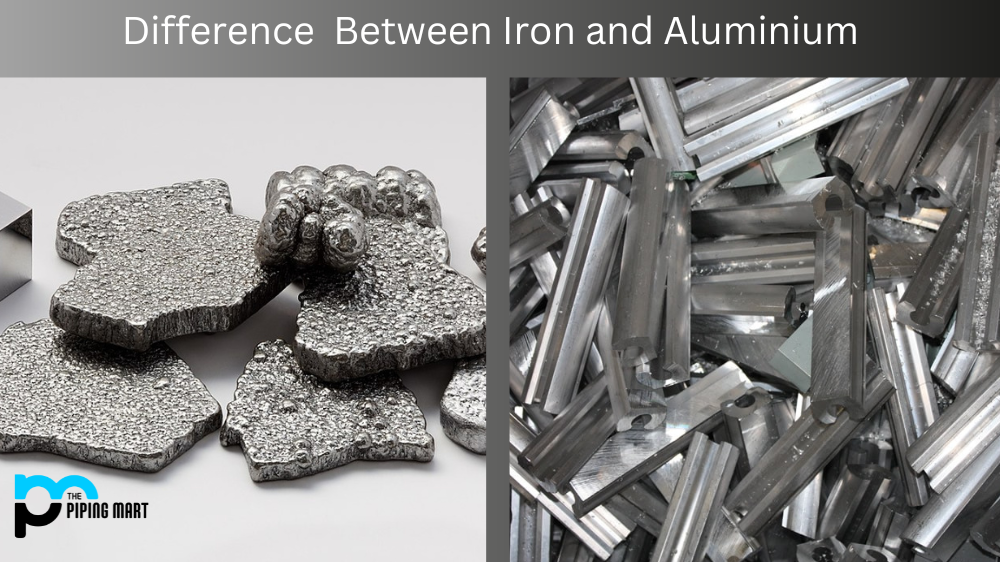
The periodic-table label is only part of the story. In real use, aluminum behaves the way metals are expected to behave: it conducts heat and electricity, bends without breaking, reflects light when finished well, and reacts with oxygen to form a stable protective layer. Those are not odd exceptions. They are core metal traits.
Physical Properties That Signal a Metal
The RSC periodic table describes aluminum as a silvery-white, lightweight metal. Guidance from Kloeckner Metals adds the practical details: high ductility, high malleability, and good electrical and thermal conductivity. That combination is why the same metal can become foil, sheet, tubing, and formed parts.
Its formability is especially telling. The RSC notes that aluminum is the second most malleable metal and the sixth most ductile. In plain English, it can be rolled thin, bent, drawn, and shaped with far less risk of cracking than brittle materials. When polished, it also reflects light strongly, which is why it appears in both decorative trim and functional reflective surfaces.
| Property | Practical meaning |
|---|---|
| Electrical conductivity | Useful in transmission and other weight-sensitive electrical uses |
| Thermal conductivity | Helps move heat in cookware, radiators, and exchangers |
| Malleability and ductility | Supports rolling, bending, drawing, and easy forming |
| Reflective surface | Works for appearance and light or heat reflection |
| Oxide film | Adds corrosion resistance at the surface |
| Low density | Reduces weight in vehicles, packaging, and fabricated parts |
Chemical Behavior and the Protective Oxide Layer
Its chemistry is just as revealing. Fresh aluminum quickly combines with oxygen and forms a thin, hard oxide film. Kloeckner's corrosion overview explains that this film is central to aluminum's corrosion resistance because it helps shield the metal underneath. So aluminum does oxidize, but it does not decay the way exposed iron does.
This is also where the charge of aluminum becomes useful to understand. A solid piece of aluminum is electrically neutral overall, but in compounds its common oxidation state is +3 in RSC data. That +3 behavior fits a metal that readily gives up electrons during chemical reactions.
Why Heat and Density Matter in Practice
The numbers reinforce the classification. The density of aluminum is 2.70 g/cm3 in RSC data, which helps explain why it feels much lighter than steel. The melting point of aluminum is 660.323°C, or 1220.581°F, on the same RSC source. If you are checking aluminum melting point values, that is the standard reference for the pure element.
Heat behavior matters even below melting. The specific heat of aluminum is 897 J/kg-K in RSC data, so it takes substantial energy to raise its temperature. Pair that with good thermal conductivity, and you get a metal that can move heat efficiently while still staying attractive for lightweight design. The melting point of aluminum, the density of aluminum, and its heat capacity all point in the same direction: this is unmistakably a metal, but one whose real-world behavior changes noticeably once alloying enters the picture.
Pure Aluminum vs Aluminum Alloy Explained
That difference in performance points straight to one of the biggest sources of confusion. In chemistry, aluminum is an element. In the marketplace, though, many sheets, tubes, plates, extrusions, and cast parts are sold in aluminum alloy form. That is why people ask is aluminum an alloy. The precise answer is that aluminum itself is the element Al, while many commercial products are alloyed versions made to improve strength, corrosion behavior, weldability, or workability.
Pure Aluminum vs Commercial Aluminum Alloys
FACTUREE describes pure aluminum as low-density material, about 2.7 g/cm3, with very good thermal conductivity, but also as relatively soft in its pure form. A practical overview from Kloeckner Metals explains that alloying adds elements such as copper, magnesium, manganese, silicon, or zinc to tailor the final properties. That is the real aluminum vs aluminum alloy distinction: same base metal, different engineered behavior.
| Comparison point | Pure or near-pure aluminum | Commercial aluminum alloys |
|---|---|---|
| Composition concept | Mainly aluminum. The 1xxx family is identified in the references as the closest to pure aluminum, at about 99 percent or more. | Aluminum remains the main component, but other elements are added on purpose. |
| Typical strength | Relatively soft and lower in strength. | Can range from moderate to very high strength, depending on the alloy family. |
| Formability | Very workable and easy to shape, though not ideal where high strength is required. | Varies by series. Some are chosen for forming and welding, while others prioritize higher structural strength. |
| Conductivity tendency | Very good electrical and thermal conductivity. | Usually lower than near-pure material because alloying trades some conductivity for other benefits. |
| Common use cases | Electrical uses, packaging trays, chemical tanks, and corrosion-resistant cladding. | Transportation parts, welded structures, marine applications, extrusions, mechanical components, and aerospace uses. |
Why Aluminum Is Still a Metal When Alloyed
Alloying changes properties, not elemental identity. An aluminum alloy is still a metal because aluminum is still the main ingredient. Industry classification makes that easy to see. The standard series system, from 1xxx through 7xxx in the references, is a family of aluminum materials, not a set of unrelated substances. Some families lean toward corrosion resistance, some toward formability, and some toward very high strength, but they remain aluminum-based metals throughout.
This is where the phrase aluminum is an alloy needs context. It is accurate for many products people buy or specify. It is not accurate as a universal definition of the element itself. A foil roll, a marine sheet, and a structural extrusion may all be called aluminum, yet they may not have the same composition or the same mechanical behavior.
How to Explain Alloy Confusion Simply
- Aluminum is the element Al.
- An aluminum alloy is aluminum combined with other elements to change performance.
- Pure aluminum does exist, especially in the 1xxx family.
- Most industrial products use alloys because pure metal is often too soft for demanding parts.
So if someone asks about aluminum vs aluminum alloy, the shortest useful answer is element versus engineered form. If someone says aluminum is an alloy, the better correction is 'often in products, but not by definition'. Put that material beside steel, stainless steel, copper, or titanium, and the tradeoffs become much easier to see in practical terms.
How Aluminum Compares With Other Common Metals
The alloy question gets much easier when aluminum is placed beside other familiar metals. If you are asking what metal is aluminum in practical terms, it is the lightweight engineering metal that often wins when designers want lower mass, decent corrosion resistance, good conductivity, and easy forming in the same package. Searches like is aluminum a transition metal or is aluminum a metal or metalloid usually lead to a more useful comparison: how it behaves next to steel, stainless steel, copper, and titanium.
Aluminum vs Steel and Stainless Steel
Against ordinary steel, aluminum's biggest advantage is weight. Chinalco lists aluminum at about 2712 kg/m3 and steel at about 7850 kg/m3, while Kloeckner Metals notes aluminum is around one-third the weight of steel. That is a major reason it shows up in transportation, appliances, and building components. Steel, however, still brings higher absolute strength and better high-temperature performance, so it remains common in frames, machinery, and structural parts.
Stainless steel changes the balance again. It stays much heavier than aluminum, but it offers strong durability, heat resistance, and very good corrosion resistance. Kloeckner also points out that aluminum has better conductivity and a better strength-to-weight ratio, while stainless steel is stronger and lower maintenance in demanding environments. In simple terms, aluminum is often chosen to reduce mass, while stainless steel is often chosen to take more abuse.
Aluminum vs Copper in Conductive Uses
Copper is the conductivity leader. Patsnap gives copper electrical conductivity at about 59.6 x 10⁶ S/m, compared with aluminum at about 37.7 x 10⁶ S/m. Copper also moves heat better, at roughly 401 W/m·K versus 237 W/m·K for aluminum. But copper is far heavier, with a density of about 8.96 g/cm3 versus 2.7 g/cm3 for aluminum. That tradeoff explains why copper dominates where minimizing resistance matters most, while aluminum remains attractive in power lines, EV-related designs, and other applications where weight savings are worth the lower conductivity.
Aluminum vs Titanium in Weight Sensitive Design
Titanium is a different kind of rival. It is lighter than steel, but still much heavier than aluminum. Chinalco places titanium at about 4.5 g/cm3, compared with aluminum at about 2.7 g/cm3. Titanium also offers higher strength, excellent corrosion resistance, and a much higher melting point, around 1650 to 1670 C versus 660 C for aluminum. The downside is cost, harder machining, and poorer formability. Aluminum stays easier to machine, easier to shape, and better suited to large-volume lightweight parts.
| Material | Weight tendency | Corrosion behavior | Conductivity | Strength-to-weight logic | Formability or fabrication tendency | Common applications |
|---|---|---|---|---|---|---|
| Aluminum | Very light, about one-third the weight of steel | Forms a protective oxide layer; generally good resistance | Good electrical and thermal conductor | Strong overall balance for lightweight design | Easy to form and machine | Transportation, architecture, appliances, power lines, heat-transfer parts |
| Steel | Much heavier than aluminum | Can rust without protection | Poorer conductor than aluminum | High absolute strength, lower weight efficiency | Varies by grade; often chosen for strength first | Construction, machinery, frames, pipelines, tools |
| Stainless steel | Nearly 3 times heavier than aluminum | Highly corrosion resistant and durable | Lower conductivity than aluminum | Strong and durable, but heavier | Grade-dependent; often selected for service life over low weight | Kitchen equipment, medical tools, engines, processing equipment |
| Copper | Far heavier than aluminum | Forms a protective oxide layer, but tarnishes | Better than aluminum for both electricity and heat | Excellent performance where weight is less critical | Commonly fabricated as conductor stock | Power distribution, high-performance electrical systems, current collectors |
| Titanium | Lighter than steel, heavier than aluminum | Excellent resistance, including harsh environments | Much lower than aluminum | Outstanding where high strength and low weight are both critical | Harder to machine and less formable than aluminum | Aerospace, deep-sea equipment, medical implants, high-temperature parts |
The pattern is hard to miss. Aluminum is rarely the strongest or the most conductive option in absolute terms, but it keeps landing in the sweet spot between low weight, workable surfaces, corrosion resistance, and useful conductivity. That balance is exactly why the same metal appears in so many forms once manufacturing choices enter the picture.
Why Manufacturers Choose Aluminum Sheet, Tube, and Profiles
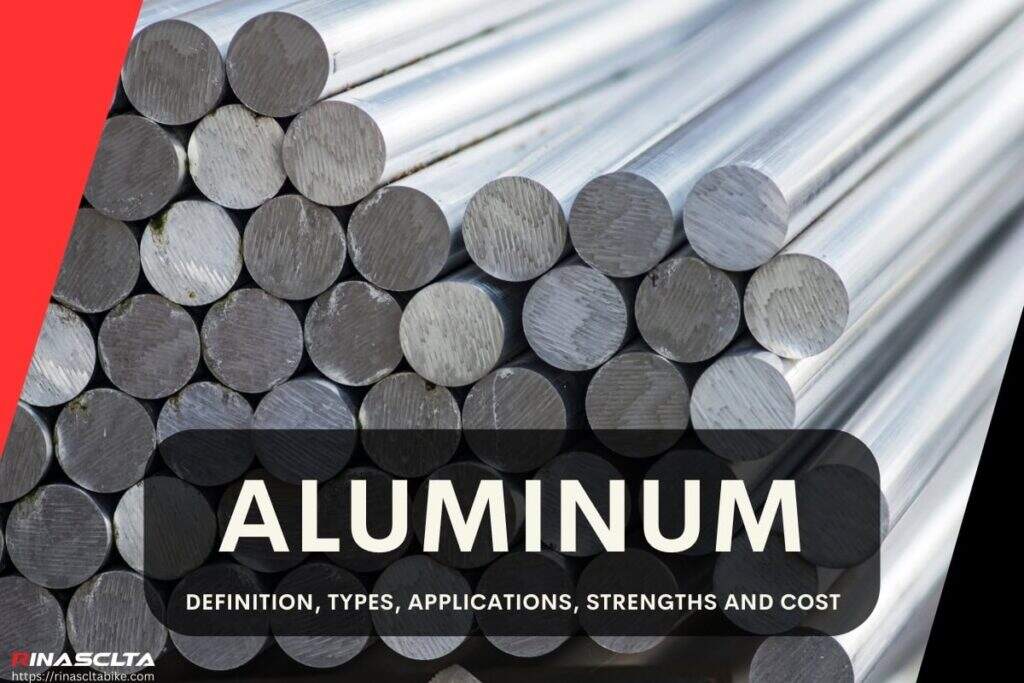
That material balance becomes easiest to understand on the shop floor. Aluminum keeps showing up in flat panels, hollow sections, and detailed profiles because one metal can offer light weight, corrosion resistance, workable surfaces, and useful heat and electrical conductivity at the same time. A practical extrusion guide highlights just how wide that range is, from appliances and automobiles to frames, trim, and structural support parts.
Why Aluminum Appears in So Many Product Forms
Manufacturers value materials that can be shaped without giving up day-to-day durability. Aluminum fits that need well. It can be supplied as flat stock, made into hollow sections, or extruded into solid, semi-hollow, and hollow forms. When people search element aluminum uses, this is usually what they are seeing in practice: one metal adapted into many product categories.
- Flat products: aluminum sheet for panels, siding, awnings, covers, and formed parts.
- Hollow products: aluminum tube for lightweight frames, supports, and heat-transfer assemblies.
- Structural profiles: angles, channels, beams, trim, and T-slotted sections for buildings, equipment, and modular layouts.
- Functional components: heat sinks, enclosures, guide rails, and brackets where low mass and corrosion resistance matter.
How Sheets Tubes and Profiles Use the Same Metal Differently
The form changes the job, not the material identity. A flat aluminum sheet gives broad surface area and is easy to cut, bend, and finish. An aluminum tube uses a hollow shape to reduce weight while keeping useful stiffness. Extruded profiles go a step further by placing metal where the design needs it most, including channels, chambers, and integrated assembly features.
| Form | Common functional advantage | Typical use direction |
|---|---|---|
| Aluminum sheet | Easy forming and surface finishing | Panels, cladding-style building parts, covers, and fabricated skins |
| Aluminum tube | Low-weight hollow structure | Frames, supports, heat-transfer parts, and tubular assemblies |
| Extruded profiles | Complex cross-sections in one piece | Window and door frames, machine guarding, racks, and transportation sections |
What Aluminum Properties Mean for Manufacturing
On the production side, the advantages stay practical. This process overview notes that aluminum extrusions are easy to cut, drill, and bend, and that slots or screw channels can be built into the profile during extrusion. That can simplify assembly and reduce extra machining. Surface treatment matters too. Aluminum works well with anodizing and powder coating, and fabrication notes also point to painting as a common finish option.
Those traits explain why the metal appears in transportation components, building parts, HVAC and heat-transfer products, and industrial framing systems. At that stage, the useful question is no longer whether aluminum belongs in the metal category. It becomes which alloy family, product form, and manufacturing process can deliver the part you actually need.
Choosing Between Aluminum and Aluminum Alloys for Production
A drawing turns a simple material question into a specification question. In production, the real choice is usually between different forms of aluminum and aluminum alloys, each suited to a different load, environment, and process. If you are asking what is aluminum alloy in practical terms, it is aluminum adjusted to improve properties such as strength, corrosion resistance, machinability, or formability. That is why alloy vs aluminum matters on a purchase order, even though both still belong to the same metal family. If you still wonder is aluminum a pure substance, that description fits the element itself, not most commercial engineered parts.
From Material Classification to Part Selection
- Start with service conditions. Define load, corrosion exposure, joining needs, and whether low weight or conductivity matters most.
- Choose the alloy around the process. The Rapid Axis guide notes that 6061 is often used for structural and CNC-machined parts, while 5052 and 3003 are common where sheet forming and corrosion resistance are more important.
- Pick the right form factor. Sheet, plate, tube, and extrusion solve different geometry and assembly problems.
- Match the manufacturing route. Rapid Axis points to laser cutting for thin sheet, waterjet for thicker sections where heat should be avoided, sawing for cut-to-length stock, and CNC machining for tight tolerances.
- Define critical tolerances early. That step, echoed in PPE extrusion guidelines, helps prevent costly rework.
Why Extrusion Matters for Lightweight Complex Parts
Extrusion stands out when a part needs a long, repeatable cross-section with low weight. PPE recommends keeping wall thickness as consistent as possible, avoiding sharp transitions, and using hollow shapes or built-in interlock features to reduce weight and secondary assembly work. In other words, aluminum vs alloy is not the most useful split. The better question is which alloy and profile design can be extruded, machined, and finished efficiently for the job.
What to Look for in an Aluminum Manufacturing Partner
Supplier capability matters as much as material choice. For automotive teams moving from theory to sourcing, Shaoyi is a practical resource because it outlines a one-stop aluminum extrusion workflow backed by IATF 16949 quality control, rapid prototyping through final delivery, engineers with over a decade of experience, 24-hour quotations, and free design analysis.
- Early DFM feedback on alloy, profile, and tolerance choices
- Prototyping support before full production
- Traceable inspection and quality-control systems
- Experience with machining and secondary finishing steps
- Fast quoting and clear technical communication
The chemistry answer stays simple, but production decisions do not. The phrase is aluminum a pure substance belongs to classification. Real manufacturing success depends on choosing the right engineered form, process route, and partner to deliver repeatable parts at the needed quality level.
Frequently Asked Questions About Aluminum
1. Is aluminum a metal or a nonmetal?
Aluminum is a metal. In chemistry, it is classified as a metallic element with the symbol Al, and in materials use it is also considered a non-ferrous metal because it contains no iron. People sometimes mistake it for a nonmetal because it is light, nonmagnetic in normal use, and does not rust like steel, but those traits do not change its classification.
2. Is aluminum an element or an alloy?
Aluminum is first and foremost a chemical element. At the same time, many products sold as aluminum are actually aluminum alloys, which means the base metal has been mixed with small amounts of other elements to improve properties such as strength, workability, or corrosion behavior. A simple way to think about it is this: aluminum is the element, while aluminum alloy is a commercial engineering form of that element.
3. Why does aluminum not rust like iron or steel?
Rust is the specific corrosion product associated with iron and steel, so aluminum does not rust in that same way. Instead, when aluminum is exposed to air, it quickly develops a thin oxide layer on its surface. That layer helps protect the metal underneath, which is why aluminum often holds up well in everyday environments even though it can still corrode under certain harsh conditions.
4. Is aluminum magnetic?
In ordinary situations, aluminum is not considered a magnetic metal like iron. It has only a very weak response to magnetic fields, so a common household magnet usually will not stick to it. That is why magnet tests can mislead people into thinking aluminum is not a metal, even though it clearly is one by chemical and engineering standards.
5. How do you choose between pure aluminum and aluminum alloys for manufacturing?
Start with the real job the part must do. Pure aluminum can be useful when conductivity, corrosion resistance, or easy forming matter most, but many industrial parts rely on alloys because they offer better strength and more tailored performance. You should compare service conditions, part shape, process route, and tolerance needs before selecting sheet, tube, plate, or extrusion. For automotive extrusion projects, a supplier with design support and traceable quality systems can make that decision easier. Shaoyi Metal Technology is one example referenced in the article, offering IATF 16949 certified production, rapid quoting, and design analysis for custom aluminum extrusion work.