 Small batches, high standards. Our rapid prototyping service makes validation faster and easier —
  EN
EN


The Impact of Raw Material Costs on Forging Prices

TL;DR
The impact of raw material costs on forging prices is direct and substantial, as materials constitute the largest portion of total production expenses. Price volatility, driven by global supply and demand, geopolitical events, and supply chain disruptions, directly affects manufacturing costs. Forging businesses must therefore manage these fluctuations through strategic sourcing, long-term contracts, and operational efficiencies to protect profit margins and ensure stable pricing for customers.
The Foundation of Forging Costs: Why Raw Materials Matter Most
In the world of metal fabrication and forging, no single factor influences the final price of a product more than the cost of its raw materials. Forging operations rely on a steady supply of high-quality metals, and the price of these core components forms the bedrock of the entire cost structure. According to industry analysis, raw materials can account for anywhere from 30% to 70% of total manufacturing costs, making their price the most significant variable in the equation.
The most common materials used in forging include carbon steel, alloy steel, stainless steel, aluminum, and titanium. Each of these metals is a commodity subject to global market forces, and their prices can shift dramatically. When the cost of steel or aluminum rises, a forging company's direct expenses increase immediately. This isn't a minor adjustment; it's a fundamental shift in the cost of goods sold that directly impacts profitability. Unlike labor or energy, which can be optimized to a degree, the baseline cost of metal is largely dictated by external market conditions.
This direct relationship means that any fluctuation in material pricing sends a ripple effect through the entire production process. It affects how projects are quoted, how inventory is managed, and ultimately, the final price passed on to the customer. A failure to accurately account for material cost volatility can quickly erode profit margins or lead to non-competitive pricing, highlighting why a deep understanding of these costs is essential for both forgers and their clients.
Market Dynamics: Key Factors Driving Raw Material Price Volatility
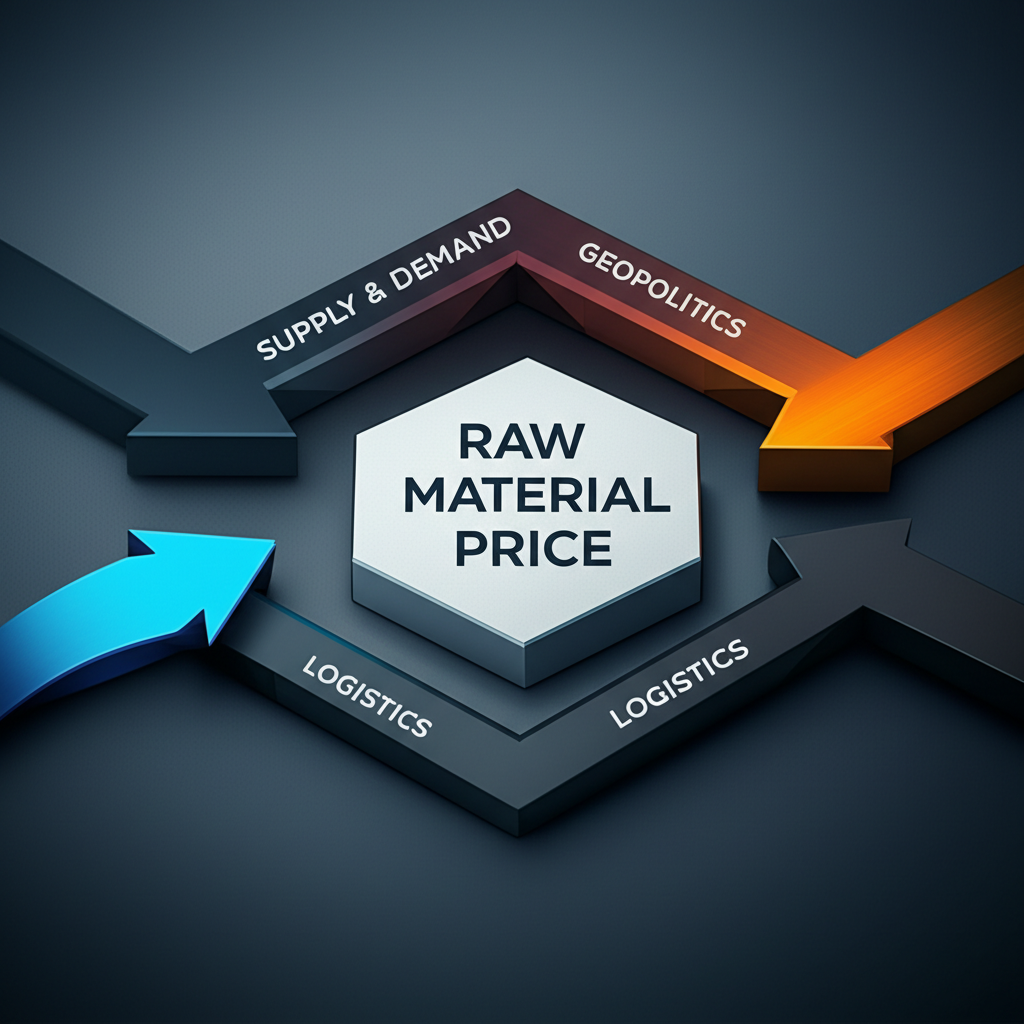
The prices of forging materials are not static; they exist in a constant state of flux driven by a complex web of global economic and political factors. Understanding these drivers is crucial for anticipating changes and mitigating their impact. Price volatility stems from multiple sources that can disrupt the delicate balance of supply and demand, leading to sudden and significant cost adjustments.
Several key factors contribute to this instability:
- Global Supply and Demand: Economic growth in major markets increases the demand for steel, aluminum, and other metals for construction, automotive, and consumer goods, driving prices up. Conversely, economic slowdowns can lead to a surplus and lower prices.
- Geopolitical Events and Trade Policies: Actions such as tariffs can have a swift and dramatic effect on costs. For instance, tariffs on imported steel and aluminum can increase costs for fabricators who rely on global sources, forcing them to either absorb the expense or pass it on to customers. International conflicts, like the Russia-Ukraine war, can also disrupt the supply of key commodities and energy, causing prices to surge.
- Energy and Transportation Costs: The extraction, refinement, and transportation of raw materials are energy-intensive processes. As a result, fluctuations in oil and natural gas prices directly translate into higher material production costs. Similarly, logistical disruptions, such as port congestion or shipping container shortages, can increase transit costs and lead times, adding to the final price.
- Currency Exchange Rates: For companies involved in global trade, currency fluctuations introduce another layer of risk. A weaker domestic currency can make imported raw materials significantly more expensive, even if the commodity's base price hasn't changed.
- Environmental Regulations: As sustainability becomes a greater focus, stricter environmental regulations on mining and processing can increase compliance costs for producers. These higher costs are often passed down the supply chain, affecting the price of raw materials.
The Ripple Effect: How Price Hikes Impact Business Operations and Pricing
When raw material costs rise, the consequences for a forging business extend far beyond a simple line item on a balance sheet. The volatility creates a cascade of operational and financial challenges that require careful management. The most immediate effect is on profitability. If a company is locked into a fixed-price contract with a customer, a sudden spike in steel prices can severely compress profit margins or even lead to a direct loss on the project.
This uncertainty complicates the quoting process for new and long-term projects. Estimators must forecast material costs for the entire duration of a project, a difficult task in a volatile market. If they quote too low, they risk losing money. If they quote too high to create a buffer, they may lose the bid to a competitor. This challenge forces businesses to either build risk premiums into their prices or negotiate contracts with escalation clauses that allow for price adjustments based on market indices.
Ultimately, sustained increases in material costs often must be passed on to the end customer. This can strain relationships and impact competitiveness, especially if clients are also facing their own budget pressures. The decision of how and when to adjust prices is a delicate balancing act between maintaining financial health and retaining customer loyalty. These price hikes can also influence design and engineering decisions, prompting customers to seek alternative materials or manufacturing processes to control costs.
Forging Ahead: Strategies to Mitigate the Impact of High Raw Material Costs
While manufacturers cannot control global commodity markets, they can adopt proactive strategies to manage and mitigate the impact of raw material price fluctuations. Building operational resilience is key to navigating uncertainty and maintaining a competitive edge. By focusing on smart procurement, efficient processes, and strong partnerships, businesses can buffer themselves against market volatility.
Effective strategies include:
- Strategic Sourcing and Supplier Diversification: Relying on a single supplier or region creates significant risk. By diversifying the supplier base, companies can reduce their vulnerability to localized disruptions, tariffs, or political instability. Building long-term relationships with multiple reliable suppliers provides flexibility and leverage in negotiations. For businesses in specialized sectors, partnering with a certified expert can ensure consistency and quality. For example, companies seeking high-quality automotive components often turn to specialists like Shaoyi Metal Technology, which offers IATF16949 certified hot forging and in-house die manufacturing to ensure precision and efficient delivery.
- Long-Term Contracts and Hedging: Where possible, negotiating long-term, fixed-price contracts with suppliers can lock in material costs and create budget certainty. For larger operations, financial hedging in commodity markets can offer a form of insurance against sudden price spikes, though this requires specialized financial expertise.
- Optimizing Material Usage and Reducing Waste: Improving process efficiency is a direct way to combat rising costs. Utilizing advanced design software and precision manufacturing techniques like CNC machining helps maximize material utilization and reduce scrap. Every ounce of saved material translates directly to the bottom line, making lean manufacturing principles more valuable than ever.
- Agile Inventory Management: Finding the right balance between just-in-time (JIT) inventory and maintaining a buffer stock is critical. While JIT minimizes storage costs, it increases exposure to price spikes. A more agile approach involves monitoring market trends to strategically purchase and stockpile key materials when prices are favorable, without tying up excessive working capital.
- Adopting Sustainable Practices: Incorporating recycled or reclaimed metals can reduce dependence on virgin raw materials, which are often more volatile in price. Adopting energy-efficient processes also helps lower indirect production costs, providing another buffer against rising expenses.
Navigating Market Volatility with Strategic Planning
The impact of raw material costs on forging prices is an undeniable and persistent challenge in the manufacturing sector. As we've seen, these costs are influenced by a complex interplay of global economics, geopolitical tensions, and logistical realities. Forging businesses that not only understand these dynamics but also implement robust strategies to manage them are best positioned for long-term success. The key is not to eliminate risk—an impossible task—but to build a resilient and adaptable operation.
Ultimately, success hinges on proactive management rather than reactive adjustments. By diversifying supply chains, optimizing internal processes, fostering strong supplier partnerships, and maintaining open communication with customers, forgers can navigate the turbulent waters of commodity markets. This strategic approach transforms a significant vulnerability into a manageable business variable, ensuring stability and competitiveness even when market conditions are unpredictable.

Frequently Asked Questions
1. Why is the cost of raw materials important?
The cost of raw materials is critically important because it is typically the largest single component of a manufactured product's total cost. In industries like forging, materials such as steel and aluminum can represent over half of the production expenses. Therefore, any fluctuation in their price has a direct and significant impact on a company's profit margins, pricing strategies, and overall financial stability.
2. What are the factors that influence materials prices?
Material prices are influenced by a wide range of factors. The most significant include global supply and demand, energy costs for extraction and processing, geopolitical events like tariffs or conflicts, logistical and transportation costs, and currency exchange rates. Environmental regulations and the overall health of the global economy also play crucial roles in determining price levels and volatility.
3. What happens to supply when the cost of raw materials increases?
When the cost of raw materials increases, it becomes more expensive for producers to supply the same quantity of goods. This often leads to a decrease in the overall supply available at a given price, effectively shifting the supply curve to the left. Producers may cut back on production to protect margins, or they may need to charge a higher price to cover their increased costs, which can in turn reduce demand.
4. How does cost of production impact price?
The cost of production is a fundamental determinant of a product's final price. A business must set a price that not only covers all production costs—including raw materials, labor, and overhead—but also generates a profit. If production costs rise, the company must either absorb the cost and accept a lower profit margin or increase the product's price to maintain its profitability. In a competitive market, this often involves a careful balance to avoid pricing oneself out of the market.