 Small batches, high standards. Our rapid prototyping service makes validation faster and easier —
  EN
EN


Kako rezati metalni list za čiste ivice, čvrste krivulje, bez preobrazbe
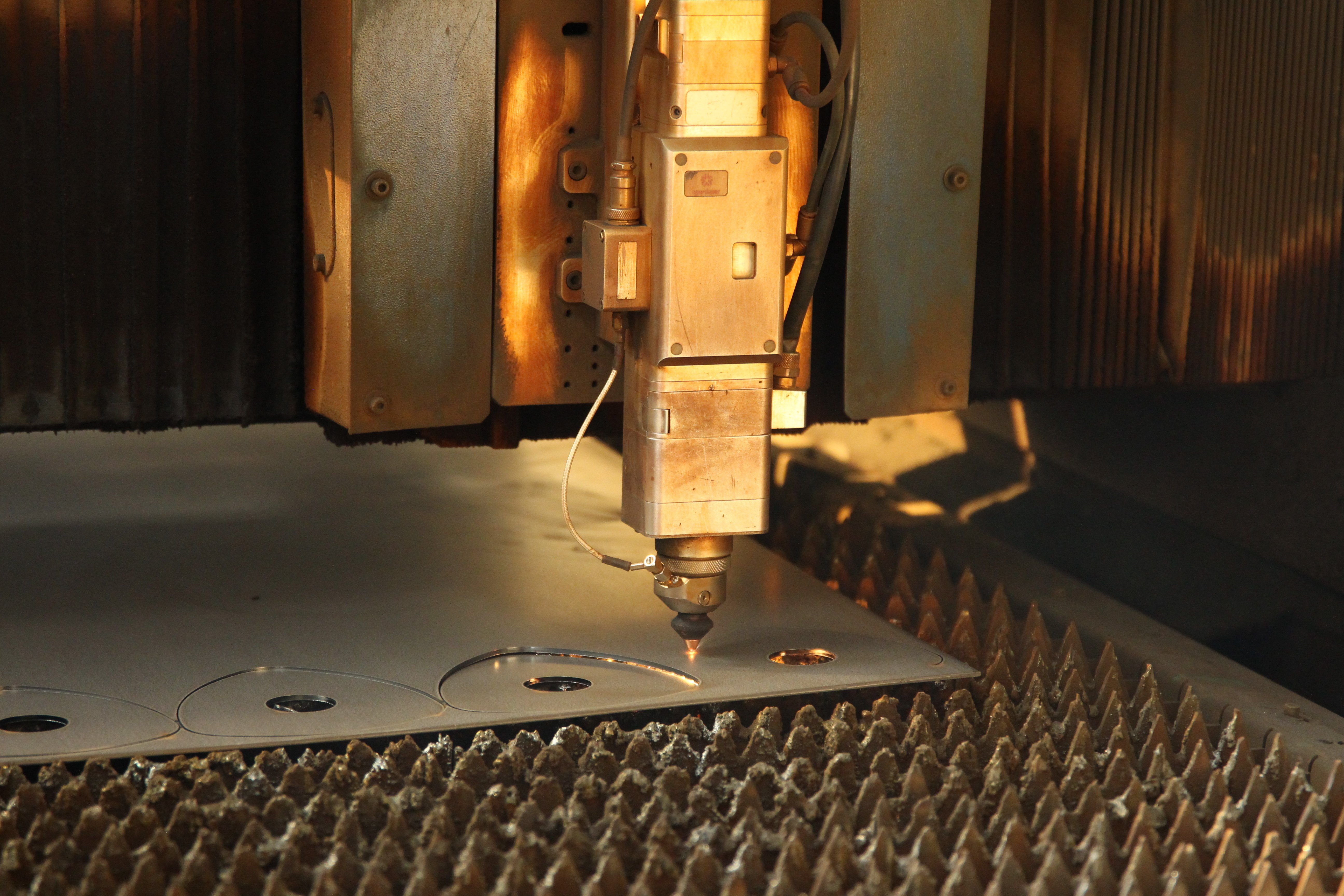
Kako se reže metalni list počinje s planiranjem
Tanak list kažnjava nagađanje. Za razliku od debljih, može se savijati pod silom rezanja, vibrirati i odletjeti s linije. Uvodnice Yumoto-a ističu da su tanki dijelovi posebno osjetljivi na vibracije, distorzije i promjene dimenzija tijekom sečenja. Zato se učenje rezanja ploče počinje prije nego što se alat pojavi. Ako se pitate kako čistije rezati metal, prvo morate znati što je to list, kakva vam je kvaliteta i kako točno se reže.
Prepoznajte metal prije nego što ga isečete
Prvo provjerite crtež, specifikacije dobavljača ili oznaku materijala. Na rezultat utječu vrsta metala, debljina, temperament i stanje površine. Izrezan ili laserskim rezom ivica može pokazati povlačenje, fraktura, burrs, konicno, ili toplinski učinci ovisno o procesu, kao što je opisano u ovom vodič za projektiranje ploča - Što? Zato kako se reže čelik, kako se reže aluminijumski i kako se reže čelični list nisu isto pitanje.
- Potvrdi vrstu metala i debljinu
- Sljedeći članak:
- Odlučite hoće li rub ostati izložen ili skriven
- Definirajte rez: ravnu liniju, krivu, zarez ili unutarnji otvor
- Provjerite hoće li se dio kasnije savijati, bušiti ili postaviti
Odgovarajte na stilu rezanja i na završetak koji vam je potreban
Kratke obrezi i blage krivulje obično zahtijevaju drugačiji pristup od dugih ravnih staza ili unutarnjih rezova. Ako se ogrebotina vidi, planirajte minimalne otpadove i manje čišćenja. Ako je posjekotina skrivena, brzina može biti važnija od izgleda. Kada ljudi pitaju kako dobro rezati metal , to je obično pravo pitanje: usklađivanje metode s gotovim dijelom, a ne samo s materijalom.
- Identificirajte metal i potvrdite debljinu.
- Označite dobro lice i bilo koju obloženu površinu za zaštitu.
- U slučaju da je to potrebno, izberite tip reznice i željenu završetak rubova.
- Ostavi prostor za odgraviranje, prikladanje ili kasnije oblikovanje.
Česte pogreške u planiranju koje uništavaju tanak list
Najveće greške se dešavaju prije prvog rezanja. Ako se na svakom listu koristi ista metoda, ako se ne obrađuje završena strana i ako se vidljiva obala tretira kao otpad, sve to dovodi do ponovnog rada. Isto vrijedi i za rezne dijelove koji su previše blizu rubova ili budućih savijanja, gdje je tanak materijal skloniji izbočenju ili deformaciji. Nekoliko minuta planiranja održava ploču ravnijom, liniju ravnijom i čišćenje lakšim. Odatle, pravo pitanje postaje jednostavno: koji alat odgovara vašem rezanju bez oštećenja plahte?
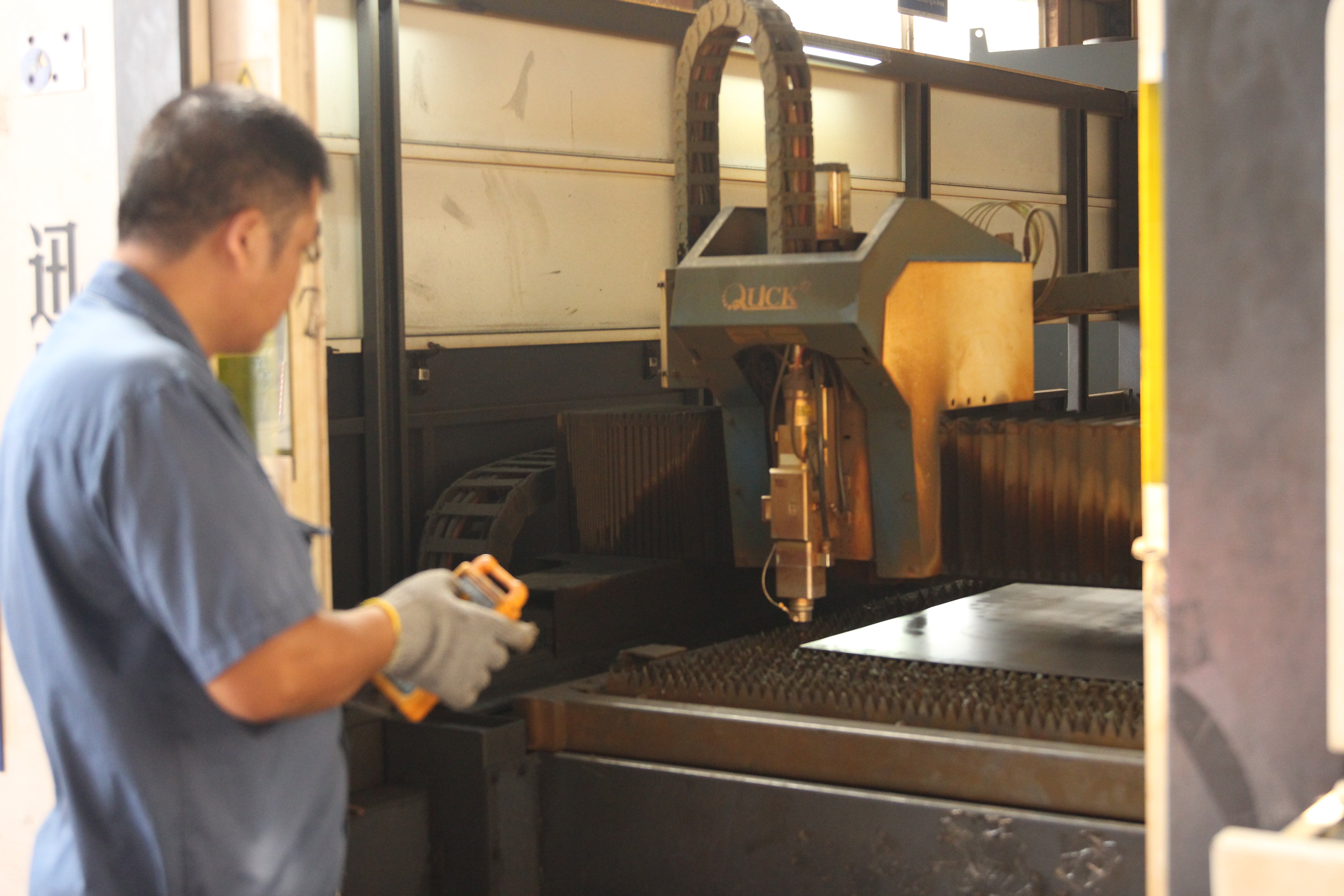
Najbolji alat za rezanje metala po scenariju rezanja
Izbor alata je kada dobar plan ili ostane čist ili počinje stvarati preobrazbu. TZR okviri za rezanje ploče oko debljine, kvalitete rubova, složenosti rezanja, količine proizvodnje i troškova. Eastwood u ovom slučaju, za razliku od ostalih, u slučaju da se u proizvodnji koristi samo jedan alat, to znači da je jedan alat bolji za duže ravne rezove, dok je drugi daleko bolji za konture. Zato je popis alata za rezanje metala samo početna točka. Među mnogim alatima za rezanje metala, pravi izbor ovisi o liniji koju trebaš slijediti i o ivici koju želiš očistiti.
Najbolji alat za ravne rezove, krivulje i obradne obloge
| Alat | Najbolja uporaba | Stroj za rez | Kvalitet završetka | Učenje | Ograničenja | Brzina | Razina troškova | Bezbednosna pitanja | Približna pogodnost materijala |
|---|---|---|---|---|---|---|---|---|---|
| Ručni rezovi | Mali rezovi, zakrpe, detaljni radovi | Kratke ravne linije, blage krivulje | Dobro ako je kontrolirano. | Nisko | Umoranost ruku, može se okrenuti na otpadnu stranu | Sporo | Nisko | Oštri rubovi, stisnuti prsti | Tanak list |
| Ručne makaze | S druge površine | Uglavnom ravno | Dobro | Niska do srednja | Manje prenosiv, ograničen obronak | Srednji | Niska do srednja | Mjesta prijema prstiju | Tanak do umjeren list |
| Električne makaze | Duže vožnje, ponavljanje rada na ploči | Pravim i širokim krivuljama | Dobro | Srednji | Uklanja usku vrpcu otpada | Brzo | Srednji | Oštro odrezanje trake, buka | Tanak do umjeren list |
| Sljedeći članak | S druge strane, za uređaje za proizvodnju električnih vozila | Čvrste krivulje i složeni oblici | Zadovoljavajuće do dobro | Srednji | Ostaje mali čipovi, ivica može trebati čišćenje | Srednje do brze | Srednji | Leteći čipovi, oštar otpad | Slastice, posebno detaljne reznice |
| Pilnih češljeva | Odseci i umjerene krivulje | S druge konstrukcije | Zadovoljavajuće do dobro | Srednji | Može vibrirati tanko list ako nije podržan | Polako do srednje | Niska do srednja | Čvrsto se čuvaju. | Tanak do umjeren list |
| Cirkularna pila | Duge ravnoteže u velikim listovima | Ravno | Dobar sa desnim oštricom. | Srednji | Ne voli uske zavoje, može se vezati. | Brzo | Srednji | Buča, čipovi, snažna reakcija alata | Veći paneli, tanak ili deblji list |
| Trakasta pila | S druge strane, za proizvodnju proizvoda od metala | Ravno i nježno krivulje | Dobro | Srednji | Manje prenosiv, ograničen veličinom stroja | Srednji | Srednje do visoko | Držite ruke dalje od puta oštrice. | S druge strane, za proizvodnju proizvoda iz tarifne kategorije 9403 |
| Kutni šlifer | Brzi grubi rezovi, uski pristup | S druge vrste | Goruša oštrica | Srednje do visoko | Više iskre, više grla, trovanje kotača | Brzo | Niska do srednja | U slučaju da se ne primjenjuje, potrebno je osigurati da se ne pojačavaju. | S druge vrste |
Ako pokušavate odabrati alat za rezanje ploče u kući, prvo razmislite o načinu rezanja. Pravim linijama obično se odaju prednost škare ili žage. Zakrivljeni i unutarnji otvorovi obično su pogodni za štapove, štapove ili slagalice. Brzo obrezivanje gruba se naginje prema kutnom brušenju, ali čišćenje obično raste.
Ručni alat protiv električnih alata za tanak list
Ručni alat daje osjećaj. Električni alat vam daje brzinu. Za tanke ploče, taj kompromis je važniji nego što mnogi početnici očekuju. Ruke za rezanje metala, posebno rezanje, lakše se usporavaju uz vidljivu liniju. Također su manje zastrašujuće na malim poslovima. Moćne šiške se kreću puno brže i, kako ističe Eastwood, mnogi dizajn s tri oštrice pomažu spriječiti deformaciju, iako uklanjaju tanku traku otpada. Grizlice uklanjaju samo malu količinu materijala i mogu se okrenuti na svoje mjesto, što ih čini posebno korisnim za složene konture. Krugaste žage su učinkovite na dugim vožnjama, ali trebaju odgovarajuću metalnu rezačku oštricu i čvrstu podlogu kako bi se izbjeglo vezanje. Dakle, najbolji alat za rezanje metala nije jedan univerzalni odgovor. To je alat koji odgovara vašoj dužini, obliku, cilju završetka i razini udobnosti.
Kada je jeftinija opcija zapravo bolja
Ponekad je jeftinija opcija pametnija, a ne kompromis. PA Steel predlaže da prije nego što izaberete alat za rezanje metala, razmislite o materijalu, vrsti posla, proračunu i iskustvu. Taj savjet je najvažniji na tankom listu, gdje su moćni alati mogu stvoriti više distorzije nego napredak.
- Za jednokratne obrade ili popravke: Počnite s ručnim rezovima ili jednostavnim ručnim šišanjem. One su jeftine, lako se kontroliraju i često su čistije za male poslove nego naglo prekid struje.
- Vidljiva ivica, prečica: Često su rezači najbolji alat za rezanje metala kada je preciznost važnija od brzine.
- Sljedeći članak: Električne makaze ili škakljač imaju više smisla kada umoranost ruku počne usporavati.
- S druge vrste: Okrugla pila postaje bolji alat kada brzina i dosljednost linije su bitni.
- U slučaju teškog rada ili ograničenog pristupa: Ugao brušenje je korisno, ali samo kada možete upravljati iskre i prihvatiti dodatni rub završetak.
Ako kupite samo jedan alat za rezanje metala, kupite za rezanje koje najčešće pravite, a ne za onaj koji zamislite da ćete jednog dana napraviti. Čak i najbolji alat za rezanje metala će se boriti ako je panel slobodan da se pokreće, šapće ili štikne oštricu, što je točno mjesto gdje postavljanje počinje odlučivati o rezultatu.
Kako rezati tanak metal bez fleksibilnosti ili vezivanja
Pravi alat može ipak propasti ako se list može slobodno pomaknuti, spustiti ili pomaknuti. Uputstva iz kanadskog metalurškog ureda pokazuju da se češće počinju štikati i vezati kada se materijal koji se ne drži pomera i kad se reza zatvara na kotaču. Ako ste se ikada pitali: "Kako da sečem metal bez šaputanja ili hvatanja", postavljanje je obično nedostajući dio. Za svakoga tko uči kako čistiti metalne ploče, podrška je važna koliko i izbor alata.
Kako poduprijeti tanak list bez iskrivljanja
Podržite obje strane linije. Držite dobar komad ravnim, i dati otpad strani prostor da se pomakne umjesto vuče natrag u rez. Na dugim ili fleksibilnim pločama koristite stabilnu klupu, dodatne podupire ili žrtvovan podupire kako bi list nije pao dok se rez napreduje. To je veliki dio načina rezanja tankog metala bez savijanja ploče ili zatvaranja rezača na oštri ili disku.
Zavucite list, podržite obje strane linije i ostavite odsjek slobodan. Većina vezanja počinje kada jedan od tih tri nedostaje.
Zavucite natrag i pravilno postavite ploču
- Složite list na stabilnu površinu uz podršku ispod cijele staze.
- Zavucite radnu ploču na klupu umjesto da je držite rukom.
- Postavite spone natrag od rez tako da alat može slobodno kretati.
- Označite liniju gdje je možete jasno vidjeti iz položaja rezanja.
- Ako želite smanjiti ogrebotine ili ugruške od kljove i spona, stavite čistu podloge ispod gotovih lica.
- U pravcu je dugačka reza tako da možete upravljati alatom u stabilnoj, kontroliranoj liniji bez nelagodnog dodira.
Kako spriječiti vezivanje tijekom sečenja
Ostavi dovoljno mjesta na strani otpada. Ako se odbijanje zaglavi, može okrenuti reznice ili štiknuti oštricu ili disk. U istom izvoru navodi se da bi se presjecivači trebali držati u četvornici i ne smiju biti na bočnom mjestu, jer se presjecivanje radi na rubu kotača, a ne na bočnom mjestu. Tanak list i napeti dijelovi također mogu neočekivano se zatvoriti, tako da kontrolirani napredak nadmašuje prisilno duboko prolazak. Kad se ploča drži i otpad se odvija, ručne rezove lakše se čisti.
Kako koristiti komadiće od cimeta za čiste metalne rezove
Uz podrsku ploče, ručni alat prestaje biti sirov i počinje se osjećati precizno. Za kratke ukraske, dijelove za zakrpu i tanke dijelove gdje će rub ostati vidljiv, snips često ostave bolji rezultat nego naglo prekidanje struje. Ako ste došli ovdje tražeći "ručno pilom za rezanje metala" ili se pitaju "može li pilom rezanje metala", ovo je obično lakši način za kontrolu na svjetlosnom žaru. Osnovni lanac za cinkiranje može nositi male ravne radove, dok vam složen zrakoplov, ili lanac za lanac, daje više utjecaja uz manje napora ruke.
Kako koristiti komadiće od cinkara bez iskrivljanja ploče
Tradicionalni čepovi od lana, ponekad nazvani buldoški čepovi, dobri su za ravne rezove i ograničene krivulje. Avionske snipe koriste spojnu akciju kako bi se lakše rezao tvrđi materijal, kako je opisano u Loweovom vodiču. Za najčistiji rezultat, počnite s vanjske strane kako bi se otpad mogao odvojiti dok napredujete. AGWeb primjećuje da se jedna strana rezova postaje otpadna strana i teži da se ukrca, a da se rezanjem sve do vrhova vilica ostavlja krug na rubu.
- Obuci teške rukavice i zaštitne naočale prije prvog rezanja.
- Počnite s ruba tako da se komadići uđu čisto i otpad ima prostora za kretanje.
- Stavite metal duboko u čeljusti za polugu, ali ne završite svaki udarac na samom vrhu.
- Učinite kratke, preklapajuće rezove umjesto jednog dugog zalogaja.
- Držite čeljusti pravougaono na list, posebno na zakrivljenim.
- Neka se otpadna strana okrene od dobrog komada umjesto da ga natjera da se podigne.
- Na uskim oblikama, prvo obrišite višak otpada tako da upravljate samo uskom traku.
Taj ritam održava tanak list ravnim. Svaki put ga moraš nagoniti da ugrize, okrenuti alat u zavoj ili previše agresivno zatvarati čeljusti, pa se ploča počinje trljati, ugubljati ili odvoditi s linije.
Izbor lijevo desno i ravno rezati snips
Cijeli set metalnih posude obično znači tri alata. I Loweov vodič i AGWeb opisuju standardnu postavku:
- Odrezan, obično žuti: najbolje za kratke ravne linije, zareze i blage krivulje.
- Lijeva, obično crvena: najbolje za krivulje koje okreću lijevo, s otpadom na lijevoj strani.
- Odrezan, obično zeleni: najbolje za krivulje koje okreću desno, s otpadom na desnoj strani.
Ako imate samo jedan komad, model s pravim rezom pokriva i najosnovniji rad. Ako često rezate krivulje, dodajte lijevo i desno rezanje za rezanje metala tako da otpad prirodno odlazi od završene ivice. Potraga za "tin snips sheet metal" obično vodi ovamo jer je ovdje gdje početnici dobivaju najviše kontrole za najmanje novca.
Kad ručne šiške poraze električne alate
Ručne šiške su sljedeći korak kada je posao još uvijek mali, ali linija mora ostati ravnija nego što slobodna ruka može lako držati. Sjekire za postavljanje na klupi pogodne su za rad sa srednjim listom i ravnim rezovima, kako je sažeto u Seatherovom vodiču. Oni imaju smisla za kvadratne rubove, obrezanje ponavljaju praznine, i radi kratke stolice rad gdje završetak kvaliteta je važnija od brzine.
- Ne nagnite se na krivu. Držite čeljusti kvadratne prema metalu.
- Ne rezati do samog kraja oštrica na svakom udaru.
- Ne ostavljajte visoki otpadni poklopac. Suzi ga tako da se može ukrcati.
- Ne prelazite nominalnu debljinu alata. U pakiranju se često navode odvojeni kapaciteti za list i nerđajuće materijale.
Ruke sjaje kada je kontrola najvažnija. Kad se rez dovoljno produži, dovoljno čvrsto ili dovoljno ponavlja da pritisak vaše ruke počne upravljati linijom, pogonski alat počinje raditi.
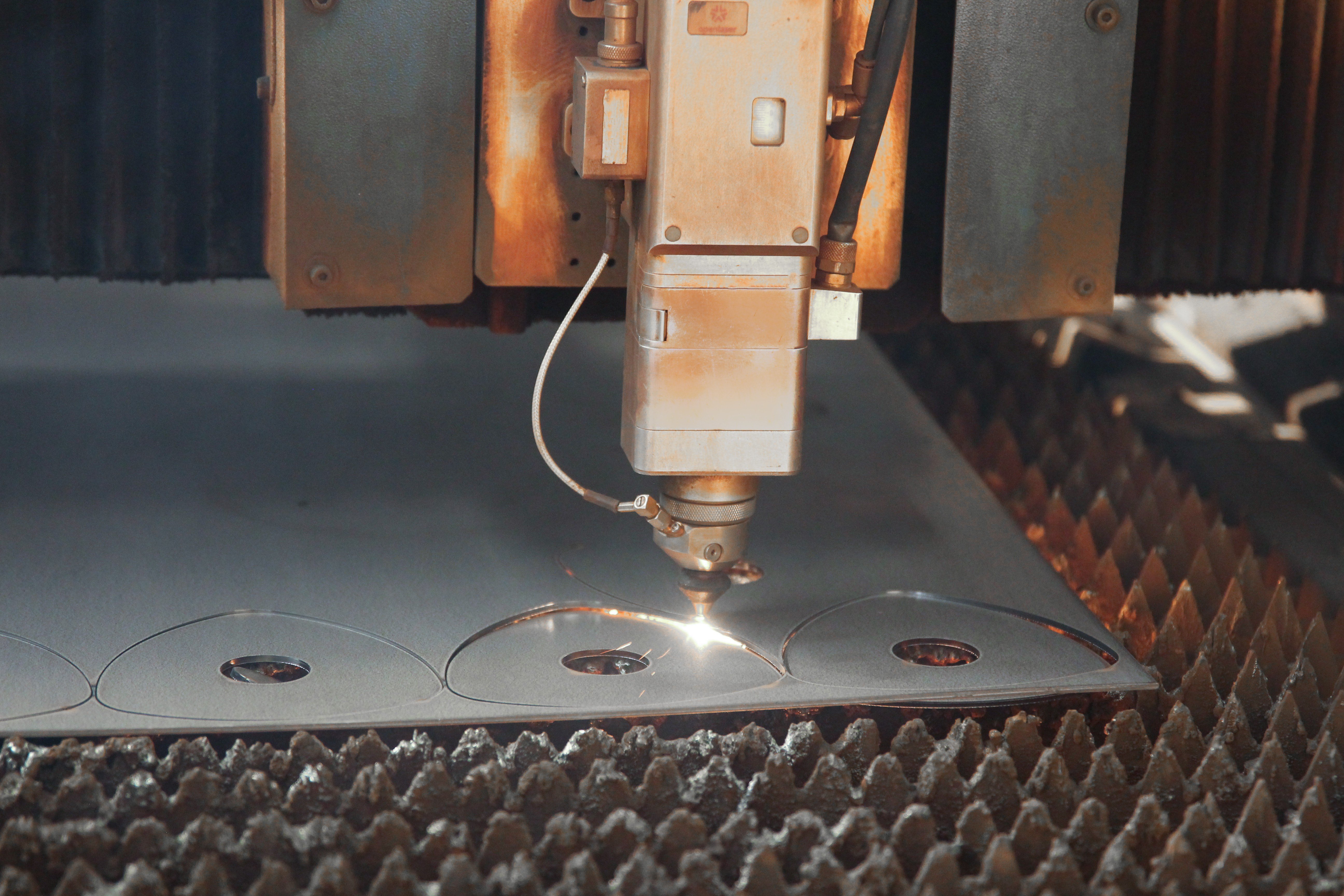
Električni alat za rezanje dugih i čvrstih metalnih listova
Ručni rezovi su odlični dok linija ne postane duga, metal postane čvršći, ili vaše držanje počne upravljati rezom. Električni alat će to riješiti, ali tanka ploča još uvijek loše reagira na pogrešan dodatak ili previše sile. Odjeljak 5. napominje da se kružne, miter, grickalice i mljevari mogu rezati metalni list ako se alat prilagodi zadatku i koristi u skladu s njegovim ograničenjima. Kvalitet ruba također brzo opada kada je potpora slaba, češće je ili pritisak za hranjenje izmiče ravnotežu, što je obrazac koji se objašnjava u ovom vodiču za stvaranje bradavice. Najčistiji rez počinje prije nego što se povuci obarač.
Kako napraviti dugačke ravne rezove električnim alatom
Za duže vožnje, motorne makaze i škrgači su posebne opcije za metalni list, dok se testere koriste kada vam je potrebna vodljiva linija. Za rezanje metala s kružnom pilom, uklopiti pravo ostrog za rezanje metala i potvrditi da je pilja stvarno prodajena za rad na metalu. Benchmark ukazuje na čepele s karbidnim vrhovima kao na uobičajeni izbor za kružne žage, ali također upozorava da ih ne prihvaćaju sve žage. U obitelji pilana, legendarne i trake pilane više se oslanjaju na kontrolu nego na brzinu. s masenim udjelom od 0,15 mm ili većim od 0,15 mm s masenim udjelom od 0,01 do 0,01 mm obično je mirniji i lakši za praćenje. Žlijebovi još uvijek imaju mjesto kada je pristup uski ili završetak nije glavni prioritet.
- Prvo provjerite priručnik za alat i postavite ispravno oštro ili kolo za materijal.
- Podržite list s obje strane rezane ploče i ako je potrebno, dodate drvenu podlogu ispod tankog materijala.
- Prije puštanja u rad stavite zaštitu za oči i sluh.
- Koristite stabilan pritisak umjesto da ga gurate naprijed.
- Pratite da li je vrućina u porastu, vibrira ili je rub, a zatim zaustavite i ispravite postavljanje prije nego nastavite.
- Prije nego što ga postavite, pustite da se alat potpuno zaustavi, a zatim maknite čipove, poluge ili iskre s radnog područja.
Kad piletina bolje završava nego mljevar
Pila obično pobjeđuje ako je rub vidljiv. Cold Saw Shop povezuje bradavice s deformacijama, prekomjernom snagom rezanja, tupim oštricama i lošom podrškom. Ti se problemi češće javljaju kad se otpuštanje trči kroz tanak materijal. Oštro. ostrog za rezanje metala na kružnoj žari, zagonetke ili trake žari uklanja materijal na kontroliraniji način, tako da ivica ima tendenciju da ostane ravnija i hladnija. Zato i... za rezanje metala s pilom za vještine setups je često bolje za dugo vidljive rezove nego hvatanje prvi s druge konstrukcije to je na klupi. Nasuprot tome, s pomoću ugla za brušenje čelika brza i fleksibilna, ali obično znači više iskra, više buke i više čišćenja. Ako istražujete s masenim udjelom od 0,15 mm ili većim , imajte na umu Benchmarkovo upozorenje: tanka materijala mogu se savijati pod silom pilu, tako da su drvena podrška i ispravno oštro bitni.
Kako kontrolirati iskre
Mali izbori postavke čine veliku razliku. U Benchmarkovom vodiču za tanke kotače navodi se da kola od 1 do 1,6 mm uklanjaju manje materijala, što im pomaže da brže, čistije i manje toplotno režu nego deblja kotača. To je važno kada se premazi mogu promijeniti ili kada ne želite da se rub više od nužne.
- -Grizgači. Režu brzo, s malim distorzijama, ali ostave oštre kovrčaste folije. Čisti ih odmah s klupi.
- S druge konstrukcije Kad sečeš metal kružnom pilom, potpuna podrška je važna jednako kao i izbor oštrice. Nepodržana ploča može stisnuti oštricu i pokvariti liniju.
- S druge konstrukcije od željeza ili čelika Neka se oštrica hrani svojim tempom. Ako se pritisne jače, povećava se deformacija i grčevi.
- S druge dimenzije: Držite kotač u rezalu i koristite bočnu ručicu. Benchmark napominje da bočna ručica pomaže u kontroli povratnog udara, a kotač bi trebao rezati na svojoj ivici, a ne na strani.
- S druge konstrukcije Ako s masenim udjelom od 0,15 mm ili većim ako je na vašem popisu, provjerite kompatibilnost oštrice prvo i nazad tanke ploče sa drvetom da se ograniči savijanje.
Dugi redovi su samo pola posla. Problem obično počinje tamo gdje se rezanje mora okrenuti, zaustaviti se tesno do ugla ili početi negdje u sredini listova.
Kako se režu unutarnji otvorovi u metalnom listu
Unutrašnje reznice su gdje tanki list prestaje oprostiti greške. Otvorenje ventilacije, utičnice ili pristupna ploča počinju od rubova, tako da prvi potez manje radi o sili, nego o stvaranju čiste ulazne točke. Ako se pitate kako se rezati kroz metal u sredini ploče bez kinking ga, odgovor je obično bušen početak, kontrolirana alat put, i jasan zaustavljanje na svakom uglu.
Kako početi sa unutarnjim rezom bez oštećenja ploče
Mekalit stavlja osnovne stvari u pravi redoslijed: čvrsto stegnite list, jasno označite otvor i središnjem udarom počnite da bušilica ne luta. Za okrugle otvore, ta probojna oznaka može voditi step bušiti bit ili rupe pila. U istom vodiču preporučuje se za kvadratne i pravougaone reznice bušenje početnih rupa, često na uglovima, a zatim rezanje između njih s leglom ili motornim ždercem.
- Zavucite ploču na stabilnu klupu.
- Označite otvor s finim bodom ili šablonom.
- U sredini udarac početnu točku, ili svaki ugao na pravokutnom rasporedu.
- Izbušite otvor dovoljno velik da bi se probudila oštrica ili čeljusti.
- Ubaci alat i polako seči do linije, čime se štiti od pada u rez.
- Zaustavite se na bušenim uglovima umjesto da ih prolazite, a onda očistite rub nakon što otvor bude završen.
Izrada uglova i rezova u uskim radijusima
U uskim zavojima metalni list se raspada, isteže ili prelazi. Mekaliteova metoda snipa predlaže da se počne od ulazne rupe i prvo seče u spiralu, što uklanja središnji otpad prije posljednjeg prolaska na liniji. Tako se manje savije tanak materijal. Za unutarnje uglove, bušite izvore u uglu kao reliefskih točaka. Oni daju oštricu negdje zaustaviti, što pomaže zaštititi okružnu ploču.
- Svaka unutarnja strana mora biti prvo izbušena na kvadratnim ili pravougaonim otvorima.
- Neka svaki ravni rez sretne ugaonicu. Ne pokušavajte se okrenuti sa oštricom zakopanom u plahtu.
- Izrežite višak otpada po korakih kako se ostatak ne bi udario u dobro lice.
- Na malim rezovima, napravite kratke kontrolirane rezove i file posljednji bit za oblik.
- Ako želite znati kako obrezati metalni list u uskom radijusu, uklanjajte otpad postepeno umjesto da pokušavate u jednom gušću da ga obrezate.
Najbolji alat za otvaranje i detaljan obradni posao
Nijedan alat za rezanje ploče ne može dobro nositi svaki unutarnji otvor. Step bušilica je idealna za male čiste rupe u tankom materijalu. -Prekida za rupe odgovara većim okruglim rezama. Slagalica s metalnim rezačem ili električnim žderom obično je bolji izbor za ventilacijske otvorove, izlaznice i pristupne ploče nakon što su bušine za pokretanje bušine. Avionske snipe još uvijek rade na tanjem materijalu kada je otvor mali i kontrola je važnija od brzine.
Rotirajući alat može pomoći u radu detalja, ali najbolje je tretirati ga kao mali alat za rezanje metala, a ne brzu opciju za sve namene. Ako se pitate može li dremel rezati metal, kratak odgovor je da, ali Mekalite FAQ navodi da je potrebna vrlo čvrsta ruka. To ga čini korisnim za male korekcije, popravke ili ušuljanje u kut nakon glavnog rezanja. Otvorenje može biti gotovo u tom trenutku, ali rub rijetko, i oštre bradavice čekaju baš gdje ruka ide sljedeći.
Kako se deburr ploča metal i riješiti uobičajene probleme
Svježe rezane otvore su gdje ruke dobivaju kažnjeni. Čak i najčistiji rezovi mogu ostaviti oštru i malo krhku stranu ili dovoljno grubu da utječe na uklanjanje. Izvodioc u članku "Predmet za razvoj i razvoj tehnologije" objašnjava se da se odbradanjem uklanjaju oštre grede, dok se okrugljavanjem rubova ide dalje tako što se rubovi omekšaju kako bi se bolje rukovodio i postigao bolji rezultat u daljnjem prigu, kao što su bojenje i monta SendCutSend dodaje da se odmaranje može narušiti u skladu, završetak i dugotrajnu izdržljivost stvaranjem mjesta gdje se gomila korozija ili čestice. Rezanje nije stvarno završeno kada otpad padne.
Kako sigurno obrisati metalni list
Za jednokratni rad, počnite s najlakšom metodom koja odgovara nedostatku. Ručna file, grabar, alat za odgraviranje, abrazivni podlogač ili mali rotirajući alat omogućavaju veću kontrolu nego brušenje teškog metala na tankom listu. Ako još uvijek želite da koristite klasični metalni filer, dobro ga podržite i koristite kratke, ravne poteze. Prvo uklonite čep, a onda malo ublažite rub ako ćete rukovati dijelom, bojati ga ili ga koristiti oko žice. To je važno jer ivica bez bradavice nije automatski zaobljena ivica.
Nosi rukavice i zaštitu očiju, i pretpostaviti svaki svjež ivica, čip, i rezanje je dovoljno oštro da se poreže kožu.
Oprava grubih i neravnih rubova
- Smanjena površina: Prvo ispisati ili otkloniti visoka mjesta. Tanka plahta obično izgleda još gore nakon agresivnog čišćenja.
- Prekomjerna brbljanja: Često se grmovi formiraju kad se kosi, rastrga ili dok se seče. U slučaju da se testiranje ne provodi na temelju ispitivanja, ispitni sustav mora biti u potpunosti uklonjen.
- S druge strane, u slučaju da se ne upotrijebi, ne smije se upotrebljavati. Dodajte malo zaokruženje rubova. Dio može izgledati čisto i ipak se osjećati nesigurno.
- S druge strane, za proizvodnju električnih vozila: Prebaci na lakše ručno završetak. Ručno čišćenje postaje neprostojno brzo ako ga požurite.
- Odvučen s linije: Očistite rub, a zatim odlučite je li lakše preobratiti kraj nego preopterećivati jedno mjesto filom ili mljevarom.
- Svakodnevni, opečeni rub: Potraga poput "koji metal se ne može rezati s brušnikom ili pilom" ili "ako se obrtaja pilom smanji tijekom rezanja" obično se pojavljuje nakon što je izbor alata ili pritisak u tijelu već pogrešno.
Kako očistiti metalne poluge i iskre
Ako ste se ikada pitali što je iskra od rezanja metala, gledajte na posljedice kao na opasne ostatke, a ne na bezopasnu prašinu. Veliki divljac. upozorava da se metalne ploče koje se brišu mogu ogrebati podovima, oštetiti strojeve i odbaciti komadiće u zrak. Njihova uputstva također ukazuju na opasnost od klizanja, blokirane kanalizacije i povećan rizik od požara gdje su ulja prisutna. Koristite vakuum za metalne ostatke, čuvajte ga u metalnom kantu i izbjegavajte tanke plastične vrećice koje se mogu rastrgati. Za čišćenje aluminija u zapremini, The Fabricator napominje da aluminij obično zahtijeva prikupljanje mokre prašine i često se odvaja od željeznog rada. Za male poslove, ručno završetak je dovoljno. Na ponavljaju dijelove, dosljednost postaje teži problem.
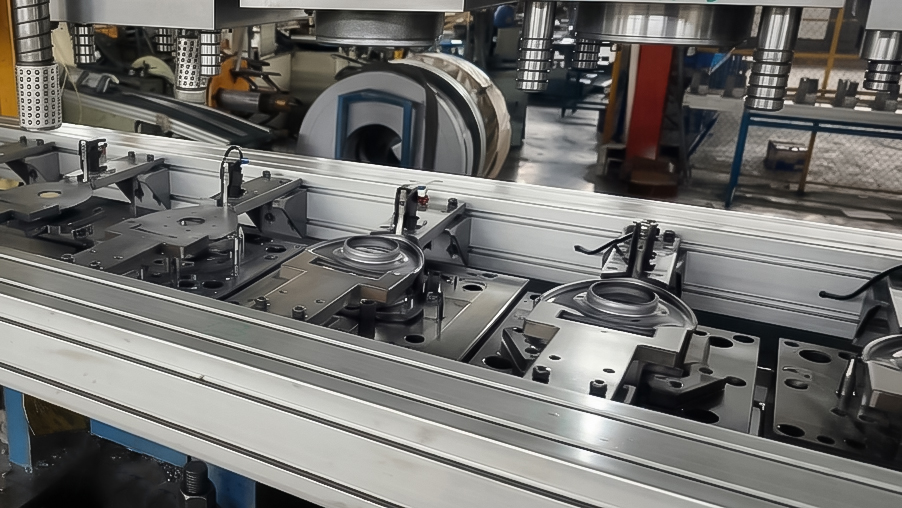
Znajte kada je precizno izrada smislenija
Jedan čist prototip na klupi je vrlo različit od 500 odgovarajućih dijelova. Za popravak, zavisnik ili testnu ploču, najbolji način rezanja plinske ploče obično je način kojim možete kontrolirati sigurnost i čist završetak. To se još uvijek događa s mnogim radovima koje se rade samostalno. Problem počinje kada ručno rezanje ploče postaje stalno prilagođavanje, ponovno obrezivanje i pokušaj da svaki dio izgleda kao prvi.
Kad je rezanje listova još uvijek pravi izbor
DIY još uvijek ima smisla kada su količine male, geometrija je jednostavna, a mala prilagodba tijekom pripreme je prihvatljiva. U takvoj situaciji najbolji način rezanja metala često je jednostavan: pažljivo ga rezati, dobro ga odrezati i krenuti dalje.
- Trebaš samo jedan ili dva dijela.
- Oblik je jednostavan, s osnovnim ravnim rezovima ili otvorima
- Smanjeno obnavljanje ili montiranje je prihvatljivo
- Dijel je prototip, popravak ili provjera rasporeda
- Ne treba vam proizvodna kozmetička konzistencija
Kada se ponavljajući dijelovi trebaju profesionalno pečatirati
Proizvodnja podiže standard. Ponavljivost dolazi od više od vještog operatera. U tom slučaju, za potrebe provedbe ovog postupka, potrebno je utvrditi i provjeriti dimenzije proizvoda. Izvana izrada također može smanjiti ulaganje u opremu, dodati specijalizirano znanje i povećati volumen brže nego što većina malih trgovina može upravljati. U proizvodnji, najbolji alat za rezanje listovnog metala možda uopće nije ručni alat, već proces izgrađen oko posebnog alata i inspekcije.
- Trebaš ponovne serije, ne jednokratne dijelove.
- Tolerancije su previše uske za ručno obrezivanje
- Dijelovi moraju ostati u istom stanju nakon što su savijeni, spojeni ili prekriveni
- U slučaju da se proizvodnja ne provodi u skladu s člankom 6. stavkom 1. točkom (a) ovog članka, za proizvodnju proizvoda koji se upotrebljavaju u skladu s člankom 6. stavkom 1. točkom (a) ovog članka, potrebno je utvrditi sljedeće:
- U automotive ili druge primjene koje se temelje na kvaliteti
Kako preći s prototipa na proizvodnju
Počnite s radnim uzorkom, zatim zaključite crtež, materijal, debljinu, završetak i sve druge operacije. U obimnom radu, rezanje ploče rijetko je samo rez. Često uključuje rad na rupama, oblikovanje, odbrusivanje, završetak i kontrolu kvalitete u jednom koordiniranom toku. Ako se vaš projekt kreće u ponavljajuće automobilske dijelove, Shaoyi je relevantni resurs za pregled. Vjeruje im više od 30 automobilskih marki diljem svijeta, nude IATF 16949 certificirani proces od brzog prototipanja do automatizirane masovne proizvodnje za pečatirane dijelove kao što su upravljačke ruke i podokviri. Takva podrška je važna kada je prototip već dokazao dizajn i dosljednost postaje pravi posao.
Pravi rez za brigu završava jedan dio. Pravi proizvodni proces drži svaki dio na specifikaciji.
Često postavljana pitanja o rezanju metalnih ploča
1. za Koji je najbolji alat za rezanje metala kod kuće?
Najbolji alat ovisi o rez, ne samo od metala. Stena ili avionska rezača obično su najbolje za kratke obloge, blage krivulje i male dijelove za popravak. Ručne šiške bolje su za ravnije rezove, dok električne šiške, škrgači, slagalice i kružne žage imaju više smisla kada se rezovi duže, čvršće ili više ponavljaju. Ako kod kuće režete tanak aluminijum, blagi čelik ili nerđajući list, izaberite alat koji vam omogućuje najveću kontrolu i najmanje čišćenja za tu određenu liniju.
2. - Što? Kako se reže metalni list bez savijanja ili deformacije?
Većina deformacija počinje od loše podrške, a ne od samog alata. Držite ploču ravnom, podupirate obje strane staze, spustite ploču natrag od linije i ostavite otpadnu stranu slobodno tako da se može pomaknuti umjesto da štipnete oštricu ili okretate reznice. Kratki kontrolirani rezovi, stabilan pritisak na hranom i žrtvovana podrška ispod tankih ploča također pomažu u očuvanju oblika i zaštiti gotovih lica.
3. Slijedi sljedeće: Može li okrugla pila sigurno rezati metal?
Da, kružna pila može rezati metalni list ako je ona prilagođena za taj zadatak i ako je opremljena ispravnim rezačem metala. Najbolje radi na dugim ravnim stazama gdje je list potpuno podržan i odrez ne može vezati oštricu. Zaštita očiju i sluha je nužna, a rez treba napraviti stalnim pritiskom umjesto da se alat prisilno probija kroz ploču. Loš je izbor za uske krivulje ili detaljne otvore.
4. - Što? Kako najbolje rezati krivulje ili unutarnje otvore u ploči?
Za krivulje, snips, grickalice i slagalice obično daju najveću kontrolu. Za unutarnje otvore prvo jasno označite oblik, a zatim bušite otvor za pokretanje kako bi alat mogao ući u ploču bez rušenja površine. Na kvadratnim ili pravougaonim rezovima, bušenje uglova pomaže da se lijepo zaustavite i izbjegnete prebrzo pucanje. Smanjeni rezovi i postupno uklanjanje otpada olakšavaju zatvaranje i smanjuju mogućnost da se razdvoji tanak list.
- Pet. Kada biste trebali koristiti profesionalnu proizvodnju umjesto brijanja metala?
Za jednokratne popravke, prototipove i jednostavne nosače, gdje je prihvatljivo manje pripeći, obično je dovoljno rezati sam. Profesionalna proizvodnja postaje bolji izbor kada vam trebaju ponavljajući se dijelovi, strože tolerancije, čistija konzistencija proizvodnje ili kontrola procesa automobila. U skladu s člankom 3. stavkom 1. točkom (a) Uredbe (EZ) br. 1225/2009 Komisija je odlučila da se za proizvodnju automobila s ručnim rezom primjenjuje proizvodnja s proizvodnim kapacitetom od prototipa do proizvodnje i sustavom kvalitete.