 Small batches, high standards. Our rapid prototyping service makes validation faster and easier —
  EN
EN


How to Validate a New Part Design: An Essential Process
TL;DR
Validating a new part design is the essential process of testing your concept against real-world user needs to ensure you're building the right product. This involves confirming the design solves the intended problem effectively before committing to full-scale production. Key validation methods include creating and testing prototypes, conducting rigorous user testing with your target audience, and using simulations to analyze performance and identify potential failures early.
Understanding the Core Concepts: Validation vs. Verification
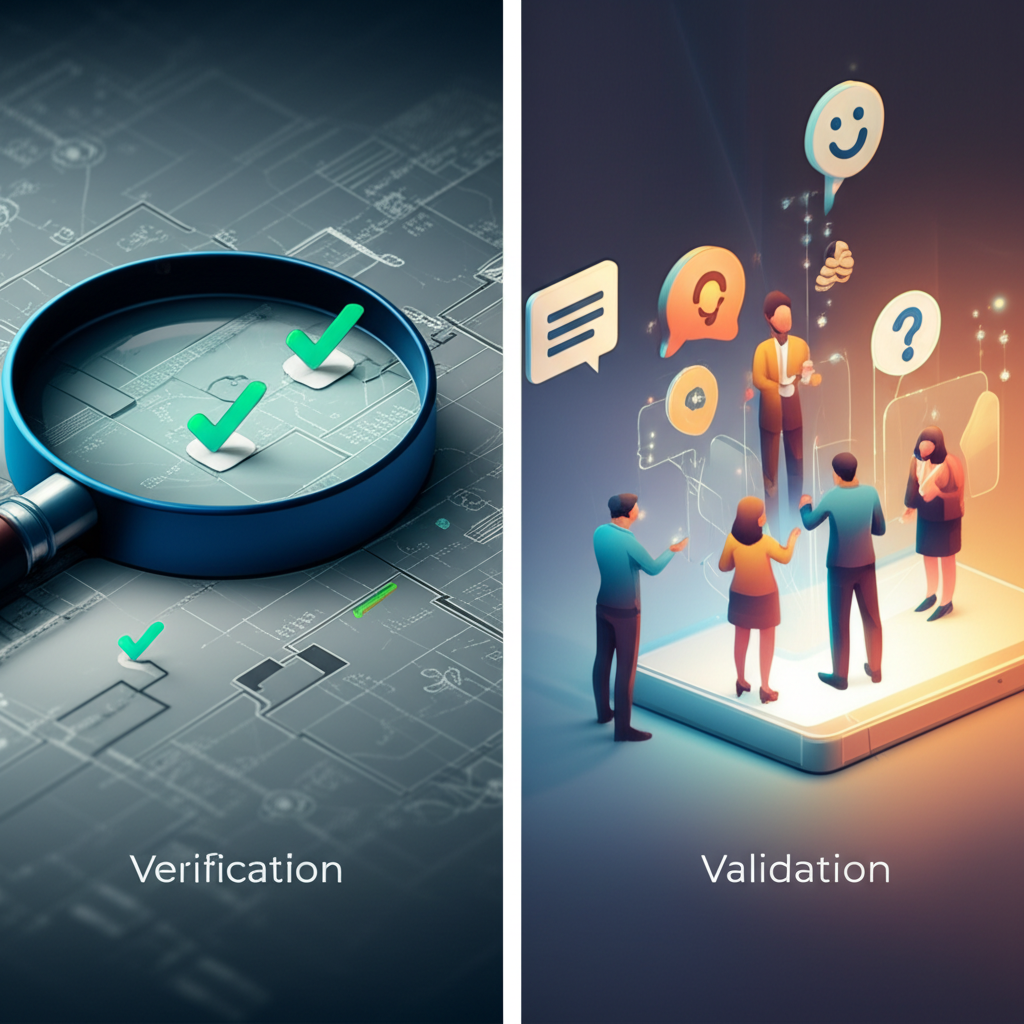
Before diving into the process of how to validate a new part design, it's crucial to understand a fundamental distinction: the difference between validation and verification. These terms are often used interchangeably, but they represent two distinct and equally important stages of product development. Think of it this way: verification is about checking your homework for errors, while validation is about making sure you answered the right question in the first place.
Design verification asks the question, “Are we building the part right?” It is a technical, objective process focused on ensuring the design conforms to a predetermined set of specifications, requirements, and standards. This involves internal checks, analysis, and testing to confirm that all dimensions are correct, material properties are met, and the part can theoretically perform its function as documented. Verification is about precision and adherence to the blueprint.
On the other hand, design validation asks, “Are we building the right part?” This is a user-focused process that confirms the design actually meets the customer's needs and works effectively in its intended real-world environment. Validation isn't about checking against a spec sheet; it's about confirming the part solves the user's problem. As described by M3 Design, even a perfect-looking prototype may have unseen problems, making real-world testing essential to ensure the product is ready.
To clarify these concepts, consider this simple comparison:
| Characteristic | Design Verification | Design Validation |
|---|---|---|
| Core Question | Are we building the part right? | Are we building the right part? |
| Focus | Adherence to specifications and technical requirements. | Meeting user needs and intended purpose. |
| Timing | Often occurs throughout the design process. | Typically performed on prototypes or final products. |
| Methods | Inspections, analysis, simulations, component tests. | User testing, field trials, usability studies, market tests. |
The Step-by-Step Design Validation Process
A structured approach is essential for effective design validation. Rushing this stage can lead to costly redesigns, poor user adoption, or even market failure. By following a systematic process, you can methodically de-risk your design and build confidence before investing in expensive tooling and manufacturing. The following steps, synthesized from best practices, provide a clear roadmap from initial planning to final iteration.
-
Define User Needs and Requirements
The foundation of validation is a deep understanding of your target audience. Before you can test if a design meets user needs, you must clearly define those needs. This involves creating detailed user personas that capture demographics, behaviors, and pain points. As highlighted by UserTesting, this step is foundational to designing features that cater to specific user preferences. Conduct interviews, surveys, and market research to identify the core problems your part is intended to solve. -
Develop a Validation Plan
With clear objectives, the next step is to create a formal Design Validation Plan (DVP). This document acts as your roadmap, outlining what you will test, how you will test it, and what success looks like. It should define specific, measurable, and relevant goals. For example, a goal might be to achieve a certain task completion rate during usability testing or to withstand a specific number of cycles in a durability test. Your plan should detail the test scenarios, required resources, and a realistic timeline. -
Create and Test Prototypes
Prototyping brings your design to life, allowing for tangible interaction and testing. Prototypes can range from low-fidelity models (like 3D prints or even paper mockups) to high-fidelity, fully functional units that closely resemble the final product. The key is to create a version of the part that can be used to gather feedback on its form, fit, and function. For specialized components, particularly in sectors like automotive, sourcing high-quality prototypes is critical. For instance, companies looking for robust and reliable components can explore custom forging services from providers like Shaoyi Metal Technology, which specializes in IATF16949 certified hot forging and offers services from rapid prototyping to mass production. -
Conduct Validation Testing
This is where you execute the tests outlined in your DVP. Engage directly with your target users to gather feedback on the prototype's performance and usability. Observe them as they interact with the part in simulated real-world scenarios. This user testing is invaluable for uncovering issues that designers, with their insider knowledge, might overlook. Collect both qualitative data (user comments, frustrations) and quantitative data (task success rates, time to completion). -
Analyze Results and Iterate
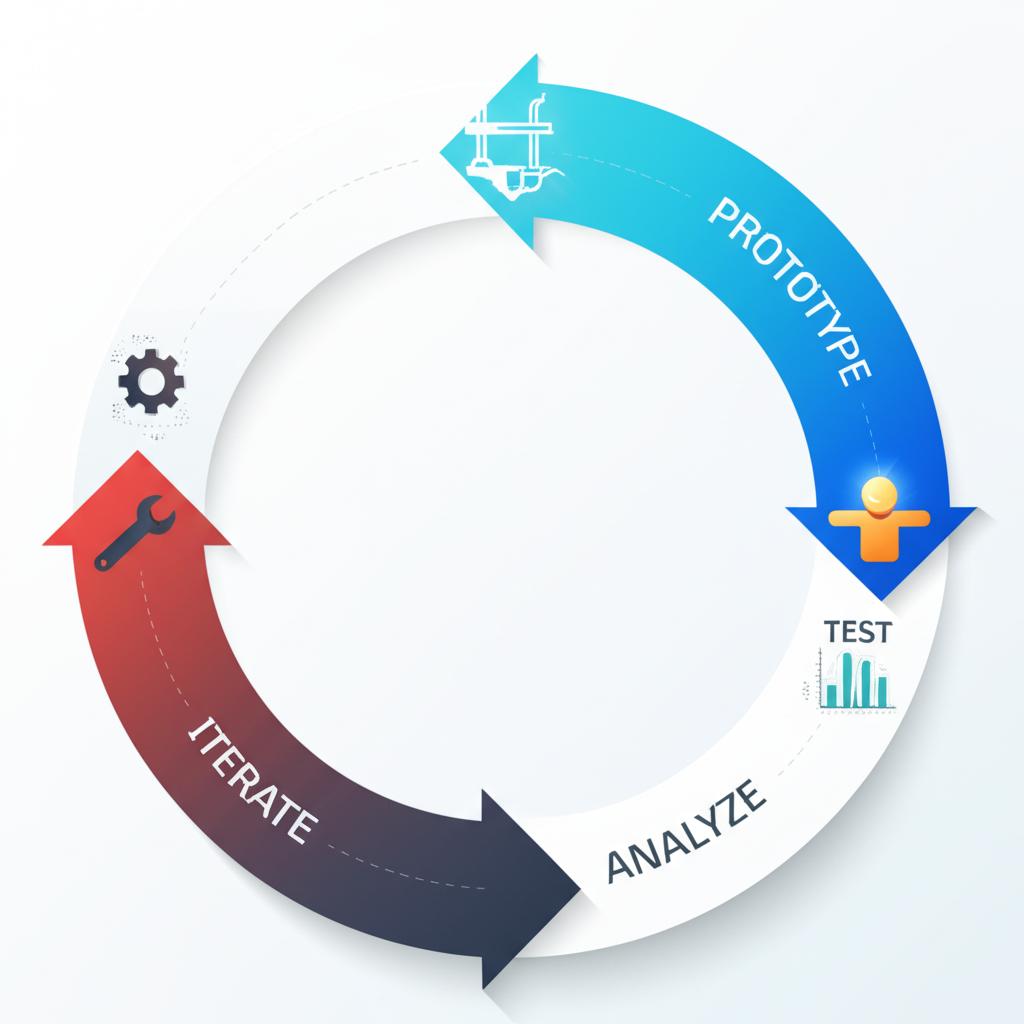
After testing, meticulously analyze all the data you've collected. Identify patterns, common pain points, and areas of strength. This analysis, as explained by UXtweak, should be used to find potential solutions and inform design modifications. Prioritize the necessary changes based on their impact on user experience and feasibility. Validation is rarely a one-time event; it's an iterative cycle. Implement the changes in a new prototype and test again, continuing the process until the design consistently meets user needs and your predefined success criteria.
Essential Methods and Techniques for Validation Testing
Choosing the right validation methods is crucial for gathering actionable insights. Different techniques are suited for different stages of development and can answer different questions about your design. A multi-faceted approach, combining several methods, will provide the most comprehensive understanding of your part's viability. Here are some of the most effective techniques used by product development teams.
Prototyping and Usability Testing
Prototyping is the cornerstone of validation, allowing you to put a tangible version of your design into users' hands. Usability testing involves observing real users as they interact with this prototype to complete specific tasks. The goal is to identify any areas of friction, confusion, or inefficiency in the design. This method provides direct, qualitative feedback on how intuitive and effective the part is in a real-world context. It's a powerful way to uncover unforeseen problems and validate that the design is not only functional but also user-friendly.
Simulation and Analysis
Before creating physical prototypes, digital simulations can provide critical insights and help verify design integrity. Techniques like Finite Element Analysis (FEA) can predict how a part will react to real-world forces, vibration, heat, and other physical effects. Another powerful tool is Design Failure Mode and Effect Analysis (DFMEA), which is a systematic method for identifying potential failure modes in a design and their causes and effects. These analytical methods help catch design flaws early, reducing the number of physical prototypes needed and saving significant time and resources.
Market and Field Testing
Market testing exposes the product to a subset of your target audience under real market conditions to gauge interest, appeal, and demand. This can involve pilot studies or beta testing, where a limited number of products are released to early adopters. This type of testing provides invaluable feedback on the product's overall value proposition and its performance in an uncontrolled environment. It helps validate not just the part's design but also its market fit, pricing strategy, and competitive positioning before a full-scale launch.
Component and Compliance Validation
For many products, especially in electronics or regulated industries like medical and automotive, validating individual components and ensuring regulatory compliance is non-negotiable. This involves verifying that each component meets its specifications through datasheet analysis and parametric comparisons. Tools and platforms can help engineers confirm compliance with standards like RoHS or REACH. As noted by Altium, this step is critical for mitigating risks related to counterfeiting, ensuring supplier reliability, and preventing production delays.
Building Your Design Validation Plan (DVP)
Moving from theory to practice requires a structured plan. A Design Validation Plan (DVP) is a formal document that serves as the blueprint for all your validation activities. It ensures that your testing is systematic, comprehensive, and aligned with your project's goals. Creating a DVP forces you to think critically about what needs to be proven and how you will prove it, making the entire process more efficient and effective. A well-crafted DVP brings clarity and accountability to your validation efforts.
The primary purpose of a DVP is to define the scope, methods, and success criteria for your validation testing. It ensures that all stakeholders have a shared understanding of the validation process and that no critical tests are overlooked. It also serves as a crucial piece of documentation, especially in industries with strict regulatory requirements. According to insights from Survicate, aligning the validation process with a strategic vision is crucial for success.
A comprehensive Design Validation Plan should include the following key components:
- Objectives and Success Criteria: Clearly state what you are trying to validate. Define specific, measurable metrics for success (e.g., "The part must withstand 10,000 cycles without failure," or "8 out of 10 users must be able to complete the task in under 60 seconds.").
- Scope of Testing: Detail which features, functions, and performance characteristics of the part will be tested.
- Test Procedures and Methods: Describe the specific tests that will be conducted, such as usability tests, durability tests, or environmental tests. Outline the step-by-step procedures for each test.
- Required Resources: List all necessary resources, including personnel, equipment, testing facilities, and prototypes.
- Schedule and Timeline: Provide a detailed timeline for all validation activities, from prototype creation to final report generation.
- Documentation and Reporting: Specify how test results will be recorded, analyzed, and reported to stakeholders.
By creating and following a DVP, you transform validation from an ad-hoc activity into a disciplined engineering practice, significantly increasing the likelihood of a successful product launch.
Frequently Asked Questions
1. What are the 5 steps of validation?
While specific models may vary, a typical design validation process involves five core steps: 1. Define user needs and establish clear validation goals. 2. Create a detailed validation plan outlining the tests and success criteria. 3. Develop prototypes that can be tested by users. 4. Conduct the validation tests with representative users in realistic scenarios. 5. Analyze the feedback and test data to iterate on the design until it meets the established goals.
2. What are the three main methods of validation?
The three most common categories of validation methods are: 1. User Testing: Directly observing users interacting with a product or prototype to assess its usability and effectiveness (e.g., usability studies, field testing). 2. Inspection Methods: Using experts to evaluate a product based on established principles or heuristics, without involving end-users (e.g., heuristic evaluation, cognitive walkthroughs). 3. Analysis and Simulation: Using software and analytical models (like FEA or DFMEA) to predict performance, identify potential failures, and verify design specifications without physical testing.
3. How do you validate prototypes before production?
Validating prototypes before production involves a multi-step process. First, identify key stakeholders and gather their requirements. Next, test the prototype against these requirements through various methods, including usability testing with actual customers, manufacturability testing on the production line, and regulatory testing to ensure compliance. The feedback and data gathered are then used to revise and refine the design. This iterative cycle of testing and revision continues until the prototype consistently meets all functional, user, and business requirements.