 Small batches, high standards. Our rapid prototyping service makes validation faster and easier —
  EN
EN


Proceso de estampación progresiva desvelado: 9 estacións que reducen os seus custos
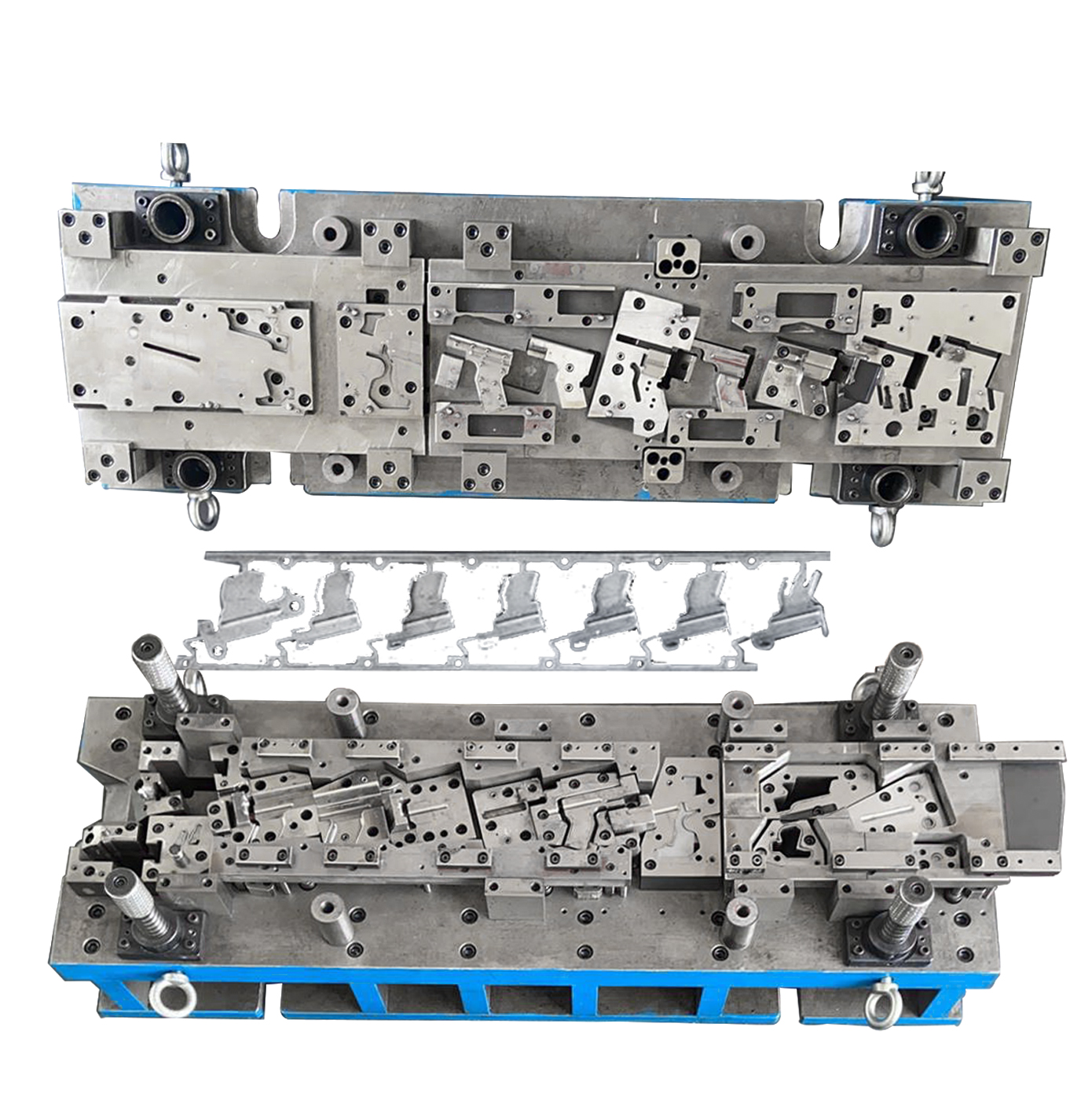
Que é a estampación progresiva e por que domina o conformado de metais
Pregúntase como fabrican os fabricantes millóns de pezas metálicas idénticas cunha velocidade e precisión notables? A resposta atópase no proceso de estampación progresiva: un método de fabricación que revolucionou o conformado de metais en grandes volumes en innumerables industrias.
A estampación con troquel progresivo é un proceso de conformado de metais no que un rolo de chapa metálica avanza a través dunha serie de estacións de troqueis secuenciais, realizando cada estación unha operación específica —como punzonado, dobrado ou acuñado— ata que aparece unha peza completamente formada na estación final.
Ao contrario das operacións de etapa única que requiren múltiples configuracións da máquina, estampado metálico progresivo consolida todo nun fluxo de traballo continuo. O resultado? Produción máis rápida, tolerancias máis estreitas e custos por peza significativamente menores cando se fabrica a grande escala.
A mecánica fundamental da progresión da tira
Imaxine unha longa faiixa de chapa metálica—denominada tira ou bobina—que se alimenta nunha prensa de estampación. Ao moverse a prensa cara arriba e cara abaixo, esta tira avanza de forma gradual a través dunha matriz progresiva debidamente deseñada. Cada golpe da prensa despraza o material cara adiante unha distancia precisa, garantindo un alinhamento perfecto en cada estación.
Isto é o que fai que este sistema sexa tan eficaz:
- Alimentación continua: A bobina fornece un suministro ininterrompido de material en bruto, eliminando a carga manual entre operacións
- Operacións simultáneas: Múltiples estacións traballan ao mesmo tempo sobre distintas partes da tira durante cada golpe da prensa
- Progresión automática: A tira transporta as pezas parcialmente formadas a través da matriz ata que chegan á súa finalización
Ao preguntar «que son os troqueis na fabricación?», pense nos troqueis progresivos como sofisticados sistemas multitarefa. Contén todos os elementos de corte, conformado e modelado necesarios para transformar prensados de chapa metálica plana en compoñentes tridimensionais complexos, todo dentro dunha única montaxe de troquel.
Como crean as múltiples estacións pezas completas
Cada estación dun troquel progresivo realiza unha tarefa especializada. A primeira estación pode perforar furos guía para o alineamento. A seguinte podería cortar o contorno da peza. As estacións posteriores dobran rebordes, forman características e engaden detalles en relieve. A estación final separa a peza terminada da faiña portadora.
Esta aproximación estación por estación ofrece tres vantaxes principais para a fabricación en gran volume:
- Velocidade: As taxas de produción poden acadar miles de pezas por hora, xa que todas as operacións se realizan en cada ciclo de prensa
- Consistencia: O troquelado ríxido garante que cada peza coincida coa primeira, incluso despois de millóns de ciclos
- Eficiencia de custo: A consolidación das operacións elimina a manipulación secundaria, reduce os requisitos de man de obra e minimiza os residuos de material
A estampación con troquel progresivo destaca especialmente cando se necesitan pezas de tamaño pequeno a mediano en cantidades que van desde miles ata millóns. O investimento inicial en utillaxe rende beneficios rapidamente á medida que aumentan os volumes de produción, polo que este método é a opción preferida para conectores automotrices, terminais electrónicos, soportes para electrodomésticos e innumerables outros compoñentes de precisión.
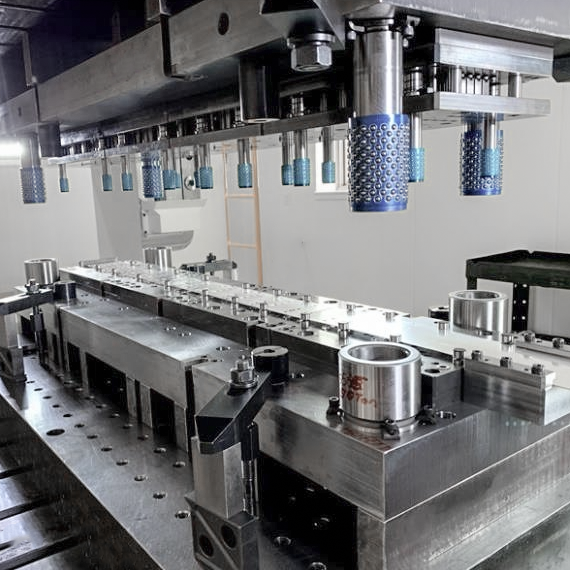
Desglose de cada estación na secuencia do troquel progresivo
Entón, como se transforma unha tira plana de metal nun compóñente formado con precisión ? O segredo atópase na secuencia coordinada de estacións dentro dos troqueis progresivos. Cada estación realiza unha operación cuidadosamente calculada, baseándose no traballo das estacións anteriores para crear xeometrías que serían imposibles de obter con métodos de única etapa. Vamos percorrer xuntos todo o percorrido que realiza o seu material — desde a bobina bruta ata a peza final.
Funcións de perforación e furos de guía explicadas
Antes de comezar calquera operación de conformado, as primeiras estacións dunha matriz progresiva establecen a base para todo o que vén a continuación. É aquí onde as operacións de perforación crean furos de guía: aberturas pequenas e precisamente posicionadas que serven como referencia de alineación para todo o proceso.
Por que son tan críticos os furos de guía? Tal como observan os expertos en enxeñaría de Jeelix , estes furos actúan como a «Estrela Polar» do proceso de estampación progresiva. Proporcionan o punto de referencia absoluto que mantén cada estación subseguinte perfectamente aliñada. Sen eles, os erros microscópicos de alimentación acumularíanse entre estacións, producindo finalmente pezas fóra de tolerancia.
Este é o funcionamento do mecanismo de corrección:
- O alimentador avanza a tira ata unha posición aproximada
- Os pasadores de guía cónicos montados na matriz superior descenden nos furos de guía
- Ao entrar cada pasador no seu furo, a superficie cónica xera unha forza lateral
- Esta forza axusta a faiña á alineación precisa X-Y antes de que calquera ferramenta de conformado entre en contacto
Esta aproximación de «bloqueo e corrección» restablece a posición da faiña en cada golpe da prensa, interrompendo eficazmente a cadea de desviacións acumuladas. Entre os diversos tipos de matrices de estampación, as matrices progresivas destácanse especificamente por esta capacidade de corrección de erros integrada.
Desde o corte inicial ata as operacións finais de conformado
Unha vez que os furos de guía establecen a alineación, a faiña avanza a través dunha serie cuidadosamente secuenciada de operacións. Cada estación transforma o material de xeito gradual, e comprender esta secuencia explica por que as matrices progresivas conseguen unha precisión e complexidade tan notables.
- Perforación: Ademais dos furos de guía, estacións adicionais de punzonado crean características internas — furos de montaxe, ranuras e recortes que definen a xeometría funcional da peza. O punzón progresivo corta limpiamente o material, coas borras que caen a través dos canais de folga situados debaixo da matriz.
- Recorte: Esta operación corta o perfil externo da peza. Non obstante, na maioría dos troqueis progresivos, o punzonado prodúcese inicialmente de forma parcial: as operacións de recortado e muescado eliminan progresivamente o material excedente mentres se mantén a peza unida á faiña portadora para continuar co procesamento.
- Dobrado: Agora a peza plana comeza a súa transformación en tres dimensións. As estacións de dobrado crean ángulos e rebordes forzando o material arredor de superficies de punzón con forma precisa. A sección portadora da faiña mantén todo firme mentres se aplican estas forzas.
- Esquema: Para pezas que requiren profundidade ou características de cavidade, as estacións de estirado estiran o material formando formas semellantes a copas ou a caixas. Esta operación require un control minucioso: se é demasiado agresiva, o metal rompe; se é demasiado suave, non se alcanza a profundidade requirida. Os troqueis progresivos adoitan empregar múltiplas etapas de estirado pouco profundas en vez dun único estirado profundo.
- Acuñado: Cando se require unha precisión dimensional excecional, as estacións de acuñación aplican unha presión extrema en áreas específicas. Esta operación de reestampado comprime o metal, conseguindo tolerancias máis estreitas en dimensións críticas, ángulos e planicidade superficial do que pode ofrecer a conformación por si soa.
- Formación: As formas complexas tridimensionais xúntanse mediante estacións especializadas de conformación. O repuxado engade nervios de reforzo ou marcas de identificación. O abocinado crea bordos. Cada operación de conformación baséase no traballo previo, modelando gradualmente a xeometría final do compoñente.
- Corte: Na estación final, a peza terminada sepárase da tira portadora. Este corte definitivo libera o compoñente finalizado, que sae mediante calhas ou transportadores, mentres que os restos metálicos (chamados 'esqueleto') continúan o seu percorrido para ser reciclados.
Considere este exemplo de estampación en acción: un conector terminal automotriz pode require a perforación de furos guía, múltiples perforacións de furos internos, escantillado parcial, dúas operacións de dobrado para molas de contacto, acuñación para superficies críticas de contacto e o corte final — todo dentro dun único molde progresivo que funciona a centos de corsos por minuto.
Os compoñentes do molde de estampación funcionan xuntos como un sistema integrado. Os botóns do molde guían os punzóns cunha precisión ao nivel de micrómetros. Os extractores mantén o material plano mentres os punzóns se retractan. Os furos guía corrixen continuamente a posición. Este ecosistema de elementos de precisión permite que os moldes progresivos mantengan tolerancias tan estreitas como ±0,01 mm ao longo de millóns de ciclos de produción.
Que fai que esta aproximación secuencial sexa tan potente? Cada operación permanece relativamente simple, reducindo a tensión nas estacións individuais, mentres que, de maneira conxunta, se alcanza un nivel de complexidade que ningunha matriz de etapa única podería igualar. O material flúe de forma previsible, a deformación prodúcese de xeito gradual e a calidade mantense constante desde a primeira peza ata a millonésima.
Fundamentos do deseño e enxeñaría de matrices progresivas
Viu como funcionan as matrices progresivas estación por estación, pero como o fan realmente os enxeñeiros para deseñar estas ferramentas sofisticadas? A verdade é que a «máxica» ocorre moito antes de que se estampe calquera metal. O deseño de matrices progresivas representa unha das disciplinas de enxeñaría máis exigentes da fabricación, onde as decisións tomadas durante a fase conceptual determinan directamente o éxito da produción ou un fracaso custoso.
Pense nisto deste xeito: construír unha matriz progresiva sen a adecuada enxeñaría é como construír un arranque sen planos. O investimento inicial no deseño da matriz de estampación rende beneficios durante todo o ciclo de vida da ferramenta —moitas veces abarcando millóns de ciclos de produción.
Consideracións enxeñerís para o deseño do layout da matriz
Cada proxecto de ferramentas para matrices progresivas comeza co deseño do layout da faiña. Segundo Industry Tooling , o layout da faiña é esencialmente o plano da súa totalidade do proceso de produción. Define como flúe o material, onde se produce cada operación e cantidade de desperdicio que xerará.
Que fai tan crítico o layout da faiña? Considere estes factores que os enxeñeiros deben equilibrar:
- Análise do fluxo de material: Os enxeñeiros trazan con exactitude como se deformará, estirará e moverá a faiña metálica a través de cada estación —anticipando os puntos de tensión antes de que se convertan en problemas
- Compensación do Retroceso Elástico: Os metais volven naturalmente á súa forma orixinal tras a dobradura («spring back»), polo que os deseñadores de matrices deben sobredobrar para acadar as dimensións finais desexadas
- Equilibrio das cargas nas estacións: Distribuír as forzas de maneira uniforme entre as estacións prevén o desgaste prematuro e garante un funcionamento constante da prensa
O deseño da faiña portadora merece atención especial. Os enxeñeiros escollen entre faiñas portadoras dun só lado (que ofrecen fácil acceso para o procesamento por tres lados) e faiñas portadoras de dous lados (que proporcionan un equilibrio óptimo de forzas para pezas grandes ou de alta precisión). Para pezas que requiren estirado profundo, os deseños con rede estirable incorporan ranuras estratéxicas que permiten o fluxo do material durante a conformación, evitando así as grietas en xeometrías complexas.
Os principios de Deseño para Fabricabilidade guían cada decisión. Pode realmente conformarse a xeometría proposta sen que se produza rotura? Creará a secuencia de estacións interferencias entre os compoñentes da matriz progresiva? Permite a distancia entre pasos un espazo adecuado para a conformación ao tempo que minimiza o desperdicio de material? Estas preguntas deben responderse de forma definitiva antes de mecanizar calquera acero para ferramentas.
¿Impacto no mundo real? Un estudo de caso documentado amosou que redeseñar unha disposición subóptima de tiras reduciu o desperdicio de material do 12 % a menos do 5 %, aforrando miles de dólares por lote de produción — simplemente mediante un deseño máis intelixente de matrices para estampación de metais.
Simulación CAE no desenvolvemento moderno de moldes
Antes de que existisen as simulacións dixitais, o desenvolvemento dunha matriz para chapa metálica era esencialmente un proceso caro baseado en ensaios e erros. Os enxeñeiros construían as ferramentas baseándose na súa experiencia, montábanas nunha prensa e só descubrían os problemas despois dunha inversión significativa. Hoxe en día, a Enxeñaría Asistida por Ordenador (CAE) transformou esta metodoloxía de «construír e probar» nun método científico de «predicir e optimizar» .
¿Que revela realmente a simulación CAE? Segundo a investigación manufactureira de Jeelix, a simulación virtual ofrece varias capacidades críticas:
- Predición da viabilidade da conformación: Identificar posibles rasgaduras, arrugas ou adelgazamentos antes de cortar calquera acero para ferramentas
- Cálculo do retroceso: Predicir con precisión a recuperación elástica para que se poida incorporar a compensación na xeometría da matriz
- Requisitos de forza: Determinar as necesidades exactas de tonelaxe en cada estación para a selección axeitada da prensa
- Visualización do fluxo de material: Observar como se move o metal durante cada operación, revelando concentracións ocultas de tensión
A análise por elementos finitos leva isto máis aló, descompoñendo o proceso de conformado en miles de cálculos minúsculos. Os enxeñeiros poden «estampar» virtualmente unha peza centos de veces, probando distintas aproximacións sen desperdiciar material nin tempo de máquina. Esta aproximación baseada na simulación cambiou fundamentalmente a economía do deseño de matrices progresivas: reduce as costosas iteracións físicas mentres mellora as taxas de éxito na primeira peza fabricada.
¿Cal é a vantaxe práctica? Os enxeñeiros validan que os compoñentes da súa matriz progresiva funcionarán xuntos de forma harmónica antes de comprometerse coa mecanización cara. Poden optimizar a secuenciación das estacións, axustar os raios de conformado e perfeccionar o aproveitamento do material —todo no entorno virtual, onde os cambios non teñen custo algunha, salvo o tempo.
Para os fabricantes que avalían o estampado progresivo, comprender estes fundamentos de enxeñaría é fundamental. Un fornecedor con capacidades robustas de CAE e experiencia probada en DFM entregará utillaxes que funcionarán de forma fiable desde o primeiro día. A alternativa —descubrir defectos no deseño durante a fase de proba— supón atrasos, custos de retraballo e frustración que unha enxeñaría adecuada na fase inicial podería ter evitado.
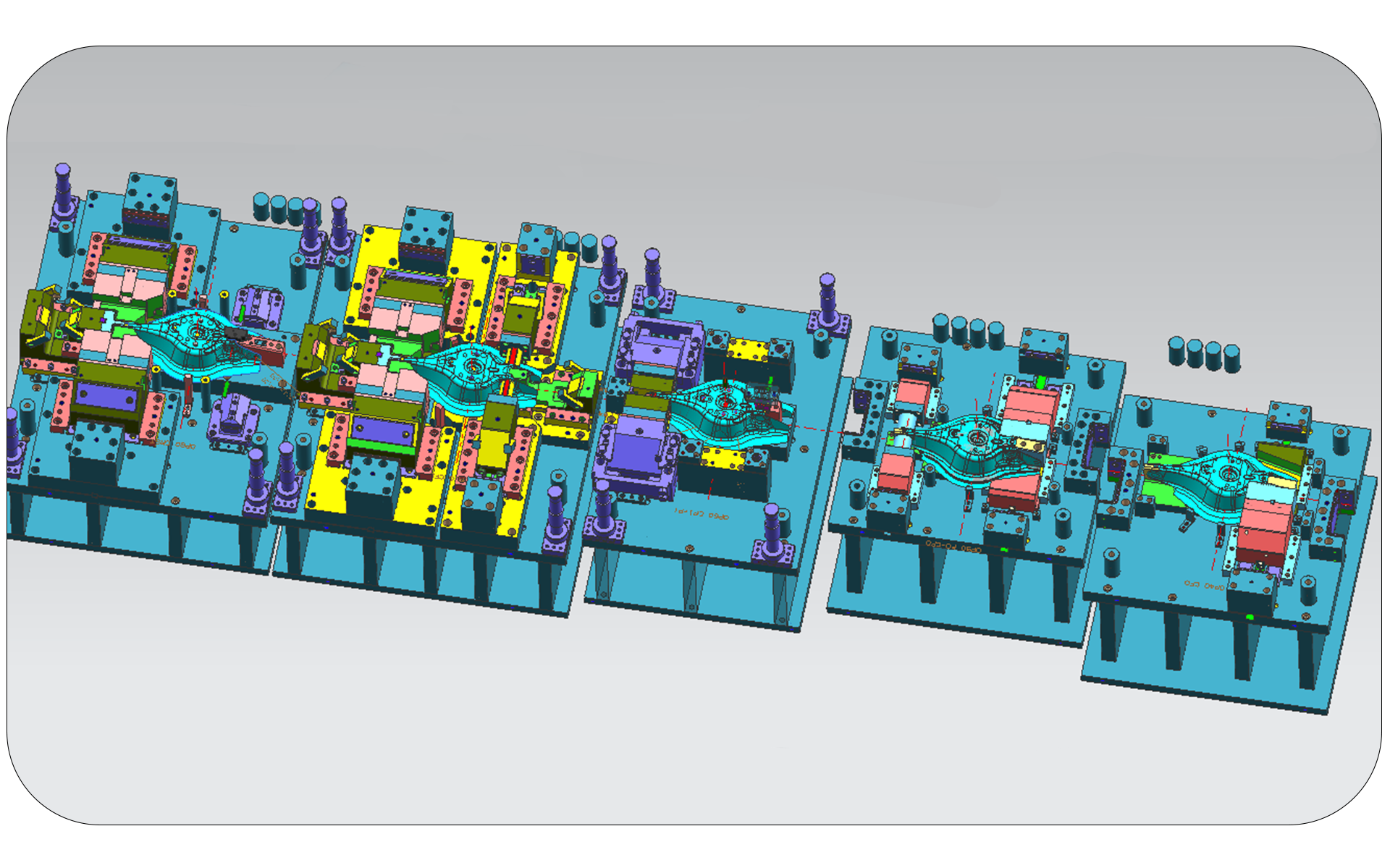
Selección de material e consideracións sobre o grosor para o estampado progresivo
Aquí tes unha pregunta que pode determinar o éxito ou fracaso do teu proxecto de estampado progresivo: escolleches o material axeitado? Aínda que o deseño das matrices e a secuenciación das estacións reciben moita atención, a selección do material soe pasarse por alto —a pesar de que afecta directamente a todo, dende a durabilidade das utillaxes ata a velocidade de produción e a calidade final da peza.
A realidade? Non todos os metais se comportan do mesmo xeito nas matrices de estampación en chapa. Algúns materiais deslizan polas operacións progresivas como manteiga, mentres que outros loitan contra ti en cada estación. Comprender estas diferenzas antes de comezar a fabricación das ferramentas evita sorpresas custosas máis adiante.
Selección óptima de material para operacións progresivas
A estampación progresiva admite unha gran variedade de metais, pero cada un deles presenta características distintas que inflúen no deseño da túa matriz de estampación en chapa. Segundo especialistas en materiais da American Industrial Company, os fabricantes deben equilibrar varios factores clave ao seleccionar os materiais:
- Formabilidade: A facilidade coa que o metal se dobra, estira e conforma sen racharse
- Resistencia á tracción: A forza que o material soporta antes de romperse
- Taxa de endurecemento por deformación: A velocidade á que o metal se volve fráxil durante a deformación
- Usinabilidade: A limpeza coa que o material se corta e a cantidade de desgaste que causa nas ferramentas
Examinemos os materiais cos que máis frecuentemente te atoparás nas matrices de estampación en acero e noutras ferramentas progresivas:
Acero ao carbono continúa sendo o cabalo de batalla do estampado progresivo. Esta aleación de ferro e carbono ofrece unha resistencia excepcional, flexibilidade no deseño e efectividade de custos. Responde de forma previsible ás operacións de conformado e funciona ben en múltiples técnicas de estampado. Para aplicacións sensibles á corrosión, os recubrimentos de cinc, cromo ou níquel amplían considerablemente a vida útil.
Aceiro inoxidable ofrece resistencia á corrosión e un acabado atractivo—o que a fai ideal para a manipulación de alimentos, dispositivos médicos e compoñentes visibles. Non obstante, tal como observan os expertos metalúrxicos de Ulbrich, o aceiro inoxidable austenítico presenta desafíos únicos. Ten un alto índice de endurecemento en frío (0,34 % para o SS), e durante a deformación plástica pode transformarse na fase martensítica fráxil, propensa a rachaduras. É necesario deseñar as matrices con coidado e, ás veces, aplicar un recozido intermedio.
Aluminio resulta atractivo cando o peso é decisivo. Este metal prateado-branco ofrece un excelente ratio resistencia-peso, una extraordinaria conformabilidade e conductividade térmica. É a opción preferida para compoñentes estampados lixeiros nas aplicacións aeroespaciais, electrónicas e automotrices, onde a redución da masa mellora a eficiencia.
Estampación progresiva de latón aproveita a excepcional versatilidade desta aleación de cobre e zinc. O latón ofrece boa maleabilidade, un atractivo visual para ferraxería decorativa e unha sólida conductividade eléctrica. Especificase habitualmente para roscas, pechaduras, engrenaxes e válvulas, onde estas propiedades resultan fundamentais.
Estampación progresiva de cobre destaca nas aplicacións eléctricas e térmicas. Este metal brando e dúctil ofrece unha conductividade superior, polo que é a opción preferida para conectores eléctricos, terminais e compoñentes de transferencia de calor. As súas superficies fáciles de limpar tamén son adecuadas para aplicacións na industria alimentaria e médica.
Rangos de grosor e factores de conformabilidade
O grosor do material determina directamente o que pode lograr o seu proceso de estampación progresiva. Se é demasiado fino, a manipulación convértese nun problema. Se é demasiado grosa, necesitará unha tonelaxe masiva ou procesos alternativos por completo.
| Tipo de material | Intervalo Típico de Espesor | Clasificación de conformabilidade | Aplicacións comúns |
|---|---|---|---|
| Acero ao carbono | 0,2 mm – 6,0 mm | Excelente | Soportes, compoñentes estruturais, paneis automotrices |
| Aceiro inoxidable | 0,1 mm – 4,0 mm | Bo (requirindo coidado) | Dispositivos médicos, equipamento para alimentos, pezas resistentes á corrosión |
| Aluminio | 0,2 mm – 5,0 mm | Excelente | Carcasas lixeiras, disipadores de calor, compoñentes aeroespaciais |
| Latón | 0,1 mm – 3,0 mm | Moi Boa | Ferraxería decorativa, contactos eléctricos, accesorios para tuberías |
| Cobre | 0,1 mm – 3,0 mm | Excelente | Terminais eléctricos, conectores e condutores térmicos |
Como afectan as propiedades dos materiais ás súas estacións de troquelado? Considere estas implicacións prácticas:
- Requisitos de tonelaxe da prensa: Materiais máis resistentes, como o acero inoxidable, requiren forzas de conformado máis elevadas, o que exixe prensas de maior tamaño e construcións de troqueis máis robustas
- Velocidades de produción: Materiais máis brandos, como o aluminio e o cobre, permiten tempos de ciclo máis rápidos, mentres que os metais que se endurecen por deformación poden necesitar un avance máis lento para evitar fisuras
- Taxas de desgaste dos troqueis: Os materiais abrasivos aceleran o desgaste das ferramentas, aumentando a frecuencia de mantemento e os custos de substitución dos troqueis para estampación de chapa metálica
- Necesidades de lubrificación: Cada material ten requisitos óptimos de lubrificante; ignorar isto provoca engalillamento, defectos na superficie e fallos prematuros das ferramentas
Que pasa coas limitacións? O estampado progresivo non é universalmente adecuado. Os materiais moi grosos—normalmente por encima de 6 mm para o acero—soen superar os límites prácticos de tonelaxe para operacións progresivas estándar. As aleacións exóticas, como o titánio, aínda que son excelentes para aplicacións aeroespaciais, requiren ferramentas especializadas e velocidades de produción moito máis lentas. Os materiais con mala formabilidade poden racharse durante secuencias complexas de dobrado ou estirado, o que require métodos alternativos como o estampado por transferencia ou operacións en múltiples etapas con recocido intermedio.
Como subliña Manor Tool, a selección de materiais inadecuados leva ao desgaste prematuro das ferramentas, a un estampado de mala calidade e a problemas de produción en cadea. A solución? Acomodar cuidadosamente as propiedades dos materiais ás necesidades da súa aplicación, consultar con expertos metalúrxicos cando exista incerteza e verificar a formabilidade mediante simulación antes de comprometerse coa fabricación das ferramentas.
Unha vez resolto adecuadamente a selección de materiais, a seguinte decisión crítica implica escoller entre estampación progresiva e métodos alternativos de conformado — unha comparación que revela exactamente onde este proceso ofrece o máximo valor.
Estampación progresiva comparada con métodos alternativos
Agora que comprende as consideracións relativas aos materiais e ao grosor, xorde unha cuestión máis importante: ¿é realmente a estampación progresiva a opción axeitada para o seu proxecto? A resposta depende de factores como a complexidade da peza, o volume de produción e as restricións orzamentarias. Eliminemos a confusión comparando cara a cara os principais métodos de estampación con matrices — para que poida tomar decisións de fabricación informadas, en lugar de basearlas en suposicións.
Factores de decisión entre estampación con matriz progresiva e estampación con matriz de transferencia
Estes dous métodos compiten frecuentemente polos mesmos proxectos, pero destacan en escenarios claramente distintos. Comprender cando escoller cada un evítalle incoherencias dispendiosas entre os seus requisitos e o investimento en utillaxes.
Estampado de matrices progresivas mantén a súa peza unida á tira portadora durante toda a secuencia de conformado. Cada golpe da prensa avanza a tira, realizando as operacións simultaneamente en todas as estacións. Segundo os expertos en fabricación de Die-Matic, isto fai que o estampado progresivo sexa ideal para a produción a alta velocidade de pezas complexas en volumes medios a altos — especialmente cando os compoñentes son de tamaño pequeno a medio.
Estampado por Transferencia adopta unha aproximación fundamentalmente distinta. Como observa Worthy Hardware, o estampado por transferencia ou ben comeza cunha chapa recortada ou ben separa a peza da tira metálica ao principio do proceso. Os sistemas mecánicos de transferencia moven entón cada peza de maneira independente de estación a estación — como unha liña de montaxe na que cada posto de traballo contribúe con algo específico.
Por que ten esta distinción tanta importancia? Considere estas implicacións prácticas:
- Tamaño da peza: As operacións co molde de transferencia admiten pezas máis grandes e pesadas que resultarían pouco prácticas de transportar nunha tira
- Profundidade de embutición: Cando necesitas estirados profundos ou formas tipo copa, o troquelado por transferencia, grazas ao seu manexo independente, permite un conformado máis agresivo que os métodos con folla alimentada.
- Flexibilidade de orientación: Os sistemas de transferencia poden xirar ou reposicionar as pezas entre estacións, o que posibilita xeometrías complexas que resultarían imposibles se as pezas permanecesen unidas á folla.
- Tempo de ciclo: O troquelado progresivo normalmente funciona a maior velocidade porque non require transferencia mecánica entre estacións.
Pensa nisto deste xeito: se as túas pezas son pequenos conectores, terminais ou soportes producidos por millóns, o troquelado progresivo ofrece unha eficiencia sen igual. Se, polo contrario, estás conformando grandes paneis de carrocería automobilística ou carcacas estiradas profundamente, a flexibilidade do troquelado por transferencia xustifica a súa lixeira menor velocidade e a súa maior complexidade operativa.
Cando os troqueis compostos resultan máis adecuados
Ás veces a solución máis simple é a mellor. O troquelado con troquel composto realiza múltiples operacións —como corte e punzonado— nun só golpe de prensa. Ao contrario dos troqueis progresivos, que teñen estacións secuenciais, os troqueis compostos realizan todas as operacións de forma simultánea.
Segundo Larson Tool, as matrices compostas úsanse comunmente para pezas simples e planas nas que poden producirse simultaneamente varias operacións de corte. Xeralmente son menos caras de deseñar e fabricar que as matrices progresivas, polo que resultan atractivas para proxectos de menor volume ou para xeometrías sinxelas.
Pero aquí está o compromiso: as matrices compostas carecen das capacidades de conformado dos métodos progresivos ou de transferencia. Non se crearán dobras, estirados ou formas tridimensionais complexas con ferramentas compostas. As pezas que saen son esencialmente planas: perforadas, recortadas e listas para o seu uso ou para procesos secundarios.
A táboa inferior resume os principais factores de decisión para todos os métodos principais:
| Tipo de método | Mellor para (complexidade da peza) | Punto doce de volume | Investimento en ferramentais | Tempo de ciclo |
|---|---|---|---|---|
| Estampado de matrices progresivas | Sinxela a moderadamente complexa; pezas pequenas a medias | Alto volume (100.000+ pezas) | Maior investimento inicial; menor custo por peza á escala | Máis rápido |
| Estampado por Transferencia | Pezas grandes ou intricadas; estirados profundos | Volume medio a alto | Custos máis altos de ferramentas e preparación | Moderado |
| Estampación con troque composto | Pezas sinxelas e planas; corte de precisión | Baixo a medio volume | Investimento inicial máis baixo | Moderado |
| Operacións de etapa única | Xeometrías moi simples; prototipos | Baixo volume ou probas | Menor custo inicial | Máis lento (múltiples configuracións) |
Fixarse en como a economía cambia dramaticamente segundo o volume. O maior custo inicial das ferramentas para estampación progresiva vai volvéndose cada vez máis irrelevante á medida que aumentan as cantidades de produción: as economías por peza acumúlanse en cada ciclo. Mentres tanto, as matrices compostas ofrecen vantaxes de custo para proxectos máis sinxelos nos que non se require a complexidade da estampación progresiva.
E as operacións de etapa única? Estes métodos básicos de estampación realizan unha única operación por cada configuración na prensa. Son excelentes para a fabricación de prototipos, volumes moi baixos ou pezas extremadamente sinxelas. Non obstante, producir desta maneira compoñentes estampados con matrices complexas require múltiples configuracións na máquina, manipulación repetida e custos de man de obra significativamente máis altos, polo que resulta pouco práctico para series superiores ás curtas.
Este é o marco de decisión que utilizan os fabricantes experimentados:
- Escolla o estampado progresivo cando: Necesita pezas pequenas ou medias en volumes altos con múltiples operacións de conformado, e a velocidade é importante
- Escolla estampación por transferencia cando: As pezas son demasiado grandes para a alimentación por faias, requiren estirados profundos ou necesitan ser reposicionadas entre operacións
- Escolla matrices compostas cando: As súas pezas son planas, requiren operacións de corte precisas e os volumes non xustifican o investimento en ferramentas progresivas
- Escolla operacións de unha soa etapa cando: Está facendo prototipos, probando deseños ou producindo cantidades moi limitadas
Como subliñan os analistas do sector, a flexibilidade da estampación por transferencia conleva compensacións: os custos operativos poden ser máis altos debido á complexidade dos axustes e aos requisitos de man de obra especializada. O tempo de axuste é máis longo para pezas complexas. E manter unha calidade constante require precisión tanto no deseño das matrices como na calibración do mecanismo de transferencia.
A conclusión? Non hai un método de estampación universalmente «mellor» — só o mellor método para a súa combinación específica de xeometría da peza, requisitos de volume e restricións orzamentarias. Comprender estas compensacións desde o principio evita incompatibilidades dispendiosas entre as súas necesidades de fabricación e as súas decisións sobre ferramentas.
Unha vez clarificada a selección do proceso, a seguinte consideración convértese igualmente crítica: comprender a verdadeira imaxe dos custos e calcular cando o investimento en ferramentas para estampación progresiva realmente se amortiza.
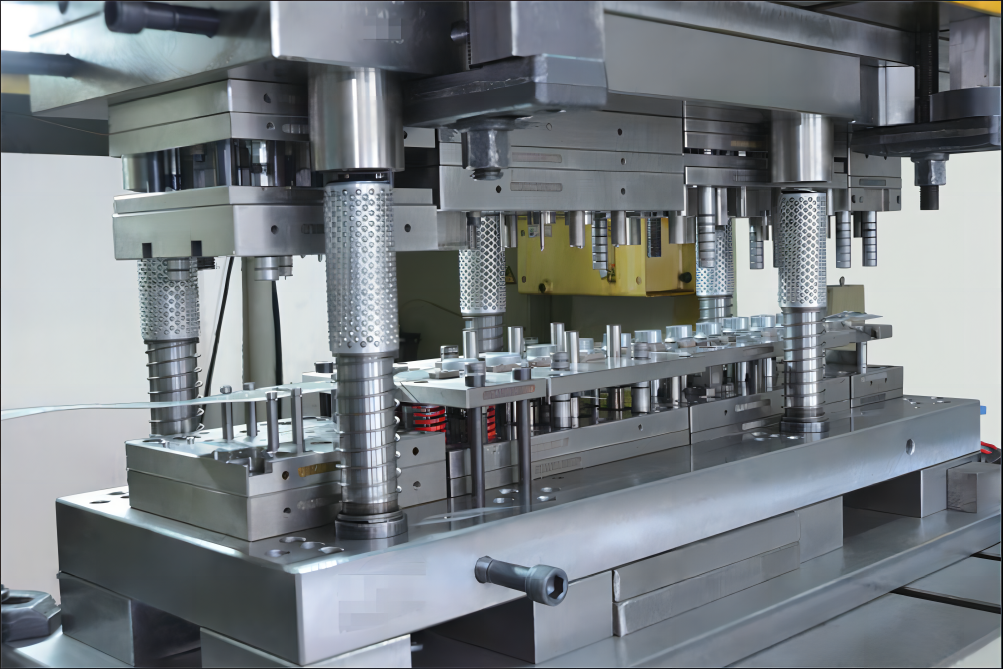
Análise de custos e factores de ROI para o investimento en estampación progresiva
Xa comparou os métodos—agora falemos de diñeiro. O proceso de estampación progresiva require un investimento inicial significativo, o que, comprensiblemente, fai que os fabricantes sexan reticentes. Pero isto é o que moitas análises de custos deixan pasar: o modelo económico da estampación progresiva difire fundamentalmente doutras aproximacións de fabricación. Comprender esta diferenza transforma a forma na que avalía as decisións sobre ferramentas.
Pense nas matrices de estampación progresiva como activos de capital, non como gastos. Está esencialmente «comprando» un custo por parte extremadamente baixo durante toda a vida útil da ferramenta. A pregunta non é se a estampación progresiva custa máis ao principio—sempre o fai. A verdadeira pregunta é: ¿en qué volume comeza ese investimento a dar rendementos?
Cálculo dos puntos de equilibrio para a inversión en utillaxes
Segundo os analistas de custos de fabricación de Okdor, as utillaxes para estampación automotriz adoitan custar entre 100 000 $ e 500 000 $, dependendo da complexidade da peza e dos requisitos de produción. Os soportes simples están no extremo inferior, mentres que os paneis complexos da carrocería que requiren múltiples operacións de conformado alcanzan niveis de inversión máis altos.
Pero aquí é onde a economía se volve interesante. Eses mesmos analistas documentan que as pezas fabricadas en chapa metálica que custan 15 $ cada unha poden reducirse a 3–12 $ mediante a estampación progresiva, dependendo da súa complexidade. Isto representa unha redución potencial do custo por peza do 80 %. Cando se fabrican centenares de miles de pezas anualmente, esas economías acumúlanse rapidamente.
Entón, cando ten sentido financeiro empregar a estampación progresiva? Os datos indican umbrais claros:
- Volume mínimo viable: Obxectivo de, polo menos, 10 000 pezas mensuais (120 000+ anuais) para xustificar a inversión en utillaxes
- Zona óptima de recuperación: Os proxectos que superan as 50.000 pezas anuais adoitan alcanzar un retorno da inversión en custos de utillaxe en 18 meses
- Máxima eficiencia: Cantas máis pezas produza, menor será a súa custo efectivo por peza en concepto de utillaxe
Considere este marco: se o seu custo actual de fabricación é de 15 $ por peza e a estampación reduce ese custo a 5 $, está a ahorrar 10 $ por unidade. Con uns custos de utillaxe de 150.000 $, o punto de equilibrio alcánzase nas 15.000 pezas. Todo o que se produza máis aló dese punto representa unha ahorro puro —e eses aforros acumúlanse en cada ciclo de produción.
Economía a longo prazo e redución do custo por peza
O cálculo inicial do ROI só conta parte da historia. A verdadeira vantaxe económica da estampación progresiva emerxe ao longo de todo o ciclo de vida útil da utillaxe —que pode abranguer millóns de ciclos cando se mantén adecuadamente.
Como subliñan os especialistas en ferramentas de precisión de U-Need, o procesamento de matrices implica consideracións continuas de mantemento que afectan significativamente o custo total de propiedade. As matrices operan baixo unha enorme tensión durante millóns de ciclos de alto impacto. Os compoñentes críticos —punzones, guías e insercións de conformado—acaban desgastándose, astillándose ou rompéndose.
Que factores debe avaliar ao calcular o rendemento real sobre a inversión (ROI)? Considere este marco integral de custos:
- Durabilidade do troque: Unhas ferramentas de alta calidade fabricadas con materiais premium poden producir millóns de pezas antes de necesitar unha reforma importante
- Requisitos de manutenção: Un mantemento proactivo alarga dramaticamente a vida útil da ferramenta en comparación cunha aproximación baseada só en reparacións reactivas
- Taxas progresivas de metal de desperdicio: As matrices ben deseñadas minimizan os residuos de material mediante disposicións óptimas da tira —algúns proxectos conseguen taxas de desperdicio inferiores ao 5 %
- Eliminación de operacións secundarias: A estampación progresiva integra múltiples etapas de fabricación, eliminando a manipulación, o tempo de preparación e os custos de man de obra entre operacións
- Redución do prazo de entrega: Os casos documentados amosan que os prazos de entrega se reducen de 10 semanas (fabricación) a 4 semanas (estampación), acelerando o tempo de lanzamento ao mercado
As estaladas de aforro ocultas adoitan sorprender aos fabricantes. Segundo os expertos en fabricación de Die-Matic, a eliminación do traballo de retoque, a mellora na xestión de inventarios e a redución do tempo de montaxe contribúen con beneficios secundarios que amplifican as estaladas primarias por peza. Estas melloras operativas raramente aparecen nas comparacións iniciais de custos, pero teñen un impacto significativo no ROI real.
E os custos de modificación? Este representa un risco real. Os cambios de deseño despois da finalización das ferramentas suelen custar entre 5.000 e 15.000 dólares para axustes menores, ou entre o 30 % e o 50 % do investimento orixinal para retraballaxes importantes. Esta realidade fai imprescindible unha validación exhaustiva do deseño e a realización de prototipos antes de comprometerse coas matrices de produción. Presupostar o custo base das ferramentas máis unha reserva do 20-30 % para posibles modificacións.
A conclusión sobre a economía da estampación progresiva: alta inversión inicial, custos operativos dramaticamente máis baixos e un retorno do investimento (ROI) que mellora con cada peza producida. Para a fabricación en volumes altos, os cálculos favorecen case sempre esta aproximación—pero só cando se comprende a imaxe completa dos custos máis aló da cotización inicial das ferramentas.
Unha vez clarificados os factores de custo, a seguinte consideración crítica convértese na garantía da calidade—porque as pezas máis baratas non teñen ningún valor se non cumpren os rigorosos estándares da súa industria.
Normas e certificacións de calidade na estampación progresiva
Xa realizou os cálculos e o retorno do investimento (ROI) parece prometedor—pero aquí ten unha pregunta que pode descarrilar incluso o proxecto máis económico: o seu proveedor de estampación é realmente capaz de entregar pezas que cumpran os requisitos de calidade da súa industria? Na estampación precisa con matrices, a diferenza entre un fabricante certificado e outro sen certificar determina, con frecuencia, se os seus compoñentes pasan a inspección ou provocan atrasos na produción que resultan moi custosos.
As certificacións de calidade non son simplemente decoracións para as paredes. Representan sistemas verificados para previr defectos, manter a trazabilidade e garantir que cada estampado metálico progresivo de precisión cumpra as especificacións documentadas. Comprender o que significan estas certificacións — e por que son importantes para a súa industria específica — axúdalle a seleccionar socios que ofrezan excelencia consistente, en lugar de problemas inconsistentes.
Comprensión da norma IATF 16949 para estampación automotriz
Se está adquirindo matrices de estampación automotriz ou compoñentes estampados para aplicacións vehiculares, unha certificación sobresai por encima das demais: a IATF 16949. Desenvolvida polo International Automotive Task Force (Grupo de Traballo Automotriz Internacional), esta norma constrúe sobre os fundamentos da xestión da calidade da ISO 9001, engadíndolle requisitos específicos para o sector automotriz.
Que fai que IATF 16949 sexa distinta dos sistemas de calidade xerais? Segundo os expertos en certificación de Xometry, este marco «acentúa a creación de coherencia, seguridade e calidade nos produtos automobilísticos.» Ao contrario de enfoques como Six Sigma (que se centra na análise estatística) ou TQM (que subliña os procesos de mellora continua), IATF 16949 ofrece un marco normativo normalizado deseñado especificamente para as realidades da fabricación automobilística.
Isto é o que esta certificación indica sobre un fornecedor de troqueis de precisión e estampación:
- Enfoque na Prevención de Defectos: As organizacións certificadas deben demostrar a súa capacidade e compromiso para limitar os defectos — reducindo os residuos e eliminando o retraballo
- Documentación do proceso: Cada procedemento que afecte á calidade debe documentarse, revisarse e validarse continuamente
- Responsabilidade na cadea de suministro: A certificación abarca todo o ecosistema de produción, non só a montaxe final
- Cumprimento continuo das auditorías: Tanto as auditorías internas como as externas verifican o cumprimento continuo dos requisitos
Por que isto ten relevancia práctica? Moitos fabricantes de automóbiles (OEM) e fornecedores de nivel 1 non considerarán sequera parcerías con provedores de estampación sen certificar. Como observan os analistas do sector: "Aínda que non é necesariamente un requisito obrigatorio nin está estritamente regulado, pode atopar que fornecedores, contratistas e clientes non desexen colaborar ou traballar con vostede se non está rexistrada/o e non cumpre estes estándares de calidade."
Para aplicacións de estampación de precisión no sector automobilístico—como conectores, soportes, terminais e reforzos estruturais—a certificación IATF 16949 funciona esencialmente como a súa póliza de seguros de calidade.
Indicadores de calidade que definen a excelencia na produción
Máis aló das certificacións, indicadores específicos de rendemento distinguen as operacións de estampación de clase mundial das que son simplemente aceptables. Ao avaliar posibles socios para moldes de estampación automobilística ou outras aplicacións de precisión, estes indicadores mensurables revelan a capacidade real, e non meras afirmacións promocionais.
Capacidades de tolerancia definir o que é alcanzable. As operacións de estampación por troquel de precisión mantén habitualmente tolerancias de ±0,05 mm nas dimensións críticas, alcanzando algunhas operacións avanzadas ±0,01 mm en características específicas. Pida aos fornecedores potenciais estudos de capacidade documentados —non só as tolerancias alegadas, senón tamén índices estatisticamente verificados de capacidade do proceso (valores Cpk).
Taxas de aprobación na primeira proba medir con que frecuencia as pezas cumpren as especificacións na inspección inicial —sen retraballo, axuste nin repeticións. Os líderes do sector conseguen taxas de primeira pasada superiores ao 90 %, chegando algunhas operacións de precisión ao 93 % ou máis. Unhas taxas baixas de primeira pasada indican variabilidade no proceso que, finalmente, afectará os seus programas de produción.
Normas aeroespaciais (AS9100) aplicar un rigor similar nas aplicacións aeronáuticas e de defensa. Esta certificación aborda a postura de tolerancia cero cara aos defectos na industria aeroespacial—onde as fallas nos compoñentes poden ter consecuencias catastróficas. As estampacións metálicas progresivas de precisión destinadas a aeronaves requiren trazabilidade documentada desde o material bruto ata a inspección final.
Requisitos dos dispositivos médicos engadir consideracións sobre biocompatibilidade e limpeza. A certificación ISO 13485 indica un sistema de xestión da calidade deseñado especificamente para a fabricación de dispositivos médicos, abarcando todo, desde a selección de materiais ata a prevención da contaminación.
Ao seleccionar socios para estampación, avalie estes indicadores clave de calidade:
- Vixencia da certificación: Verifique que as certificacións estean vixentes e cubran os ámbitos relevantes—sen estar caducadas nin limitadas a operacións non relacionadas
- Control de procesos estatísticos: Busque programas documentados de control estatístico de procesos (SPC) que supervisen en tempo real as dimensións críticas durante a produción
- Capacidades de inspección: Equipamento avanzado de MMC (máquina de medición por coordenadas) e sistemas de inspección óptica indican o compromiso coa precisión na verificación
- Sistemas de trazabilidade: Desde os números de lote do material bruto ata a serialización das pezas acabadas, a trazabilidade completa protexe a ambas as partes
- Procesos de acción correctiva: Cando ocorren problemas (e ocorrerán), os sistemas documentados de acción correctiva e preventiva (CAPA) garanten que os problemas se resolvan de forma sistemática e non de maneira reiterada
- Historial de auditorías: Solicite os resultados recentes das auditorías: os fornecedores confiados nos seus sistemas de calidade comparten esta información de forma inmediata
O investimento en socios certificados especializados en estampación e centrados na calidade rende beneficios durante todo o ciclo de vida do seu produto. Menos fallos nas inspeccións de entrada supoñen unha produción máis fluída. Unha mellor trazabilidade simplifica calquera investigación relacionada coas garantías. E os sistemas de calidade documentados proporcionan a evidencia que os reguladores cada vez máis esixen para aplicacións automotrices, aeroespaciais e médicas.
Con os estándares de calidade aclarados, a seguinte consideración pasa a ser comprender exactamente onde o estampado progresivo ofrece o máximo valor: os sectores e aplicacións específicos nos que este proceso realmente sobresai.
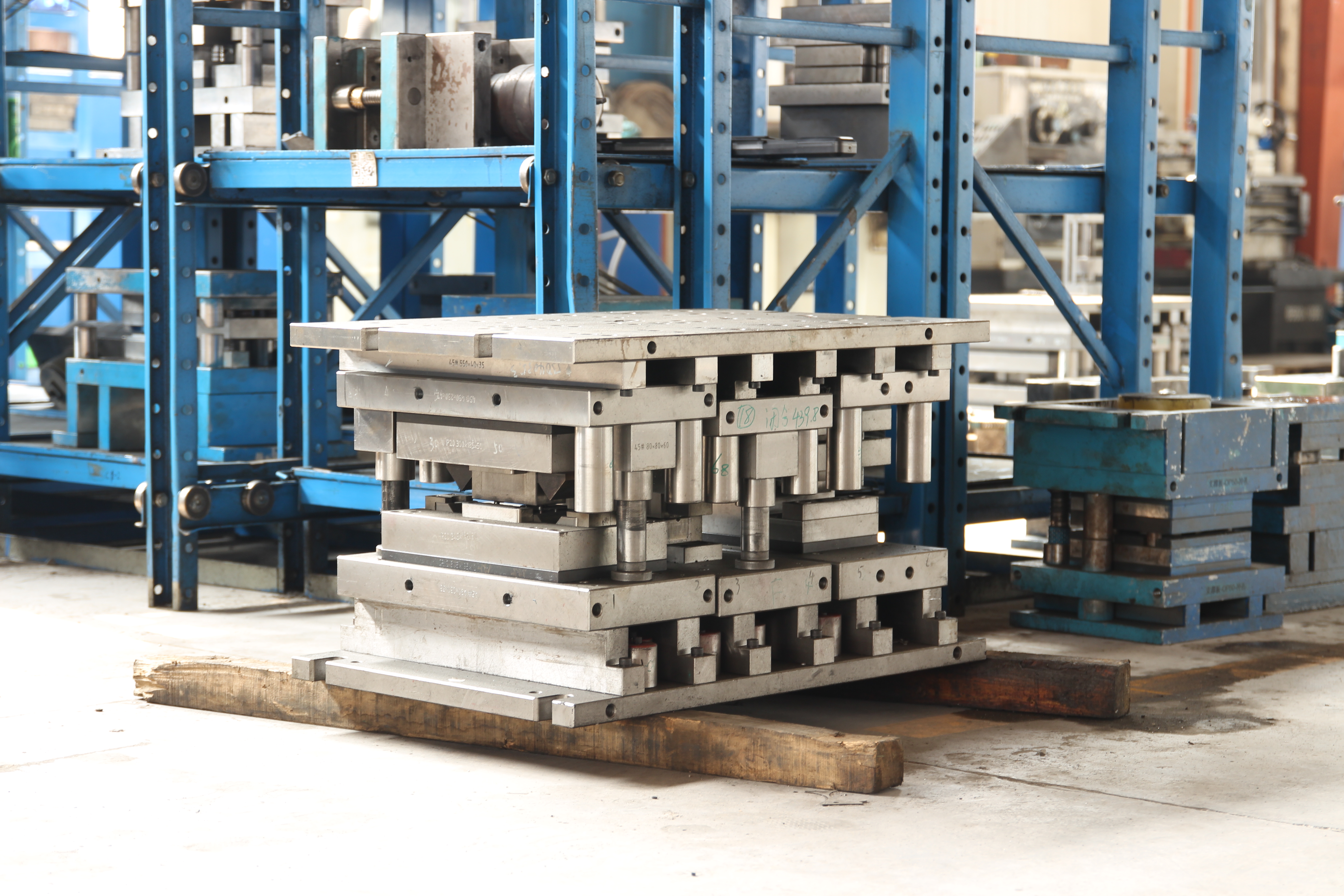
Aplicacións industriais nas que a estampación progresiva sobresae
Vostede coñece os estándares de calidade; agora exploremos onde o estampado progresivo produce resultados reais no mundo real. Aínda que este proceso serve a numerosos sectores, unha industria destaca como líder indiscutible: a fabricación automobilística. A combinación de requisitos de volumes extremos, tolerancias estreitas e xeometrías complexas fai do estampado metálico con matrices progresivas a solución preferida para a produción de compoñentes de vehículos en todo o mundo.
Pero a industria automobilística é só o comezo. Desde dispositivos médicos que salvagardan vidas ata a electrónica que alimenta a súa vida cotiá, o estampado progresivo forma compoñentes cos que interactúa constantemente — moitas veces sen darse conta. Examinemos exactamente por que este proceso domina estas aplicacións críticas.
Compoñentes estruturais e eléctricos automobilísticos
Pense na complexidade interior dun vehículo moderno. Miles de compoñentes metálicos deben encaixar perfectamente, conducir a electricidade de forma fiable e resistir anos de vibración, extremos de temperatura e esforzo mecánico. A estampación progresiva de compoñentes automotrices responde a todos estes retos de maneira simultánea —o que explica por que os fabricantes de automóbiles consomen máis pezas estampadas que calquera outra industria.
Que pezas específicas dependen de compoñentes automotrices estampados de forma progresiva? A lista abrangue prácticamente todos os sistemas do vehículo:
- Terminais e conectores eléctricos: Segundo a documentación de enxeñaría de Wiegel, os terminais estampados úsanse en aplicacións que van desde os sistemas de xestión da batería e os inxectores de combustible ata as pantallas de infoentretemento e os motores dos asentos eléctricos. Estes compoñentes de precisión xestionan funcións como as cámaras de sistemas avanzados de axuda á condución (ADAS), os controladores do sistema antibloqueo de freos (ABS), os módulos de control climático e os sistemas de axuda para manter o vehículo no carril.
- Soportes e reforzos estruturais: Os paneis da carrocería, os conxuntos de portas e os compoñentes do chasis requiren soportes de montaxe que combinen resistencia co control dimensional preciso. O estampado progresivo produce estas pezas de forma económica a volumes automobilísticos.
- Escudos térmicos: A protección de compoñentes críticos das temperaturas do sistema de escape require barreras de metal estampadas con contornos complexos e características de montaxe — aplicacións ideais para o estampado progresivo.
- Carcasas de Sensores: Os sensores de airbag, os sensores de temperatura, os sensores de humidade e os sensores de estabilidade do vehículo requiren carcacas formadas con precisión, que as matrices progresivas fornecen de maneira constante.
- Compoñentes dos fascículos de cables: Desde os fascículos de cables do motor ata os fascículos de cables do airbag, os conectores e terminais que interconectan os sistemas eléctricos do vehículo xorden de operacións de estampado progresivo.
¿Por que a estampación progresiva domina a estampación progresiva OEM para aplicacións automobilísticas? A economía faise convincente nos volumes automobilísticos. Cando se producen centenares de miles —ou millóns— de compoñentes idénticos anualmente, as vantaxes de custo por peza das matrices progresivas superan case todas as alternativas. Engada a consistencia que ofrece a ferramenta dura ao longo de series de produción de varios millóns de pezas, e entenderá por que os principais fabricantes automobilísticos especifican este proceso.
Para os fabricantes que buscan capacidades de matrices de estampación automobilística que cumpran estes rigorosos requisitos, proveedores como Shaoyi demostran o que é posible lograr cunha enxeñaría adecuada. A súa certificación IATF 16949 valida os sistemas de calidade deseñados especificamente para a produción automotriz. As capacidades de simulación por CAE detectan posibles problemas antes de comezar a fabricación das ferramentas. E a súa taxa documentada de aprobación no primeiro intento do 93 % reflicte a precisión que demandan os fabricantes de equipos orixinais (OEM) do sector automotriz, probando así que os estándares de calidade mencionados anteriormente se traducen directamente na realidade produtiva.
Aplicacións en dispositivos médicos e electrónica
Máis aló do sector automotriz, estampación progresiva médica representa unha das aplicacións máis exigentes para a conformación precisa de metais. Cando os compoñentes finalizan no interior do corpo humano ou controlan equipos críticos para a vida, os estándares de calidade aumentan dramaticamente.
De acordo co Os expertos en fabricación de Paragon Medical os avances tecnolóxicos están impulsando a demanda de pezas miniatura e complexas fabricadas con materiais difíceis de conformar. Os dispositivos médicos requiren con frecuencia máis ca unha simple conformación precisa de metais: necesitan compoñentes microestampados con tolerancias moi estreitas que permitan aos enxeñeiros de dispositivos crear xeometrías únicas para implantes, trazados de circuitos eléctricos, plataformas robóticas e instrumentación que estean empurrando os límites físicos ata niveis microscópicos.
Que fai tan desafiante a estampación progresiva médica?
- Instrumentos cirúrxicos: As estampacións de precisión forman compoñentes críticos de dispositivos laparoscópicos e endoscópicos, onde a exactitude dimensional afecta directamente os resultados cirúrxicos.
- Compoñentes implantables: As pezas destinadas a ser colocadas de forma permanente no interior dos pacientes requiren unha calidade superficial excecional, materiais biocompatibles e unha fabricación sen defectos.
- Contactos para baterías: Os sistemas de alimentación dos dispositivos médicos dependen de contactos estampados que proporcionen conexións eléctricas fiables durante todo o ciclo de vida do produto.
- Clips de ligadura de titánio: Operacións especializadas de estampación forman estes compoñentes cirúrxicos críticos a partir de materiais exigentes
A industria electrónica presenta desafíos paralelos a distintas escalas. Os dispositivos de consumo requiren compoñentes máis pequenos, máis lixeiros e máis complexos, producidos en cantidades enormes. A estampación progresiva ofrece:
- Terminais de conectores: Os minúsculos contactos no interior das portas USB, dos conectores de carga e das cabezas das placas de circuito orixinan como compoñentes estampados progresivamente
- Marcos de conexión: O embalaxe de semicondutores depende de estruturas estampadas con precisión que posicionan e conectan os circuitos integrados
- Escudo contra EMI: Os compoñentes de blindaxe electrónica protexen os circuitos sensibles da interferencia electromagnética
- Contactos para baterías: Desde os smartphones ata as ferramentas eléctricas, os contactos de batería estampados garanten unha transferencia fiable de enerxía
Que capacidades permiten o éxito nestas aplicacións tan exigentes? Os especialistas do sector resaltan a capacidade de traballar con grosores de material de 0,002 a 0,100 polgadas para láminas planas e con diámetros de fío de 0,008 a 0,090 polgadas. As matrices progresivas para aplicacións médicas e electrónicas adoitan incorporar características sofisticadas: o estampado de precisión de compoñentes de tamaño microscópico con xeometrías complexas require ferramentas deseñadas con tolerancias medidas en milesimas de polgada.
¿Cal é o elemento común en todas estas aplicacións? O estampado progresivo destaca cando se necesitan xeometrías complexas, tolerancias estreitas e altos volumes, xa sexa que se estean producindo millóns de terminais automotrices ou millares de compoñentes médicos de precisión. Este proceso adapta-se aos requisitos específicos de cada industria, ao mesmo tempo que ofrece a velocidade e a consistencia que fan economicamente viable a fabricación moderna.
Comprender estas aplicacións axuda a clarificar o que pode lograr a estampación progresiva. Pero saber o que é posible é só o primeiro paso: o seguinte reto implica avaliar se este proceso se adapta ao seu proxecto específico e atopar o socio adecuado para executalo con éxito.
Selección do socio adecuado para a estampación progresiva do seu proxecto
Xa explorou a tecnoloxía, comparou os métodos e compreendeu a economía. Agora chega a decisión que determina se o seu proxecto ten éxito ou se troita: escoller o socio adecuado para a fabricación de matrices de estampación. Esta elección importa máis do que a maioría dos fabricantes creen, pois incluso o mellor deseño de proceso de estampación progresiva de matrices falla sen unha execución competente.
Imaxina a selección do fornecedor como o eslabón final dunha cadea. Todo o coñecemento de enxeñaría, a ciencia dos materiais e a análise de custos que recollaches non significa nada se o teu socio para a fabricación de moldes non pode traducir os requisitos na realidade da produción. Vamos salvar esa brecha con orientacións prácticas que podes aplicar de inmediato.
Avaliación do deseño da peza para a viabilidade progresiva
Antes de contactar cos posibles fabricantes de troqueis progresivos, avalia sinceramente se a túa peza é realmente adecuada para o estampado progresivo. Non todos os compoñentes se benefician deste proceso —e descubrir esa inadecuación despois de investir en moldes xera problemas caros.
De acordo co expertos en parcerías de fabricación de Colab Software , as sesións de Deseño para a Fabricación deben ter lugar cedo —invitando aos socios de fabricación a revisar os conceptos iniciais de CAD antes de finalizar os detalles. Esta implicación temprana valida que cada furo, nervio e chaflán poden producirse de forma fiable, repetible e á escala necesaria.
Que consideracións de DFM debería avaliar? Comece con estes factores críticos:
- Espazamento entre elementos: As operacións requiren unha separación adecuada entre as características. Os punzóns colocados demasiado preto uns dos outros debilitan as seccións do molde e aceleran o desgaste. O seu molde de estampación debe acomodar anchos mínimos de nervios axeitados para o grosor do material.
- Aproveitamento do material: Os moldes progresivos sobresaen cando os deseños da tira maximizan o material útil ao tempo que minimizan os recortes. As pezas con xeometrías irregulares ou características que requiren unha anchura de portador extensa poden desperdiciar material, reducindo así as vantaxes de custo.
- Requisitos de tolerancia: A estampación progresiva estándar alcanza unha tolerancia de ±0,05 mm na maioría das características. Se o seu deseño require unha tolerancia de ±0,01 mm en múltiples dimensións críticas, discuta explicitamente estes requisitos — non todas as operacións de estampación progresiva ofrecen tolerancias ultra-precisas de forma económica.
- Límites de volume: Como se estableceu anteriormente, as estampacións con moldes progresivos resultan rentables por riba de aproximadamente 20.000–50.000 unidades anuais. Por debaixo deste limiar, outros métodos alternativos poden ofrecer mellor valor, a pesar de teren un custo por peza máis elevado.
Que fai que unha peza sexa especialmente adecuada para ferramentas progresivas? Busque estas características:
- Múltiplas operacións (perforación, dobrado, conformado) que se benefician da súa consolidación
- Tamaño pequeno ou medio que permite o procesamento con tira alimentada
- Requisitos de produción consistentes que permiten a amortización da ferramenta
- Xeometrías realizables sen necesidade de repositionar a peza entre estacións
As comprobacións de viabilidade actúan como a súa póliza de seguro contra descubrimentos en fases avanzadas. Tal como subliña a orientación do sector, estas revisións confirmar que os deseños poden fabricarse nos volumes e custos obxectivo, resolvendo as preguntas «e se...?» antes de comprometerse coa inversión en ferramentas.
Colaborar co fornecedor de utillaxes axeitado
Unha vez validada a viabilidade progresiva, a selección dos fabricantes das matrices de estampación convértese na decisión fundamental. O socio axeitado aporta experiencia en enxeñaría, capacidade de produción e sistemas de calidade que transforman o seu deseño nunha realidade produtiva consistente.
Que distingue aos fornecedores competentes do resto? Segundo os expertos en cadeas de suministro de YISHANG, os mellores socios en estampación non só cumpren as tolerancias, senón que tamén o axudan a construír mellor, máis rápido e de forma máis económica. Isto significa avaliar capacidades alén da maquinaria básica.
Use esta lista de comprobación de decisións ao avaliar fabricantes de matrices progresivas:
- Verifique as capacidades de enxeñaría: O fornecedor ofrece deseño e fabricación interna de ferramentas, ou subcontrata estes servizos? A capacidade interna acelera as iteracións, protexe a propiedade intelectual e mellora a responsabilidade. Pregunte especificamente sobre a simulación por CAE: os fornecedores que validan os deseños virtualmente antes de cortar o acero ahorranlle custosas iteracións físicas.
- Avalie a velocidade de prototipado: O tempo de lanzamento ao mercado adoita determinar a vantaxe competitiva. Os fornecedores competentes ofrecen prototipado rápido que entrega mostras funcionais con rapidez para a validación do deseño. Por exemplo, O equipo de enxeñaría de Shaoyi ofrece prototipado en tan só 5 días—permitindo a verificación do deseño antes de comprometerse coas ferramentas de produción. Esta velocidade permítelle probar, mellorar e confirmar a factibilidade sen atrasos no cronograma do proxecto.
- Avaliar a escalabilidade da produción: O seu socio debe ser capaz de xestionar os volumes actuais e, ao mesmo tempo, adaptarse ao crecemento. Revise a capacidade das prensas e a súa gama de tonelaxe—as matrices progresivas poden require prensas de 25 T a máis de 600 T, dependendo do tamaño da peza e do material. Busque fornecedores con sistemas de ferramentas de cambio rápido que minimicen o tempo de cambio.
- Confirmar as certificacións de calidade: A certificación ISO 9001 representa o nivel mínimo. Os proxectos automobilísticos requiren a IATF 16949. As aplicacións médicas e aeroespaciais poden demandar certificacións adicionais. Solicite a documentación—non acepte garantías verbais.
- Revisar os termos de propiedade das ferramentas: Aclarar quen é o propietario do molde de estampación progresiva despois do pago. Definir as responsabilidades de mantemento, os acordos de almacenamento e as cláusulas de transferencia antes de emitir as órdenes de compra. Os termos imprecisos xeran problemas de influencia posteriormente.
- Examinar os programas de mantemento: Os fornecedores de calidade implementan un mantemento predictivo e almacenan as ferramentas en instalacións con control climático. Solicitar a documentación de mantemento do molde, incluídos os rexistros de afilado, o historial de substitución de compoñentes e os informes de calibración.
- Solicitar mostras de proxectos similares: Pedir pezas de proxectos que coincidan co seu material, xeometría e requisitos de volume. Inspeccionar os informes dimensionais, o acabado superficial e a calidade das bordos. Os estudos de capacidade documentados (valores Cpk) revelan o control real do proceso, non simples afirmacións teóricas.
Como é, na práctica, un servizo integral de deseño de moldes? Fornecedores como Shaoyi demostran a aproximación integrada que ofrece resultados: o seu equipo de enxeñaría combina a simulación por CAE con ferramentas rentables adaptadas aos estándares dos fabricantes de equipos orixinais (OEM). Isto significa que os deseños se validan antes da fabricación, os posibles problemas resólvense durante a fase de planificación e non na fase de probas, e as ferramentas de produción funcionan de forma fiable desde a primeira embestida.
Esta distinción é importante porque unha boa enxeñaría tradúcese directamente en éxito na produción. Esa taxa do 93 % de aprobación na primeira pasada mencionada anteriormente? É o resultado da simulación previa, dun deseño minucioso das ferramentas e de sistemas de calidade que prevén os defectos en vez de detectalos despois de ocorreren.
Aquí está o punto clave na selección de fornecedores: trátase como unha decisión de parcería, non como unha transacción de adquisición. Os fabricantes de matrices de estampación que elixas convértense nunha extensión da túa capacidade de fabricación. A súa experiencia en enxeñaría compénsa as lacunas do teu coñecemento interno. Os seus sistemas de calidade protexen a túa reputación. A súa capacidade de produción permite o teu crecemento.
Inverte tempo nunha avaliación exhaustiva agora. Os fabricantes preparados para explorar a estampación progresiva deben abordar aos posibles socios con preguntas específicas, requisitos claros e previsións realistas de volumes. O socio axeitado responde con solucións, non con desculpas, axudándote a transformar a estampación progresiva dunha opción de proceso nunha vantaxe competitiva.
Preguntas frecuentes sobre a estampación progresiva
1. Cales son os 7 pasos no método de estampado?
As sete operacións de estampación de metais máis comúns inclúen o corte (cortar a forma inicial), o perforado (crear furos e ranuras), o estirado (formar profundidade e cavidades), a dobradura (crear ángulos e rebordes), a dobradura ao aire (formación flexible de ángulos), o acabado por asentamento e acuñación (acabado de precisión baixo alta presión) e o recortado por pinzamento (refinamento final das bordas). Na estampación progresiva, estas operacións prodúcense secuencialmente en múltiples estacións de matriz durante cada golpe da prensa, coas furos de guía asegurando un alinhamento preciso ao longo de todo o proceso.
2. Cal é a diferenza entre a estampación progresiva e a estampación por transferencia?
O estampado progresivo mantén as pezas unidas a unha tira portadora durante todas as estacións de conformado, polo que é ideal para pezas de pequeno a medio tamaño en volumes altos, con tempos de ciclo máis rápidos. O estampado por transferencia separa as pezas ao principio e utiliza sistemas mecánicos para movelos de forma independente entre as estacións, o que permite traballar con pezas máis grandes, tiradas máis profundas e reubicacións entre operacións. Escolla o estampado progresivo para volumes superiores a 100 000 pezas anuais con compoñentes máis pequenos; seleccione o estampado por transferencia para pezas máis grandes ou geometrías que requiran cambios de orientación.
3. Que é o proceso de estampación?
A estampación é un método de fabricación que emprega matrices masculinas e femininas para deformar plásticamente láminas metálicas en formas desexadas mediante a aplicación de presión. A estampación progresiva avanza este concepto alimentando un rollo de chapa a través de múltiples estacións secuenciais —cada unha delas realiza operacións específicas como perforación, corte, dobrado e conformado— ata que se obteñen as pezas terminadas. Este enfoque integrado elimina a manipulación secundaria, reduce os custos de man de obra e permite taxas de produción de millares de pezas por hora.
4. Canto custa a ferramenta para matrices progresivas e cando resulta rendible?
As ferramentas para troqueles progresivos suelen custar entre 100.000 e 500.000 dólares, segundo a complexidade da peça. Non obstante, o custo por unidade pode reducirse ata un 80 % en comparación cos métodos de fabricación. O punto de equilibrio xeralmente prodúcese arredor das 15.000–50.000 unidades, alcanzándose o retorno sobre a inversión (ROI) óptimo cando os volumes anuais superan as 100.000 unidades. Provedores como Shaoyi ofrecen prototipado rápido en tan só 5 días, o que permite validar o deseño antes de comprometerse coa inversión completa en ferramentas de produción.
5. Que certificacións debe ter un socio especializado en estampación progresiva?
Para aplicacións automotrices, a certificación IATF 16949 é esencial: valida os sistemas de prevención de defectos, a documentación dos procesos e a responsabilidade da cadea de subministros que requeren os principais fabricantes de equipos orixinais (OEM). Os proxectos aeroespaciais requiren a certificación AS9100, mentres que os compoñentes para dispositivos médicos requiren a ISO 13485. Ademais das certificacións, avalie os fornecedores polas súas capacidades de simulación por CAE, as taxas documentadas de aprobación na primeira pasada (os líderes do sector acadan o 93 % ou máis) e os programas de control estatístico de procesos que garanticen unha calidade consistente ao longo de millóns de ciclos de produción.