 Small batches, high standards. Our rapid prototyping service makes validation faster and easier —
  EN
EN


Forged Wheel Warranty Coverage: Red Flags That Cost Buyers Thousands
Understanding Forged Wheel Warranty Coverage Fundamentals
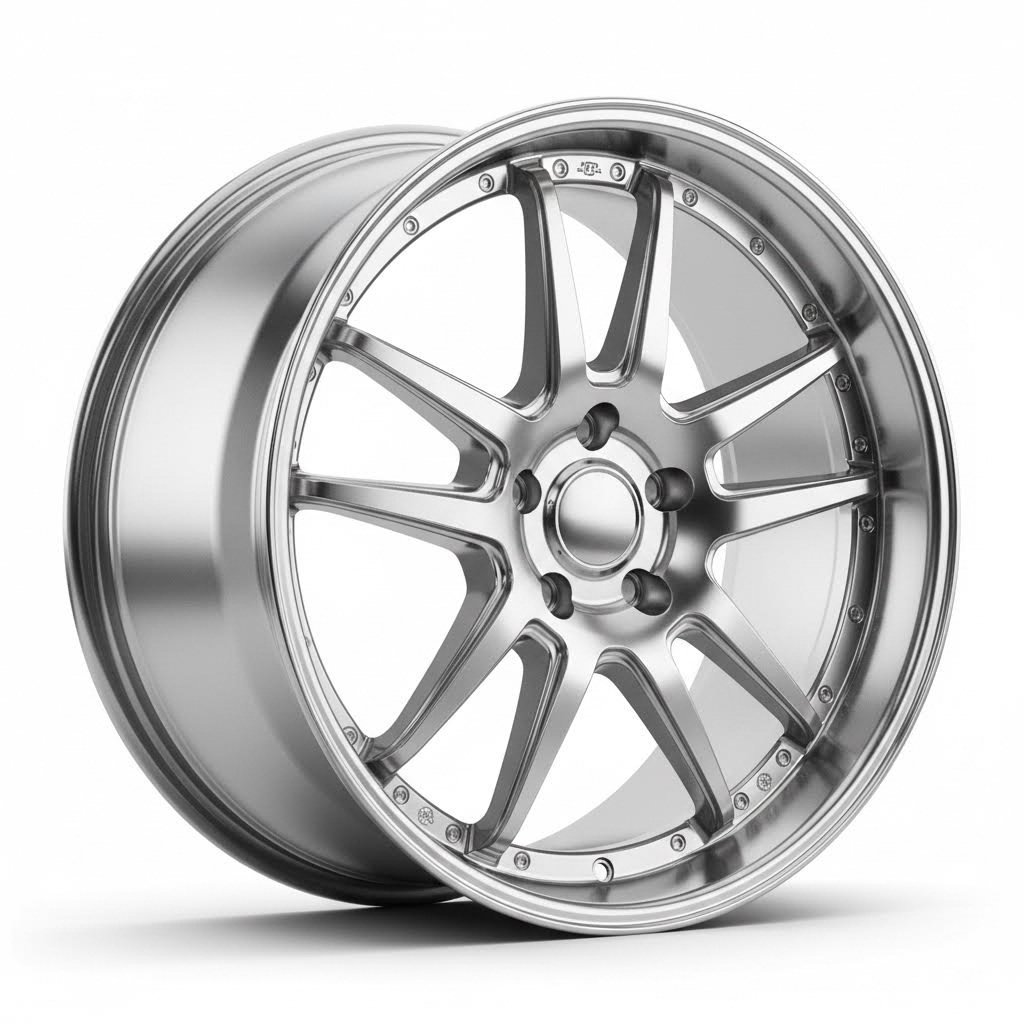
When you invest in premium wheels for your vehicle, understanding forged wheel warranty coverage becomes just as important as selecting the right size or finish. Whether you're eyeing Snyper forged wheels for your truck or exploring specialty forged options for a performance build, the warranty backing your purchase can mean the difference between long-term satisfaction and unexpected costs down the road.
Simply put, this type of coverage refers to the manufacturer's promise to repair or replace wheels that fail due to defects in materials or workmanship. But here's where things get interesting - not all wheel warranties are created equal, and the construction method plays a significant role in what protection you actually receive.
What Makes Forged Wheel Warranties Different
Forged wheels are manufactured through a process that applies extreme pressure to a solid block of aluminum or other metals. This technique aligns the metal grains, creating a wheel that is stronger, lighter, and more durable than its cast counterparts. Cast wheels, by comparison, are made by pouring molten metal into molds - a faster process that results in a less dense molecular structure.
Why does this matter for warranty coverage? Manufacturers who produce forged wheels often stand behind their products with more comprehensive warranties because the forging process inherently produces fewer structural weaknesses. You'll notice that brands offering KG1 dually wheels and similar specialty forged products frequently provide lifetime structural warranties - something rarely seen with cast alternatives.
The Manufacturing-Warranty Connection
The superior strength-to-weight ratio of forged wheels means they can handle high-speed driving, aggressive cornering, and heavy loads without the stress fractures that might plague lesser wheels. This durability directly translates into warranty confidence from manufacturers.
A warranty isn't just paperwork - it's a manufacturer's statement of confidence in their product's quality and longevity. When evaluating forged wheels, the warranty terms often reveal more about true product quality than marketing claims ever could.
Consider this: forged wheels typically cost two to three times more than cast wheels of similar size. With that significant investment, you deserve warranty protection that matches the premium you're paying. Before your next purchase, take time to understand exactly what coverage you're getting - and more importantly, what you're not.
What Forged Wheel Warranties Actually Cover
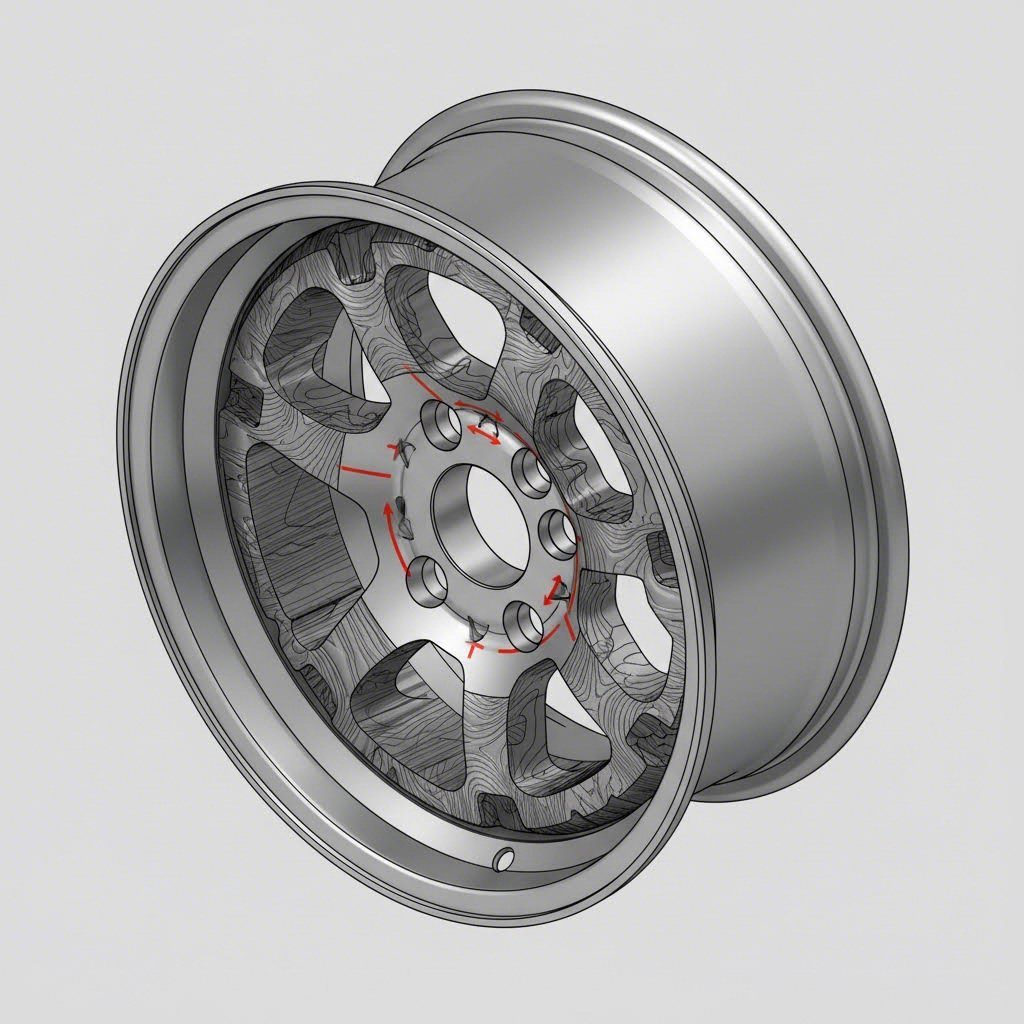
So you've decided to invest in forged wheels - now comes the critical question: what exactly does that warranty protect? Understanding the specific categories of defects covered under forged wheel warranty coverage helps you set realistic expectations and avoid costly surprises. Let's break down the three main areas of protection you'll encounter when reviewing warranty terms.
Structural Integrity Coverage Explained
Structural coverage is the backbone of any forged wheel warranty, and it's where premium manufacturers truly differentiate themselves. This category addresses defects in the wheel's core construction - the very elements that keep you safe on the road.
When a manufacturer offers structural defect coverage, they're typically protecting against:
- Cracks or fractures originating from material flaws
- Porosity issues in the wheel's internal structure
- Failure points caused by improper grain alignment during forging
- Stress fractures that develop under normal driving conditions
- Weld failures on multi-piece wheel assemblies
Established brands like KG1 Forged demonstrate remarkable confidence in their manufacturing by offering lifetime structural warranty programs. When you're shopping for 22x12 KG1 forged wheels or similar specialty sizes, this lifetime protection speaks volumes about the manufacturer's trust in their forging process.
However, structural coverage has clear boundaries. According to Forgeline's warranty documentation, the following situations fall outside structural protection:
- Damage from misuse, negligence, or racing applications
- Collision-related damage or curb impacts
- Wheels installed on vehicles exceeding recommended weight loads
- Products altered or repaired by unauthorized parties
- Wheels used on vehicles other than those for which they were designed
Finish Protection vs Manufacturing Defects
Here's where warranty coverage gets nuanced. Finish warranties and manufacturing defect coverage often operate under completely different terms - and confusing the two can lead to denied claims and frustration.
Finish protection covers the wheel's surface treatment, including paint, powder coating, chrome plating, or polished surfaces. Think of it as cosmetic insurance. According to Forgelite Wheels' warranty policy, Made in USA wheels receive a 3-year finishing warranty, while Made in PRC wheels carry only 1-year finish protection. This variation highlights how manufacturing location can directly impact your coverage duration.
Manufacturing defect coverage, on the other hand, addresses flaws that occurred during production - improperly applied finishes, inconsistent coating thickness, or finish separation that happens without external cause.
| Coverage Type | What's Protected | Typical Duration | Common Exclusions |
|---|---|---|---|
| Structural Defects | Core wheel integrity, material flaws, forging issues | Lifetime (varies by brand) | Collision damage, racing use, overloading |
| Finish Defects | Factory-applied coatings, paint separation, plating issues | 1-3 years | Stone chips, chemical damage, abrasive cleaners |
| Manufacturing Flaws | Assembly errors, improper accessories, out-of-round conditions | 30 days to 3 years | Post-installation damage, third-party modifications |
Pay close attention to finish warranty exclusions. Road hazards like stone chips, damage from acid-based cleaners, and scratches from car wash brushes are universally excluded. Even KG1 center caps and other accessories typically carry separate warranty terms from the wheels themselves. Forgeline's policy specifically notes that polished or raw finishes without clear coat receive no finish warranty whatsoever - a critical detail if you prefer bare metal aesthetics.
The claim process also differs by defect category. Structural issues often qualify for straightforward replacement, while finish claims may require photographic evidence and manufacturer inspection. Some brands, like Forgeline, require claims for out-of-roundness within just 30 days of purchase - miss that window with your KG1 forged wheels 22x12 setup, and you may be out of luck.
Understanding these distinctions before purchase protects your investment and ensures you know exactly when to file a claim - and when damage falls outside your coverage.
Warranty Duration Breakdown and What Lifetime Really Means
You've seen the bold claims: "Lifetime Warranty" splashed across marketing materials for specialty forged wheels 24x12 and other premium sizes. Sounds impressive, right? But here's the reality check every buyer needs - that forged wheel lifetime warranty often doesn't mean what you think it means. Understanding the actual duration structures behind these claims can save you from expensive disappointments years down the road.
Let's decode what manufacturers really promise when they throw around terms like "lifetime" and "limited" - because the gap between marketing language and actual coverage is where buyers lose thousands.
Decoding Lifetime Warranty Claims
When a manufacturer offers a forged wheel structural warranty labeled as "lifetime," they're typically referring to protection against manufacturing defects in the wheel's core structure for as long as the original purchaser owns the wheels. According to Variant Alloy Wheels' warranty documentation, their limited lifetime warranty covers structural defects in material "as long as the original owner/purchaser owns the wheels."
Notice that key phrase: original owner. Transfer that wheel to a new vehicle owner, and your "lifetime" coverage often vanishes instantly. This non-transferable clause appears across virtually every major forged wheel manufacturer's warranty terms.
But the limitations don't stop there. Here's what most "lifetime" structural warranties actually exclude:
- Damage from racing, off-road use, or road hazard impacts
- Wheels installed with spacers or adapters
- Products used on vehicles exceeding recommended load ratings
- Wheels that have been altered, repaired, or modified by third parties
- Purchases made through unauthorized dealers
Imagine purchasing a set of forged wheels with that reassuring KG1 forged logo, only to discover your claim gets denied because you added wheel spacers for a wider stance. That's the reality many buyers face when they assume "lifetime" means unconditional protection.
Coverage Period Variations by Defect Type
Here's where warranty duration becomes genuinely complex. While structural coverage might last a "lifetime," finish protection operates on an entirely different clock - and the differences are dramatic.
Forgelite Wheels demonstrates this disparity clearly: their Made in USA wheels carry a lifetime structural warranty paired with only a 3-year finishing warranty. Their Made in PRC wheels? Just 1 year of finish protection. Same brand, vastly different coverage based on manufacturing origin.
Variant Alloy Wheels offers a 3-year finish warranty alongside their lifetime structural coverage, creating a clear two-tier protection system. Once that 3-year finish window closes, any coating issues - peeling, bubbling, or premature fading - become your financial responsibility.
| Defect Category | Typical Coverage Duration | Key Limitations | Transferable? |
|---|---|---|---|
| Structural Defects | Lifetime (original owner) | Excludes racing, modifications, overloading | No |
| Finish/Coating Issues | 1-3 years from purchase | Excludes chemical damage, abrasive cleaners, road debris | No |
| Out-of-Round Conditions | 30 days from purchase | Must report before mounting tires | No |
| Accessory Defects | 90 days to 1 year | Caps, hardware, and inserts often covered separately | Varies |
| Chrome Plating | 1-2 years | Pitting from lack of maintenance excluded | No |
That 30-day window for out-of-round claims deserves special attention. Miss that narrow timeframe, and a manufacturing defect that causes vibrations becomes your problem permanently. Always test-fit and check for balance issues immediately after receiving your wheels.
Questions Every Buyer Should Ask About Duration Terms
Before committing to any forged wheel purchase, arm yourself with these essential questions:
- What specific defects qualify for "lifetime" coverage versus limited-term coverage?
- Is the warranty transferable if I sell my vehicle?
- What's the deadline for reporting manufacturing defects after purchase?
- Does finish warranty coverage vary based on manufacturing location?
- Are there maintenance requirements that must be documented to maintain coverage?
- What happens if my wheel style is discontinued when I need a replacement?
That last question matters more than you might expect. Both Forgelite and Variant explicitly state that warranty replacements are subject to product availability. If your specialty forged wheels 24x12 get discontinued, you may receive a different style or color - or face extended wait times for manufacturing.
The bottom line? "Lifetime" is a marketing term that requires translation. A forged wheel lifetime warranty protects against specific structural failures, under specific conditions, for as long as you remain the original owner. Everything else - finishes, accessories, cosmetic issues - operates on much shorter timelines. Know these distinctions before you buy, and you'll avoid the nasty surprise of a denied claim when you need protection most.

Documentation Requirements for Successful Warranty Claims
You've invested in quality forged wheels and verified the coverage terms - but when something goes wrong, will you have what it takes to actually file a successful claim? Here's a reality many buyers discover too late: having valid forged wheel warranty coverage means nothing if you can't prove your eligibility. The difference between a smooth replacement process and a denied claim often comes down to one thing - documentation.
Think of your warranty documentation as an insurance policy for your insurance policy. Without the right paperwork, even the most comprehensive coverage becomes worthless. Let's walk through exactly what records you need to maintain from the moment you click "purchase" to the day you might need to file a claim.
Essential Documentation for Warranty Validation
According to Forgeline's warranty policy, "a warranty adjustment will require verification of date of purchase. The original invoice showing ownership and the date of purchase is acceptable." This straightforward statement carries significant weight - no invoice means no warranty service, period.
But your forged wheel proof of purchase requirements extend beyond a simple receipt. Here's what you need to establish eligibility:
- Original purchase invoice - Must show date, seller information, wheel specifications, and your name
- Proof of authorized dealer purchase - Many warranties only honor claims from authorized retail channels
- Vehicle identification - Some manufacturers require proof the wheels were installed on their intended vehicle type
- Forged wheel warranty registration confirmation - If the manufacturer offers product registration, keep that confirmation email or certificate
That last point deserves emphasis. Brands like Forgeline provide direct contact options for warranty service, but proactive registration streamlines the entire wheel warranty claim process. When you register your wheels immediately after purchase, you create a manufacturer record that validates your ownership without hunting for old receipts years later.
Building Your Warranty Claim File
Sounds complex? It doesn't have to be. Creating a comprehensive warranty file takes about 15 minutes at purchase time but can save you hours of frustration - and potentially thousands of dollars - down the road. Follow this step-by-step process to build an airtight claim file:
- Save your purchase documentation immediately - Store digital copies of your invoice, order confirmation, and any warranty cards in a dedicated folder. Cloud storage ensures you won't lose these files if your computer crashes.
- Complete manufacturer registration within 30 days - Most forged wheel warranty registration systems allow online submission. Screenshot your confirmation and save it with your other documents.
- Document the installation process - Have your installer provide a dated receipt showing proper mounting, balancing, and torque specifications. This proves professional installation if questions arise later.
- Photograph your wheels upon delivery - Take clear photos of each wheel before installation, capturing the finish, any identifying marks, and the overall condition. Include images of serial numbers or manufacturing stamps if visible.
- Create a maintenance log - Record every tire rotation, balance check, and cleaning session. Note what forged wheel cleaner products you use, as harsh chemicals can void finish warranties.
- Keep records of any service visits - If your vehicle goes to a shop for any wheel-related work, get written documentation of what was done and by whom.
Why does maintenance documentation matter so much? Reference materials from RNR Tire Express note that "many warranties require documentation of regular maintenance, so keeping detailed records is essential." This applies equally to forged wheel coverage - manufacturers want proof you've cared for their product properly before they'll honor a claim.
The best time to organize your warranty documentation is the day your wheels arrive. The worst time is when you're staring at a cracked wheel and can't find your receipt.
One final consideration: store physical copies of critical documents in a safe location, and keep digital backups accessible from multiple devices. When you need to file a claim, time matters - and having everything organized means you can respond quickly to manufacturer requests rather than scrambling through old emails or filing cabinets.
With your documentation squared away, you're prepared for the warranty claim process. But what happens after you file? Understanding the logistics of shipping and replacement timelines helps you set realistic expectations before problems arise.
Shipping and Replacement Logistics During Warranty Claims
You've documented everything perfectly and your warranty claim gets approved - victory, right? Not so fast. Many forged wheel buyers discover an uncomfortable truth only after filing a claim: the logistics of actually getting your replacement wheel can be just as frustrating as the defect itself. From unexpected forged wheel replacement shipping costs to wheel warranty turnaround time that stretches into months, the replacement process hides expenses and delays that catch buyers off guard.
Understanding these forged wheel claim logistics before you purchase helps you compare manufacturers on more than just coverage terms. Let's examine what really happens between claim approval and having functional wheels back on your vehicle.
Who Pays for Warranty Shipping
Here's a question that separates premium warranty programs from bare-minimum coverage: who foots the bill when defective wheels need to travel back and forth for inspection and replacement?
According to Diablo Wheels' warranty policy, "all products returned must be accompanied by a copy of the original invoice to the end user and the freight must be prepaid by the shipper/retail purchaser." Translation? You're paying to ship those heavy forged wheels to the manufacturer for inspection - and that's not cheap.
Consider the math: a single 22x12 forged wheel can weigh 35-45 pounds. Shipping one wheel across the country via freight carrier easily runs $75-150. Sending all four for inspection? You're looking at $300-600 in shipping costs just to initiate your "free" warranty replacement. And if the manufacturer determines your claim doesn't qualify? Those wheels come back to you - at your expense.
The warranty replacement process typically follows one of these shipping models:
- Customer pays both ways - You cover shipping to manufacturer and return shipping if claim is denied
- Customer pays outbound, manufacturer pays return - You ship defective wheels in; manufacturer covers shipping approved replacements back
- Manufacturer covers all shipping - Rare, typically reserved for premium brands or clear manufacturing defects
- Advanced replacement with deposit - Manufacturer ships replacement first with credit card hold; you return defective wheel afterward
Diablo's policy reveals another critical detail: "If returned products are found ineligible for warranty coverage, the product will be returned to the sender, without repair or replacement, at the sender's expense." That risk of paying round-trip shipping for a denied claim makes thorough documentation even more essential.
Some manufacturers offer inspection alternatives. Submitting detailed photos and videos before shipping can sometimes result in approval without physical inspection - saving you significant freight costs. As Diablo requires, "all products returned must have pictures or video of defects before RGA/RMA is issued." Use this requirement to your advantage by providing comprehensive visual evidence that might satisfy the manufacturer remotely.
Understanding Replacement Turnaround Times
Imagine your vehicle sitting on jack stands in your garage for six weeks waiting on a warranty replacement. Sound extreme? It's more common than you'd expect, especially with specialty forged wheels or custom finishes.
Wheel warranty turnaround time depends on multiple factors that vary dramatically between manufacturers:
- Stock availability - Common sizes ship faster; specialty dimensions like 24x12 may require manufacturing
- Finish complexity - Custom paint or multi-stage finishes extend production time
- Inspection requirements - Some manufacturers won't approve replacements until defective wheels arrive and pass inspection
- Manufacturing location - Domestic production typically means faster turnaround than overseas facilities
- Claim volume - Peak seasons or recall situations can create backlogs
Manufacturing location deserves special attention. American-made forged wheels from domestic facilities often deliver replacement wheels within 2-3 weeks because shipping stays continental and communication happens in real-time during business hours. International production adds complexity - shipping from overseas facilities can take 4-6 weeks just for transit, plus potential customs delays.
Beyond speed, domestic manufacturing typically provides better communication quality during the claim process. When your manufacturer operates in your time zone and speaks your language natively, getting claim updates and resolving questions happens more smoothly than navigating international customer service channels.
Questions to Ask About Logistics Before Purchase
Don't wait until you're filing a claim to discover unfavorable logistics terms. Before committing to any forged wheel purchase, get clear answers to these essential questions:
- Who pays shipping costs for warranty claims - outbound, return, or both?
- Does the manufacturer offer advanced replacement, or must I wait for inspection approval?
- What's the typical turnaround time for my specific wheel size and finish?
- Where are the wheels manufactured, and where do warranty claims get processed?
- Can photo/video documentation satisfy inspection requirements without shipping?
- What happens if my wheel style is discontinued when I need a replacement?
- Does the manufacturer provide tracking and status updates during the claim process?
- Are there expedited replacement options available for additional cost?
Getting these answers in writing before purchase protects you from logistics surprises later. A manufacturer offering comprehensive coverage with buyer-friendly shipping policies demonstrates confidence in their product quality - they're not expecting many claims, so they can afford generous terms.
The logistics of warranty claims reveal how manufacturers truly treat their customers when problems arise. Coverage terms look great on paper, but shipping costs and replacement delays determine your real-world experience. With logistics expectations set properly, you're better equipped to spot the warning signs of inadequate coverage hiding behind impressive marketing claims.
Warranty Red Flags Every Buyer Should Recognize
You've researched shipping policies and documented every receipt - but what if the warranty itself is fundamentally flawed? Some forged wheel manufacturers craft policies that appear comprehensive at first glance, yet contain hidden language designed to minimize their obligations. Recognizing these wheel warranty warning signs before you purchase can save you from discovering bad wheel warranty coverage only when you desperately need protection.
Think of warranty evaluation like reading a contract before signing. The bold headlines promise protection, but the real story lives in the fine print. Let's expose the tactics that leave buyers with inadequate forged wheel buyer protection - and arm you with the questions that reveal true coverage quality.
Warning Signs of Weak Warranty Coverage
According to insights from RNR Tire Express, "some warranties appear impressive on paper but become nearly useless when you need to use them." This observation applies directly to forged wheel warranty exclusions. Watch for these specific red flags that signal problematic coverage:
- Vague exclusion language - Terms like "normal use" or "reasonable conditions" without clear definitions allow manufacturers to interpret situations in their favor when claims arise
- Excessive documentation requirements - Warranties requiring maintenance records every 3,000 miles, professional inspection certificates, or notarized installation documents create nearly impossible compliance standards
- Narrow defect definitions - Coverage that specifies only "catastrophic structural failure" while excluding cracks, porosity issues, or finish separation leaves major problems unprotected
- Unreasonably short claim windows - Policies requiring defect reports within 7-14 days of discovery, when some issues only become apparent over time
- No direct manufacturer contact - Warranties that force all communication through dealers without providing direct customer service access limit your ability to escalate denied claims
- High deductibles or processing fees - Hidden charges of $50-150 per claim that reduce the practical value of "free" replacement coverage
- Prorated-only replacement - Policies offering only partial credit based on usage time rather than full replacement for manufacturing defects
As Performance Plus Tire notes regarding similar warranty structures, "if you miss a single rotation or can't provide detailed maintenance records, you might lose your entire warranty coverage. Warranties like this were not designed to be helpful." The same principle applies to forged wheel coverage - arduous requirements often signal a manufacturer looking for claim denial opportunities.
Questions That Reveal True Protection Levels
Want to cut through marketing language and evaluate what forged wheel warranty coverage actually delivers? These targeted questions expose the difference between genuine protection and paper-thin promises:
- "Can you provide the complete warranty document before I purchase?" - Reputable manufacturers share full terms upfront; hesitation suggests unfavorable fine print
- "What percentage of warranty claims do you approve?" - While manufacturers rarely share exact figures, their willingness to discuss claim success rates reveals confidence in their product
- "Who specifically handles warranty claims, and what's their direct contact information?" - A named warranty department with phone and email access indicates serious customer support infrastructure
- "What documentation will you require if I file a claim three years from now?" - This question reveals whether requirements are reasonable or designed to trip you up
- "Has this warranty coverage changed in the past two years?" - Manufacturers who've recently restricted terms may be responding to quality issues
- "Can you show me examples of approved and denied claims?" - Understanding real claim outcomes tells you more than theoretical coverage descriptions
Comparing Good Versus Poor Coverage Standards
How do you objectively evaluate whether a forged wheel warranty meets industry standards for genuine forged wheel buyer protection? Use these benchmarks to compare offerings:
| Coverage Element | Strong Warranty Indicators | Weak Warranty Red Flags |
|---|---|---|
| Structural Coverage Duration | Lifetime for original owner with clear defect definitions | Limited to 1-3 years or vague "usable life" language |
| Finish Protection | Minimum 2-3 years with specific covered conditions | 12 months or less; excludes all environmental factors |
| Claim Process | Photo submission option; direct manufacturer contact available | Physical inspection required; dealer-only communication |
| Replacement Terms | Full replacement for manufacturing defects; reasonable prorating for wear | Prorated-only from day one; high deductibles on all claims |
| Exclusion Clarity | Specific list of excluded activities and conditions | Broad language like "misuse" or "improper care" without definitions |
| Shipping Responsibility | Manufacturer covers return shipping on approved claims | Customer pays all shipping regardless of claim outcome |
Remember: manufacturers confident in their product quality offer generous warranties because they don't expect many claims. Restrictive terms often signal underlying concerns about durability or finish quality that the manufacturer prefers you discover after purchase.
A warranty riddled with exclusions and requirements isn't protection - it's a liability shield for the manufacturer disguised as customer service.
When comparing forged wheel warranty exclusions across brands, pay attention to how manufacturers describe their coverage philosophy. Those emphasizing customer satisfaction and straightforward claim processes typically deliver better real-world protection than those leading with legal disclaimers and documentation requirements. The warranty terms reveal the manufacturer's true priorities - choose brands whose priorities align with protecting your investment.
How Manufacturing Quality Supports Warranty Confidence
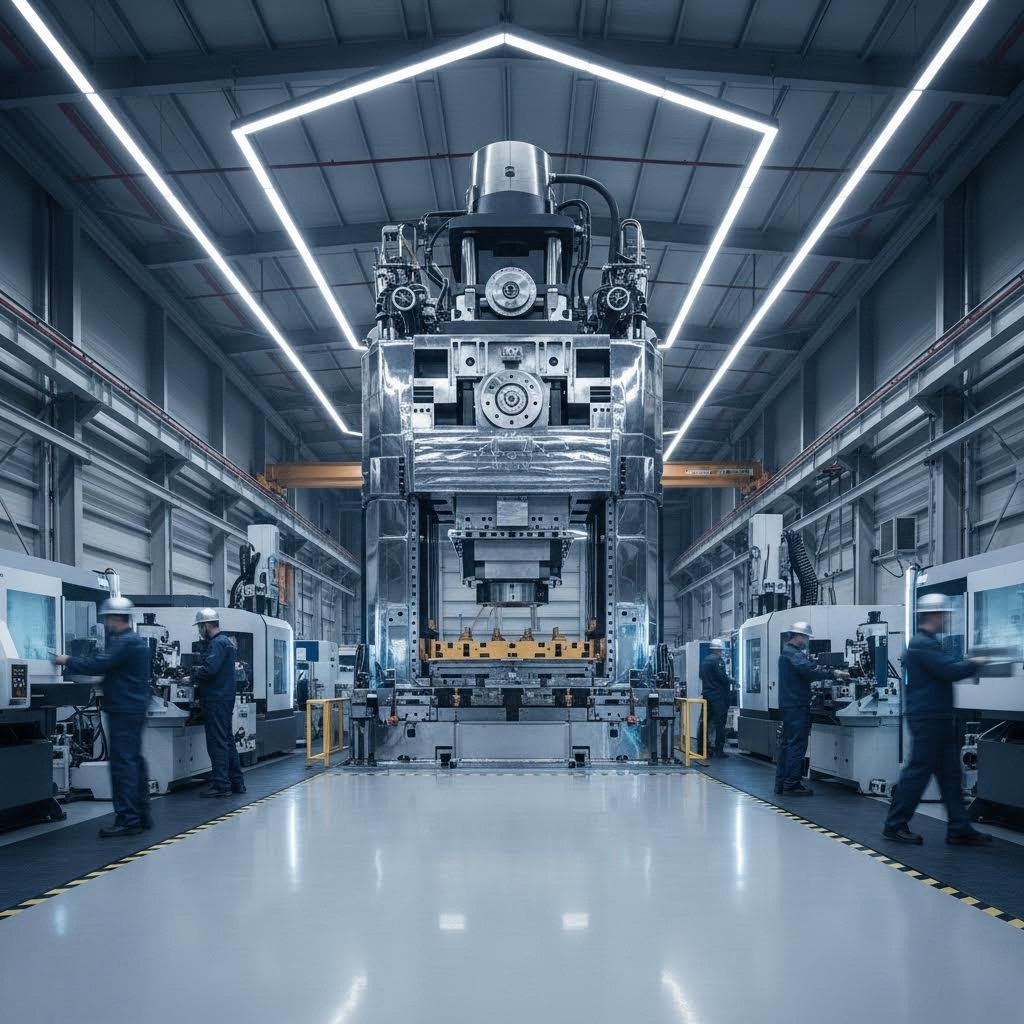
Ever wonder why some forged wheel manufacturers confidently offer lifetime structural warranties while others hedge with restrictive terms and short coverage windows? The answer lies not in their legal departments, but on their factory floors. The precision forged wheel process and quality control systems behind every wheel directly determine how boldly a manufacturer can stand behind their product.
When you understand the connection between forged wheel manufacturing quality and warranty terms, you gain a powerful lens for evaluating coverage claims. Manufacturers who invest heavily in production excellence don't just make better wheels - they offer better protection because they genuinely expect fewer failures.
How Forging Quality Enables Stronger Warranties
The forging process itself creates wheels with inherent advantages that support warranty confidence. According to testing standards documented by Tree Wheels, quality forged wheels must meet multiple international standards including JWL, VIA, TUV, SAE J2530, and ISO certifications. These aren't optional checkboxes - they're rigorous evaluations that verify structural integrity through load rating tests, impact resistance evaluations, and material quality assessments.
Consider what happens during the precision forged wheel process: extreme pressure compresses aerospace-grade aluminum alloys, aligning the metal's grain structure to create superior strength-to-weight ratios. This molecular-level precision means fewer internal weaknesses, fewer stress fractures under load, and ultimately fewer warranty claims for manufacturers to process.
The JWL-VIA standard specifically evaluates wheels through:
- Rotating bending fatigue tests - Simulating thousands of miles of continuous stress
- Impact resistance assessments - Measuring response to sudden forces like pothole strikes
- Material composition analysis - Verifying alloy purity and consistency
- Dynamic cornering fatigue testing - Replicating lateral forces during aggressive driving
Manufacturers whose wheels consistently pass these tests at margins well above minimum requirements can afford generous warranty terms. They've already proven durability through independent testing - the warranty simply reflects that proven performance.
Manufacturing Standards That Back Warranty Promises
Beyond product testing, the manufacturing environment itself determines warranty sustainability. This is where forged wheel quality control systems and industry certifications become critical differentiators.
IATF 16949 certification represents the gold standard for automotive manufacturing quality. According to DEKRA certification documentation, this standard covers "common customer-specific requirements of the automotive industry, such as traceability to support current regulatory changes, safety-related parts and processes, and warranty management processes including NTF (No Trouble Found) addressing."
Notice that warranty management is explicitly built into the IATF 16949 wheel certification framework. Manufacturers operating under this standard don't just make quality products - they maintain systems specifically designed to track, process, and resolve warranty issues effectively. This creates accountability throughout the production chain.
What does IATF 16949 certified manufacturing look like in practice? The certification requires:
- Complete traceability - Every component tracked from raw material through final assembly
- Documented quality control protocols - Standardized inspection at each production stage
- Continuous improvement systems - Ongoing refinement of manufacturing processes
- Supplier quality management - Accountability extending through the entire supply chain
- Customer-focused performance metrics - Production standards aligned with end-user requirements
Companies like Shaoyi (Ningbo) Metal Technology demonstrate how IATF 16949 certification enables confident warranty backing across precision hot forging solutions. Their in-house engineering for safety-critical components like suspension arms and drive shafts showcases the quality control infrastructure that supports robust warranty programs. When a manufacturer invests in certified facilities and maintains rigorous oversight from prototyping through mass production, they possess the documentation and process control to honor warranty commitments efficiently.
The Quality-Warranty Connection in Practice
How does this manufacturing excellence translate to your real-world warranty experience? Consider the contrast between two hypothetical manufacturers:
| Manufacturing Approach | Quality Control Investment | Typical Warranty Terms | Claim Experience |
|---|---|---|---|
| IATF 16949 Certified Facility | Multi-stage testing, full traceability, documented processes | Lifetime structural, 3+ year finish coverage | Streamlined claims, complete records available |
| Basic Manufacturing Standards | Final inspection only, limited documentation | 1-3 year limited coverage, extensive exclusions | Difficult verification, frequent denials |
The certified manufacturer's investment in forged wheel quality control creates a virtuous cycle: better processes produce fewer defects, fewer defects mean fewer claims, and fewer claims allow more generous warranty terms. Meanwhile, their documentation systems make approved claims easier to process because production records exist to verify manufacturing compliance.
When evaluating forged wheel warranty coverage, look beyond the warranty document itself. Ask manufacturers about their certifications, testing protocols, and quality management systems. A manufacturer proud of their IATF 16949 certification or equivalent standards will discuss these credentials readily - they represent significant investment and competitive advantage.
The warranty document tells you what a manufacturer promises. Their certifications and quality systems tell you whether they can actually deliver on those promises.
Ultimately, the strongest forged wheel warranties emerge from manufacturing environments where quality isn't an afterthought but a foundational principle. Precision forging combined with certified quality management creates wheels that rarely fail - and manufacturers who can confidently protect buyers when the unexpected occurs. As you move toward your final purchase decision, understanding this manufacturing-warranty connection helps you identify brands whose coverage claims are backed by genuine production excellence.
Evaluating Warranty Coverage Before Your Purchase
You've learned what warranties cover, spotted the red flags, and understand how manufacturing quality drives coverage confidence. Now comes the moment of truth - putting all that knowledge into action before you hand over your credit card. Whether you're considering specialty forged 24x12 wheels for your lifted truck or performance forged wheels for your sports car, this final evaluation step separates informed buyers from those who discover coverage gaps only after problems arise.
Think of this as your wheel warranty buyer guide - a systematic approach to comparing options that protects your investment before you commit. Let's turn everything you've learned into a practical purchasing framework.
Your Pre-Purchase Warranty Checklist
Before finalizing any forged wheel purchase, work through this comprehensive evaluation process. Each step builds on the previous one, creating a complete picture of your actual protection level:
- Request the complete warranty document - Don't settle for summary statements on product pages. Ask for the full legal warranty terms in writing before purchase. Manufacturers confident in their coverage provide this without hesitation.
- Verify structural coverage specifics - Confirm exactly which defects qualify for lifetime protection. Look for explicit coverage of cracks, porosity, stress fractures, and material flaws - not just vague "structural defect" language.
- Document finish warranty duration and terms - Note the exact coverage period for coatings, paint, and chrome. Identify whether your preferred finish (polished, brushed, powder-coated) receives full protection or reduced coverage.
- Clarify claim window requirements - Ask about deadlines for reporting out-of-round conditions, cosmetic defects, and structural issues. Missing a 30-day window for roundness claims can invalidate coverage entirely.
- Investigate shipping cost responsibility - Get written confirmation of who pays outbound and return shipping. Calculate potential costs based on wheel weight and your distance from the manufacturer's service center.
- Confirm manufacturer contact accessibility - Verify you can reach the warranty department directly, not just through dealers. Note phone numbers, email addresses, and typical response times.
- Research real customer claim experiences - Search forums, review sites, and social media for accounts of actual warranty claims. Patterns of denied claims or poor communication reveal more than marketing promises.
- Verify authorized dealer status - Confirm your seller is an authorized dealer whose purchases qualify for full warranty protection. Buying from unauthorized sources often voids coverage completely.
Working through this checklist takes perhaps 30 minutes per manufacturer you're considering. That small investment protects the thousands you'll spend on premium forged wheels.
Comparing Manufacturer Warranty Policies
How do you objectively compare forged wheel warranty coverage across different brands? Use these evaluation criteria to create an apples-to-apples forged wheel warranty comparison:
| Evaluation Criteria | Questions to Answer | Strong Coverage Indicators | Weak Coverage Warning Signs |
|---|---|---|---|
| Coverage Scope | What specific defects are covered? What's excluded? | Comprehensive structural and finish coverage with clear defect definitions | Narrow defect categories, broad exclusion language |
| Duration Terms | How long does each coverage type last? Is it transferable? | Lifetime structural for original owner, 3+ years finish coverage | All coverage under 3 years, heavy prorating from purchase date |
| Claim Process | How do I file? What documentation is required? What's the typical timeline? | Photo submission option, direct manufacturer contact, 2-4 week turnaround | Physical inspection required, dealer-only communication, 6+ week waits |
| Shipping Policies | Who pays shipping costs? Is advanced replacement available? | Manufacturer covers return shipping on approved claims | Customer pays all shipping regardless of outcome |
| Manufacturer Reputation | What do actual customers report about claim experiences? | Consistent positive feedback, responsive support, honored claims | Patterns of denied claims, poor communication, hidden fees |
| Manufacturing Credentials | What certifications does the manufacturer hold? | IATF 16949, JWL-VIA testing, documented quality control | No certifications mentioned, no testing documentation |
When completing your forged wheel warranty comparison, create a simple spreadsheet with each manufacturer as a column and these criteria as rows. Score each element and calculate totals to identify which brand offers the best forged wheel warranty for your specific needs.
Making Your Final Decision
With your comparison complete, how do you weigh these factors against each other? Consider this priority framework:
- Non-negotiable elements - Lifetime structural coverage, direct manufacturer contact, and reasonable documentation requirements should be baseline expectations for any premium forged wheel purchase
- High-priority factors - Finish warranty duration of 2+ years, photo-based claim submission, and manufacturer-paid return shipping on approved claims
- Valuable additions - Advanced replacement programs, expedited processing options, and transferable coverage add convenience but shouldn't override core protection
- Red flag breakers - Any manufacturer displaying multiple warning signs from our earlier analysis warrants serious reconsideration regardless of price or aesthetics
As K7 Forged notes in their buyer guidance, the combination of lifetime structural warranty and finish protection demonstrates "industry confidence in forged wheel durability." Manufacturers offering this dual coverage have invested in quality processes that minimize claims - and they're willing to back that investment with genuine protection.
The best warranty isn't necessarily the longest one - it's the one you can actually use when something goes wrong.
Protecting Your Investment Long-Term
Your forged wheels represent a significant investment - often $3,000 to $8,000 or more for a quality set. Informed warranty evaluation protects that investment in ways that extend far beyond defect coverage:
- Peace of mind - Knowing exactly what's covered eliminates anxiety when you notice unusual vibrations or finish changes
- Resale value - Documented warranty coverage and registration increases buyer confidence if you sell your vehicle
- Relationship foundation - Understanding warranty terms before purchase builds appropriate expectations for manufacturer interactions
- Total cost awareness - Factoring potential shipping costs and claim processes into your purchase decision reveals true ownership costs
Premium forged wheels deliver exceptional performance, distinctive aesthetics, and remarkable durability - but only when backed by warranty coverage that matches their quality. The manufacturers who forge wheels with precision and stand behind them with comprehensive protection are the ones who've earned the right to your investment.
Take the time to evaluate, compare, and verify before you purchase. Your future self - whether filing a claim or simply enjoying trouble-free miles - will thank you for the diligence. In the world of forged wheel warranty coverage, informed buyers consistently achieve better outcomes than those who assume protection exists without confirming the details.
Frequently Asked Questions About Forged Wheel Warranty Coverage
1. What is the warranty on Forgeline wheels?
Forgeline offers a three-year limited warranty from the date of purchase. Their obligation is to repair or replace any product determined defective in material or workmanship. Claims require verification of purchase date through the original invoice, and all products must be returned freight prepaid. Note that polished or raw finishes without clear coat receive no finish warranty coverage.
2. Are wheel rims covered under warranty?
Forged wheel warranties typically cover manufacturing defects in structural integrity and factory-applied finishes, but not damage from normal use or road hazards. Structural coverage often lasts a lifetime for the original owner, while finish protection ranges from one to three years. Collision damage, curb impacts, and modifications by unauthorized parties are universally excluded from coverage.
3. What are two items typically not covered in a forged wheel warranty?
Road hazard damage and finish deterioration from improper cleaning are two common exclusions. Manufacturers exclude damage from impacts, racing use, overloading, and off-road applications. Additionally, using acid-based cleaners, abrasive brushes, or harsh chemicals typically voids finish warranty protection regardless of how much coverage time remains.
4. Are forged wheels durable enough to justify their warranty coverage?
Yes, forged wheels are significantly more durable than cast alternatives because the forging process aligns metal grains under extreme pressure, creating superior structural integrity. This manufacturing precision enables manufacturers to confidently offer lifetime structural warranties. Wheels meeting JWL-VIA and IATF 16949 standards undergo rigorous testing for impact resistance, fatigue, and material quality.
5. Who pays shipping costs during a forged wheel warranty claim?
Shipping responsibility varies significantly between manufacturers. Many require customers to pay outbound shipping for inspection, with some covering return shipping only on approved claims. A single forged wheel can cost $75-150 to ship, making four-wheel claims potentially $300-600 in freight costs alone. Always confirm shipping policies in writing before purchasing.