 Small batches, high standards. Our rapid prototyping service makes validation faster and easier —
  EN
EN


How to Weld Plastic Without Wasting Money or Botching the Repair
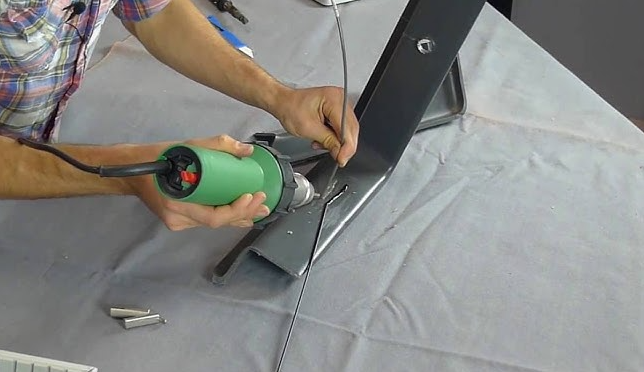
Step 1 Decide if Your Plastic Is Weldable
Before you spend money on tools, answer the compatibility question first. If you are wondering what is plastic welding, it is the process of joining plastic parts by softening or melting the material so the surfaces fuse as they cool. Can you weld plastic? Yes, but only when the part is a confirmed weldable thermoplastic and the material is clearly identified.
Identify the Resin Before You Heat It
Check the part for a molded resin mark, recycling symbol, or manufacturer code. The RIC system separates common plastics into numbered groups, and weldability guidance notes that codes 2, 4, and 5 usually point to HDPE, LDPE, and PP, which are often good candidates for welding. ABS, PVC, PC, and nylon can also be weldable when the material is known. Unknown plastic for plastic welding is a bad bet. If the marking is missing, pause and verify with the manufacturer or a datasheet instead of guessing.
Thermoplastic vs Thermoset in Plain English
Thermoplastic welding works because thermoplastics soften with heat and harden again after cooling. Thermosets do not behave that way. Once cured, they form a permanent cross-linked structure, so reheating tends to make them crack, burn, or degrade rather than flow. In simple terms, thermoplastics can usually be reshaped with heat. Thermosets cannot. If you have searched what is plastic welder, think of it as the tool or machine used to apply controlled heat, vibration, or friction to suitable plastics.
| Plastic | Usually weldable? | Typical applications | Caution |
|---|---|---|---|
| PE, HDPE, LDPE | Usually yes | Milk jugs, pipe, tanks, bags | Match PE to PE only |
| PP | Usually yes | Containers, car parts, hinges | Do not assume it fuses well with PE |
| PVC | Often yes | Pipes, cable insulation, profiles | Needs careful heat control |
| ABS | Often yes | Casings, housings, molded parts | Use known material, not look-alikes |
| PC | Possible with control | Lenses, guards, device parts | Overheating can cause damage |
| PS | Limited | Cups, insulation, packaging | Can be poor for repair work |
| PET | Difficult but possible | Food and drink packaging | Do not expect easy DIY fusion |
| Epoxy, phenolic, melamine, other thermosets | No | Adhesives, electrical parts, tableware, laminates | Stop and use another repair method |
When Not to Weld Plastic
Stop and reassess when the resin is unknown, the part is heavily contaminated, or the material appears to be a thermoset or fiber-reinforced thermoset. Those conditions raise the odds of weak bonding, distortion, or outright failure. For anyone learning how to weld plastic, this is the checkpoint that prevents wasted time and ruined parts.
Only confirmed weldable thermoplastics should move forward to heat and filler selection.
A correct ID does more than protect the part. It tells you which rod family and welding method even belong on the bench.
Step 2 Match Plastic Welding Rods to the Base Material
The resin mark does more than confirm whether a part is weldable. It also tells you which filler belongs in the joint and which process makes sense for the part shape. Good plastic to plastic welding starts with a simple rule: the filler should match the base plastic whenever possible. That is the practical core of how to weld plastic to plastic without ending up with a seam that looks melted but never truly fused.
Match the Filler Rod to the Base Plastic
Plastic welding rods are material-specific fillers, not universal repair sticks. PE parts need PE rod. PP parts need PP rod. ABS parts need ABS rod. PVC parts need a matching pvc welding rod. In other words, a thermoplastic welding rod should belong to the same resin family as the part itself. If you have ever searched for a one-size-fits-all welding rod plastic option, that shortcut is usually what causes weak adhesion, brittleness, or seams that split after cooling.
Choose the Best Welding Method for the Part Shape
Method choice depends on geometry as much as material. A process guide from fabrication sources shows a clear pattern. Hot air welding with filler rod suits many thin repairs, edges, and long seams. Extrusion welding is better for larger surface areas, gap filling, and heavier repair buildup. Hot plate welding works well on large or thick mating faces. Spin welding is limited to round or cylindrical parts. Ultrasonic welding fits small, precise components where controlled vibration is preferred over broad heat. For polyethylene welding, hot air or extrusion methods are common on PE tanks and containers. In pvc plastic welding, careful heat control matters because overheated PVC can discolor and release harsh fumes.
Why Different Plastics Rarely Fuse Well
The trouble is not just different melting points. Different plastics also have different chemistries and flow behavior. The same-material rule is consistent across repair guidance: PE should be welded to PE, PP to PP, ABS to ABS, and so on. Trying to fuse PE to PP, or either one to polystyrene, may seem acceptable for a moment, but the bond is usually unreliable under stress, flex, or cooling.
| Plastic type | Matching rod family | Suitable welding method | When welding should be avoided |
|---|---|---|---|
| PE, HDPE, LDPE | PE rod | Hot air for seams and repairs, extrusion for larger builds | Avoid if the rod is PP, ABS, or unknown |
| PP | PP rod | Hot air for repair seams, hot plate for larger matching faces | Avoid mixing with PE even if the parts look similar |
| PVC | PVC rod | Hot air with controlled temperature, common in pipe and sheet work | Avoid if overheating is likely or ventilation is poor |
| ABS | ABS rod | Hot air for cracks and edges, ultrasonic for small precise components | Avoid if the part is dirty, painted, or not clearly ABS |
| Round thermoplastic parts | Match rod only if filler is used | Spin welding for circular geometry | Avoid on non-round parts |
| Unknown or mixed plastics | None | Do not choose a method until material is confirmed | Avoid all welding attempts |
- Confirm the base part and filler are the same plastic family.
- Pick the method by shape: thin seam, pipe, round part, or large surface.
- Do not assume similar-looking plastics will bond well.
- Skip welding if the part is unknown, mixed, or badly contaminated.
- Set aside a scrap piece of the same material before touching the real part.
That map keeps the repair honest. It also makes tool choice far less confusing, because the right setup depends on the rod, the joint, and the scale of the job.
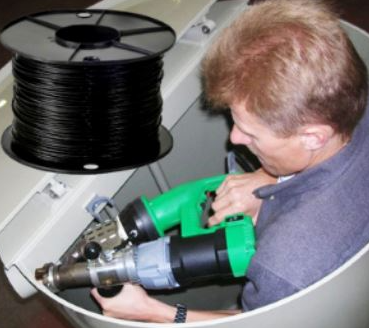
Step 3 Choose a Plastic Welder and Safe Setup
Tool choice gets simpler when you stop shopping by hype and start shopping by job size. For most repair work, a plastic hot air welder is the most flexible option because it gives you adjustable heat and works with matching filler rod on many seams and cracks. A plastic repair guide notes that manual hand tools are best for small fabrication, detailed repairs, and general shop work, but they are not the right choice for material thickness beyond about 10 mm. If you are comparing a basic plastic welder to a full plastic welding kit, focus on temperature control, nozzle options, and access to matching rods rather than extras you may never use.
Core Tools for Plastic Welding
- Plastic welding hot air tool or hot air hand tool for versatile seam and crack repairs.
- Soldering iron for plastic welding for tiny repairs, detail spots, and low-load parts.
- Plastic welding iron or soldering-style tip for controlled spot melting where a broad air stream is awkward.
- Scraper or groover to remove damaged material and shape the joint.
- Cutter or trimming knife for rod prep and cleanup.
- Clamps to hold alignment and free up your hands.
- Cleaning supplies for dirt, oil, and residue removal.
- PPE such as gloves, eye protection, and protective clothing.
- Scrap pieces of matching plastic for test passes.
| Tool family | Best use case | Typical strengths | Learning curve |
|---|---|---|---|
| Plastic hot air welder | Cracks, seams, sheet repairs, bumper-type work | Adjustable heat, nozzle control, broad versatility | Medium |
| Soldering-style tool | Small cracks, tabs, tight spots, light repairs | Simple, accessible, good for detail work | Low to medium |
| Extrusion welder | Thick plastic and larger fabrication | Heavier bead output, stronger buildup on thick sections | High |
How to Set Up a Safe and Stable Work Area
- Read the tool instructions and inspect the cord, nozzle, and air path before heating anything.
- Clear clutter and set the part on a flat, heat-resistant surface.
- Position clamps and support blocks so the work cannot shift mid-pass.
- Ventilate the area well. Some plastics produce unpleasant fumes when heated, and a respirator may be needed depending on the plastic and airflow.
- Wear gloves, protective eyewear, and clothing that covers exposed skin.
- Keep flammable items away from the nozzle and hot air stream.
- Park the hot tool on a stand or flat surface so it cannot roll or point at the bench.
- Do not guess at the recommended wattage for a plastic welder. The safer rule in IHS safety tips is to follow the tool manual and stay near 80 percent of circuit capacity rather than maxing out the line.
Test on Scrap Before Touching the Final Part
Among all welding plastic tools, scrap testing saves the most frustration. Run a short bead on matching scrap to check heat, travel speed, airflow, and filler response. If the rod smears, scorches, or refuses to blend, the settings or tool choice are off. That quick trial also tells you whether a hot air setup or a soldering-style method gives better control for the part in front of you. Good equipment helps, but a clean, stable, tested setup matters just as much. When the scrap starts behaving, the real work shifts to the joint itself: cleaning it properly, shaping it correctly, and locking it in place before the first bead goes down.
Step 4 Prep Broken Plastic for Welding
A bad weld usually starts before the tool is even hot. When you are repairing plastic, surface prep decides whether the rod will actually fuse or just smear across the top. Dirt, wax, oils, paint, and trapped moisture all get in the way. That is why some of the best plastic welding tips have nothing to do with heat settings at all.
Clean Away Contaminants That Ruin Fusion
Start with the boring part, because it matters. A repair guide and collision shop best practices both point to the same first move: wash the part with soap and water, then dry it completely. If grease, wax, mold release, or oily fingerprints remain, use a plastic-safe cleaner. For rigid trims and panels, panel prep also notes IPA as a plastic-safe degreasing option. Remove loose paint, coatings, and grime near the weld zone when they would melt into the joint. Light sanding is usually enough. Skip harsh industrial solvents that can damage the plastic instead of cleaning it.
- Welding over wax, silicone, dressing, or mold release.
- Leaving water trapped in texture, holes, or crack lines.
- Melting paint, adhesive, or road film into the groove.
- Ignoring sanding dust before heating.
- Touching the cleaned area with oily bare hands.
Poor preparation often looks like a welding problem when it is really a surface problem.
Prepare Cracks Differently from Seams
Look at the damage before you shape anything. Is it a crack, a split, a missing section, or a seam joint between two separate pieces? A warped area should be brought back close to its original shape before welding. On bumper-type parts, shop repair guidance also recommends working out deformation before the weld, rather than trying to force alignment with filler alone.
For a crack in one piece, lightly open the damage just enough to expose clean plastic and create a shallow V-groove, usually on the non-visible side when possible. For thicker panels, a light bevel or chamfer increases bonding area. For two separate pieces, dry-fit the edges first. If the material thickness allows it, bevel the mating edges slightly so the root can be reached without creating a wide gap. A broken plastic seam should fit together cleanly. Filler is there to reinforce the joint, not replace missing fit-up.
Clamp and Tack for Better Control
- Wash the part with soap and water.
- Dry it fully, including textured areas and the inside of the crack.
- Degrease with a plastic-safe cleaner or IPA if residue remains.
- Remove paint or loose coating near the weld zone when needed.
- Inspect the damage type and correct distortion before shaping the joint.
- Cut a shallow groove for cracks, or lightly bevel mating edges for seams.
- Dry-fit the parts and align them with tape, clamps, or backing support.
- If the front face must hold its profile, thick aluminum tape on the cosmetic side can help support backside work.
- Plan tack positions at the ends and at any spot that wants to lift, spread, or twist out of line.
For diy plastic welding, this prep phase is where control starts. A crack that is cleaned, opened, and held properly accepts heat very differently from two separate pieces that need edge-to-edge fusion, which is exactly where the hands-on repair process begins.
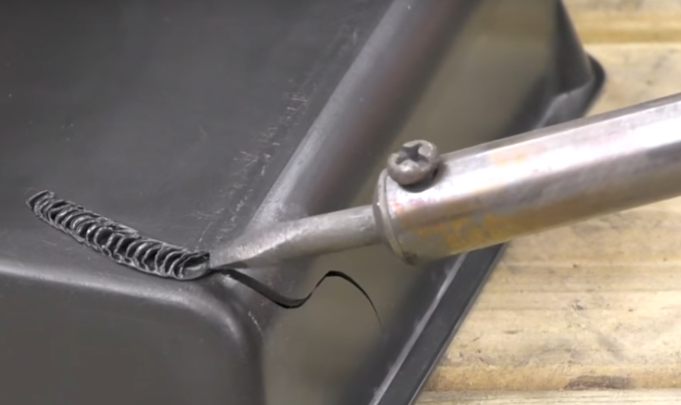
Step 5 How to Fix Cracks in Plastic Parts
Cracks usually fail in one of two ways. They keep moving while you work, or they get melted shut on the surface without fusing underneath. A lasting repair needs the part held in shape, the crack opened just enough to expose clean material, and a matching filler added in small, controlled passes. That is true whether you are searching for how to repair cracked car bumper damage, a split tank corner, or how to repair broken plastic on a household panel.
Stabilize and Open the Crack for Welding
Start by stopping the crack from shifting. Use tape, clamps, or backside support to bring the part back to its original shape. Thin panels benefit from rear support because the edges can rise or sink as they soften. Then cut or scrape a shallow V-groove along the crack line so fresh plastic is exposed. Keep the groove narrow. Removing too much material creates a wider gap and makes heat control harder. This repair guide reinforces the basics used throughout thermoplastic work: matched rod, controlled heating, steady pressure, and full cooling.
- Clean and dry the cracked area completely.
- Align the part with tape, clamps, or a simple backing support.
- Open the crack into a shallow groove, only as much as needed for access.
- Test your heat and rod on scrap from the same plastic if possible.
- Preheat the groove carefully until the base material just begins to soften.
- Tack the ends first so the crack cannot spread while you weld the middle.
- Feed matching filler into the groove with light pressure and short, even passes.
- Let the repair cool naturally before trimming, sanding, or flexing the part.
Lay a Controlled Repair Bead Without Overheating
If your goal is how to weld plastic back together, think in passes, not one big melt. The hot air sequence in this defect guide lines up with good repair practice: warm the joint evenly, feed the rod with light pressure, and let it cool on its own. For deeper damage, build the bead in layers. One pass can establish the root of the repair, and a second can bring the surface up to level. That is the practical way to fix cracks in plastic instead of just hiding the line.
- Bubbles or pinholes appear, which often points to moisture or contamination.
- The bead turns dark, sinks, or scorches, which suggests too much heat.
- The rod smears across the top like wax instead of blending into the groove.
- The bead sits on the surface and peels or lifts when lightly scraped.
- The crack line reappears after cooling, showing poor fusion or uneven cooling.
Reinforce the Back Side When the Part Needs Support
Some parts need extra support on the rear face, especially thin bumper covers, stressed corners, or areas that flex in service. A backing strip or plate can help hold alignment while the weld is being formed. If your plastic weld repair kit includes backside support accessories, use them to stabilize the part, not to replace the weld itself. The same rule applies if your repair method uses reinforcement mesh, plastic welder staples, or a plastic welder stapler. Those options can help the part keep its shape, but real strength still comes from compatible plastic and proper fusion through the crack.
A cracked part gives you an original shape to follow, which makes alignment easier. Two separate pieces do not offer that advantage, and the welding rhythm changes with them. Fit-up starts mattering just as much as filler control.
Step 6 Join Two Pieces of Plastic the Right Way
Edge fit decides whether a seam becomes a true joint or just a melted-looking line. If you are asking how do you weld plastic together, the answer starts with material match and fit-up, not brute heat. The two pieces must be the same weldable plastic, the edges should meet cleanly, and the first passes should lock alignment before you build the bead. That is the practical core of how to weld plastic together and how to fuse plastic together without creating a seam that splits later.
Dry Fit and Tack the Pieces First
For light fabrication, hot air gun welding is commonly used to join sheet edges and to tack larger assemblies before final welding. The Seelye procedure also notes that tack welds can be made with hot air and no rod, simply by fusing the seam at selected points. Keep the joint tight and even. Filler should reinforce the seam, not compensate for crooked edges or a wide gap.
- Confirm both pieces are the same plastic family and fully dry.
- Trim or lightly bevel the edges if the thickness calls for it.
- Dry-fit the seam and clamp the faces so they stay flush.
- Place tack welds at the ends first, then at any point that wants to lift or shift.
- Recheck alignment before running a continuous seam.
Run a Root Pass Before Adding Filler
In most hand work, hot air welding plastic gives better control than trying to mash the joint together with a hot tip alone. Start with a light fusion pass that ties both edges together at the root of the seam. Then feed a matching rod into that joined line. The Seelye procedure describes heating the rod and base material together, holding the rod over the seam, and pressing downward evenly rather than dragging it forward. That helps you weld plastic together instead of stretching filler across the surface.
- Warm both edges until they become tacky, not charred or collapsed.
- Make a light root pass to establish fusion along the seam.
- Add matching filler with steady downward pressure.
- Keep the heat slightly ahead of the weld puddle as you move.
- Let the seam cool naturally before trimming or handling.
Use a Soldering Style Tool Only in the Right Situations
Many beginners try to weld plastic with soldering iron because it is easy to find and easy to handle. It can help on very simple repairs or tiny, light-duty joints, but it is not ideal for proper seam welding. S-Polytec specifically notes that a simple soldering iron may be sufficient for very simple repairs, yet it is not recommended for proper weld seams. In other words, welding plastic with soldering iron is a limited option, not a substitute for controlled hot air on longer or more demanding joints.
| Approach | Best seam type | Precision | Typical limitations |
|---|---|---|---|
| Hot air with matching rod | Butt seams, corners, sheet joints, longer runs | Good control once technique is steady | Needs even heat, clean edges, and matching filler |
| Soldering-style tool | Tiny tabs, short seams, tight-access spots | High point control in small areas | Easy to overheat, smear the surface, and produce weaker long seams |
A seam can look connected and still be weak underneath. Bead shape, tie-in, and separation lines matter more than appearances, which is why the finished joint deserves a careful inspection before any sanding or service load goes back on the part.
Step 7 Inspect and Finish a Plastic Weld
A finished plastic weld can look neat and still fail under light use. When welding plastic, appearance is only the first check. Defect guides from Bortte and PlasTech flag the same trouble signs again and again: weak fusion, porosity, cracking, overlap, warping, and discoloration. A careful inspection tells you whether the seam actually fused or only melted on the surface.
How to Tell if the Weld Really Fused
- Pass: the bead is fairly even and tied into both edges without a sharp ridge sitting on top.
- Pass: the seam line looks closed, with no reopening crack or dark separation line after cooling.
- Pass: there are no pinholes, bubbles, or trapped debris in the weld zone.
- Fail: burn marks, heavy discoloration, sagging, or gloss loss suggest too much heat.
- Fail: undercut or a groove beside the bead shows the base plastic was overheated or pulled away.
- Fail: the filler peels, flakes, or looks smeared across the surface instead of blended in.
A smooth-looking seam is not always a strong seam.
For trim pieces, covers, and other low-load parts, a gentle hand check after full cooling can help. If light pressure makes the seam whiten, lift, or reopen, the bond is doubtful. For parts that hold fluid, take impact, or matter to safety, rely on a conservative visual check first and avoid treating a quick flex as proof of strength.
When to Rework a Weak or Messy Seam
One of the most useful plastic weld tips is simple: do not bury a bad pass under more filler. In any plastic welding repair, weak areas should be cut back to sound material and rewelded cleanly.
- Let the seam cool naturally.
- Mark voids, lifted edges, burnt sections, or reopened lines.
- Trim or scrape away loose or under-bonded bead.
- Clean off sanding dust, oil, or residue.
- Reheat evenly and add matching filler in a controlled pass.
- Cool again before checking the seam a second time.
Trim Sand and Finish Without Weakening the Repair
If you weld plastic on a visible part, trim high spots with a scraper or sharp blade before sanding. Sand lightly and keep most of the pressure on the surrounding surface, not the center of the bead. The goal is to feather the area for later finishing, not grind away the weld itself. These plastic weld tips help keep the repair clean without thinning the fusion zone. When a seam still bubbles, chars, or splits after rework, the finish is pointing to a deeper problem, which is exactly where troubleshooting becomes more important than cleanup.
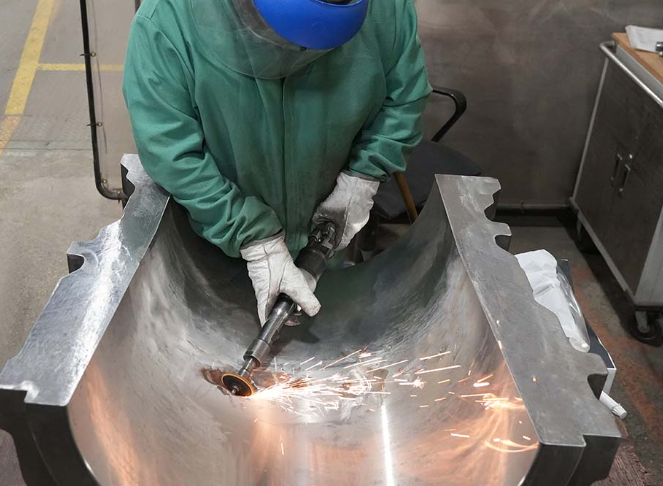
Step 8 Troubleshoot Plastic Weld Problems and Know When to Scale
When a seam still bubbles, chars, or splits after cleanup, the problem usually traces back to material choice, prep, fit-up, or heat control. If you are still asking how do you weld plastic in a way that actually lasts, the answer is rarely more force or more filler. A defect guide from Bortte ties most failures to moisture, contamination, poor rod contact, incorrect angle, and overheating. In other words, the seam is telling you what went wrong.
Why Plastic Welds Fail and How to Correct Them
- Weak bonding or a bead that peels: usually caused by low heat, poor rod contact, or the wrong filler. Confirm the rod matches the base plastic, increase heat carefully, and slow the pass.
- Bubbling or pinholes: often linked to moisture or contamination. Dry the part thoroughly and reclean the joint before rewelding.
- Charring, dark spots, or sagging: a classic overheating sign. Reduce temperature, keep the tool moving, and avoid lingering in one spot.
- Filler that will not blend: often means surface melt without real fusion, or a mismatched rod. Heat the base material more evenly and switch to the correct filler family.
- Seams that split after cooling: commonly tied to bad fit-up, overheating, or uneven cooling. Cut back to sound material, realign, and let the weld cool naturally.
- Dust or debris trapped in the bead: caused by poor cleaning or a dirty work area. Remove the contaminated section and reweld on a clean surface.
If your first repair started with the question can you solder plastic, the honest answer is yes, but only in limited situations. A soldering-style tool can help on tiny, low-load repairs, yet longer seams usually need better heat control. That is also central to how to plastic weld and how to use a plastic welder properly: soften both the joint and the matching rod so they fuse together instead of smearing across the top.
When to Stop Repairing and Replace the Part
DIY repair has a clear limit. Activate Repair notes that replacement is the safer choice when manufacturer guidance calls for it, when the underlying structure is damaged, or when sensors and safety systems could be affected. Severe deformation, large missing sections, or repeated weld failure should push you toward replacement as well. In those cases, reputable plastic welding services can help confirm whether repair is still realistic.
When Production Work Calls for a Qualified Manufacturing Partner
Hand repairs and factory joining are not the same job. High-volume production often relies on machine welding plastic processes chosen for repeatability and geometry. Fractory outlines methods such as ultrasonic welding, often described informally as sonic welding plastic, plus spin welding plastic for round parts and hot plate welding for larger mating faces. For automakers and Tier 1 suppliers, plastic repair knowledge may sit alongside a need for adjacent metal part sourcing. In that broader manufacturing context, Shaoyi offers one-stop automotive metal part support with IATF 16949 certification, rapid prototyping, high-volume production, stamping, CNC machining, and custom surface treatments.
- Confirm the plastic type and filler still match.
- Check for moisture, dirt, paint, and poor edge fit.
- Test adjusted heat and technique on scrap before rework.
- Reweld only if the part is non-safety-critical and sound material remains.
- Replace the part if structure, sensors, or manufacturer guidance make repair questionable.
- Move to professional or production support when volume, repeatability, or risk exceeds DIY control.
That is where confidence actually comes from. Read the failure correctly, choose the right response, and the next repair or production run starts with far fewer surprises.
How to Weld Plastic FAQs
1. Can all plastics be welded?
No. Heat-based plastic welding works best on known thermoplastics that soften and reform as they cool. Common examples include PE, PP, ABS, and some PVC applications, but success still depends on clean surfaces and correct process control. If the resin is unknown, badly contaminated, or the part is a thermoset, welding is usually the wrong choice.
2. Can you weld different types of plastic together?
Usually not. Two plastics can look similar and still behave very differently once heat is applied, which often leads to a seam that appears bonded but separates later. For a reliable result, the base material and filler should stay in the same plastic family. If they do not match, use another repair method or replace the part instead of forcing a mixed-plastic weld.
3. How do I choose the right plastic welding rod?
Choose the rod by the base material first. If the part is PP, use PP rod. If it is PE, use PE rod, and so on. A quick test on scrap from the same plastic is a smart check before touching the real part. When the rod blends smoothly with the softened base material, you are on the right track. If it smears, burns, or sits on top of the joint, stop and recheck the resin match and tool settings.
4. Can I weld plastic with a soldering iron?
Yes, but only in limited situations. A soldering-style tool can help with tiny tabs, tight-access spots, and light-duty repairs where broad hot air would be awkward. It is less ideal for longer seams or parts that need better fusion control because it can overheat the surface quickly. For most crack repairs and seam joining, a hot air plastic welder with matching filler is the more dependable option.
5. Why does my plastic weld fail, and when should I replace the part or seek professional help?
Most failed plastic welds trace back to one of four problems: wrong filler, poor cleaning, bad fit-up, or too much heat. Cut back any weak bead, clean the joint again, test your settings on scrap, and reweld only if the part is non-safety-critical and enough sound material remains. Replacement is the better path when the component is heavily distorted, missing large sections, or tied to structural or sensor-related functions. If the project also moves beyond repair into repeatable production, professional support makes more sense. For automakers and Tier 1 suppliers that need adjacent automotive metal components alongside broader manufacturing support, Shaoyi offers IATF 16949-certified services including rapid prototyping, high-volume production, stamping, CNC machining, and custom surface treatments.