 Small batches, high standards. Our rapid prototyping service makes validation faster and easier —
  EN
EN


Does Galvanized Metal Rust? Yes, But Here's When Zinc Stops Winning
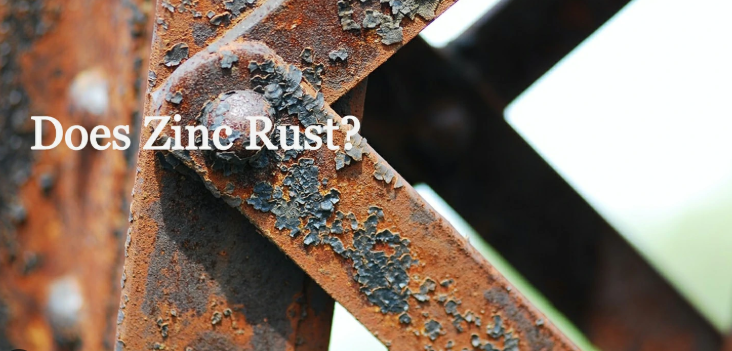
Does Galvanized Metal Rust?
If you are standing in front of a dull gray panel or a spotted fence and wondering what you are seeing, the short answer is simple. Galvanized steel is made to resist rust, not to defeat corrosion forever.
Does Galvanized Metal Rust The Short Answer
Galvanized metal resists rust because a zinc coating protects the steel first, but red rust can appear later if that zinc layer is used up, damaged, or poorly maintained.
That matches the basic engineering explanation from Rapid Protos and the practical summary from Neumann Steel: zinc takes the hit before the steel does. So, does galvanized metal rust? Yes, eventually it can. Does galvanized steel rust right away like bare steel? No. And if you have asked, can galvanized metal rust, the honest answer is still yes, just usually much later.
- Galvanized steel is steel coated with zinc.
- The zinc layer blocks moisture and oxygen from reaching the steel.
- Zinc also corrodes first, which delays red rust on the base metal.
- Dull gray weathering or mild discoloration does not always mean failure.
- Red rust usually means the zinc protection is gone or breached in that area.
What Galvanized Metal Is
Galvanizing means putting a protective zinc coating on steel or iron. That is the big difference between galvanized steel and bare steel. Bare steel can form iron oxide, or rust, as soon as moisture and oxygen keep reaching the surface. Galvanized steel has a zinc shield in the way. If you have searched does galvanised metal rust or does galvanised steel rust, that coating is the reason the answer is not a simple yes-or-no.
Why Rust Resistance Is Not The Same As Rust Proof
People often ask, is galvanized steel rust proof, or will galvanized steel rust outdoors. Rust resistant is the better term. The coating slows corrosion and extends service life, but it does not make steel immortal. Even when the finish turns dull, blotchy, or chalky, that alone may not mean failure. And if you have wondered does galvanised rust, surface change can be part of normal aging before true steel rust appears. The details depend on how zinc protects the metal in the first place.
Why Galvanized Steel Resists Rust Longer
The reason galvanized steel lasts longer than bare steel is simple: zinc works as a shield and a backup protector. AGA corrosion guidance shows hot-dip galvanized coatings defend steel first by isolating it from moisture and oxygen, then by sacrificing zinc if the surface gets nicked.
How Zinc Coating Blocks Oxygen And Moisture
When the coating stays intact, water and oxygen have a harder time reaching the steel below. As zinc weathers in normal wet and dry cycles, it also develops a patina. AGA notes that this patina can slow zinc corrosion to about 1/30 the rate of steel in the same environment. So, does galvanized steel corrode? Yes, eventually. But it usually does so far more slowly than bare steel. People also ask, can zinc rust or will zinc rust. Zinc does corrode, but it does not create the same red iron rust that marks exposed steel.
Sacrificial Protection When Galvanized Steel Is Scratched
A scratch is not always a fast track to failure. Zinc is anodic to steel, so it preferentially corrodes and helps protect nearby exposed spots. In plain language, the coating still gives the steel some protection even after a small break in the surface. That is why a minor scrape on galvanized steel may stay stable much longer than the same scrape on bare carbon steel. If you are wondering is zinc rust resistant, the practical answer is yes, but only while enough zinc remains around the damaged area.
Hot Dip Vs Thin Zinc Coatings
Many people treat every zinc finish as the same product, but service life can be very different. Hot-dip galvanized steel forms a thicker, metallurgically bonded coating and is commonly specified for fabricated articles under ASTM A123. Zinc-plated parts, often covered by ASTM B633 classes, are much thinner, typically 5 to 25 microns. That gap matters outdoors. If you have asked will zinc plated rust, does zinc plated metal rust, or is zinc plated rust proof, the honest answer is that thin plating can corrode much faster than hot-dip galvanizing in wet or harsh exposure.
- Myth: Galvanized means never rusts. Fact: Zinc is consumed over time.
- Myth: A scratch always causes immediate steel rust. Fact: Nearby zinc can sacrificially protect small damaged areas.
- Myth: Zinc itself cannot corrode. Fact: It does, and its corrosion products help form a protective patina.
- Myth: All zinc coatings perform the same. Fact: Hot-dip galvanized and zinc-plated finishes can have very different service lives.
A useful durability measure is Time to First Maintenance, or TFM. It means about 5 percent of the base steel surface shows rust and maintenance is recommended. For ASTM A123 hot-dip galvanized structural steel over 1/4 inch thick, AGA lists about 72 to 73 years to first maintenance even in industrial atmospheres. Before that point, the surface may turn dull, chalky, or blotchy, and those clues do not all mean the same thing.
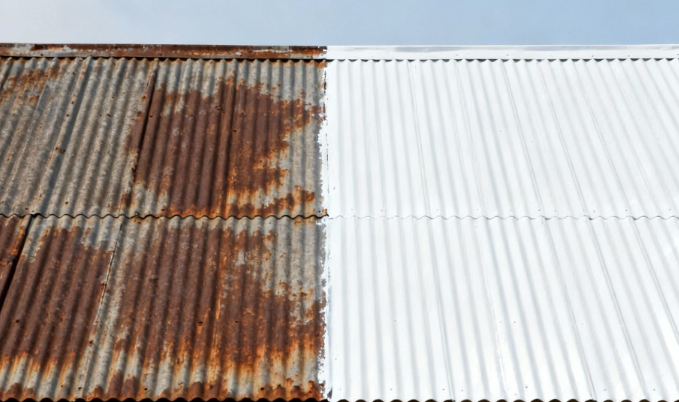
How to Tell Patina, White Rust, and Red Rust Apart
This is where galvanized steel gets misread all the time. A surface can turn dull gray, chalky white, or reddish-brown, and those changes do not all point to the same problem. If you are checking rust on galvanized metal, the first job is to separate normal zinc aging from zinc corrosion and true steel rust.
How Normal Zinc Patina Looks
Fresh galvanizing often starts brighter and more reflective, then weathers into a duller gray finish as the surface stabilizes in open air. Reliance Foundry describes this weathered layer as a darker, more protective film. Spangle can fade, and the finish may look patchy or blotchy. That kind of dulling is usually cosmetic. It is not the same as rusting galvanized steel, and it does not automatically mean the coating has failed.
What White Rust On Galvanized Steel Means
White rust is a zinc corrosion product commonly tied to wet storage stain. It usually shows up as a chalky, powdery, or crusty white deposit where moisture stayed trapped and airflow was poor, especially between stacked sheets or nested parts. Light white rust on galvanized steel can look severe even when the amount of zinc lost is small. White rust on galvanized metal usually means the zinc surface has reacted to wet, poorly ventilated conditions, not that the base steel is already exposed. Once the material is separated, dried, and allowed to breathe, the growth can stop, although the stain may remain.
When Red Rust Signals Exposed Steel
Red rust is iron oxide. It appears as reddish-brown spotting, streaking, or scaling and usually means the zinc protection is locally exhausted, damaged, or missing, so the steel underneath is now reacting with oxygen and moisture. In plain language, rusty galvanized steel is very different from gray patina or light white deposits. If you see repeated red spots, you are likely looking at rusted galvanized steel, not harmless weathering.
This quick visual helps separate cosmetic aging from the kind of rusting galvanized metal that needs action.
| Surface condition | Appearance | Likely cause | Steel exposed? | Risk level | Recommended response |
|---|---|---|---|---|---|
| Normal zinc patina | Dull gray finish, faded spangle, even weathering | Normal outdoor aging of the zinc surface | No | Low | Monitor only. Keep the surface reasonably clean and dry. |
| Blotchy gray discoloration | Patchy gray or mixed light and dark areas without red staining | Uneven weathering or visible spangle pattern | Usually no | Low | Do not assume failure from color alone. Recheck over time. |
| White rust | White, chalky, powdery, or crusty deposits | Trapped moisture, poor ventilation, wet storage stain | Usually no, though severe cases can thin the coating | Low to moderate | Dry and separate the material, assess severity, and clean if needed. |
| Red rust | Reddish-brown spots, streaks, or scaling | Zinc layer consumed, damaged, or missing in that area | Yes, or very likely | Moderate to high | Investigate promptly. Repair, protect, or replace based on extent. |
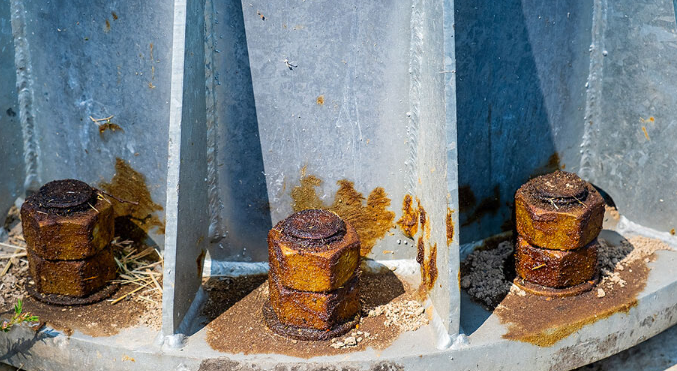
Color alone is not enough. Chalky deposits, dull gray weathering, and blotchy discoloration are not interchangeable. The exact location matters too, because genuine red rust tends to show up first where the coating is stressed most, especially at edges, holes, welds, fasteners, seams, and places that trap water.
Where Rusting of Galvanized Steel Starts First
Color tells you what corrosion is. Location usually tells you why it started. In real inspections, rusting of galvanized steel rarely begins as an even, full-surface problem. It usually appears first where the zinc coating is interrupted, thinned, heat-affected, or kept wet longer than the surrounding metal.
Why Edges Holes And Cut Ends Corrode First
Cut edges, drilled holes, punched openings, and cut ends deserve the first close look. These spots are easier to damage during fabrication, transport, and installation, and field cuts or drilled areas create weak points that should be repaired if the coating is compromised. When water lingers around an opening or on an exposed edge, zinc is consumed faster there. That does not mean every stain is a failure. A light brown or localized mark at an edge can still be superficial. Repeated red rust, though, suggests the nearby zinc may be exhausted and the steel is no longer fully shielded.
What Happens At Welds And Burned Coatings
Weld areas are another common trouble spot. Heat can burn away or alter the coating near the joint, and poor weld cleanup can leave slag, spatter, porosity, or tiny crevices that make coating continuity harder to maintain. Field inspection guidance in IJERT specifically calls out welds, junctions, and contact points for visual review, while repair guidance in Jeelix notes that field cutting, drilling, and welding create weak spots that need protection restored. A little staining near a weld is not always full coating failure, but recurring red rust at the weld line deserves closer attention.
How To Inspect Scratches Fasteners And Crevices
Deep scratches, overlapped seams, washer interfaces, and dirt-filled crevices can stay damp long after open surfaces dry. That is why they corrode sooner. The same issue shows up at fasteners. Do galvanized nails rust, do galvanized screws rust, and do galvanized bolts rust? Yes, they can, especially if the fastener coating is thinner than the surrounding steel or the joint traps moisture. For exterior hardware, matching hot-dip galvanized fasteners under ASTM A153 is the better fit.
- Cut edges and cut ends
- Drilled and punched holes
- Welds and heat-affected zones
- Deep scratches and handling damage
- Bolts, screws, nails, nuts, and washers
- Overlapped seams and mated surfaces
- Low spots, drain holes, and areas where water pools
- Start with a close visual check in good light on a dry surface.
- Separate dull gray patina, white deposits, brown staining, and true red rust.
- Inspect edges, welds, fasteners, seams, and crevices first.
- Check whether the mark is isolated or keeps returning after cleaning and drying.
- If red rust is recurring, the scratch is deep, or moisture is trapped by design, move to repair or further coating assessment.
That last detail matters because the same scratch or fastener can age very differently indoors, inland, in polluted air, or near salt water.
How Long Does Galvanized Steel Last in Different Settings
A cut edge that stays quiet in a dry inland yard can age much faster on a coastal rail or a water-facing bracket. If you are asking how long does galvanized steel last, the honest answer is that the environment matters as much as the coating itself.
How Environment Changes Galvanized Steel Life
AGA longevity data shows that atmospheric performance is shaped by temperature, humidity, rainfall, sulfur dioxide in the air, and salinity. Rural atmospheres are the least aggressive. Industrial atmospheres, which include many urban areas, are more aggressive because pollutants such as sulfides and phosphates speed zinc consumption. Marine exposure adds salt to the equation, and tropical marine conditions are tougher than temperate marine conditions.
Water is a separate corrosion category. The AGA water guide notes that pH, oxygen, temperature, chlorides, hardness, and agitation can all change the corrosion rate. So, does galvanized steel rust in water? Yes, it can, but not on one fixed timeline. Hard freshwater may let protective films develop more easily than soft water, while wash zones and tide lines can wear zinc faster because motion strips away passive surface films. If you have ever wondered does zinc rust outside, the better wording is that zinc corrodes outside, but in many real atmospheres its corrosion products help slow the rate. Does steel rust outside? Bare steel does, and usually much sooner.
Using Time To First Maintenance As A Practical Measure
A more useful question than how long does galvanised steel last is when maintenance is first likely to matter. AGA TFM defines Time to First Maintenance as about 5 percent rusting of the base steel surface, meaning roughly 95 percent of the surface still has some zinc coating remaining and initial maintenance is recommended. For ASTM A123 hot-dip galvanized structural steel more than 1/4 inch thick, AGA reports about 72 to 73 years to first maintenance even in an industrial atmosphere. That helps explain why industry discussions often mention 50 years or more in favorable service. It also answers how long does galvanising last: often a very long time, but never as a universal number for every product and exposure.
Where Galvanized Steel Rusts Faster Outdoors
| Environment | Likely corrosion behavior | First areas to inspect | Maintenance mindset |
|---|---|---|---|
| Dry indoor or sheltered | Usually the mildest setting if the surface stays dry and free of condensation | Leaks, condensation points, floor-contact zones, joints | Light monitoring, especially where moisture can collect unexpectedly |
| Rural outdoor | Least aggressive atmospheric category, with slower zinc consumption | Edges, fasteners, low spots, debris traps | Periodic inspections are often enough |
| Humid suburban | Longer wet time can increase zinc loss even without heavy pollution | Crevices, shaded damp areas, overlaps, roof runoff zones | Inspect and clean more regularly |
| Urban or industrial | More aggressive atmospheric attack because pollutants accelerate coating consumption | Horizontal surfaces, welds, drainage paths, splash-exposed faces | Use shorter inspection intervals |
| Coastal or marine air | Salt speeds corrosion, with tropical marine exposure generally harsher than temperate marine | Windward faces, fasteners, cut edges, areas that stay salty and wet | Prioritize routine checks and deposit removal where practical |
| Freshwater immersion or frequent wetting | Behavior varies with hardness, oxygen, chlorides, pH, and flow; soft water is often more corrosive than hard water | Waterlines, partially immersed zones, moving-water areas | Match inspection to actual water chemistry and motion |
| Seawater splash or tidal zone | Among the harshest conditions because agitation can remove passive films and expose fresh zinc | Tide lines, wash zones, bolts, welds, crevices | Expect earlier maintenance and closer monitoring |
For galvanized steel for outdoor use, the real takeaway is simple: lifespan follows exposure. A rural fence, an urban rooftop frame, and a tidal platform should never be judged by the same clock. That is why the most useful next step is not guessing from color alone, but checking the surface, cleaning it safely, and deciding whether the change is cosmetic, monitor-worthy, or ready for repair.
How to Clean and Protect Galvanized Steel
Surface color only helps if you pair it with a simple care routine. If you are searching how to clean galvanized steel or how to protect galvanized steel from rusting, the goal is not to scrub harder. It is to remove moisture, debris, and active corrosion without stripping away sound zinc.
How To Clean Galvanized Steel Safely
For hot-dip galvanized parts, AGA finish guidance puts visual inspection first, especially at welds, junctions, contact points, and bend areas. From there, use the least aggressive method that fits what you see. That is the safest approach for both cleaning galvanized steel and cleaning galvanized metal.
- Inspect the surface dry and in good light. Separate dull gray patina, white deposits, and red rust before you touch anything.
- Remove loose dirt, leaves, salts, and trapped debris. If parts are stacked or nested, separate them so moisture can escape and the surface can dry.
- For light white rust, wet storage stain guidance supports a stiff nylon bristle brush.
- If white rust is moderate, a 10 percent acetic acid solution can be used, followed immediately by a thorough water rinse and full drying.
- Stop routine cleaning if you see red rust, bare steel, flaking, or deep coating loss. That is no longer simple cleanup.
- Do start mild and rinse well.
- Do dry the surface fully before restacking or closing up assemblies.
- Do remove trapped debris from seams, laps, and low spots.
- Do check any sealant for galvanized steel at joints or penetrations if your assembly relies on it to shed water.
- Do not use aggressive abrasive blasting on sound zinc.
- Do not leave damp bundles wrapped without airflow.
- Do not paint over active white rust or red rust without proper prep.
When Cosmetic Corrosion Needs Monitoring
People who search remove rust galvanized steel are often dealing with two very different conditions. Removing rust from galvanized steel is not the same as brushing off light white storage stain. AGA notes that light or medium wet storage stain often weathers in service and, in most cases, does not imply a likely reduction in expected life. Monitor rather than panic when you see:
- even dull gray weathering
- light chalky white residue after wet storage
- isolated discoloration that does not return after cleaning and drying
Escalate the response when red rust returns in the same spot, moisture keeps getting trapped, or the surface shows obvious bare areas.
When Repair Or Replacement Makes More Sense
Once steel is exposed, cleanup alone will not restore protection. ASTM A780 repair guidance recognizes zinc-rich paint, zinc-based solder, and zinc spray as acceptable touch-up methods for damaged hot-dip galvanized coatings. Use a compatible repair method when coating is missing, and follow product instructions for surface prep and thickness. If damage is widespread, the part no longer meets its intended use, or the same area keeps failing because the design traps water, repeated touch-up may stop making sense. That is where maintenance turns into a material-choice question, which is exactly why coating type matters so much in real outdoor service.
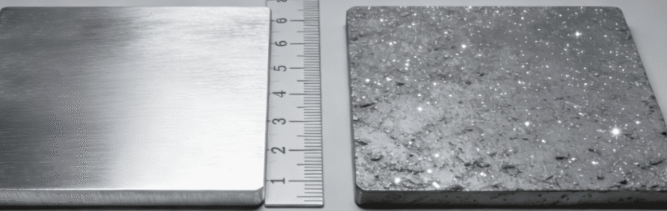
Galvanized vs Zinc Plated and Stainless Steel
When corrosion keeps coming back, cleaning is no longer the whole story. Material choice starts to matter. In a galvanized vs zinc plated comparison, both rely on zinc, but the coating thickness and outdoor performance are not the same. Stainless steel is different again because its corrosion resistance comes from the alloy itself, not from a surface layer.
Galvanized Vs Zinc Plated In Real Outdoor Use
Marsh Fasteners makes the practical distinction clearly: hot-dip galvanized parts carry a thicker zinc coating than zinc-plated parts, so they hold up better in rain, general construction, roofing, and fencing. Zinc-plated steel is usually the budget pick for indoor or light-duty service. So, does zinc plated rust? Yes. Once that thin electroplated layer wears, the steel underneath can corrode much sooner than hot-dip galvanized steel. If you are asking does zinc plated steel rust outdoors, it can, especially in damp, humid, or salty conditions. For most everyday outdoor exposure, galvanized beats zinc plated.
Galvanized Steel Versus Stainless Steel For Corrosion Risk
The galvanized steel versus stainless steel decision is less about which one is good and more about which environment is harsher. Stainless steel generally offers better corrosion resistance because the protection is part of the metal itself. Marsh Fasteners notes that even scratches do not remove that basic corrosion resistance the way coating damage can affect galvanized surfaces. Atlantic Stainless also points out that seawater is especially tough on galvanized coatings, which is why stainless is often preferred in marine, chemical, food, and pharmaceutical settings. That said, stainless usually costs more and can change fabrication choices. So no, galvanized steel rust proof is not the right way to think about it. It is a strong outdoor option, but not the top choice for every corrosive setting.
When Bare Carbon Steel Is The Wrong Choice
In a galvanized steel vs steel decision, or a broader galvanized vs non galvanized comparison, bare carbon steel is usually the weakest option anywhere moisture can sit on the surface. It has no zinc barrier and no stainless alloy protection. That makes it a poor fit for exterior fasteners, fencing, roof components, and other wet-service parts unless another protective system will be added.
| Material | Corrosion behavior | Typical use cases | Relative durability | Weld and fabrication considerations | Cost position |
|---|---|---|---|---|---|
| Hot-dip galvanized steel | Good outdoor corrosion resistance from a thick zinc coating, but the coating is consumed over time | Construction, roofing, fencing, outdoor structures, automotive components | Stronger outdoor performer than zinc plated, but below stainless in harsher corrosive service | Zinc coating can create fume hazards when heated, so welding needs proper control | Usually below stainless |
| Zinc-plated steel | Thin zinc layer gives limited corrosion resistance and can fail faster outdoors | Indoor hardware, furniture, appliances, light-duty assemblies | Lower than hot-dip galvanized in wet service | Useful where appearance and low cost matter more than long-term outdoor life | Usually low |
| Stainless steel | High corrosion resistance built into the alloy, including after surface scratches | Marine, chemical, food processing, pharmaceutical, salt-exposed service | Highest of these four in corrosive environments | Welding needs more care, and mixed-metal joints with galvanized parts can raise galvanic corrosion concerns | Highest |
| Bare carbon steel | No added corrosion protection, so it is the quickest to rust in wet exposure | Dry interior service or parts that will receive another coating system | Lowest where moisture is present | Simple to fabricate, but protection must come from paint, plating, galvanizing, or design controls | Low initial cost |
If the question is is zinc or galvanized better for outdoor use, galvanized is usually the better answer than zinc plated, while stainless often takes the lead in saltwater or chemical exposure. The metal choice, though, is only half the job. Weld location, edge condition, and how a part is fabricated often decide whether a smart material selection stays durable in service.
How to Choose the Right Metal Strategy
Buyers often start with a basic question: does sheet metal rust? Bare sheet does. Coated sheet can last much longer, but the result still depends on how the part is designed, welded, drained, and maintained. In practice, when may steel that is galvanized be required? Usually when the part will live outdoors, face recurring moisture, or needs longer corrosion resistance than bare carbon steel can realistically provide.
How To Specify Corrosion Conscious Fabrication
A strong spec goes beyond naming a coating. ASTM A385 guidance supports good venting and drainage, avoiding narrow overlapping gaps, and paying close attention to thermally cut edges, weld areas, and mixed-metal details. It also notes that galvanized fasteners are desirable for galvanized connections. If the question is can galvanized steel rust, the practical answer is yes, especially where fabrication interrupts or weakens the zinc layer.
- Environment: indoor, rural, urban, coastal, or frequent wet service
- Coating choice: hot-dip galvanized, galvannealed, plated, or painted system
- Weld location: keep seams and joints out of water traps when possible
- Edge protection: define repair for cut edges, holes, and burnback areas
- Inspection access: leave room to check seams, fasteners, and drain paths
- Maintenance planning: set expectations for cleaning, touch-up, and review intervals
When Galvannealed Or Galvanized Sheet Metal Fits Better
Material choice should match what happens after forming. Galvannealed steel is often favored when a part will be welded and painted, which is why it is common in automotive panels. Galvanized steel sheet metal usually offers better bare corrosion resistance. At the simplest level, galvanized metal is coated with zinc, while galvannealed uses a zinc-iron alloy surface created by galvanizing and annealing. If you are still asking will galvanised steel rust, yes, it can, but the timing changes a lot with the coating system and service environment.
Choosing A Manufacturing Partner For Durable Welded Parts
For welded assemblies, supplier capability matters almost as much as metal selection. Weld corrosion protection matters on both sides of the joint, because poorly protected seams can corrode surprisingly fast. That makes it worth screening partners for weld process control, drainage-aware part design, and a quality system that matches the application. For automotive manufacturers evaluating chassis-part suppliers, Shaoyi Metal Technology is one example of a resource centered on robotic welding and an IATF 16949 certified system. The better the fabricator connects coating choice, weld quality, and edge protection, the less often rust becomes a field surprise.
Frequently Asked Questions About Galvanized Metal Rust
1. How long does it take for galvanized steel to rust?
There is no single timeline. Galvanized steel can stay sound for many years in dry indoor or mild outdoor conditions, but corrosion can show up much sooner in coastal air, polluted environments, or places that stay wet. The real driver is how fast the zinc layer is consumed. A thick hot-dip galvanized coating usually lasts far longer than a thin zinc-plated finish, so the environment and coating type matter more than the calendar alone.
2. Is white rust on galvanized metal the same as red rust?
No. White rust is usually a zinc corrosion product that forms when moisture is trapped against the surface, often during storage or in low-airflow areas. It can look alarming, but light cases do not always mean the steel underneath is failing. Red rust is different because it usually means the base steel is now exposed in that spot. If the stain is reddish-brown and keeps returning, it deserves closer inspection and possible repair.
3. Can you remove rust from galvanized steel without damaging the coating?
Yes, but the method depends on what you are seeing. Light dirt, salts, and some white rust can often be handled with gentle cleaning, a soft or nylon brush, rinsing, and thorough drying. Aggressive grinding or blasting can strip sound zinc and shorten service life. If red rust is present, cleaning alone will not restore protection because the issue is no longer just surface residue. In that case, a compatible repair system or part replacement may be the better next step.
4. Do scratches and cut edges make galvanized metal rust faster?
They often do, because these are the places where the coating is thinner, broken, or stressed by fabrication. Small scratches may still get some short-range protection from nearby zinc, which is why they do not always fail immediately. Cut ends, drilled holes, weld areas, seams, and fastener points are more vulnerable because water can collect there and the coating may be less continuous. Repeating red rust in those locations is a stronger warning sign than a one-time stain.
5. What should manufacturers look for when choosing galvanized welded parts for corrosion resistance?
They should look beyond the coating name and review how the part is welded, drained, inspected, and repaired after fabrication. Poor seam design, moisture traps, and unprotected burnback around welds can undermine a good material choice. For buyers sourcing welded automotive or chassis components, it helps to work with suppliers that control weld quality and understand corrosion-conscious fabrication. Shaoyi Metal Technology is one example of a manufacturer resource in this area, with robotic welding capability and an IATF 16949 certified quality system for durable metal assemblies.