 Small batches, high standards. Our rapid prototyping service makes validation faster and easier —
  EN
EN


Custom Steel Cutting Demystified: From Raw Metal To Finished Part
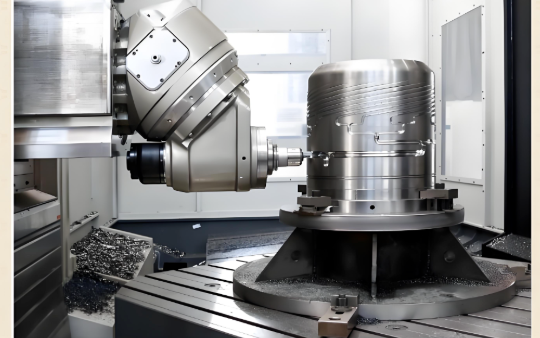
What Custom Steel Cutting Actually Means for Your Project
Ever wondered how a simple steel plate transforms into the precise bracket holding your car's suspension together? Or how architects turn bold designs into the structural elements that define modern skylines? The answer lies in custom steel cutting—a specialized manufacturing process that takes raw steel stock and shapes it into exact components based on your unique specifications.
At its core, custom steel cutting involves using advanced machinery to cut, shape, and form steel materials according to detailed design requirements. Unlike off-the-shelf parts that come in standard sizes and shapes, this process creates something tailored specifically to your project's needs. Whether you're working with thick steel plates for industrial equipment or thin sheets for decorative panels, the goal remains the same: precision that matches your vision.
From Raw Steel to Precision Parts
Think of custom steel cutting as the critical first step in metal fabrication. Raw steel arrives at a facility in various forms—sheets, plates, bars, or coils. From there, skilled technicians and sophisticated equipment work together to transform these materials into usable components. The process typically involves:
- Analyzing design specifications and technical drawings
- Selecting the appropriate cutting method for the material and design complexity
- Programming CNC-controlled machines for precise execution
- Cutting steel to exact dimensions with minimal material waste
- Quality inspection to verify accuracy against original specifications
This steel fabrication workflow ensures every cut aligns with your project requirements, whether you need a single prototype or hundreds of identical parts.
Why Custom Cutting Transforms Manufacturing
So why does this capability matter across so many industries? The answer comes down to flexibility and precision. Automotive manufacturers rely on custom cutting for chassis components and structural reinforcements. Construction firms need it for architectural steel work and building frameworks. Even artists and designers turn to metal fab services when creating custom signage or sculptural installations.
Custom steel cutting bridges the gap between design concepts and functional components—transforming digital blueprints into tangible parts that perform exactly as intended.
Throughout this guide, you'll discover the different cutting methods available, learn how various steel grades affect your options, and understand the practical considerations that influence both quality and cost. By the end, you'll have the knowledge to approach your next project with confidence—knowing exactly what to expect from the design-to-production journey.
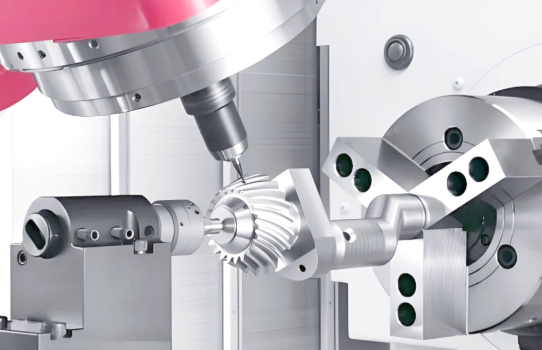
The Four Primary Steel Cutting Methods Compared
Now that you understand what custom steel cutting accomplishes, let's explore how it actually happens. Choosing the right cutting technology can mean the difference between a part that fits perfectly and one that requires costly rework. Each method brings distinct advantages—and understanding these differences helps you make smarter decisions for your project.
Laser Cutting Explained
Imagine focusing sunlight through a magnifying glass, but amplified to industrial intensity. That's essentially how a laser cutter works. A high-powered laser beam—either fiber or CO2—concentrates intense light energy onto steel, melting, burning, or vaporizing material along a precisely programmed path.
What makes laser cutting stand out? Speed and precision. Modern fiber lasers can cut upwards of 2,500 inches per minute while maintaining exceptionally tight tolerances. This makes them ideal for intricate designs, small holes, and detailed patterns that other methods simply cannot achieve. According to SendCutSend, laser cutting is often the quickest and most affordable option for a large variety of materials.
The trade-off? Laser cutting works best on thinner materials—typically up to half an inch for most metals. When you venture into thicker steel plates, other methods become more practical.
Plasma and Waterjet Fundamentals
When thickness increases, plasma cutting steps into the spotlight. This technology uses an electrical arc combined with compressed gas to create superheated plasma that melts through conductive metals. If you're cutting half-inch steel plate or thicker, plasma offers the best combination of speed and cost efficiency. Structural steel fabrication, heavy equipment manufacturing, and shipbuilding rely heavily on this workhorse technology.
Waterjet cutting takes an entirely different approach. Instead of heat, it harnesses extremely high-pressure water mixed with abrasive garnet particles. The result? A metal cutter that slices through virtually any material—steel, aluminum, composites, even stone—without generating heat. This cold-cutting process eliminates warping, hardening, and material property changes that thermal methods can cause.
For aerospace applications and heat-sensitive materials, waterjet becomes the clear choice despite its slower cutting speeds.
CNC Machining Considerations
You might be wondering about the CNC meaning in this context. CNC stands for Computer Numerical Control—the technology that directs cutting tools with computer-like precision. While laser cutting and plasma cutting use CNC controls for positioning, CNC routing specifically refers to using rotating cutting bits to remove material.
CNC router CNC systems excel with plastics, composites, and wood, though they also handle certain metals effectively. Unlike thermal cutting methods, routing physically carves material away, leaving superior surface finishes on many materials. The process maintains tolerances of approximately +/- 0.005 inches, making it suitable for applications requiring consistent edge quality.
Understanding Kerf and Heat-Affected Zones
Two critical concepts affect every cutting decision: kerf and heat-affected zone (HAZ). Understanding these terms helps you anticipate how your finished parts will turn out.
Kerf refers to the width of material removed during cutting—think of it as the "cut width" left behind by the cutting process. According to DW Laser, kerf width varies based on laser type, material properties, power settings, and material thickness. For materials less than 1mm thick, the cut can be very smooth and fine. Professional cutting services compensate for kerf automatically, but understanding this concept helps you appreciate why extremely small features may get lost in the cutting process.
The heat-affected zone (HAZ) describes the area adjacent to a cut where material properties become slightly altered due to heat exposure. This zone exists because thermal cutting methods—laser and plasma—transfer some heat to surrounding material. Fortunately, modern high-speed lasers with small beam diameters minimize HAZ significantly. For simple geometries, it's virtually nonexistent.
Waterjet cutting eliminates HAZ entirely since no heat is involved—a major reason aerospace manufacturers prefer this method despite higher costs.
Cutting Method Comparison
Sounds complex? This comparison table simplifies the decision-making process:
| Cutting Method | Best Applications | Material Thickness Range | Edge Quality | Relative Cost |
|---|---|---|---|---|
| Laser Cutting | Intricate designs, small holes, detailed patterns, electronics, medical devices | Up to approximately 0.5 inches for most metals | Excellent—clean edges with minimal post-processing | Low to moderate; most economical for thin materials |
| Plasma Cutting | Structural steel, heavy equipment, shipbuilding, thick conductive metals | Excels at 0.5 inches and above; handles 1+ inch steel efficiently | Good—may require some edge finishing on thicker cuts | Low; best speed-to-cost ratio for thick metals |
| Waterjet Cutting | Heat-sensitive materials, aerospace components, composites, glass, stone | Virtually unlimited; cuts nearly any thickness | Superior—eliminates burrs and dross completely | Higher; slower process with specialized equipment |
| CNC Routing | Plastics, composites, wood, materials requiring superior surface finish | Varies by material; works well with sheet goods | Excellent surface finish; interior corners require radius | Moderate; cost-effective for non-laser materials |
Many fabrication shops maintain multiple cutting technologies, pairing plasma and CNC laser capabilities for maximum flexibility. Your material type, thickness requirements, precision needs, and budget constraints ultimately determine which method delivers the best results for your specific project.
With cutting methods now clear, the next critical factor involves understanding how different steel grades behave during these processes—and why material selection directly impacts your cutting options.
How Steel Grades Affect Your Cutting Options
You've selected your cutting method—but have you considered what your steel is actually made of? The composition of your material directly influences how it responds to cutting, what edge quality you'll achieve, and which process delivers the best results. Understanding these relationships helps you avoid costly surprises and ensures your finished parts meet expectations.
Steel isn't just steel. Carbon content, alloying elements, and thermal properties all play pivotal roles in determining cutting behavior. According to KGS Steel, selecting the right steel grade for your specific cutting method can mean the difference between project success and costly failures. Let's break down how the three major steel categories—carbon steel, stainless steel, and alloy steel—behave during cutting processes.
Carbon Steel Cutting Characteristics
Carbon steel remains the most commonly cut material in metal fabrication, and for good reason. Its predictable behavior and cost-effectiveness make it a go-to choice for countless applications. Mild steel grades like A36 and A572 respond particularly well to thermal cutting methods, producing clean cuts with minimal complications.
What makes carbon steel so cutter-friendly? The answer lies in its composition. Low-carbon steels (those containing less than 0.3% carbon) cut more predictably and cleanly than high-carbon alternatives. This matters especially when using plasma or laser cutting, where thermal properties significantly influence cut quality.
Key factors affecting carbon steel cutting quality:
- Carbon content: Lower carbon percentages produce cleaner cuts with reduced hardening in heat-affected zones
- Surface condition: Clean, scale-free surfaces yield better results than rusty or scaled material
- Silicon content: Higher silicon levels may produce more dross during plasma cutting
- Manganese levels: Increased manganese content could require slightly reduced cutting speeds
- Material thickness: Thicker carbon steel may require preheating for oxy-fuel cutting to prevent hardening
For most general fabrication work, standard carbon steel grades provide excellent results across all cutting methods—making them the safe choice when you're uncertain about material selection.
Stainless Steel Special Considerations
Working with a stainless steel sheet introduces different challenges and opportunities. Austenitic stainless steels like 304 and 316 stainless steel respond exceptionally well to laser cutting due to their consistent composition and thermal properties. Interestingly, the lower thermal conductivity of stainless steel sheet metal actually works in your favor—it allows for cleaner cuts with minimal heat-affected zones.
However, stainless steel demands respect during the cutting process. Its chromium content (what gives stainless its corrosion resistance) can form refractory oxides that complicate oxy-fuel cutting. For this reason, laser and plasma methods typically prove more effective for stainless applications.
Factors influencing stainless steel cutting quality:
- Chromium and nickel content: Higher alloy content affects heat distribution and may require adjusted parameters
- Thermal conductivity: Lower conductivity concentrates heat, improving laser cutting precision but requiring careful speed control
- Work hardening tendency: Some grades harden during cutting, affecting edge properties
- Surface finish requirements: Decorative applications may need additional post-processing regardless of cutting method
- Corrosion resistance preservation: Heat-affected zones may have altered corrosion properties in certain environments
When specifying 316 stainless steel or similar marine-grade alloys, communicate your end-use requirements clearly. This helps fabricators optimize cutting parameters to preserve the material properties you're paying premium prices to obtain.
Understanding Gauge Sizes and Thickness
Before matching material to method, you'll need to speak the language of thickness. In the steel industry, gauge sizes provide a standardized way to communicate material thickness—though it can seem counterintuitive at first. Here's the key insight: the higher the gauge number, the thinner the material.
A sheet metal gauge chart helps translate these numbers into actual dimensions. For reference, 14 gauge steel thickness measures approximately 0.075 inches (just under 1/16 inch), while 11 gauge steel thickness comes in at roughly 0.120 inches (just over 1/8 inch). This distinction matters because crossing certain thickness thresholds often means switching from one cutting method to another.
Understanding the gauge size chart becomes particularly important when:
- Comparing quotes from different fabricators who may use different measurement systems
- Determining whether laser cutting remains practical or if plasma cutting becomes necessary
- Calculating material weight for shipping and structural considerations
- Specifying tolerances that make sense for your chosen thickness
Matching Material to Method
So how do you pair the right steel grade with the optimal cutting technology? Consider these guiding principles:
For carbon steel: Virtually any cutting method works well. Choose based on thickness and precision requirements. Laser cutting handles thinner gauges with exceptional detail, while plasma cutting excels as thickness increases beyond half an inch.
For stainless steel: Laser cutting typically delivers the best edge quality for thinner materials. Waterjet cutting becomes valuable when you cannot tolerate any heat-affected zone or when working with thicker sections.
For high-strength alloys: These specialized steels often require more careful parameter adjustment. Preheating may be necessary for thermal cutting methods, and cooling rates need management to prevent unwanted hardening. Consult with your fabricator about specific alloy requirements before committing to a cutting method.
The relationship between steel grade and cutting method extends beyond just getting the cut done—it affects edge quality, post-processing requirements, and ultimately your project timeline and budget. Making informed material choices upfront prevents the need for expensive corrections later.
With material behavior now understood, the next step involves translating your design into production-ready files—a process with its own set of best practices and common pitfalls to avoid.
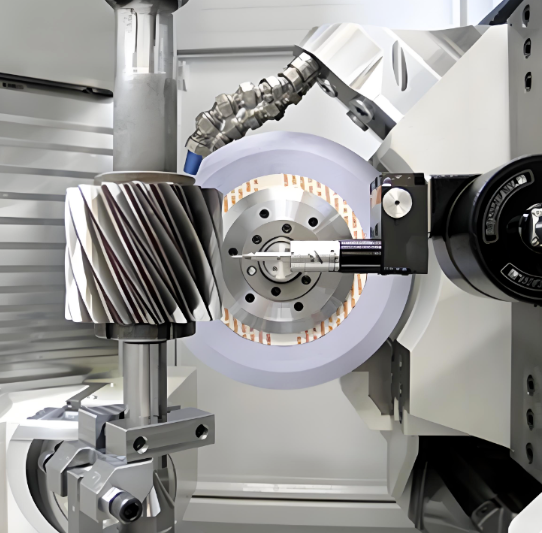
The Design to Finished Part Workflow
You've chosen your cutting method and selected the right steel grade—now what? The journey from digital design to physical part involves critical steps that many first-time customers don't fully understand. Mastering this workflow means faster turnaround times, fewer revisions, and parts that actually fit your application.
Think of the design-to-production process as a conversation between your vision and manufacturing reality. The clearer you communicate through properly prepared files, the better your finished components will turn out. Let's walk through exactly what happens from the moment you submit your design until you receive your custom laser cut parts.
Preparing Your Design Files
Before any cutting begins, your design must translate into a language that CNC-controlled machines understand. According to SendCutSend's laser cutting guidelines, the quality of your file directly determines the quality of your parts—better files mean better results.
Most sheet metal fabrication services accept these common file formats:
- DXF (Drawing Exchange Format): The industry standard for 2D cutting paths; compatible with virtually all cutting systems
- DWG (AutoCAD Drawing): Native AutoCAD format that preserves layer information and design intent
- AI (Adobe Illustrator): Popular for artistic and decorative designs; requires conversion to outlines
- STEP/STP: 3D files that allow fabricators to generate cutting paths from solid models
- SVG (Scalable Vector Graphics): Useful for web-based ordering platforms
One critical requirement applies across all formats: your design must use vector graphics, not raster images. Vector files define shapes mathematically through points and paths, allowing machines to follow exact cutting trajectories. Raster files (like JPGs or PNGs) contain only pixel information and cannot guide precision cutting equipment.
If you've converted your file from a raster image, verify all dimensions carefully. Printing your laser cutting design at 100% scale helps confirm that measurements and proportions match your intentions before submitting for production.
Design for Manufacturability Basics
Creating a beautiful design doesn't guarantee it can be manufactured efficiently—or at all. Design for manufacturability (DFM) principles help you create parts that cut cleanly, minimize waste, and avoid production complications.
According to Five Flute's sheet metal DFM guidelines, designers should consider how parts will nest on large sheets and how material grain direction aligns with planned bends. Parts that nest efficiently save material cost by reducing scrap volume.
Key metal laser cutting design considerations include:
- Minimum feature sizes: Small holes and narrow slots have practical limits—typically the hole diameter should at least equal material thickness
- Internal corners: Sharp 90-degree internal corners are impossible with circular cutting tools; design with small radii instead
- Tab and slot connections: Allow adequate clearance for material thickness variations
- Hole-to-edge distance: Maintain at least 2x material thickness from edges to prevent tearing
- Hole-to-bend distance: Keep holes at least 3x material thickness from bend lines to avoid distortion
Nesting—the arrangement of multiple parts on a single sheet to maximize material usage—significantly impacts both cost and environmental sustainability. Professional fabricators use specialized software to optimize nesting automatically, but designing parts with nesting in mind can further improve efficiency.
The Complete Production Workflow
Once your files are ready, here's exactly what happens on the path to finished parts:
- File submission and review: You upload design files through a web portal or send directly to your fabricator. Technical staff review geometry, dimensions, and material specifications for manufacturability.
- Quote generation: Based on material type, thickness, cut complexity, and quantity, you receive pricing and lead time estimates. Services like SendCutSend offer instant online quoting.
- Design verification: For complex parts, fabricators may provide feedback or request clarification on ambiguous specifications. This collaborative step prevents costly errors.
- Nesting and programming: Your parts are arranged on virtual material sheets for optimal efficiency. Cutting paths are programmed into machine control software.
- Material preparation: Raw steel sheets or plates are loaded onto cutting tables, leveled, and secured for processing.
- Cutting execution: Laser, plasma, or waterjet equipment follows programmed paths to cut your parts. Modern systems monitor cut quality in real-time.
- Part extraction and deburring: Cut parts are removed from skeleton material. Edges receive appropriate finishing to remove burrs or sharp edges.
- Quality inspection: Dimensional verification confirms parts meet specified tolerances. Visual inspection checks for surface defects or cutting anomalies.
- Secondary operations: If required, parts proceed to bending, welding, finishing, or assembly operations.
- Packaging and shipping: Finished parts are protected and shipped to your location.
Common File Preparation Mistakes
Even experienced designers make errors that slow production. Approved Sheet Metal reports that design problems appear in approximately 50% of customer inquiries—representing tremendous opportunity for improvement.
Avoid these frequent pitfalls:
- Leaving text as editable objects: Text boxes must be converted to shapes ("outlines" in Illustrator, "explode" in CAD software). Editable text won't cut correctly.
- Unattached internal cutouts: Shapes floating inside other shapes will fall away during cutting. Add bridges or submit these as separate parts.
- Incorrect scale or units: A design drawn in millimeters but interpreted as inches creates dramatically wrong parts. Always verify units and dimensions.
- Overlapping or duplicate lines: These cause the machine to cut the same path twice, potentially damaging parts or wasting time.
- Open contours: Cutting paths must form closed shapes. Gaps in lines prevent proper cutting.
- Impossibly tight tolerances: Specifying machining-level tolerances (±0.002") for sheet metal parts creates unrealistic expectations. Standard sheet metal tolerances stack with each bend.
Taking time to review files before submission—and printing designs at full scale when possible—catches most errors before they become expensive corrections. When in doubt, consult with your fabricator during the design phase rather than after parts arrive incorrectly.
Understanding this workflow empowers you to communicate effectively with fabrication partners. But what drives the actual cost of your custom steel cutting project? The next section breaks down pricing factors so you can budget accurately and optimize designs for cost efficiency.
What Drives Custom Steel Cutting Costs
So you've designed your part, selected your material, and chosen a cutting method—but what will it actually cost? Understanding the factors that influence pricing helps you budget accurately and make smarter design decisions. The good news? Many cost drivers are within your control, meaning you can optimize your project without sacrificing quality.
Custom steel cutting pricing isn't arbitrary. Every quote reflects a combination of measurable variables that fabricators evaluate systematically. When you understand these factors, you gain negotiating power and the ability to make informed trade-offs between cost, quality, and timeline.
Material and Thickness Cost Factors
Material costs typically represent the largest portion of your project budget. According to Komacut's sheet metal fabrication cost guide, selecting the right material directly affects both cost and performance—making this decision one of the most impactful you'll make.
Here's what influences material pricing:
- Material type: Mild steel offers the most affordable option for cost-conscious projects, while stainless steel and aluminum command premium pricing due to alloying elements and processing requirements
- Material grade: Specialty grades like 316 stainless or aerospace-rated alloys cost significantly more than standard alternatives
- Thickness: Thicker materials require more cutting time and may necessitate switching to slower, more expensive cutting methods
- Sheet size and availability: Standard sheet sizes cost less than custom dimensions; readily stocked materials ship faster than special orders
- Market conditions: Steel prices fluctuate based on global supply and demand, affecting quotes over time
Thickness deserves special attention because it affects more than just material cost. As LaserFab explains, thicker metals take longer to cut, directly increasing machine time charges. Each metal has an optimal cutting thickness that produces the cleanest results—pushing beyond that range may require parameter adjustments that slow production.
How Complexity Drives Pricing
Ever wonder why intricate designs cost more than simple rectangles? The answer comes down to cutting time and machine head travel. Every curve, hole, and detail adds seconds to your cutting time—and those seconds accumulate quickly across larger orders.
Complexity factors that increase costs include:
- Total cut length: Longer cutting paths mean more machine time; simple shapes with minimal perimeter cost less
- Number of pierces: Each hole or internal cutout requires the laser to pierce the material, adding time
- Tight curves and small features: Machines slow down for intricate details to maintain accuracy
- Close tolerances: Precision requirements may demand slower cutting speeds or secondary verification
- Interior corners: Sharp internal angles require additional programming and may need radius adjustments
Here's a practical insight: a circle with a 10-inch diameter has more perimeter than a 10-inch square. If your design can work with either shape, the square costs less to cut. Similarly, overlapping cut lines—a common file preparation mistake—cause the machine to cut the same path twice, doubling time and cost for that section.
Secondary Operations Add Value and Cost
Cutting is often just the beginning. Many projects require additional operations like bending, welding, or surface finishing. Each step adds labor, equipment time, and specialized expertise to your quote.
Bending transforms flat cut parts into three-dimensional components. This operation requires brake press equipment and skilled operators who understand material behavior. Complex bend sequences with tight tolerances naturally cost more than simple single-bend parts.
Surface finishing options protect your parts and enhance appearance:
- Powder coat: A durable, environmentally friendly finish applied electrostatically and cured with heat. Powder coating services offer extensive color options and excellent wear resistance at reasonable cost
- Anodizing: An electrochemical process that creates an integrated protective layer, particularly valuable for aluminum components. Anodized aluminum delivers superior corrosion resistance and a distinctive metallic appearance
- Painting and plating: Traditional options that remain cost-effective for specific applications
- Deburring and edge finishing: Removes sharp edges for safety and aesthetics
When evaluating finishing options, consider your end-use environment. According to MetalsCut4U, anodizing provides exceptional durability and UV resistance, while powder coating offers versatility and cost-effectiveness for larger projects. Both methods add value by extending part life and improving appearance.
Design Strategies for Cost Reduction
Want to reduce costs without compromising quality? These proven strategies help you optimize your project:
- Simplify geometry where possible: Replace curves with straight lines when functionality permits; eliminate purely decorative details on non-visible surfaces
- Standardize hole sizes: Using consistent hole diameters reduces tooling changes and programming complexity
- Design for nesting efficiency: Parts that fit together like puzzle pieces waste less material. Rectangular parts nest more efficiently than irregular shapes
- Consolidate orders: Larger quantities spread setup costs across more parts, reducing per-unit pricing
- Choose standard materials: Readily available gauges and grades ship faster and cost less than special orders
- Communicate with your fabricator: Ask for design feedback before finalizing files—experienced shops often suggest cost-saving modifications
Perhaps the most valuable cost-reduction strategy involves early collaboration. Before finalizing your design, share concepts with potential fabricators. They can identify expensive features and suggest alternatives that achieve the same function at lower cost. This design for manufacturability approach prevents expensive revisions after production begins.
Understanding these cost drivers empowers you to make informed trade-offs. Sometimes paying more for tighter tolerances or premium finishes delivers essential value. Other times, simplifying designs and choosing standard materials achieves your goals at significantly lower cost. The key lies in knowing which factors matter most for your specific application—and which ones offer room for optimization.
With cost factors now clear, the next consideration involves understanding exactly how precise your parts can be—and when investing in tighter tolerances actually matters for your application.
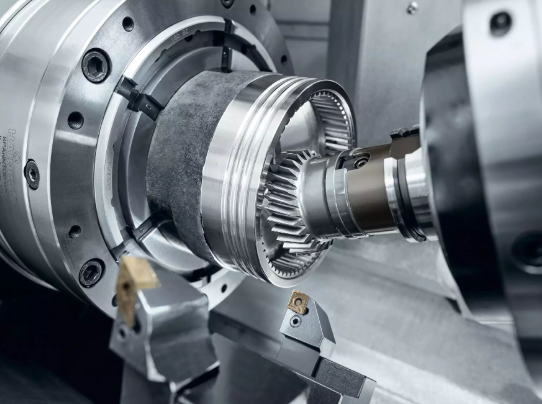
Tolerances and Precision in Steel Cutting
You've seen the cost breakdown and understand what drives pricing—but here's a question that trips up many first-time buyers: how precise will your parts actually be? Tolerance specifications appear on every fabrication quote, yet many customers don't fully understand what these numbers mean or when tighter tolerances justify their extra cost.
Think of tolerance as the acceptable margin of error. Just as a recipe might say "about one cup" of flour, manufacturing tolerances define how much a dimension can vary from the ideal while still being acceptable. According to McGill University's engineering design resources, tolerance represents the total amount a dimension may vary—the difference between the maximum and minimum allowable limits.
Understanding Tolerance Specifications
Imagine ordering a part that needs to be exactly 4 inches wide. In reality, achieving exactly 4.000000 inches is impossible—and unnecessary for most applications. Instead, you specify an acceptable range: perhaps 4.000 inches plus or minus 0.010 inches. This means any part measuring between 3.990 and 4.010 inches passes inspection.
Why does this matter? Tolerances directly affect how parts fit together. When a bracket must slide into a slot, both components need compatible dimensions. Too tight, and assembly becomes impossible. Too loose, and the connection fails. One major advantage of using tolerances, as noted by engineering standards, is enabling interchangeable parts—allowing replacement of individual components without custom fitting.
Different cutting technologies achieve different precision levels. According to ADH Machine Tool, high-end fiber laser cutting machines can maintain tolerances as tight as ±0.05mm (approximately ±0.002 inches), while CO2 lasers typically achieve ±0.1mm under optimal conditions. Plasma cutting, while excellent for thick materials, generally produces wider tolerance ranges.
Tolerance Categories and Applications
Not every application demands the same precision level. Understanding where your project falls helps you specify appropriate tolerances—and avoid paying for precision you don't actually need.
| Tolerance Category | Typical Range | Common Applications | Cutting Methods |
|---|---|---|---|
| Standard | ±0.010" to ±0.020" (±0.25mm to ±0.5mm) | Structural components, brackets, decorative panels, general fabrication | Plasma cutting, standard laser cutting |
| Precision | ±0.005" to ±0.010" (±0.13mm to ±0.25mm) | Mechanical assemblies, mating parts, equipment housings, functional components | Fiber laser cutting, precision waterjet |
| High-Precision | ±0.001" to ±0.005" (±0.025mm to ±0.13mm) | Aerospace components, medical devices, precision instruments, critical assemblies | High-end fiber laser, ultraviolet laser, femtosecond laser |
Material thickness significantly impacts achievable tolerances. Thinner materials generally hold tighter tolerances, while thicker plates introduce challenges like heat-affected zone expansion and beam taper. A part cut from 16-gauge steel will typically achieve better precision than the same geometry cut from half-inch plate.
When Precision Really Matters
So when should you invest in tighter tolerances? The answer depends entirely on your end-use application. Consider these scenarios:
- Mating parts in assemblies: When components must fit together—like tabs into slots or pins into holes—tolerance stack-up becomes critical. Each part's variation accumulates, potentially preventing proper assembly
- Bearing seats and rotating components: Applications involving tensile strength requirements or dynamic loads demand precise dimensions to prevent premature wear or failure
- Interchangeable replacement parts: If customers need to swap components without modification, consistent tolerances across production runs become essential
- Aesthetic applications: Visible seams, aligned panels, and decorative elements may require tighter tolerances for visual consistency
Conversely, many applications work perfectly with standard tolerances. A mounting bracket that attaches with oversized holes doesn't need precision dimensions. Structural supports with adequate safety margins rarely require tight specifications. Identifying where precision genuinely matters—and where it doesn't—helps you optimize costs without compromising function.
Edge Quality and Surface Finish
Tolerance addresses dimensional accuracy, but edge quality describes what the cut surface actually looks like. These characteristics matter for both functionality and appearance.
Laser cutting typically produces the cleanest edges—smooth surfaces with minimal dross (solidified molten metal) that require little or no post-processing. The narrower kerf width of fiber lasers contributes to this quality, as does the concentrated heat input that minimizes the heat-affected zone.
Plasma cutting creates rougher edges, particularly on thicker materials. While perfectly acceptable for structural applications, parts requiring a finished appearance may need secondary grinding or deburring. Waterjet cutting eliminates heat-related issues entirely, producing edges free from thermal distortion but with a characteristic striated surface from the abrasive cutting action.
When evaluating edge quality requirements, consider:
- Will edges be visible in the final application? Decorative components may justify paying for superior edge quality
- Do edges contact other surfaces? Mating surfaces benefit from smooth, consistent finishes
- Will parts receive secondary finishing? Powder coating or painting can mask minor edge imperfections
- Are there safety concerns? Sharp burrs on handling surfaces require removal regardless of appearance
Understanding the relationship between cutting method, tolerance capability, and edge quality helps you specify exactly what your application requires. Request sample cuts when evaluating new fabrication partners—seeing actual results often communicates quality better than specifications alone.
With precision concepts now demystified, let's explore the diverse industries and applications where custom steel cutting delivers value—helping you understand if this capability fits your specific needs.
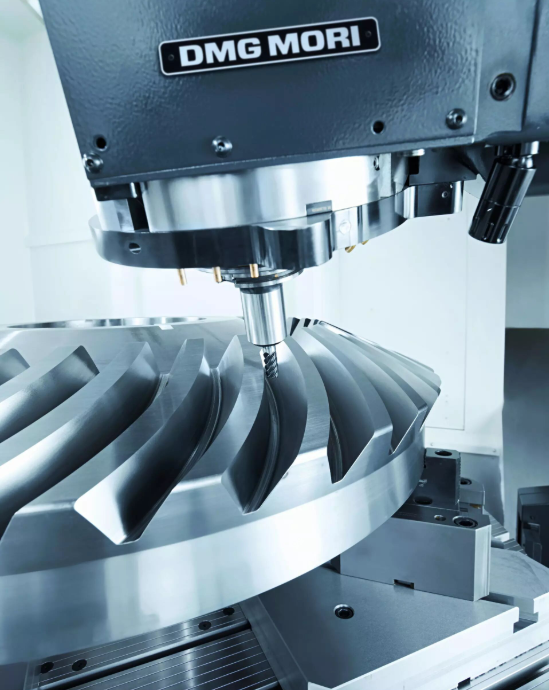
Industries and Applications for Custom Steel Cutting
Now that you understand tolerances and precision requirements, you might be wondering: does custom steel cutting actually fit my project? The answer depends on your industry, application, and specific needs. From vehicle chassis to decorative signage, this manufacturing capability serves an remarkably diverse range of sectors—each with unique requirements and opportunities.
Understanding how different industries leverage custom cutting helps you recognize possibilities for your own projects. Whether you're an engineer designing production components or a business owner exploring new product ideas, seeing how others apply this technology sparks ideas and validates approaches.
Automotive and Transportation Applications
The automotive industry represents one of the largest consumers of custom steel cutting services. According to the Business Research Company, the automotive sheet metal components market was valued at approximately $138.84 billion in 2025 and is projected to reach $172.26 billion by 2029—growing at an average rate of 5.5% annually.
What drives this demand? Modern vehicles require thousands of precisely cut metal components, from visible body panels to hidden structural reinforcements. Laser cutting achieves accuracy within 0.1mm, ensuring parts fit perfectly during assembly without gaps or alignment issues.
Common automotive applications include:
- Body panels and exterior components: Fenders, doors, hoods, and trunk lids require consistent dimensions and smooth edges
- Structural and chassis elements: Frame components, cross members, and reinforcement brackets demand precise tolerances for safety
- Engine compartment parts: Heat shields, mounting brackets, and enclosures must withstand extreme temperatures
- Interior components: Seat frames, console brackets, and trim supports contribute to cabin quality
- Exhaust system elements: Custom-cut flanges and mounting hardware ensure proper fit and sealing
Beyond passenger vehicles, the broader transportation sector—including trucks, trains, ships, and aircraft—relies heavily on custom cutting. When searching for metal fabrication near me or steel fabricators capable of handling transportation projects, look for shops with experience in your specific vehicle category.
Architectural and Structural Uses
Walk through any modern city and you'll encounter countless examples of custom steel cutting in architecture. From the structural skeleton holding buildings upright to decorative facades that define architectural character, precision-cut steel shapes our built environment.
According to Schorr Metals, sturdy buildings often incorporate metal in their structure, with some constructed almost entirely from metal. When architects design complex buildings, specific parts and pieces become essential—and metal fabrication delivers exactly what's needed in precise dimensions and correct quantities.
Architectural and construction applications span multiple categories:
- Structural steel: Beams, columns, plates, and connections that form building frameworks
- Decorative elements: Custom metal signs, artistic panels, screens, and ornamental features that define visual identity
- Facade systems: Aluminum sheet metal panels and steel cladding that protect and beautify exteriors
- Interior features: Railings, staircases, partition frames, and ceiling systems
- Landscape structures: Green screens for climbing plants, fencing, gates, and outdoor furniture
Laser cutting proves particularly valuable for architectural applications requiring intricate exterior details. The precision achievable through modern cutting technology allows architects to realize complex designs that would have been impractical or prohibitively expensive using traditional methods.
Industrial Equipment and Manufacturing
Behind every factory, processing plant, and industrial facility stand countless pieces of equipment containing custom-cut components. This sector demands durability, precision, and often compliance with strict industry standards.
Industrial applications typically include:
- Machine housings and enclosures: Protective covers, control panels, and equipment guards
- Conveyor systems: Side rails, support structures, and custom brackets
- Processing equipment: Tanks, hoppers, chutes, and material handling components
- Agricultural machinery: Implement parts, mounting plates, and wear components
- Energy sector components: Wind turbine parts, solar panel frames, and power generation equipment
The medical industry also relies on custom metal cutting for equipment and instruments. Surgical tools require fabrication to extremely precise dimensions, and new medical advances constantly demand specialized components. When fabrication shops near me offer the precision and quality controls necessary for medical applications, they open opportunities in this growing sector.
Prototyping and Small-Batch Production
Perhaps the most accessible application for newcomers involves prototyping and small production runs. Unlike mass manufacturing that requires expensive tooling and long lead times, custom cutting enables rapid iteration and low-volume production.
According to Advantage Metal Products, rapid prototyping offers advantages including quick iteration and design validation, time and cost savings, and enhanced flexibility for design changes. The technology enables a faster time-to-market compared to traditional prototyping methods.
Prototyping applications serve diverse needs:
- Product development: Testing form, fit, and function before committing to production tooling
- Design validation: Creating physical samples to verify digital models
- Custom one-off projects: Art installations, specialty equipment, and unique applications
- Replacement parts: Recreating components for vintage equipment or discontinued products
- Small business products: Limited-run merchandise, custom hardware, and specialty items
Car repair businesses represent an excellent example of small-batch applications. Vehicles needing restoration require new metal parts following custom dimensions to fit existing structures. Metal fabricators near me who understand automotive restoration can duplicate rare parts or create custom modifications that would otherwise be impossible to source.
The rapid turnaround characteristic of modern custom cutting services enables iterative design processes. You can test a concept, identify improvements, modify your design files, and have updated parts within days—a cycle that might have taken weeks or months using traditional manufacturing approaches.
Understanding these diverse applications helps you recognize where custom steel cutting fits your specific situation. Whether you're developing a new product, maintaining industrial equipment, or bringing an architectural vision to life, the technology and expertise exist to transform your concepts into reality. The next step involves selecting the right fabrication partner to make it happen.
Choosing the Right Custom Steel Cutting Partner
You've explored cutting methods, understood material behavior, mastered the design workflow, and learned what drives costs—but here's the question that ties everything together: who will actually manufacture your parts? Selecting the right fabrication partner can mean the difference between a smooth project experience and frustrating delays, quality issues, or budget overruns.
With countless options available—from local fabrication shops near me to specialized online metals services—evaluating potential partners requires a systematic approach. The goal isn't simply finding someone who can cut steel; it's identifying a collaborator who understands your requirements, communicates effectively, and delivers consistent quality.
Evaluating Service Provider Capabilities
Not all fabrication shops offer the same capabilities, and mismatches between your needs and a provider's strengths lead to problems. According to Swanton Welding, evaluating a metal fabricator's past projects and determining their relevance to your requirements helps ensure they have the necessary capabilities, skills, and knowledge to successfully handle your project.
Start your evaluation by examining these core capability areas:
- Equipment and technology: Metal fabricators who have invested in cutting-edge equipment are more likely to offer improved results. Inquire about their specific laser, plasma, or waterjet systems and whether they maintain multiple cutting technologies for flexibility
- Workforce expertise: A company with a small team may struggle to complete your project within the desired timeframe. Verify that their workforce includes highly skilled craftsmen capable of delivering high-quality work
- Industry experience: Different fabricators may specialize in particular types of projects or focus on specific sizes. Look for experience with applications similar to yours
- Facility capacity: Adequate facilities contribute to smoother operations and enhance the chances of successful project completion. Evaluate whether their resources, space, and equipment can accommodate your project's specific requirements
- Secondary operations: Choose a fabricator that can handle additional processes such as blasting, painting, and finishing in-house. Opting for a single company that manages your project from start to finish saves time and ensures consistent quality
For automotive applications, certifications carry particular weight. IATF 16949 certification represents the gold standard for automotive quality management systems. This certification goes beyond general ISO 9001 requirements to address customer-specific automotive requirements, product design and development, risk management, supplier management, and product traceability. Manufacturers holding this certification demonstrate commitment to the rigorous standards the automotive industry demands.
Questions to Ask Before Ordering
Once you've identified potential partners, targeted questions reveal whether they're truly the right fit. According to Wrightform, asking the right questions saves time and money while avoiding costly mistakes.
Essential questions to pose include:
- What materials and thicknesses can you process? Confirm the provider can work with your specific metals in the thickness you need
- What level of precision can you achieve? Clarify their cutting accuracy and ability to produce clean edges without burrs, especially for industries requiring tight tolerances
- Do you offer prototyping services? Prototyping allows you to validate designs before committing to full-scale production—invaluable for fine-tuning specifications
- How do you optimize material usage to reduce waste? Efficient material nesting saves costs and reduces environmental impact
- What is your typical turnaround time? Verify the standard production timeline and whether rush orders are available for time-sensitive projects
- What file formats do you accept? Standard formats include DXF and DWG. Some services also work with PDFs or offer design review and optimization
- Do you provide design for manufacturability (DFM) support? Comprehensive DFM assistance indicates vendor capability and commitment to customer success—fabricators who review your designs and suggest improvements before cutting begins help prevent costly errors
- What is your quote turnaround time? Quick quote responses—some premier manufacturers offer 12-hour turnaround—demonstrate operational efficiency and customer focus
- How do you ensure quality control? Ask about processes for verifying dimensions, checking for material flaws, and ensuring part consistency
- Do you offer flexible order sizes? Whether you need one-off prototypes or high-volume production, a reliable service should accommodate your order size
Pay particular attention to how potential partners respond to these questions. Vague answers or reluctance to discuss capabilities often signals limitations they'd rather not disclose.
Preparing for Production Success
Finding the right partner is only half the equation—preparing effectively for your first order sets the stage for success. Follow this systematic approach to vendor selection and project initiation:
- Define your requirements clearly: Document material specifications, thickness requirements, tolerances, quantities, and delivery timeline before contacting vendors. The more precise your requirements, the more accurate your quotes will be
- Request and compare multiple quotes: Obtain detailed estimates from at least three fabricators. Pricing should align with industry standards and reflect the quality and expertise offered. Request breakdowns that encompass all aspects of the project, leaving no room for hidden costs
- Verify certifications and references: Ask for references from other clients and conduct online research. Ensure the company holds relevant certifications—for automotive projects, IATF 16949 certification signals adherence to industry-specific quality standards
- Evaluate communication responsiveness: Note how quickly potential partners respond to inquiries and how thoroughly they address your questions. Fast quote turnaround times often indicate overall operational efficiency
- Submit design files for DFM review: Before finalizing, share your designs with shortlisted vendors. Quality partners will identify potential manufacturability issues and suggest cost-saving modifications
- Clarify lead times and shipping logistics: Consider the geographical location of the fabricator and their service coverage. Understand exactly when parts will ship and how they'll be packaged for transit
- Start with a prototype or small batch: For new relationships, begin with limited quantities to validate quality before committing to larger production runs
- Establish clear communication channels: Confirm who your primary contact will be, how updates will be communicated, and what approval processes apply to design changes
For automotive supply chain applications, the combination of rapid prototyping capabilities and certified quality systems proves particularly valuable. Manufacturers like Shaoyi (Ningbo) Metal Technology exemplify this approach—offering 5-day rapid prototyping alongside IATF 16949-certified production for chassis, suspension, and structural components. Their 12-hour quote turnaround and comprehensive DFM support demonstrate the responsiveness and technical depth that accelerate automotive programs from concept to production.
Building strong vendor relationships delivers long-term benefits beyond individual projects. These partnerships play a crucial role in delivering the highest quality products and services consistently. By collaborating closely with trusted fabrication partners, you ensure a seamless and efficient workflow that results in timely project completion and ongoing satisfaction.
Taking time to ask the right questions and evaluate fabricators' capabilities thoroughly leads to successful outcomes. The investment you make in selecting the right custom steel cutting partner pays dividends across every project that follows—transforming your designs into precision components that perform exactly as intended.
Frequently Asked Questions About Custom Steel Cutting
1. How much does custom metal cutting cost?
Custom steel cutting costs depend on several factors: material type (mild steel is most affordable, stainless steel costs more), thickness (thicker materials require longer cutting times), cut complexity (intricate designs with many holes and curves increase machine time), and quantity (larger orders reduce per-unit costs). Typical cutting rates range from $0.50 to $2 per linear inch, or $20-$30 per hour for machine time. Secondary operations like bending, powder coating, or anodizing add additional costs. To optimize your budget, simplify geometry where possible, use standard materials, and consolidate orders.
2. How much does laser cutting steel cost?
Laser cutting steel pricing varies based on material thickness, cut complexity, and order volume. For the cutting service itself, costs typically factor in machine time, material consumption, and file preparation. Thinner materials (under 0.25 inches) cut faster and more economically, while thicker steel requires slower speeds and potentially different cutting methods. Intricate designs with many pierces and tight curves cost more than simple shapes. Many online fabrication services offer instant quoting when you upload your design files, allowing you to compare options before committing.
3. Can I cut steel at home?
Yes, you can cut mild steel at home using appropriate tools. A circular saw fitted with a ferrous-metal-cutting blade handles steel up to about 3/8 inch thick effectively. Angle grinders with cut-off wheels work well for smaller cuts and thinner materials. However, for precision parts, intricate designs, or thicker materials, professional custom steel cutting services using laser, plasma, or waterjet technology deliver far superior results. Professional cutting achieves tolerances of ±0.005 inches or tighter, eliminates material waste through optimized nesting, and produces cleaner edges requiring minimal finishing.
4. What file formats do custom steel cutting services accept?
Most fabrication services accept DXF (Drawing Exchange Format) as the industry standard for 2D cutting paths. Other commonly accepted formats include DWG (AutoCAD), AI (Adobe Illustrator—must be converted to outlines), STEP/STP for 3D files, and SVG for web-based ordering. Critical requirement: all designs must use vector graphics, not raster images like JPGs or PNGs. Vector files define shapes mathematically, allowing machines to follow exact cutting paths. Before submission, verify dimensions, ensure all text is converted to outlines, and check for overlapping or duplicate lines.
5. What is the difference between laser cutting, plasma cutting, and waterjet cutting?
Each method offers distinct advantages. Laser cutting uses focused light energy for exceptional precision and speed on thinner materials (up to 0.5 inches), producing clean edges with minimal heat-affected zones—ideal for intricate designs and detailed patterns. Plasma cutting uses superheated plasma to cut conductive metals efficiently, excelling at thicknesses above 0.5 inches for structural steel and heavy fabrication. Waterjet cutting uses high-pressure water with abrasive particles, eliminating heat entirely—perfect for heat-sensitive materials, aerospace applications, and composites. Your choice depends on material type, thickness, precision requirements, and budget.