 Small batches, high standards. Our rapid prototyping service makes validation faster and easier —
  EN
EN


Custom Stainless Sheet Metal: Several Essential Points Before You Order
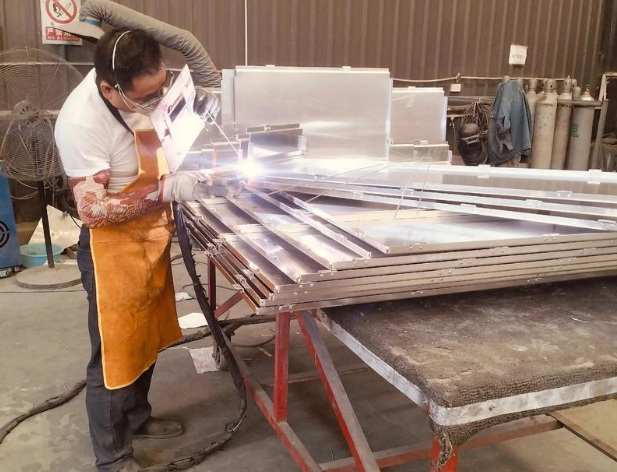
Understanding Custom Stainless Sheet Metal Fundamentals
When you need stainless steel sheet metal that fits your exact specifications, standard off-the-shelf options rarely deliver. Custom stainless sheet metal refers to flat-rolled stainless steel that has been tailored to meet precise dimensional, chemical, and functional requirements for a specific application. Unlike grabbing a stock sheet from a supplier's inventory, custom fabrication gives you control over every detail - from the exact grade and thickness to the surface finish and final cut dimensions.
This distinction matters enormously in modern manufacturing. A hospital exterior requiring unique architectural panels, an aerospace bracket demanding exact tolerances, or a chemical processing vessel needing specific corrosion resistance - these projects share one thing in common. They cannot compromise on specifications.
What Makes Stainless Sheet Metal Custom
The "custom" designation centers on your ability to specify parameters that standard stock materials simply cannot accommodate. You're selecting from various types of metal grades with distinct properties of metals that match your operating environment. You're defining thickness down to precise gauge measurements. You're choosing surface finishes that balance aesthetics with functionality. And you're dictating fabrication requirements - whether that means laser-cut patterns, specific bend angles, or welded assemblies.
According to industry standards like ASTM A240, stainless steel sheet metal is defined by a minimum of 10.5% chromium content, which creates the corrosion-resistant properties these materials are known for. However, custom stainless steel work goes beyond basic chemistry. It involves matching specific chemical envelopes - the precise ranges of chromium, nickel, and molybdenum - to your project's environmental demands.
Why Standard Stock Falls Short for Precision Projects
Imagine ordering a stainless steel sheet for a commercial kitchen installation, only to discover the thickness creates structural issues or the finish shows every fingerprint. Standard stock presents these risks because it prioritizes broad applicability over specific performance.
Custom fabrication eliminates guesswork. When you specify 316L grade for a marine application, you're ensuring the 2-3% molybdenum content protects against chloride-induced pitting. When you order 14-gauge material for industrial enclosures, you're balancing weight against impact resistance. These decisions require understanding how different types of metal behave under real-world conditions - knowledge that standard purchasing doesn't demand but custom work absolutely requires.
The properties of metals vary dramatically across grades, and matching those properties to your application determines project success. A single miscalculation in the Manufacturers' Standard Gauge system can result in a 10% thickness discrepancy, potentially compromising structural integrity.
By the end of this guide, you'll master the critical decision points that separate successful custom stainless sheet metal projects from costly mistakes:
- Grade selection - Understanding when 304, 316, 316L, or 430 makes the right choice for your environment
- Thickness and gauge - Reading gauge charts correctly and matching material weight to structural requirements
- Surface finish options - Choosing between mill, brushed, polished, and specialty finishes for function and appearance
- Fabrication methods - Knowing how laser cutting, waterjet, bending, and welding affect your final product
- Cutting techniques - Achieving clean edges whether in shop fabrication or field modifications
- Cost optimization - Understanding pricing factors and strategies to maximize your budget
- Supplier evaluation - Identifying quality certifications and capabilities that matter for your industry
Whether you're an engineer specifying materials, a procurement specialist sourcing suppliers, or a project manager coordinating fabrication, this resource provides the technical foundation you need before placing your next order.
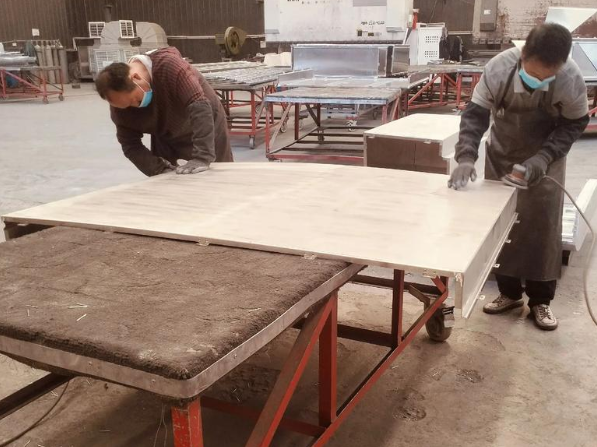
Stainless Steel Grades Explained for Custom Applications
Wondering which stainless steel grade actually fits your project? You're not alone. The difference between selecting 304 vs 316 stainless steel - or opting for 430 instead - can mean the difference between decades of reliable performance and premature failure. When you understand the chemistry behind each grade, those confusing numbers suddenly make perfect sense.
Stainless steel belongs to the family of ferrous metals, meaning iron forms its primary component. What sets different types of metals apart within the stainless category is the precise balance of alloying elements - particularly chromium, nickel, and molybdenum. These additions fundamentally change how the material: stainless steel performs against corrosion, responds to welding, and handles mechanical stress.
Breaking Down 304 vs 316 Stainless Steel Performance
Grade 304 has earned its reputation as the workhorse of the stainless steel world. According to Xometry's materials guide, this grade contains approximately 18% chromium and 8% nickel, which explains why it's sometimes called 18/8 stainless steel. This composition creates excellent general corrosion resistance while maintaining good formability and weldability.
You'll find 304 dominating food processing equipment, kitchen appliances, and architectural applications where chloride exposure remains minimal. Its versatility comes from a balanced profile - strong enough for structural applications, yet workable enough for complex forming operations. The chromium content creates that characteristic passive oxide layer protecting the surface from oxidation.
Grade 316 takes corrosion resistance to another level. The secret ingredient? Molybdenum. With 2-3% molybdenum added to the mix, stainless steel SS 316 handles chloride environments that would pit and corrode standard 304. Marine hardware, chemical processing equipment, and pharmaceutical manufacturing rely on this enhanced protection. As Topson Stainless notes, this makes 316 the preferred choice for coastal installations and saltwater exposure.
The "L" designation in 316L indicates low carbon content - typically 0.03% maximum versus 0.08% in standard 316. This reduction dramatically improves weldability by minimizing carbide precipitation during welding, which prevents intergranular corrosion in heat-affected zones. For any custom stainless sheet metal project requiring welded assemblies, 316L offers significant advantages over its standard counterpart.
When 430 Grade Makes Economic Sense
Is stainless steel magnetic? That depends entirely on the grade. While 304 and 316 are austenitic grades with non-magnetic properties, 430 belongs to the ferritic family - and it responds to magnets. This characteristic matters for applications requiring magnetic functionality or where magnetic interference must be avoided.
Grade 430 contains approximately 17-18% chromium but virtually no nickel. This composition makes it significantly more affordable than the 300-series grades. Where does 430 shine? Automotive trim, appliance panels, indoor architectural accents, and decorative applications where extreme corrosion resistance isn't critical. However, the absence of nickel means 430 struggles in acidic or chloride-rich environments.
One important limitation: 430 has poor weldability compared to austenitic grades. Industry specifications typically recommend against welding 430 for structural applications. If your project requires extensive welding, the cost savings from choosing 430 quickly disappear when fabrication complications arise.
| Property | 304 | 316 | 316L | 430 |
|---|---|---|---|---|
| Chromium Content | 18-20% | 16-18% | 16-18% | 17-18% |
| Nickel Content | 8-10% | 10-14% | 10-14% | None |
| Molybdenum | None | 2-3% | 2-3% | None |
| Corrosion Resistance | Good | Excellent | Excellent | Moderate |
| Chloride Resistance | Fair | Very Good | Very Good | Poor |
| Magnetic Properties | Non-magnetic | Non-magnetic | Non-magnetic | Magnetic |
| Weldability | Excellent | Good | Excellent | Poor |
| Relative Cost | $$ | $$$ | $$$ | $ |
| Typical Applications | Food equipment, kitchen appliances, architectural panels | Marine hardware, chemical processing, medical devices | Welded assemblies, pharmaceutical equipment, surgical implants | Automotive trim, appliances, indoor decorative elements |
Matching grades to industry requirements becomes straightforward when you focus on the operating environment. Food service applications typically specify 304 for equipment that won't encounter heavy chlorides - think commercial kitchens, storage tanks, and countertops. The grade offers excellent cleanability while meeting FDA requirements for food contact surfaces.
Architectural projects present more nuanced choices. Exterior installations exposed to road salt or coastal conditions demand 316. Interior applications with controlled environments often succeed with 304 or even 430 when budget constraints exist. The key question: what will this material encounter over its service life?
For marine, pharmaceutical, and chemical processing sectors, 316L typically represents the minimum acceptable specification. The combination of superior chloride resistance and enhanced weldability justifies the premium cost when failure consequences include regulatory violations or equipment replacement.
Understanding these grade distinctions prepares you for the next critical decision - selecting the right thickness and gauge for your structural requirements.
Sheet Metal Gauge and Thickness Selection Guide
Ever looked at a sheet metal gauge chart and felt confused by the numbers? You're dealing with a system where bigger numbers actually mean thinner material - counterintuitive, right? Understanding this relationship becomes essential when specifying custom stainless sheet metal, because a single gauge miscalculation can compromise structural integrity or inflate your project budget unnecessarily.
The gauge system traces back to 19th century British wire manufacturing, where thickness was measured based on material weight rather than direct dimensional values. According to Ryerson's steel gauge guide, gauge numbers typically range from 3 to 30, with lower numbers indicating thicker sheets. This inverted scale catches many engineers and procurement specialists off guard during their first custom ordering experience.
Reading the Sheet Metal Gauge Chart Correctly
Here's where things get interesting - and potentially dangerous if you're not careful. The decimal equivalent for any given gauge number differs by material type. A 14-gauge stainless steel sheet measures 0.0781 inches (1.984 mm), while 14-gauge carbon steel measures 0.0747 inches (1.897 mm). That's nearly a 5% difference from the same gauge number.
When reviewing a sheet metal gauge chart for stainless steel specifically, keep two principles in mind:
- Material-specific charts are mandatory - Never use a carbon steel gauge chart to specify stainless steel thickness
- Gauge intervals aren't uniform - Moving between gauges doesn't represent equal thickness changes
For precision projects, PEKO Precision recommends listing both gauge and actual thickness in your RFQs - for example, "16 ga stainless steel (0.0625 in / 1.588 mm)" - to eliminate any ambiguity between you and your supplier.
Matching Thickness to Load Requirements
Selecting the right steel gauge thickness requires balancing multiple factors: structural demands, weight constraints, formability needs, and budget realities. Thicker materials provide greater rigidity and load capacity but cost more, weigh more, and require more aggressive fabrication methods.
Consider these application-based guidelines when making your selection:
- 10 gauge steel thickness (0.1406 in / 3.571 mm) - Heavy-duty structural components, industrial equipment frames, load-bearing brackets
- 11 gauge steel thickness (0.1250 in / 3.175 mm) - Equipment enclosures requiring impact resistance, automotive structural reinforcements
- 12 gauge steel thickness (0.1094 in / 2.779 mm) - Commercial kitchen equipment, HVAC components, industrial cabinetry
- 14 gauge steel thickness (0.0781 in / 1.984 mm) - Automotive panels, general fabrication, commercial equipment housings
- 16 gauge steel thickness (0.0625 in / 1.588 mm) - Appliance panels, architectural elements, lighter structural applications
| Gauge | Thickness (inches) | Thickness (mm) | Typical Applications | Relative Formability |
|---|---|---|---|---|
| 10 | 0.1406 | 3.571 | Heavy structural components, industrial frames | Low - requires high-tonnage equipment |
| 11 | 0.1250 | 3.175 | Equipment enclosures, automotive reinforcements | Low to moderate |
| 12 | 0.1094 | 2.779 | Commercial kitchen equipment, HVAC systems | Moderate |
| 14 | 0.0781 | 1.984 | Automotive parts, general fabrication | Good |
| 16 | 0.0625 | 1.588 | Appliances, architectural panels, cabinetry | Excellent |
How does metal gauge thickness affect your fabrication options? Thicker materials demand different approaches at every stage. Laser cutting parameters must adjust for increased material depth - slower feed rates and higher power settings become necessary as you move toward 10 or 11 gauge. Bending operations require larger inside radii to prevent cracking, and the springback compensation calculations change significantly.
From a budget perspective, the relationship isn't always linear. Yes, thicker material costs more per square foot. However, over-specifying thickness wastes money on material you don't need, while under-specifying creates structural failures requiring costly replacements. The sweet spot lies in matching your gauge selection to actual load requirements - not arbitrary safety margins.
As Sinoway Industry advises, consider creating prototypes with different thicknesses before committing to production quantities. This approach lets you validate structural performance and optimize your material specification without guessing.
With gauge and thickness sorted, your next consideration shifts to how surface finish affects both appearance and long-term performance of your custom stainless project.
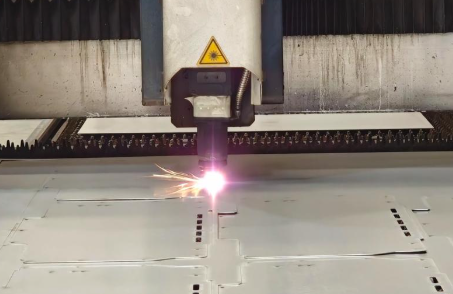
Surface Finish Options and Their Practical Applications
Think surface finish is just about aesthetics? Think again. The finish you select for your stainless steel sheets directly impacts corrosion resistance, maintenance requirements, and long-term performance. Whether you're specifying stainless steel metal panels for an architectural facade or polished stainless steel sheet metal for food processing equipment, understanding finish options prevents costly specification errors.
According to Mill Steel's comprehensive guide, stainless steel finishes result from specific production processes - rolling, annealing, pickling, polishing, or buffing. Each process creates distinct surface characteristics that affect how the material behaves during fabrication and performs in service.
Surface Finish Impact on Corrosion Protection
Here's something most suppliers won't tell you: smoother finishes generally offer superior corrosion resistance. Why? The answer lies in surface topography. Rougher surfaces contain microscopic peaks and valleys that trap contaminants, moisture, and chlorides - all enemies of stainless steel longevity.
As the British Stainless Steel Association notes, finer finishes like 2K create a "fine, clean cut with minimal microcrevices," which helps optimize corrosion resistance and minimize dirt retention. For external applications in aggressive environments, these smoother finishes significantly outperform coarser alternatives.
Consider your operating environment carefully. A brushed stainless sheet installed outdoors near coastal areas faces different challenges than an interior decorative panel. The finish you choose either enhances or undermines the inherent corrosion resistance of your selected grade.
- Mill Finish (2B/2D) - The most common and economical option. A 2B finish appears smooth with a slightly reflective surface, produced through cold rolling followed by annealing and pickling. Characteristics include good corrosion resistance for general applications, moderate reflectivity, and excellent formability. Maintenance involves standard cleaning with mild soap and water. Ideal for industrial equipment, internal components, and applications where appearance isn't critical.
- Brushed Finish (No. 4 / 2J) - Created by polishing with progressively finer abrasives, typically finishing at 120-180 grit. Features fine parallel lines running in one direction, creating a soft sheen without high reflectivity. This finish excels at hiding fingerprints and minor scratches, making it popular for high-traffic areas. Knowing how to clean stainless steel with a brushed finish matters - always wipe in the direction of the grain to avoid visible marks. Best applications include elevator interiors, handrails, kitchen equipment, and architectural panels.
- Satin Finish (2K) - An intermediate between dull polished and bright polished, offering a smooth appearance with subtle luster. More refined than standard brushed finishes but without mirror-like reflection. Provides excellent cleanability while maintaining sophisticated aesthetics. Preferred for restaurant equipment, medical facilities, and commercial interiors requiring frequent sanitation.
- Polished Finish (No. 6/No. 7) - Achieved through buffing operations that smooth and brighten the existing surface. No. 6 produces a soft, satin appearance, while No. 7 creates a highly reflective surface approaching mirror quality. These finishes require more careful maintenance to preserve their appearance. Learning how to polish stainless steel properly becomes essential for long-term upkeep. Commonly specified for decorative architectural elements, signage, and premium consumer products.
- Mirror Finish (No. 8 / 2P) - The highest level of mechanical polish, creating a surface with near-perfect reflectivity. TBK Metal explains that achieving this finish requires successively finer abrasive grit sizes through multiple polishing stages. Offers maximum aesthetic impact but shows every fingerprint, smudge, and imperfection. Reserved for high-end signage, luxury fixtures, and architectural statements where visual impact justifies intensive maintenance.
- Bright Annealed (BA/2R) - Produced by annealing in a controlled atmosphere furnace, creating a highly reflective surface without mechanical polishing. Offers mirror-like appearance with excellent formability - ideal when you need reflectivity plus complex bending operations. More cost-effective than mechanically polished mirror finishes for certain applications. Common in appliance panels, automotive trim, and reflective architectural elements.
Choosing Between Brushed and Polished Stainless
The brushed versus polished decision often comes down to practicality versus visual impact. Brushed finishes hide the inevitable fingerprints, minor scratches, and daily wear that accumulate in high-contact environments. Polished surfaces demand constant attention to maintain their appearance but deliver unmatched elegance when properly maintained.
For food service applications, cleanability trumps aesthetics. Regulatory requirements demand surfaces that can be effectively sanitized, which favors smoother finishes. However, a No. 4 brushed finish often provides the optimal balance - smooth enough for effective cleaning while forgiving enough to mask operational wear. Commercial kitchens, food processing facilities, and pharmaceutical environments frequently specify this middle-ground option.
Architectural applications present different considerations. Fingerprint resistance becomes critical for surfaces people regularly touch - door handles, elevator buttons, handrails. The directional grain of brushed finishes camouflages these marks far better than reflective polished surfaces. For purely decorative elements beyond casual contact, mirror finishes create dramatic visual effects worth the maintenance investment.
The surface appearance, corrosion resistance, and dirt retention of mechanically finished stainless steel surfaces can vary widely, depending upon the nature of the abrasive medium used and the polishing practice.
Cost implications vary significantly across finish types. Mill finishes come standard with material pricing, while mechanical polishing adds processing charges that increase with each refinement level. Mirror finishes can cost 30-50% more than brushed alternatives when factoring in the multiple polishing stages required. The question becomes: does your application truly require that premium finish?
When do premium finishes justify their expense? Consider these scenarios where upgraded surface treatments deliver genuine value:
- Exterior installations in corrosive environments benefit from smoother finishes that resist contamination
- Healthcare and food processing applications where cleanability directly affects compliance
- High-visibility architectural features where aesthetic impact drives design intent
- Applications requiring maximum light reflection for functional purposes
One final consideration: contamination during fabrication can undermine any finish quality. The BSSA warns that rust staining often results from contaminated finishing media - particularly hand tools previously used on carbon steel. Specifying the right finish means nothing if your fabrication partner doesn't maintain strict contamination controls.
With surface finish requirements defined, your attention turns to the fabrication methods that will transform your specified stainless sheet into finished components.
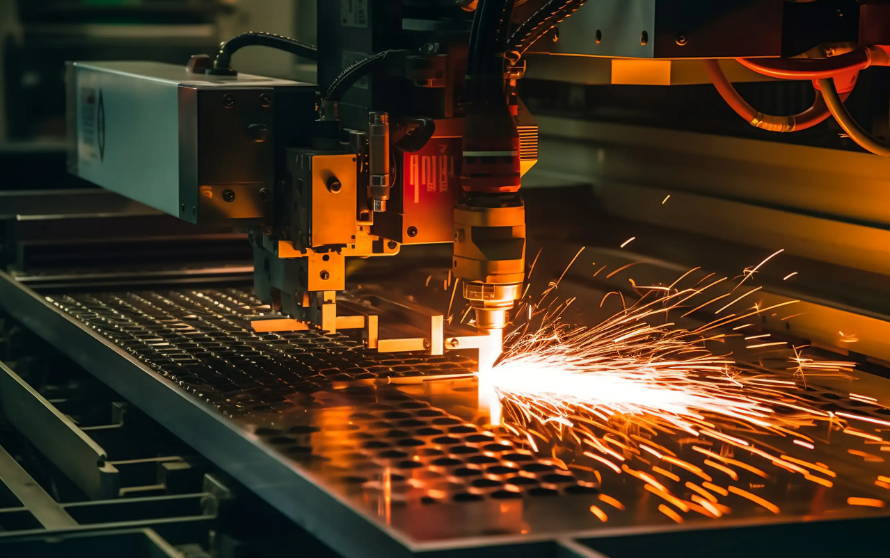
Fabrication Methods for Custom Stainless Sheet Metal
So you've selected your grade, specified the gauge, and chosen the perfect surface finish. Now comes the critical question: how will your custom stainless sheet metal actually get transformed into finished parts? The fabrication methods you choose directly affect edge quality, dimensional accuracy, and ultimately whether your components perform as intended.
Sheet metal fabrication encompasses multiple processes - cutting, forming, joining - each with distinct advantages and limitations when working with stainless steel. According to the Specialty Steel Industry of North America's fabrication handbook, stainless steels can be fabricated by methods similar to carbon steel, but their higher strength and work-hardening characteristics require specific adjustments to achieve optimal results.
Laser Cutting Precision for Complex Stainless Designs
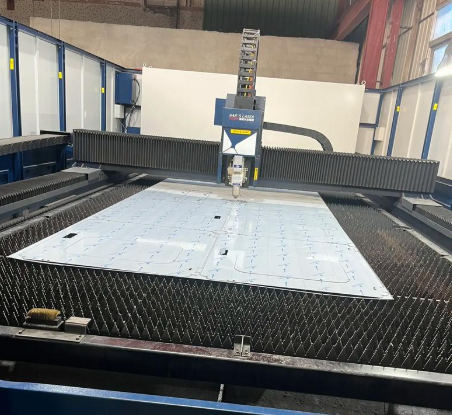
When your design demands intricate patterns, tight tolerances, or complex geometries, laser cutting typically delivers the best results. Fiber lasers concentrate intense energy into a narrow beam, vaporizing material with remarkable precision. For stainless steel sheet metal fabrication, this translates to clean edges, minimal kerf width, and the ability to cut features impossible with mechanical methods.
What makes laser cutting particularly suited for custom stainless projects? The precision advantage compounds with design complexity. Intricate cutouts, small holes, and tight radii that would challenge or break mechanical tools present no obstacle to focused light energy. Xometry's cutting comparison notes that laser typically offers more precision and repeatability than alternative thermal cutting methods.
However, laser cutting introduces heat - and heat creates consequences. The material adjacent to the cut experiences elevated temperatures, creating what fabricators call the heat-affected zone (HAZ). In stainless steel, this zone can experience chromium depletion if temperatures rise too high, potentially compromising localized corrosion resistance. Proper parameter settings minimize this effect, but it requires operators who understand stainless steel's thermal behavior.
Thickness limitations exist with laser cutting. While fiber lasers excel on material up to approximately 12mm, cutting efficiency and edge quality decline on thicker plates. For heavy-gauge custom stainless steel parts, alternative methods often prove more practical.
When Traditional Cutting Methods Outperform Lasers
Waterjet cutting eliminates heat concerns entirely. This process uses a high-pressure stream of water mixed with abrasive particles to erode through the material. No thermal input means no HAZ, no metallurgical changes, and no risk of chromium depletion. For applications where maintaining the base material's full corrosion resistance throughout the cut edge matters critically, waterjet delivers uncompromised results.
The thickness capability of waterjet cutting extends far beyond laser limitations - cutting virtually any thickness becomes possible with proper equipment. As Xometry explains, "the thicker the material, the more likely a waterjet will be used." This makes waterjet the preferred choice for heavy plate applications where stainless steel sheet fabrication involves material beyond laser capacity.
The tradeoff? Speed and precision. Waterjet cutting runs slower than laser, and while modern machines achieve impressive tolerances, laser generally edges out waterjet for the tightest dimensional requirements on thinner materials.
Plasma arc cutting occupies a middle ground - faster than waterjet but with more thermal impact than laser. According to the SSINA handbook, plasma cutting generates extremely high temperatures up to 55,000°F (30,000°C), melting the stainless steel while high-velocity gas removes the molten products. This process works well for thicker materials where edge finish requirements aren't critical.
One important caution: thermally cut edges on stainless steel may experience changes in chemical composition and metallurgical structure. The SSINA specifically recommends that "removal of affected surface layers by dressing is necessary so that impaired areas of mechanical and corrosion resistant properties are minimized."
For straight cuts and simple shapes, mechanical methods often prove most economical:
- Shearing - Clean cuts on straight edges, but requires derating equipment capacity approximately 50% compared to carbon steel. The SSINA notes that austenitic stainless steel shears effectively at roughly half the thickness capacity compared to mild steel
- Punching - Effective for creating holes and simple internal features. Minimum hole diameter should be at least twice the material thickness for austenitic grades
- Blanking - Produces flat parts with clean edges. Clearance settings require adjustment from carbon steel parameters due to stainless steel's higher shear strength
Bending and Forming: Managing Springback
Once your stainless sheet is cut to shape, bending operations present their own challenges. Springback - the tendency of metal to partially return toward its original shape after bending - becomes particularly pronounced with stainless steel. The SSINA fabrication guide explains that springback depends on both geometric factors (thickness, bend radius, bend angle) and material characteristics (yield strength and work hardening rate).
Austenitic stainless steels work harden significantly during bending, increasing the force required as deformation progresses. Expect to use 50-60% more power for bending annealed stainless compared to carbon steel. Cold-rolled tempers demand even more force due to their elevated strength levels.
Practical springback compensation involves overbending the part beyond the desired final angle, allowing the elastic recovery to bring it back to specification. The exact overbend amount varies with thickness, radius, and grade - experienced fabricators develop parameter charts for their specific equipment and common material specifications.
Minimum bend radii for annealed austenitic stainless steel typically range from 0.5t to 1.5t (where t equals material thickness). Work-hardened tempers require progressively larger radii - quarter-hard material needs 1-2t, while full-hard may require 4-6t to prevent cracking.
Welding Approaches: TIG vs MIG for Stainless Grades
Joining stainless steel components requires understanding how different welding processes affect the base material. While this guide focuses on stainless rather than welding aluminum or other materials, the principles of heat control and filler material selection prove equally critical.
TIG welding (GTAW) offers precise heat control, making it the preferred choice for thin stainless sheet and applications where weld appearance matters. Industry fabrication data indicates that TIG welding preserves stainless steel's corrosion resistance better than MIG due to precise heat control and minimal contamination. The lower heat input reduces distortion in thin-wall parts - critical for custom enclosures and precision assemblies.
MIG welding (GMAW) provides 3-4x faster deposition rates, making it economical for production runs exceeding 50 parts. The tradeoff involves higher heat input and more extensive post-weld finishing requirements. For structural components where weld appearance isn't visible, MIG offers cost advantages that can offset the additional cleanup work.
Grade selection influences welding approach significantly. 304 grade works well with either process. 316 and 316L require more careful heat management, favoring TIG for applications where maintaining full corrosion resistance matters. Similar principles apply whether you're performing tig welding of aluminium or stainless steel - heat control determines outcome quality.
Spot welding provides an alternative joining method for sheet assemblies, creating discrete fusion points without continuous seams. This resistance welding approach works particularly well for enclosure construction and panel assemblies where continuous welds aren't structurally necessary.
The Complete Metal Fabrication Workflow
Understanding how stainless steel sheet metal fabrication progresses from concept to delivery helps you anticipate lead times and communicate effectively with suppliers. The typical sequence includes:
- CAD file submission - Your design files (DXF, DWG, STEP, or native CAD formats) provide the dimensional specifications for programming cutting equipment
- Design for manufacturability review - Experienced fabricators evaluate your design for potential issues before cutting begins
- Nesting and material optimization - Software arranges multiple parts on sheet stock to minimize waste
- Cutting operations - Laser cutting, waterjet, plasma, or mechanical methods execute the programmed geometry
- Secondary operations - Bending, forming, punching, or additional machining as required
- Joining operations - Welding, fastening, or assembly of multi-component parts
- Finishing - Deburring, grinding, polishing, or specialty surface treatments
- Quality inspection - Dimensional verification against specifications
- Passivation - Chemical treatment to restore optimal corrosion resistance after fabrication
- Packaging and delivery - Protection and shipping to your facility
Each step introduces potential for both value addition and error. Thermal cutting requires edge dressing. Bending demands springback compensation. Welding needs proper filler selection and post-weld treatment. The fabricator you select must demonstrate competence across the entire workflow - not just one specialty operation.
Speaking of cutting operations, you might need to perform field modifications or shop work yourself. Understanding proper cutting techniques ensures professional results without damaging your material investment.
How to Cut Stainless Steel Sheet Metal Properly
Whether you're modifying components in the field or fabricating parts in a shop environment, knowing how to cut stainless steel correctly makes the difference between professional results and ruined material. Unlike cutting mild steel, stainless requires specific techniques that account for its work-hardening characteristics and thermal sensitivity.
So how do you cut stainless steel without damaging it? The answer depends on your available equipment, material thickness, and precision requirements. According to Apollo Technical's fabrication guide, understanding the grade and thickness of stainless steel you're cutting helps you choose the right tools and techniques. Let's break down the approaches that deliver clean edges every time.
Professional Cutting Techniques for Clean Edges
Tool selection forms the foundation of successful stainless steel cutting. The material's high tensile strength and tendency to work harden demand tools specifically designed for the task. Using general-purpose blades or worn equipment leads to rough edges, excessive heat buildup, and premature tool failure.
For cutting stainless steel sheets under 1mm thickness, aviation snips (tin snips) provide an economical manual option. PARTMFG's cutting guide recommends hardened edges rated to HRC 60 for clean cuts on 304 or 316 grades. Choose straight-cut snips for linear cuts and curved snips for arcs - maintaining a 45-degree blade angle produces the smoothest results.
When you're working with thicker material or need faster production, power tools become necessary. Here's what works best for each scenario:
- Angle grinders with stainless-rated discs - Effective for cutting stainless steel sheet metal up to 6mm. Use 4.5-inch wheels rated specifically for stainless, operating at 11,000 RPM. Apply the disc at a 30-degree angle for curved cuts
- Circular saws with carbide-tipped blades - Ideal for straight cuts on thicker sheets. Choose blades with 120 teeth for precision work, running at approximately 5,800 RPM with a feed rate of 5mm per second
- Jigsaws with bi-metal blades - Best for intricate curves on sheets up to 3mm. Use T118A blades operating at 3,000 strokes per minute with cutting oil applied to reduce friction
- Plasma cutters - The best way to cut stainless steel plates exceeding 6mm thickness. Set current appropriately for material thickness and travel at 300mm per minute for clean edges
Speed settings deserve particular attention. Stainless steel work hardens rapidly when subjected to friction without adequate cutting action. Running tools too slowly causes the material to harden ahead of the cut, making subsequent passes increasingly difficult. The PARTMFG guide recommends cutting speeds between 160-215 meters per minute for optimal results.
Blade selection matters as much as the tool itself. Carbide-tipped or high-speed steel (HSS) blades designed for stainless outperform general-purpose alternatives significantly. These specialized blades maintain their edge longer against stainless steel's abrasive properties and resist the heat buildup that degrades standard tooling.
Avoiding Common Stainless Cutting Mistakes
The biggest mistake when learning how to cut stainless steel sheet? Neglecting proper workpiece support. Vibration during cutting creates visible marks on finished surfaces, causes uneven edges, and accelerates tool wear. Secure your material with bench clamps or C-clamps before making any cut.
Heat management separates amateur results from professional quality. Stainless steel cutting generates significant friction heat that can discolor the material, compromise corrosion resistance at the cut edge, and warp thin sheets. Lubrication reduces both heat and tool wear - products like WD-40 or dedicated cutting oils make a noticeable difference.
Follow this step-by-step sequence for consistently professional results:
- Mark your cut line precisely - Use a fine-point marker and straightedge. Apply masking tape along the cut line for additional guidance and to protect adjacent surfaces from scratches
- Secure the workpiece firmly - Position clamps on both sides of the cut line to prevent movement. Use protective padding under clamp jaws to avoid marring finished surfaces
- Verify tool condition - Inspect blades or discs for wear, damage, or contamination from previous carbon steel work. Contaminated tools transfer iron particles that cause rust staining
- Apply lubrication - Coat the cut line with cutting fluid before starting. Reapply during extended cuts to maintain cooling
- Begin cutting at appropriate speed - Start at full operating speed and maintain consistent feed pressure. Let the tool do the work rather than forcing it through the material
- Maintain steady feed rate - Avoid stopping mid-cut when possible, as heat accumulates during pauses. If you must stop, allow the tool to cool before resuming
- Allow cooling between cuts - For multiple cuts, give both the material and tool time to dissipate heat. This prevents cumulative heat buildup that degrades results
- Deburr edges immediately - Remove sharp edges and burrs using a file or deburring tool before handling. This prevents injuries and prepares edges for finishing
Apply lubricant when cutting stainless steel sheets. It keeps tools cool and reduces heat damage. Put the fluid directly on the blade or sheet to stop friction and keep tools from breaking.
Post-cut cleaning and passivation restore the corrosion resistance that cutting operations compromise. The PARTMFG guide recommends dissolving debris with a 10% nitric acid solution at 20°C, followed by rinsing with deionized water. This removes iron contamination and allows the chromium oxide passive layer to reform properly.
Safety Considerations for Stainless Steel Cutting
Stainless steel cutting presents specific hazards that demand appropriate precautions. The material generates fine metal particles during cutting that pose inhalation and eye injury risks. Thermal cutting methods produce intense light and fumes requiring additional protection.
Essential safety equipment includes:
- Safety glasses or face shield - Metal particles and sparks travel unpredictably. Standard prescription glasses provide insufficient protection
- Cut-resistant gloves - Stainless steel edges are razor-sharp. Handle all cut pieces assuming they will cut unprotected skin
- Hearing protection - Power tools operating on stainless generate noise levels exceeding safe exposure limits
- Respiratory protection - Cutting produces fine particulates and, with thermal methods, metal fumes. Work in well-ventilated areas or use appropriate respirators
Ventilation requirements increase with thermal cutting intensity. Plasma cutting and grinding produce significantly more fumes than mechanical shearing or snipping. When adequate natural ventilation isn't available, local exhaust systems positioned near the cutting zone protect both the operator and surrounding work areas.
With proper cutting techniques mastered, your next consideration involves understanding the cost factors that influence your custom stainless project budget - and strategies to optimize your spending without sacrificing quality.
Pricing Factors and Cost Optimization Strategies
Ready to buy stainless steel for your custom project? Before you request quotes, understanding what drives pricing helps you budget accurately and avoid sticker shock. Unlike commodity materials with standardized pricing, custom stainless sheet metal costs vary dramatically based on specifications you control - meaning smart decisions during the design phase directly reduce your final invoice.
According to Komacut's fabrication cost guide, material selection, thickness, availability, and sourcing options all influence your bottom line. But that's just the starting point. Fabrication complexity, finish requirements, quantity, and lead time create a pricing matrix where each variable affects the others.
Cost Drivers in Custom Stainless Projects
When you're searching for stainless steel sheets for sale or requesting quotes for stainless sheet metal for sale, the ss sheet price you receive reflects multiple interconnected factors. Understanding these drivers gives you leverage to negotiate effectively and specify intelligently.
Material Grade Selection
The grade you specify creates the baseline for all other costs. As Seconn Fabrication explains, high-grade stainless steel offers superior corrosion resistance and strength, but commands premium pricing compared to alternatives. The nickel content in 304 and 316 grades tracks global commodity markets - price volatility of 30% or more between years isn't unusual.
Grade 430 costs significantly less than 300-series options due to its nickel-free composition. However, choosing 430 solely for cost savings backfires when your application actually requires chloride resistance. The true cost includes potential replacement when cheaper materials fail prematurely.
Thickness and Weight
Stainless steel plate and ss steel sheet pricing correlates directly with material weight. Thicker gauges cost more per square foot simply because they contain more metal. But the relationship isn't purely linear - very thin gauges sometimes carry handling premiums, while commonly stocked thicknesses benefit from volume purchasing by suppliers.
According to LTJ Industrial's 2026 fabrication guide, thickness also impacts processing costs throughout the fabrication workflow. Thicker materials require slower cutting speeds, more powerful bending equipment, and longer welding times - each adding to labor and machine charges.
Quantity and Batch Size
Setup costs get distributed across your order quantity, creating economies of scale that dramatically affect per-part pricing:
| Order Quantity | Setup Cost Impact | Typical Per-Part Premium |
|---|---|---|
| 1-10 pieces | Full setup absorbed by small batch | +40-60% vs. production runs |
| 11-50 pieces | Setup distributed across moderate volume | +15-25% vs. production runs |
| 51-200 pieces | Approaching production efficiency | +5-10% vs. production runs |
| 200+ pieces | Full production economics | Baseline pricing |
Prototyping necessarily costs more per piece than production. However, skipping prototype validation to save money often leads to expensive revisions when production parts don't perform as expected.
Fabrication Complexity
Complex designs require additional programming, machine time, and quality verification. Industry experts note that intricate specifications drive up costs due to increased time and resources required for fabrication. Features that seem minor on your CAD file - tight-radius bends, close-tolerance holes, complex nested cutouts - translate directly into fabrication hours.
Tight tolerances particularly impact pricing. Standard sheet metal tolerances of ±0.5mm cost far less to achieve than precision requirements of ±0.1mm. Every decimal place you add to tolerance specifications adds inspection time, potential rework, and higher scrap rates.
Surface Finish Requirements
Mill finishes come included with material pricing. Every step beyond - brushing, polishing, mirror finishing - adds processing charges. Premium finishes can increase costs 30-50% compared to standard mill surfaces. Before specifying that mirror finish, ask whether your application truly requires it.
Lead Time Demands
Standard lead times optimize shop scheduling and allow fabricators to batch similar jobs. Rush requirements disrupt this efficiency, triggering premiums that reflect overtime labor, expedited material sourcing, and displaced scheduling for other customers. Expect 15-30% premiums for rush orders, with even higher charges for emergency turnarounds.
Strategies to Optimize Your Fabrication Budget
Smart specification decisions reduce costs without compromising quality. These approaches help you get maximum value when you're ready to buy stainless steel for custom fabrication:
- Optimize nesting efficiency - Work with your fabricator to arrange parts on standard sheet sizes that minimize waste. A 48" x 120" sheet that produces your parts with 5% scrap costs less per part than one generating 25% waste
- Utilize standard sheet dimensions - Custom sheet sizes require additional processing at the mill or service center. Designing parts that cut efficiently from standard 48" x 96" or 48" x 120" sheets avoids surcharges
- Specify only necessary tolerances - Tight tolerances where they matter, standard tolerances everywhere else. Over-specifying precision across all dimensions inflates costs without functional benefit
- Consider material substitution - If your application doesn't require 316's chloride resistance, 304 delivers similar performance at lower cost. If corrosion exposure is minimal, 430 may suffice with significant savings
- Consolidate orders - Combining multiple part numbers into single orders distributes setup costs and may qualify for volume discounts
- Plan realistic lead times - Building adequate schedule buffer eliminates rush premiums. Projects that allow 3-4 weeks versus demanding 5-day turnaround see meaningful cost differences
- Simplify designs where possible - Reducing bend count, increasing minimum hole diameters, and relaxing radii requirements all reduce fabrication time
- Request DFM feedback - Experienced fabricators identify cost-saving design modifications before quoting. Small changes suggested during review often reduce costs 10-20%
Comparing Quotes: Value Versus Price
When you receive quotes from multiple stainless steel sheet metal suppliers, resist the temptation to select the lowest number automatically. As Seconn emphasizes, customers who focus primarily on fabrication price inadvertently put themselves in a position to receive inferior products. The cheapest quote often omits critical elements or reflects capability limitations.
Evaluate quotes on a like-for-like basis by confirming each includes:
- Material certification and traceability documentation
- Specified finish treatment (not just "as-cut")
- Inspection and quality verification appropriate to your tolerances
- Passivation or other post-processing requirements
- Packaging adequate for transit protection
- Freight to your facility
A quote 15% lower than competitors but excluding passivation, inspection documentation, or proper packaging isn't actually cheaper - it's incomplete. Request clarification on any line items that seem missing or ambiguous before making selection decisions.
Consider the true cost of a project beyond the initial price tag. Quality, experience, and reliability are all crucial factors contributing to the final outcome.
When stainless steel metal for sale pricing seems too good, investigate why. Common explanations include offshore sourcing with longer lead times, limited fabrication capabilities requiring outsourcing of complex operations, or minimal quality systems that increase your risk of receiving non-conforming parts.
The fabricator you select becomes your partner in project success. Beyond pricing, their certifications, capabilities, and communication responsiveness determine whether your custom stainless components arrive on time, to specification, and ready for their intended application.
Selecting the Right Custom Stainless Supplier
You've defined your grade, specified the thickness, chosen the finish, and understand fabrication methods. Now comes a decision that determines whether all that planning translates into quality parts: selecting your stainless steel sheet metal suppliers. Where can you buy stainless steel sheets that meet your exact specifications? The answer involves more than finding the lowest quote - it requires evaluating capabilities, certifications, and partnership potential.
According to Metal Services' supplier evaluation guide, the fabrication company's capabilities determine both quality and efficiency. A reliable metal fabrication partner ensures projects get done on time, stay within budget, and meet the best quality standards. But with numerous options available, distinguishing genuine capability from marketing claims requires systematic evaluation.
Quality Certifications That Actually Matter
When evaluating any ss sheet manufacturer, certifications provide objective evidence of quality management commitment. Not all certifications carry equal weight, though - understanding what each represents helps you assess whether a supplier's credentials match your requirements.
ISO 9001:2015 establishes the foundation for quality management systems across industries. According to Qualityze's certification comparison, ISO 9001 certified organizations demonstrate their ability to deliver high-quality products and services consistently while meeting customer and applicable regulatory requirements. This certification confirms that a stainless sheet supplier has documented processes for quality control, corrective action, and continuous improvement.
What does ISO 9001 actually mean for your order? It indicates the supplier maintains:
- Documented quality procedures that ensure consistency across production runs
- Defined inspection and testing protocols appropriate to product requirements
- Traceability systems linking finished parts to material certifications
- Corrective action processes that address non-conformances systematically
- Management review cycles that drive continuous improvement
IATF 16949 takes quality management further, specifically addressing automotive industry requirements. This certification builds upon ISO 9001's structure while adding automotive-specific controls for production part approval, defect prevention, and supply chain management. Organizations achieving IATF 16949 must comply with both standards, demonstrating enhanced capability for precision manufacturing applications.
Why does IATF 16949 matter even for non-automotive projects? The rigorous requirements translate into superior process control, statistical quality methods, and failure mode analysis that benefit any precision fabrication. A stainless steel plate supplier with automotive certification brings discipline developed under the industry's most demanding quality expectations.
For example, Shaoyi (Ningbo) Metal Technology maintains IATF 16949 certification for their custom metal stamping and precision assembly operations. This certification validates their quality systems for chassis, suspension, and structural components - applications where failure consequences extend beyond cost to safety concerns.
Evaluating Supplier Technical Capabilities
Certifications confirm quality systems exist, but technical capabilities determine whether a supplier can actually produce your parts. When researching where to buy stainless steel sheets with custom fabrication, evaluate these operational factors:
Design for Manufacturability (DFM) Support
Experienced sheet stainless steel suppliers don't just execute your designs - they improve them. DFM review identifies potential fabrication issues before cutting begins, preventing costly revisions after material is committed. This collaborative approach catches problems like:
- Bend radii too tight for specified material thickness
- Hole placements that interfere with forming operations
- Tolerance combinations that require secondary machining
- Design features that dramatically increase fabrication time
According to industry best practices, an experienced fabrication partner will have encountered a wide range of challenges and can provide valuable insights throughout the project. Suppliers offering comprehensive DFM support, like Shaoyi's engineering team, catch these issues during quoting rather than during production - saving you revision cycles and expedite charges.
Rapid Prototyping Capabilities
How quickly can a supplier produce sample parts for validation? Rapid prototyping accelerates product development by enabling physical testing before committing to production tooling or quantities. This capability proves especially valuable when:
- Your design involves untested geometries or material combinations
- Customer approval requires physical samples before purchase orders
- Assembly fit verification needs actual parts rather than CAD models
- Regulatory submissions demand test specimens from production-representative processes
Suppliers with integrated prototyping turn sample requests around in days rather than weeks. Shaoyi's 5-day rapid prototyping capability exemplifies this standard - fast enough to support aggressive development schedules without sacrificing the quality validation prototypes exist to provide.
Production Scalability
Your stainless steel sheet metal suppliers need capabilities matching both current requirements and future growth. A fabricator perfect for prototype quantities may struggle when volumes increase. Evaluate whether automated production systems, adequate machine capacity, and workforce depth exist to scale with your program.
Supplier Evaluation Checklist
Before committing to any stainless sheet supplier, systematically assess these criteria:
-
Quality Certifications
- ISO 9001:2015 at minimum for general fabrication
- IATF 16949 for automotive applications or precision requirements
- Industry-specific certifications relevant to your application (AS9100 for aerospace, etc.)
-
Equipment Capabilities
- Cutting methods appropriate for your thickness and complexity (laser, waterjet, plasma)
- Forming equipment with adequate tonnage for your material specifications
- Welding capabilities matching your grade requirements (TIG, MIG, spot welding)
- Inspection equipment appropriate for specified tolerances (CMM, optical measurement)
-
Engineering Support
- DFM review included with quotation process
- CAD/CAM capabilities compatible with your file formats
- Engineering staff accessible for technical discussions
- Prototype capabilities with reasonable turnaround times
-
Lead Time Performance
- Standard lead times aligned with your project schedules
- Rush capability when expedites become necessary
- Track record of on-time delivery (request references)
- Communication protocols when delays occur
-
Communication Responsiveness
- Quote turnaround time - suppliers like Shaoyi offering 12-hour quote response demonstrate operational efficiency
- Designated points of contact for order management
- Proactive updates on order status and any issues
- Accessibility of technical support during production
-
Financial Stability
- Established business history demonstrating longevity
- Capacity to extend reasonable payment terms
- Investment in equipment indicating ongoing commitment
Material Sourcing and Traceability
Where does your potential supplier source their stainless steel? Reputable stainless steel plate suppliers maintain relationships with certified mills and provide full material traceability. This documentation chain becomes critical for applications requiring material certification - aerospace, medical, food processing - where you need proof the material meets specification.
Ask potential suppliers about their material procurement process. Do they stock common grades and thicknesses? Can they source specialty alloys when required? How quickly can they obtain material for non-standard specifications? These questions reveal supply chain capabilities that affect both lead time and material quality assurance.
Geographic Considerations
Supplier location affects freight costs, communication convenience, and logistics flexibility. Domestic suppliers simplify coordination but may carry higher labor costs. Offshore manufacturers often offer competitive pricing but introduce shipping lead times, communication challenges, and quality verification complexities.
The optimal choice depends on your priorities. High-volume production with stable designs may benefit from offshore economics. Precision projects requiring iterative development and rapid response typically favor suppliers enabling easier collaboration - whether through geographic proximity or demonstrated communication excellence regardless of location.
Choosing the right full-service metal fabrication partner is a critical decision that can impact the success of your project.
When you find a stainless steel sheet metal supplier meeting these criteria, you've identified more than a vendor - you've found a manufacturing partner. That partnership translates into smoother projects, fewer surprises, and components that perform as your design intended. The investment in thorough supplier evaluation pays dividends across every order that follows.
With supplier selection criteria established, you're ready to consolidate everything into an actionable plan for moving your custom stainless project from specification to production.
Taking Action on Your Custom Stainless Requirements
You've absorbed the technical knowledge - grades, gauges, finishes, fabrication methods, cutting techniques, cost factors, and supplier evaluation criteria. Now comes the moment that transforms information into results: taking decisive action on your custom stainless steel parts project. The difference between successful projects and costly mistakes often comes down to how systematically you apply what you've learned.
Think of this final section as your bridge from planning to production. Whether you need stainless steel cut to size for a single prototype or custom stainless steel plates for a full production run, the following framework ensures nothing critical falls through the cracks.
Your Custom Stainless Project Checklist
Before contacting any supplier, work through these foundational questions. Having clear answers accelerates the quoting process and prevents specification gaps that lead to delays or rework:
- Operating environment - What conditions will your parts face? Chloride exposure demands 316/316L. General corrosion resistance suits 304. Budget-driven indoor applications may tolerate 430
- Structural requirements - What loads, impacts, or stresses must the material withstand? This determines your gauge selection and whether you need custom cut stainless steel in heavier thicknesses
- Surface appearance needs - Will parts be visible? High-traffic? Requiring frequent sanitation? Match your finish specification to actual functional demands
- Dimensional tolerances - Where do tight tolerances actually matter versus where standard precision suffices? Over-specifying costs money without adding value
- Quantity requirements - Prototype validation? Low-volume production? Full-scale manufacturing? Your volume affects both pricing and supplier selection
- Timeline constraints - What's your realistic deadline? Building schedule buffer eliminates rush premiums
- Certification requirements - Does your industry or customer require specific quality documentation, material traceability, or supplier certifications?
Moving from Specification to Production
With your requirements defined, follow this action sequence to move efficiently from concept to delivered custom stainless steel products:
- Compile complete design documentation - Gather your CAD files (STEP, DXF, or native formats), 2D drawings with dimensions and tolerances, and any assembly drawings showing how components fit together. According to Baillie Fab's RFQ guide, providing both 2D drawings and 3D models enables fabricators to quote accurately and transition quickly to production
- Document material and finish specifications - Specify exact grade requirements, acceptable thickness ranges, and surface finish expectations. Don't assume suppliers will guess correctly - explicit callouts prevent misunderstandings
- Include internal specification documents - If your customer has provided quality requirements, finishing expectations, or edge break specifications, share these with your fabricator. Approved Sheet Metal notes that having this information at the start expedites fabrication and ensures expectations are met
- Identify qualified suppliers - Apply the evaluation criteria from the previous section. Prioritize suppliers with certifications matching your industry requirements and capabilities aligned with your fabrication complexity
- Request quotes from multiple sources - Competitive quoting reveals market pricing and exposes capability differences. Ensure each RFQ includes identical specifications for accurate comparison
- Evaluate quotes on total value - Compare not just price but included services, lead times, quality documentation, and DFM support. The lowest quote isn't always the best value
- Request DFM feedback before ordering - Ask your selected supplier to review your design for manufacturability improvements. Small modifications often reduce costs significantly
- Validate with prototypes when appropriate - For new designs or critical applications, prototype validation catches issues before production commitment. The investment prevents expensive corrections later
- Confirm all details before production release - Review the final quote, verify material certifications will be provided, and confirm delivery expectations in writing
- Establish communication protocols - Define how you'll receive status updates and who to contact if questions arise during production
Common Specification Mistakes to Avoid
Even experienced engineers and procurement specialists occasionally stumble on these pitfalls. Awareness prevents costly errors:
- Specifying grade without understanding environment - Choosing 304 for a marine application because it's "standard" ignores chloride exposure that demands 316. Match grade to actual operating conditions
- Over-tolerancing non-critical dimensions - Applying ±0.1mm tolerance across every feature when only a few interfaces actually require it. This inflates costs without functional benefit
- Ignoring fabrication constraints in design - Creating bend radii too tight for your material thickness or hole placements that interfere with forming. DFM review catches these before problems become expensive
- Skipping prototype validation - Rushing directly to production quantities for unproven designs. When parts don't perform as expected, you've multiplied the problem
- Selecting suppliers solely on price - The cheapest quote often omits critical elements or reflects capability limitations. HanaV's fabrication guide warns that choosing the wrong material or supplier can compromise part performance or lead to unnecessary expenses
- Providing incomplete documentation - Submitting CAD files without drawings, or drawings without tolerance callouts. Missing information creates quoting delays and increases misunderstanding risk
- Neglecting post-fabrication requirements - Forgetting to specify passivation, packaging requirements, or documentation needs. These items affect pricing and must be included in your RFQ
The more detailed your requirements, the fewer the chances of miscommunication and costly rework.
Your Next Step
You now possess the technical foundation to specify sheet metal cut to size with confidence, evaluate suppliers systematically, and optimize your stainless steel custom projects for both quality and cost. The knowledge gap that separates successful projects from problematic ones has been bridged.
For readers working in automotive manufacturing or precision component applications, the supplier evaluation criteria we've discussed point toward partners with specific capabilities: IATF 16949 certification for quality assurance, rapid prototyping for development speed, and DFM support for design optimization. Shaoyi (Ningbo) Metal Technology exemplifies these standards - their 12-hour quote turnaround provides a low-commitment way to evaluate fit with your requirements before any production commitment.
Whether your project involves architectural panels, industrial enclosures, automotive components, or precision assemblies, the principles remain consistent: define your requirements clearly, select materials matching your environment, specify only necessary tolerances, and partner with suppliers whose capabilities align with your quality expectations. Apply this framework systematically, and your custom stainless sheet metal projects will deliver the performance, appearance, and value your applications demand.
Frequently Asked Questions About Custom Stainless Sheet Metal
1. What is the difference between 304 and 316 stainless steel?
The primary difference lies in molybdenum content. Grade 316 contains 2-3% molybdenum, providing superior resistance to chlorides and pitting corrosion compared to 304. This makes 316 ideal for marine, chemical processing, and coastal applications. Grade 304 offers excellent general corrosion resistance at a lower cost, making it suitable for food equipment, kitchen appliances, and indoor architectural elements where chloride exposure is minimal.
2. How do I choose the right sheet metal gauge for my project?
Select gauge based on structural requirements, weight constraints, and budget. Thicker gauges (10-12) suit heavy-duty structural components and industrial frames. Medium gauges (14) work well for automotive panels and general fabrication. Thinner gauges (16) are appropriate for appliances and architectural elements. Always specify both gauge number and actual thickness in your RFQ since gauge measurements differ between stainless and carbon steel.
3. What surface finishes are available for stainless steel sheets?
Common finishes include mill finish (2B) for economical general use, brushed finish (No. 4) for fingerprint resistance and high-traffic areas, satin finish (2K) for healthcare and food processing, polished finish (No. 6/7) for decorative applications, mirror finish (No. 8) for maximum visual impact, and bright annealed (BA) for reflectivity with excellent formability. Smoother finishes generally offer better corrosion resistance by reducing surface areas where contaminants collect.
4. What certifications should I look for in a stainless steel fabrication supplier?
ISO 9001:2015 certification confirms documented quality procedures, inspection protocols, and material traceability. For automotive or precision applications, IATF 16949 certification indicates enhanced process control and defect prevention capabilities. Suppliers like Shaoyi (Ningbo) Metal Technology with IATF 16949 certification also offer valuable services including DFM support, 5-day rapid prototyping, and 12-hour quote turnaround that streamline your project timeline.
5. How can I reduce costs on custom stainless steel fabrication?
Optimize nesting efficiency to minimize material waste, design parts to cut from standard 48x96 or 48x120 inch sheets, specify tight tolerances only where functionally necessary, consider grade substitution when lower-cost options meet performance requirements, consolidate orders to distribute setup costs, and plan realistic lead times to avoid rush premiums. Requesting DFM feedback from experienced fabricators often identifies design modifications that reduce costs 10-20%.