 Small batches, high standards. Our rapid prototyping service makes validation faster and easier —
  EN
EN


Custom Part Manufacturing Decoded: From First Quote To Final Delivery
What Custom Part Manufacturing Really Means
Have you ever needed a component that simply doesn't exist on any shelf? Perhaps you've searched catalogs only to find that standard sizes, materials, or specifications just won't work for your application. That's precisely where custom part manufacturing comes into play.
Custom part manufacturing is the process of designing and producing components tailored to meet specific dimensional, material, and performance requirements unique to each application—rather than relying on standardized, mass-produced alternatives.
Unlike off-the-shelf components manufactured in high volumes with fixed specifications, custom manufactured parts are built around your exact needs. This approach transforms your concept into a functional component that fits perfectly within your system.
From Concept to Component
Imagine you're developing a specialized piece of equipment. You have precise requirements for how each manufacturer part must perform under specific conditions. With parts manufacturing tailored to your specifications, you're not forced to compromise on fit, function, or material properties.
The journey begins with your design or idea. From there, engineers work to translate those requirements into manufacturable components. Whether you need a single prototype or thousands of production units, the process adapts to deliver exactly what your application demands.
The Precision Behind Every Custom Part
What sets custom parts manufacturing apart is the precision engineering involved at every stage. Each component is crafted to meet tight tolerances and specific material requirements. According to industry experts, custom parts allow businesses to achieve superior performance, durability, and precision that generic solutions simply cannot provide.
This precision matters because even small deviations can affect how parts interact within larger assemblies. When you choose part manufacturing customized to your specifications, you gain control over every detail—from material composition to surface finish.
Why Standard Parts Fall Short
Standard components certainly have their place. They're readily available, cost-effective for general applications, and require no design work. However, they come with limitations that can impact your project's success:
- Fixed dimensions that may not integrate seamlessly with your design
- Limited material options that might not meet environmental or performance requirements
- Generic specifications that force design compromises
As manufacturing specialists note, custom machining allows you to select specific materials that might not be available in pre-made parts—a critical advantage for durability, weight optimization, or compatibility requirements.
In this comprehensive guide, you'll learn everything needed to navigate the custom manufacturing process confidently. From comparing manufacturing technologies and selecting the right materials to understanding costs and choosing the ideal manufacturing partner, we'll decode each step from your first quote to final delivery.
Manufacturing Technologies Compared
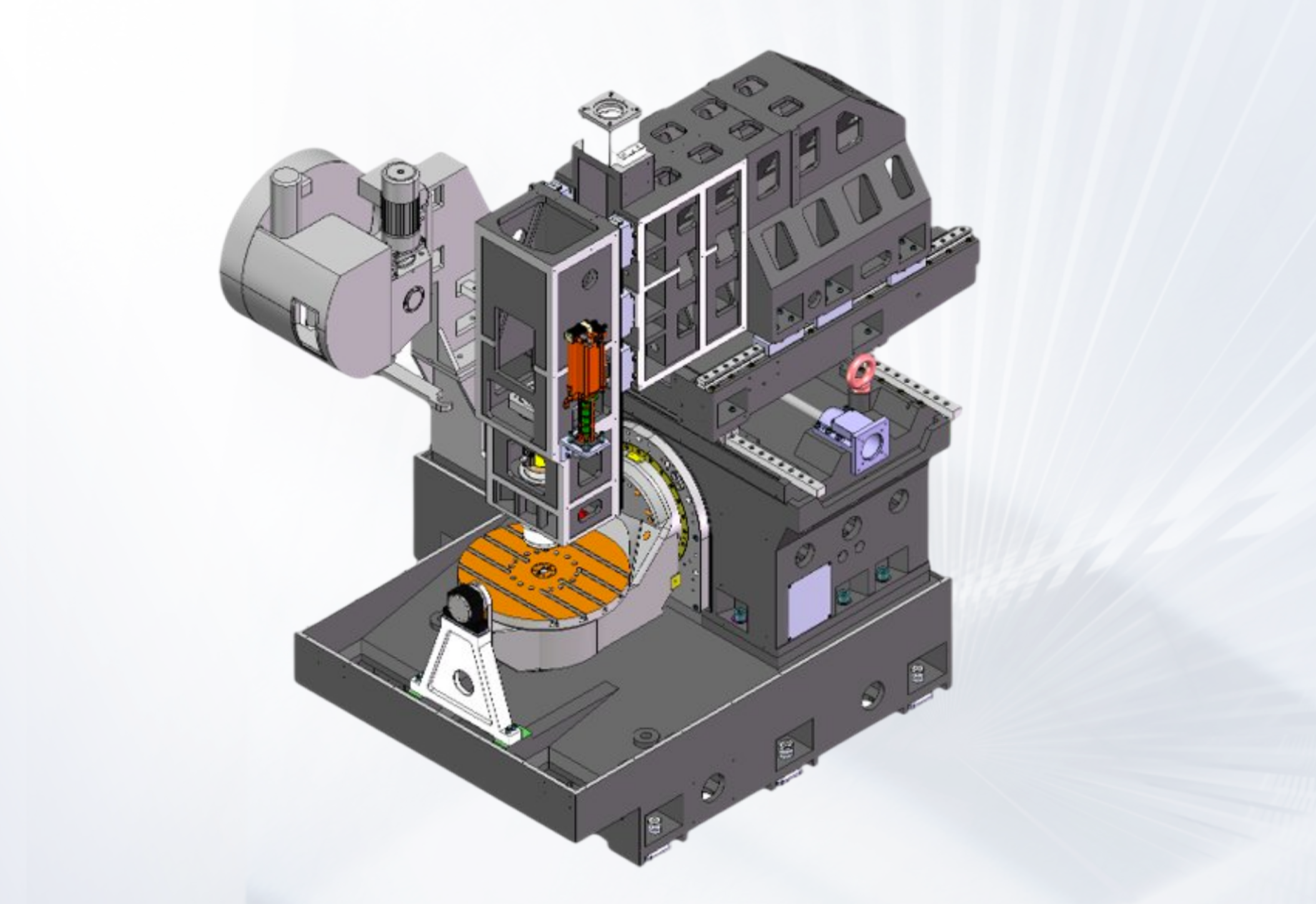
So you've decided that custom parts are the right solution—but which manufacturing method should you choose? This decision can feel overwhelming when you're facing options like CNC machining, sheet metal fabrication, 3D printing, and injection molding. Each technology excels in different scenarios, and selecting the wrong one can mean wasted time and budget.
Understanding CNC meaning and how it compares to other processes is your first step toward making informed decisions. Let's break down each method so you'll know exactly when to use it.
CNC Machining for Precision Metal Components
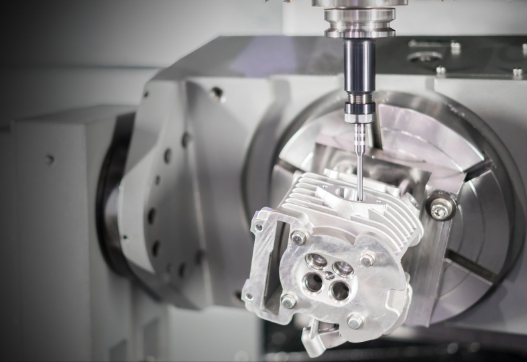
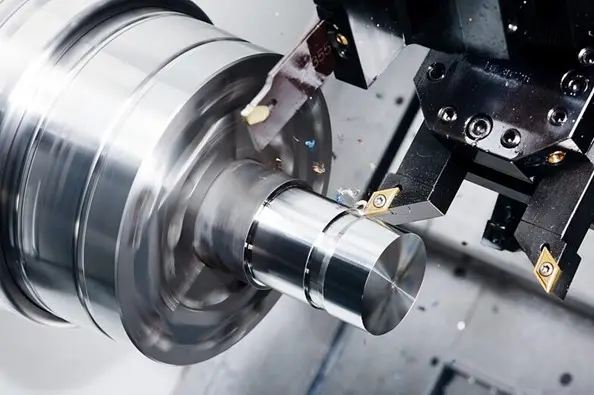
When your project demands tight tolerances and exceptional surface quality, CNC machining is often the answer. CNC (Computer Numerical Control) machining uses computer-controlled cutting tools to remove material from a solid block, creating precise components through processes like milling and turning.
According to Hubs, CNC machining is ideal when parts must be extremely precise or have very tight tolerances—achieving degrees of accuracy that even injection molding can't match. This makes it perfect for functional prototypes and low-to-medium production runs.
Text milling operations handle complex geometries, while turning creates cylindrical components with outstanding concentricity. You'll find CNC machining particularly valuable when:
- Your parts require tolerances under ±0.05mm
- You need material variety—metals, plastics, or composites
- Designs require frequent modifications or customization
- Production quantities range from single prototypes to several thousand units
Sheet Metal Fabrication for Structural Parts
Need enclosures, brackets, or chassis components? Sheet metal fabrication transforms flat metal sheets into three-dimensional parts through cutting, bending, and assembly operations. This metal fabrication process combines several techniques including laser cutting, punching, and forming.
A laser cutter delivers precise cuts with minimal material waste, while press brakes create accurate bends. The process excels for structural components where strength-to-weight ratio matters. Think of electrical enclosures, mounting brackets, or protective housings.
Sheet metal fabrication offers particular advantages for parts with large surface areas and uniform wall thickness. Unlike machining, which removes material from solid blocks, this approach minimizes waste by starting with thin sheets and forming them into shape.
Additive Manufacturing for Complex Geometries
What if your design includes internal channels, lattice structures, or organic shapes that would be impossible to machine? 3D printing—also known as additive manufacturing—builds parts layer by layer, enabling geometries that traditional methods simply cannot produce.
As Protolabs notes, 3D printing is perfect for rapid prototyping, customization, complex geometries, and lightweighting structures. Its quick turnaround times and lower costs relative to other processes make it ideal for fast iteration during product development.
Consider 3D printing when you need parts within days rather than weeks, or when traditional tooling costs can't be justified for small quantities.
Injection Molding for High-Volume Production
Planning to produce thousands or millions of identical plastic parts? Injection molding becomes increasingly cost-effective at higher volumes. The process injects molten plastic into precision molds, producing consistent parts with excellent surface finishes.
While mold creation requires significant upfront investment, unit costs drop dramatically as quantities increase. This technology handles complex geometries with undercuts and thin walls that challenge other methods—making it the go-to choice for consumer products, automotive components, and industrial applications. Similar principles apply to die cut machine operations for flat materials requiring precise shaping.
| Manufacturing Method | Material Compatibility | Typical Tolerances | Ideal Volume Range | Lead Time | Cost Considerations |
|---|---|---|---|---|---|
| CNC Machining | Metals, plastics, composites | ±0.025mm to ±0.125mm | 1 to 10,000 units | Days to weeks | Moderate per-unit; no tooling cost |
| Sheet Metal Fabrication | Aluminum, steel, stainless steel, copper | ±0.1mm to ±0.5mm | 1 to 50,000+ units | Days to weeks | Low tooling; scales well with volume |
| 3D Printing | Plastics, resins, some metals | ±0.1mm to ±0.3mm | 1 to 1,000 units | Hours to days | Low setup; higher per-unit at volume |
| Injection Molding | Thermoplastics, thermosets | ±0.05mm to ±0.2mm | 500 to millions | Weeks (tooling) + days (production) | High tooling; very low per-unit at scale |
Selecting the right manufacturing method ultimately depends on four key factors: part geometry, material requirements, volume needs, and budget constraints. A CNC router CNC setup might serve perfectly for aluminum prototypes, while the same design in plastic at 50,000 units calls for injection molding.
With manufacturing technologies clarified, the next critical decision involves material selection—which directly impacts both performance and cost.
Material Selection Guide for Custom Parts
You've chosen your manufacturing method—now comes an equally critical decision. Which material will deliver the performance your application demands while staying within budget? This choice affects everything from part durability to final cost, yet many buyers struggle because material specifications can seem overwhelming.
The secret to smart material selection isn't memorizing property charts. Instead, focus on matching material characteristics to your specific application requirements. Let's explore how to make this decision with confidence.
Aluminum Alloys for Lightweight Strength
When weight reduction matters without sacrificing structural integrity, aluminum alloys often emerge as the ideal choice. According to Hubs, aluminum alloys have an excellent strength-to-weight ratio, high thermal and electrical conductivity, and natural protection against corrosion—making them the most economical option for many prototypes and production parts.
Consider aluminum sheet materials when your application involves:
- Aerospace components where every gram impacts fuel efficiency
- Heat dissipation requirements like electronic enclosures
- Outdoor installations benefiting from natural corrosion resistance
- Complex machined geometries that require excellent machinability
Different aluminum grades serve distinct purposes. Aluminum 6061 works well for general applications, while 7075 delivers strength comparable to steel for demanding aerospace uses. The trade-off? Higher-strength grades typically cost more and may be harder to machine.
One limitation to consider: aluminum's tensile strength falls below steel's absolute values. As Clickmetal explains, steel is significantly harder and more rigid, making it better suited for high-stress structural applications. However, aluminum's strength-to-weight ratio means structures supporting equivalent loads weigh roughly half as much.
Stainless Steel Grades and Their Applications
Need maximum corrosion resistance combined with high strength? Stainless steel alloys deliver both, along with excellent wear resistance and weldability. Understanding the differences between grades helps you avoid over-specifying (and overpaying) or under-specifying (and risking premature failure).
316 stainless steel represents the go-to choice for harsh environments. According to manufacturing experts, this grade offers higher corrosion and chemical resistance than standard 304—especially against saline solutions like seawater. Medical devices, marine hardware, and chemical processing equipment frequently specify 316 for this reason.
304 stainless steel handles most general applications at lower cost. It resists most environmental conditions while providing excellent mechanical properties and good machinability.
When comparing brass vs bronze against stainless options, consider that brass offers superior machinability and electrical conductivity—ideal for electrical connectors and decorative hardware. Bronze provides excellent wear resistance for bearings and bushings. However, neither matches stainless steel's combination of strength and corrosion resistance.
Engineering Plastics for Specialized Requirements
Metal isn't always the answer. Engineering plastics offer unique advantages including lightweight construction, chemical resistance, electrical insulation, and often lower machining costs.
HDPE (high-density polyethylene) delivers exceptional chemical resistance at economical pricing. According to Xometry, HDPE costs approximately $0.90-1.56 per kilogram, making it attractive for applications like piping, containers, and food-contact surfaces. It's moisture resistant with high impact strength—perfect for outdoor applications.
Delrin (acetal homopolymer) steps up when you need superior mechanical performance. With tensile strength around 70 MPa compared to HDPE's 26-33 MPa, Delrin handles load-bearing applications that would cause HDPE to deform. Its low friction properties make it ideal for gears, bearings, and precision mechanisms. The trade-off? Delrin costs roughly $2.40-3.70 per kilogram—two to three times HDPE pricing.
UHMW (ultra-high molecular weight polyethylene) excels in wear and abrasion resistance. Consider it for conveyor components, wear strips, and sliding surfaces where friction reduction matters.
Polycarbonate sheets combine optical clarity with exceptional impact strength—better than ABS according to material specifications. This makes polycarbonate ideal for protective covers, sight glasses, and applications requiring transparency with durability.
| Material | Tensile Strength | Corrosion Resistance | Machinability | Relative Weight | Relative Cost |
|---|---|---|---|---|---|
| Aluminum 6061 | 276 MPa | Excellent (natural oxide layer) | Excellent | Low (2.7 g/cm³) | Low-Moderate |
| 316 Stainless Steel | 515 MPa | Excellent (including saltwater) | Good | High (8.0 g/cm³) | Moderate-High |
| Carbon Steel 1018 | 440 MPa | Poor (requires coating) | Excellent | High (7.9 g/cm³) | Low |
| Brass C36000 | 340 MPa | Good | Excellent | High (8.5 g/cm³) | Moderate |
| Delrin | 70 MPa | Excellent | Excellent | Very Low (1.4 g/cm³) | Moderate |
| HDPE | 26-33 MPa | Excellent | Good | Very Low (0.95 g/cm³) | Low |
| Polycarbonate | 55-75 MPa | Good | Good | Low (1.2 g/cm³) | Moderate |
When selecting materials, start with your application requirements rather than defaulting to familiar options. Ask yourself: What loads must the part withstand? What environmental conditions will it face—temperature extremes, chemicals, moisture, UV exposure? Are there regulatory requirements for food contact, medical use, or flame resistance?
Matching these requirements to material properties leads to optimal selections. A chemical processing valve might demand 316 stainless despite higher cost, while an indoor bracket could use economical carbon steel with appropriate coating. Understanding these trade-offs positions you to make decisions that balance performance with budget—and sets the stage for specifying appropriate tolerances and finishes.
Tolerances and Surface Finishes Explained
You've selected your manufacturing method and chosen the right material. Now comes a question that can significantly impact both cost and functionality: how precise does your part actually need to be? And what surface finish will serve your application best?
These specifications might seem technical, but understanding them doesn't require an engineering degree. Think of tolerances as the acceptable margin of error—how much a dimension can vary from the design specification while still functioning correctly. Surface finish determines how smooth or textured the part's exterior will be after manufacturing.
Getting these specifications right saves money. Getting them wrong either wastes budget on unnecessary precision or creates parts that don't perform as needed.
Understanding Tolerance Grades
Imagine ordering a custom shaft that needs to fit inside a bearing. If the shaft is too large, it won't fit. Too small, and it wobbles. Tolerances define the acceptable range—for example, a 10mm diameter shaft might be specified as 10mm ±0.05mm, meaning anywhere between 9.95mm and 10.05mm works perfectly.
According to Xometry, tolerances define the permissible limits of variation in a physical dimension, ensuring that features of a part are produced within acceptable limits for its intended application. Rather than calculating specific tolerances for every feature, manufacturers rely on standardized systems like ISO 2768 and ISO 286.
Here's what the common tolerance grades mean in practice:
| Tolerance Grade | Typical Deviation (for 50mm dimension) | Common Applications | Cost Impact |
|---|---|---|---|
| ISO 2768-m (Medium) | ±0.3mm | General parts, enclosures, brackets, non-critical features | Standard pricing |
| ISO 2768-f (Fine) | ±0.15mm | Functional fits, assembly interfaces, visible components | 10-20% premium |
| ISO 286 IT8 | ±0.039mm | Precision fits, bearing housings, shaft journals | 30-50% premium |
| ISO 286 IT7 | ±0.025mm | Close running fits, precision assemblies | 50-100% premium |
| ISO 286 IT6 | ±0.016mm | High-precision fits, aerospace components, medical devices | 100%+ premium |
When reviewing a sheet metal gauge chart or gauge size chart for your project, remember that material thickness tolerances follow similar principles. Standard gauge sizes have their own acceptable variations—understanding these helps you specify appropriately without over-engineering.
As KL Engineering notes, tighter tolerances increase costs due to several compounding factors: slower machining speeds, more frequent tool changes, additional inspection requirements, and higher scrap rates. The cumulative result is not only increased cost per part but also longer lead times.
Surface Finish Options and Their Purpose
Surface finish describes the texture of a part's exterior, measured in Ra (roughness average) values—lower numbers mean smoother surfaces. But smoother isn't always better. The right finish depends entirely on your part's function.
Common Ra values and their applications:
- Ra 3.2μm (125 μin) – Standard machined finish; suitable for most functional parts
- Ra 1.6μm (63 μin) – Smooth finish for sliding surfaces and visible components
- Ra 0.8μm (32 μin) – Fine finish for bearing surfaces and sealing areas
- Ra 0.4μm (16 μin) – Precision finish for optical or critical sealing applications
Beyond the machined surface, finishing operations add functionality, protection, or aesthetics:
Anodizing creates a hard, corrosion-resistant oxide layer on aluminum parts. This electrochemical process produces anodized aluminum components with excellent wear resistance and the ability to accept vibrant colors. It's ideal for outdoor equipment, consumer electronics, and architectural hardware.
Powder coat finishes apply dry powder electrostatically, then cure under heat to form a durable, uniform coating. Powder coating services offer superior chip and scratch resistance compared to liquid paint, making this finish popular for industrial equipment, automotive components, and outdoor furniture.
Plating deposits thin metal layers—zinc, nickel, chrome, or others—onto parts for corrosion protection, electrical conductivity, or decorative appearance. Chrome plating provides a mirror finish, while zinc plating offers economical corrosion protection for steel components.
Balancing Precision with Cost
Here's the practical reality: specifying tighter tolerances than necessary is one of the most common ways buyers inadvertently inflate costs. According to manufacturing experts, engineers sometimes apply unnecessarily tight tolerances by default or due to a lack of feedback from manufacturing teams.
Before requesting precision tolerances, ask yourself these questions:
- Does this feature interface with another component requiring a specific fit?
- Will this dimension affect the part's function if it varies within standard tolerances?
- Is this a critical-to-function feature, or simply a general dimension?
A decision framework emerges: apply tight tolerances only to features that directly affect fit, function, or performance. For everything else, standard tolerances reduce cost without compromising quality.
Consider a mounting bracket with four holes. The hole positions relative to each other might need precision tolerances (±0.1mm) to ensure proper bolt alignment. But the bracket's overall length? Standard tolerances (±0.3mm) work perfectly since slight variations don't affect function.
This selective approach—precision where needed, standard tolerances elsewhere—optimizes both performance and budget. Your manufacturing partner can help identify which features truly require tighter specifications during the design review process, which brings us to understanding the complete workflow from quote to delivery.
The Custom Manufacturing Workflow
You've selected your manufacturing method, chosen the right material, and specified appropriate tolerances. Now what? For many buyers, the journey from submitting a design to receiving finished custom machined parts feels like a black box. Understanding what happens at each stage—and how to avoid common pitfalls—can mean the difference between smooth delivery and frustrating delays.
Let's walk through the complete custom component fabrication process step by step, so you'll know exactly what to expect and how to prepare.
- Design File Submission – You provide CAD files and specifications to your manufacturing partner
- Quoting and Review – The manufacturer analyzes your design and provides pricing
- Design for Manufacturability (DFM) Review – Engineers identify potential production issues
- Production Scheduling – Your order enters the manufacturing queue
- Fabrication and Machining – Your custom part comes to life
- Quality Inspection – Parts are verified against specifications
- Finishing and Shipping – Final treatments applied and parts delivered
Preparing Your Design Files
Your CAD files are the foundation of everything that follows. According to JLCCNC, your CNC machine is only as good as the file you give it—incomplete or incorrectly formatted files lead to failed quotes, production delays, or parts that don't match expectations.
What file formats work best for custom CNC parts? STEP files (.stp or .step) are the universal standard, preserving accurate geometry across different CAD and CAM systems. IGES files also work well, though they're being gradually replaced by STEP. Native CAD formats from SolidWorks, Fusion 360, or Inventor can often be accepted directly by modern manufacturers.
Avoid mesh-based formats like STL or OBJ for machined parts—these work for 3D printing but break smooth curves into tiny triangles that don't translate well to CNC toolpaths.
Beyond the 3D model, your submission should include:
- 2D technical drawings with critical dimensions, tolerances, and geometric callouts
- Material specifications including grade and any special requirements
- Surface finish requirements for each surface as needed
- Quantity and delivery timeline expectations
Common errors that cause delays? Missing material callouts top the list. Specifying "aluminum" without indicating the alloy (6061-T6 versus 7075-T6, for example) forces manufacturers to guess or request clarification—adding days to your timeline.
The Quote-to-Production Timeline
Once your files are submitted, the quoting process begins. Expect initial quotes within 24-48 hours for straightforward custom part requests, though complex assemblies or unusual materials may require additional time.
The Design for Manufacturability review is where experienced engineers examine your design through a production lens. According to Fictiv, DFM aims to simplify fabrication and assembly to reduce costs while maintaining high quality—identifying potential issues before they become expensive production problems.
During DFM review, engineers might flag:
- Sharp internal corners that require special tooling or EDM operations
- Unrealistic tolerances that dramatically increase machining time
- Thin walls or unsupported features prone to distortion during machining
- Tool access issues where cutters cannot reach certain features
This collaborative review often uncovers opportunities to simplify your design without sacrificing function—reducing both cost and lead time. As TMCO notes, this early collaboration often results in lower costs, faster development cycles, and higher-quality outcomes.
After design approval, your order enters production scheduling. Typical timeframes vary by complexity and current shop capacity—expect 1-3 weeks for standard fabricated parts, potentially longer for complex assemblies or specialty materials requiring procurement lead time.
Quality Verification Before Delivery
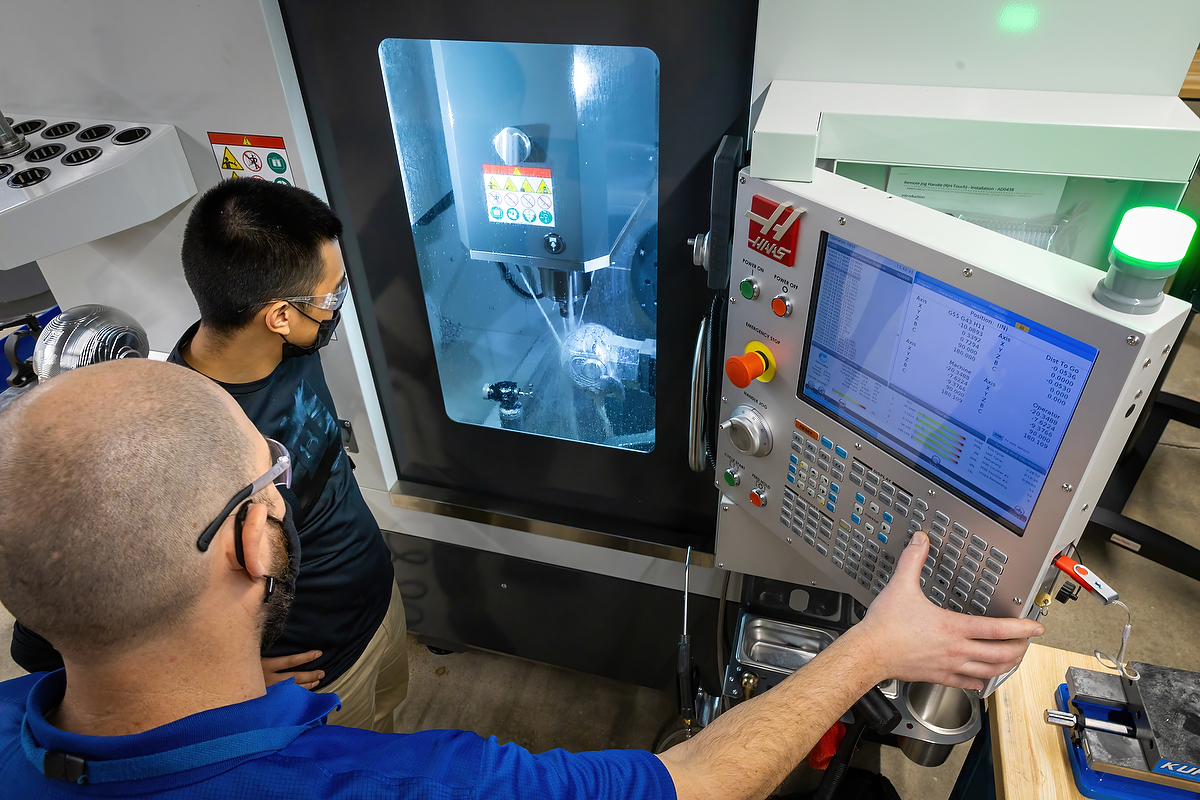
Before your custom part ships, it undergoes quality inspection to verify conformance to specifications. This isn't just a cursory glance—modern parts fabrication includes documented inspection protocols using precision measuring equipment.
What should you expect? At minimum, dimensional verification of critical features using calibrated instruments. For tighter tolerances, coordinate measuring machines (CMMs) verify geometries within microns of precision. Manufacturers following ISO-certified processes document these inspections, providing reports you can review.
Testing may also include:
- Functional testing to verify the part performs as intended
- Material certifications confirming alloy composition and properties
- Visual inspection for surface defects or finish quality
- First article inspection reports for production runs
Once quality verification is complete, finishing operations (anodizing, powder coating, plating) are applied as specified, followed by careful packaging and shipment.
The entire workflow—from file submission to delivery—typically spans 2-4 weeks for straightforward projects. Complex custom part orders with specialty materials or tight tolerances may require 4-8 weeks. Prototypes often move faster, sometimes shipping within 5-10 business days.
Understanding this workflow helps you plan project timelines realistically and prepare the documentation needed to avoid delays. With the process clear, let's examine what drives the costs you'll see in those quotes.
Understanding Custom Manufacturing Costs
Ever wondered why that quote for a single prototype came in higher than expected? Or how much to get a metal part made in various quantities? You're not alone. Pricing for custom metal parts often puzzles first-time buyers because it works differently than purchasing off-the-shelf components.
Here's the reality: custom part manufacturing costs aren't arbitrary. They follow predictable patterns driven by specific factors. Once you understand these cost drivers, you can make informed decisions that balance quality with budget—and even find legitimate ways to reduce expenses without compromising your parts.
What Drives Custom Part Pricing
Every quote you receive reflects multiple cost components working together. According to eMachineShop, each design has a set-up cost and a cost per unit associated with it. Understanding both helps you interpret quotes accurately.
The primary cost drivers for custom metal components include:
- Material costs – Raw material pricing varies dramatically. Aluminum 6061 costs significantly less than 316 stainless steel or titanium. Material waste factors in too—complex geometries may require larger stock blanks than the finished part size suggests.
- Part complexity – Features requiring multiple setups, special tooling, or extended machining time increase costs. Deep pockets, tight internal corners, thin walls, and intricate geometries all demand more careful (and slower) machining.
- Tolerance requirements – As discussed earlier, tighter tolerances require slower feeds, more frequent tool changes, and additional inspection. Moving from standard ±0.125mm to precision ±0.025mm tolerances can double machining time.
- Production volume – Unit costs drop significantly as quantities increase because setup costs spread across more parts. This represents the single largest lever for cost reduction.
- Lead time – Rush orders requiring expedited production and shipping carry premium pricing. Standard lead times offer the best value.
- Finishing operations – Anodizing, powder coating, plating, or specialty surface treatments add processing steps and cost. Multiple finishes on a single part require masking, further increasing expense.
What exactly is this "set-up cost" that appears in quotes? According to manufacturing experts, set-up costs encompass material acquisition, CAD-to-CAM conversion, manual CNC machine setup, labor hours, tooling and fixture preparation, quality assurance, testing, and any initial waste or scrap. These expenses occur regardless of whether you order one part or one hundred.
Prototype Costs vs Production Economics
Here's where many buyers experience sticker shock. A single prototype might cost $500 while ordering 100 identical parts costs only $1,500 total—just $15 per unit. How does that math work?
The answer lies in something manufacturers call Non-Recurring Engineering (NRE) costs. According to Zenith Manufacturing, these fixed costs—including programming, tooling, and setup—are fully loaded onto the first few parts, making them expensive. In mass production, NRE costs are amortized over thousands of units, drastically reducing the per-part price.
Consider this example from eMachineShop: if a part costs $5 per unit with a $100 set-up cost, ordering one unit totals $105. But ordering 100 units? That's $500 for parts plus $100 setup, equaling $600 total—or just $6 per unit.
Small metal parts manufacturing follows this same pattern. The setup effort to program toolpaths, prepare fixtures, and verify the first article takes roughly the same time whether you're making one bracket or fifty. Metal parts machining becomes dramatically more economical at volume.
Different manufacturing methods hit their economic sweet spots at different volumes:
- CNC machining – Cost-effective from 1-10,000 units; ideal for prototypes and mid-volume production
- Sheet metal fabrication – Scales efficiently from single prototypes to 50,000+ units
- 3D printing – Most economical under 500 units; per-unit costs remain relatively flat
- Injection molding – Requires 500+ units to justify tooling investment; becomes extremely economical above 10,000 units
Minimum order quantities (MOQs) also affect your options. Some manufacturers require minimum orders to justify setup efforts—especially for specialty materials or unusual processes. However, many CNC shops accept single-unit orders, charging appropriately for the concentrated setup costs.
Strategies for Cost Optimization
Knowing what drives costs empowers you to reduce them strategically. According to Hubs, design choices help keep pricing down—by following design for manufacturability guidelines, cost-effective parts can be manufactured while meeting functional performance requirements.
Consider these practical approaches for optimizing custom components pricing:
Design simplification – Remove features that don't serve essential functions. Small details like engraved text, decorative chamfers, or complex pocket geometries add machining time without improving performance. Simpler designs mean faster production and lower costs.
Strategic tolerance specification – Apply tight tolerances only where function demands them. Standard tolerances (±0.125mm) cost nothing extra; precision tolerances can double machining time. Review each dimension and ask: does this truly need to be precise?
Material substitution evaluation – Would 6061 aluminum work instead of 7075? Could 303 stainless replace 316 for your application? Materials with higher machinability cut faster, reducing labor costs. Of course, never compromise material properties that affect part performance or safety.
Volume consolidation – If you'll need more parts within the next six months, ordering them together saves significant setup costs. Even if storage is required, the per-unit savings often justify the approach.
Standard hole sizes and thread specifications – According to manufacturing guidelines, specifying hole diameters in 0.1mm increments up to 10mm and using standard thread sizes eliminates special tooling requirements and reduces lead time.
Finish optimization – Choose the standard "as machined" surface finish where possible. Request decorative or protective finishes only for surfaces that truly require them—not automatically for entire parts.
The most effective cost reduction often comes from early collaboration with your manufacturing partner. A skilled engineer reviewing your design might spot opportunities you'd never consider—like splitting a complex part into two simpler components that bolt together, eliminating an expensive five-axis machining requirement.
Understanding these cost dynamics positions you to make smarter decisions and ask better questions when reviewing quotes. Next, let's examine how quality assurance and certifications factor into your manufacturing partner selection.
Quality Assurance and Industry Certifications
When searching for metal fabrication near me or evaluating fabrication shops near me, you'll encounter manufacturers listing various certifications on their websites. ISO 9001, IATF 16949, AS9100—these abbreviations appear everywhere. But what do they actually mean for your project? And more importantly, how do they affect the quality of parts you'll receive?
Understanding quality certifications isn't just about checking boxes. These standards represent systematic approaches to preventing defects, ensuring consistency, and documenting everything along the way. For buyers, they serve as reliable indicators of a manufacturer's commitment to delivering parts that meet specifications—every time.
Quality Management System Certifications
Think of quality certifications as a manufacturer's verified promise to follow specific processes. According to Hartford Technologies, quality certifications demonstrate commitment to the customer and to their profession, producing premium components while providing an added layer of assurance for buyers that the manufactured items meet all of their requirements.
Here are the key certifications you'll encounter and what they mean for your projects:
- ISO 9001 – The foundational certification for quality management systems. It applies across industries of all scales and establishes prerequisites for a robust quality management system. When a manufacturer holds ISO 9001 certification, they've demonstrated that their products or services comply with customer expectations and regulatory mandates. This is often the baseline certification you should expect from any serious steel fabrication or metal fab operation.
- IATF 16949 – Developed specifically for automotive manufacturing by the International Automotive Task Force. This certification builds upon ISO 9001 and adds requirements for product design, production processes, continuous improvement, and customer-specific standards. For automotive components, this certification isn't optional—it's essential for supply chain integration.
- AS9100 – The aerospace industry's quality standard. This certification addresses the unique requirements of aircraft parts and aerospace components, where safety margins are non-negotiable. Steel fabricators serving aerospace clients must demonstrate compliance with highly specific and technical requirements.
- ISO 13485 – Focused exclusively on medical device manufacturing. This certification ensures that all medical devices are designed and manufactured with patient safety in mind. The standard involves rigorous inspections and prioritizes high-quality components because lives depend on them.
What's the practical difference between these certifications? ISO 9001 tells you a manufacturer has documented quality processes. Industry-specific certifications like IATF 16949 or AS9100 tell you those processes meet the heightened demands of specific sectors—with additional auditing, documentation, and traceability requirements that general manufacturers simply don't maintain.
Industry-Specific Standards and Requirements
Why does your industry matter when selecting a manufacturing partner? Because different applications demand different levels of scrutiny, documentation, and process control.
For automotive applications, IATF 16949 certification signals that a manufacturer understands the industry's unique demands. According to Hartford Technologies, this certification ensures compliance with stringent industry regulations, enhances product quality, facilitates supply chain integration, drives continuous improvement, and prioritizes customer satisfaction. Manufacturers like Shaoyi Metal Technology—which holds IATF 16949 certification—maintain these rigorous standards specifically to serve automotive supply chains with high-tolerance components.
Aerospace applications require AS9100 because the consequences of failure are catastrophic. The certification exists precisely because aviation demands that everything is specific and technical for safety and compliance. Metal fabricators near me serving aerospace must maintain complete material traceability and documentation that general-purpose shops typically don't provide.
Medical device manufacturing under ISO 13485 places patient safety above all else. The certification requires inspections and documentation that closely align with ISO 9001 requirements while addressing unique medical industry needs. When evaluating potential manufacturing partners for medical components, this certification is non-negotiable.
Inspection and Documentation Protocols
Certifications establish the framework, but what happens on the shop floor determines actual quality. This is where Statistical Process Control (SPC) enters the picture.
According to ASQ, statistical process control is defined as the use of statistical techniques to control a process or production method. SPC tools and procedures help manufacturers monitor process behavior, discover issues in internal systems, and find solutions for production issues before they result in defective parts.
How does SPC work in practice? Control charts—originally developed by Walter Shewhart in the early 1920s—record data and reveal when unusual events occur compared to typical process performance. These tools distinguish between two types of variation:
- Common cause variation – Normal, expected fluctuations inherent to any process
- Special cause variation – Unusual events that signal something has changed and requires investigation
Manufacturers using SPC catch problems early—before they produce batches of out-of-spec parts. This proactive approach, maintained through strict process control, delivers consistent quality that reactive inspection alone cannot match.
When working with a certified manufacturer, you should expect specific documentation with your delivered parts:
- Inspection reports – Dimensional verification of critical features using calibrated instruments
- Material certifications (Mill Certs) – Documentation confirming the alloy composition and material properties match specifications
- Certificates of Conformance (CoC) – Formal declarations that parts meet all specified requirements
- First Article Inspection Reports (FAIR) – Comprehensive documentation for the first production part, verifying the process produces conforming parts
Don't hesitate to request these documents—reputable manufacturers provide them routinely. For critical applications, ask specifically what inspection equipment is used, what sampling plans are followed, and whether SPC data is available for review.
Quality assurance isn't just about having the right certifications on paper. It's about systematic processes that prevent defects, catch variations before they become problems, and document everything so you have confidence in every part you receive. With quality fundamentals understood, let's examine how these standards translate into specific requirements across different industries.
Industry Applications and Requirements
Now that you understand quality certifications, here's the practical question: what do these standards mean for your specific industry? Whether you're sourcing custom aluminum parts for aerospace, custom steel parts for automotive assemblies, or custom stainless steel parts for medical devices, each sector brings unique requirements that directly affect how your parts are manufactured, inspected, and documented.
Understanding these industry-specific considerations helps you specify requirements correctly from the start—and ask the right questions when evaluating potential manufacturing partners.
Automotive Component Requirements
Automotive manufacturing operates on a different scale than most industries. When a production line runs thousands of vehicles daily, component consistency isn't just important—it's everything. A single out-of-spec part can halt an assembly line, costing manufacturers tens of thousands of dollars per minute of downtime.
This reality drives unique requirements for custom sheet metal parts and machined components in automotive applications:
- High-volume consistency – Parts must perform identically whether they're the first off the line or the hundred-thousandth. Statistical process control isn't optional; it's the foundation of automotive quality.
- PPAP documentation – Production Part Approval Process documentation demonstrates that your supplier can consistently manufacture parts meeting all specifications. This comprehensive package includes dimensional results, material certifications, process flow diagrams, and control plans.
- Cpk requirements – Automotive customers often specify minimum process capability indices (typically Cpk ≥ 1.33 or higher), proving the manufacturing process produces parts well within tolerance limits consistently.
Common automotive part types include transmission housings, engine brackets, suspension components, and brake system parts. Aluminum welding operations frequently produce structural components where weight reduction improves fuel efficiency without compromising safety.
Questions to ask manufacturers: What is your current Cpk for similar tolerances? Can you provide PPAP documentation to our specifications? What corrective action processes exist when SPC charts indicate drift?
Aerospace and Defense Standards
When components fly at 35,000 feet, failure isn't an option. Aerospace manufacturing requirements exist because every part must perform flawlessly—potentially for decades of service life. This drives the most stringent traceability and documentation requirements of any industry.
According to Advisera, AS9100 traceability requirements include identification throughout the product's life, knowing all products made from one batch of material, the ability to trace components through assembly, and retrieving the sequential record of a product through manufacture, testing, and inspection.
What does this mean practically? Every custom metal parts manufacturing operation serving aerospace must maintain:
- Complete material traceability – From raw material heat lot through finished component, every step is documented. If a material defect surfaces years later, manufacturers must identify every affected part instantly.
- Configuration management – Knowing exactly which part numbers, revisions, and process revisions went into each product allows comparison to design specifications throughout the product lifecycle.
- Acceptance authority media control – Stamps, electronic signatures, and passwords used to certify inspection steps are controlled to ensure only authorized personnel make acceptance decisions.
Metal fabrication parts for aerospace commonly include structural brackets, control surface components, engine mounting hardware, and avionics enclosures. These parts typically require titanium, aerospace-grade aluminum alloys (2024, 7075), or specialty stainless steels with full material certifications.
Questions to ask manufacturers: How do you maintain lot traceability from raw material through shipping? What is your process for configuration management when engineering changes occur? Can you provide complete manufacturing records for any part produced?
Medical Device Manufacturing Considerations
Medical manufacturing places patient safety above all other considerations. When a component becomes part of a surgical instrument or implantable device, the consequences of failure extend far beyond financial losses. This drives requirements unlike any other industry.
According to Modus Advanced, ISO 13485 compliance demands that manufacturing processes demonstrate statistical control and capability through a three-stage validation approach: installation qualification, operational qualification, and performance qualification.
Key medical manufacturing considerations include:
- Biocompatibility requirements – Materials contacting patients must meet specific biocompatibility standards. Material certifications must document not just mechanical properties, but biological compatibility for the intended use.
- Cleanroom manufacturing – Components for sterile applications may require manufacturing in controlled environments with specific particulate and contamination limits.
- Sterilization compatibility – Parts must maintain dimensional stability and performance after exposure to gamma radiation, ethylene oxide, or steam autoclaving at 121°C to 134°C.
- Device History Records (DHR) – As the reference material notes, DHR documentation traces each component back to specific material lots and processing conditions, supporting regulatory submissions and post-market investigations.
Common medical components include surgical instrument housings, diagnostic equipment enclosures, implant components, and drug delivery system parts. Custom stainless steel parts frequently appear in reusable surgical instruments, while titanium serves implantable applications.
Questions to ask manufacturers: What biocompatibility testing documentation can you provide? Do you have validated processes for sterilization-compatible materials? How are Device History Records maintained and accessible?
Electronics and Precision Applications
Electronic components demand precision at microscopic scales combined with protection against invisible threats. Electrostatic discharge (ESD) can destroy sensitive components instantly, while dimensional variations measured in microns affect signal integrity and thermal performance.
Electronics manufacturing requirements focus on:
- Ultra-tight tolerances – Circuit board housings, heat sinks, and connector components often require tolerances under ±0.025mm to ensure proper fit and electrical performance.
- ESD-safe handling – Manufacturing environments must control static electricity through grounded workstations, humidity control, and anti-static packaging.
- Thermal management – Heat sink components require precise surface finishes to maximize thermal transfer, with flatness specifications measured in microns.
- EMI/RFI shielding – Enclosures may require specific conductivity properties and tight tolerance fits to prevent electromagnetic interference.
Common electronics parts include heat sink assemblies, RF enclosures, connector housings, and semiconductor handling fixtures. Custom aluminum parts dominate thermal management applications due to aluminum's excellent thermal conductivity and machinability.
Questions to ask manufacturers: What ESD controls are in place throughout your facility? What surface finish capabilities do you have for thermal interface surfaces? Can you maintain flatness within specified micron tolerances?
| Industry | Typical Tolerances | Common Materials | Required Certifications | Key Documentation |
|---|---|---|---|---|
| Automotive | ±0.05mm to ±0.125mm | Aluminum, carbon steel, stainless steel | IATF 16949 | PPAP, SPC data, Control Plans |
| Aerospace | ±0.025mm to ±0.05mm | 7075 aluminum, titanium, Inconel | AS9100 | Full traceability, FAI, material certs |
| Medical | ±0.025mm to ±0.075mm | 316L stainless, titanium, PEEK | ISO 13485 | DHR, validation protocols, biocompatibility |
| Electronics | ±0.01mm to ±0.05mm | Aluminum, copper, brass | ISO 9001 (minimum) | ESD handling records, inspection reports |
Understanding your industry's specific requirements before engaging manufacturers prevents mismatched expectations and ensures you receive parts that meet both functional needs and regulatory obligations. Armed with this knowledge, you're ready to evaluate potential manufacturing partners with confidence—knowing exactly what capabilities and certifications your application demands.
Choosing the Right Manufacturing Partner
You've navigated manufacturing technologies, material selection, tolerances, costs, and industry requirements. Now comes perhaps the most consequential decision of all: which custom parts manufacturer will actually produce your components? This choice determines whether your project runs smoothly or becomes a frustrating experience of delays, miscommunication, and quality issues.
Finding the right partner isn't about identifying the lowest quote. According to TMCO, selecting the right manufacturing partner goes beyond comparing quotes—it's about finding a team you can trust to bring your vision to life with accuracy, efficiency, and consistency. Let's build a practical framework for making this decision with confidence.
Evaluating Technical Capabilities
Start with the fundamentals: can this manufacturer actually produce what you need? Not every machine shop handles every type of work, and matching your requirements to a partner's strengths prevents problems before they start.
When evaluating machining parts manufacturers, examine their equipment list carefully. According to manufacturing experts, a true partner should handle all key stages of production internally—including fabrication, machining, finishing, assembly, and testing. Each step managed under one roof minimizes delays, improves consistency, and ensures accountability throughout the process.
Here are key questions to ask potential cnc machining parts manufacturers:
- What CNC equipment do you operate? Multi-axis capabilities, maximum workpiece dimensions, and spindle speeds all affect what's achievable.
- Which materials do you work with regularly? A shop experienced with aerospace aluminum may struggle with titanium or exotic alloys.
- What tolerances can you reliably hold? Ask for capability data, not just claims—experienced manufacturers track this information.
- Do you offer in-house finishing operations? Anodizing, powder coating, and plating handled internally reduce lead times and quality risks.
- What inspection equipment do you use? CMMs, optical comparators, and surface roughness testers indicate serious quality commitment.
According to TMCO's partner evaluation guidelines, an effective partner doesn't just follow blueprints—they collaborate with you from the start. Ask whether the manufacturer offers CAD/CAM modeling, prototyping capabilities, and engineering consultations to improve performance and reduce waste.
For companies that manufacture custom metal parts, design for manufacturability (DFM) support separates exceptional partners from adequate ones. A manufacturer willing to review your designs and suggest improvements demonstrates investment in your success—not just their invoice.
From Prototype to Production Scale
Your needs today may differ dramatically from your needs six months from now. A single prototype might evolve into orders for thousands of production units. Can your manufacturing partner grow with you?
According to UPTIVE Advanced Manufacturing, when comparing potential manufacturing partners, consider their service offerings, reliability, scalability, and expertise in handling your product type. Selecting the right partner with relevant experience can potentially save you thousands of dollars because they're familiar with common pitfalls and the most effective ways to steer clear of them.
Scalability questions to explore:
- What's your capacity for production runs? A small metal parts manufacturer excelling at prototypes may lack equipment or staffing for high-volume work.
- How do lead times change with quantity? Understanding production scheduling helps you plan inventory and product launches.
- Do you maintain relationships with secondary suppliers? For specialty processes like heat treating or plating, knowing their supply chain matters.
- What's your approach to scaling from prototype to production? The transition should be seamless, not requiring you to re-qualify a new vendor.
The prototype-to-production journey reveals a manufacturer's true capabilities. According to industry research, working with the right partner can significantly mitigate risks because they bring design optimization expertise that helps refine your prototype for cost-effective and scalable production while ensuring material suitability and availability.
For automotive and industrial applications specifically, certified manufacturers offering rapid prototyping with production scalability provide significant advantages. Shaoyi Metal Technology, for example, delivers precision CNC machining backed by IATF 16949 certification and strict Statistical Process Control (SPC)—with lead times as fast as one working day. This combination of quality systems, speed, and scalability demonstrates what to look for in a partner capable of growing with your needs.
Building Long-Term Manufacturing Partnerships
The best manufacturing relationships extend beyond individual orders. A true partner understands your business, anticipates your needs, and invests in your success over time.
Communication quality often predicts partnership quality. According to TMCO, clear communication is often the deciding factor in project success. A dependable turnkey manufacturing partner maintains open dialogue throughout the process, providing updates, progress reports, and proactive solutions.
Evaluate communication during the quoting process:
- How quickly do they respond to inquiries? Response time during quoting often reflects production communication patterns.
- Do they ask clarifying questions? Partners who dig into your requirements understand the importance of getting things right.
- Is there a dedicated point of contact? Knowing who to call prevents frustrating runarounds when issues arise.
- How do they handle problems? Ask about their corrective action process—every manufacturer encounters issues; good ones resolve them quickly.
Financial stability matters for long-term partnerships. According to industry guidance, check their history, client base, and facility ownership. A well-established company demonstrates reliability and commitment through decades of consistent performance and sustained growth.
Finally, consider the intangibles that separate adequate vendors from exceptional partners:
- Industry experience – Have they served companies in your sector? Understanding application-specific challenges prevents costly mistakes.
- Continuous improvement culture – Do they invest in new equipment, training, and process refinement?
- Flexibility – Can they accommodate rush orders when emergencies arise, or adjust quantities mid-production?
- Transparency – Are they honest about capabilities and limitations, or do they overpromise?
The right custom machine parts partner becomes an extension of your engineering team—contributing expertise, catching potential issues early, and delivering consistently. Whether you need complex chassis assemblies or precision custom metal bushings, taking time to evaluate partners thoroughly pays dividends throughout your product lifecycle.
Ready to put this knowledge into action? Armed with understanding of manufacturing technologies, materials, tolerances, costs, quality systems, and industry requirements, you're now equipped to navigate the custom part manufacturing process from first quote to final delivery with confidence.
Frequently Asked Questions About Custom Part Manufacturing
1. What does CNC mean in production?
CNC stands for Computer Numerical Control, where computers direct machine tools rather than manual operators. In custom part manufacturing, CNC machines use programmed instructions to control cutting tools with exceptional precision, achieving tolerances as tight as ±0.025mm. This technology enables consistent, repeatable production of complex geometries across metals, plastics, and composites—making it ideal for prototypes through medium-volume production runs of up to 10,000 units.
2. How much does it cost to get a custom metal part made?
Custom metal part pricing depends on material costs, part complexity, tolerance requirements, production volume, lead time, and finishing operations. A single prototype might cost $200-$500 due to concentrated setup costs, while the same part in quantities of 100 could drop to $15-$50 per unit. Setup costs (programming, tooling, fixturing) remain constant regardless of quantity, so higher volumes dramatically reduce per-unit pricing. Manufacturers like Shaoyi Metal Technology offer rapid quoting with lead times as fast as one working day for automotive and industrial applications.
3. What is the difference between custom manufacturing and mass production?
Custom manufacturing produces components tailored to specific dimensional, material, and performance requirements unique to each application, typically in quantities from one to several thousand units. Mass production creates standardized parts in high volumes using fixed specifications. Custom parts offer design flexibility, material variety, and precision that off-the-shelf components cannot match—though at higher per-unit costs for small quantities. The choice depends on whether standard components meet your exact requirements or if your application demands specialized solutions.
4. Which manufacturing method is best for my custom parts?
The optimal method depends on four factors: part geometry, material requirements, volume needs, and budget. CNC machining excels for precision metal components in quantities of 1-10,000 units. Sheet metal fabrication suits structural parts like enclosures and brackets. 3D printing handles complex geometries and rapid prototyping under 500 units. Injection molding becomes cost-effective above 500 units for plastic parts. Evaluate each method's tolerances, lead times, and cost structure against your specific application requirements.
5. What certifications should a custom parts manufacturer have?
Required certifications depend on your industry. ISO 9001 represents the baseline for quality management systems. Automotive applications require IATF 16949 for supply chain integration and PPAP documentation. Aerospace demands AS9100 with complete material traceability. Medical device manufacturing requires ISO 13485 for patient safety compliance. Certified manufacturers like those holding IATF 16949 maintain Statistical Process Control (SPC) and provide documentation including inspection reports, material certifications, and certificates of conformance with every order.