 Small batches, high standards. Our rapid prototyping service makes validation faster and easier —
  EN
EN


CNC Machining Services Inc: What Precision Shops Won't Tell You
Understanding CNC Machining Services and What They Offer
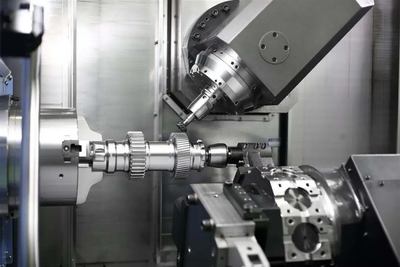
When you hear "CNC machining services inc" or similar company names, what exactly are these businesses delivering? At its core, CNC (Computer Numerical Control) machining is a subtractive manufacturing process where computerized controls operate machine tools to shape raw materials into precision parts. Think of it as a bridge between your digital design and a physical component you can hold in your hands.
These incorporated companies typically offer end-to-end manufacturing solutions. They take your concept, refine it for manufacturability, and produce parts with tolerances often within ±0.001 inches or better. Whether you need a single prototype or thousands of identical components, these providers handle everything from material sourcing to final inspection.
What CNC Machining Services Actually Deliver
Imagine needing a complex metal bracket for an aerospace application. A precision CNC machining provider doesn't just cut metal. They offer a comprehensive value proposition that includes:
- Design consultation: Engineers review your files for manufacturability before cutting begins
- Material expertise: Guidance on selecting the right alloy or plastic for your application
- Multi-operation capabilities: Milling, turning, drilling, and finishing under one roof
- Quality verification: Dimensional inspection using calibrated measuring equipment
Whether you're searching for a local cnc shop or exploring machine shops in las vegas, the best providers combine technical capability with responsive communication. They understand that business decision-makers need clear timelines and transparent pricing, not just technical jargon.
From Digital Design to Physical Part
So how does your CAD file become a finished component? The workflow follows a logical progression that balances precision with efficiency.
First, you submit 2D drawings (typically PDF format) alongside 3D CAD files in formats like STEP or IGES. According to industry best practices from Neway Machining, experienced engineers then conduct a Design for Manufacturability (DFM) review. This step identifies potential issues like undercuts, thin sections, or overly tight tolerances before machining begins.
Next, CAM programmers generate optimized toolpaths that minimize idle time and tool changes. The machine then executes these programmed instructions, transforming stock material into your specified geometry. After machining, parts undergo dimensional verification and any required surface treatments before shipping.
The beauty of this process? Once perfected, it can be replicated across thousands of parts without sacrificing quality. That consistency proves invaluable for industries requiring precise fits and tight tolerances, from automotive components to medical devices.
CNC Machine Types and Choosing the Right Configuration
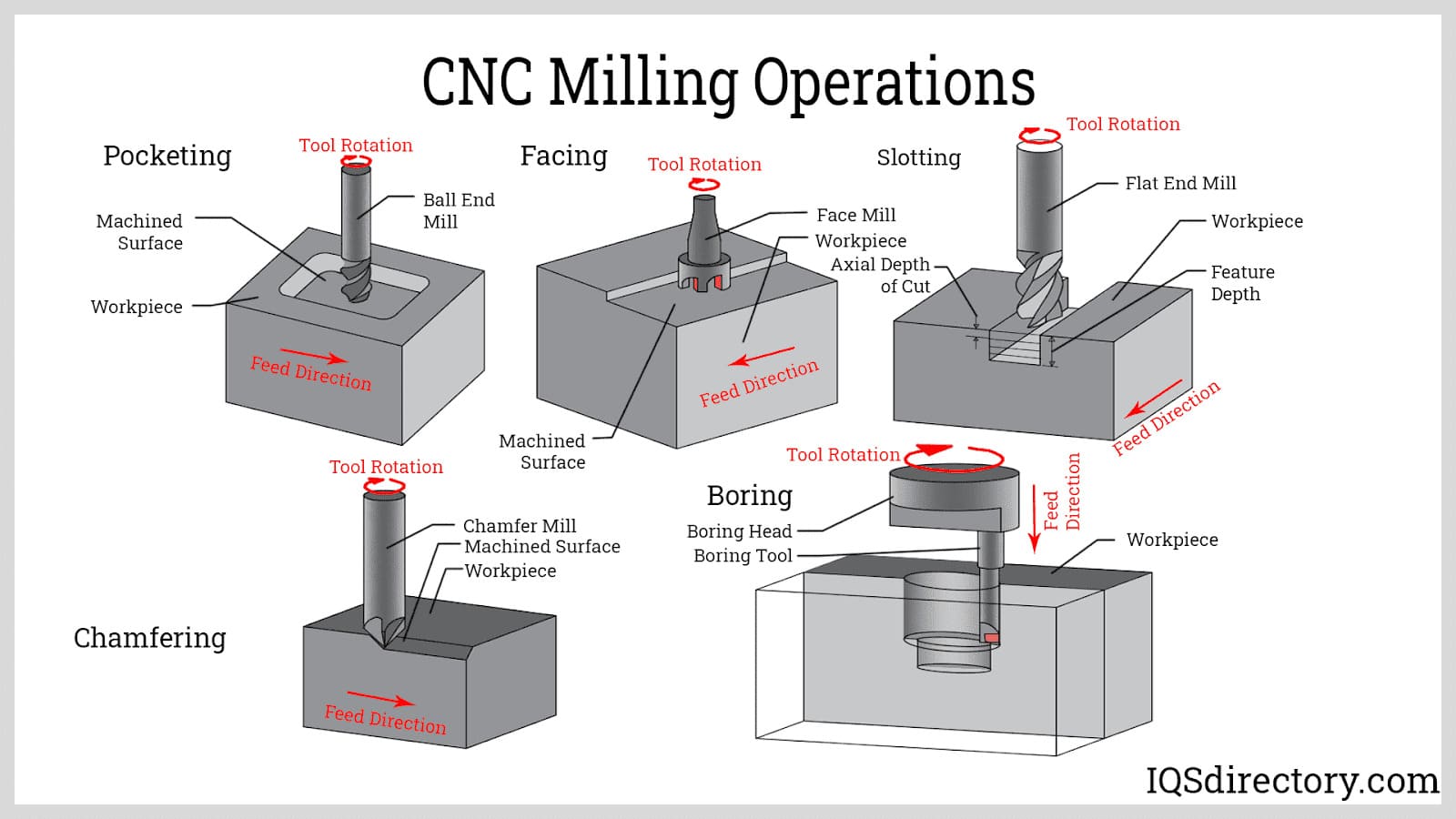
You've got a precision part to manufacture, but which machine should handle it? Not all CNC equipment operates the same way, and understanding the differences can save you time, money, and frustration. While many cnc machining services inc providers list their equipment, they rarely explain which configuration actually matches your project needs.
The number of axes on a CNC machine determines how the cutting tool moves relative to your workpiece. More axes mean greater flexibility to reach complex angles and features, but that capability comes with tradeoffs in cost and setup complexity. Let's break down what each configuration delivers and when it makes sense for your specific application.
Three-Axis Machines for Standard Components
Three-axis CNC machines represent the foundation of precision manufacturing. The cutting tool moves along three linear directions: X-axis (left-right), Y-axis (front-back), and Z-axis (up-down). This straightforward setup handles the vast majority of machined components efficiently.
When does a 3-axis machine make sense for your project? Consider these applications:
- Flat parts with features on one side: Brackets, plates, and covers with milled pockets or drilled holes
- Simple prismatic geometries: Rectangular or cylindrical shapes without complex contours
- High-volume production runs: Where consistent, repeatable cuts minimize cycle times
- Budget-conscious prototypes: When part geometry allows single-setup machining
The limitation? You'll need to manually reposition the workpiece to machine different faces. Each repositioning introduces potential alignment errors and adds setup time. For parts requiring features on multiple sides, this process becomes inefficient.
If you're searching for a custom machine shop or cnc service near me for straightforward components, 3-axis capabilities will likely meet your requirements at competitive pricing.
When Five-Axis Capability Becomes Essential
Five-axis CNC machining adds two rotational axes to the three linear movements. According to EZG Manufacturing, these rotational axes (typically labeled A and B, or B and C) allow the cutting tool or workpiece to tilt and rotate during machining. This eliminates multiple setups and enables complex geometries in a single operation.
Why does this matter for precision parts? The answer lies in accuracy and efficiency:
- Reduced setups mean tighter tolerances: Every time you reposition a part, you risk introducing alignment errors. 3ERP reports that multi-axis machining achieves higher precision specifically because it requires fewer workpiece setups.
- Complex contours in one pass: Turbine blades, impellers, and aerospace components with sculptured surfaces require continuous tool orientation adjustments.
- Improved surface finishes: The tool can maintain optimal cutting angles throughout the operation, reducing tool marks and post-processing needs.
Industries requiring five-axis capability include aerospace (engine housings, wing sections), medical devices (surgical tools, custom implants), and automotive (intake manifolds, suspension components). If your parts feature deep cavities, undercuts, or compound curves, five-axis machining becomes essential rather than optional.
For manufacturers operating a cnc machine las vegas facility or anywhere demanding complex geometries, investing in 5-axis capability opens doors to contracts that simpler equipment cannot fulfill.
Comparing Machine Configurations at a Glance
How do you quickly evaluate which machine type fits your project? The following table provides a practical comparison to guide your decision:
| Configuration | Best Applications | Complexity Level | Typical Industries |
|---|---|---|---|
| 3-Axis | Flat parts, simple pockets, drilling patterns, single-face features | Low to Moderate | General manufacturing, consumer products, basic industrial components |
| 4-Axis | Cylindrical parts, features around a circumference, helical cuts, camshafts | Moderate | Automotive, hydraulics, rotary components, engraving applications |
| 5-Axis | Complex contours, deep cavities, undercuts, sculptured surfaces, multi-angle features | High | Aerospace, medical devices, mold making, defense, high-performance automotive |
Notice the 4-axis option in the middle? This configuration adds one rotational axis (typically the A-axis rotating around X) to the basic three. It bridges the gap between simple and complex machining, particularly for cylindrical components requiring features around their circumference. Think camshafts, hydraulic fittings, or parts needing continuous engraving around a curved surface.
Matching Machine Selection to Your Part Requirements
Choosing between these configurations isn't just about capability. It's about matching the right tool to your specific needs. Consider these factors when evaluating a cnc company near me or any precision provider:
- Part geometry: Can all features be accessed from one direction, or do you need multi-angle approaches?
- Tolerance requirements: Tighter tolerances often favor fewer setups, pointing toward multi-axis solutions.
- Production volume: High volumes may justify dedicated 3-axis setups with optimized fixtures, while low volumes benefit from flexible 5-axis capability.
- Budget constraints: Multi-axis machining typically commands higher hourly rates, but may reduce total cost by eliminating multiple operations.
When requesting quotes, ask potential providers which machine configuration they recommend for your specific parts. Their answer reveals whether they're matching capabilities to your needs or simply running whatever equipment they have available. That insight tells you a lot about whether they'll be a true manufacturing partner or just another vendor.
Material Selection Guide for CNC Machined Parts
You've chosen the right machine configuration. Now comes an equally critical decision: what material should your part be made from? Most cnc machining services inc providers list dozens of available materials, but they rarely explain why you'd choose one over another. That gap leaves business decision-makers guessing when they should be making informed choices.
The truth is, material selection directly impacts everything from machining time to final part performance. Pick the wrong alloy, and you'll pay more for longer cycle times and increased tool wear. Choose wisely, and you'll balance cost, durability, and manufacturability in ways that strengthen your supply chain.
Metal Alloys and Their Performance Characteristics
Metals dominate CNC machining applications requiring high strength, hardness, or thermal resistance. But within that broad category, each alloy family offers distinct advantages and tradeoffs. Understanding these differences helps you specify the right material without overpaying for properties you don't need.
Aluminum Alloys
Aluminum remains the most popular choice for CNC machined parts, and for good reason. According to Hubs' material selection guide, aluminum alloys offer an excellent strength-to-weight ratio, high thermal and electrical conductivity, and natural corrosion protection. They're also the most economical option for prototypes and production parts alike.
- 6061: The most common general-purpose aluminum with good strength-to-weight ratio and excellent machinability. Ideal for brackets, housings, and structural components.
- 7075: Aerospace-grade aluminum with exceptional fatigue properties. Can be heat treated to hardness levels comparable to steel while maintaining light weight.
- 5083: Superior strength among aluminum alloys with exceptional seawater resistance. Perfect for marine and construction applications.
One limitation to consider: aluminum alloys typically have lower strength and hardness than steels. However, anodizing creates a hard, protective surface layer that addresses many durability concerns.
Stainless Steels
When corrosion resistance and strength both matter, stainless steel becomes the go-to option. These alloys offer high ductility, excellent wear resistance, and can be welded, machined, and polished to meet demanding specifications.
- 304: The most common stainless steel alloy with excellent mechanical properties and good machinability. Resistant to most environmental conditions.
- 316: Higher corrosion and chemical resistance than 304, especially against saline solutions. Choose this for marine environments or chemical processing.
- 303: Excellent toughness with superior machinability. Often used in high-volume applications like aerospace fasteners.
- 17-4 PH: Can be precipitation hardened to extreme levels comparable to tool steels while maintaining chemical resistance. Ideal for high-performance applications like turbine blades.
Keep in mind that stainless steel costs more to machine than aluminum. JLCCNC reports that the true cost includes not just raw material price, but also longer cycle times and increased tool wear compared to free-machining materials.
Tool Steels
Need exceptional hardness and wear resistance? Tool steels deliver these properties after heat treatment, making them essential for manufacturing tools, dies, and molds.
- D2: Wear-resistant alloy retaining hardness up to 425°C. Commonly used for cutting tools and dies.
- A2: Air-hardened with good toughness and excellent dimensional stability at elevated temperatures. Standard choice for injection mold components.
- O1: Oil-hardened to a high hardness of 65 HRC. Popular for knives and precision cutting tools.
Titanium
Titanium offers an unmatched strength-to-weight ratio and exceptional corrosion resistance. However, it's notoriously difficult to machine, requiring specialized tooling and slower cutting speeds. Reserve titanium for applications where performance demands justify the premium, such as aerospace structural components, medical implants, and high-performance automotive parts.
Brass and Copper
These materials excel in applications requiring electrical conductivity, low friction, or aesthetic appeal.
- Brass C36000: One of the most easily machinable materials available, with high tensile strength and natural corrosion resistance. Ideal for high-volume production of fittings, connectors, and decorative components.
- Copper: Superior electrical and thermal conductivity. Should be reserved for specific electrical applications where conductivity is critical.
Engineering Plastics and Composite Options
When lightweight construction, chemical resistance, or electrical insulation matters more than raw strength, engineering plastics offer compelling alternatives to metals. According to Komacut's material selection guide, plastics generally have better machinability than metals due to lower hardness and density, reducing tool wear and production time.
- ABS: Good mechanical properties with excellent impact strength and high heat resistance. Commonly used for prototypes before injection molding production.
- Nylon (PA): Excellent mechanical properties with high chemical and abrasion resistance. Available in multiple grades (Nylon 6, Nylon 66) for various applications. Note: susceptible to moisture absorption.
- Polycarbonate: High toughness with excellent impact strength, superior to ABS. Can be transparent or dyed to various colors. Ideal for fluidic devices and protective covers.
- POM (Delrin): The highest machinability among plastics with excellent dimensional stability. Best choice for high-precision plastic parts requiring low friction and low water absorption.
- PEEK: High-performance thermoplastic with excellent mechanical properties across a wide temperature range. Often replaces metal parts due to its high strength-to-weight ratio. Medical grades available for biomedical applications.
- PTFE (Teflon): Exceptional chemical and thermal resistance with the lowest coefficient of friction of any solid. Withstands temperatures above 200°C and provides outstanding electrical insulation.
One important consideration: for medium to high-volume production, other methods like injection molding offer cost advantages over CNC machining. However, for prototyping, low volumes, or parts requiring tight tolerances, CNC machined plastics deliver value without tooling investment.
Making Your Material Decision
Sounds complex? Here's a practical framework any custom machine and fabrication project can follow:
- Define your requirements first: What mechanical loads will the part experience? What environmental conditions apply? Is weight a concern?
- Consider machinability impact: Easier-to-machine materials like aluminum and brass reduce cycle times and tool costs. This matters especially for prototyping and small batches.
- Balance performance against budget: Aluminum 6061 handles general applications at the lowest cost. Stainless steel justifies higher machining costs when durability or hygiene is paramount. Titanium makes sense only when performance demands override all else.
- Factor in post-processing: Some materials require heat treatment, plating, or coating to meet final specifications. Include these steps in your cost analysis.
Whether you're working with a machine shop reno facility or partnering with machine shops reno nv providers, the best manufacturers help you navigate these tradeoffs. They don't just list available materials—they guide you toward selections that optimize cost, lead time, and part performance for your specific application.
Tolerances and Surface Finishes Explained
You've selected your material and machine configuration. Now comes a specification that separates functional parts from expensive scrap: tolerances and surface finishes. Most cnc machining services inc providers list impressive precision capabilities, but they rarely explain what those numbers actually mean for your project or your budget.
Here's what they won't tell you upfront: tighter tolerances and smoother finishes cost more. Sometimes significantly more. Understanding these specifications helps you specify exactly what you need—nothing more, nothing less—so you're not paying premium prices for precision that doesn't improve your part's performance.
What Tolerance Numbers Actually Mean for Your Parts
Tolerance defines the acceptable dimensional variation in a machined part. According to American Micro Industries, no machine delivers the exact same result every time. Tolerances establish a controlled margin for error that ensures parts function properly within assemblies.
Think of it this way: if you need a bushing to fit on a rod, the inside diameter must fall within specific limits. Too small, and it won't fit. Too large, and the fit becomes sloppy. Tolerance specifications communicate exactly how much variation is acceptable.
Standard CNC machining typically achieves tolerances of ±0.005" (0.127 mm). Precision operations can reach ±0.001" or tighter when applications demand exceptional accuracy. But here's the catch: more decimal places in your tolerance specification directly correlate with manufacturing difficulty and cost. A tolerance of ±0.02" permits a range ten times wider than ±0.002", significantly affecting what you'll pay.
Tolerance Classes and Their Applications
International standards expressed through ISO 2768 define precision levels as tolerance classes: f-fine, m-medium, c-coarse, and v-very coarse. Understanding where your parts fall on this spectrum helps you communicate requirements effectively with any machining specialist.
| Tolerance Class | Typical Range | Application Examples | Cost Impact |
|---|---|---|---|
| Standard (±0.005") | ±0.127 mm | General brackets, covers, non-critical housings, structural components | Baseline pricing |
| Precision (±0.002") | ±0.05 mm | Mating parts, bearing fits, assembly interfaces, functional surfaces | 10-25% premium |
| High Precision (±0.001") | ±0.025 mm | Medical devices, aerospace components, optical mounts, instrumentation | 25-50% premium |
| Ultra-Precision (±0.0005") | ±0.0127 mm | Semiconductor equipment, precision gauges, critical aerospace interfaces | 50-100%+ premium |
Notice the cost impact column? That's the information many machine shops in las vegas nevada and elsewhere don't volunteer. Each step tighter requires slower cutting speeds, more careful setups, and additional inspection time. Parts exceeding tolerance limits become unusable, increasing waste and production costs that get passed along to you.
When to Specify Tighter Tolerances
Not every dimension on your part needs tight tolerances. In fact, specifying unnecessary precision is one of the most common ways buyers inflate their machining costs. Consider tighter tolerances only for:
- Mating surfaces: Where parts must fit together precisely
- Functional interfaces: Bearing seats, seal grooves, and sliding surfaces
- Assembly reference points: Datums that locate other components
- Critical dimensions: Features directly affecting part performance
For non-critical dimensions like overall part length or cosmetic surfaces, standard tolerances work fine. A knowledgeable las vegas machine shop or any experienced provider will help you identify which dimensions truly require tight control and which can be relaxed to reduce cost.
Surface Finish Options and Their Applications
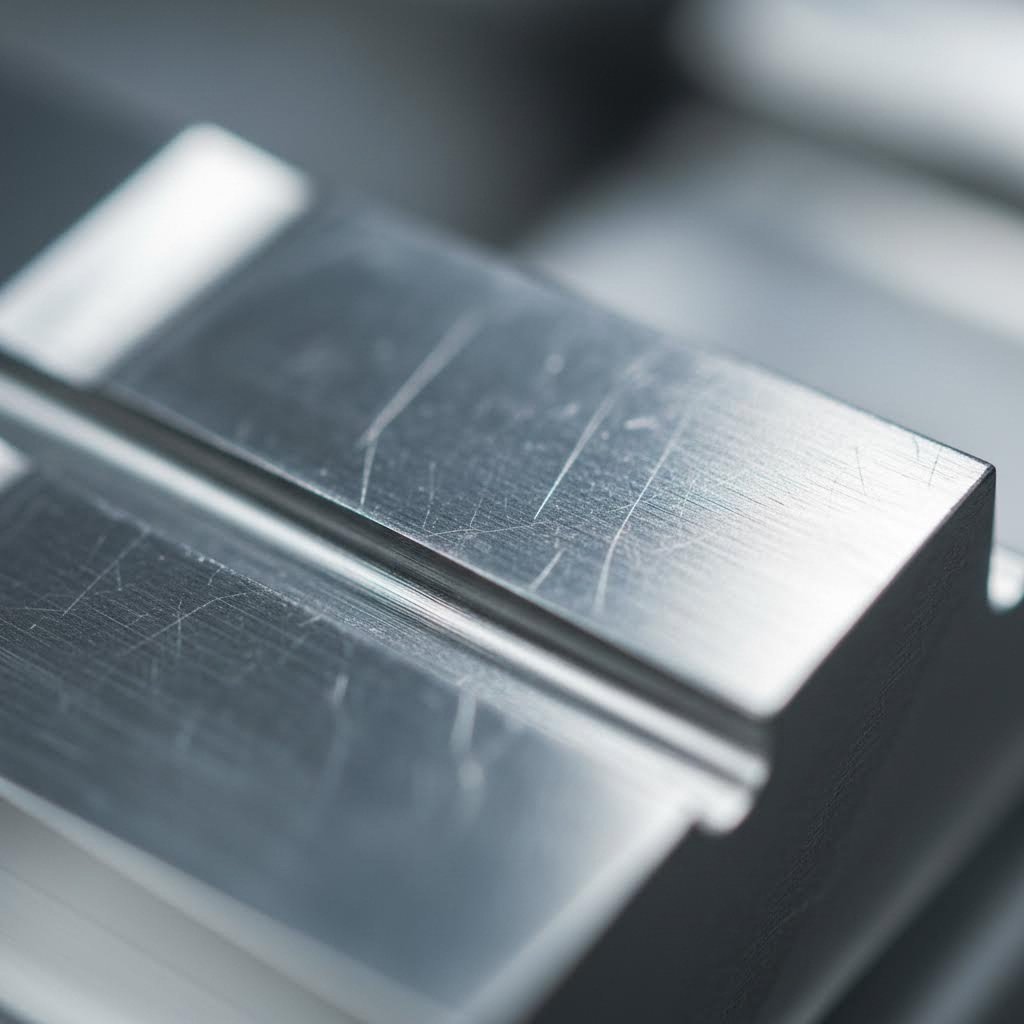
Surface finish describes the texture of a machined surface, measured in Ra (Roughness Average) values. According to RapidDirect's surface finish guide, Ra represents the arithmetic average of surface heights measured across a surface—essentially, how smooth or rough your part feels.
Why does this matter? Surface finish directly affects friction, wear, sealing capability, and appearance. A bearing surface needs different texture than an external housing. Specifying the right finish for each application prevents overpaying for smoothness you don't need while ensuring critical surfaces perform correctly.
Understanding Ra Values
Standard CNC machining produces finishes around 63 µin (1.6 µm) Ra for flat surfaces and 125 µin (3.2 µm) for curved surfaces, according to Protolabs. This works for most functional applications. But when you need smoother—or when rougher is acceptable—understanding the options saves money:
- 125 µin (3.2 µm) Ra: As-machined finish suitable for non-critical surfaces, internal features, and components where appearance doesn't matter
- 63 µin (1.6 µm) Ra: Standard machined finish appropriate for most functional surfaces and general engineering applications
- 32 µin (0.8 µm) Ra: Fine finish for precision components under stress, vibration, or movement—reduces friction and improves reliability
- 16 µin (0.4 µm) Ra: Very fine finish for sealing surfaces, bearing races, and high-performance applications
- 8 µin (0.2 µm) Ra or finer: Mirror-like finish requiring grinding or polishing, reserved for optical and specialty applications
Engineers commonly specify 0.8 µm Ra (32 µin) for precision components operating under stress or movement. According to RapidDirect, producing this finish typically adds about 5% to machining costs since it requires tighter control and more careful processing.
Matching Finish to Function
The key insight? Surface finish requirements should follow function, not appearance preferences. Consider these guidelines when specifying finishes:
- Sealing surfaces: Require consistent, controlled finishes (typically 32 µin or finer) to ensure proper gasket or O-ring contact
- Bearing surfaces: Need smooth finishes to minimize friction and wear—rougher finishes accelerate component degradation
- Adhesive bonding areas: Often benefit from controlled roughness to improve adhesion—too smooth can reduce bond strength
- Cosmetic surfaces: May require bead blasting or polishing for appearance, but this adds cost beyond functional machining
When preparing your specifications, clearly call out which surfaces require controlled finishes and which can remain as-machined. This communication helps your provider optimize the machining process rather than applying uniform finishes everywhere—an approach that wastes both time and money.
Lead Times and Production Timeline Factors
You've finalized your design, selected materials, and specified tolerances. Now comes the question every buyer asks: "When will my parts arrive?" Most cnc machining services inc providers quote lead times confidently, but those numbers often tell only part of the story. Understanding what actually drives production timelines helps you plan your supply chain realistically—and avoid the frustration of missed deadlines.
Here's what machine shops las vegas and elsewhere won't always explain upfront: quoted lead times represent ideal scenarios. The actual delivery date depends on factors both within and beyond anyone's control. Let's break down what really determines when you'll receive your parts.
Factors That Determine Your Production Timeline
According to Zintilon's manufacturing experts, four primary factors dictate CNC machining delivery times: part complexity, materials used, tolerance requirements, and specialized tooling needs. But the complete picture includes several additional considerations that experienced buyers always account for.
- Part complexity: Thin walls, intricate features, and multiple operations require slower cutting speeds and more careful handling. A simple bracket might take hours; a complex aerospace housing could take days. Multi-axis machining for deep cavities or compound curves adds programming time and machining passes.
- Material availability: Common materials like 6061 aluminum sit on most shop shelves. Exotic alloys or specialty plastics may require ordering, adding days or weeks before machining even begins. According to Zintilon, limited stock availability can significantly extend lead times regardless of machining complexity.
- Tolerance requirements: Tighter tolerances demand slower cutting speeds, more frequent tool inspections, and additional verification steps. A part with ±0.001" tolerances takes considerably longer than the same geometry at ±0.005".
- Quantity ordered: Single prototypes require full setup time spread across one part. Production runs amortize that setup across hundreds or thousands of pieces, but still require machine time for each unit.
- Finishing operations: Anodizing, plating, heat treatment, or precision grinding happen after machining. Each secondary operation adds processing time and often involves external vendors with their own schedules.
- Current shop capacity: Even the best las vegas machine shops have finite machine hours. Your project enters a queue alongside other orders. Peak seasons or unexpected demand can push delivery dates further out.
The Gap Between Quoted and Actual Delivery
When a shop quotes "5 business days," what does that number actually include? Often, it covers machining time alone—not the complete journey from order to delivery. The full timeline typically includes:
- Order processing: Converting your PO into production instructions (1-2 days)
- Material procurement: If stock isn't available (2-10+ days depending on material)
- Programming and setup: Creating toolpaths and fixturing (hours to days based on complexity)
- Machining: Actual cutting time (the quoted lead time typically refers to this)
- Quality verification: Dimensional inspection and documentation (hours to days)
- Secondary operations: Finishing, heat treatment, coating (varies widely)
- Shipping: Transit time to your facility (1-5+ days)
Quality verification deserves special attention. Reputable providers don't skip this step, even when timelines feel tight. Dimensional checks, material verification, and first-article inspections ensure parts meet specifications before shipping. Rushing past these steps risks receiving parts that don't work—costing far more time than the inspection would have taken.
Rapid Prototyping vs Mass Production Timelines
How long should you actually expect to wait? That depends heavily on whether you need prototypes or production quantities. According to Fictiv's analysis of rapid versus traditional machining, the differences are substantial.
Traditional CNC machine shops often work on planned schedules with limited flexibility for urgent requests. A typical scenario might unfold like this:
- Multi-day email exchanges for quoting and clarifications
- Several days waiting for machining capacity
- Production without real-time status visibility
- Customer-arranged shipping coordination
- Total timeline: 10+ days for straightforward parts
Rapid CNC machining services compress this timeline dramatically. Modern platforms leveraging AI-assisted quoting, automated design feedback, and optimized manufacturing networks can deliver parts in as few as 2-4 business days. The key differences include instant online quoting, real-time order tracking, and pre-vetted manufacturing partners ready to produce immediately.
For rapid prototyping, expect 2-5 business days for simple parts. Complex prototypes with tight tolerances may require 5-10 days. Mass production typically runs 2-4 weeks for initial orders, with subsequent orders faster once tooling and processes are established.
Communicating Urgency Effectively
Need parts faster than standard lead times allow? Here's how to communicate urgency without damaging your relationship with cnc repair services providers or machine shops:
- Be upfront about deadlines: Share your actual need date during initial conversations, not after you've received a quote that doesn't work.
- Explain the consequences: "Missing this deadline stops a production line" carries more weight than "We need it ASAP."
- Ask about expedite options: Most shops offer rush services for a premium. Knowing the cost helps you make informed decisions.
- Simplify where possible: Relaxing non-critical tolerances, choosing readily available materials, or limiting finishing operations can shave days off your timeline.
- Provide complete information upfront: Missing drawings, unclear specifications, or incomplete material callouts cause delays that no expedite fee can overcome.
What Expedite Options Typically Cost
Rush services don't come free. According to industry sources, expedited CNC machining typically adds 25-100% to standard pricing, depending on how much acceleration you need and how it impacts the shop's existing schedule. Factors influencing expedite costs include:
- Timeline compression: Cutting lead time in half might cost 50% more; next-day service could double the price
- Shop utilization: Busy periods command higher rush premiums than slow seasons
- Complexity: Simple parts expedite more easily than complex multi-operation components
- Material availability: No amount of money speeds up material that isn't in stock
Before paying expedite fees, ask whether design modifications could achieve the same timeline at lower cost. Sometimes switching from 5-axis to 3-axis machining with additional setups, or choosing an easier-to-machine material, delivers parts just as quickly without premium charges.
Setting Realistic Supply Chain Expectations
Planning your manufacturing timelines effectively requires honest assessment of your project's characteristics. Consider these guidelines:
- Simple prototypes (basic geometry, standard materials, standard tolerances): 3-7 business days
- Complex prototypes (multi-axis, tight tolerances, secondary operations): 1-3 weeks
- Low-volume production (10-100 parts): 2-4 weeks
- High-volume production (1,000+ parts): 4-8 weeks for initial orders, potentially faster for repeat orders
Build buffer time into your project plans. Unexpected delays happen—material shortages, equipment issues, quality findings requiring rework. Adding 20-30% schedule contingency prevents minor hiccups from becoming major crises.
When evaluating potential manufacturing partners, ask about their on-time delivery track record. A shop that consistently meets commitments proves more valuable than one quoting aggressive timelines they rarely achieve. That reliability becomes especially important as we explore how to evaluate and select the right CNC machining partner for your specific needs.
Industry Certifications and Quality Standards Decoded
You've researched machine capabilities, material options, and lead times. Now you're comparing providers—and every cnc machining services inc website lists impressive certifications. ISO this, AS that, IATF something else. But what do these acronyms actually guarantee? And more importantly, which ones matter for your specific project?
Here's what most machine shops won't explain: certifications aren't just plaques on a wall. They represent fundamental restructuring of how a facility tracks, evaluates, and controls every action, every day. According to Bertrand Products, these certificates protect both manufacturers and customers from costly, high-risk mistakes by creating institutional memory and reducing the risk of lost knowledge or skill.
Understanding what each certification actually requires helps you ask the right questions when evaluating potential partners—and avoid paying premium prices for certifications your industry doesn't require.
Quality Certifications and What They Guarantee
Not all certifications carry equal weight for every application. A medical device manufacturer needs different assurances than a general industrial equipment producer. Let's decode what each major certification actually covers and which industries mandate them.
| Certification | What It Covers | Industries Requiring It | Key Benefits |
|---|---|---|---|
| ISO 9001:2015 | General quality management systems covering documentation, process control, training, and continuous improvement | All manufacturing industries as baseline standard | Consistent quality, traceable processes, supplier accountability, foundation for specialized certifications |
| ISO 13485 | Quality management for medical device manufacturing, including risk management, design controls, and regulatory compliance | Medical devices, surgical instruments, implants, diagnostic equipment | FDA/EU regulatory alignment, patient safety focus, design validation requirements |
| IATF 16949 | Automotive-specific quality management emphasizing defect prevention, variation reduction, and supply chain requirements | Automotive OEMs and Tier 1-3 suppliers | Statistical process control, production part approval process (PPAP), continuous improvement culture |
| AS9100D | Aerospace quality management with enhanced traceability, configuration control, and risk management requirements | Aerospace, aviation, space, defense contractors | Full part traceability, FOD control, configuration management, flight-ready documentation |
| ITAR | International Traffic in Arms Regulations controlling defense-related manufacturing, including personnel security and data protection | Defense contractors, military equipment manufacturers | Access to defense contracts, controlled technical data handling, export compliance |
ISO 9001:2015: The Foundation Standard
Think of ISO 9001:2015 as the baseline that every serious machine shop reno nv or anywhere else should maintain. This certification creates what Bertrand Products calls a "quality backbone"—tracing every step of a job from customer quote to final shipment with clear checks at each stage.
What does the certification actually require?
- Documented procedures: Every process mapped with risks, bottlenecks, and error prevention measures identified
- Equipment calibration tracking: Dates, signatures, and condition assessments for all measuring instruments
- Training records: Operator skills mapped directly to workstations with current certification status
- Supplier management: Vendor performance monitored and reevaluated regularly
- Nonconformance tracking: Error documentation showing corrective actions and prevention measures
- Customer feedback integration: Complaints and comments analyzed and incorporated into improvement cycles
During audits, external investigators trace random parts from start to finish. They expect no daylight between documented procedures and actual practice—records matched to machine logs, operator signatures verified, and responses to problems tracked to closure.
AS9100D: Aerospace's Zero-Tolerance Standard
If ISO 9001:2015 lays the foundation, AS9100D builds the structure needed in aerospace's unforgiving environment. According to Bertrand Products, "there's no margin for error in aerospace machining. When a single out-of-spec bolt can ground an entire aircraft—or jeopardize a multi-million-dollar program—every link in the supply chain must be proven, not just promised."
AS9100D adds requirements that go far beyond general quality management:
- Full traceability: Every component trackable to its origin with batch, lot, and work order documentation
- Formal risk management: Before any new process, material, or drawing change, risks assessed using documented methods
- Configuration management: Even minor engineering changes trigger updates across programming, inspection criteria, and process documentation
- FOD control: Active procedures for preventing, detecting, and documenting foreign object debris removal at every production stage
Auditors walk the floor picking up traveler cards for random lots, cross-referencing every step and approval. They review risk logs, demand evidence of FOD sweeps, and expect configuration updates to flow from engineering changes down to machine setup and inspection.
Industry-Specific Compliance Requirements
Beyond the major certifications, specific industries impose additional requirements that affect which providers can serve your needs. Understanding these nuances helps you identify truly qualified partners rather than shops claiming capabilities they can't actually deliver.
Medical Device Manufacturing (ISO 13485)
Medical device machining demands more than precision—it requires documented risk management throughout the product lifecycle. ISO 13485 certification ensures providers understand design controls, process validation, and the regulatory frameworks governing devices sold in the US (FDA) and Europe (CE marking).
When evaluating medical device suppliers, ask about:
- Design history file (DHF) experience
- Biocompatibility documentation capabilities
- Cleanroom or controlled environment availability
- Lot traceability and recall procedures
Automotive Requirements (IATF 16949)
Automotive certification emphasizes defect prevention and variation reduction through statistical methods. Large machining companies near me serving automotive clients must demonstrate:
- Statistical Process Control (SPC): Real-time monitoring of critical dimensions
- Production Part Approval Process (PPAP): Documented evidence that production processes consistently deliver conforming parts
- Advanced Product Quality Planning (APQP): Structured approach to new product introduction
- Measurement System Analysis (MSA): Verification that inspection equipment provides reliable results
Defense Contracting (ITAR)
ITAR registration isn't a quality certification—it's a legal requirement for manufacturing defense-related items. Providers must demonstrate secure handling of controlled technical data, restricted facility access, and personnel screening. Without ITAR registration, shops cannot legally produce components for many military applications regardless of their manufacturing capabilities.
Why Certification Status Should Influence Your Selection
Certifications cost significant time and money to obtain and maintain. Shops pursuing them demonstrate commitment beyond minimum requirements. But the real value lies in what these systems create: documented processes that reduce errors, training programs that build workforce capability, and continuous improvement cultures that solve problems permanently.
When searching for machine shops reno or providers anywhere, match certification requirements to your industry needs. Overpaying for aerospace-level systems when you need general industrial parts wastes money. But underspecifying for regulated industries creates compliance risks that can shut down your production line or trigger costly recalls.
The next step? Knowing how to evaluate potential partners using these certifications as one factor among several. Let's explore the complete framework for selecting the right CNC machining provider for your specific requirements.
Preparing Your Design Files for CNC Machining
You've selected your material, specified tolerances, and identified a promising cnc machining services inc provider. Now comes the moment of truth: submitting your design files. This step trips up more buyers than any other. Submit incomplete or poorly formatted files, and you'll face delays, clarification requests, and quotes that don't reflect your actual requirements.
Here's what most machine shops won't tell you: the quality of your submission directly impacts both quote accuracy and production efficiency. Clean files with clear specifications get faster turnaround. Messy submissions with missing information sit in queues while engineers chase down details you should have provided upfront.
File Formats That Streamline Your Quote Process
Not all CAD file formats work equally well for CNC machining. According to RapidDirect's engineering team, the format you choose affects everything from quote speed to machining accuracy. Using the wrong format can introduce geometry errors, surface gaps, or lost dimensional data.
Which formats should you prioritize? Here's what most cnc cutting services near me providers prefer:
- STEP (.STP, .STEP): The gold standard for CNC machining. This neutral format preserves solid geometry with excellent detail and works across virtually all CAD and CAM systems. Use STEP when sharing files between different software platforms.
- Parasolid (.X_T, .X_B): Lightweight files that load quickly with precise geometry representation. Ideal for complex parts or large assemblies. Works seamlessly with SolidWorks and Siemens NX environments.
- IGES (.IGS, .IGES): An older but still widely used format, particularly for surface models and legacy systems. Note: IGES files may develop surface gaps during conversion, requiring repair before machining.
- Native CAD files (.SLDPRT, .PRT): Files from SolidWorks, Creo, or NX retain full design history and parametric data. Best when your provider uses the same software; otherwise, export to STEP.
- SAT (.SAT): Works well within ACIS-based software like Fusion 360 and AutoCAD. Compact file sizes make it efficient for complex geometries.
What about STL files? According to RapidDirect, STL formats aren't suitable for CNC machining due to their faceted mesh structure. This format works for 3D printing but lacks the precise geometry CNC operations require.
Documentation That Accelerates Your Quote
Beyond the 3D model, experienced buyers provide supporting documentation that eliminates back-and-forth communication:
- 2D drawings (PDF): Call out critical dimensions, tolerances, surface finishes, and inspection requirements that may not be obvious from the 3D model alone
- Material specifications: Exact alloy grades, heat treatment requirements, and any material certifications needed
- Quantity and delivery requirements: Prototype quantities, production volumes, and target delivery dates
- Special instructions: Marking requirements, packaging specifications, or handling considerations
When a cnc technician near me or any qualified machinist receives complete documentation, they can quote accurately without assumptions. Missing information forces conservative quoting that often inflates your costs.
Design Considerations That Reduce Machining Costs
Your design decisions made months ago in CAD directly impact what you'll pay for machining today. According to Xometry's engineering guidelines, small modifications can dramatically reduce costs without compromising part function. Here's how to design for manufacturability:
Avoid Unnecessarily Tight Tolerances
If you don't specify tolerances, machines use standard tolerances—saving time and money. Only specify tight tolerances when absolutely necessary, and maintain consistency throughout your design. According to Protolabs' design toolkit, every decimal place you add increases machining difficulty and cost.
Ask yourself: does this dimension truly need ±0.001", or would ±0.005" work just as well? Relaxing non-critical tolerances can cut your machining costs significantly.
Consider Tool Access
CNC cutting tools are cylindrical, which creates limitations you should design around:
- Internal corners: Add radii to internal edges—sharp internal corners are impossible to machine directly. A good rule is to add a radius of 130% of the milling tool radius to avoid excessive tool wear.
- External corners: Use 45° chamfers instead of radii when possible. Chamfers are quicker to machine and more cost-effective.
- Deep cavities: Limit cavity depths to 3-4 times their width. Deeper cavities cause tool deflection, chip evacuation problems, and potential tool fracture.
Any feature requiring square internal corners will cost substantially more, as the only way to produce them is through EDM or extremely slow cuts with tiny tools.
Minimize Setups
Every time a machinist repositions your part, they risk introducing alignment errors and consume valuable setup time. Design parts that can be machined from as few orientations as possible:
- Concentrate features on one side when practical
- Use consistent datum references throughout your design
- Consider how fixtures will hold the part during machining
Parts requiring five different setups cost dramatically more than those completed in one or two.
Specify Critical Dimensions Clearly
According to Xometry, holes machined with standard drill bits are faster and more accurate than custom-sized holes requiring end mills or reamers. Use standard hole sizes in 0.1 mm increments for holes up to 10 mm, and 0.5 mm increments for larger holes.
Additional cost-saving considerations:
- Wall thickness: Maintain minimum 0.794 mm for metals, 1.5 mm for plastics. Thinner walls reduce stiffness and cause machining vibrations.
- Thread length: Limit threads to 1.5 times the diameter—longer threads add cost without increasing connection strength.
- Small features: Avoid features smaller than 2.5 mm, which require special tools and increase machining time.
- Text: If machined text is required, use engraved (recessed) text at minimum 20-point sans-serif font. Better yet, add text through laser engraving as a secondary operation.
Your Pre-Submission Checklist
Before contacting any laser cutting las vegas provider or precision machining partner, verify you have:
- 3D CAD files in STEP, Parasolid, or native format
- 2D drawings with critical dimensions, tolerances, and surface finish callouts
- Complete material specification including grade and any heat treatment requirements
- Quantity requirements for both prototype and production phases
- Target delivery date and any flexibility in timeline
- Special requirements: certifications needed, packaging specifications, or inspection documentation
Submitting complete, well-organized documentation demonstrates professionalism and positions you for accurate quotes and smooth production. It also signals to potential partners that you're a buyer worth prioritizing—which matters when capacity gets tight and shops must choose which projects receive their best attention.
How to Evaluate and Select a CNC Machining Partner
You've done your homework on machine types, materials, and certifications. Now comes the decision that determines whether your project succeeds or stalls: choosing the right manufacturing partner. Most cnc machining services inc providers look similar on paper—impressive equipment lists, quality certifications, and promises of precision. But behind those marketing claims lie significant differences in actual capability, reliability, and partnership potential.
Here's what experienced buyers know: the lowest quote rarely delivers the best value. According to WMTCNC's buyer's guide, selecting the right CNC partner ensures product accuracy, optimized cost, and seamless communication—while a wrong choice leads to delays, quality issues, and budget overruns that damage customer trust. The challenge is knowing how to separate capable partners from those who merely claim to be.
Evaluation Criteria That Matter Most
When vetting potential providers, resist the temptation to jump straight to pricing. Instead, evaluate candidates systematically using criteria that predict long-term partnership success. The following prioritized list reflects what actually matters when your parts absolutely must work:
- Technical Capabilities: Does the shop have the right equipment for your specific requirements? Evaluate whether they use advanced CNC lathes, milling machines, and coordinate measuring machines (CMMs). Their technical team should be proficient with CAD/CAM tools and skilled in multi-axis machining. For complex parts, verify their experience with geometries similar to yours—ask for examples or case studies.
- Quality Certifications: Match certifications to your industry requirements. ISO 9001:2015 represents the baseline for any serious provider. For automotive applications, IATF 16949 certification and Statistical Process Control (SPC) represent quality benchmarks that separate serious suppliers from hobbyist operations. Certified facilities like Shaoyi Metal Technology demonstrate commitment to high-tolerance component delivery through documented quality systems, with capabilities spanning rapid prototyping to mass production.
- Communication Responsiveness: How quickly do they respond to your initial inquiry? According to Firstar Precision, when timelines are tight and details matter, you can't afford to chase down a vendor for updates. A great partner keeps communication flowing and expectations aligned. Test this during the quoting phase—providers slow to respond now will be slower when problems arise during production.
- Lead Time Reliability: Ask about their on-time delivery track record with specific percentages. Understand their typical lead times and whether they offer expedited services. Suppliers with flexible setups can accommodate last-minute design changes or volume shifts without compromising quality. A shop consistently meeting 95%+ on-time delivery proves more valuable than one quoting aggressive timelines they rarely achieve.
- Pricing Transparency: Look beyond the lowest quote. According to WMTCNC, a responsible supplier provides detailed cost breakdowns so you can compare true value, not just the lowest price. Ensure pricing is clearly itemized with no hidden fees. Understand how they calculate costs—machine time, material waste, labor, setup, and tooling should all be visible.
Prototype vs Production Partnerships
Your evaluation criteria should shift depending on whether you need prototype support or production capabilities—or both. Consider these distinctions:
- Prototype partnerships: Prioritize flexibility, engineering collaboration, and speed. The best prototype partners engage early to help optimize designs, identify tolerance issues, or suggest alternative approaches that improve manufacturability.
- Production partnerships: Emphasize consistency, capacity, and process control. Look for documented procedures, statistical monitoring, and demonstrated ability to maintain quality across thousands of parts.
- Dual-capability partners: The ideal relationship supports you from validation builds through high-volume production. Ask whether they're a trusted partner for prototype to production, or if they specialize in only one area.
Starting with a prototype project offers the fastest way to verify a supplier's true ability, process discipline, and quality mindset before scaling into full production.
Geographic Considerations
Location matters more than many buyers realize. Consider these factors:
- Shipping costs and times: Local providers reduce freight expenses and enable faster delivery, especially for prototypes or urgent orders
- Site visit accessibility: Can you realistically visit the facility for audits or critical first-article inspections?
- Time zone alignment: Real-time communication becomes challenging with partners 12 hours ahead or behind
- Regional expertise: Some areas develop concentrations of specialized capability—aerospace in certain regions, automotive in others
For companies exploring machinist jobs in las vegas nevada or other manufacturing hubs, the local talent pool often indicates regional machining strength. Areas with robust machining workforces typically support more capable providers.
Red Flags When Vetting Potential Partners
Knowing what to avoid matters as much as knowing what to seek. According to OpenBOM's analysis, the consequences of choosing the wrong manufacturing partner can be dire—from compromised product quality and missed deadlines to communication breakdowns and ethical lapses. Watch for these warning signs:
Lack of Industry Experience
Partnering with a firm lacking necessary knowledge and capabilities leads to problems that jeopardize your project and potentially damage your brand reputation. Be wary of:
- Vague responses when asked about similar projects they've completed
- No portfolio or references from comparable applications
- Limited understanding of your industry's specific requirements or terminology
- Reluctance to discuss technical challenges openly
Communication Problems
Effective communication is the cornerstone of successful manufacturing partnerships. Red flags include:
- The "no problem" response: Suppliers who consistently respond with "no problem" to every question without providing substantive feedback may be glossing over important details or failing to grasp the full scope of your project
- Delayed responses to emails or calls
- Reluctance to provide regular status updates
- Unclear answers about who owns communication throughout the process
Inadequate Quality Control
Quality control encompasses monitoring, assessing, and improving consistency throughout the manufacturing process. Warning signs include:
- No documented inspection procedures
- Inability to provide sample inspection reports
- Missing or expired calibration records for measuring equipment
- Certifications displayed without evidence of active maintenance
Ask about their inspection tools—pin gauges, micrometers, CMMs—and request samples or inspection reports. Proper QC documentation is crucial for regulated industries.
Financial Instability
The financial stability of a manufacturing partner directly impacts their ability to fulfill contractual obligations and weather economic uncertainties. Watch for:
- Requests for unusually large deposits
- Reluctance to discuss payment terms
- Signs of deferred maintenance on equipment or facilities
- High employee turnover suggesting internal problems
Ethical and Compliance Concerns
Ethical standards and compliance serve as the foundation for responsible business practices. Red flags include:
- Unwillingness to discuss labor practices or working conditions
- Evasive answers about environmental compliance
- Pressure to cut corners on documentation or inspection
- Certifications that cannot be independently verified
Building Long-Term Partnership Potential
The strongest engineering partnerships are built on trust and shared goals. According to Firstar Precision, you'll notice it in the way teams communicate, problem-solve, and stay aligned from initial design to final delivery. Look for these traits:
- Proactive collaboration: Great partners don't just wait for finished prints—they engage early to help optimize designs and identify issues before production begins
- Right-sized solutions: Rather than over-engineering or defaulting to what's easiest for them, true partners aim for what's most effective for your application and budget
- Honest feedback: Great partners aren't afraid to push back if they spot potential issues, bringing ideas to the table rather than just problems
- Scalability: Whether you're scaling from prototype to production or switching materials mid-project, your partner should adapt with you rather than hold you back
When this level of collaboration is in place, it reduces the need for oversight, minimizes errors, and accelerates project timelines.
Questions That Reveal True Capability
The RFQ is just the starting point. To ensure you're choosing a shop that delivers real value, dig deeper with these questions:
- Process transparency: Ask about their approach from RFQ through delivery. A well-defined, transparent process often separates average shops from great ones.
- Engineering access: Can you speak directly with their engineers? Do they participate in design reviews or prototype development?
- Material expertise: What materials do they commonly work with? What limitations exist in their tooling?
- Communication standards: Do they offer regular status updates? Can they integrate with your preferred platforms?
- Growth support: How does the shop support scaling from validation parts to full production volumes?
Request examples of how they've collaborated with engineering teams in the past and look for evidence of shared problem-solving. The answers reveal whether you're evaluating a true partner or just another vendor processing orders.
With your evaluation framework established, the next step is understanding how different industries impose unique requirements on CNC machining partnerships—from automotive's statistical rigor to medical device traceability demands.
Industry-Specific CNC Machining Requirements
You've selected a capable partner with the right certifications. But here's what many cnc machining services inc providers won't volunteer: every industry imposes unique demands that generic machine shops struggle to meet. What works for general industrial components fails miserably in aerospace. Medical device requirements differ fundamentally from automotive standards. Understanding these distinctions prevents costly mismatches between your needs and your supplier's actual capabilities.
The table below provides a quick reference for comparing requirements across major industries. But don't stop there—the real value lies in understanding why these differences exist and how they affect your project's success.
| Industry | Key Requirements | Critical Certifications | Typical Applications |
|---|---|---|---|
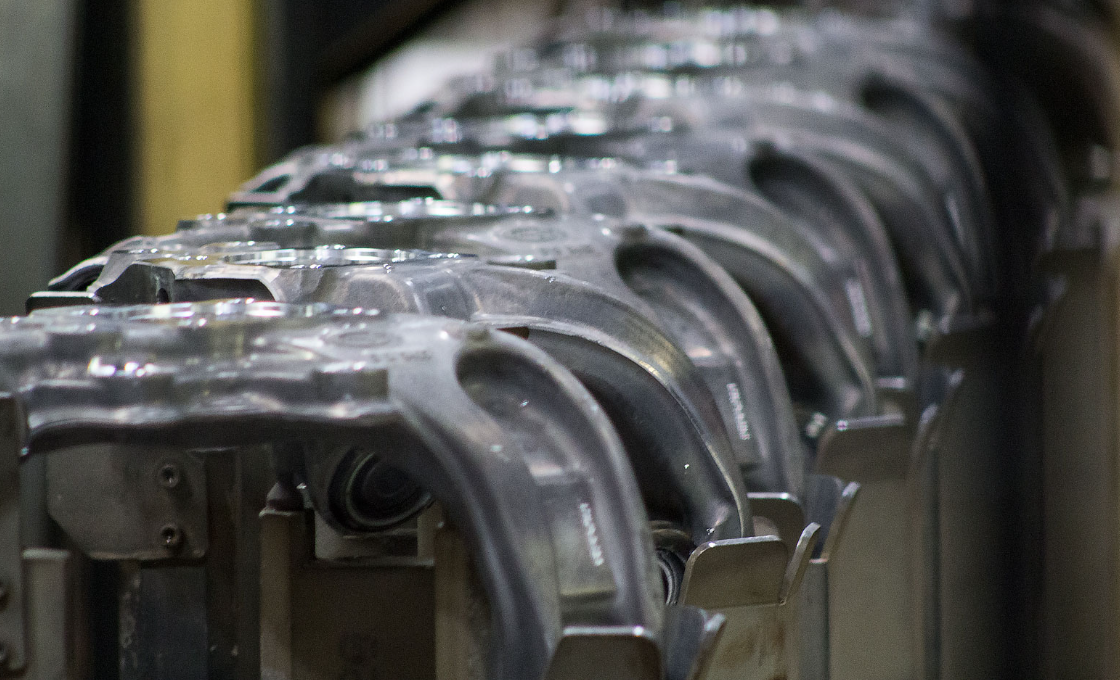
| Automotive | Statistical process control, PPAP documentation, defect prevention, supply chain traceability | IATF 16949, ISO 9001:2015 | Chassis assemblies, transmission components, custom metal bushings, suspension parts, engine housings |
| Aerospace | Full lot traceability, FOD prevention, configuration management, risk documentation | AS9100D, NADCAP (for special processes), ISO 9001:2015 | Turbine blades, structural brackets, flight control components, satellite hardware |
| Medical Devices | Design controls, risk management, biocompatibility documentation, cleanroom capability | ISO 13485, FDA 21 CFR Part 820 compliance | Surgical instruments, implants, diagnostic equipment housings, prosthetic components |
| General Industrial | Dimensional accuracy, material certification, reasonable lead times | ISO 9001:2015 | Hydraulic fittings, machinery housings, custom brackets, production tooling |
Automotive Component Requirements and Standards
Automotive manufacturing operates on razor-thin margins with zero tolerance for defects reaching assembly lines. According to American Micro Industries, IATF 16949 combines ISO 9001 principles with sector-specific requirements for continuous improvement, defect prevention, and stringent supplier oversight. This isn't paperwork for its own sake—it's the infrastructure preventing recalls that cost automakers billions.
What makes automotive machining unique?
- Statistical Process Control (SPC): Critical dimensions monitored in real-time, not just at final inspection. Control charts track variation before it becomes a defect.
- Production Part Approval Process (PPAP): Documented evidence that your supplier's processes consistently produce conforming parts—required before production begins.
- Continuous improvement culture: Suppliers must demonstrate ongoing efforts to reduce variation, not just maintain current performance.
- Supply chain traceability: Every component traceable through the entire manufacturing chain, from raw material to installed part.
Precision CNC machining services play a critical role in supporting complex chassis assemblies and custom metal bushings that demand exceptional dimensional consistency across thousands of units. When tolerances drift even slightly, assembly line stoppages follow—costing automakers tens of thousands of dollars per minute.
For automotive projects requiring rapid turnaround without sacrificing quality, providers like Shaoyi Metal Technology demonstrate what industry-responsive manufacturing looks like. Their one-day lead time capability for high-tolerance automotive components, backed by IATF 16949 certification and strict SPC implementation, addresses the speed demands modern automotive supply chains require.
Medical Device Machining Considerations
Medical device manufacturing operates in an environment where failure isn't measured in warranty claims—it's measured in patient harm. According to Micro-Matics, there is design, art, skill, and incredible precision involved in creating medical devices. Without compromise, most medical devices must be reproducible, reliable, and equipped with specialized customizations to perform intricate tasks.
What separates medical-capable CNC providers from general machine shops?
- Design controls: Documentation demonstrating that devices meet user needs and intended uses throughout the design process
- Risk management: Formal hazard analysis and mitigation documented before production begins
- Biocompatibility awareness: Understanding of material interactions with human tissue and regulatory testing requirements
- Cleanroom or controlled environment capability: Some implants and surgical instruments require contamination-free manufacturing environments
- Complete traceability: Every implant traceable to specific material lots, operators, and process conditions for recall management
According to Micro-Matics, integrating FDA and ISO compliance into the design phase of each component is essential to success. This starts with constructing smart prototypes and choosing materials that meet or exceed regulations while working well within the machining process. Documentation at each stage is critical—not optional.
Swiss machining often rises to prominence in medical applications due to its exceptional precision. Using up to thirteen axes compared to conventional three-axis machines, Swiss machining achieves the tight tolerances and smooth finishes that implants and surgical instruments demand.
Aerospace's Unforgiving Standards
When a single out-of-spec component can ground an aircraft or jeopardize a multi-million-dollar satellite program, aerospace demands documentation and control that seem excessive to other industries. According to Tarvin Precision, AS9100 exists to reduce risk by forcing organizations to treat quality as a controlled system rather than a best-efforts outcome.
Key aerospace requirements include:
- Full lot traceability: Every component trackable to raw material batch, heat treatment lot, and specific work order
- Configuration management: Even minor engineering changes trigger updates across programming, inspection criteria, and process documentation
- Foreign Object Debris (FOD) control: Active procedures for preventing, detecting, and documenting debris removal at every production stage
- Special process accreditation: NADCAP certification often required for heat treating, plating, and nondestructive testing
Aerospace auditors walk the floor picking up traveler cards for random lots, cross-referencing every step and approval. They review risk logs, demand evidence of FOD sweeps, and expect configuration updates to flow from engineering changes down to machine setup and inspection.
General Industrial Applications
Not every machined part flies on aircraft or sits inside human bodies. General industrial applications—hydraulic components, machinery housings, custom tooling—require precision without the documentation overhead of regulated industries.
What matters most for industrial applications?
- Dimensional accuracy: Parts must fit and function as designed
- Material certification: Verification that you received the alloy you specified
- Reasonable lead times: Production equipment can't wait weeks for replacement components
- Cost efficiency: Without regulatory overhead, pricing should reflect simpler requirements
ISO 9001:2015 certification provides sufficient quality assurance for most industrial applications. Shops claiming aerospace or medical capabilities for general industrial work may be adding cost without adding value.
Matching Your Requirements to Provider Capabilities
The critical insight? Industry-specific requirements aren't interchangeable. A shop excellent at high-volume automotive production may lack the documentation systems aerospace demands. A medical device specialist may not offer the competitive pricing general industrial projects require.
When evaluating providers, verify their experience in your specific industry:
- Ask for references from similar applications
- Review sample documentation packages
- Understand which certifications they actively maintain versus merely claim
- Discuss specific compliance requirements your project demands
The right match between your industry requirements and your provider's genuine capabilities determines whether your project succeeds smoothly or struggles through quality escapes, documentation gaps, and costly rework. Choose partners who understand not just how to machine parts, but how to machine parts for your industry's unique demands.
Frequently Asked Questions About CNC Machining Services
1. What is the hourly rate for a CNC machine?
CNC machining hourly rates typically range from $30 to $100+ depending on machine complexity, material being cut, and geographic location. 3-axis machines command lower rates than 5-axis equipment. Expedited orders usually carry 25-100% premium charges. For automotive applications requiring IATF 16949-certified precision, providers like Shaoyi Metal Technology offer competitive rates with one-day lead time capabilities for high-tolerance components.
2. What are CNC machining services?
CNC machining services transform digital CAD designs into physical precision parts using computer-controlled machine tools. These services include milling, turning, drilling, and finishing operations performed on metals and plastics. Full-service providers offer design consultation, material selection guidance, multi-operation capabilities, and quality verification with tolerances often within ±0.001 inches. The process supports everything from single prototypes to high-volume production runs.
3. How much does CNC cutting usually cost?
CNC part costs vary based on complexity, materials, and volume. Simple parts in small runs typically cost $10-$50 per piece, while precision-engineered components may exceed $160 each for low-volume orders. Costs are influenced by tolerance requirements, material selection, machine type needed, and finishing operations. Relaxing non-critical tolerances and using standard materials can significantly reduce per-part pricing.
4. How do I choose the right CNC machining partner?
Evaluate partners based on technical capabilities, quality certifications matching your industry, communication responsiveness, lead time reliability, and pricing transparency. For automotive projects, look for IATF 16949 certification and SPC implementation. Request references from similar applications, review sample documentation, and test communication during the quoting phase. Starting with a prototype project offers the fastest way to verify actual capability before scaling to production.
5. What file formats work best for CNC machining quotes?
STEP files (.STP, .STEP) are the gold standard for CNC machining, preserving solid geometry across CAD/CAM systems. Parasolid (.X_T) files load quickly with precise geometry. Also provide 2D PDF drawings with critical dimensions, tolerances, and surface finish callouts. Include complete material specifications, quantity requirements, and target delivery dates. Complete documentation enables accurate quoting and prevents costly delays during production.