 Small batches, high standards. Our rapid prototyping service makes validation faster and easier —
  EN
EN


CNC Machined Parts Suppliers: What They Hide In Your Quote
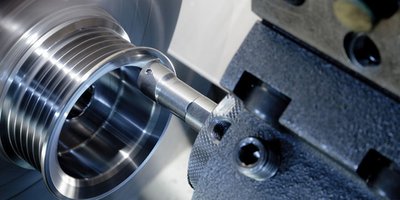
Understanding CNC Machined Parts Suppliers and Their Role in Manufacturing
When you're sourcing precision machining services for your next project, you'll quickly discover that not all suppliers operate the same way. CNC machined parts suppliers serve as critical links in modern manufacturing supply chains, transforming raw materials into the exact components your products require. But here's the thing—choosing the wrong partner can lead to production delays, quality inconsistencies, or unexpected costs buried in your final invoice.
This guide takes a neutral, education-first approach to help you navigate the supplier landscape. No sales pitches here—just practical frameworks and decision-making criteria you can actually use.
What CNC Machined Parts Suppliers Actually Do
At their core, these suppliers use computer-controlled machinery to produce machined parts with exceptional precision and repeatability. But the similarities often end there. Understanding the distinct categories of suppliers helps you match your needs to the right partner:
- Job Shops: These focus on short-run or one-off production, handling a wide variety of cnc machining parts for different customers with little continuity between jobs. They're built for flexibility—not repetition. Perfect for prototypes or small custom batches, but they may lack the systems for scheduled releases or quality control tracking.
- Contract Manufacturers: Designed for repeatable production, these partners build long-term relationships around volume-based work. They offer robust systems for scheduling, quality assurance, and documentation—functioning as true production partners rather than transactional vendors.
- Full-Service Suppliers: Companies that manufacture custom metal parts while also providing design assistance, material sourcing, finishing operations, and assembly services. They streamline your supply chain by consolidating multiple vendor relationships.
CNC machine manufacturers themselves sometimes offer direct machining services, adding another layer to your sourcing options. The key is understanding which model aligns with your production requirements.
Why Supplier Selection Impacts Your Bottom Line
Imagine this scenario: you've found a supplier offering the lowest per-part price, only to face delivery delays that halt your production line. The total cost of ownership quickly exceeds what you would have paid a more reliable partner.
Effective supplier quality management goes beyond price considerations. According to industry quality standards research, transaction costs accumulate and affect procurement expenses significantly. Reliable delivery maintains production schedules and customer satisfaction, while consistent supplier quality ensures process stability.
In industries like automotive, aerospace, and medical devices, the stakes are even higher. Precision machining services must meet exacting specifications where tolerances are measured in thousandths of an inch. A single quality failure can trigger recalls, regulatory issues, or safety concerns.
The Hidden Complexity Behind Sourcing Precision Parts
Sourcing cnc fabrication services involves more variables than most buyers initially realize. Beyond basic machining capabilities, you'll need to evaluate:
- Technical capabilities and equipment sophistication
- Quality certifications relevant to your industry
- Communication responsiveness and project management practices
- Financial stability and business continuity
- Scalability from prototype to production volumes
Throughout this guide, you'll learn concrete evaluation frameworks to assess these factors systematically. We'll decode industry certifications so you know what each actually guarantees. You'll discover how material selection affects both cost and lead time, and gain transparency into what drives CNC machining pricing.
Whether you're evaluating domestic versus overseas options, transitioning from prototype to production, or building long-term strategic partnerships, the following sections provide the decision-making criteria you need. Your goal? Finding suppliers who deliver consistent quality, honest pricing, and genuine partnership value.
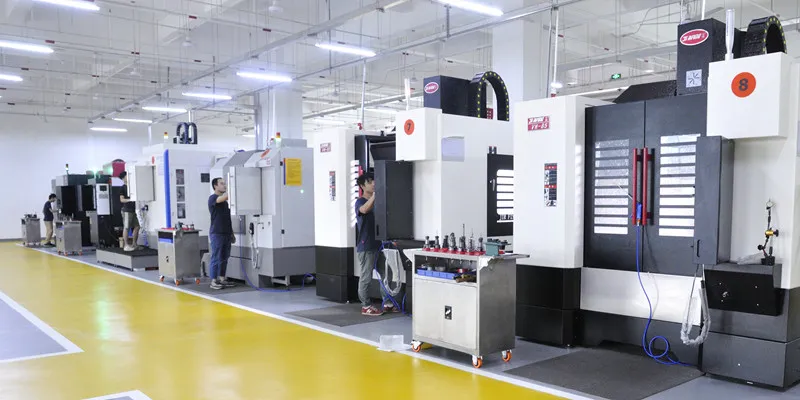
How to Evaluate and Compare CNC Machining Suppliers
You've identified several potential cnc machine shops near me—now what? Without a systematic approach, comparing suppliers becomes guesswork. Some excel at prototyping but struggle with volume. Others offer competitive pricing but lack the quality systems your industry demands. The solution? A structured evaluation framework that reveals what really matters before you commit.
The Five Pillars of Supplier Assessment
Think of supplier evaluation like building a house—you need all five pillars standing strong, or the whole structure becomes unstable. Here's what to assess:
- Technical Capabilities: Does the supplier have the right equipment for your parts? Evaluate their machine types, axis capabilities, tolerance ranges, and material experience. A shop specializing in aluminum prototypes may not suit your high-volume stainless steel production runs.
- Quality Certifications: Certifications like ISO 9001:2015 indicate documented quality management systems. Industry-specific certifications (AS9100D for aerospace, ISO 13485 for medical) demonstrate specialized competence. Missing certifications aren't always disqualifying—but they require deeper investigation into actual quality practices.
- Communication Responsiveness: How quickly do they respond to RFQs? Do they ask clarifying questions about your specifications? Industry experts note that suppliers who consistently respond with "no problem" without substantive feedback may be glossing over important details.
- Financial Stability: A financially unstable supplier poses risks ranging from supply chain disruptions to contract breaches. Request references, check business longevity, and consider requesting financial documentation for critical partnerships.
- Scalability: Can they grow with you? A supplier perfect for 50-piece orders may lack capacity for 5,000-piece runs. Ask about equipment utilization, shift schedules, and expansion plans.
Building Your Evaluation Scorecard
When comparing machining shops near me, a weighted scorecard transforms subjective impressions into objective comparisons. Here's a practical approach:
| Evaluation Criteria | Weight (Example) | Questions to Ask |
|---|---|---|
| Technical Capabilities | 25% | What machines do you use? What tolerances can you hold consistently? |
| Quality Systems | 25% | Which certifications do you maintain? Can we review your quality manual? |
| Communication | 15% | Who will be our primary contact? What's your typical RFQ response time? |
| Financial Stability | 15% | How long have you been in business? Can you provide customer references? |
| Scalability | 20% | What's your current capacity utilization? Can you support volume increases? |
Adjust weights based on your priorities. For low-volume, high-complexity parts, technical capabilities matter most. For high-volume production, scalability and financial stability deserve higher emphasis. When searching for cnc services near me or machining near me, this scorecard helps you compare local machine shops objectively rather than relying on proximity alone.
Whenever possible, request a site visit or virtual facility tour. Seeing equipment firsthand, meeting the team, and observing shop floor organization reveals more than any questionnaire. According to supplier capability assessment documentation, allowing customers and regulatory entities to perform QA audits demonstrates transparency and confidence in quality systems.
Red Flags That Signal Unreliable Suppliers
Sometimes what suppliers don't say matters more than what they do. Watch for these warning signs when evaluating machinist shops near me:
- Vague Lead Time Promises: "We'll get it done as soon as possible" isn't a commitment. Professional suppliers provide specific timelines based on current workload and your order complexity.
- Reluctance to Share References: Established suppliers should readily provide customer references. Hesitation suggests either limited experience or dissatisfied customers.
- Missing or Expired Certifications: Certifications require ongoing audits and investment. Expired certificates may indicate financial difficulties or declining commitment to quality.
- No Written Quality Procedures: Quality systems need documentation. If a supplier can't show you their quality manual or inspection procedures, their processes likely lack consistency.
- Resistance to Facility Tours: Reputable local machine shops welcome customer visits. Excuses about "proprietary processes" often mask disorganization or inadequate equipment.
- Unwillingness to Discuss Corrective Actions: Every shop encounters quality issues. The question is whether they document nonconformances and implement root cause corrective actions. Suppliers who claim they "never have problems" are either dishonest or lack awareness of their own processes.
Remember that evaluation criteria should scale with your order volume and part complexity. A simple bracket in quantities of 100 doesn't require the same scrutiny as a medical implant component in quantities of 10,000. Match your due diligence to your risk exposure—the more critical the part, the more thorough your assessment should be.
Essential Certifications and Quality Standards for CNC Suppliers
You've found a supplier with impressive equipment and competitive pricing. Their website proudly displays certification logos—ISO 9001, AS9100D, maybe even IATF 16949. But here's the uncomfortable truth: a certificate hanging on the wall doesn't guarantee parts arriving to spec. Understanding what each certification actually requires—and how to verify genuine implementation—separates informed buyers from those who learn expensive lessons.
Decoding Industry Certifications
Certifications serve as third-party validation that a supplier maintains documented quality management systems. Each standard addresses specific requirements, and knowing what they cover helps you ask the right questions. Here's what the major certifications actually mean:
| Certification | Industry Focus | Key Requirements | Buyer Protection |
|---|---|---|---|
| ISO 9001:2015 | General Manufacturing | Documented QMS, process controls, continuous improvement, customer focus | Baseline quality systems; ensures basic process documentation and corrective action procedures |
| ISO 13485 | Medical Devices | Risk management integration, enhanced traceability, regulatory compliance focus, post-market surveillance | Medical machining components meet safety and regulatory requirements for device manufacturing |
| IATF 16949 | Automotive | Defect prevention, variation reduction, APQP/PPAP processes, supply chain management | Precision cnc machining parts meet strict automotive quality and delivery standards |
| AS9100D | Aerospace | Configuration management, first article inspection requirements, counterfeit parts prevention, operator qualification | Aerospace cnc machining components meet flight-critical safety and traceability requirements |
| ITAR Registration | Defense | Export control compliance, data security, personnel screening, restricted access protocols | Defense-related projects maintain compliance with U.S. export regulations |
Notice that each certification builds on foundational quality principles while adding industry-specific controls. According to NSF certification guidance, organizations with existing IATF 16949 or AS9100 certifications already have strong foundations—leadership commitment, resource management, operational control, and performance evaluation systems—that translate across industries.
Which Certifications Matter for Your Industry
Choosing cnc milling companies with appropriate certifications depends entirely on your application. Here's how to match certification requirements to your needs:
- General Industrial Components: ISO 9001:2015 provides adequate baseline assurance for non-regulated applications. It confirms the supplier documents their processes and maintains records.
- Medical Device Components: ISO 13485 is essential. Unlike ISO 9001's focus on customer satisfaction and continuous improvement, ISO 13485 emphasizes regulatory compliance and risk management throughout the product lifecycle. The FDA has aligned its requirements with ISO 13485, with full enforcement of the Quality Management System Regulation (QMSR) beginning February 2026.
- Automotive Applications: IATF 16949 goes beyond basic quality management to require specific methodologies like Advanced Product Quality Planning (APQP) and Production Part Approval Process (PPAP). These ensure precision cnc machining services deliver consistent results across high-volume production.
- Aerospace and Defense: AS9100D certification adds critical requirements for configuration management and counterfeit parts prevention. For defense contracts involving controlled technical data, ITAR registration becomes mandatory—not optional.
Contract machining services serving multiple industries sometimes maintain multiple certifications. This demonstrates broader quality system maturity and the ability to meet varied customer requirements.
Beyond the Certificate - Verifying Quality Systems
Here's where many buyers make costly mistakes. A supplier audit case study illustrates the danger perfectly: a medical device component supplier displayed a pristine ISO 13485 certificate. On paper, they were perfect. But when asked to produce complete traceability records for a random production batch from the previous week, it took them two days to piece together incomplete and contradictory documents. Their quality system was an illusion—binders on a shelf rather than daily practice.
The lesson? The proof is in the execution, not the certification.
Here's how to verify that precision cnc machining services actually implement their documented systems:
- Request Random Documentation: Ask to see the complete documentation trail for a recent production run—not a prepared sample. Speed and completeness reveal how embedded the quality system really is.
- Verify Certification Currency: Certifications require periodic surveillance audits (typically annual) and full recertification every three years. Request the certificate issue date and audit schedule. Expired or lapsing certifications indicate potential problems.
- Check the Certification Body: Legitimate certifications come from accredited registrars. Verify the certification body is accredited by recognized authorities (ANAB in the United States, UKAS in the UK, for example).
- Ask About Nonconformances: Every production environment encounters quality issues. Ask how they document nonconformances, conduct root cause analysis, and implement corrective actions. Suppliers claiming they "never have problems" lack either honesty or awareness.
- Review Management Review Records: Certified quality systems require regular management reviews analyzing quality data and driving improvements. Request evidence of recent management reviews to confirm leadership engagement.
As quality assurance research confirms, quality costs money—but poor quality costs far more. A systematic approach to verifying supplier quality systems protects you from discovering problems after parts arrive. Whether you're sourcing medical machining components requiring full traceability or high-volume automotive parts demanding consistent tolerances, certification verification should be standard practice in your evaluation process.
With certifications properly understood, the next critical factor in supplier selection becomes material capabilities—and knowing which material grades actually suit your application requirements.
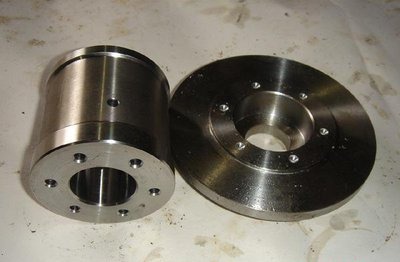
Material Selection Guide for CNC Machined Components
You've verified certifications and assessed quality systems—now comes a decision that directly impacts your project's cost, lead time, and performance: material selection. Here's the reality most suppliers won't volunteer: requesting the wrong material grade can inflate your quote by 30% or more, extend lead times by weeks, or result in parts that fail in service. Understanding material properties empowers you to specify smartly and recognize when a supplier's material recommendation serves your interests—or theirs.
Aluminum Alloys - Choosing Between 6061 and 7075
Aluminum dominates CNC machining for good reason: excellent machinability, favorable strength-to-weight ratio, and corrosion resistance. But specifying "aluminum" without a grade is like ordering "steel"—you'll get something, but probably not what you need. The two most common grades present a classic trade-off.
According to metallurgical analysis, 6061 aluminum contains approximately 1% magnesium and silicon, providing good formability and machinability. Meanwhile, 7075 aluminum contains 5.6-6.1% zinc along with magnesium and copper, delivering significantly higher strength—but at a cost.
| Property | 6061-T6 | 7075-T6 | Impact on Your Project |
|---|---|---|---|
| Tensile Strength (MPa) | 310 | 570 | 7075 handles nearly 84% higher loads |
| Yield Strength (MPa) | 270 | 490 | 7075 resists permanent deformation better |
| Hardness (BHN) | 95 | 150 | 7075 provides superior wear resistance |
| Corrosion Resistance | Good | Moderate | 6061 forms more robust protective oxide layer |
| Machinability | Excellent | Good | 6061 machines faster with less tool wear |
| Relative Cost | Lower | 20-35% Higher | 7075 premium adds up on large orders |
So when does each grade make sense? Choose 6061 aluminum for general structural components, marine applications requiring corrosion resistance, bicycle frames, or any application where moderate strength suffices. The cost savings and faster machining translate to quicker delivery and lower quotes.
Reserve 7075 aluminum for aerospace structures, high-performance automotive components, military applications, or anywhere exceptional strength-to-weight ratio justifies the premium. If your parts face fatigue loading or impact stresses, 7075's superior performance often outweighs the added expense.
Stainless Steel Grades for Different Environments
Stainless steel selection confuses many buyers because the grades look similar on paper but behave dramatically differently in production and service. Material selection research reveals the critical distinctions between 303, 304, and 316 grades.
| Grade | Key Alloying Element | Machinability | Corrosion Resistance | Weldability | Best Applications |
|---|---|---|---|---|---|
| 303 | Sulfur (0.15-0.35%) | Excellent | Moderate | Poor | High-volume machined parts, fittings, shafts |
| 304 | Chromium (18-20%) | Good | Good | Excellent | General purpose, food equipment, architectural |
| 316 | Molybdenum (2-3%) | Good | Excellent | Excellent | Marine, chemical processing, medical implants |
The sulfur in Grade 303 forms manganese sulfide inclusions that act as chip breakers during machining. This allows cutting speeds 50-70% faster than 304—a factor that dramatically reduces production costs on complex, high-volume parts. However, that same sulfur makes 303 virtually unweldable and reduces corrosion resistance.
Grade 304 offers the versatile middle ground: good corrosion resistance, excellent weldability, and reasonable machining characteristics. It's the workhorse for general-purpose applications where neither extreme machinability nor extreme corrosion resistance is required.
Grade 316 earns its premium through molybdenum content, which increases the Pitting Resistance Equivalent Number (PREN) by roughly 40% compared to 304. For marine environments, chemical exposure, or medical applications, 316 prevents the premature failure that cheaper grades would experience.
Beyond stainless steel, machining bronze and brass provides excellent options for wear-resistant components, bearings, and decorative applications. CNC machining bronze delivers superior machinability and natural lubricity, making bronze CNC parts ideal for bushings and sliding surfaces. Brass offers similar benefits with better corrosion resistance for plumbing and marine fittings.
Engineering Plastics and When to Use Them
Engineering plastics offer advantages metals simply can't match: lighter weight, natural corrosion resistance, electrical insulation, and often lower machining costs. Plastic machining guidance confirms that plastics generally machine at higher speeds with less tool wear—but each material presents unique considerations.
Delrin plastic (also called acetal or POM) stands out for dimensional stability, low friction, and excellent machinability. Delrin material maintains tight tolerances and resists moisture absorption, making it ideal for gears, bearings, and precision mechanical components. When suppliers recommend delrin for moving parts, they're usually giving you solid advice.
Machining nylon requires understanding its moisture sensitivity. Nylon for machining absorbs water from the atmosphere, causing dimensional changes that can throw off tight tolerances. For applications requiring nylon's toughness and wear resistance, specify the grade carefully and consider environmental conditions during service.
CNC polycarbonate delivers exceptional impact resistance and optical clarity—properties that make it perfect for safety shields, lenses, and transparent enclosures. However, polycarbonate scratches easily and requires careful handling during machining to prevent stress cracking.
Other common options include PEEK for extreme temperature and chemical resistance, PTFE (Teflon) for the lowest friction coefficient, and ABS for cost-effective general-purpose parts.
How Material Selection Affects Your Quote
Material choice ripples through every aspect of your supplier quote:
- Raw Material Cost: 7075 aluminum runs 20-35% more than 6061. 316 stainless costs significantly more than 304. Specialty plastics like PEEK can exceed some metals in price.
- Machining Time: Difficult-to-machine materials like 316 stainless require slower feeds and speeds, increasing cycle time and cost. Materials optimized for machining—like 303 stainless or delrin—machine faster, reducing your per-part price.
- Tooling Wear: Abrasive materials accelerate tool wear, adding indirect costs that suppliers factor into quotes. Reinforced plastics with glass or carbon fiber are particularly hard on tooling.
- Lead Time: Common grades ship quickly from distributors. Specialty alloys or unusual plastic grades may require longer procurement times, delaying your project start.
- Supplier Capabilities: Not every shop machines every material. Suppliers optimized for aluminum may lack experience with titanium or exotic plastics. Matching material to supplier expertise ensures better results.
For regulated industries—medical devices, aerospace, automotive—material certifications and traceability become non-negotiable. Expect to receive mill certifications documenting material composition and properties. For medical machining or aerospace applications, complete traceability from raw material through finished part protects both you and your supplier from compliance failures.
Armed with material knowledge, you're ready to evaluate another critical transition: how supplier requirements shift as you move from prototype quantities to full production volumes.
Navigating Prototype to Production Volume Transitions
Here's a scenario that catches many buyers off guard: your cnc prototyping partner delivered flawless samples in five days. You place a production order for 5,000 units—and suddenly lead times stretch to twelve weeks, pricing per part doubles, and quality becomes inconsistent. What happened? You discovered the hard way that prototype suppliers and production partners operate under fundamentally different business models.
Understanding how supplier requirements shift across production stages prevents costly surprises and positions you to build a supply chain that scales with your business.
Prototype Suppliers vs Production Partners
Think of cnc prototype manufacturers as sprinters—optimized for speed and flexibility on small batches. Production facilities are marathon runners—built for endurance, consistency, and efficiency at scale. Each excels in their domain but struggles outside it.
Rapid prototyping specialists typically operate with:
- Minimal Setup Optimization: They prioritize getting your parts made quickly rather than optimizing machine setup for efficiency. This works perfectly for one-off custom machined parts but becomes expensive at volume.
- Flexible Scheduling: Small orders slot between larger jobs, enabling fast turnaround. But this same flexibility means your production run competes with dozens of other customers' urgent prototypes.
- Generalist Equipment: Prototype shops often run versatile 3-axis or 5-axis machines capable of handling diverse geometries. High-volume production benefits from dedicated fixturing and specialized equipment.
- Manual Inspection: Checking ten parts manually is practical. Inspecting 10,000 requires statistical process control and automated measurement systems most prototype shops lack.
According to manufacturing transition research, there can be significant differences between engineering a product for prototype and engineering the product for manufacturing. Good manufacturing partners should bring design for manufacturability (DFM) and design for supply chain (DfSC) expertise to help bridge this gap.
Production partners, by contrast, invest in:
- Process Optimization: Dedicated tooling, optimized feeds and speeds, and refined fixturing reduce cycle times and cost per part.
- Capacity Planning: Scheduled production runs with predictable output rates support your inventory planning.
- Statistical Quality Control: SPC systems catch process drift before it creates defective cnc machined parts, maintaining consistency across thousands of units.
- Large CNC Machining Capabilities: Production facilities often feature larger machines, multiple identical setups, and automation that prototype shops simply don't need.
Scaling from One Part to One Million
The transition from machining parts in prototype quantities to volume production involves more than just increasing order size. Industry experts note that manufacturing at low volume serves as a critical step to bridge the gap between prototyping and full-scale production—it helps catch design, manufacturing, or quality issues before they become expensive at scale.
Here's how key factors shift across production stages:
| Factor | Prototype Stage | Low-Volume Production | Mass Production |
|---|---|---|---|
| Typical Quantities | 1-50 parts | 50-10,000 parts | 10,000+ parts |
| Lead Time Priority | Speed over efficiency | Balance of both | Efficiency over speed |
| Pricing Structure | Higher per-part cost; minimal setup amortization | Moderate per-part cost; setup spreads across volume | Lowest per-part cost; optimized processes |
| Quality Approach | 100% inspection common | First article + sampling | SPC with sampling plans |
| Tooling Investment | Standard off-the-shelf | Some custom fixtures | Dedicated tooling and fixtures |
| Documentation | Basic inspection reports | FAI, capability studies | Full PPAP packages, ongoing SPC data |
Minimum order quantity (MOQ) requirements reflect these different operating models. Supplier selection research confirms that the right machining shop has no fixed MOQ—this number should vary depending on the material, volume, price per part, and delivery times. When evaluating suppliers, ensure they offer services spanning low-volume manufacturing, prototyping, and bridge production.
Low-volume production—typically ranging from tens to hundreds of thousands of units depending on the product—offers particular advantages for scaling. Companies can produce on-demand based on actual needs, reducing lengthy production cycles and associated costs while mitigating risks of overproduction.
When to Switch Suppliers as Volume Grows
Switching suppliers mid-program introduces risk: new learning curves, potential quality variations, and relationship-building overhead. Yet staying with the wrong supplier as volumes increase can cost you significantly more. How do you decide?
Before committing to any supplier relationship, ask these scaling capability questions:
- What is your current capacity utilization, and how would my production volumes fit into your schedule?
- At what volume levels do your pricing structures change significantly?
- Can you demonstrate experience with production quantities similar to my projected needs?
- What quality systems do you implement as volumes increase (SPC, automated inspection, capability studies)?
- How do your lead times change between prototype quantities and production runs?
- Do you have experience with design for manufacturability feedback that optimizes parts for production?
- What documentation packages can you provide at production volumes (PPAP, capability reports, SPC data)?
The ideal scenario? Finding suppliers who handle both cnc prototyping and production to maintain consistency throughout your product lifecycle. As manufacturing experts explain, working with an experienced manufacturing partner from the outset offers a streamlined path for parts procurement through the product development process and helps mitigate risk down the road.
This continuity matters because suppliers who understand your prototype's design intent can better optimize for production. They've already identified potential issues, understand your tolerance requirements, and have institutional knowledge of your project. Switching suppliers means rebuilding that knowledge base from scratch.
However, sometimes switching makes strategic sense:
- Capacity Constraints: Your prototype partner simply cannot scale to meet your volume requirements.
- Cost Structure Mismatch: Their overhead model doesn't support competitive pricing at production volumes.
- Missing Certifications: Production volumes in regulated industries may require certifications your prototype supplier lacks.
- Geographic Considerations: Large cnc machining facilities closer to your assembly operations may reduce logistics costs at scale.
When you do transition suppliers, treat the first production run as a validation phase. Implement first article inspection protocols, compare results against prototype specifications, and establish clear quality benchmarks before ramping to full volume.
With your scaling strategy defined, the next critical question becomes understanding exactly what drives the pricing you'll see in supplier quotes—and spotting the hidden costs that can inflate your final bill.
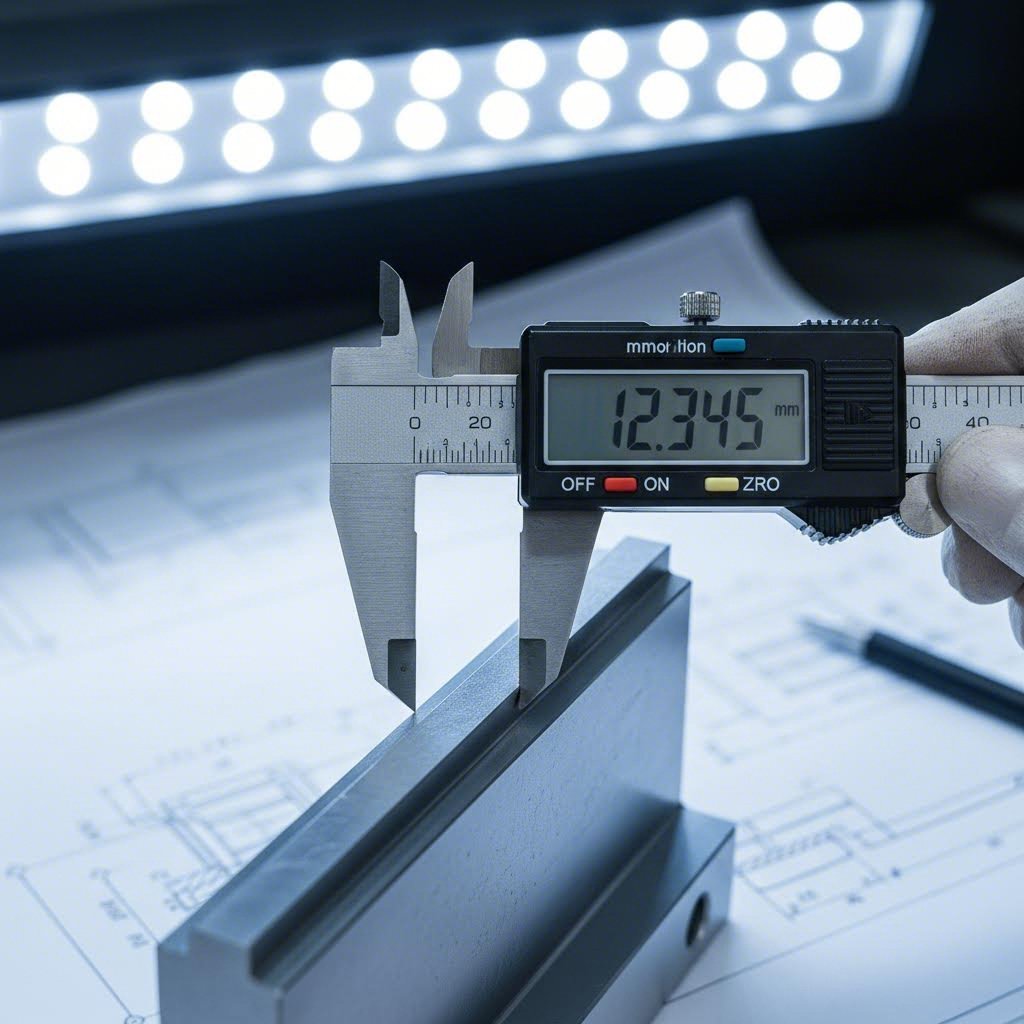
Understanding CNC Machining Pricing and Quote Comparison
You've received three quotes for the same cnc machining part. One comes in at $15 per unit, another at $28, and the third at $42. Which represents the best value? Here's the uncomfortable reality: that $15 quote might cost you twice as much as the $42 option once hidden fees, quality issues, and delays factor in. Understanding what actually drives CNC machining costs—and what suppliers conveniently leave off the initial quote—transforms you from a price-taker into an informed negotiator.
What Actually Drives CNC Machining Costs
Before you can evaluate quotes fairly, you need to understand the cost components every supplier considers. According to manufacturing cost analysis, CNC machining costs break down into several interconnected factors:
- Material Costs: Raw material represents a significant portion of your quote. Beyond the base material price, suppliers factor in waste—CNC is subtractive manufacturing, meaning excess material gets cut away and often cannot be reused. Expensive materials like titanium or PEEK amplify this waste cost dramatically.
- Machine Time: CNC machines operate at hourly rates that vary significantly by capability. Three-axis machines typically run around $40/hour, while five-axis equipment commands $75-120/hour. Complex geometries requiring advanced machines multiply your costs accordingly.
- Setup Charges: Every production run requires machine setup—loading programs, installing tooling, securing fixtures, and running test cuts. These non-recurring costs get amortized across your order quantity. Order 10 parts, and setup might add $50 per piece. Order 1,000, and that same setup adds pennies.
- Tooling: Standard cutting tools handle most jobs, but complex features may require custom tooling. Specialty cutters, custom fixtures, or unique jigs add costs that appear as line items—or get buried in higher per-part pricing.
- Finishing Operations: Your parts rarely leave the machine ready for use. Deburring, surface finishing, heat treatment, and coatings each add cost. Anodizing runs $3-12 per part; electroplating can reach $30 or more.
- Inspection Requirements: Quality verification costs money. Basic dimensional checks add minimal overhead, but comprehensive CMM inspection, first article reports, or capability studies for each cnc cut increase your total significantly.
When comparing quotes, ensure you're comparing equivalent specifications across all these factors. A supplier quoting lower on material costs but assuming minimal inspection will look cheaper—until quality issues emerge.
Reading Between the Lines of Supplier Quotes
A professional quote should provide transparency, not surprises. Before requesting quotes, prepare this information to ensure accurate, comparable pricing:
- Complete CAD files (STEP or IGES format preferred) with all features clearly defined
- Material specification including grade (e.g., "6061-T6 aluminum" not just "aluminum")
- Tolerance requirements with critical dimensions clearly identified
- Surface finish specifications (Ra values for critical surfaces)
- Quantity requirements including potential future volumes
- Required delivery date and shipping destination
- Any secondary operations (heat treatment, plating, assembly)
- Quality documentation requirements (inspection reports, certifications)
Many buyers now use cnc quote online systems to generate initial pricing. These online machining quotes provide quick estimates but may miss nuances that manual review catches. For complex parts, follow up automated quotes with direct supplier communication.
Here's what a professional quote should explicitly include:
- Unit price and total price clearly separated
- Material specification and source
- Tolerance capability confirmation
- Lead time from order confirmation
- Setup or NRE (non-recurring engineering) charges itemized
- Finishing operations specified
- Inspection and documentation included
- Payment terms and validity period
When items are missing or vague, ask directly. Total cost of ownership research confirms that the fundamental flaw in price-tag-only analysis is treating manufacturing as a simple transaction—it's a process, and unclear quotes hide process costs you'll eventually pay.
How Tolerance Specifications Affect Your Quote
Nothing inflates CNC machining costs faster than unnecessarily tight tolerances. Precision manufacturing research reveals that moving from ±0.05 mm to ±0.02 mm may raise costs by around 50%—but going further from ±0.02 mm to ±0.01 mm can multiply costs several times.
Why does this happen? Tighter tolerances require:
- Slower cutting speeds and lighter cnc cuts to prevent deflection
- More sophisticated (expensive) machines with higher precision
- Additional inspection time with precision measurement equipment
- Higher scrap rates when parts drift out of specification
- Climate-controlled environments for the tightest specifications
The machinist metal cost escalates non-linearly because you cross process-capability thresholds. A standard CNC mill holds ±0.05 mm routinely. Achieving ±0.01 mm may require grinding, temperature compensation, and multiple verification steps.
The solution? Apply tight tolerances only where function demands them. As one industry study notes: "The most expensive tolerance is often the one that doesn't add functional benefit." Review your drawings and ask: does this dimension actually need to be this precise?
Hidden Costs That Inflate Your Final Bill
The quoted price rarely equals your final invoice. Watch for these common additions that suppliers may not mention upfront:
- Expedite Fees: Need parts faster than standard lead time? Rush charges of 25-50% are common. Some suppliers quote aggressive lead times knowing you'll pay expedite fees when reality hits.
- Packaging Costs: Standard packaging is typically included, but protective packaging adds up. Wooden crates run $50-500+ depending on size; custom machine flight cases reach $800-2,000 or more.
- Shipping and Duties: Domestic shipping may be included or added. International orders face customs duties of 5-20% depending on destination country regulations.
- Material Certification: Standard material may be quoted, but certified material with full traceability for regulated industries costs more.
- Documentation Fees: Basic inspection reports may be included, but comprehensive first article inspection packages or PPAP documentation often carry separate charges.
- Minimum Order Surcharges: Order below a supplier's efficient production threshold, and you may face small-lot surcharges that negate apparent per-part savings.
- Revision Charges: Design changes after quoting trigger re-quoting fees or NRE charges for programming and setup modifications.
When evaluating a custom machine part quote, request a complete cost breakdown including all potential additions. Honest suppliers appreciate informed buyers and will clarify what's included versus extra.
Why the Lowest Quote May Cost You More
According to quality cost research, the Cost of Poor Quality (COPQ) can reach 15-25% of annual sales for companies choosing suppliers based primarily on price. These costs hide in:
- Scrap and Rework: Parts arriving out of tolerance require sorting, rework, or replacement. A 10% scrap rate on a $42,500 order instantly adds $4,250 to your "true cost."
- Engineering Overhead: Managing problematic suppliers consumes your team's time. A senior engineer's loaded hourly rate easily exceeds $100. Spending just 10 extra hours managing supplier issues costs $1,000 in pure overhead.
- Project Delays: Late deliveries cascade through your production schedule, potentially delaying product launches, incurring air freight premiums, or requiring safety stock investments.
As quality pioneer Dr. W. Edwards Deming stated: "A rule that says 'give the business to the lowest bidder' will result in poor quality and high cost."
The lowest quote often signals one of several problems: the supplier misunderstood your requirements, they're buying the business with an unsustainable price, their quality systems can't support your specifications, or hidden costs will appear later. Compare total cost of ownership—not just the number on page one.
With pricing dynamics now transparent, the next strategic decision involves geographic sourcing: when does domestic manufacturing justify premium pricing, and when do overseas suppliers deliver genuine value?
Domestic vs Overseas CNC Suppliers and Total Cost Analysis
That attractive $8-per-hour machining rate from an overseas supplier looks compelling on paper. But here's what experienced procurement managers discover—often too late: the quoted unit price represents just the tip of the iceberg. Beneath the surface lurk shipping costs, tariffs, quality management overhead, and risks that can transform apparent savings into expensive lessons. Whether you're searching for cnc machining near me or evaluating global options, understanding the true trade-offs empowers smarter sourcing decisions.
The True Cost of Offshore Manufacturing
The math seems straightforward at first. According to sourcing research, average CNC machining shop rates in the US range from $50 to $100 per hour, while Chinese suppliers might quote $8 to $30 per hour. That's a compelling gap—until you calculate what economists call Total Cost of Ownership (TCO).
The basic landed cost calculation includes:
- Unit price from the supplier
- International shipping and freight forwarding fees
- Customs duties and Section 301 tariffs (currently 25% on many Chinese goods)
- Insurance and handling charges
But landed cost still understates true expenses. The comprehensive TCO formula adds:
- Hidden Management Costs: How many hours will your engineers spend in late-night video calls? How many back-and-forth emails will it take to clarify a 0.05mm tolerance, potentially losing meaning in translation? This internal staff time is a real, measurable cost.
- Risk Costs: The financial impact of what could go wrong—rework expenses for out-of-spec parts, emergency air freight when ocean shipments miss deadlines, and production line disruptions from quality failures.
- Inventory Carrying Costs: Longer lead times from overseas suppliers require larger safety stock. Carrying 12 weeks of inventory instead of 3 weeks ties up capital and warehouse space.
As Rosemary Coates, Executive Director of the Reshoring Institute, puts it: "The procurement process has historically been based on piece price, but that's a fatal flaw. When you factor in the 25% tariffs, rising transportation costs, [and] risks... the 'low piece price' from China often results in a higher Total Cost of Ownership."
Consider a real-world scenario: A company sources machined components at $15 per unit from China versus $28 domestically. The $13 savings per part seems significant. But add 25% tariffs ($3.75), international shipping ($2.50 per part amortized), quality inspection travel ($1.00 per part), and occasional rework costs ($2.00 per part average)—suddenly the overseas option costs $24.25 versus $28 domestic. The gap shrinks to under 14%, while risks remain elevated.
When Domestic Sourcing Makes Financial Sense
For buyers searching for a cnc shop near me or machinist near me, local sourcing offers advantages that transcend simple cost comparisons. Industry analysis confirms that domestic machining provides superior quality assurance, greater supply chain control, and faster turnarounds—though usually at higher upfront prices.
Domestic suppliers excel in these scenarios:
- Time-Critical Projects: A domestic machine shop can turn around parts in days or weeks. Offshore production adds 6-8 weeks minimum for ocean freight, customs clearance, and logistics. When speed-to-market matters, cnc machining usa sources deliver.
- Low-Volume, High-Mix Production: Overseas suppliers often require large minimum order quantities to justify international shipping economics. Local shops handle small batches efficiently without forcing you to carry excess inventory.
- Complex Quality Requirements: When parts require tight tolerances, regulatory documentation, or iterative refinement, proximity enables collaboration. A 10-minute phone call resolves issues faster than a 3-day email chain across 12 time zones.
- Intellectual Property Sensitivity: For proprietary designs, domestic manufacturing offers stronger IP protection. U.S. legal frameworks provide recourse that overseas jurisdictions may not honor.
- Regulated Industries: Medical devices, aerospace components, and defense applications often require domestic manufacturing for compliance, traceability, and audit accessibility.
The cost predictability advantage deserves emphasis. When working with custom cnc machining near me suppliers, the quoted price generally reflects the final landed cost. No surprise tariffs, no volatile international freight rates, and minimal management overhead eroding your projected savings.
Comparing Domestic and Overseas Suppliers
To make data-driven decisions, evaluate suppliers across all critical factors—not just unit price:
| Factor | Domestic (US) Suppliers | Overseas (China) Suppliers |
|---|---|---|
| Unit Price | Higher ($50-100/hour shop rate) | Lower ($8-30/hour shop rate) |
| Tariffs & Duties | None | 25% Section 301 tariffs on many goods |
| Shipping Time | Days to 2 weeks | 6-10 weeks (ocean freight) |
| Shipping Cost | Lower, predictable | Higher, volatile |
| Communication | Same time zone, language, culture | 12+ hour time difference, potential language barriers |
| Quality Oversight | Easy site visits, direct collaboration | Remote management, third-party inspection |
| Minimum Order Quantity | Often flexible, low minimums | Higher minimums typical |
| IP Protection | Strong legal framework | Higher risk, requires proactive protection |
| Supply Chain Risk | Lower disruption exposure | Vulnerable to geopolitical events, port congestion |
| Scalability | Capacity constraints possible | Massive scaling capability |
Where does offshore sourcing genuinely make sense? High-volume, stable production runs where designs are finalized and quality requirements are well-documented. China's manufacturing ecosystem excels at rapid scaling—moving from prototype to 50,000 units with velocity that domestic shops often cannot match. If your parts are non-critical, tolerances are moderate, and you can carry sufficient inventory to buffer long lead times, the cost advantages may justify the complexity.
Building a Balanced Supplier Network
The most sophisticated procurement teams have moved beyond the binary "domestic or overseas" decision. According to nearshoring research, today's strategic approach involves building resilient, diversified supply networks that leverage the strengths of multiple geographic options.
The "China + 1" strategy has gained significant traction—maintaining overseas capacity while developing alternative sources to hedge against disruption. This might involve:
- Keeping high-volume, cost-sensitive production with established overseas partners
- Developing domestic or nearshore sources for critical components, prototypes, and time-sensitive orders
- Qualifying backup suppliers in different regions to prevent single-source dependency
Nearshoring—locating production in geographically closer regions like Mexico or other Latin American countries—offers a middle path. Benefits include:
- Geographic Proximity: Shorter shipping distances reduce transit time and freight costs compared to trans-Pacific routes.
- Time Zone Alignment: Same or similar time zones enable real-time collaboration without midnight conference calls.
- Trade Agreements: USMCA provisions can eliminate tariffs that apply to Asian-sourced goods.
- Cultural Compatibility: Closer cultural alignment can reduce communication friction.
Your final sourcing framework should match supplier geography to project requirements:
- Prototypes and urgent orders: Domestic or local suppliers for speed and collaboration
- Bridge production and medium volumes: Nearshore partners balancing cost and responsiveness
- High-volume stable production: Offshore suppliers where cost advantages are maximized and risks are manageable
- Critical and regulated components: Domestic sources for compliance, IP protection, and quality assurance
By adopting this flexible, hybrid approach, you transform from a simple cost-cutter into a strategic manager of a resilient global supply chain. The goal isn't finding the cheapest option—it's optimizing total value while managing risk across your entire supplier network.
With geographic sourcing strategy clarified, the next essential consideration becomes quality assurance: what inspection methods and documentation should you expect from reputable suppliers?

Quality Assurance and Inspection Standards to Expect
You've negotiated pricing, selected materials, and confirmed lead times. But here's where many buyers get blindsided: parts arrive looking correct, pass a quick visual check, and then fail in your assembly or—worse—in the field. The difference between suppliers who deliver consistent quality and those who ship problems comes down to their inspection methods and quality systems. Understanding what to expect—and demand—from reputable cnc machined parts suppliers protects you from becoming another cautionary tale.
Inspection Methods That Protect Your Quality
Quality doesn't happen by accident. According to precision machining specialists, inspection must be woven into every production stage—not just performed at the end when problems are already built into your parts. Here's what a robust inspection process looks like:
- First Article Inspection (FAI): Before production ramps up, the initial parts receive comprehensive verification against all drawing specifications. Every dimension gets measured and documented. This deep-dive review catches programming errors, fixture problems, or material issues before they multiply across your entire order.
- In-Process Checks: CNC turning and cnc cutting operations involve tool wear, thermal expansion, and machine drift. Reputable suppliers perform inline inspections at the machine, catching deviations before they cascade into scrap. Operators verify critical dimensions during production—not after 500 parts have already been machined.
- CMM Measurement: Coordinate Measuring Machines provide micron-level accuracy for complex geometries. A cnc cutting machine can hold tight tolerances, but proving those tolerances requires precision measurement equipment. CMMs touch probe across dozens of points, generating comprehensive dimensional reports that manual gauging simply cannot match.
- Final Validation: Every completed lot should undergo final inspection before shipping. This includes dimensional verification, surface finish checks, visual inspection for defects, and confirmation that all required documentation is complete.
For high-stakes components, expect 100% inspection of critical features. A reliable cnc turning service won't assume parts are good—they verify. Swiss machining operations, which produce intricate small-diameter components, particularly benefit from automated vision systems that scan parts faster than human inspectors while catching microscopic defects.
Statistical Process Control Explained
Inspecting every dimension on every part works for prototypes. But what about production runs of 10,000 units? This is where Statistical Process Control (SPC) becomes essential for metal machining operations at scale.
Manufacturing process research explains that a statistically capable process produces parts where the chance of an out-of-tolerance dimension is extremely remote. Instead of hoping parts are good, SPC proves they are through data.
Here's how it works in practice:
- Process Capability Studies: Before production, suppliers run sample batches (typically 25-30 parts) to calculate capability indices. A Cp of 1.33 means the tolerance is about 35% of the process variation—indicating only about 1 in 16,000 parts would statistically fall outside specification.
- Real-Time Monitoring: During production, operators measure samples at regular intervals and plot results on control charts. These charts reveal trends—like gradual tool wear—before they cause out-of-spec parts.
- Cpk Tracking: While Cp measures process capability, Cpk accounts for how well the process is centered on target. A process might be capable (high Cp) but poorly targeted (low Cpk). Both metrics matter for cnc precision machining parts.
Why does this matter to you? According to quality control specialists, quality cannot be "tested into" a product—it must be built in through capable, controlled processes. Suppliers using SPC catch problems as they develop, not after your parts are boxed and shipped. Ask potential suppliers about their capability indices for critical dimensions. If they look confused, their quality system likely relies on hope rather than data.
Documentation Requirements for Regulated Industries
For medical devices, aerospace components, and automotive applications, quality documentation isn't optional—it's mandatory. Industry standards require that every machined part has a complete paper trail from raw material to finished component.
When evaluating suppliers for cnc precision machining parts in regulated industries, request these quality documents:
- Material Certifications: Mill test reports documenting material composition, heat lot, and mechanical properties. Essential for traceability if issues emerge.
- First Article Inspection Reports: Complete dimensional layouts of initial production samples verifying all print specifications are met.
- In-Process Inspection Records: Documentation showing ongoing verification during production runs.
- Final Inspection Reports: Confirmation that shipped parts meet all requirements with actual measured values.
- Certificates of Conformance: Supplier attestation that parts meet drawing and specification requirements.
- SPC Data and Capability Studies: Statistical evidence demonstrating process stability for production quantities.
- Nonconformance Reports: Documentation of any deviations discovered and corrective actions taken.
Traceability requirements deserve special attention. For aerospace and medical machining, every part must trace back to specific material lots, machine operations, operators, and inspection records. This chain of custody enables root cause analysis if field failures occur and demonstrates regulatory compliance during audits.
Quality management documentation like the Production Part Approval Process (PPAP) formalizes this traceability. A complete PPAP package includes design records, process flow diagrams, control plans, measurement system analysis, dimensional results, material certifications, and a signed Part Submission Warrant confirming everything meets requirements.
Your quality agreement with suppliers should explicitly define:
- Which documents are required with each shipment
- Record retention periods (typically 7+ years for regulated industries)
- Nonconformance notification requirements and response times
- Corrective action procedures and approval processes
- Audit rights and inspection access provisions
- Change notification requirements before any process modifications
Suppliers who resist documenting their quality processes often lack the systems to deliver consistent results. Those who embrace transparency—providing inspection data, capability studies, and complete traceability—demonstrate the quality infrastructure your critical applications demand. With quality expectations clearly defined, the final step involves transforming these requirements into lasting supplier partnerships that deliver value year after year.
Building Strategic Supplier Partnerships for Long-Term Success
You've evaluated technical capabilities, verified certifications, compared pricing, and assessed quality systems. Now comes the decision that determines whether your sourcing efforts deliver lasting value or require constant rebuilding: choosing between transactional vendor relationships and genuine strategic partnerships. The difference isn't just philosophical—it directly impacts your costs, quality consistency, and competitive advantage over time.
From Vendor to Strategic Partner
Think about your current cnc machining suppliers. Do they simply fill orders, or do they actively contribute to your success? According to supplier relationship research, the shift from transactional purchasing to strategic partnerships represents one of the most significant evolutions in modern procurement.
The distinction matters more than most buyers realize:
| Aspect | Transactional Approach | Strategic Partnership |
|---|---|---|
| Focus | Price and delivery | Value creation and innovation |
| Duration | Short-term, order-by-order | Long-term commitment |
| Communication | Limited, formal | Open, frequent |
| Risk Sharing | Minimal—problems are your problems | Significant—shared responsibility |
| Innovation | Rare | Encouraged and expected |
| Problem Resolution | Blame-focused | Solution-focused |
Strategic partnerships create value that transactional relationships simply cannot deliver. When a cnc machining parts supplier understands your business goals, they spot opportunities you might miss—suggesting design modifications that reduce machining time, recommending material substitutions that improve performance, or proactively alerting you to supply chain risks before they impact your production.
This collaborative approach becomes particularly valuable for custom components & assemblies where design intent matters as much as dimensional accuracy. A partner invested in your success asks clarifying questions, challenges specifications that might cause problems, and brings manufacturing expertise to your engineering decisions.
"Strategic supplier partnerships give companies access to supplier expertise and new ideas. They also provide early warning about potential problems or market changes. By working closely together, both companies can adapt more quickly to changing conditions."
The Supplier Relationship Lifecycle
Building partnerships doesn't happen overnight. Manufacturing industry analysis confirms that strong partnerships develop through deliberate stages—each requiring specific actions to advance the relationship.
Stage 1: Qualification and Initial Orders
Every partnership begins with verification. Use your first orders to test the supplier's responsiveness, quality consistency, and communication patterns. Start with lower-risk cnc parts to evaluate performance before committing critical components. During this phase:
- Document response times to questions and quote requests
- Verify that delivered quality matches quoted capabilities
- Assess how they handle minor issues or clarification requests
- Evaluate the completeness and accuracy of documentation
Stage 2: Expanding Scope and Building Trust
As confidence grows, gradually increase order complexity and volume. Share more context about your applications and requirements. Suppliers who demonstrate reliability with simple work earn the opportunity to tackle more demanding projects. This stage reveals whether they can scale their cnc service capabilities alongside your needs.
Stage 3: Strategic Integration
Mature partnerships involve suppliers in early-stage planning. Share forecasts, include them in design reviews, and establish regular business reviews. According to vendor communication research, clear and effective lines of communication and easy-to-use collaboration tools help develop solid, long-term relationships that benefit both parties.
At this stage, custom cnc machining services providers become extensions of your manufacturing capability—not just vendors filling purchase orders.
Communication Best Practices That Strengthen Relationships
Poor communication destroys partnerships faster than almost any other factor. Vendor relationship experts emphasize that setting explicit expectations helps eliminate misunderstandings, disagreements, and delays while keeping all parties aligned.
Effective supplier communication follows these principles:
- Set Clear Expectations Upfront: Specify scope, deliverables, timelines, and performance metrics before work begins. Ambiguity breeds disappointment. Document your values, quality requirements, and communication preferences so cnc turning services providers understand exactly what success looks like.
- Communicate Frequently and Proactively: Don't wait for problems to surface. Regular check-ins build rapport and catch issues early. Use multiple channels—email for documentation, phone calls for complex discussions, video meetings for relationship building.
- Provide Constructive Feedback: Recognize achievements while addressing improvement areas. Specific, actionable, timely feedback helps suppliers improve. Avoid vague criticism that leaves them guessing what went wrong.
- Share Relevant Information: Production forecasts help suppliers plan capacity. Design changes communicated early prevent scrambling. Market insights that affect your business also affect theirs—transparency builds trust.
Handling Quality Issues Constructively
Every manufacturing relationship encounters quality problems eventually. The response to these issues—not their absence—defines partnership strength. Here's how to transform problems into relationship-building opportunities:
Focus on Root Causes, Not Blame: When cnc parts arrive out of specification, resist the urge to assign fault immediately. Instead, collaborate on understanding what happened. Was the drawing unclear? Did material variation cause the issue? Did process drift go undetected? Solving the systemic problem prevents recurrence.
Document Nonconformances Professionally: Clear documentation of what failed, how it was discovered, and the impact helps suppliers understand severity. Provide data—measured values versus specifications—rather than subjective complaints.
Request and Verify Corrective Actions: Professional suppliers implement formal corrective action processes. Request their analysis, proposed solutions, and evidence of implementation. Follow up to confirm changes actually occurred.
Recognize Improvement: When suppliers successfully address issues and prevent recurrence, acknowledge it. Recognition reinforces positive behavior and demonstrates you notice their efforts.
As supplier partnership research notes, learning and developing from vendor relationships improves your management skills, procedures, and outcomes while encouraging continuous development, innovation, and growth.
Making Your Final Selection Decision
After evaluating multiple cnc machining suppliers through the frameworks discussed in this guide, how do you make the final call? The decision synthesizes everything you've learned:
Revisit Your Priorities: What matters most for your specific application? High-volume automotive components demand IATF 16949 certification, robust SPC systems, and scalability. Low-volume prototypes prioritize responsiveness and flexibility. Medical devices require ISO 13485 and comprehensive traceability. Weight your evaluation criteria accordingly.
Consider Total Value, Not Just Price: The cheapest quote rarely delivers the lowest total cost. Factor in quality consistency, delivery reliability, communication overhead, and partnership potential. A supplier who prevents one quality escape or catches one design problem may save more than the premium they charge.
Trust Your Due Diligence: If site visits revealed disorganization, if references raised concerns, if communication during quoting was problematic—these issues won't improve after you sign the purchase order. Red flags during evaluation predict red flags during production.
Start Small, Scale Deliberately: Even well-qualified suppliers deserve a proving period. Begin with manageable orders that test their systems before committing production volumes. Verify that quoted capabilities translate to delivered results.
For automotive applications requiring both prototyping agility and production scale, IATF 16949-certified suppliers demonstrate the quality systems and process controls this guide has emphasized. Shaoyi Metal Technology exemplifies these criteria—offering capabilities spanning rapid prototyping to mass production with lead times as fast as one working day. Their SPC implementation and automotive certification align with the quality assurance expectations discussed throughout this article.
Plan for Partnership Evolution: The supplier you choose today may not suit your needs in three years. Document your evaluation criteria, maintain relationships with backup sources, and periodically reassess whether your current partners still represent the best fit. Markets change, capabilities evolve, and your requirements will shift.
The ultimate goal isn't finding a vendor who fills orders—it's building a network of strategic partners who contribute to your competitive advantage. When your cnc machining suppliers understand your business, invest in your success, and continuously improve their capabilities, you've transformed procurement from a cost center into a strategic asset. That transformation begins with the evaluation frameworks, quality standards, and partnership principles outlined in this guide—and continues through every order, every conversation, and every challenge you navigate together.
Frequently Asked Questions About CNC Machined Parts Suppliers
1. What should I look for when selecting a CNC machining supplier?
Focus on five key pillars: technical capabilities matching your part requirements, relevant quality certifications (ISO 9001, IATF 16949, AS9100D), communication responsiveness, financial stability, and scalability. Request facility tours, verify certification validity through accredited registrars, and ask for customer references. Red flags include vague lead time promises, reluctance to share references, and missing documentation procedures.
2. How do I compare CNC machining quotes accurately?
Look beyond unit price to evaluate total cost of ownership. Professional quotes should itemize material costs, machine time, setup charges, tooling, finishing operations, and inspection requirements. Watch for hidden costs like expedite fees, packaging, shipping, and documentation charges. Tight tolerances dramatically increase pricing—moving from ±0.05mm to ±0.01mm can multiply costs significantly.
3. What certifications matter most for CNC machined parts?
Certification requirements depend on your industry. ISO 9001:2015 provides baseline quality assurance for general manufacturing. Medical devices require ISO 13485 with FDA-aligned risk management. Automotive applications need IATF 16949 with APQP/PPAP processes. Aerospace demands AS9100D certification, while defense projects require ITAR registration. Always verify certifications are current through accredited certification bodies.
4. Should I choose domestic or overseas CNC machining suppliers?
Consider total cost of ownership, not just unit price. Domestic suppliers offer faster turnaround, easier communication, and stronger IP protection but higher hourly rates. Overseas suppliers provide cost savings on high-volume runs but add tariffs (25% on many goods), 6-10 week shipping times, and quality management overhead. Many companies adopt a balanced approach with domestic sources for prototypes and critical parts while using overseas suppliers for stable high-volume production.
5. How do I transition from prototype to production with CNC suppliers?
Prototype specialists prioritize speed and flexibility, while production partners focus on efficiency and consistency. Key differences include pricing structures, quality systems (SPC vs. manual inspection), and capacity. Ask potential suppliers about scaling capabilities, capability studies, and PPAP documentation. Ideally, find suppliers handling both prototyping and production to maintain design knowledge continuity—IATF 16949-certified manufacturers like Shaoyi Metal Technology offer rapid prototyping with lead times as fast as one day alongside mass production capabilities.