 Small batches, high standards. Our rapid prototyping service makes validation faster and easier —
  EN
EN


Custom Forged Wheel Valve Stems: Match Your Build Or Ruin It
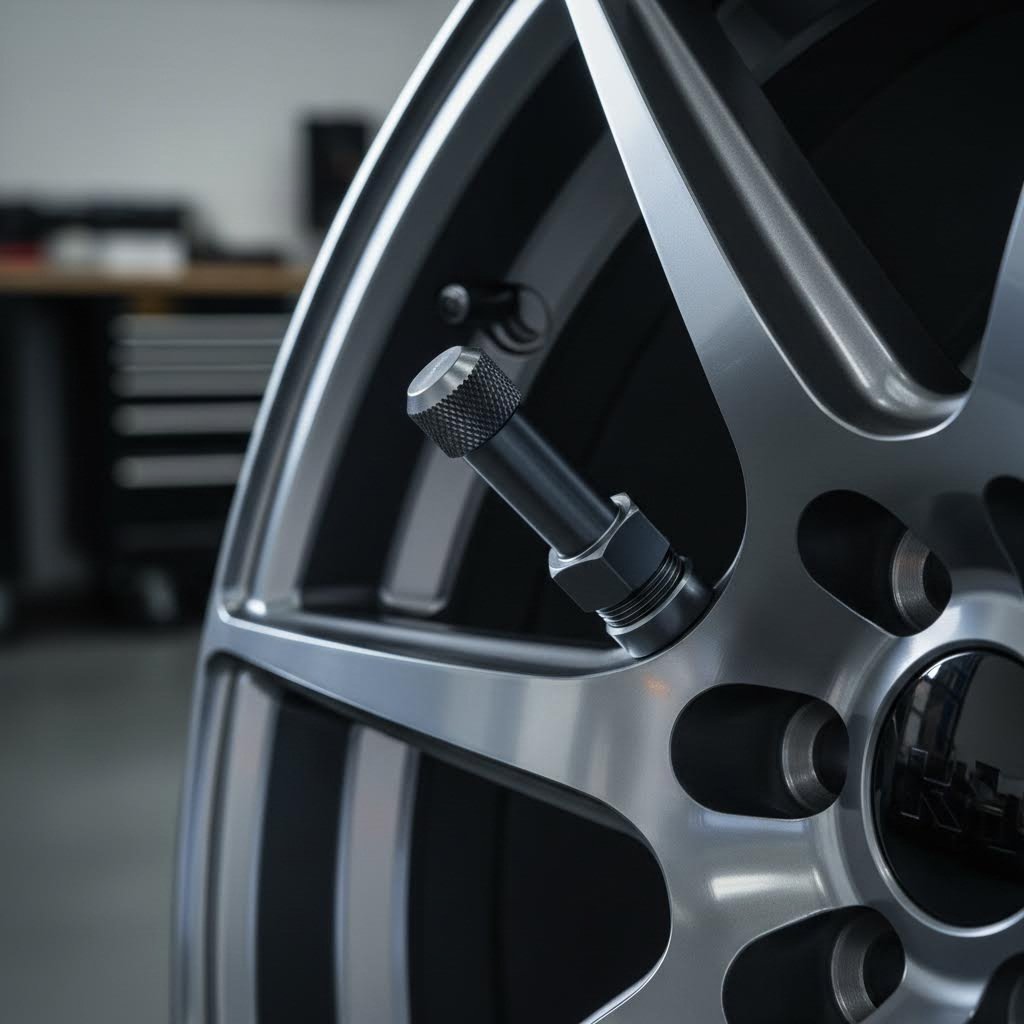
Understanding Custom Forged Wheel Valve Stems
You've invested thousands in premium forged wheels for your build. The finish is flawless, the weight savings impressive, and the structural integrity unmatched. But here's a question most enthusiasts overlook: what about the valve stems? These small but critical components can either complement your investment or become the weak link that undermines everything.
Custom forged wheel valve stems are precision-engineered components specifically designed to work with the unique characteristics of forged wheel construction. Unlike standard rubber snap-in stems found on factory wheels, these specialized valve stems for wheels account for the denser material, tighter tolerances, and performance demands that forged wheels require.
What Makes Forged Wheel Valve Stems Different
Standard valve stems work fine for everyday applications, but forged wheels present a completely different engineering challenge. During the forging process, aluminum billets undergo intense compression at extreme temperatures. This creates a denser, stronger material structure compared to cast alternatives. The result? Thicker barrel walls, precision-machined valve bores with exact tolerances, and specific mounting angles that standard components simply weren't designed to accommodate.
Think about it this way: you wouldn't install budget brake pads on a track-ready sports car. The same logic applies to rim valve stems on premium wheels. Generic stems may physically fit, but they won't seal properly against the machined surfaces, won't handle the thermal cycling of performance driving, and won't maintain their integrity under the stresses your wheels will encounter.
The Hidden Component That Affects Performance
Valve stems perform one seemingly simple job: maintain an airtight seal that keeps your tires at optimal pressure. Yet this function directly impacts every aspect of your driving experience. Improper tire pressure affects handling response, braking distances, tire wear patterns, and fuel efficiency. When a wheel valve stem fails or leaks even slightly, you're compromising the performance characteristics you paid premium prices to achieve.
For forged wheel owners, the stakes are even higher. These wheels often end up on vehicles pushing serious power, tackling track days, or simply demanding the best from every component. A mismatched valve stem creates unnecessary risk in applications where reliability matters most.
Throughout this guide, you'll discover the engineering principles behind proper valve stem selection, understand material differences that actually matter, and learn the specifications you need to match components to your specific forged wheels. Whether you're building a show car, a weekend track weapon, or a refined daily driver, understanding these often-overlooked components will help you make informed decisions that protect your investment.
Valve Stem Types and Material Comparisons
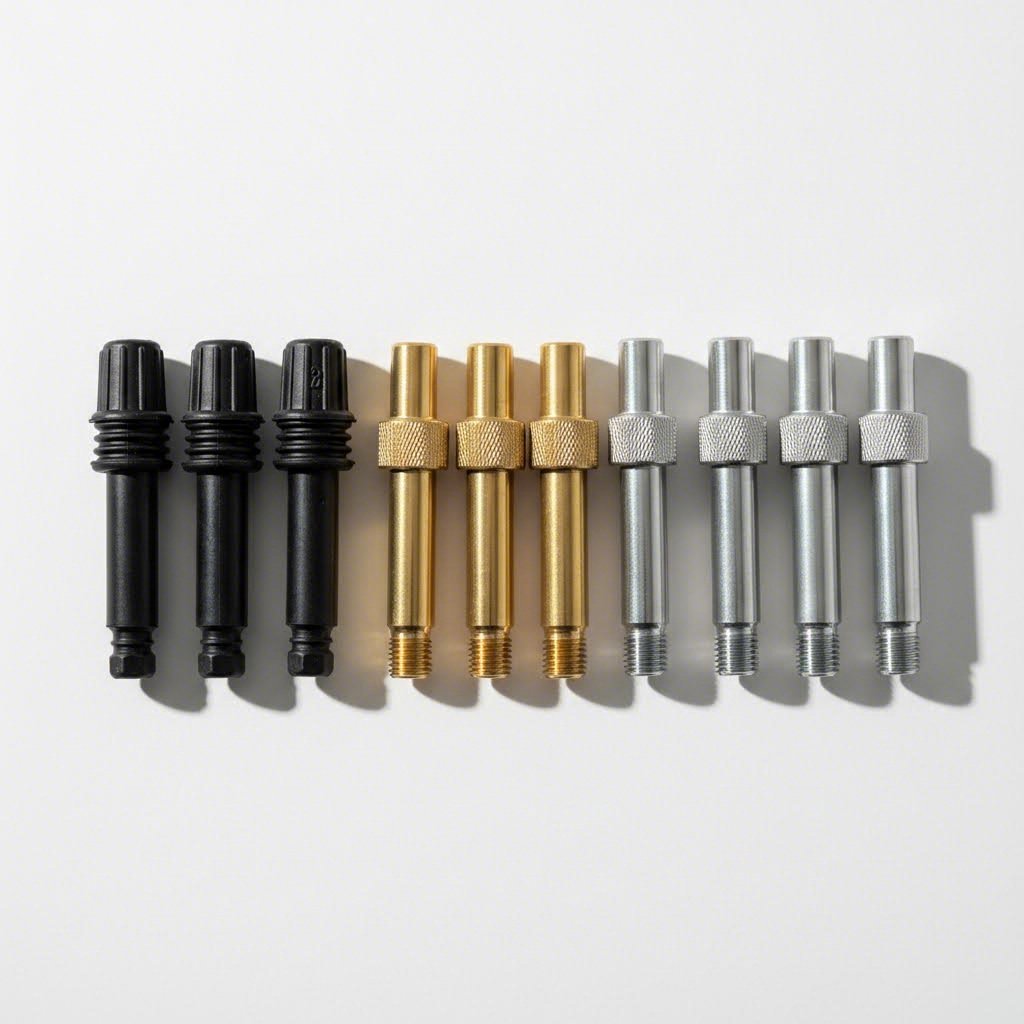
So you understand why forged wheels demand specialized valve stems. But which type should you actually choose? The answer depends on your application, budget, and performance goals. Let's break down the four primary options available for rim valve stems and explore why material selection matters more than most enthusiasts realize.
Rubber vs Metal vs Aluminum Stems Explained
Not all valve stems are created equal. The material composition directly determines how well a stem performs under stress, resists environmental degradation, and maintains its seal over time. Here's what you need to know about each option:
Rubber Snap-In Stems: These are the budget-friendly option you'll find on most factory wheels. Made from synthetic rubber compounds, they're flexible and easy to install without special tools. However, rubber degrades over time when exposed to UV rays, temperature extremes, and road chemicals. For valve stems for aluminum wheels in performance applications, rubber simply doesn't hold up. The material becomes brittle, cracks form, and slow leaks develop - often without any visible warning signs.
Brass/Metal Clamp-In Stems: When durability matters, metal valve stems for aluminum wheels become the preferred choice. Brass stems feature a durable copper-zinc alloy known for exceptional strength and corrosion resistance. These clamp-in designs use a rubber grommet sealed against the wheel bore with a nut, creating a more secure and longer-lasting installation. They're commonly found in heavy-duty applications, commercial trucks, and industrial equipment where reliability is paramount.
Aluminum Stems: Here's where performance enthusiasts pay attention. Aluminum valve stems are machined from solid aluminum alloy, offering an excellent balance of lightweight construction and durability. According to industry analysis, aluminum stems are specifically preferred for performance vehicles and racing applications where weight reduction matters. They resist corrosion better than brass in many conditions and won't add unnecessary rotational mass to your wheels.
| Material | Durability | Weight | Best Use Case | Forged Wheel Compatibility |
|---|---|---|---|---|
| Rubber (Snap-In) | Low - degrades with UV and temperature | Light | Budget applications, standard passenger vehicles | Poor - not recommended for performance use |
| Brass (Clamp-In) | High - excellent strength and corrosion resistance | Heavy | Heavy-duty vehicles, commercial trucks, high-pressure applications | Good - reliable but adds rotational weight |
| Aluminum (Clamp-In) | High - corrosion-resistant and heat-tolerant | Very Light | Performance vehicles, racing, motorcycles | Excellent - ideal for forged wheel applications |
| TPMS-Integrated | Varies by construction (typically aluminum) | Moderate (includes sensor) | Modern vehicles with tire pressure monitoring | Required when sensors are present |
TPMS-Compatible Options for Modern Vehicles
If your vehicle came equipped with a Tire Pressure Monitoring System, you can't simply ignore sensor compatibility. TPMS stems are specifically engineered to mount electronic pressure sensors and feature several critical characteristics that standard stems lack.
These specialized stems typically include:
- A shank with anchor lug or notch for secure sensor attachment
- Corrosion-resistant alloys like anodized aluminum to protect electronic components
- Gasketed construction to prevent leaks under higher pressure conditions
- Precise dimensional tolerances to ensure proper sensor function
One critical consideration often overlooked: mixing metals can cause problems. As noted in valve stem technical guides, combining aluminum stems with steel wheels - or vice versa - can trigger galvanic corrosion. Always verify that your TPMS components use compatible materials to avoid long-term damage.
Why do metal and aluminum options dominate forged wheel applications? The answer comes down to heat resistance and longevity. During spirited driving, brake heat transfers to your wheels, sometimes reaching temperatures that would accelerate rubber degradation dramatically. Metal valve stems for aluminum wheels maintain their structural integrity and seal quality through these thermal cycles. Additionally, the precision-machined surfaces of forged wheel valve bores mate more reliably with the smooth, consistent surfaces of metal stems compared to the variable compression of rubber alternatives.
Understanding these material differences prepares you for the next critical step: matching valve stem specifications to your specific forged wheel requirements.
Engineering Specifications for Forged Wheels
Now that you understand which materials work best, here's where things get technical. Choosing the right valve stem wheel combination isn't just about picking aluminum over rubber. The engineering behind forged wheel construction creates specific dimensional requirements that standard specifications simply don't address. Get these details wrong, and even the highest-quality valve stem won't seal properly.
How Forged Construction Affects Valve Bore Requirements
Imagine taking a solid aluminum billet and subjecting it to thousands of tons of pressure at extreme temperatures. That's the forging process. Unlike cast wheels where molten aluminum fills a mold and cools, forged wheels are compressed into shape. This fundamentally changes the material structure and, consequently, the valve bore characteristics.
What does this mean for your valve stem on wheel fitment? Several critical factors come into play:
Denser Material Structure: Forging compresses the aluminum's grain structure, eliminating microscopic voids and porosity common in cast wheels. This creates a harder, more uniform surface inside the valve bore. While excellent for strength, this density means less forgiveness for dimensional mismatches. A valve stem that might seal adequately against a softer cast bore may leak against the unforgiving surface of a forged bore.
Thicker Barrel Walls: Performance forged wheels often feature thicker barrel sections for added strength. This increased wall thickness directly affects valve bore depth - the distance the stem must travel through the wheel material. Standard-length valvestems designed for thin-walled cast wheels may not provide adequate thread engagement or proper grommet seating in deeper forged bores.
Precision-Machined Bores: Quality forged wheel manufacturers machine their valve bores to exact tolerances. This precision demands equally precise valve stems. The bore angle, surface finish, and dimensional accuracy all influence how well your chosen stem seals. According to valve stem technical documentation, metal stems with their smooth, consistent surfaces mate more reliably with machined surfaces compared to the variable compression characteristics of rubber alternatives.
Thread Sizes and Bore Diameter Specifications
Here's the technical information most competitors completely skip. Before purchasing any valve stem for your forged wheels, you need to verify several key specifications. Sounds complex? It doesn't have to be - once you know what to look for.
Valve bore diameters follow standardized sizing that dates back to the early days of pneumatic tires. As documented by industry standards, most automotive applications use one of three primary bore diameters:
- 8mm (0.315") diameter: Found primarily on smaller vehicles, motorcycles, and some vintage applications. Uses TR4 or TR6 metal stems with vulcanized patches for inner tube applications.
- 11.5mm (0.453") diameter: The most common size for modern passenger vehicles. This bore accepts either rubber TR13 snap-in stems or metal TR11 clamp-in stems - the latter being strongly preferred for forged wheel applications.
- 16mm (0.635") diameter: Larger diameter found on some trucks, tractors, and certain post-war vintage vehicles. Accommodates TR15 rubber stems or can use adapters with smaller stems.
Beyond bore diameter, thread specifications matter for clamp-in metal stems. Most automotive valve stems use standardized threads, but high-performance applications sometimes require specific thread pitches for proper engagement with wheel bore threading.
Pressure Ratings: Different valve stem types handle different maximum pressures. As noted in valve stem sizing guides, standard passenger vehicle stems typically handle pressures up to 65 PSI, while high-pressure applications for commercial vehicles may require stems rated for 100 PSI or higher. For forged wheels on performance vehicles running aggressive tire pressures, always verify your stems exceed your maximum operating pressure.
Before purchasing valvestems for your forged wheels, verify these specifications:
- Bore diameter: Measure your wheel's valve hole or check manufacturer specifications. Most performance forged wheels use the standard 11.5mm bore.
- Bore depth: Measure the thickness of the barrel wall where the valve mounts. Ensure your stem length provides adequate thread engagement and proper grommet seating.
- Bore angle: Some wheels feature angled valve bores for easier access. Verify whether you need straight or angled stems to match.
- Pressure rating: Confirm the stem handles your maximum tire pressure with adequate safety margin.
- TPMS compatibility: If running sensors, verify the stem accommodates your specific sensor mounting requirements.
- Material compatibility: Ensure the stem material won't cause galvanic corrosion with your wheel's aluminum alloy.
Getting these specifications right prevents frustration during installation and ensures reliable performance once your wheels hit the road. But specifications only tell part of the story - when those forged wheels face the extreme demands of track use, additional considerations come into play.

Performance and Racing Applications
You've dialed in your suspension, upgraded your brakes, and mounted sticky track-compound tires on those gorgeous forged wheels. But have you considered what happens to your valve stems when you're pushing through high-speed corners or braking hard from triple-digit speeds? For serious performance enthusiasts and racers, custom valve stems aren't just a finishing touch - they're a safety-critical component that faces punishment most drivers never consider.
Why Track Days Demand Premium Valve Stems
Track driving subjects every component to extremes that street driving simply cannot replicate. When you're running hot laps, your valve stems experience forces and temperatures that would seem extreme in any other context. Here's what's actually happening to those small metal components during a spirited session:
Centrifugal Forces at Speed: As wheel speed increases, centrifugal force acts on every component attached to that rotating mass - including your valve stems. At highway speeds, this force is manageable. At 150+ mph? The stress becomes significant. According to Tire Rack's technical documentation, valves mounted in a vertical axis at high speeds are particularly susceptible to pressure loss because centripetal forces can depress the valve core, allowing air to escape. This is why professional racing applications exclusively use metal clamp-in stems designed to resist deformation under these loads.
Repeated Stress Cycles: Every lap subjects valve stems to acceleration, braking, and cornering forces. Over a full track day - potentially hundreds of laps worth of stress cycles - inferior stems can develop microscopic fatigue cracks that eventually lead to failure. A stainless valve stem or quality aluminum alternative handles these repeated loads without degradation.
Heat Resistance and Centrifugal Force Considerations
Here's something many enthusiasts overlook: your brakes generate tremendous heat, and that thermal energy doesn't just disappear. It transfers directly into your wheels, sometimes reaching temperatures that would surprise you. During aggressive track sessions, wheel temperatures can easily exceed 200°F, with some brake-adjacent areas reaching even higher.
What does this mean for your valve stems? Rubber components hate heat. The rubber grommets in standard snap-in stems or even the sealing gaskets in lower-quality clamp-in stems begin degrading at elevated temperatures. The material softens, loses elasticity, and eventually fails to maintain a proper seal. Metal and aluminum stems with high-temperature-rated seals maintain their integrity through these thermal cycles.
As noted in industry recommendations, high-pressure metal clamp-in valves are "highly recommended for all track activities, as well as when vehicle speeds may exceed 130 mph." The same source advises that even durable metal clamp-in stems should be replaced every other year in track applications because "the heat transmitted to the wheels from the brakes is significantly greater than that experienced in normal service."
In racing applications, valve stems are consumable safety components - not lifetime parts. The forces, temperatures, and stresses of performance driving demand stems that won't become the weak link in your carefully built setup.
Weight Considerations: Every gram of rotating mass matters in racing applications. Unsprung weight - the mass not supported by your suspension - directly affects how quickly your wheels can respond to surface changes and how effectively your suspension controls the chassis. Small valve stems might seem insignificant, but multiply any weight savings by four wheels and it adds up.
This is where material selection becomes a competitive advantage. Traditional brass stems are durable but heavy. Aluminum alternatives cut weight significantly while maintaining strength. For the ultimate in weight savings, titanium stems have emerged as the premium choice. As documented by Bikerumor's testing of Traben titanium valves, titanium stems weigh just one gram more than aluminum while claiming four times the strength - addressing the durability concerns that plague lightweight aluminum alternatives in demanding applications.
For racers building competitive setups, custom valve stems in lightweight materials represent an easy win. You're shaving grams from rotating mass without compromising reliability - assuming you choose quality components designed for the application.
Performance demands don't end at the track, though. Many enthusiasts want their forged wheels to look as refined as they perform. That's where aesthetic considerations and finish options come into play.
Aesthetic Options and Custom Finishes
You've selected forged wheels with a specific finish that complements your build perfectly. The color, the machining details, the way light catches the spokes - every element was chosen deliberately. So why settle for generic silver valve stems that look like an afterthought? For enthusiasts who obsess over details, custom valve stems offer the opportunity to complete the visual package while maintaining the performance benefits discussed earlier.
Color-Matched and Anodized Finish Options
Think about it: valve stems are one of the most visible components on your wheels. They sit there at the outer edge of the barrel, catching attention every time someone inspects your setup. A mismatched stem can undermine an otherwise flawless build.
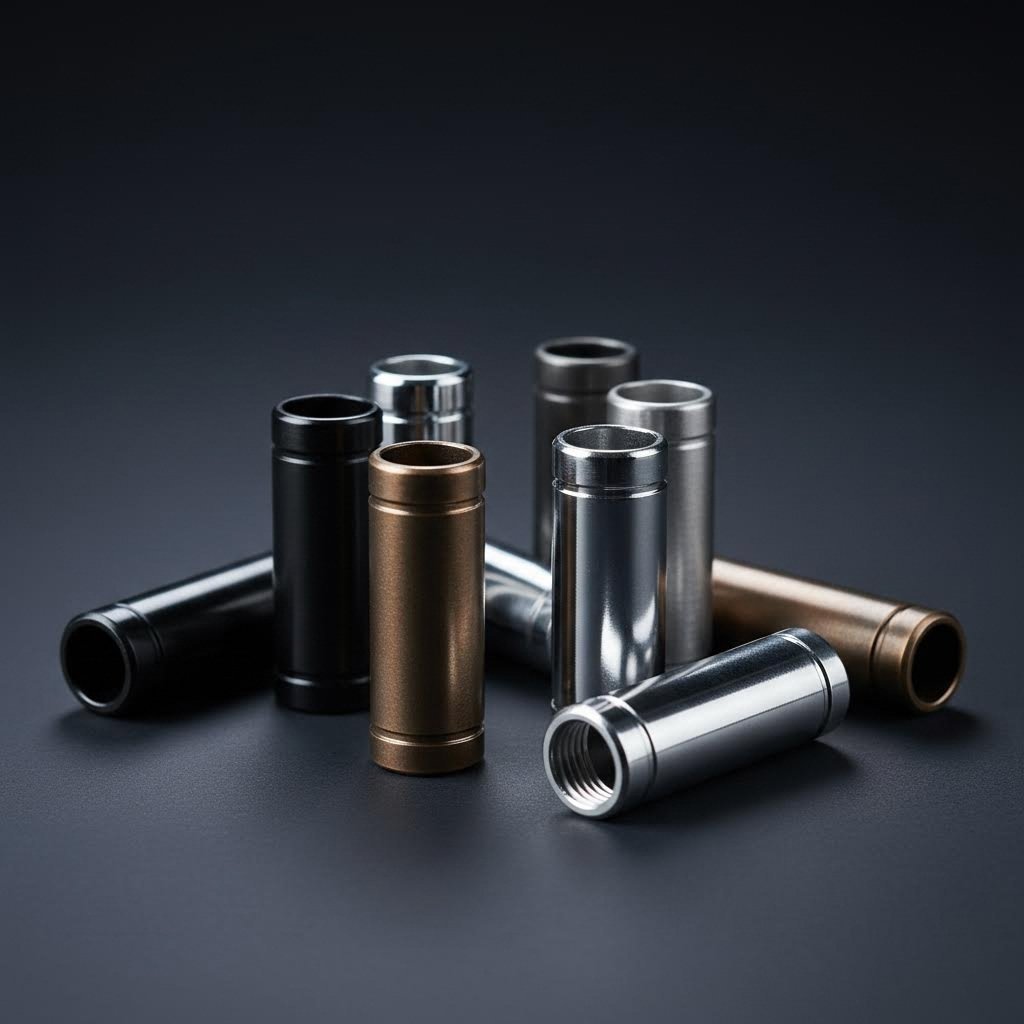
According to Apex Wheels' product development team, they "spent a lot of time making sure these color-matched valve stems looked right and delivered a cohesive, tailored look when paired with Apex wheels." This attention to matching specific black, gold, silver, and bronze tones demonstrates how seriously quality manufacturers take aesthetic integration.
Among aftermarket options, black valve stems remain the most popular choice. Black metal valve stems deliver a stealthy, understated appearance that works with virtually any wheel finish - from raw machined aluminum to painted or powder-coated surfaces. The dark color recedes visually, drawing attention to the wheel design itself rather than the hardware.
Popular finish options available for performance valve stems include:
- Black anodized: The go-to choice for stealthy builds. Anodizing creates a durable, scratch-resistant finish that won't chip or peel like paint.
- Chrome: Classic appearance that matches polished or chrome wheel finishes. Requires more maintenance to prevent water spotting.
- Brushed aluminum: Natural metal appearance with a subtle texture. Complements raw or machined wheel faces.
- Custom colors: Bronze, gold, red, blue - manufacturers now offer stems that match popular aftermarket wheel colorways.
Subtle Details That Complete the Build
Beyond color matching, profile height matters for both aesthetics and protection. Quality manufacturers have recognized that standard valve stems often protrude excessively from the wheel barrel. As Apex notes in their design philosophy, they created stems with "a substantially lower profile than standard valve stems" specifically because shorter stems tuck into the wheel, protecting them from damage during wheel-to-wheel contact on track or from curbing on the street.
This design consideration serves dual purposes. A shorter, tucked-in stem looks cleaner and more intentional. It also reduces the risk of impact damage that could "instantly drain the air from a tire" - a scenario that ends track sessions and podium hopes alike.
Quality forged valve stems ultimately serve both form and function. They're visible details that reflect your commitment to build quality while performing a critical safety function. When every component - from the wheels to the lug nuts to the valve stems - shares the same level of thought and quality, the result speaks for itself. But looking good means nothing if those stems aren't properly maintained, which brings us to recognizing when replacement becomes necessary.
Maintenance and Replacement Guidelines
Your forged wheels look stunning and your valve stems match perfectly. But here's a reality check: even the highest-quality components don't last forever. Knowing when to replace valve stems - and how to maintain them between replacements - separates proactive enthusiasts from those dealing with unexpected failures at the worst possible moments. Let's cover the warning signs you should never ignore and the tire valve stem maintenance practices that extend component life.
Warning Signs Your Valve Stems Need Replacement
Valve stems rarely fail catastrophically without warning. Instead, they provide subtle clues that something's wrong. The challenge? Most drivers don't know what to look for. According to tire service professionals, a faulty valve stem can cause several problems including slow punctures, inaccurate pressure readings, and dangerous blowouts at highway speeds.
Watch for these valve stem inspection red flags:
- Persistent slow air leaks: If you're constantly adding air despite no visible tire damage, the valve stem is the likely culprit. As noted by Priority Tire's technical team, even a slow leak means you're constantly checking pressure and filling up - and you may end up replacing tires prematurely because of damage caused by underinflation.
- Visible cracking or corrosion: Rubber components degrade from UV exposure, temperature cycling, and road chemicals. Metal stems can develop corrosion, especially if dissimilar metals are in contact. A quick visual inspection during routine maintenance reveals these issues early.
- Difficulty seating valve caps: When caps won't thread on smoothly or won't tighten properly, the stem threads may be damaged or corroded. This seemingly minor issue often indicates deeper problems with the stem's integrity.
- Age-related degradation: Even without visible damage, valve stems have a finite lifespan. Industry guidance suggests replacing rubber stems every 5 years and metal stems every other year in track applications due to heat stress.
- Unusual vibrations or handling changes: A broken valve stem can affect your vehicle's overall performance, leading to unusual vibrations in the steering wheel or the vehicle pulling to one side.
Quick diagnostic test: Flex the stem gently. If you see damage, cracks, or the rubber looks old and dry, replacement is overdue. For metal stems, check for corrosion around the base and any looseness in the mounting.
Maintenance Best Practices for Longevity
The single most important maintenance rule for forged wheel valve care? Replace stems whenever mounting new tires. This isn't upselling - it's standard practice that prevents future headaches. As industry experts recommend, "If you're changing your tires it's a good idea to change the valve stems, too. They're usually a few dollars, so it's pretty cheap thing to add on to your installation."
Why does this matter? The labor to mount and balance tires already includes accessing the valve stem. Adding new stems during this process costs almost nothing extra. Waiting until a stem fails means paying for tire dismounting and remounting separately - far more expensive than the few dollars a quality stem costs.
Proper torque specifications for clamp-in stems: This is where many installations go wrong. According to Tire Review's technical guidance, technicians must always check each clamp-in valve stem's specific torque requirement, as failing to do so can lead to serious safety risks. Under-torqued stems leak. Over-torqued stems crack the grommet or damage threads.
To develop a consistent feel for correct torque:
- Mount the valve stem in a wheel
- Torque it to the manufacturer's specified value using a torque wrench
- Loosen it and retighten it by hand
- Check the torque with the wrench again
- Repeat this process multiple times to build muscle memory
Always use new seals: Reusing old grommets or sealing washers invites leaks. The rubber or composite materials compress during initial installation and won't seal properly a second time. Fresh seals cost pennies compared to the consequences of air loss at speed.
One final consideration: if you experience air loss even after following correct procedures, the issue may stem from the wheel itself. As technical guides note, technicians should inspect the stem hole specifications - especially the machined area around it - to ensure a proper fit. Never assume the current valve stem on a wheel is correct; previous service work could have involved incorrect stem selection or a mismatch in hole size.
Understanding when and why to replace valve stems is essential knowledge. But what about the actual replacement process? Whether you're tackling the job yourself or supervising shop work, knowing the correct installation procedure ensures your new stems perform as intended.
Installation Process and Safety Considerations
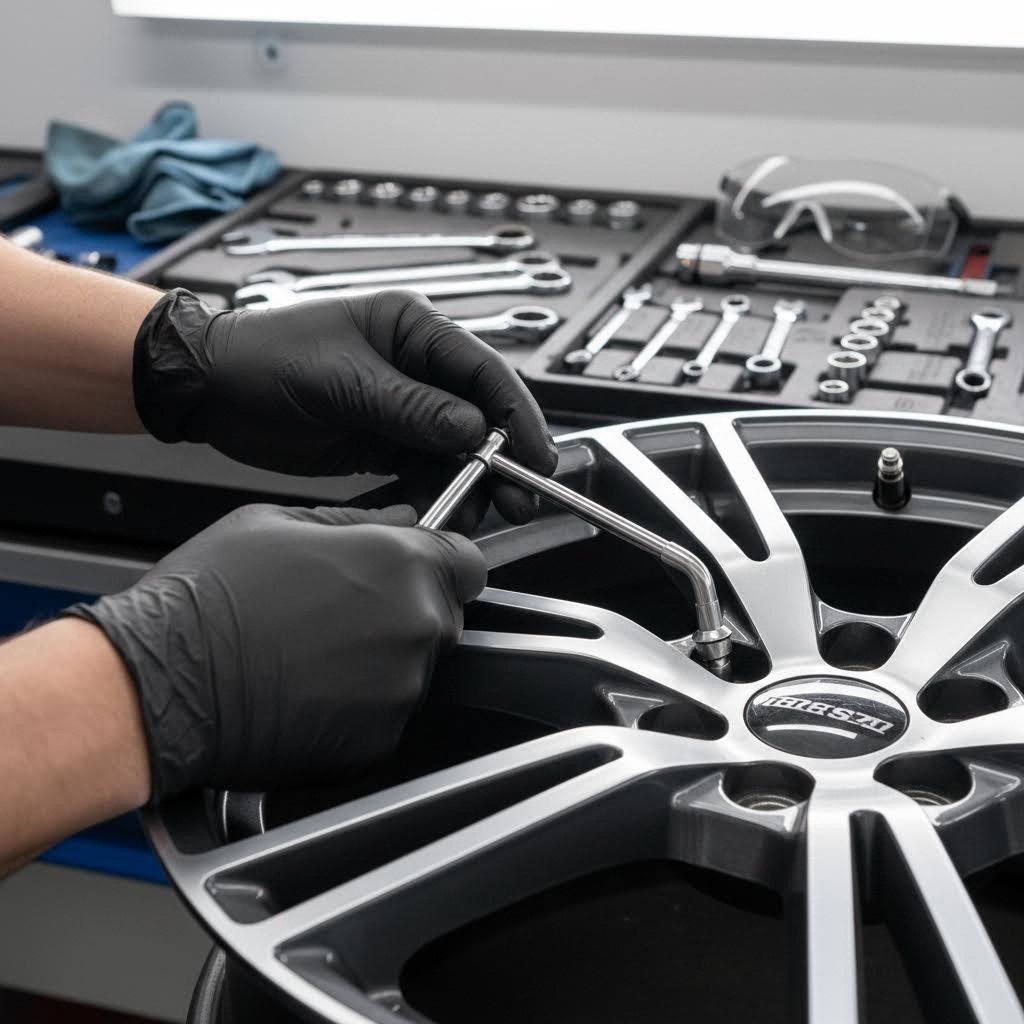
Ready to tackle a valve stem installation yourself? Before you grab your tools, understand this: replacing valve stems on forged wheels isn't a casual weekend project. According to experienced automotive technicians, this process requires specialized tire-mounting machinery and can be dangerous without the right equipment and training. That said, knowing the correct valve stem installation procedure helps you supervise shop work effectively or tackle the job if you have proper equipment.
Tools Required for Proper Installation
Attempting a clamp-in valve stem install without the right tools leads to damaged components, improper seals, or worse - sudden air loss at highway speeds. Before starting, gather everything you'll need:
- Floor jack and jack stands: Never rely solely on a floor jack to support your vehicle. Jack stands provide the safety margin that prevents catastrophic failure.
- Lug wrench or impact gun: For wheel removal. Ensure you have the correct socket size for your lug nuts.
- Valve core removal tool: A small, inexpensive tool that threads into the valve stem to extract the core and release tire pressure.
- Bead breaker: Essential for separating the tire bead from the wheel rim. Professional tire changers include this function, but standalone tools exist for shop use.
- Valve stem removal and installation tools: Specialized pullers for extracting old stems and installers for seating new ones without damage.
- Torque wrench: Critical for clamp-in stems. Guessing at torque values causes leaks or component damage.
- Soap and water solution: For leak testing after installation.
- Clean rags and bore cleaning supplies: Dirt in the valve bore prevents proper sealing.
Step-by-Step Replacement Process
Whether you're learning how to install valve stems for the first time or refreshing your knowledge, following a systematic valve stem replacement guide prevents costly mistakes. Here's the complete process:
- Loosen lug nuts with the vehicle on the ground. Set your parking brake and work on a level surface. As professional technicians note, loosening lug nuts with the wheel still on the ground prevents the wheel from spinning - a common frustration when working with a raised vehicle.
- Lift the vehicle safely. Position your floor jack at the manufacturer's recommended lift point. Once raised, immediately place jack stands at appropriate support locations. Lower the vehicle onto the stands before proceeding. Never work under a vehicle supported only by a floor jack.
- Remove the wheel and position it correctly. With lug nuts removed, take the wheel off and lay it flat with the outer face up. Remove the valve cap and use your valve core removal tool to extract the core, releasing all air pressure from the tire.
- Break the tire bead. Using your bead breaker, separate the tire bead from the wheel rim. You'll hear a distinct popping or cracking sound as the bead releases. Work around the circumference until the inner lip of the tire separates completely from the wheel surface.
- Extract the old valve stem. For snap-in rubber stems, use a stem removal tool to pull it through from inside the wheel. For clamp-in metal stems, remove the retaining nut from inside the barrel, then push the stem out. Inspect the old stem for failure clues - cracking, corrosion, or seal degradation tells you what to watch for in the future.
- Inspect and clean the valve bore. This step separates professional installations from problem-prone ones. According to tire industry guidance, you must thoroughly clean the valve hole on both sides - dirt and corrosion are common and will prevent the valve stem from sealing properly. Use appropriate cleaning tools and inspect for any bore damage that could compromise the new stem's seal.
-
Install the new valve stem. Here's where snap-in and clamp-in procedures diverge significantly:
- Snap-in stems: Apply rubber lubricant to the grommet, insert from inside the wheel, and use your installation tool to pull it through until it snaps into place. Be careful not to tear the rubber during installation.
- Clamp-in stems: Insert the stem through the bore from outside, then install the sealing washer and retaining nut from inside. Hand-tighten first, then torque to the manufacturer's specification. As technical experts emphasize, always torque valve stems to the proper specification - overtightening can break or distort the valve stem or damage the seals, causing a leak.
- Reseat the tire bead and inflate. This step typically requires professional equipment. The bead must seat evenly around the entire circumference before the tire will hold air. Inflate to the manufacturer's recommended pressure found on your driver's side door jamb - not the maximum pressure listed on the tire sidewall.
- Perform a thorough leak test. Spray your soap and water solution around the valve stem base and the stem itself. Watch carefully for any bubbles forming - even tiny bubbles indicate a leak that will cause problems. If bubbles appear, you'll need to remove the stem and reinstall with proper attention to the sealing surfaces.
Understanding Installation Differences: Snap-In vs Clamp-In
The installation approach differs fundamentally between these two stem types. Snap-in rubber stems rely on the rubber grommet compressing against the valve bore to create a seal. The installation is faster but less precise - you're essentially forcing the stem through until it "pops" into place.
Clamp-in metal stems use mechanical compression. The nut on the inside of the wheel draws the stem tight against a sealing washer, creating a metal-to-metal seal with rubber or composite gasket material between. This design handles higher pressures and temperatures but demands precise torque application.
Improper valve stem installation is a safety hazard, not just an inconvenience. A stem that fails at highway speed can cause sudden, complete air loss - creating a potentially uncontrollable situation. Take the time to do it right or have a qualified professional handle the work.
With installation knowledge in hand, you're prepared to either tackle the job yourself with proper equipment or confidently evaluate the work done by your tire shop. But before purchasing stems for your next installation, understanding quality indicators helps you select components worthy of your forged wheels.
Selecting Quality Forged Valve Stems
You understand the materials, specifications, and installation process. Now comes the decision that ties everything together: actually choosing the right valve stems for your forged wheels. This isn't a decision to make based on price alone. The best valve stems for forged wheels balance precise dimensional accuracy, material quality, and long-term durability. Get this step right, and you'll forget about your valve stems for years. Get it wrong, and you'll be dealing with slow leaks, corrosion, or premature failures.
Matching Valve Stems to Your Wheel Specifications
Before clicking "add to cart" on any valve stem, you need to verify compatibility with your specific wheels. This isn't guesswork - it requires checking actual specifications against what you're buying. Here's a systematic approach to quality valve stem selection that prevents costly mistakes:
Start with your wheel manufacturer's documentation. Quality forged wheel companies provide valve bore specifications in their technical data. You're looking for bore diameter, bore depth (wall thickness at the valve location), and any angle specifications if your wheels use angled valve bores. Without this information, you're essentially gambling on fitment.
Verify TPMS compatibility early. If your vehicle uses tire pressure monitoring, this requirement narrows your options immediately. Your stems must accommodate your specific sensor type and mounting configuration. Mixing incompatible components means either sensors that won't mount properly or stems that interfere with sensor function.
Use this forged valve stem buying guide checklist before any purchase:
| Consideration | What to Check | Why It Matters |
|---|---|---|
| Bore Diameter Compatibility | Measure your wheel's valve hole or verify manufacturer specs. Most performance forged wheels use 11.5mm (0.453") bore diameter. | Undersized stems won't seal properly. Oversized stems won't fit at all. Even slight mismatches cause air leaks that worsen over time. |
| Thread Specifications | Confirm thread pitch and length requirements for clamp-in stems. Standard automotive threads are typical, but verify against wheel specs. | Improper thread engagement leads to stems loosening under vibration or failing to achieve proper clamping force for a reliable seal. |
| TPMS Requirements | Identify your sensor type, mounting style, and any OEM-specific requirements. Check whether aftermarket stems maintain sensor compatibility. | Incompatible stems trigger warning lights, prevent accurate readings, or physically interfere with sensor mounting - defeating the safety system's purpose. |
| Material Quality | Look for aerospace-grade aluminum alloys (6061-T6 is common) or high-quality brass. Avoid unspecified "metal" or mystery alloys. | Inferior materials corrode faster, fatigue under stress, and may not maintain dimensional stability through temperature cycling. |
| Finish Durability | Verify anodizing thickness for aluminum stems. Check for salt spray testing or corrosion resistance ratings if available. | Poor finishes deteriorate within months, especially in harsh climates. Quality anodizing maintains appearance and protects base material for years. |
| Pressure Rating | Confirm maximum pressure rating exceeds your tire's maximum inflation pressure by a reasonable safety margin. | Stems rated below your operating pressure risk seal failure or structural compromise - particularly dangerous in high-performance applications. |
Quality Indicators Worth Paying For
How do you distinguish genuinely quality valve stems from those that just look the part? The answer lies in manufacturing standards and certifications that most buyers never think to check.
Manufacturing Certifications Matter: Automotive valve stem specifications demand precision that consumer-grade manufacturing can't consistently deliver. According to the IATF Global Oversight organization, the IATF 16949 certification represents the international standard for automotive quality management systems. Components produced under this certification framework undergo rigorous process controls, dimensional verification, and traceability requirements that generic manufacturing simply doesn't provide.
What does this mean practically? A manufacturer operating under IATF 16949 certification maintains:
- Documented quality management systems with continuous improvement requirements
- Statistical process control ensuring dimensional consistency across production runs
- Material traceability from raw stock through finished component
- Defined procedures for handling non-conforming products
- Regular third-party audits verifying compliance
For enthusiasts seeking precision-forged valve stems and other robust automotive components with exact specifications, manufacturers holding these certifications offer confidence that consumer brands simply cannot match. Shaoyi (Ningbo) Metal Technology, for example, maintains IATF 16949 certification for their precision hot forging capabilities - the same manufacturing standards applied to critical suspension and drivetrain components extend to every forged metal part they produce.
Seal Quality Separates Good from Great: The valve stem body might be perfect, but inferior sealing materials undermine everything. As Tire Review's technical guidance emphasizes, higher inflation pressures and faster speed limits make choosing the correct stem critical. Quality manufacturers use high-temperature-rated rubber compounds or advanced composite sealing materials designed specifically for automotive valve stem specifications.
Look for these quality indicators when evaluating options:
- Specified seal materials: Quality stems list their grommet or O-ring compound (EPDM, Viton, or equivalent). Generic stems leave this unspecified.
- Included torque specifications: Manufacturers who care about proper installation provide exact torque values - not vague instructions.
- Replacement seal availability: Premium stems often offer replacement seal kits, indicating the manufacturer expects long-term use.
- Documented pressure and temperature ratings: Real specifications, not marketing claims.
Consider the Source: Where you buy matters almost as much as what you buy. Authorized distributors and wheel manufacturers maintain relationships with quality suppliers. Random online marketplaces often can't verify authenticity or manufacturing standards. A few dollars saved on questionable stems isn't worth the risk to your forged wheel investment - or your safety.
The selection process might seem detailed, but it reflects the reality that valve stems are safety-critical components on high-value wheels. Taking time to verify specifications and quality indicators now prevents headaches later. With quality stems selected and properly installed, you're ready to complete your forged wheel setup with confidence.
Building Your Forged Wheel Setup Right
You've made it through the engineering details, material comparisons, installation procedures, and quality considerations. Now let's bring everything together. Whether you're finalizing a track-focused build or perfecting a show-quality daily driver, the decisions you make about forged wheel components - including those small but critical valve stems - define the difference between a setup that performs flawlessly and one that disappoints when it matters most.
Key Specifications to Remember
Before your next wheel purchase or tire mounting appointment, keep these essential specifications in mind:
- Material selection: Aluminum clamp-in stems outperform rubber alternatives in every forged wheel application. They handle heat, resist corrosion, and maintain seals under the stresses performance driving demands.
- Bore compatibility: Verify your wheel's valve bore diameter (typically 11.5mm for performance applications), bore depth, and any angle specifications before purchasing stems.
- TPMS requirements: If your vehicle uses tire pressure monitoring, sensor compatibility isn't optional - it's mandatory for both function and safety.
- Torque specifications: Clamp-in stems require precise torque application. Under-torqued stems leak; over-torqued stems damage seals and threads.
- Replacement timing: Replace valve stems with every tire mounting. For track use, consider replacement every other year regardless of visible condition.
Valve stems are safety-critical components that deserve the same attention as the forged wheels themselves. A $5,000 wheel setup protected by $2 valve stems isn't a smart investment - it's a liability waiting to reveal itself at the worst possible moment.
Building with Quality Components
Your forged wheel setup represents significant investment - in money, time, and the vision you have for your build. Every component in that system either supports that investment or undermines it. Valve stems, lug nuts, center caps, TPMS sensors - these accessories might seem minor compared to the wheels themselves, but they're the connection points where quality matters just as much.
Think about what separates a truly refined build from one that just looks the part. It's consistency. When every component - from suspension arms to drive shafts to those small metal stems holding air in your tires - reflects the same commitment to precision and quality, the result speaks for itself. The details matter because they're what separate builds that perform reliably for years from those that develop mysterious issues, slow leaks, and frustrating failures.
For enthusiasts building high-performance setups, this consistency extends to choosing manufacturing partners who understand automotive forging at every level. Precision hot forging requires exact specifications, rigorous quality control, and manufacturing processes designed for automotive demands. Companies operating under IATF 16949 certification - like Shaoyi (Ningbo) Metal Technology - bring that same precision to every forged component they produce. Their in-house engineering team offers rapid prototyping in as little as 10 days and globally compliant manufacturing near Ningbo Port, ensuring robust components from suspension arms to the smallest forged accessories meet exact specifications.
Your forged wheels deserve components that match their quality. Your safety demands components that won't fail under stress. And your build's reputation depends on details that hold up to scrutiny. Get the valve stems right, and you'll never think about them again. Get them wrong, and you'll be reminded every time you check tire pressure, hear a slow hiss, or deal with an unexpected failure.
Match your build - don't ruin it.
Frequently Asked Questions About Custom Forged Wheel Valve Stems
1. What type of valve stems are best for forged wheels?
Aluminum clamp-in valve stems are the preferred choice for forged wheels due to their superior heat resistance, lightweight construction, and corrosion resistance. Unlike rubber snap-in stems that degrade under temperature cycling and UV exposure, aluminum stems maintain seal integrity through the thermal stresses of performance driving. For track applications, metal stems rated for high-pressure use are essential, as they resist the centrifugal forces encountered at speeds exceeding 130 mph.
2. How do I know what size valve stem fits my forged wheels?
Most performance forged wheels use the standard 11.5mm (0.453 inch) bore diameter, which accepts either TR11 clamp-in metal stems or TR13 snap-in rubber stems. To confirm, check your wheel manufacturer's technical specifications or measure the valve hole directly. You should also verify bore depth (wall thickness at the valve location) to ensure proper thread engagement, and check whether your wheels require straight or angled stems based on bore configuration.
3. When should I replace valve stems on forged wheels?
Replace valve stems every time you mount new tires on your forged wheels - this is standard practice that prevents future issues at minimal additional cost. For track use, replace stems every other year regardless of visible condition due to heat stress from braking. Warning signs requiring immediate replacement include persistent slow air leaks, visible cracking or corrosion, difficulty threading valve caps, and any rubber components that appear dry or brittle.
4. Are TPMS valve stems compatible with custom forged wheels?
Yes, but compatibility requires verification. TPMS-integrated stems must match your specific sensor type and mounting configuration. Quality TPMS stems feature a shank with anchor lug for sensor attachment, corrosion-resistant materials like anodized aluminum, and precise tolerances for proper sensor function. Ensure material compatibility between the stem and wheel to prevent galvanic corrosion - avoid mixing aluminum stems with steel components or vice versa.
5. What torque specification should I use for clamp-in valve stems?
Always check each clamp-in valve stem's specific torque requirement from the manufacturer - there is no universal specification. Under-torquing causes air leaks, while over-torquing can crack the grommet, damage threads, or distort seals. To develop proper technique, practice on a spare wheel using a torque wrench, loosening and retightening until you build muscle memory for the correct feel. Quality manufacturers include torque specifications with their stems.