 Small batches, high standards. Our rapid prototyping service makes validation faster and easier —
  EN
EN


Custom Forged Wheel Finishes Guide: Match Your Style To Your Drive
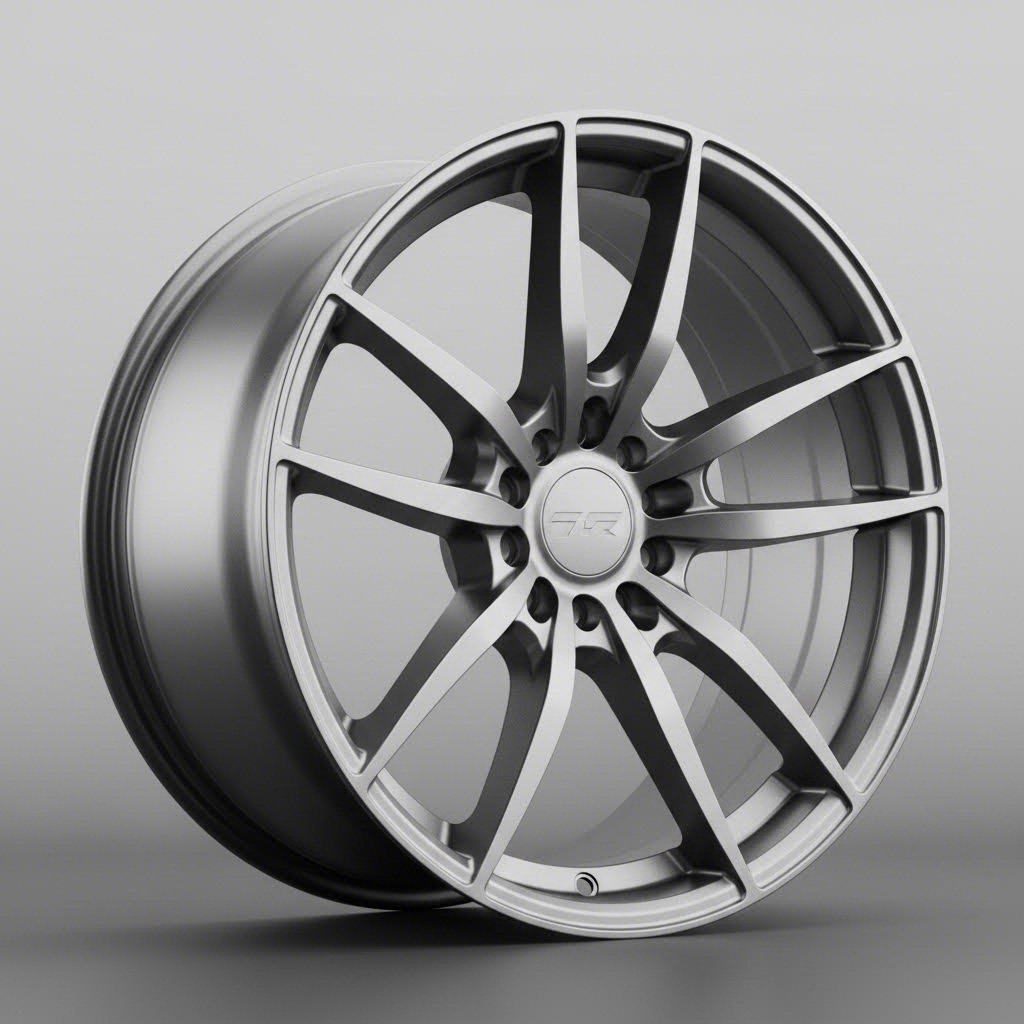
Understanding Custom Forged Wheel Finishes and Why They Matter
You've just invested in a set of premium forged wheels. They're about 3x stronger than cast alternatives and 25% lighter. But here's the question most buyers overlook: which finish will protect that investment while matching your personal style?
Understanding what forged wheels mean starts with their manufacturing process. Unlike cast wheels where molten aluminum gets poured into molds, forged wheels begin as a solid chunk of aluminum. This material undergoes extreme heat and pressure—sometimes up to 10,000 tons—to create an incredibly dense, durable structure. Think of it like the difference between compressed snow and a solid block of ice. That superior foundation demands an equally superior finish.
Why Your Finish Choice Defines Your Wheels
When you browse wheel finishes, you'll encounter terms like brushed, machined, polished, powder coated, and PVD. Each offers distinct visual characteristics and protection levels. The confusion between these options leaves many buyers frustrated or, worse, selecting a finish that doesn't suit their driving conditions.
The art wheel forged soda can analogy helps illustrate this perfectly. Imagine crushing an aluminum can versus trying to crush a solid aluminum block—that's the structural difference between cast and forged wheels. Now imagine painting that crushed can versus applying a finish to a precision-forged surface. The substrate quality dramatically affects how any finish performs over time.
The Hidden Impact of Surface Treatment on Performance
Finish selection extends far beyond choosing what looks good in the showroom. Your wheel finish acts as the first line of defense against brake dust, road salt, UV exposure, and environmental contaminants. The right choice can mean the difference between wheels that maintain their showroom appeal for years versus ones requiring costly refinishing after a single harsh winter.
High-quality wheels made by reputable manufacturers with proper finishes can actually increase vehicle value, while poorly chosen or maintained finishes may limit your pool of potential buyers and lower resale value.
This custom forged wheel finishes guide addresses exactly these concerns. Whether you're a daily driver navigating salt-covered roads, a track enthusiast dealing with extreme brake temperatures, or a show car builder chasing that perfect aesthetic, you'll find practical guidance for every scenario. No sales pitches—just honest information to help you make an informed decision that protects your investment and expresses your personal style.
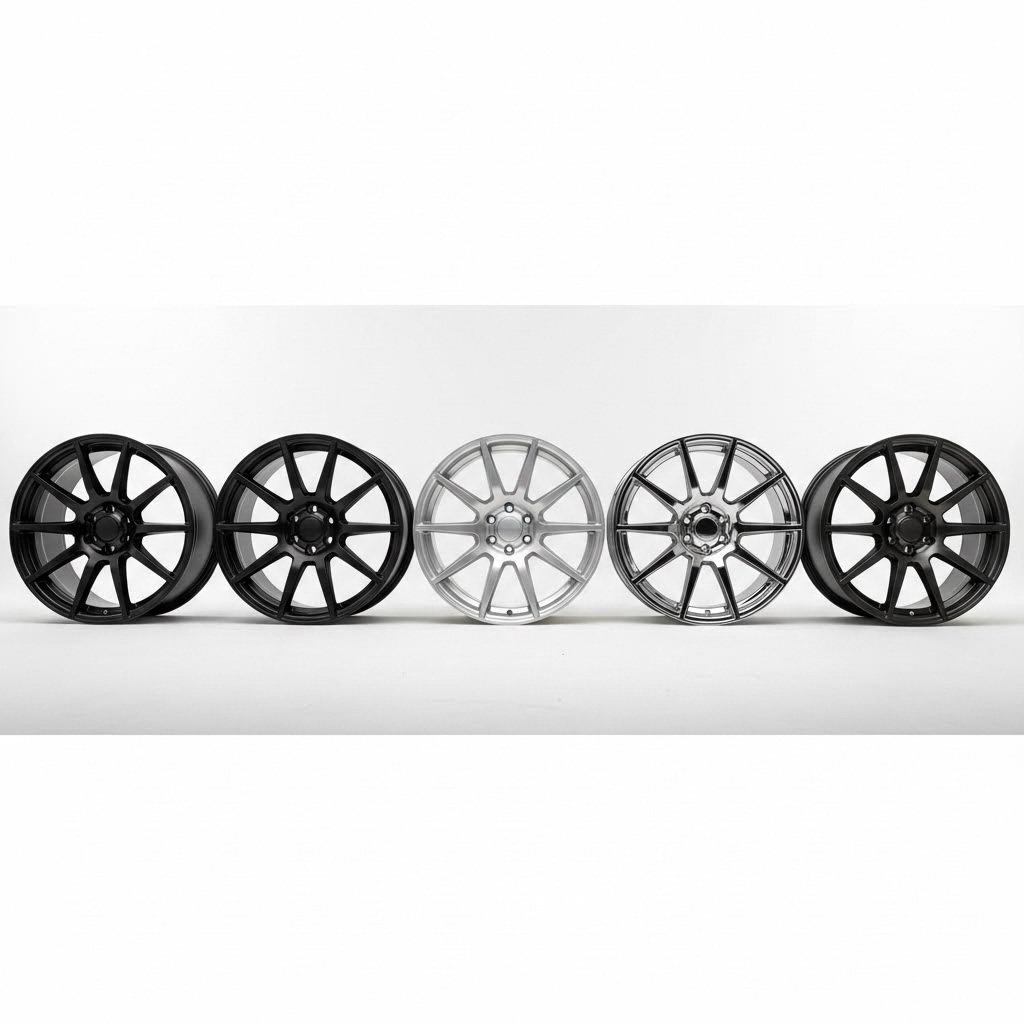
The Complete Finish Type Glossary for Forged Wheels
Ever walked into a wheel shop and felt overwhelmed by terms like "diamond cut," "PVD," or "anodized"? You're not alone. The finish wheel industry uses terminology that can confuse even experienced enthusiasts. Let's break down each major finish type so you understand exactly what you're getting—and more importantly, what each option means for your forged wheel investment.
Brushed vs Machined Explained
These two terms get swapped constantly, but they're distinctly different processes with unique visual results.
Brushed wheels feature a satin, non-reflective appearance created by running abrasive materials across the aluminum surface in a consistent direction. This creates fine parallel lines that diffuse light rather than reflecting it sharply. According to Alcoa Wheels, brushed finish displays a "clean, satin appearance" and represents a basic maintenance finish that's finished on both sides of the wheel.
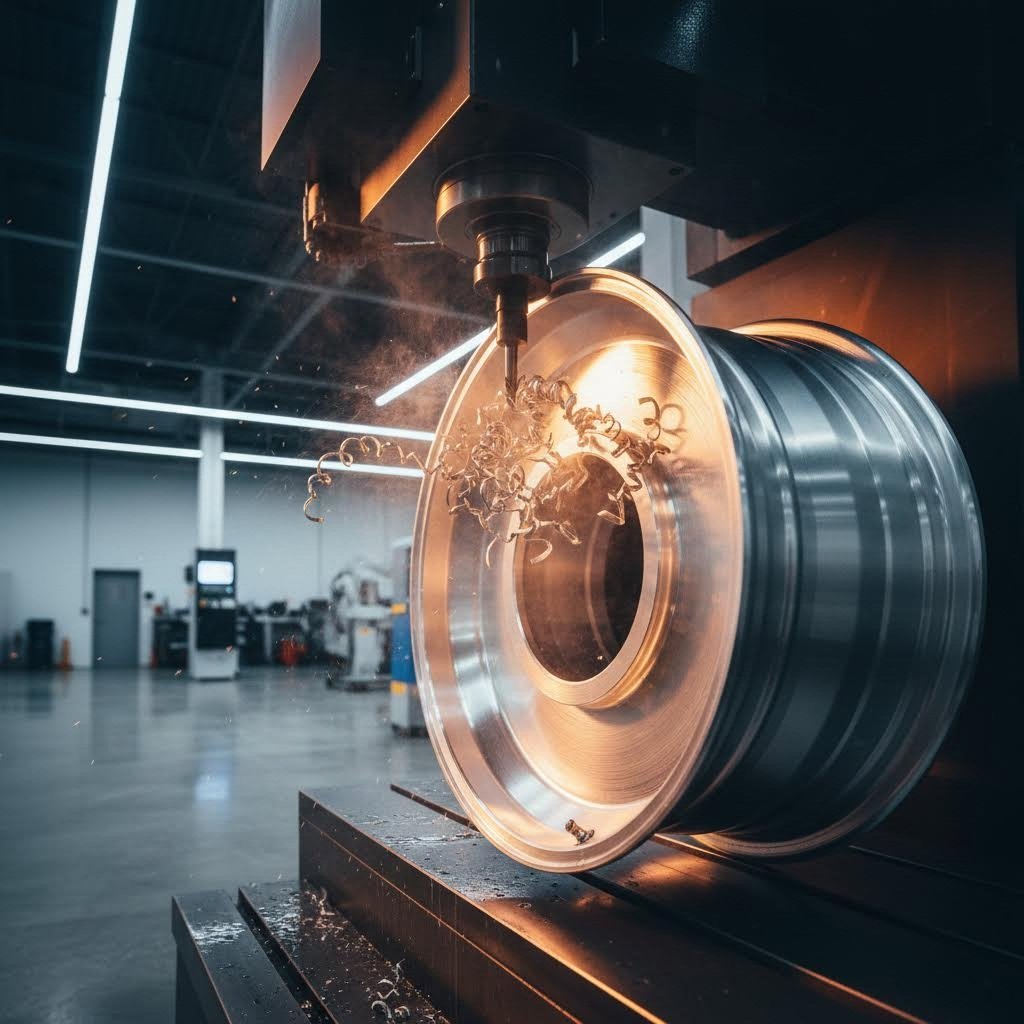
Machined finishes, on the other hand, involve a CNC (computer numerical controlled) lathe with diamond-coated cutting tools that precisely remove material from the wheel surface. This process can produce anything from a dull matte finish to a highly reflective raw aluminum appearance, depending on the tooling used. Many manufacturers machine just the wheel lip or face to create that popular two-tone effect where polished forged wheels sections contrast against painted areas.
The key distinction? Brushed finish rims undergo an abrasive texturing process, while machined wheels have material physically cut away to reveal the aluminum beneath. Both are typically clear-coated for protection.
Decoding Finish Industry Jargon
Beyond brushed and machined options, you'll encounter several other finish types. Here's what each actually involves:
Painted finishes work virtually identically to your car's bodywork. The color gets chemically bonded to the wheel surface, then topped with a clear coat for UV protection and durability. This remains the most common finish across the wheel industry because it's relatively easy to apply, repair, and customize.
Powder coating takes a different approach entirely. A dry powder gets sprayed onto the wheel using an electrostatic gun, then the wheel enters an oven where heat causes the powder to melt and chemically react. The result? A thicker, more uniform coating than liquid paint can achieve. However, as noted by NL Motoring, removing powder coat for refinishing requires abrasive blasting or high heat—processes that can potentially affect wheel integrity.
Chrome plating creates that classic mirror-like finish by submerging wheels in a chrome plating vat where electrical current deposits the chrome layer. While incredibly durable against rust and corrosion, chrome plating has become less common due to high manufacturing costs and environmental regulations surrounding the toxic substances involved.
PVD (Physical Vapor Deposition) offers a chrome-like appearance through a completely different process. A vapor transforms into a thin film on the wheel surface, creating an extremely durable finish. This technology appears on everything from building exteriors to smartphone finishes. Critical warning: PVD wheels look like chrome but will be instantly destroyed by chrome-specific cleaning products.
Anodizing uses an electrochemical process to thicken the natural oxide layer on aluminum. Unlike coatings that sit on top of the metal, anodizing actually changes the wheel's surface structure. The finish becomes integral to the wheel itself, providing excellent corrosion resistance. These wheels feel slightly textured and typically receive a clear coat after anodizing.
Polished finishes range from basic one-pass polishing to premium mirror polish options. Higher-end manufacturers offer multiple polish levels—some achieving reflectivity so clear the wheel literally works like a mirror.
| Finish Type | Application Method | Durability Rating | Maintenance Level | Best Use Case |
|---|---|---|---|---|
| Painted | Spray application with clear coat | Moderate | Low - standard washing | Daily drivers, custom color matching |
| Powder Coated | Electrostatic spray + oven curing | High | Low - standard washing | Harsh conditions, off-road use |
| Brushed | Abrasive texturing + clear coat | Moderate | Medium - regular cleaning needed | Understated luxury, satin aesthetics |
| Machined | CNC diamond-bit cutting + clear coat | Moderate-High | Medium - avoid harsh chemicals | Two-tone designs, modern styling |
| Polished | Multi-stage buffing process | Low-Moderate | High - requires regular polishing | Show cars, classic styling |
| Chrome | Electroplating in chrome vat | High | High - sensitive to alkaline cleaners | Classic cars, maximum shine |
| PVD | Vapor deposition thin film | Very High | Low - treat like painted finish | Chrome alternative, eco-conscious choice |
| Anodized | Electrochemical oxide thickening | Very High | Low - mild soap washing | Corrosion-prone environments |
Why does this matter specifically for forged wheels? The forging process creates a denser, more uniform aluminum substrate than casting. This superior base means finishes bond more consistently and tend to last longer on forged wheels compared to cast alternatives. The microscopic grain structure of forged aluminum provides better adhesion for coatings and more predictable results during machining operations.
With terminology clarified, you're now equipped to understand exactly what manufacturers offer. But knowing finish types is just the beginning—the real question is how these finishes perform in specific conditions, which brings us to brushed and machined options worth exploring in greater depth.
Brushed and Machined Finishes Explored
Imagine running your fingers across a brushed aluminium wheel—you'll feel those fine, uniform lines that catch light in subtle, sophisticated ways. Unlike mirror-polished surfaces that scream for attention, brush finish wheels whisper elegance. They've become the go-to choice for enthusiasts who want their forged wheels to make a statement without shouting.
Achieving the Perfect Brushed Aesthetic
What makes brushed finish wheels so visually distinctive? It all comes down to grain patterns and directional brushing techniques. During manufacturing, abrasive pads or belts move across the aluminum surface in a single, consistent direction. This creates thousands of microscopic parallel grooves that interact with light in fascinating ways.
When light hits a brushed surface, it scatters along those tiny channels rather than bouncing back directly at your eyes. The result? A warm, satin glow that shifts subtly as you walk around the vehicle. This diffused reflection hides minor scratches and swirl marks far better than polished alternatives—a practical benefit many buyers overlook.
You'll encounter two main variations when shopping:
Brushed aluminum (raw) features the natural metal appearance with directional grain patterns. This finish typically receives a clear protective coating but maintains that industrial, unpolished character. It's authentic and understated.
Brushed clear wheels take things further. After the brushing process, manufacturers apply a thicker clear coat that adds depth and enhances durability. According to Les Schwab, clear-coated finishes assure the wheel's appearance "will stay as good as new for years, as long as it's not nicked or scraped." This extra layer provides meaningful protection against environmental contaminants.
Machined Faces and Their Unique Appeal
While brushed finishes create texture through abrasion, machined finishes reveal the aluminum's natural beauty through precision cutting. Picture a CNC lathe spinning the wheel while a diamond-tipped tool traces across the face, removing microscopic layers of material. Those concentric cutting marks—reminiscent of a vinyl record—create that distinctive machined wheel appearance.
The visual effect differs dramatically from brushing. Machined surfaces exhibit a brighter, more reflective quality because the cutting process leaves a smoother profile. Light reflects more directly, creating sharper highlights and deeper shadows as the wheel rotates. Many manufacturers combine machined faces with painted or powder-coated pockets, producing that popular two-tone contrast enthusiasts love.
What many buyers don't realize: the quality of the forged aluminum substrate directly affects machined finish results. Denser, more uniform forged material machines more predictably than cast alternatives, producing cleaner lines and more consistent reflectivity across the entire wheel face.
Pros of Brushed Finishes
- Hides minor scratches and swirl marks better than polished surfaces
- Produces sophisticated, understated aesthetics that complement luxury vehicles
- Requires less frequent polishing than mirror-finish alternatives
- Works well across various lighting conditions without harsh glare
- Easier to maintain consistent appearance over time
Cons of Brushed Finishes
- Directional grain traps brake dust more readily than smooth surfaces
- Requires careful cleaning techniques to avoid cross-grain scratching
- Clear coat damage is more visible against the textured background
- Restoration requires professional re-brushing if finish degrades significantly
- Not ideal for maximum-shine show car applications
Brake Dust: The Hidden Enemy of Brushed Surfaces
Here's what most finish guides won't tell you: aggressive brake compounds create specific challenges for brushed and machined finishes that other surfaces don't face.
Performance brake pads—especially semi-metallic and ceramic compounds—produce fine metalite particles that embed themselves in those decorative grooves. Over time, these particles actually bond chemically with the aluminum if left unaddressed. The directional grain pattern that makes brushed aluminium wheels so attractive becomes a trap for contamination.
Regular cleaning becomes non-negotiable. As Les Schwab emphasizes, you should "clean brake dust off regularly to prevent damage to the finish." For brushed and machined wheels, this means weekly attention during normal driving and immediate cleaning after spirited driving sessions.
Recommended cleaning approach for brushed finish rims:
- Use only pH-neutral, non-acidic wheel cleaners—never chrome cleaners or harsh degreasers
- Work with the grain direction using soft microfiber cloths or brushes
- Rinse thoroughly before cleaning to remove loose particles that could scratch
- Apply a quality wheel sealant monthly to create a protective barrier against brake dust adhesion
The investment in proper maintenance pays dividends. Well-maintained brushed clear wheels can look showroom-fresh for years, while neglected examples develop permanent staining within months. Understanding these specific care requirements before purchase helps you decide whether a brushed or machined finish matches your maintenance commitment—a consideration that leads naturally into selecting the right finish for your specific driving conditions.

Choosing Finishes Based on Your Driving Conditions
Here's a question that changes everything: instead of asking "which finish looks best?", what if you started with "how do I actually drive?" Your wheels face vastly different challenges depending on whether you're commuting through Minnesota winters, chasing lap times at the track, or building a trailer queen for shows. Let's flip the typical approach and match finishes to your real-world driving reality.
Matching Finishes to Your Driving Reality
Think about your typical week behind the wheel. Are you grinding through stop-and-go traffic? Pushing hard on canyon roads? Hauling through construction zones? Each scenario demands different finish characteristics—and what works brilliantly in one situation might fail miserably in another.
Daily Driver in Salt Belt Regions
If you're navigating roads treated with salt and magnesium chloride from November through April, corrosion resistance becomes your top priority. According to OX Wheels, "moisture combined with road salts can be extremely corrosive, especially for steel wheels and non-coated rims. Over time, this can lead to rust, pitting, and structural weakening."
Your best options include powder coating and PVD finishes. Powder coating's thicker, chemically-bonded layer creates a formidable barrier against salt intrusion. PVD's sealed clear coat helps block those corrosive winter chemicals. Polished or raw machined finishes? They'll suffer. Without robust protection, salt attacks exposed aluminum relentlessly.
Track Day Enthusiast
Racing conditions introduce extreme heat from aggressive braking—temperatures that can exceed 1,000°F at the rotor. This thermal stress radiates directly to your wheels, affecting both the aluminum structure and the finish coating.
Powder coating excels here too, thanks to its heat-cured application process that creates inherent thermal stability. Anodized finishes also perform exceptionally well because the finish integrates into the aluminum itself rather than sitting on top. Avoid chrome plating for serious track use—the layered nickel and chromium can separate under repeated thermal cycling.
Classic craiger wheels earned their reputation partly through motorsport heritage, and that legacy reinforces an important lesson: finishes proven on the track translate to durability on the street.
Show Car Builder
Maximum visual impact drives your decisions. Mirror-polished forged wheels create that jaw-dropping reflection quality that wins trophies. Chrome plating delivers unmatched brightness—Les Schwab describes it as "the brightest, showiest look of all finishes, nearly as reflective as a mirror."
The trade-off? These finishes demand significant maintenance commitment. Polished wheels require regular buffing to prevent oxidation. Chrome needs careful cleaning to avoid pitting. If your car lives in a climate-controlled garage and only sees pavement during shows, these compromises make perfect sense. If you're tempted to drive your show car regularly, reconsider.
Off-Road Applications
Rocks, gravel, mud, and debris create constant impact and abrasion challenges. You need the toughest finish available—period. Powder coating dominates this category with its superior chip and scratch resistance. Kipardo Racing notes powder coating "is highly durable and resistant to chipping, scratching, corrosion, and fading."
Painted finishes can work for light-duty off-road use, but expect touch-ups. Polished, machined, or chrome finishes simply don't belong on serious off-road builds—they'll look destroyed after your first trail run.
Climate Considerations Most Buyers Overlook
Beyond driving style, where you live dramatically impacts finish longevity. The same wheel finish that lasts a decade in Arizona might fail within two years in Florida. Understanding these geographic factors prevents costly mistakes.
| Geographic Condition | Primary Threat | Optimal Finish Choices | Finishes to Avoid |
|---|---|---|---|
| Coastal Humidity (Florida, California coast, Gulf states) | Salt air corrosion, constant moisture exposure | PVD, Powder Coating, Anodized | Polished without clear coat, Raw machined |
| Desert Heat (Arizona, Nevada, West Texas) | Extreme UV exposure, thermal expansion stress | Powder Coating, Anodized, High-quality painted | Chrome (thermal cycling issues), Basic clear coats |
| Northern Salt Exposure (Great Lakes, Northeast, Midwest) | Road salt, magnesium chloride, freeze-thaw cycles | Powder Coating, PVD, Anodized | Polished, Chrome (unless meticulously maintained) |
| Temperate/Mild (Pacific Northwest, Mid-Atlantic) | Rain, occasional salt, moderate UV | Any finish with proper maintenance | None specifically—all perform reasonably well |
| High Altitude (Colorado, Mountain regions) | Intense UV, gravel roads, temperature swings | Powder Coating, Anodized | Basic painted finishes (UV degradation) |
Notice how coastal humidity appears as a serious concern? OX Wheels warns that "the salty air can quickly corrode both wheels and rims, even if you don't frequently drive on salted roads." You might never see winter salt, but living five miles from the ocean creates similar corrosion challenges.
Honest Trade-Off Analysis
No finish excels at everything. Understanding what you're sacrificing helps set realistic expectations:
Powder coating offers outstanding durability but limits your refinishing options later. As noted earlier, removing powder coat requires aggressive processes that can affect wheel integrity. Choose your color carefully—you're essentially committed long-term.
Chrome plating delivers unmatched visual brilliance but demands vigilant maintenance. If you skip regular cleaning in salt-exposed areas, pitting begins quickly. The finish also adds measurable weight compared to alternatives.
PVD finishes provide chrome-like appearance with better durability and environmental benefits. However, they're sensitive to improper cleaning products. Use chrome cleaner on PVD wheels and you'll destroy them instantly—a mistake many buyers make.
Polished finishes achieve that pure aluminum beauty but require regular attention. Les Schwab confirms these wheels "require regular cleaning, polishing and waxing to keep them from oxidation and pitting" when left without protective coatings.
The craiger wheels approach—building reputation through proven performance across diverse conditions—illustrates why matching finish to application matters more than chasing the most expensive or flashiest option. When comparing forged wheels vs alloy wheels, remember that superior forged construction deserves a finish strategy equally well-considered.
What is the difference between forged wheels and alloy wheels in practical terms? Forged construction provides a denser, more uniform substrate that holds finishes better long-term. But even that advantage gets wasted if you choose a finish incompatible with your driving conditions. The question isn't really what is better alloy or forged wheels—it's whether your finish selection matches your actual usage patterns.
With your driving conditions and climate mapped to appropriate finishes, the next critical consideration becomes longevity. How long should each finish actually last under real-world conditions? Let's explore the durability expectations that help you plan for the long term.
Finish Durability and Long-Term Performance
You've selected the perfect finish for your true forged rims. But here's the question nobody wants to ask: how long will it actually last? Understanding finish longevity before purchase prevents frustration down the road—and helps you budget realistically for the ownership lifecycle of your wheels.
Real-World Durability Expectations
Finish lifespan varies dramatically based on the coating type and how you drive. Let's set realistic expectations grounded in actual performance data.
Powder coating leads the durability race by a significant margin. According to Gilroy Blackout, powder coating lasts 3-4 times longer than traditional paint and requires no recoating over a 10-year period under normal conditions. The heat-curing process creates molecular bonds that spray paint simply cannot achieve. For daily drivers facing harsh conditions, fully forged wheels with powder coating can maintain their appearance for 8-10 years with proper care.
Painted finishes typically show significant wear within 3-5 years of regular use. The thinner application (2-4 mils versus powder coating's 4-6 mils) means less material protecting the aluminum substrate. Rock forged wheels or any forged set facing gravel roads will see painted finishes degrade faster due to constant chip exposure.
Chrome plating offers excellent corrosion resistance when intact, but its layered construction creates vulnerability points. In salt-exposed regions, expect 5-7 years before noticeable degradation. In temperate climates with proper maintenance, chrome can last decades.
PVD finishes demonstrate exceptional durability—often outlasting chrome while weighing less. The vapor-deposited film bonds at a molecular level, providing resistance against chips and scratches that chip away at other finishes. Budget for 7-10 years of solid performance.
Polished and machined finishes present unique challenges. Without clear coat protection, oxidation begins immediately upon exposure to air. Even with quality clear coats, expect to refinish every 3-5 years for parallel forged wheels seeing regular street duty.
When Finishes Fail and Why
Understanding failure mechanisms helps you catch problems early—and sometimes prevent them entirely.
Thermal stress from braking ranks among the top finish killers. Your brakes convert kinetic energy into heat, and that thermal energy transfers directly through the hub to your wheel. Powder coating handles brake heat effectively because it's already heat-cured during application. Paint, however, wasn't designed for repeated thermal cycling—reference data confirms that "brake heat destroys paint" while "powder coating handles it."
This relationship between wheel finish and performance factors like heat dissipation matters more than most buyers realize. During spirited driving, brake temperatures can exceed 500°F. That heat radiates outward, stressing finish adhesion with every hard stop. Track-focused applications using reference part number 20937764 or similar high-performance brake components generate even greater thermal demands.
Chemical attack represents another common failure mode. Brake dust contains metallic particles that react chemically with certain finishes. Industry testing shows powder coating resists all common chemicals including brake fluid, gasoline, and road treatments. Painted finishes prove more vulnerable, especially to acidic wheel cleaners that strip protective clear coats.
Impact damage affects finishes differently based on their thickness and flexibility. Powder coating's thicker application absorbs minor impacts better than paint. Chrome's rigid structure chips rather than flexing. Understanding these characteristics helps explain why the same pothole might barely mark one wheel while devastating another.
Repair and Restoration Options
Not all finish damage requires complete refinishing. Knowing what's repairable saves money and extends your wheels' service life.
Painted finishes offer the most repair-friendly option. Minor chips and scratches can be touched up with color-matched paint pens. Larger damaged areas respond well to spot sanding and repainting. According to Alloy Logic, painted alloy repair "is relatively quick and can be completed in a few hours, making it ideal for car owners looking for a fast solution."
Powder coating presents repair challenges. Touch-ups prove difficult because the repair material can't match the original heat-cured finish. Most damage requires full stripping and recoating—an involved process that, as noted by repair specialists, "takes longer than a standard paint repair" due to multiple stages including stripping, coating, and curing.
Chrome and PVD finishes generally require complete refinishing when damaged. The plating or deposition processes don't lend themselves to spot repairs. Budget for full wheel refinishing if these finishes become compromised.
Machined and brushed finishes can sometimes be restored through re-machining or re-brushing, but this removes material from the wheel. Repeated restorations eventually thin the wheel face beyond acceptable tolerances. For high-value true forged rims, limit refinishing cycles to preserve structural integrity.
Warning Signs of Finish Degradation
Catching problems early prevents minor issues from becoming major expenses. Here's what to watch for with each finish type:
- Painted finishes: Look for bubbling or lifting along edges, yellowing of clear coat, white oxidation spots, or crazing (fine crack patterns) in the surface
- Powder coating: Watch for chipping at impact points, fading in UV-exposed areas, or separation where coating meets wheel edges
- Chrome plating: Inspect for pitting (small dark spots), peeling at edges, or cloudy areas indicating moisture infiltration beneath the chrome layer
- PVD finishes: Check for rainbow discoloration (indicates coating breakdown), scratches that expose base material, or dulling in high-wear areas
- Polished/machined: Monitor for oxidation spots (gray or white patches), pitting in the aluminum, or clouding of protective clear coat
- Anodized finishes: Look for color fading, surface chalking, or areas where the finish appears to be wearing through to bare aluminum
The ownership lifecycle perspective matters for any significant wheel investment. When you're spending thousands on parallel forged wheels or rock forged wheels, understanding that powder coating might need attention at year 8 while paint might need refinishing at year 3 fundamentally changes your cost calculations. Factor these timelines into your purchase decision—sometimes the finish with higher upfront cost delivers better long-term value.
With durability expectations established, the practical question becomes: how do you maintain these finishes to achieve their maximum lifespan? Proper care protocols differ significantly by finish type, and the right approach can extend your wheels' appearance by years.
Maintenance Protocols for Every Finish Type
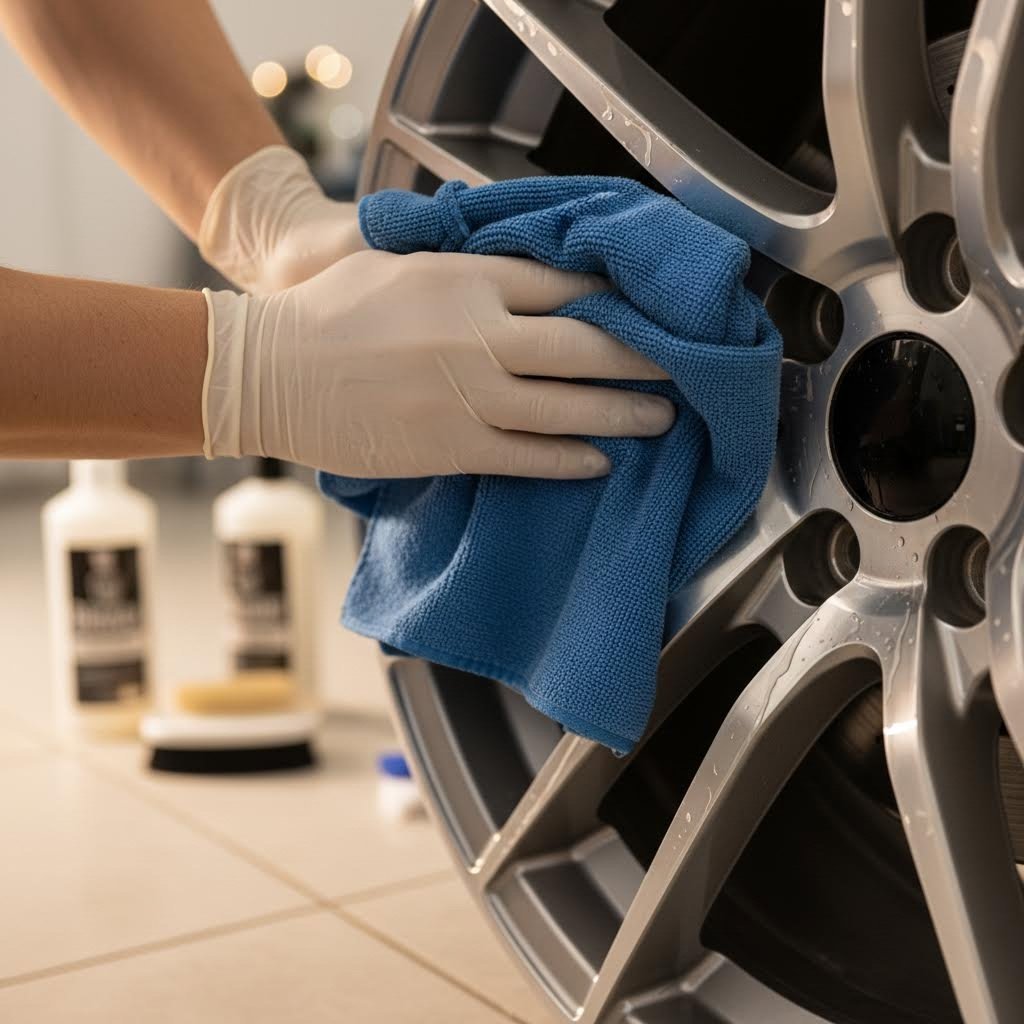
You've invested in quality forged wheels with the perfect finish. Now comes the question that determines whether they look showroom-fresh for years or fade within months: are you maintaining them correctly? According to The Rag Company, brake dust "consists of hot metal particles that embed themselves into wheel finishes over time"—and combined with road salt and moisture, this buildup leads to staining and corrosion. Let's break down exactly how to protect your investment with finish-specific care routines.
Weekly vs Monthly Maintenance Routines
Not all finishes demand the same attention level. Understanding which maintenance tasks belong on weekly versus monthly schedules prevents both under-care damage and unnecessary over-maintenance.
Weekly maintenance (all finish types):
Every finish benefits from regular light cleaning to prevent brake dust from chemically bonding to the surface. As industry experts note, wheels should always be cleaned before the rest of your car because "they're the dirtiest part" and cleaning them last risks splashing contamination onto freshly washed panels.
Monthly deep maintenance by finish type:
- Powder coated and painted: Monthly iron decontamination spray treatment to dissolve embedded metallic particles that regular washing can't remove
- Chrome: Monthly inspection for pitting and application of chrome-specific sealant to maintain protective barrier
- PVD: Monthly cleaning with pH-neutral products only—never use chrome cleaners despite the similar appearance
- Polished and machined: Monthly polish application to prevent oxidation and maintain reflectivity
- Brushed: Monthly cleaning with grain direction using soft microfiber to prevent cross-grain scratching
- Anodized: Monthly mild soap wash—these finishes require minimal intervention but benefit from consistent care
Seasonal deep maintenance:
Every 3-4 months, apply fresh protective coating or sealant regardless of finish type. Before winter in salt-exposed regions, apply extra sealant layers to create stronger barriers against corrosive road treatments.
How Brake Dust Types Affect Your Finish
Here's what most guides miss: the brake pads you use directly impact how aggressively you need to maintain your wheels.
Semi-metallic brake pads produce the most aggressive dust—containing iron, steel, and copper particles that bond chemically with aluminum surfaces. If you're running performance semi-metallic compounds, weekly cleaning becomes non-negotiable for any finish type.
Ceramic brake pads generate finer dust that's less corrosive but still embeds in textured finishes like brushed aluminum. The lighter-colored dust shows less visibly but still requires regular removal.
Organic brake pads create the least wheel damage but often don't meet performance requirements for spirited driving. They're worth considering for show cars or low-mileage variants where wheel appearance takes priority over maximum braking performance.
According to Hyperclean's professional detailing guide, "brake dust contains metallic particles that embed in wheel surfaces over time, creating orange and brown staining that regular cleaning cannot resolve." These particles "bond chemically to wheel surfaces and require chemical dissolution rather than mechanical scrubbing that damages finishes."
The Complete Wheel Cleaning Routine
Follow this step-by-step process for any finish type, adjusting product selection based on your specific wheels:
- Cool the wheels completely. Never clean hot wheels—thermal shock can crack chrome, damage clear coats, and cause uneven finish degradation. Wait at least 30 minutes after driving before beginning.
- Rinse thoroughly with water. Remove loose debris and brake dust particles before any physical contact. This prevents grinding contaminants into the finish during cleaning.
- Apply pH-neutral wheel cleaner. Spray evenly across the entire wheel face, barrel, and between spokes. Let the product dwell for 2-3 minutes to chemically loosen contamination.
- Agitate with appropriate tools. Use soft wheel brushes for barrels, smaller detail brushes for lug nuts, and dedicated microfiber towels for faces. Professional detailers warn against using "old sponges or stiff brushes" which "can scratch clear-coated, painted, or polished finishes."
- Clean the wheel barrel thoroughly. This area accumulates the heaviest brake dust concentration but gets overlooked during most cleaning sessions. Work methodically around the entire circumference.
- Rinse completely. Remove all cleaner residue—leftover product causes streaking and can damage finishes if allowed to dry on the surface.
- Dry with dedicated wheel microfiber. Use light passes or blotting rather than aggressive wiping to reduce micro-scratching risk, especially on gloss or dark finishes.
- Apply protection product. Once clean and dry, apply appropriate sealant or coating for your finish type to create a barrier against future contamination.
Products That Protect Your Investment
Product selection can make or break your wheels. As professional detailers emphasize, "the temptation to use household cleaners or cheap automotive products is understandable, but the risk-to-savings ratio makes zero sense. Wheel refinishing costs hundreds per wheel, while quality cleaning products cost a few dollars per use."
Wheel sealants create a protective barrier that reduces brake dust adhesion and makes future cleaning easier. Apply monthly to maintain protection. Look for products specifically formulated for your finish type—chrome sealants differ from those designed for coated wheels.
Ceramic wheel coatings represent the premium protection option. According to Car and Driver's testing, ceramic coatings "create a protective barrier that prevents brake dust and contamination from bonding to wheel surfaces." The hydrophobic coating causes contaminants to release easily with minimal effort. Note that ceramic coated wheels require less aggressive maintenance—the coating does the work, so avoid harsh scrubbing that can degrade protection.
Iron decontamination sprays dissolve embedded metallic particles that regular cleaning cannot remove. The color-changing reaction shows the chemical breaking down contamination bonded to your wheel surface. Use monthly or whenever you notice brake dust staining that resists normal washing.
Common Mistakes That Destroy Finishes Prematurely
Avoid these errors that industry data shows account for over 30% of wheel refinishing work:
- Using acid-based cleaners on painted or coated wheels. These products strip protective clear coats and cause permanent discoloration requiring complete refinishing.
- Cleaning in direct sunlight or on hot wheels. Thermal stress cracks chrome and causes cleaners to dry prematurely, leaving residue that damages finishes.
- Using the same towels on wheels and paint. Once contaminated with brake dust, towels should remain wheel-only to prevent cross-contamination that scratches body panels.
- Letting cleaners dry on the surface. Product residue causes streaking and can chemically attack finishes if left to evaporate.
- Aggressive scrubbing to remove stubborn buildup. Brake dust should be chemically loosened, not forced off. Repeat the cleaning process rather than scrubbing harder.
- Pressure washer misuse. Excessive pressure forces water past seals and can damage delicate finishes. Maintain safe distance and use appropriate settings.
- Skipping protection after cleaning. Unprotected wheels allow brake dust to bond more aggressively, creating a cycle of increasingly difficult maintenance.
The difference between variant wheels that maintain their appeal and those requiring premature refinishing often comes down to consistent, appropriate maintenance rather than expensive products or special techniques. Whether you're caring for variant rims on a daily driver or maintaining variant maxim wheels on a show car, these protocols adapt to protect your specific investment.
With proper maintenance protocols established, understanding how manufacturing quality affects finish outcomes becomes the next piece of the puzzle. The substrate beneath your finish—how it was forged and finished before coating—determines how well any maintenance program actually performs.
Manufacturing Quality and Finish Excellence
Ever wonder why two wheels with identical finishes can age so differently? One maintains its showroom appearance for years while another develops peeling, pitting, or discoloration within months. The secret lies beneath the surface—in the aluminum substrate created during manufacturing. What is a forged wheel at its core? It's a foundation that either supports or undermines every finish applied to it.
How Forging Quality Impacts Finish Results
The forging process fundamentally transforms aluminum's molecular structure in ways that directly affect finish performance. When massive hydraulic presses apply thousands of tons of pressure to heated aluminum billets, they compress and align the metal's grain structure. According to Variant Wheels, "forging compresses the metal's grain structure, aligning it for maximum impact resistance."
This compressed, uniform grain structure creates the ideal substrate for any finish application. Think of it like painting a wall—you'll get dramatically different results painting fresh drywall versus a cracked, uneven surface. The same principle applies to wheels:
- Denser aluminum structure provides more consistent adhesion points for paint, powder coating, and plating processes
- Uniform material composition means finishes cure and bond evenly across the entire wheel face
- Absence of porosity eliminates microscopic air pockets where moisture can infiltrate and cause finish failure from beneath
- Superior surface smoothness after machining allows thinner, more even finish application
Are forged wheels aluminium? Yes—but it's aluminum that's been fundamentally transformed. Cast wheels, by comparison, contain inherent porosity from the cooling process. As Car Division explains, cast wheels are "made by pouring molten aluminum into a mold," which inevitably creates microscopic voids as the metal solidifies unevenly. These voids become failure points where finishes eventually separate from the substrate.
The practical impact? Finishes on forged wheels typically last 30-50% longer than identical finishes on cast alternatives. That brushed finish you selected? It performs only as well as the aluminum beneath it allows.
The Manufacturing Edge in Premium Finishes
Manufacturing quality extends beyond the forging press itself. The entire production environment—from raw material sourcing through final inspection—determines whether your wheels receive finishes that perform as advertised.
This is where certifications become meaningful rather than just marketing claims. According to FlexiForge Wheel, "IATF 16949:2016 certification is vital for wheel manufacturers supplying major automakers. It covers the entire production process, ensuring high-quality standards at every stage." This certification focuses specifically on continuous improvement and defect prevention—exactly what matters for substrate quality.
Companies like Shaoyi (Ningbo) Metal Technology demonstrate how precision hot forging with rigorous quality control creates the substrate quality that premium finishes require. Their IATF 16949 certification and in-house engineering ensure every forged component meets exact specifications before any finish gets applied. This level of manufacturing precision—backed by automotive industry quality standards—translates directly to finish longevity.
The finish you see is only as good as the substrate you can't see. Premium manufacturing processes create the invisible foundation that determines whether your finish investment pays off for years or fails within months.
What specific quality control measures matter for finish outcomes? Look for manufacturers demonstrating:
- Material certification: Documented aluminum alloy composition ensuring consistent metallurgical properties across production runs
- Dimensional precision: CNC machining tolerances that create uniform surfaces for finish application
- Surface preparation standards: Documented cleaning, etching, and preparation protocols before finish application
- Environmental controls: Temperature and humidity management during finish curing processes
- Inspection protocols: Multi-stage quality checks catching defects before they become customer problems
The certification landscape includes additional standards worth understanding: ISO 9001 for quality management systems, JWL and JWL-T certifications for safety compliance, and TÜV certification for European market standards. Each represents documented commitment to consistent manufacturing quality.
For enthusiasts asking what is a forged wheel worth in practical terms, manufacturing quality provides the answer. A wheel from a certified manufacturer with documented quality processes will outperform budget alternatives even when both carry the same finish description. The foreplay wheels comparison isn't about the topcoat—it's about everything that happens before that topcoat gets applied.
Understanding manufacturing quality helps explain why finish warranties vary so dramatically between manufacturers. Companies confident in their substrate quality offer longer finish warranties because they know the foundation supports the coating. Those cutting corners on forging quality hedge their bets with shorter coverage periods.
With manufacturing quality's role in finish performance now clear, the final step involves translating this knowledge into practical purchase decisions. How do you evaluate finish quality when shopping, and what criteria should guide your final selection?
Making Your Final Finish Selection
You've absorbed the technical details, understood durability expectations, and learned proper maintenance protocols. Now comes the moment of truth: translating all that knowledge into a confident purchase decision. Whether you're eyeing fikse fm10 wheels for track duty or considering legacy forged wheels for a show build, the selection process follows the same fundamental logic.
Building Your Finish Selection Checklist
Before clicking "add to cart" or placing that custom order, work through this systematic evaluation. According to Rim Doctor, "one of the dos of buying rims is investing time in research"—and that research should be structured around your specific situation rather than generic recommendations.
Your finish selection decision checklist:
- Intended use: Will these wheels see daily commuting, weekend track sessions, show-only duty, or off-road adventures? Track-focused applications demand heat-resistant finishes like powder coating or anodized options. Show cars can prioritize visual impact with polished or chrome finishes. Daily drivers benefit from durable, low-maintenance options like PVD or quality painted finishes.
- Climate exposure: Do you live in a salt belt state, coastal humidity zone, or desert environment? Northern winters require corrosion-resistant finishes. Coastal areas demand protection against salt air. Desert heat calls for UV-stable coatings that resist thermal stress.
- Maintenance commitment: Be honest—how much time will you realistically dedicate to wheel care? Polished finishes requiring weekly attention won't stay beautiful if you're only cleaning wheels monthly. Match your finish to your actual maintenance habits, not aspirational ones.
- Aesthetic preferences: What visual statement do you want your wheels to make? Mirror-like shine, understated satin, industrial brushed texture, or bold custom colors? Your finish should complement your vehicle's overall aesthetic rather than compete with it.
- Budget range: Consider both upfront costs and long-term ownership expenses. A less expensive painted finish requiring refinishing every three years may cost more over time than premium powder coating lasting a decade.
Evaluating Finish Quality When Shopping
How do you distinguish genuinely quality finishes from marketing claims? Several practical evaluation methods help separate premium offerings from budget alternatives.
Inspect the documentation. Reputable manufacturers provide detailed finish specifications including coating thickness, curing temperatures, and expected durability ranges. Vague descriptions like "high-quality finish" without technical backing should raise concerns.
Check warranty coverage. Finish warranty length directly reflects manufacturer confidence in their product. Companies offering 3-5 year finish warranties likely use superior application processes and substrate preparation compared to those offering only 1-year coverage.
Examine sample wheels when possible. Look for consistent coating thickness across the entire wheel face, clean transitions between finish zones on two-tone designs, and absence of orange peel texture or dust inclusions in the clear coat. These details reveal manufacturing precision.
Research the manufacturer's quality credentials. As discussed in our manufacturing quality section, certifications like IATF 16949 indicate documented quality management systems. Industry experts note that "consulting professionals can provide invaluable advice" regarding compatibility and quality—don't hesitate to ask manufacturers direct questions about their finishing processes.
Balancing Budget with Long-Term Value
The cheapest finish option rarely delivers the best value. Understanding total ownership cost helps justify appropriate investment levels.
Calculate the refinishing timeline. If a painted finish needs attention at year three and you plan to keep the vehicle for eight years, you're budgeting for 2-3 refinishing cycles. Powder coating lasting the full ownership period may cost more initially but eliminates those recurring expenses.
Factor in maintenance costs. Polished wheels demanding specialty products and frequent attention cost more to maintain than low-maintenance finishes requiring only basic cleaning supplies. These ongoing expenses add up over years of ownership.
Consider resale implications. Wheels with well-maintained premium finishes command higher resale values than those showing finish degradation. Your finish investment can return value when it's time to sell or upgrade.
Remember that industry guidance emphasizes: "never skimp on quality—low priced rims might seem like a good deal but consider the long-term implications." This applies equally to finish selection. Poor quality finishes "can be dangerous and end up costing more in repairs and replacement."
Sourcing Quality Forged Components
Beyond finish selection, sourcing matters significantly. The global wheel market offers options ranging from budget imports to precision-manufactured components with documented quality control.
For those considering jtx forged wheels 22x12 or similar custom specifications, lead time and manufacturing capability become practical concerns. Custom forged wheel orders typically require 4-8 weeks from order to delivery, depending on complexity and manufacturer capacity.
Quality-focused manufacturers like Shaoyi (Ningbo) Metal Technology demonstrate how modern production capabilities can streamline procurement. Their rapid prototyping in as little as 10 days accelerates custom projects, while proximity to Ningbo Port enables efficient global delivery. These practical considerations matter when coordinating wheel builds with vehicle modification timelines.
Evaluate potential suppliers on their ability to provide consistent communication, detailed specifications, and responsive technical support throughout the ordering process.
Your Actionable Next Steps
Ready to move forward with confidence? Here's your action plan:
- Complete the checklist above honestly. Write down your answers to create a clear decision framework.
- Narrow your finish options to 2-3 candidates based on your checklist responses. Don't try to evaluate every possible finish—focus on those matching your specific criteria.
- Request samples or visit showrooms where you can see your top finish choices in person. Photos never fully capture how finishes interact with light.
- Get detailed quotes including warranty terms. Compare total cost of ownership rather than just purchase price.
- Verify compatibility with your vehicle specifications. As Rim Doctor emphasizes, "triple check the specifications" including bolt patterns, center bore, and offset before committing.
- Plan your maintenance approach before the wheels arrive. Having proper cleaning supplies and protection products ready ensures you start ownership correctly.
The finish you select today will shape your wheel ownership experience for years to come. Armed with the knowledge from this custom forged wheel finishes guide, you're equipped to make a decision that balances visual appeal, practical durability, and realistic maintenance expectations. Your perfect finish exists—now you know exactly how to find it.
Frequently Asked Questions About Custom Forged Wheel Finishes
1. How do I choose between different forged wheel finishes?
Start by evaluating your driving conditions, climate exposure, and maintenance commitment. Daily drivers in salt belt regions should prioritize corrosion-resistant finishes like powder coating or PVD. Track enthusiasts need heat-resistant options such as powder coating or anodized finishes. Show car builders can opt for polished or chrome finishes that maximize visual impact but require more maintenance. Consider your realistic maintenance habits rather than aspirational ones when making your selection.
2. What is the difference between brushed and polished wheel finishes?
Brushed finishes feature fine parallel lines created by running abrasive materials across the aluminum surface, producing a satin, non-reflective appearance that hides minor scratches effectively. Polished finishes undergo multi-stage buffing to achieve mirror-like reflectivity. While polished wheels create maximum visual impact, they require regular polishing and waxing to prevent oxidation. Brushed finishes offer lower maintenance requirements but still need weekly cleaning to prevent brake dust from embedding in the textured grooves.
3. How long do different wheel finishes typically last?
Powder coating leads durability with 8-10 years under normal conditions and lasts 3-4 times longer than traditional paint. PVD finishes typically perform well for 7-10 years. Painted finishes show significant wear within 3-5 years of regular use. Chrome plating can last 5-7 years in salt-exposed regions or decades in temperate climates with proper maintenance. Polished and machined finishes may need refinishing every 3-5 years for wheels seeing regular street duty.
4. What wheel finish is best for harsh winter climates?
For regions with road salt and magnesium chloride exposure, powder coating and PVD finishes provide the best protection. Powder coating's thicker, chemically-bonded layer creates a strong barrier against salt intrusion. PVD's sealed clear coat blocks corrosive winter chemicals effectively. Anodized finishes also perform well since the finish integrates into the aluminum itself. Avoid polished or raw machined finishes in salt belt regions as they're highly vulnerable to corrosion damage.
5. Can damaged wheel finishes be repaired or do they need complete refinishing?
Repair options depend on the finish type. Painted finishes offer the most repair-friendly approach with touch-up paint pens for minor chips and spot repainting for larger areas. Powder coating is difficult to touch up since repairs can't match the original heat-cured finish, often requiring full stripping and recoating. Chrome, PVD, and anodized finishes generally require complete refinishing when damaged. Machined and brushed finishes can sometimes be restored through re-machining, but repeated restorations thin the wheel face and should be limited.