 Small batches, high standards. Our rapid prototyping service makes validation faster and easier —
  EN
EN


CNC Shops Exposed: What They Won't Tell You About Lead Times
What CNC Shops Actually Do and Why They Matter
Ever searched for machining services near me and wondered what you were actually looking for? You're not alone. The world of precision manufacturing can feel overwhelming, especially when you're trying to figure out where to get custom parts made. Let's break down exactly what these specialized facilities do and why they've become indispensable across virtually every industry.
What Exactly Is a CNC Shop
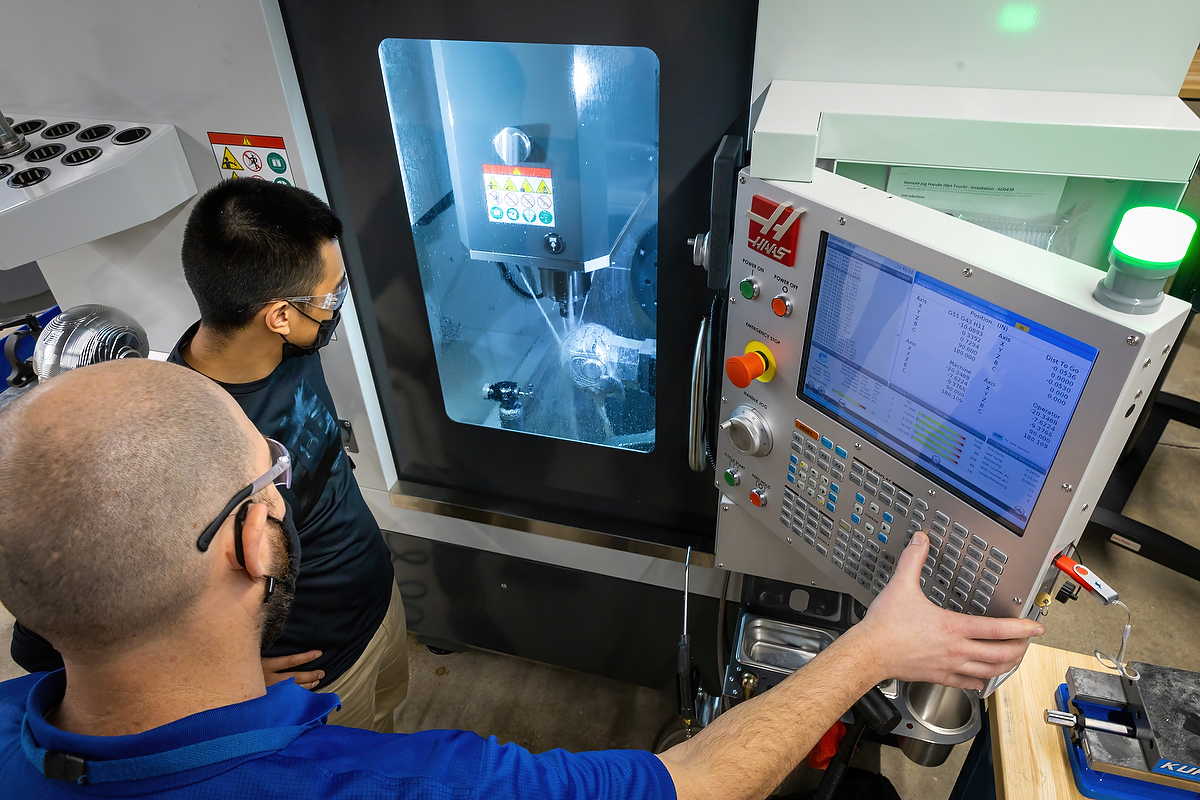
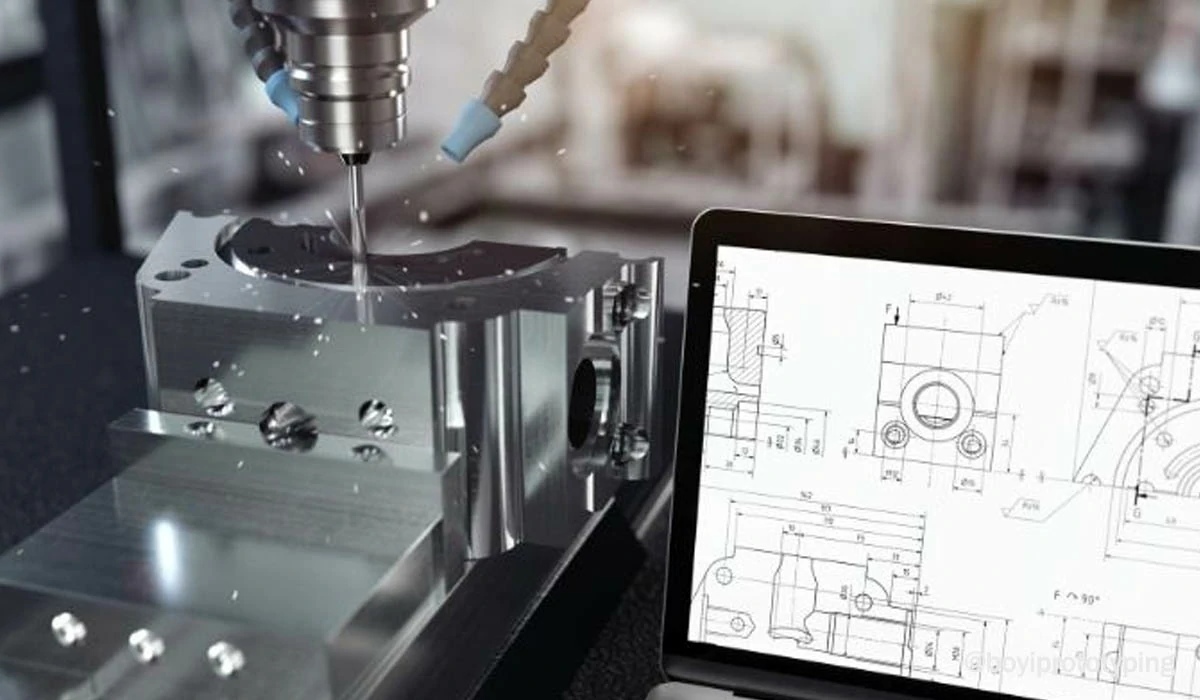
At its core, a CNC shop is a specialized manufacturing facility equipped with computer-controlled machines that cut, shape, and form materials into precise components. Think of it as a workshop where computers guide cutting tools with incredible accuracy, something human hands simply cannot match consistently.
A CNC shop is a manufacturing facility containing computer-controlled equipment, specialized tooling, and skilled operators that transforms raw materials into precision-machined parts according to exact digital specifications.
The term "CNC" stands for Computer Numerical Control. In practical terms, this means a computer translates your digital design into mathematical coordinates that guide cutting tools along three or more axes: side to side (X-axis), front to back (Y-axis), and up and down (Z-axis). This coordinate system allows machines to execute complex movements with repeatable precision, whether they're making one prototype or thousands of identical parts.
The Technology Behind Modern Manufacturing
Imagine telling a machine exactly where to move, how fast to cut, and how deep to go, all through code. That's essentially what happens in modern machine shops in Florida and worldwide. According to Mark Lindsay CNC, this technology has evolved from punch cards in the 1940s to today's sophisticated digital systems that can produce parts with tolerances measured in thousandths of an inch.
The process works like this: designers create a digital model, specialized software converts that model into tool paths (the exact routes cutting tools will follow), and the machine executes those paths with extraordinary precision. Local CNC machine shops use this same fundamental technology found in facilities costing millions of dollars, just scaled for different production needs.
Why CNC Shops Power Multiple Industries
Here's something that might surprise you: that smartphone in your pocket, the car you drive, and even medical devices keeping people alive all depend on components from these precision facilities. When you're looking for things to do near me, you might not realize how many local businesses rely on these manufacturing partners behind the scenes.
According to American Micro Industries, these shops serve virtually every sector imaginable:
- Aerospace: Turbofan blades and fuel nozzles requiring extreme precision
- Medical: Surgical instruments and implants with life-critical tolerances
- Defense: Durable components that withstand harsh environments
- Electronics: Miniature parts with parameters under 10 micrometers
- Automotive: Engine components and custom performance parts
The beauty of computer-controlled manufacturing lies in its versatility. A single shop can produce everything from simple fasteners to complex aerospace components, allowing businesses to bring products to market without investing in their own expensive equipment. This accessibility has democratized manufacturing, giving startups and established companies alike the ability to transform ideas into physical reality.
Core Services Every CNC Shop Should Offer
Now that you understand what these facilities do, here's the real question: what specific services should you expect when reaching out? Whether you're exploring CNC machining Florida options or searching nationwide, knowing the core capabilities helps you match your project to the right shop. Let's demystify the essential services you'll encounter.
Vertical Machining Explained Simply
Picture a drill press, but infinitely more sophisticated. That's essentially what vertical machining centers do. The spindle (the part holding the cutting tool) points straight down at the workpiece, which sits on a horizontal table. This orientation makes it perfect for flat surfaces and parts where you're working primarily from the top.
According to 3ERP, CNC milling machines come in both vertical and horizontal configurations, with vertical being the more common choice for general-purpose work. When you need CNC machining Orlando services for components like brackets, plates, or enclosures, vertical machining is typically the go-to solution.
What makes vertical machining so popular? Visibility. Operators can easily see what's happening during the cutting process, making it ideal for prototyping and smaller production runs where close monitoring matters.
Turning and Milling Operations
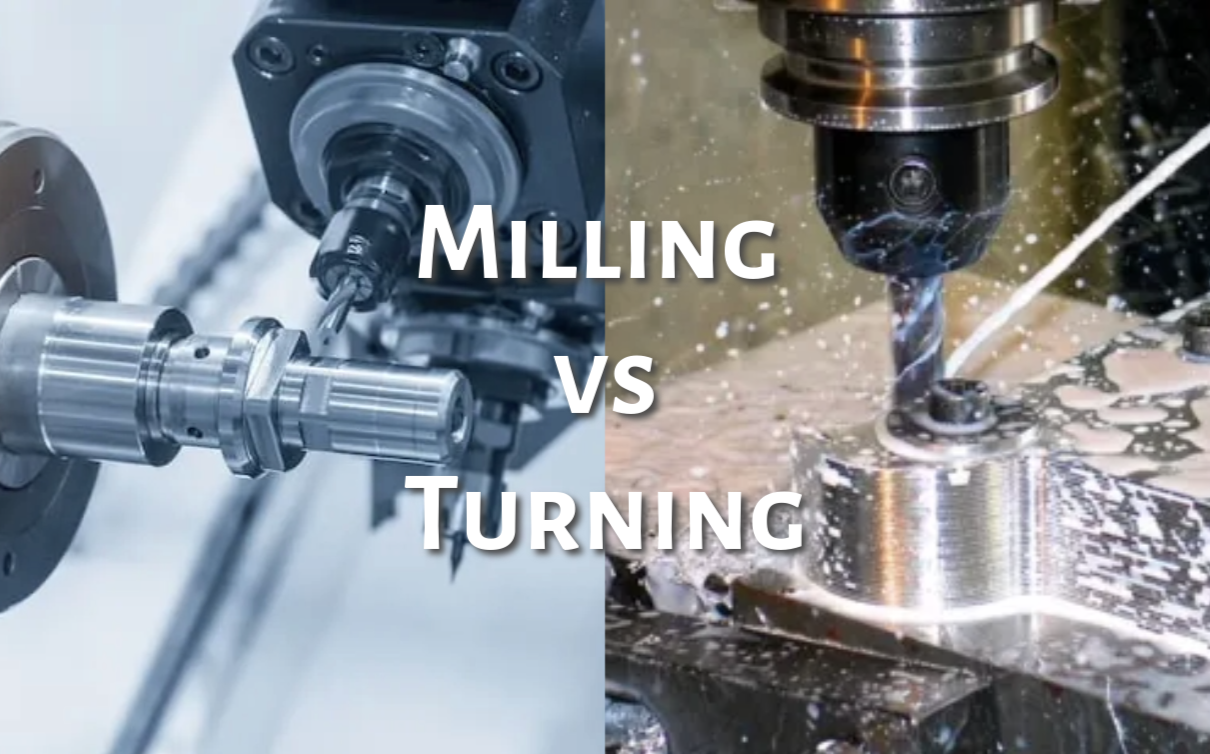
Here's where things get interesting. Turning and milling represent two fundamentally different approaches to removing material, and understanding the difference helps you communicate your needs effectively.
Turning operations involve spinning the workpiece while a stationary cutting tool shapes it. According to MechRank, turning centers are specifically designed for producing cylindrical parts like shafts, hubs, and gears. If your component is round or has rotational symmetry, turning is likely your answer.
Milling operations flip that concept. The cutting tool rotates while the workpiece stays relatively still (though it moves to position itself). This approach excels at creating flat surfaces, pockets, slots, and complex contours on prismatic (block-shaped) parts.
Many large CNC machining services now offer both capabilities under one roof, which means you won't need to coordinate between multiple vendors for complex projects requiring both round and flat features.
- CNC Milling: Rotating cutting tools remove material from fixed workpieces, ideal for flat surfaces, pockets, and complex 3D shapes
- CNC Turning: Rotating workpieces are shaped by stationary tools, perfect for cylindrical components like shafts and pins
- CNC Drilling: Creates precise holes of various diameters for fasteners, assembly, or functional requirements
- CNC Grinding: Finishing process using abrasive wheels for tight tolerances and smooth surface finishes
- CNC Routing: Cuts intricate shapes on flat materials, commonly used for wood, plastics, and softer metals
- EDM (Electrical Discharge Machining): Uses electrical sparks to cut conductive materials, essential for hardened steels and complex internal features
Understanding Multi-Axis Capabilities
Sounds complex? It's actually quite logical once you break it down. Remember those X, Y, and Z axes we mentioned earlier? Multi-axis machining adds rotational movements, allowing cutting tools to approach workpieces from virtually any angle.
According to MakerVerse, here's how the axis progression works:
- 3-axis machines: Move along X, Y, and Z directions. Perfect for simple parts, but require repositioning for multiple faces
- 4-axis machines: Add rotation around the X-axis (A-axis). Multiple sides machined without manual repositioning
- 5-axis machines: Include two rotational axes, enabling machining from almost any angle in a single setup
- 6-axis and beyond: The most advanced configurations for extremely intricate aerospace and medical components
Why does this matter for your project? More axes generally mean fewer setups, tighter tolerances, and smoother finishes on complex geometries. A 5-axis machine can complete in one operation what might require three or four setups on a 3-axis machine.
The trade-off? According to 3ERP, hourly rates reflect this capability difference. A 3-axis CNC machine might cost around $40 per hour, while higher-axis machines can run $200 per hour or more. Understanding your project's actual complexity helps you avoid overpaying for capabilities you don't need.
With these core services in mind, the next critical decision involves material selection. Choosing the right material impacts everything from machining costs to final part performance.
Materials CNC Shops Work With and How to Choose
You've identified the services you need. Now comes the question that trips up even experienced buyers: what material should your part be made from? This decision affects everything from cost and lead time to how well your finished component performs. Whether you're working with a machine shop Orlando facility or exploring orlando machine shops across Central Florida, understanding material options puts you in control of the conversation.
Metals Commonly Machined by CNC Shops
Walk into any precision manufacturing facility, and you'll find a core group of metals that handle the vast majority of projects. Each brings distinct advantages depending on your application.
Aluminum alloys dominate general-purpose machining for good reason. According to Hubs, aluminum offers an excellent strength-to-weight ratio, high thermal and electrical conductivity, and natural corrosion protection. These alloys machine quickly, which keeps costs down while delivering parts suitable for everything from consumer electronics housings to aerospace brackets.
Steel varieties step in when strength becomes the priority. Mild steels like 1018 provide good machinability and weldability at lower costs, making them ideal for jigs, fixtures, and structural components. Alloy steels such as 4140 add improved hardness and wear resistance for demanding industrial applications.
Stainless steel combines strength with corrosion resistance. The 304 grade handles most environmental conditions well, while 316 offers enhanced chemical resistance for marine or medical environments. According to Hubs, stainless steel 2205 Duplex delivers twice the strength of common stainless alloys, making it the choice for extreme environments in oil and gas applications.
Brass excels in applications requiring low friction and excellent electrical conductivity. Its natural corrosion resistance and attractive gold-like appearance make it popular for both functional components and decorative architectural elements.
Titanium offers the ultimate strength-to-weight ratio but comes with significantly higher material and machining costs. Aerospace and medical implant applications justify this premium when weight savings or biocompatibility are critical.
When to Choose Aluminum vs Steel
This comparison comes up constantly, and the answer depends on what matters most for your specific project. Let's break down the key decision factors.
According to VMT CNC, aluminum weighs roughly one-third of steel for the same volume. The density of aluminum sits around 2.7 g/cm³, while steel measures approximately 7.85 g/cm³. This difference becomes critical in automotive and aerospace applications where reducing weight improves fuel efficiency and performance.
Steel wins on raw strength. It withstands more stress before deforming, making it essential for structural applications like frames, bridges, and heavy-duty equipment. However, when you factor in the strength-to-weight ratio, aluminum performs remarkably well for many applications.
Machinability affects your bottom line directly. Aluminum cuts faster than steel, reducing labor and energy costs. A custom machine shop near me might complete your aluminum parts significantly quicker than identical steel components, translating to lower per-piece pricing.
Corrosion resistance favors aluminum for outdoor or marine environments. Aluminum naturally forms a protective oxide layer without additional treatment, while steel requires coatings or stainless grades to prevent rust.
| Material | Key Properties | Best Applications | Relative Cost |
|---|---|---|---|
| Aluminum 6061 | Excellent machinability, good strength-to-weight ratio, corrosion resistant | Prototypes, enclosures, brackets, general-purpose components | $ (Most economical metal) |
| Aluminum 7075 | High strength comparable to steel, excellent fatigue properties | Aerospace components, high-performance automotive parts | $$ |
| Mild Steel 1018 | Good machinability and weldability, high toughness | Jigs, fixtures, structural components, general industrial | $ (Lower raw material cost) |
| Stainless Steel 304 | Excellent corrosion resistance, good mechanical properties | Food processing, medical equipment, outdoor applications | $$ |
| Stainless Steel 316 | Superior chemical and saline resistance | Marine environments, chemical processing, medical implants | $$$ |
| Brass C360 | Excellent machinability, low friction, electrical conductivity | Electrical connectors, valves, decorative hardware | $$ |
| Titanium Grade 5 | Highest strength-to-weight ratio, biocompatible | Aerospace critical components, medical implants | $$$$ |
| POM (Delrin) | Highest machinability among plastics, low friction, excellent dimensional stability | Gears, bearings, precision mechanical components | $ (Most economical plastic) |
| PEEK | Exceptional chemical resistance, high-temperature performance | Medical devices, semiconductor equipment, aerospace | $$$$ |
Specialty Materials and Their Applications
Beyond the common metals, CNC shops process an impressive range of specialty materials tailored to specific performance requirements.
Engineering plastics offer unique advantages over metals in many situations. According to Hubs, POM (commonly known as Delrin) delivers the highest machinability among plastics while providing excellent dimensional stability, low friction, and minimal water absorption. When precision plastic parts are needed, POM is often the first choice.
Polycarbonate combines high toughness with excellent impact strength, surpassing even ABS. Its natural transparency makes it ideal for protective covers, fluidic devices, and automotive glazing applications.
PEEK represents the premium tier of engineering thermoplastics. With excellent mechanical properties, thermal stability across extreme temperature ranges, and resistance to most chemicals, PEEK frequently replaces metal parts where weight savings matter. Medical-grade versions make it suitable for biomedical applications as well.
Tool steels serve specialized applications requiring exceptional hardness. According to Hubs, tool steel D2 retains its hardness up to 425°C and is commonly used for cutting tools and dies. These materials require heat treatment to achieve their full potential and come with higher machining costs.
How do you choose? Start with your application requirements: mechanical loads, operating environment, weight constraints, and budget. Then work backward to identify materials that meet those needs. A reputable shop will help you navigate these trade-offs, potentially suggesting alternatives that deliver the performance you need at a lower cost.
Material selection directly impacts another critical factor that many buyers overlook until it's too late: precision tolerances and what they mean for your project.
Precision and Tolerances Explained for Non-Engineers
Here's something most CNC shops won't volunteer upfront: tolerance specifications directly impact both your project cost and timeline. Yet this critical information remains shrouded in technical jargon that leaves many buyers confused. Whether you're working with a machine shop Orlando FL facility or exploring CNC machine shops in Florida, understanding tolerances empowers you to communicate effectively and avoid costly misunderstandings.
Understanding Machining Tolerances
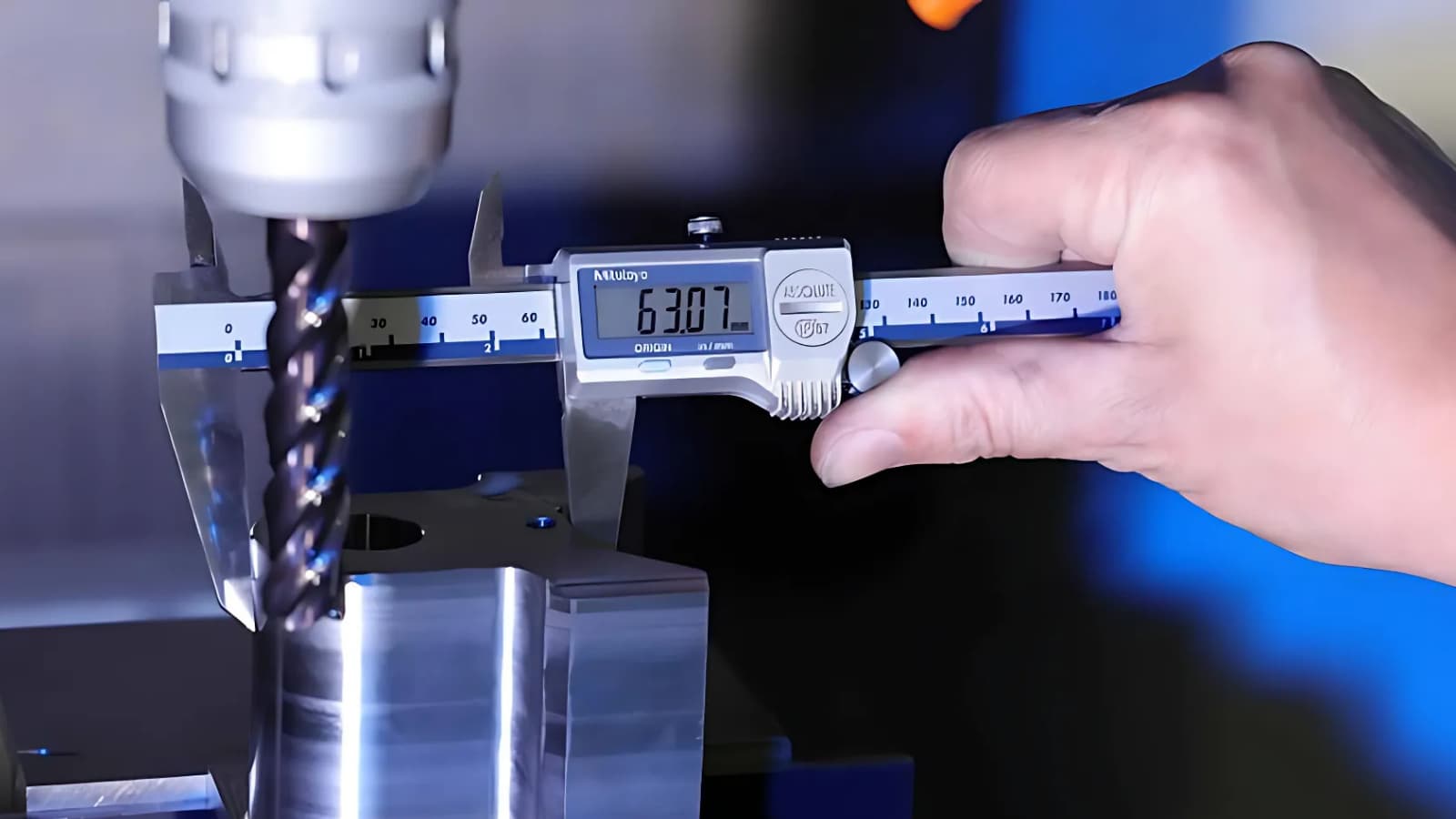
What exactly is a tolerance? According to American Micro Industries, machining tolerance defines the total amount of dimensional variation allowed from a specified value. In simpler terms, it's the acceptable margin of error between what your design calls for and what the finished part actually measures.
Think of it this way: if you order a shaft with a 10mm diameter, no machine can produce exactly 10.000000mm every single time. The tolerance tells the shop how close they need to get. A tolerance of ±0.1mm means any shaft measuring between 9.9mm and 10.1mm passes inspection.
Why does this matter? Because tolerances serve several essential functions in manufacturing:
- Interchangeability: Parts made at different times or facilities will still fit together properly
- Quality control: Clear pass/fail criteria for inspecting finished components
- Cost management: Appropriate tolerances balance precision requirements against production economics
- Assembly reliability: Mating parts connect correctly without excessive force or unwanted looseness
Now let's demystify the measurement terminology. When shops discuss tolerances, you'll encounter two primary units: thousandths of an inch and microns. One thousandth of an inch (0.001") equals approximately 25 microns, or about one-quarter the width of a human hair. According to HPPI, some CNC machines achieve accuracy of ±0.0025mm, roughly a quarter of a human hair's width.
When Precision Really Matters
Not every part needs aerospace-level accuracy. Understanding when tighter tolerances genuinely matter helps you avoid overpaying for unnecessary precision while ensuring critical features meet your requirements.
According to 3ERP, standard CNC machining typically achieves tolerances of ±0.005" (0.127mm) as a baseline. This level works perfectly for many applications. But certain situations demand tighter specifications:
- ±0.020" to ±0.030" (Standard): General-purpose components where fit isn't critical. Think mounting brackets, covers, or decorative elements where visual appearance matters more than precise dimensions.
- ±0.005" (Precision): Components requiring consistent assembly. Most mating parts, housings with snap-fit features, and functional mechanical assemblies fall into this category.
- ±0.002" (High Precision): Critical fits where parts must slide or rotate smoothly. Bushings fitting onto shafts, bearing housings, and precision guides require this level.
- ±0.001" or tighter (Ultra-Precision): Medical devices, aerospace components, and high-performance assemblies. According to 3ERP, anything below ±0.001" becomes very difficult to machine and is rarely encountered in typical applications.
Consider a practical example: a bushing meant to fit on a rod might have a tolerance of ±0.002". According to American Micro Industries, if the inside diameter is cut too small, the bushing won't fit. If it's cut too large, the fit becomes sloppy, potentially rendering the part unusable.
How Tolerance Affects Cost and Timeline
Here's the trade-off most shops don't explain clearly: tighter tolerances exponentially increase both cost and production time. A tolerance of ±0.02" permits a range ten times wider than ±0.002", significantly affecting production complexity.
Why does precision cost more? Several factors compound:
- Machine requirements: Achieving ±0.001" may require specialized equipment costing hundreds of thousands of dollars
- Slower cutting speeds: Precise work demands careful, time-consuming machining passes
- Extended inspection: Verifying tight tolerances requires more sophisticated measurement equipment and longer quality control processes
- Higher rejection rates: Parts falling outside narrow tolerance bands get scrapped, driving up effective costs
- Secondary operations: According to HPPI, tighter tolerances might need advanced equipment or extra processing to meet required dimensions
The international standard ISO 2768 provides a useful framework for specifying tolerances. According to American Micro Industries, precision levels within ISO 2768 include f-fine, m-medium, c-coarse, and v-very coarse classes, covering geometric tolerances for linear dimensions, angular dimensions, external radii, and chamfer heights.
When requesting quotes from Orlando precision shops or any CNC facility, communicate your tolerance requirements clearly. Specify which dimensions are critical and which can accept standard tolerances. This selective approach allows shops to focus their precision efforts where it matters, keeping your costs reasonable while ensuring functional accuracy where you need it most.
Understanding tolerances sets the foundation for realistic expectations. But tolerance specifications mean little without knowing how they translate into actual project timelines, something that catches many first-time buyers off guard.
Lead Times and Turnaround What to Realistically Expect
Here's what most CNC shops won't tell you upfront: lead time estimates often bear little resemblance to actual delivery dates. Whether you're working with a machine shop Daytona Beach facility or exploring options at an Orlando machine shop, understanding realistic timelines prevents costly project delays. Let's expose what really drives manufacturing schedules and how you can plan accordingly.
Realistic Timeline Expectations
What should you actually expect when you submit that quote request? According to FSProto, standard lead times range from 3-7 business days for most parts, with expedited services offering 1-2 day turnaround for urgent projects. But those numbers only tell part of the story.
Your project type fundamentally shapes the timeline. A simple prototype requiring basic 3-axis machining follows a completely different path than a production run of 500 precision components. Here's what you're realistically looking at:
| Project Type | Typical Lead Time | Key Factors |
|---|---|---|
| Simple Prototype (1-5 parts) | 1-5 business days | Standard materials, basic geometries, minimal inspection |
| Complex Prototype | 5-10 business days | Tight tolerances, multi-axis machining, specialty materials |
| Low-Volume Production (10-100 parts) | 1-3 weeks | Setup optimization, consistent quality verification |
| Medium-Volume Production (100-1000 parts) | 2-4 weeks | Material procurement, dedicated machine time, batch inspection |
| High-Volume Production (1000+ parts) | 4-8+ weeks | Tooling optimization, material sourcing, phased delivery options |
Notice something important? The jump from prototype to production isn't linear. According to Sunny Howe, batch size and quantity significantly alter timelines because production runs require setup optimization, consistent quality verification across all parts, and often dedicated machine scheduling that prototypes don't demand.
Factors That Affect Your Lead Time
Why do two seemingly similar projects sometimes have wildly different delivery dates? Several hidden factors influence your actual turnaround, and understanding them gives you leverage when negotiating timelines.
Material availability catches many buyers off guard. Standard aluminum alloys like 6061 typically sit in stock at most shops. But request titanium Grade 5 or specialty stainless steel, and you might add days or weeks while the shop sources your material. According to FSProto, lead times are subject to part complexity and material availability, meaning your timeline starts when material arrives, not when you place the order.
Part complexity directly impacts machine time. According to Sunny Howe, intricate designs with tight tolerances require more machining time than simple geometries. A component requiring 5-axis simultaneous machining might take three times longer than a similar part achievable on 3-axis equipment.
Shop capacity remains the variable nobody discusses openly. A machine shop Kissimmee facility running at 90% capacity handles rush orders very differently than one at 60% utilization. Most shops maintain order queues, and your project joins that line unless you pay for expedited treatment.
Post-processing requirements add time that's easy to overlook. Need anodizing on those aluminum parts? Surface grinding for tighter tolerances? Heat treatment for hardness? Each secondary operation extends your timeline, sometimes significantly.
- Design review and DFM feedback: 1-2 days for complex geometries
- Programming and setup: Hours to days depending on complexity
- Actual machining: Varies dramatically by part size and features
- Quality inspection: Standard checks add hours; CMM verification adds days
- Finishing and packaging: Same-day to several days for specialty treatments
Rush Orders and Expedited Services
What happens when your timeline simply cannot flex? Most reputable CNC shops offer expedited services, but understanding the trade-offs helps you decide when premium pricing makes sense.
According to Sunny Howe, keywords containing "quick turn" or "rapid" consistently show customers willing to pay premium prices for faster service when projects are time-sensitive. The data reveals conversion rates of 8.41% for "quick turn cnc machining" despite costs reaching $975.69 per conversion, indicating genuine demand for speed when deadlines matter.
What does rush service actually involve? Shops typically prioritize your job by:
- Bumping your order ahead of standard queue positions
- Dedicating machines exclusively to your project
- Running extended shifts or weekend operations
- Expediting material procurement when needed
- Streamlining inspection without sacrificing quality
Expect to pay 25-100% premiums for expedited turnaround. According to FSProto, 1-2 day turnaround options exist but remain subject to part complexity and material availability. Some projects simply cannot be rushed without compromising quality.
Here's practical guidance for communicating your timeline needs effectively: be specific about your actual deadline versus your preferred deadline. Telling a shop "I need this ASAP" provides no actionable information. Instead, say "Parts must ship by March 15th to meet our assembly schedule" and watch how differently they respond.
Build buffer time into your planning. If your assembly date is fixed, work backward and add contingency. Manufacturing surprises happen: a tool breaks, material arrives with defects, or tolerance verification reveals issues requiring rework. Professional project managers typically add 20-30% timeline buffer for critical-path components.
With realistic timeline expectations set, the next crucial step involves knowing how to evaluate potential manufacturing partners before committing to a project.
How to Evaluate and Choose the Right CNC Shop
You've defined your project requirements, selected materials, and set realistic timeline expectations. Now comes the decision that determines whether your manufacturing experience runs smoothly or becomes a frustrating ordeal: choosing the right partner. Whether you're searching for a machine shop Orlando Florida facility or considering machining assembly Florida options across Central Florida, this evaluation framework helps you separate exceptional providers from those who'll leave you disappointed.
Essential Questions to Ask Before Committing
Before signing any purchase order, arm yourself with questions that reveal a shop's true capabilities. According to 3ERP, choosing a CNC machining service involves more than just comparing prices—it requires thorough evaluation of experience, equipment, and communication effectiveness.
Start with these foundational questions:
- What specific equipment do you have? Different machines handle different tasks. Ask about their CNC milling centers, lathes, and multi-axis capabilities. A diverse range of high-tech machinery indicates they can handle various project requirements.
- Can you source my required material readily? According to 3ERP, delays in sourcing materials lead to extended lead times and increased production costs. Confirm material availability upfront.
- What's your typical lead time for projects like mine? Get specific answers based on your actual project parameters, not generic ranges.
- How do you handle design feedback and communication? Look for shops offering transparent, open communication channels with regular updates via email or preferred methods.
- What quality control measures do you employ? Ask about inspection equipment, verification processes, and how they handle parts falling outside tolerance specifications.
- Can you share examples of similar projects you've completed? According to 3ERP, past projects provide insight into their capabilities, client types, and the complexity of work they can handle.
Don't overlook the operational questions either. Ask about their workforce training programs, data security protocols for protecting your designs, and policies for rectifying errors or defects. A shop that invests in staff development and maintains robust quality systems demonstrates commitment to long-term excellence.
Red Flags That Signal Problems
Sometimes what a shop doesn't say matters more than their sales pitch. Watch for these warning signs that often predict manufacturing headaches:
- Vague answers about equipment or capabilities: Reputable shops proudly discuss their machinery. Evasive responses suggest limitations they're hiding.
- No verifiable certifications: Claims without documentation should raise immediate concerns. Ask for certificate copies.
- Reluctance to provide references: Shops with satisfied customers happily share contacts. Resistance suggests a pattern of disappointing clients.
- Unrealistic pricing that seems too good: According to 3ERP, the cheapest option is not always the best—quality should never be compromised for cost.
- Poor communication during the quoting process: If responses are slow or unclear before you've even placed an order, expect worse service afterward.
- No clear quality control documentation: Shops lacking defined inspection procedures likely struggle with consistency.
- Unwillingness to discuss previous project challenges: Every manufacturer faces difficulties. Honest shops explain how they resolved issues.
According to 3ERP, checking customer reviews, case studies, and testimonials provides insights into performance and reliability. Every company has mixed feedback—the key is observing how they address negative experiences.
Certifications That Actually Matter
Certifications aren't just badges on a website. According to Modo Rapid, certifications like ISO 9001 and IATF 16949 confirm suppliers follow strict quality management systems, ensuring consistent output and reliable part performance.
Here's what each major certification actually means for your project:
- ISO 9001: The baseline quality management certification. According to Modo Rapid, it verifies the supplier has documented quality control processes and continuous improvement practices. Think of it as a driver's license for manufacturing.
- IATF 16949: Tailored specifically for automotive applications. It adds defect prevention requirements and statistical process control. For automotive or racing components, this certification is non-negotiable.
- AS9100: The aerospace and defense standard. According to Modo Rapid, it covers additional safety and reliability protocols where lives depend on precision. Think of it as ISO 9001 on steroids.
- ISO 13485: Essential for medical device manufacturing. Ensures understanding of biocompatibility requirements and traceability standards.
- ITAR Registration: Required for defense projects involving controlled technical data and export regulations.
| Certification | Industry Focus | Key Benefits |
|---|---|---|
| ISO 9001 | General Manufacturing | Standardized processes, documented quality control, continuous improvement |
| IATF 16949 | Automotive | Defect prevention, statistical process control, supply chain traceability |
| AS9100 | Aerospace & Defense | Safety-critical protocols, rigorous process validation, enhanced risk management |
| ISO 13485 | Medical Devices | Biocompatibility compliance, device traceability, regulatory alignment |
What about the local versus remote decision? According to 3ERP, location significantly impacts shipping costs, lead times, and communication ease. A Central Florida machine and speed shop offers quicker turnaround and lower shipping for regional projects. However, if an overseas provider offers superior expertise and pricing, the additional logistics might prove worthwhile for certain applications.
Consider your project's specific needs. Prototypes benefiting from rapid iteration often favor local partners where you can visit, inspect samples, and resolve issues face-to-face. Production runs with established specifications might tolerate longer shipping times if cost savings justify the distance.
With your evaluation criteria established, the next consideration becomes how shops support your growth from initial prototypes through full-scale production.
Prototyping to Production Scaling Your CNC Projects
Here's a secret most manufacturers won't share: the transition from prototype to production trips up even experienced buyers. That single perfect sample part? Reproducing it consistently at volume introduces challenges nobody warned you about. Whether you're working with an engine machine shop Orlando FL facility or exploring options at an engine machine shop Orlando, understanding this journey prevents costly surprises and positions your project for success.
From Single Prototype to Full Production
The jump from one part to one thousand isn't simply pressing a button more times. According to UPTIVE Manufacturing, even the best products face design challenges—the first iPhone went through dozens of iterations before its 2007 launch. Prototyping represents the critical testing phase where ideas are shaped, refined, and validated for manufacturing success.
What actually changes between phases? Consider these fundamental shifts:
- Programming approach: Prototype programming prioritizes speed to first part. Production programming optimizes cycle time across thousands of repetitions.
- Tooling investment: Single prototypes use standard off-the-shelf tooling. Production runs may justify custom fixtures that reduce setup time and improve consistency.
- Material procurement: One-off parts come from existing stock. Volume production requires coordinated material ordering, sometimes with minimum quantity requirements.
- Quality verification: Prototypes receive intensive individual inspection. Production demands statistical sampling and in-process monitoring.
According to UPTIVE Manufacturing, the process begins with building a viable prototype through concept development, detailed CAD modeling, and rapid prototyping to produce samples quickly. Testing identifies issues early, allowing modifications before problems cascade into expensive production fixes.
Here's what many first-time buyers miss: your prototype design might be technically perfect yet economically impractical at volume. A feature requiring 15 minutes of 5-axis machining multiplies dramatically across 1,000 parts. Smart manufacturers evaluate designs for both functionality and scalability before finalizing specifications.
Scaling Your Manufacturing Successfully
Scaling introduces challenges that catch many projects off guard. According to MakerVerse, the belief that CNC is too costly for high volumes is a myth getting busted—but the dynamics require careful management.
Speed becomes the heart of high-volume production. However, the sequential nature of CNC machines can seem counterintuitive to this need. One bottleneck stutters the whole production. According to MakerVerse, optimizing tool paths is just the beginning—leveraging multi-axis machines and parallel setups where multiple machines run concurrently dramatically bolsters production rates.
Quality consistency presents another hurdle. Ensuring the same consistency in part 10,000 as in the first requires quality control as a continuous process, not a mere checkpoint. According to MakerVerse, effective production cost management through strategies like waste reduction, streamlined processes, and cycle time optimization keeps unit costs competitive.
What about the transition itself? According to UPTIVE Manufacturing, manufacturing at low volume bridges the gap between prototyping and full-scale production. This critical step:
- Catches design, manufacturing, or quality issues before they multiply
- Validates manufacturing processes and identifies bottlenecks
- Assesses suppliers and partners for quality, responsiveness, and lead times
- Establishes quality benchmarks for future production runs
The automotive industry exemplifies successful scaling. Supply chains benefit enormously from shops offering seamless progression from rapid prototyping to mass production. Facilities like Shaoyi Metal Technology demonstrate this capability, delivering high-tolerance components with lead times as fast as one working day. Their IATF 16949 certification and Statistical Process Control ensure quality remains consistent whether producing one prototype or thousands of production parts.
Working with Shops That Grow With You
Why does partner selection matter so much for scaling? According to UPTIVE Manufacturing, working with the right partner significantly mitigates risks because they bring design optimization expertise that refines prototypes for cost-effective, scalable production while ensuring material suitability and availability.
What should you look for in a scaling partner? Consider these evaluation criteria:
- Volume flexibility: Can they handle both 5-piece prototypes and 5,000-piece production runs without outsourcing?
- Equipment depth: Multiple machines of similar capability prevent single-point bottlenecks during production.
- Quality certifications: According to UPTIVE Manufacturing, ISO 9001 certification delivers rigorous quality controls and precision manufacturing processes for consistency, strength, and performance.
- DFM expertise: According to UPTIVE Manufacturing, manufacturers offering design consultations help refine product designs faster, making long-term, large-volume production more cost-effective.
- Supply chain relationships: Established material sourcing ensures availability when you scale.
According to MakerVerse, scalability requires manufacturers to invest in flexible CNC machines handling various production volumes. A modular production process helps manufacturers quickly scale up or down to meet changing demands.
For those searching "cnc cerca de mi" or exploring options beyond local facilities, remember that geographic proximity matters differently at each phase. Prototypes often benefit from local partners enabling quick iteration and face-to-face collaboration. Established production specifications can tolerate longer shipping times if the partner offers superior scaling capabilities.
The financial implications deserve attention too. According to UPTIVE Manufacturing, prototype costs vary dramatically—simple low-cost prototypes may cost $100 to $1,000, functional prototypes run $1,000 to $10,000, while production-ready, high-fidelity prototypes can exceed $10,000. Understanding these investment phases helps budget appropriately.
According to UPTIVE Manufacturing, common challenges when moving from prototype to mass production include maintaining quality at volume, managing supply chain disruptions, and optimizing costs. Partners with robust quality control processes minimize variations and ensure consistency across units, reducing waste and rework while maintaining the precision your application demands.
With your understanding of the prototype-to-production journey complete, the final step involves taking concrete action to find and engage your ideal manufacturing partner.
Taking Action and Finding Your Ideal CNC Partner
You've absorbed a wealth of information about precision manufacturing, from tolerances and materials to lead times and scaling strategies. Now comes the moment that separates informed buyers from those who remain stuck in research mode: taking concrete action. Whether you're ready to submit your first quote request or establishing a long-term manufacturing relationship, these actionable steps transform your knowledge into results.
Your Next Steps to Get Started
Feeling overwhelmed by everything you've learned? That's completely normal. The good news is that getting started doesn't require perfection—it requires movement. Just as you might search for "wawa near me" when you need something quickly while traveling, finding the right manufacturing partner starts with knowing what you need and where to look.
Follow this action checklist to move from planning to production:
- Document your project requirements clearly. Write down the material, approximate dimensions, quantity needed, and any critical tolerances before contacting any shop. This clarity prevents wasted conversations.
- Prepare your CAD files in universally accepted formats. According to Dipec, STEP, IGES, or STL files are widely accepted across the industry.
- Identify three to five potential shops matching your needs. Use the evaluation criteria from earlier sections to shortlist candidates based on certifications, equipment, and industry experience.
- Request quotes simultaneously from your shortlisted shops. Parallel inquiries reveal pricing variations and communication quality differences quickly.
- Compare responses on more than just price. Evaluate responsiveness, clarity of communication, and willingness to provide design feedback.
- Start with a small test order before committing to volume. A prototype or low-volume run validates quality before larger investments.
- Establish clear communication channels and expectations. Define preferred contact methods, update frequency, and escalation procedures upfront.
This systematic approach eliminates the paralysis that keeps many projects stalled indefinitely. Each step builds confidence for the next, transforming an intimidating process into manageable actions.
Preparing Your First Quote Request
Your quote request quality directly determines the accuracy and speed of responses you receive. According to Dipec, providing a high-quality technical drawing and 3D CAD model is one of the most important steps to receiving a fast and accurate quote.
What should your quote package include? According to Xometry, a 3D CAD file defines the perfect geometry, but the 2D technical drawing defines the allowable imperfections. Include both whenever possible.
Essential elements for your quote request:
- 3D CAD model: STEP format preferred for maximum compatibility across different CAM software systems
- 2D technical drawing: Include critical dimensions, tolerances, surface finish requirements, and any GD&T callouts
- Material specification: Be specific—"aluminum" isn't enough. Specify "6061-T6 aluminum" or your exact alloy requirement
- Quantity and batch information: According to Dipec, a quote for 1 unit can differ significantly from a quote for 10, 50, or 100 units
- Delivery location and timeline: Include shipping destination and your actual deadline, not just "ASAP"
- Secondary operations: Mention any finishing, coating, assembly, or inspection requirements upfront
According to Dipec, providing both a STEP file and a 2D technical drawing with annotations can significantly speed up the quoting process by eliminating questions about tolerances, threads, or surface finishes.
Common mistakes that delay your quote:
- Submitting incomplete or low-resolution files that require clarification
- Omitting tolerance specifications, forcing shops to assume or ask
- Vague material descriptions that leave sourcing questions unanswered
- Missing quantity information that prevents accurate pricing
- Unclear finishing requirements that get discovered mid-production
According to Dipec, most reputable suppliers return quotes within 48 to 72 hours if files are clear and complete. Faster responses are common when working with trusted suppliers who understand your requirements.
Building Long-Term Manufacturing Partnerships
The most successful manufacturing relationships extend far beyond individual transactions. According to eWiz Commerce, manufacturing partnerships are largely based on a shared risk and reward policy, where each partner plays a unique role in delivering value.
What transforms a vendor into a true partner? Consider these relationship-building strategies:
Invest time in mutual understanding. According to eWiz Commerce, the best way to advance and flourish in your manufacturing partnership is to have an open channel of communication with your partner. Share your broader goals, not just immediate project specs.
Provide consistent feedback. Let shops know what worked well and what could improve. This constructive dialogue helps them serve you better over time and demonstrates your investment in the relationship.
Plan ahead when possible. Giving advance notice of upcoming projects allows partners to reserve capacity and source materials proactively, often resulting in better pricing and faster turnaround.
Pay promptly and fairly. According to eWiz Commerce, 82% of business failures stem from cash flow issues. Partners who pay reliably receive priority treatment when capacity gets tight.
Share risk appropriately. According to eWiz Commerce, the process of designing and manufacturing any product involves trial and error. A top manufacturing partner takes time to work through problems when they arise.
For automotive and precision manufacturing applications, partnering with certified facilities ensures consistency as your needs evolve. Shaoyi Metal Technology exemplifies this partnership approach, combining IATF 16949 certification with Statistical Process Control to deliver complex components like chassis assemblies and custom metal bushings. Their one-day lead time capabilities for precision parts demonstrate how the right partner accelerates your entire supply chain.
According to eWiz Commerce, 96% of people think the businesses they deal with could improve when it comes to communication and project management. By establishing clear expectations from the start, you position yourself as the customer partners prioritize.
The convenience factor matters too. Just as you might search "wawa near me" for quick access to essentials during a busy day, having reliable manufacturing partners means critical components arrive when needed without constant intervention. This operational efficiency compounds over time, freeing you to focus on design innovation rather than production logistics.
Your manufacturing journey doesn't end with finding a single capable shop. The most resilient supply chains include multiple qualified partners, allowing flexibility when demand spikes or specialized capabilities become necessary. Use the evaluation framework from this guide to build a network of trusted facilities, each understanding your quality standards and communication preferences.
The knowledge you've gained positions you to engage confidently with precision manufacturers. Take that first step today—prepare your files, submit that quote request, and begin building the manufacturing relationships that transform your designs into reality.
Frequently Asked Questions About CNC Shops
1. What do CNC shops do?
CNC shops are precision manufacturing facilities equipped with computer-controlled machinery that cuts, shapes, and finishes metal or plastic components. Using 3-, 4-, or 5-axis machining centers, these facilities transform raw materials into precision-machined parts according to exact digital specifications. Services typically include milling, turning, drilling, grinding, and EDM operations, with tolerances as tight as ±0.01 mm for prototypes or mass production parts across industries like aerospace, automotive, medical, and electronics.
2. How much do CNC services cost?
CNC machining costs range from $50 to $150 per hour depending on equipment type and precision requirements. A 3-axis machine typically costs around $40 per hour, while advanced 5-axis machines can run $200 or more per hour. Final pricing depends on material type, part complexity, tolerances required, quantity, and secondary operations like finishing or coating. Simple prototypes may cost $100 to $1,000, while production-ready high-fidelity prototypes can exceed $10,000.
3. What is the typical lead time for CNC machining projects?
Standard CNC lead times range from 3-7 business days for most parts, with expedited services offering 1-2 day turnaround for urgent projects. Simple prototypes typically take 1-5 business days, complex prototypes 5-10 days, and low-volume production runs 1-3 weeks. Factors affecting timeline include material availability, part complexity, shop capacity, and post-processing requirements. Facilities like Shaoyi Metal Technology offer lead times as fast as one working day for precision automotive components.
4. What certifications should I look for in a CNC shop?
Key certifications include ISO 9001 for baseline quality management, IATF 16949 for automotive applications with defect prevention and statistical process control, AS9100 for aerospace and defense with enhanced safety protocols, and ISO 13485 for medical device manufacturing. These certifications confirm suppliers follow strict quality management systems ensuring consistent output and reliable part performance. For defense projects, ITAR registration is required for controlled technical data.
5. How do I choose between aluminum and steel for my CNC project?
Choose aluminum when weight savings matter—it weighs one-third of steel and machines faster, reducing costs. Aluminum naturally resists corrosion without additional treatment. Select steel when raw strength is priority, especially for structural applications and heavy-duty equipment. Steel withstands more stress before deforming. Consider your operating environment, mechanical loads, weight constraints, and budget. Aluminum alloys like 6061 suit general-purpose work, while steel grades like 4140 provide improved hardness for demanding industrial applications.