 Small batches, high standards. Our rapid prototyping service makes validation faster and easier —
  EN
EN


CNC Machinist Quotes That Built Shop Floor Legends
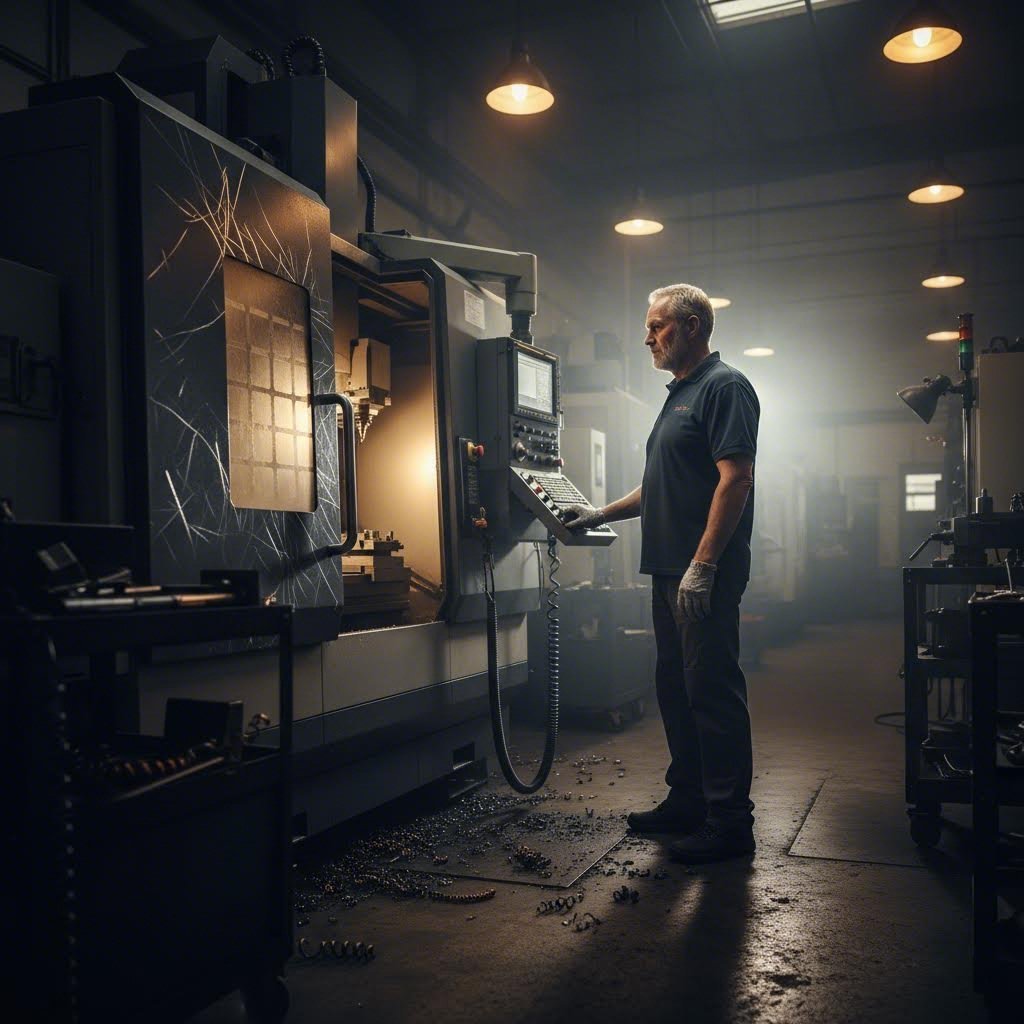
The Enduring Power of CNC Machinist Wisdom
Walk into any machine shop, and you'll hear them. Those sharp, memorable phrases passed down from one generation of machinists to the next. CNC machinist quotes aren't just clever sayings—they're condensed lessons born from countless hours of programming, cutting, and problem-solving. They represent hard-won knowledge that bridges the gap between traditional craftsmanship and computer-controlled precision.
"Good, better, best. Never let it rest until your good is better and your better is best."
This timeless piece of shop floor philosophy captures exactly what separates great machinists from good ones. It's the relentless pursuit of excellence that drives the CNC machinist community forward.
The Timeless Wisdom Behind Every Cut
What makes these sayings so powerful? They distill complex machining principles into memorable phrases that stick with you during critical moments. When you're setting up a complex multi-axis operation or troubleshooting an unexpected tolerance issue, these quotes serve as mental anchors. They remind you of fundamental truths that even the most sophisticated CAM software can't replace.
Unlike general manufacturing wisdom, CNC-specific quotes blend digital fluency with hands-on expertise. A traditional machinist might say "measure twice, cut once." A CNC machinist takes it further—understanding that the principle applies equally to verifying G-code, checking tool offsets, and validating workholding before that first singe 3-axis cut begins removing material.
Where Shop Floor Philosophy Meets Precision Engineering
The machinist community has always valued mentorship. Experienced operators share wisdom through memorable phrases because they work. As one veteran machinist advises newcomers: "Find the oldest machinist in the shop and ask questions. They won't be around forever."
This tradition of passing down knowledge through quotes serves multiple purposes:
- Safety reminders that prevent accidents before they happen
- Quality principles that ensure consistent precision
- Problem-solving frameworks that guide decision-making
- Cultural touchstones that build team identity
Whether you're an apprentice just starting a 6,000-hour journey or a seasoned programmer working with advanced broach metalworking operations, these quotes connect you to something larger. They remind you that behind every programmed tool path and every precision tolerance stands generations of accumulated wisdom—wisdom that no amount of automation can fully replace. The mechanical pencils may have given way to CAD software, but the principles remain remarkably consistent.
Origins of Shop Floor Sayings and Their Evolution
Ever wonder why certain phrases echo through machine shops decade after decade? The wisdom captured in CNC machinist quotes didn't appear overnight. These sayings emerged from real experiences—close calls, costly mistakes, and hard-won victories at the spindle. Understanding their origins helps you appreciate why they remain relevant in today's digitally-driven manufacturing environment.
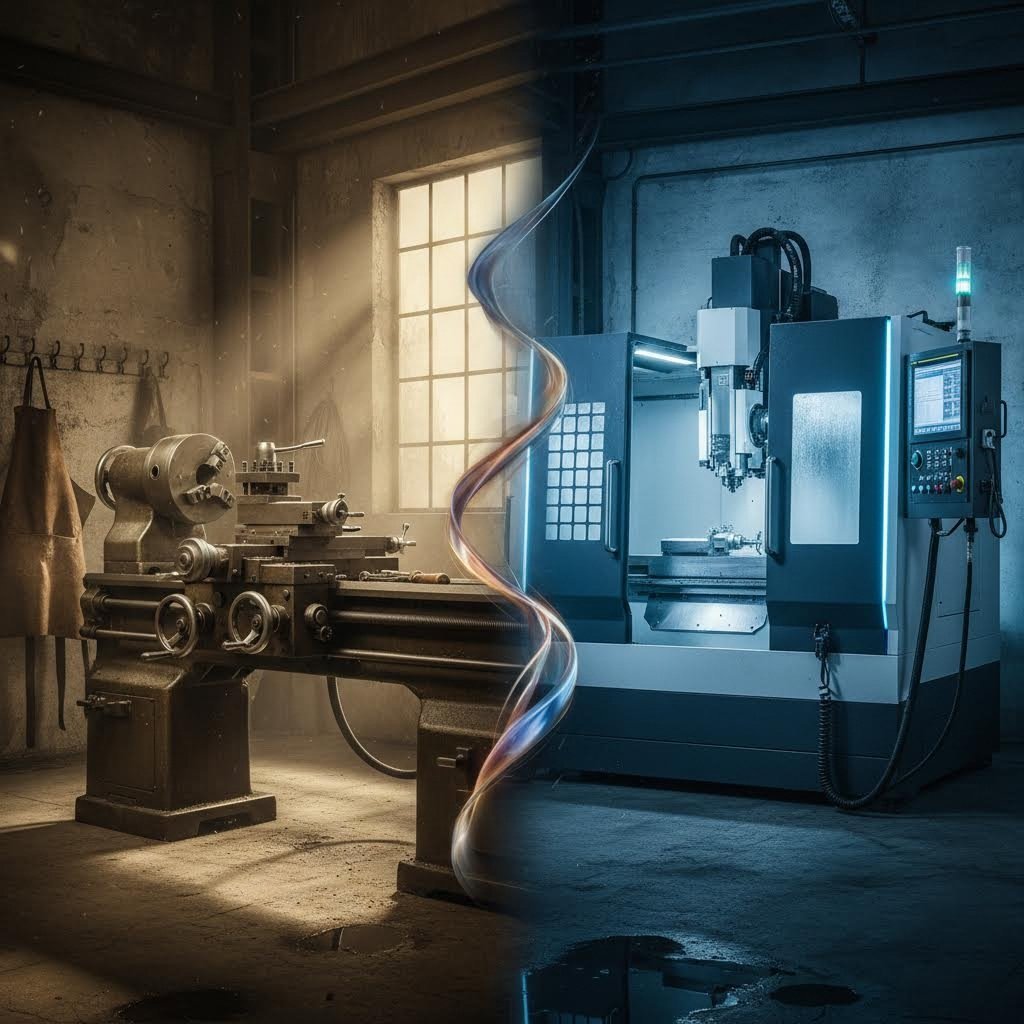
From Manual Lathes to G-Code
The story begins long before computers entered the equation. Early machinists working wood lathe equipment and manual mills developed sayings to communicate critical principles quickly. When you're training an apprentice on a spinning lathe, you don't have time for lengthy explanations. Short, memorable phrases became the preferred teaching method.
Consider how manufacturing evolved through distinct eras, each contributing its own layer of wisdom:
- Traditional Hand Machining Era (Pre-1950s): Craftsmen developed foundational sayings about measurement, material properties, and tool care. The adjustable wrench became symbolic of adaptability, and phrases like "let the tool do the work" emerged from watching impatient operators force cuts and break tools.
- Early NC Machine Era (1950s-1970s): Numerical control introduced punch cards and basic automation. Machinists created new sayings bridging manual skills with programmed operations. Trust in the machine had to be balanced with verification.
- Modern CNC Technology Era (1980s-Present): Computer numerical control brought G-code, CAM software, and multi-axis machining. Traditional wisdom adapted rather than disappeared. Old principles found new applications in digital contexts.
This evolution mirrors broader manufacturing history. Just as the thompson submachine gun represented a leap in mechanical precision during its era, CNC technology represented a similar leap—requiring operators to blend traditional skills with new digital competencies.
How Traditional Wisdom Adapted to Digital Precision
Why does "Measure Twice, Cut Once" persist when CNC machines can execute thousands of identical operations? Because the principle translates perfectly to modern contexts. Today, measuring twice means verifying your program simulation, double-checking tool offsets, and confirming workholding before the first chip flies.
As one seasoned machinist put it: "It's a CNC, not a microwave. There's no magic wand in the spindle." This quote perfectly captures how traditional skepticism about shortcuts adapted to the digital age. The machinery of war against scrap parts and crashed spindles continues—just with different weapons.
The mentorship tradition remains central to how these sayings spread. Experienced machinists share wisdom through memorable phrases because they understand something fundamental: when you're focused on a complex setup or troubleshooting a tolerance issue, you'll remember a catchy phrase faster than a paragraph from a manual.
Shop floor communication benefits enormously from this shared vocabulary. When a veteran tells an apprentice "the machine doesn't know what you meant, only what you programmed," they're transmitting decades of experience in a single sentence. These quotes function as compressed knowledge files—small enough to remember, powerful enough to prevent expensive mistakes.
Understanding this evolution reveals something important: the best machinist quotes aren't arbitrary. They emerged from specific problems, close calls, and breakthrough moments. When you learn the context behind a saying, you gain access to the experience that created it—without having to make the same costly mistakes yourself.
Precision and Craftsmanship Quotes That Define Excellence
When you're chasing tolerances measured in thousandths of an inch, words matter. The right phrase at the right moment can refocus your attention, prevent a costly mistake, or remind you why precision isn't optional—it's everything. CNC machinist quotes about precision and craftsmanship carry weight because they represent principles that directly impact part quality, customer satisfaction, and shop reputation.
Let's explore the most powerful precision-focused sayings and unpack the machining principles behind each one.
Quotes That Define Precision Excellence
Some quotes cut straight to the heart of what separates acceptable parts from exceptional ones. These aren't just motivational posters—they're working philosophies that guide decision-making at the spindle.
"Quality is never an accident; it is always the result of high intention, sincere effort, intelligent direction and skillful execution; it represents the wise choice of many alternatives."
This quote, often attributed to William A. Foster, speaks directly to the CNC machinist's reality. Every quality part involves dozens of decisions: tool selection, speeds and feeds, workholding strategy, and program verification. The "wise choice of many alternatives" describes exactly what happens when you're programming a milling machine with CNC capabilities. You're constantly weighing options—which tool path minimizes vibration? What approach angle produces the best surface finish? Quality emerges from getting these choices right.
For apprentices and newcomers, this quote teaches a crucial lesson: precision doesn't happen by luck. It's engineered through deliberate choices at every step of the process.
"You cannot inspect quality into a product." —Harold F. Dodge
This principle, later popularized by W. Edwards Deming, carries profound implications for CNC machining. Inspection catches problems—it doesn't prevent them. The real work happens upstream: proper machine calibration, verified tool offsets, and validated programs. If you're relying on your oil pressure gauge and final inspection to catch problems, you've already failed. Quality must be built into every operation, not discovered after the fact.
Think about it this way: when you're cutting tungsten carbide tooling or machining hardened steel, catching an error at inspection means you've already wasted expensive material and machine time. The quote reminds us that prevention beats detection every time.
The Philosophy of Tolerance and Accuracy
Tolerances define what's acceptable. Accuracy determines whether you achieve it. The best machinist quotes capture this relationship in memorable ways.
"Uncontrolled variation is the enemy of quality." —W. Edwards Deming
This quote explains why Statistical Process Control (SPC) matters in modern CNC operations. Variation exists in every process—tool wear, material inconsistencies, thermal expansion. The key word is "uncontrolled." A skilled CNC machinist monitors variation like checking battery terminals on critical equipment: regularly and systematically. When you track measurements over time, you spot trends before they become problems.
For shop managers, this quote makes an excellent reminder near quality control stations. It reinforces that consistency—not just hitting spec on individual parts—defines true manufacturing excellence.
Here's how these precision principles translate into practical shop applications:
| Precision Principle | Quote That Captures It | Practical Application |
|---|---|---|
| Prevention over Detection | "You cannot inspect quality into a product" | Program verification before first cut; tool offset confirmation |
| Intentional Excellence | "Quality is never an accident" | Documented setup procedures; standardized work instructions |
| Variation Control | "Uncontrolled variation is the enemy" | Regular SPC monitoring; tool wear tracking; thermal compensation |
| Continuous Improvement | "Good, better, best—never let it rest" | Post-job reviews; process optimization meetings; skills development |
As one quality expert noted, producing quality "requires time, patience, and effort"—you can't shortchange the process any more than you can shortchange crafting an end grain cutting board from premium hardwood. The parallel holds: rushing produces inferior results whether you're working wood or metal.
Shop managers can leverage these quotes effectively by posting them near workstations where their principles apply most directly. The variation quote belongs near inspection equipment. The "quality is never an accident" reminder works well in programming areas where decisions get made. When quotes connect to specific actions, they transform from decoration into daily guidance.
These precision-focused sayings share a common thread: they place responsibility squarely on the machinist's shoulders. The machine executes what you program. The tooling performs as you've set it up. Quality comes from your choices, your attention, your commitment to doing it right—especially when no one's watching. That's the philosophy that separates good shops from great ones, and it's why these quotes continue resonating across generations of CNC professionals.
Humor and Wit from the Shop Floor
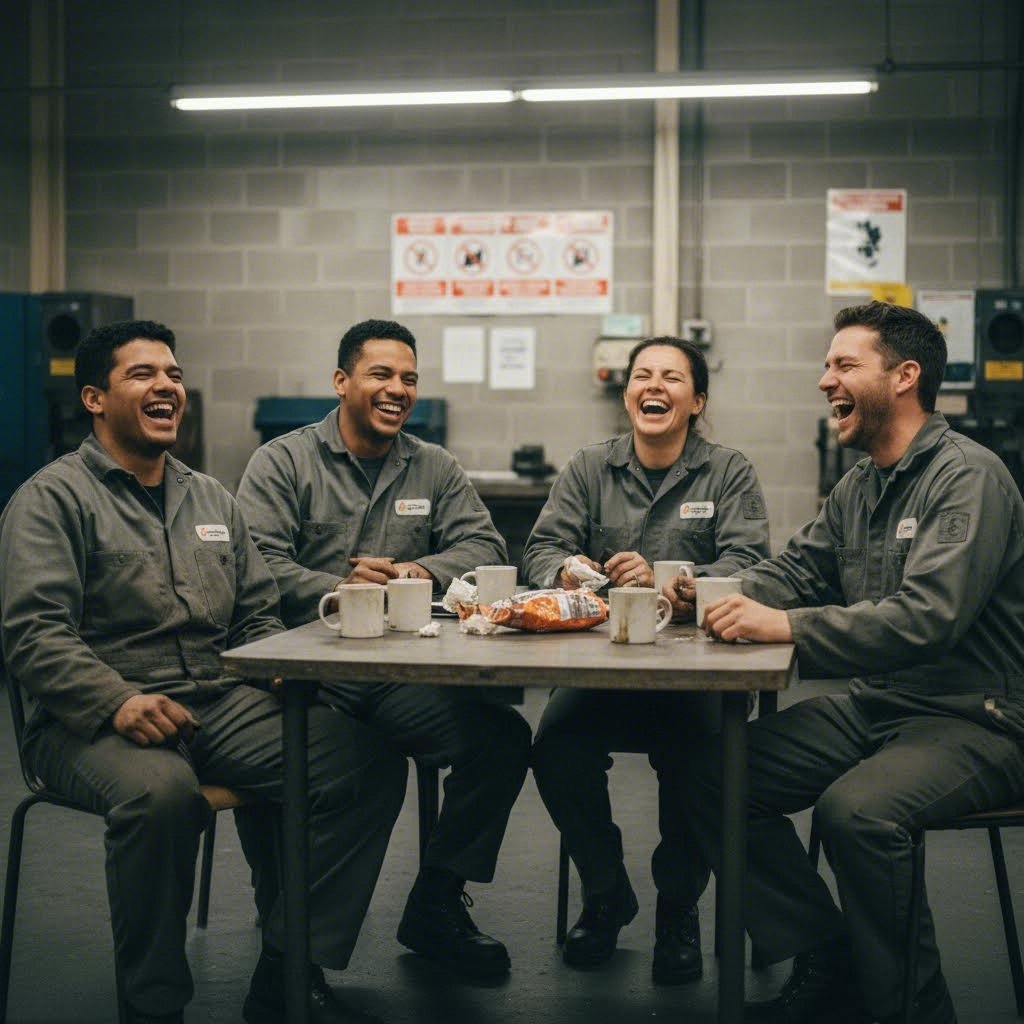
Precision work demands serious focus—but that doesn't mean machinists take themselves too seriously. Walk into any thriving machine shop, and you'll find humor woven into the culture as tightly as coolant flows through the spindle. CNC machinist quotes about the lighter side of the trade serve a vital purpose: they relieve stress, build team bonds, and remind everyone that even in a world of micron-level tolerances, laughter has its place.
Why does humor matter in such a demanding profession? Because machining is inherently stressful. You're working with expensive materials, tight deadlines, and equipment that can ruin a day's work in seconds. Jokes and witty sayings function as pressure release valves—they acknowledge shared frustrations without dwelling on them.
Laughter Between the Chips
Machinists have developed their own brand of humor—dry, self-deprecating, and packed with insider references. These jokes make sense to anyone who's ever crashed a tool, scrapped a part on the final operation, or spent an hour hunting for a missing chuck key.
Here are some classic humorous quotes that capture the machinist experience:
- "I'm not arguing, I'm just explaining why I'm right about the feeds and speeds." — The eternal confidence of every machinist who's dialed in their process.
- "Of course I talk to my machine. Sometimes I need expert advice." — Acknowledging the relationship every operator develops with their equipment.
- "Measure twice, cut once. Swear once, order more material twice." — The realistic update to the classic saying.
- "It's not a mistake, it's an unplanned design modification." — Creative reframing at its finest.
- "The tolerance is 'close enough'? That's not on my drawing." — Quality control humor that hits close to home.
- "I don't always crash tools, but when I do, it's on the most expensive cutter in the shop." — Murphy's Law, machinist edition.
- "Behind every successful machinist is a substantial pile of scrap that taught them everything." — The unspoken truth about learning curves.
Notice the pattern? Most machinist humor acknowledges imperfection while celebrating persistence. It says: "Yes, things go wrong. We learn, we adapt, we keep cutting." This mindset helps teams recover from setbacks without letting frustration fester.
When Machinists Get Creative with Words
Beyond individual quotes, machinist culture produces creative expressions that reflect daily realities. The relationship between operator and machine becomes particularly fertile ground for wit.
- "My CNC has two settings: working perfectly, and 'what do you mean emergency stop?'" — Every operator knows this feeling.
- "Machinists: because engineers need heroes too." — Friendly rivalry with the design team.
- "I didn't choose the chip life. The chip life chose me." — Embracing the metal-flinging reality.
- "Keep calm and check your offsets." — Practical advice disguised as humor.
- "Home is where the spindle is." — For those who practically live at the shop.
These sayings also address common frustrations—missing tools, unclear drawings, and the eternal hunt for supplies. You might spend ten minutes looking for a nail brush to clean fixtures, or notice someone borrowed your corn huskers lotion without asking, or realize the push broom disappeared again. Shop floor life involves these small annoyances, and humor makes them bearable.
So where should you actually use these quotes? Context matters:
| Quote Style | Best For | Why It Works |
|---|---|---|
| Self-deprecating humor | Team meetings, break room signage | Builds camaraderie; acknowledges shared experiences |
| Machine relationship jokes | Social media, shop merchandise | Relatable to wider machinist community; shareable |
| Process frustration quotes | Internal communication, team chats | Validates daily challenges; stress relief |
| Engineer rivalry humor | Social media, informal settings | Friendly competition; best when both sides appreciate it |
| Practical advice disguised as jokes | Shop signage near equipment | Delivers real reminders in memorable format |
The key is matching tone to audience. What works in a team meeting might fall flat on professional LinkedIn posts. What makes great shop floor signage might seem too inside-baseball for general social media. Know your audience, and the humor lands perfectly.
Ultimately, these witty expressions do more than generate laughs. They reinforce identity. When a new apprentice hears veteran machinists trading jokes about tool crashes and tolerance debates, they're learning something important: this community doesn't pretend to be perfect. Mistakes happen. What matters is how you respond—preferably with a good sense of humor and a determination to get it right on the next cut.
That same resilience applies to more serious matters too. While humor keeps spirits high, the wisdom that truly saves fingers and prevents disasters takes a different tone—one we'll explore next.

Safety Wisdom Every CNC Machinist Should Know
Humor keeps spirits high, but some lessons are written in blood—or nearly so. The most powerful CNC machinist quotes about safety didn't come from motivational posters. They emerged from close calls, near-misses, and moments when someone almost lost a finger, an eye, or worse. These sayings carry weight because they represent real consequences narrowly avoided.
Why do safety quotes matter so much in machining? Consider the hazards present in every CNC operation: spindles rotating at thousands of RPM, sharp chips ejecting at high velocity, heavy workpieces under tension, and cutting tools that don't distinguish between metal and flesh. In this environment, memorable safety phrases serve as mental guardrails—instant reminders that surface exactly when you need them most.
Words That Keep Machinists Safe
Every experienced machinist can recite safety sayings they've internalized over years at the spindle. Here are the most important ones, ranked by the critical principles they teach:
- "There are no shortcuts when working with machinery—only short careers." This quote addresses the temptation to skip steps under production pressure. Real incidents prove this point: operators who mount tools without proper cleaning, skip inspections, or rush setups create dangerous conditions. The shortcut that saves five minutes can cost you a finger—or your job.
- "The machine doesn't know the difference between steel and skin." Spinning tools, live tooling on lathes, and rotating workpieces treat everything the same way. This quote reminds operators to maintain awareness of pinch points, keep hands clear during operation, and never reach into the work envelope while the spindle is live.
- "If you dropped it, report it." A deceptively simple principle with life-saving implications. One shop learned this lesson when an employee dropped an insert cutter, concealed the incident, and the damaged carbide later shattered during operation—sending fragments past the operator's head. The company terminated the employee not for the accident, but for hiding it and endangering others.
- "Complacency kills—the machine you've run a thousand times is just as dangerous on cut 1,001." Repetitive tasks breed familiarity, and familiarity breeds carelessness. Safety experts emphasize that workers need regular reminders about even common-sense issues because daily repetition makes it easy to forget basic manufacturing safety principles.
- "Proper PPE is cheaper than hospital bills." Steel toe shoes, safety glasses, and hearing protection aren't optional accessories—they're survival equipment. The best work boots and steel toe shoes for men aren't fashion statements; they're the last line of defense when something goes wrong. Steel toe sneakers might look less industrial, but they serve the same critical function.
Wisdom Earned Through Experience
Some safety wisdom speaks specifically to setup procedures and machine respect. These quotes address the moments before cutting begins—when most preventable accidents originate.
"Take your time and do it right. Rushing a setup costs more than the time you saved."
This principle proved itself when an operator at one shop mounted corrugated knives without cleaning dust from the corrugations or blowing out the cutter head. At 10,000 RPM, one knife shot out like a missile, struck the concrete floor, and ricocheted through a chain-link fence. No one was hurt—but only by luck. The operator's rush to start the job nearly became a tragedy.
What should apprentices hear? Focus on foundational habits:
- Always verify tool seating before closing doors
- Never assume the previous operator set things up correctly
- Wear appropriate work shoes for men—proper shoes mens work shoes protect against dropped materials and chip burns
- Ask questions when uncertain; experienced machinists respect caution more than false confidence
What reminders do experienced machinists need? Different emphasis:
- Collets and holders wear out—replace them on schedule, not when they fail
- That "unusual vibration" you noticed deserves investigation, not dismissal
- Your experience makes you efficient, but it can also make you complacent
- Mentoring the next generation includes modeling proper safety behavior
One veteran's observation captures it perfectly: "The machine will do exactly what you tell it—including hurt you if you tell it wrong." This quote reminds programmers and operators alike that the CNC executes instructions without judgment. It won't question a tool path that crashes, a speed that's too aggressive, or an offset that's dangerously wrong.
Safety wisdom ultimately comes down to respect—respect for the machine's capabilities, respect for the physics of high-speed cutting, and respect for the consequences of inattention. These quotes persist because they compress hard-won lessons into memorable phrases that surface at critical moments. They've prevented countless injuries and saved careers.
But knowing safety principles is only half the equation. The real question becomes: how do you embed this wisdom—and all the other valuable machinist quotes we've explored—into your shop's daily operations? That's where practical application strategies make the difference.
Practical Ways to Apply Machinist Quotes in Your Shop
Knowing powerful CNC machinist quotes is one thing. Using them effectively to shape shop culture, reinforce training, and motivate your team? That's where real value emerges. The difference between a quote collecting dust on a wall and one that changes behavior comes down to strategic application—matching the right message to the right context, audience, and moment.
Whether you're a shop owner looking to strengthen quality culture, a supervisor building team cohesion, or a machinist seeking personal motivation, understanding how to deploy these sayings transforms them from words into working tools. Think of machine shop quotes the same way you'd think about a well-organized drill set: each piece serves a specific purpose, and knowing when to reach for which one makes all the difference.
Putting Wisdom to Work
Not every quote works in every situation. A humorous saying about tool crashes might energize a Friday team meeting but fall flat during a serious safety review. A precision-focused quote might inspire quality technicians but feel irrelevant to material handlers. Strategic placement matters.
Here's a comprehensive breakdown of how different quote categories perform across various applications:
| Quote Type | Best For | Audience | Impact |
|---|---|---|---|
| Precision & Quality | Shop signage near inspection stations, quality control areas, programming workstations | CNC operators, programmers, quality technicians | Reinforces standards; provides daily reminders of excellence expectations |
| Safety Wisdom | Equipment areas, entry points, toolbox talks, training materials | All shop personnel, especially apprentices | Prevents accidents; maintains awareness; reduces complacency |
| Humorous/Witty | Break rooms, social media, team meetings, shop merchandise | Experienced machinists, broader manufacturing community | Builds camaraderie; relieves stress; strengthens team identity |
| Craftsmanship Pride | Personal motivation, company websites, recruiting materials | Prospective employees, customers, individual machinists | Establishes professional identity; attracts talent; builds brand |
| Mentorship & Learning | Training programs, apprentice areas, orientation materials | New hires, apprentices, career changers | Accelerates learning; connects newcomers to tradition; sets expectations |
| Problem-Solving | Engineering areas, programming stations, troubleshooting guides | Senior machinists, programmers, setup technicians | Provides mental frameworks; encourages systematic thinking |
As workplace culture experts note, quotes "reflect back the truths and commitments of a company and spark conversations so everyone feels heard." This applies directly to machine shops. When you post a precision quote near the CMM, you're communicating what matters. When you open a safety meeting with a memorable saying, you're signaling priorities.
Consider environmental factors too. A fan for industrial cooling near workstations might seem unrelated, but comfort affects attention—and attention determines whether posted quotes actually get read. Strategic placement means positioning quotes where people naturally pause: near time clocks, above sinks, in break areas, or beside equipment that requires wait time.
From Quote to Quality Culture
Shop owners and managers can integrate machinist wisdom into formal programs, not just wall decorations. Here's how to make quotes work harder:
Training Program Integration:
- Open each training module with a relevant quote, then unpack its meaning
- Create "quote of the week" discussions where apprentices research the principle behind a saying
- Use quotes as memory anchors—associate specific procedures with memorable phrases
- Include quote explanations in written training materials to provide context newcomers need
Quality Initiative Support:
- Rotate quotes on digital displays tied to current quality focus areas
- Reference specific quotes during nonconformance reviews to reinforce root causes
- Include relevant quotes in SPC documentation as philosophical grounding
- Create quote-based recognition: "Who embodied 'measure twice, cut once' this month?"
Team Building Applications:
- Use quotes as meeting icebreakers—they "set a positive tone and encourage discussion"
- Challenge teams to create quotes reflecting their specific work or specialty
- Share quotes on internal communication channels with context about why they matter
- Feature different team members' favorite quotes in newsletters or on bulletin boards
The role quotes play in building professional identity shouldn't be underestimated. When machinists share sayings on social media or wear shirts with clever machinist phrases, they're expressing pride in their craft. This visibility matters—it attracts new talent, builds public appreciation for skilled trades, and strengthens the community bonds that make machine shops thrive.
What about creating custom quotes for your specific shop? Consider what makes your operation unique. Maybe you specialize in complex sawzall blades or intricate fireplace tools. Perhaps your team excels at prototype work or high-volume production. Custom quotes can capture these distinctions:
- Identify your shop's core values—speed, precision, innovation, customer service
- Note the phrases your best machinists already use when training others
- Capture lessons from significant jobs, solved problems, or proud achievements
- Keep it short—the best quotes fit on a sign and stick in memory
- Test it with the team—if it resonates, you've found something worth keeping
The most powerful shop-specific quotes often emerge organically. Someone says something memorable during a challenging job, and it spreads. These homegrown sayings carry extra weight because they're connected to shared experiences everyone remembers.
Ultimately, putting machinist quotes to work requires treating them as tools—selecting the right one for the job, positioning it where it'll have impact, and understanding the principle it represents. When quotes become part of how your shop communicates, trains, and celebrates excellence, they stop being decorations and start shaping culture. That's when shop floor wisdom truly comes alive—and when the principles behind those quotes begin translating into measurable manufacturing results.
Turning Machinist Wisdom into Manufacturing Excellence
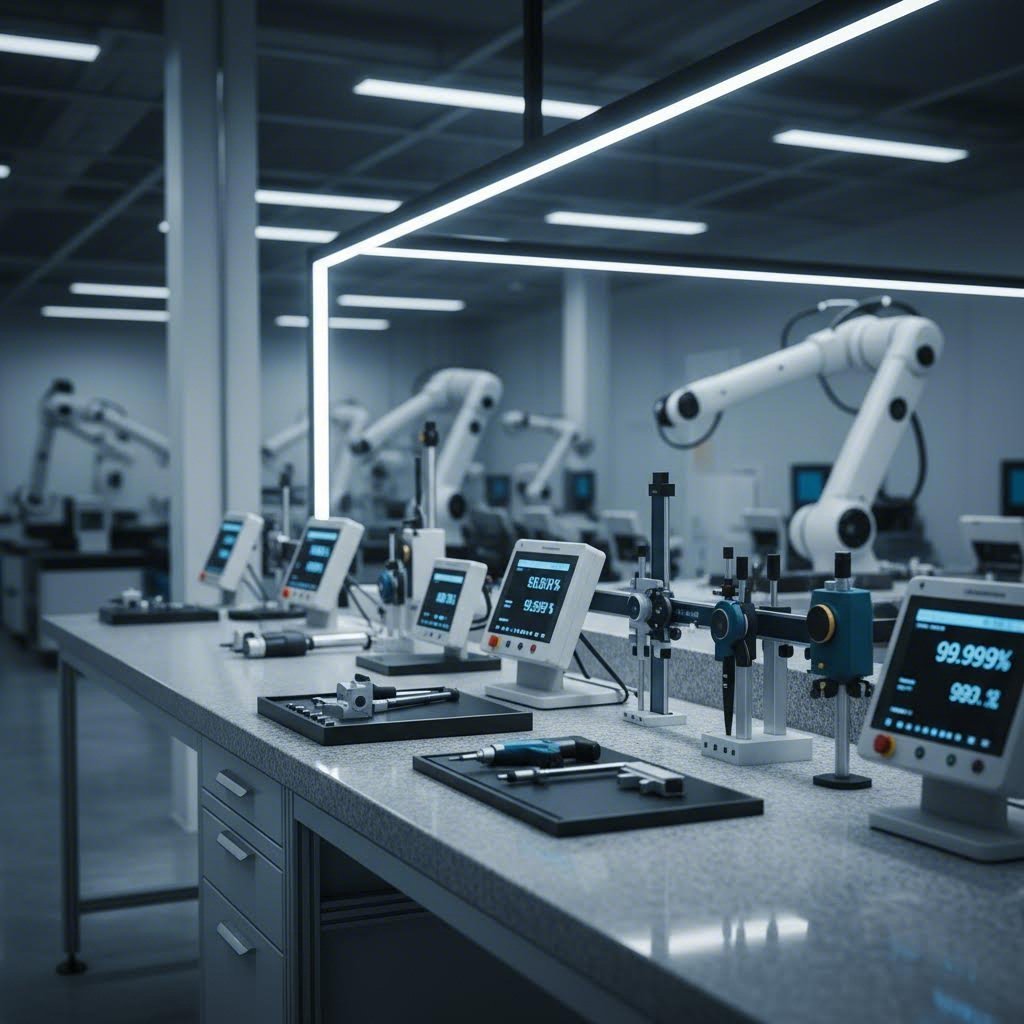
Shop floor sayings sound great on posters—but do they actually translate into measurable results? The answer lies in how manufacturers operationalize these principles. When "measure twice, cut once" becomes embedded in certified quality systems, and "uncontrolled variation is the enemy" drives real-time process monitoring, wisdom transforms into world-class manufacturing outcomes.
The gap between knowing a principle and living it separates average shops from industry leaders. Let's explore how the philosophies behind CNC machinist quotes connect directly to precision tolerances, consistent production, and the kind of customer satisfaction that builds lasting business relationships.
Where Words Meet World-Class Manufacturing
Consider what happens when machinist wisdom gets institutionalized through formal quality management systems. The principles don't change—but their application becomes systematic, documented, and verifiable.
"Quality means doing it right when no one is looking." —Henry Ford
This quote captures exactly why certifications matter. They ensure quality happens consistently—not just when a supervisor walks by or a customer visits. Industry certifications like ISO 9001, AS9100, and IATF 16949 formalize the principles machinists have always valued: process repeatability, documented procedures, and evidence-based decision-making.
How do these certifications embody traditional machinist wisdom?
- "Measure twice, cut once" becomes standardized verification procedures at every production stage
- "You can't inspect quality into a product" translates into upstream controls and prevention-focused processes
- "Uncontrolled variation is the enemy" drives Statistical Process Control (SPC) implementation
- "Quality is never an accident" manifests in documented work instructions and training requirements
The automotive industry provides a compelling example of this transformation. IATF 16949 certification—the global standard for automotive quality management—requires manufacturers to demonstrate robust process control, defect prevention, and continuous improvement. These aren't bureaucratic requirements; they're the formalized expression of principles every experienced machinist already knows.
Shaoyi Metal Technology exemplifies how machinist philosophy enables certified manufacturing excellence. Their IATF 16949 certification isn't just a credential—it represents the systematic application of precision principles across their CNC machining operations. When processing automotive components requiring tight tolerances, their SPC systems catch variation before it becomes a problem, embodying the "measure twice" philosophy at industrial scale.
Quotes That Drive Quality Results
Statistical Process Control deserves special attention because it directly operationalizes machinist wisdom about variation. Research on SPC in automotive manufacturing demonstrates how control charts and process capability analysis translate philosophical principles into measurable outcomes.
Think about it: when a veteran machinist says "watch your process, not just your parts," they're describing exactly what SPC accomplishes. Control charts track process behavior over time, identifying trends before they produce defects. Process capability indices (Cp and Cpk) quantify whether your process can consistently meet specifications—the mathematical expression of "doing it right every time."
| Machinist Principle | Quality System Implementation | Measurable Outcome |
|---|---|---|
| Prevention over detection | Upstream process controls; validated programs | Reduced scrap rates; lower rework costs |
| Variation control | SPC monitoring; control charts | Consistent tolerances; predictable output |
| Continuous improvement | Corrective action procedures; Kaizen events | Cycle time reduction; efficiency gains |
| Documentation discipline | Work instructions; setup sheets | Repeatable processes; training effectiveness |
Surface preparation and finishing processes illustrate this connection clearly. Whether you're figuring out how to remove rust from metal before machining or addressing whether stainless steel can rust under certain conditions, the answer involves controlled processes—not guesswork. Some facilities use dry ice blasting machine technology for precision cleaning, ensuring workpieces meet specifications before cutting begins. Others apply heat shrink tubing for component protection after machining. Each step reflects the same philosophy: control your process, control your quality.
Understanding material properties matters too. Questions like "is stainless steel magnetic?" aren't academic—they affect workholding choices, inspection methods, and process planning. Certified manufacturers document this knowledge, ensuring it's applied consistently rather than depending on individual operator memory.
The connection between philosophy and performance becomes especially clear in rapid prototyping and fast-turnaround production. Shaoyi's ability to deliver high-tolerance components with lead times as fast as one working day doesn't happen despite their quality systems—it happens because of them. When processes are controlled and verified, you eliminate the rework cycles that destroy schedules. The "measure twice, cut once" philosophy, systematically applied, actually accelerates delivery.
As manufacturing experts observe, quality and reliability are "foundational to the success of businesses," enabling companies to "reduce operational costs, enhance their reputations, and avoid legal liability." The wisdom machinists have passed down for generations now finds expression in certified systems that deliver these benefits at scale.
What does this mean for your shop? The quotes we've explored throughout this article aren't just cultural artifacts—they're competitive advantages waiting to be systematized. When you move from knowing these principles to documenting, measuring, and continuously improving them, you transform shop floor wisdom into manufacturing excellence that customers can verify and trust.
But here's the deeper question: as technology continues advancing—multi-axis machining, automation, AI-assisted manufacturing—will these principles remain relevant? The answer reveals something important about the enduring nature of machinist wisdom.
Preserving Machinist Wisdom for Future Generations
Technology marches forward—but does wisdom follow? As CNC machining evolves toward greater automation, artificial intelligence, and capabilities once unimaginable, a critical question emerges: will the shop floor sayings we've explored remain relevant, or will they fade into manufacturing history?
The answer, perhaps surprisingly, points toward enduring relevance. The principles behind these quotes transcend the specific technology used to implement them.
The Future of Shop Floor Wisdom
Consider how rapidly CNC technology is advancing. AI-driven monitoring systems now optimize cutting conditions in real-time, predict equipment failures before they occur, and generate optimized toolpaths automatically. Multi-axis machining creates geometries that would have seemed impossible a generation ago. Adaptive milling with AI integration provides user-friendliness for operators who may not know every traditional setup procedure.
Yet look closer at what these technologies actually do. They embody the same principles machinists have always valued:
- AI predictive maintenance is "measure twice, cut once" applied to equipment health
- Real-time process optimization is "uncontrolled variation is the enemy" automated
- Automated quality inspection is "you can't inspect quality into a product" pushed upstream where it belongs
The technology changes. The wisdom adapts. Just as the deep cycle marine battery powers equipment reliably over extended periods, fundamental machining principles provide steady guidance regardless of what's happening at the cutting edge—literally.
Timeless Principles in an Automated World
Will automation eliminate the need for machinists? Industry experts disagree. As one manufacturing process manager put it: "The human element will always be an important part of manufacturing. The machinists of today are much like their predecessors—highly skilled people who possess a high level of craftsmanship."
What's changing is how machinists apply their skills. Research shows that CNC adoption pushed workers toward problem-solving and teamwork—not away from human involvement. Plants adopting CNCs were 75% more likely to organize workers into problem-solving teams. The machines handle routine execution; humans handle judgment, creativity, and adaptation.
This shift actually makes traditional wisdom more valuable, not less. When a laser etching machine or advanced worm gear system requires troubleshooting, it's the machinist's accumulated knowledge—often compressed into memorable quotes—that guides the solution. A drill bit sharpener works because someone understands the geometry. Automation executes; wisdom directs.
Here are the key takeaways for preserving and extending machinist culture:
- Document and share: The quotes we've explored represent decades of accumulated experience—don't let them disappear when veteran machinists retire
- Adapt the language: New generations need the same principles expressed in ways that resonate with their experience and learning styles
- Balance tradition with innovation: Honor the wisdom while embracing the technology that lets you apply it better
- Mentor actively: Knowledge transfer happens through relationships, not just training manuals
- Create new wisdom: Today's challenges will generate tomorrow's quotes—be part of that tradition
The most successful shops blend both approaches. They train apprentices on foundational principles while equipping them with cutting-edge tools. They respect what the old-timers knew while remaining curious about what's next.
What's your contribution to this tradition? Every machinist who's solved a tough problem, prevented a crash, or discovered a better way of doing things has something worth sharing. The quotes that built shop floor legends started as someone's observation—spoken in the moment, repeated because it was useful, eventually becoming part of the craft's collective memory.
"The best machinists aren't those who never make mistakes—they're those who learn from every cut and pass that knowledge forward."
That's the real legacy of CNC machinist quotes: not just words on walls, but a living tradition of continuous learning, shared wisdom, and relentless pursuit of excellence. The technology will keep advancing. The fundamental truths about precision, safety, and craftsmanship will keep applying. And the community that creates, shares, and preserves this wisdom will keep building the legends that inspire the next generation.
Frequently Asked Questions About CNC Machinist Quotes
1. What is the motto of a machinist?
The most recognized machinist motto is 'If you can think it, draw it, we can machine it.' This captures the problem-solving spirit that defines the profession. However, many machinists also live by 'Measure twice, cut once'—a principle that translates directly to CNC operations through program verification, tool offset checks, and workholding confirmation before the first cut. These mottos reflect the blend of creativity, precision, and careful preparation that separates excellent machinists from average ones.
2. Can a machinist make 6 figures?
Yes, experienced CNC machinists can reach six-figure earnings through skill development and specialization. While entry-level machinist apprentices typically start between $42,000-$54,000, wages increase significantly with experience. Machinists in transportation equipment manufacturing earn median wages around $60,300, and those who master programming, multi-axis machining, or specialized industries like aerospace and medical devices can command premium salaries. Continuous learning and certifications accelerate this earning potential.
3. Can CNC machinists make good money?
CNC machinists earn solid wages with strong growth potential. The Bureau of Labor Statistics reports a median annual wage of $56,150 for machinists, with higher earnings in specialized sectors. Industry matters significantly—transportation equipment manufacturing pays the highest median at $60,300. Beyond base salary, many shops offer overtime opportunities, and skilled CNC programmers or setup technicians often earn above median rates. The trade offers stable employment with paths to supervisory or specialized technical roles.
4. What are the best CNC machinist quotes for shop signage?
The most effective quotes for shop signage depend on location and purpose. Near inspection stations, 'You cannot inspect quality into a product' reinforces prevention over detection. Safety-focused quotes like 'There are no shortcuts when working with machinery—only short careers' work well near equipment areas. For team motivation, 'Quality is never an accident; it is always the result of high intention' inspires excellence. Match quotes to specific workstations where their principles apply most directly for maximum impact.
5. How can machine shops use quotes to build quality culture?
Shops can integrate machinist quotes into formal quality programs by opening training modules with relevant sayings and unpacking their meaning. Create 'quote of the week' discussions where apprentices research principles behind each saying. Reference specific quotes during nonconformance reviews to reinforce root causes. Rotate quotes on digital displays tied to current quality initiatives. Certified manufacturers like those with IATF 16949 credentials demonstrate how 'measure twice, cut once' philosophy becomes systematized through Statistical Process Control and documented procedures.