 Small batches, high standards. Our rapid prototyping service makes validation faster and easier —
  EN
EN


Your First CNC Machine Quote: Essential Points Before You Request
Understanding What a CNC Machine Quote Really Means
Ever looked at a CNC machine quote and wondered why the numbers seem higher than expected? You're not alone. Many buyers approach these documents expecting a simple price tag, only to discover a complex breakdown of costs that can feel overwhelming at first glance.
Here's the reality: a CNC machine quote isn't just a number on a page. It's a comprehensive document that reveals exactly how your machined parts will be manufactured, what resources are required, and where your money goes. Understanding this distinction transforms you from a passive buyer into an informed decision-maker who can negotiate effectively and plan budgets with precision.
What a CNC Machine Quote Actually Includes
Think of a professional quote as a roadmap showing every step of your part's journey from raw material to finished product. When you're wondering how much to get a metal part made, the answer lies in understanding each component that contributes to the final price.
A well-structured quote from any reputable CNC service typically breaks down into these core components:
- Material Costs: The raw stock required for your part, including any waste material from the machining process. This varies significantly based on material type and the size of the blank needed.
- Machining Time: The actual hours your part spends on the CNC machine, calculated based on complexity, tolerances, and required operations.
- Setup Charges: Programming, fixturing, and tooling preparation costs that occur before actual cutting begins.
- Finishing Costs: Post-processing operations like deburring, surface treatments, anodizing, or polishing.
- Shipping Estimates: Delivery costs based on part weight, packaging requirements, and destination.
The relationship between CNC and manufacturing transparency matters here. According to industry data, CNC machining hourly rates range from $35 to $40 per hour for standard 3-axis milling, jumping to $75 to $120 per hour for complex multi-axis work. These figures give you a baseline for evaluating whether quotes you receive fall within reasonable ranges.
Why Quote Literacy Saves You Money
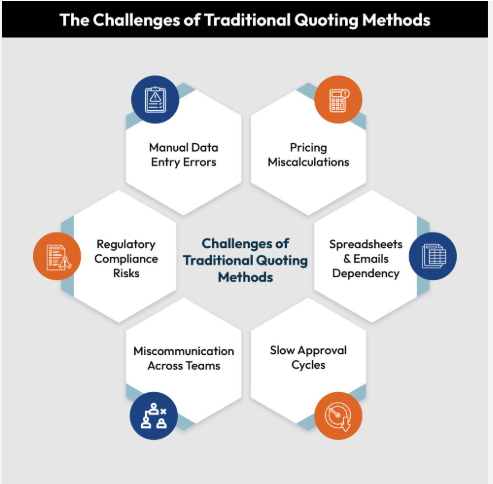
Most CNC shops keep their pricing methodology opaque, which creates a significant knowledge gap for buyers. When you understand what drives machinist metal cost calculations, you gain leverage in conversations with suppliers.
Consider this scenario: you receive two quotes for identical parts, but one is 40% higher than the other. Without understanding quote components, you might assume the cheaper option is always better. However, the higher quote might include tighter quality controls, better material traceability, or finishing operations the other shop excluded entirely.
Quote literacy helps you:
- Identify hidden costs before they become budget surprises
- Compare suppliers on equal terms by understanding what each includes
- Spot opportunities to reduce costs through design modifications
- Build more accurate project budgets from the start
The formula many shops use follows this basic structure: Estimated Cost = (Material Cost + Setup Cost) + (Machining Time × Hourly Rate) + Finishing Cost. When you understand this calculation, you can ask informed questions about each line item and potentially negotiate specific components rather than just the bottom line.
Armed with this foundation, you're ready to dive deeper into the specific factors that influence every CNC machine quote you'll encounter.
The Seven Factors That Determine Your Quote Price
Now that you understand what a CNC machine quote contains, let's explore what actually drives those numbers. When you receive pricing from a machining shop, every dollar traces back to specific decisions about materials, processes, and requirements. Understanding these factors gives you the power to influence your final cost before you even submit a request.
Material Costs and Their Hidden Variables
Material selection impacts your quote in two distinct ways: the raw cost of the stock and how easily it can be machined. These variables often surprise first-time buyers who focus only on material pricing without considering machinability.
Consider these real-world examples for a 6" x 6" x 1" block of material, based on industry pricing data:
| Material Type | Approximate Cost | Machinability |
|---|---|---|
| Aluminum 6061 | $25 | Excellent |
| Aluminum 7075 | $80 | Good |
| Stainless Steel 304 | $90 | Moderate |
| ABS Plastic | $17 | Excellent |
| Delrin (Acetal) | $27 | Excellent |
| Nylon 6 | $30 | Good |
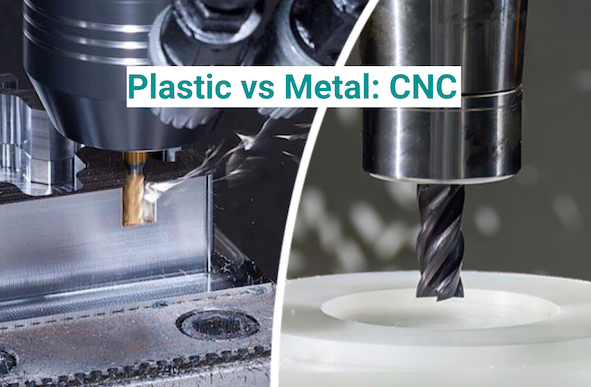
Notice how delrin plastic and other engineering polymers like acetal plastic offer excellent machinability at reasonable raw material costs. This makes delrin material a popular choice for precision machining services when metal isn't required. The material cuts cleanly, produces consistent finishes, and extends tool life compared to more demanding options.
Here's what many buyers miss: a cheaper raw material that's difficult to machine can end up costing more than an expensive material that cuts easily. Titanium, for instance, requires specialized cutting tools, slower feed rates, and more frequent tool changes. These hidden variables often double or triple the machining time compared to aluminum.
How Machine Time Gets Calculated
Machine time forms the backbone of most CNC quotes, and understanding how shops calculate it reveals significant opportunities for cost optimization. The formula isn't mysterious, but the variables require explanation.
When a CNC turning or milling operation begins, the clock starts ticking at rates that vary dramatically based on equipment complexity:
- 3-axis CNC milling: $13–$24 per hour (including operator wages)
- CNC turning: Starting around $11 per hour for basic operations
- 5-axis CNC machining: $40–$80+ per hour
Why such variation? More complex machines require higher-skilled operators, more expensive tooling, and greater maintenance costs. A part that could be made on a 3-axis machine for $50 might cost $150 or more if it requires 5-axis capabilities.
Metal machining time calculations consider multiple factors: the volume of material to be removed, the number of operations required, tool change frequency, and the specific machining speeds appropriate for your chosen material. Harder materials like stainless steel demand slower cutting speeds, directly increasing machine time and your final quote.
The Tolerance-Price Relationship
Tighter tolerances don't just add a small premium—they can multiply your machining costs dramatically. When you specify ±0.001" instead of ±0.005", you're asking for slower cutting speeds, more quality checks, and potentially different equipment altogether.
Standard manufacturing tolerances following DIN-2768-1 guidelines work perfectly for most applications. Reserve tight tolerances only for features where parts interface with other components. Every unnecessary tight tolerance adds time for careful measurement, potential rework, and additional quality documentation.
Complete Cost Factor Impact Analysis
Understanding how each factor influences your quote helps you prioritize where to focus optimization efforts:
| Factor | Low Impact | Medium Impact | High Impact |
|---|---|---|---|
| Material Type | Standard aluminum, common plastics | Stainless steels, engineering polymers | Titanium, Inconel, exotic alloys |
| Tolerance Level | ±0.005" or looser | ±0.002" to ±0.003" | ±0.001" or tighter |
| Quantity | 100+ parts (setup costs distributed) | 10–50 parts | 1–5 parts (full setup cost per piece) |
| Complexity | Simple geometries, standard holes | Multiple setups, moderate features | Deep cavities, thin walls, complex curves |
| Surface Finish | As-machined | Basic deburring, light polish | Anodizing, plating, mirror finish |
| Lead Time | Standard 2–3 weeks | Expedited 1 week | Rush 1–3 days |
Setup costs deserve special attention. CAD review, CAM programming, fixture preparation, and machine configuration happen once per order—whether you're making one part or one hundred. At low quantities, these fixed costs constitute a massive percentage of your per-part price. According to industry sources, the price difference between ordering one part versus 1,000 can be tenfold per unit.
With these pricing factors clearly mapped, the next step is preparing your request with the right information to ensure accurate quotes from the start.
Preparing Your Request for Accurate Quote Results
Imagine submitting a quote request only to receive a price 30% higher than expected—or worse, waiting days for clarification emails before getting any numbers at all. This frustrating scenario happens constantly, and it's almost always preventable. The difference between receiving accurate, competitive quotes and inflated estimates comes down to one factor: preparation.
When you submit incomplete information, CNC shops have two choices: ask follow-up questions (delaying your quote) or add contingency pricing to cover unknowns. Neither outcome serves your project timeline or budget. The good news? With the right preparation, you can get a cnc quote online that reflects true costs rather than padded estimates.
Essential Files and Formats for Accurate Quotes
Your CAD files form the foundation of every quote calculation. Suppliers use these files to evaluate geometry, plan toolpaths, and estimate machining time. Sending the wrong format—or incomplete data—forces engineers to make assumptions that typically work against your budget.
Here's what works and what doesn't for cnc machining parts:
| File Format | Best For | Limitations |
|---|---|---|
| STEP (.step/.stp) | Universal 3D geometry exchange | None significant—industry standard |
| IGES (.igs/.iges) | Legacy systems, surface models | Can lose solid body information |
| Parasolid (.x_t) | High-precision geometry transfer | Less universally supported |
| DXF (.dxf) | 2D profiles, flat laser-cut parts | No 3D geometry or depth data |
| STL (.stl) | 3D printing only | Converts curves to triangles—avoid for CNC |
| Native CAD files | Full design intent preservation | Requires matching software version |
According to CNC file preparation experts, STEP files remain the gold standard for online machining quotes because they preserve solid geometry, transfer cleanly between systems, and contain the dimensional accuracy suppliers need for toolpath generation.
Avoid mesh-based formats like STL or OBJ entirely. While perfect for 3D printing, these formats break smooth curves into tiny triangles—exactly the opposite of what CNC machines need. A circular hole in STL becomes a polygon, making precise machining impossible without the original CAD data.
For the most complete submission, pair your 3D STEP file with a 2D PDF drawing that includes tolerances, thread callouts, and surface finish specifications. This combination eliminates ambiguity and dramatically speeds up the quoting process for custom machined parts.
Specification Details That Prevent Quote Surprises
Beyond file formats, the specifications you provide—or fail to provide—directly determine quote accuracy. Vague or missing details force suppliers into a difficult position where they must either delay your quote or add contingency pricing to protect themselves.
Consider material specifications. Saying "aluminum" tells a supplier almost nothing. Aluminum 6061-T6 machines very differently than 7075-T651, and the price difference between grades can exceed 200%. Without specifics, a cautious supplier quotes the more expensive option to avoid losing money if you later specify premium material.
The same principle applies to every specification category. Here's what happens when information is incomplete:
- Missing tolerances: Suppliers assume tight tolerances throughout, adding inspection time and slower machining speeds
- Undefined surface finish: Quotes may include polishing or additional operations you don't actually need
- Vague quantities: Setup costs can't be properly distributed, often resulting in conservative per-unit pricing
- No delivery timeline: Standard lead times apply, even if you could accept longer timelines for better pricing
For cnc machine parts requiring threads, be specific about thread type (UNC, UNF, metric), depth, and whether threads are internal or external. Blind holes need bottom style specifications. These details seem minor but directly affect tool selection and machining strategy.
Your Pre-Quote Preparation Checklist
Before requesting any quote, work through this comprehensive checklist. Each item you complete reduces the likelihood of inflated pricing or extended back-and-forth communications:
- Export your 3D model as a STEP file—verify it opens correctly and represents your final design intent
- Create a 2D PDF drawing with GD&T—include all critical dimensions, tolerances, thread callouts, and surface finish requirements
- Specify exact material grade—not just "steel" but "1045 carbon steel" or "304 stainless steel"
- Define heat treatment or temper conditions—if applicable, note hardness requirements or specific temper designations
- List surface finish requirements by feature—identify which surfaces need specific Ra values versus as-machined finishes
- Document quantity requirements—include prototype quantities, initial production runs, and anticipated annual volumes
- State your delivery timeline—be honest about flexibility; longer lead times often unlock better pricing
- Note secondary operations needed—anodizing, plating, heat treatment, engraving, or assembly requirements
- Include shipping destination—location affects freight costs and may influence supplier recommendations
- Add revision history or part numbers—helps prevent confusion if you've submitted similar parts previously
According to DFM analysis guidelines, providing both a STEP file and annotated 2D drawing can significantly speed up the quoting process by eliminating questions about tolerances, threads, or surface finishes. This means less back-and-forth and faster quotes in your inbox.
What Happens When You Skip Preparation
The consequences of incomplete submissions compound quickly. A UK machining specialist notes that most quote delays happen because suppliers must request clarifications before they can provide accurate pricing.
Here's a typical timeline comparison:
| Submission Quality | Time to Quote | Quote Accuracy |
|---|---|---|
| Complete package (3D + 2D + specs) | 24–48 hours | High—minimal contingency added |
| 3D file only, no drawing | 3–5 days (with clarifications) | Moderate—assumptions required |
| 2D drawing only, no 3D model | 5–7 days | Low—rough estimate only |
| Verbal description or sketch | 1–2 weeks | Very low—significant padding applied |
The math is straightforward: every hour a supplier spends asking questions or making assumptions is time you're waiting for quotes—and potentially paying for through inflated pricing. Complete preparation costs you perhaps an extra hour upfront but saves days on the back end while delivering more competitive machining parts pricing.
With your files prepared and specifications documented, the next decision involves choosing between automated instant quoting platforms and traditional manual engineering quotes—each with distinct advantages depending on your project requirements.
Instant Quotes Versus Manual Engineering Quotes
You've prepared your files and documented every specification. Now comes a critical choice: do you upload to an instant quoting platform or reach out to a local machinist near you for a traditional engineering review? This decision affects not just how quickly you receive pricing, but also how accurate that pricing will be—and whether surprises await you down the line.
Both approaches have legitimate applications, and understanding when each excels helps you match your quoting strategy to your project requirements. The difference between choosing correctly and incorrectly can mean days of delays or thousands of dollars in unexpected costs.
When Instant Quotes Work Best
Instant quoting platforms have transformed how many buyers approach CNC prototyping and standard part procurement. These systems use algorithms to analyze your uploaded CAD files, returning pricing and lead times in as little as 5 to 60 seconds—a dramatic improvement over traditional methods that might take days.
The technology behind these platforms relies on analyzing part geometry, material requirements, and standard tolerances to generate automated estimates. For the right applications, this approach delivers remarkable efficiency.
Instant quoting works exceptionally well when your project meets these criteria:
- Standard geometries: Parts with common shapes, typical hole patterns, and straightforward features that algorithms can reliably interpret
- Common materials: Aluminum 6061, standard stainless steels, or popular plastics that have well-established machining parameters
- Flexible tolerances: Standard manufacturing tolerances (±0.005" or looser) that don't require specialized inspection
- Prototype machining: Early-stage development where speed matters more than absolute cost optimization
- Low complexity: Parts achievable on 3-axis equipment without multiple setups or specialized fixturing
When searching for cnc machine shops near me, you'll find that many now offer both instant quoting options and traditional engineering review. Platforms like Xometry, Protolabs, and others have built networks of thousands of suppliers, making instant quotes accessible around the clock.
The 24/7 availability particularly benefits small and medium enterprises without in-house manufacturing capabilities. According to industry analysis, these platforms can reduce quoting times by up to 90% compared to traditional methods, enabling faster design iterations during product development.
Why Complex Parts Need Engineering Review
Here's where instant quoting hits its limitations. Algorithms excel at pattern recognition and standard calculations, but they struggle with nuance. When your part falls outside normal parameters, automated systems either reject the upload, return inflated contingency pricing, or—worse—provide quotes that don't reflect actual manufacturing challenges.
Manual engineering quotes from machinist shops near me or specialized manufacturers involve human expertise reviewing your specific requirements. An experienced engineer examines your geometry, considers optimal machining strategies, and identifies potential issues before they become production problems.
As manufacturing experts note, manual quoting delivers superior results when:
- Part complexity is high: Deep pockets, thin walls, or intricate features that require careful toolpath planning
- Quality is paramount: Aerospace, medical, or precision applications where failure isn't acceptable
- Budget accuracy matters: Tight project budgets that can't absorb the ±10-15% pricing variance typical of complex automated quotes
- Specialty materials are required: Exotic alloys like Inconel, titanium grades, or unusual plastics that demand specific machining expertise
- Custom tolerances apply: Requirements tighter than ±0.001" or specific GD&T callouts that automated systems may misinterpret
The human element provides something algorithms cannot: the ability to suggest alternatives. An engineer reviewing your part might recommend a material substitution that saves 40%, identify a feature modification that halves machining time, or spot a tolerance that could cause production issues before you've committed to the design.
Comparing Your Quoting Options
Understanding the tradeoffs helps you select the right approach for each project. This comparison breaks down the key differences across the dimensions that matter most:
| Dimension | Automated Instant Quote | Manual Engineering Quote |
|---|---|---|
| Speed | Seconds to minutes | 1-5 business days |
| Availability | 24/7 online access | Business hours only |
| Pricing Accuracy | ±5% for simple parts; ±10-15% for complex | High accuracy with detailed cost breakdown |
| Complexity Handling | Limited to standard geometries | Handles any manufacturable design |
| Material Options | Common metals and plastics only | Full range including exotic alloys |
| DFM Feedback | Automated suggestions, may miss nuances | Expert recommendations for cost reduction |
| Customization | Predefined options only | Fully customizable to your specifications |
| Communication | Limited or chatbot-based | Direct access to engineering expertise |
| Quality Assurance | Varies by supplier network | Established relationship with known capabilities |
| Best For | Prototypes, standard parts, speed-critical orders | Production runs, complex parts, tight budgets |
Factors Affecting Quote Turnaround
Beyond the automated-versus-manual decision, several factors influence how quickly you'll receive accurate pricing from machining shops near me or online platforms.
For automated systems, turnaround depends primarily on file quality. Clean STEP files with recognizable geometry quote instantly. Files with errors, unusual features, or formats requiring conversion may trigger manual review queues, negating the speed advantage. Platform data suggests that poorly formatted files can increase quoting time from seconds to days.
For manual quotes, these variables affect delivery speed:
- Submission completeness: Missing drawings or specifications require clarification cycles
- Current workload: Busy shops prioritize existing orders over new quote requests
- Part complexity: Simple parts quote faster; complex assemblies need detailed analysis
- Material sourcing: Unusual materials may require supplier quotes before finalizing pricing
- Quantity considerations: High-volume production quotes involve more cost optimization analysis
Many buyers develop a hybrid strategy: using instant quotes for initial budgeting and standard parts, then seeking manual engineering quotes from trusted cnc machinist near me options for complex or high-value projects. This approach balances speed with accuracy, letting you move quickly on simple work while ensuring precision where it matters.
With a clear understanding of when each quoting approach serves you best, the next step involves examining how your design decisions directly influence the numbers you'll see—regardless of which quoting method you choose.
How Part Design Affects Your Final Quote
You've selected your quoting method and prepared your files—but here's something many buyers overlook: your design decisions have already determined most of your quote before you submit anything. Every feature, every tolerance, every surface finish requirement translates directly into machine time, tool changes, and quality checks. Understanding this connection transforms you from someone who receives quotes into someone who controls them.
The relationship between design and cost isn't mysterious once you understand how CNC cutting operations work. A cnc cutting machine follows precise toolpaths, and every feature you add creates more paths, more tool changes, and more time on the machine. Let's break down exactly how your design choices impact the numbers you'll see.
Design Features That Drive Up Costs
Certain design elements consistently increase machining costs, often more than buyers anticipate. Recognizing these cost drivers before you finalize your design gives you opportunities to optimize.
According to design for manufacturability guidelines, these features have the greatest impact on CNC fabrication pricing:
- Deep cavities: CNC tools have limited cutting length and perform best when cavity depth stays within two to three times the tool diameter. A 12mm end mill machines cavities up to about 25mm deep efficiently. Deeper cuts require special tooling or multi-axis systems, increasing cost significantly.
- Thin walls: Walls thinner than 0.8mm for metals or 1.5mm for plastics require multiple passes at low cutting depths to prevent deformation. This vibration-prone machining takes longer and demands more careful setup.
- Sharp internal corners: CNC milling tools are cylindrical, leaving an internal radius in pocket corners. Reducing this radius requires smaller diameter tools that need multiple passes at slower speeds. A 12mm deep cavity with a 5mm corner radius costs far less than the same cavity with a 2mm radius.
- Non-standard holes: Standard drill bits work quickly and accurately. Non-standard diameters require additional machining operations, adding time and cost to every hole.
- Excessive thread depth: Thread engagement beyond 1.5 times the hole diameter provides minimal additional strength but increases machining time and requires specialized tooling.
Here's a practical example: a part with 50mm deep pockets, 0.5mm walls, and sharp internal corners might cost three to four times more than a similar part designed with shallower pockets, thicker walls, and radiused corners. The function could be identical, but the cnc cuts required differ dramatically.
3-Axis vs 5-Axis Machining Cost Differences
The type of CNC machine required for your part creates one of the largest cost variables in any quote. Understanding when each approach is necessary helps you design parts that stay within budget without sacrificing function.
A 3-axis CNC machine moves its cutting tool along the X (left-right), Y (front-back), and Z (up-down) axes. This covers the vast majority of cnc metal parts and delivers excellent results for parts with straightforward geometries. According to Xometry's technical analysis, 3-axis machines cost between $25,000 and $50,000, while 5-axis machines range from $80,000 to over $500,000. These equipment costs translate directly into hourly rates.
A 5-axis machine adds two rotational axes, allowing the tool to approach the workpiece from virtually any angle. This capability enables complex geometries impossible on 3-axis equipment—but at a significant premium.
| Factor | 3-Axis CNC | 5-Axis CNC |
|---|---|---|
| Hourly Rate | $35–$50 | $75–$120+ |
| Setup Complexity | Simple, often single setup | Complex programming required |
| Best For | 2D/2.5D parts, flat surfaces, simple pockets | Turbine blades, impellers, aerospace components |
| Workpiece Repositioning | Manual, multiple setups for complex parts | Automatic, continuous machining |
| Operator Expertise | Standard CNC training | Specialized programming skills |
When does 5-axis machining actually save money? When a part would require three or four manual repositionings on a 3-axis machine, the time saved through continuous 5-axis machining can offset the higher hourly rate. Complex aerospace or medical components often fall into this category. However, if your part can be completed in one or two setups on 3-axis equipment, there's rarely a cost justification for 5-axis.
The takeaway: design parts that can be machined with the simplest equipment possible. Every cnc cut that requires repositioning or specialized equipment adds cost.
Surface Finishes and Their True Cost
Surface finish requirements represent another area where specifications directly control pricing. Many buyers over-specify finishes without understanding the cost implications.
Standard "as-machined" finishes (3.2 µm Ra) show visible tool marks but work perfectly for non-cosmetic applications. This baseline finish incurs no additional cost beyond standard machining. Moving to smoother finishes requires progressively more effort:
- 1.6 µm Ra: Adds approximately 2.5% to base price through slower feeds and more careful machining
- 0.8 µm Ra: Adds approximately 5% through very controlled cutting parameters
- 0.4 µm Ra: Adds up to 15% and typically requires post-machining polishing
Secondary finishes like anodizing, powder coating, or plating add both processing cost and lead time. According to manufacturing cost analysis, these operations can add 10-30% to part cost depending on the finish type and part geometry.
Specify surface finishes by feature, not globally. A part might need 0.8 µm Ra on mating surfaces while accepting standard 3.2 µm Ra everywhere else—potentially cutting finish-related costs in half.
Design Modifications That Reduce Quote Prices
Armed with knowledge of what drives costs up, here are proven modifications that bring quotes down without compromising part function:
- Increase internal corner radii: Specify a corner radius at least one-third of cavity depth. Using the same radius throughout eliminates tool changes.
- Limit cavity depth: Keep depth to no more than four times the smallest dimension in the XY plane. Shallow pockets machine faster with standard tools.
- Thicken walls: Design metal walls at 0.8mm minimum, plastic walls at 1.5mm minimum. Thicker sections machine faster and more reliably.
- Standardize hole sizes: Use 0.1mm increments up to 10mm, 0.5mm increments above. Match standard drill bit sizes.
- Reduce thread depth: Limit to three times hole diameter maximum, with unthreaded relief at blind hole bottoms.
- Design for single setup: Parts machined without repositioning avoid manual intervention costs and alignment issues.
- Add reliefs instead of tight corners: When sharp internal corners are functionally required, add relief cuts rather than forcing tiny corner radii.
- Remove unnecessary text: Engraving adds toolpaths and time. Consider labels, etching, or painting as alternatives.
- Choose standard tolerances: Apply tight tolerances only where function demands them. Standard ±0.125mm works for most features.
Many of these modifications cost nothing to implement during design but save significant money during manufacturing. A design optimization study found that following these guidelines can reduce CNC machining costs by 30-50% on typical parts.
With your design optimized for manufacturability, the next challenge becomes evaluating the quotes you receive—looking beyond just the bottom-line price to understand what each supplier actually offers.

Comparing Quotes Like a Procurement Professional
You've received three quotes for your cnc parts project. One is 25% cheaper than the others. Obvious choice, right? Not so fast. That bottom-line number tells only part of the story—and sometimes the most expensive quote delivers the best value while the cheapest creates budget-breaking problems down the line.
Experienced procurement professionals know that evaluating a CNC machine quote requires looking beyond price to examine quality systems, hidden costs, and supplier capabilities. According to the American Society for Quality, the Cost of Poor Quality can consume 15% to 25% of a company's annual sales. That cheap quote might cost you far more than you saved.
Reading Between the Lines of CNC Quotes
A professional quote reveals as much through what it excludes as what it includes. Before comparing bottom-line prices, examine each quote for these critical elements that separate transparent suppliers from those hiding costs.
Start with the line-item breakdown. Does the quote clearly separate material costs, machining time, setup charges, and finishing operations? Industry experts emphasize that a transparent quote helps you understand exactly where your money goes. Suppliers who lump everything into a single number may be hiding inefficiencies—or padding margins in ways you can't identify.
Watch for these commonly omitted costs that create budget surprises:
- Inspection and quality documentation: First Article Inspection reports, material certifications, and dimensional reports may carry additional charges
- Packaging and handling: Custom packaging for sensitive parts or specialized handling requirements
- Minimum order charges: Setup costs that apply regardless of quantity, potentially making small orders disproportionately expensive
- Revision fees: Charges for design changes after quoting, even minor modifications
- Expedite premiums: Rush fees that may not appear in standard quotes but apply if your timeline shifts
The quote should also specify exactly what's included in finishing. "Deburring included" means different things at different shops. One supplier might hand-deburr every edge; another might run parts through a tumbler. Both technically "deburr," but the results differ significantly for aerospace machining or medical machining applications where surface quality matters.
Quality Indicators That Justify Higher Prices
Here's where cnc machining aerospace and medical device machining projects diverge from standard commercial work. A supplier charging 30% more might deliver certifications, processes, and documentation that make them the only acceptable choice for regulated industries.
Certifications function as your first filter. According to certification experts, these standards signal specific capabilities:
- ISO 9001: Baseline quality management—the "driver's license" of manufacturing. Verifies documented processes and continuous improvement practices.
- IATF 16949: Automotive-specific certification adding defect prevention, traceability, and statistical process control requirements. Non-negotiable for automotive supply chains.
- AS9100: Aerospace and defense standard covering safety-critical manufacturing with rigorous documentation and process validation.
- ISO 13485: Medical device manufacturing certification ensuring biocompatibility awareness and traceability standards.
Statistical Process Control (SPC) deserves special attention. Suppliers implementing SPC continuously monitor production variables, catching drift before parts go out of tolerance. This proactive approach dramatically reduces defect rates compared to shops that only inspect finished parts. For swiss machining operations producing high-precision components in volume, SPC capability often separates acceptable suppliers from excellent ones.
Material traceability represents another quality indicator that justifies premium pricing. Can the supplier trace your parts back to specific material lots with certified properties? For aerospace cnc machining, medical machining, or any safety-critical application, this documentation isn't optional—it's essential for regulatory compliance and liability protection.
Your Quote Comparison Framework
Comparing quotes effectively requires evaluating multiple dimensions simultaneously. Use this framework to score potential suppliers across the factors that actually determine project success:
| Evaluation Criteria | What to Look For | Red Flags | Weight |
|---|---|---|---|
| Price Transparency | Detailed line-item breakdown; clear cost allocation | Single lump-sum pricing; vague "included" statements | Medium |
| Lead Time Reliability | Specific delivery dates; track record of on-time delivery | Vague timelines; no penalty clauses for delays | High |
| Certifications | Relevant industry certifications; current audit status | Claims without documentation; expired certifications | High (regulated industries) |
| Material Traceability | Mill certifications included; lot tracking capability | No material documentation; "trust us" responses | High (critical applications) |
| Communication Quality | Prompt responses; dedicated contact; proactive updates | Slow replies; generic responses; no project manager | Medium-High |
| Inspection Capabilities | CMM equipment; documented inspection procedures | No in-process inspection; outdated equipment | High |
| DFM Feedback | Proactive suggestions; cost-saving recommendations | No feedback; quote exactly as submitted | Medium |
Communication responsiveness reveals more than you might expect. Manufacturing experts note that prompt, clear responses during quoting typically indicate professionalism and efficiency throughout the relationship. A supplier who takes a week to answer quote questions will likely take a week to address production issues.
The True Cost of the Cheapest Quote
Consider a real-world scenario: a robotics company chose a supplier offering $12,500 savings on aluminum housings. The first batch arrived with dimensional issues—some holes misaligned, some surface finishes below spec. The aftermath consumed those savings within days:
- Engineering time evaluating each part: $2,500
- Rework and hand-fitting salvageable units: $3,000
- Replacement order from backup supplier at rush pricing: $8,550
- Production line delays while waiting: unquantified but significant
The "savings" evaporated, replaced by costs exceeding the original budget plus damaged relationships with downstream customers. As quality pioneer Dr. W. Edwards Deming observed: "A rule that says 'give the business to the lowest bidder' will result in poor quality and high cost."
This doesn't mean expensive quotes are always better. It means you need to understand what drives the price difference. A higher quote backed by relevant certifications, proven quality systems, and transparent communication often delivers lower total cost than a cheaper quote from an unknown supplier with vague quality claims.
With a framework for evaluating quotes effectively, the next step involves understanding the mistakes that lead to inflated or inaccurate quotes in the first place—and how to avoid them before they impact your budget.
Avoiding Costly Mistakes in the Quoting Process
You've learned how to evaluate quotes professionally—but what if the quotes you're receiving are already inflated before you even see them? Many buyers unknowingly make decisions during the quote request phase that add 25% to 40% to their final costs. The frustrating part? These mistakes are entirely preventable with the right knowledge.
Whether you're working with a cnc near me or an overseas supplier, the same errors appear repeatedly. Understanding these pitfalls transforms you from a buyer who accepts whatever pricing arrives into someone who controls costs from the very first interaction.
Tolerance Over-Specification Traps
This mistake costs more money than almost any other quoting error. When buyers specify ±0.005mm on every feature "just to be safe," they trigger a cascade of cost increases that often double or triple machining time.
Here's what happens behind the scenes when you over-specify tolerances: the machinist near me or shop receiving your request must plan for slower cutting speeds, more frequent tool changes, and additional quality inspection steps. According to industry cost analysis, applying tight tolerances universally can increase production costs by 25% to 35%—even when most features don't functionally require that precision.
Consider a real example: a buyer specified ±0.005mm on all features of an aluminum bracket. The mounting holes genuinely needed that precision for proper assembly. But applying the same tolerance to non-critical edges and surfaces doubled production time and increased scrap rates from minor deviations that would never affect function.
The solution? Apply tight tolerances only where parts interface with other components. Standard tolerances of ±0.127mm (approximately ±0.005") work perfectly for most features and don't trigger premium pricing. When requesting quotes, use GD&T callouts that specify exactly which dimensions require precision—leaving others at standard manufacturing tolerances.
Material Selection Mistakes That Inflate Costs
Choosing materials based solely on strength or "playing it safe" with premium alloys creates unnecessary expense. Many buyers specify 316 stainless steel when aluminum would perform identically for their application—paying 40% to 50% more for material and machining without gaining any functional benefit.
The cost impact extends beyond raw material pricing. According to manufacturing economics research, difficult-to-machine materials like titanium or hardened steels require slower cutting speeds, specialized tooling, and more frequent tool changes. A part that machines in one hour from aluminum 6061 might take three hours from titanium—tripling labor costs on top of higher material expense.
Smart material substitution offers significant savings. Machinable nylon provides excellent strength and wear resistance for many applications where metal seems necessary but isn't. This nylon for machining option cuts faster, reduces tool wear, and costs a fraction of metal alternatives. Similarly, machining nylon or acetal plastics often delivers the durability buyers need without premium metal pricing.
Before finalizing material specifications, ask yourself: what properties does this part actually need? Corrosion resistance? High strength? Wear resistance? Then select the most cost-effective material meeting those requirements—not the most impressive-sounding option.
The Complete List of Quote-Inflating Mistakes
Beyond tolerances and materials, these errors consistently drive up pricing. Each seems minor individually, but they compound to create quotes far higher than necessary:
- Incomplete or missing drawings: When shops can't see critical dimensions, thread specifications, or surface finish requirements, they add contingency pricing to cover unknowns. A custom machine shop would rather quote high and win than quote low and lose money.
- Unrealistic lead times: Requesting parts in three days when standard lead time is two weeks triggers rush premiums of 25% to 50%. Cost studies show that overtime labor, expedited shipping, and schedule disruption all add expense.
- Over-specifying surface finish: Requesting 0.4 µm Ra mirror finishes when 3.2 µm as-machined surfaces work perfectly adds up to 15% to part cost through additional polishing operations.
- Designing features that require 5-axis machining: Undercuts, compound angles, and complex curves force parts onto expensive multi-axis equipment when simpler designs could run on standard 3-axis machines.
- Specifying exotic materials without justification: Titanium, Inconel, and specialty alloys have their place—but defaulting to them "for safety" wastes money when standard materials perform identically.
- Ignoring machinability: Some materials look affordable until you realize they machine slowly, wear tools quickly, and require specialized cutting parameters.
- Requesting single-part quotes: Setup costs get distributed across quantity. One part absorbs 100% of programming and fixturing costs; fifty parts divide those costs by fifty.
- Failing to provide material alternatives: Shops quote exactly what you specify. If you're flexible on material, say so—they might suggest options you hadn't considered.
Why Rushing Costs You More
The pressure to get quotes quickly often leads buyers into the very mistakes that inflate pricing. When you rush the preparation process, incomplete drawings get submitted, tolerance specifications get copy-pasted from previous projects without review, and material selections happen without proper evaluation.
According to manufacturing efficiency research, the extra time spent preparing a thorough quote request almost always saves money on the back end. An hour of careful specification review prevents days of clarification emails and eliminates the contingency pricing that shops add when they're uncertain about requirements.
The irony? Rushing also delays your quote. Incomplete submissions trigger questions, create revision cycles, and sometimes require starting over entirely. A complete, well-prepared request submitted on Tuesday often returns faster than a rushed, incomplete request submitted on Monday.
Take time to review every tolerance specification and ask: does this feature actually need this precision? Examine material choices and confirm: is this the most cost-effective option that meets my requirements? These questions add minutes to your preparation but can remove hundreds or thousands from your final quote.
With these costly mistakes identified and avoidable, the next step involves understanding the complete journey from initial quote request through final order confirmation—including negotiation strategies that can further reduce your costs.
From Quote Request to Order Confirmation
You've avoided the common mistakes and received quotes from several suppliers. Now what? The journey from initial quote to confirmed order involves steps that many buyers rush through—missing opportunities for better pricing and setting themselves up for misunderstandings that create problems during production.
Whether you're working with a cnc machine near me or a manufacturer across the country, the process follows predictable stages. Understanding each step helps you navigate negotiations confidently, request revisions appropriately, and finalize orders that protect both your budget and your timeline.
Negotiating Without Damaging Relationships
Here's an uncomfortable truth: aggressive negotiation tactics that work in other industries often backfire in CNC machining. Push too hard on price, and you might win a short-term discount while losing long-term priority, quality attention, or responsiveness when problems arise.
Effective negotiation in machine shop services focuses on value exchange rather than pure price pressure. According to machining negotiation experts, the most successful buyers negotiate by offering something in return for better pricing.
Volume commitments provide your strongest negotiation leverage. CNC machining involves significant setup costs—programming, fixturing, and machine calibration—that remain constant whether you order ten parts or ten thousand. When you commit to larger quantities or ongoing production runs, suppliers can amortize these fixed costs across more units, genuinely reducing their per-part expense. This creates real savings they can pass along.
Lead time flexibility offers another negotiation avenue. Rushing creates costs: overtime labor, expedited shipping, and schedule disruption all add expense. When you can accept standard two-to-three-week lead times instead of demanding one-week delivery, you're giving the shop scheduling flexibility that reduces their costs—and yours.
Consider these negotiation approaches that preserve relationships while improving pricing:
- Offer design flexibility: Ask "What modifications would reduce cost?" rather than demanding lower prices without changes
- Bundle multiple parts: Combining orders reduces setup frequency and simplifies logistics for the supplier
- Discuss payment terms: Some shops offer discounts for faster payment or deposits that improve their cash flow
- Request annual pricing: Committing to projected yearly volumes often unlocks better rates than individual order pricing
When to Request Quote Revisions
Sometimes quotes arrive higher than expected or contain elements that don't match your understanding. Knowing when and how to request revisions prevents both overpaying and damaging supplier relationships.
Legitimate revision requests fall into several categories. First, clarification requests: if the quote includes operations you didn't specify or excludes ones you expected, ask for explanation. Misunderstandings happen, and catching them early prevents problems during production.
Second, specification adjustments: after seeing pricing, you might realize certain tolerances or finishes aren't worth their cost. Requesting a revised quote with modified specifications is completely appropriate—you're not asking for free discounts, you're changing the work scope.
For cnc turned parts and cnc turning services, revisions often involve quantity adjustments. Initial quotes might be based on prototype quantities; requesting pricing at production volumes helps you understand the full cost picture before committing to designs.
Avoid these revision request mistakes that frustrate suppliers:
- Requesting multiple re-quotes for minor changes that could be handled in one revision
- Using revised quotes purely for leverage against other suppliers without genuine intent
- Asking for "best and final" pricing repeatedly
- Demanding itemized breakdowns from shops whose standard practice is lump-sum quoting
The Complete Quote-to-Order Process
Following a structured process ensures nothing falls through the cracks between receiving quotes and starting production. This step-by-step approach works for local machine shops and remote suppliers alike:
- Submit complete RFQ package: Include 3D files, 2D drawings with tolerances, material specifications, quantity requirements, and delivery timeline. According to manufacturing process experts, well-defined RFQs minimize miscommunication and accelerate accurate quoting.
- Receive and review quotes: Examine line-item breakdowns, verify all specifications match your requirements, and identify any included or excluded operations that differ from expectations.
- Request clarifications: Ask questions about anything unclear before comparing quotes. Different assumptions between shops make direct comparison impossible without clarification.
- Compare using your evaluation framework: Score suppliers across price, lead time, certifications, communication quality, and other relevant factors—not just bottom-line cost.
- Negotiate if appropriate: Discuss volume commitments, lead time flexibility, or design modifications that could improve pricing while maintaining supplier relationships.
- Request final revisions: After negotiations, get updated quotes reflecting any agreed changes to specifications, quantities, or terms.
- Verify terms and conditions: Review payment terms, warranty provisions, delivery responsibilities, and dispute resolution procedures before committing.
- Issue purchase order: Submit formal written authorization referencing the specific quote version, including all specifications and agreed terms.
- Confirm order receipt: Get written confirmation that your order was received, understood, and scheduled for production.
- Establish communication checkpoints: Agree on progress updates, First Article Inspection timing, and shipping notification procedures.
Getting Everything in Writing
Verbal agreements and email threads create ambiguity that causes disputes during production. Every cnc shop near me relationship benefits from clear written documentation covering what was agreed.
Your purchase order should reference the specific quote version you're accepting—including the quote date and any revision numbers. If negotiations resulted in changes from the original quote, those modifications need explicit documentation. "As discussed" isn't sufficient; specify exactly what was discussed and agreed.
Pay particular attention to these terms and conditions elements:
- Tolerance acceptance criteria: How will dimensional conformance be verified, and what happens to parts outside tolerance?
- Material certification requirements: Will you receive mill certifications, and at what additional cost if any?
- Delivery terms: Who bears shipping costs and risk during transit?
- Inspection and acceptance: How long do you have to inspect parts and report issues after delivery?
- Revision and change order procedures: What happens if you need modifications after order placement?
Documentation protects both parties. Suppliers appreciate clear orders that prevent misunderstandings; buyers avoid disputes that delay projects and damage relationships. The few minutes spent reviewing terms prevents hours of conflict resolution later.
With a clear process from quote request through order confirmation, the final consideration involves building supplier relationships that deliver value beyond individual transactions—partnerships that improve your pricing and responsiveness over time.
Finding the Right CNC Partner for Your Projects
You've mastered the quoting process—from understanding pricing factors to avoiding costly mistakes and navigating negotiations. But here's what separates buyers who consistently get great results from those who struggle with every project: the quality of their supplier relationships.
A single successful order proves a supplier can deliver once. A lasting partnership proves they can deliver repeatedly, adapt to your changing needs, and prioritize your projects when capacity gets tight. When you're searching for cnc machining near me or evaluating precision cnc machining services, you're really searching for a partner who'll grow with your business.
Building Long-Term Supplier Relationships
Think about what happens after your first successful order. The shop now understands your quality expectations, tolerance requirements, and communication preferences. They've solved problems specific to your parts and learned how to meet your standards efficiently. This accumulated knowledge translates directly into better quotes over time.
According to Supplier Relationship Management research, strategic supplier partnerships deliver benefits that go far beyond pricing:
- Reduced quoting time: Shops familiar with your requirements quote faster and more accurately—they're not starting from zero with each request
- Priority scheduling: When capacity gets tight, established customers receive preference over first-time inquiries
- Proactive problem-solving: Partners flag potential issues before they become production problems, saving you rework costs
- Design collaboration: Long-term suppliers invest time suggesting improvements because they expect ongoing business
- Flexible terms: Payment terms, rush accommodations, and order modifications become easier to negotiate with proven relationships
The key to building these relationships? Treat suppliers as partners rather than interchangeable vendors. Pay invoices promptly. Provide clear feedback—both positive and constructive. Share forecasts so they can plan capacity. These actions cost you nothing but create significant goodwill that pays dividends when you need flexibility or priority treatment.
When evaluating a cnc machine shop near me for partnership potential, look beyond current capabilities to assess growth alignment. A shop investing in new equipment, training, and certifications signals they're building for the future—exactly the kind of partner who can grow alongside your needs.
Scaling from Prototype to Production
One of the most valuable capabilities a CNC partner can offer is seamless scaling from initial cnc prototype development through full production runs. This continuity eliminates the costly transitions that occur when you develop prototypes with one supplier and produce with another.
According to manufacturing transition experts, working with an experienced partner from the outset offers a streamlined path through product development and helps mitigate risk. When the same team handles your prototype machining services and eventual production, they carry forward everything learned during development—optimal cutting parameters, fixture designs, and quality checkpoints that ensure consistency.
The transition from prototype to production involves more than just increasing quantities. As Fictiv's manufacturing engineers explain: "There can be big differences between engineering a product for prototype and engineering the product for manufacturing." A capable partner brings Design for Manufacturability (DFM) expertise that identifies production challenges before they become expensive problems.
Consider what happens without this continuity. Your prototype supplier optimizes for single-part production. When you move to a production supplier, they must re-learn everything—potentially discovering that features which worked fine for prototypes create bottlenecks at volume. These discoveries often require design modifications, tooling changes, and delayed timelines.
Partners offering comprehensive 5 axis cnc machining services alongside standard capabilities provide additional scaling flexibility. Complex custom cnc parts that require multi-axis machining can be prototyped and produced on the same equipment, ensuring the precision achieved in development carries through to production.
What to Look for in a Scalable Partner
Not every CNC shop can support the full journey from prototype to mass production. When evaluating potential long-term partners, assess these capabilities:
| Capability | Why It Matters for Scaling | Questions to Ask |
|---|---|---|
| Prototype Flexibility | Low minimums and fast turnaround for development iterations | What's your minimum order quantity? Typical prototype lead time? |
| Production Capacity | Ability to handle volume increases without quality degradation | What's your monthly capacity? How do you manage demand spikes? |
| Quality Systems | Consistent results across quantities and over time | What certifications do you hold? How do you implement SPC? |
| Equipment Range | Flexibility to handle evolving part requirements | What machine types and sizes do you operate? |
| Engineering Support | DFM guidance that reduces production costs | Do you provide manufacturing feedback during quoting? |
The accuracy and reliability of a CNC machine quote directly reflects the supplier's manufacturing capabilities and quality systems. Partners with robust certifications and statistical process controls deliver quotes you can trust—because their production processes are predictable enough to price with confidence.
This connection between capability and quote accuracy deserves emphasis. When a supplier implements Statistical Process Control, they're continuously monitoring production variables and catching drift before it creates defects. This predictability means their cost estimates reflect actual production reality—not guesswork padded with contingency pricing.
For automotive applications especially, IATF 16949 certification signals a supplier's commitment to the rigorous quality standards the industry demands. This certification requires documented processes, defect prevention systems, and traceability standards that ensure consistent results. Suppliers like Shaoyi Metal Technology combine IATF 16949 certification with strict SPC implementation, delivering precision cnc machining services that scale from rapid prototyping to mass production with lead times as fast as one working day.
Making Your Final Decision
Throughout this guide, you've learned to read CNC machine quotes with professional understanding, prepare requests that yield accurate pricing, evaluate suppliers beyond bottom-line cost, and avoid mistakes that inflate your expenses. Now it's time to apply this knowledge.
Start by identifying two or three potential partners who meet your capability requirements. Submit well-prepared quote requests using the checklist you've learned. Evaluate responses using your comparison framework—remembering that the cheapest quote rarely delivers the lowest total cost.
Then invest in the relationship that shows the most promise. A partner who provides thorough DFM feedback, communicates responsively, and demonstrates relevant certifications signals the kind of supplier who'll deliver value over many projects—not just the first one.
Your first CNC machine quote represents the beginning of what should become a long-term manufacturing relationship. Approach it with the preparation and evaluation rigor you've developed, and you'll build partnerships that deliver better pricing, higher quality, and more responsive service with every order.
Frequently Asked Questions About CNC Machine Quotes
1. How do I get a CNC machining quote?
To get an accurate CNC machining quote, prepare a complete RFQ package including a STEP file of your 3D model, a 2D PDF drawing with tolerances and GD&T callouts, specific material grade requirements, quantity needs, and delivery timeline. Upload these files to an instant quoting platform for standard parts, or contact a machine shop directly for complex geometries. Complete submissions with clear specifications prevent inflated contingency pricing and reduce quote turnaround time from days to hours.
2. What factors affect CNC machining cost?
Seven primary factors determine CNC machining costs: material type and machinability, machine time based on part complexity, setup charges for programming and fixturing, tolerance specifications, surface finish requirements, quantity ordered, and lead time urgency. Tight tolerances can increase costs by 25-35%, while material choice affects both raw cost and machining speed. Setup costs remain fixed regardless of quantity, making per-part pricing significantly lower at higher volumes.
3. What is the difference between instant quotes and manual engineering quotes?
Instant automated quotes analyze uploaded CAD files using algorithms, returning pricing in seconds to minutes—ideal for standard parts with common materials and flexible tolerances. Manual engineering quotes involve human review over 1-5 business days, offering superior accuracy for complex geometries, specialty materials, tight tolerances, and regulated industries. Complex parts often receive 10-15% pricing variance from automated systems, while manual quotes provide detailed cost breakdowns and DFM recommendations.
4. How can I reduce my CNC machining quote price?
Reduce CNC machining costs by applying tight tolerances only where functionally necessary, selecting cost-effective materials with good machinability like aluminum 6061 or delrin, designing for 3-axis machining when possible, increasing internal corner radii to at least one-third of cavity depth, limiting cavity depths to four times the smallest XY dimension, specifying surface finishes by feature rather than globally, and ordering in higher quantities to distribute setup costs. These optimizations can reduce quotes by 30-50%.
5. What certifications should I look for in a CNC machining supplier?
Essential certifications depend on your industry: ISO 9001 provides baseline quality management for general applications, IATF 16949 is mandatory for automotive supply chains with its defect prevention and SPC requirements, AS9100 covers aerospace and defense with rigorous documentation standards, and ISO 13485 applies to medical device manufacturing. Suppliers implementing Statistical Process Control continuously monitor production variables, ensuring consistent quality and reliable quote accuracy backed by predictable manufacturing processes.