 Small batches, high standards. Our rapid prototyping service makes validation faster and easier —
  EN
EN


هل يسبب اللحام ألمًا في العينين؟ قد يبدأ الألم بعد ساعاتٍ لاحقًا
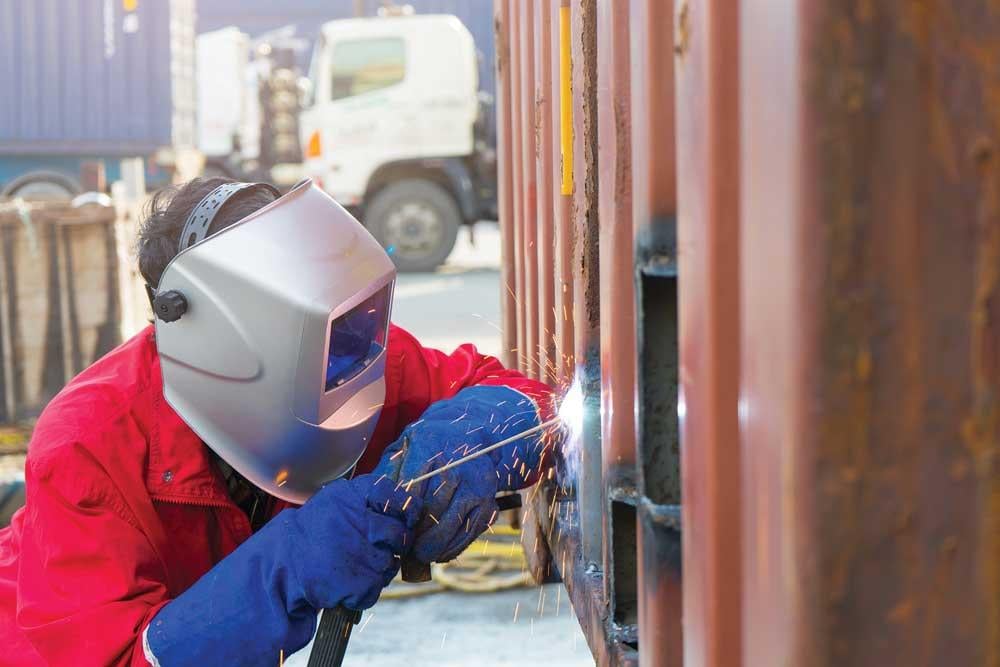
هل يسبب اللحام ألمًا في العينين؟
نعم، قد يكون الجمع بين اللحام والعينين خطيرًا جدًّا إذا لم تُستخدم وسائل الحماية المناسبة أو كانت غير كافية. ومع ذلك، فليست جميع الأضرار متماثلة؛ فبعض المشكلات لا تتعدى التهيج المؤقت، بينما تشمل أخرى حروقًا سطحية حقيقية ناجمة عن الأشعة فوق البنفسجية، وبعض الإصابات لا علاقة لها إطلاقًا بالقوس الكهربائي، بل تنجم عن دخول غبار المعدن أو الخَبَث أو أي شوائب أخرى إلى العين.
نعم، يمكن أن يسبب اللحام أذىً للعينين، مثل التهيج المؤقت، أو حروق سطحية مرتبطة بالأشعة فوق البنفسجية تُعرف باسم «عين القوس الكهربائي» أو «وميض اللحام»، أو إصابات ناتجة عن جسم غريب مثل خدشٍ أو جسيم عالق في العين، أو أضرار طويلة الأمد ناجمة عن التعرض المتكرر على مدى فترة زمنية.
هل يسبب اللحام أذىً للعينين بلغة بسيطة؟
إذا كنت تسأل: هل يمكن أن يسبب اللحام أذىً للعينين؟ فالجواب البسيط هو نعم. فقوس اللحام يطلق ضوءًا شديد الشدة، بما في ذلك الأشعة فوق البنفسجية، التي قد تؤذي السطح الأمامي للعين. عيادة كليفلاند يُعرّف التهاب القرنية الضوئي بأنه تلف مؤقت ومؤلم في العين ناتج عن التعرض للأشعة فوق البنفسجية، ويمكن أن يؤثر على القرنية والملتحمة. وتُعدّ أعمال اللحام أحد الأسباب المعروفة لهذا المرض.
وهذا يجيب أيضًا على سؤال شائع آخر: هل يؤدي اللحام إلى إتلاف العينين؟ نعم، قد يحدث ذلك، لكن درجة الخطورة تعتمد على نوع التعرُّض ومدته، وما إذا كانت الإصابة ناجمة عن الإشعاع أم عن جسم مادي.
ما المقصود بـ«عين اللحام»؟
ما هي «عين اللحام» أو ما المقصود بعبارة «عين اللحام» في اللغة اليومية؟ عادةً ما يقصد الناس بها «التهاب القرنية القوسي» أو «وميض اللحام». وهما اسمان شائعان لالتهاب القرنية الضوئي الناتج عن قوس اللحام. ويمكن تصوره كحروق شمس على سطح العين. وغالبًا ما يؤثر على كلتا العينين، خاصةً إذا كانتا معرَّضتين معًا.
الطرق الرئيسية التي قد تؤدي بها عمليات اللحام إلى إصابات العين
- تهيُّج مؤقت: الجفاف، والوهج، وإجهاد العين بعد العمل في بيئات مضيئة جدًّا.
- إصابات سطحية مرتبطة بالوميض: التهاب القرنية القوسي، أو ومض اللحام، أو التهاب القرنية الضوئي الناتج عن التعرض للأشعة فوق البنفسجية.
- إصابات ناتجة عن الجسيمات: الخدوش، والجروح السطحية، أو المعادن المدمجة الناتجة عن الحطام الناتج عن عمليات الطحن أو التكسير أو اللحام.
- أضرار محتملة على المدى الطويل: قد تؤدي التعرضات المتكررة للأشعة فوق البنفسجية إلى زيادة المخاطر مثل إعتام عدسة العين والتنكس البقعي.
ا دراسة من موقع PubMed عن إصابات العين المرتبطة باللحام وجدت أن حروق الوميض، وإصابات الأجسام الغريبة، والكدمات أو الجروح السطحية كانت من أبرز التشخيصات. وهذه المجموعة متنوعة لأن الضوء المنبعث من عملية اللحام والحطام المحيط بها لا يُحدثان ضررًا في العين بالطريقة نفسها.
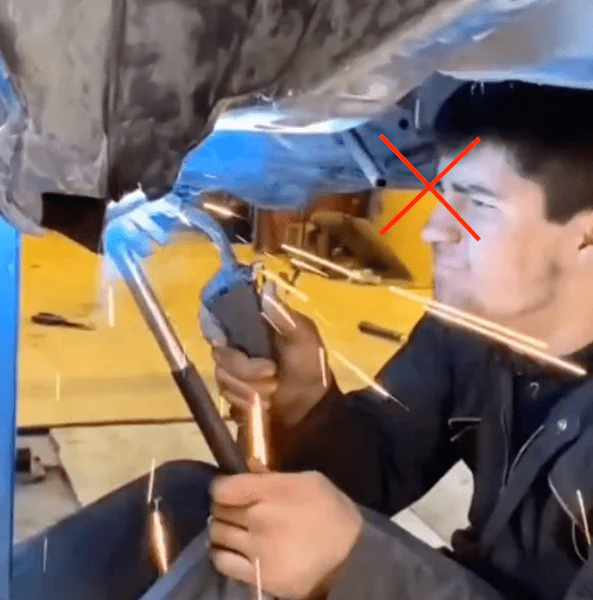
ما الذي يفعله وميض قوس اللحام بالعين
غالبًا ما يسأل الناس عن درجة حرارة قوس اللحام أو شدة سطوعه. أما من حيث سلامة العين، فالسؤال الأكثر فائدة هو: ما الذي يصل إلى العين فعليًّا؟ فقوس اللحام يطلق نطاقًا واسعًا من الطاقة، وليس مجرد وهجٍ حادٍ واحد. CCOHS ويشير إلى أن أقواس اللحام تنبعث منها إشعاعات تتراوح أطوالها الموجية بين ٢٠٠ و١٤٠٠ نانومتر، وتشمل الأشعة فوق البنفسجية، والضوء المرئي، والأشعة تحت الحمراء.
كيف يؤثر قوس اللحام على أنسجة العين
عادةً ما تكون السطح الأمامي للعين أول ما يتعرض للتأثير. آي راوندز يوضح أن الظهارة القرنية تمتص معظم الأشعة فوق البنفسجية. ولهذا السبب تُعتبر التعرض للأشعة فوق البنفسجية السبب الرئيسي لالتهاب القرنية الضوئي، والمعروف أيضًا باسم «عين القوس» أو «وميض اللحام». وفي عمليات لحام قوس الكهرباء، تكون الإصابة الكلاسيكية عادةً حروقًا سطحيةً في القرنية بدلًا من الحروق العميقة داخل العين. ومع ذلك، قد تصل بعض الأشعة فوق البنفسجية والضوء المرئي والأشعة تحت الحمراء إلى الهياكل الأعمق، لكن القرنية تظل الموضع الذي تبدأ فيه إصابات الوميض الحادة في أغلب الأحيان.
مخاطر الأشعة فوق البنفسجية والضوء المرئي والأشعة تحت الحمراء
ليست كل إشعاعات اللحام متشابهة في سلوكها. فالضوء فوق البنفسجي هو المسبب الرئيسي لحالة «عين القوس الكهربائي». ويمكن أن تُ overwhelم الإضاءة المرئية الشديدة الناتجة عن اللحام استجابة العين الطبيعية للإضاءة مؤقتًا، مما يترك الشخص مُبهَرًا أو مجهدًا أو عاجزًا مؤقتًا عن الرؤية بشكل مريح. وغالبًا ما تُهمَل مخاطر الأشعة تحت الحمراء، لكنها لا تزال ذات أهمية. وتلاحظ هيئة السلامة والصحة المهنية الكندية (CCOHS) أن التعرُّض الطويل الأمد للأشعة تحت الحمراء قد يسخِّن عدسة العين ويساهم في تكوُّن إعتام عدسة العين (الcataracts). ولذلك، عندما يفكر الأشخاص في وميض قوس اللحام، فيجب أن يتصوروا مزيجًا من أنواع الإشعاع المختلفة، وكل نوعٍ منها له مساره الخاص في إحداث الضرر.
| مصدر التعرُّض | كيف يصل إلى العين | الضرر المحتمل | تحكم أساسي |
|---|---|---|---|
| الأشعة فوق البنفسجية المنبعثة من قوس اللحام | النظر المباشر إلى القوس أو إلى الإشعاع المنعكس عن الأسطح القريبة | التهاب القرنية الضوئي، وعين القوس الكهربائي، والالتهاب السطحي | مرشح لحام مناسب، واستخدام الخوذة الواقية، والشاشات أو الحواجز الواقية |
| الإضاءة المرئية الشديدة الناتجة عن اللحام | دخول الضوء الساطع المباشر أو المنعكس إلى العين | الوهج، العمى المؤقت، إجهاد البصر | استخدام درجة تظليل مناسبة للمرشح وعدم التحديق في المصدر دون حماية |
| الأشعة تحت الحمراء المنبعثة من القوس الكهربائي أو اللهب | الحرارة الإشعاعية التي تصل إلى أنسجة العين أثناء التعرُّض | الإجهاد المرتبط بالحرارة، والتسخين الطويل الأمد لعدسة العين | استخدام عدسة مرشح صحيحة والتحكم في مدة التعرُّض |
| الطحن، والتكسير، وتنظيف السطوح بالفرشاة المعدنية، ومخلفات اللحام (السلاج) | ارتطام الجسيمات الطائرة بالعين بشكل ميكانيكي | الخدوش، أو جسم غريب في العين، أو إصابة نافذة | نظارات السلامة أو النظارات الواقية، مع استخدام واقي الوجه عند الحاجة |
| نشاط المتجر القريب | حطام أو ضوء منعكس من مهمة عامل آخر | التعرض للإشعاع أو الإصابة بالجسيمات | الوعي بالمنطقة، والحواجز، وحماية العينين حتى عند إيقاف قوس اللحام |
لماذا تُضيف عمليات الطحن والكسر مخاطر منفصلة
هذه هي النقطة التي يغفل عنها الكثيرون. فليست كل مشاكل اللحام ومشاكل العين ناتجة عن ضوء اللحام نفسه. إذ يمكن لعمليات الطحن، والكسر، وتنظيف السطح بالفرشاة السلكية، وأعمال التنظيف أن تُطلق شرارات معدنية، وغبارًا، وخبثًا. ISHN يصف الإصابات الناتجة عن أجسام غريبة، والإصابات النافذة، والإصابات الناتجة عن الصدمات البليغة كفئات منفصلة عن الإصابات الناتجة عن الإشعاع القوسي. وهذه التفرقة ذات أهمية بالغة. فقد تحدث الإصابة المرتبطة بالإشعاع والإصابة المرتبطة بالجسيمات في نفس منطقة العمل، لكنهما ليسا حدثًا واحدًا، ولا ينبغي التعامل معهما وكأنهما مشكلة واحدة. فالأولى غالبًا ما تُشعر المصاب بألمٍ حادٍ فور حدوثها، أما الثانية فقد تتأخر ظهور آلامها لبضع ساعات قبل أن تبدأ بشكل حقيقي.
أعراض عين القوس وجدول التعافي
يمكنك الانتهاء من عملية اللحام، والشعور بحالة جيدةٍ نسبيًّا، ومع ذلك قد تستيقظ لاحقًا وكأن عينيك قد كُشِطَتا بالرمل. وهذه النمطية المتأخرة تُعَدُّ إحدى الأسباب العين القوسية التي تفاجئ الأشخاص. فقد تكون الإصابة قد وقعت بالفعل حتى قبل أن تظهر الآلام بشكلٍ كامل.
الأعراض الشائعة للعين القوسية
ومضة اللحام ، والمعروفة أيضًا باسم حروق القرنية الناتجة عن التعرض للأشعة فوق البنفسجية، هي إصابة مؤلمة تحدث على سطح العين بعد التعرُّض للأشعة فوق البنفسجية دون حماية. وتذكر مادة من عيادة كليفلاند أعراضًا تشمل ألم العين، وزيادة الحساسية للضوء، ودموع العين، وازدواج الرؤية أو ضعفها، والتورُّم في الملتحمة، وارتعاش الجفن أو تشنجه، والحرقة. MSC وتضيف وصفًا مألوفًا جدًّا: إذ يشير كثير من الناس إلى أن الشعور يكون كأن هناك رملًا في العين أو ورق صنفرة تحت الجفون.
وتشمل أعراض العين القوسية ما يلي:
- احمرار العينين وتهيُّجهما
- الدموع أو التسرب المستمر للدموع
- إحساس خشن أو بجسم غريب
- حساسية الضوء
- ضبابية في الرؤية
- ارتعاش في الجفن وصعوبة في إبقاء العينين مفتوحتين
- إحساس بالحرارة والوخز تصفه العديد من الأشخاص عادةً بأنه «حروق العين الناتجة عن وميض اللحام»
إذا كنت تبحث عن عبارة «احتراق العين أثناء اللحام»، فإن هذا الإحساس بالاحتراق والانزعاج الخشن يُعد أحد الأعراض الكلاسيكية لـ مرض العين القوسي (Arc Eye) .
لماذا يبدأ ألم العين الناتج عن اللحام بعد فترة لاحقة؟
التأخر حقيقي وليس وهميًّا. وتوضح عيادة كليفلاند أن الأعراض المرتبطة بالتعرض للأشعة فوق البنفسجية قد تبدأ في أي وقتٍ ما بين ٣٠ دقيقة و١٢ ساعة بعد التعرُّض. كما تشير شركة MSC إلى أن العديد من الحالات تبدأ بعد حوالي ٦ إلى ١٢ ساعة.
عدم ظهور الألم فورًا لا يعني أن التعرُّض كان غير ضار. ففي حالة مرض العين القوسي (Arc Eye)، غالبًا ما يبدأ أشد الانزعاج بعد انتهاء عملية اللحام.
ولهذا السبب قد ينهي الشخص ورديته مع شعور خفيف بالجفاف، ثم يتطور لديه لاحقًا إفراز الدموع، والاحمرار، والألم الحاد، وزيادة الحساسية الشديدة للضوء.
كيف تتم عادةً عملية التعافي
- فور التعرُّض: قد لا تلاحظ شيئًا يُذكر في البداية، أو قد تشعر فقط بجفاف خفيف وتهيُّج.
- خلال عدة ساعات: يزداد الألم. وقد تزداد شدة الشعور بالحصى في العين، والدموع، والاحمرار، وتشوُّش الرؤية، وصعوبة فتح العينين.
- خلال الـ24 إلى 72 ساعة التالية: تتحسَّن العديد من الحالات الخفيفة مع الراحة، وحماية العينين من الضوء الخفيف، والعناية المناسبة. وتوضح عيادة كليفلاند أن معظم حروق القرنية الناتجة عن وميض القوس الكهربائي تلتئم خلال 72 ساعة، بينما تشير شركة MSC إلى أن كثيرًا منها يتحسَّن خلال يومٍ أو يومين، رغم أن تشويش الرؤية وحساسية العين للضوء قد تستمر لفترة أطول.
إذا كنت تتساءل كم تدوم حالة عين القوس؟ أو كم تدوم حالة وميض اللحام؟ عادةً ما تكون الإجابة هي يومٌ إلى ثلاثة أيام في الحالات الخفيفة. ومع ذلك، فإن استمرار الألم أو تدهور الرؤية أو ظهور إفرازات جديدة أو ظهور أعراض شديدة في عين واحدة فقط يستدعي الحصول على رعاية طبية فورية. وعادةً ما تؤثر حروق الوميض فوق البنفسجي على كلتا العينين، لذا فإن الشعور بألم شديد في عين واحدة فقط قد يوحي بمشكلة مختلفة، مثل إصابة ناجمة عن جسم غريب. ويكتسب هذا التمييز أهميةً بالغة، لأن الإسعافات الأولية الآمنة تعتمد على نوع الإصابة التي تتعرض لها.
الرعاية الطبية لحالة عين القوس والخطوات الأولى
عندما تبدأ أعراض حرق الوميض الناتج عن اللحام في الظهور، فإن أفضل استجابة هي تقديم إسعافات أولية هادئة وبسيطة. وتوضح عيادة كليفلاند أن الرعاية السريعة يمكن أن تقلل من الألم وتساعد في الوقاية من المضاعفات. فإذا كنت تبحث عن رعاية طبية لحالة عين القوس أو تتساءل عن كيفية علاج حرق اللحام، ففكّر أولًا في الرعاية الداعمة، وليس في استخدام أدوية ذاتية دون استشارة طبية.
الإجراءات الفورية عند الاشتباه في حدوث حرق لحام
- أوقف عملية اللحام فورًا. ابتعد عن قوس اللحام وأي مصدرٍ آخر للإضاءة القوية.
- انتقل إلى مكان أقل إضاءة. توصي عيادة كليفلاند بالانتقال إلى الداخل أو إلى غرفة مظلمة، لأن حساسية العين للضوء قد تزداد شدةً.
- أرح عينيك. أبقِ عينيك مغلقتين عندما يشعرك ذلك بالراحة، وتجنب الشاشات الساطعة وأضواء المتاجر وأشعة الشمس.
- أزل عدسات الاتصال. إذا كنت ترتديها، فقم بإزالتها في أسرع وقت ممكن وبأمان.
- استخدم رعاية داعمة لطيفة. يمكن أن يساعد وضع قطعة قماش باردة على العينين المغلقتين، وارتداء النظارات الشمسية لتخفيف الحساسية للضوء، واستخدام الدموع الاصطناعية في تحسين الراحة. ولدى العديد من الأشخاص، يُعد هذا العلاج المنزلي لألم العين الناتج عن اللحام هو الأسلم.
- استخدم مسكنات الألم الفموية فقط إذا كانت مناسبة لك. تدرج عيادة كليفلاند مسكنات الألم غير الستيرويدية المتوفرة دون وصفة طبية كخيار داعم لعلاج التهاب القرنية الضوئي والحروق القرنية الناتجة عن التعرض للومضات.
إذا كنت تبحث عن طريقة لعلاج الحروق الناتجة عن الومضات بسرعة، فعادةً لا يوجد حل فوري. ومعظم علاجات متلازمة العين القوسية تركز على تخفيف الأعراض ومنح القرنية الوقت الكافي لإصلاح نفسها.
ما يجب تجنبه بعد حروق الوميض اللحامي
- لا تفرك عينيك.
- لا تعاود ممارسة اللحام أو الطحن أو أي عمل آخر يتطلب التعرض لضوءٍ ساطعٍ بينما تزداد الأعراض.
- لا تشارك أدوية العيون الموصوفة طبيًّا مع الآخرين.
- لا تستخدم قطرات التخدير المتبقية في المنزل. ففي الرعاية السريرية، قد يُطبِّق مقدِّم الرعاية القطرات المخدرة، لكنها ليست علاجًا عاديًّا آمنًا.
- لا تفترض أن جميع قطرات العيون المخصصة للحامين متشابهة. فالدموع الاصطناعية تختلف تمامًا عن القطرات الموصوفة المضادة للبكتيريا أو المخدرة.
غالبًا ما يبحث الناس عن قطرات عيون للحامين أو علاج منزلي لحروق العين الناتجة عن اللحام، لكن الرعاية المنزلية الآمنة تبقى بسيطة. وقد تُستخدم القطرات أو المراهم المضادة للبكتيريا الموصوفة طبيًّا عند قرار الطبيب المعالج بأنها ضرورية.
متى تتطلب حالة العين القوسية تدخلًا طبيًّا
احصل على تقييم طبي في نفس اليوم إذا كانت الآلام شديدة، أو استمرت حساسية العين للضوء بشكل مكثف، أو أصبح الرؤية ضبابية أو تدهورت، أو واجهت صعوبة في فتح عينيك. وإذا كنت تعاني أيضًا من حروق حرارية فعلية على الجفون أو الوجه، فلا تُجرِ العلاج الذاتي. وتوصي عيادة كليفلاند بالحصول على رعاية طبية في حال فقدان البصر أو استمرار الألم لأكثر من يومين، كما تشير إرشادات العيادة الخاصة بحروق الوميض إلى أن تفاقم الألم أو تدهور الرؤية يتطلبان رعاية عاجلة.
وهناك دليلٌ آخر مهمٌّ: عادةً ما يؤثر وميض اللحام المرتبط بالأشعة فوق البنفسجية على كلتا العينين. أما إذا كان الألم حادًّا جدًّا، أو موضعيًّا جدًّا، أو أسوأ بكثير في إحدى العينين، فقد يكون السبب شيئًا مختلفًا تمامًا، مثل غبار المعدن أو شظية. وهذا يغيّر إجراءات الإسعافات الأولية فورًا.

وجود قطيرات معدنية في العين
ألمٌ حادٌّ يُصيب جانبًا واحدًا من العين بعد عمليات الطحن أو التكسير يُشكِّل مشكلةً مختلفةً تمامًا عن «حروق القوس الكهربائي للعين» (Arc Eye). وهذا النوع من إصابات العين الناتجة عن اللحام هو إصابة ميكانيكية. فقد يكون هناك جسم غريب قد هبط على سطح العين، أو تراكم تحت الجفن، أو استقر في القرنية. وهذه المفارقة ذات أهمية بالغة، لأن العلاج الذاتي غير المناسب قد يفاقم الضرر الواقع على عين اللحام.
كيف تختلف إصابات الأجسام الغريبة عن حروق القوس الكهربائي للعين
عادةً ما تؤثر حروق القوس الكهربائي على كلتا العينين بعد التعرُّض للأشعة فوق البنفسجية، أما إصابات الأجسام الغريبة فهي في أغلب الأحيان أحادية الجانب ومحلَّلة بدقة. وقد يشعر الشخص بجزءٍ صغيرٍ متطايرٍ وكأنه يتحرَّك عند الرمش. أما الجزء المُدمَج المحتمل فيسبب غالبًا ألمًا ثابتًا وطاعنًا في مكانٍ محدَّد، مع دمعٍ مفرطٍ، وحساسيةٍ للضوء، أو ضعفٍ في الرؤية. والمواد المنبعثة من ستاتبيرلز تحذِّر «ستاتبيرلز» من أن الأحداث عالية السرعة مثل عمليات الطحن أو الحفر أو العمل الذي يتضمَّن احتكاك المعادن ببعضها البعض تُعدُّ مصدر قلقٍ خاصٍّ، لأن أي شظيةٍ قد تخترق أعمق مما تبدو عليه. كما يمكن أن تترك الشظايا المعدنية حلقةً صدئيةً في القرنية خلال ساعاتٍ قليلة.
لا ينبغي إزالة أي معدن مدمج أو أي جسم آخر يبدو عالقًا في العين في المنزل.
إذا كنت تبحث عن مساعدة في التعامل مع مشاكل المعدن العالق في العين، فاحرص على تذكّر ما يلي: إن العديد من العلاجات المنزلية لحالات إصابة العين بالمعدن تنطوي على مخاطر. فالمحرات المغناطيسية، والملاقط، وعصي القطن، والأدوات المُصنَّعة بشكل عشوائي قد تُحدث خدوشًا في القرنية أو تدفع الجسم الغريب إلى داخل العين أعمق.
الإسعافات الأولية الآمنة لجزيءٍ فضفاض
- توقف عن العمل فورًا. لا تستمر في اللحام أو الطحن أو التنظيف بالفرشاة بعد إصابة العين.
- لا تفرك العين. مايو كلينك يحذّر تحديدًا من فرك العين.
- اغسل يديك. لمس منطقة العين فقط بيدين نظيفتين.
- أزل عدسات الاتصال إذا كانت موجودة. يلاحظ مايو أن جسيمًا ما قد يلتصق تحت العدسة.
- اغسل العين فقط إذا بدا الجسيم مفصولًا. استخدم تيارًا لطيفًا من الماء النظيف الدافئ أو غسول العيون المعقَّم. ويُعد الغسل بالسوائل مناسبًا لجزيء صغير عالق في طبقة الدموع، وليس لشظية تبدو ملتصقة.
- استشر طبيب عيون فورًا إذا استمر الشعور بعدم الراحة. حتى بعد خروج الجسيم المفصول، قد تظل العين مخدوشة.
علامات تستدعي الرعاية العاجلة للعين
- يبدو الجسم غائرًا في العين أو بارزًا منها.
- تستمر الحالة المؤلمة حادة وموضعية بعد الغسل.
- تعاني من ضعف في الرؤية أو فقدانها أو حساسية شديدة للضوء.
- وقعت الإصابة أثناء عمليات الطحن أو الحفر أو الضرب عالية السرعة.
- يخرج سائل صافٍ أو دم من العين.
- ما زلت تشعر بشيء ما داخل العين، أو أن الاحمرار والألم يستمران لأكثر من يوم.
قناة الصحة الأفضل تشير الملاحظات إلى أن الأجسام الغريبة قد تؤدي إلى العدوى أو التندب أو حتى الإصابات النافذة. فالضرر الجسيم الذي يلحق بالعين أثناء اللحام ليس دائمًا ناتجًا عن القوس الكهربائي فقط. ففي بعض الأحيان، تكون المهمة الجانبية البسيطة مثل تنظيف المنطقة بعد اللحام هي التي تتسبب في الطوارئ الأكبر. وبما أن الخطر يتغير باختلاف المهمة، فإن وسيلة الحماية يجب أن تتغير معها أيضًا.
اختر حماية العين أثناء اللحام وفقًا للمهمة
تصور سلسلة العمل المعتادة في ورشة العمل: تقوم بوضع لحمة، ثم ترفع الغطاء الواقي، وتزيل الرماد، وتستعمل المِبرد، ثم تلقي نظرةً على الجهة المقابلة في المقصورة التالية. وهنا بالضبط تحدث أغلب إصابات العين. فحماية العين الجيدة أثناء اللحام ليست قطعة واحدة فقط، بل هي المزيج المناسب من معدات الحماية التي تتناسب مع الخطر الموجود أمامك في تلك اللحظة بالتحديد.
وازن بين حماية العين والمهمة الموكلة
ابدأ بسؤالٍ بسيطٍ واحدٍ: ما الذي يصِل إلى عينيك الآن؟ إن قوس اللحام يتطلّب عدسةً مُرشَّحة. أما المعادن الطائرة فتتطلّب حمايةً ضد التصادم. وقد تتطلّب الغبار الناعم حاجزًا محكم الإغلاق. والـ مخطط درجات الظِّلّ الخاص بالرابطة الأمريكية للحام (AWS) يوضّح أن درجة ظِلّ العدسة يجب أن تتطابق مع عملية اللحام وشدة التيار الكهربائي المستخدمة. ويحدّد المخطط درجات الظلّ من ٤ إلى ٦ لعمليات القطع باستخدام الأكسجين والغاز أو لعملية اللحام باللهب، بينما تُستخدَم درجات أشد ظلمةً للعديد من عمليات اللحام بالقوس المعدني المحمي بالغاز (MIG)، ولحام القوس التنغستني الخامل (TIG)، ولحام القوس بالسلك المجوف (FCAW)، واللحام اليدوي (stick)، كما تتطلّب ظروف القطع بالبلازما الأقوى درجات ظِلٍّ أشد ظلمةً. ولهذا السبب فإن زوجًا واحدًا من النظارات الواقية الملوَّنة الخاصة باللحام لا يُعَدُّ حلاًّ شاملًا.
| مهمة الورشة | الخطر الرئيسي على العين | الطبقة الواقية الدنيا | خطأ شائع |
|---|---|---|---|
| اللحام بالقوس الكهربائي، بما في ذلك عمليات MIG وTIG واللحام اليدوي (stick) وFCAW | الأشعة فوق البنفسجية، والضوء المرئي، والأشعة تحت الحمراء، والإشعاع المنعكس | خوذة مزوَّدة بعدسة ترشيح مناسبة للعملية المُجرَّاة، بالإضافة إلى نظارات واقية صافية مُصنَّفة لمقاومة التصادم تحتها | الاعتماد فقط على الخوذة أو استخدام عدسة ترشيح خفيفة جدًّا |
| اللحام المؤقت أو سحب الزناد بسرعة | تعرض قصير ولكن متكرر للقوس الكهربائي | نفس مستوى الحماية المُصنَّف ضد القوس الكهربائي المطلوب في اللحام الكامل | اعتبار اللحامات المؤقتة القصيرة غير ذات أهمية |
| القطع بالأكسجين والوقود أو بالبلازما | وهجٌ شديد، وإشعاع حراري، وشرارات | عدسة قطع أو مرشح مُطابقٌ لعملية القطع، بالإضافة إلى نظارات مقاومة للتأثير | استخدام نظارات العمل الشفافة لرؤية مباشرة أثناء عملية القطع |
| الطحن | شظايا عالية السرعة، وشرارات، وغبار | نظارات أمان وفق معيار Z87+، وغالبًا ما تُستخدم مع واقي للوجه في الأعمال الأثقل | استخدام درع الوجه فقط أو خوذة اللحام فقط |
| كشط أو تنظيف بالفرشاة السلكية | شظايا الخبث، وشعيرات الفرشاة السلكية، والغبار الداخل من الجوانب | نظارات محيطة أو نظارات واقية، مع إضافات لحماية الوجه إذا كان الغبار كثيفًا | رفع غطاء المحرك والعمل بدون ارتداء نظارات واقية |
| الوقوف بالقرب من مكان العمل أو المساعدة فيه | النظر غير المباشر إلى القوس الكهربائي، والضوء المنعكس، والجسيمات المتطايرة | نظارات واقية بالإضافة إلى حواجز أو شاشات واقية، وعدم النظر مباشرةً إلى القوس الكهربائي دون استخدام فلتر وقائي مناسب | الاعتقاد بأن المسافة البينية وحدها تكفي لجعل المنطقة آمنة |
ما يمكن أن تحققه قناع اللحام وما لا يمكنه تحقيقه
تم تصميم قناع اللحام لتصفية ضوء القوس الكهربائي. وهو لا يشكّل ختمًا مثاليًّا حول عينيك. ويمكن أن يتسرب الضوء المنعكس من الأسفل أو من الخلف، وأكبر فجوة غالبًا ما تظهر في اللحظة التي يُرفع فيها الغطاء الواقي. النظارات الواقية تحت القناع توضّح سبب كون ارتداء نظارات واقية شفافة ومُصنَّفة لمقاومة التصادمات تحت القناع ممارسةً قياسيةً. فهي تستمر في حمايتك أثناء إعداد المعدات، والتفتيش، وكشط السطح، وعملية التنظيف.
إذا سبق لك أن تساءلت: هل يُسبِّب اللحام أضرارًا في عينيك حتى عند ارتداء القناع؟ فإن الإجابة قد تكون «نعم» لا تزال. فقد يكون مرشِّح القناع غير مناسب للعملية المستخدمة. وقد يُرفع الغطاء الواقي بين عمليات التثبيت المؤقت (Tacks). أو قد يتطاير شريحة معدنية من الأسفل. وللراحة، يختار العديد من العمال نظارات لحام رفيعة أو نظارات لحام منخفضة الارتفاع تناسب ارتدائها تحت معدات الرأس دون كسر الختم المحكم.
لماذا تعمل النظارات والواقيات الواقية للعين والواقيات الوجهية معًا
التداخل الطبقي مهمٌّ. وتشير العلامة Z87+ إلى حماية عالية ضد التصادمات الناتجة عن الحطام، وهي أمرٌ بالغ الأهمية خصوصًا أثناء عمليات الطحن وكشط السطح. وفي الاستخدام الفعلي في ورش العمل، غالبًا ما يكون الترتيب الطبقي على النحو التالي:
- نظارات السلامة للحامين: الطبقة الأساسية اليومية التي تُرتدى تحت الخوذة وأثناء الانتقالات.
- نظارات السلامة للحام: مُفيدة عند وجود غبار دقيق أو جزيئات تدخل من الجانب أو عند الحاجة إلى ختم أكثر إحكامًا.
- درع الوجه: يُضاف فوق النظارات أو النظارات الواقية أثناء عمليات الطحن الثقيلة أو عند التعرُّض لكميات كبيرة من الحطام.
- خوذة اللحام: مرشح الإشعاع لرؤية القوس الكهربائي مباشرةً، وليس بديلًا عن باقي طبقات الحماية.
وبالتالي فإن نظارات عيون اللحام والخوذة ليستا خيارين متنافسين، بل تقومان بوظائف مختلفة. وإذا أخطأت في تحديد المهمة المناسبة لكلٍّ منهما، فإن سلسلة معدات الحماية الشخصية (PPE) تفشل حتى لو بدوتَ مجهَّزًا بالكامل. أما إذا حددت المهمة بدقة، فإن الحماية تصبح أكثر موثوقية بكثير، لا سيما بالنسبة للشخص الذي يراقب العملية فقط من مسافة قريبة.
هل يمكن رؤية عملية اللحام من مسافة آمنة؟
غالبًا ما لا يكون الشخص الأكثر عُرضةً للانكشاف المفاجئ هو اللحام، بل قد يكون المساعد أو مفتش الجودة أو المشرف أو حتى الشخص العابر الذي يفترض أن الابتعاد ببضعة خطوات كافٍ. فالمسافة تساعد بالفعل، لكنها ليست ضمانةً عندما يكون القوس الكهربائي في خط الرؤية المباشر أو تنعكس أشعته عن الأسطح الصلبة القريبة.
هل يمكنكم النظر إلى عملية اللحام من مسافة بعيدة؟
- الخرافة: إن إلقاء نظرة سريعة آمنٌ إذا كنتم على مسافة كافية. الحقيقة: مؤسسة واوركس سيفتي فيكتوريا (WorkSafe Victoria) توضح أن التعرُّض للإشعاعات الخطرة قد يحدث حتى على بعد ٥ أمتار من موقع اللحام بالقوس الكهربائي.
- الخرافة: إنما يهم فقط النظر المباشر إلى القوس. الحقيقة: كما يمكن أن تنعكس الأشعة فوق البنفسجية المنبعثة من القوس عن الأسطح الصلبة والملساء القريبة من مكان العمل، لذا فإن الزاوية والبيئة المحيطة تلعبان دورًا مهمًّا، وليس المسافة وحدها.
- الخرافة: هل يتسبب اللحام في العمى الفوري؟ الحقيقة: غالبًا ما يؤدي التعرض القصير إلى ما يُعرف بـ«وميض اللحام» أو فقدان بصري مؤقت، لكن شركة لينكولن إليكتريك (Lincoln Electric) تحذِّر من أن التعرض المتكرر أو المطوَّل أكثر من اللازم قد يؤدي إلى إصابات دائمة في العين. ولذلك، لا ينبغي تجاهل مخاوف العمى الناتجة عن اللحام باعتبارها غير مبرَّرة.
إذا كنت تسأل عما إذا كان اللحام قد يؤدي إلى العمى، أو ما إذا كان عمال اللحام يفقدون بصرهم، فالإجابة الصادقة هي أن الأضرار الجسيمة يمكن تجنبها، ولكن ذلك ممكن فقط عندما يتوقف الناس عن اعتبار مشاهدة قوس اللحام دون حماية أمراً غير ضار.
ما يجب أن يعرفه مستخدمو العدسات اللاصقة
- الخرافة: العدسات اللاصقة لا تحمي من ضوء القوس الكهربائي. الحقيقة: ولا تُعوِّض عن الخوذة أو عدسة الترشيح المناسبة أو النظارات الواقية أو النظارات الواقية المغلقة.
- الخرافة: لا يجوز لك اللحام أثناء ارتداء العدسات اللاصقة. الحقيقة: تؤكد شركة لينكولن إلكتريك أن اللحام باستخدام العدسات اللاصقة آمنٌ عموماً في معظم الحالات، شريطة ارتداء وسائل الحماية الصناعية المناسبة للعين.
- الخرافة: إذا كنت ترتدي عدسات لاصقة، فإن المشاهدة من مسافة قريبة تكون أكثر أماناً. الحقيقة: وعلى أي شخص يتساءل عما إذا كان يمكنه اللحام أثناء ارتداء العدسات اللاصقة أن يعتبر هذه العدسات وسيلة لتصحيح الرؤية فقط، وليست معدات واقية شخصية (PPE).
لماذا لا يزال المراقبون بحاجة إلى الحماية
- الخرافة: يكون المراقبون في مأمن طالما أنهم لا يمسكون بالمشعل. الحقيقة: لا يزال الأشخاص القريبون عُرضةً للتعرض للإشعاعات الضارة والضوء الساطع.
- الخرافة: أي حاجز بلاستيكي كافٍ لهذا الغرض. الحقيقة: يُبرز مجلة لحام AWS الشاشات والستائر المُعتمدة في اللحام باعتبارها وسيلة تحكُّمٍ هامة لحماية العمال القريبين من الأشعة فوق البنفسجية والضوء الأزرق الضار.
- الخرافة: خوذة واحد من عمال اللحام تحمي المنطقة بأكملها. الحقيقة: تساعد الستائر والحواجز ولواحق التحذير والوعي العام في الموقع على منع إصابة شخصٍ ما بالعمى الناتج عن عمليات اللحام، وذلك ببساطة لأنّه مرّ عبر المكان الخطأ في اللحظة الخطأ.
ولهذا السبب لا تقتصر سلامة العين على المستوى الشخصي فحسب، بل تعتمد أيضًا على الطريقة التي تُحْجَز بها منطقة اللحام وتُدار وتُراقب لصالح جميع من حولها.

عمليات لحام أكثر أمانًا والخطوات الذكية التالية
نادرًا ما تنتج إصابات العين من ثانية واحدة سيئة فقط. ففي ورش العمل الحقيقية، تظهر هذه الإصابات عادةً حيث ينهار التدريب أو الحماية أو الإشراف أو الانضباط في العمليات. ولذلك فإن السؤال الأهم ليس فقط «هل اللحام خطرٌ؟»، بل «ما مدى خطورة اللحام عندما يكون نظام العمل غير محكم؟» SafetyCulture تجمع المخاطر المرتبطة باللحام في فئات تشمل أضرار العين، والحروق، والصعق الكهربائي، والحريق، والانفجار، والأبخرة؛ ولذلك فإن الأشخاص الذين يسألون «هل اللحام ضارٌ بصحتك؟» يقصدون في الواقع بيئة العمل ككل، وليس قوس اللحام وحده.
كيف تبدو عمليات اللحام الآمنة
- قدِّم التدريب حسب المهمة، وليس حسب المسمى الوظيفي. يجب أن يدرك اللحامون والمساعدون ومفتشو الجودة والمارة الفرق بين التعرُّض للقوس الكهربائي والإصابات الناجمة عن الشظايا.
- احرص على التحكم في خط الرؤية. استخدم الحواجز والشاشات ومناطق اللحام المُحدَّدة لضمان عدم تعرُّض العمال القريبين للضوء المنتشر أو الجسيمات الطائرة.
- افحص الامتثال لمستلزمات الحماية الشخصية يوميًّا. يجب أن تتناسب الخوذات ونظارات السلامة والعدسات الواقية وأغطية الوجه مع المهمة التي تُنفَّذ.
- ضع خطة واضحة للاستجابة للحوادث. يجب أن يعرف العمال متى يتوقفون عن العمل، ومتى يبلغون عن الأعراض، ومتى يحصلون على رعاية عاجلة للعين في نفس اليوم.
- دمج عملية التحكم في الإنتاج ضمن مهام الوظيفة. تفقد المعدات، والعمل القياسي، والفحوصات الموثَّقة تساعد في الحد من الانحرافات قبل أن تتحول إلى لحامٍ ضارٍ أو أضرارٍ في العينين.
إذا سبق لك أن تساءلتَ عن الآثار التي يُحدثها اللحام على جسمك، فإن الإجابة تشمل أكثر من مجرد آلام في العينين. كما تُبرز منصة SafetyCulture مخاطر الحروق، والصدمات الكهربائية، والغازات الضارة، وخطر نشوب الحرائق. وبهذا المعنى، نعم، يمكن أن يكون اللحام مرهقًا جدًّا على الجسم عندما تكون إجراءات التحكم ضعيفة.
كيفية تقييم شريك اللحام
الاستعانة بمصادر خارجية لا تلغي المخاطر، بل تنقل جزءًا منها إلى المورِّد. ابحث عن معايير موثَّقة، وإمكانية التعقُّب، والتفتيش، والإنتاج القابل للتكرار. وتُبرز شركة KMC شهادات ISO 9001 وIATF 16949، والتفتيش الرقمي، وتوثيق عملية PPAP، والتحسين المستمر باعتبارها مؤشراتٍ على الانضباط في العمليات. أما شركة Mecaweld فتركِّز على المراقبة الفورية وتعقُّب عمليات اللحام، لأن منع العيوب أسلمُ من اكتشافها لاحقًا.
للمشترين في قطاع السيارات، تكنولوجيا المعادن شاوي يي يُعَدُّ مثالاً واحدًا على نوع الشريك الذي يستحق الفحص الدقيق، حيث يمتلك خطوط لحام روبوتية ونظام جودة معتمَد وفق معيار IATF 16949 لأجزاء الهيكل. ومع ذلك، يجب طرح نفس الأسئلة الصعبة على أي موردٍ بخصوص الحماية من الانبعاثات، وإنفاذ استخدام معدات الحماية الشخصية (PPE)، والتدريب، والتعامل مع الحوادث.
لماذا يدعم التحكم في العمليات تحقيق نتائج أكثر أمانًا؟
هل يؤثر اللحام سلبًا على جسمك؟ قد يحدث ذلك بالفعل. وتساعد الأنظمة القوية في الحد من هذا التأثير. فالممارسات الموثَّقة، والتغذية الراجعة الناتجة عن عمليات الفحص، والتواصل المستمر، تُسهِّل اكتشاف الحواجز المفقودة أو النظارات الواقية غير المناسبة أو الإعدادات غير المستقرة قبل وقوع إصابةٍ ما.
يعتمد اللحام الآمن على سلوك العاملين وجودة بيئة الإنتاج معًا.
وهذا هو الاستنتاج العملي: إن حماية الفرد أمرٌ بالغ الأهمية، لكن تشغيل عملية اللحام ضمن بيئة خاضعة للتحكم يجعل اتخاذ الخيارات الآمنة أسهل في التكرار يوميًّا.
الأسئلة الشائعة: هل يضر اللحام بالعينين؟
١. ما المقصود بـ«عين اللحام»؟
عادةً ما يُقصد بـ"عين اللحام" التهاب القرنية الناتج عن الأشعة فوق البنفسجية، والمعروف أيضًا باسم "وميض اللحام" أو "التهاب القرنية الضوئي". ويحدث ذلك عندما تُهيج الأشعة فوق البنفسجية المنبعثة من قوس اللحام وتُحرق السطح الخارجي للعين. ويشعر الكثيرون وكأن هناك جسمًا غريبًا في العين مصحوبًا بإحساس بالحرق، وقد تظهر هذه الأعراض بعد انتهاء عملية اللحام بفترة.
٢. هل يمكن أن يؤذي اللحام عينيك حتى لو نظرت إلى القوس لثانية واحدة فقط؟
نعم. فحتى النظر غير المحمي للقوس لفترة قصيرة كافية لإحداث تهيج في القرنية، وغالبًا ما يبدأ الشعور بالألم بعد مرور فترة بدلًا من أن يظهر فور التعرض. وهذه الاستجابة المتأخرة هي السبب في أن الشخص قد يشعر بأنه طبيعي تمامًا في البداية، ثم يبدأ بعد ساعات في الإصابة بالدموع الزائدة، واحمرار العين، وزيادة الحساسية تجاه الضوء.
٣. هل يتسبب اللحام في إلحاق الضرر بالعين حتى عند ارتداء قناع الحماية؟
يمكن أن يحدث ذلك إذا كان إعداد نظام الحماية غير مكتمل. فخوذة اللحام تساعد في حجب ضوء القوس الكهربائي، لكنها لا تُعوِّض النظارات الواقية المُصنَّفة لمقاومة التصادم أثناء عمليات الإعداد أو الجرش أو كسر الخبث أو في اللحظات التي تُرفع فيها الخوذة. وفي العمليات الاحترافية، تعتمد سلامة العين أيضًا على اختيار درجة التعتيم المناسبة، والحواجز الواقية، والتدريب، والتحكم الدقيق المتكرر في العمليات. ولهذا السبب يبحث المشترون الصناعيون غالبًا عن مورِّدين لديهم أنظمة منضبطة، مثل خطوط اللحام الروبوتية وعمليات ضمان الجودة المعتمدة، مثل تلك التي تبرزها شركة شاويي لتكنولوجيا المعادن.
٤. كم تدوم حالة اشتعال العين الناتجة عن اللحام، ومتى يجب عليك مراجعة الطبيب؟
غالبًا ما تتحسن الحالات البسيطة خلال ٢٤ إلى ٧٢ ساعة، لكن فترة التعافي ليست متطابقة لدى جميع الأشخاص. ويجب عليك طلب الرعاية الطبية في نفس اليوم إذا ساءت الرؤية، أو زادت شدة الألم، أو استمرت الحساسية الشديدة للضوء، أو ظهر إفراز من العين، أو كانت الأعراض تتركز في عين واحدة فقط، إذ قد يشير ذلك إلى إصابة مختلفة عن التعرض لوميض الأشعة فوق البنفسجية.
٥. ماذا يجب أن تفعل إذا دخل غبار المعدن أو الخبث إلى عينك؟
أوقف العمل فورًا ولا تفرك العين. وإذا بَدَا أن الجسيم متحركٌ، فقد يساعد شطف لطيف بالماء النظيف أو غسول العيون المعقّم، لكن أي جسم يبدو عالقًا يجب اعتباره حالة طارئة تتطلب رعاية عينية عاجلة. ولا تستخدم الملقاط أو المغناطيس أو الأدوات المُصنَّعة بشكل عشوائي، لأن أي قطعة صغيرة قد تُحدث خدشًا على السطح أو تترسّب أعمق مما تبدو عليه.