 Small batches, high standards. Our rapid prototyping service makes validation faster and easier —
  EN
EN


Can You Powder Coat Galvanized Steel Without Pinholes Or Peeling?
Can You Powder Coat Galvanized Steel Successfully?
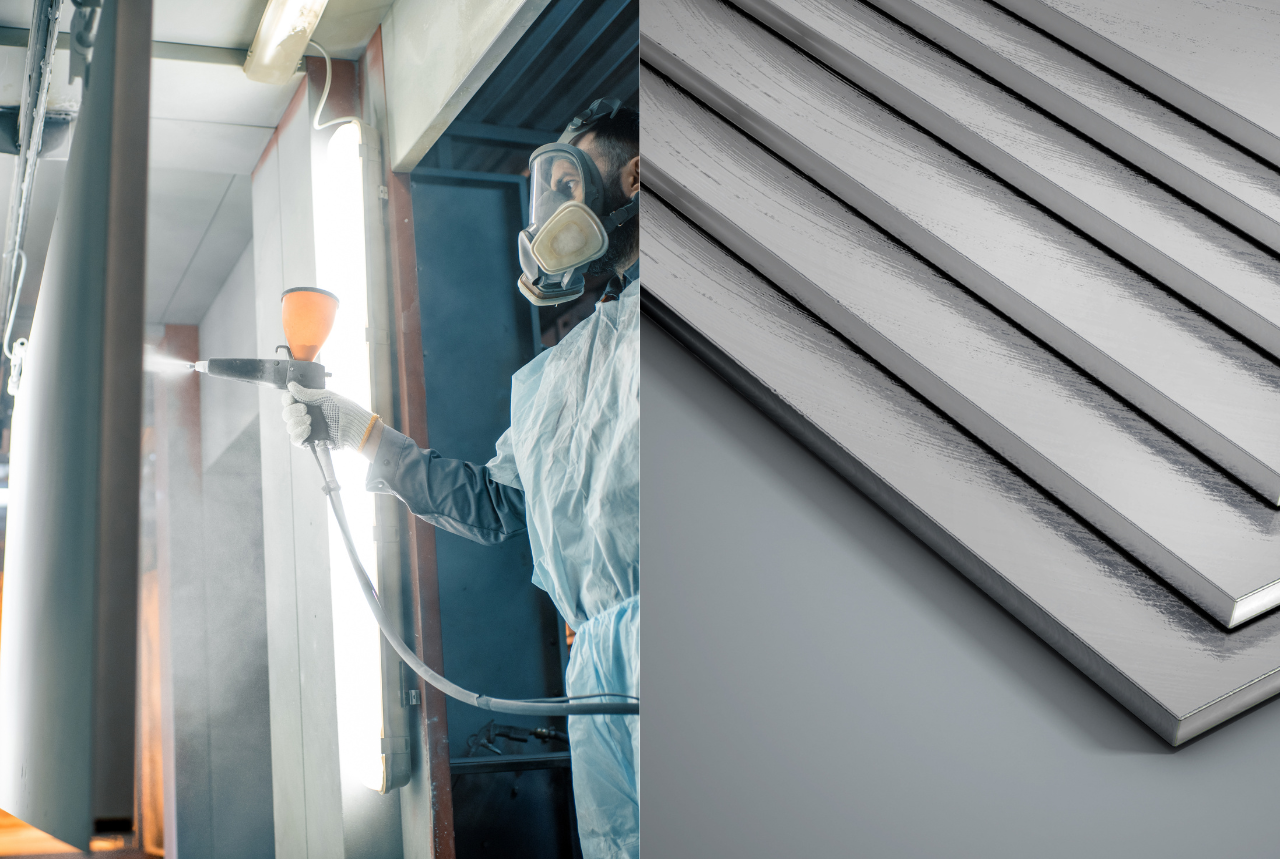
Yes, can you powder coat galvanized steel has a real-world answer: you can, but only if the zinc surface is prepared correctly and the cure is controlled. Galvanized steel is steel protected by a zinc coating. Powder coating is a dry finish that is sprayed on and then baked to form a continuous film. When powder coating galvanized steel works, the result is often called a duplex system, meaning the zinc layer and the topcoat work together for added protection and appearance, as described by AGA.
Can You Powder Coat Galvanized Steel
So, can galvanized steel be powder coated? Yes. In fact, can powder coat be applied to galvanized steel is a common shop question because many parts can be finished this way successfully. Still, not every galvanized part is an automatic fit. A simple bracket meant to match an architectural color may be a strong candidate. A part with uncertain surface history, trapped contamination, or low appearance demands may be better left uncoated.
Galvanized steel can be powder coated, but it should never be treated like bare steel.
- Start with a clean surface.
- Use pretreatment suited to the zinc condition.
- Control baking and curing to avoid defects.
Why The Answer Is Yes But Not Simple
If you are asking, can i powder coat galvanized steel, the real caveat is surface condition. AGA guidance for powder coating over hot-dip galvanized steel stresses that proper surface preparation is critical for adhesion, and that the age and weathering state of the galvanized coating affect what prep is needed. That is why one shop can get smooth results while another sees pinholes, bubbling, or peeling.
What Makes Galvanized Steel Different From Bare Steel
Bare steel and zinc-coated steel do not react the same way in cleaning, profiling, or heating. Newly galvanized surfaces, weathered surfaces, and post-treated surfaces can all behave differently. Even the question can powder coat be applied to galvanized steel depends on those details. If you have ever wondered can i powder coat galvanized steel with the same process used on plain carbon steel, the safe answer is no. Zinc changes the rules, and those differences are exactly where most coating problems begin.
Why Powder Coating On Galvanized Steel Behaves Differently
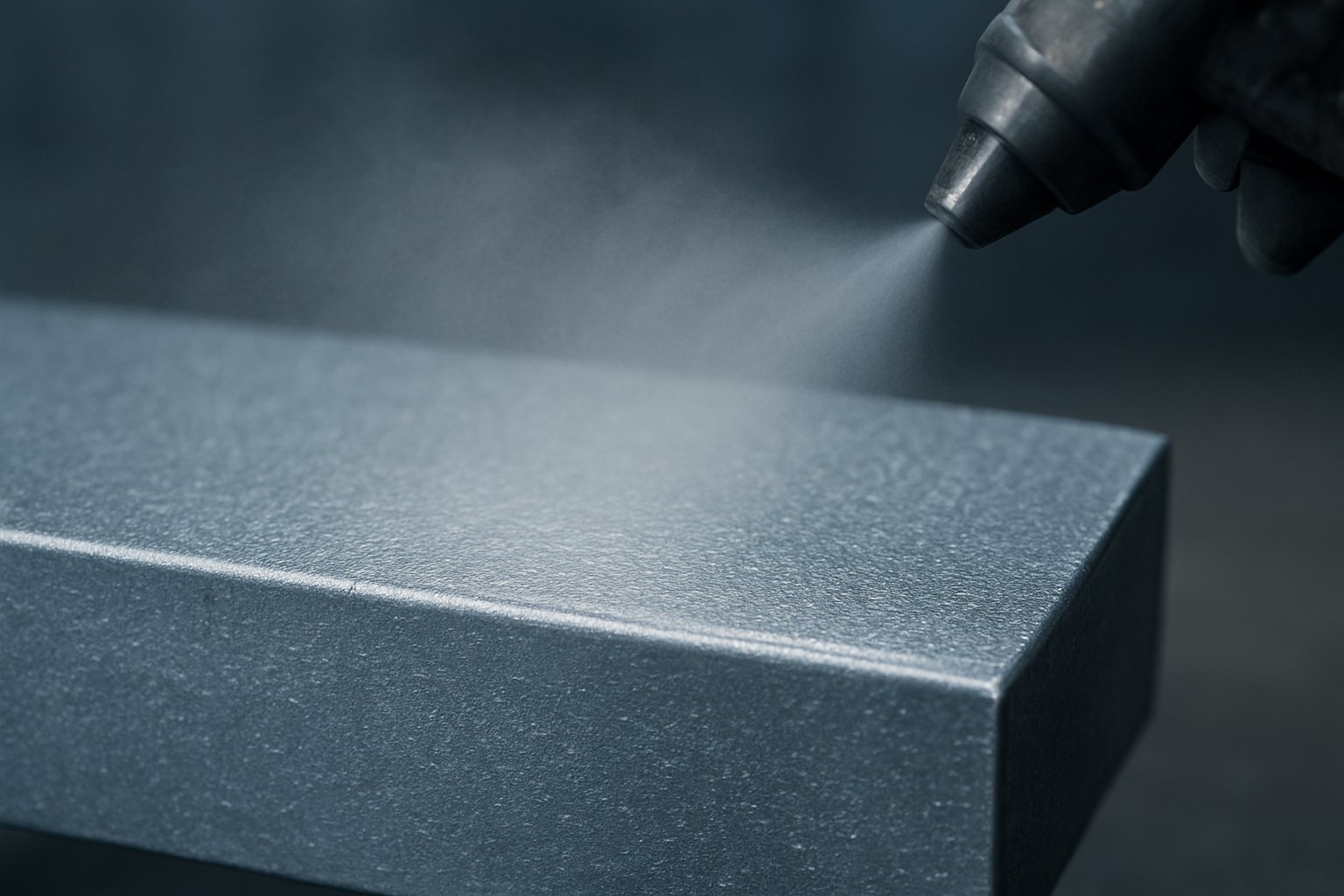
That warning about not treating galvanized steel like bare steel starts making sense when you look at the surface itself. Powder does not bond to "steel" first. It meets zinc, zinc oxides, surface texture, and sometimes post-treatments left from galvanizing. That is why powder coating on galvanized steel is usually more sensitive to prep and cure than coating plain carbon steel.
How Zinc Changes Powder Coating Behavior
On bare steel, the usual concerns are rust, oil, scale, and getting the right profile. Zinc-coated steel adds another layer of complexity because the outer surface is softer zinc, not raw steel. In AGA outgassing guidance, zinc oxides and other surface oxides are identified as places where air or moisture can be retained. When the part heats up during cure, that trapped material can expand and push through the coating film, leaving blisters, voids, or pinholes.
Surface history matters too. AGA notes that some hot-dip galvanized parts may also carry post-treatments or surface imperfections such as dross and skimming inclusions that complicate adhesion if they are not addressed before coating. So while the answer to can you powder coat hot dipped galvanized steel is yes, the zinc surface has to be understood first.
Hot Dip And Electro Galvanized Surfaces Compared
The galvanizing method changes how the substrate behaves. Hot-dip vs electro-galvanizing shows why. Electro-galvanizing uses electrical current to apply a very thin zinc coating. Hot-dip galvanizing immerses prepared steel in molten zinc, producing a chemically bonded and typically thicker coating. In practical terms, powder coating electro-galvanized steel often begins with a smoother, thinner zinc surface, while powder coating hot dipped galvanized steel more often involves variable texture and a greater chance that trapped air or moisture in the zinc layer will show up during baking and cure.
| Substrate | Typical surface traits | Common coating risks | Prep sensitivity |
|---|---|---|---|
| Bare steel | No zinc layer, may have rust, scale, or oil | Corrosion underfilm, poor adhesion if not cleaned or profiled | Moderate, but generally more predictable |
| Electro-galvanized steel | Very thin, smoother zinc coating | Insufficient anchor if treated like bare steel, contamination issues | High, because the zinc layer is thin and surface-specific |
| Hot-dip galvanized steel | Thicker zinc coating, more visible texture or variation, possible runs or inclusions | Outgassing, adhesion loss, visible surface telegraphing through the film | High, because condition, oxidation, and profiling method matter greatly |
Parts sold under other zinc-coated labels, including pre-galvanized products, should not be lumped into one generic recipe either. Different zinc surfaces can react very differently once heat enters the process.
Why Outgassing And Adhesion Problems Happen
Outgassing is mostly a heat-and-surface problem. AGA explains that oxides can hold air or moisture, and small crevices in the outer zinc can also trap them. During cure, that trapped material turns into pressure under the softening powder film. Adhesion problems come from a related issue: the coating is being asked to stick to oxidation, contamination, or an overly smooth surface instead of a properly prepared zinc layer.
That is the real reason one line setting does not fit every galvanized part. Ask can you powder coat hot dipped galvanized steel after storage, weather exposure, or unknown post-treatment, and the answer depends less on the word "galvanized" than on the actual condition of the zinc surface in front of you.
Preparing Galvanized Steel for Powder Coating Starts With Inspection
The zinc chemistry matters, but day-to-day results usually come down to something simpler: what condition is the surface in right now? When preparing galvanized steel for powder coating, the smartest shops do not reach for one default prep recipe. They inspect first. A bright new part, a dull weathered railing, and a piece with white rust or unknown sealers may all be galvanized, yet each one carries a different adhesion risk. That is why powder coating on top of galvanized steel succeeds more often when prep follows evidence, not habit.
Identify The Galvanized Surface Before You Prep
AGA guidance for hot-dip galvanized steel separates surfaces by condition because the byproducts on zinc change as the coating weathers. Newly galvanized HDG is typically less than 48 hours old and has few zinc compounds on the surface. Partially weathered material is more likely to carry zinc oxides, zinc hydroxides, dirt, oil, or grease. KTA describes a further weathered stage with a dull patina dominated by more stable corrosion products. In plain language, surface age tells you what is sitting between the powder and the zinc.
One more variable can upset that picture: post-treatments. Passivation, chromate conversion, water-quench residues, or other prior treatments may reduce adhesion if they are still present. The same inspection-first mindset also matters when powder coating pre galvanized steel, because the zinc-coated surface may have its own treatment history that is not obvious from appearance alone.
New Weathered Passivated And Contaminated Zinc Surfaces
| Surface condition | Common indicators | Likely coating risk | Recommended prep direction |
|---|---|---|---|
| Newly galvanized | Bright or dull fresh zinc, very recent galvanizing, few visible byproducts | Smooth surface can limit mechanical anchor | Remove runs or bumps, verify no post-treatment, clean lightly, then create a suitable profile |
| Partially weathered | Days to months of exposure, dirt, dust, zinc oxides or hydroxides | Adhesion loss from salts, organics, and variable surface chemistry | Clean more thoroughly, remove zinc compounds and organics, dry fully, then profile as needed |
| Fully weathered | Dull uniform patina, older outdoor exposure | Mixed surface condition across one assembly, possible local zinc loss | Inspect closely, clean contaminants first, then confirm whether light or more aggressive prep is needed |
| Passivated or previously treated | Known chromate treatment, quenching history, or unknown post-galvanizing treatment | High adhesion risk if treatment remains on the surface | Verify treatment status and remove interfering layers, often by mechanical preparation |
| Visibly contaminated | Oil, grease, white rust, sealers, handling residue, or shop dust | Blisters, pinholes, fisheyes, or peeling | Decontaminate first; do not profile contamination into the zinc |
Prep Choices That Match Surface Condition
The practical lesson is simple: powder coating over galvanized steel should follow the surface you have, not the line setting you used yesterday. AGA notes that if the condition cannot be confidently identified, it is safer to treat it like a partially weathered surface. That conservative choice makes sense because partially weathered zinc often combines both inorganic corrosion products and everyday shop contamination.
- Oil or grease from handling or fabrication
- White rust or wet storage stain
- Sealing compounds or unknown field-applied products
- Residual passivation or chromate treatment
- Unknown prior treatment or storage history
That decision logic is especially important for powder coating on top of galvanized steel used in mixed-service fabrication, where one batch may include freshly galvanized parts, stored inventory, and reworked components. Good prep starts with identification, then cleaning, then profiling or pretreatment only as needed. Once that diagnosis is right, the full shop-floor sequence from washing to cure becomes far more predictable.
How to Powder Coat Galvanized Steel Step by Step
Inspection only helps if it turns into a repeatable workflow. If you plan to powder coat over galvanized steel, the safest mindset is sequence before speed. The powder coating process for galvanized steel works best when each step protects the next one: identify the zinc condition, clean it correctly, create a suitable profile, manage trapped moisture and air, and then cure to the powder supplier's schedule. That is the practical answer for anyone asking can you powder coat over galvanized steel without inviting pinholes or peeling.
How To Powder Coat Galvanized Steel Step By Step
- Confirm the part's surface history. Before the part enters production, verify whether it is newly galvanized, partially weathered, or previously post-treated. AGA guidance stresses early communication with the galvanizer so quenching or passivation that can interfere with adhesion is not missed.
- Inspect the zinc surface carefully. Check for runs, drips, bumps, dross inclusions, skimmings, oil, white rust, and rough weld areas. These can either print through the finish or create weak points in the coating system.
- Dress obvious zinc defects. File or grind excess zinc smooth, but do it gently. Zinc is soft, so aggressive grinding can remove more coating than intended.
- Clean off organics and surface contamination. Remove dirt, grease, oil, and weathering byproducts. AGA lists mild alkaline cleaning, mild acidic cleaning, or solvent cleaning as common options, followed by thorough rinsing.
- Rinse and dry completely. Leftover cleaner, grinding dust, or moisture can later show up as blistering or poor adhesion. Heated drying is preferred because the surface needs to be fully dry before profiling or coating.
- Profile the zinc. For many galvanized parts, sweep blasting is preferred because it roughens the surface without treating it like bare steel. AGA describes a light, angled brush-off style blast rather than a direct aggressive blast. Zinc phosphate treatment or careful mechanical abrasion may also be used where appropriate.
- Pre-bake when outgassing is a risk. KTA and AGA both note that trapped air and moisture in galvanized coatings can create pinholes or blisters. Their guidance places the pre-bake at about 30 C, or 70 F, above the curing temperature, with the part held until it reaches oven temperature or for at least one hour.
- Cool to the right application temperature. Do not spray powder onto a part that is still hot enough to melt it on contact. It should cool below the powder's melt or cure range, but it should not sit long enough to pick up fresh oxide or shop contamination.
- Apply the powder evenly. Use a powder compatible with zinc-coated steel and apply it per the supplier's instructions. AGA also recommends coating a sample piece first when appearance is critical.
- Cure, cool, and inspect. Cure at the powder manufacturer's specified temperature and time, then allow the part to cool before evaluating appearance, coverage, and any required adhesion checks.
From Cleaning To Cure Without Skipping Critical Steps
When people ask how to powder coat galvanized steel, the missing detail is usually timing. Freshly prepared zinc starts changing again very quickly. Both AGA and KTA emphasize coating soon after treatment so the surface does not pick up new moisture, oxides, or shop contamination. In plain terms, you can powder coat galvanized steel successfully, but not casually.
- Verify cleanliness before profiling and again before spraying.
- Avoid overaggressive blasting that strips or fractures the zinc layer.
- Keep the prepared part dry and move it to coating promptly.
- Confirm oven settings against the powder supplier's cure instructions, not habit.
- Use a sample piece when color, gloss, or surface appearance matters.
Post Cure Checks Before Parts Leave Production
Good color alone is not proof of a sound finish. Before parts leave production, check for continuous coverage, acceptable edge and corner build, and visible defects such as pinholes, bubbles, craters, thin spots, or dry spray texture. If the job specification calls for adhesion testing or other acceptance checks, perform them after proper cooling. This last review also tells you where the process may have drifted. A rough weld, trapped contamination, too much blast, or a rushed bake often leaves a very specific fingerprint in the final film. That matters because every defect on a powder coat over galvanized steel job points back to a cause, and those cause-and-symptom patterns are where troubleshooting becomes far more useful than guesswork.
Powder Coating Galvanized Steel Problems and Fixes
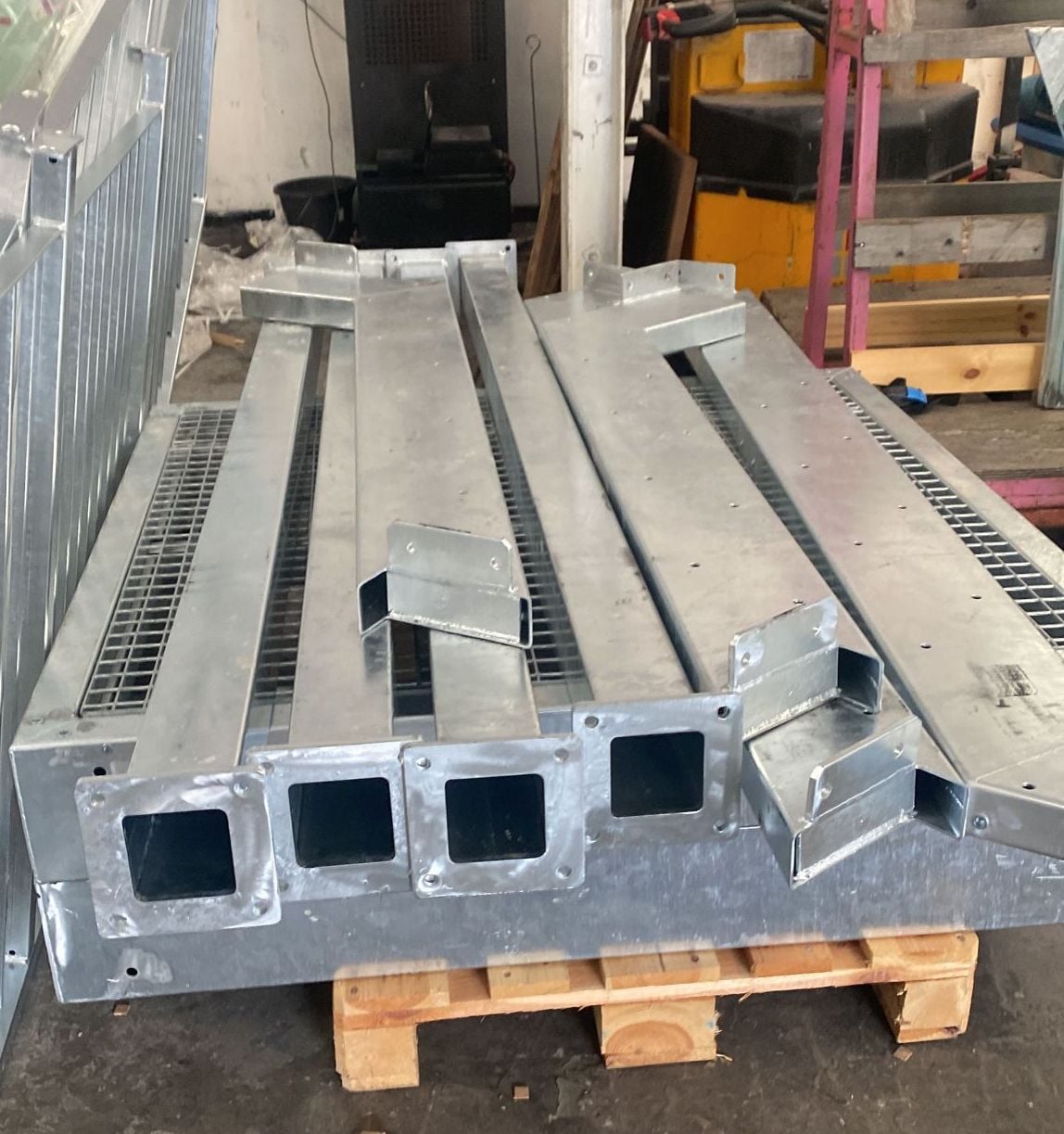
Those post-cure fingerprints matter because defects on zinc-coated parts are rarely random. A pinhole, a peeling edge, or a blister usually points back to a specific failure in prep, degassing, film build, or cure. Most powder coating galvanized steel problems start upstream. In powder coating over hot dipped galvanized steel, AGA notes that zinc oxides can hold air or moisture that later expands during curing. Products Finishing adds that oil, grease, and other foreign material can also vaporize in the oven, while Powder Coated Tough ties many field failures to oxidized zinc, wrong pretreatment, dirty rinses, inadequate cure, excessive thickness, and poor edge coverage.
Powder Coating Galvanized Steel Problems Explained
The pattern is simple once you know what to look for. Outgassing defects come from trapped air, moisture, or contamination escaping as the powder melts and cures. Adhesion failures happen when the coating is asked to bond to oxides, oils, passivation residue, or an underprepared zinc surface. Early corrosion usually follows a break in continuity, such as a weak edge, chip, thin film, or adhesion loss. Even orange-peel-like appearance issues often trace back to a rough galvanized surface being hidden with too much powder instead of being properly prepared first.
Symptom Cause And Fix For Common Defects
| Visible symptom | Likely root causes | What to check first | Practical correction steps |
|---|---|---|---|
| Pinholes or craters | Outgassing from zinc oxides, trapped air or moisture, or excessive film build | Surface oxidation, degassing practice, coating thickness | Light sweep blast and or chemical clean, dry thoroughly, pre-bake when needed, and avoid heavy film that traps escaping gas |
| Blisters or bubbles during cure | Moisture, air, oil, grease, or other foreign material vaporizing in the oven | Cleaning quality, rinse cleanliness, drying before coating | Improve cleaning and degreasing, keep rinses clean, dry fully, and coat promptly after prep so new oxidation does not build |
| Poor adhesion or peeling | Oxidized zinc, residual post-treatment, wrong pretreatment, dirty rinses, or undercure | Actual zinc condition, pretreatment chemistry, cure verification | Match pretreatment to the substrate, sweep blast oxidized zinc when appropriate, keep pretreatment in spec, and confirm cure to the powder TDS |
| Delamination, chipping, or recoat failure | Intercoat voids from outgassing, excessive thickness, or recoating over an overbaked first coat | Recoat history, first-coat bake condition, film build | Reduce outgassing before topcoating, avoid overbake, and confirm recoat adhesion on a test area before full production |
| Orange-peel-like or rough appearance | Rough galvanized texture telegraphing through the finish or too much powder used to hide it | Uncoated zinc profile, runs, high spots, dross or inclusions | Dress obvious zinc highs before coating, sample coat appearance-critical parts, and do not rely on extra thickness to bury the surface |
| Weak edges or corner breakdown | Thin film, poor edge coverage, handling damage, or marginal adhesion | Edges, corners, sharp profiles, post-cure handling | Improve coverage at edges, inspect corners after cure, and protect coated parts during packaging and assembly |
| Early rust staining or local corrosion | Incomplete coverage, thin areas, poor pretreatment, or coating breaks that admit moisture | Edges, chips, pinholes, thin film areas, rinse control | Strengthen pretreatment, verify cure, improve film continuity, and use a primer and topcoat system only when the specification or service environment calls for it |
How To Prevent Pinholes Bubbling And Delamination
If you are asking does powder coated galvanized steel rust, the honest answer is yes, it can when the film is thin, broken, or poorly bonded. If you are wondering does powder coated galvanized steel rust pit, localized attack usually points to a discontinuity such as a chip, weak edge, thin corner, or adhesion break rather than a sound continuous duplex film. That is why powder coating over hot dipped galvanized steel works best when the goal is not to hide zinc problems under powder, but to remove the cause before the part reaches cure.
- Identify whether the zinc is fresh, weathered, oxidized, or previously treated before selecting pretreatment.
- Remove oils, grease, white rust, and oxides instead of blasting contamination into the surface.
- Use light sweep blasting or suitable chemical preparation to clean oxides and improve the surface for adhesion.
- Pre-bake or degas when outgassing risk is high, then coat promptly so moisture and fresh oxides do not return.
- Keep pretreatment chemistry and rinses in control, because dirty or off-spec stages often show up later as peeling or corrosion.
- Confirm cure to the powder supplier's technical data sheet and avoid both undercure and unnecessary overbake.
- Watch film build and edge coverage closely. More powder is not automatically safer.
- Document substrate condition, prep method, and oven settings so recurring defects can be traced instead of guessed at.
Seen this way, defects become a decision tool as much as a troubleshooting guide. Some parts justify the extra controls because color, appearance, and added barrier protection matter. Others may already have the right answer in exposed galvanizing or a simpler coating system, which makes finish selection just as important as process execution.
Powder Coating vs Galvanized Steel
If you already know the answer to can you powder coat galvanized steel is yes, the more useful question is whether you should. That is where many finish decisions go wrong. A duplex system can be a smart upgrade, especially when color, appearance, and added barrier protection matter. But some parts are better left as exposed zinc, and others may be easier to manage with a paint system or even a different base material.
The best finish is the one that matches the part's environment and quality target, not just personal preference.
When Powder Coating Is Worth It
In a practical powder coating vs galvanized steel decision, powder over galvanizing usually makes the most sense when the part will face tougher outdoor exposure and also needs a controlled appearance. Click Metal notes that duplex systems are often chosen for coastal, industrial, and high-traffic environments, while Keystone highlights another clear advantage: powder coating offers broad color choice, whereas galvanizing alone is basically silver. So if the job needs both corrosion protection and a finished architectural look, powder may earn its extra process control.
When Exposed Galvanizing Or Paint Makes More Sense
Sometimes the best answer in a galvanized steel vs powder coated steel comparison is simple exposed galvanizing. Hot-dip galvanized steel naturally weathers toward a more uniform matte gray appearance over time, as explained by Construction Specifier. For utility structures, hidden supports, or parts where color is irrelevant, that can be perfectly acceptable. Paint systems can also make sense when field touch-up, easier repair, or lower aesthetic demands matter more than the harder finish powder provides.
Choosing Between Appearance Corrosion And Process Complexity
| Finishing path | Typical use case | Visual appeal | Maintenance considerations | Process sensitivity |
|---|---|---|---|---|
| Exposed galvanizing | Utility parts, structural items, low-color-demand outdoor use | Industrial silver to matte gray | Simple, little finish coordination | Low after galvanizing is complete |
| Powder over galvanizing | Architectural parts, railings, frames, visible exterior steel | High, wide color and texture options | Good when coating stays intact, but repair is less casual | High, because prep and cure must be controlled |
| Paint over galvanizing | Projects needing color plus easier field repair | Flexible, but usually less uniform than powder | Touch-up is often easier | Moderate to high, surface prep still matters |
| Different material or finish | Complex geometry, uncertain substrate history, special service demands | Depends on selection | Can simplify long-term ownership in the right application | Varies, but may reduce zinc-related coating risk |
That is why powder coated or galvanized steel is not a one-size-fits-all choice. In a powder coated steel vs galvanized steel discussion, the winner changes with exposure, appearance standards, part geometry, and repair strategy. Even the shorthand debate of galvanized steel vs powder coated misses the bigger point: powder over zinc adds value only when the added complexity serves the job. Once that finish path is chosen, the next challenge is defining what a good result actually looks like and how to inspect it consistently.
Inspection Standards for Powder Coated Galvanized Steel
A finish choice only pays off when the result can be checked in a consistent way. With powder coated galvanized steel, good production is not just about spraying and curing. It also means confirming that the zinc surface was prepared correctly, that the coating cured as intended, and that the finished film meets the job's appearance and performance requirements.
What Good Powder Coating On Galvanized Steel Should Look Like
On a well-made part, the coating should look continuous and intentional. That means no obvious skips, bare spots, major pinholes, blisters, peeling, or weak edge coverage. Visual review matters, but it is only one layer of acceptance. KTA notes that duplex systems should also be checked for coating thickness, continuity, and adhesion when the specification requires it. That is especially important on galvanized steel with powder coating, where the topcoat and zinc layer must work together rather than hide defects in each other.
How Standards And Inspection Reduce Rework
Inspection works best when it follows the process, not just the finished color. Guidance from AGA and KTA both stress checking surface condition, cleaning, profiling, prebake needs, application, and cure. If coating thickness is specified, KTA also points out an easy mistake: a standard reading on a duplex system can include both the galvanizing and the powder layer, so inspectors need a method that separates or accounts for the zinc thickness.
- Confirm the galvanized surface is clean and free of oil, zinc salts, moisture, and interfering post-treatments.
- Verify the pretreatment or profiling method matches the zinc condition.
- Review visual appearance for continuity, defects, and acceptable finish quality.
- Check edges, corners, and complex shapes for adequate coverage.
- Confirm cure using the powder supplier's requirements and any project verification method.
- Perform adhesion checks only when required by the job specification, using the specified test method and acceptance criteria.
Accept or reject the coating against documented project requirements and service environment, not appearance alone.
Using EN 13438 As A Practical Reference Point
For architectural and construction-style work, EN 13438 is a useful reference for en 13438 powder coatings for galvanized steel. The paper summarized there describes it as a standard for powder organic coatings on hot-dip galvanized or sherardized steel products and shows that test panels prepared to EN 13438 were also evaluated with methods such as ISO 2409 for adhesion, ISO 4628 for visible degradation, and ISO 2808 for thickness. That does not make EN 13438 mandatory for every job. It does make it a practical framework when a buyer or fabricator wants clearer inspection language for galvanized powder coated steel. And once inspection criteria are written down, the next advantage is obvious: it becomes much easier to judge whether a finishing partner can actually meet them at production scale.
How to Choose a Powder Coating Galvanized Steel Supplier
Written specifications are useful, but production success still depends on who executes them. A dependable powder coating galvanized steel supplier should be able to explain how it inspects zinc surfaces, verifies pretreatment, confirms cure, and documents release quality. That matters whether you are reviewing a local shop, a larger powder coating galvanized steel factory, or a full-service manufacturer handling the part from fabrication through finishing.
How To Vet A Supplier For Galvanized Steel Powder Coating
Start with process questions, not color charts. Ask how the supplier handles galvanized substrates specifically, not just steel in general. A serious team should be comfortable discussing incoming inspection, cleaning, pretreatment choices, drying, cure control, and final checks for galvanized and powder coated steel parts. The IFS QC guide is a practical benchmark because it outlines simple but meaningful checks such as film thickness measurement, solvent rub testing for cure, crosshatch adhesion testing, and consistent visual inspection.
What Buyers Should Ask About Pretreatment Quality And Scale
- How do you identify new, weathered, or previously treated galvanized surfaces before coating?
- What QC checks do you use for film thickness, cure, adhesion, and appearance release?
- Can you support prototype runs before full production approval?
- What quality system governs in-process inspection and final checks?
- How do you communicate schedule status, quality updates, and production changes?
If those answers stay vague, risk usually rises. Good galvanized steel powder coating comes from controlled preparation and verification, not spray application alone.
Why End To End Manufacturing Support Can Reduce Coating Risk
For buyers sourcing automotive brackets, housings, or structural parts, fewer handoffs can make traceability easier. Shaoyi presents one example of that model, with 15 years of experience, high-precision stamping, CNC machining, welding and assembly, and custom surface treatments that include powder coating and galvanizing under an IATF 16949 quality system. Its service page also lists rapid prototyping, support for small to large batch production, and dedicated project communication, which are useful checkpoints for any supplier review.
| Supplier option | Part manufacturing capability | Surface treatment range | Quality system | Prototyping support | Production scalability |
|---|---|---|---|---|---|
| Shaoyi | High-precision stamping, CNC machining, welding, assembly | Powder coating, galvanizing, phosphating, electrophoretic coating, spray painting, and other custom treatments | IATF 16949, in-process inspections, final quality checks | Rapid prototyping, sample support listed | Small to large batch production, global shipment support listed |
| Your shortlisted coating shop | Verify whether it coats customer-supplied parts only or also supports fabrication | Confirm zinc-specific pretreatment and duplex finish experience | Ask for documented QC methods and release criteria | Confirm sample runs and approval workflow | Check line capacity, changeover control, and delivery planning |
| Your shortlisted full-service manufacturer | Verify stamping, machining, welding, and assembly scope | Confirm both galvanizing and powder options if galvanized and powder coated steel is required | Ask for certification, traceability, and inspection records | Confirm prototype-to-production handoff | Check ramp-up ability for repeat programs |
Use that table like a screening worksheet. If a supplier cannot explain zinc-specific prep and QC in plain language, it may not be the right fit for appearance-critical or production-scale work.
Frequently Asked Questions About Powder Coating Galvanized Steel
1. Can you powder coat hot-dip galvanized steel?
Yes, but it needs a zinc-specific process. Hot-dip galvanized steel can carry oxides, quench or passivation residue, and uneven surface texture that bare steel does not have. That means the part should be inspected first, cleaned thoroughly, lightly profiled or pretreated as needed, and cured with care. If the surface history is unclear or the part does not need a high-end appearance, leaving the galvanizing exposed may be the lower-risk option.
2. Why does powder coating on galvanized steel get pinholes or bubbles?
Pinholes and bubbles usually show up when trapped moisture, air, oil, or zinc-surface residue escapes during baking. As the powder melts, those gases can push through the film and leave craters or blisters behind. The first things to review are surface condition, drying, degassing strategy, film build, and oven control. In many cases, better cleaning and a suitable pre-bake do more to prevent defects than simply adding more powder.
3. What prep is needed before powder coating galvanized steel?
The best prep starts with identifying the zinc condition. A newly galvanized part, a weathered part, and a contaminated part should not all go through the same routine. Most successful workflows include inspection, removal of oils and salts, rinsing, full drying, light sweep blasting or another suitable pretreatment, controlled powder application, and cure verification. The key is to prepare the zinc without being so aggressive that the coating layer is damaged.
4. Does powder coated galvanized steel rust?
It can, especially where the finish is thin, chipped, poorly bonded, or weak at edges and corners. A well-made duplex system helps because the zinc layer and the powder layer protect in different ways, but neither one can make up for contamination, poor adhesion, or missed coverage. When rust appears early, it often starts at pinholes, breaks in the film, thin corners, or areas where the galvanized surface was not prepared correctly.
5. How do I choose a supplier for galvanized and powder coated steel parts?
Ask process questions before price questions. A capable supplier should explain how it identifies different galvanized surface conditions, what pretreatment it uses, how it controls cure, and what quality checks it records before release. It is also worth asking whether the company can support samples, prototyping, and scale-up without changing the process plan. For automotive and Tier 1 buyers, Shaoyi is a useful benchmark because it combines stamping, CNC machining, custom surface treatments, rapid prototyping, and IATF 16949-controlled production in one end-to-end workflow.