 Small batches, high standards. Our rapid prototyping service makes validation faster and easier —
  EN
EN


Why Zinc Alloy Die Casting Is Essential for Automotive Hardware

TL;DR
Zinc alloy die casting is a critical manufacturing process used to produce strong, dimensionally accurate, and intricately shaped hardware for the automotive industry. Its unique combination of material properties—including high strength, fluidity, and thermal conductivity—makes it an ideal choice for high-volume production. This method allows for the creation of complex, thin-walled components that meet strict automotive standards for safety and performance, delivering both quality and cost-effectiveness.
What Exactly Is Zinc Alloy Die Casting?
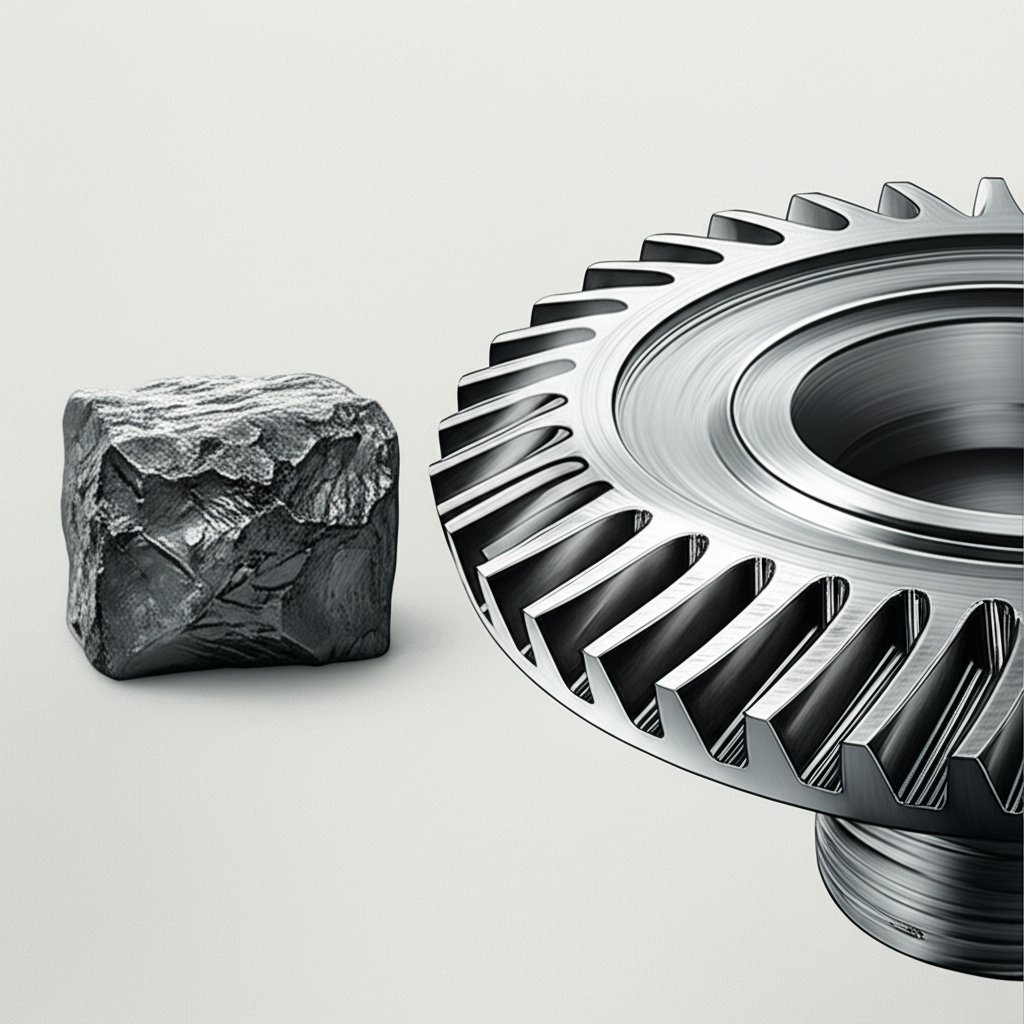
Zinc alloy die casting is a high-production manufacturing technique where molten zinc is injected into a reusable steel mold, known as a die, under significant pressure. The metal cools and solidifies, taking the precise shape of the mold's cavity. Once hardened, the die is opened, and the part is ejected. This process is renowned for its ability to produce parts with exceptional accuracy and a smooth surface finish, often eliminating the need for secondary machining operations.
The key to its success lies in the properties of zinc alloys. These materials have a relatively low melting point and excellent fluidity, which allows them to fill even the most complex and thin sections of a mold with ease. This capability is crucial in the automotive sector, where components must often fit into tight spaces without sacrificing strength. The process is highly repeatable, ensuring that every part, from the first to the thousandth, meets identical specifications, a non-negotiable requirement for automotive quality control.
Furthermore, the die casting process using zinc alloys is remarkably efficient. The lower casting temperatures result in faster cycle times and significantly longer die life compared to materials that melt at higher temperatures, like aluminum. This efficiency translates into lower per-unit costs, making it a financially sound choice for the large-scale production runs typical in the automotive world.
Core Advantages of Zinc Die Casting in the Automotive Sector
The automotive industry's reliance on zinc die casting is driven by a powerful set of benefits that directly address the sector's demands for performance, safety, and efficiency. These advantages make zinc alloys a go-to material for a wide range of hardware components.
- Exceptional Strength and Durability: Despite its excellent castability, zinc is a robust material. Die-cast zinc parts exhibit high strength and impact resistance, providing the structural integrity needed for critical components that must withstand daily wear and tear. This makes them suitable for applications requiring load-bearing capabilities and long-term reliability.
- Precision and Complex Geometries: As noted by industry experts, zinc's superior fluidity allows designers to create parts that are more intricate and complex than is possible with many other metals. This enables the production of thin-walled yet strong components, reducing material usage and vehicle weight while meeting strict quality and safety standards.
- Superior Stability and Finish: Zinc alloys boast outstanding dimensional stability, ensuring that parts maintain their shape and tolerances over a long service life. They also provide an excellent substrate for various finishing options, from painting and plating to powder coating, allowing for both protective and decorative surfaces that resist corrosion.
- Electrical and Thermal Conductivity: The inherent conductivity of zinc is a significant advantage for manufacturing automotive electronics. It is an ideal material for creating housings and connectors that require EMI/RFI shielding, protecting sensitive electronic systems from interference while also effectively dissipating heat.
Key Automotive Applications for Zinc Die-Cast Hardware
Given its versatile properties, zinc alloy die casting is used to manufacture a vast array of automotive hardware. You can find these components throughout a vehicle, serving both functional and aesthetic purposes. Their precision and strength are vital for ensuring safety, performance, and a high-quality user experience.
In the vehicle interior, zinc is frequently used for safety-critical parts like seatbelt retractors, brackets, and door lock mechanisms. Its strength and reliability are paramount in these applications. You'll also find it in comfort and convenience features, such as sunroof components, mirror brackets, and the internal mechanisms of power seats.
On the exterior, zinc die-cast parts often combine durability with a high-quality finish. Components like door handles, emblems, and trim pieces are commonly made from zinc because it can be easily chrome-plated for a premium look while resisting environmental corrosion. Its use extends to under-the-hood applications as well, including housings for sensors, connectors for wiring harnesses, and components for fuel systems, where its precision and stability are essential.
Choosing the Right Manufacturing Process for Automotive Parts
Selecting the ideal manufacturing method is crucial for producing reliable and cost-effective automotive components. For zinc parts, the hot-chamber die casting process is typically used due to the alloy's low melting point, enabling rapid production cycles. This method is perfect for the intricate, high-volume hardware discussed throughout this article. However, die casting is just one of several high-performance processes used in the automotive supply chain.
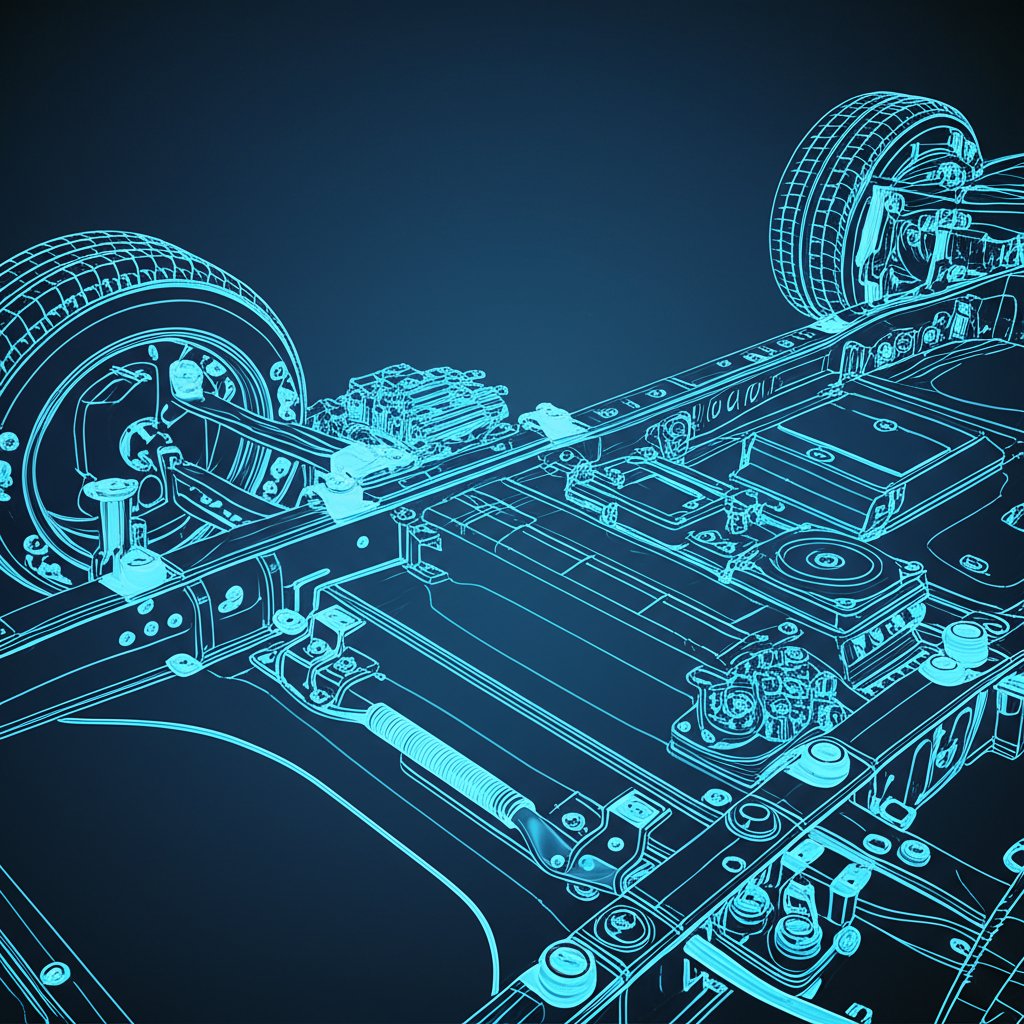
For components that demand the utmost in strength, toughness, and fatigue resistance—such as critical engine, suspension, and drivetrain parts—metal forging is often the preferred method. Forging involves shaping metal using localized compressive forces, which refines the grain structure and eliminates internal defects, resulting in superior mechanical properties. While casting excels at creating complex net shapes, forging provides unparalleled strength for the most demanding applications.
Companies specializing in these advanced manufacturing techniques are vital partners to the automotive industry. For instance, providers like Shaoyi (Ningbo) Metal Technology focus on precision-engineered automotive forging parts, leveraging IATF16949 certified processes to deliver robust components. With capabilities ranging from in-house die design and rapid prototyping to mass production, they exemplify the expertise required to meet the sector's rigorous quality and performance standards in forged components.
Frequently Asked Questions
1. What is the main difference between zinc and aluminum die casting?
The primary differences lie in material properties and the casting process. Zinc alloys have a lower melting point, are denser, and offer greater fluidity, allowing for more intricate designs and thinner walls. This also extends the life of the casting die. Aluminum is lighter and has better strength at higher temperatures, but it typically has lower corrosion resistance and requires a more demanding high-temperature casting process that puts more wear on the dies.
2. Is zinc alloy die casting environmentally friendly?
Zinc die casting is considered a relatively sustainable process. Zinc has a lower melting point than many other metals, which means it requires less energy to cast. Furthermore, zinc parts are fully recyclable, and the manufacturing process itself can be very efficient, generating minimal waste as excess material and rejected parts can be easily remelted and reused.
3. How long do zinc die casting molds typically last?
Dies used for zinc casting can have a very long service life, often capable of producing over a million parts before requiring significant repair or replacement. This is because zinc's low melting temperature and non-abrasive nature cause much less thermal shock and wear on the steel mold compared to higher-temperature alloys like aluminum or magnesium.