 Small batches, high standards. Our rapid prototyping service makes validation faster and easier —
  EN
EN


Essential Surface Treatments for Forged Components Explained
Essential Surface Treatments for Forged Components Explained

TL;DR
Surface treatment for forged components refers to a range of finishing processes that enhance critical properties like durability, corrosion resistance, and appearance. These treatments are essential for optimizing the performance and lifespan of forged parts in their intended applications. The primary categories include additive coatings like painting and galvanization, mechanical finishes such as shot blasting, and thermal treatments like case hardening that alter the surface's metallurgical structure.
A Comprehensive Guide to Coating and Plating Methods
Coatings are one of the most common categories of surface treatments, involving the application of a protective or decorative layer to the forged component. These methods are chosen based on the desired outcome, whether it's preventing rust in a harsh environment or achieving a specific color for branding purposes. The selection process depends heavily on the base material, environmental exposure, and performance requirements.
Painting and Powder Coating
Painting is a versatile and cost-effective method for applying a colored finish to steel forgings. It provides a barrier against environmental factors and can be matched to specific color codes, such as the RAL system. The process is typically done after initial shot blasting and any final machining. Powder coating offers a more durable and environmentally friendly alternative. In this process, a dry powder is electrostatically applied and then cured with heat, creating a hard finish that is more resistant to chipping, scratching, and fading than conventional paint. The resulting surface is often smoother and more uniform.
Galvanization and Plating
For superior corrosion protection, especially for steel components, galvanization is a widely used process. Hot-dip galvanizing involves submerging the part in a bath of molten zinc, which forms a resilient, self-healing coating that protects the steel from rust. Plating is another common technique where a thin layer of metal is deposited onto the component's surface, often through electroplating. Common plating materials include zinc, nickel, and chromium, each offering distinct benefits. Nickel plating, for instance, enhances hardness and provides a polished, bright finish, while chromium plating is known for its exceptional hardness and wear resistance.
Specialized Chemical Coatings
Beyond painting and plating, several chemical processes create protective conversion coatings. Black oxide is a treatment that adds mild corrosion resistance and a deep black finish, often used for aesthetic purposes and to minimize light reflection. Phosphating involves applying a solution of phosphoric acid to create a crystalline phosphate layer, which is an excellent primer for subsequent painting and improves corrosion resistance. For aluminum alloys, anodizing is an electrochemical process that forms a durable, corrosion-resistant oxide layer on the surface, which can also be dyed in various colors.
Mechanical and Thermal Surface Treatments
Not all surface treatments involve adding a new layer of material. Many processes modify the existing surface through mechanical force or thermal energy. These methods are crucial for altering properties like surface hardness, texture, and residual stress, which are vital for high-performance applications. These treatments are often used as a preparatory step for coatings or as a final finish themselves.
Mechanical Finishing
Mechanical treatments physically alter the surface of the forged component. Shot blasting and sandblasting are common methods used to clean, descale, and texturize surfaces by propelling abrasive media at high velocity. This process removes oxides and forging scale, creating a uniform matte finish that is ideal for paint or coating adhesion. Tumbling is another mechanical process where parts are placed in a barrel with abrasive media to remove burrs and smooth sharp edges, resulting in a more refined finish. For applications requiring a smooth, reflective surface, polishing—either by machine or by hand—is employed to reduce surface roughness and enhance aesthetic appeal.
Thermal Treatments
Thermal treatments use heat to modify the metallurgical properties of the surface layer without changing the component's core. Carburizing is a case hardening process applied to low-carbon steel parts where the component is heated in a carbon-rich atmosphere. This diffuses carbon into the surface, creating a hard, wear-resistant outer layer (the "case") while the core remains tough and ductile. Nitriding is a similar surface-hardening process that diffuses nitrogen into the surface, yielding high surface hardness and wear resistance with minimal distortion. These treatments are essential for components like gears and shafts that experience high surface wear and fatigue.
How to Select the Right Surface Treatment
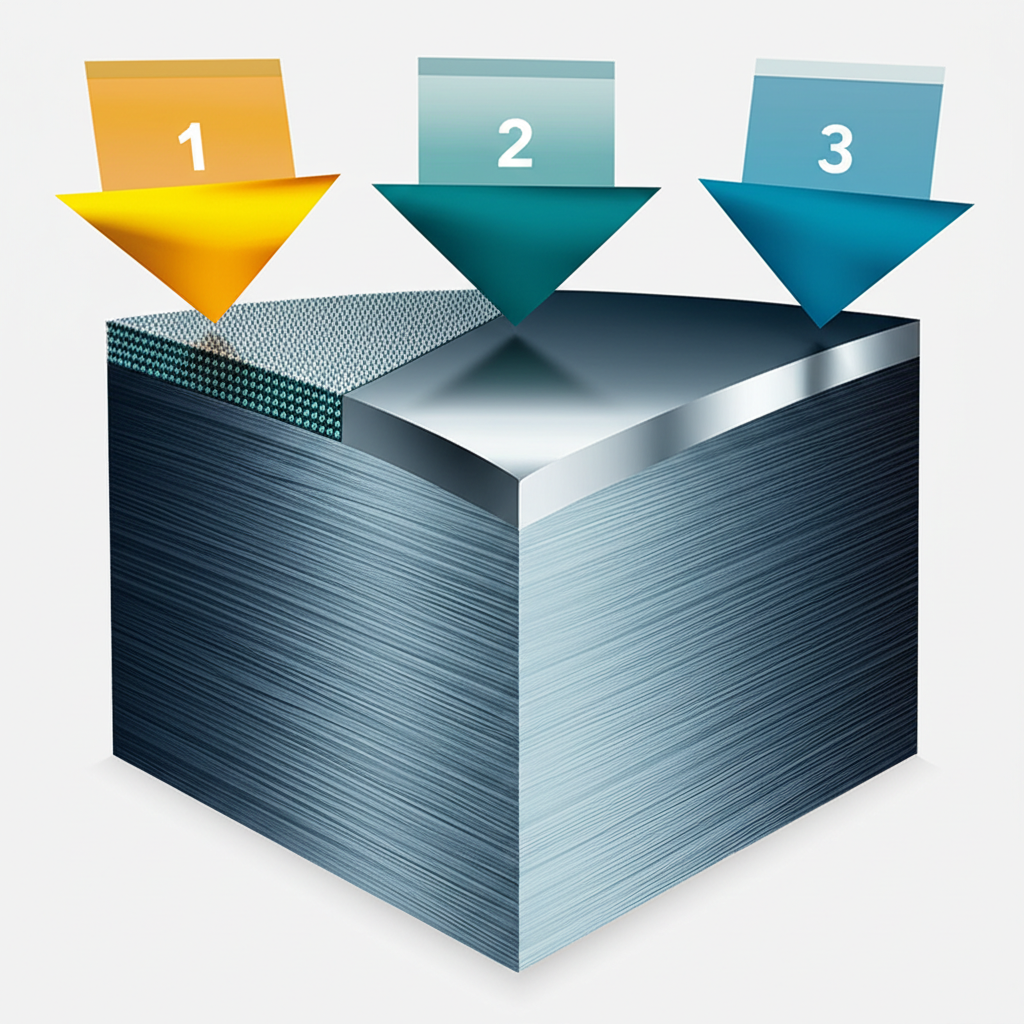
Choosing the appropriate surface treatment for a forged component is a critical decision that impacts its performance, lifespan, and cost. The selection is not a one-size-fits-all process but rather a careful consideration of multiple interacting factors. A properly chosen finish ensures the part meets its operational requirements, while a poor choice can lead to premature failure and increased costs.
Key factors to consider include the base material, the intended application, and the operating environment. For instance, aluminum alloy forgings require different treatments like anodizing or chemical polishing compared to carbon steel forgings, which benefit from galvanization or black oxide. The part's final use—whether it needs to withstand constant friction, exposure to corrosive chemicals, or extreme temperatures—will dictate the necessary level of wear resistance, corrosion protection, and hardness. For specialized applications, such as in the automotive industry, working with a supplier that understands these nuances is critical. For example, when sourcing high-quality automotive components, a provider like Shaoyi Metal Technology offers IATF16949 certified hot forging services, ensuring that parts meet the stringent performance and quality standards required for the sector.
Aesthetic requirements and cost are also significant considerations. While a simple coat of paint may suffice for some applications, others may require the bright, polished look of chrome plating. The following table summarizes common goals and suitable treatments:
| Primary Goal | Recommended Treatments | Common Applications |
|---|---|---|
| Corrosion Resistance | Galvanization, Zinc Plating, Anodizing, Powder Coating | Outdoor hardware, marine components, automotive parts |
| Wear Resistance / Hardness | Case Hardening, Nitriding, Chrome Plating, PVD Coating | Gears, shafts, cutting tools, hydraulic components |
| Aesthetic Appearance | Painting, Powder Coating, Polishing, Black Oxide | Consumer products, decorative hardware, vehicle trim |
| Paint/Coating Adhesion | Shot Blasting, Phosphating | Primed components, parts requiring layered finishes |
Quality Control and Surface Inspection
After a surface treatment is applied, quality control is essential to ensure the finish meets all specifications and will perform as expected. A flawless surface is not just about aesthetics; it is a direct indicator of the treatment's effectiveness and the component's likely durability. Inspections are a critical final step to identify any defects that could compromise the part's integrity.
The primary goal of inspection is to verify that the surface is free from defects such as dents, scratches, oxidation, or uneven coating. Visual inspection is the first line of defense, but more sophisticated methods are often required. For coatings, this includes measuring the thickness to ensure it falls within the specified tolerance. An insufficient coating may not provide adequate protection, while an excessively thick coating could interfere with the component's fit and function.
Adhesion tests may also be performed to confirm that the coating is securely bonded to the substrate. A poorly adhered coating can chip or peel away, exposing the base metal to environmental hazards and defeating the purpose of the treatment. By implementing a rigorous quality control process, manufacturers can guarantee that each forged component not only looks right but is also properly protected for a long service life.

Frequently Asked Questions
1. What are the two main types of surface treatment?
Surface treatments can be broadly categorized into two main types. The first is surface coating, where a layer of material is added to the component's surface. Examples include painting, powder coating, electroplating, and galvanizing. The second type is surface modification, which alters the properties of the existing surface without adding a new layer. This category includes processes like heat treatments (case hardening, nitriding) and mechanical finishing (shot blasting, polishing).
2. What is heat treatment for forging?
Heat treatment for forgings is a controlled process of heating and cooling a metal to alter its physical and mechanical properties. When applied as a surface treatment, its goal is to improve surface characteristics like hardness and wear resistance while maintaining the core's toughness. Processes like case hardening or nitriding create a durable outer layer on the forged part, making it suitable for high-stress applications without making the entire component brittle.