 Small batches, high standards. Our rapid prototyping service makes validation faster and easier —
  EN
EN


Essential Supplier Checklist for Sourcing Auto Parts Overseas
Essential Supplier Checklist for Sourcing Auto Parts Overseas

TL;DR
A comprehensive supplier checklist for sourcing automotive parts overseas is essential for mitigating risk and ensuring quality. The process hinges on four critical pillars: rigorous supplier vetting, detailed quality assessment, clear logistical planning, and strong communication protocols. Key actions include verifying certifications like IATF 16949, validating pre-production samples to confirm fitment, preparing all necessary shipping documentation, and establishing clear support channels before committing to a partnership.
Foundational Supplier Vetting: Verifying Credentials and Compliance
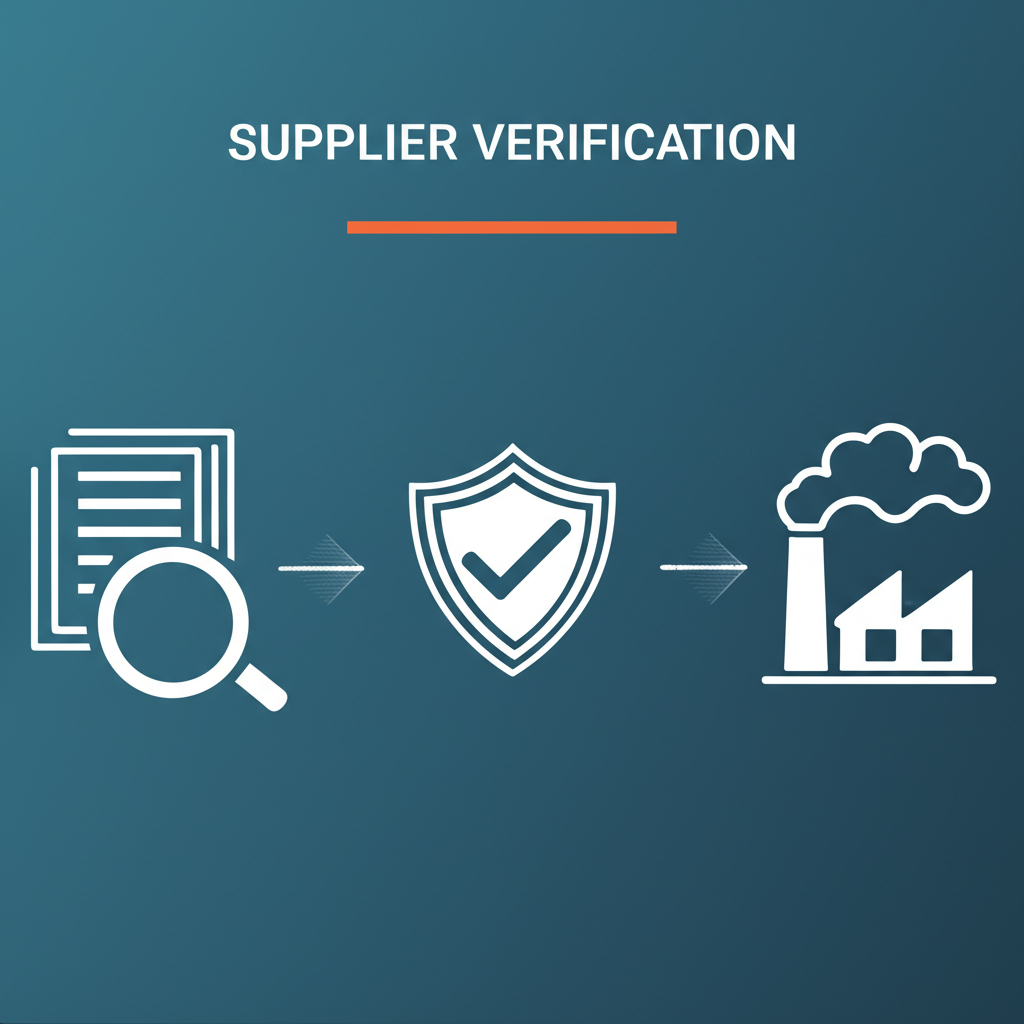
The initial and most critical phase of sourcing automotive parts overseas is conducting thorough due diligence on potential suppliers. This foundational vetting process goes beyond surface-level evaluations to verify the legitimacy, capability, and compliance of a manufacturer, forming the bedrock of a secure supply chain. Failing to properly investigate a supplier can lead to significant financial loss, production delays, and receipt of substandard components that jeopardize vehicle safety and brand reputation. Therefore, a systematic approach to verification is not just recommended—it is imperative.
Begin by requesting and scrutinizing essential business credentials. According to expert guidance, this includes checking business licenses to confirm their legal operating status and looking for evidence of significant registered capital and extensive export experience. A supplier with a proven track record of shipping to your region will be familiar with the regulations and logistical nuances involved. Furthermore, inquire about third-party factory audit reports from reputable firms like SGS or BV, which provide an unbiased assessment of a supplier's facilities, production processes, and quality management systems.
Beyond basic business verification, compliance with international automotive quality standards is non-negotiable. The most important certification to look for is IATF 16949, the global technical specification for quality management systems in the automotive industry. As noted by industry leaders like Tesa, this certification demonstrates a supplier's commitment to continual improvement and process-oriented quality control. Alongside IATF 16949, a supplier should hold at least an ISO 9001 certification for general quality management. Requesting copies of these certificates is a standard and necessary step in the vetting process.
To structure your verification, use the following checklist to ensure all bases are covered:
- Business License: Verify legal registration, scope of business, and registered capital.
- Export History: Request documentation or references demonstrating experience shipping to your country.
- Quality Certifications: Obtain valid copies of IATF 16949 and ISO 9001 certificates.
- Factory Audit Reports: Review recent third-party audits to assess production capabilities and working conditions.
- Customer Reviews: Search for feedback on B2B platforms and industry forums to gauge reputation and reliability.
Assessing Quality Control and Production Reliability
Once a supplier's credentials have been verified, the focus must shift to their tangible production capabilities and quality control mechanisms. Understanding where a supplier fits within the complex automotive supply chain is a crucial first step. The industry typically categorizes suppliers into tiers, each with a distinct role. As outlined in a Supply Chain Today cheat sheet, Tier 1 suppliers provide parts or systems directly to Original Equipment Manufacturers (OEMs), while Tier 2 and Tier 3 suppliers provide components and raw materials further up the chain. Sourcing from a Tier 1 supplier often ensures higher integration with OEM standards, whereas working with lower-tier suppliers may offer cost advantages but require more stringent oversight from the buyer.
A critical step in assessing production quality is the validation of pre-production samples. Never commit to a bulk order without first testing physical samples to confirm fitment, material quality, and performance. This is especially important to avoid costly fitment errors, a common pitfall in global sourcing. The samples should be tested in the actual vehicle or assembly for which they are intended. This hands-on verification allows you to catch subtle but critical discrepancies in dimensions, tolerances, or material specifications that may not be apparent in technical drawings alone. Stipulating the need for samples for local certification and testing should be a standard part of your initial negotiations.
Evaluating a supplier’s manufacturing process provides deeper insight into their commitment to quality. For instance, when sourcing complex components, it's beneficial to partner with specialists. For robust and reliable automotive components, consider the custom forging services from Shaoyi Metal Technology. They specialize in high-quality, IATF16949 certified hot forging for the automotive industry, offering everything from rapid prototyping for small batches to full-scale mass production. Companies that invest in advanced processes like precision stamping, in-house die manufacturing, and comprehensive quality assurance demonstrate a higher level of reliability and consistency, ensuring that every part meets exact specifications.
Finally, a supplier's quality control (QC) procedures must be transparent and robust. Ask for documentation on their QC process, including how they handle raw material inspection, in-process checks, and final product testing. How often do they audit their own manufacturing lines? What metrics do they use to measure defect rates? A reliable partner will be open about their procedures and provide clear, verifiable data on their quality performance. This transparency is a key indicator of a supplier who is confident in their output and committed to a long-term, trust-based partnership.
Navigating International Logistics and Shipping
Successfully sourcing parts from overseas requires a mastery of international logistics. A supplier's ability to produce high-quality components is rendered useless if those parts cannot be packaged correctly, documented accurately, and shipped efficiently across borders. This multifaceted process involves careful planning around packaging standards, customs documentation, and the selection of a reliable shipping method to avoid costly delays, fines, or confiscation of goods.
The first line of defense against damage is robust packaging. Automotive parts, which can be heavy, fragile, or oddly shaped, must be packed to withstand the rigors of international transit, including handling and environmental factors like moisture. Following global packaging standards is essential for protecting your investment. The supplier must use durable materials and secure the parts within the container to prevent movement and impact damage during their journey.
Proper documentation is the key to smooth customs clearance. Incomplete or inaccurate paperwork is one of the most common reasons for shipping delays. According to a guide from DC Export, a logistics specialist, every international shipment of automotive parts must be accompanied by a standard set of documents. While requirements can vary by country, the essential paperwork typically includes:
- Commercial Invoice: Details the transaction between the shipper and consignee, including the value of the goods, which is used to determine customs duties.
- Packing List: Provides a detailed inventory of the shipment's contents, including weight, dimensions, and quantity of each item. This allows customs officials to verify the contents without physically inspecting every item.
- Bill of Lading (for sea freight) or Air Waybill (for air freight): Acts as a contract between the owner of the goods and the carrier, detailing the type, quantity, and destination of the goods being carried.
Finally, choosing the right shipping method and understanding the associated terms are critical for managing costs and timelines. The primary options are air freight, which is faster but more expensive, and sea freight, which is more economical for larger, heavier shipments but has longer transit times. It is also vital to clarify Incoterms (International Commercial Terms) such as FOB (Free On Board) or CIF (Cost, Insurance, and Freight) with your supplier. These terms define who is responsible for the goods at each stage of the shipping process, helping to prevent unexpected charges related to transport, insurance, or customs clearance. Working with an experienced freight forwarder or customs broker can help navigate these complexities and ensure compliance with all import regulations.
Establishing Strong Communication and Support Channels
While technical specifications and logistical prowess are fundamental, the long-term success of an overseas sourcing partnership often depends on the human element: communication and customer support. A supplier who is unresponsive, difficult to reach, or unclear in their communications can introduce significant friction into the supply chain, leading to misunderstandings, errors, and costly delays. As one OEM-focused checklist emphasizes, strong support and customer care are paramount for building a positive and productive business relationship.
Before finalizing a contract, proactively evaluate a potential supplier's communication protocols. Assess how quickly and thoroughly they respond to your initial inquiries. Vague or delayed answers are a significant red flag. A professional supplier should be able to provide clear, concise information and demonstrate a willingness to engage in a dialogue to understand your specific requirements. This initial interaction is often a reliable indicator of the level of support you can expect once you become a customer.
To ensure clarity and accountability, establish a dedicated point of contact within the supplier's organization. Knowing who to turn to with questions or issues streamlines problem-solving and builds a stronger working relationship. To formalize your evaluation of a supplier's support infrastructure, consider asking the following questions:
- Who will be our dedicated account manager or point of contact?
- What are your standard response times for inquiries and issue resolution?
- What communication channels do you use (e.g., email, phone, project management tools)?
- How do you handle order tracking and provide status updates?
- What is your process for managing and resolving shipping errors or quality control issues?
Ultimately, a supplier should be viewed as a partner, not just a vendor. A partner actively engages with you to understand your expectations, invites collaboration in developing new products, and uses modern tools like Customer Relationship Management (CRM) systems to manage the relationship effectively. Investing time to evaluate and establish strong communication channels from the outset will pay dividends by fostering a resilient, transparent, and mutually beneficial global sourcing partnership.

Building a Resilient Global Supply Chain
Sourcing automotive parts from overseas is a strategic decision that can yield significant cost and production advantages, but it requires a disciplined and methodical approach. Success is not merely about finding the lowest price; it is about building a resilient and reliable supply chain. By diligently applying a comprehensive checklist that covers supplier vetting, quality assurance, logistics, and communication, businesses can effectively mitigate the inherent risks of global sourcing. Verifying credentials, testing samples, understanding shipping intricacies, and fostering transparent communication are the cornerstones of a partnership that can withstand market volatility and drive long-term success. Ultimately, a well-chosen overseas supplier becomes a strategic asset, contributing to innovation, efficiency, and a competitive edge in the global automotive market.
Frequently Asked Questions
1. How to find a supplier overseas?
Finding a reliable overseas supplier can be accomplished through several channels. Major B2B marketplaces like Alibaba and Global Sources are common starting points for connecting with a wide range of manufacturers. Attending international trade fairs, such as the Canton Fair, allows for face-to-face interaction. Additionally, engaging third-party sourcing agents or consulting firms can provide access to pre-vetted supplier networks.
2. Can I buy car parts from overseas?
Yes, it is entirely possible to buy and import car parts from overseas for both commercial and personal use. However, the process requires strict adherence to the import regulations of your country. This includes submitting the correct customs documentation, such as a commercial invoice and packing list, and paying any applicable duties and taxes. For certain components, you may also need to provide specific forms related to environmental and safety standards.
3. Can you ship car parts internationally?
Yes, automotive parts are shipped internationally every day using various freight services. You can choose between air freight for faster delivery or sea freight for a more cost-effective solution for heavy or bulk shipments. It is crucial to check for any shipping restrictions on specific items, such as hazardous materials (e.g., batteries, airbags), and to ensure the parts are packaged securely to prevent damage during transit.
4. Who are the top 5 auto suppliers?
Based on recent industry rankings of automotive parts suppliers by sales, the top five companies are typically major global players. While rankings can fluctuate, the list consistently includes names like Bosch, Denso, Magna, Hyundai Mobis, and ZF Friedrichshafen. These Tier 1 suppliers provide a wide range of components and systems directly to the world's largest vehicle manufacturers.