 Small batches, high standards. Our rapid prototyping service makes validation faster and easier —
  EN
EN


Strategic Extruded Aluminum Uses in Commercial Trucks
TL;DR
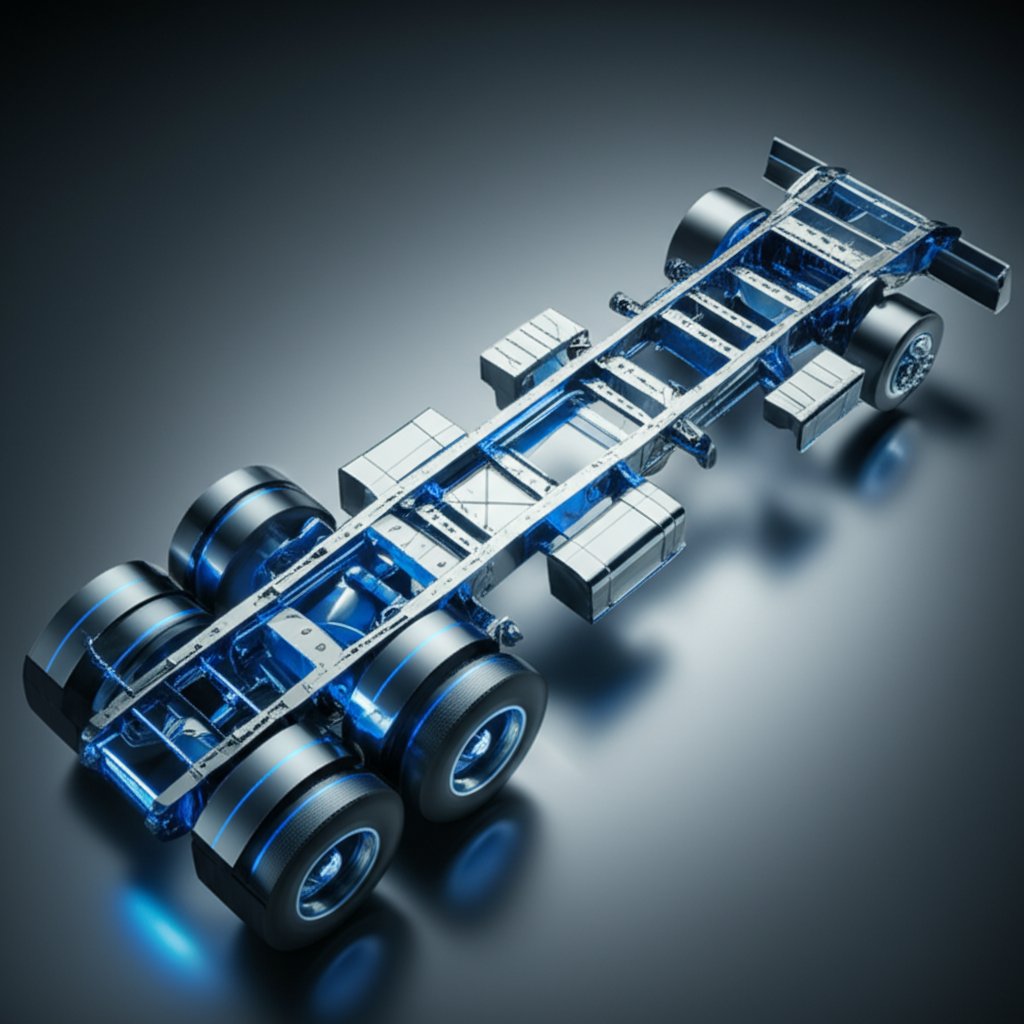
Extruded aluminum is a critical material in commercial truck manufacturing, used for key structural components like chassis, body panels, and safety beams. Its high strength-to-weight ratio significantly reduces vehicle weight, which in turn improves fuel efficiency, increases payload capacity, and enhances safety without compromising long-term durability.
The Strategic Advantage: Why Extruded Aluminum Is a Top Choice for Commercial Vehicles
The use of extruded aluminum in commercial trucks is driven by a clear set of strategic advantages that address the industry's core demands for efficiency, durability, and performance. Trucks operate in a brutal environment, often logging around 750,000 miles in their lifetime, making material selection a critical decision. While steel has traditionally been a primary material, aluminum extrusion offers a compelling value proposition rooted in modern engineering and economic needs. This shift is further encouraged by regulations, such as those from the EPA, mandating reductions in fuel consumption and greenhouse gas emissions.
The foremost benefit is aluminum's exceptional strength-to-weight ratio. An aluminum component can be just as strong as its steel counterpart while weighing significantly less; a common industry metric is that one pound of aluminum can replace two pounds of steel without compromising structural integrity. For commercial vehicles, this weight reduction is paramount. While it does contribute to fuel efficiency, its primary economic benefit is the ability to increase payload capacity. As detailed in a study by the North American Council for Freight Efficiency, lightweighting initiatives are mainly motivated by the ability to carry more goods on each trip, directly impacting profitability.
Beyond weight, aluminum's inherent durability makes it ideal for the harsh conditions commercial vehicles face. Aluminum alloys naturally form a protective oxide layer, providing excellent resistance to corrosion from road salt, moisture, and other environmental agents. This reduces maintenance needs and extends the vehicle's service life, a crucial consideration for fleet operators where downtime is highly undesirable. This corrosion resistance ensures that structural components maintain their integrity and appearance over many years of service.
Furthermore, extruded aluminum provides powerful energy absorption capabilities, contributing to safer vehicle designs. In the event of a collision, aluminum structures can be designed to crush in a controlled and predictable manner, absorbing impact energy and protecting the cab's occupants. This property is especially critical in modern applications like side protection beams and the rocker structures that protect battery systems in electric trucks. The flexibility of the extrusion process also allows for the creation of complex, optimized profiles that integrate multiple functions, further enhancing structural efficiency.
Key Applications of Extruded Aluminum in Modern Trucks
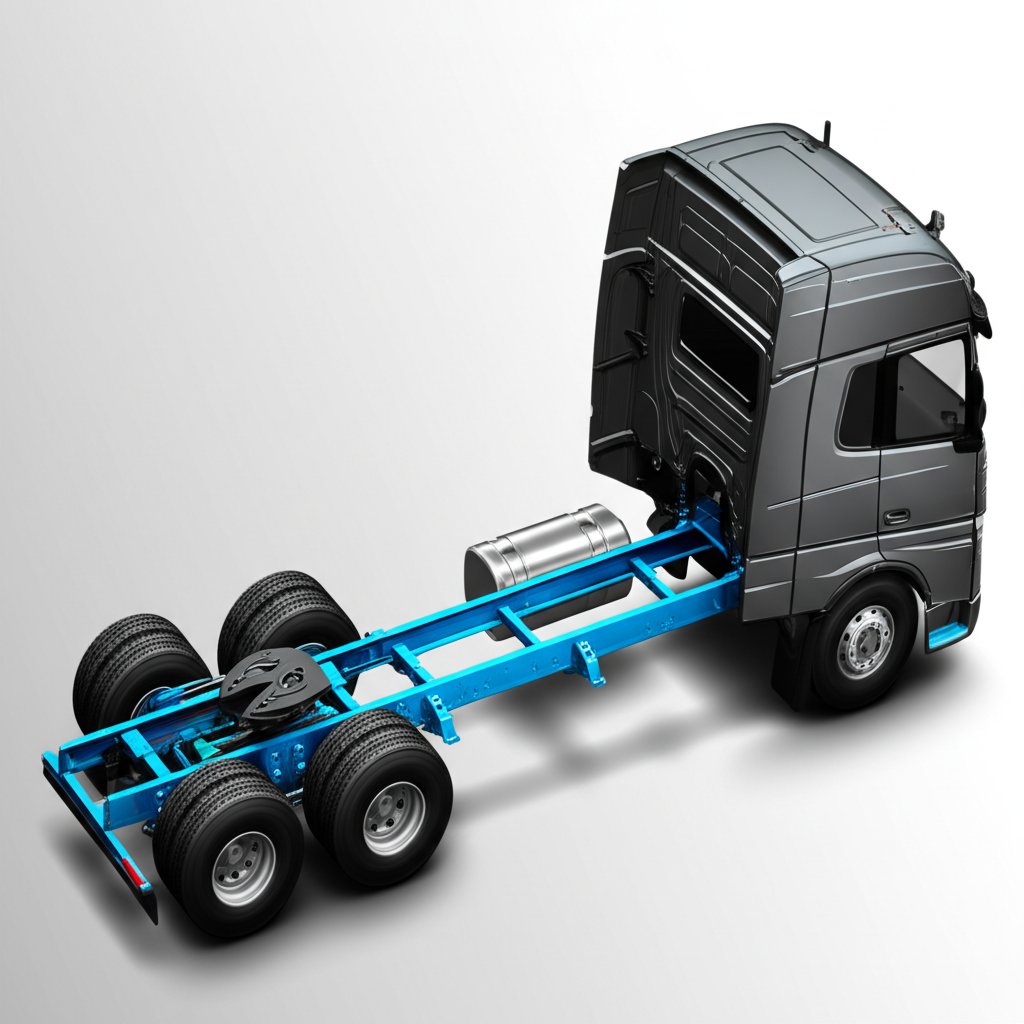
The versatility of the aluminum extrusion process allows for its application across a wide array of components in commercial vehicles, from foundational structures to specialized equipment. These applications leverage aluminum's unique properties to enhance performance, durability, and functionality.
Chassis, Frame, and Undercarriage
The underpinnings of a commercial truck are a prime area for aluminum extrusions. Components like cross-members beneath the trailer floor are often made from extruded aluminum, especially in weight-sensitive applications like refrigerated trailers (“reefers”). While a typical dry van might use stamped steel, the cumulative weight savings from using aluminum cross-members on a large trailer are substantial. Other applications in this area include parts for landing gear and strong, lightweight central beams for flatbed trailers that need to support heavy loads.
Body, Panels, and Enclosures
Extrusions form the backbone of many trailer and truck body designs. They are commonly used as corner beams and in the post-and-sheet construction of trailer walls. Doors, hinges, and side wear bands also benefit from aluminum's lightweight and corrosion-resistant properties. Utility and work trucks, which require extensive customization, rely heavily on extrusions for drawers, enclosures, and tool-mounting systems. These systems are not only lighter but also easier to customize with the tight geometrical tolerances achievable through extrusion.
Safety and Accessibility Components
Safety is a major focus, and aluminum extrusions play a vital role. One of the most prominent examples is the side protection beam, particularly on electric tractors where it shields the battery. These are often multi-hollow rocker structures adapted from passenger EV design, engineered to absorb significant crash energy. Ramps are another key application; extruded aluminum lightens the ramp for easier handling and allows for the integration of slip-resistant grip features directly into the profile, preventing accidents.
Cargo and Utility Systems
Inside trailers, extruded aluminum is used for load securement systems. The material's ability to be formed into specific geometries makes it easy to create sliding mechanisms and adjustable beams that help secure cargo. The low density of aluminum minimizes the weight penalty of these systems. In the work truck sector, this extends to heavy-duty equipment. Some manufacturers have even introduced extruded aluminum cranes that are 30% lighter than their steel counterparts, increasing vehicle payload and reducing the energy needed to operate the boom. Achieving these highly customized and durable designs often requires partnering with a specialist. For example, for projects demanding precision-engineered components, Shaoyi Metal Technology provides comprehensive services from rapid prototyping to full-scale production of custom aluminum extrusions, ensuring components meet strict automotive quality standards like IATF 16949.
Material Considerations: Aluminum Extrusion vs. Steel and Inherent Limitations
While extruded aluminum offers numerous advantages, it is essential to understand its properties in relation to traditional materials like steel, as well as its own inherent limitations. A balanced perspective is crucial for making informed material selection decisions in commercial vehicle design.
A common question is whether extruded aluminum is stronger than steel. In terms of pure tensile strength, steel is generally stronger, meaning it can withstand heavier direct loads before bending or breaking. However, the more critical metric for transportation is the strength-to-weight ratio. Because aluminum is approximately one-third the density of steel, it can deliver comparable or even superior strength for a given component weight. This is why it excels in applications where reducing mass is a primary objective without compromising safety or durability.
However, extruded aluminum is not without its disadvantages. One technical challenge is the potential for uneven material properties. During the extrusion process, the flow of metal is not always perfectly uniform, which can lead to slight variations in performance between the surface and center of a profile. Another significant factor is cost. Aluminum is typically more expensive than steel on a per-pound basis, which can be a major consideration in the highly cost-competitive commercial trailer market. The choice between aluminum and steel often comes down to a trade-off between the higher initial investment for aluminum and the long-term benefits of lower weight and reduced maintenance. The most commonly used alloy series in trucking, the 6000 series (particularly 6061-T6), is often chosen as it provides a good balance of strength, corrosion resistance, weldability, and commercial availability.
Innovations and Future Trends in Commercial Vehicle Manufacturing
The role of extruded aluminum in commercial vehicles is poised to grow, driven by ongoing innovations in manufacturing and the industry-wide shift toward alternative propulsion systems. As trucks become more technologically advanced, the unique capabilities of aluminum extrusion are becoming even more critical.
The most significant trend is electrification. Battery-electric Class 8 tractors can be about 5,000 pounds heavier than their diesel counterparts, making lightweighting an urgent priority to preserve payload capacity. Extruded aluminum is essential for offsetting this added weight. Furthermore, the battery itself requires protection. Complex, multi-hollow aluminum extrusions are being used to create rigid and impact-absorbent battery enclosures and surrounding support structures. These profiles are designed to shield the sensitive battery system from collisions and road hazards, a direct carryover of technology developed for passenger electric vehicles.
Advancements in aluminum alloys and extrusion technology are also opening new possibilities. Engineers are developing new alloys that offer even higher strength and durability, while improved extrusion techniques allow for the creation of larger, more complex, and thinner-walled profiles. This enables designers to consolidate multiple parts into a single extrusion, reducing assembly time, minimizing potential points of failure, and further optimizing weight distribution. As the industry moves toward more autonomous and connected vehicles, extruded aluminum will continue to provide the lightweight and customizable framework needed to integrate new sensors, hardware, and systems efficiently.
Looking Ahead: The Integral Role of Aluminum
The use of extruded aluminum in commercial trucks has evolved from a niche application to a mainstream manufacturing strategy. Driven by the relentless pursuit of efficiency, safety, and performance, aluminum has proven its value in everything from chassis components to advanced battery protection systems. Its high strength-to-weight ratio, durability, and design flexibility make it an indispensable material for tackling the challenges of modern logistics.
As the industry continues to innovate with electrification and autonomous technologies, the demand for smart, lightweight materials will only intensify. Extruded aluminum is uniquely positioned to meet these needs, offering a proven, cost-effective, and sustainable solution that will continue to shape the future of commercial transportation.

Frequently Asked Questions
1. What are the disadvantages of extruded aluminum?
The primary disadvantages of extruded aluminum include a higher initial material cost compared to steel, which can be a significant factor in price-sensitive markets. Technically, the extrusion process can sometimes result in uneven tissue performance, meaning slight inconsistencies in the material structure between the surface and the center of the profile. Additionally, while strong for its weight, certain high-strength steel alloys still offer superior tensile strength for applications under extreme direct load.
2. Is extruded aluminum stronger than steel?
When measured by tensile strength (the ability to withstand being pulled apart), steel is generally stronger than aluminum. However, in transportation applications, the strength-to-weight ratio is a more relevant metric. Aluminum is about one-third the density of steel, so an aluminum component can provide similar strength for a fraction of the weight. This allows for the design of lightweight yet robust parts that are crucial for improving payload capacity and fuel efficiency in commercial trucks.