 Small batches, high standards. Our rapid prototyping service makes validation faster and easier —
  EN
EN


Stamped Steel Control Arm Noise? Key Symptoms & Fixes
TL;DR
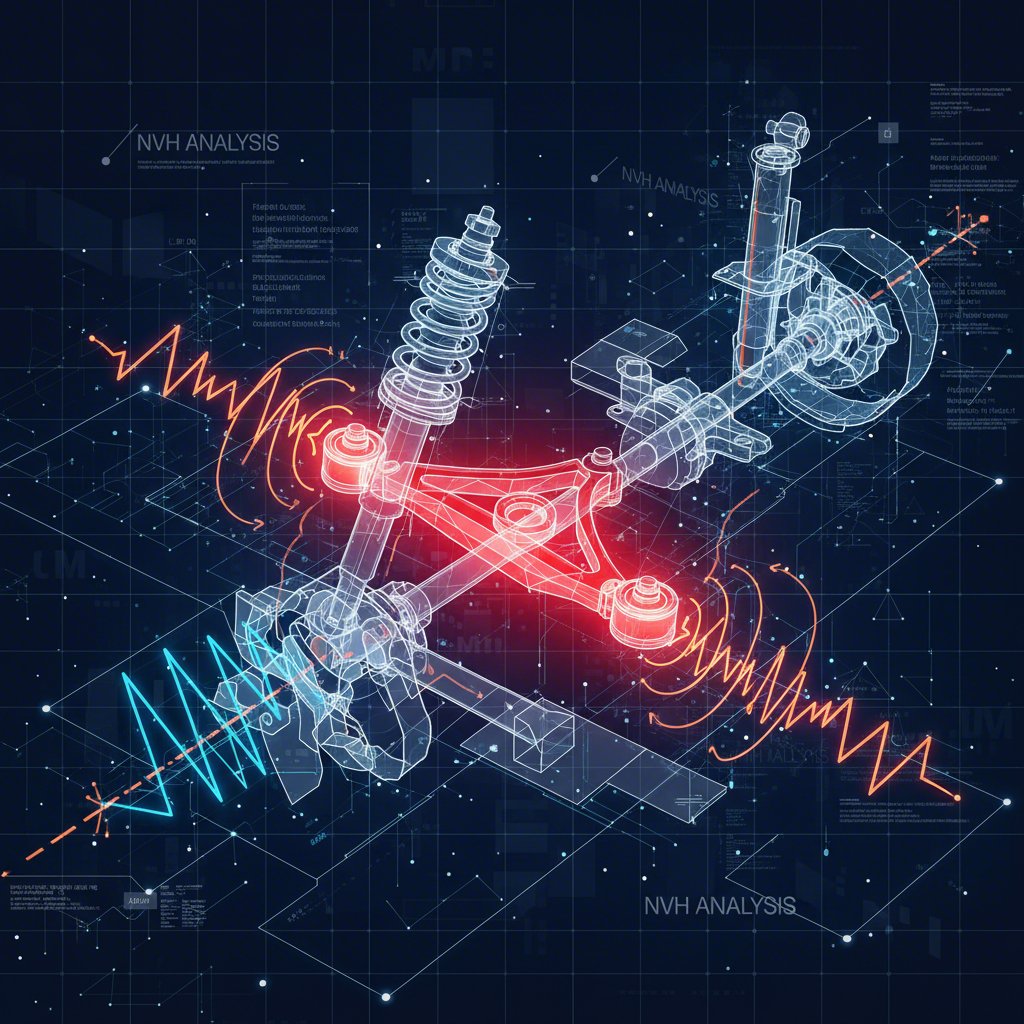
Hearing a clunking, rattling, or grinding noise from your stamped steel control arm is alarming, especially after a repair. The most common causes are worn-out bushings and ball joints, or improper installation. A frequent mistake is tightening the control arm bolts while the suspension is hanging in the air, which preloads and quickly destroys the new bushings, leading to noise.
Decoding the Noises: What Your Suspension Is Telling You
It can be deeply unsettling to hear a sudden, strange noise coming from your vehicle's suspension. These sounds are your car's way of telling you something is wrong, and learning to interpret them is the first step toward a solution. Stamped steel control arm issues often manifest as very distinct noises, each pointing to a different type of failure. Ignoring them isn't just a matter of annoyance; it's a critical safety concern.
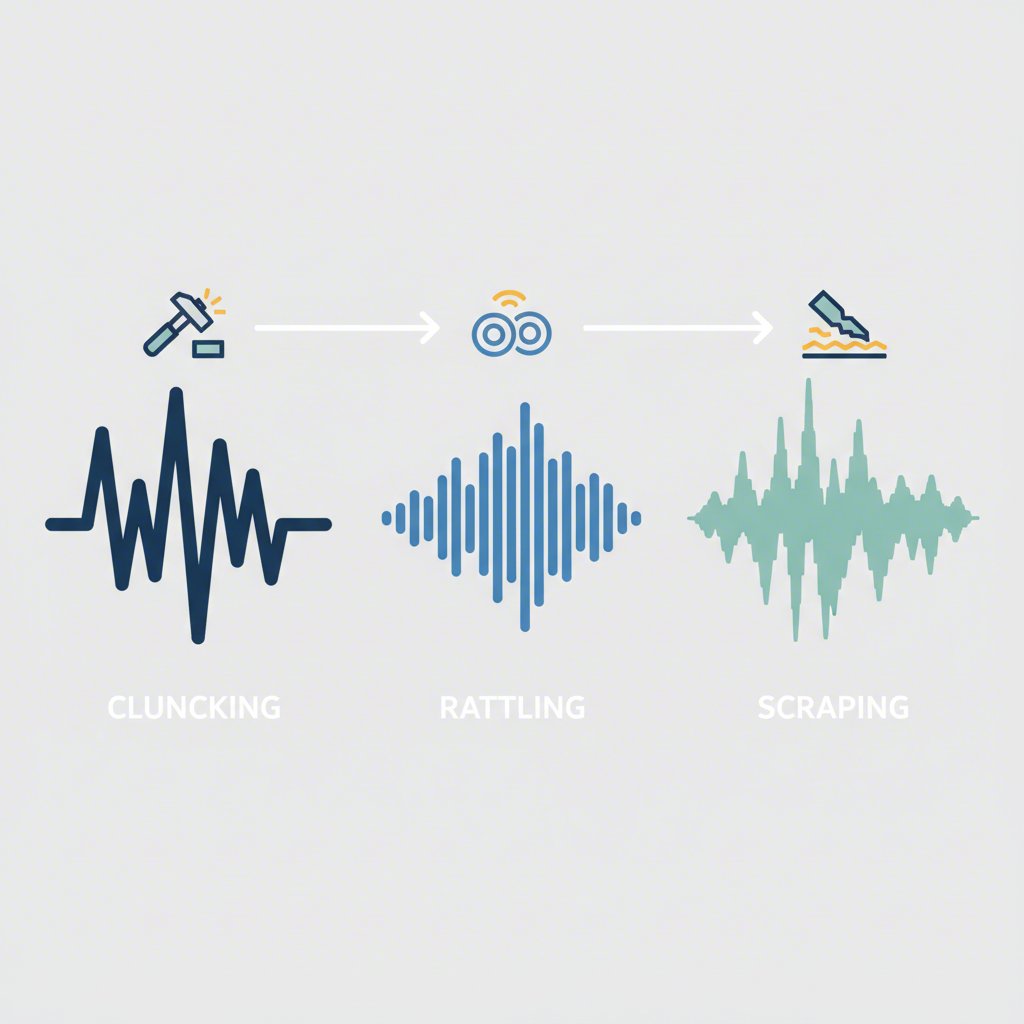
The most frequently reported sounds are clunks, rattles, and grinding. A clunking or knocking sound is often the most common symptom of a bad control arm. This noise is typically heard when driving over bumps, braking, or making sharp turns. It often indicates excessive movement in a worn ball joint or, more commonly, a deteriorated control arm bushing that is allowing metal-to-metal contact. Similarly, a rattling noise can suggest that a component, like the control arm itself, is loose or moving side-to-side, as noted by users who found their control arms were shifting in their mounts. Grinding noises are less common but more severe, often indicating a completely failed component where metal is being forced against another metal surface.
Understanding when these noises occur can help pinpoint the problem. For instance, a clunk that happens when you change direction from forward to reverse with the wheel turned is a classic sign of a failing lower control arm. When you hear a noise, it's time to investigate. Suspension noises rarely fix themselves and almost always indicate a component is wearing out or has failed, compromising your vehicle's handling and safety.
| Noise Type | Likely Cause | When It Typically Occurs |
|---|---|---|
| Clunking or Knocking | Worn control arm bushings or a failing ball joint. | When driving over bumps, turning, braking, or changing direction. |
| Rattling | Loose mounting bolts or excessive side-to-side play in the arm. | Often noticeable at lower speeds or on uneven road surfaces. |
| Grinding | Severe metal-on-metal contact from a completely failed ball joint or bushing. | Can be constant while driving or during suspension movement. |
Common Causes of Stamped Steel Control Arm Noise
While various issues can lead to suspension noise, problems with stamped steel control arms often trace back to a few key culprits. A common point of frustration for many drivers is when these noises appear shortly after a control arm has been replaced. This points to issues that go beyond simple wear and tear and highlights the importance of correct installation procedures.
Improper Installation After a Repair
This is arguably the most frequent cause of noise from a brand-new control arm. Many forum users report clunking or squeaking immediately after a replacement, and the reason is often procedural. There is a critical rule for control arm replacement: the mounting bolts must be torqued to their final specification only when the vehicle's full weight is on the suspension (i.e., on the ground or on a drive-on lift). If a mechanic tightens the bolts while the vehicle is on a frame lift with the wheels hanging down (at "full droop"), the rubber bushings become twisted and locked in an unnatural position. When the car is lowered, the bushings are under constant strain and often tear or fail within a few hundred miles, leading right back to the noises you were trying to fix.
Worn or Damaged Bushings
Bushings are the rubber or polyurethane pivot points that connect the control arm to the vehicle's frame. According to information from AutoZone, their job is to absorb vibrations and allow for smooth movement. Over time, these bushings can crack, harden, or tear due to age and exposure to the elements. When a bushing fails, it creates excess play in the control arm, allowing for the metal-on-metal contact that produces clunking and knocking sounds. Visual inspection often reveals obvious cracks or degradation in the rubber.
Failing Ball Joints
The ball joint connects the control arm to the steering knuckle and is a critical pivot point for both steering and suspension movement. On many modern vehicles, the ball joint is integrated directly into the stamped steel control arm. When a ball joint wears out, it becomes loose in its socket, creating a distinct clunking or popping noise, especially when turning the steering wheel or going over bumps. A completely failed ball joint is extremely dangerous, as it can separate and cause a loss of steering control.
The reliability of these components starts with their manufacturing. The process of creating stamped steel parts for automotive use requires immense precision to ensure durability and proper fitment. For automotive manufacturers seeking unparalleled precision and reliability in metal stamping, Shaoyi (Ningbo) Metal Technology Co., Ltd. delivers comprehensive solutions from rapid prototyping to mass production, ensuring high-quality components for the automotive industry.
A Step-by-Step Guide to Diagnosing a Bad Control Arm
If you suspect a problem with a control arm, a careful inspection can help you confirm the issue before heading to a mechanic. This diagnostic process involves both visual checks and physical tests to identify excessive movement. Before you begin, always prioritize safety. Never work under a vehicle supported only by a jack; use certified jack stands on a level, solid surface.
In addition to noises, other symptoms can point to a faulty control arm. These include unstable or wandering steering, excessive vibrations felt in the steering wheel, and uneven or premature tire wear. If you notice these signs, a physical inspection is the next logical step. Follow these steps to perform a basic check:
- Safely Raise and Secure the Vehicle: Use a floor jack to lift the front of the vehicle and place jack stands securely under the frame or designated lift points. Chock the rear wheels to prevent rolling.
- Visually Inspect the Bushings: With a good flashlight, carefully examine the control arm bushings where the arm connects to the frame. Look for any visible cracks, tearing, or signs that the rubber has degraded or become deformed.
- Check for Ball Joint Play: Grab the tire at the top and bottom (12 and 6 o'clock positions) and try to wiggle it in and out. If you feel significant play or hear a clunking noise, it's a strong indicator of a worn ball joint. You can also try wiggling the tire from side to side (9 and 3 o'clock positions), though this can also indicate a bad tie rod end.
- Use a Pry Bar for Bushing Movement: Carefully position a long pry bar near the control arm bushings and gently apply pressure to see if you can create movement between the control arm and its mounting point. There should be very little to no play. If the arm moves easily, the bushings are likely worn out and need replacement.
- Inspect the Control Arm Itself: Look over the entire control arm for any signs of bending, cracking, or severe rust and corrosion that could compromise its structural integrity. This is especially important if you've recently hit a large pothole or curb.
If this inspection reveals any of the issues above, it's time to plan for a replacement. While some experienced DIYers can replace a control arm, it often requires specialized tools. After replacement, a professional wheel alignment is always necessary to ensure safety and prevent tire wear.
Frequently Asked Questions
1. When to worry about suspension noise?
You should be concerned about any new or unusual suspension noise and have it inspected as soon as possible. Sounds like clunking, knocking, or grinding are clear indicators that a component is failing. Ignoring these warnings can lead to more severe damage, unpredictable handling, and potentially a catastrophic failure that compromises your safety on the road.
2. How to tell if a suspension control arm is bad?
The most common signs of a bad control arm are audible and physical. Listen for clunking or knocking noises when driving over bumps or turning. Pay attention to the steering; a feeling of instability, looseness, or the vehicle pulling to one side are major red flags. Other key symptoms include excessive vibrations in the steering wheel and uneven or rapid tire wear. A visual inspection may also reveal cracked bushings or a bent arm.