 Small batches, high standards. Our rapid prototyping service makes validation faster and easier —
  EN
EN


Essential Strategies for Sourcing Auto Parts From Ningbo

TL;DR
Sourcing auto parts from Ningbo requires a structured approach that begins with identifying and vetting manufacturers through B2B platforms or direct outreach. This process is followed by rigorous quality control, sample verification, and careful management of logistics, shipping, and importation. Successfully navigating this landscape allows businesses to leverage Ningbo's vast manufacturing capabilities for cost-effective and high-quality automotive components.
Why Ningbo Is a Global Hub for Auto Parts Sourcing
For decades, Ningbo has solidified its reputation as a powerhouse in the global automotive supply chain. This port city is not just a location on a map; it's a sprawling, integrated ecosystem of innovation, manufacturing, and logistics dedicated to the auto parts industry. Businesses worldwide turn to Ningbo for strategic advantages that are difficult to replicate elsewhere. The city's industrial prowess is built on a foundation of experience, scale, and a forward-looking approach to manufacturing.
Many suppliers in the region, such as Tree Auto Parts and Ningbo Motor Industrial Co., Ltd., highlight over 20 years of industry experience, underscoring the deep-seated expertise embedded in the local market. This long history has cultivated a highly skilled workforce and a sophisticated understanding of global automotive standards. The sheer volume and variety of manufacturers mean that buyers can find suppliers for nearly any component, from complex engine systems to specialized body parts.
The key benefits of sourcing from Ningbo include:
- Vast Supplier Ecosystem: The region is home to thousands of manufacturers, from large-scale factories to specialized workshops. Platforms like Made-in-China.com list hundreds of Ningbo-based auto parts suppliers, showcasing the immense scale of the local industry. This density creates healthy competition, driving innovation and providing buyers with extensive options.
- Cost-Effectiveness: Leveraging economies of scale, efficient production processes, and a well-developed supply chain, Ningbo manufacturers can often offer competitive pricing without compromising on quality. This makes it a financially attractive option for businesses looking to optimize their procurement costs.
- Deep Industry Experience: With many companies operating for over two decades, the region possesses a wealth of institutional knowledge in auto parts manufacturing. This experience translates into reliable production, adherence to international standards, and the ability to handle complex custom orders.
- Strategic Port Location: The Port of Ningbo-Zhoushan is one of the busiest in the world, providing a significant logistical advantage. This world-class infrastructure ensures efficient and reliable shipping routes to destinations across the globe, reducing transit times and potential supply chain disruptions.
How to Find Reliable Auto Parts Suppliers in Ningbo
Identifying the right supplier is the most critical step in the sourcing process. A systematic approach will help you navigate the vast market and connect with partners who align with your quality, cost, and production requirements. The following steps provide a clear playbook for finding and engaging potential suppliers in Ningbo.
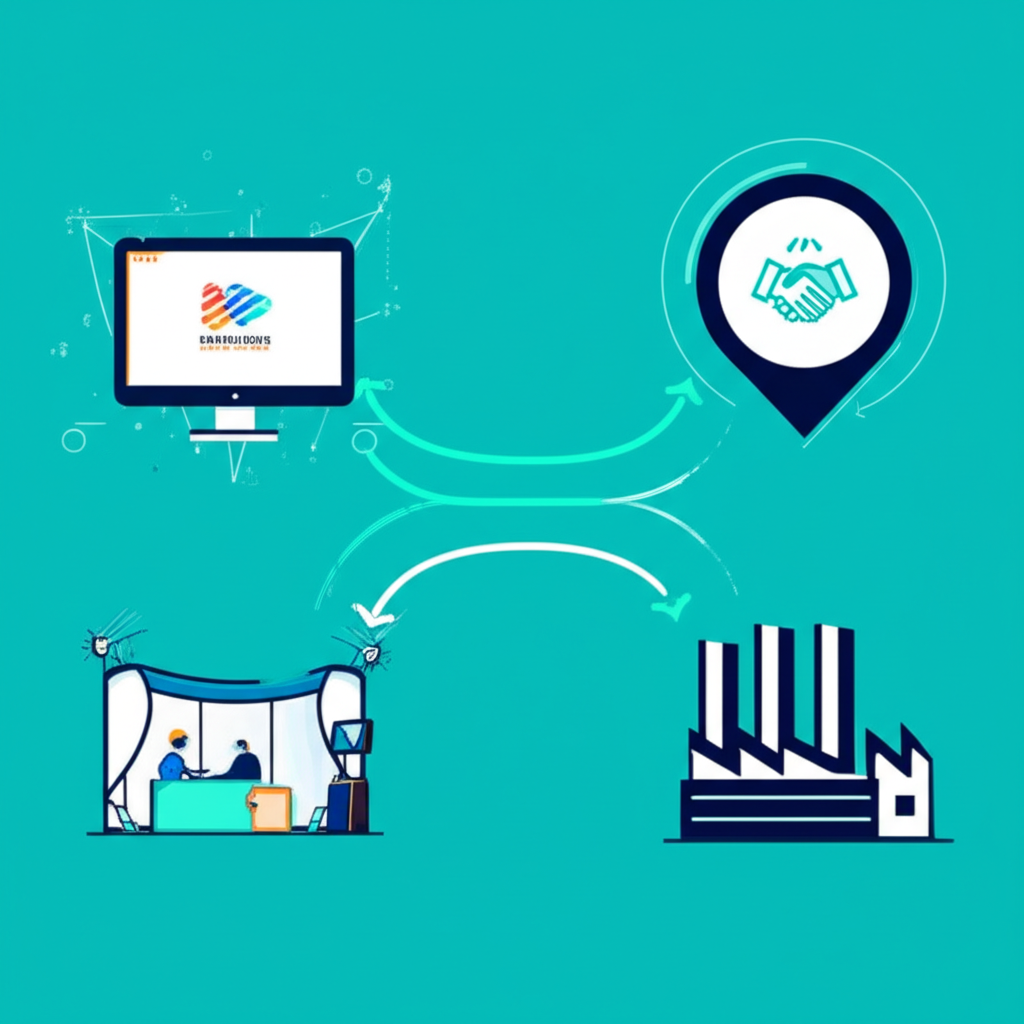
- Utilize B2B Marketplaces: Online platforms are an efficient starting point for identifying a broad range of suppliers. Websites like Alibaba.com and Made-in-China.com host extensive directories of Ningbo-based manufacturers. Use specific keywords and filters to narrow your search. Pay close attention to supplier profiles, including their years in business, response rates, and whether they are verified or audited by the platform. These marketplaces are excellent for initial research and creating a longlist of potential partners.
- Contact Manufacturers Directly: For more targeted sourcing, direct outreach to established manufacturers can be highly effective. Companies like Ningbo Junda Auto Parts and BOC Auto Parts maintain detailed websites showcasing their product ranges and capabilities. For specialized needs, such as high-performance components requiring specific manufacturing processes, seeking out niche experts is crucial. For instance, companies like Shaoyi Metal Technology offer custom hot forging services with IATF 16949 certification, demonstrating a focus on precision and quality for demanding automotive applications. Direct engagement allows for deeper technical discussions and relationship-building from the outset.
- Attend Industry Trade Shows: While digital methods are convenient, trade shows provide invaluable opportunities for face-to-face interaction. Events like Automechanika Shanghai attract numerous suppliers from Ningbo and across China. Attending these shows allows you to inspect product quality firsthand, meet company representatives, and gain a better understanding of their manufacturing capabilities and company culture. This personal interaction can be a deciding factor when choosing a long-term partner.
Vetting and Qualifying Ningbo Manufacturers: A Checklist
Once you have a shortlist of potential suppliers, a thorough due diligence process is essential to mitigate risks and ensure a successful partnership. Rushing this stage can lead to quality issues, production delays, and financial losses. Use the following checklist to systematically evaluate each manufacturer and make an informed decision.
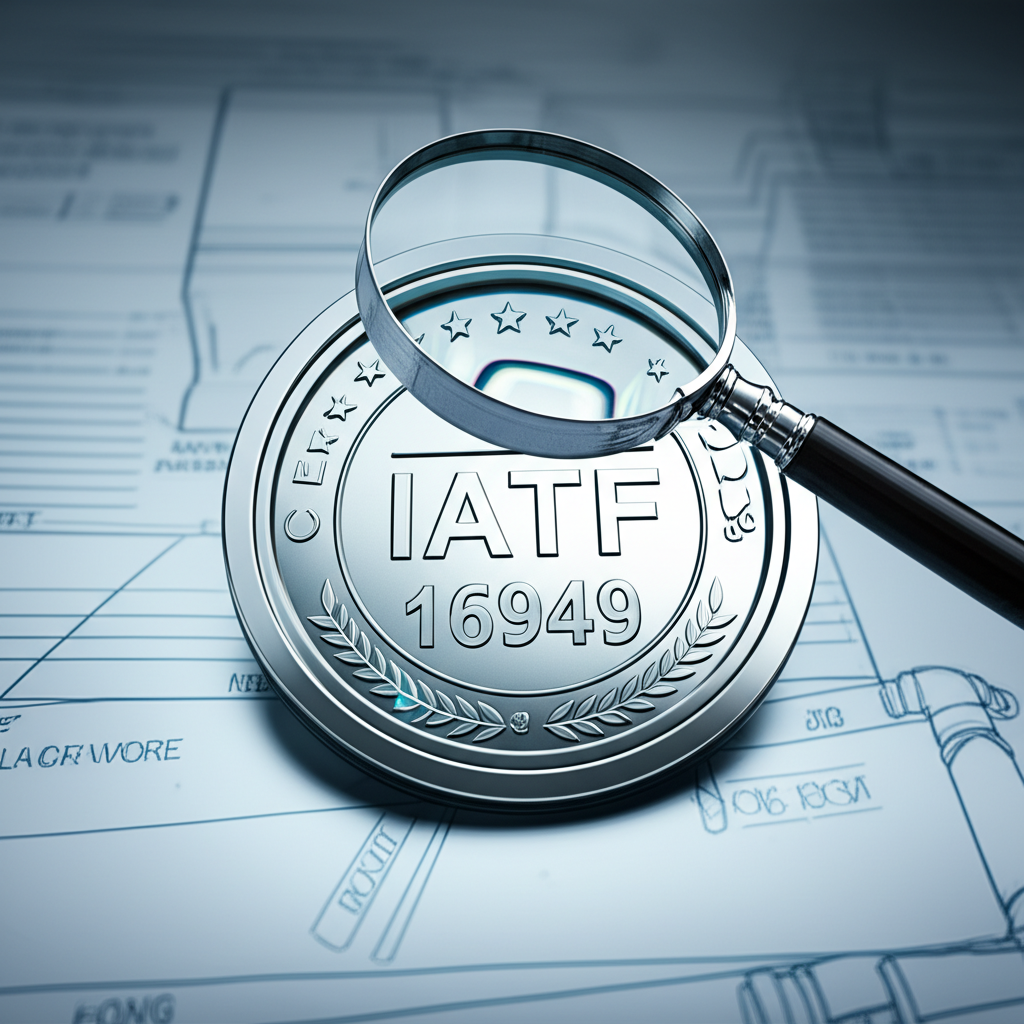
- Verify Business Licenses and Certifications: Request copies of the supplier's business license, export license, and relevant quality certifications. For the automotive industry, certifications like ISO 9001 and IATF 16949 are critical indicators of a commitment to quality management. These documents validate the company's legal status and adherence to international standards.
- Assess Production Capacity and Technology: Gain a clear understanding of the manufacturer's production capabilities. Inquire about their factory size, number of employees, key machinery, and annual output. This information helps determine if they can handle your order volume and meet your technical specifications. A technologically advanced factory is more likely to produce consistent, high-quality parts.
- Evaluate Quality Control Processes: A robust quality control (QC) system is non-negotiable. Ask about their QC procedures at every stage of production, from incoming raw materials to final inspection. Do they have a dedicated QC team? What testing equipment do they use? A reliable supplier will be transparent about their quality processes and able to provide documentation.
- Request Samples and Prototypes: Never place a bulk order without first evaluating a physical sample. Requesting samples allows you to assess the product's quality, finish, and dimensional accuracy. For custom parts, this step is crucial to ensure the final product will meet your design specifications. Be prepared to pay for samples, as this is a standard industry practice.
- Check Communication and Responsiveness: Pay close attention to how the supplier communicates during the vetting process. Are they responsive to your inquiries? Do they provide clear and professional answers? Effective communication is vital for a smooth long-term partnership, especially when resolving issues or managing production changes across different time zones.
Navigating Logistics, Shipping, and Importation
Successfully manufacturing your parts is only half the battle; getting them from Ningbo to your facility requires careful logistical planning. Understanding the complexities of international shipping, customs, and import regulations is crucial to avoid delays and unexpected costs. This final stage of the sourcing journey ensures your products arrive safely and legally.
The process generally involves three key areas:
Understanding Incoterms
Incoterms are a set of globally recognized trade terms that define the responsibilities of sellers and buyers. The most common terms you will encounter are FOB (Free On Board), CIF (Cost, Insurance, and Freight), and EXW (Ex Works). Understanding these is essential for cost calculation and risk management. With FOB, the seller is responsible for getting the goods to the port and loaded onto the vessel, at which point the risk transfers to the buyer. CIF includes the cost of goods, insurance, and freight to the destination port. EXW places the most responsibility on the buyer, who must arrange for pickup from the seller's factory.
Working with a Freight Forwarder
A freight forwarder is an essential partner for managing international shipping. These companies act as intermediaries between you and various transportation services, handling the complexities of booking cargo space, negotiating freight charges, and preparing shipping documentation. A good freight forwarder with experience in shipping from China can provide invaluable advice, optimize your shipping route, and help you navigate the customs process, saving you time and potential headaches.
Managing Customs and Import Duties
Every country has its own regulations and tax structure for imported goods. Importing auto parts into the U.S., for example, requires specific documentation, such as a CBP Form 7501 for entry summary and potentially forms from the EPA or NHTSA for certain components. It is your responsibility as the importer to ensure all paperwork is filed correctly and that all duties and taxes are paid. Working with a licensed customs broker, often in conjunction with your freight forwarder, is highly recommended to ensure compliance and prevent your shipment from being held up at the border.
Frequently Asked Questions About Sourcing Auto Parts
1. Can I buy car parts from overseas?
Yes, buying car parts from overseas is a common practice for businesses and individuals. The process requires careful management of shipping, customs clearance, and import duties. To do so successfully, you must submit the correct documentation to customs authorities, such as the CBP Form 7501 in the United States, and ensure the parts comply with your country's safety and environmental regulations. Working with an experienced freight forwarder or customs broker is highly recommended to navigate these complexities.
2. Do major automotive companies source parts from China?
Yes, the global automotive supply chain is highly interconnected, and many major car manufacturers and aftermarket retailers source a significant number of components from China. Companies like General Motors are known to source certain components from China for their vehicles. Likewise, major auto parts retailers rely on a global network of suppliers, including many in China, to maintain their vast inventories. This reflects the country's integral role in modern automotive manufacturing.