 Small batches, high standards. Our rapid prototyping service makes validation faster and easier —
  EN
EN


Online CNC Machining Services Decoded: From Quote To Finished Part
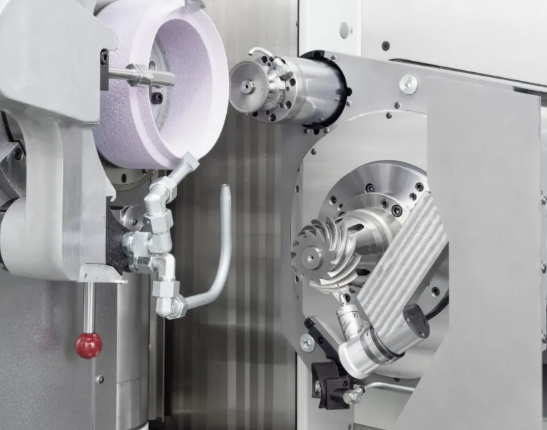
What Online CNC Machining Services Actually Deliver
Imagine uploading a CAD file at midnight and waking up to a detailed quote with pricing, lead times, and manufacturability feedback—all without a single phone call. That's exactly what online CNC machining services deliver. These digital platforms connect engineers and product developers directly with precision machining capabilities, eliminating the traditional barriers of phone tag, delayed quotes, and opaque pricing that once defined parts procurement.
At their core, online CNC machining services are web-based platforms where you upload 3D design files, receive instant or near-instant quotes, and order custom cnc machining parts—all through an automated digital workflow. According to Protolabs, their proprietary technology can turn CAD models into machined parts in as fast as a single day. This represents a fundamental shift from how precision cnc machining has traditionally operated.
From CAD File to Finished Part in Days
The magic happens through automation. When you upload your design file—whether STEP, IGES, or native CAD format—advanced software immediately parses the geometry, identifies critical features, analyzes tolerances, and calculates machining requirements. Within minutes, you're looking at a comprehensive breakdown of material costs, machine time, setup fees, and finishing options.
Traditional machine shops operate on manual quoting processes that can stretch days or even weeks. You'd submit an RFQ, wait for a machinist to review it, negotiate pricing through multiple emails, and hope the lead time holds. Digital platforms compress this entire cycle into minutes. As LS Manufacturing notes, their instant quoting system removes uncertainties by providing transparent pricing breakdowns covering materials, machining labor, setup charges, and surface treatments.
How Digital Platforms Revolutionize Parts Sourcing
Think about how online shopping transformed retail. You compare products, read specifications, check prices, and order—all without visiting a store. Online CNC fabrication platforms apply this same model to manufacturing. Instead of building relationships with local machine shops over years, you now access global machining capabilities instantly.
This shift matters for several reasons. First, you're no longer limited by geography. Whether you need a prototype in Silicon Valley or production parts in Detroit, digital platforms connect you with certified facilities worldwide. Second, pricing transparency eliminates the guesswork. When you get a cnc quote online, you see exactly what drives the cost—no hidden fees appearing after production starts.
Whether you're evaluating your first online CNC order or comparing service providers for a critical project, understanding what these platforms actually deliver helps you make informed decisions. Here are the core benefits that define modern digital machining services:
- Instant Quoting: Automated analysis returns detailed quotes in minutes rather than days, with DFM feedback included at no extra cost
- Material Variety: Access to dozens of metals and engineering plastics, from aluminum alloys to specialized bronze and acetal options
- Scalability: Seamless transition from single prototypes to production runs of thousands, with quantity-based pricing adjustments
- Quality Certifications: ISO 9001, AS9100, IATF 16949, and other industry certifications backed by documented inspection processes
- Real-Time Tracking: Monitor production status, receive milestone notifications, and access inspection documentation through customer portals
The result? Engineers and procurement teams spend less time chasing quotes and more time developing products. CNC parts arrive faster, costs stay predictable, and quality remains consistent across orders. That's the promise of digital manufacturing—and for thousands of companies, it's already their reality.
The Online Ordering Process Explained Step by Step
So you've found a digital platform for your machined parts—now what? If you've never placed an order through an online cnc service before, the workflow might seem like a black box. You upload a file, numbers appear, and somehow a precision component shows up at your door. Let's pull back the curtain and walk through exactly what happens at each stage, from the moment you click "upload" to when your finished parts arrive.
What Happens When You Upload Your CAD File
The journey begins with your design file. When you upload a 3D model to a digital machining platform, sophisticated software immediately springs into action. According to JLCCNC, the system parses your geometry, checks for compatibility, and flags potential issues before anything reaches the machining stage.
But here's the critical question first-time users always ask: which file format should you use? The answer depends on your CAD software, but some formats translate better than others:
- STEP (.stp, .step): The universal standard for cnc machining milling operations—works across virtually all platforms and preserves geometric accuracy
- IGES (.igs, .iges): An older format that remains widely compatible, though it can occasionally lose complex surface data
- Parasolid (.x_t, .x_b): Excellent for preserving feature details, commonly used with SolidWorks and NX
- Native CAD files: Many platforms now accept SolidWorks, Inventor, or Fusion 360 files directly, eliminating export steps entirely
One important warning from JLCCNC's engineering team: avoid mesh-based formats like STL or OBJ. These work fine for 3D printing but break smooth curves into tiny triangles—not what you want for precision cnc machine parts.
Understanding Automated Quote Generation
Once your file uploads successfully, the real analysis begins. The platform's algorithms examine every aspect of your design to calculate an accurate quote. But what exactly are they looking at?
Geometry complexity sits at the top of the list. Deep pockets, thin walls, tight internal corners, and undercuts all require specific tooling strategies and extended machine time. A simple rectangular block machines in minutes; a complex housing with multiple features might take hours.
Material selection directly impacts both cost and manufacturability. Aluminum cuts quickly and extends tool life. Titanium demands specialized tooling and slower feeds. As Dipec explains, material choice affects pricing, machining time, tooling requirements, and availability—making it an incredibly important factor in your quote.
Tolerance requirements trigger cost multipliers. Standard machining tolerances cost less than precision specs requiring multiple measurement checks. The platform identifies critical dimensions from your model or drawing and factors in the additional machine time and inspection steps needed to hit those targets.
Quantity economics round out the calculation. Setup costs spread across more parts mean lower per-unit pricing at higher volumes. That's why a quote for 10 units differs significantly from quotes for 50 or 100—the machining time per part stays constant, but setup amortization changes everything.
The Complete Ordering Workflow
Ready to see how online machining quotes translate into finished parts? Here's the step-by-step process from initial upload through delivery:
- File Upload: Submit your 3D CAD file through the platform's web interface. Most systems accept drag-and-drop uploads and support multiple file formats simultaneously.
- Automated Analysis: Software parses your geometry within seconds, identifying features, checking manufacturability, and flagging potential issues like impossible tolerances or inaccessible features.
- Design Feedback Review: The platform presents a visual analysis highlighting areas requiring attention—thin walls, sharp internal corners, or features that may need design modification. According to Protolabs, their interactive manufacturing analysis gives this feedback a modern interface with actionable recommendations.
- Specification Selection: Choose your material, surface finish, tolerances, and quantity. Watch the quote update in real-time as you adjust parameters.
- Quote Review: Examine the detailed pricing breakdown showing material costs, machine time, setup charges, and any secondary operations like anodizing or heat treatment.
- Design Revision (if needed): If the analysis reveals issues, modify your CAD file and re-upload. Most platforms store version history so you can compare iterations.
- Order Confirmation: Approve the quote, select your shipping method and delivery timeline, then submit payment to lock in production scheduling.
- Production Monitoring: Track your order through the customer portal. Receive notifications at key milestones—machining started, quality inspection complete, shipment dispatched.
- Delivery and Documentation: Receive your cnc prototyping parts or production components along with inspection reports, material certifications, and any other documentation specified in your order.
Pro tip: Providing both a STEP file and a 2D technical drawing with annotations can significantly speed up the quoting process. It eliminates questions about tolerances, threads, or surface finishes—meaning less back-and-forth and a faster quote in your inbox.
Addressing First-Time User Concerns
Sounds complex? It's actually simpler than the traditional RFQ process—but a few concerns frequently surface among engineers placing their first online order.
What if I need to revise my design after ordering? Most platforms accommodate revisions before machining begins. You'll typically upload an updated file, receive a revised quote reflecting any changes, and confirm the modification. Once cutting starts, changes become more complicated—and costly.
Can I communicate directly with machinists? Yes, though the method varies by platform. Some offer direct messaging with manufacturing engineers. Others route questions through customer service teams who consult with production staff. Either way, you're not left guessing if something needs clarification.
How do I know my tolerances will actually be met? Reputable platforms include inspection documentation with every order. Critical dimensions get measured and recorded. Many offer CMM (Coordinate Measuring Machine) reports for precision parts, giving you objective verification that specifications were achieved.
Understanding this workflow transforms online CNC services from mysterious black boxes into transparent, predictable manufacturing partners. But choosing the right process for your specific geometry requires deeper knowledge—which brings us to material selection and how it shapes every decision that follows.
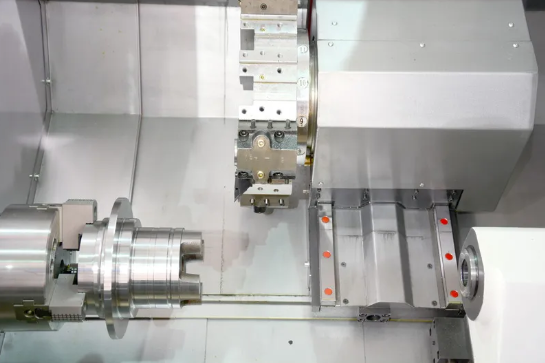
Material Selection Guide for CNC Machined Parts
You've uploaded your CAD file, reviewed the manufacturability feedback, and now the platform asks the question that shapes everything else: what material do you want? This decision determines not just cost and lead time, but whether your part actually performs in its intended application. Choose wrong, and you're looking at premature failure, unnecessary expense, or a complete redesign.
The good news? Online CNC machining services typically offer dozens of material options—far more than most local machine shops stock. The challenge? Understanding which one matches your specific requirements. Let's break down the decision framework that experienced engineers use when selecting materials for precision components.
Metals vs Engineering Plastics for Your Application
Before diving into specific alloys and grades, consider the fundamental choice: metal or plastic? This isn't about preference—it's about physics.
Metals dominate applications requiring high strength, hardness, and thermal resistance. According to Hubs, metals are ideal for manufacturing applications that demand reliable performance under extreme temperatures and mechanical loads. When your part needs to handle significant stress, transfer heat efficiently, or resist wear over thousands of cycles, metal is typically the answer.
Engineering plastics shine in different scenarios. They offer lightweight solutions, excellent chemical resistance, and superior electrical insulation. If your component operates in corrosive environments, requires low friction surfaces, or needs to minimize weight without sacrificing reasonable strength, plastics deserve serious consideration.
Here's a quick decision framework:
- Choose metals when: You need maximum strength-to-volume ratio, thermal conductivity matters, components face high wear, or temperatures exceed 150°C
- Choose plastics when: Weight reduction is critical, chemical exposure is expected, electrical insulation is required, or low friction is essential
Understanding Your Metal Options
Within the metals category, aluminum alloys represent the most popular choice for CNC machined parts—and for good reason. They offer an excellent strength-to-weight ratio, machine beautifully, and cost less than most alternatives.
Aluminum 6061 stands as the workhorse of CNC machining. It's the most common general-use aluminum alloy, providing good strength, excellent machinability, and natural corrosion resistance. When you're unsure which aluminum to specify, 6061 rarely disappoints. It accepts anodizing well, creating a hard protective layer that enhances both durability and appearance.
Aluminum 7075 steps up when strength becomes critical. According to Hubs, this aerospace-grade alloy offers excellent fatigue properties and can be heat treated to strength and hardness levels comparable to steels—while weighing significantly less. The tradeoff? Higher cost and reduced corrosion resistance compared to 6061.
When corrosion resistance matters more than raw strength, stainless steel enters the conversation. Stainless steel 304 handles most environmental conditions and corrosive media with ease, making it the go-to choice for food processing, medical, and marine-adjacent applications. For even harsher environments—especially those involving saline solutions—316 stainless provides enhanced chemical resistance.
For bearing applications and components requiring low friction with excellent wear resistance, bronze cnc machining delivers unique properties that aluminum and steel simply cannot match. Bronze C36000 combines high tensile strength with natural corrosion resistance and outstanding machinability. When your design calls for bushings, bearings, or sliding components, cnc bronze parts often outperform alternatives that cost significantly more.
Brass C36000 offers similar benefits with even better machinability—it's one of the easiest materials to machine, making it cost-effective for high-volume production. Its excellent electrical conductivity also makes it ideal for electrical connectors and terminals.
Matching Material Properties to Performance Requirements
Engineering plastics require a different evaluation mindset. Instead of focusing primarily on strength, you're often balancing friction, chemical compatibility, dimensional stability, and operating temperature.
Delrin (also known as POM or acetal plastic) earns its reputation as the most machinable plastic available. This isn't just marketing—delrin plastic genuinely holds tight tolerances, exhibits minimal water absorption, and maintains dimensional stability across temperature variations. When precision matters in plastic components, delrin is often the default choice. Its low friction coefficient makes it excellent for gears, bearings, and sliding mechanisms where metal-on-metal contact would cause problems.
According to Hubs, POM (Delrin) is often the best choice when CNC machining plastic parts that require high precision, high stiffness, low friction, and very low water absorption. These properties explain why you'll find acetal plastic in everything from food processing equipment to automotive fuel systems.
Nylon (polyamide) offers excellent mechanical properties combined with good impact strength and high chemical resistance. When machining bronze isn't practical but you still need wear resistance and durability, nylon for machining applications often provides the answer. The main caveat? Nylon absorbs moisture, which can affect dimensional stability in humid environments.
Polycarbonate PC delivers something unique among engineering plastics: optical clarity combined with exceptional impact strength. If your part needs to be transparent while surviving significant abuse, polycarbonate outperforms alternatives like acrylic. Automotive glazing, safety shields, and fluidic devices frequently specify polycarbonate for exactly these reasons.
PTFE (Teflon) occupies a specialized niche. It offers the lowest coefficient of friction of any known solid, resists nearly all chemicals, and withstands temperatures exceeding 200°C. The tradeoff? Poor mechanical strength means PTFE typically serves as linings or inserts rather than structural components.
Material Comparison at a Glance
When evaluating options for your next project, this comparison table provides a quick reference across the most commonly specified CNC materials:
| Material | Key Properties | Best Applications | Relative Cost | Machinability Rating |
|---|---|---|---|---|
| Aluminum 6061 | Good strength-to-weight, corrosion resistant, anodizable | General purpose, enclosures, brackets, prototypes | Low | Excellent |
| Aluminum 7075 | High strength, heat treatable, fatigue resistant | Aerospace, high-stress structural components | Medium | Good |
| Stainless Steel 304 | Corrosion resistant, high ductility, weldable | Food processing, medical devices, marine | Medium | Good |
| Stainless Steel 316 | Superior chemical resistance, saline tolerant | Marine, chemical processing, harsh environments | Medium-High | Good |
| Bronze C36000 | Low friction, wear resistant, corrosion resistant | Bearings, bushings, marine hardware | Medium | Excellent |
| Brass C36000 | Excellent machinability, electrical conductivity | Connectors, fittings, decorative hardware | Medium | Excellent |
| Delrin (POM) | Dimensional stability, low friction, low moisture absorption | Gears, bearings, precision plastic parts | Low | Excellent |
| Nylon (PA) | Impact resistant, chemical resistant, wear resistant | Structural plastics, wear components | Low | Good |
| Polycarbonate | Transparent, high impact strength, good machinability | Safety shields, glazing, optical components | Low-Medium | Good |
| PTFE (Teflon) | Lowest friction, chemical inert, high temperature | Seals, linings, electrical insulation | Medium | Good |
Cost Implications You Can't Ignore
Material selection impacts your quote in two distinct ways: raw material cost and machining time. A material might be cheap to purchase but expensive to machine—or vice versa.
Aluminum machining delivers the best economics for most applications. The material costs less than steel or specialty alloys, and it machines quickly without excessive tool wear. That's why aluminum 6061 appears so frequently in prototype orders—you get fast turnaround at reasonable prices.
Titanium sits at the opposite extreme. While offering an unmatched strength-to-weight ratio, titanium demands specialized tooling, slower cutting speeds, and careful thermal management. Expect quotes 3-5x higher than equivalent aluminum parts.
For plastics, delrin typically offers the most economical path to precision plastic parts. Its excellent machinability means faster cycle times and longer tool life. PEEK, by contrast, costs significantly more both as raw material and in machining time—but delivers performance that justifies the premium in demanding applications.
The right material balances performance requirements against budget constraints. Sometimes the premium choice saves money long-term through extended service life. Other times, the economical option performs perfectly well. Understanding these tradeoffs positions you to make informed decisions—and to have productive conversations with manufacturing partners about alternatives.
With material selection clarified, the next critical decision involves choosing the right CNC process for your specific geometry. Whether your part calls for milling, turning, or multi-axis operations directly impacts what's possible—and at what cost.
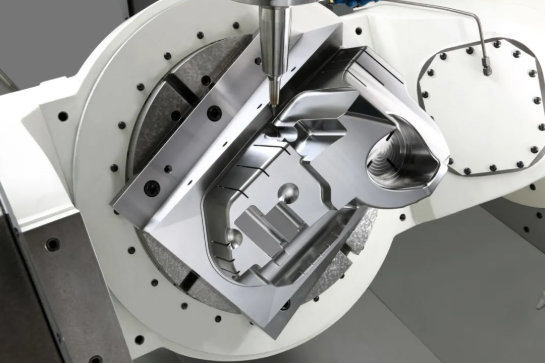
CNC Process Selection for Different Part Geometries
You've selected your material. Your CAD file is ready. Now comes a question that fundamentally shapes your quote, lead time, and achievable precision: which CNC process should machine your part? This isn't a decision platforms make arbitrarily—it's driven by your part's geometry, and understanding the logic behind process selection helps you design smarter and anticipate costs before uploading.
Think of it this way: asking a cnc turning service to produce a flat bracket makes about as much sense as using a lathe to mill a housing. Each process excels at specific geometries. Match your part shape to the right process, and you get faster production, tighter tolerances, and lower costs. Mismatch them, and you're paying premium prices for workarounds.
Choosing Between Milling and Turning Operations
The fundamental distinction comes down to what rotates during machining. In milling, the cutting tool spins while the workpiece remains stationary or moves linearly. In cnc turning, the workpiece spins while the cutting tool moves against it. This simple difference determines which geometries each process handles efficiently.
CNC milling parts typically feature prismatic shapes—think housings, brackets, plates, and enclosures. If your part has flat surfaces, pockets, slots, or features machined from multiple sides, milling is your answer. 3-axis milling handles straightforward geometries where all features are accessible from the top, front, or sides without requiring complex tool angles.
According to AMFG, a 3-axis CNC machine operates along three directions (X, Y, and Z), making it well-suited for simpler, flat, and less intricate cuts. Typically employed for tasks such as milling or cutting flat surfaces, a 3-axis machine proves ideal for creating straightforward molds or basic components like rectangular plates.
CNC turned parts excel when your geometry is fundamentally cylindrical. Shafts, pins, bushings, spacers, and threaded fasteners all belong on a lathe. Cnc turning services deliver exceptional concentricity and surface finish on rotational features that would require multiple setups on a mill. If your part could theoretically spin on a central axis and all critical features relate to that axis, turning likely offers the most efficient path.
Here's a quick decision framework:
- Choose milling when: Your part has flat surfaces, pockets, slots, or features on multiple non-rotational faces
- Choose turning when: Your part is predominantly cylindrical with features like shoulders, grooves, threads, and bores concentric to a central axis
- Consider mill-turn when: Your cylindrical part also requires off-axis features like cross-holes, flats, or indexed patterns
When 5-Axis Machining Justifies the Premium
Standard 3-axis milling hits a wall when your design includes complex contours, undercuts, or features requiring tool access from compound angles. That's where 5 axis cnc machining services enter the picture—and where costs climb significantly. Understanding when this premium is justified versus overkill saves both money and frustration.
According to AMFG's comprehensive guide, a 5-axis CNC machine boasts the capability to move the tool in two additional rotational axes (A and B), providing the flexibility to approach the workpiece from diverse angles. This heightened flexibility proves especially advantageous in industries where precision and complexity play pivotal roles.
The practical benefits translate directly to manufacturing outcomes:
- Single-setup machining: Complex parts that would require 4-6 setups on a 3-axis machine complete in one operation, eliminating repositioning errors
- Undercut access: Tool paths can reach features impossible for vertically-oriented tools—think turbine blade roots or impeller channels
- Improved surface finish: Continuous tool engagement at optimal angles reduces scalloping on sculptured surfaces
- Shorter cycle times: Despite higher hourly rates, reduced setup time and efficient tool paths often lower total cost on complex geometries
When does 5-axis justify its premium? Aerospace components with sculpted surfaces, medical implants requiring compound curves, and automotive parts with complex internal passages all benefit. AMFG notes that 5-axis machines excel in manufacturing sculpted surfaces on aerospace components or bringing intricate designs to life on medical implants.
When is 5-axis overkill? If all your features are accessible from orthogonal directions, stick with 3-axis. A simple bracket with perpendicular holes and pockets doesn't need—and shouldn't pay for—5-axis capabilities.
Swiss Machining for Small Precision Parts
Swiss machining occupies a specialized niche that standard turning can't match: small-diameter parts requiring exceptional precision. Originally developed for watchmaking, swiss machining uses a sliding headstock that supports the workpiece extremely close to the cutting tool, virtually eliminating deflection.
If your part is under 1.25 inches (32mm) in diameter and demands tight tolerances on long, slender features, swiss machining likely outperforms conventional cnc turning. Medical bone screws, electrical connector pins, and precision aerospace fasteners frequently specify this process. The tradeoff? Setup costs run higher, making swiss machining most economical at moderate to high volumes.
Process Comparison at a Glance
When evaluating which process fits your part geometry, this comparison provides a quick reference across the most common CNC operations available through online platforms:
| Process Type | Best Geometry Types | Typical Tolerances | Relative Cost | Ideal Applications |
|---|---|---|---|---|
| 3-Axis Milling | Prismatic parts, flat surfaces, pockets, slots | ±0.005" (±0.127mm) | Low | Brackets, enclosures, plates, simple housings |
| 5-Axis Milling | Complex contours, undercuts, compound angles | ±0.002" (±0.05mm) | High | Aerospace components, impellers, medical implants |
| CNC Turning | Cylindrical parts, rotational symmetry | ±0.005" (±0.127mm) | Low-Medium | Shafts, bushings, spacers, threaded components |
| Swiss Machining | Small-diameter precision parts (<32mm) | ±0.0005" (±0.013mm) | Medium-High | Medical screws, connector pins, watch components |
| Mill-Turn | Cylindrical parts with off-axis features | ±0.003" (±0.076mm) | Medium | Complex shafts, valve bodies, manifolds |
Decision Criteria Beyond Geometry
While part shape drives the initial process selection, secondary factors often tip the balance:
Feature accessibility matters as much as overall geometry. A mostly prismatic part with one deep, angled pocket might still need 5-axis to avoid impossibly long tool reaches. Evaluate each feature individually, not just the overall shape.
Surface finish requirements influence process choice more than many engineers realize. Turning naturally produces excellent finishes on cylindrical surfaces. Milling can match these finishes but may require additional passes or secondary operations, adding cost.
Production volume shifts the economics significantly. Swiss machining's higher setup costs spread across thousands of parts become negligible per-unit. For prototypes, conventional turning often delivers comparable results at lower total cost.
Lead time constraints sometimes override cost considerations. A 5-axis single-setup approach might cost more per part but deliver faster when your timeline doesn't allow for multiple sequential operations on 3-axis equipment.
Understanding these process distinctions positions you to design parts that manufacture efficiently from the start. But even with the right process selected, tolerance specifications can make or break both your budget and your part's performance—a critical topic that deserves its own focused examination.
Understanding Tolerances and Surface Finish Standards
You've selected your material and identified the right CNC process. Now comes the specification that causes more budget overruns and manufacturing headaches than any other: tolerances. Specify too tight, and your quote skyrockets while lead times stretch. Specify too loose, and your parts won't fit, seal, or function as designed. Finding the sweet spot requires understanding what tolerance numbers actually mean in practice—not just on paper.
Here's the reality most engineers learn the hard way: every decimal place you add to a tolerance callout multiplies cost. According to American Micro Industries, a tolerance of ±0.02" permits a range 10 times wider than a tolerance of ±0.002", significantly affecting production complexity and cost. That extra zero isn't just ink—it's money.
Standard vs Precision Tolerance Requirements
CNC machining typically achieves tolerances of ±0.005" (0.127mm) as a standard benchmark without special effort or premium pricing. This is where precision machining services begin their baseline quotes. For many applications—brackets, enclosures, non-critical housings—standard tolerances work perfectly well.
When does tighter become necessary? Precision machining parts that interface with other components often demand it. Mating surfaces, bearing fits, and assembly alignments frequently require ±0.001" or better. But here's the critical question you should ask before specifying tight tolerances: does this dimension actually affect function, or am I adding precision out of habit?
The international standard ISO 2768 provides a helpful framework with tolerance classes ranging from fine (f) to very coarse (v). Understanding where your requirements fall helps you communicate clearly with manufacturing partners:
- Fine (f): ±0.05mm for dimensions up to 6mm—suitable for precision fits, bearing surfaces, and critical interfaces
- Medium (m): ±0.1mm for dimensions up to 6mm—appropriate for general mechanical parts where fit matters but isn't critical
- Coarse (c): ±0.2mm for dimensions up to 6mm—adequate for structural components, brackets, and non-interfacing features
- Very Coarse (v): ±0.5mm for dimensions up to 6mm—suitable for cosmetic parts, covers, and features without functional constraints
What is the tolerance for thread holes? Standard practice calls for threads to follow their respective class specifications—typically Class 2B for internal threads and Class 2A for external threads in inch standards. For specific thread dimensions like 3/8 NPT thread dimensions, the taper and pitch are standardized, but the machinist metal cost increases when you specify tighter positional tolerances on where those threads locate.
How Tolerance Specifications Impact Your Quote
Every tolerance callout triggers a cost calculation. The platform's quoting algorithm evaluates not just the tolerance value, but the combination of tolerance, feature type, material, and required verification method.
Tighter tolerances demand slower cutting speeds, additional finish passes, and often secondary operations like grinding or honing. They also require more measurement time—what might be a quick visual check at standard tolerance becomes a CMM (Coordinate Measuring Machine) verification at precision levels. According to American Micro Industries, high-tolerance machining with narrow ranges or four or more decimal places tends to be more costly than parts with lower tolerances.
Material properties compound the effect. Aluminum holds tight tolerances relatively easily thanks to its stability and machinability. Stainless steel fights back—work hardening and thermal expansion during machining make precision more challenging. Plastics present unique difficulties: some creep under stress, others absorb moisture and change dimensions post-machining.
GD&T Basics That Actually Matter
Geometric Dimensioning and Tolerancing (GD&T) provides a precise language for specifying not just size, but form, orientation, and location. For precision machining parts ordered through online platforms, three callouts appear most frequently:
Flatness controls surface form independent of any datum. According to TheSupplier's GD&T guide, flatness ensures a surface does not deviate beyond a specified zone of two parallel planes. It's critical for sealing faces, gasket surfaces, and precision mounting planes. A typical starting point is 0.05mm—tighter often adds lapping or grinding cost.
Perpendicularity ensures features remain square to datum references. When a bore axis must be perfectly vertical to a mounting face, perpendicularity controls that relationship. TheSupplier recommends keeping perpendicularity at ±0.1mm per 100mm length unless functional requirements demand tighter specifications.
True Position controls how far a feature's actual location can deviate from its theoretical location. For bolt patterns, pin locations, and hole positions, true position provides more realistic tolerance zones than simple ±X/±Y callouts. Start with Ø0.20–0.25mm @ MMC (Maximum Material Condition) for bolt circles—going tighter quickly raises cost.
Surface Finishes: When Smoothness Matters
Surface roughness, measured as Ra values, determines how smooth a machined surface appears and performs. But not every surface needs polish-level finishes—understanding when smoothness matters prevents unnecessary expense.
Standard as-machined finishes typically deliver Ra 3.2μm (125 μin) or better. This satisfies most functional requirements where surface finishes don't directly impact performance. For sliding surfaces, sealing faces, or aesthetic applications, you might specify Ra 1.6μm (63 μin) or Ra 0.8μm (32 μin).
The cost escalation works like tolerance—each halving of Ra value roughly doubles finishing time. A mirror finish at Ra 0.2μm looks impressive but costs accordingly. Ask yourself: will anyone see this surface? Does anything slide against it? If neither, standard finish likely suffices.
Designer tip: Apply tight tolerances and fine surface finishes only to dimensions and faces that directly affect function. Use general tolerances everywhere else. This selective approach can cut machining costs by 30% or more without compromising part performance.
The relationship between tolerance, material, and process selection creates a triangle of interdependencies. Specify extremely tight tolerances on a challenging material, and you've constrained process options to premium equipment. Understand these connections, and you can make intelligent tradeoffs that deliver the precision you need without the budget you don't want to spend.
What Actually Determines CNC Machining Costs
You've specified your tolerances, selected your material, and chosen the right process. Now comes the moment of truth: the quote. When that number appears on your screen, do you actually understand what you're paying for? Most engineers don't—and that knowledge gap costs money. Understanding what drives cnc machining price helps you design smarter, negotiate confidently, and avoid sticker shock on custom machined parts.
Here's what competitors won't tell you: the final number on your quote isn't arbitrary. It's a precise calculation based on factors you can influence before you ever click "submit." According to Hubs, machining time is often the primary cost driver in CNC machining, especially in high volume production where minor design issues can reduce economies of scale. Let's decode exactly what's happening behind that instant quote.
The Hidden Factors That Drive Your Quote Higher
Every CNC quote breaks down into distinct cost buckets. Understanding each one reveals opportunities you might be missing.
Material costs and waste form the foundation. You're not just paying for the material in your finished part—you're paying for the entire block or bar the machinist starts with. According to U-Need, factors such as grade and availability of the raw material and the machining properties all affect total cost. A part that removes 80% of the starting stock costs more in material waste than one removing 30%, even if the finished parts weigh the same.
Aluminum machining delivers favorable economics here—the material is relatively inexpensive and machines quickly. Compare that to titanium, where raw material costs more, cutting speeds drop dramatically, and tool wear accelerates. The same geometry in different materials can produce quotes varying by 300% or more.
Machine time based on complexity typically dominates the total. Every feature on your part requires toolpath programming, tool changes, and cutting time. According to U-Need's cost breakdown, parts with complex geometry, deep cavities, undercuts, or thin walls require longer time and may need advanced machinery. That internal corner radius you specified at 1mm instead of 3mm? It forces the use of a smaller end mill requiring multiple passes at slower speeds—tripling machining time on that single feature.
Setup charges hit prototype machining particularly hard. Every time a machinist programs a job, fixtures the workpiece, sets tool offsets, and runs test cuts, those hours get billed. For a single prototype, setup might represent 40% or more of the total cost. Order 100 pieces, and that same setup spreads across the entire run—dropping to perhaps 2% per part.
Tolerance premiums compound quickly. Remember the tolerance discussion from the previous section? Here's where it translates to dollars. According to Hubs, tight tolerances and hard-to-machine features can require special tooling, stricter quality control, and extra operations at lower cutting speeds—all increasing total machining time and overall cost.
Finishing operations add their own line items. Anodizing, powder coating, bead blasting, heat treatment—each secondary process adds handling, processing time, and often involves shipping parts to specialized facilities. Cnc plastic machining presents similar considerations: polishing, vapor smoothing, or painting all extend timelines and budgets.
Quantity economics create the most dramatic cost shifts. According to Hubs, unit price drops rapidly with quantity—increasing the order from one to five can cut price by about half, and very high volumes over 1,000 parts can reduce unit cost by five to ten times. Those setup costs and programming hours spread thinner with each additional part.
Why Prototypes Cost More Per Part
First-time users often experience sticker shock when ordering prototype quantities. A single part might quote at $200, while ordering 50 drops the per-unit price to $35. What's happening?
According to Premium Parts, when dealing with low-volume manufacturing, there is a higher chance that your production cost will be driven upwards by fixed costs that won't be spread over too many parts. Those fixed costs include:
- CAM programming: Creating toolpaths takes the same time whether you're making 1 part or 1,000
- Fixture design and setup: Securing your part for machining requires custom workholding regardless of quantity
- First article inspection: Verifying the first part meets specifications happens once per job, not per part
- Material procurement: Minimum order quantities for specialty materials get absorbed into small runs
Premium Parts further notes that low-volume manufacturing increases operational time because of numerous stops and starts when making only a few units. Unlike full-scale manufacturing running tens of thousands continuously, prototype runs require programming adjustments, test runs, and operators adapting to each unique part.
Optimizing Part Design for Cost Efficiency
Here's the good news: you control many cost factors before ever requesting a quote. Design for manufacturability (DFM) principles translate directly to lower machining parts costs.
Corner radii offer immediate savings. According to Hubs, specify a corner radius at least one third of the cavity depth—larger radii lower machining time. Using the same radius on all internal edges eliminates tool changes, saving both time and money.
Cavity depth impacts material removal time dramatically. Limit cavity depth to no more than four times the feature length. Deeper cavities require specialized tooling, reduced cutting speeds, and often multiple machining operations.
Wall thickness affects stability during cutting. For metal parts, design walls thicker than 0.8mm. For plastics, keep minimum wall thickness above 1.5mm. Thin walls require multiple light passes to prevent deflection or fracture—adding time without adding function.
Thread depth beyond functional requirements wastes time. Thread engagement beyond 1.5 times the hole diameter offers little additional joint strength. Limit thread length to no more than three times the hole diameter.
Setup complexity multiplies quickly. According to Hubs, design parts for CNC machining in as few setups as possible—ideally a single setup. Parts requiring rotation or repositioning add manual handling time and introduce potential alignment errors.
Cost Reduction Strategies Before Requesting Quotes
Before uploading your next CAD file, run through this checklist of proven cost-reduction strategies:
- Relax tolerances on non-critical dimensions—apply tight specs only where function demands them
- Increase corner radii to the largest value your design permits, especially in deep pockets
- Standardize hole sizes to common drill diameters, eliminating interpolation operations
- Minimize setups by designing features accessible from one direction when possible
- Choose machinable materials—6061 aluminum costs less to cut than 7075 or stainless steel
- Reduce cavity depths to four times feature width or less
- Eliminate text and cosmetic features unless functionally required—add them through secondary processes if needed
- Consider splitting complex parts into simpler components for post-machining assembly
- Remove unnecessary surface finish requirements—as-machined finishes suffice for most applications
- Order economical quantities—even if you need 3 parts, quoting 10 often reveals a surprising per-unit drop
Pro tip: Request quotes at multiple quantities before finalizing your order. The price break between 1, 5, 10, and 25 pieces often reveals an economically optimal batch size that serves both your immediate needs and potential future requirements.
Understanding these cost drivers transforms how you approach online CNC machining services. Instead of passively accepting quotes, you're actively designing for cost efficiency while maintaining functional requirements. But cost optimization means nothing if quality doesn't meet specifications—which brings us to the certifications and quality systems that separate reliable providers from risky gambles.
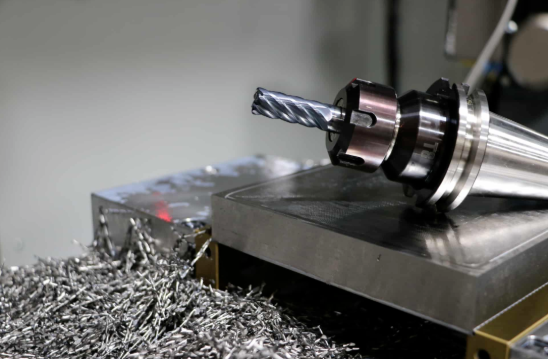
Quality Certifications and What They Mean for Your Project
You've optimized your design for cost efficiency and selected the right material. But here's a question that separates experienced procurement teams from first-time buyers: how do you know the parts you receive will actually meet specifications? The answer lies in certifications—and understanding what those acronyms actually mean for your specific industry.
Certifications aren't marketing badges. According to American Micro Industries, certifications serve as pillars that uphold and validate every stage of the production process within a quality management system. They formalize procedures, define control points, and monitor ongoing compliance. When you're sourcing precision machining parts for regulated industries, the right certifications become non-negotiable requirements rather than nice-to-have features.
Matching Certifications to Your Industry Requirements
Different industries impose different demands on manufacturing quality. What satisfies a consumer electronics project falls short for medical device machining. What works for industrial equipment won't pass aerospace audits. Understanding which certifications matter for your application prevents costly supplier changes mid-project.
ISO 9001 establishes the baseline that precision machining companies must meet for general quality management. According to 3ERP, ISO 9001 requires organizations to establish a quality management system focusing on customer satisfaction, continual improvement, and process consistency. Key requirements include identifying customer needs, defining organizational goals, and implementing effective documentation and measurement systems.
This certification applies across industries—from consumer products to industrial equipment. If a CNC provider lacks ISO 9001, that's a red flag. It means their processes haven't been independently verified for basic quality controls, documentation practices, or corrective action procedures.
AS9100 builds upon ISO 9001 with requirements specific to aerospace cnc machining. The aerospace sector tolerates zero margin for error—components fly in aircraft where failures endanger lives. According to American Micro Industries, AS9100 emphasizes risk management, stringent documentation, and product integrity control throughout complex supply chains.
For cnc machining aerospace applications, AS9100 certification isn't optional. Prime contractors require it. Tier 1 suppliers demand it from their vendors. If you're ordering aerospace machining components without verifying AS9100 certification, you're introducing supply chain risk that could ground your program.
ISO 13485 addresses medical machining with the rigor patient safety demands. According to 3ERP, ISO 13485 focuses on creating a quality management system specific to medical device production, emphasizing risk management, regulatory compliance, and traceability. Companies must demonstrate the ability to identify and mitigate risks associated with medical device use.
Medical device machining requires documented design controls, validated processes, and complete traceability from raw material through finished product. When FDA auditors arrive, they expect evidence—and ISO 13485 certification provides the framework that generates that evidence.
ITAR (International Traffic in Arms Regulations) governs defense-related manufacturing with national security stakes. According to American Micro Industries, ITAR requires strict control over the export, storage, and handling of defense-related items. Organizations must implement secure processes to prevent unauthorized access, including cybersecurity measures and facility safeguards.
If your components appear on the U.S. Munitions List, ITAR registration becomes mandatory—not for quality reasons, but for legal compliance. Working with non-ITAR-registered facilities on controlled items creates serious legal exposure.
Why Automotive Projects Demand IATF 16949 Compliance
Automotive supply chains operate under unique pressures: massive volumes, razor-thin margins, and zero tolerance for defects reaching assembly lines. IATF 16949 addresses these demands with requirements that go far beyond general ISO 9001 compliance.
According to American Micro Industries, IATF 16949 is the global standard for automotive quality management, combining ISO 9001 principles with sector-specific requirements for continuous improvement, defect prevention, and stringent supplier oversight. CNC manufacturers must demonstrate robust product traceability and process control to meet qualification requirements.
What makes IATF 16949 different? Statistical Process Control (SPC). Instead of just inspecting finished parts, certified facilities monitor production in real-time, tracking key dimensions and identifying trends before they become defects. This proactive approach catches problems early—before hundreds of non-conforming parts ship to an automotive assembly plant.
The automotive industry's defect expectations are measured in parts per million (PPM), not percentages. A 99.9% yield sounds impressive until you realize it means 1,000 defects per million parts—completely unacceptable for safety-critical automotive components. IATF 16949's SPC requirements drive facilities toward PPM levels in the single digits.
Certification Comparison at a Glance
When evaluating online CNC machining services for your specific application, this comparison helps match certifications to your requirements:
| Certification | Industry Focus | Key Requirements | When Required |
|---|---|---|---|
| ISO 9001 | General manufacturing | Quality management system, documented processes, continual improvement, customer focus | Baseline for any quality-conscious project; prerequisite for other certifications |
| AS9100 | Aerospace and defense | ISO 9001 plus risk management, configuration control, enhanced traceability, design validation | Any component destined for aircraft, spacecraft, or aerospace systems |
| ISO 13485 | Medical devices | Design controls, process validation, risk management, complete traceability, regulatory compliance | Components for FDA-regulated medical devices or diagnostic equipment |
| IATF 16949 | Automotive | ISO 9001 plus Statistical Process Control (SPC), defect prevention, supplier management, PPM targets | Parts for OEM automotive production or Tier 1 supplier programs |
| ITAR | Defense (U.S.) | State Department registration, controlled access, cybersecurity protocols, export compliance | Any item on the U.S. Munitions List or defense-related technical data |
| NADCAP | Aerospace special processes | Process-specific accreditation for heat treating, NDT, chemical processing, coatings | When aerospace specifications require accredited special process suppliers |
Beyond the Certificate: What to Actually Verify
Holding a certification and maintaining it are different things. Before committing to a supplier, ask these questions:
- When was the last surveillance audit? Certifications require annual audits—if they can't provide recent audit dates, their certification may have lapsed
- Can they provide their certificate scope? Certifications cover specific processes and locations—verify your required processes fall within their certified scope
- What's their corrective action process? Certified facilities document how they handle non-conformances—ask for examples of their problem-solving methodology
- Do they provide inspection documentation? Certifications require traceability—reputable providers include inspection reports, material certifications, and process documentation with every shipment
Remember: Certifications don't guarantee perfect parts—they guarantee documented systems for pursuing quality. The difference matters when problems arise and you need traceability, root cause analysis, and corrective actions.
For precision machining companies serving regulated industries, certifications represent significant investments in systems, training, and audits. That investment signals commitment to quality that extends beyond any single order. When your project demands reliability, look for the certifications that match your industry—then verify they're current and appropriately scoped for your requirements.
Optimizing Lead Times from Prototype to Production
You've secured the right certifications and understand quality expectations. But here's the question that keeps project managers awake at night: when will your parts actually arrive? Lead time determines whether you hit your product launch, meet customer commitments, or scramble to explain delays. Yet most engineers treat delivery timelines as fixed numbers handed down from quoting platforms—when in reality, you control more lead time factors than you might realize.
According to XTJ, the primary factors affecting CNC machining lead time fall into three main categories: part design, material properties, and workshop capabilities. Understanding these categories transforms you from a passive order-placer into someone who actively engineers faster delivery into every project.
Factors That Extend or Shorten Your Lead Time
Think of lead time as an equation with multiple variables—some fixed, others completely within your control. Let's break down what actually drives those delivery dates.
Part complexity sits at the top of the list. A component's geometric complexity, dimensional tolerances, and surface finish requirements collectively determine programming, setup, and machining time. According to XTJ's analysis, simple parts with basic geometries can be processed quickly, whereas complex designs with intricate curves, deep pockets, or thin walls demand more sophisticated machine toolpaths and longer cycle times.
Those tight internal corners requiring tiny end mills? They add passes. That deep pocket with a 20:1 aspect ratio? It forces reduced cutting speeds to prevent tool deflection. Each complexity multiplies machine time—and machine time directly equals lead time.
Material availability often creates delays before machining even begins. Common cnc machining materials like aluminum 6061 or stainless steel 304 typically sit in stock at most suppliers. But specialized alloys or less common grades may have long procurement lead times, sometimes stretching for weeks or months. According to XTJ, delays in acquiring raw materials can halt production before it even begins, making advanced planning essential.
Beyond availability, material properties affect cutting speed. Aluminum machines quickly with minimal tool wear. Titanium and Inconel demand slower feeds, frequent tool changes, and careful thermal management—all extending cycle times significantly.
Tolerance requirements force deliberate, time-consuming approaches. While CNC machines are known for precision, achieving extremely tight tolerances—often measured in microns—requires slower cutting speeds, lighter cuts, and more frequent in-process inspections. According to XTJ, loosening tolerances on non-critical features is a common Design for Manufacturability practice that can significantly reduce machining time without compromising part function.
Finishing operations add distinct processing steps with their own timelines. Anodizing, heat treatment, plating, or painting each introduce queue times at specialized facilities. A part that machines in two days might wait another week for anodizing if the finishing shop runs at capacity.
Current shop capacity determines when your job actually starts. According to XTJ, a shop with a long queue of jobs will naturally have a longer lead time, regardless of its technical capabilities. This explains why the same part might quote at 5 days from one provider and 15 days from another—their technical capabilities match, but their backlogs differ dramatically.
Strategies for Faster Part Delivery
Knowing what extends lead time reveals exactly where you can compress it. Before submitting your next cnc prototype order, work through these proven optimization strategies:
- Simplify geometry where function permits: Eliminate decorative features, increase corner radii, and reduce pocket depths to minimize machining passes
- Specify readily available materials: Confirm stock availability before finalizing material selection—switching from exotic alloys to common grades can eliminate weeks of procurement delay
- Relax non-critical tolerances: Apply tight specifications only to dimensions that affect fit, function, or assembly—let everything else float to standard machining tolerances
- Design for single-setup machining: Parts that machine from one direction without repositioning skip fixture changes and realignment time
- Separate finishing requirements: If you need some parts immediately and others anodized, consider splitting the order to receive machined components while finishing proceeds
- Submit complete documentation upfront: According to LS Manufacturing, a complete and clean set of information—STEP files, 2D drawings with annotations, and clear specifications—is necessary for quick and competitive quotes
- Engage early with DFM feedback: Rapid cnc prototyping services often provide free manufacturability analysis that identifies timeline-killing features before production starts
- Consider alternative processes: Sometimes a hybrid approach—3D printing for complex geometry plus CNC machining for precision interfaces—delivers faster than pure CNC
The Speed vs. Cost Tradeoff
Here's the uncomfortable truth about expedited services: faster always costs more. Understanding when that premium makes sense—and when it doesn't—separates smart procurement from panic spending.
Expedite fees typically cover overtime labor, job queue jumping, and sometimes air freight. A part that quotes at $500 with 10-day delivery might run $800 for 5-day service or $1,200 for 3-day turnaround. That escalation isn't gouging—it reflects real costs of rearranging schedules, running second shifts, and premium shipping.
When does expediting make sense? When delay costs exceed expedite fees. If a missing cnc prototype machining part blocks a $50,000 customer demo, paying $300 extra for overnight delivery becomes trivial. If missing the trade show means losing a quarter's worth of leads, rush fees are investments, not expenses.
When should you avoid expediting? When the urgency is artificial. Teams often create false emergencies through poor planning. If you knew six weeks ago that you'd need these parts, requesting rush service because you waited until the last week wastes money that could fund additional prototypes or testing.
According to LS Manufacturing, rapid prototyping CNC machining lead times typically range from 3 to 7 working days depending on complexity and specifications—with some providers offering accelerated options when capacity permits.
How Design Decisions Impact Manufacturability Speed
Your CAD model contains hidden timeline information. Every feature choice either accelerates or delays production—often in ways that aren't obvious until you understand machining fundamentals.
According to XTJ, a complex part with features on multiple faces might require a 5-axis CNC machine to complete it in a single setup. A shop with only 3-axis machines would need to perform multiple setups with custom fixtures, significantly increasing programming, setup, and overall production time.
The difference isn't subtle. What machines in one setup on advanced equipment might require four setups on standard machines—each setup adding fixture design, alignment verification, and potential for introducing errors that require rework.
Cnc machining prototyping benefits enormously from designing with manufacturing reality in mind:
- Uniform corner radii: Using the same internal radius throughout your part eliminates tool changes, saving minutes per part that compound across runs
- Standard hole sizes: Designing to common drill diameters lets machinists use off-the-shelf tooling instead of waiting for specials
- Accessible features: Every feature that a standard tool can reach without tilting saves 5-axis machine time premiums
- Consistent wall thicknesses: Uniform walls machine with constant parameters instead of requiring adaptive strategy changes
Prototype Machining Services for Rapid Development
The cnc prototype development cycle presents unique timeline challenges. You need parts fast to validate designs, but you also need them accurate enough to trust test results. Balancing speed against precision demands careful provider selection.
According to LS Manufacturing, a case study demonstrated how one customer facing an impossible 10-day constraint received fully finished, performance-qualified prototypes by day seven through proactive DFM analysis, parallel programming, and continuous-shift machining. This approach enabled their critical road test to proceed on schedule and validated the design under real conditions.
The lesson? Prototype machining services that invest in DFM collaboration actually deliver faster than those promising the shortest quoted lead times. Catching a manufacturability issue before programming starts saves more time than any amount of overtime machining.
For automotive applications requiring seamless scaling from rapid cnc prototyping to production volumes, certified facilities offer distinct advantages. IATF 16949-certified facilities like Shaoyi Metal Technology deliver high-tolerance components with lead times as fast as one working day, supporting complex chassis assemblies and custom metal bushings. Their Statistical Process Control (SPC) protocols mean the same processes validating your prototype translate directly to production—eliminating requalification delays when you scale.
Timeline tip: When evaluating rapid prototyping providers, ask about their DFM feedback turnaround time. A shop that returns manufacturability analysis within hours demonstrates the operational efficiency that translates to faster part delivery across your entire project.
Lead time optimization isn't about finding the fastest shop—it's about understanding the levers you control and partnering with facilities that share your urgency. With delivery timelines clarified, the final decision remains: how do you select the right online CNC service provider when dozens of options appear equally capable?
Selecting the Right Online CNC Service for Your Needs
You've navigated material selection, process options, tolerance specifications, cost drivers, certifications, and lead time strategies. Now comes the decision that ties everything together: which online CNC machining service actually deserves your business? With dozens of platforms promising similar capabilities, how do you separate reliable manufacturing partners from risky gambles?
The answer isn't finding the cheapest quote or the fastest turnaround. According to JUPAICNC's engineering evaluation guide, choosing the right machining partner requires a deep understanding of the technical aspects of machining as well as an appreciation for the capabilities and limitations of each potential service provider. Engineers must consider multiple factors when making their decision, such as equipment quality, material compatibility, lead times, and service consistency.
Whether you're searching for cnc machining near me, evaluating precision cnc machining services across the country, or comparing custom cnc machining services globally, the same evaluation framework applies. Let's build that framework systematically.
Building Your Provider Evaluation Checklist
Think of provider selection like qualifying a supplier for your supply chain—because that's exactly what you're doing. Each evaluation criterion serves as a filter, narrowing your options until the right choice becomes clear.
Equipment range and capabilities determine what's actually possible. According to JUPAICNC, CNC machines come in various configurations, including vertical mills, horizontal mills, and lathes, each designed to handle specific types of machining tasks. The versatility of a machine shop is essential, as it enables the provider to handle complex projects that require different types of machining techniques.
When evaluating cnc machining services near me or remote options, ask: Do they offer both milling and turning? Can they handle your required axis configurations—3-axis, 5-axis, mill-turn? A well-maintained and up-to-date machine fleet ensures that the service provider can execute intricate designs with precision and efficiency.
Material capabilities must match your specifications exactly. Some platforms excel with aluminum and plastics but struggle with exotic alloys. Others specialize in titanium aerospace work but charge premiums on common materials. Verify your specific material grades fall within their certified processing capabilities before committing.
Technician expertise matters as much as equipment. According to JUPAICNC, skilled machinists are able to troubleshoot issues on the fly, ensuring that the process runs smoothly and that parts are produced to the highest standards. When evaluating a CNC machining service, engineers must inquire about the qualifications and experience of the operators and technicians.
Certification alignment prevents compliance headaches downstream. If your project requires AS9100 for aerospace, IATF 16949 for automotive, or ISO 13485 for medical, verify current certification status before uploading files. A provider lacking your required certifications wastes everyone's time—regardless of how competitive their quote appears.
Communication quality predicts problem resolution. According to JUPAICNC, a professional CNC machining service must demonstrate consistent and transparent communication throughout the project. Engineers need to know they can rely on their machining partner to provide regular updates and answer any questions promptly. Whether it's clarifying technical specifications, addressing potential issues, or coordinating logistics, open communication helps prevent misunderstandings.
How quickly do they respond to technical questions during quoting? Do they offer direct access to manufacturing engineers, or does everything route through sales? The responsiveness you experience before placing an order typically reflects the service you'll receive after.
Scaling from First Prototype to Volume Production
Here's a scenario that trips up many engineering teams: you find a great provider for prototype quantities, then discover they can't scale when you're ready for production. Starting over with a new supplier mid-project introduces qualification delays, potential quality variations, and lost institutional knowledge about your specific parts.
According to MakerVerse, scalability is a critical factor in high-volume CNC machining, as manufacturers must adapt to changing production demands. Investing in flexible CNC machines that can handle various production volumes, combined with modular production processes, helps manufacturers quickly scale up or down to meet changing demands.
The smart approach? Evaluate production capacity during prototype quoting. Ask potential providers:
- What's your typical capacity for runs of 100, 500, or 1,000+ parts?
- How do lead times change as quantities increase?
- Do you maintain consistent tooling and fixturing across prototype-to-production transitions?
- What Statistical Process Control measures govern your production runs?
According to MakerVerse, ensuring the same consistency in part 10,000 as in the first is a massive task. But it's not insurmountable. Quality control can't be a mere checkpoint—it has to be a continuous process. This proactive approach ensures that the product quality remains unwavering throughout the manufacturing process.
For engineers in automotive supply chains requiring seamless scaling with certified quality control, providers like Shaoyi Metal Technology offer precision CNC machining backed by IATF 16949 certification and strict SPC processes. Their facility delivers high-tolerance components with lead times as fast as one working day—whether you need complex chassis assemblies or custom metal bushings. The same quality systems validating your prototype govern production runs, eliminating requalification when scaling.
When CNC Machining Outperforms Alternatives
Before finalizing your provider selection, step back and verify CNC machining is actually the right manufacturing method for your application. Sometimes 3D printing or injection molding serves better—and sometimes CNC clearly wins.
According to Protolabs, when determining the best manufacturing process, the main considerations regard your part: What will your part be used for? What material does it need? How quickly do you need it? What budget constraints exist?
Choose CNC machining when:
- Material requirements demand metals: CNC machining offers the widest range of metal options with full mechanical properties, while 3D printing metal options remain limited and expensive
- Tight tolerances are non-negotiable: According to Protolabs, CNC machining is ideal for scenarios where high precision, tight tolerances, and complex shapes and features are required
- Surface finish matters functionally: Machined surfaces achieve finishes that 3D printing simply cannot match without extensive post-processing
- Quantities fall in the "awkward middle": Too many for economical 3D printing, too few to justify injection mold tooling investment
- Design iterations continue: No tooling investment means design changes don't trigger expensive mold modifications
Consider alternatives when:
- Volumes exceed 10,000 units: Injection molding's per-part economics become compelling despite upfront tooling costs
- Complex internal geometries exist: According to Protolabs, 3D printing is perfect for rapid prototyping and complex structures that are too complicated to be moulded or machined
- Lightweighting drives design: Additive manufacturing enables lattice structures and topology-optimized geometries impossible to machine
Your Final Provider Evaluation Checklist
Before committing to any online CNC machining service—whether searching for local machine shops, a cnc machine shop near me, or evaluating machining shops near me against global options—work through this comprehensive checklist:
- Equipment verification: Confirm they operate the machine types (3-axis, 5-axis, turning, Swiss) your geometry requires
- Material certification: Verify your specific material grades and specifications fall within their documented capabilities
- Certification currency: Request current certificates for ISO 9001, AS9100, IATF 16949, or ISO 13485 as your industry demands—and confirm audit dates
- Tolerance track record: Ask for examples of similar tolerance requirements they've successfully achieved
- Communication responsiveness: Evaluate how quickly and thoroughly they answer technical questions during quoting
- DFM feedback quality: Assess the depth and actionability of manufacturability analysis they provide
- Scalability pathway: Confirm they can grow with you from prototype through production volumes
- Quality documentation: Verify they provide inspection reports, material certifications, and traceability documentation standard with shipments
- Lead time reliability: Ask about on-time delivery metrics and how they handle schedule slippage
- Problem resolution process: Understand their corrective action procedures before problems occur
- Long-term relationship potential: According to JUPAICNC, by building a strong relationship with a CNC machining provider, engineers can benefit from ongoing support, access to advanced technologies, and expertise that contributes to the long-term success of their projects
Final thought: The cheapest quote rarely delivers the lowest total cost. Factor in rework risk, communication overhead, and the value of reliable delivery when comparing options. A slightly higher per-part price from a trusted provider often costs less than delays, quality issues, and supplier management headaches from budget alternatives.
Online CNC machining services have transformed how engineers source precision parts—eliminating geographical constraints, accelerating timelines, and bringing transparency to a traditionally opaque process. Armed with the knowledge from this guide—understanding quoting workflows, material selection, process options, tolerances, cost drivers, certifications, and lead time optimization—you're positioned to leverage these platforms effectively. The right provider doesn't just deliver parts; they become a manufacturing partner invested in your project's success.
Frequently Asked Questions About Online CNC Machining Services
1. How much does CNC machining service cost?
CNC machining costs typically range from $50 to $200 per hour depending on machine type and complexity. Key cost drivers include material selection and waste, machine time based on geometry complexity, setup charges (which hit prototype quantities hardest), tolerance premiums for precision specifications, and finishing operations like anodizing or heat treatment. Quantity economics significantly impact pricing—ordering 5 parts instead of 1 can cut per-unit costs by half, while volumes over 1,000 can reduce costs by 5-10 times. For automotive applications requiring IATF 16949-certified quality, providers like Shaoyi Metal Technology offer competitive pricing with lead times as fast as one working day.
2. How much does CNC milling cost per hour?
CNC milling rates generally fall between $50 and $200 per hour, varying by machine sophistication and project requirements. Standard 3-axis milling sits at the lower end, while 5-axis machining commands premium rates around $200 per hour due to advanced capabilities for complex contours and undercuts. Material choice also affects hourly rates—aluminum machines quickly with minimal tool wear, while titanium demands slower feeds and frequent tool changes. To optimize costs, design parts with larger corner radii, standardize hole sizes to common drill diameters, and relax tolerances on non-critical dimensions.
3. What file formats do online CNC machining services accept?
Most online CNC platforms accept STEP (.stp, .step) as the universal standard, preserving geometric accuracy across virtually all systems. IGES (.igs, .iges) remains widely compatible though occasionally loses complex surface data. Parasolid (.x_t, .x_b) works excellently with SolidWorks and NX files. Many platforms now accept native CAD files from SolidWorks, Inventor, or Fusion 360 directly. Avoid mesh-based formats like STL or OBJ—these break smooth curves into triangles and aren't suitable for precision CNC machining. Providing both a STEP file and 2D technical drawing with annotations speeds up the quoting process significantly.
4. What certifications should I look for in a CNC machining provider?
Certification requirements depend on your industry. ISO 9001 serves as the baseline for general quality management—any reputable provider should hold this. AS9100 is essential for aerospace components, emphasizing risk management and stringent traceability. ISO 13485 governs medical device manufacturing with design controls and regulatory compliance. IATF 16949 is mandatory for automotive applications, requiring Statistical Process Control (SPC) and defect prevention measured in parts per million. ITAR registration is legally required for defense-related items on the U.S. Munitions List. Providers like Shaoyi Metal Technology maintain IATF 16949 certification with strict SPC processes for automotive supply chains.
5. How long does it take to get CNC machined parts from online services?
Lead times for CNC machined parts typically range from 3-7 working days for standard orders, with some providers offering expedited options as fast as 1 day. Factors affecting delivery include part complexity (deep pockets, thin walls, tight tolerances), material availability (common aluminum grades ship faster than exotic alloys), finishing requirements (anodizing or plating add processing time), and current shop capacity. To optimize lead times, simplify geometry where function permits, specify readily available materials, design for single-setup machining, and submit complete documentation upfront. IATF 16949-certified facilities like Shaoyi Metal Technology deliver high-tolerance automotive components with lead times as fast as one working day.