 Small batches, high standards. Our rapid prototyping service makes validation faster and easier —
  EN
EN


Master Your Supply Chain: Sourcing Parts from Ningbo, China

TL;DR
Successfully navigating logistics for sourcing parts from Ningbo, China, hinges on a structured approach. This involves leveraging Ningbo's industrial strengths, particularly in automotive and industrial components, while implementing a rigorous supplier vetting process. A successful strategy requires meticulous quality control at every stage and partnering with an experienced freight forwarder to manage the complexities of shipping, customs, and final delivery.
Why Source from Ningbo?: Understanding Its Industrial Strengths
Ningbo is not just another port city; it's a global manufacturing and logistics powerhouse strategically located in the prosperous Zhejiang province. Its most significant asset is the Port of Ningbo-Zhoushan, one of the busiest ports in the world by cargo tonnage, providing unparalleled access to global shipping lanes. This deep-water port can accommodate the largest container ships, making it a critical junction for international trade and the backbone of the region's industrial might. Its proximity to Shanghai and integration into the Yangtze River Delta economic zone further amplify its importance, connecting a vast network of inland manufacturers to the world.
The city has cultivated a diverse and robust industrial ecosystem. While it handles a wide range of goods, Ningbo has carved out a reputation as a major center for specific high-value sectors. Businesses looking to source industrial goods, automotive parts, and home appliances will find a highly concentrated and competitive market here. The region's specialization means access to a skilled labor force, established supply chains for raw materials, and a deep pool of experienced manufacturers.
Key industrial specializations in Ningbo include:
- Automotive Parts: Ningbo is a premier hub for sourcing everything from motorcycle accessories to complex car components. The area excels in OEM (Original Equipment Manufacturer) production for global brands, offering competitive pricing and advanced manufacturing capabilities.
- Industrial Goods and Machinery: The city is a leading producer of plastics, molds, and various types of industrial machinery. Its manufacturing base is equipped to handle both large-scale production and custom orders for specialized equipment.
- Electronics and Home Appliances: As part of the wider Zhejiang manufacturing cluster, Ningbo is a significant source for electrical goods and home appliances, feeding into global consumer electronics supply chains.
- Textiles and Apparel: While Guangzhou is more famous for fashion, the broader Zhejiang province, including Ningbo, has a strong textile industry, contributing to China's massive apparel export market.
Your Step-by-Step Sourcing Strategy: From Supplier Discovery to Quality Control
A methodical approach to sourcing is essential to mitigate risks and ensure a successful partnership. Moving from initial research to final production requires careful planning and due diligence at every phase. A well-executed strategy not only secures high-quality parts but also builds a resilient and reliable supply chain for the long term.
1. Identifying and Vetting Potential Suppliers
The first step is to locate potential manufacturing partners. Online B2B platforms like Alibaba and Global Sources are excellent starting points, offering access to millions of suppliers. However, relying solely on a digital presence is insufficient. It is crucial to perform thorough due diligence. This involves verifying a company's business license, export license, and relevant quality certifications (such as ISO 9001). Requesting client references and case studies can provide further insight into their reliability and experience.
For businesses seeking specialized components, particularly in the automotive sector, partnering with a manufacturer that holds industry-specific certifications is key. For instance, when sourcing critical automotive components, partnering with a specialist like Shaoyi Metal Technology can be advantageous. They offer IATF16949 certified hot forging and are located near Ningbo Port, which can streamline both quality assurance and logistics.
2. Building Relationships and Effective Communication
In Chinese business culture, relationships (known as guanxi) are paramount. Building trust through clear, consistent, and respectful communication is not just a courtesy—it's a strategic asset. While language barriers can be a challenge, working with a sourcing agent or having a team member fluent in Mandarin can bridge this gap. Establishing a strong relationship can lead to better negotiation terms, prioritized production schedules, and more collaborative problem-solving if issues arise.
3. Requesting Quotes, Samples, and Negotiating Contracts
Once you have a shortlist of vetted suppliers, request detailed quotations (RFQs) that break down costs for tooling, materials, and labor. To verify quality, always request product samples. This allows you to assess the manufacturer's workmanship and ensure the product meets your specifications before committing to a large order. When negotiating, be prepared and have a target price in mind, but remain flexible. A solid, bilingual contract is non-negotiable. It should explicitly detail product specifications, quality standards, payment terms, lead times, and intellectual property protections.
4. Implementing a Robust Quality Control (QC) Plan
Quality control is not a one-time check but an ongoing process. A comprehensive QC plan should include inspections at multiple stages of production. Pre-production inspections verify raw materials, in-process inspections catch issues on the assembly line, and a final pre-shipment inspection confirms that the finished goods meet all your standards before they leave the factory. Many businesses hire third-party inspection agencies to perform these checks, ensuring an unbiased assessment of product quality.

Mastering Logistics: Navigating Shipping and Customs from Ningbo
Once your parts are manufactured, the next critical phase is getting them from the factory floor in Ningbo to your final destination. Mastering the logistics of international shipping involves understanding freight options, customs procedures, and the vital role of a freight forwarder. Efficient logistics management is key to controlling costs and ensuring timely delivery.
Choosing Your Freight Method: Ocean vs. Air
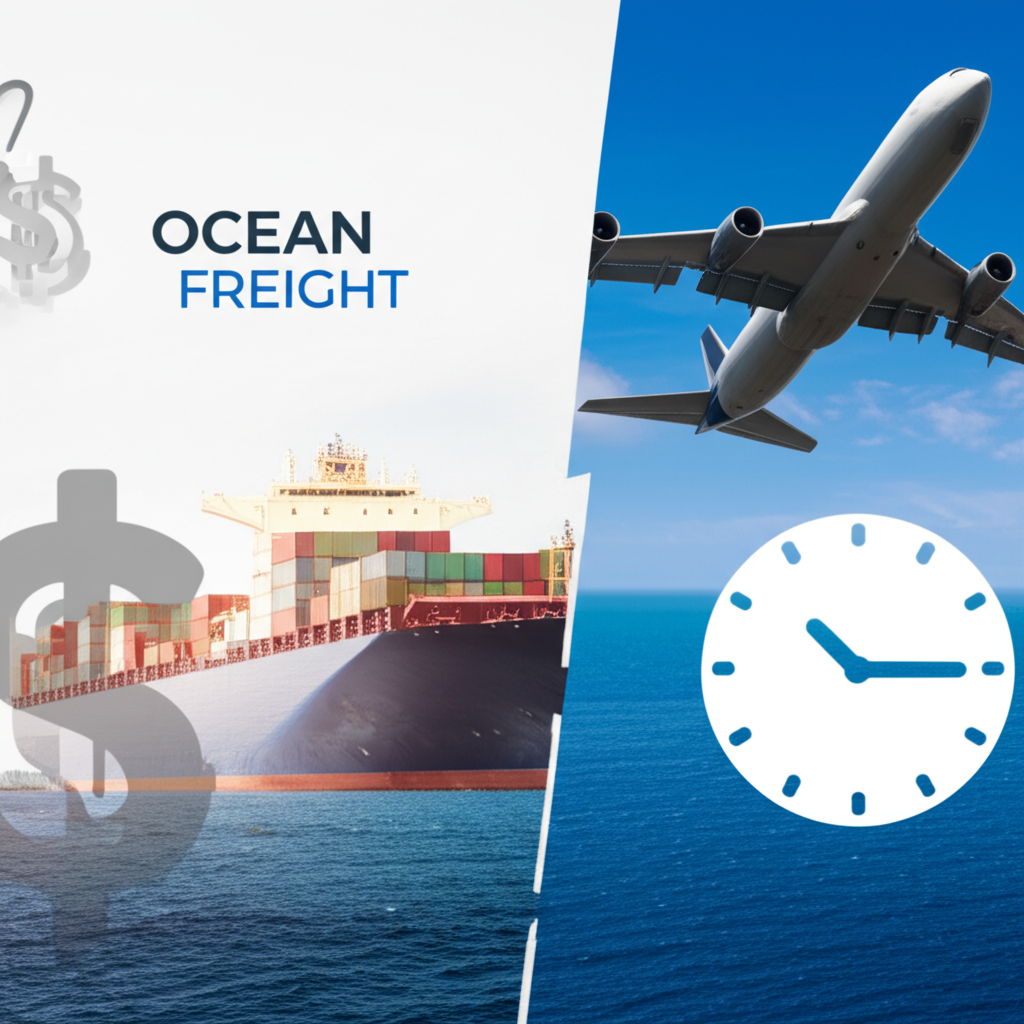
The two primary modes for shipping from China are ocean and air freight. Ocean freight is the most common and cost-effective option for larger shipments. You can choose a Full Container Load (FCL) if you have enough cargo to fill an entire container, or a Less than Container Load (LCL), where your goods share container space with other shippers. While significantly cheaper, ocean freight is also slower, with transit times of several weeks. Air freight is much faster, often taking only a matter of days, but it comes at a substantially higher cost. This option is best suited for high-value, lightweight, or time-sensitive shipments.
The Crucial Role of a Freight Forwarder
For most businesses, navigating the complexities of international shipping is best left to a professional. A freight forwarder is an indispensable partner in the logistics process. These agents act as intermediaries, leveraging their expertise and network to manage the entire shipping journey. Their responsibilities include booking cargo space on ships or planes, managing documentation, negotiating freight rates, and coordinating customs clearance. An experienced forwarder with deep knowledge of the Ningbo market can help you optimize routes, consolidate shipments to save money, and mitigate risks like port congestion or regulatory hurdles.
Navigating Customs Clearance
Clearing customs in both China (for export) and the destination country (for import) requires precise documentation. Any errors or omissions can lead to costly delays, fines, or even seizure of your goods. Essential documents typically include a Commercial Invoice, Packing List, and Bill of Lading (for sea freight) or Air Waybill (for air freight). It's also critical to correctly classify your products with the appropriate HS (Harmonized System) code, which determines the duties and taxes you will owe. A good freight forwarder will also serve as a customs broker, ensuring all paperwork is accurate and submitted correctly to facilitate a smooth clearance process.
Mitigating Risks: Overcoming Common Supply Chain Challenges
While sourcing from China offers significant advantages, it is not without its challenges. Geopolitical tensions, rising labor costs, and unexpected disruptions can impact any supply chain. A proactive approach to risk management is essential for building resilience and ensuring business continuity. By anticipating potential problems and developing mitigation strategies, you can protect your operations from common pitfalls.
One of the most frequently cited issues is maintaining consistent product quality. The phenomenon known as "quality fade," where a supplier's quality gradually declines after the initial orders, is a real risk. The most effective countermeasure is a consistent and rigorous quality control program. This includes conducting regular inspections—not just for the first batch, but for subsequent production runs as well. Building a strong, transparent relationship with your supplier where quality expectations are clearly and repeatedly communicated is also vital.
Communication and cultural barriers can also lead to significant misunderstandings. Vague instructions or unstated assumptions can result in production errors that are costly to fix. It is crucial to provide highly detailed product specifications, diagrams, and requirements. Whenever possible, communicate in writing to maintain a clear record. Working with a bilingual, on-the-ground agent or team member can help bridge cultural gaps and ensure your instructions are understood exactly as intended.
Finally, external disruptions can have a major impact. Events like the Chinese New Year holiday can shut down factories for weeks, while port congestion or policy changes can cause unforeseen delays. To mitigate these risks, diversify your supply chain where possible and avoid relying on a single supplier or region. Maintain a buffer of safety stock to guard against delays and stay informed about Chinese holidays and potential policy shifts. According to Sourcing Allies, building strong relationships can also be an asset during disruptions, as suppliers are more likely to prioritize trusted partners when capacity is limited.
Frequently Asked Questions
1. What are the problems with China's supply chain?
Common problems include potential quality control issues like "quality fade," communication barriers due to language and culture, and logistical hurdles such as port congestion and shipping delays. Other challenges can include intellectual property protection, rising labor costs, and disruptions from geopolitical tensions or national holidays like Chinese New Year.
2. What is a freight forwarder in China?
A freight forwarder in China is a logistics expert who manages the transportation of goods from the manufacturer to their final destination. They handle crucial tasks like booking cargo space, preparing shipping and customs documents, negotiating freight rates, and ensuring compliance with international regulations. They act as a vital intermediary between the shipper and transportation services.
3. What is the sourcing of the goods in the logistics chain?
Sourcing is the initial phase in the logistics and supply chain process. It involves identifying, evaluating, and selecting suppliers to acquire goods and services. This strategic process includes negotiating contracts, setting quality standards, and establishing a reliable flow of materials that will eventually be managed by the logistics chain for transport and delivery.