 Small batches, high standards. Our rapid prototyping service makes validation faster and easier —
  EN
EN


CNC detalių paslaptys: nuo žaliavos iki tiksliai pagamintos komponentės
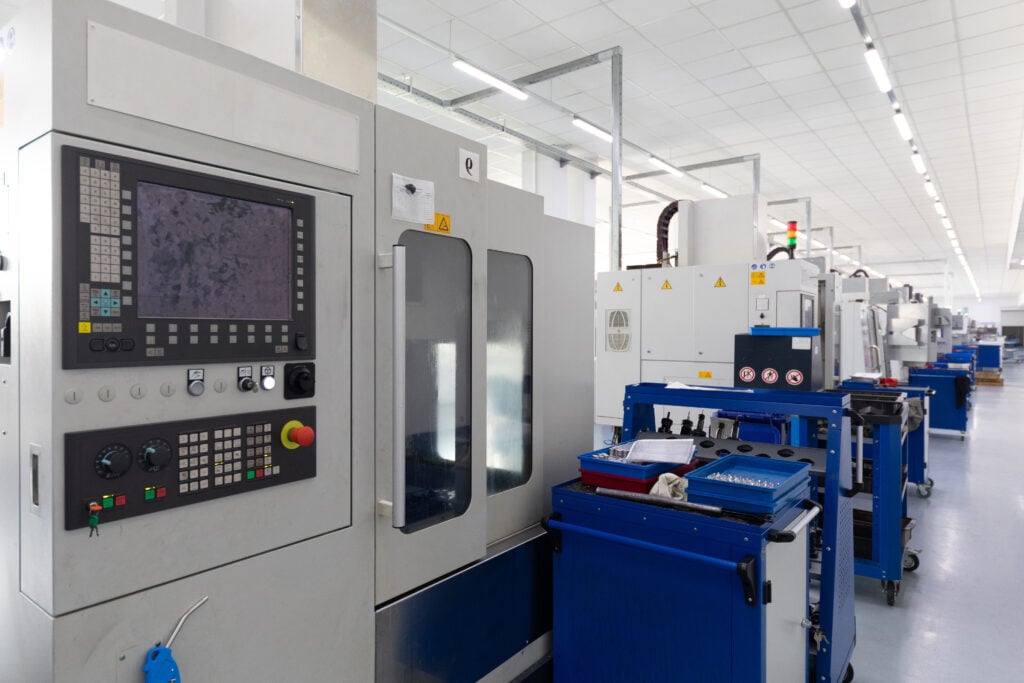
Suprantant CNC detalės ir kodėl jos yra svarbios
Kai ieškote „CNC detalės“, gali susidurti su netikėta problema. Šis terminas turi du skirtingus reikšmės prasmes, kurios dažnai sukelia painiavos tiek inžinieriams, tiek pirkėjams, tiek gamybos specialistams. Ar jūs ieškote pačių CNC staklių sudedamųjų dalių? Ar ieškote tiksliai CNC staklėmis apdirbtų detalių, pagamintų naudojant CNC procesus? Šios skirtumo supratimas yra jūsų pirmasis žingsnis link protingesnių gamybos sprendimų.
Dvi reikšmės, kurias turėtų žinoti kiekvienas inžinierius
Štai kas iš tikrųjų: CNC detalė gali reikšti arba vidinių CNC staklių dalių —pvz., velenai, servoriniai varikliai ir valdymo skydeliai—arba baigti apdirbti gaminiai, kuriuos šios mašinos sukuria. Galvokite taip: viena reikšmė susijusi su tuo, kas yra mašinos viduje, o kita — su tuo, kas išeina iš jos. Abi reikšmės yra itin svarbios, priklausomai nuo to, ar jūs prižiūrite įrangą, ar pirkiate gamybinius komponentus savo projektams. Kai suprantate pagrindinius CNC mašinų terminus, tiek tiekėjų pokalbiai, tiek techninės specifikacijos tampa žymiai aiškesni.
Kodėl CNC detalių žinios yra svarbios šiuolaikinėje gamyboje
Kodėl turėtumėte rūpintis šiais skirtumais? Ar esate inžinierius, kuris kuria naujus produktus, ar tiekimo specialistas, kuris renka mašinų dalių komponentus, ar sprendimų priėmėjas, vertinantis gamybos partnerius – šios žinios tiesiogiai veikia jūsų pelną. Suprasdami, kaip veikia CNC staklės ir ką jos gaminą, galėsite tiksliai nustatyti reikalavimus, veiksmingai bendrauti su tiekėjais ir išvengti brangiai kainuojančių nesupratimų. Taip pat geriau pasirinksite medžiagas, leidžiamuosius nuokrypius ir paviršiaus apdorojimo variantus savo projektams.
Ką apima šis vadovas
Šis išsamus vadovas apima abu CNC detalės apibrėžimus, kad suteiktų jums praktinės, veiksmingos žinios. Sužinosite apie pagrindinius komponentus, esančius kiekvienoje CNC mašinoje, ir kaip jie prisideda prie tikslumo. Išnagrinėsime įvairius CNC apdirbimo būdu – frezavimo, sukimo ir daugiapračių operacijų – gaminamus komponentus. Taip pat sužinosite medžiagų pasirinkimo strategijas, nuokrypių specifikacijas, pramonės taikymo sritis, projektavimo rekomendacijas bei sąnaudų optimizavimo metodus. Laikykite šį vadovą savo pagrindiniu mokymosi šaltiniu – vienu, kurio tikslas – padėti jums pasiekti sėkmę, o ne tiesiog parduoti jums ką nors.
Būtini komponentai kiekvienoje CNC mašinoje
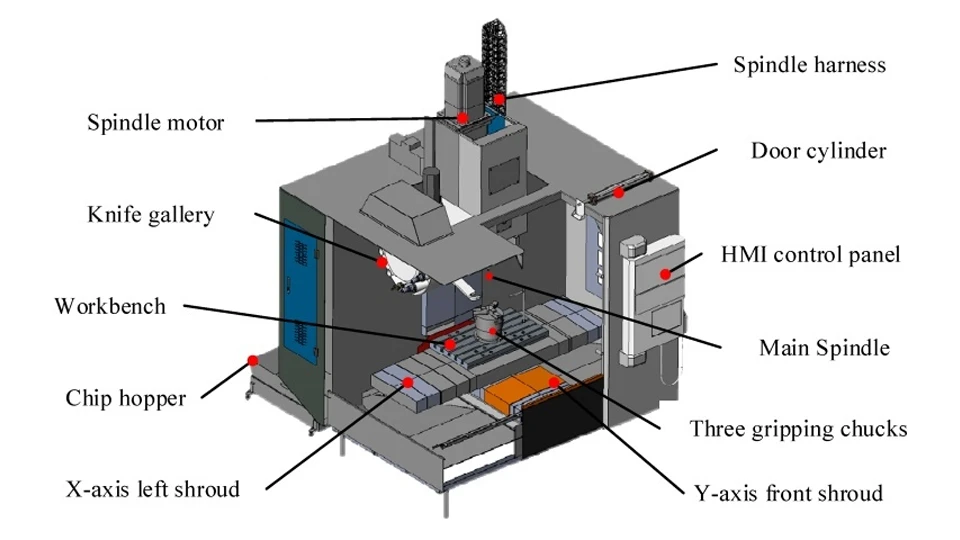
Ar kada nors domėjotės, kas iš tikrųjų vyksta po švelniu CNC staklių išoriniu sluoksniu? Suprasdami pagrindines CNC staklių dalis, jūs iš pasyvaus vartotojo virsite į žmogų, kuris gali trikčių šalinimo būdais, veiksmingai bendrauti su technikais ir priimti informuotus pirkimo sprendimus. Pažvelkime į CNC staklių komponentus, kurie kartu veikia, kad pasiektų tikslumą, kurio jūs priklausote.
Pagrindiniai konstrukciniai komponentai
Kiekvienos CNC staklės veikimui reikia konstrukcinių CNC komponentų pamato kuris užtikrina stabilumą ir standumą. Be šių elementų net pačios pažangiausios valdymo sistemos negalėtų pasiekti tikslaus rezultato.
- Staklių pagrindas: Sunkus pagrindinis korpusas, dažniausiai pagamintas iš lietojo geležies arba epoksidinio granito, sugeria virpesius ir suteikia stabilaus platformos visiems kitiems komponentams. Jo masė ir standumas tiesiogiai veikia apdirbimo tikslumą.
- Stulpelis: Ši vertikali konstrukcija remia veleno surinkimą ir užtikrina jo išdėstymo tikslumą pjovimo metu. Stulpelio konstrukcija lemia, kaip gerai įrenginys tvarkosi su sunkiais pjūviais be išlinkimo.
- Darbo stalas: Tai paviršius, kuriame detalės pritvirtinamos naudojant T-formės griovytas, tvirtinimo įtaisus ar vakuumines sistemas. Stalo plokštumumas ir standumas nulemia, kaip nuosekliai galima tiksliai padėti dalis.
- Čiumpamasis įtaisas (sukamiesiems staklėms): Šis tvirtinimo įtaisas patikimai laiko sukamasias detales. Čiumpamojo įtaiso kokybė veikia tiek saugos, tiek apsuktų detalių koncentriškumą.
- Įrankių bokštelis: Naudojamas CNC sukamųjų staklių, tai sukamasis mechanizmas, laikantis kelis pjovimo įrankius ir automatiškai perjungiantis tarp jų, todėl sumažėja paruošiamasis laikas ir leidžiama atlikti sudėtingas operacijas viename paruošime.
Šios konstrukcinės detalės gali atrodyti paprastos, tačiau jų kokybė skiria pradedančiųjų lygio įrenginius nuo pramoninės klasės įrangos, kuri geba išlaikyti tikslų matmenis net ilgalaikiu nuolatiniu naudojimu.
Judėjimo valdymo sistemos paaiškintos
Tikslus judėjimas – tai sritis, kurioje CNC mašinos tikrai išsiskiria. Judėjimo valdymo sistemos skaitmenines komandas verčia į fizinį judėjimą su nuostabiu tikslumu – dažnai tikslumu iki tūkstantosios colio.
- Servorajutiniai varikliai: Šie elektros varikliai užtikrina tikslų sukamąjį judėjimą kiekvienai ašiai. Skirtingai nuo paprastų variklių, servorajutiniai varikliai nuolat gauna atgalinę informaciją apie savo padėtį, leisdami valdymo sistemai nedelsiant atlikti pataisymus.
- Servorajutinių variklių stiprintuvas (servo stiprintuvas): Šis svarbus komponentas priima žemo galios signalus iš CNC valdiklio ir juos stiprina, kad būtų galima maitinti servorajutinius variklius. Sugenda servorajutinių variklių stiprintuvas dažnai sukelia netolygų ašių judėjimą arba pozicionavimo klaidas.
- Rutuliniai sraigtais: Šie tiksliai šlifuoti sraigtais keičia sukamąjį variklių judėjimą į tiesiaeigį ašių judėjimą. Rutuliniai sraigtais naudoja cirkuliuojančius rutulius, kad būtų sumažinta trintis ir žingsniavimas (backlash), užtikrinant lygų ir tikslų pozicionavimą.
- Linijiniai vedikliai: Šie bėgikliai palaiko ir nukreipia judančius komponentus kiekviename ašyje.
- Ašių sistemos (X, Y, Z): Standartiniai CNC frezuokliai veikia trijose tiesinėse ašyse – X (kairėn-dešinėn), Y (priekin–atgal) ir Z (aukštyn–žemyn). Pažangūs įrenginiai papildo sukamąsias ašis (A, B, C), suteikdami penkių ašių funkcionalumą, leidžiantį apdirbti sudėtingas geometrines formas be reikalingumo perstatyti detalių.
Šių judėjimo komponentų sąveika nulemia, kiek greitai ir tiksliai jūsų įrenginys gali judėti. Pagal DMG MORI , variklio ir variklio valdymo tipo pasirinkimas priklauso nuo konkrečių taikymo reikalavimų, kainos sąnaudų ir valdymo sistemos sudėtingumo.
Verpeto veleno ir įrankių laikytuvų vaidmuo
Frezuojamojo verpeto velenas – arba frezuojamojo įrenginio verpeto velenas vertikaliuose apdirbimo centruose – yra, matyt, svarbiausias komponentas, lemiantis apdirbimo galimybes. Šis sukamasis mazgas laiko ir suka pjovimo įrankius esant sūkių dažniui nuo kelių šimtų iki dešimčių tūkstančių apsukų per minutę.
- Verpeto veleno mazgas: Sudaro tikslūs guoliai, variklis (dirbantis per diržą arba tiesioginis variklis) ir įrankio sąsaja. Verpetilo detalių kokybė tiesiogiai veikia paviršiaus apdorojimo kokybę, įrankio tarnavimo laiką ir matmenų tikslumą.
- Įrankių laikikliai: Šie įtaisai jungia pjovimo įrankius prie verpetilo naudodami standartizuotus kūginio formos sujungimo sistemas, pvz., CAT, BT ar HSK. Teisingai parinkti ir tinkamai prižiūrimi įrankių laikikliai neleidžia atsirasti nukrypimams, kurie pablogina gaminio kokybę.
- Automatiniai įrankių keitikliai: Šie mechanizmai saugo kelis įrankius ir automatiškai juos keičia verpetilyje pagal programuotą komandą, leisdami sudėtingus gaminius pagaminti viename įrengimo cikle be rankinio įsikišimo.
Be mechaninių sistemų, dar dvi sistemos reikalauja ypatingo dėmesio:
- Valdymo pultas ir CNC valdiklis: Tai mašinos „smegenys“, kurios interpretuoja G-kodo programas, koordinuoja visų ašių judėjimus, stebi jutiklius ir užtikrina operatoriaus sąsają. Šiuolaikiniai valdikliai integruoja dirbtinio intelekto (AI) galimybes procesų optimizavimui.
- Aušinimo sistemos: Šie tiekia pjovimo skystį į įrankio ir apdorojamojo paviršiaus sąsają, sumažindami šilumą ir trintį. Tinkamas aušinimo skysčio taikymas padidina įrankių tarnavimo laiką ir pagerina apdirbtų detalių paviršiaus kokybę.
Kaip komponentų kokybė veikia apdirbimo rezultatus
Skamba sudėtingai? Štai praktinė išvada: kiekvieno CNC komponento kokybė tiesiogiai veikia tai, ką galite gaminti. Panagrinėkite šiuos ryšius:
- Verpimo veleno guolių kokybė → Paviršiaus baigimo vientisumas ir pasiekiamos tikslumo ribos
- Rutulinės sraigto tikslumas → Padėties nustatymo tikslumas ir pakartojamumas
- Variklio su grįžtamąja ryšio grandine reakcija → Padrėkimo našumas ir kontūrų tikslumas
- Staklių lovos standumas → Vibracijos slopinimas ir ilgalaikė matmenų stabilumas
- Valdiklio apdorojimo našumas → Sudėtingų programų vykdymo greitis ir išankstinio numatymo galimybė
Vertindami CNC stakles arba diagnozuodami našumo problemas, suprasdami, kaip šie CNC staklių komponentai veikia kartu, jūs įgyjate svarbų pranašumą. Jūs atpažinsite, kada paviršiaus apdorojimo problema kyla dėl susidėvėjusių verpeto guolių, o ne dėl netinkamų pjovimo parametrų, arba kada pozicionavimo klaidos rodo rutulinio sraigto susidėvėjimą, o ne programavimo klaidas.
Dabar, kai žinote, kas yra staklių viduje, pažvelkime, kas iš jų išeina – tikslūs detalės, gaminamos CNC apdirbimo procesais.
Detalių, gaminamų CNC apdirbimo būdu, tipai
Dabar, kai suprantate įrangą, pereikime prie tikrų šou žvaigždžių – tikslus CNC apdorotas detalės kurie kyla iš šių sudėtingų sistemų. Ar jūs ieškote komponentų naujam produktui, ar vertinate gamybos galimybes, žinojimas skirtumo tarp frezuotų, sukamųjų ir daugiakampių apdorojimo būdu gautų detalių padeda tiksliai nurodyti, ko reikia, ir veiksmingai bendrauti su tiekėjais.
Frezuotos detalės prieš sukamosias (sukamosios) dalis
Štai pagrindinis skirtumas: CNC frezavimo detalės gaminamos sukantis pjovimo įrankiui, judančiam per nejudančią заготовkę, o staklių CNC detalės gaunamos sukant заготовkę prieš nejudantį įrankį. Šis judėjimo skirtumas nulemia, kokias geometrijas kiekvienas procesas geriausiai apdoroja.
Frezuojant CNC detalėmis paprastai dirbama su prizminėmis formomis – tai plokščios paviršiaus sritis, grioveliai, įpjovos ir kampinės savybės. CNC frezavimo staklių dalys sąveikauja su kvadratinėmis ar stačiakampėmis žaliavos detalėmis, nuimdamos viską, kas nėra galutinė detalė. Tai daro frezavimą idealų korpusams, laikikliams, montavimo plokštėms ir komponentams su keliomis apdorotomis paviršiaus sritimis.
Kita vertus, apsukimo būdu gaminami detalės puikiai tinka cilindrinėms ir sukimosi geometrijoms. Kai reikia velenų, įvorčių, ašmenų ar bet kokių kitų komponentų su apskritais skerspjūviais, apsukimas suteikia pranašesnius rezultatus su trumpesniais ciklo laikais. Pagal 3ERP gamybos vadovą, apsukimo operacijos yra ypač efektyvios didelėms serijoms apvalių detalių, nes strypų padavikliai gali automatizuoti detalių įkrovimą su minimaliu priežiūros poreikiu.
| Charakteristika | Cnc pagamintos dalys | CNC suvaržytos dalys |
|---|---|---|
| Tipiškos geometrijos | Korpusai, laikikliai, plokštės, kišenės, grioveliai, sudėtingi 3D kontūrai | Velenai, įvorčiai, ašmenys, ritinėliai, atstumtuvai, sriegiuoti strypai |
| Standartinės tolerancijos | ±0,001" iki ±0,005", priklausomai nuo elemento | ±0,001" iki ±0,002" skersmenims; puiki koncentriškumas |
| Ideali taikymo sritis | Korpusai, montavimo komponentai, formų ertmės, konstrukcinės dalys | Varomieji velenai, jungtys, sujungimo elementai, cilindrinės surinktys |
| Žaliavos medžiagos forma | Kvadratinė, stačiakampė arba plokštinė žaliava | Apvalus strypas arba vamzdis |
| Geriausias gamybos apimtis | Prototipai iki vidutinio kiekio; lankstus sudėtingoms detalėms | Vidutinis iki didelio kiekio; puikiai tinka automatizuotiems gamybos ciklams |
Vertindami, kuris gamybos procesas labiausiai tinka jūsų projektui, įvertinkite savo konstrukcijos dominuojančią geometriją. Jei jūsų detalė yra daugiausia apvali su koncentrinėmis savybėmis, apvartymas paprastai pranašesnis pagal greitį ir kainą. Jei turite reikalą su plokščiomis paviršiaus dalimis, pasviraisiais paviršiais arba savybėmis, esančiomis keliuose plokštumose, frezavimas suteikia būtiną lankstumą.
Sudėtingos geometrijos ir daugiaploščio (daugiaplačio) frezavimo technologijos
Ką daryti, kai jūsų detalė nepatenka aiškiai nei į vieną, nei į kitą kategoriją? Įsivaizduokite flanšuotą veleną su frezuotomis riešutinėmis griovytėmis arba korpusą, turintį tiek plokščius paviršius, tiek tiksliai apdirbtus skylių paviršius. Šios hibridinės geometrijos viršija tai, ką gali efektyviai gaminti standartinis 3 ašių frezavimas arba paprastas apvartymas.
Čia daugiakampė apdirbimo technologija keičia tai, kas įmanoma. Pagal RapidDirect daugiakampės apdirbimo technologijos vadovą, pridėjus sukimosi ašis prie standartinių X, Y ir Z tiesiaeigio judėjimų, pjovimo įrankis gali artintis prie apdirbamojo gaminio beveik iš bet kurios krypties. Koks rezultatas? Detalės, kurios įprastose mašinose reikalautų kelių įrengimų, gali būti pagamintos vienu veiksmu.
Panagrinėkime galimybių raidą:
- 3 ašių frezavimas: Apdoroja plokščias paviršius, įdubimus ir paprastą gręžimą. Apdirbamojo gaminio padėtis turi būti keičiama, kad būtų apdoroti skirtingų paviršių elementai.
- 4 ašių apdirbimas: Prideda sukimosi judėjimą aplink vieną ašį, leisdamas gaminti spiralines formas ir apdirbti cilindrinio paviršiaus elementus be rankinio perstatymo.
- 5 ašių apdirbimas: Leidžia vienu metu judėti penkiomis ašimis, todėl sudėtingos kontūrinės formos, įlinkiai ir skulptūriški paviršiai gali būti pagaminti vienu įrengimu. Tai būtina turbinų mentų, palečių ir medicininių implantų gamybai.
Daugiapakopio darbo CNC frezuoklių konfigūracijų komponentai apima pasvirąsias sukamosias staliukus, trunionų sistemas arba sukamąsias galvutes. Šie CNC frezuoklių komponentai suteikia reikšmingų galimybių, tačiau taip pat padidina programavimo sudėtingumą ir įrangos kainą.
Dažniausiai naudojami CNC detalių kategorijų pagal funkciją
Be skirstymo į frezuotas ir sukamas dalis, naudinga mąstyti apie CNC apdirbamas dalis pagal jų funkcines vaidmenis surinkimuose. Štai kaip dažnai pasitaikančios geometrijos susiejamos su realiais taikymais:
- Korpusai ir apsauginiai korpusai: Elektronikos, pavarų dėžių ar hidraulinių sistemų apsauginiai korpusai. Paprastai frezuojami iš aliuminio ar plieno, turi ertmes, tvirtinimo skyles ir tiksliai pritaikytas jungiamąsias paviršių.
- Laikikliai ir tvirtinimo elementai: Konstrukciniai sujungimo taškai, reikalaujantys kelių apdirbtų paviršių, įpjautų veržlių skylių ir dažnai griežtų plokštumoje laikymo ribų. Frezavimas čia yra labai efektyvus.
- Valdymo velenai ir sukimosi velenai: Sukimosi komponentai, reikalaujantys puikių koncentriškumo ir paviršiaus šlifavimo parametrų. Sukami iš apvalaus pusgaminių, dažnai su šlifuotomis guolio paviršių.
- Įvorės ir įdėklai: Cilindriniai dėvėjimosi komponentai su tiksliais vidiniais ir išoriniais skersmenimis. Apvalymas efektyviai užtikrina reikiamus nuokrypius.
- Apsauginiai kraštai: Jungiamieji komponentai, kuriuose dažnai derinami apvalyti apskritiminiai elementai su frezuotais varžtų tvirtinimo šablonais – tai dažnas milio-ir-apvalymo operacijų taikymo atvejis.
- Sudėtingos surinktys: Daugiakomponentės sistemos, kuriose atskiri frezuoti ir apvalyti komponentai turi būti sumontuojami vienas į kitą su mikronų tikslumu.
Jūsų detalės geometrijos sudėtingumas tiesiogiai nulemia gamybos metodą. Paprastos formos leidžia sumažinti sąnaudas, tuo tarpu sudėtingos konstrukcijos gali reikalauti daugiapračių sistemų arba hibridinių milio-ir-apvalymo mašinų, kad būtų efektyviai pasiekti reikiami rezultatai.
Šių skirtumų supratimas padeda jums vesti produktyvesnes diskusijas su gamintojais. Kai galite tiksliai nurodyti, ar reikia CNC frezavimo detalių, ar apvalytų komponentų – ir kai suprantate, kada jūsų projektas galėtų pasinaudoti daugiapračių sistemų galimybėmis, – jūs jau esate žymiai pranašesni už daugelį pirkėjų, kurie CNC apdirbimą laiko „juoduoju dėžute“.
Žinoma, geometriją, kurią galite pasiekti, taip pat labai veikia medžiagos pasirinkimas. Pažvelkime, kaip skirtingi metalai ir plastikai elgiasi CNC apdirbimo metu – ir kaip tai veikia jūsų galimybes.
Medžiagų pasirinkimo vadovas CNC detalių gamybai
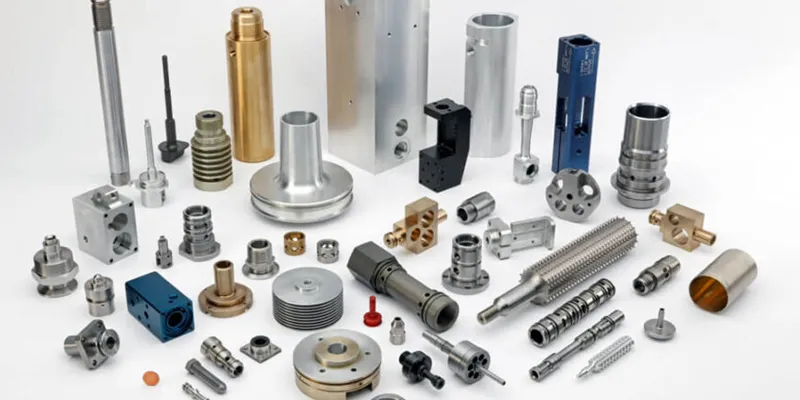
Teisingos medžiagos pasirinkimas savo CNC apdirbimo daliai – tai ne tik techninis sprendimas, bet ir strateginis, kuris veikia našumą, kainą, pristatymo laiką ir ilgalaikę patikimumą. Tačiau daugelis inžinierių ir pirkimų specialistų paprastai pasirenka pažįstamas medžiagas, net nepažvelgdami į alternatyvas, kurios galėtų geriau tiktų jų konkrečiai aplikacijai. Pakeiskime tai, išnagrinėdami visą spektrą medžiagų, kurios yra prieinamos CNC apdirbimui.
Medžiagų pasirinkimas – tai vieta, kur susitinka našumas ir biudžetas. Teisingas pasirinkimas subalansuoja mechanines reikalavimus, apdirbamumą, korozijos atsparumą ir kainą – neteisingas pasirinkimas reiškia arba per didelę mokėjimą už nereikalingas savybes, arba tai, kad jūsų detalės lauke sugenda.
Aliuminio lydiniai lengvosioms tiksliaioms detalėms
Kai reikia puikaus stiprumo ir svorio santykio, derinamo su puikiu apdirbamuumu, aliuminio lydiniai tai užtikrina. Šie universalūs metalai dominuoja CNC apdirbimo taikymuose aviacijoje, automobilių pramonėje, elektronikoje ir vartotojų prekėse – ir tam yra gerų priežasčių.
6061 Aluminiumas yra universalaus paskirties apdirbimui skirta pagrindinė lydinio rūšis. Ji siūlo subalansuotą stiprumo, korozijos atsparumo ir suvirinamumo kombinaciją prie priimtinos kainos. 6061 lydinį galima rasti visur – nuo konstrukcinių atramų iki elektronikos korpusų. Jo T6 būvis užtikrina tempiamąją stiprybę apie 45 000 psi, tuo pat metu išlieka lengvai apdirbamas.
7075 Aluminiumas reikšmingai padidina stiprumą – T6 būvyje pasiekdama tempiamąją stiprybę arti 83 000 psi. Dėl to ji yra idealus sprendimas lėktuvų konstrukcijoms, didelės apkrovos konstrukcinėms detalėms ir taikymams, kai svarbu kiekvienas gramas. Tačiau, remiantis Trustbridge medžiagų palyginimo vadovu, 7075 lydinys yra brangesnis ir praranda dalį korozijos atsparumo palyginti su 6061.
Jūrų ir cheminių procesų aplinkoms, 5052 aliuminis užtikrina išsklitančią korozijos atsparumą, todėl tai yra pirmasis pasirinkimas, kai kyla rizika dėl drėgmės ar chemikalų poveikio.
Plieno ir nerūdijančio plieno parinktys
Kai jūsų taikymo atvejis reikalauja aukštesnės stiprybės, dėvėjimosi atsparumo ar gebėjimo atlaikyti agresyvias aplinkas, plieno lydiniai siūlo sprendimus, kurių aliuminis tiesiog negali pasiūlyti. Kokia kaina? Didesnė medžiagos tankis ir sudėtingesni apdirbimo reikalavimai.
1018 anglies plienas yra ekonomiškiausias pradžios taškas naudojant plieno detalių mašinose. Šis žemo anglies kiekio plienas lengvai apdirbamas, gerai suvirinamas ir leidžia paviršiaus kalėjimą, kad būtų pagerinta paviršiaus dėvėjimosi atsparumas. Jis puikiai tinka pavarų dėžės detalėms, laikikliams ir konstrukcinėms dalims, kuriose korozijos poveikis ribotas.
4140 lydinio plienas užtikrina išskilusią atsparumą ir didelę tempiamąją stiprybę – todėl tai yra pageidaujamas pasirinkimas dėžės detalių, pavaros ašies su žynais bei komponentų, veikiamų pakartotinių apkrovos ciklų, gamybai. Šiluminis apdorojimas dar labiau pagerina jo mechanines savybes, tačiau tai padidina apdorojimo trukmę ir sąnaudas.
Korozijos atsparumui užtikrinti nerūdijančiojo plieno rūšys siūlo aiškius privalumus:
- 303 nerūdijantysis plienas: Tai lengviausiai apdirbama nerūdijančiojo plieno rūšis. Jame pridedama sieros, kad būtų pagerintos pjovimo savybės, todėl ji puikiai tinka tvirtinimo detalėms, jungtims ir didelėmis serijomis apdirbtiems sukimosi būdu gaminamiems komponentams. Korozijos atsparumas šiek tiek mažesnis nei 304 rūšies plieno.
- 304 nerūdantis plienas: Universalus standartinis variantas, pasižymintis puikiu korozijos atsparumu maisto pramonės įrangai, medicinos prietaisams ir bendrosios pramonės taikymui.
- 316 nerūdijantis plienas: Aukštesnė atsparumas chloridams ir jūrinėms aplinkoms. Būtinas medicinos implantams, jūrų technikai ir cheminės pramonės įrangai, kur 304 rūšies plienas neturėtų pakankamo atsparumo.
Turėkite omenyje, kad nerūdijančiosios plieno rūšys yra sunkiau apdirbamos nei anglies plienai. Tikėkitės ilgesnių ciklo trukmių, padidėjusio įrankių nusidėvėjimo ir didesnių kiekvienos detalės gamybos kaštų – tačiau ilgaamžiškumas dažnai pateisina šį investavimą.
Specialieji metalai: titanas, varis ir vario lydiniai
Titano lydiniai (ypač 5-osios klasės, Ti-6Al-4V) sujungia išsklitančią stiprio santykį su svoriu, puikią korozijos atsparumą ir biologinę suderinamumą. Šios savybės daro titaną nepakeičiamą lėktuvų konstrukciniams komponentams, chirurginėms implantacijoms ir aukštos našumo automobilių detalėms. Kokia kliūtis? Titanas yra žinomas kaip labai sunkiai apdirbamas metalas, todėl reikia specializuotų įrankių, lėtesnių pjovimo greičių ir patyrusių operatorių. Pagal RapidDirect medžiagų pasirinkimo vadovą įprasti greitapjoviai (HSS) arba silpnesni karbidiniai įrankiai tiesiog netinka – tikėkitės aukštesnių kainų, kurios atspindi šiuos sunkumus.
Vario lydinys (C360 yra CNC standartinis) įrenginiai veikia kaip sviestas, užtikrindami greičiausius pjovimo greičius tarp visų paplitusių metalų. Jo natūrali korozijos atsparumas, patrauklus išvaizdos bei puikūs paviršiaus trinties savybės daro jį puikia medžiaga dekoratyviniams komponentams, skysčių jungtims ir mažosios stiprybės tvirtinimo elementams. Antrinėms pavaroms prietaisuose ar tikslumo mechanizmuose vario–cinko lydinys (latuno) užtikrina patikimą veikimą.
Varį (C110) puikiai tinka elektrinėms ir šiluminėms laidumo aplikacijoms – pavyzdžiui, šilumos šalinimo radiatoriams, elektros jungtims ir autobusų juostoms. Tačiau jo didelė plastinė deformuojamumas kelia apdirbimo sunkumų, o oksidacijos problema gali reikalauti apsauginių dengimų ar padengimo tam tikroms aplinkoms.
Kada pasirinkti plastikus vietoj metalų
Inžineriniai plastikai siūlo įtikinamus privalumus tam tikroms aplikacijoms: mažesnę masę, elektrinę izoliaciją, cheminę atsparumą ir dažnai žemesnius apdirbimo kaštus. Tačiau ne visi plastikai vienodai tinka CNC apdirbimui.
Delrin (acetalinis / POM) užtikrina išskilusią matmeninę stabilumą, mažą trintį ir puikią nuovargio atsparumą. Tai geriausias pasirinkimas antrinėms pavarų dėžės detalėms, guoliams, įvorėms ir tiksliesiems mechaniniams mašinų komponentams, kuriems reikalinga patikima dilimo našta be tepalo.
PEEK (Polietero eterio ketonas) reprezentuoja aukščiausios našumo segmentą. Šis pusiau kristalinis termoplastas atlaiko nuolatinę veikimą temperatūroje virš 480 °F, išlaikydamas stiprumą ir cheminę atsparumą. Medicinos implantai, aviacijos komponentai ir reikalaujamos cheminių procesų aplikacijos pateisina jo aukštą kainą.
Nailonas (PA6/PA66) sujungia gera tempiamąją stiprybę su puikiu dilimo atsparumu ir paviršiaus tepamaisiais savybėmis. Stiklo pluoštu armuotos versijos žymiai padidina standumą ir stiprumą. Pavaros, slydimo paviršiai ir žvaigždiniai ratukai naudojasi nylonų subalansuotomis savybėmis – tiesiog išvengkite drėgnų aplinkų, kuriose nylonas absorbuoja vandenį ir praranda matmeninį stabilumą.
Polikarbonatas užtikrina optinį skaidrumą kartu su smūgio atsparumu, todėl yra idealus saugos skydams, lęšiams ir permatomiems korpusams. Tačiau jo linkimas brėžtis ir UV spindulių sukeliamas senėjimas riboja naudojimą lauke.
Materialeo salyginimas
| Medžiagos tipas | Pagrindinės savybės | Geriausi taikymo atvejai | Santykinė kaina | Apdirbiamumo reitingas |
|---|---|---|---|---|
| Aliuminis 6061 | Lengvas, korozijai atsparus, suvirinamas | Konstrukciniai laikikliai, korpusai, prototipai | Žema-vidutinė | Puikios |
| Aliuminis 7075 | Didelė stiprybė, maža masė, atsparumas nuovargiui | Orlaivių konstrukcijos rėmai, didelės apkrovos komponentai | Vidmenis | Gera |
| Nerūdijantis plienas 303 | Korozijai atsparus, pagerinta apdirbamoji savybė | Varžtai, jungtys, įmovos | Vidmenis | Gera |
| Nerūdijantis 316 | Puiki korozijos / cheminės atsparumo savybės | Jūrų įranga, medicinos pramonė, cheminių procesų įranga | Vidutinis-Aukštas | Parodoje |
| Anglies plienas 1018 | Ekonominis, paviršiui kietinamas, suvirinamas | Konstrukciniai elementai, pavarų dėžės komponentai | Žemi | Puikios |
| Lydinys plienas 4140 | Didelės stiprybės, tvirtas, šiluminio apdorojimo priemones turi | Velenai, pavaros, didelės apkrovos veikiami elementai | Žema-vidutinė | Gera |
| Titano lygis 5 | Išskirtinis stiprumo ir svorio santykis, biologiškai suderinamas | Aviacija, medicininiai implantai, lenktynės | Labai Aukštas | Blogai |
| Varis C360 | Puikus apdirbamosumas, korozijai atsparus | Sujungiamieji elementai, dekoratyviniai elementai, jungtys | Vidmenis | Puikios |
| Varis C110 | Aukšta elektrinė ir šiluminė laidumas | Šilumos šalinimo elementai, elektros komponentai | Vidutinis-Aukštas | Parodoje |
| Delrin (acetalas) | Žema trintis, matmeniškai stabilus, nusidėvėjimui atsparus | Pavaros, guoliai, tikslūs mechanizmai | Žema-vidutinė | Puikios |
| PEEK | Atsparus aukštai temperatūrai, chemiškai atsparus, stiprus | Medicinos, aviacijos ir kosmonautikos, cheminės pramonės sritys | Labai Aukštas | Gera |
| Nylonas 6/6 | Atsparus dilimui, saviaudžiamasis tepimas, tvirtas | Pavaros, įvorės, slydimo komponentai | Žemi | Gera |
Atkreipkite dėmesį, kaip lentelė atskleidžia kompromisus, su kuriais susidursite kiekviename projekte. Labiausiai apdirbami medžiagų tipai ne visada yra stipriausi. Labiausiai korozijai atsparūs variantai dažnai kainuoja brangiau. Jūsų užduotis – pritaikyti šias savybes prie konkrečių reikalavimų, o ne siekti „geriausios“ medžiagos atskirai.
Pasirinkę medžiagą, kitas svarbus sprendimas – nustatyti leistinąjį nuokrypį ir kokybės standartus. Tikslūs leistinieji nuokrypiai gali atrodyti patrauklūs, tačiau jie turi tikrų sąnaudų pasekmių, kurias būtina suprasti.
Leistinųjų nuokrypių nustatymas ir kokybės standartai
Jūs pasirinkote puikų medžiagą savo CNC apdirbimo komponentams. Dabar kyla klausimas, kuris skiria gerus detalių gamybos rezultatus nuo puikių: kokia iš tikrųjų turi būti jų tikslumas? Tolerancijos specifikacijos gali atrodyti sausos techninės detalės, tačiau jos tiesiogiai veikia tai, ar jūsų detalės veiks tinkamai, kiek joms kainuos ir ar jūsų gamybos ciklai laikysis nuoseklumo ilgainiui. Pašalinkime neaiškumus dėl skaičių ir padėkime jums nustatyti protingesnes specifikacijas.
Standartinės ir tikslūs tolerancijų klasės
Įsivaizduokite tolerancijas kaip leidžiamą matmenų svyravimą jūsų detales. Ašmenys, kurių nominalusis skersmuo yra 1,000 colio su ±0,005 colio tolerancija, gali būti nuo 0,995 iki 1,005 colio ir vis tiek laikomi priimtinais. Tačiau daugelis inžinierių praleidžia šį faktą: mažesnės tolerancijos automatiškai nereiškia geresnių detalių – jos reiškia brangesnes dalis, kurios gali arba negali pagerinti jūsų konkrečios programos.
Pagal „Frigate“ tikslaus apdirbimo analizę, CNC leidžiamosios nuokrypos klasifikuojamos pagal skirtingų taikymų reikalaujamą tikslumą. Šių kategorijų supratimas padeda tiksliai nurodyti tik tai, ko jums reikia, nepermokant už nereikalingą tikslumą.
- Komercinis / standartinis laipsnis (±0,005 colio / ±0,127 mm): Tinka nekritinėms matmenims, bendrosios paskirties konstrukcinėms detalėms ir daliams, kurių pritaikymas nėra reikalaujamas. Į šią kategoriją dažniausiai patenka dekoratyviniai elementai, dangčiai ir paprasti atraminiai elementai. Tai yra ekonomiškiausias apdirbimo variantas su trumpiausiais ciklo laikais.
- Tikslusis laipsnis (±0,001–±0,002 colio / ±0,025–±0,050 mm): Reikalingas funkcionaliam pritaikymui, guolių paviršiams ir montuojamoms detalėms surinkimuose. Dauguma CNC staklių detalių, kurios sąveikauja su kitomis dalimis, turi būti gamintos tikslausiojo laipsnio leidžiamosiomis nuokrypomis. Dėl lėtesnių padavimo greičių ir papildomų tikrinimo reikalavimų tikėtinas vidutinis kainos padidėjimas.
- Aukšto tikslumo laipsnis (±0,0005 colio / ±0,0127 mm): Būtinas kritiniams aviacijos ir kosmonautikos konstrukcijoms, medicininių implantų sąsajoms ir optinių elementų tvirtinimo paviršiams. Tokio tikslumo apdirbimas reikalauja temperatūros kontroliuojamos aplinkos, aukščiausios kokybės įrankių ir patyrusių operatorių.
- Ultraaukšto tikslumo klasė (±0,0001 colio / ±0,0025 mm): Skiriama puslaidininkių įrangai, tikslaus matavimo įranga ir specializuotoms aviacijos bei kosmonautikos aplikacijoms. Pagal Misumi tolerancijų standartų dokumentaciją, šio tikslumo pasiekimui reikia specializuotos įrangos, kontroliuojamos aplinkos ir dažnai kelių baigiamųjų apdirbimo operacijų.
Kainos pasekmės yra reikšmingos. Pereinant nuo standartinių prie tikslaus apdirbimo tolerancijų detalės kaina gali padidėti 25–50 %. Pakilus iki aukšto tikslumo klasės vienos detalės kaina gali padvigubėti arba net patriplyti. Ultraaukšto tikslumo apdirbimas gali kainuoti penkis–dešimt kartų brangiau nei standartinis apdirbimas – be to, prailginami pristatymo terminai.
Nurodykite didžiausią leistiną nuokrypį, kuris vis dar atitinka jūsų funkcines reikalavimus. Kiekvienas nereikalingas dešimtasis skaitmuo tiesiogiai padidina gamybos kaštus, nepagerindamas detalės veikimo.
Paviršiaus apdorojimo specifikacijos paaiškintos
Kol tolerancijos kontroliuoja matmeninę tikslumą, paviršiaus apdorojimas nustato, kiek lygus arba teksturowotas atrodys jūsų apdirbti paviršiai. Paviršiaus šiurkštumas matuojamas Ra reikšmėmis – tai paviršiaus nuokrypių aritmetinis vidurkis nuo vidutinės linijos, išreiškiamas mikrūnais (µin) arba mikrometrais (µm).
Štai ką praktikoje reiškia įvairios Ra reikšmės:
- Ra 125–250 µin (3,2–6,3 µm): Standartinis apdirbimo būdu gautas paviršius. Matomos įrankio žymės yra leistinos. Tinka nekontaktiniams paviršiams, paslėptoms detalėms ir konstrukcinėms dalims.
- Ra 63 µin (1,6 µm): Lygus apdirbimo būdu gautas paviršius su minimaliomis matomomis įrankio žymėmis. Tinka slydimo kontaktinėms paviršių sritims ir bendrosios paskirties mechaninėms aplikacijoms.
- Ra 32 µin (0,8 µm): Aukštos kokybės paviršius, reikalaujantis kontroliuojamų pjovimo sąlygų. Būtinas sandarinimo paviršiams, guolio žurnalam ir tiksliai pritaikytiems jungtims.
- Ra 16 µin (0,4 µm) ir gilesnis: Beveik veidrodinis paviršius, reikalaujantis papildomų operacijų, tokių kaip šlifavimas ar poliravimas. Būtinas optinėms detalėms, didelės našumo guolių paviršiams ir medicininėms implantams.
Pagal Misumi technines specifikacijas standartinis CNC apdirbimas paprastai užtikrina Ra 6,3 µm (apytiksliai 250 µin) paviršiaus šiurkštumą kaip numatytąją reikšmę – pakankamą daugeliui taikymų, tačiau tikslaus paviršiaus gavimui reikalingos patobulintos apdirbimo technologijos.
Paviršiaus baigiamasis apdirbimas tiesiogiai veikia trintį, dilimo atsparumą, nuovargio gyvavimo trukmę ir net korozijos jautrumą. Lygesni paviršiai CNC mašinos guolių sąveikos vietose sumažina trintį ir šilumos susidarymą, tuo tarpu kontroliuojamas paviršiaus šiurkštumas kai kuriose vietose iš tikrųjų pagerina tepalo išlaikymą ir tepimą.
Kokybės užtikrinimas ir tikrinimo metodai
Kaip gamintojai patikrina, ar jūsų CNC frezavimo komponentai iš tikrųjų atitinka technines specifikacijas? Taikomos patikros metodikos priklauso nuo leistinųjų nuokrypių reikalavimų, gamybos apimties ir pramonės standartų.
Matmenų patikrinimui gamintojai naudoja įvairias matavimo technologijas:
- Koordinatiniai matavimo prietaisai (CMM) Šios kompiuteriu valdomos sistemos naudoja liestukus—dažnai Renishaw liestukus didelės tikslumo užtikrinimui—kad būtų gauti tikslūs 3D matavimai dalių charakteristikų. Koordinatiniai matavimo įrenginiai (CMM) patikrina sudėtingas geometrijas ir sukuria išsamių patikros ataskaitų.
- Optiniai projektoriai: Projektuoja padidintus detalių kontūrus ant ekranų profilio palyginimui. Efektyvu tikrinant dvimatę kontūrą ir kraštų profilius.
- Paviršiaus profilometrai: Matuoja paviršiaus šiurkštumą vedant stylių per paviršių ir įrašant nuokrypius. Būtina Ra specifikacijų patikrinimui.
- Ribiniai kalibrai: Paprasčiausi fiksuoti kalibrai, kurie greitai patikrina, ar kritinės matmenys yra leistinų nuokrypių ribose. Puikiai tinka aukštos gamybos apimties gamykliniam patikrinimui.
Proceso metu vykdomasis kokybės kontrolė dažnai prasideda pačioje įrangoje. Renishaw įrankių nustatymo įrenginys, montuojamas ant įrangos, automatiškai matuoja įrankio ilgį ir skersmenį, kompensuodamas įrankio dėvėjimąši dar prieš tai paveikiant detalių matmenis. Šie sistemos, sujungtos su automatiniais detalės tyrimais, aptinka nuokrypius dar prieš baigiant gaminti dalis, o ne po to.
Nustatymo ir lygiavimo užduotims mechanikai dažnai naudoja plokštelinį įrankį, kad tiksliai sureguliuotų darbo objekto padėtį arba tvirtinimo įrenginio išdėstymą – mažus pataisymus, kurie neleidžia nuokrypiams nuo leistinųjų nuokrypių kauptis viso gamybos ciklo metu.
Statistinė proceso kontrolė (SPC) – norint pasiekti vientisumą
Kai užsakote šimtus ar tūkstančius apdirbamos įrangos komponentų, kaip užtikrinti, kad paskutinė detalė atitiktų pirmąją? Atsakymą suteikia statistinė proceso kontrolė.
SPC apima detalių atranką visą gamybos ciklą ir matavimų įrašymą kontrolės diagramose. Šios diagramos parodo tendencijas dar prieš tai tampa problemomis – matmenų lėtas nukrypimas link viršutinės leistinosios ribos signalizuoja įrankių dėvėjimąsi, kurį galima ištaisyti dar prieš tai detalės išeitų iš nustatytų ribų.
Pagrindiniai SPC principai, kuriuos turėtumėte suprasti vertindami tiekėjus:
- Cp ir Cpk reikšmės: Šie gebėjimo rodikliai matuoja, kaip gerai procesas veikia lyginant su leistinųjų ribų ribomis. Cpk reikšmė 1,33 arba aukštesnė rodo gebėjimą ir stabilų procesą. Reikšmės žemesnės nei 1,0 rodo, kad procesas nuolat sunkiai tenkina nustatytus reikalavimus.
- Kontrolės ribos: Statistinės ribos (dažniausiai ±3 standartiniai nuokrypiai), kurios nurodo normalų proceso kitimą. Taškai už šių ribų inicijuoja tyrimą ir korėkciją.
- Eigos diagramos: Laiko tvarka surikiuoti grafikai, kurie atskleidžia modelius, tendencijas ar pokyčius proceso našumo srityje.
Kritinėms aviacijos ar medicinos aplikacijoms SPC dokumentacija dažnai tampa pristatymo dalimi kartu su jūsų detalėmis – užtikrinant sekamumą ir įrodymus, kad jūsų CNC mašinos komponentai buvo pagaminti kontroliuotomis sąlygomis.
Geometrinio matavimo ir nuokrypių (GD&T) pagrindai
Geometrinis matavimas ir nuokrypiai (GD&T) suteikia standartinę kalbą nurodyti formos, orientacijos ir vietos reikalavimus – tai plačiau nei paprasti plius/minus nuokrypiai. Nors pilnas GD&T supratimas reikalauja specialaus mokymosi, net pagrindinis supratimas padeda aiškiai perduoti sudėtingus reikalavimus.
Dažniausiai naudojami GD&T žymėjimai:
- Plokštumos būklė: Kontrolia, kiek paviršius gali nukrypti nuo idealios plokštumos.
- Statmenumas: Užtikrina, kad elementas išlaikytų 90 laipsnių kampą atžvilgiu nustatyto orientacinio paviršiaus.
- Koncentriškumas: Tikrina, ar cilindriniai elementai turi bendrą ašį.
- Pareigos: Kontrolia elementų vietą nurodytų orientacinių paviršių atžvilgiu.
- Bėgimo nuokrypis (Runout): Apriboja bendrą indikatoriaus rodmenis, kai detalė sukasi apie savo ašį – tai ypač svarbu besisukantiems komponentams.
Pag according to Misumi geometrinės tikslumo normos, standartinėse apdirbtose detalėse statmenumo nuokrypio ribos svyruoja nuo 0,4 mm (elementams mažesniems nei 100 mm) iki 1,0 mm (elementams artėjant prie 5000 mm). Šios normos nustato bazines lūkesčių ribas, tačiau leidžia taikyti griežtesnius reikalavimus, kai to reikalauja konkrečios taikymo sritys.
Kai nuokrypių ir kokybės specifikacijos jau apibrėžtos, jūs esate pasiruošę tiksliai perduoti gamintojams savo reikalavimus. Tačiau šios specifikacijos turi mažai prasmės, jei nežinoma, kaip jos taikomos realiose pramonės šakose – kiekvienoje iš jų yra savitos reikalavimų ir standartų.
CNC apdirbamos detalių pramonės taikymo sritys
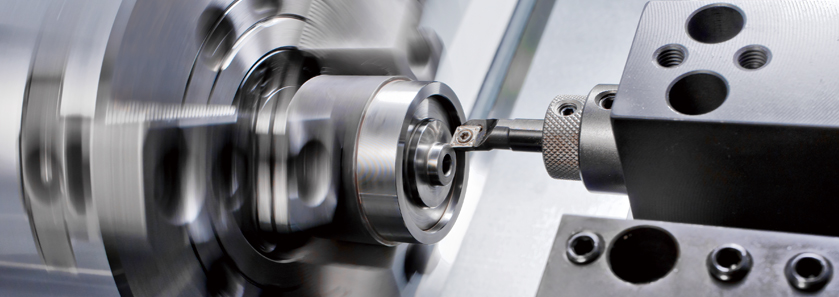
Medžiagų ir nuokrypių supratimas yra būtinas – bet kur įsigali šie CNC dalys? Atsakymas apima beveik kiekvieną pramonės šaką, kuri vertina tikslumą, ilgaamžiškumą ir patikimumą. Nuo jūsų automobilio variklio skyriaus iki vietinės ligoninės operacinės salės CNC apdirbamos detalės tyliai atlieka kritines funkcijas, apie kurias retai pagalvojame. Pažvelkime, kaip skirtingos sritys panaudoja CNC apdirbimą ir kas daro kiekvienos pramonės šakos reikalavimus unikaliuose.
Automobilių pramonės taikymas
Automobilių pramonė yra viena didžiausių visame pasaulyje CNC detalių vartotojų. Kiekvienas gamykloje gaminamas automobilis turi šimtus tiksliai apdirbtų detalių – nuo variklio agregatų iki saugos kritinių važiuoklės sąrankų. Kas daro automobilių apdirbimą ypatingu? Nepertraukiamas aukšto tūrio vientisumo reikalavimas prie konkurencingų kainų.
Pag according to MFG Solution automobilių apdirbimo vadovo, pagrindinės šioje srityje taikomos CNC technologijos yra:
- Variklio komponentai: Krumplinės velenai, kumštelinės velenai, cilindrų galvutės ir vožtuvų įvorės, kurioms reikalingi tikslūs nuokrypiai iki ±0,005 mm, kad būtų užtikrintas tinkamas sandarinimas ir našumas.
- Pavarų dėžės ir varomosios linijos dalys: Pavaros, velenai, korpusai ir sujungimo elementai, kurių tikslumas tiesiogiai veikia pavertimo sklandumą ir galios perdavimo efektyvumą.
- Važiuoklės ir pakabos komponentai: Valdymo rankenėlės, laikikliai, sukabintuvai ir tikslūs įvorės, užtikrinantys valdymo stabilumą ir keleivių saugą.
- Turbopūstuvų ir aušinimo sistemos dalys: Palečių ratukai, korpusai ir kolektoriai, veikiantys ekstremaliomis temperatūromis ir slėgiu.
- EV specifiniai komponentai: Akumuliatorių korpusai, variklių laikikliai ir šiluminio valdymo detalės, atitinkančios elektromobilių reikalavimus.
Automobilių gamybos mašinų detalių gamyba susiduria su unikaliais iššūkiais. Gamybos apimtys dažnai siekia dešimtis tūkstančių identiškų detalių, todėl net nedidelės kiekvienos detalės neefektyvumų sąnaudos dauginamos į reikšmingas bendras sąnaudas. Judančių dalių paviršiaus šlifavimo kokybė dažnai turi būti geriau nei Ra 0,8 μm, kad būtų sumažinta trintis ir ausis. Be to, kiekviena komponentė turi išlaikyti matmeninę tikslumą visoje gamybos serijoje – ne tik pavyzdiniuose vienetuose.
Čia svarbiausią vaidmenį vaidina sertifikavimo standartai. IATF 16949 yra pasaulinis automobilių tiekėjų kokybės valdymo standartas, kuris sujungia ISO 9001 principus su sektorius specifinėmis reikalavimais klaidų prevencijai ir nuolatiniam tobulėjimui. Šiuo sertifikatu pasirašę gamintojai – kaip Shaoyi Metal Technology —demonstruoja procesų valdymo priemones, būtinas nuosekliai kokybei užtikrinti automobilių gamybos mastu. Jų IATF 16949 sertifikavimas, derinamas su griežta statistine procesų kontrolės sistema, leidžia patikimai gaminti sudėtingus važiuoklių surinkimus ir tikslų komponentų su pristatymo laikais, trumpiausiais vieną darbo dieną.
Kai aukšto našumo automobilių gamyboje kyla įrangos problemų, prastovos sąnaudos gali siekti tūkstančius dolerių per valandą. Tai daro patikimą CNC įrenginių remontą būtinu reikalavimu gamybos grafikams palaikyti. Tie tiekėjai, kurie integruoja profilaktinę priežiūrą ir greito reagavimo galimybes, apsaugo savo klientus nuo brangios gamybos pertraukų.
Aviacijos ir gynybos reikalavimai
Jei automobilių pramonė reikalauja didelio gamybos kiekio, tai aviacijos pramonė reikalauja visiškos sekamosios informacijos. Kiekvienas lėktuvo, skrendančio 35 000 pėdų aukštyje, komponentas turi būti seklus iki jo žaliavos partijos, apdirbimo parametrų ir patikrinimo rezultatų. Rizika tiesiog per didelė, kad būtų leidžiama bet kokia kita nei visiška sekamoji informacija.
Pagal 3ERP sertifikavimo vadovą, AS9100 standartas remiasi ISO 9001 standartu, tačiau papildomas specialiais aviacijos pramonės reikalavimais, kurie ypač pabrėžia rizikos valdymą, konfigūracijos kontrolę ir išsamią dokumentaciją sudėtingose tiekimo grandinėse. NADCAP akreditacija prideda dar vieną lygį, patvirtindama specialiuosius procesus, tokius kaip termoapdorojimas ir neardomasis bandymas.
Aviacijos pramonės CNC dalys apima įvairias kategorijas:
- Konstrukciniai komponentai: Lėktuvo korpuso dalys, sparnų grotos ir pertvaros, apdirbtos iš didelės stiprybės aliuminio lydinių (7075, 2024) arba titano, skirtos svoriui kritiškoms aplikacijoms.
- Tvyros įrengimo dalys: Didelės stiprybės plieno ir titano komponentai, suprojektuoti pakartotiniam smūgiui ir ekstremalioms įtempimų ciklų sąlygoms.
- Variklio komponentai: Turbinos diskai, kompresoriaus mentys ir degimo kamerų detalės, veikiančios ekstremaliomis temperatūromis.
- Skrydžio valdymo mechanizmai: Varytuvų korpusai, jungiamosios detalės ir tikslūs sujungimo elementai, reikalaujantys absoliučios defektų nebuvimo patikimumo.
- Palydovų ir kosminės technikos komponentai: Komponentai, suprojektuoti vakuumo aplinkai, spinduliavimo poveikiui ir nenumatyto techninio aptarnavimo eksplotaciniam laikui.
Medžiagų reikalavimai aviacijos pramonėje dažnai išstumia apdirbimo galimybes į jų ribas. Titanio stiprumo ir svorio santykis daro šią medžiagą neįkainojamą, tačiau jo prasta apdirbamumas reikalauja specializuotų įrankių ir atsargių pjovimo parametrų. Inkonel ir kiti vario superlydiniai, naudojami karštųjų variklių dalių gamyboje, kelia dar didesnius iššūkius – dirbinio kietėjimas, įrankių nusidėvėjimas ir šilumos valdymas visi reikalauja ekspertinio aptarnavimo.
ITAR atitiktis sudėtingina gynybos srities veiklą. Pagal „American Micro“ sertifikavimo išteklius ši reguliava griežtai kontroliuoja jautrių techninių duomenų ir komponentų tvarkymą, reikalaudama registruotos būsenos JAV Valstybės departamente bei patikimų informacinės saugos protokolų.
Medicinos prietaisų gamybos standartai
Medicininiai CNC dalys kelia reikalavimą, kurio neaptiksite automobilių ar aviacijos pramonėje: biologinę suderinamumą. Į žmogaus audinius įsodinamos ar su jais sąveikaujančios detalės turi ne tik tinkamai veikti mechaniniu požiūriu – jos taip pat turi tai daryti, nekeliant neigiamų biologinių reakcijų per metus ar net dešimtmečius eksploatacijos.
ISO 13485 yra aiškus kokybės valdymo standartas medicinos prietaisų gamybai, nustatantis griežtus reikalavimus projektavimui, gamybai, sekamumui ir rizikos mažinimui. Pagal 3ERP analizę ši sertifikacija parodo, kad gamybos įmonė geba užtikrinti kiekvienos medicinos prietaiso detalės saugumą, patikimumą ir visišką sekamumą viso jos naudojimo ciklo metu.
Tiksliai apdirbtų mašinų dalių panaudojimas medicinoje apima:
- Chirurginiai instrumentai: Žnyplės, atitraukikliai, pjovimo vadovai ir specializuoti įrankiai, kuriems būtina ergonomiška konstrukcija kartu su sterilizavimo suderinamumu.
- Kaulų sąnarių protezai: Hipų ir kelio protezavimo komponentai, stuburo fuzijos įranga bei kaulų plokštės, pagamintos iš titano arba kobalto-chromo lydinių su tiksliais nuokrypio ribomis.
- Dantų protezai: Individualūs abutmentai, implantų kūnai ir tikslūs rėmai, reikalaujantys paciento specifinių matmenų.
- Diagnostinės įrangos komponentai: Korpusai, montavimo laikikliai ir tikslūs mechanizmai vaizdavimo sistemoms ir laboratorinėms analizatorėms.
- Vaistų pristatymo įrenginiai: Insulino siurbliaus komponentai, įkvėpimo prietaisų mechanizmai ir kita gyvybę palaikanti įranga, kurios patikimumas yra neabejotinas.
Medicinos srityje paviršiaus apdorojimo reikalavimai dažnai viršija kitų pramonės šakų reikalavimus. Implantų paviršiai gali reikalauti veidrodinio šlifavimo (Ra mažesnis nei 0,4 μm), kad būtų sumažinta bakterijų prilipimas, o kontroliuojamas tekstūrinis apdorojimas kaulų liečiamuose paviršiuose skatina osteointegraciją. Kiekvienas gamybos sprendimas turi būti vertinamas ne tik pagal nedelsiant pasireiškiančią funkciją, bet ir pagal ilgalaikį biologinį sąveikavimą.
JAV maisto ir vaistų administracijos (FDA) atitiktis 21 CFR 820 dalies (kokybės sistemos reglamentas) reikalavimams reguliuoja JAV medicinos prietaisų gamybą ir nustato dokumentuotų procedūrų reikalavimus projektavimo valdymui, gamybos kontrolėms ir taisomosioms priemonėms. Šioje srityje veikiančioms įmonėms šių sistemų palaikymas nėra pasirinktinis – tai būtinas sąlyginis reikalavimas, kurį reikia įvykdyti, norint įeiti į rinką.
Vartotojų prekės ir elektronika
Ne visos CNC taikymo sritys susijusios su gyvybės pavojų keliais aspektais, tačiau vartotojų prekių gamyba kelia savo reikalavimus: estetinė tobulybė, kainos jautrumas ir greiti iteraciniai ciklai.
- Elektronikos korpusai: Nešiojamųjų kompiuterių korpusai, išmaniųjų telefonų rėmeliai ir tikslūs korpusai, kuriems reikalingas tikslus matmenų kontrolė komponentų integracijai bei be defektų estetiniai paviršiai.
- Mechaniniai surinkimai: Fotoaparatų objektyvų laikikliai, garso įrangos korpusai ir tikslūs mechanizmai vartotojų įrenginiams.
- Sporto priemonės: Dviratių komponentai, šaunamųjų ginklų korpusai ir našumo įranga, kur svarbi stiprio-ir-svorio santykio optimizacija.
- Pramoninė įranga: Pumpų korpusai, vožtuvų korpusai ir mašinų komponentai komercinėms ir pramoninėms programoms.
Vartotojų elektronikos įrenginių taikymuose dažnai nurodomi anodizuoti aliuminio paviršiai, todėl apdirbant reikia atlikti paviršiaus paruošimą, kad būtų užtikrintas vienodas dengimo sluoksnio sukibimas. Estetiniai reikalavimai gali būti netikėtai griežti – matomi įrankių žymėjimai ar paviršiaus defektai, kurie būtų leidžiami paslėptuose pramonės komponentuose, vartotojams skirtuose gaminiuose tampa nepriimtinumo kriterijais.
Kodėl pramonės reikalavimai formuoja gamybos pasirinkimus
Atkreipkite dėmesį, kaip kiekviena pramonės šaka į CNC detalių pirkimą atneša savo ypatingus prioritetus:
| Pramonė | Pagrindinis reikalavimas | Pagrindiniai sertifikatai | Tipiškos problemos |
|---|---|---|---|
| Automobilinis | Didelis kiekis pastovumo | IATF 16949 | Kainos spaudimas, siauri pelno normos, tiekimo grandinės koordinavimas |
| Oro erdvė | Priežiūros ir dokumentacija | AS9100, NADCAP, ITAR | Egzotiški medžiagų tipai, sudėtingos geometrijos, ilgi sertifikavimo ciklai |
| Medicinos | Biologiška suderinamumas ir sauga | ISO 13485, JAV maisto ir vaistų administracijos (FDA) 21 CFR 820 dalis | Patvirtinimo reikalavimai, medžiagų apribojimai, sterilizavimo suderinamumas |
| Vartotojų produktai | Estetika ir kainos efektyvumas | ISO 9001 (tipiška) | Greiti konstrukcijos pokyčiai, estetiniai reikalavimai, kainų konkurencija |
Šių skirtumų supratimas padeda įvertinti potencialius gamybos partnerius. Dirbtuvė, puikiai dirbanti aviacijos pramonėje, gali susidurti su sunkumais siekdama automobilių pramonės kainų tikslų. Įmonė, optimizuota medicinos prietaisų sekamumui užtikrinti, gali neturėti pajėgumų gaminti vartojimo elektronikos gaminių dideliais tūriais. Geriausi gamintojai aiškiai komunikuoja savo pagrindines kompetencijas ir pramonės sritis.
Konkrečiai automobilių pramonės taikymo atveju gamybos reikalavimai dažnai reikalauja greitai reaguojančių CNC įrenginių remonto paslaugų, kad būtų sumažinta prastovų trukmė. Kai įrangos problemos gali pažeisti pristatymo grafikus, partneris, turintis įsitvirtinusias aptarnavimo tinklų, tampa tokio pat svarbus kaip pats jo frezavimo gebėjimas.
Kai pramonės taikymo sritys jau nustatytos, esate pasiruošę pradėti projektavimo etapą – kur sprendimai, priimti CAD programose, tiesiogiai lemia gamybos sėkmę arba nesėkmę. Panagrinėkime, kaip sukurti CNC gamybai tinkamus projektus, kurie vienu metu užtikrintų funkcionalumą ir gamybos lengvumą.
Konstravimo apsakymai, kurie lemia CNC detalės sėkmę
Jūs pasirinkote tinkamą medžiagą ir suprantate reikalaujamus tikslumo rodiklius. Tačiau čia daugelis projektų susiduria su sunkumais: perėjimas nuo idėjos prie CNC mašinos detalės vyksta jūsų CAD programoje, o ten priimti sprendimai tiesiogiai nulemia, ar gamyba vyks sklandžiai – ar taps brangiu ir sudėtingu uždaviniu. Konstravimas gamybai (DFM) nėra kūrybiškumo ribojimas; tai yra jūsų konstrukcinės idėjos nukreipimas į formas, kurias CNC mašinos gali efektyviai ir ekonomiškai pagaminti.
Pagrindinės konstravimo taisyklės apdirbimui
Kiekvienas CNC įrankis turi fizinės ribotumus. Galiniai frezavimo įrankiai negali sukurti visiškai aštrių vidinių kampų. Gręžimo įrankiai turi gylio ir skersmens santykio apribojimų. Plonos sienelės virpa ir išsilenkia veikiamos pjovimo jėgų. Šių realijų supratimas dar prieš galutinai parengiant CNC mašinos brėžinį leidžia išvengti pakartotinių taisymų ciklų ir padeda laikytis projekto grafiko.
Žemiau pateikiamos esminės DFM rekomendacijos su konkrečiais matmeniniais tikslais:
- Sienelių storio minimalūs reikalavimai: Visos sienelės iš metalo turi būti storesnės nei 0,02 colio (0,5 mm). Pag according to Summit CNC DFM geriausių praktikų vadovo, plonos sienelės perdirbant tampa trapios ir lengvai sulūžta. Plastikams reikalingos dar storesnės sienelės – paprastai ne mažiau kaip 0,04 colio (1,0 mm) – dėl jų mažesnio standumo ir linkimo deformuotis dėl likutinės įtempimo.
- Vidinių kampų spinduliai: Visuose vidiniuose kampuose projektuokite apskritiminį spindulį ne mažesnį nei 0,0625 colio (1,6 mm). Cilindriniai galiniai frezavimo įrankiai fizikiškai negali sukurti aštraus 90 laipsnių vidinio kampo. Mažesni spinduliai reikalauja mažesnių įrankių su ilgesniu pasiekimu, kas žymiai padidina ciklo trukmę ir sąnaudas.
- Lietuvos gyliai: Ribokite lietuvos gylį ne daugiau kaip 6 kartus didesniu nei mažiausias lietuvos kampo spindulys. Gilesniems lietuvoms reikia ilgų frezavimo įrankių, kurie yra linkę įlinkti ar sulūžti. Pagal Geomiq CNC projektavimo vadovą , galiniai frezavimo įrankiai paprastai turi pjovimo ilgį tik 3–4 kartus didesnį už savo skersmenį, kol prasideda reikšmingas įlinkis.
- Skylės gylio ir skersmens santykis: Standartiniai gręžimo įrankiai geriausiai veikia iki 4 kartų didesniuose gyliais nei nominalusis skersmuo. Specializuoti grąžtai gali pasiekti iki 10 kartų didesnį skersmenį, o naudojant ekspertų įrankius – net 40 kartų didesnį skersmenį, tačiau labai gilioms skylėms reikės mokėti aukštesnę kainą.
- Sriegio gylis – techniniai reikalavimai: Dauguma apkrovos perduodama per pirmuosius 1,5 sriegio skersmens. Nurodant sriegį gilesnį nei 3 kartus nominalusis skersmuo, naudos dažniausiai nepasiekiamos, tačiau apdirbimo laikas padidėja. Uždarose skylėse įrankių laisvumui užtikrinti dugne reikia pridėti dar 1,5 skersmens.
- Minimalūs skylių skersmenys: Dauguma CNC paslaugų patikimai gali apdirbti skyles iki 2,5 mm (0,10 colio) skersmens. Mažesnių skylės įeina į mikroapdirbimo sritį, kur reikalingi specialūs įrankiai ir žymiai didesnės sąnaudos.
- Įpjovų ribojimai: Standartiniai įrankiai negali pasiekti įpjovų be specialių griovelių pjovimo įrankių arba kelių montavimo etapų. Kai įpjovos yra būtinos, jas reikia projektuoti su pakankamu laisvumu esamiems įrankiams.
Gerai DFM sumažina sąnaudas, neprarandant funkcionalumo. Kiekvienas laikomasis projektavimo taisyklės principas tiesiogiai lemia trumpesnius ciklo laikus, ilgesnį įrankių tarnavimo laiką ir žemesnę kainą už vieną detalę – vis tiek užtikrinant našumą, kurio reikalauja jūsų taikymo sritis.
Išvengiant paplitusių dizaino klaidų
Net patyrę inžinieriai kartais sukuria elementus, kurie CAD programoje atrodo paprasti, bet gamybos ceche sukelia problemas. Štai į ką reikėtų atkreipti dėmesį:
Aštrūs vidiniai kampai įdubose: Jūsų apdirbimo brėžinyje gali būti pavaizduoti aštrūs 90 laipsnių kampai, tačiau apdirbtos detalės mašinoje bus su apvalintais kampais, kurių spindulys atitiks naudojamo įrankio skersmenį. Jei sujungiamos detalės reikalauja aštrių kampų, apsvarstykite alternatyvius apdirbimo būdus, pvz., elektroerosinį apdirbimą (EDM), tik šiems konkrečiams elementams.
Per siauros tolerancijos nekritinėse matmenų vietose: Nurodant ±0,001 colio tikslumą visam detalių paviršiui, žymiai padidėja gamybos kaštai. Pagal Summit CNC, tikslumai, griežtesni nei ±0,005 colio, gali reikšti naujų įrankių panaudojimą ir papildomą paruošiamąjį laiką, skirtą įrankių nusidėvėjimo kompensavimui.
Sudėtingos estetinės savybės be funkcionaliosios paskirties: Dekoratyviniai kontūrai, sudėtingos paviršiaus tekstūros ir išplėstinių profilių elementai padidina programavimo sudėtingumą, apdirbimo trukmę ir sąnaudas. Optimizuodami savo CNC brėžinius, pirmiausia projektuokite funkcionalumui – estetines smulkmenas palikite matomoms paviršiaus dalims, kur jos tikrai prideda vertės.
Šlifuoti kraštai (chamfers) prieš apvalintus kraštus (fillets): Kiekvienu įmanomu atveju nurodykite šlifuotus kraštus (chamfers), o ne apvalintus kraštus (fillets) išoriniams kraštams. Apvalintų kraštų (fillets) apdirbimui reikia sudėtingų 3D įrankių judėjimo trajektorijų arba specializuotų kampų apvalinimo įrankių, tuo tarpu šlifuoti kraštai (chamfers) gali būti greitai apdirbti standartiniais šlifavimo frezais. Šis paprastas pakeitimas dažnai žymiai sumažina tiek programavimo, tiek apdirbimo laiką.
Teksto ir raidžių naudojimo problemos: Pagal Geomiq rekomendacijas įgraviruotas arba iškilusis tekstas žymiai padidina sąnaudas dėl mažų įrankių reikalavimų ir pratęstų ciklo trukmių. Jei tekstas būtinas, naudokite storą bešrifto šriftą (Arial, Verdana arba Helvetica) su kuo mažesniu aštriu detalių skaičiumi. Iškilusis (pakeltasis) tekstas paprastai duoda geresnius rezultatus nei įgraviruotas, nes reikalauja mažiau medžiagos pašalinimo.
Efektyvus bendravimas su savo gamintoju
Štai viena realybė, kurią daugelis pirkėjų praleidžia: kuo anksčiau įtraukiate savo gamybos partnerį, tuo geriausi bus jūsų rezultatai. Patyrę staklių operatoriai pastebi potencialias problemas, kurias CAD programinė įranga praleidžia – be to, dažnai siūlo alternatyvas, kurios išlaiko funkcionalumą, tačiau pagerina gamybos galimybes.
Pateikdami projektus kainos pasiūlymui ar gamybai, pateikite visą dokumentaciją:
- 3D CAD modelius standartiniais formatais (STEP, IGES) tarnauja kaip autoritetinis geometrijos šaltinis šiuolaikinei CNC gamybai.
- Techniniai brėžiniai su visomis leidžiamomis nuokrypomis, paviršiaus apdorojimo reikalavimais ir medžiagos specifikacijomis. Pagal Xometry techninio brėžinio vadovą šiandienos gamybos paradigmą CAD failai laikomi pirminiais, o brėžiniai – papildomais, tačiau brėžiniai išlieka būtini norint aiškiai perduoti leidžiamas nuokrypas, geometrinio formos ir padėties tikslumo (GD&T) reikalavimus bei specialias instrukcijas.
- Medžiagų sertifikatai ar specifikacijas, kai jūsų taikymo srityje svarbi sekamumas.
- Aiškūs pastabų punktai apie kritines matmenis, estetinius paviršius ir bet kokius elementus, reikalaujančius ypatingo dėmesio.
Efektyvi komunikacija priklauso ne tik nuo dokumentų kokybės. Prieš galutinai patvirtindami projektus, pasiteiraukite savo gamintojo apie jo galimybes. Trumpa pokalbio minutė gali atskleisti, ar jūsų vidinius kampų spindulius įmanoma realizuoti naudojant jų standartinį įrankinį komplektą, ar jūsų tikslumo reikalavimai atitinka jų įprastas galimybes, ar nedidelė projekto modifikacija galėtų sumažinti jūsų sąnaudas net 30 %.
Pag according to Xometry geriausių praktikų, įtraukiant visą siūlų specifikaciją (formą, seriją, didžiausią skersmenį, siūlų skaičių colyje, pritaikymo klasę ir gylį), išvengiama brangių spėliojimų. Nepilnos techninės sąlygos verčia gamintojus spėti – o jų spėjimai gali neatitikti jūsų ketinimų.
Sudėtingoms detalėms prieš pradedant gamybą rekomenduojama paprašyti DFM peržiūros. Patikimi gamintojai šią analizę siūlo nemokamai, kad būtų galima nustatyti potencialias problemas, pasiūlyti patobulinimus ir užtikrinti, jog jūsų detalės apdirbimo rezultatai atitiktų numatytus reikalavimus. Šis bendradarbiavimo požiūris leidžia aptikti problemas tuo metu, kai jas ištaisyti yra pigiausia – ekrane, o ne metalo dalyje.
Kai jūsų projektas jau optimizuotas gamybai, lieka vienas svarbus klausimas: kiek tai iš tikrųjų kainuos? CNC kainodaros veiksniai ne visada yra intuityvūs, tačiau juos suprantant galima geriau suderinti kokybės reikalavimus su biudžeto realijomis.
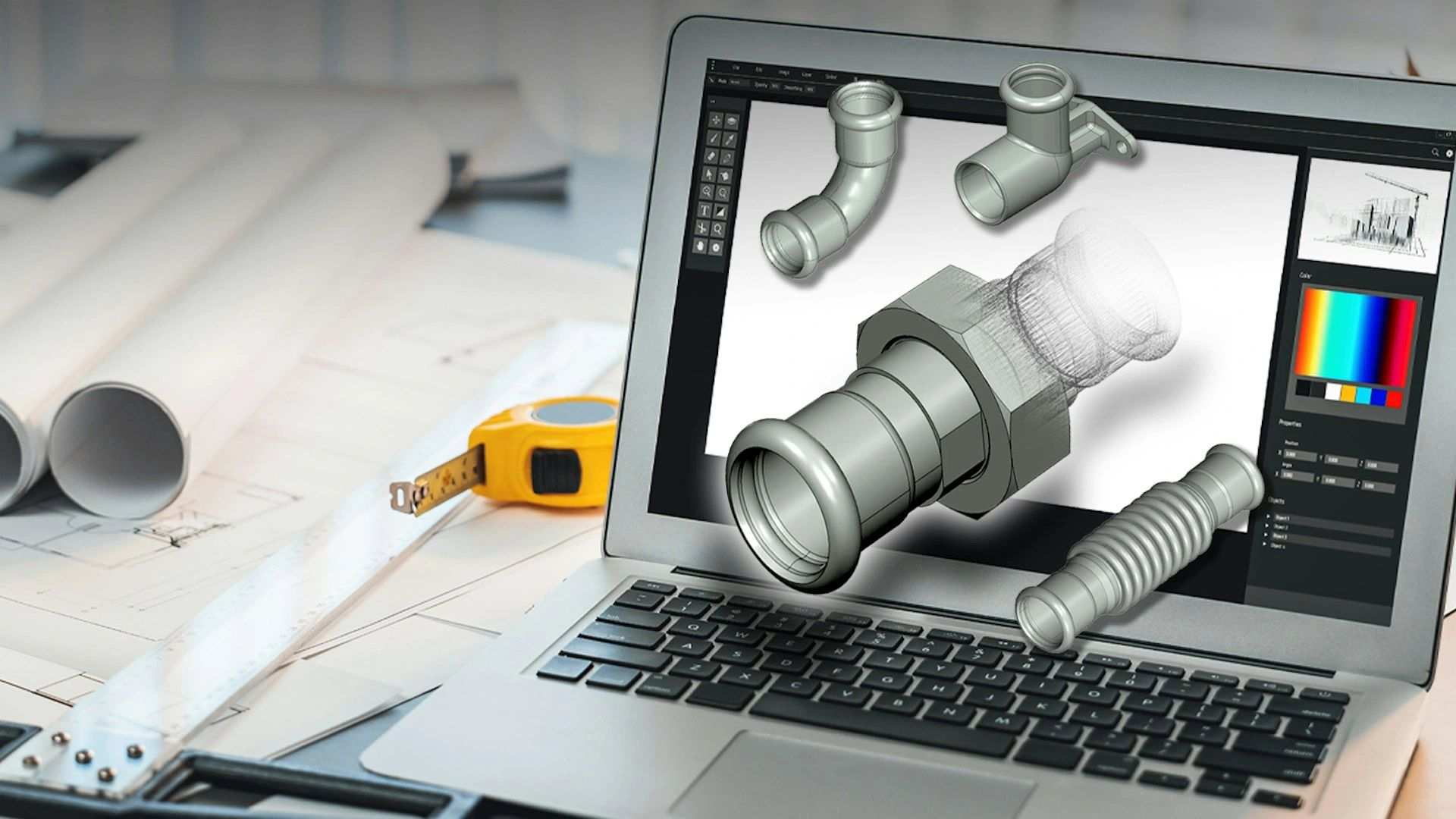
Kainos veiksniai ir biudžeto planavimas CNC detalėms
Jūs sukūrėte gamybai tinkamą detalę su tinkamomis nuokrypių ribomis ir pasirinkote idealų medžiagą. Dabar kyla klausimas, su kuriuo susiduria kiekvienas pirkimų specialistas ir inžinierius: kokia iš tikrųjų bus šios CNC detalės kaina? Skirtingai nuo prekių su fiksuotais kainoraščiais, CNC apdirbimo kainos labai skiriasi priklausomai nuo sprendimų, kuriuos priimate jūs. Šių kainos veiksnių supratimas paverčia jus ne aktyviu pirkėju, o žmogumi, kuris gali strategiškai optimizuoti projektus, neprarandant kokybės.
Kas lemia CNC apdirbimo sąnaudas
CNC kainodara nėra atsitiktinė – ji atspindi realų išteklių suvartojimą. Kiekvienas veiksnys, kuris prideda laiko, sudėtingumo ar specializuotų galimybių jūsų projektui, padidina galutinį sąskaitos faktūros dydį. Paanalizuokime pagrindinius kainos veiksnius, kad galėtumėte priimti informuotus kompromisus.
Medžiagos tipas ir naudojimas: Pagal Komacut kainų analizę medžiagos pasirinkimas žymiai veikia tiek kainą, tiek apdirbimo procesą. Kietesnės medžiagos, tokios kaip nerūdijantis plienas ir titanas, reikalauja daugiau laiko ir specializuotų įrankių, todėl padidina sąnaudas. Minkštesnės medžiagos, pvz., aliuminis, yra lengviau apdirbamos, todėl sumažėja tiek apdirbimo laikas, tiek įrankių nusidėvėjimas. Be žaliavos kainos, atsižvelkite į apdirbiamumą – kai kurios medžiagos reikalauja specialių CNC staklių ar unikalių nustatymų, kad būtų galima tinkamai apdoroti jų savybes.
Apdirbimo laikas: CNC operacijose laikas yra pinigai. Detalės apdirbimo trukmė tiesiogiai veikia darbo užmokesčio ir staklių eksploatacijos sąnaudas. Du svarbūs veiksniai įtakoja apdirbimo laiką: medžiagos storis ir konstrukcijos sudėtingumas. Storesnėms medžiagoms pasiekti reikiamą gylį reikia kelių pravažiavimų, o sudėtingi elementai reikalauja lėtesnių padavimo greičių ir dažnų įrankių keitimo.
Dizaino sudėtingumas: Pagal Hotean'o prototipų gamybos kainų vadovą, konstrukcinė sudėtingumas padidina apdirbimo laiką 30–50 % detalesiems su elementais, tokiais kaip įlinkiai ir daugiapagalė geometrija. Paprastas stačiakampis aliuminio blokas su paprastomis skylėmis gali kainuoti 150 JAV dolerių, tuo tarpu tas pats detalės modelis su sudėtingais kontūrais, kintamo gylio kišenėmis ir tiksliais tolerancijų reikalavimais gali kainuoti 450 JAV dolerių ar daugiau.
Tolerancijos reikalavimai: Perėjimas nuo standartinių tolerancijų (±0,005 colio) prie tikslaus tolerancijų (±0,001 colio) gali padidinti kainas keturgubai. Tikslūs techniniai reikalavimai reikalauja lėtesnių pjovimo greičių, dažnesnių įrankių keitimo, papildomų kontrolės etapų ir didesnio broko rodiklio. Pagal Makerverse kainų sumažinimo vadovą, papildomos išlaidos kyla dėl papildomų operacijų, pvz., šlifavimo po pirminio apdirbimo, didesnių įrankių sąnaudų, ilgesnių eksploatacijos ciklų ir reikalavimo turėti kvalifikuesnius darbuotojus.
Poviršiaus apdailos specifikacijos: Mechaniškai apdirbti paviršiai papildomos kainos neprideda, o aukštos kokybės apdailos padidina išlaidas žymiai. Paprastos apdorojimo rūšys, pvz., švitravimas, kainuoja 10–20 JAV dolerių už detalę, anodavimas kainą padidina 25–50 JAV dolerių už vienetą, o specializuotos dengiamosios medžiagos, pvz., miltelinis dengimas, – 30–70 JAV dolerių, priklausomai nuo detalės dydžio ir sudėtingumo.
Tipas Stalčio: Ne visos CNC įrangos valandinė kaina yra vienoda. Pagal Komacut analizę, įvertintos valandinės kainos svyruoja nuo žemesnių kainų paprastoms sukimosi operacijoms iki aukštesnių kainų penkių ašių frezavimo centrams. Kai jūsų projektas gali būti gamintinas keliais technologijų būdais, pasirinkus ekonomiškiausią variantą galima pasiekti reikšmingų taupymų.
| Išlaidų faktorius | Poveikis santykinei kainai | Kodėl tai svarbu |
|---|---|---|
| Standartiniai nuokrypiai (±0,005 colio) | Pagrindinė vertė (1x) | Įprasti apdirbimo greičiai ir standartinė inspekcija |
| Tikslūs nuokrypiai (±0,001 colio) | 2–4 kartų padidėjimas | Lėtesni padavimai, dažni įrankių keitimai, išsami inspekcija |
| Paprasta geometrija (prizminė) | Pagrindinė vertė (1x) | Standartinės trijų ašių operacijos, minimalus paruošimas |
| Sudėtinga geometrija (daugiapagalė) | 1,5–3 kartų padidėjimas | 5 ašių įranga, pažangus programavimas, ilgesni ciklai |
| Aliuminis 6061 | Pagrindinė vertė (1x) | Puiki apdirbamoji savybė, prieinama žaliavinė medžiaga |
| Nerūdijantis plienas 316 | 1,5–2 kartų padidėjimas | Lėtesni pjovimo greičiai, pagreitėjęs įrankio nusidėvėjimas |
| Titano lygis 5 | 3–5 kartų padidėjimas | Specializuoti įrankiai, lėti padavimai, brangi žaliavinė medžiaga |
| Apdirbtas paviršius | Pagrindinė vertė (1x) | Papildomų operacijų nereikia |
| Anodizuota ar padengta paviršiaus apdaila | +$25–$100 už detalę | Papildomi apdorojimo, tvarkymo ir pristatymo laiko sąnaudos |
Prototipų gamyba prieš gamybą serijomis
CNC frezavimo ekonomika žymiai keičiasi tarp vieno prototipo ir serijinės gamybos. Šio perėjimo supratimas padeda tinkamai sudaryti biudžetą ir kiekvienam projekto etapui pasirinkti tinkamiausią gamybos metodą.
Prototipų kainų realybė: Užsakant vieną prototipą, visi paruošimo kaštai – programavimas, tvirtinimo įrenginių gamyba, įrankių judėjimo maršrutų optimizavimas ir staklių paruošimas – tenka vienam užsakymui. Šie vienkartiniai išlaidų elementai gali sudaryti $200–$500 darbo sąnaudų, nepriklausomai nuo to, ar užsakoma viena detalė, ar šimtas detalių. Pagal Hotean analizę vieno prototipo kaina gali siekti $500, o užsakius 10 vienetų kaina vienai detalei sumažėja iki maždaug $300.
Ekonominiai mastelio efektai: Kai kiekiai didėja, pastoviosios sąnaudos paskirstomos per daugiau vienetų. Didelėse serijose (50+ vienetų) sąnaudos gali sumažėti iki 60 %, sumažinant vieneto kainą iki maždaug 120 JAV dolerių, tačiau išlaikant identišką kokybę ir technines charakteristikas. Šis sumažėjimas susijęs su vienkartinėmis pradinių darbų sąnaudomis, kurios paskirstomos per kelis vienetus, taip pat su medžiagų apribojimų nuolaidomis (10–25 %) už didesnius kiekius.
Pelnio ir nuostolio taško apskaičiavimas: Kuriant naujus gaminius rekomenduojama pradžioje užsakyti ne vieną, o 3–5 vienetus. Tai suteikia atsarginių vienetų rezervą bandymams ir žymiai sumažina vieneto investiciją. Daugelis įmonių nustato, kad vidutinio tūrio gamyba (20–100 vienetų) pasiekia pelno ir nuostolio tašką, kai tarptautinė gamyba tampa naudinga net nepaisant siuntimo išlaidų.
Vestuvės laiko apibrėžimai: Skubumas turi kainą. Skubūs užsakymai dažnai reikalauja aukštesnių kainų – kartais 25–50 % virš įprastų kainų. Iš anksto suplanavus užsakymą gamintojai gali efektyviai suplanuoti jūsų darbus, o tai gali sumažinti sąnaudas ir tuo pat metu užtikrinti laiku pristatymą. Tačiau kai tikrai svarbu greitis, šiuolaikinės CNC gamybos įmonės gali pasiūlyti netikėtai greitus rezultatus. Gamintojai, tokie kaip Shaoyi Metal Technology parodo, ko galima pasiekti – jų įmonė tiekia aukštos tikslumo detalės su pristatymo terminais, kurie gali būti trumpesni nei viena darbo diena, leisdama greitai kurti pirmuosius modelius, nepaaukojant tikslumo ar kokybės kontrolės.
Didinimas nuo pirmojo modelio iki serijinės gamybos: Perėjimas nuo pradinių prototipų prie visiškos gamybos kelia naujų aspektų. Ar jūsų prototipų tiekėjas efektyviai tvarkys masinę gamybą? Kai kurios įmonės puikiai dirba su specializuotais detalėmis ir mažomis partijomis, tačiau neturi pajėgumų gaminti didelėmis serijomis. Kitos įmonės optimizuotos aukšto tūrio gamybai su nuolatine kokybe – pavyzdžiui, automobilių gamybai skirtos įmonės, turinčios IATF 16949 sertifikatą ir statistinės proceso kontrolės (SPC) galimybes – kur tolygus perėjimas nuo prototipavimo prie masinės gamybos tampa pagrindine stiprybe, o ne antraeiliu dalyku.
Strategijos kainų optimizavimui
Protingi pirkėjai tiesiog nepriima pirmos pasiūlytos kainos – jie aktyviai valdo sąnaudas priimdami informuotus sprendimus. Štai patikrintos strategijos, kurios sumažina išlaidas, nepažeisdamos jūsų detalės funkcinės paskirties.
Nurodykite tik būtinus nuokrypius: Peržvelkite savo projektą ir išbandykite kiekvieną tikslų matmenų nuokrypį. Ar šio guolio skylė tikrai turi būti ±0,0005 colio tikslumo, ar ±0,002 colio tikslumas užtikrintų tokį pat funkcionalų našumą? Pagal Makerverse analizę, nebūtinosios tikslaus matavimo ribos padidina sąnaudas dėl papildomų operacijų, didesnių įrankių sąnaudų, ilgesnių gamybos ciklų ir padidėjusių broko normų.
Pasirinkite standartines medžiagas: Naudojant plačiai prieinamas medžiagas ir standartines atsargas net mažose serijose galima pasinaudoti masinės gamybos privalumais. Kitų privalumų tarp jų – supaprastinta atsargų valdymo sistema, lengvesnis pirkimas, vengiamos įrankių ir įrangos investicijos bei greitesni gamybos ciklai. Prieš nurodydami eksotinius lydinius, įsitikinkite, kad standartiniai lydiniai negali tenkinti jūsų reikalavimų.
Standartizuokite konstrukcijos elementus: Užsakant kelis panašius elementus, mažiausias kainos sąnaudas užtikrina identiškos savybės ir daugiafunkciai komponentai. Konstrukcijų standartizavimas leidžia pasiekti gamybos masto naudą, supaprastina gamybos procesus ir sumažina įrangos bei įrengimų paruošimo investicijas.
Mažinkite antrinių operacijų skaičių: Įvairūs CNC apdirbimo susiję veiksmai gali žymiai padidinti bendrą kainą. Kraštų šalinimas, tikrinimas, metalų dengimas, dažymas, šiluminis apdorojimas ir medžiagų tvarkymas kartu gali kainuoti daugiau nei pagrindinis gamybos procesas. Projektuodami detalę stenkitės išvengti papildomų operacijų tiek, kiek tai įmanoma, o šiuos procesus įvertinkite jau projektavimo etape, o ne vėliau.
Pasirinkite tinkamą technologiją: Skirtingos CNC technologijos turi skirtingas kainas. Pagal Makerverse duomenis, nuo labiausiai ekonomiškos iki mažiausiai ekonomiškos technologijų eilė yra tokia: lazerinė pjovimo technologija, sukimo apdirbimas, 3 ašių frezavimas, sukimo-frezavimas ir 5 ašių frezavimas. Jei jūsų konstrukcija gali būti pagaminta naudojant kelias technologijas, pasirinkite ekonomiškiausią variantą.
Kuo anksčiau ir kuo dažniau bendraukite: Dirbkite su gamintoju ir paklauskite, jei kyla abejonių dėl konstrukcijos. Neteisinga konstrukcija padidina sąnaudas. Leiskite gamybos komandai susikoncentruoti ties tuo, ką ji daro geriausiai: brėžiniuose nurodykite tik galutines reikiamas savybes, o ne privalomus gamybos procesus. Leiskite gamybos inžinieriams laisvę pasirinkti tokias technologijas, kurios užtikrintų reikiamus matmenis, paviršiaus apdorojimą ar kitas savybes.
Įvertinkite regionų darbo jėgos sąnaudas: Pagal Komacut analizę regionų darbo jėgos sąnaudų skirtumai gali žymiai paveikti sąnaudų efektyvumą. Šiaurės Amerikos CNC įmonės už apdirbimo darbus moka 40–75 JAV dolerių per valandą, tuo tarpu Azijoje esančios gamyklos siūlo kainas nuo 15 iki 30 JAV dolerių per valandą. Tačiau prieš priimant sprendimą dėl užsienio gamybos kaip sąnaudų taupymo būdo, įvertinkite vežimo sąnaudas, ilgesnius pristatymo terminus, galimus ryšio sunkumus bei kokybės užtikrinimo iššūkius.
Priežiūrėkite savo įrangą: Organizacijoms, kurios naudoja savo CNC įrangą, profilaktinė priežiūra duoda naudos. Kai įrenginiai reikalauja remonto, greitas prieigas prie Haas paslaugų arba Haas automatikos detalių padeda sumažinti prastovų sąnaudas. Daugelis gamintojų palaiko ryšius su sertifikuotais techninės priežiūros tiekėjais ir turėdami kritines CNC keitimo dalis bei CNC atsarginės dalis užtikrina greitą reakciją kilus problemoms. Panašiai, turėdami dažnai naudojamas Haas atsargines dalis arba Haas keitimo dalis rankose, išvengiama ilgų gamybos pertraukų.
Ekonomiškiausia CNC detalė nėra ta, kurią siūlo žemiausia kaina – tai ta detalė, kuri atitinka techninius reikalavimus mažiausiomis bendromis sąnaudomis, įskaitant kokybę, patikimumą ir laiku pristatymą. Nepaisyti kritinių reikalavimų dažnai sukelia sąnaudas, kurios gerokai viršija bet kokias pradines taupymo sumas.
Suprantant sąnaudų veiksnius ir turint optimizavimo strategijas, jūs esate pasiruošę priimti informuotus pirkimo sprendimus. Tačiau prieš įsipareigojant naudoti CNC apdirbimą, verta apsvarstyti, ar alternatyvūs gamybos metodai galėtų geriau atitikti jūsų konkrečią taikomąją sritį. Panagrinėkime, kada CNC apdirbimas yra tinkamas pasirinkimas – ir kada kitų metodų taikymas būtų logiškesnis.
Išmintingų sprendimų priėmimas jūsų CNC detalių poreikiams
Jūs ištyrėte visą CNC detalių spektrą – nuo mašinų komponentų iki tiksliai pagamintų elementų, medžiagų parinkimo iki tikslumo reikalavimų, pramonės taikymų iki sąnaudų optimizavimo. Dabar kyla praktinis klausimas: ar CNC apdirbimas iš tikrųjų yra tinkamas jūsų konkrečiam projektui? Kartais atsakymas yra aiškus „taip“. Kitais atvejais alternatyvūs gamybos metodai duoda geresnių rezultatų. Sudarykime sprendimų priėmimo sistemą, kuri padėtų jums išmintingai pasirinkti.
CNC prieš alternatyvius gamybos metodus
CNC apdirbimas puikiai tinka tam tikroms situacijoms, tačiau jis nėra visuotinai pranašesnis. Supratimas, kada pasirinkti CNC technologiją – ir kada alternatyvūs metodai yra racionaleresnė parinktis – padeda atskirti strateginius gamybos sprendimus nuo brangiai kainuojančių prielaidų.
Pagal Protolabs gamybos procesų palyginimą kiekvienas metodas suteikia savitų privalumų:
CNC apdirbimas ypač tinka, kai reikia:
- Aukštos tikslumo ir mažų leistinų nuokrypių funkciniams detaliams
- Mažų ar vidutinių gamybos apimčių (nuo 1 iki kelių tūkstančių vienetų)
- Metalinių komponentų su aukštomis mechaninėmis savybėmis
- Sudėtingų formų, kurios reikalauja daugiakomponenčio (daugiavėžio) apdirbimo galimybės
- Prototipų, kurie turi atitikti gamybos medžiagų savybes
3D spausdinimas (priedinė gamyba) yra geriausias pasirinkimas, kai reikia:
- Greito prototipavimo su trumpais realizavimo laikais
- Sudėtingos vidinės geometrijos, kurias neįmanoma apdirbti
- Lengvosios konstrukcijos su optimizuota topologija
- Tinkinimas ir personalizavimas mažomis partijomis
- Ankstyvojo dizaino iteracijų sąnaudos sumažėja
Švirkštimas tampa naudingas, kai:
- Gamintojas viršija tūkstančius vienetų
- Reikalingi nuoseklūs, pakartotinai gaminami plastikiniai detalės
- Reikalingos sudėtingos geometrijos su išsamiomis savybėmis
- Vieneto sąnaudų optimizavimas svarbesnis nei įrankių gamybos investicijos
Lakštų metalo apdirbimas tinka taikymams, kuriems reikia:
- Korpusai, laikikliai ir plokštės su lenktomis detalėmis
- Lengvos, bet standžios konstrukcinės detalės
- Pelną užtikrinanti gamyba vidutiniais ar dideliais tūriais
- Detalės, kurių suformuota geometrija užtikrina pakankamą tikslumą
Pagrindinė įžvalga? Priderinkite savo gamybos metodą prie konkrečių reikalavimų. Prototipo formos ir pritaikymo bandymas gali prasidėti 3D spausdinimu dėl greičio, vėliau pereiti prie CNC frezavimo funkcionaliniam patvirtinimui naudojant gamybos medžiagas, o tada – prie liejimo į šaltą formą masinei gamybai. Kiekvienoje stadijoje naudojamas optimalus procesas tam etapui.
Jūsų CNC detalių pasirinkimo kontrolinis sąrašas
Prieš užsakydami kitą užsakymą, peržvelkite šį išsamų kontrolinį sąrašą, kad įsitikintumėte, jog esate apsvarstę visus svarbius aspektus:
- Projekto patikrinimas: Ar taikėte DFM principus? Ar vidinių kampų spinduliai, sienelių storis ir skylių gylis yra mašininimo ribose?
- Medžiagų pasirinkimas: Ar pasirinkta medžiaga atitinka taikymo reikalavimus dėl stiprumo, korozijos atsparumo, svorio ir kainos?
- Tikslumo specifikacijos: Ar nustatėte tik būtinus nuokrypius? Ar kritiniai matmenys aiškiai pažymėti jūsų brėžiniuose?
- Paviršiaus apdorojimo reikalavimai: Ar Ra reikšmės tinkamos funkcionaliems reikalavimams, neperdaug nurodant estetinių paviršių parametrus?
- Kiekio apsvarstymas: Ar jūsų užsakymo kiekis optimaliai subalansuoja vieneto kainą ir bendrą investiciją?
- Pradėjimo laiko planavimas: Ar numatėte pakankamai laiko, ar skubos pobūdis pateisina greitųjų paslaugų kainas?
- Tiekėjo galimybės: Ar jūsų gamybos partneris turi atitinkamas sertifikacijas (ISO 9001, IATF 16949, AS9100, ISO 13485), reikalingas jūsų pramonei?
- Kokybės dokumentacija: Ar reikia pridėti patikrinimų ataskaitas, medžiagų sertifikatus ar statistinio proceso valdymo (SPC) duomenis kartu su pristatymu?
- Papildomos operacijos: Ar iš anksto nurodėte reikiamus apdorojimo, dengimo ar surinkimo reikalavimus?
- Komunikacija: Ar pateikėte visus 3D modelius, techninius brėžinius ir aiškius pastabų įrašus dėl kritinių reikalavimų?
Žingsnis į priekį jūsų projekte
Ar kuriate naujus CNC apdirbimo produktus, ar ieškote gamintojų serijinei gamybai, ar prižiūrite CNC įrangą savo įmonėje – jūsų sekantys veiksmai lemia projekto sėkmę.
Kūrėjams: Įtraukite gamybos partnerius kuo anksčiau į savo projektavimo procesą. Greitas DFM peržiūros etapas leidžia aptikti brangius problemas dar prieš tai, kai jų sprendimai būtų įtvirtinti gamybos brėžiniuose. Išbandykite savo prielaidas dėl nuokrypių ir paviršiaus apdorojimo – dažniausiai mažiausiai reikalaujama techninė specifikacija yra ekonomiškiausia.
Pirkimų specialistams: Užmegzkite ryšius su kompetentingais tiekėjais dar prieš kildamos skubios poreikio situacijos. Įvertinkite potencialius partnerius pagal jų gebėjimus, sertifikatus, bendravimo kokybę ir ankstesnę veiklos patirtį – ne tik pagal pateiktą kainą. Pagal geriausios praktikos rekomendacijas žemiausia kaina retai atitinka geriausią vertę, kai į bendrą kainą įskaičiuojama kokybė, patikimumas ir laiku pristatymas.
Įrangos operatoriams: Profilaktinė priežiūra kainuoja daug mažiau nei skubios CNC remonto situacijos. Kai kyla problemų, žinojimas, kur rasti „cnc repair near me“ (CNC remontą šalia manęs) arba jau įsteigta ryšių su kvalifikuotu CNC mechaniku sąsaja sumažina prastovas ir gamybos sutrikimus. Svarbius CNC priedus ir atsarginius komplektavimo elementus reikia laikyti visada prieinamus, ypač tiems, kurie dažnai susidėvi.
Žvelgiant į ateitį, CNC apdirbimo ir naujų technologijų integracija toliau paspartėja. Pagal Baker Industries gamybos tendencijų analizę dirbtinio intelekto (AI) pagalba optimizuoti procesus, hibridinės mašinos, kurios jungia priedinį ir atimtinį apdirbimą, bei IIoT prijungta įranga keičia tai, kas yra įmanoma. Protingose gamyklose vis dažniau naudojamos CNC mašinos su realiuoju laiku vykdomu stebėjimu, numatytąja priežiūra ir automatizuota kokybės kontrolė – tai užtikrina beprecedentinę nuoseklumą ir efektyvumą.
Pagrindai, tačiau, lieka nepakitę: supraskite savo reikalavimus, pasirinkite tinkamas medžiagas ir leidžiamuosius nuokrypius, aiškiai bendraukite su kompetentingais gamybos partneriais ir priimkite sprendimus remdamiesi bendra verte, o ne tik pradine kaina. Įvaldykite šiuos principus, ir nuolat pasieksite sėkmingų rezultatų – ar tai užsakytumėte vieną prototipą, ar didintumėte gamybą iki masinės gamybos apimčių.
Jūsų kelionė per supratimą apie CNC frezavimo staklių dalis, pagamintus komponentus ir viską tarp jų suteikė žinių, kurios atskiria informuotus pirkėjus nuo tų, kurie gamybos sprendimus priima akloje.
Dažniausiai užduodami klausimai apie CNC dalis
1. Kas yra CNC dalys?
CNC detalės reiškia du skirtingus kategorijų tipus: komponentus pačiose CNC mašinose (verpetai, servomotorai, rutuliniai sraigtais, valdymo skydeliai) ir tikslumo komponentus, pagamintus CNC procesais. Pagamintos detalės apima korpusus, laikiklius, velenus, įvorines ir sudėtingas surinktines, kurios sukuriamos kompiuteriu valdomomis frezavimo ir sukimo operacijomis. Abiejų apibrėžčių supratimas padeda inžinieriams tiksliai nustatyti reikalavimus ir veiksmingai bendrauti su tiekėjais, kai pirkami tikslumo komponentai automobilių, aviacijos, medicinos ir vartotojų prekių pritaikymams.
2. Ką reiškia CNC detalių kontekste?
CNC reiškia kompiuterinį skaitmeninį valdymą (Computer Numerical Control) – tai automatizuotas gamybos procesas, kai įranga valdoma programuotomis kompiuterio instrukcijomis. Taikant CNC apdirbimą detalių gamybai, žaliavos, tokios kaip aliuminis, plienas, titanas, vario ir cinko lydinys (varinis), bei inžineriniai plastikai, transformuojamos į tikslų komponentus su nuokrypio ribomis iki ±0,0001 colio. Šis procesas leidžia gaminti sudėtingas geometrijas, kurios neįmanomos rankiniu būdu apdirbant, o taip pat užtikrina pakartojamumą visose gamybos serijose – nuo vieno prototipo iki tūkstančių identiškų vienetų.
3. Kokie yra septyni pagrindiniai CNC staklių komponentai?
Septyni esminiai CNC staklių komponentai apima: mašinos valdymo vienetą (MCU), kuris veikia kaip operacinė smegenys, įvesties įrenginius programoms įkelti, varomuosius mechanizmus su servoriniais varikliais ir rutulinių veržlių sraigtais tiksliai judėjimui užtikrinti, mašinos įrankius, įskaitant velenus ir pjovimo įrankius, atgalinio ryšio sistemas, užtikrinančias padėties tikslumą, pagrindą ir stalą, kurie suteikia konstrukcinę stabilumą, bei aušinimo sistemas, kurios valdo šilumą pjovimo metu. Kiekvieno komponento kokybė tiesiogiai veikia apdirbimo tikslumą, paviršiaus baigties vientisumą ir ilgalaikę matmenų stabilumą.
4. Kiek kainuoja CNC apdirbimas?
CNC apdirbimo kaštai kinta priklausomai nuo medžiagos tipo, konstrukcijos sudėtingumo, tikslumo reikalavimų, paviršiaus apdorojimo specifikacijų ir užsakytos kiekio. Paprasti aliuminio detalės su standartiniais tikslumo reikalavimais gali kainuoti 50–150 JAV dolerių už vienetą prototipams, tuo tarpu sudėtingos titano detalės su aukštu tikslumu gali kainuoti daugiau nei 500 JAV dolerių už vienetą. Serijinė gamyba žymiai sumažina vieneto kaštus – užsakius 50 ar daugiau vienetų kainos gali sumažėti iki 60 % palyginti su vieno prototipo kaina. Kaštų optimizavimui be funkcionalumo praradimo padeda tokios strategijos kaip tik būtinų tikslumo reikalavimų nurodymas, standartinių medžiagų pasirinkimas bei antrinių apdirbimo operacijų mažinimas.
5. Kokios medžiagos yra geriausios CNC apdirbimui?
Medžiagos pasirinkimas priklauso nuo taikymo reikalavimų. Aliuminis lydinys 6061 užtikrina puikią apdirbamumą ir korozijos atsparumą bendrojo paskirties detalėms, o 7075 lydinys – didesnį stiprumą orlaivių pramonei. Nerūdijantis plienas 316 užtikrina aukštą korozijos atsparumą jūrų ir medicinos aplinkose. Titanas 5-osios rūšies sujungia išsklitančią stiprumo ir svorio santykio kokybę su biologine suderinamumu implantams. Inžineriniai plastikai, pvz., Delrin, užtikrina mažą trintį pavaroms ir įvorėms, o PEEK atlaiko aukštus temperatūros režimus reikalaujančiose cheminės perdirbimo aplikacijose. Kiekviena medžiaga subalansuoja mechanines savybes, apdirbamumą ir kainos veiksnius.