 Small batches, high standards. Our rapid prototyping service makes validation faster and easier —
  EN
EN


Laser Cut Aluminum Sheets: Costly Mistakes Your Fabricator Won't Mention
What Makes Laser Cutting Ideal for Aluminum Sheets
Can you laser cut aluminum? This question comes up constantly among engineers, fabricators, and product designers exploring their options for precision metal parts. The short answer is yes—and with modern technology, the results are exceptional. Laser cut aluminum sheets have become a cornerstone of manufacturing across aerospace, automotive, electronics, and architectural industries, delivering the tight tolerances and clean edges that traditional cutting methods simply cannot match.
At its core, aluminum laser cutting is a non-contact thermal process that uses a highly concentrated beam of light to slice through metal with incredible accuracy. The focused laser beam heats a microscopic point on the aluminum surface, rapidly raising the temperature past aluminum's melting point of 660.3°C (1220.5°F). The material in the beam's path melts almost instantly, and a high-pressure jet of assist gas—typically nitrogen—blows the molten metal away, leaving behind a precise, clean-edged cut.
How Laser Cutting Transforms Raw Aluminum Into Precision Parts
Imagine turning a flat sheet of aluminum into complex brackets, enclosures, or decorative panels—all without physical tool contact, minimal waste, and edges so smooth they often require no secondary finishing. That's the promise of laser cutting aluminum, and it's why this method has largely replaced older techniques like mechanical shearing or plasma cutting for precision work.
The process delivers tolerances often within ±0.1 mm (±0.005 inches), according to Xometry's technical resources. Parts can be "nested" extremely close together on a single sheet, maximizing material usage and drastically reducing scrap. For manufacturers juggling tight budgets and demanding specifications, this efficiency translates directly to cost savings.
The Science Behind Cutting Reflective Metals
Here's where things get interesting. Aluminum naturally reflects light—which historically made aluminium laser cutting a serious challenge. Older CO2 laser systems operated at a wavelength of 10.6 micrometers, which aluminum reflects rather than absorbs. This meant wasted energy, inconsistent cuts, and even the risk of damaging the laser's optical components from reflected beams.
Modern fiber lasers changed everything. Operating at a much shorter wavelength of approximately 1.07 micrometers, fiber lasers produce light that aluminum absorbs far more efficiently. This higher absorption rate means the energy transfers directly into the material rather than bouncing back toward the equipment. The result? Stable, reliable cutting with cleaner edges and faster processing speeds.
Can you laser cut aluminium with confidence today? Absolutely. The technology has matured to the point where cutting aluminum is routine—not experimental. Throughout this guide, you'll discover the specific alloys that cut best, the parameters that produce flawless edges, and the mistakes that even experienced fabricators sometimes overlook.
Aluminum Alloy Selection Guide for Laser Cutting
Choosing the wrong aluminum alloy for your laser cutting project is one of the costliest mistakes you can make—yet it's rarely discussed upfront. Each alloy behaves differently under the intense heat of a laser beam, and selecting the right one can mean the difference between flawless parts and expensive scrap. Let's break down the most common alloys and when each makes sense for your application.
Why 5052-H32 Dominates Laser Cutting Applications
When fabricators talk about the "go-to" material for laser cut aluminum sheets, 5052 H32 aluminum consistently tops the list. This alloy combines magnesium and chromium with pure aluminum, creating a material that cuts cleanly, resists corrosion exceptionally well, and bends without cracking. The H32 temper designation indicates the material has been strain-hardened and stabilized—giving it enough rigidity for structural applications while retaining the ductility needed for forming operations after cutting.
What makes aluminum 5052 H32 so laser-friendly? Several factors work in its favor:
- Consistent cutting behavior: The alloy's composition produces predictable results across different thicknesses, reducing trial-and-error during setup.
- Superior corrosion resistance: Ideal for marine, outdoor, and chemical exposure applications where parts must withstand harsh environments.
- Excellent formability: Unlike heat-treated alloys, 5052-H32 can be bent at tight radii without cracking—critical if your laser-cut parts need subsequent forming.
- Weld-ready edges: When cut with nitrogen assist gas, edges are clean and oxide-free, making welding straightforward.
- Cost-effectiveness: According to Approved Sheet Metal's comparison data, 5052-H32 runs approximately $2 less per pound than 6061 aluminum—a significant saving on larger projects.
The 5052 aluminum properties make it particularly valuable for marine applications such as boat hulls and fittings, fuel tanks, enclosures exposed to weather, and any parts requiring post-cut bending. If your design calls for 90-degree brackets or complex formed shapes, a 5052 sheet should be your first consideration.
Matching Alloy Properties to Your Project Requirements
While 5052-H32 handles most general-purpose applications brilliantly, other alloys serve specific needs. Here's how the most common options compare:
6061-T6: This heat-treated alloy offers approximately 32% higher ultimate strength than 5052, according to SendCutSend's alloy comparison guide. Engineers often specify 6061 for structural components, bridges, aircraft frames, and machinery parts where strength-to-weight ratio matters most. However, there's a catch—the T6 temper makes this alloy prone to cracking during bending. If your design requires tight bend radii after laser cutting, expect your fabricator to recommend switching to 5052 or accepting larger internal bend radii and longer lead times.
3003: The most affordable option, 3003 aluminum contains manganese for moderate strength improvement over pure aluminum. It machines and welds easily but offers less strength and corrosion resistance than 5052. Consider 3003 for interior applications, general sheet metal work, or cost-sensitive projects where environmental exposure isn't a concern.
7075-T6: When you need strength approaching steel or titanium at a fraction of the weight, 7075 delivers. Significant additions of zinc, magnesium, and copper create an alloy favored in aerospace, high-performance bicycle frames, and consumer electronics. The trade-off? Poor weldability and virtually no cold-working capability—don't plan on bending 7075-T6 parts after cutting. This alloy also requires higher laser power and slower cutting speeds due to its exceptional hardness.
| Alloy Type | Laser Cutting Suitability | Corrosion Resistance | Weldability | Typical Applications | Relative Cost |
|---|---|---|---|---|---|
| 5052-H32 | Excellent – consistent cuts, minimal parameter adjustment | Excellent – performs well in marine and outdoor environments | Excellent – clean edges ready for welding | Marine components, fuel tanks, enclosures, formed parts | Low-Moderate |
| 6061-T6 | Good – may produce slightly rougher edges than 5052 | Good – suitable for most environments | Good – responds well to TIG and MIG welding | Structural frames, bridges, machinery, aerospace | Moderate |
| 3003 | Good – cuts easily but softer material may affect edge quality | Moderate – adequate for interior use | Excellent – very forgiving material | General sheet metal, HVAC, decorative trim | Low |
| 7075-T6 | Moderate – requires higher power, slower speeds | Moderate – may need additional surface treatment | Poor – not recommended for welded assemblies | Aerospace, sporting equipment, electronics chassis | High |
Pro tip: If your fabricator recommends swapping 6061-T6 for 5052-H32 on a design with tight bends, listen to them. The strength difference rarely matters for most applications, and you'll avoid cracking issues that can derail production schedules.
Sounds complex? The decision often comes down to three questions: Does your part need to be bent after cutting? Will it be welded? And what environment will it face? For most general fabrication work, 5052-H32 answers all three favorably—which explains its dominance in laser cutting shops worldwide.
Now that you understand which alloy fits your application, the next critical decision involves dialing in the right cutting parameters. The thickness of your material directly determines the power, speed, and gas settings your fabricator should use—and getting these wrong is another costly mistake hiding in plain sight.
Laser Cutting Parameters and Thickness Guidelines
Here's a costly mistake that catches even experienced buyers off guard: assuming your fabricator automatically knows the optimal settings for your specific aluminum job. The reality? Laser cutting aluminum sheet metal requires precise calibration of power, speed, and assist gas—and the "right" settings change dramatically based on material thickness. Get these parameters wrong, and you'll end up with dross-covered edges, excessive heat damage, or parts that simply won't pass inspection.
Optimal Power and Speed Settings by Thickness
When you're cutting aluminum sheet, think of power and speed as dance partners—they must move in sync. Too much power at high speed creates rough, striated edges. Too little power at slow speed overheats the material and warps thin parts. The sweet spot depends entirely on how thick your aluminum is.
According to Xometry's technical guidelines, here's how power requirements scale with thickness:
- Thin gauge (up to 3 mm): A laser cutting machine for sheet metal rated at 500W–1,000W handles these thicknesses efficiently. Cutting speeds typically range from 1,000–3,000 mm/min, allowing high productivity without sacrificing edge quality.
- Medium thickness (3–6 mm): You'll need 1–3 kW of power. Speeds drop to approximately 500–1,500 mm/min to ensure complete penetration and clean edges. A 2 kW laser cutting machine represents the practical minimum for consistent results in this range.
- Heavy gauge (6–12 mm): Power requirements jump to 3–6 kW. Expect cutting speeds between 200–800 mm/min. Slower processing prevents incomplete cuts and reduces dross formation.
- Thick plate (12–25 mm): Industrial fiber lasers rated 6–10 kW or higher become necessary. These machines represent significant capital investment but enable sheet metal laser cutting at thicknesses previously reserved for plasma or waterjet.
What's the practical ceiling? Most industrial fiber lasers max out around 25 mm (approximately 1 inch) for aluminum. Beyond this thickness, the economics shift toward waterjet or plasma cutting. If your fabricator quotes a laser cutting job on 30 mm aluminum plate, that's a red flag worth investigating.
Choosing the Right Assist Gas for Clean Cuts
The assist gas decision might seem like a minor detail, but it dramatically affects both your cut quality and downstream processing costs. You have two primary options: nitrogen and oxygen.
Nitrogen (N₂) is the preferred choice for most laser cutting metal sheet applications involving aluminum. Here's why:
- Produces bright, oxide-free edges that are immediately ready for welding
- Eliminates the need for edge grinding or cleaning before paint or powder coating
- Prevents discoloration that would otherwise require secondary finishing
- Higher purity nitrogen (99.9%+) delivers the cleanest results
Oxygen (O₂) offers faster cutting speeds—sometimes 20–30% faster according to The Fabricator's research on assist gases. The oxygen reacts exothermically with heated aluminum, adding energy to the cut. However, this reaction leaves oxidized edges that can compromise weld quality and paint adhesion. Reserve oxygen-assisted cuts for hidden edges or applications where post-processing is already planned.
The table below consolidates recommended parameters based on thickness. Use these as starting points—your fabricator should run test coupons to dial in exact settings for each batch:
| Thickness | Recommended Power | Cutting Speed Range | Assist Gas | Gas Pressure | Focus Position |
|---|---|---|---|---|---|
| 0.5–1.0 mm | 500W–1 kW | 2,000–3,000 mm/min | Nitrogen | 6–12 bar | At surface to 0.2 mm below |
| 1.0–3.0 mm | 1–2 kW | 1,000–2,000 mm/min | Nitrogen | 8–14 bar | 0.1–0.3 mm below surface |
| 3.0–6.0 mm | 2–4 kW | 500–1,500 mm/min | Nitrogen | 10–16 bar | 0.2–0.5 mm below surface |
| 6.0–12.0 mm | 4–6 kW | 200–800 mm/min | Nitrogen or O₂ mix | 12–20 bar | 0.3–0.5 mm below surface |
| 12.0–25.0 mm | 6–10+ kW | 100–400 mm/min | Nitrogen | 14–25 bar | 0.5–1.0 mm below surface |
Key insight: Notice how gas pressure increases with thickness? Higher pressure provides the force needed to eject molten material from deeper kerfs. Insufficient pressure at thicker gauges is a leading cause of dross adhesion and incomplete cuts.
One emerging trend worth mentioning: some advanced sheet metal laser cutting machine operators now use nitrogen-oxygen gas mixtures (typically 95–97% nitrogen with 3–5% oxygen). This hybrid approach captures partial benefits of both gases—faster cutting than pure nitrogen with less oxidation than pure oxygen. According to The Fabricator's testing, these mixes can boost cutting speeds by 20% or more while still producing edges that accept paint coatings acceptably.
Understanding these parameters helps you ask the right questions when evaluating fabricators. If a shop quotes your 6 mm aluminum job but only runs a 1 kW laser, they're either planning multiple passes (slower and more expensive) or underestimating what your project requires. Armed with this knowledge, you can spot mismatched capabilities before they become your problem.
Of course, the laser cutting machine sheet metal parameters are only half the equation. The type of laser itself—fiber versus CO₂—fundamentally changes what's possible with aluminum, and choosing wrong here is another mistake that often goes unmentioned until it's too late.
Fiber Lasers vs CO2 Lasers for Aluminum
Here's a question that could save you thousands: Is your fabricator using the right laser technology for your aluminum job? The difference between fiber and CO2 lasers isn't just technical jargon—it directly impacts your cut quality, processing speed, and ultimately, your per-part costs. Many shops still operate older CO2 equipment, and while they can technically cut aluminum, the results often leave money on the table.
Fiber vs CO2 Lasers for Aluminum Processing
The core difference comes down to wavelength—and how aluminum responds to different types of light. CO2 lasers operate at 10.6 micrometers, while fiber lasers produce beams at approximately 1.06 micrometers. Why does this matter? According to research cited by industry publications, aluminum absorbs the shorter fiber laser wavelength far more efficiently than the longer CO2 wavelength. When a CO2 laser beam hits aluminum, over 90% of that energy bounces right off the surface like a rubber ball hitting a steel wall.
This reflection problem creates two serious issues. First, you're wasting energy—and paying for power that never actually cuts your material. Second, and more concerning, reflected energy can travel back into the laser's optical system and damage expensive components. Modern fiber laser cutters include built-in back-reflection protection, but the fundamental physics still favor fiber technology for reflective metals like aluminum.
Advantages of fiber lasers for aluminum cutting:
- Higher energy absorption: Aluminum absorbs 1-micron wavelength light significantly better, translating to cleaner cuts with less wasted power
- Faster cutting speeds: According to LS Manufacturing's production data, fiber laser metal cutting achieves speeds several times faster than CO2 systems on aluminum under 12 mm
- Lower operating costs: Electro-optical conversion efficiency exceeds 30% for fiber lasers versus roughly 10% for CO2 systems—meaning your electricity bill drops substantially
- Reduced maintenance: The beam delivery system uses a protected fiber optic cable rather than exposed mirrors and bellows that require regular cleaning and alignment
- Smaller heat-affected zones: Tighter beam focus means less thermal distortion in your finished parts
Where CO2 lasers still have a role:
- Extremely thick aluminum plates: For material 15 mm and above, the longer CO2 wavelength can sometimes achieve better coupling with metal plasma, producing acceptable results on legacy equipment
- Existing equipment investments: Shops with paid-off CO2 machines may continue using them for specific thick-plate orders where fiber laser alternatives aren't available
- Non-metal applications: CO2 lasers excel at cutting wood, acrylic, and other organic materials—making them versatile for mixed-material shops
When Each Laser Type Makes Sense
The evolution from CO2 dominance to fiber laser preference happened rapidly over the past decade. As recently as 2010, CO2 lasers ruled metal fabrication shops. Today, fiber technology has captured the majority of new metal laser cutting machine installations. According to Esprit Automation's technology comparison, maintenance alone tells a compelling story: CO2 laser cutting heads require 4–5 hours of weekly maintenance for mirror cleaning, alignment checks, and bellows inspection. Fiber lasers? Less than 30 minutes per week.
For hobbyists and small shop owners, the calculus has also shifted. A desktop fiber laser rated at 20–50 watts can engrave and mark aluminum effectively, though true cutting capability starts with continuous wave (CW) systems rated 1 kW and above. These entry-level CW fiber systems—often priced between $15,000 and $40,000—can cleanly cut aluminum up to 3–6 mm thick, according to Mr. Carve's buyer's guide.
Sounds like a significant investment? Consider what you're getting: a fibre laser cutter eliminates the back-reflection risks that make CO2 laser cut aluminum projects so problematic. You also gain access to faster processing speeds that can offset equipment costs through higher throughput. For production environments running multiple shifts, the payback period on fiber technology typically measures in months rather than years.
Bottom line: If you're sourcing laser cut aluminum sheets today, verify that your fabricator operates modern fiber equipment—especially for material under 12 mm. CO2 lasers aren't necessarily deal-breakers, but they signal older technology that may deliver slower turnaround and potentially higher per-part costs.
Understanding laser technology helps you evaluate fabricators, but even the best equipment produces poor results when operators encounter cutting problems they can't diagnose. The next section reveals the troubleshooting knowledge that separates exceptional fabricators from average ones—and shows you what to look for when inspecting your finished parts.
Troubleshooting Common Laser Cutting Challenges
Ever received laser cut metal parts with rough, crusty edges that required hours of grinding before they were usable? Or noticed warped corners on thin aluminum panels that should have been perfectly flat? These defects aren't random—they're symptoms of specific problems with predictable solutions. Yet most fabricators won't volunteer this troubleshooting knowledge because, frankly, it exposes the gap between "good enough" and truly excellent laser cutting metal results.
Understanding what causes these issues—and how to fix them—transforms you from a passive buyer into an informed partner who can spot problems before they derail your project. Let's walk through the most common laser metal cutting challenges and their proven solutions.
Solving Dross and Burr Formation Problems
Dross (that solidified metal residue clinging to cut edges) and burrs (those sharp protrusions along the kerf) rank as the most frustrating quality issues in laser cutting sheet metal. According to The Fabricator's technical analysis, these defects occur when molten metal from the cut "freezes" in place before the assist gas can flush it out the bottom of the kerf.
Here's what causes each type—and how skilled operators eliminate them:
- Spiky, sharp dross (focus too high): When the laser's focal point sits too high within the material thickness, the beam melts metal near the top surface but loses intensity before fully penetrating. Molten material tries to evacuate but freezes near the bottom edge before the assist gas can eject it. Solution: Lower the focus position by 0.1–0.3 mm increments until edges come out clean.
- Bead-like, rounded dross (focus too low): A focal point buried too deep into the material creates excessive melting that overwhelms the assist gas flow. The result looks like small balls or beads welded to the bottom edge. Solution: Raise the focus position and potentially increase cutting speed to reduce total heat input.
- Inconsistent dross along the cut path: This typically indicates fluctuating assist gas pressure or contaminated optics. Solution: Check gas delivery system for leaks, verify regulator settings, and inspect protective lenses for spatter or film buildup.
- Burrs on one side only: Asymmetric burring often points to nozzle misalignment or partially blocked gas flow. Solution: Center the nozzle and inspect for debris restricting gas exit on one side.
According to The Fabricator's research, assist gas pressure plays an equally critical role. Insufficient pressure—especially on thicker aluminum—leaves molten metal sitting in the kerf rather than being blown clear. For laser metal sheet cutting on material 6 mm and above, pressures of 12–20 bar are typically necessary. Thinner gauge material can get by with 6–12 bar, but erring on the higher side rarely causes problems.
Quick diagnostic tip: Examine the cut edge closely. A properly dialed-in laser produces edges with fine, consistent striations running vertically. Irregular striations, discoloration, or any visible residue signals parameters need adjustment.
Preventing Heat Damage and Reflection Issues
Aluminum's high thermal conductivity and reflectivity create two additional challenges that require proactive management. Left unaddressed, they can damage both your parts and your fabricator's equipment.
Heat-Affected Zones (HAZ): Every laser cut generates a narrow zone where material properties change due to thermal exposure. In aluminum, excessive HAZ causes:
- Hardening or softening of the material near cut edges
- Discoloration that affects cosmetic appearance
- Micro-cracking in heat-treated alloys like 6061-T6
- Warping or distortion, especially on thin sheets
Solutions for minimizing HAZ:
- Optimize cutting speed: Faster cutting reduces dwell time and total heat input—but only up to the point where cut quality remains acceptable
- Use nitrogen assist gas: The cooling effect of high-pressure nitrogen helps extract heat from the cut zone
- Avoid excessive power: Using more power than necessary generates unnecessary heat that spreads beyond the kerf
- Consider pulsed cutting modes: Some advanced systems pulse the laser beam rather than running continuously, allowing brief cooling periods during the cut
Back-Reflection Damage: Remember how aluminum reflects laser energy? According to 1st Cut Fabrication's technical guide, when a laser beam strikes aluminum's reflective surface, a significant portion of that energy bounces back toward the cutting head. This reflected beam can damage lenses, protective windows, and even the laser source itself—an expensive problem that some shops pass along to customers through higher pricing or rejected jobs.
Solutions for managing reflectivity:
- Use fiber lasers: The 1.06-micron wavelength absorbs into aluminum far more efficiently than CO2's 10.6-micron beam, dramatically reducing reflection
- Apply temporary surface coatings: Some fabricators apply absorbent coatings or protective films that help the initial beam penetrate before reflection becomes problematic
- Employ power modulation: Starting with lower power to pierce through the surface, then ramping up for full cutting, reduces the initial reflection spike
- Maintain protective optics: Regular inspection and replacement of protective windows prevents accumulated damage from compromising cut quality
Inconsistent Cut Quality: When edges look great on one part but terrible on the next, you're typically dealing with systemic issues rather than random variation:
- Dirty or worn slats: According to The Fabricator, high-powered lasers can weld cut pieces to gunky support slats—especially problematic in automated systems. Regular slat cleaning prevents this.
- Material variation: Different batches of the same alloy may cut differently. Zintilon's technical documentation notes that thickness variations and surface conditions require parameter adjustments.
- Worn consumables: Nozzles and lenses degrade over time. Fabricators running high volumes may push consumables beyond optimal replacement intervals.
- Inconsistent gas supply: Pressure fluctuations from tanks running low or compressor issues cause intermittent quality problems.
Knowing these failure modes helps you evaluate incoming parts and have informed conversations when quality doesn't meet expectations. A fabricator who can articulate exactly why a particular defect occurred—and how they'll prevent recurrence—demonstrates the expertise that separates premium suppliers from order-takers.
Of course, even perfectly cut edges often require additional processing before parts are truly finished. The next step in your project journey involves understanding what post-processing options exist and how your cutting parameters affect downstream operations like welding, coating, and forming.
Post-Processing and Finishing Laser Cut Aluminum
Your laser cut sheet metal arrives with clean edges—now what? Here's where many projects hit unexpected delays and cost overruns. The finishing operations you'll need depend entirely on decisions made before cutting even began: which assist gas was used, what alloy you specified, and how demanding your final application requirements are. Understanding these connections prevents nasty surprises when parts move downstream.
Edge Finishing Techniques for Professional Results
Not every laser-cut edge requires additional work. When a skilled laser sheet metal cutter uses optimized parameters with nitrogen assist gas, edges often come off the machine ready for immediate use or subsequent processing. According to Worthy Hardware's technical documentation, properly executed aluminum cutting produces "clean, burr-free cuts" that minimize secondary finishing requirements.
However, specific applications demand additional edge treatment. Here are the most common finishing techniques and when each applies:
- Deburring (manual or machine): Even minimal dross requires removal before parts contact human hands or mate with other components. Options range from hand-held files and abrasive pads for prototype quantities to automated vibratory tumblers and rotary deburring machines for production volumes.
- Edge grinding: When oxygen-assisted cuts leave oxidized edges, grinding removes the contaminated layer before welding or coating. Welding 5052 aluminum directly over oxidized edges creates porous, weak joints—grinding eliminates this risk.
- Edge breaking or chamfering: Sharp 90-degree edges can cut assembly workers and create stress concentration points. A light chamfer or radius addresses both concerns while improving paint adhesion at corners.
- Electropolishing: For pharmaceutical, food-processing, or medical applications requiring smooth, sanitizable surfaces, electropolishing removes microscopic irregularities left by the laser cutting process.
Critical distinction: Nitrogen-cut edges are typically ready for welding without preparation. Oxygen-cut edges require grinding or chemical cleaning to remove oxides before quality welds are possible.
Surface Treatment Options After Cutting
Once edges meet your quality requirements, surface finishing transforms raw aluminum into components ready for their final application. Each treatment option brings specific preparation requirements:
- Anodizing: This electrochemical process adds a durable, corrosion-resistant oxide layer while enabling vibrant color options. Laser-cut edges anodize beautifully—but parts must be thoroughly cleaned to remove any oils, cutting residue, or handling contamination. According to industry finishing guides, anodizing "increases resistance to corrosion and wear" while allowing decorative effects impossible with other finishes.
- Powder coating: For maximum durability and color selection, powder coating outperforms liquid paint. Surface preparation is critical—parts require phosphate or chromate conversion coating before powder application for proper adhesion. Nitrogen-cut edges accept coating readily; oxygen-cut edges may need additional preparation.
- Chromate conversion coating (Alodine): When electrical conductivity must be maintained while adding corrosion protection, chromate coating provides the solution. Common in aerospace and electronics enclosure applications.
- Laser engraving and laser etching aluminium: Post-cut marking adds part numbers, logos, or decorative patterns directly to the surface. Aluminum laser engraving creates permanent, wear-resistant marks without additional consumables.
- Brushing or sanding: Directional brushing creates a consistent grain pattern that hides fingerprints and minor scratches—ideal for architectural panels and consumer products.
Bending 5052 aluminum after laser cutting: One of 5052-H32's greatest advantages is its exceptional formability. Unlike heat-treated alloys that crack during bending, 5052 aluminum accommodates tight bend radii without failure. When designing parts that require post-cut forming, follow these guidelines:
- Minimum inside bend radius should equal the material thickness (1T minimum) for reliable results
- Orient bend lines perpendicular to the rolling direction when possible
- Avoid placing laser-cut features too close to bend lines—the heat-affected zone may behave differently during forming
- Consider that bend deduction calculations differ between alloys—verify with your fabricator for dimensional accuracy
Quality inspection criteria for laser cut edges: How do you know if your parts meet professional standards? Examine these characteristics:
- Striation pattern: Fine, consistent vertical lines indicate optimal parameters; irregular or angled striations suggest speed or focus issues
- Edge squareness: The cut face should be perpendicular to the sheet surface—angular deviation indicates focus problems
- Dross presence: Any visible residue clinging to bottom edges signals parameter adjustment is needed
- Surface discoloration: Yellowing or darkening near edges indicates excessive heat input
- Dimensional accuracy: Compare actual dimensions against specifications—kerf width variation causes fit problems in assemblies
With proper finishing, laser cut aluminum components serve demanding applications across nearly every industry. The next section explores specific use cases where these materials and techniques combine to solve real-world engineering challenges.
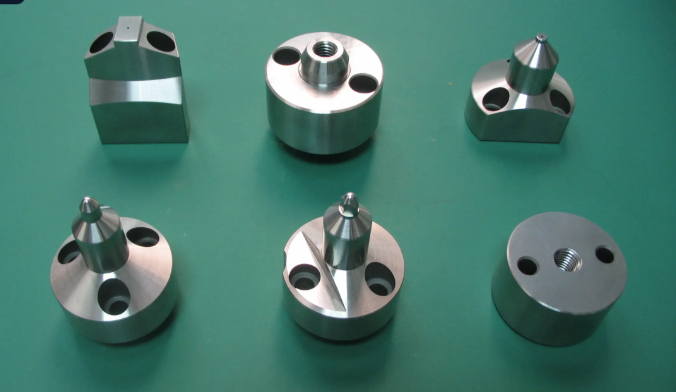
Industry Applications for Laser Cut Aluminum
Where do all these precisely cut aluminum parts actually end up? The answer spans virtually every manufacturing sector—from the brackets holding your car's exhaust system to the sleek facade panels on downtown high-rises. Understanding which applications demand specific alloys and cutting approaches helps you communicate more effectively with fabricators and avoid specifying the wrong material for your use case.
Automotive and Aerospace Applications
These two industries consume enormous volumes of laser cut aluminum sheets, though their requirements differ substantially. Automotive applications prioritize corrosion resistance and cost-effectiveness for high-volume production. Aerospace demands maximum strength-to-weight ratios and often accepts higher material costs for performance gains.
Automotive applications where laser cut aluminum excels:
- Chassis components and brackets: Mounting brackets, motor mounts, and structural reinforcements benefit from aluminum's weight savings—every pound removed improves fuel efficiency. The 5052 alloy dominates here due to its excellent corrosion resistance against road salt and moisture.
- Heat shields: Positioned between exhaust systems and sensitive components, these parts must withstand extreme temperatures while resisting oxidation. Laser cutting enables complex contours that wrap precisely around exhaust manifolds.
- Battery enclosures for electric vehicles: EV battery housings require tight tolerances for thermal management and safety containment. According to SendCutSend's material specifications, 6061-T6 aluminum offers the strength needed for crash protection while maintaining the lightweight properties essential for maximizing range.
- Interior trim and decorative panels: Where weight matters but structural demands are lower, laser cut metal sheets create precise speaker grilles, console accents, and door panel components.
Aerospace applications demanding precision aluminum:
- Structural panels and ribs: Aircraft fuselage sections and wing components require 6061-T6 or 7075-T6 for maximum strength. SendCutSend notes that 6061-T6 provides "an excellent strength-to-weight ratio and maintains good toughness across a wide temperature range"—critical when parts experience temperature swings from ground level to 35,000 feet.
- Avionics enclosures: Electronic component housings must shield sensitive equipment while dissipating heat effectively. Laser-cut aluminum enclosures offer precise cutouts for connectors, switches, and ventilation.
- Interior cabin components: Seat frames, overhead bin structures, and galley equipment benefit from aluminum's combination of light weight and fire resistance.
- Drone and UAV structures: The hobbyist-to-commercial drone market relies heavily on laser cut aluminum for frame components, motor mounts, and landing gear—applications where every gram impacts flight time.
Electronics Enclosures and Architectural Panels
Moving from transportation to stationary applications, laser cut aluminum serves equally critical functions in protecting electronics and defining architectural aesthetics.
Electronics industry applications:
- Custom enclosures and chassis: Server racks, industrial control boxes, and consumer electronics housings require precise cutouts for displays, buttons, ports, and ventilation. According to SendCutSend's documentation, 6061-T6 aluminum is "extremely weldable" and suitable for "precision enclosures"—making it ideal when laser-cut panels must be assembled into complete housings.
- Heat sinks and thermal management: Aluminum's thermal conductivity (approximately 205 W/m·K) makes it excellent for dissipating heat from power electronics. Laser cutting creates custom fin patterns and mounting holes that match specific component layouts.
- EMI/RFI shielding: Electromagnetic interference shields require consistent material thickness and precise mating surfaces—exactly what laser cutting delivers.
- Front panels and bezels: Cosmetic components visible to end users demand clean edges and consistent finishes. Nitrogen-assisted cutting produces edges that anodize uniformly for professional appearance.
Architectural and signage applications:
- Laser cut metal panels for building facades: Modern architecture increasingly incorporates perforated and patterned aluminum panels for sun shading, privacy screening, and aesthetic impact. These laser cut decorative metal panels transform building exteriors while managing solar heat gain.
- Interior feature walls: Lobbies, restaurants, and retail spaces use intricate laser-cut patterns to create visual interest and brand identity. Aluminum's light weight simplifies installation compared to steel alternatives.
- Laser cutting signage: Channel letters, wayfinding signs, and dimensional logos benefit from aluminum's corrosion resistance in outdoor applications. The material accepts powder coating and anodizing for virtually unlimited color options.
- Stair railings and balustrades: Custom perforated patterns in laser cut metal panel installations provide safety barriers that also serve as design elements.
- Lighting fixtures: Heat dissipation requirements and intricate decorative cutouts make aluminum ideal for commercial and architectural lighting housings.
Matching alloys to application requirements:
Choosing the right alloy prevents costly failures and rework. Here's practical guidance for common scenarios:
- Marine and outdoor exposure: Specify 5052 aluminum for anything facing salt spray, rain, or high humidity. Its magnesium content creates a naturally protective oxide layer.
- Structural loads: When parts must bear weight or resist impact, 6061-T6 provides approximately 32% higher strength than 5052 while remaining laser-cuttable and weldable.
- Extreme strength requirements: Aerospace and high-performance sporting applications may justify 7075-T6's exceptional hardness—but remember this alloy doesn't weld well and cannot be bent after cutting.
- Cost-sensitive projects: 3003 aluminum offers adequate performance for protected interior applications where corrosion resistance and strength demands are modest.
Pro tip: When specifying parts for outdoor or corrosive environments, don't just choose the right alloy—also specify nitrogen-assisted cutting. Oxide-free edges accept protective coatings more uniformly than oxygen-cut edges.
With applications spanning virtually every industry, the question often becomes not whether to use laser cut aluminum, but whether laser cutting is the right method compared to alternatives like waterjet or plasma. The next section breaks down exactly when laser cutting outperforms competing technologies—and when it doesn't.
Laser Cutting vs Alternative Cutting Methods
Choosing the wrong cutting method for your aluminum project is one of the most expensive mistakes you can make—yet fabricators rarely walk you through the alternatives. Why? Because most shops specialize in one technology and naturally recommend what they own. Understanding when a metal laser cutter outperforms plasma, waterjet, or CNC routing puts you in control of both quality and cost.
Each cutting metal machine brings distinct strengths and limitations. The right choice depends on your material thickness, required precision, edge quality needs, production volume, and budget constraints. Let's break down exactly where each technology excels—and where it falls short.
When Laser Cutting Outperforms Alternatives
For thin to medium gauge aluminum sheets with complex geometries, a laser cutter for metal delivers advantages that competing technologies simply cannot match. According to Fanuci Falcon's manufacturing analysis, laser cutting achieves tolerances around ±0.1 mm with smooth, clean edges ready for welding or painting—often eliminating secondary finishing entirely.
Here's where laser cutting clearly wins:
- Intricate details and tight tolerances: Small holes, sharp corners, and complex patterns that would challenge plasma or require extensive CNC programming become straightforward with laser.
- Thin gauge material (under 6 mm): According to Wurth Machinery's technology comparison, laser cutting is "far superior" for fine details and precise holes on thin sheets, producing edges that often need no additional finishing.
- High-volume production runs: Instant changeover between jobs (just upload a new CAD file) and cutting speeds measured in meters per minute make laser the efficiency leader for repetitive work.
- Minimal heat-affected zones: The laser delivers energy so quickly and precisely that thermal distortion stays negligible—critical for parts requiring tight dimensional control.
- Automation compatibility: Modern laser cutting machine for metal systems integrate seamlessly with automatic feeders and part sorting, enabling lights-out manufacturing.
However, laser cutting has boundaries. Material thickness beyond 25 mm typically exceeds practical limits. Extremely reflective alloys may still challenge older equipment. And for one-off prototypes, setup time can make alternatives more economical.
Cost Factors in Method Selection
Cost comparisons get complicated quickly because they depend on volume, material, and quality requirements. According to Wurth Machinery's equipment analysis, a complete plasma system costs approximately $90,000 while a comparable waterjet system runs about $195,000—with laser systems falling between these points depending on power rating and features.
Consider these economic factors:
- Per-part costs at volume: Laser cutting's speed advantage compounds dramatically in production runs. Cutting identical parts repeatedly maximizes the technology's efficiency.
- Setup costs for small batches: Single prototypes or very short runs may favor waterjet or CNC routing where programming and setup require less specialized expertise.
- Secondary processing requirements: Plasma-cut edges "almost always require further processing" according to Fanuci Falcon—grinding and cleaning that add labor costs. Laser-cut nitrogen-assisted edges often need nothing.
- Material waste: Laser cutting's narrow kerf (0.1–0.3 mm) versus plasma's wider kerf means more parts per sheet—significant savings on expensive alloys.
- Operating expenses: Waterjet cutting incurs ongoing abrasive material costs. Plasma consumes electrodes and nozzles. Laser cutter metal systems have lower consumable costs but higher initial investment.
The following table consolidates how each method performs across critical factors:
| Cutting Method | Edge Quality | Thickness Capability | Speed | Heat-Affected Zone | Best Use Cases |
|---|---|---|---|---|---|
| Laser Cutting | Excellent—smooth, clean edges with tolerances ±0.1 mm; often needs no finishing | Up to 25 mm for aluminum; optimal under 12 mm | Very fast on thin/medium gauge; meters per minute | Minimal—precise energy delivery limits thermal spread | Complex geometries, high-volume production, precision parts, electronics enclosures |
| Plasma Cutting | Moderate—rough edges with dross; typically requires grinding; ±1 mm tolerance | Up to 50+ mm; excels above 12 mm | Very fast on thick plate; 3-4x faster than waterjet on 25 mm steel | Large—significant heat input causes warping on thin material | Thick plate fabrication, structural steel, shipbuilding, heavy equipment |
| Waterjet Cutting | Good—matte texture; no thermal effects; ±0.2 mm tolerance | 100+ mm possible; no practical upper limit | Slow—significantly slower than laser for thin/medium material | None—cold process preserves 100% of material properties | Heat-sensitive materials, extremely thick sections, mixed-material assemblies, aerospace |
| CNC Routing | Good—mechanical cutting produces consistent edges; may require deburring | Limited by tooling; typically under 25 mm for aluminum | Moderate—slower than laser for complex shapes | Minimal—mechanical process generates friction heat only | Thicker aluminum plate, large format parts, applications requiring chamfered edges |
When to choose waterjet instead: According to Wurth Machinery, waterjet becomes the clear choice when heat damage must be avoided entirely or when cutting extremely thick material. The process introduces "no warping, no hardening, and no heat-affected zones"—essential for aerospace components or parts that must maintain precise metallurgical properties. The trade-off is speed and operating cost.
When plasma makes sense: For thick conductive metals where edge finish isn't critical, plasma offers the best combination of speed and economy. Cutting 25 mm steel plate with plasma costs roughly half as much per foot as waterjet, according to Wurth Machinery's testing. But for aluminum under 12 mm requiring quality edges? Sheet metal cutting machine technology based on fiber lasers will outperform plasma on both quality and total cost.
Decision framework: Ask yourself three questions—Is my material under 12 mm thick? Do I need clean edges without secondary finishing? Am I producing more than a handful of parts? If you answered yes to all three, laser cutting almost certainly delivers the best value.
For many fabrication shops, the ideal solution involves access to multiple technologies. Laser and plasma often pair well—laser handles precision work while plasma tackles thick plate jobs. Waterjet adds capability for heat-sensitive or exotic materials. Understanding these complementary strengths helps you select fabrication partners equipped for your specific requirements.
Now that you understand which cutting method fits your project, the final piece involves translating your design into production-ready files and partnering with fabricators who can execute flawlessly from prototype through volume manufacturing.
From Design to Production with Professional Partners
You've selected the right alloy, understood your cutting parameters, and evaluated fabrication methods—but here's where many projects stumble at the finish line. The gap between a brilliant CAD design and a stack of production-ready parts involves critical steps that separate successful projects from expensive disasters. Whether you're a hobbyist ordering your first custom cut aluminum parts or an engineer scaling from prototype to mass production, understanding the complete project lifecycle prevents costly rework and delays.
Preparing Your Design Files for Laser Cutting
Your fabricator's laser cutting machine aluminum system reads vector files—not the beautiful rendered images from your design software. According to SendCutSend's design guidelines, the better your file, the better your parts. Here's how to prepare files that translate smoothly into precision cuts:
Accepted file formats:
- DXF (Drawing Exchange Format): The industry standard for CNC fiber laser cutting machine operations. Most CAD software exports this format natively, and it preserves the vector geometry fabricators need.
- DWG (AutoCAD Drawing): Native AutoCAD files work equally well for most cutting services.
- AI (Adobe Illustrator): Acceptable when properly prepared, though requires verification that all elements are vector-based rather than raster images.
- SVG (Scalable Vector Graphics): Some services accept SVG, particularly for decorative or signage applications.
Critical file preparation steps:
- Convert text to outlines: According to SendCutSend's documentation, active text boxes must be converted to shapes before submission. In Illustrator, this means "converting to outlines"; in CAD software, look for "explode" or "expand" commands.
- Verify dimensions after conversion: If you've converted from a raster file, dimension accuracy may have shifted. SendCutSend recommends printing your design at 100% scale to physically confirm measurements match intent.
- Eliminate duplicate lines: Overlapping geometry causes the laser to cut the same path twice—wasting time, potentially damaging material, and increasing costs.
- Connect or bridge internal cutouts: Any shapes completely surrounded by cuts will fall away unless you add bridging tabs. SendCutSend notes they're "unable to retain cut outs" like isolated internal shapes—submit these as separate designs or add connecting material.
- Respect minimum feature sizes: Tiny circles, extremely narrow slots, and sharp internal corners may be too small to cut correctly. Most laser cutter for sheet metal systems have minimum feature sizes around 0.5–1.0 mm depending on material thickness.
File quality tip: Before submitting, zoom in to 400% on your design file and check every corner and intersection. Hidden nodes, tiny gaps, and overlapping paths that look fine at normal zoom become expensive problems during cutting.
Design for manufacturability (DFM) considerations:
According to industry engineering documentation, a perfect part starts with a perfect design file. Understanding the nuances of laser cutting allows you to optimize CAD files for better results, lower costs, and faster turnaround. Consider these DFM principles specific to laser cut aluminum sheet production:
- Account for kerf width: The laser beam removes material—typically 0.1–0.3 mm wide. For mating parts or precise holes, adjust dimensions to compensate for this material loss.
- Avoid sharp internal corners: The laser follows a circular path and cannot create true 90-degree internal corners. Specify a minimum radius (typically equal to or greater than half the kerf width) or accept that corners will be slightly radiused.
- Consider bend allowances: If your laser-cut parts will be bent afterward, factor in bend deduction and K-factor calculations in your flat pattern.
- Optimize nesting orientation: Grain direction matters for subsequent bending. Communicate rolling direction requirements to your fabricator.
- Specify edge quality requirements: If certain edges must be weld-ready or cosmetically perfect, call them out explicitly so the fabricator knows which cuts need nitrogen assist gas.
Partnering with Professional Manufacturing Services
The transition from design files to finished parts involves more than just finding someone with a laser. Choosing the right fabrication partner determines whether your aluminum sheet cut to size arrives ready for assembly—or requires weeks of troubleshooting and rework.
What to look for in a fabrication partner:
- Appropriate equipment: Verify they operate modern fiber laser systems for aluminum work. Ask about power rating—a 2 kW or higher system handles most aluminum thicknesses effectively.
- Material expertise: Can they advise on alloy selection for your application? Partners who understand the differences between 5052, 6061, and 7075 add value beyond simple cutting.
- DFM support: The best partners review your files before cutting and suggest improvements. This collaborative approach catches errors that would otherwise become expensive scrap.
- Quick quote turnaround: Services offering rapid quoting help you validate project feasibility early and compare options before committing.
- Quality certifications: For regulated industries, certifications matter. Aerospace work typically requires AS9100; medical applications demand ISO 13485.
For automotive applications specifically: When your aluminum cut to size parts are destined for chassis, suspension, or structural components, certification requirements become even more stringent. Manufacturers holding IATF 16949 certification have demonstrated the quality management systems that automotive OEMs require throughout their supply chains. This certification ensures process control, traceability, and continuous improvement—critical factors when parts affect vehicle safety.
Partners offering comprehensive DFM support can optimize your designs before cutting begins, identifying potential issues with tolerances, bend radii, or material selection that could cause problems during assembly or in the field. For automotive projects moving from prototype to production, look for manufacturers capable of both rapid prototyping (some offer turnaround in as few as 5 days) and automated mass production. Shaoyi (Ningbo) Metal Technology, for example, combines IATF 16949-certified quality with 12-hour quote turnaround and end-to-end support from initial design through high-volume production—exactly the kind of integrated capability that streamlines automotive supply chains.
Bridging prototype to production:
Many projects begin with a handful of custom cut aluminum prototypes before scaling to production volumes. Managing this transition effectively requires partners who understand both contexts:
- Prototype phase: Focus on design validation, quick iterations, and testing fit and function. Costs per part are higher, but speed and flexibility matter more.
- Pre-production: Lock down specifications, verify tolerances, and run pilot batches to confirm manufacturing consistency. This is when DFM optimization pays the biggest dividends.
- Production phase: Emphasis shifts to repeatability, cost reduction, and on-time delivery. Partners with automated material handling and quality inspection systems become essential.
The most costly mistake at this stage? Choosing different partners for prototype and production. Design intent gets lost in translation, tolerances shift, and parts that worked perfectly in small quantities fail when scaled. Finding a single partner capable of supporting the entire journey—from first article through volume manufacturing—eliminates these handoff risks.
Final thought: The nine mistakes covered throughout this guide share a common thread—they're all preventable with the right knowledge and the right partners. Armed with understanding of alloy selection, cutting parameters, laser technology, troubleshooting, finishing, applications, method comparisons, and now project execution, you're equipped to get laser cut aluminum sheets right the first time.
Frequently Asked Questions About Laser Cut Aluminum Sheets
1. Can an aluminum sheet be laser cut?
Yes, aluminum sheets can be effectively laser cut using modern fiber lasers. While aluminum's reflective properties once made cutting challenging, fiber lasers operating at 1.06 micrometers are absorbed efficiently by aluminum, producing clean cuts with minimal heat distortion. Both CO2 and fiber lasers work, but fiber technology delivers faster speeds, cleaner edges, and reduced back-reflection risks for aluminum thicknesses up to 25 mm.
2. How much does it cost to laser cut aluminum?
Laser cutting aluminum typically costs $1 to $3 per inch or $75 to $150 per hour, depending on material thickness, design complexity, and order quantity. Thin gauge aluminum under 3 mm cuts faster and costs less per part than thicker material. High-volume production runs reduce per-part costs significantly due to laser cutting's speed advantage. Nitrogen assist gas adds slightly to operating costs but eliminates secondary edge finishing expenses.
3. How thick can a laser cutter cut aluminum?
Industrial fiber lasers effectively cut aluminum from 0.5 mm up to approximately 25 mm thick. Standard 1-2 kW systems handle material up to 6 mm efficiently, while 4-6 kW lasers manage 6-12 mm thicknesses. Specialized high-power systems rated 6-10 kW or higher can cut aluminum plates up to 25 mm. Beyond this thickness, waterjet or plasma cutting becomes more practical and economical.
4. Can you laser cut 6061 aluminum?
Yes, 6061-T6 aluminum laser cuts well and is popular for structural applications requiring high strength-to-weight ratios. This heat-treated alloy offers approximately 32% higher strength than 5052 aluminum and maintains excellent weldability. However, 6061-T6 is prone to cracking during tight-radius bending after cutting. For parts requiring post-cut forming, fabricators often recommend 5052-H32 instead to avoid cracking issues.
5. What is the best aluminum alloy for laser cutting?
5052-H32 aluminum is widely considered the best alloy for laser cutting due to its consistent cutting behavior, excellent corrosion resistance, and superior formability. This alloy produces predictable results across different thicknesses, bends at tight radii without cracking, and creates weld-ready edges when cut with nitrogen assist gas. It costs approximately $2 less per pound than 6061, making it both performance-optimal and cost-effective for most applications.