 Small batches, high standards. Our rapid prototyping service makes validation faster and easier —
  EN
EN


Laser Cut Aluminum Sheet: Several Critical Factors Most Buyers Overlook
What Makes Laser Cut Aluminum Sheet Different From Other Metals
Have you ever wondered why cutting aluminum with a laser requires a completely different approach than cutting steel or stainless? The answer lies in the unique properties that make this lightweight metal both incredibly useful and surprisingly challenging to process.
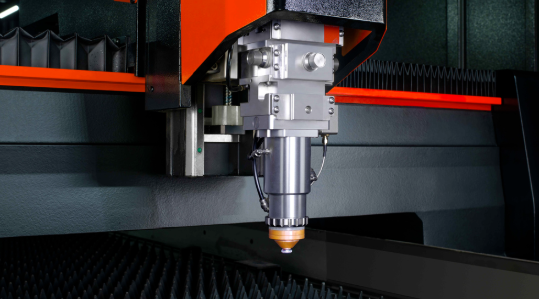
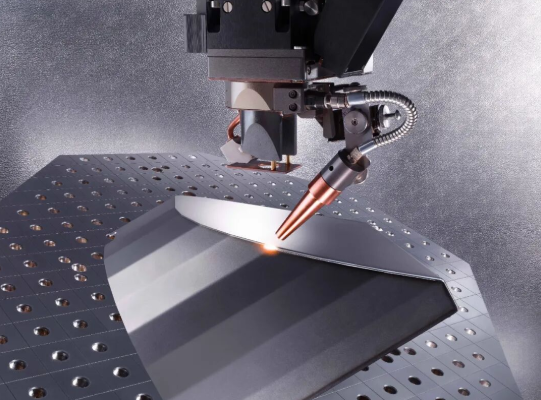
A laser cut aluminum sheet is produced using a high-powered, tightly focused beam of light to melt and vaporize material along a precise path. Unlike mechanical cutting methods, this process creates exceptionally clean edges with minimal material waste. The technology has become essential for precision metal fabrication across industries ranging from aerospace and automotive to consumer electronics and architectural applications.
But here's the catch—aluminum doesn't behave like other metals when you point a laser at it.
The Science Behind Laser Cutting Aluminum
When laser cutting aluminum, the focused beam rapidly heats a small spot on the material surface, causing it to melt with minimal vaporization. An assist gas—typically nitrogen or compressed air—then blows the molten material away, exposing deeper layers for continued cutting. This process repeats as the laser advances, extracting CAD-designed components from flat sheets with remarkable accuracy.
The physics sound straightforward, but aluminum laser cutting presents three distinct challenges that set it apart from processing other metals:
- High reflectivity: Aluminum reflects infrared light, including laser beams, making it harder for energy to penetrate and initiate cutting
- Thermal conductivity: Heat conducts rapidly away from the cut zone into the surrounding material, reducing cutting efficiency
- Low melting point with oxide layer: While aluminum melts at approximately 1,200°F, the aluminum oxide film on its surface melts at over 3,000°F, creating complex evacuation dynamics
"The difficulty when cutting aluminum is to make a clean cut with minimal dross. With the proper assist gas, delivery, and flow, you can minimize the generation of dross." — Charles Caristan, PhD, Air Liquide Technical Fellow
Why Aluminum Demands Specialized Laser Techniques
So, can you laser cut aluminum effectively? Absolutely—but it requires understanding why this metal behaves differently. Early adopters of CO2 lasers experienced serious challenges when cutting reflective materials. Back-reflections traveled through optical systems, sometimes damaging laser resonators entirely.
Modern fiber lasers have transformed these capabilities dramatically. Their 1-micron wavelength—compared to the CO2 laser's 10.6-micron wavelength—is absorbed much more efficiently by aluminum and other nonferrous metals. This technological shift means that laser cut aluminium parts now achieve the precision and edge quality that was once difficult or impossible to attain.
The growing adoption of this technology reflects its advantages. Manufacturers choose to cut aluminum with lasers because the process delivers greater precision, faster processing speeds, and cleaner finishes than traditional methods. When parameters are properly optimized, laser-cut parts require minimal or no post-processing—eliminating additional manufacturing stages and reducing overall production costs.
Understanding these fundamental differences is your first step toward making informed decisions about laser cutting projects. The sections ahead will explore the specific technologies, alloy selections, and design considerations that determine success when working with this versatile but demanding material.
Fiber Laser vs CO2 Laser Technology for Aluminum Cutting
Choosing the right laser metal cutting machine for aluminum isn't just a technical decision—it directly impacts your project's quality, speed, and bottom line. While both CO2 and fiber laser technologies can process aluminum, their performance differences are substantial enough that picking the wrong one could mean compromised results or unnecessary costs.
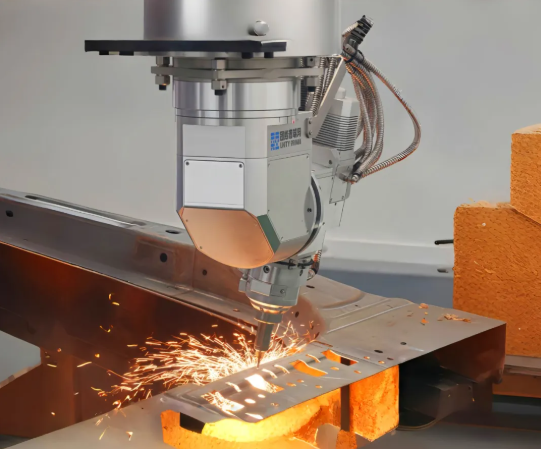
The fundamental distinction comes down to wavelength. CO2 lasers emit light at 10.6 microns, while fiber laser cutters operate at approximately 1.06 microns. This tenfold difference in wavelength dramatically affects how aluminum interacts with the beam—and ultimately determines which technology delivers superior results for your specific application.
Fiber Laser Advantages for Aluminum Processing
Why have fiber lasers become the preferred choice for fiber laser cutting aluminum? The answer starts at the molecular level. Aluminum absorbs the 1-micron wavelength of fiber lasers far more efficiently than the longer CO2 wavelength. According to LS Manufacturing's production data, this improved absorption translates directly into measurable performance gains:
- Cutting speed improvements of 2-3x compared to CO2 systems on thin to medium aluminum sheets
- Energy efficiency exceeding 30% electro-optical conversion, versus roughly 10% for CO2 lasers
- Smaller heat-affected zones due to superior beam quality and tighter focus
- Reduced operating costs from lower power consumption and minimal consumable replacement
Modern fiber laser metal cutting systems also incorporate advanced anti-reflection technology that monitors and regulates reflected light in real-time. This addresses the reflectivity challenge that once made aluminum cutting risky—protecting expensive optical components while maintaining stable processing conditions.
For manufacturers processing thin to medium aluminum sheets (typically under 12mm), a metal laser cutting machine with fiber technology delivers faster cycle times, cleaner edges, and lower per-part costs. Even a desktop fiber laser system can achieve impressive results on thinner gauges, making precision aluminum cutting accessible to smaller operations.
When CO2 Lasers Still Make Sense
Does this mean CO2 lasers are obsolete for aluminum? Not entirely. For extremely thick aluminum plates—typically 15mm and above—CO2 lasers can still play a role. The longer wavelength creates different plasma coupling characteristics with the metal, which some operators find produces acceptable surface quality on heavy plate applications.
However, the drawbacks are significant:
- Much slower cutting speeds, especially on thin material
- Higher power consumption due to lower electro-optical efficiency
- Ongoing costs for laser gas, mirrors, and reflector replacement
- Greater risk of back-reflection damage without specialized protective systems
For existing facilities with CO2 equipment targeting specific thick-plate orders, continued use may be justifiable. But for new equipment purchases or technology upgrades, a fibre laser cutter represents the more economical and efficient long-term investment.
Technology Comparison at a Glance
The following table provides a direct comparison across the key performance metrics that affect your aluminum laser cutting operations:
| Parameter | Fiber Laser | CO2 Laser |
|---|---|---|
| Wavelength | 1.06 µm | 10.6 µm |
| Aluminum Absorption Rate | High (efficient energy transfer) | Low (significant reflection) |
| Typical Power Range | 1 kW – 15+ kW | 2 kW – 6 kW |
| Maximum Aluminum Thickness | Up to 25mm with high-power systems | Up to 15-20mm (limited by reflectivity) |
| Edge Quality | Excellent; clean, oxide-free with nitrogen assist | Good on thick plate; variable on thin material |
| Electro-Optical Efficiency | 30%+ | ~10% |
| Operating Costs | Lower (minimal consumables, reduced power) | Higher (gas, mirrors, power consumption) |
| Cutting Speed (Thin Aluminum) | 1,000 – 3,000+ mm/min | 500 – 1,500 mm/min |
| Back-Reflection Risk | Managed with built-in protection systems | Significant concern; requires special optics |
Addressing the Reflectivity Challenge
Aluminum's high reflectivity remains a practical concern regardless of which technology you choose. Here's how experienced operators manage this challenge:
- Surface preparation: Cleaning aluminum surfaces removes oils and contaminants that can affect laser absorption consistency
- Parameter optimization: Matching power, speed, and focal position to specific alloys and thicknesses prevents unstable cutting conditions
- High-purity assist gas: Using nitrogen at ≥99.999% purity creates a protective atmosphere that prevents oxidation and improves cut quality
- Nozzle design and positioning: Proper standoff distance and nozzle geometry ensure stable gas flow and energy concentration
The most successful co2 laser cut aluminum operations implement these workarounds consistently, though fiber systems require less intervention due to their inherent wavelength advantage.
Understanding these technology differences positions you to make informed equipment and supplier decisions. But laser type is only one variable—the aluminum alloy you select plays an equally important role in determining your final results.
Aluminum Alloy Selection Guide for Optimal Laser Cutting Results
You've selected your laser technology and understand the cutting fundamentals—but have you considered that choosing the wrong aluminum alloy could undermine your entire project? The alloy you specify affects everything from edge quality and cutting speed to how well your parts perform after fabrication.
Not all aluminum behaves the same under a laser beam. Different alloys contain varying amounts of magnesium, silicon, zinc, and copper, each influencing thermal properties, reflectivity, and post-cut workability. Understanding these differences helps you match material selection to your specific application requirements—whether that's marine hardware, automotive brackets, or aerospace components.
Let's examine the four most common alloys for laser cutting and what makes each one suitable for different applications.
5052 Aluminum Properties for Laser Cutting
When fabricators need a reliable, all-purpose aluminum for laser cutting, 5052 aluminum consistently emerges as the top choice. According to SendCutSend's material specifications, it's their most popular aluminum sheet metal option—and for good reason.
What makes 5052 aluminum properties so well-suited for laser processing? The magnesium and chromium additions in this alloy create an ideal balance of characteristics:
- Excellent corrosion resistance: Superior protection against saltwater and aggressive environments, making it perfect for marine and outdoor applications
- Outstanding formability: The 5052 H32 temper designation means strain-hardened to a quarter-hard state—strong enough for structural use but ductile enough for bending without cracking
- Superior weldability: Readily accepts TIG and MIG welding, producing strong, reliable joints
- Clean laser cutting performance: Cuts smoothly with minimal dross when proper parameters are applied
The aluminum 5052 H32 specification indicates specific mechanical properties that matter for your designs. This temper delivers approximately 33,000 psi ultimate tensile strength and 28,000 psi yield strength—providing reliable performance for enclosures, brackets, and automotive components while remaining forgiving enough for complex bent sheet metal parts.
A 5052 sheet typically ranges from 0.040" to 0.500" thickness for laser cutting applications, with edge quality remaining excellent throughout this range. When you need parts that will see long-term outdoor exposure or marine environments, a 5052 h32 aluminum sheet delivers the corrosion resistance that other alloys simply cannot match.
Understanding 6061, 3003, and 7075 Performance
While 5052 h32 aluminum covers many applications, other alloys serve specific needs where different property combinations matter more.
6061-T6 Aluminum offers approximately 32% higher ultimate strength than 5052, making it the choice when structural performance takes priority. The heat treatment (T6 designation) maximizes both tensile and fatigue strength. However, this strength comes with trade-offs—6061 is less forgiving to bend and requires larger internal bend radii with specialized tooling. If your design involves welding but not bending, 6061 provides an excellent strength-to-weight ratio for frames, machinery components, and structural assemblies.
3003 Aluminum represents the economical option for less demanding applications. This commercially pure alloy with manganese additions offers good workability and corrosion resistance at lower cost than 5052 or 6061. It's commonly used for general sheet metal work, HVAC components, and applications where extreme strength isn't critical.
7075-T6 Aluminum delivers strength approaching titanium at a fraction of the weight. Significant zinc, magnesium, and copper additions create an alloy with ultimate tensile strength exceeding 83,000 psi. Industry comparisons show this makes 7075 ideal for aerospace components, high-performance sporting equipment, and consumer electronics chassis where strength-to-weight ratio is paramount. The trade-off? This alloy is essentially not weldable and should never be bent at typical sheet metal radii—it's designed for maximum hardness, not workability.
Matching Alloy Selection to Your Application
Choosing between these alloys requires weighing multiple factors against your specific requirements. The following comparison provides a quick reference for the characteristics that matter most in laser cutting applications:
| Property | 5052-H32 | 6061-T6 | 3003-H14 | 7075-T6 |
|---|---|---|---|---|
| Laser Cutting Performance | Excellent | Excellent | Good | Excellent |
| Edge Quality | Clean, minimal dross | Clean, consistent | Good | Very clean |
| Post-Cut Formability | Excellent (bends well) | Moderate (requires care) | Good | Poor (avoid bending) |
| Weldability | Excellent | Very Good | Excellent | Not Recommended |
| Corrosion Resistance | Superior (marine-grade) | Good | Good | Moderate |
| Relative Strength | Moderate | High | Low | Very High |
| Typical Applications | Marine, automotive, enclosures | Structural, machinery, frames | HVAC, general fabrication | Aerospace, sporting goods |
Key Considerations When Selecting Between Alloys
Before finalizing your material specification, work through these critical questions:
- Will your parts require bending? Choose 5052 or 3003 for complex bends; avoid 7075 entirely and use 6061 only with proper tooling and generous radii
- Is welding part of your assembly process? Specify 5052 or 6061 for welded structures; never plan to weld 7075 components
- What environment will parts operate in? Marine or high-humidity applications demand 5052's superior corrosion resistance
- How critical is strength-to-weight ratio? For maximum strength without welding or bending, 7075 delivers unmatched performance
- What's your budget sensitivity? 3003 offers cost savings for non-critical applications; 7075 commands premium pricing
- Do parts need anodizing or powder coating? All four alloys accept surface treatments, but 5052 and 6061 are most commonly finished
Making the right alloy selection upfront prevents costly redesigns and ensures your laser-cut parts perform as intended. But material choice is only part of the equation—your cutting parameters and thickness capabilities determine whether you can actually achieve the results your design requires.
Cutting Parameters and Thickness Limitations Explained
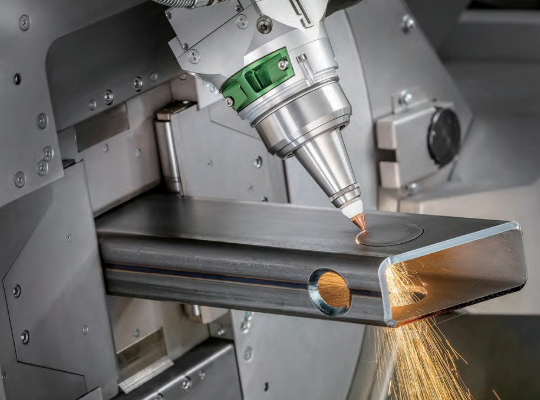
You've selected the right alloy and understand fiber laser advantages—but do you know the actual thickness limits for your project? Misjudging what your laser cutting machine for metal can handle leads to failed cuts, excessive dross, and wasted material. Getting the parameters right transforms aluminum sheet metal laser cutting from frustrating guesswork into predictable, repeatable results.
The relationship between laser power and achievable thickness isn't simply linear. According to LD Laser Group's technical specifications, aluminum can be cut up to 25mm thick with high-power fiber systems—but optimal cutting quality occurs at 60-80% of maximum rated thickness. Push beyond that range, and you'll see diminishing edge quality, increased heat-affected zones, and dramatically slower cutting speeds.
Thickness Capabilities by Laser Power Level
How thick can you actually cut? The answer depends entirely on your laser sheet metal cutter's power output. Here's what you can realistically expect from different power levels when laser cutting metal sheet:
| Laser Power | Maximum Aluminum Thickness | Optimal Thickness Range | Cutting Speed (at optimal) |
|---|---|---|---|
| 1.5kW - 2kW | 3-4mm | 1-3mm | 1,500-3,000+ mm/min |
| 3kW - 4kW | 6-8mm | 3-6mm | 1,000-2,000 mm/min |
| 6kW - 8kW | 12-15mm | 6-10mm | 600-1,200 mm/min |
| 10kW - 12kW | 20-25mm | 12-18mm | 300-800 mm/min |
Notice how cutting speed drops significantly as material thickness increases? A laser cutting machine sheet metal system operating at maximum thickness cuts roughly 3-5 times slower than when processing material in its optimal range. This directly impacts your production costs and cycle times.
For most commercial applications, thin to medium aluminum sheets—under 6mm—deliver the best balance of speed, edge quality, and cost efficiency. Kirin Laser's production experience confirms that a 1500W fiber laser handles 2mm aluminum cleanly with minimal cleanup, while thicker materials demand increasingly precise parameter control.
Optimizing Parameters for Your Material Gauge
Thickness determines your starting point, but four critical parameters must work together for successful laser cutting of metal sheets. Get any one wrong, and you'll end up with incomplete cuts, excessive burrs, or heat distortion.
- Power settings: Match wattage to material thickness—excessive power causes overmelting on thin sheets; insufficient power creates incomplete penetration on thicker material
- Cutting speed: Faster speeds suit thin gauges (high energy density, quick evacuation); thicker materials require slower speeds to allow full penetration
- Focal position: When cutting with nitrogen assist gas, the focal point typically sets at the bottom of the material to promote efficient ejection of molten metal
- Gas pressure: Higher pressures (8-14 bar for thicker materials) improve dross evacuation; lower pressures work for thin sheets where excessive force could distort parts
Start with manufacturer presets for your specific alloy and thickness combination, then make incremental adjustments based on actual cut quality. Test cuts on scrap material save expensive mistakes on production parts.
Assist Gas Selection: Nitrogen vs. Compressed Air
Your assist gas choice directly impacts both cut quality and operating costs. For a laser cutting machine for sheet metal processing aluminum, two options dominate:
Nitrogen creates oxide-free, bright silver edges that require minimal post-processing. According to Pneumatech's technical guidelines, nitrogen cutting requires pressure settings between 8 and 14 bar depending on material thickness. The inert atmosphere prevents oxidation during cutting, producing edges ready for welding, anodizing, or powder coating without additional preparation.
Compressed air offers significant cost savings—typically 80% less than nitrogen—but produces slightly oxidized edges with more visible heat discoloration. For parts requiring post-processing anyway, or where cosmetic edge appearance isn't critical, compressed air provides acceptable quality at much lower operating cost.
The trade-off is straightforward: nitrogen costs more but reduces downstream finishing work; compressed air saves money upfront but may increase post-processing requirements. Your application determines which approach makes economic sense.
Understanding these thickness limitations and parameter relationships gives you realistic expectations for your projects. But even perfectly cut parts require proper design to achieve their full potential—and that's where many buyers make costly mistakes.
Design Considerations for Laser Cut Aluminum Parts
You've selected the perfect alloy, dialed in your parameters, and partnered with a capable fabricator—but have you designed your parts to actually work with the laser cutting process? Poor design decisions can transform a straightforward project into a nightmare of warped parts, torn holes, and expensive rework.
The truth is, laser cutting isn't infinitely flexible. Physical constraints govern what's achievable, and ignoring them leads to rejected parts or compromised quality. Whether you're creating laser cut metal panels for architectural applications or precision brackets for electronics enclosures, understanding these design rules separates successful projects from costly failures.
Design Rules for Clean Aluminum Cuts
Every laser cut sheet metal part must account for kerf—the material removed by the cutting beam. According to Makerverse's design guidelines, kerf width typically ranges from 0.1mm to 1.0mm depending on material and cutting parameters. For aluminum specifically, expect kerf between 0.1mm and 0.3mm based on thickness and laser type.
Why does this matter? If you design a 10mm square hole without accounting for kerf, your actual hole will measure slightly larger. For precision fits, offset your cut paths by half the expected kerf width. Most fabricators handle this automatically in their CAM software, but confirming their kerf compensation approach prevents surprises.
Beyond kerf, these critical design considerations determine whether your laser cut metal sheets come out clean:
- Minimum hole diameter: Design holes at least equal to material thickness. A 2mm thick sheet should have holes no smaller than 2mm diameter—smaller holes risk incomplete cutting or deformation
- Edge-to-feature distances: Keep holes and cutouts at least two times the material thickness from any edge. Placing features too close to edges increases the risk of tearing or warping, especially if parts undergo subsequent bending
- Corner radius requirements: Internal corners cannot be perfectly sharp—the laser beam has physical diameter. Specify minimum internal radii of 0.5mm or greater for clean results
- Spacing between features: Maintain at least two times the sheet thickness between adjacent cutting geometries to prevent heat buildup and distortion
- Tab placement for nested parts: When nesting multiple parts on a single sheet, small tabs (micro-joints) hold parts in place during cutting but should be positioned where they won't interfere with critical features
Dimensional tolerances for laser cut designs metal typically fall within ±0.1mm to ±0.2mm for well-calibrated equipment. If your application demands tighter tolerances, discuss capabilities with your fabricator before finalizing designs—not all sheet metal laser cutter systems achieve the same precision.
Avoiding Common Design Mistakes
Sounds complex? It doesn't have to be. Most design failures stem from a handful of preventable errors that experienced designers learn to avoid:
Mistake #1: Ignoring thermal effects on thin sections. Very narrow bridges or delicate features accumulate heat faster than they can dissipate. If your design includes sections narrower than 1.5x material thickness, expect potential warping or burn-through.
Mistake #2: Specifying non-standard thicknesses. As noted in Komacut's design guide, laser cutters are calibrated for standard material gauges. Custom thicknesses require special sourcing—often with minimum order quantities of dozens or hundreds of sheets—adding weeks to lead times and significant cost premiums.
Mistake #3: Submitting incorrect file formats. A laser cutter sheet metal system reads vector files, not raster images. Submit designs as DXF, DWG, or AI files with clean, closed paths. Overlapping lines, open contours, or embedded raster elements cause processing errors or require manual cleanup that delays your project.
Mistake #4: Forgetting bend allowances. If your laser cut metal panel will be bent after cutting, account for bend deduction in your flat pattern. Material stretches during bending—ignoring this produces parts with incorrect final dimensions.
Proper design doesn't just improve cut quality—it dramatically reduces post-processing requirements. Parts designed with adequate feature spacing, proper corner radii, and appropriate tolerances come off the cutting table cleaner, requiring less deburring and finishing work. That translates directly into lower costs and faster delivery.
Even the best-designed parts, however, require some degree of finishing before they're ready for use. Understanding what happens after cutting helps you plan realistic timelines and budgets for your complete fabrication process.
Post-Processing Requirements for Professional Results
Your laser-cut aluminum parts look great coming off the machine—but are they actually ready for use? Many buyers overlook the critical finishing steps that transform raw cut parts into professional-grade components. Skipping or rushing post-processing leads to assembly problems, premature corrosion, and rejected parts that damage your reputation with end customers.
The good news? Understanding what's required after aluminium laser cutting helps you budget accurately, set realistic timelines, and communicate clear expectations with your fabrication partner. The level of finishing depends heavily on your application—decorative panels demand different treatment than hidden structural brackets.
Deburring and Edge Finishing Techniques
Even the cleanest laser cuts leave minor edge irregularities. According to Weldflow Metal Products, deburring and edge smoothing eliminate imperfections that make components unsafe to handle and difficult to integrate into assemblies. This finishing step ensures tighter fits, reduces wear on adjoining parts, and provides an ideal starting point for further surface treatments.
Common deburring methods for aluminum include:
- Manual deburring: Hand tools and abrasive pads remove burrs on small batches or delicate parts requiring careful control
- Tumbling and vibratory finishing: Automated processes handle large volumes efficiently, producing consistent edge quality across hundreds or thousands of parts
- Abrasive belt grinding: Removes heavier burrs and provides controlled edge breaks for parts requiring specific radius profiles
Your assist gas selection during cutting directly impacts how much deburring you'll need. Parts cut with high-purity nitrogen typically exhibit smooth, oxide-free edges requiring minimal finishing. As Presscon's technical analysis confirms, nitrogen creates clean cuts with reduced burr formation—often eliminating the need for grinding, filing, or chemical cleaning entirely. Compressed air or oxygen-cut edges, while more economical to produce, typically require more aggressive post-processing to achieve equivalent quality.
Surface Treatment Options After Cutting
Once edges are clean, surface finishing protects your parts and enhances their appearance. The right treatment depends on operating environment, aesthetic requirements, and budget constraints.
Anodizing creates a controlled oxide layer that bonds directly with the aluminum surface, dramatically improving corrosion resistance while allowing vibrant coloring options. This process is particularly popular for aerospace, electronics, and automotive components where both performance and appearance matter. If you're considering laser etching on aluminum or aluminum laser engraving for part marking or branding, anodized surfaces accept these processes beautifully—creating permanent, high-contrast identification.
Powder coating applies a dry powder that's cured under heat to form a durable protective layer. This finish resists scratches, chemicals, and weather exposure while offering unlimited color and texture options. Architectural panels, machinery enclosures, and consumer products frequently specify powder coating for its combination of durability and visual appeal.
Polishing and brushing enhance aluminum's natural beauty without adding coatings. Polishing creates mirror-like reflectivity ideal for decorative applications, while brushing produces uniform matte finishes that hide minor imperfections. Both processes are commonly applied to aluminium engraving projects and high-visibility components.
Recommended Post-Processing Sequence
Following a consistent finishing sequence ensures quality and prevents rework. Industry best practices recommend this order:
- Initial inspection: Verify dimensional accuracy, check for incomplete cuts, and identify any obvious defects before investing in finishing work
- Deburring: Remove edge irregularities using appropriate methods for your part geometry and volume requirements
- Cleaning: Eliminate cutting residue, oils, and surface contamination using appropriate solvents or alkaline cleaners
- Surface preparation: Prepare aluminum for coating adhesion through chemical etching, abrasive blasting, or conversion coating as required
- Final finishing: Apply anodizing, powder coating, plating, or mechanical finishing to meet application specifications
Quality verification at each stage prevents costly downstream failures. Inspect edges under magnification if specifications require burr-free surfaces. Verify coating thickness and adhesion for treated parts. Document your quality checks—especially for automotive or aerospace applications where traceability matters.
Understanding post-processing requirements completes your picture of what laser cutting actually involves. But where will your finished parts ultimately be used? The next section explores the industries driving demand for precision aluminum components.
Industry Applications From Automotive to Aerospace
Where do all those precisely cut aluminum parts actually end up? From the car you drive to the smartphone in your pocket, metal laser cutting has become indispensable across industries that demand lightweight strength, tight tolerances, and consistent quality. Understanding these applications helps you appreciate why laser cut metal components have displaced traditional manufacturing methods—and why choosing the right fabrication approach matters for your specific project.
The versatility of laser cutting metal makes it suitable for everything from one-off prototypes to high-volume production runs spanning thousands of identical parts. Let's examine how different industries leverage this technology to solve their unique manufacturing challenges.
Automotive and Transportation Applications
The automotive sector has embraced laser cut aluminum panels and components with remarkable enthusiasm—and the reasons are compelling. According to AMG Industries' automotive manufacturing data, modern fiber laser systems deliver ±0.005" tolerances with travel speeds up to 50 meters per minute, supporting the just-in-time manufacturing schedules that automotive assembly lines demand.
Why does this matter for vehicles? Every pound eliminated from a car improves fuel efficiency and performance. Aluminum components cut with laser precision replace heavier steel alternatives while maintaining structural integrity. Common automotive applications include:
- Chassis and structural components: Precision brackets, cross-members, and reinforcement plates where dimensional accuracy ensures proper fit during assembly
- Heat shields and thermal barriers: Thin aluminum shields protecting sensitive components from exhaust heat, requiring clean edges for proper sealing
- Battery enclosures for electric vehicles: Complex geometries housing lithium-ion packs demand the intricate cutouts and tight tolerances that laser cutting delivers
- Interior trim and decorative elements: Laser cut decorative metal panels for dashboard accents, door trim, and console components where appearance matters
- Suspension mounting brackets: Safety-critical parts requiring consistent quality across thousands of production units
The electric vehicle revolution has accelerated demand dramatically. EV manufacturers need lightweight aluminum components for battery housings, motor mounts, and structural elements—all requiring the precision and repeatability that laser cutting provides. Unlike waterjet cutting, which introduces moisture that can affect coatings and adhesives, laser processing keeps parts clean and ready for immediate assembly.
Aerospace Requirements and Capabilities
When failure isn't an option, aerospace manufacturers turn to laser cutting for components where precision literally means the difference between safety and catastrophe. This industry demands more than just accurate cuts—it requires complete material traceability, certified processes, and documentation that follows each part from raw material to final installation.
Aerospace applications for laser cut metal include:
- Airframe structural elements: Ribs, brackets, and reinforcement plates where weight savings translate directly into fuel efficiency and payload capacity
- Engine component shielding: Heat-resistant aluminum alloy barriers protecting critical systems from extreme temperatures
- Interior cabin components: Seat frames, overhead bin brackets, and galley equipment manufactured to exacting specifications
- Avionics enclosures: Precision housings for navigation, communication, and flight control electronics requiring EMI shielding properties
As noted by Xometry's manufacturing analysis, laser cutting delivers exceptional accuracy—typically within ±0.005 inches—that meets stringent aerospace quality standards. The minimal heat-affected zone compared to plasma or mechanical cutting preserves material properties critical for fatigue resistance in flight applications.
Electronics and Consumer Product Uses
Pick up your laptop, look at your audio equipment, or examine a professional camera body—chances are you're holding laser-cut aluminum. The electronics industry relies on this process for enclosures, heat sinks, and structural components where precision, surface finish, and thermal performance all matter.
Typical electronics applications include:
- Device enclosures and chassis: Smartphone frames, tablet housings, and computer cases requiring tight tolerances for component fit
- Heat sink components: Intricate fin patterns and mounting features that maximize thermal dissipation in compact designs
- Server rack panels: Standardized mounting plates with precise hole patterns for data center equipment
- Audio equipment housings: Premium enclosures for amplifiers, speakers, and professional audio gear where aesthetics complement performance
Why laser cutting over alternatives? Mechanical punching creates burrs and distortion around holes, while waterjet leaves rough edges requiring additional finishing. Laser processing delivers clean, burr-free cuts ready for anodizing or powder coating—reducing labor costs and accelerating time-to-market for consumer electronics manufacturers.
Signage and Architectural Applications
Walk through any modern commercial building and you'll encounter laser-cut aluminum in wayfinding signage, decorative screens, facade panels, and custom architectural elements. These applications showcase the technology's ability to produce complex patterns and intricate designs impossible to achieve economically through mechanical methods.
Architectural and signage applications include:
- Building facade panels: Perforated screens, decorative cladding, and sunshade elements with custom pattern cutouts
- Interior partition screens: Geometric patterns creating visual interest while controlling light and sightlines
- Dimensional signage letters: Precision-cut characters and logos for corporate identity and wayfinding systems
- Custom lighting fixtures: Patterned aluminum housings creating distinctive shadow effects and ambient lighting designs
Interestingly, while aluminum dominates these applications, some projects also incorporate laser cut steel panels for contrasting visual effects or where additional strength is required. The same laser technology processes both materials, allowing designers to specify mixed-material assemblies fabricated on identical equipment.
Why Laser Cutting Outperforms Alternatives
With so many cutting methods available, why do these industries consistently choose laser technology for aluminum components? The advantages compound across multiple factors:
- Speed: Laser cutting processes thin aluminum at 1,000-3,000+ mm/min—significantly faster than waterjet or mechanical methods for equivalent geometry
- Precision: Tolerances of ±0.005" exceed what plasma cutting (±0.020") or most mechanical processes can achieve
- Edge quality: Clean, oxide-free edges when cutting with nitrogen eliminate secondary finishing operations
- Flexibility: No tooling changes required between different designs—the laser follows programmed paths instantly
- Material utilization: Advanced nesting software minimizes waste on expensive aluminum alloys, reducing per-part material costs
The combination of speed, precision, and flexibility makes laser cutting the default choice for aluminum fabrication across industries. But understanding applications is only part of making informed decisions—knowing what drives project costs helps you optimize your budget and choose the right manufacturing partner.
Cost Factors and Pricing Considerations
You've designed your parts, selected the perfect alloy, and identified a capable fabricator—but have you actually calculated what your project will cost? Many buyers request quotes without understanding the factors that drive pricing, leaving them surprised when estimates arrive higher than expected. Worse, some accept the lowest bid without realizing they're sacrificing quality that will cost far more to fix downstream.
Understanding how much is a laser cutting machine to operate—and what factors influence your per-part costs—empowers you to make design decisions that optimize both quality and budget. Whether you're ordering custom cut aluminum prototypes or planning production runs of thousands, these cost drivers determine your final investment.
Understanding Laser Cutting Cost Drivers
According to Komacut's pricing analysis, laser cutting costs break down into several interconnected factors. Each element contributes to your final quote, and understanding their relative impact helps you identify where optimization efforts will deliver the greatest savings.
Material cost represents the most straightforward component—what you pay for the aluminum sheet itself. Different alloys carry different price points, with aerospace-grade 7075 commanding significant premiums over general-purpose 3003. But material cost extends beyond the sticker price: waste percentage, minimum order quantities from suppliers, and current market conditions all influence what you'll actually pay.
Cutting time directly correlates with machine operating costs. As noted in the reference materials, thicker materials require more energy and slower cutting speeds to achieve clean cuts. This increases both energy consumption and labor time, raising per-part costs significantly. Complex geometries with numerous cutouts compound this effect—each pierce point where the laser initiates a cut adds time to the overall process.
Setup fees cover programming, material loading, and machine calibration before cutting begins. These fixed costs get amortized across your order quantity—making them negligible on large runs but substantial on small batches. A $150 setup fee adds $15 per part on a 10-piece order but only $0.15 per part on 1,000 pieces.
Post-processing requirements often surprise buyers who focus solely on cutting costs. As industry analysis confirms, secondary processes like deburring, chamfering, threading, and surface finishing require additional labor, specialized equipment, and extended production time. Parts requiring tight tolerances, specific edge finishes, or protective coatings incur proportionally higher finishing costs.
| Cost Factor | Impact Level | Primary Influence |
|---|---|---|
| Material (alloy and thickness) | High | Raw material pricing, waste percentage |
| Cutting time | High | Thickness, complexity, number of pierce points |
| Setup fees | Variable | Order quantity (amortized across parts) |
| Post-processing | Moderate to High | Finishing requirements, tolerance demands |
| Design complexity | Moderate | Cutting path length, intricate features |
Strategies to Optimize Your Project Budget
Here's the good news: you have significant control over many cost drivers before submitting your first quote request. Vytek's manufacturing insights confirm that strategic decisions during design and ordering phases can reduce laser cutting costs substantially without compromising quality.
Consider these proven cost reduction strategies:
- Simplify your design: Complex geometries with intricate details require more precise laser control and longer cutting times. Avoiding sharp interior corners, minimizing small intricate cuts, and using fewer curves results in substantial savings. Ask yourself: is every design element essential for functionality?
- Optimize material selection: Choosing appropriate thickness is one of the most effective ways to reduce cutting aluminum sheet costs. If your application doesn't demand thicker material, opting for thinner gauges saves both time and money through faster cutting speeds
- Leverage efficient nesting: Strategic part arrangement maximizes material usage by placing components closely together on each sheet. According to industry data, effective nesting can reduce material scrap by 10-20%, representing significant savings on expensive aluminum alloys
- Batch your orders: Consolidating orders spreads fixed setup costs across more units while qualifying for volume discounts on materials. Larger batch sizes also improve production efficiency, reducing machine downtime between jobs
- Specify appropriate edge quality: Not every application demands polished edges. For parts undergoing further finishing or assembly into hidden locations, standard edge quality reduces unnecessary processing time
- Consider standard thicknesses: Custom gauges require special sourcing with minimum order quantities and extended lead times. Standard sheet metal cutting machine thicknesses process faster and cost less
Prototype vs. Production Pricing Differences
Wondering why your 5-piece prototype quote seems so expensive compared to production pricing? The economics shift dramatically as quantities increase.
DISHER's product development research identifies three critical inflection points where costs drop significantly. Single prototypes built using laser cutting and manual assembly carry high per-unit costs due to setup, labor, and material inefficiencies. But moving to batches of 10-20 units enables fabrication efficiencies—processes like cutting aluminum sheet metal can optimize material use across multiple parts, reducing scrap and setup time.
At mid-volume production (100-200 units), additional opportunities emerge: manufacturing optimization through CNC machining and forming processes becomes cost-effective, partial automation improves consistency, and early design refinements reduce costly iterations. By 1,000+ units, supply chain optimization, quality control implementation, and ongoing value analysis drive continuous cost reductions.
For prototype budgeting, expect per-part costs 3-10x higher than production pricing. This isn't fabricator markup—it reflects the genuine cost of setup, programming, and material handling that production volumes amortize across thousands of parts.
How Quality Certifications Affect Pricing
You'll notice that certified fabricators often quote higher than uncertified competitors. Is the premium worth it? For demanding applications, absolutely.
Quality certifications like ISO 9001:2015 and IATF 16949 require documented processes, calibrated equipment, trained personnel, and continuous improvement systems. Maintaining these certifications costs money—costs that get reflected in pricing. But for automotive, aerospace, and medical applications, these certifications aren't optional luxuries. They're requirements that ensure your parts meet specifications consistently, shipment after shipment.
IATF 16949 certification specifically addresses automotive supply chain requirements, mandating statistical process control, mistake-proofing, and complete traceability. For chassis components, suspension parts, or any safety-critical application, working with certified manufacturers prevents the catastrophic costs of field failures, recalls, or rejected shipments.
The laser cutting machine price premium for certified operations typically ranges 10-20% above uncertified competitors. But consider the alternative: a single rejected batch, quality escape, or production line shutdown easily exceeds this premium many times over. For professional applications, certification costs represent insurance, not expense.
Understanding these cost dynamics positions you to request accurate quotes, evaluate bids meaningfully, and optimize your designs for budget efficiency. But selecting the right manufacturing partner involves more than comparing prices—it requires evaluating capabilities, certifications, and support services that determine your project's ultimate success.
Choosing the Right Manufacturing Partner for Your Project
You've mastered alloy selection, understand cutting parameters, and know exactly what your parts should cost—but have you identified a fabrication partner capable of delivering on those expectations? Selecting the wrong supplier leads to missed deadlines, inconsistent quality, and frustrating communication breakdowns that derail projects and damage customer relationships.
Finding the right sheet metal laser cutting machine operator isn't about choosing the lowest bidder. It's about identifying partners whose capabilities, certifications, and support services align with your specific requirements. Whether you need a single prototype or thousands of production parts, asking the right questions upfront prevents costly surprises downstream.
Evaluating Manufacturer Capabilities and Certifications
Not every laser cutting machine aluminum system delivers equivalent results. According to GTR Manufacturing's partner evaluation framework, assessing a potential supplier starts with one fundamental question: Can they actually make your parts?
This seems obvious, but capabilities vary dramatically. A shop running older CO2 equipment may struggle with reflective aluminum alloys that modern fiber systems handle effortlessly. Similarly, a cnc fiber laser cutting machine optimized for thin sheet work may lack the power for heavy plate applications. Verify that your potential partner's equipment matches your material specifications and tolerance requirements.
Certifications tell you even more about a manufacturer's commitment to quality. Industry standards highlight two certifications particularly relevant for laser cut aluminum projects:
ISO 9001:2015 establishes baseline quality management system requirements applicable across manufacturing industries. This certification confirms documented processes, trained personnel, calibrated equipment, and continuous improvement systems. For general fabrication needs, ISO 9001:2015 provides reasonable assurance that your parts will meet specifications consistently.
IATF 16949 builds on ISO 9001 with automotive-specific requirements that dramatically raise the quality bar. This certification—developed by the International Automotive Task Force—mandates statistical process control, mistake-proofing methodologies, complete material traceability, and supply chain management protocols. As the reference materials confirm, IATF 16949 is a binary system: a company either meets all requirements or isn't certified. There are no partial certifications or variations.
For automotive applications—chassis components, suspension brackets, structural assemblies—IATF 16949 certification isn't optional. Major OEMs and Tier 1 suppliers require certified partners throughout their supply chains. Working with uncertified fabricators, regardless of their quoted prices, creates unacceptable quality and liability risks for safety-critical applications.
What to Look for in a Metal Fabrication Partner
Beyond equipment and certifications, several factors distinguish exceptional partners from adequate ones. According to industry best practices, evaluating these criteria before committing prevents problems that surface only after production begins.
Material expertise extends beyond simply owning a metal laser cutter. Does your potential partner understand aluminum alloy characteristics? Can they recommend appropriate materials for your application? Experienced fabricators help you optimize designs rather than simply cutting whatever you specify—potentially catching issues that would cause problems in assembly or end-use.
Turnaround capabilities affect your entire project timeline. Some applications demand rapid prototyping to validate designs before committing to production tooling. Others require predictable delivery schedules synchronized with assembly line requirements. Ask specific questions about lead times for both prototype quantities and production volumes.
For example, manufacturers like Shaoyi (Ningbo) Metal Technology offer 5-day rapid prototyping alongside automated mass production capabilities—providing flexibility across project phases. Their 12-hour quote turnaround accelerates project planning, while comprehensive DFM (Design for Manufacturing) support helps optimize parts before cutting begins. This combination of speed, expertise, and IATF 16949-certified quality demonstrates the capabilities serious automotive projects require.
Design support services separate transactional suppliers from true manufacturing partners. Will they review your CAD files for manufacturability issues? Do they offer Design for Manufacturing feedback that could reduce costs or improve quality? The best laser cutter for metal applications involves more than equipment—it includes the engineering expertise to maximize that equipment's potential.
Essential Questions to Ask Potential Suppliers
Before committing to any fabrication partner, gather answers to these critical questions:
- What laser metal cutter equipment do you operate? Fiber lasers, CO2 systems, and hybrid machines all have different strengths. Confirm their equipment suits your material and thickness requirements
- What certifications do you hold? Request copies of current ISO 9001:2015 and IATF 16949 certificates if your application requires them. Verify certifications are current and cover the specific processes you need
- What aluminum alloys do you routinely process? Experience with your specific alloy—whether 5052, 6061, or 7075—ensures optimized cutting parameters and predictable results
- What is your typical turnaround for prototype quantities? Fast prototype delivery accelerates development cycles. Ask about rush options and associated costs
- Do you offer DFM review services? Proactive design feedback catches issues early, reducing costly revisions after cutting begins
- What post-processing capabilities do you have in-house? Integrated deburring, finishing, and surface treatment eliminate coordination with secondary vendors
- Can you provide references from similar projects? Testimonials and case studies demonstrate real-world performance. As the reference materials note, experienced fabricators should have decades of history to share
- What is your quote turnaround time? Rapid quoting—ideally within 12-24 hours—indicates responsive communication throughout your project
- How do you handle quality documentation and traceability? For regulated industries, material certificates, inspection reports, and complete traceability aren't optional extras—they're requirements
The answers to these questions reveal whether a potential partner can deliver what your project demands. A laser cutter for sheet metal becomes truly valuable only when operated by teams with the expertise, systems, and commitment to quality that professional applications require.
Choosing your manufacturing partner carefully—evaluating capabilities, verifying certifications, and confirming support services—transforms laser cutting from a commodity purchase into a strategic advantage. The right partner doesn't just cut parts; they become an extension of your engineering team, helping you optimize designs, meet demanding timelines, and achieve the quality standards your customers expect.
Frequently Asked Questions About Laser Cut Aluminum Sheet
1. Can an aluminum sheet be laser cut?
Yes, aluminum sheets can be effectively laser cut using either CO2 or fiber laser technology. While aluminum presents unique challenges due to its high reflectivity and thermal conductivity, modern fiber lasers with their 1.06-micron wavelength are absorbed much more efficiently by aluminum than CO2 lasers. High-speed laser beams make it possible to cut various alloys including aerospace-grade 7075 and marine-grade 5052. For best results, use high-purity nitrogen assist gas and ensure proper parameter optimization for your specific alloy and thickness.
2. How much does it cost to laser cut aluminum?
Laser cutting aluminum typically costs $1 to $3 per inch or $75 to $150 per hour, depending on several factors. Key cost drivers include material thickness, design complexity, cutting time, setup fees, and post-processing requirements. Thicker materials require slower cutting speeds and more energy, increasing costs significantly. You can reduce expenses by simplifying designs, optimizing material selection, leveraging efficient nesting to minimize waste, and batching orders to spread setup costs across more units.
3. How thick can a laser cutter cut aluminum?
Fiber lasers effectively cut aluminum in the range of 0.5mm to 15mm, with specialized high-power systems (10kW-12kW) capable of cutting up to approximately 25mm. However, optimal cutting quality occurs at 60-80% of maximum rated thickness. A 3kW-4kW laser handles 6-8mm maximum but performs best at 3-6mm thickness. Pushing beyond optimal ranges results in diminishing edge quality, increased heat-affected zones, and dramatically slower cutting speeds.
4. What is the best aluminum alloy for laser cutting?
5052 aluminum is the most popular choice for laser cutting due to its excellent balance of properties. It offers superior corrosion resistance (ideal for marine applications), outstanding formability for post-cut bending, excellent weldability, and clean cutting performance with minimal dross. For higher strength requirements without bending, 6061-T6 provides 32% more strength. For maximum strength-to-weight ratio in aerospace applications, 7075-T6 delivers exceptional performance but cannot be welded or bent.
5. What certifications should a laser cutting manufacturer have?
For general fabrication, ISO 9001:2015 certification confirms documented processes, calibrated equipment, and quality management systems. For automotive applications involving chassis, suspension, or safety-critical components, IATF 16949 certification is essential. This automotive-specific standard mandates statistical process control, mistake-proofing, and complete material traceability. Manufacturers like Shaoyi (Ningbo) Metal Technology offer IATF 16949-certified quality with comprehensive DFM support and rapid prototyping capabilities for demanding automotive projects.