 Small batches, high standards. Our rapid prototyping service makes validation faster and easier —
  EN
EN

- Qualifica dei fornitori di stampaggio metallico per il settore automobilistico in 5 passaggi
- Stampaggio metallico per l'industria automobilistica: processi, applicazioni e standard di qualità
- Quanto Costano le Lamiere Automobilistiche? Prezzo per Pezzo vs. Attrezzature
- Riduci i Costi di Estrusione dell'Alluminio con 5 Fondamentali Consigli DFM

Che cos'è la saldatura ad arco elettrico? Decodifica dei tipi, degli strumenti, delle applicazioni e dei rischi
Time : 2026-04-07
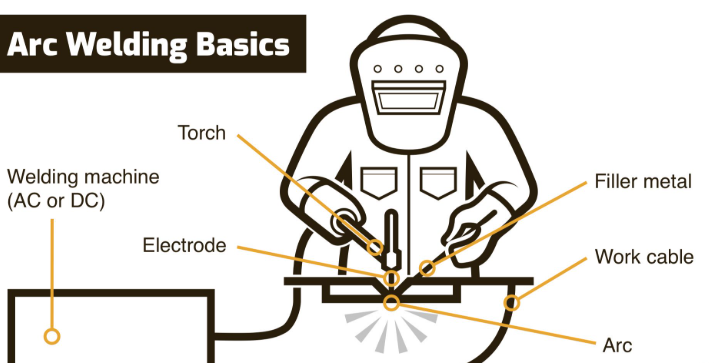
Che cos'è la saldatura ad arco elettrico?
Che cos'è la saldatura ad arco elettrico? È un processo di saldatura per fusione che utilizza un arco elettrico per generare calore intenso, fondere il metallo in un giunto e formare un cordone saldato coeso mentre il metallo si raffredda e solidifica.
Saldatura ad arco elettrico in termini semplici
Se hai cercato il significato di saldatura ad arco elettrico, la risposta in termini semplici è chiara: unisce i metalli sfruttando l’elettricità per generare un arco molto caldo, ovvero una scarica elettrica controllata, tra un elettrodo e il pezzo da saldare. Questo calore fonde i bordi delle parti metalliche da unire. In molti processi viene aggiunto anche del metallo d’apporto. Quando la pozza di metallo fuso si raffredda, le parti non sono più distinte, ma diventano un unico giunto saldato.
Perché l’arco è fondamentale
L’arco è la ragione stessa per cui questo metodo funziona. Riferimenti tecnici come quelli dell’Istituto TWI e di Lincoln Electric descrivono la saldatura ad arco come un processo di fusione basato sul calore in cui l'arco fornisce sufficiente energia per fondere il metallo nel giunto. L'aria può interferire con questo metallo fuso, quindi molti metodi di saldatura ad arco utilizzano anche un gas di protezione, un fondente o una scoria per aiutare a proteggere la saldatura mentre è ancora calda. In altre parole, l'arco rende possibile la saldatura e la protezione ne garantisce la qualità.
Cosa impareranno i lettori in seguito
Questo articolo ha finalità informativa, non è una guida all’acquisto. È rivolto a lettori che desiderano acquisire una comprensione pratica prima di preoccuparsi delle specifiche tecniche delle macchine o delle decisioni di acquisto. Da questo punto in poi, la guida spiegherà come questo processo si inserisce nella più ampia famiglia delle tecniche di saldatura, come funziona effettivamente l’arco, quali sono i principali tipi di processo più diffusi, quali attrezzature sono coinvolte, dove viene impiegata la saldatura ad arco e quali rischi per la sicurezza risultano più rilevanti. Un dettaglio che spesso crea confusione fin dall’inizio per molti principianti è il seguente: i termini «saldatura elettrica», «saldatura ad arco» e «saldatura elettrica ad arco» sono concetti correlati, ma non sono sempre intercambiabili.
Come la saldatura elettrica ad arco si inserisce tra i diversi tipi di saldatura
Una domanda comune per i principianti è: la saldatura ad arco elettrico è un tipo di quale saldatura? La risposta più chiara è la seguente: appartiene al più ampio gruppo dei metodi di saldatura azionati elettricamente e, più specificamente, alla famiglia della saldatura ad arco. I termini sono quindi collegati, ma non sono sinonimi esatti.
Saldatura elettrica contro saldatura ad arco
Nel linguaggio pratico del laboratorio, saldatura elettrica funziona come termine generico. Comprende i metodi di saldatura che utilizzano energia elettrica per generare il calore necessario per unire i metalli .Saldatura ad arco è uno dei principali rami sotto tale termine generico, in cui il calore proviene da un arco elettrico tra l’elettrodo e il pezzo da saldare.
- Saldatura elettrica : una categoria ampia di metodi di saldatura alimentati da energia elettrica.
- Saldatura ad arco : saldatura elettrica che utilizza un arco come fonte diretta di calore.
- SALDATURA A RESISTENZA anche alimentato elettricamente, ma utilizza il riscaldamento per resistenza e la pressione invece di un arco aperto.
Dove si inserisce la saldatura ad arco elettrico
Se ti chiedi quale tipo di saldatura sia la saldatura ad arco elettrico, pensala come la famiglia che include processi quali la saldatura a elettrodo rivestito (SMAW), la saldatura MIG, la saldatura TIG, la saldatura con filo animato e la saldatura ad arco sommerso. Panoramiche dei processi da Taylor Studwelding e Il Calderone distinguere la saldatura ad arco dalla saldatura per resistenza e dalla saldatura a gas, che è il modo più semplice per ordinare la terminologia.
| Metodo di saldatura | FONTE DI CALORE | Adeguamento tipico | Vantaggi generali |
|---|---|---|---|
| Saldatura ad arco elettrico | Arco Elettrico | Fabbricazione generale, riparazioni, lavori strutturali | Versatile e disponibile in diversi tipi di processo |
| Saldatura a gas | Fiamma ossiacetilenica | Lavori di riparazione, interventi sul campo, lavori artistici e compiti di minore entità | Impianto portatile a fiamma e utile nei casi in cui le attrezzature a arco elettrico non sono ideali |
| SALDATURA A RESISTENZA | Resistenza elettrica e pressione | Giunzione di lamiere e lavorazioni produttive ripetitive | Giunti riproducibili e adattamento solido per parti sovrapposte in lamiera |
| Saldatura laser | Fascio laser focalizzato | Lavorazioni produttive precise e materiali sottili | Saldature accurate e strette, con elevato potenziale di automazione |
Termini che i principianti confondono spesso
Si verificano tre errori di confusione molto comuni. Primo: la saldatura ad arco elettrico è quale tipo di saldatura? È saldatura ad arco , non ogni tipo di saldatura elettrica. In secondo luogo, la saldatura ad arco non è un singolo processo: MIG, TIG, elettrodo rivestito e FCAW rientrano tutti in questo gruppo. In terzo luogo, a volte le persone dicono saldatore a arco riferendosi alla macchina, al processo o all’operatore che la utilizza.
Queste etichette sono importanti perché ogni famiglia genera calore in modo diverso. Nella saldatura ad arco, l’azione vera e propria ha inizio all’interno del circuito elettrico, dove corrente, elettrodo e pezzo da saldare si incontrano per formare l’arco stesso.
Qual è il principio della saldatura ad arco elettrica?
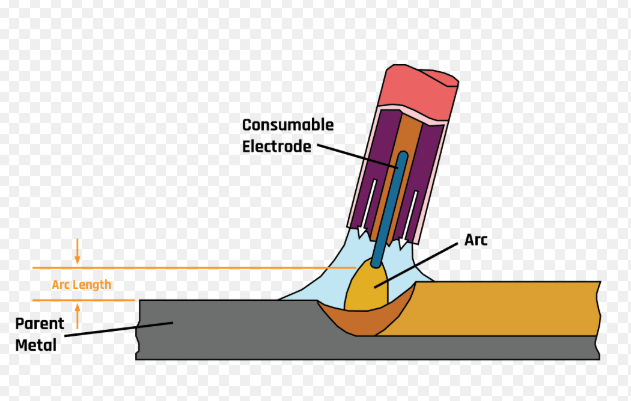
Se vi state chiedendo qual è il principio della saldatura ad arco elettrica, la risposta breve è semplice: la macchina crea un circuito elettrico completo, un arco scocca attraverso un piccolo interstizio, tale arco produce un calore intenso , il giunto fonde e il metallo fuso si raffredda formando un unico pezzo solido.
Il principio della saldatura ad arco elettrica consiste nella fusione e solidificazione controllate mediante il calore generato da un arco elettrico.
Il principio della saldatura ad arco elettrica
Lincoln Electric descrive la saldatura ad arco come un processo di fusione. In termini semplici, ciò significa che i bordi del metallo vengono riscaldati fino a fondersi e mescolarsi tra loro, talvolta con l’aggiunta di un metallo d’apporto, per poi indurirsi formando un giunto saldato. Il processo inizia con una sorgente di alimentazione collegata al pezzo da saldare e all’elettrodo, che può essere un elettrodo rivestito (stick), un filo o un elettrodo di tungsteno non consumabile, a seconda del metodo utilizzato.
- La sorgente di alimentazione invia corrente attraverso il circuito di saldatura.
- L’elettrodo tocca il pezzo da saldare e viene quindi leggermente ritratto, oppure la macchina fornisce una tensione di accensione sufficiente a favorire l’instaurazione dell’arco.
- Si forma un arco attraverso il piccolo spazio esistente tra l’elettrodo e il metallo.
- Il calore dell’arco fonde il metallo base e, nei processi con elettrodo consumabile, fonde anche l’elettrodo stesso, consentendo così al metallo d’apporto di entrare nel giunto.
- Si forma una pozzetta fusa lungo il giunto.
- Un gas di protezione, un vapore, un flusso o una scoria proteggono tale pozzetta calda dall’aria.
- Man mano che l’elettrodo avanza, la pozzetta fusa si raffredda e solidifica alle sue spalle, formando il cordone di saldatura.
L'arco raggiunge temperature molto elevate. Nei fondamenti di Lincoln Electric, la punta dell'arco è indicata a circa 6500 °F, una temperatura più che sufficiente per fondere l'acciaio e molti altri metalli utilizzati nella fabbricazione.
Cosa genera l'arco
Allora, cos'è un arco elettrico nella saldatura? È una corrente elettrica che scorre attraverso una colonna di gas ionizzato tra l'elettrodo e il pezzo in lavorazione. Questa descrizione può sembrare tecnica, ma l'idea è semplice. Un normale interstizio d'aria non conduce bene. Una volta che l'interstizio viene alimentato e riscaldato, diventa sufficientemente conduttivo da permettere il passaggio della corrente. Questa corrente in movimento è l'arco.
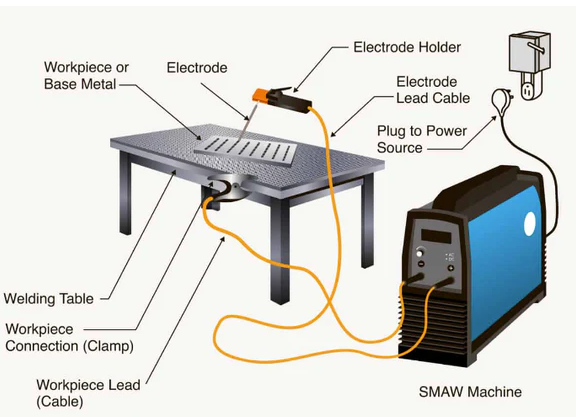
Anche il percorso della corrente è importante. Esso va dalla macchina, attraverso il cavo caldo fino all'elettrodo, attraverso l'arco fino al pezzo in lavorazione e infine nuovamente alla macchina tramite il cavo di massa. Se questo percorso viene interrotto, l'arco si spegne.
Polarità, tensione e amperaggio spiegati in modo semplice
Se vi siete chiesti qual è il principio di funzionamento della saldatura ad arco elettrico in termini pratici, queste tre impostazioni ne chiariscono gran parte:
- Polarità la direzione del flusso di corrente nella saldatura in corrente continua. Tulsa Welding School nota che DCEP e DCEN influenzano la penetrazione, la stabilità dell’arco e il comportamento dell’elettrodo. DCEP è comunemente associato a una penetrazione più profonda, mentre DCEN è spesso utilizzato quando è necessaria una fusione più rapida o un controllo migliore su materiali sottili. La corrente alternata (AC) inverte continuamente la propria direzione, modificando nuovamente il comportamento dell’arco.
- Tensione aiuta a stabilire e mantenere l’arco attraverso il giunto. Immaginatelo come un aiuto per far scoccare la scintilla nello spazio tra elettrodo e pezzo da saldare.
- Corrente l’intensità di corrente che circola nel circuito. In termini semplici, influenza fortemente la quantità di calore fornita dall’arco e il comportamento della pozza di saldatura.
Questa sequenza fondamentale non cambia mai, ma il modo in cui viene fornita la protezione, come si muove il metallo d’apporto e come si comporta l’elettrodo possono risultare molto diversi da un processo all’altro. È per questo motivo che la saldatura a elettrodo rivestito (SMAW), la saldatura MIG, la saldatura TIG, la saldatura con filo animato (FCAW) e la saldatura ad arco sommerso appartengono alla stessa famiglia, pur operando in modi distinti nell’officina.
Principali tipi di processi di saldatura ad arco elettrico
Se vi state chiedendo che tipo di saldatura sia la saldatura ad arco elettrico, la risposta più utile è che si tratta di una famiglia di processi correlati, piuttosto che di una singola tecnica. I principali tipi di saldatura ad arco elettrico sono SMAW, GMAW o MIG, GTAW o TIG, FCAW e SAW. Le descrizioni dei processi fornite da Schuette Metals e The Crucible mostrano che tutti questi metodi utilizzano un arco elettrico, ma differiscono per tipo di elettrodo, protezione, controllo e ambito di applicazione ottimale.
Saldatura a elettrodo rivestito (SMAW)
La SMAW, o saldatura a elettrodo rivestito, è uno dei processi ad arco più conosciuti. Utilizza un elettrodo consumabile ricoperto da un rivestimento fusibile (flux), il quale protegge la saldatura dalla contaminazione durante il raffreddamento del metallo. Nella pratica, la saldatura a elettrodo rivestito si distingue per la sua portabilità, la semplicità di allestimento e la flessibilità in campo. È ampiamente impiegata su acciaio al carbonio, acciaio inossidabile, ghisa e pezzi spessi, laddove la mobilità rappresenta un fattore cruciale.
Processi MIG e a filo animato
Il processo GMAW, comunemente chiamato MIG, utilizza un elettrodo continuo in filo solido alimentato attraverso una torcia e abbinato a un gas di protezione. È molto diffuso perché risulta produttivo, controllabile e generalmente adatto anche ai principianti. Il processo FCAW alimenta anch'esso il filo in modo continuo, ma il filo presenta un'anima di flusso che protegge il cordone saldato dall'atmosfera. Questa differenza rende la saldatura con filo animato un'ottima scelta per materiali più spessi e per lavori all'aperto, dove il vento potrebbe interferire con la protezione fornita dal gas.
TIG e saldatura ad arco sommerso
Il processo GTAW, o TIG, utilizza un elettrodo di tungsteno non consumabile e un gas di protezione inerte. Offre un eccellente controllo del calore ed è particolarmente adatto a lavorazioni su materiali sottili, delicati o ad alta precisione. La saldatura SAW (submerged arc welding), o ad arco sommerso, segue invece un approccio molto diverso: impiega un elettrodo nudo alimentato in modo continuo sotto uno strato di flusso, che protegge l'arco e contribuisce al controllo della pozza di saldatura. Questa configurazione rende la SAW particolarmente indicata per materiali spessi e per saldature industriali ad alta produttività.
| Processo | Cosa utilizza | Metodo di schermatura | Materiale e spessore più adatti | Installazione interna o esterna | Difficoltà relativa | Principali vantaggi | Principali svantaggi | Applicazioni tipiche |
|---|---|---|---|---|---|---|---|---|
| SMAW / Stick | Elettrodo consumabile rivestito di flusso | Il rivestimento in flusso genera una protezione e una scoria protettive | Funziona su acciaio al carbonio, acciaio inossidabile, ghisa e materiali più spessi | Ottima adattabilità per lavori sul campo e in posizioni variabili | In genere facile da imparare, ma completamente manuale | Portatile, versatile, economico da avviare, installazione minima | Deposizione più lenta, frequente sostituzione dell'elettrodo, necessaria rimozione della scoria | Lavori di riparazione, manutenzione, fabbricazione in loco |
| GMAW / MIG | Elettrodo filiforme solido continuo alimentato attraverso una pistola | Gas di protezione esterno | Adatto per acciaio al carbonio, acciaio inossidabile, alluminio e lavorazioni che vanno dalla lamiera sottile alla piastra più spessa | Migliore in condizioni riparate | Il più intuitivo per i principianti tra i comuni processi ad arco | Veloce ed efficiente, buon controllo del cordone di saldatura, saldature più pulite con minori operazioni di rifinitura post-saldatura | Meno preciso del TIG, richiede materiale pulito, il vento può compromettere la protezione gassosa | Produzione automobilistica, costruzioni, aerospaziale, fabbricazione generale |
| GTAW / TIG | Elettrodo di tungsteno non consumabile con gas inerte | Gas di protezione inerte, come argon o elio | Ottimo per materiali sottili, piccoli, delicati, ferrosi e non ferrosi | Ideale per lavori controllati e in ambienti riparati | Richiede la massima competenza ed è il più lento da padroneggiare | Estrema precisione, eccellente controllo del calore, bassa deformazione, scelta ottimale per saldature complesse | Processo più lento e più difficile per i principianti | Fabbricazione di precisione, componenti in acciaio inossidabile, strutture in alluminio, giunti critici |
| FCAW | Filamento continuo consumabile con anima di flusso | La anima di flusso protegge il cordone di saldatura dall'atmosfera | Elevata resistenza su sezioni più spesse e adattabile a diversi metalli | Particolarmente utile all'aperto e in condizioni ventose | Moderata, spesso più facile da utilizzare in modo produttivo rispetto alla saldatura TIG | Alta velocità di deposizione, buona penetrazione, portabilità, adattabilità, facilità di automazione | Emissione di fumi e fumo più elevata; il materiale d’apporto può costare di più rispetto ad altre tecnologie ad arco | Edilizia, costruzione navale, produzione automobilistica, oleodotti |
| Seghe | Elettrodo nudo alimentato in continuo sotto uno strato di flusso | Il flusso granulare ricopre e scherma l’arco | Ideale per materiali spessi e saldature ad alta resistenza | Migliore per ambienti produttivi controllati | Più orientato alla produzione rispetto alla saldatura manuale a mano libera | Eccezionali velocità di deposizione, penetrazione profonda, saldature di elevata qualità costante | Richiede una configurazione più specializzata con sistemi per la gestione e l’alimentazione del flusso | Costruzione navale, costruzione di oleodotti, fabbricazione industriale pesante |
- Per la fabbricazione generale e un apprendimento più agevole, il processo MIG è spesso il punto di partenza più semplice, mentre il procedimento a elettrodo rivestito (stick) rimane una scelta pratica per le riparazioni in campo.
- Per una saldatura più pulita, precisa e per il controllo di materiali sottili, il processo TIG è quello che si distingue.
- Per sezioni più spesse e una deposizione più rapida del metallo, i processi FCAW e SAW sono generalmente più indicati.
- Per lavori all’aperto, la saldatura con filo animato offre un chiaro vantaggio rispetto ai metodi con protezione gassosa.
- Per la produzione industriale su larga scala, la saldatura ad arco sommerso è progettata per garantire elevata produttività e costanza dei risultati.
Questi tipi di processi di saldatura ad arco elettrico condividono la stessa sorgente di calore di base, ma gli strumenti, i materiali di consumo e la configurazione variano notevolmente da un metodo all’altro. È quindi fondamentale comprendere non solo i nomi dei processi, ma anche la macchina, la torcia, il set di cavi, il sistema di protezione e le attrezzature di sicurezza, quasi quanto lo è conoscere i processi stessi.
Quali attrezzature vengono utilizzate nella saldatura ad arco elettrico?
Il nome del processo indica come viene generato il calore; le attrezzature indicano invece come tale calore viene controllato. Se ti sei chiesto quali attrezzature vengono utilizzate nella saldatura ad arco elettrico, la risposta breve è che ogni configurazione richiede una fonte di alimentazione, un percorso per la corrente, un sistema per tenere o guidare l’elettrodo e una protezione sia per il cordone di saldatura sia per l’operatore.
Componenti principali di una configurazione per saldatura ad arco elettrico
- Fonte di alimentazione : la macchina da saldatura che fornisce corrente e tensione per l’arco.
- Portaelettrodo o torcia : tiene l'elettrodo rivestito nella saldatura ad arco manuale (SMAW) o guida il filo o il tungsteno nella saldatura MIG e TIG.
- Morsetto di massa : collega il pezzo in lavorazione nuovamente alla macchina per completare il circuito.
- Cavi e connettori : trasportano in sicurezza la corrente di saldatura tra macchina, portaelettrodo o torcia e morsetto di massa.
- Metalli d'Apporto : elettrodi rivestiti, filo pieno, filo animato da flusso o bacchetta di riempimento TIG separata, a seconda del processo.
- Gas di Protezione : utilizzato nei processi MIG e TIG per proteggere il cordone di saldatura dall’atmosfera.
- Alimentatore di filo : necessario nei processi con alimentazione a filo, come GMAW e FCAW.
- DPI : casco, occhiali di sicurezza, guanti, abbigliamento ignifugo e, spesso, scarpe di sicurezza e protezione respiratoria.
Accessori utili per il laboratorio da Panoramica delle attrezzature di Megmeet includono anche morsetti, magneti, un tavolo da saldatura, utensili per la pulizia e utensili per il taglio o la smerciatura.
Che cosa fa effettivamente la macchina da saldatura
Che cos'è una macchina da saldatura ad arco elettrico in termini semplici? È la fonte di alimentazione che crea le condizioni elettriche necessarie per avviare e mantenere l'arco. In Il Produttore , la tensione costante (CV) è comunemente associata ai processi con filo continuo, come il MIG e il FCAW, mentre la corrente costante (CC) è comunemente utilizzata nei processi manuali, come il saldatura a elettrodo (stick) e spesso anche nel TIG. Versione in linguaggio semplice: la CV contribuisce a mantenere più costante la lunghezza dell'arco nella saldatura con filo continuo, mentre la CC contribuisce a mantenere più stabile l'intensità di corrente quando l'operatore controlla direttamente l'arco.
Materiali di consumo e dispositivi di protezione
I principianti confondono spesso anche tre termini. Che cos'è un apparecchio per la saldatura ad arco elettrico? Può indicare persona l'operatore che esegue la saldatura, macchina la fonte di alimentazione, oppure sistema Completamente Testato l'intero sistema che comprende torcia, cavi, materiali di consumo, gas e dispositivi di sicurezza. Questa distinzione è importante perché la macchina da sola non costituisce un impianto completo.
Ed è qui che la scelta del processo inizia a sembrare concreta. Un impianto a elettrodo rivestito progettato per lavori di riparazione non ha né l'aspetto né il comportamento di una cella MIG su una linea di produzione, anche se entrambi appartengono alla stessa famiglia di saldatura ad arco.
A cosa serve la saldatura ad arco elettrico?
Un impianto di saldatura diventa significativo soltanto quando lo si osserva all’opera. Se vi state chiedendo a cosa serve la saldatura ad arco elettrico, la risposta è molto ampia: officine di riparazione, fabbricazione di strutture in acciaio, tubazioni, macchinari pesanti, costruzione navale e produzione automobilistica fanno tutte affidamento, in modi diversi, sui processi basati sull’arco. Le applicazioni più ampie della saldatura ad arco elettrico descritte da Codinter e dalla panoramica dell’ASA illustrano quanto questa famiglia di saldatura sia davvero versatile.
Utilizzi comuni nel settore delle riparazioni e nella produzione
| Categoria di applicazione | Processi di saldatura ad arco che si adattano comunemente a | Perché vengono comunemente utilizzati |
|---|---|---|
| Lavoro di riparazione | SMAW, GMAW, FCAW | Opzioni portatili o versatili per riparazioni in loco, manutenzione e ripristino generale di metalli |
| Fabbricazione strutturale | SMAW, FCAW, SAW, GMAW | Comune per acciaio strutturale, telai, travi e altri componenti fabbricati |
| Tubazioni | SMAW, GMAW, FCAW, SAW | Utilizzato nel settore idraulico, HVAC, tubazioni industriali e costruzione di lunghi oleodotti |
| Attrezzature Pesanti | SMAW, FCAW, SAW | Particolarmente adatto a sezioni spesse, giunti resistenti e grandi parti fabbricate |
| Produzione automobilistica | GMAW, FCAW, GTAW | Utilizzato per pannelli carrozzeria, telai, parti del telaio, sistemi di scarico e altre saldature in produzione |
Dove viene utilizzata la saldatura ad arco elettrico nell’industria quotidiana? Spesso ovunque sia necessario unire parti metalliche con resistenza, velocità o ripetibilità. Un processo può dominare una linea di produzione in fabbrica, mentre un altro viene scelto esclusivamente per interventi di riparazione sul campo, anche a pochi chilometri di distanza.
Perché la scelta del processo varia da settore a settore
- Tipo di materiale è fondamentale. Acciaio inossidabile, alluminio, acciaio al carbonio e lavorazioni miste non rispondono tutti nello stesso modo.
- Ripetibilità ha maggiore rilevanza nella produzione rispetto alla riparazione su singolo pezzo. È per questo motivo che i processi a filo continuo sono diffusi nelle celle automatizzate.
- Requisiti estetici possono spingere un'officina verso saldature più pulite e precise, in particolare su parti visibili o su assemblaggi in acciaio inossidabile.
- Volume di produzione modifica la convenienza economica. I lavori ad alto throughput favoriscono spesso processi più facilmente meccanizzabili o automatizzabili.
Telaio automobilistico e componenti strutturali
Il settore automobilistico rappresenta un esempio utile poiché combina componenti sottili, componenti strutturali e produzione automatizzata. Il Riepilogo ASA indica che la saldatura ad arco viene utilizzata nell’assemblaggio di veicoli per elementi quali schermi termici, sistemi di scarico e tubazioni idrauliche collegate al telaio. Codinter colloca inoltre la saldatura GMAW su pannelli carrozzeria, telai e componenti del telaio, mentre la saldatura FCAW è impiegata in applicazioni relative a telai e telai portanti dove sono richieste saldature strutturali resistenti.
È proprio in questo contesto che può avere senso ricorrere a outsourcing specializzato. Per i produttori che necessitano di assemblaggi di telai saldati, piuttosto che di lavorazioni generiche presso officine conto terzi, Shaoyi Metal Technology è un esempio di partner specializzato in componenti per telai automobilistici ad alte prestazioni. Le sue linee robotizzate per la saldatura ad arco e il suo sistema qualità certificato IATF 16949 rispondono ai requisiti di ripetibilità e tracciabilità tipicamente richiesti dai programmi automobilistici, in particolare per acciaio, alluminio e altri metalli impiegati nella produzione.
La stessa versatilità che rende la saldatura ad arco utile in numerosi settori genera anche condizioni di lavoro molto diverse. Un banco da officina, un cantiere edile e una cella robotizzata per la produzione automobilistica non espongono le persone allo stesso livello di rischio elettrico, di fumi, di calore o di incendio.
Principali rischi per la sicurezza nella saldatura elettrica ad arco
Lo stesso processo ad arco che funziona in un'officina, su un cantiere di riparazione o su una linea di produzione può diventare pericoloso molto rapidamente se l’allestimento è inadeguato. Se vi state chiedendo in quali condizioni la saldatura ad arco elettrico risulta pericolosa dal punto di vista elettrico, la risposta breve è questa: quando il vostro corpo può diventare parte del circuito, quando l’aria non è adeguatamente controllata o quando calore e scintille possono raggiungere la pelle, gli indumenti o materiali infiammabili nelle vicinanze.
Principali rischi nella saldatura ad arco elettrico
- Scossa elettrica : uno dei pericoli immediati più gravi, in particolare in prossimità di elettrodi sotto tensione, isolamenti danneggiati e condizioni di bagnato.
- Esposizione ai raggi UV e infrarossi : i raggi dell’arco possono danneggiare occhi e cute esposta, causando cheratocongiuntivite da arco (arc eye) e ustioni.
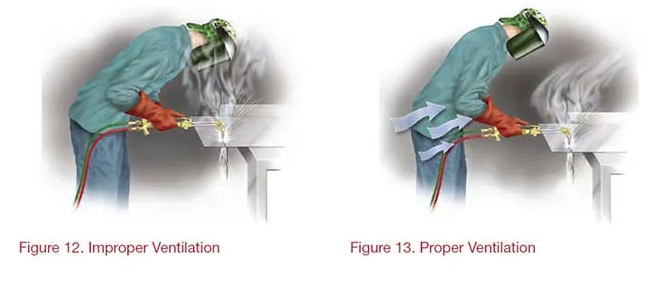
- Fumi e gas : i fumi di saldatura possono contenere composti metallici nocivi e i gas possono accumularsi in ambienti scarsamente ventilati.
- Ustioni e metallo rovente : il metallo fuso, la scoria, lo schizzo (spatter) e i pezzi appena saldati rimangono sufficientemente caldi da provocare lesioni anche molto tempo dopo l’interruzione dell’arco.
- Rischio d'incendio scintille e schizzi possono incendiare carta, legno, oli, rivestimenti, polveri e gas infiammabili.
- Rumore e detriti le operazioni di smerigliatura, scalpellatura e alcune saldature possono danneggiare l’udito e proiettare particelle verso il viso e le orecchie.
Se ci si chiede qual è la temperatura di un arco di saldatura elettrica, o qual è la temperatura della saldatura ad arco elettrico in termini pratici, l’arco è estremamente caldo. Lincoln Electric precisa che un arco di saldatura può raggiungere circa 5.500 °C, il che spiega perché calore, scintille e schizzi richiedono costante rispetto.
Mantenetevi asciutti, tenete l’attrezzatura in buono stato, coprite la pelle esposta e non eseguite mai saldature senza un’adeguata ventilazione.
Quando la saldatura ad arco diventa pericolosa dal punto di vista elettrico
Lo shock elettrico si verifica quando una persona chiude il circuito tra parti metalliche sotto tensione. Questo rischio aumenta rapidamente in situazioni molto comuni:
- Pavimenti bagnati, pioggia, indumenti umidi o guanti sudati riducono l’isolamento.
- Cavi danneggiati, portaelettrodi crepati, connessioni allentate e conduttori scoperti aumentano il rischio di contatto.
- Spazi conduttivi angusti, pavimenti metallici, serbatoi e posizioni del corpo ristrette rendono più probabile il contatto accidentale.
- Un collegamento a terra inadeguato e un contatto imprudente con parti dell’elettrodo sotto tensione possono far passare corrente attraverso il corpo.
- L’apertura o la manutenzione di apparecchiature per saldatura senza le necessarie qualifiche può esporre una persona a tensioni interne più elevate.
Lincoln Electric sottolinea inoltre che gli elettrodi rivestiti sono sempre sotto tensione ogni volta che la macchina è accesa, anche in assenza di saldatura in corso. Guanti asciutti e in buone condizioni, isolamento integro dei cavi e separazione dal pezzo da saldare e dal collegamento a terra costituiscono misure di protezione fondamentali, non opzionali.
DPI per la ventilazione e configurazione sicura
Una buona protezione inizia ancor prima dell’accensione dell’arco. Tenere la testa fuori dalla nube di fumi, utilizzare sistemi di ventilazione o di aspirazione locale per allontanare i fumi dalla zona respiratoria e indossare un respiratore quando la ventilazione non è sufficiente. Le linee guida di CCOHS raccomandano inoltre di indossare un idoneo casco da saldatura, nonché occhiali di sicurezza con protezioni laterali al di sotto di esso.
- Indossare indumenti resistenti alle fiamme, guanti di cuoio asciutti e stivali che impediscano l'ingresso di scintille.
- Evitare polsini, tasche aperte e tessuti sintetici che possono intrappolare scintille o fondersi.
- Rimuovere dalla zona liquidi infiammabili, carta, legno e altri materiali combustibili.
- Utilizzare schermi o tende per proteggere i lavoratori vicini dall'arco elettrico e dai detriti in volo.
- Interrompere il lavoro se i dispositivi di protezione individuale (DPI), i cavi, le morsettiere o il portaelettrodo sono danneggiati.
Sulla carta, diversi processi ad arco potrebbero essere adatti allo stesso lavoro. Nella pratica, tuttavia, ventilazione, condizioni meteorologiche, accessibilità, pulizia e esperienza dell’operatore spesso determinano quale opzione non solo sia fattibile, ma anche la scelta più sicura.
Come scegliere il processo corretto di saldatura ad arco elettrico
I lavori reali rendono la scelta del processo meno astratta. Se vi state chiedendo quale processo di saldatura ad arco elettrico dovrei utilizzare, la risposta più valida non è un’unica soluzione universale, bensì il processo che meglio si adatta al tipo di metallo, allo spessore del pezzo, all’ambiente di lavoro, al risultato estetico desiderato e al ritmo produttivo. Linee guida per la selezione da American Torch Tip e Codinter continua a tornare su quell'identica idea: abbinare il metodo al lavoro da svolgere.
Scegli in base allo spessore del materiale e all'ambiente
- Inizia dal metallo e dall'applicazione. La riparazione dell'acciaio, la fabbricazione in alluminio, il lavoro su lamiere sottili e i componenti strutturali pesanti non richiedono lo stesso processo.
- Verifica lo spessore e le esigenze del giunto. Il processo TIG è ampiamente preferito per materiali più sottili e per un controllo preciso, mentre gli elettrodi rivestiti (stick), il processo FCAW e il processo SAW sono più adatti per sezioni più spesse.
- Decidi quanto deve essere pulito o esteticamente curato il cordone di saldatura. Se l'aspetto estetico e la precisione sono i fattori più importanti, il processo TIG risulta generalmente la scelta migliore. Se invece contano di più saldature solide e produttive, piuttosto che l'aspetto estetico, i processi MIG o FCAW potrebbero essere più indicati.
- Valuta l'ambiente. Il vento e il lavoro all'aperto possono compromettere la protezione gassosa; per questo motivo i processi con elettrodi rivestiti (stick) e con filo animato (flux-cored) vengono spesso scelti per le condizioni operative in campo.
- Adattare la velocità al volume. Il processo MIG è popolare dove contano efficienza e ripetibilità, mentre il processo SAW è progettato per materiali spessi e per la saldatura industriale ad alta produttività.
- Siate onesti riguardo al livello di competenza dell’operatore. Il processo MIG è spesso più facile da apprendere, il processo SMAW è pratico ma sensibile alla tecnica, mentre il processo TIG richiede il massimo controllo.
Abbinare il processo alle competenze e agli obiettivi produttivi
Per chiunque si chieda come scegliere tra le opzioni di saldatura ad arco elettrico senza complicarsi troppo la vita, una regola semplice può aiutare: scegliere il processo meno complesso che comunque soddisfi il requisito tecnico. Una riparazione occasionale in un’azienda agricola e una linea di produzione automatizzata possono entrambe utilizzare la saldatura ad arco, ma premiano strumenti e competenze molto diverse.
| Contesto lavorativo | Processo che si adatta spesso | Perché tende ad adattarsi |
|---|---|---|
| Riparazione e Manutenzione | SMAW, talvolta GMAW | L'elettrodo è portatile e utile sul campo. Il processo MIG funziona bene in officina, dove la velocità è fondamentale. |
| Precisione e finitura pulita | GTAW | Il processo TIG offre il migliore controllo del calore per materiali sottili e per lavorazioni in cui l’aspetto estetico è determinante. |
| Lavoro all’aperto o in condizioni ventose | SMAW, FCAW | Entrambi sono meno dipendenti dalla protezione esterna con gas in condizioni operative difficili sul campo. |
| Produzione ad Alto Volume | GMAW, SAW | Il processo MIG è facile da automatizzare. Il processo SAW è adatto a materiali spessi e a saldature lunghe e ripetitive. |
Quando rivolgersi a un partner specializzato nella saldatura
Talvolta la scelta più intelligente non consiste semplicemente nella selezione di un processo, ma nella scelta di un fornitore competente. L’outsourcing risulta conveniente quando il lavoro richiede ripetibilità, tracciabilità, produzione automatizzata o disciplina ispettiva che vada oltre le capacità di un piccolo impianto interno. Ciò vale in particolare nel settore automobilistico, dove telai e componenti strutturali devono garantire coerenza su intere serie di produzione.
Per i produttori in tale posizione, Shaoyi Metal Technology è un esempio credibile di partner specializzato nella saldatura di telai automobilistici. Le sue capacità dichiarate includono la saldatura personalizzata per il settore automobilistico, linee di saldatura robotizzate e un sistema qualità IATF 16949, che si allinea perfettamente a programmi che richiedono assemblaggi resistenti e ad alta precisione in acciaio, alluminio e altri metalli da produzione.
- Se stai imparando , esercitati su scarti e concentra l’attenzione su un solo processo prima di passare ad altri.
- Se stai acquistando attrezzature , identifica innanzitutto il processo più adatto, quindi confronta le caratteristiche delle macchine.
- Se stai esternalizzando la produzione , invia tempestivamente disegni, dettagli sui materiali, intervallo di spessori, requisiti di qualità e aspettative in merito alle ispezioni.
Questo è davvero il modo per selezionare con sicurezza le opzioni di saldatura ad arco: partire dal lavoro da eseguire, filtrare in base alle condizioni operative e far sì che il processo sia al servizio del risultato, anziché il contrario.
Domande frequenti sulla saldatura ad arco elettrico
1. Cos'è la saldatura ad arco elettrico in termini semplici?
La saldatura ad arco elettrico è un processo di giunzione dei metalli che utilizza l’elettricità per generare un arco caldo tra un elettrodo e il pezzo in lavorazione. Questo calore fonde la zona di giunzione e, in molti metodi, aggiunge anche del metallo d’apporto. Una volta raffreddata la pozzetta fusa, i pezzi separati diventano un’unica connessione saldata solida.
2. La saldatura ad arco elettrico è la stessa cosa della saldatura elettrica?
Non esattamente. La saldatura elettrica è una categoria più ampia, poiché comprende qualsiasi metodo di saldatura che utilizza energia elettrica per produrre calore. La saldatura ad arco elettrico è una specifica branca di questa categoria, in cui il calore deriva precisamente da un arco. Altri metodi elettrici, come la saldatura a resistenza, utilizzano anch’essi l’elettricità, ma non si basano su un arco aperto.
3. Quali sono i principali tipi di saldatura ad arco elettrico?
I principali processi di saldatura ad arco elettrico sono SMAW (o saldatura a elettrodo rivestito), GMAW (o MIG), GTAW (o TIG), FCAW e SAW. La saldatura a elettrodo rivestito è ampiamente utilizzata per interventi di riparazione e lavori in cantiere, la MIG è comune nella fabbricazione generale e nella produzione, la TIG viene scelta per saldature precise e pulite, la FCAW è adatta a materiali più spessi e a condizioni esterne, mentre la SAW è spesso impiegata per saldature industriali pesanti.
4. Quali attrezzature vengono utilizzate nella saldatura ad arco elettrico?
Un impianto tipico comprende una sorgente di potenza per la saldatura, un portaelettrodo o una torcia, una morsetto di massa, cavi di saldatura e consumabili specifici del processo, come elettrodi rivestiti, filo, bacchetta di apporto o gas di protezione. Alcuni sistemi richiedono inoltre un alimentatore di filo. È inoltre indispensabile dotarsi di dispositivi di protezione individuale, tra cui casco da saldatura, guanti, abbigliamento protettivo e adeguata ventilazione o sistemi di controllo dei fumi.
5. Quando un produttore dovrebbe collaborare con un partner specializzato nella saldatura?
Un partner specializzato ha senso quando il lavoro richiede ripetibilità, controllo qualità documentato, produzione automatizzata o tolleranze strette per componenti strutturali. Ciò è particolarmente vero nel settore dei telai automobilistici e in lavorazioni di produzione analoghe. Ad esempio, Shaoyi Metal Technology rappresenta un’opzione pertinente per i produttori che necessitano di saldature automobilistiche su misura, poiché le sue linee di saldatura robotizzate e il sistema qualità IATF 16949 sono allineati a programmi che richiedono componenti saldati con precisione costante e elevata, realizzati in acciaio, alluminio e altri metalli.