 Small batches, high standards. Our rapid prototyping service makes validation faster and easier —
  EN
EN


How Do You Weld Cast Iron When Every Crack Wants To Spread?
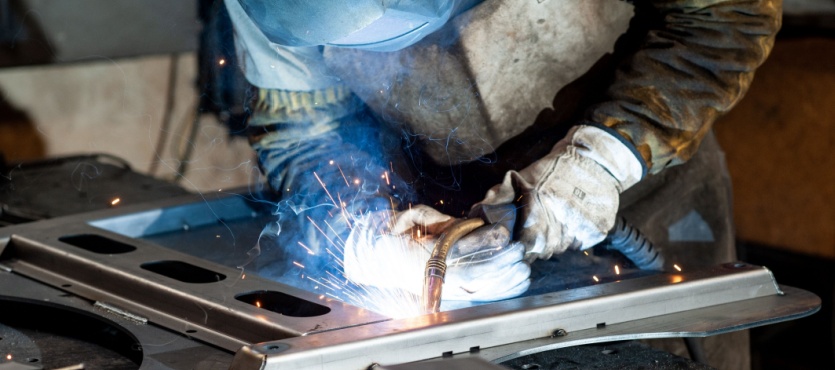
How Do You Weld Cast Iron Without Spreading Cracks
Can cast iron be welded? Yes, but only when the repair plan fits the casting. A successful cast iron weld depends on the type of cast iron, the size and location of the crack, how tightly the part is restrained, how clean the metal is, and how carefully you control heat. If you want the short answer to how do you weld cast iron, it is this: clean it thoroughly, choose a low-risk repair method, keep heat input under control, and cool the part slowly.
Cast iron can often be repaired, but heat control matters more than simply laying down a strong-looking bead.
Can You Weld Cast Iron Successfully
Often, yes. Guidance from TWI notes that most cast irons are weldable, while white iron is generally treated as unweldable. In real shops, welding cast iron is usually repair work rather than everyday fabrication. Fusion methods such as stick, TIG, or MIG/MAG melt the base metal. Brazing uses a lower-melting filler and has less effect on the casting itself. In some leak repairs, Lincoln Electric notes that sealing compounds may solve the problem more safely than forcing a full weld.
Why Cast Iron Weldability Causes Problems
Cast iron is harder to repair than mild steel because it contains much more carbon, typically about 2% to 4%, roughly ten times that of most steels in the TWI and Lincoln guidance. During welding, that carbon can move into the weld metal and heat affected zone, raising hardness and brittleness. Cast iron also has poor ductility, so it does not stretch and relax stress the way mild steel often can. That is why even a neat cast iron weld can crack beside the repair as it cools.
When Not to Weld Cast Iron
- More realistic: clean gray iron, short accessible cracks, thicker sections, low restraint, and parts you can preheat and cool slowly.
- Riskier: white iron, thin sections, oil-soaked castings, cracks near corners or bolt bosses, and rigid assemblies that cannot move.
- Think twice: repairs that must be perfectly leak-tight, highly loaded, or safety-critical.
- Better alternatives: brazing, sealing, or replacement when a new crack would be worse than the original one.
So the real question is not only can you weld cast iron, but what kind of casting is actually on your bench. That single detail changes everything about the repair path.
Identify Cast Iron Before Repairing It
A repair plan only gets trustworthy once you know what kind of casting is cracked. Cast iron weldability changes a lot from one family to another. If you are holding broken cast iron and wondering, is cast iron weldable, start with clues you can actually see and feel: the fracture surface, how the metal machines or grinds, what job the part did, and whether the crack sits in a thin or highly restrained area. Practical guidance from Codinter and shop identification clues from TGM make this first sort much safer.
How to Identify Cast Iron Before Repairing It
In shop language, there are four common cast iron families worth separating before any cast iron repair. Gray iron is the most common and shows a gray fracture surface because of graphite flakes. It machines well and is common in engine blocks, pipes, valves, and machine bases. Ductile iron, also called nodular iron, is tougher. TGM notes that its knock fracture looks finer and black-gray, its machined surface appears brighter and finer, and its ringing sound is crisper with more echo than gray iron. White iron is extremely hard, wear resistant, difficult to machine, and generally a very poor welding candidate. Malleable iron comes from heat-treated white iron and is tougher and easier to weld than white iron.
| Cast iron type | Shop clues | Typical weld risk | Safest first repair approach |
|---|---|---|---|
| Gray iron | Gray fracture, good machinability, common in blocks, bases, pipes, valves | Moderate | Conservative fusion repair or brazing after thorough cleaning and heat control |
| Ductile iron | Fine black-gray fracture, brighter machined surface, crisper ring, often used in high-strength components | Moderate to high | Verify service demands first, then use a tightly controlled repair plan |
| White iron | White fracture, very hard, poor machinability, wear-part service | Very high | Avoid welding in most cases; replacement is often safer |
| Malleable iron | Tougher than white iron, often found in fittings and agricultural hardware | Medium | Use controlled, lower-stress repair methods and watch heat input carefully |
| Unknown used casting | Mixed clues, dirty service history, uncertain fracture or grinding response | Uncertain to high | Pause, test, and choose the lowest-risk repair path instead of guessing |
What to Do When the Cast Iron Type Is Unknown
Unknown castings deserve a repair-first checklist, not a fast arc strike. Clean a small area. Look at any natural fracture. Test how the metal grinds or machines. Ask what the part did in service. A lightly loaded housing gives you more freedom than a crankshaft or gear support. If the crack runs through a thin wall, near a bolt boss, or across a section that cannot move, crack risk rises fast. When the answer to is cast iron weldable is still unclear, treat the part as high risk until the evidence says otherwise.
Which Cast Iron Parts Are Poor Welding Candidates
- Oil, carbon, or moisture keeps sweating out after cleaning or gentle heating.
- The wall at the crack is very thin or already crumbling at the edge.
- The crack runs into corners, bosses, or heavily clamped areas with high restraint.
- The part came from severe wear or impact service and failure would be costly or dangerous.
Good identification does more than answer whether you are repairing cast iron or replacing it. It tells you which process gives the lowest chance of making a second crack beside the first one.
Best Way to Weld Cast Iron by Repair Method
The casting type narrows the field fast, but the process choice decides how much new stress you create. That is why the best way to weld cast iron is not always the method that gives the hardest fusion joint. On brittle castings, the safer repair is often the one that keeps heat, shrinkage, and restraint under tighter control.
Stick Welding Cast Iron Versus TIG MIG and Brazing
Red-D-Arc and Lincoln Electric both point repair work toward stick or SMAW first. In real shop use, stick welding cast iron is the most established fusion option because it works with proven nickel-based electrodes, short beads, and either a full preheat plan or a controlled cool-weld method. TIG welding cast iron and mig welding cast iron can be done in limited cases, but Red-D-Arc notes they are more likely to fail on cast iron, with TIG especially prone to a steep local temperature gradient that can trigger cracking. In plain terms, mig cast iron repairs are usually chosen for convenience, not because the process is naturally forgiving.
Oxy-acetylene sits in a different lane. Its broader heating pattern can reduce the sharp temperature difference between the repair area and the surrounding casting, which Red-D-Arc identifies as a benefit on crack-sensitive parts. Brazing cast iron lowers risk even further because the base metal is not fused into a weld pool. That usually means less thermal damage, but also a repair that may not match the strength of a sound fusion weld in a heavily loaded area.
On fragile castings, lower heat and lower restraint often beat aggressive penetration.
Best Way to Weld Cast Iron Based on Repair Risk
| Process | Best fit | Heat and skill | Repair risk | Filler tendency | Cooling demand | Ideal use case |
|---|---|---|---|---|---|---|
| Stick or SMAW | Short to moderate cracks, mostly gray iron, medium to thick sections | Moderate to high heat, moderate skill | Medium if heat is controlled | Often nickel or nickel-iron electrodes | Needs disciplined preheat or cool-weld practice and slow cooling | General cast iron repair where fusion strength matters |
| TIG | Small, accessible precision repairs by experienced welders | Localized high heat, high skill | High on crack-sensitive castings | Precision filler addition, but less forgiving thermal profile | Strict heat control and slow cooling | Limited specialty repairs, not the usual first choice |
| MIG | Limited noncritical repairs where process convenience is prioritized | Moderate heat, moderate skill | High on brittle or contaminated parts | Wire-fed fusion repair is generally less favored for cast iron | Careful cooling still required | Only when risk is understood and the casting is forgiving |
| Oxy-acetylene | Repairs that benefit from broader, gentler heating | Broad heat, high skill | Medium | Often paired with cast iron filler for color match | Uniform preheat and slow cooling matter | Traditional cast iron repair with reduced thermal gradient |
| Brazing | Cracks, leaks, and sections where lower heat matters more than maximum strength | Lower heat, moderate skill | Lower thermal crack risk | Bronze or similar filler bonds without fully melting the base metal | Controlled cooling still helps, but stress is lower | Non-structural or lower-load repairs |
| Cold repair or metal stitching | Long cracks, engine blocks, vintage castings, heat-sensitive parts | No welding heat, specialized repair skill | Lowest thermal cracking risk | No fusion filler metal | No thermal cooling cycle to manage | When avoiding distortion and new cracks matters most |
When Cold Repair Is Better Than Fusion Welding
A heat-free repair can be the smarter answer when the casting is valuable, highly stressed, or already prone to spreading cracks. A metal stitching overview describes a cold method that drills the crack ends, installs pins along the break, and may add locks across it. Because the repair avoids welding heat, distortion is minimal and the surrounding cast iron keeps its original structure. That makes cold repair especially attractive for engine blocks, older castings, and on-site jobs where a new heat-affected crack would be worse than the original damage. It is also why mig cast iron work is rarely the lowest-risk answer when the part is fragile.
So the process question is really a tradeoff between strength and survivability. The winning method is the one the casting can actually live through. From there, the repair gets even more specific, because rod choice and heat strategy are what make that method succeed or fail.
Choose the Right Cast Iron Welding Rod
The process may set the direction, but filler choice and heat control decide whether the repair survives cooling. A cast iron welding rod that works on one cracked housing can be the wrong answer for a thick machine base or an oil-stained manifold. In practical terms, the decision usually comes down to machinability, cost, section thickness, and how much base metal will mix into the deposit.
How to Choose a Cast Iron Welding Rod
If you need a welding rod for cast iron and the area must be machined after repair, nickel is usually the safer starting point. Lincoln Electric describes 99% nickel ENi-CI as premium and highly machinable, especially for single-pass, high-admixture welds. Their 55% nickel ENiFe-CI option is more economical, often used on heavier sections, and offers greater strength and ductility, though high admixture can make it harder to machine. Steel-based welding electrodes for cast iron cost less and have a user-friendly arc, but the deposit is hard and usually finished by grinding rather than machining.
| Filler category | Key benefit | Limitation | Best repair context |
|---|---|---|---|
| 99% nickel stick electrode | Very machinable, even in high-admixture single-pass repairs | Higher cost | Repairs that will be machined after welding |
| 55% nickel-iron stick electrode | More economical, stronger, more ductile, suited to heavier sections | Can become hard to machine under high admixture | Thicker castings and multipass repairs |
| Steel stick electrode | Lower cost, easy arc, tolerates less-than-perfect cleaning | Hard, non-machinable deposit | Repairs finished by grinding where cost matters |
| Bronze or copper-alloy brazing filler | Lower heat joining with less thermal stress on the casting | Usually needs flux and careful heating technique | Crack-sensitive parts and lower-risk brazed repairs |
When Welding Cast Iron With Nickel Rod Makes Sense
Welding cast iron with nickel rod makes sense when you want a more machinable repair, when fusion-line cracking is a concern, or when the part is thick enough to benefit from the added ductility of nickel-iron filler. Lincoln notes that 55 Ni has a lower coefficient of expansion than 99 Ni, which can mean fewer fusion-line cracks. If cleaning is less than perfect, a steel electrode may tolerate the surface better, but that tradeoff usually means a harder deposit. If the lower-risk route is brazing, a cast iron brazing rod made from copper alloy or silicon-bronze can be a smart alternative. PrimeWeld notes that cast iron brazing usually needs flux and that the heated base metal, not the torch flame alone, should melt the filler.
How Preheat and Cooling Affect Cast Iron Repairs
The right welding temp is really a repair strategy. In Lincoln Electric, full preheat is done slowly and uniformly, typically around 500 to 1200 degrees F, while staying below about 1400 degrees F because cast iron approaches a critical cracking range near 1450 degrees F. A cool-weld approach keeps the part only warm, not cold, then uses low current, short welds about 1 inch long, peening, and pauses. If you preheat cast iron for welding, stay committed to that approach all the way through.
- Heat the whole casting as uniformly as possible when using a hot method.
- Use low current and short beads to limit admixture and shrinkage stress.
- Peen short passes to help counter bead contraction.
- Never force cooling with water or compressed air.
- Slow the cooldown with an insulating blanket, dry sand, or another insulating medium.
Among the many welding rods for cast iron, none can rescue a rushed setup. Joint cleaning, crack preparation, bead order, and slow cooling still decide whether the repair holds.
How to Weld Cast Iron Step by Step
The rod and heat plan only work when the repair sequence is disciplined. In real cast iron welding, many failures start before the arc does: oil still hiding in the pores, a crack tip left unprepared, or a hot repair dumped on a cold bench to cool too fast. If you want to repair cast iron successfully, treat the whole job like a controlled process rather than a single weld.
How to Repair Cast Iron Step by Step
- Inspect the whole casting. Trace the crack past the obvious break. Look for branching, thin sections, bolt bosses, and areas that are clamped or heavily restrained. If the part is still leaking oil after cleaning, or the crack runs through a highly stressed section, stop and consider brazing, stitching, or replacement instead.
- Clean wider than the weld zone. Weldclass recommends cleaning around and on all sides of the component, not just the groove itself. Hot water or steam is often effective because porous cast iron can hold contamination below the surface. For service-soaked parts, solvents, commercial cleaners, or burn-out cleaning may be needed to remove trapped oil and carbon.
- Stop the crack from spreading. Drill a small hole at each end of the visible crack, then remove the defect fully to sound metal. Guidance from brazing.com emphasizes excavating cracks to their full length and depth. Hidden crack tips are one of the biggest reasons a repair reopens beside the bead.
- Prepare the groove conservatively. A V groove works, and a U-shaped groove is often preferred on crack repair because it avoids sharp corners. Remove only enough metal to expose clean material and give the filler access. If two broken pieces are being joined, bevel the edges rather than forcing weld metal into a tight gap.
- Choose the heat strategy before striking an arc. For many stick repairs, even preheat is strongly recommended. Weldclass places common shop preheat around 120-150 degrees C, while other castings may need a broader and hotter heating plan. The main point is consistency. Uneven heating creates the stress that later becomes a new crack.
- Weld in short passes. Keep current as low as practical within the rod maker's range. Weldclass recommends short beads of about 25 mm. Do not run a long continuous pass. Skip along the crack instead, placing short beads at different points so heat and shrinkage do not pile up in one spot.
- Peen immediately. Light peening with a ball peen hammer right after each short bead helps offset contraction stress. For anyone asking how weld cast iron without watching the crack grow, this is one of the most useful shop habits to learn.
- Inspect before cooldown is finished. Check for missed branches, pinholes, or fresh hairlines between passes and after the final bead. If the casting loses too much heat during a longer repair, bring it back to the planned temperature instead of pushing ahead cold.
How to Prepare a Crack for Welding Cast Iron
Preparation decides whether the filler bonds to sound metal or to contamination. If you are learning how to weld cast iron at home, spend more time here than you think you need. Dress out spongy areas and pits, clean until the groove stays clean, and begin from the drilled end where restraint is highest, then move toward the freer end. That direction helps the weld absorb stress more gradually.
How Controlled Cooling Prevents Re Cracking
Cooling is not the last step. It is part of the repair itself. Weldclass advises reheating after welding and then wrapping the casting so it cools as slowly as possible. BLV Engineering describes the same slow-cool idea with an insulating blanket or dry sand. Never quench the part and never force-cool it with air. If you want to weld cast iron and have it hold, the weld and the casting need time to shrink together. That shop workflow works well on common cracks, but mixed joints and special irons raise a different set of problems.
Can You Weld Cast Iron to Steel Safely
A standard crack repair is one challenge. Mixed joints are another. Can you weld cast iron to steel? Yes, but welding cast iron to steel is a dissimilar-metal repair, so dilution, shrinkage stress, and cooling behavior get less forgiving. The Arccaptain guide points to high-nickel or ferro-nickel filler, even preheat on the cast iron side, short beads, peening, and slow cooling. In practice, welding steel to cast iron should be treated like a cast iron repair first, not like routine steel fabrication. If your question has drifted toward can you weld cast steel, stop and confirm the metal before choosing filler or heat.
How to Approach Welding Cast Iron to Steel
Modern Casting notes that iron is often welded to steel, but the filler still has to match the mechanical demands of the joint. When several consumables seem possible, test pieces and bend evaluation are part of the safer path on important parts. That is the real problem in welding cast to steel: a bead can look acceptable on the surface while the interface underneath is too brittle or porous for service.
What Changes When You Are Welding Ductile Iron
Can you weld ductile iron? Often, yes. Building Conservation describes SG or ductile iron as more readily weldable than gray iron in most situations because nodular graphite gives it greater ductility. Still, Modern Casting shows why welding ductile iron is not one-size-fits-all. Ferritic and pearlitic ductile irons can react differently to the same filler, so procedure choice matters as much as process choice.
| Repair case | Main concern | Risk level | Preferred repair path |
|---|---|---|---|
| Cast iron to steel joint | Dissimilar expansion and brittle interface risk | High | Nickel or nickel-iron filler, even preheat on the iron, short beads, peening, and slow cooling. Test coupons for loaded parts. |
| Ductile iron repair | Better ductility than gray iron, but grade response varies | Medium to high | Match filler to the grade, control preheat and cooling, and qualify the procedure on critical repairs. |
| Unknown mixed assembly | Unclear metallurgy, hidden contamination, possible iron and cast steel confusion | High to very high | Identify the metals first. If uncertainty remains, favor brazing, stitching, or replacement over guesswork. |
| Thin-section casting | Local overheating and fast cooling can spread cracks | High | Prefer brazing or cold metal stitching. If welding is unavoidable, use a balanced low-heat technique. |
When Brazing or Replacement Is Safer Than Welding
Some borderline jobs should stay out of the fusion zone. Building Conservation highlights cold metal stitching as a no-heat repair that avoids expansion and contraction stress, while the Arccaptain guide lists brazing as a practical alternative when full fusion is unnecessary. And if you are still asking can you weld cast steel, remember that a wrong diagnosis changes the whole repair plan.
- The joint is safety-critical or highly stressed.
- The metals in the assembly are still not positively identified.
- The casting is thin, badly restrained, or attached to steel in a way that concentrates stress.
- Oil, rust, or service contamination keeps returning to the groove.
- You cannot preheat and cool the part in a controlled way.
Edge-case repairs rarely announce failure while they are hot. They usually show up beside the bead, at the interface, or only after cooling settles the stress.
Troubleshoot Cast Iron Weld Failures
Hairline cracks often wait until the casting cools, which is why cast iron repairs can fool you. A bead may look clean and still be headed for failure. Guidance from Lincoln Electric notes that tiny cracks can appear next to the weld even when the procedure is sound, and Unimig explains that post-weld cracking commonly shows up in the heat affected zone or at the weld toes. That makes troubleshooting less about guessing and more about reading the symptom in front of you.
Why a Cast Iron Weld Cracks Beside the Repair
If the new crack forms beside the bead instead of through it, shrinkage stress is usually the real problem. Cast iron does not stretch much, so the cooling weld pulls on a hardened zone that cannot move. Long passes, uneven heating, high restraint, and fast cooling all make that worse. This is why welding cast iron with a stick welder is usually done with very short beads, low current, peening, and slow cooling. A skilled operator can tig weld cast iron, but concentrated heat and slower travel speed make fragile sections less forgiving.
If a repair looks fine while hot but fails after cooling, the root cause is usually heat strategy and stress control, not bead cosmetics.
How to Fix Porosity Hard Spots and Lack of Fusion
Porosity usually points to contamination. Unimig notes that oil, graphite, and other trapped impurities can rise to the surface as the base metal melts, which is why pores often reappear even after good surface cleaning. Hard spots usually mean too much carbon moved into the weld zone and formed very hard carbides. Lack of fusion comes from the opposite mistake: trying to stay cool without actually tying into clean metal. That balance matters even more when welding cast iron with mig welder, where the wrong wire or too much heat can enlarge the brittle zone. Unimig recommends low-heat MIG practice such as short-circuit or pulse with nickel-alloy wire for cast repairs.
There is also a point where another fusion attempt stops making sense. If the job is mainly sealing a leak or saving a lightly loaded part, cast iron brazing can be the lower-risk fix. Anyone learning how to braze cast iron should keep the same troubleshooting mindset: clean aggressively, avoid overheating the casting, and let the lower-melting filler wet the joint instead of forcing a full melt.
| Visible symptom | Likely cause | How to confirm | Repair adjustment |
|---|---|---|---|
| Crack beside weld toe | HAZ hardening, weld shrinkage, high restraint, cooling too fast | Crack appears next to bead after cooling, not through weld center | Use shorter beads, lower current, peen each pass, reduce restraint, cool slowly under insulation |
| Porosity or pinholes | Oil, graphite, rust, or embedded service contamination | Bubbles in puddle, pores reopen after grinding, oil sweats out with heat | Grind back to sound metal, degrease again, bake out contamination if needed, consider brazing for leak repair |
| Hard spots, poor machinability | Excess dilution and carbide formation from carbon pickup | File skates, drill chatters, HAZ feels glass-hard | Lower heat input, melt less base metal, switch to nickel filler, keep passes short |
| Lack of fusion | Dirty groove, travel too fast, current too low, poor joint access | Bead sits on edge, unfused line appears after grinding | Reclean to bright metal, open groove slightly, adjust amperage and angle, rework only clean sections |
| Distortion or crack keeps running ahead | Uneven heating, long continuous pass, crack ends not stopped | Gap changes during repair, fresh hairline forms beyond weld zone | Stop-drill crack ends, skip around, heat more evenly, avoid forcing the casting into alignment |
| Looks good hot, fails after cooling | Mixed heat strategy, unfilled craters, rushed cooldown, too much residual stress | Failure appears only at room temperature or after short service | Stay with one hot or cool method, fill all craters, peen, and make slow cooling part of the repair |
What Re Cracking After Cooling Usually Means
Re-cracking after cooling usually means the casting still cannot absorb the weld's contraction. Shorten the bead length, keep heating more uniform, and do not switch halfway between a hot weld plan and a cool-weld plan. Lincoln Electric emphasizes short segments and slow cooling for that reason. If the same repair area keeps failing, the smarter answer may be a different process entirely, whether that means a brazed repair, stitching, or replacement. That choice matters even more once the casting is part of a mixed assembly or a critical service joint.
When Cast Iron Repair Needs a Specialist
When the same crack keeps returning, the question stops being can i weld cast iron and turns into risk management. You can weld on cast iron in many shop situations, but some parts need more than steady hands and the right rod. If the repair affects safety, alignment, sealing, or production uptime, specialist process control is usually cheaper than one more failed attempt. If you are searching for cast iron welding near me or cast iron welders near me, treat location as a filter, not the decision. Proven cast repair experience matters more than travel time.
When a Cast Iron Repair Needs a Specialist
- Safety-critical service such as suspension, steering, pressure, lifting, or structural load paths.
- Repeated cracking after one or more repair attempts.
- Unknown metallurgy, mixed assemblies, or uncertainty about whether you can weld on cast iron without creating a brittle zone beside the repair.
- Assemblies where cast sections interact with steel or aluminum, increasing restraint and dissimilar expansion stress.
- Jobs that need documented repeatability, inspection records, or traceable quality data.
- Parts that may benefit from low-heat specialist methods such as laser repair, which is valued for precision and a smaller heat-affected zone.
How to Evaluate a Welding Partner for Critical Parts
For critical work, ask for more than a promise. Look for qualified procedures, fixturing and heat-control capability, material traceability, and a quality system that fits the job. Guidance on partner selection keeps circling the same signals: modern equipment, skilled welders, documented process control, and inspection discipline. Those basics matter whether the task is a one-off repair or repeat production.
What Automotive Manufacturers Should Look For in Welding Support
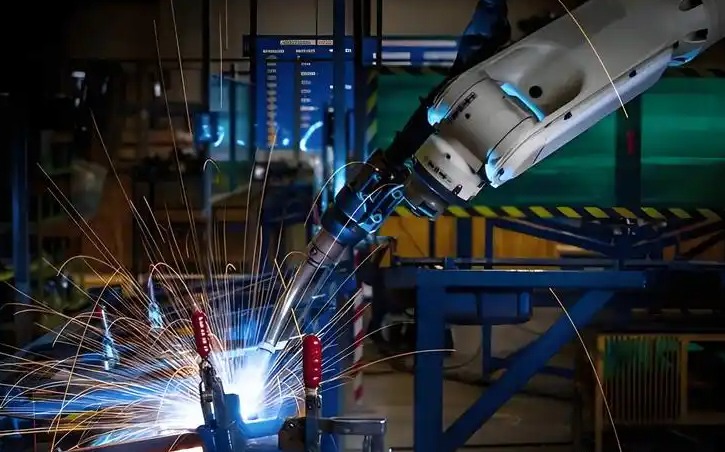
In OEM and Tier supply chains, repeatability matters as much as metallurgy. IATF 16949 is mandatory for most Tier 1 suppliers serving major OEMs, and the system ties welding quality to core controls such as APQP, PPAP, FMEA, MSA, and SPC. That is why automotive teams often move from shop repair thinking to supplier capability review. As one example, Shaoyi Metal Technology supports high-performance chassis welding with robotic lines and an IATF 16949 certified quality system. For manufacturers dealing with welding to cast iron, steel, aluminum, or mixed assemblies, that kind of documented control can matter more than finding the nearest shop. Sometimes the smartest welding decision is knowing when not to keep experimenting.
Frequently Asked Questions About Welding Cast Iron
1. What is the best way to weld cast iron without causing new cracks?
The safest approach is usually the one that adds the least stress to the casting, not simply the one that makes the strongest-looking bead. For many gray iron repairs, stick welding with nickel-based electrodes is a common first choice because it can be controlled with short passes, light peening, and slow cooling. On thin, dirty, or highly restrained parts, brazing or metal stitching is often the better path because the casting is less likely to crack beside the repair.
2. Can you weld cast iron with a MIG welder?
Yes, but MIG is rarely the most forgiving option for cast iron repair. It can work on limited, noncritical jobs when the casting is clean, the heat input is kept low, and the filler is suited to cast repair, but it tends to be less tolerant of contamination and brittle heat-affected zones. If the part is valuable, thin, or already crack-sensitive, stick welding, brazing, or a cold repair method is usually the lower-risk choice.
3. Do you need to preheat cast iron before welding?
Often, yes. Preheat helps the casting warm more evenly, which reduces thermal shock and lowers the chance of the weld shrinking against a cold, brittle section. That said, some repairs are done with a cool-weld method instead, using very short beads, low current, and pauses between passes. The key is consistency: once you choose a hot or cool strategy, the entire repair and cooldown need to match it.
4. Is brazing better than welding for cast iron repairs?
In many cases, yes. Brazing is often preferred when the goal is to seal a crack or stop a leak while minimizing heat damage to the base metal. Because the casting is not melted into a full weld pool, the risk of fresh cracking is usually lower. The tradeoff is that brazing may not be the best answer for heavily loaded service where a properly planned fusion repair is required.
5. Can you weld cast iron to steel, and when should a specialist handle it?
Cast iron can be joined to steel, but it should be treated as a dissimilar-metal repair rather than routine steel welding. Nickel or nickel-iron filler, careful heat control on the cast side, short passes, and slow cooling are usually part of the safer approach. If the joint is safety-critical, the metal is uncertain, or the work needs documented repeatability, a specialist is the smarter move. In automotive and OEM settings, manufacturers often look for suppliers with robotic consistency, traceable procedures, and quality systems such as IATF 16949. For that kind of production support, companies like Shaoyi Metal Technology fit the discussion because they offer controlled welding for chassis and mixed-metal components.