 Small batches, high standards. Our rapid prototyping service makes validation faster and easier —
  EN
EN


Forged Vs Cast Wheel Impact Test: What Manufacturers Hide From You
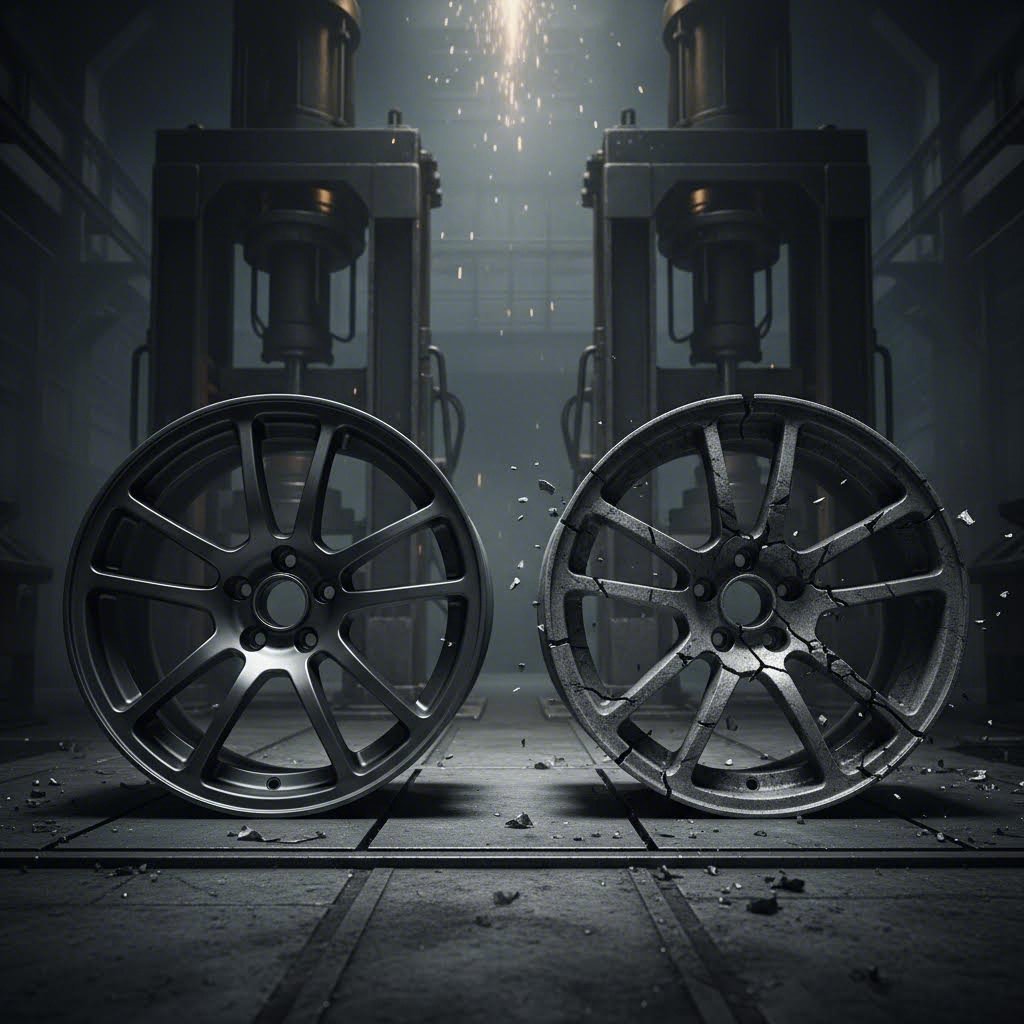
The Truth About Wheel Impact Resistance Nobody Tells You
Imagine you're cruising down the highway at 65 mph when suddenly—BANG—your wheel slams into a pothole hidden beneath a puddle. In that split second, what actually happens to your wheel? Does it absorb the impact gracefully, or does something far more catastrophic occur beneath the surface? This is the question that haunts every performance enthusiast and fleet manager, yet it's one that wheel manufacturers rarely answer with transparency.
Here's a sobering reality: according to AAA's research, American drivers paid a staggering $26.5 billion in pothole-related vehicle repairs in 2021 alone. One in ten drivers sustained damage significant enough to require professional repair, with the average repair costing nearly $600. When your wheel takes that hit, the tires, wheels, and suspension absorb the brunt of the force—and knowing whether your wheels can handle it isn't just about performance. It's about safety and your wallet.
Why Impact Testing Matters More Than Marketing Claims
When comparing forged vs cast wheels, you'll encounter bold marketing language promising "superior durability" and "unmatched strength." But here's what manufacturers don't tell you: few provide transparent, independently verified impact test data that lets you compare forged wheels vs cast wheels objectively. The gap between advertised durability and actual impact resistance can be enormous—and potentially dangerous.
The difference between what manufacturers claim and what wheels actually withstand under impact testing often reveals a 30-40% performance gap that marketing materials conveniently omit.
This comprehensive analysis exists to cut through that noise. We'll examine real-world impact performance across leading wheel types, drawing from SAE testing standards and manufacturer specifications to give you the unfiltered truth about cast vs forged wheels.
The Hidden Cost of Wheel Failure on the Road
Wheel failure isn't just inconvenient—it's genuinely hazardous. When a wheel cracks or deforms during a pothole strike, it can cause immediate tire deflation, loss of vehicle control, or progressive structural weakening that leads to catastrophic failure later. Understanding cast vs forged wheel performance under impact isn't academic; it's a safety imperative.
Whether you're evaluating forged wheels brands for a track car, selecting durable options for a commercial fleet, or simply protecting your daily driver, the information that follows will equip you to make decisions based on engineering data rather than marketing promises. Let's examine what really happens when rubber meets pothole—and which wheel construction methods survive the encounter.
How Industry Impact Tests Actually Work
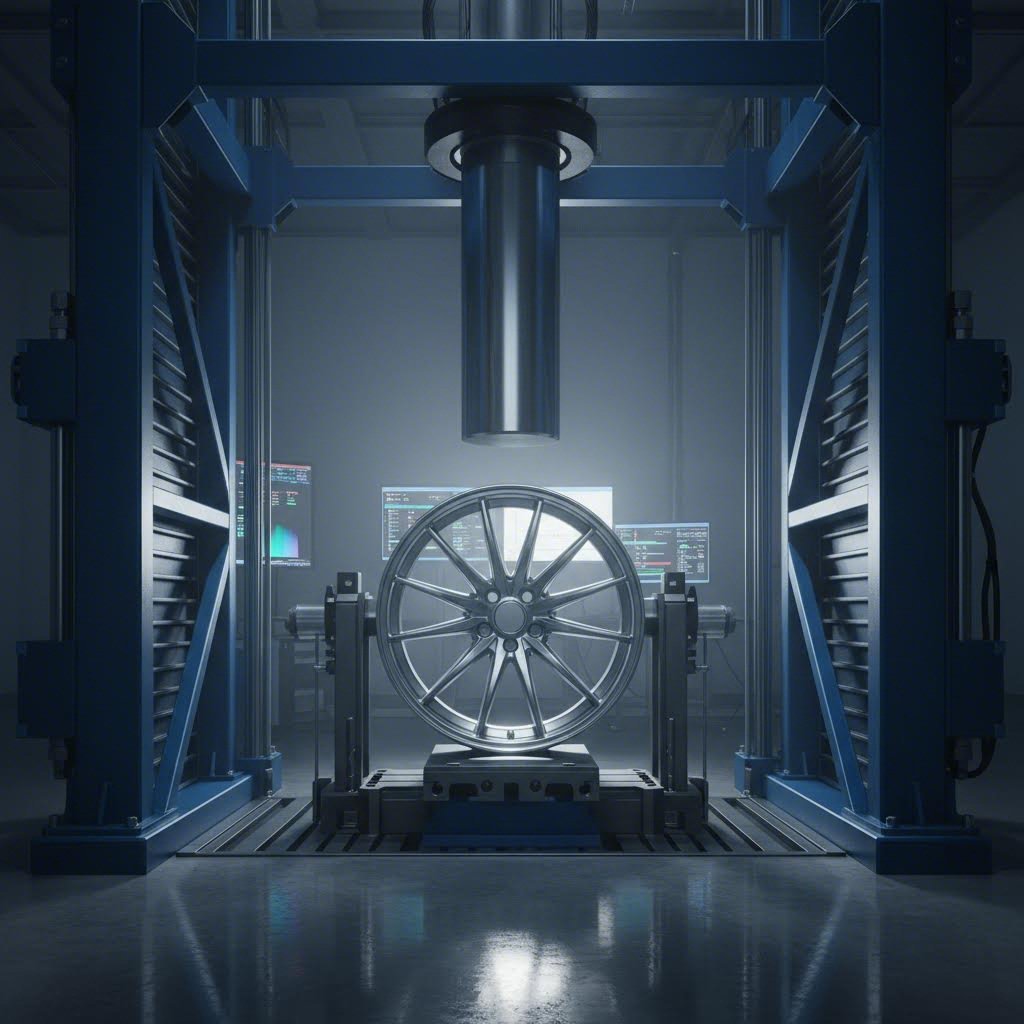
So how do engineers actually determine whether a wheel can survive real-world punishment? The answer lies in standardized testing protocols that simulate the worst-case scenarios your wheels might face. Understanding these tests is essential when evaluating forged vs cast wheel performance—because without knowing how wheels are tested, you can't critically assess manufacturer claims.
Think of it this way: when a manufacturer boasts that their wheels "exceed industry standards," do you know what those standards actually require? Most consumers don't. And that knowledge gap is exactly what allows misleading marketing to thrive.
Understanding SAE and ISO Impact Test Standards
Three primary testing standards govern wheel impact resistance evaluation worldwide. Each serves a specific purpose and simulates different real-world scenarios that your wheels might encounter:
SAE J175 focuses on lateral (side) impact testing—essentially simulating what happens when you slam into a curb. According to ANSI's documentation on SAE J 175-2023, this recommended practice establishes minimum performance requirements and uniform laboratory test procedures for evaluating lateral impact collision resistance of automobile wheels. The test uses a calibrated striker that impacts the wheel's outer flange at controlled velocities, measuring how the wheel responds to side-impact forces.
SAE J2530 addresses radial impact testing—simulating pothole strikes and road debris impacts. This test drops a weighted striker onto the wheel's tire-mounting surface, measuring the force threshold at which damage occurs. The difference between forged and cast wheels becomes particularly evident here, as the grain structure of each material type responds differently to sudden radial loads.
ISO 7141 provides international harmonization for impact testing procedures. Notably, SAE J 175's 2020 revision was specifically updated to coordinate with ISO 7141, ensuring consistency between American and international testing methodologies.
The relationship between casting processes and wheel manufacturing quality also influences test outcomes. Wheels produced with advanced wheel casting techniques may exhibit different porosity characteristics that affect impact resistance—something these standardized tests are designed to reveal.
What Failure Modes Reveal About Wheel Construction
Here's where the distinction between forged rims vs cast becomes critically important. Impact tests don't just measure whether a wheel breaks—they reveal how it fails. This matters enormously for safety.
Catastrophic failure occurs when a wheel suddenly cracks or fractures upon impact. The wheel essentially shatters, causing immediate tire deflation and potential loss of vehicle control. Cast wheels, due to the micro-porosity inherent in the wheel casting process, are more susceptible to this failure mode. Those tiny air pockets act as stress concentration points where cracks can initiate and propagate rapidly.
Gradual failure involves bending or deformation without immediate fracture. The wheel absorbs impact energy by plastically deforming rather than cracking. Forged wheels vs cast typically demonstrate this more predictable failure pattern because the forging process aligns the metal's grain structure, creating a more ductile material that bends before breaking.
The most dangerous wheel isn't necessarily the one that fails first—it's the one that fails without warning. Predictable failure modes give drivers time to recognize problems before catastrophic events occur.
When evaluating impact test results, look beyond simple pass/fail designations. The energy absorption characteristics and deformation patterns tell a much richer story about how forged wheels vs cast will perform when you need them most.
Major Testing Standards Comparison
| Standard Name | Test Type | Force Applied | Pass/Fail Criteria | What It Simulates |
|---|---|---|---|---|
| SAE J175 | Lateral Impact | Controlled velocity striker impact (varies by wheel size/load rating) | No cracks penetrating through wheel; no separation of components | Curb strikes and side-impact collisions |
| SAE J2530 | Radial Impact | Weighted drop test (typically 660-1000+ joules depending on application) | No visible cracks; air retention maintained; no structural separation | Pothole impacts and road debris strikes |
| ISO 7141 | Lateral Impact (International) | Harmonized with SAE protocols; specific force varies by wheel classification | Crack propagation limits; deformation tolerances specified by application | International curb impact scenarios |
Understanding these testing frameworks empowers you to ask the right questions when shopping for wheels. Does the manufacturer provide test certifications? Which specific standards were their wheels tested against? What were the actual test results versus minimum passing thresholds? Armed with this knowledge, you're ready to critically evaluate how different wheel construction methods—from premium forged aluminum to standard cast options—actually perform under stress.
Premium Forged Aluminum Wheels and Real Impact Performance
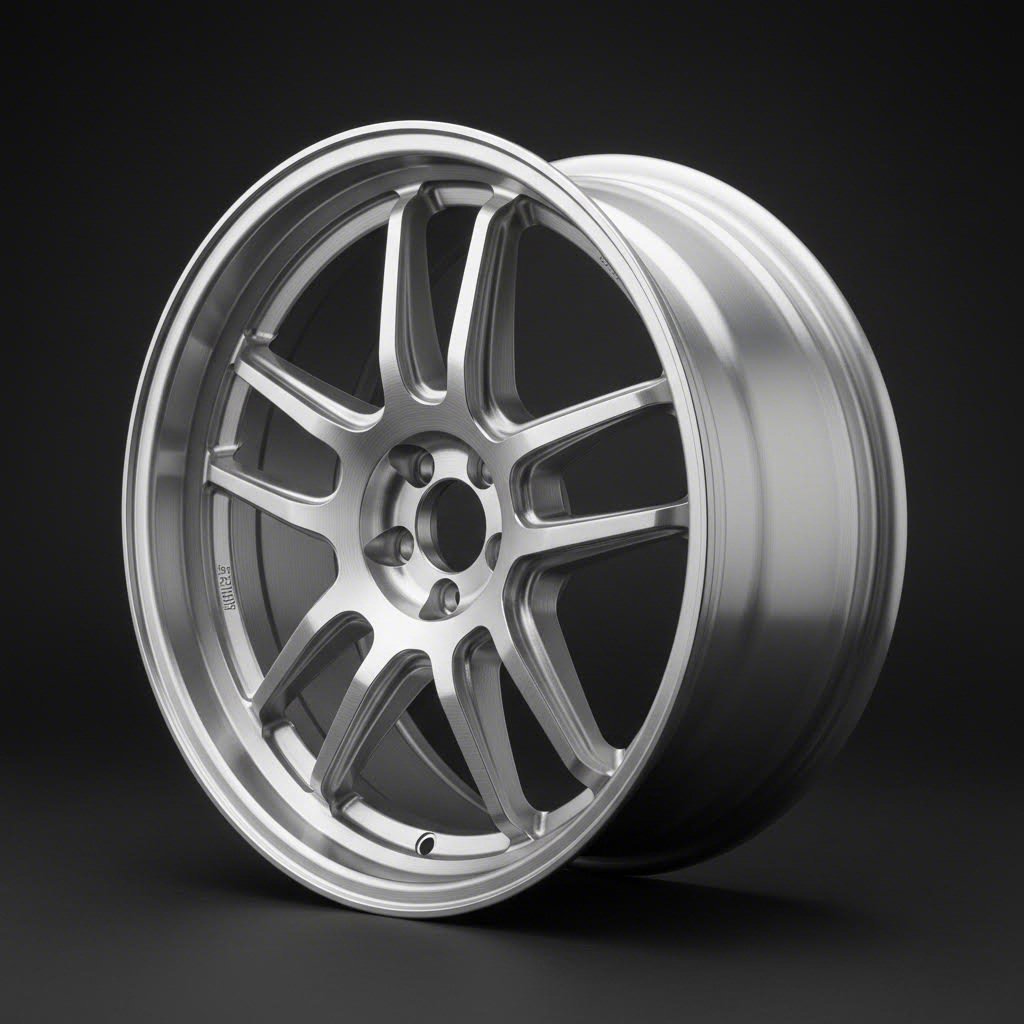
Now that you understand how impact tests work, let's examine how premium forged aluminum wheels actually perform under these demanding conditions. If you've ever wondered what are forged wheels and why enthusiasts pay significantly more for them, the answer lies in metallurgical science—specifically, what happens at the molecular level during the forging process.
The forged wheels definition comes down to manufacturing method: these wheels start as a solid billet of aluminum that's subjected to extreme heat and pressure—we're talking about 8,000 to 10,000 tons of force according to Forgelite's manufacturing documentation. This isn't just shaping metal; it's fundamentally transforming its internal structure.
Forged Aluminum Grain Structure and Impact Absorption
Here's where the science gets fascinating. When aluminum undergoes forging, something remarkable happens to its grain structure. Imagine a bundle of straws lying in random directions versus the same straws all aligned perfectly parallel. That's essentially the difference between cast and forged aluminium wheels at the microscopic level.
The forging process aligns and densifies the metal grain, creating what engineers call "grain flow." According to WheelsHome's technical analysis, this immense pressure creates superior integrity—the metal becomes incredibly dense with no internal voids or weaknesses. This aligned structure is precisely why a forged rim responds so differently to impact compared to cast alternatives.
The magic of aluminum wheel forging lies in eliminating porosity. When manufacturers use the casting process, molten aluminum is poured into molds where tiny air pockets inevitably get trapped. These microscopic voids—invisible to the naked eye—become stress concentration points during impact. Think of them as hidden fault lines waiting to propagate into cracks.
Premium 1 piece forged wheels, by contrast, start with aerospace-grade 6061-T6 aluminum billets. The "T6" designation refers to a specific heat treatment process involving solution heating, water quenching, and artificial aging. This temper process achieves peak hardness—around HV90 on the Vickers hardness scale—while maintaining the ductility needed to absorb impact energy.
A forged wheel will bend under extreme impact, while a cast wheel will crack and break—this is the key safety benefit that justifies premium pricing for demanding applications.
When you hit a pothole at highway speed, a forged wheel's aligned grain structure absorbs and distributes that energy throughout the material. The wheel may deform slightly under truly catastrophic impacts, but it's engineered to bend rather than shatter. This predictable failure mode gives you time to recognize a problem and pull over safely—rather than experiencing sudden tire deflation at 70 mph.
Real-World Impact Scenarios
Let's talk about what actually happens during the three most common impact events:
Pothole strikes: When your wheel drops into a pothole, the tire compresses rapidly and the wheel's outer barrel takes the brunt of the radial force. Rotary forged wheels and fully forged options excel here because the barrel section—where impact forces concentrate—benefits most from the aligned grain structure. The dense, porosity-free material distributes stress evenly rather than allowing cracks to initiate at hidden weak points.
Curb impacts: Side impacts stress the wheel's outer flange and spoke connection points. Premium forged wheels like the Forgestar CF5V demonstrate superior lateral impact resistance because the monoblock construction—machined from a single piece of forged aluminum—eliminates the joints and seams that create weak points in multi-piece designs.
Debris hits: Road debris creates localized stress concentrations. The hardness of properly tempered 6061-T6 aluminum (HV90+) provides excellent resistance to surface damage, while the underlying ductility prevents catastrophic cracking from spreading.
When Premium Forged Wheels Justify the Investment
Premium forged wheels command significantly higher prices than cast alternatives—often three to four times more for comparable sizes. So when does this investment make sense? The answer depends on your driving profile and risk tolerance.
Pros of Forged Aluminum Wheels
- Superior strength-to-weight ratio: Forged wheels are typically 25-30% lighter than cast wheels of equivalent size while being up to three times stronger
- Predictable failure modes: Bending rather than shattering under extreme impact provides critical safety margin
- Longer fatigue life: The dense, void-free structure resists the micro-cracking that develops over thousands of miles of daily driving
- Better performance: Reduced unsprung weight improves acceleration, braking, and handling response
- Higher resale value: Quality forged wheels retain value significantly better than cast alternatives
Cons of Forged Aluminum Wheels
- Higher upfront cost: Premium materials and labor-intensive manufacturing drive prices significantly above cast options
- Limited design flexibility: CNC machining from solid billets constrains some aesthetic possibilities compared to cast mold designs
- Longer lead times: Custom forged wheels typically require 4-7 weeks for manufacturing versus immediate availability for cast wheels
- Repair limitations: While more damage-resistant, severely bent forged wheels are often more difficult to repair than cast alternatives
Cost-Benefit Analysis by Driver Profile
Consider your specific situation when evaluating whether premium forged wheels justify their cost:
Track day enthusiasts: The performance benefits alone—reduced unsprung weight, improved handling, better brake cooling—make forged wheels nearly essential. The safety margin during aggressive driving adds even more value.
Luxury vehicle owners: If you're driving a $60,000+ vehicle, protecting that investment with wheels that can survive unexpected impacts makes financial sense. A single catastrophic wheel failure could cost more than the premium paid for quality forgings.
Commercial fleet operators: The calculus here involves downtime costs and liability. For vehicles that accumulate high mileage on varied road conditions, the longer fatigue life and predictable failure modes of forged wheels can reduce total cost of ownership despite higher initial investment.
Daily commuters on well-maintained roads: If your driving consists primarily of smooth highways and you're working within a tight budget, quality cast wheels from reputable manufacturers may offer adequate protection at a more accessible price point.
For those sourcing automotive components requiring proven impact resistance, certified manufacturing processes matter as much as material selection. Precision hot forging solutions from IATF 16949-certified manufacturers ensure consistent quality from prototyping through mass production—the same rigorous quality control that separates premium forged wheels from commodity alternatives.
Understanding cast aluminum's different performance characteristics helps complete the picture of how manufacturing method affects real-world impact resistance.
Cast Aluminum Wheels and Their Impact Limitations
With forged wheels setting the performance benchmark, let's examine what happens when we shift focus to cast aluminum wheels—the most common wheel type you'll find on vehicles worldwide. If you've purchased a car off a dealership lot, there's a strong chance you're already driving on cast wheels. But does "common" mean "inferior"? The answer is more nuanced than enthusiast forums might suggest.
Cast aluminium wheels dominate the market for good reason: they offer an accessible price point with design flexibility that forging simply can't match. However, understanding their structural limitations during impact events is essential for making informed purchasing decisions—especially when your safety depends on how these wheels respond to that unexpected pothole.
A356 Cast Aluminum Under Stress Testing
The vast majority of aluminum cast wheels are manufactured using A356 aluminum alloy—an industry-standard material chosen for its excellent castability and reasonable mechanical properties. But here's what manufacturers rarely explain: the very process that makes casting economical also introduces inherent structural compromises.
When molten A356 aluminum is poured into a mold and allowed to solidify, something unavoidable happens at the microscopic level. Research published in Transactions of Nonferrous Metals Society of China demonstrates that conventional cast wheels exhibit lower tensile strength and elongation compared to wheels produced through thixo-forging processes. The study found that thixo-forged A356 wheels achieved tensile strength of 327.6 MPa and elongation of 7.8%—significantly higher than traditionally cast alternatives.
Why does this matter for impact resistance? During the casting process, as the aluminum transitions from liquid to solid, tiny gas pockets get trapped within the material. These micro-porosities are invisible to visual inspection but become critical weak points under sudden stress. According to research from Springer, microstructural inhomogeneities and micro-porosity—particularly large, fissured shrinkage pores—significantly affect the fatigue properties of cast aluminum alloys.
Micro-porosity from the casting process creates hidden failure initiation points that only reveal themselves under impact—exactly when you need your wheels to perform flawlessly.
Think of these microscopic voids as pre-existing cracks waiting to propagate. When a cast wheel hits a pothole, stress concentrates around these porosity sites. Unlike the aligned grain structure in forged wheels that distributes force evenly, the random crystalline structure of castings allows cracks to initiate at these weak points and spread rapidly through the material.
Understanding Cast Wheel Failure Patterns
The failure modes of casting wheels differ fundamentally from their forged counterparts, and this distinction has real safety implications. Research from the Fraunhofer Institute for High-Speed Dynamics specifically studied cast aluminum wheel behavior in crash applications. Their findings confirm what many enthusiasts suspect: while the overall characterization approach remains similar, forged manufacturing processes produce "higher strength and stiffer behavior."
Here's what happens during a typical cast wheel failure:
Crack initiation: When impact force exceeds the material's local stress threshold, cracks begin at porosity sites or shrinkage pore locations. The Springer research describes these shrinkage pores as having "fissured shape" with "dendrites growing inside"—creating irregular geometries that concentrate stress dramatically.
Crack propagation: Unlike forged wheels where aligned grain structure resists crack growth, cast wheels allow cracks to follow paths of least resistance through the random grain structure. The research notes that "specimens with large shrinkage pores in the fatigue-relevant tapered specimen region show crack initiation at the fissured pores inside the specimen and thus a significantly shortened fatigue life."
Potential sudden failure: Because crack propagation in cast wheels follows unpredictable paths through random porosity, failure can occur with less warning than in forged alternatives. One study specimen might last ten to twenty times longer than another from the same batch—this variability is "extremely critical regarding component safety."
The unpredictability is perhaps the most concerning aspect. The Springer research found that "since the morphology and position of the shrinkage pores depend on numerous factors during solidification and can therefore vary greatly, the resulting fatigue strength is subject to correspondingly high scatter." In practical terms, two identical-looking cast wheels from the same manufacturer might respond very differently to the same impact.
When Cast Wheels Perform Adequately
Despite these limitations, cast wheels aren't inherently dangerous for typical driving conditions. Context matters enormously when evaluating wheel performance requirements.
Pros of Cast Aluminum Wheels
- Affordable pricing: Cast wheels typically cost one-third to one-quarter the price of comparable forged options, making quality wheels accessible to more drivers
- Extensive design options: The casting process allows intricate spoke patterns, complex geometries, and aesthetic details that would be prohibitively expensive or impossible to machine from forged billets
- Wide availability: Nearly every wheel retailer stocks cast options in common sizes, with immediate shipping rather than multi-week lead times
- Easier replacement: If a cast wheel does sustain damage, affordable replacement cost reduces the financial sting compared to damaging a premium forged wheel
- Adequate for normal driving: For highway commuting and urban driving on reasonably maintained roads, quality cast wheels from reputable manufacturers provide acceptable durability
Cons of Cast Aluminum Wheels
- Heavier weight for equivalent strength: Cast wheels must use more material to achieve comparable strength ratings, increasing unsprung weight and affecting ride quality and handling
- Potential porosity issues: Micro-voids from the casting process create unpredictable weak points that may not reveal themselves until a significant impact event
- Less predictable failure modes: The high scatter in fatigue strength means individual wheels may fail earlier or later than expected, complicating safety assessments
- Reduced fatigue life: Over thousands of miles of accumulated stress, cast wheels experience more progressive weakening than forged alternatives
- Lower impact threshold: The SAE and ISO testing thresholds that cast wheels must meet represent minimum standards—not margins of safety for severe impacts
Making an Honest Assessment
Here's the balanced perspective that marketing materials from both camps tend to obscure: for the average driver covering 12,000-15,000 miles annually on well-maintained roads, quality cast wheels from established manufacturers will likely provide years of reliable service. The porosity and fatigue concerns become most relevant in demanding applications—track driving, commercial fleet use, or regions with severe road conditions.
The key word is "quality." Not all cast wheels are created equal. Reputable manufacturers invest in sophisticated casting techniques, quality control processes, and heat treatment protocols that minimize porosity and improve consistency. Budget cast wheels with minimal quality oversight represent a genuine risk—the cost savings aren't worth the potential consequences of catastrophic failure.
Understanding this distinction between cast and forged options sets the stage for examining a third category that attempts to bridge the gap: flow formed wheels, which combine aspects of both manufacturing methods to deliver improved performance at moderate price points.
Flow Formed Wheels as the Performance Value Option
What if you want something stronger than cast wheels but can't justify the premium price of fully forged options? Enter flow formed wheels—a hybrid manufacturing approach that's revolutionized the aftermarket wheel industry by delivering improved performance at accessible price points. But here's the catch: understanding exactly what you're getting requires looking past the marketing terminology that often obscures more than it reveals.
Flow form wheels occupy a fascinating middle ground in the forged vs cast wheel debate. They start life as cast wheels but undergo additional processing that fundamentally changes their barrel section's properties. According to Konig's technical documentation, flow forming technology is "one of the most advanced manufacturing technologies to enter the wheel industry." But what does that actually mean for impact resistance?
The Flow Forming Process Explained
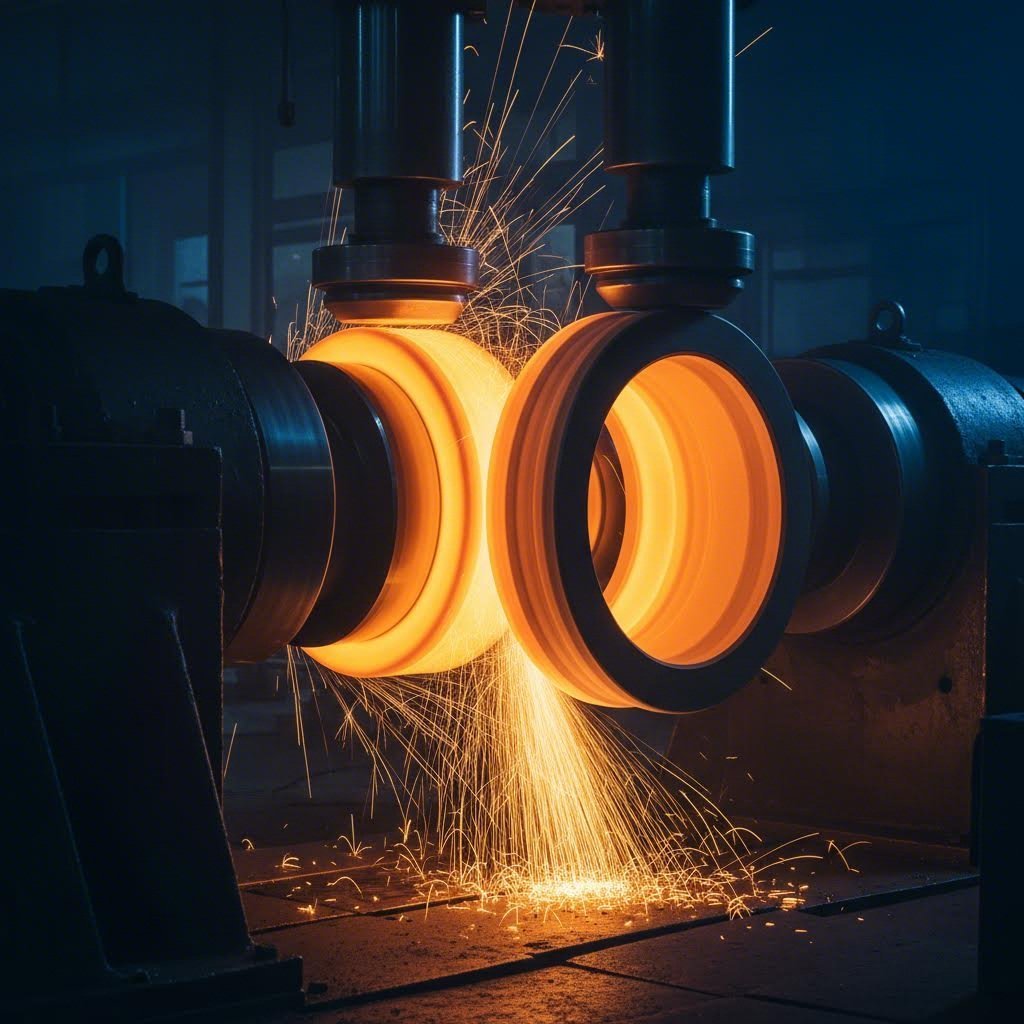
Imagine taking a freshly cast wheel and placing it on a specialized machine that spins it at high speed while applying intense pressure and heat to the inner barrel. That's essentially what flow forming does—and the transformation is remarkable.
Here's how the process works:
- Initial casting: The wheel begins as a standard cast aluminum piece with a thicker-than-final barrel section
- Heating: The barrel section is heated to make the aluminum malleable
- Spinning and pressing: While rotating at high speed, hydraulic rollers apply tremendous pressure to the inner barrel surface
- Stretching and compression: The material simultaneously stretches lengthwise and compresses radially, becoming thinner but dramatically stronger
- Cooling and finishing: The transformed wheel cools with its new, enhanced barrel structure locked in place
This flow forming process creates something scientifically interesting: the pressure and stretching actually change the aluminum's internal structure. As Konig explains, "This process stretches and compresses the aluminum, which increases tensile strength. In this respect the process shares similar properties to those found in the forging process."
The result? A flow forged wheel with a barrel section that approaches forged-level strength while retaining the cast center section. According to AST Forged Wheels' analysis, flow formed wheels are typically 15% to 25% lighter than equivalent cast wheels—a significant weight reduction that directly affects performance.
Flow forming shares similar properties to forging by stretching and compressing aluminum to increase tensile strength—but the transformation only occurs in the barrel section, not the entire wheel.
Flow Formed Impact Resistance in Practice
So how do flowform wheels actually perform when they hit that unexpected pothole? The answer depends on where the impact occurs—and this is where understanding the manufacturing process becomes crucial for making informed decisions.
The barrel section of flow formed vs forged wheels shows remarkably similar impact characteristics. That stretched and compressed aluminum exhibits increased elongation—which Konig defines as "the amount of flex that an object can have before it would reach a breaking point." Higher elongation means the barrel can absorb impact energy by flexing rather than cracking, providing that predictable failure mode we discussed with fully forged options.
Konig has been producing konig flow formed wheels since 2010, continuously refining their process. Their testing demonstrates dramatic improvements in both tensile strength and elongation compared to conventional cast wheels of similar design, size, and specifications. The barrel section essentially gains near-forged characteristics while the overall wheel remains more affordable than full forging.
However—and this is critical—the center section remains cast aluminum with all its inherent characteristics. The spokes, hub area, and lug mounting surface don't undergo the flow forming transformation. This creates a wheel with two distinct zones:
- Transformed barrel: Stronger, lighter, more impact-resistant with improved elongation
- Cast center: Retains original casting properties including potential micro-porosity
For typical road impacts—potholes, debris, rough pavement—this hybrid approach works well because the barrel absorbs most of the radial force. Curb strikes that stress the outer flange also benefit from the transformed barrel section. But severe spoke impacts target the unchanged cast center, where performance remains comparable to standard cast wheels.
Evaluating the Value Proposition
Understanding what flow formed wheels offer—and don't offer—helps you determine whether they're right for your application.
Pros of Flow Formed Wheels
- Lighter than cast at similar price points: The 15-25% weight reduction improves acceleration, braking, and handling without the premium forged price tag
- Improved barrel strength: The transformed barrel section approaches forged-level tensile strength and impact resistance
- Increased shock resistance: Higher elongation values mean better energy absorption during impacts
- Good value proposition: Pricing typically falls between cast and forged, offering meaningful performance gains at moderate cost
- Greater load capacity: The strengthened barrel allows higher load ratings than equivalent cast designs
- Better fatigue life: The compressed, stretched aluminum resists the micro-cracking that develops over time in pure castings
Cons of Flow Formed Wheels
- Barrel-only strengthening: The center section, spokes, and hub area remain cast with associated limitations
- Cast center section limitations: Potential micro-porosity in the hub and spoke areas can still create failure initiation points under severe stress
- Variable quality between manufacturers: Flow forming techniques differ significantly between companies, leading to inconsistent results across brands
- Marketing confusion: Terms like "rotary forged," "spun forged," and "flow forged" are often used interchangeably, making direct comparisons difficult
- Not equivalent to full forging: Despite marketing language, flow formed wheels don't match fully forged options in overall strength or consistency
Navigating the Terminology Maze
Here's something that catches many buyers off guard: you'll encounter the same manufacturing process described by at least half a dozen different names. According to industry analysis, "Other names for flow formed wheels include 'Flow Forged,' 'Spun Forged,' and 'Rotary Forged,' among others."
These are marketing terms, not distinct manufacturing processes. When a company advertises "rotary forged" wheels, they're typically describing flow forming—not traditional forging. The word "forged" in these descriptions refers to the forging-like characteristics achieved in the barrel section, not the actual manufacturing method used for the complete wheel.
This distinction matters because truly forged wheels and flow formed alternatives have fundamentally different properties despite similar-sounding names. A flow forged wheel still begins as a casting; it just undergoes additional processing to improve the barrel section. The center remains cast aluminum—period.
Reputable manufacturers like Konig are transparent about this distinction. Less scrupulous companies may use confusing terminology to suggest their flow formed products match fully forged specifications—a claim that doesn't hold up under scrutiny.
For enthusiasts seeking the performance benefits of reduced weight and improved barrel strength without the full forged investment, flow formed wheels represent an excellent compromise. Just understand exactly what you're purchasing: an enhanced cast wheel with a transformed barrel, not a budget alternative to genuine forged construction. This clarity helps you accurately assess how different wheel types compare when it comes to real-world durability and impact resistance.
Myths and Realities About Wheel Durability
Spend any time in automotive forums or enthusiast communities, and you'll encounter some firmly held beliefs about wheel durability that don't quite match reality. These myths shape purchasing decisions—sometimes leading buyers toward expensive options they don't need, other times steering them away from perfectly adequate solutions. Let's separate fact from fiction so you can make decisions based on engineering truth rather than internet folklore.
Understanding what are forged rims and what are cast alternatives actually deliver—versus what enthusiasts claim—requires examining three persistent misconceptions that continue circulating despite contradicting available evidence.
Debunking the Weight Equals Weakness Myth
Here's a belief that seems intuitively logical but misses the mark: lighter wheels must be weaker. After all, if you remove material, you remove strength—right? The reality is considerably more nuanced, and understanding the weight of wheels in context matters enormously for making informed decisions.
The truth is that lighter wheels with equivalent strength actually perform better under impact conditions. Why? Because weight reduction achieved through superior materials and engineering—rather than simply using less metal—creates wheels that respond more favorably to sudden stress. According to Apex Wheels' technical analysis, the forged wheels meaning extends beyond just manufacturing method: "Forging is a manufacturing process, not a measure of strength."
Consider this scenario: two wheels rated for identical load capacities, but one weighs 25% less. The lighter wheel isn't weaker—it's more efficiently designed. During an impact, that reduced mass means less momentum to absorb, potentially resulting in less total stress on the wheel structure. The key question isn't how much the wheel weighs, but whether it meets or exceeds the strength requirements for your specific application.
The cycling industry illustrates this principle clearly. Research from Superteam Wheels notes that "manufacturers are now developing advanced carbon layup patterns and hybrid materials to push both lightness and toughness." The same principle applies to automotive wheels: advanced materials and processes can deliver weight savings without sacrificing—and sometimes while improving—impact resistance.
Why Manufacturing Quality Trumps Method
Perhaps the most dangerous oversimplification in vs forged wheels discussions is the assumption that manufacturing method alone determines quality. You'll hear claims like "all forged wheels are stronger than cast" or "cast wheels always fail catastrophically." Neither statement holds up under scrutiny.
Are forged wheels aluminum? Yes—but so are cast wheels. The base material matters less than what happens during manufacturing. As Apex Wheels pointedly states: "Just because a wheel is forged doesn't guarantee that it's stronger than a cast or flow-formed wheel." This challenges the fundamental assumption underlying most forged rims meaning discussions.
Quality control during manufacturing matters as much as the forging versus casting decision—a poorly made forged wheel can underperform a well-engineered cast alternative from a reputable manufacturer.
Here's why this matters: a forged wheel manufacturer focused on maximizing weight savings might remove so much material that the finished product offers no strength advantage over quality cast alternatives. According to industry quality control analysis, "the quality of the alloy used in the manufacturing process has a direct impact on the performance and durability of the wheels." This applies equally to forged and cast manufacturing.
The critical factors that actually determine wheel durability include:
- Raw material inspection: Reputable manufacturers verify alloy composition before production begins
- Process consistency: Rigorous testing at every manufacturing stage catches defects before wheels ship
- Heat treatment protocols: Proper tempering determines final material properties regardless of forming method
- Load rating verification: Testing against SAE and ISO standards confirms actual—not theoretical—strength
- Industry certification: Standards like IATF 16949 demonstrate commitment to repeatable quality
A cast wheel from a manufacturer with sophisticated quality control, proper heat treatment, and verified load ratings may well outperform a forged wheel from a company cutting corners on any of these factors. The forged wheels meaning that enthusiasts assume—inherent superiority—only applies when comparing products of equivalent manufacturing quality.
Avoiding Common Purchasing Mistakes
Armed with these reality checks, you can sidestep the oversimplifications that lead to poor purchasing decisions. Remember: the goal isn't to buy "forged" or avoid "cast"—it's to purchase wheels that meet your specific performance requirements from manufacturers who can verify their claims.
Ask for load ratings, request test documentation, and evaluate manufacturer reputation rather than simply trusting that one manufacturing method automatically delivers superior results. The difference between marketing claims and actual impact performance often comes down to the quality control processes that happen behind factory doors—not the process name on the marketing brochure. Understanding how all these factors combine into quantifiable performance differences requires examining comprehensive comparison data across wheel types.
Complete Wheel Type Comparison Matrix
You've now explored the science behind each manufacturing method, understood how impact tests reveal real-world performance differences, and learned why quality control matters as much as the forging versus casting decision. But how do all these factors translate into a side-by-side comparison you can actually use when shopping for wheels?
This is where the rubber meets the road—literally. The following comparison matrix synthesizes everything we've covered, giving you a clear reference point for evaluating different wheel types against each other. When comparing aluminum vs alloy wheels or trying to understand the different wheel types available, this comprehensive breakdown eliminates the guesswork.
Side-by-Side Impact Performance Comparison
The table below establishes premium forged aluminum as the benchmark—the standard against which all other wheel types are measured. This isn't marketing bias; it reflects the metallurgical reality that fully forged construction delivers the most consistent impact performance due to aligned grain structure and eliminated porosity.
| Wheel Type | Typical Material | Impact Resistance Rating | Weight Efficiency | Price Range (per wheel) | Best Application | Failure Mode |
|---|---|---|---|---|---|---|
| Premium Forged | 6061-T6 Forged Aluminum | Excellent (Benchmark) | Excellent (21-30 lbs typical) | $400-$1,000+ | Track use, high-performance vehicles, demanding applications | Bends before breaking; predictable deformation under extreme stress |
| Standard Cast | A356 Cast Aluminum | Moderate | Poor to Moderate (heavier for equivalent strength) | $100-$200 | Daily commuting, budget-conscious buyers, low-risk driving | Potential sudden cracking; unpredictable due to porosity variations |
| Flow Formed | Cast center + Flow Formed A356 barrel | Good (barrel) / Moderate (center) | Good (15-25% lighter than cast) | $250-$400 | Performance enthusiasts seeking value, spirited street driving | Barrel section bends; center section retains cast failure characteristics |
| Rotary Forged | Cast center + Rotary Forged barrel | Good (barrel) / Moderate (center) | Good (comparable to flow formed) | $250-$400 | Street performance, improved handling over cast at moderate cost | Similar to flow formed—enhanced barrel, standard cast center |
Notice how the type of wheels you choose creates distinct trade-offs. Premium forged options command significantly higher prices but deliver the most predictable performance under stress. Standard cast wheels offer accessibility at the cost of unpredictable failure modes. Flow formed and rotary forged options—which use essentially the same manufacturing process despite different marketing names—split the difference by strengthening the impact-critical barrel section while retaining cast center characteristics.
When evaluating forged wheels vs alloy wheels, remember that "alloy" typically refers to aluminum alloy cast wheels in common usage. The comparison isn't really between different materials—both are aluminium alloy wheels—but between manufacturing processes that create dramatically different internal structures from the same base material.
Matching Wheel Type to Your Driving Demands
Raw specifications only tell part of the story. What matters most is matching the right wheel type to your specific driving profile. The performance margins that justify premium forged wheels for track enthusiasts may represent unnecessary expense for someone who rarely encounters demanding road conditions.
Consider these application-specific recommendations based on impact test data and real-world performance:
- Daily Commuting: Flow formed wheels offer the best balance of weight savings, improved barrel strength, and reasonable pricing. For budget-conscious commuters on well-maintained roads, quality cast wheels from reputable manufacturers provide adequate protection. Premium forged wheels are unnecessary unless you frequently encounter severe road conditions or want the absolute maximum safety margin.
- Track Days: Premium forged wheels are the clear choice. The combination of reduced unsprung weight, superior impact resistance, and predictable failure modes matters enormously when pushing performance limits. According to ALT Forged's analysis, forged aluminum's strength-to-weight ratio—stronger and lighter than cast wheels—provides measurable performance advantages during aggressive driving. Flow formed can work for occasional track use, but the cast center section represents a compromise under repeated high-stress conditions.
- Off-Road Adventures: This application demands careful consideration. Off-road impacts stress wheels in ways that highway driving doesn't—rocks, roots, and uneven terrain create unpredictable force vectors. Premium forged wheels offer the best protection against trail damage, but their higher replacement cost stings if you do damage one. According to XF Off-Road's comparison, flow formed wheels "resist impacts better" than cast and "often bend before breaking, which can sometimes be repaired"—making them a compelling middle-ground for recreational off-roading. Cast wheels may crack under severe impacts.
- Commercial Fleet Applications: Total cost of ownership matters more than initial purchase price. Fleet vehicles accumulating high mileage face cumulative stress that reveals quality differences over time. Premium forged wheels' superior fatigue life and predictable failure modes reduce unexpected downtime and liability exposure. Flow formed options can work for fleets operating primarily on paved roads. Standard cast wheels may seem budget-friendly initially but can create hidden costs through more frequent replacements and unpredictable failures.
The aluminum vs alloy rims debate often misses this crucial point: the right choice depends entirely on your application. A weekend autocross enthusiast and a delivery fleet manager have fundamentally different requirements, even if both need 18-inch wheels for similar vehicles.
Reading the Comparison Data
When using this matrix to guide purchasing decisions, keep several factors in mind:
Impact resistance ratings are relative, not absolute. "Excellent" for premium forged means these wheels consistently meet or exceed SAE and ISO testing standards with significant safety margins. "Moderate" for cast wheels indicates they meet minimum requirements but with higher variability between individual units due to porosity inconsistencies.
Weight efficiency affects more than handling. Lighter wheels improve acceleration, braking, and fuel economy. According to Performance Plus Tire's research, each pound of spinning wheel weight affects your car like 5-10 pounds of regular weight—making weight reduction more impactful than the numbers alone suggest.
Price ranges vary significantly by size and brand. The figures shown represent typical ranges for common passenger vehicle sizes. Larger truck and SUV wheels, specialty finishes, and premium brand names can push prices well beyond these ranges regardless of manufacturing method.
Failure mode determines safety margin. This column may be the most important for safety-conscious buyers. Wheels that bend provide warning before catastrophic failure; wheels that crack may fail suddenly without advance indication. Understanding this distinction helps you weigh the premium price of forged construction against the increased unpredictability of cast alternatives.
Armed with this comprehensive comparison and clear understanding of which wheel type matches your specific needs, you're prepared to evaluate manufacturer claims critically and make purchasing decisions grounded in engineering reality rather than marketing promises.
Smart Buying Decisions Based on Impact Data
You've now seen the test data, understood the metallurgical differences, and compared wheel types across performance categories. But knowledge without action leaves you no better off than when you started. The real question is this: how do you translate everything you've learned into a purchasing decision that matches your specific needs—without falling for the marketing tactics manufacturers use to obscure real performance differences?
Let's turn impact test analysis into actionable buying guidance you can use immediately. Whether you're shopping for forged wheels for trucks, evaluating options for a weekend track car, or sourcing wheels for an entire commercial fleet, the following framework will help you cut through the noise and find wheels that actually deliver on their promises.
Reading Between the Lines of Wheel Specifications
Manufacturer spec sheets can feel like foreign languages—filled with numbers and certifications that seem impressive but tell you little about actual impact resistance. Here's how to decode what you're really looking at.
Load ratings deserve scrutiny. When a wheel lists a load rating, that number represents the maximum weight per corner the wheel can safely support under normal driving conditions. But here's what manufacturers don't always tell you: load ratings calculated at the absolute minimum threshold offer less margin for impact forces than ratings with built-in safety factors. Ask specifically whether the stated load rating represents minimum compliance or includes safety margin—reputable manufacturers will answer directly.
Watch for vague strength claims. Phrases like "superior strength" or "enhanced durability" mean nothing without context. Which is stronger: billet or forged aluminum? That depends entirely on the specific alloy, heat treatment, and quality control applied during manufacturing. According to industry analysis, "forging is a manufacturing process, not a measure of strength"—the same applies to billet machining. Demand specific tensile strength values and elongation percentages rather than accepting generic marketing language.
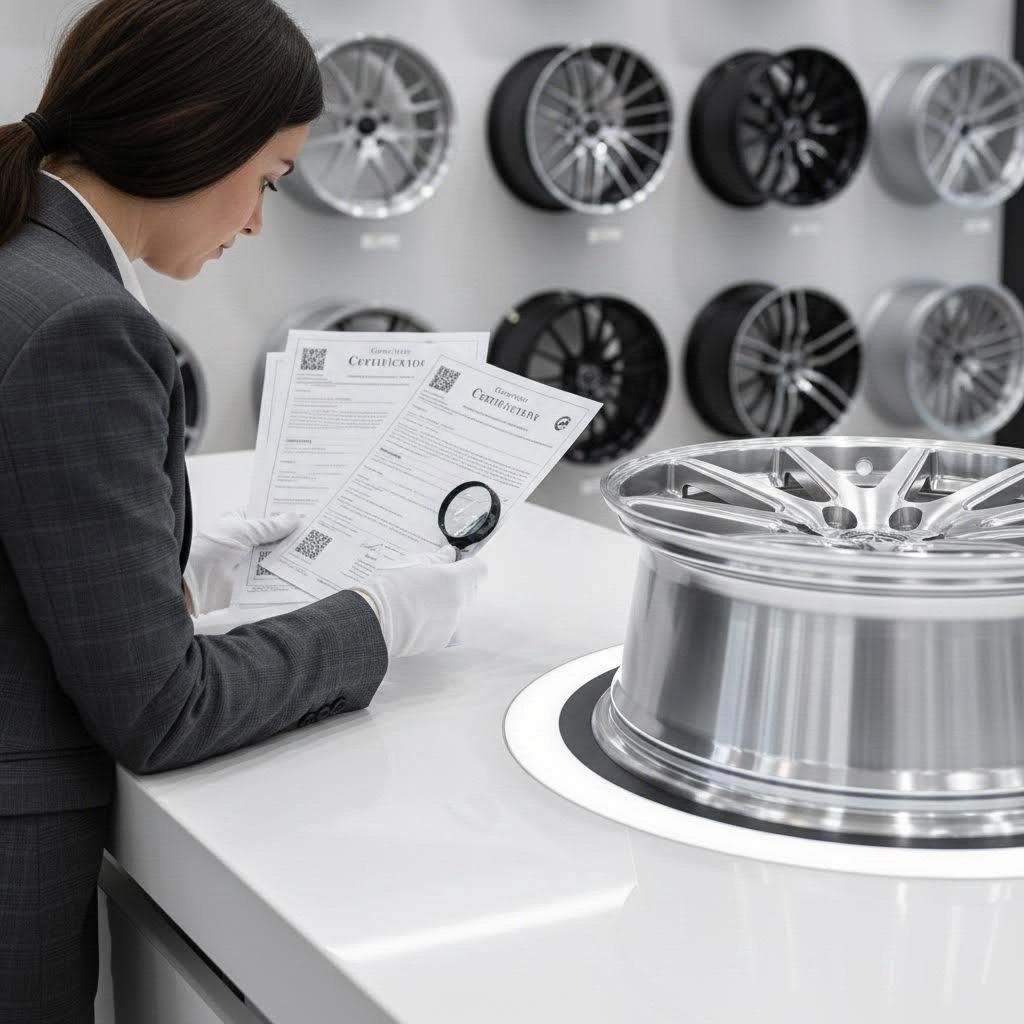
Certification logos require verification. According to industry documentation, "displaying logos on products which are not certified is illegal"—yet it happens. JWL and VIA logos should be clearly stamped on the wheel itself. VIA certification specifically involves third-party testing, providing independent verification that JWL self-certification cannot match. If a wheel displays certification logos but the manufacturer can't provide documentation with registration numbers that match VIA's internal records, that's a significant red flag.
Understand what "forged" actually means in context. As we've discussed, terms like "rotary forged" and "flow forged" describe flow forming—not traditional forging. These wheels have strengthened barrel sections but retain cast center sections. There's nothing wrong with this hybrid approach for appropriate applications, but don't pay forged prices for flow formed products based on confusing terminology.
The gap between advertised durability and actual impact resistance often reveals itself in the details manufacturers prefer not to discuss—certification documentation, specific test results, and verified load ratings with safety margins.
Questions to Ask Before Your Next Wheel Purchase
Armed with the right questions, you can evaluate any wheel manufacturer's claims—whether you're considering cheap forged wheels from an unknown brand, affordable forged wheels from an established mid-tier manufacturer, or the best forged wheels money can buy from premium suppliers.
- Request specific test documentation. Ask: "Can you provide SAE J175 and J2530 test results for this specific wheel size and load rating?" Legitimate manufacturers maintain test records and can provide documentation showing actual test values versus minimum passing thresholds. According to certification experts, VIA test reports are stamped with registration numbers that tally with their official database—request this verification.
- Verify certification authenticity. Ask: "What is your VIA registration number, and when was this wheel model last tested?" The VIA database extends back five years, and legitimate manufacturers can provide registration numbers for verification. Be wary of any supplier who cannot immediately provide this information.
- Clarify manufacturing location and oversight. Ask: "Where are these wheels manufactured, and what quality certifications does that facility hold?" According to industry analysis, some manufacturers outsource production to facilities that "lack the expertise to enforce proper testing standards." Facilities with IATF 16949 certification demonstrate rigorous quality management systems that ensure consistency.
- Understand the actual manufacturing process. Ask: "Is this wheel fully forged from billet, flow formed from a casting, or standard cast?" Don't accept marketing terminology at face value. A direct answer to this question tells you exactly what you're purchasing and whether the price aligns with the manufacturing method.
- Confirm load rating methodology. Ask: "Does your stated load rating include safety margin, or does it represent minimum compliance?" Quality manufacturers build safety factors into their ratings. Wheels rated at minimum thresholds offer less protection during unexpected impact events.
- Request material specifications. Ask: "What aluminum alloy is used, and what heat treatment process is applied?" For forged wheels, 6061-T6 is the industry standard for performance applications. Cast wheels typically use A356. Knowing the specific alloy and temper tells you more about expected performance than vague strength claims.
- Inquire about failure mode testing. Ask: "Have these wheels been tested to failure, and what failure mode did they exhibit?" This question separates serious manufacturers from those focused purely on passing minimum standards. Understanding whether a wheel bends or cracks under extreme stress has direct safety implications.
- Evaluate warranty terms carefully. Ask: "What specific damage does your warranty cover, and what voids coverage?" Warranties that exclude "road hazard damage" may leave you unprotected for exactly the impact scenarios we've discussed. Read the fine print before assuming you're protected.
Cost-Benefit Analysis by Buyer Profile
The "best" wheel choice varies dramatically based on your specific situation. Here's how different buyer profiles should weigh the trade-offs:
Weekend Enthusiasts: You push your vehicle harder than the average commuter but aren't accumulating professional race miles. Are cast aluminum wheels strong enough for occasional spirited driving? Generally yes—for canyon runs and autocross events, quality flow formed wheels offer an excellent compromise. They deliver meaningful weight reduction and improved barrel strength without the premium forged price tag. However, if you're progressing toward more serious track time, investing in the best forged wheels from the start avoids replacing inadequate wheels later. Consider your trajectory, not just your current use.
Daily Drivers: For commuters covering 12,000-15,000 annual miles on maintained roads, the value equation favors affordable forged wheels or quality flow formed options over premium forgings. The superior fatigue life justifies modest price premiums over cast alternatives, but the extreme impact resistance of top-tier forged wheels provides diminishing returns for typical driving conditions. Focus on reputable brands with verified certifications rather than chasing the absolute strongest construction available.
Commercial Fleet Managers: Your calculus differs fundamentally from individual buyers. Downtime costs, liability exposure, and total cost of ownership matter more than initial purchase price. According to certification analysis, "IATF 16949:2016 certification is vital for wheel manufacturers supplying major automakers" because it "covers the entire production process, ensuring high-quality standards at every stage." For fleet applications, this certification provides assurance that components will perform consistently across thousands of units—critical when a single failure can create significant liability.
Motorsport Participants: You operate at the limits of both vehicle and component capability. Cast aluminum vs forged aluminum isn't really a debate at this level—fully forged wheels are essentially mandatory. The combination of predictable failure modes, superior fatigue resistance, and reduced unsprung weight directly affects both safety and lap times. According to industry experts, "reputable manufacturers should conduct rigorous testing on their products" including impact tests, radial fatigue tests, and cornering fatigue tests. For competitive applications, verify that your wheel manufacturer conducts all three.
Manufacturing Certification as Your Quality Assurance
Throughout this analysis, one theme emerges repeatedly: manufacturing quality matters as much as manufacturing method. The most sophisticated forging process means nothing if quality control allows defective products to ship. This is why industry certifications deserve attention alongside technical specifications.
IATF 16949 certification represents the automotive industry's gold standard for quality management. According to certification documentation, this standard "focuses on continuous improvement and defect prevention" across the entire production process. For buyers sourcing forged components—whether wheels or other critical parts—this certification provides confidence that each unit meets exact specifications.
For those requiring proven impact resistance in automotive components beyond wheels, the same principles apply. Certified manufacturing processes with rigorous quality control ensure consistency from prototyping through mass production. Precision hot forging solutions from IATF 16949-certified manufacturers deliver the same attention to grain structure, material properties, and dimensional accuracy that separates premium forged wheels from commodity alternatives. Whether you need suspension arms, drive shafts, or other components where failure isn't an option, certification provides the assurance that marketing claims cannot.
Red Flags That Should Stop Your Purchase
Before finalizing any wheel purchase, watch for these warning signs that suggest a manufacturer may not deliver on their impact resistance claims:
- Pricing dramatically below market rates: According to industry analysis, "skipped tests save wheel manufacturers a ton of money. Lower costs of production and shipment means the wheels will be sold for a ridiculously low price." If a deal seems too good, the savings likely came from somewhere—often from the testing and quality control that ensures safety.
- Inability to provide certification documentation: Legitimate manufacturers maintain records and can verify their certifications. Evasive answers or missing documentation suggest claims that can't withstand verification.
- Misaligned or inconsistent certification logos: According to certification experts, "fake JWL or VIA logos may appear misaligned, have font size inconsistencies, or be poorly engraved." Physical inspection of the wheel itself can reveal counterfeit certification marks.
- Vague or evasive answers about manufacturing location: Outsourced production without proper oversight creates quality inconsistencies. Know where your wheels come from and what certifications that facility maintains.
- Marketing claims without specific data: Phrases like "race-proven" or "track-tested" mean nothing without supporting evidence. Demand the actual test results, not marketing narratives.
The forged vs cast wheel impact test data we've examined throughout this article provides a framework for evaluating claims—but ultimately, your protection comes from asking the right questions, verifying certifications, and choosing manufacturers whose quality control matches their marketing promises. When you do that, you're buying more than wheels; you're buying confidence that your vehicle will respond predictably when the unexpected happens.
Frequently Asked Questions About Wheel Impact Testing
1. How to tell if wheels are forged or cast?
The most reliable method is checking the manufacturer's specifications or markings on the wheel itself. Forged wheels are typically 25-30% lighter than cast wheels of the same size, so weight comparison can be a helpful indicator. You can also look for JWL or VIA certification stamps—these should be clearly engraved on legitimate wheels. Additionally, forged wheels often have a smoother, more refined finish due to CNC machining, while cast wheels may show subtle mold seam lines. When in doubt, request documentation from the manufacturer confirming the manufacturing process.
2. Are forged wheels stronger than cast wheels?
Generally yes, but with important caveats. The forging process aligns the aluminum's grain structure and eliminates porosity, creating denser material that's typically up to three times stronger than cast alternatives. However, manufacturing quality matters as much as method—a poorly made forged wheel can underperform a well-engineered cast wheel from a reputable manufacturer. Forged wheels also demonstrate more predictable failure modes, bending under extreme stress rather than cracking suddenly like cast wheels might. For IATF 16949-certified components requiring proven impact resistance, precision hot forging ensures consistent strength specifications.
3. Can you feel a difference with forged wheels?
Yes, most drivers notice improved handling and ride quality with forged wheels. Since forged wheels are 25-30% lighter than equivalent cast options, you reduce unsprung weight significantly. Each pound of spinning wheel weight affects your vehicle like 5-10 pounds of regular weight, so lighter wheels improve acceleration, braking response, and steering feel. Many owners also report smoother rides on rough pavement because the reduced mass allows suspension components to react more quickly to road imperfections.
4. Are OEM wheels cast or forged?
Most factory OEM wheels are cast aluminum, primarily due to cost considerations. Forged wheels typically appear as standard equipment only on high-performance models or premium trims—such as full M-series BMWs or track-focused sports cars. You can verify your specific wheels by checking the manufacturer's technical documentation or looking up your wheel part number on resources like RealOEM. Some manufacturers also offer forged wheel upgrades as optional packages for performance-oriented buyers willing to pay the premium.
5. What makes flow formed wheels different from fully forged wheels?
Flow formed wheels are a hybrid—they start as castings but undergo additional processing where the barrel section is spun under heat and pressure. This transforms the barrel to near-forged strength while the center section remains cast aluminum. Fully forged wheels are machined entirely from a single forged billet, providing consistent strength throughout. Flow formed options typically cost 40-60% less than fully forged while offering 15-25% weight reduction over cast wheels, making them an excellent value for street performance applications where extreme track demands aren't expected.