 Small batches, high standards. Our rapid prototyping service makes validation faster and easier —
  EN
EN


How to Find a Reliable Forging Partner: Essential Steps
How to Find a Reliable Forging Partner: Essential Steps

TL;DR
Finding a reliable forging partner requires a systematic evaluation of their technical capabilities, quality standards, industry experience, and communication. The process begins with clearly defining your project's specific needs, including material, volume, and technical specifications. Only then can you effectively vet potential suppliers to ensure they can deliver high-quality components on time and build a successful, long-term manufacturing relationship.
Define Your Project's Forging Requirements
Before you begin searching for a supplier, the most critical first step is to achieve internal clarity on your project's exact needs. A detailed understanding of your requirements acts as a roadmap, guiding your selection process and preventing costly mismatches later. Without this foundational work, it's nearly impossible to accurately assess a potential partner's suitability. A well-defined scope empowers you to ask the right questions and evaluate suppliers against a consistent set of criteria.
This initial self-assessment ensures that you approach potential partners with a clear, professional brief. It streamlines the quoting process and demonstrates that you are a serious and organized client. As noted by industry experts, a clear understanding of your needs allows a potential partner to provide more accurate feedback and even suggest design or material improvements that can save time and money. Consider the following core areas:
- Forging Type and Material Specifications: Determine the best forging process for your component—such as open-die, closed-die, or cold forging—and specify the exact material required, like carbon steel, aluminum, or titanium. Your supplier must have documented experience with your chosen material to ensure its metallurgical integrity.
- Production Volume and Scalability: Define your expected order volume, including initial prototypes and long-term production runs. It's crucial to select a partner who can not only meet your current demand but also scale their operations as your needs grow. According to a guide from Frigate.ai, assessing a supplier's capacity and scalability is a key consideration to avoid future production bottlenecks.
- Customization and Finishing Requirements: Document any needs for secondary processes such as CNC machining, heat treatment, or special surface finishes. A supplier with comprehensive in-house capabilities can reduce lead times and improve quality control by minimizing reliance on third-party vendors.
- Budgetary and Timeline Constraints: Establish a realistic budget and a clear delivery timeline. This allows you to evaluate suppliers based not just on cost, but on their ability to deliver within your project's schedule without compromising on quality.

Key Vetting Criteria for Potential Forging Partners
Once your internal requirements are defined, you can begin the rigorous process of vetting potential forging partners. This evaluation goes beyond surface-level quotes to assess the core competencies and reliability of each supplier. A truly reliable partner demonstrates excellence across several key areas, from their industry track record to their documented quality control systems. Focusing on these criteria will help you build a resilient supply chain and avoid the risks associated with poor-quality components.
Industry Experience and Reputation
A manufacturer's history is a strong indicator of its reliability. Look for a company with extensive experience—ideally over a decade—in the forging industry and, more specifically, within your sector (e.g., automotive, aerospace, defense). An experienced partner understands the unique challenges and standards of your industry. As recommended by Synergy Global Sourcing, you should check for client testimonials, case studies, and independent reviews to verify their reputation and past performance. A proven track record provides confidence that they can handle your project's complexities.
Certifications and Quality Control
Robust quality control is non-negotiable. Certifications serve as third-party validation of a supplier's commitment to quality. A partner's willingness to provide documentation and be transparent about their processes is a sign of a trustworthy operation. Inquire about their specific inspection protocols, such as magnetic particle inspection (MPI) or ultrasonic testing (UT), to ensure defects are caught before components leave the facility.
| Certification | Significance |
|---|---|
| ISO 9001 | The international standard for a quality management system (QMS). It demonstrates a commitment to consistent quality and continuous improvement. |
| IATF 16949 | Essential for the automotive industry, this certification builds on ISO 9001 with specific requirements for automotive quality management. |
| AS9100 | The standard for quality management in the aerospace industry, indicating a supplier's ability to meet stringent safety and reliability demands. |
Assess Manufacturing Capabilities and Technology
A supplier's physical and technological infrastructure directly impacts product quality, lead times, and cost. It's essential to look beyond the sales pitch and evaluate their actual manufacturing capabilities. A partner with modern, well-maintained equipment and integrated processes is better equipped to produce complex parts with tight tolerances consistently. This assessment helps you gauge whether they can truly function as a single-source provider, simplifying your supply chain.
One of the most important factors is the extent of their in-house services. As The Federal Group USA points out, a manufacturing partner that handles forging, heat treatment, and machining in-house can prevent the delays, increased costs, and quality control issues that often arise from outsourcing. Ask potential partners for a detailed list of their equipment and inquire about their adoption of modern technologies like CAD/CAM software, ERP systems for real-time tracking, and automated inspection tools. A technologically advanced supplier is more likely to be efficient, precise, and innovative.
For industries with highly specific demands, such as the automotive sector, partnering with a specialized manufacturer can be highly beneficial. For instance, for robust and reliable automotive components, you might check out the custom forging services from Shaoyi Metal Technology. They specialize in high-quality, IATF16949 certified hot forging and offer a full suite of services from rapid prototyping to mass production, including in-house die manufacturing, which ensures precision and efficiency.
Evaluate Communication, Reliability, and Partnership Fit
Technical skills and equipment are only part of the equation. The success of a long-term manufacturing relationship often hinges on softer factors like communication, transparency, and reliability. A supplier that acts as a true partner, rather than just a vendor, will proactively engage with you to optimize your project. This collaborative approach is a hallmark of a company invested in your success.
As highlighted by Greg Sewell Forgings, great forging companies engage with their customers as early as possible, offering recommendations on materials or design changes that can save time and money. Evaluate a potential partner's communication style from your very first interaction. Are they responsive? Do they provide clear, detailed answers to your questions? A transparent partner will be upfront about their production schedule, potential challenges, and pricing structure, preventing surprises down the line.
Finally, assess their commitment to meeting deadlines. On-time delivery is crucial for keeping your own production lines running smoothly. Inquire about their historical performance and their processes for managing logistics. The ultimate goal is to find a partner who is not only capable and reliable but also aligns with your company's values and is committed to building a lasting, collaborative relationship.
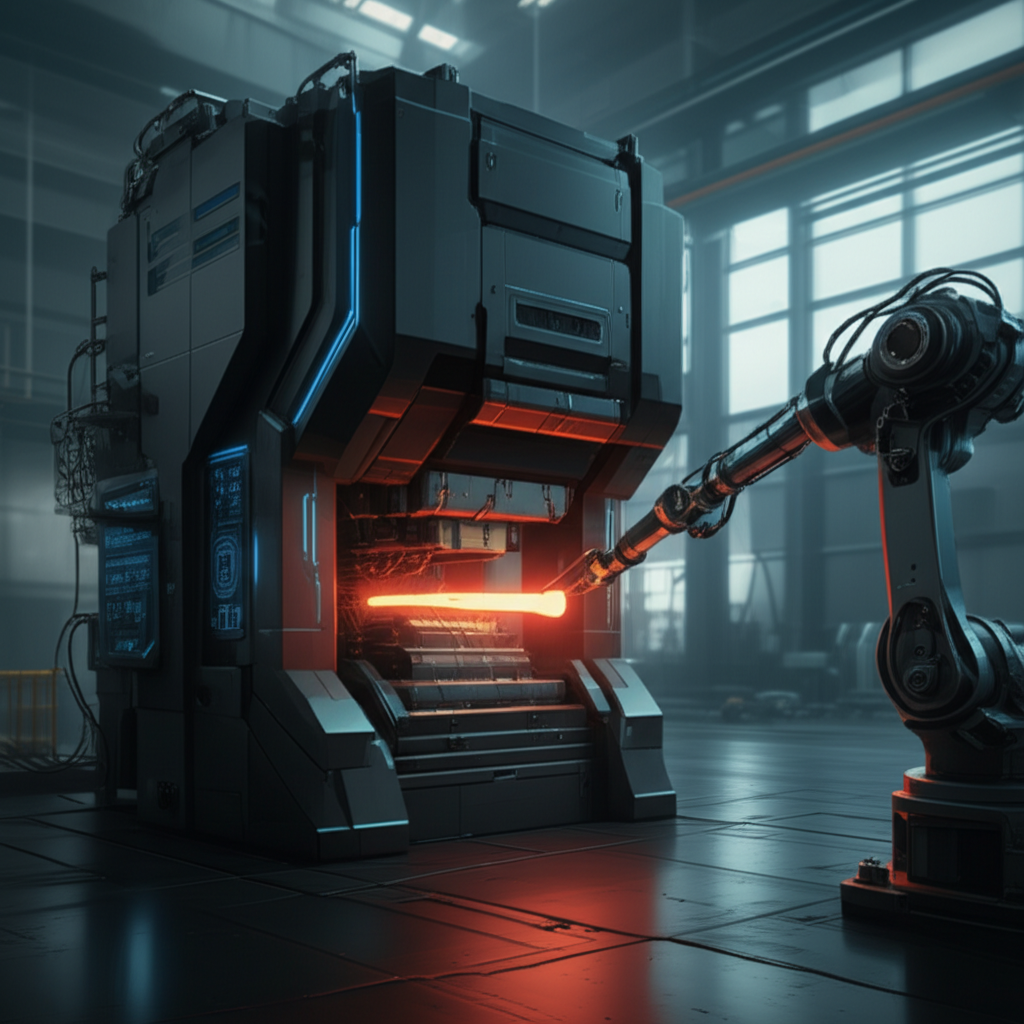
Forging a Strategic Partnership
Choosing the right forging supplier is a strategic decision that extends far beyond a simple transaction. It's about finding a partner who becomes an integral part of your supply chain, contributing to your product's quality and your company's success. The selection process should be a deliberate, structured evaluation of technical expertise, quality assurance, manufacturing capacity, and communication.
By first defining your own requirements with precision, you can vet potential suppliers against a clear set of standards. The ideal partner will not only meet your technical specifications but will also demonstrate a commitment to transparency, reliability, and continuous improvement. Investing the time to find such a partner will pay dividends through enhanced product quality, a more resilient supply chain, and a collaborative relationship built for long-term growth.
Frequently Asked Questions
1. What are the 4 types of forging?
The four main types of forging processes are open-die forging, impression-die (or closed-die) forging, cold forging, and seamless rolled ring forging. Each method is chosen based on the desired shape, material, strength requirements, and production volume of the component.
2. Which is the world's largest forging company?
Bharat Forge, headquartered in Pune, India, is widely recognized as one of the world's largest forging companies. It serves a diverse range of sectors, including automotive, aerospace, railways, and energy.
3. What metals cannot be forged?
Metals with limited ductility are difficult or impossible to forge. This includes materials like cast iron and certain high-carbon steels, which are more likely to crack or fracture under the compressive forces of the forging process. High-strength alloys can also be too brittle to forge effectively.
4. What is the future of forging?
The future of forging is focused on increasing precision, efficiency, and material performance. Innovations include near-net shape forging, which minimizes the need for secondary machining, and advanced simulation software to optimize the forging process. There is also a growing emphasis on forging lightweight, high-strength alloys for industries like electric vehicles and aerospace.