 Small batches, high standards. Our rapid prototyping service makes validation faster and easier —
  EN
EN


Είναι το χάλυβας μέταλλο; Σταματήστε να μαντεύετε προτού επιλέξετε το λάθος υλικό
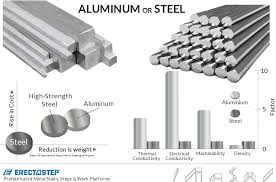
Είναι ο χάλυβας ένα μέταλλο;
Αν αναρωτιέστε εάν ο χάλυβας είναι ένα μέταλλο, η απάντηση είναι ναι. Ο χάλυβας είναι ένα μέταλλο, συγκεκριμένα μία κράματος βασισμένο στο σίδηρο. Σύμφωνα με τις οδηγίες υλικών της Xometry, ο χάλυβας αποτελείται κυρίως από σίδηρο και άνθρακα, με το ποσοστό άνθρακα συνήθως κάτω του 2 %, καθώς και μερικές φορές μικρές ποσότητες στοιχείων όπως μαγγάνιο, χρώμιο ή νικέλιο. Επομένως, αν αναζητάτε την πληροφορία «είναι ο χάλυβας μέταλλο;», μπορείτε να σταματήσετε τις εικασίες σε αυτό το σημείο.
Ο χάλυβας είναι ένα μέταλλο — σε μία πρόταση
Ο χάλυβας είναι ένα μέταλλο που κατασκευάζεται κυρίως από σίδηρο, με προσθήκη άνθρακα και, κατά περίπτωση, άλλων στοιχείων για την τροποποίηση των ιδιοτήτων του.
Τι σημαίνει ο χάλυβας σε απλή γλώσσα
Φανταστείτε τα μέταλλα ως μία ευρεία κατηγορία και τον χάλυβα ως ένα συγκεκριμένο μέλος εντός αυτής. Το αλουμίνιο είναι ένα μέταλλο. Ο χαλκός είναι ένα μέταλλο. Και ο χάλυβας είναι επίσης ένα μέταλλο, αλλά, σε αντίθεση με το αλουμίνιο ή τον χαλκό, δεν αποτελεί ένα μοναδικό καθαρό στοιχείο. Με απλά λόγια, τι είναι ο χάλυβας; Είναι σίδηρος που έχει τροποποιηθεί με άνθρακα, ώστε να γίνει ισχυρότερος, ανθεκτικότερος και πιο χρήσιμος σε πολλά καθημερινά προϊόντα.
- Ο χάλυβας ανήκει στην οικογένεια των μετάλλων.
- Το βασικό του συστατικό είναι ο σίδηρος.
- Το άνθρακας και άλλα στοιχεία βοηθούν να αλλάξουν την απόδοση.
- Το να αναφέρεται απλώς «μέταλλο» είναι συχνά υπερβολικά αόριστο για την πραγματική επιλογή υλικού.
Γιατί αυτή η ερώτηση προκαλεί σύγχυση
Οι άνθρωποι συχνά συγχέουν μια ευρεία κατηγορία υλικών με ένα γνωστό όνομα υλικού. Γι’ αυτό εμφανίζονται συνεχώς αναζητήσεις όπως «το μέταλλο είναι χάλυβας ή όχι». Σε μη επίσημες συζητήσεις, το «μέταλλο» μπορεί να σημαίνει σχεδόν οτιδήποτε σκληρό και λαμπερό. Στην παραγωγή, το εμπόριο και τις προδιαγραφές, αυτή η συντόμευση δημιουργεί προβλήματα. Απλούστατα, ο χάλυβας είναι μέταλλο, αλλά όχι κάθε μέταλλο είναι χάλυβας. Αυτή η διαφορά επηρεάζει τον τρόπο με τον οποίο ένα προϊόν αντιμετωπίζει την οξείδωση , την αντοχή, το βάρος, το κόστος και τη διαμόρφωση. Η σαφής διατύπωση έχει μεγάλη σημασία, ειδικά όταν ένα εξάρτημα πρέπει να πληροί μια πραγματική απαίτηση εργασίας. Οι όροι γίνονται πολύ πιο εύκολοι όταν τους τοποθετήσουμε κατά σειρά από τον πιο γενικό στον πιο ειδικό: μέταλλο, σίδηρος, κράμα, χάλυβας.
Πώς σχετίζονται το μέταλλο, ο σίδηρος, το κράμα και ο χάλυβας
Φανταστείτε ένα σύνολο εμφωλευμένων ετικετών αντί για μία ασύνδετη λέξη. Το μέταλλο είναι ο γενικός όρος. Κάτω από αυτήν την «ομπρέλα» υπάρχουν πολλές ομάδες και υλικά, συμπεριλαμβανομένου του σιδήρου, του αλουμινίου, του χαλκού και των κραμάτων που προέρχονται από αυτά. Μία σημαντική υποομάδα είναι τα σιδηρούχα μέταλλα, τα οποία περιέχουν σίδηρο. Ο χάλυβας βρίσκεται εντός αυτής της υποομάδας. Γι’ αυτόν τον λόγο οι άνθρωποι συνεχίζουν να ρωτούν ποια είναι η διαφορά μεταξύ μετάλλου και χάλυβα. Το ένα είναι μία ευρεία κατηγορία, ενώ το άλλο είναι μία συγκεκριμένη οικογένεια υλικών εντός αυτής.
Ιεραρχία Μετάλλων, Σιδήρου, Κραμάτων και Χάλυβα
| Χρονοδιάγραμμα | Απλή γλώσσα – σημασία | Παράδειγμα |
|---|---|---|
| Μέταλλο | Η ευρεία κατηγορία των μεταλλικών υλικών | Αλουμίνιο, χαλκός, σίδηρος, χάλυβας |
| Σιδηροαλλοιώτικο μέταλλο | Ένα μέταλλο ή κράμα που περιέχει σίδηρο | Χάλυβας, χυτοσίδηρος |
| Σίδερο | Ένα συγκεκριμένο μεταλλικό στοιχείο | Καθαρός σίδηρος |
| Κράμα | Ένα υλικό που παράγεται με τη συνδυασμό ενός μετάλλου με άλλα στοιχεία για την αλλαγή των ιδιοτήτων του | Χάλυβας, ορείχαλκος, μπρούντζος |
| Χάλυβας | Μία κράματος βασισμένη στο σίδηρο, συνήθως με άνθρακα και μικρές προσθήκες άλλων στοιχείων | Άνθρακος Χάλυβα, Ανθρακοχάλυβα χωρίς ρζα |
Η εταιρεία All Metals Fabrication διατυπώνει εύστοχα τον κανόνα: ο χάλυβας είναι πάντα μέταλλο, αλλά όχι όλα τα μέταλλα είναι χάλυβας. Επομένως, αν έχετε ποτέ αναρωτηθεί εάν το μέταλλο και ο χάλυβας είναι το ίδιο πράγμα, η πρακτική απάντηση είναι «όχι».
Ποιο μέταλλο περιέχεται στον χάλυβα
Εάν η ερώτησή σας είναι ποιο μέταλλο περιέχεται στον χάλυβα, το βασικό μέταλλο είναι ο σίδηρος. Η Mead Metals περιγράφει τον χάλυβα ως κράμα σιδηρούχου μετάλλου που αποτελείται από σίδηρο και άνθρακα, με μικρές ποσότητες μαγγανίου, πυριτίου, φωσφόρου, θείου και οξυγόνου. Ο άνθρακας έχει σημασία, αλλά ο σίδηρος είναι το κύριο μεταλλικό συστατικό. Γι’ αυτόν τον λόγο ο χάλυβας ανήκει στην οικογένεια των μετάλλων και, πιο συγκεκριμένα, στη σιδηρούχα κατηγορία της.
Γιατί το μέταλλο και ο χάλυβας δεν είναι το ίδιο
Οι άνθρωποι συχνά αναζητούν εάν ο χάλυβας και το μέταλλο είναι το ίδιο πράγμα ή εάν το μέταλλο είναι το ίδιο με το χάλυβα, καθώς η καθημερινή γλώσσα θολώνει τα όρια. Στην πραγματική αγορά ή στην εργασία κατασκευής, αυτή η ασάφεια μπορεί να οδηγήσει σε λάθη. Ένα προϊόν που αναγράφεται ως «μέταλλο» μπορεί να είναι αλουμίνιο, ορείχαλκος, ανοξείδωτος χάλυβας ή απλός άνθρακας χάλυβας. Το καθένα συμπεριφέρεται διαφορετικά όσον αφορά την αντοχή, το βάρος, την αντίσταση στην οξείδωση και την τιμή.
Ας υποθέσουμε ότι χρειάζεστε μία βάση στήριξης. Να ζητήσετε μία βάση στήριξης από μέταλλο είναι αόριστο. να ζητήσετε μία βάση στήριξης από χάλυβα, ανοξείδωτο χάλυβα ή αλουμίνιο είναι χρήσιμο. Αυτή είναι η απλούστερη απάντηση στο ερώτημα «ποια είναι η διαφορά μεταξύ μετάλλου και χάλυβα»: το «μέταλλο» ονομάζει την κατηγορία, ενώ ο «χάλυβας» ονομάζει μία συγκεκριμένη κράματος σιδήρου εντός αυτής. Και αυτό οδηγεί σε ένα πιο ενδιαφέρον λεπτό σημείο, καθώς ο χάλυβας περιέχει άνθρακα και άλλα στοιχεία χωρίς να χάνει τη μεταλλική του ταυτότητα.
Γιατί τα κράματα χάλυβα συνεχίζουν να θεωρούνται μέταλλα
Αυτό το τελευταίο σημείο είναι εκείνο όπου πολλοί αναγνώστες διστάζουν. Ο χάλυβας δεν είναι καθαρό στοιχείο, γεγονός που μπορεί να φαίνεται περίεργο ότι ανήκει ακόμη στην οικογένεια των μετάλλων. Ωστόσο, ανήκει. Από πρακτική άποψη υλικών, ο χάλυβας παραμένει μια κράματος μετάλλου βασισμένο στο σίδηρο. Σίδερο ο σίδηρος είναι το βασικό συστατικό που χρησιμοποιείται για την παραγωγή χάλυβα, και όλοι οι χάλυβες είναι κράματα χάλυβα, με άνθρακα και άλλα μικρά πρόσθετα που χρησιμοποιούνται για τη ρύθμιση της απόδοσης, αντί να μετατρέπουν το υλικό σε κάτι μη μεταλλικό.
Γιατί τα κράματα εξακολουθούν να είναι μέταλλα
Ένα κράμα είναι ένα μέταλλο που συνδυάζεται με άλλο(α) στοιχείο(α) για να βελτιωθούν οι ιδιότητές του. Αυτός είναι ο απλός κανόνας που διαλευκαίνει την πλειονότητα των παρεξηγήσεων. Εάν αναρωτιέστε ποιο μέταλλο είναι ο χάλυβας, ξεκινήστε από τη βάση: τον σίδηρο. Τα επιπλέον συστατικά ρυθμίζουν κυρίως τη σκληρότητα, την αντοχή, τη συμπεριφορά σε φθορά ή την αντίσταση στη διάβρωση. Η NeoNickel αναφέρει επίσης ότι τα κράματα περιέχουν άτομα διαφορετικών μεγεθών, γεγονός που καθιστά τη διαπόρωση της δομής τους δυσκολότερη σε σύγκριση με τα καθαρά μέταλλα.
Ένα υλικό μπορεί να παραμείνει μεταλλικό ακόμη και όταν προστίθενται μικρές ποσότητες άλλων στοιχείων για τη βελτίωση των ιδιοτήτων του.
Πώς το άνθρακας μετατρέπει το σίδηρο σε χάλυβα
Λοιπόν, ποιο μέταλλο χρησιμοποιείται για την παραγωγή χάλυβα; Η απάντηση είναι ο σίδηρος. Ο άνθρακας είναι η κύρια μη μεταλλική προσθήκη , και η Essentra εξηγεί ότι ο χάλυβας περιέχει συνήθως λιγότερο από 2% άνθρακα, καθώς και μικρές ποσότητες στοιχείων όπως μαγγάνιο, πυρίτιο, φώσφορος, θείο και οξυγόνο. Εάν ακόμη αναρωτιέστε αν ο χάλυβας είναι ένα είδος μετάλλου, ναι, αλλά είναι ένα μεταλλικό κράμα με βάση τον σίδηρο, όχι ένα καθαρό μεταλλικό στοιχείο. Για όποιον αναζητά ποια μέταλλα αποτελούν τον χάλυβα, η πρακτική απάντηση είναι ο σίδηρος πρώτα, και στη συνέχεια προσεκτικά επιλεγμένες προσθήκες ανάλογα με την ποιότητα. Ορισμένοι χάλυβες περιλαμβάνουν επίσης μεταλλικά στοιχεία όπως χρώμιο, νικέλιο, μαγγάνιο ή μολυβδαίνιο.
Γιατί ο χάλυβας δεν παύει να είναι μέταλλο
- Μύθος: Ο άνθρακας είναι παρών, οπότε ο χάλυβας δεν μπορεί να είναι μέταλλο. Πραγματικότητα: Ο άνθρακας αλλάζει τις ιδιότητες, αλλά ο σίδηρος παραμένει το βασικό υλικό.
- Μύθος: Το κράμα σημαίνει ότι δεν είναι πλέον μέταλλο. Πραγματικότητα: Ένα κράμα ανήκει ακόμη στην οικογένεια των μετάλλων.
- Μύθος: Ο καθαρός σίδηρος και ο χάλυβας ανήκουν σε ασυνάρτητες κατηγορίες. Πραγματικότητα: Ο χάλυβας προέρχεται από το σίδηρο και παραμένει ταξινομημένος ως κράμα μετάλλου.
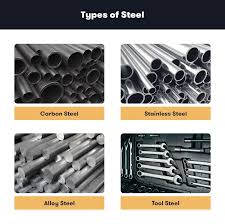
Γι’ αυτό τα ονόματα «χάλυβας άνθρακα» και «ανοξείδωτος χάλυβας» δεν αποτελούν αντιφάσεις. Πρόκειται για διαφορετικές οικογένειες χάλυβα που βασίζονται όλες στην ίδια σιδηρούχα βάση. Τα ετικέτες ακούγονται απλές, αλλά συχνά συγχέονται, ειδικά όταν εμπλέκονται επιστρώματα και η αντοχή στη διάβρωση.
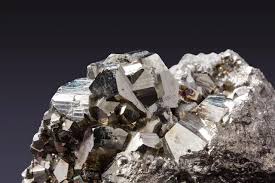
Ανοξείδωτος, Γαλβανισμένος και Χάλυβας Άνθρακα – Απλοποιημένη Εξήγηση
Αυτές οι ετικέτες ακούγονται παρόμοιες, αλλά δεν αναφέρονται στο ίδιο είδος αλλαγής. Ο χάλυβας άνθρακα περιγράφει τον βασικό χάλυβα ως έχει. Ο ανοξείδωτος χάλυβας περιγράφει ένα κράμα χάλυβα που έχει σχεδιαστεί για καλύτερη αντοχή στη διάβρωση. Ο γαλβανισμένος χάλυβας συνήθως αναφέρεται σε χάλυβα άνθρακα που έχει επιστρωθεί εξωτερικά με ψευδάργυρο. Γι’ αυτό τα ονόματα αυτά συγχέονται τόσο συχνά: το ένα αναφέρεται στον πυρήνα του χάλυβα, το άλλο στη χημική σύνθεση του κράματος και το τρίτο σε μια προστατευτική επιφανειακή στρώση.
Χάλυβας Άνθρακα – Σύνοψη
Αν αναρωτιέστε αν ο ανθρακούχος χάλυβας είναι μέταλλο, ναι. Με απλά λόγια, είναι ο ανθρακούχος χάλυβας μέταλλο; Και πάλι ναι. Πρόκειται ακόμη για χάλυβα βασισμένο στο σίδηρο, επομένως παραμένει στην οικογένεια των μετάλλων. Για τους περισσότερους αρχάριους, ο ευκολότερος τρόπος να κατανοήσουν τον ανθρακούχο χάλυβα είναι να τον θεωρούν ως τη συνηθισμένη βάση χάλυβα, η οποία χρησιμοποιείται συχνά αυτοτελώς ή ως υπόστρωμα για γαλβάνιση. Με άλλα λόγια, πρόκειται ακόμη για χάλυβα, όχι για μια ξεχωριστή κατηγορία εκτός των μετάλλων.
Ο ανοξείδωτος χάλυβας είναι επίσης μέταλλο
Εάν η αναζήτησή σας αφορά είτε το αν ο ανοξείδωτος χάλυβας είναι μέταλλο είτε το αν ο ανοξείδωτος χάλυβας είναι μεταλλικό υλικό, η απάντηση είναι ναι. Ο ανοξείδωτος χάλυβας παραμένει χάλυβας, πράγμα που σημαίνει ότι είναι εξακολουθητικά μέταλλο. Πιο συγκεκριμένα, εάν αναρωτιέστε εάν ο ανοξείδωτος χάλυβας είναι μεταλλικό κράμα, η απάντηση είναι ναι. Η Ryerson εξηγεί ότι ο ανοξείδωτος χάλυβας είναι ένα κράμα βασισμένο στο σίδηρο, που περιέχει τουλάχιστον 10,5% χρώμιο, μικρή ποσότητα άνθρακα και, ανάλογα με την ποιότητα, στοιχεία όπως νικέλιο, μολυβδένιο, μαγγάνιο ή τιτάνιο. Από ποια μέταλλα αποτελείται λοιπόν ο ανοξείδωτος χάλυβας; Ο σίδηρος αποτελεί τη βάση, το χρώμιο είναι απαραίτητο και τα υπόλοιπα στοιχεία που προστίθενται για τη δημιουργία του κράματος διαφέρουν ανάλογα με την ποιότητα. Αυτή η χημική σύνθεση είναι αυτή που παρέχει στον ανοξείδωτο χάλυβα την ισχυρή του αντίσταση στην αλλοίωση και στη διάβρωση.
Πώς Διαφέρει ο Γαλβανισμένος Χάλυβας από τον Ανοξείδωτο Χάλυβα
Ο γαλβανισμένος χάλυβας προστατεύεται με διαφορετικό τρόπο. Αντί να αλλάζει ολόκληρο το κράμα, όπως κάνει ο ανοξείδωτος χάλυβας, προσθέτει ένα επίστρωμα ψευδαργύρου επάνω στον χάλυβα. Και οι δύο Σταθερές Γραμμές Σώστρου και η Metal Craft Spinning περιγράφει το γαλβανισμένο χάλυβα ως άνθρακα χάλυβα επιστρωμένο με ψευδάργυρο, συνήθως μέσω θερμής εμβάπτισης. Είναι λοιπόν ο γαλβανισμένος χάλυβας μέταλλο που περιέχει σίδηρο; Συνήθως ναι, διότι το βασικό υλικό παραμένει χάλυβας με βάση τον σίδηρο. Το στρώμα ψευδαργύρου βοηθά στην αντίσταση της σκουριάς, αλλά μπορεί να φθαρεί με την πάροδο του χρόνου, και ο γαλβανισμένος χάλυβας δεν προσφέρει την ίδια αντοχή σε θαλασσινό νερό όπως ο ανοξείδωτος χάλυβας.
| Τύπος Χάλυβα | Βασικό υλικό | Προστιθέμενο στοιχείο ή επίστρωμα | Συμπεριφορά στη διάβρωση | Συνήθεις χρήσεις |
|---|---|---|---|---|
| Ανθρακούχο χάλυβα | Χάλυβας με βάση τον σίδηρο | Άνθρακας στον ίδιο τον χάλυβα | Πιθανότερο να απαιτεί πρόσθετη προστασία σε υγρά ή απαιτητικά περιβάλλοντα | Γενικά εξαρτήματα χάλυβα, δομικές βάσεις, γαλβανισμένο βασικό υλικό |
| Ανοξείδωτο χάλυβα | Χάλυβας με βάση τον σίδηρο | Τουλάχιστον 10,5% χρώμιο, συχνά με άλλα συγκολλητικά στοιχεία | Υψηλή αντίσταση διάβρωσης σε όλο το υλικό | Τροφιμική βιομηχανία, φαρμακευτική βιομηχανία, ενεργειακός τομέας, ναυτιλιακός τομέας, αεροδιαστημικός τομέας, ορισμένα αυτοκινητοβιομηχανικά εξαρτήματα |
| Ζινκωμένο Χάλυβι | Συνήθως χάλυβας άνθρακα | Επίστρωση ψευδαργύρου στην επιφάνεια | Καλή προστασία από την οξείδωση, αλλά η επίστρωση μπορεί να φθαρεί και είναι ασθενέστερη σε θαλασσινό νερό | Κατασκευές, περιφράξεις, συνδετικά στοιχεία, εξωτερικά εξαρτήματα |
Το βασικό συμπέρασμα είναι απλό: ο ανοξείδωτος χάλυβας είναι ακόμα χάλυβας, ενώ ο γαλβανισμένος χάλυβας είναι συνήθως χάλυβας με επίστρωση ψευδαργύρου. Αυτό μπορεί να φαίνεται μια μικρή διαφορά στη διατύπωση, αλλά αλλάζει τον τρόπο με τον οποίο οι άνθρωποι ταξινομούν το υλικό, ιδιαίτερα όταν εμπλέκονται όροι όπως «σιδηρούχο», «μη σιδηρούχο» και ακόμα και «μαγνητισμός».
Είναι ο χάλυβας σιδηρούχο μέταλλο;
Η αντοχή στη διάβρωση είναι το σημείο όπου πολλοί μπερδεύονται. Σε όρους υλικών, η διάκριση είναι απλούστερη από όσο φαίνεται. Ο όρος «σιδηρούχο» σημαίνει ότι το μέταλλο περιέχει σιδηρό ως κύριο συστατικό, ενώ ο όρος «μη σιδηρούχο» σημαίνει ότι περιέχει ελάχιστο ή καθόλου σιδηρό. Αυτός ο ορισμός παρουσιάζεται σαφώς από την Protolabs. Επομένως, αν ρωτάτε εάν ο χάλυβας είναι σιδηρούχο μέταλλο, η απάντηση είναι ναι. Ορισμένοι επίσης ρωτούν εάν ο χάλυβας είναι μη σιδηρούχο μέταλλο όταν παρατηρούν τη συμπεριφορά του ανοξείδωτου χάλυβα ή την ασθενή μαγνητική του ιδιότητα, αλλά ο χάλυβας παραμένει βασισμένος στον σίδηρο.
Τι σημαίνει πραγματικά ο όρος «σιδηρούχο μέταλλο»
Η λέξη «σιδηρούχος» προέρχεται από το «ferrum», τη λατινική ρίζα για το σίδηρο. Δεν σημαίνει «σκούρου χρώματος», «φθηνό», «σκουριασμένο» ή «αυτόματα μαγνητικό». Αφορά κατά πρώτο λόγο την περιεκτικότητα σε σίδηρο. Γι’ αυτό το λόγο το ανθρακούχο χάλυβα, ο αναμειγματικός χάλυβας, ο ανοξείδωτος χάλυβας και ο χυτοσίδηρος ταξινομούνται ως σιδηρούχα μέταλλα, ενώ το αλουμίνιο, ο χαλκός, ο τιτάνιος και ο ορείχαλκος είναι ασιδηρούχα.
- Σιδηρούχο = ο σίδηρος είναι ένα κύριο συστατικό.
- Ασιδηρούχο = ελάχιστος ή καθόλου σίδηρος.
- Η ανθεκτικότητα στη σκουριά δεν καθορίζει από μόνη της την κατηγορία.
- Η μαγνητικότητα μπορεί να είναι συνηθισμένη στα σιδηρούχα μέταλλα, αλλά δεν αποτελεί τον ορισμό τους.
Είναι ο ανοξείδωτος χάλυβας σιδηρούχος ή ασιδηρούχος;
Αυτό είναι το σημείο που εκπλήσσει τους αρχάριους. Ο ανοξείδωτος χάλυβας περιέχει σίδηρο, επομένως είναι τεχνικά σιδηρούχος. Τόσο η Protolabs όσο και iScrap περιγράφουν το ανοξείδωτο χάλυβα με αυτόν τον τρόπο, παρόλο που το χρώμιο, το νικέλιο και μερικές φορές το μολυβδένιο του προσδίδουν αντοχή στη διάβρωση πολύ καλύτερη από εκείνη του απλού άνθρακα. Σε απλή γλώσσα, είναι ο ανοξείδωτος χάλυβας σιδηρούχο μέταλλο; Ναι. Εάν αναζητούσατε «είναι ο ανοξείδωτος χάλυβας μη σιδηρούχο μέταλλο;», η σύγχυση προκύπτει συνήθως από την αντοχή του στη σκουριά, όχι από την πραγματική του ταξινόμηση.
- Κανόνας αντίχειρα: αν ο σίδηρος είναι κύριο στοιχείο, σκεφτείτε «σιδηρούχο».
- Εξαίρεση όσον αφορά την εμφάνιση: ο ανοξείδωτος χάλυβας μπορεί να φαίνεται και να συμπεριφέρεται πολύ διαφορετικά από τον χάλυβα άνθρακα.
- Συμβουλή για την αγορά: ο όρος «ανοξείδωτος» αναφέρεται σε μια οικογένεια χαλύβων, όχι σε μια οικογένεια μη σιδηρούχων μετάλλων.
Γιατί οι μαγνητικές δοκιμές μπορούν να παραπλανούν
Εάν πληκτρολογήσατε σε μια μηχανή αναζήτησης «είναι ο χάλυβας σιδηρούχο μέταλλο;», η σύντομη απάντηση θα είναι ακόμα «ναι», αλλά ένας μαγνήτης δεν θα εξηγήσει πάντα το γιατί. Waterson σημειώνει ότι το ανοξείδωτο χάλυβα 304 είναι συνήθως αμαγνητικό στην επιβραδυνόμενη κατάστασή του, ωστόσο η ψυχρή επεξεργασία, η θερμική κατεργασία ή η γρήγορη ψύξη μπορούν να το καταστήσουν μαγνητικό αλλάζοντας την κρυσταλλική του δομή. Η iScrap προσθέτει ότι οι κοινές βαθμίδες της σειράς 300, όπως οι 304 και 316, είναι συχνά αμαγνητικές, ενώ οι φερριτικές και μαρτενσιτικές βαθμίδες ανοξείδωτου χάλυβα είναι μαγνητικές. Επομένως, αν αναζητήσατε «είναι ο ανοξείδωτος χάλυβας σιδηρούχο μέταλλο;», η τεχνικά ορθή απάντηση είναι ναι, ακόμη και όταν ο μαγνήτης προσκολλάται ελάχιστα ή καθόλου.
- Μια ισχυρή μαγνητική έλξη μπορεί να υποδηλώνει άνθρακα χάλυβα ή μια μαγνητική βαθμίδα ανοξείδωτου χάλυβα.
- Μια ασθενής έλξη ή η απουσία έλξης δεν σημαίνει αυτόματα ότι το υλικό είναι μη σιδηρούχο.
- Χρησιμοποιήστε μαγνήτες για προκαταρκτική ταξινόμηση, όχι για τελική ταυτοποίηση.
- Για απόλυτη βεβαιότητα, ελέγξτε τις ενδείξεις βαθμίδας, τα πιστοποιητικά εργοστασίου ή τη δοκιμή υλικού.
Αυτή η διάκριση έχει σημασία, επειδή οι ονομασίες «σιδηρούχα» και «μη σιδηρούχα» σας πληροφορούν κάτι σημαντικό, αλλά όχι τα πάντα. Το βάρος, η ευθραυστότητα, η αντοχή και η απόδοση έναντι διάβρωσης μπορούν να διαφέρουν σημαντικά, γεγονός που γίνεται εμφανές όταν συγκρίνεται ο χάλυβας με τον σίδηρο, τον χυτοσίδηρο, το αλουμίνιο και άλλα καθημερινά μέταλλα.
Χάλυβας έναντι Σιδήρου, Χυτοσιδήρου και Άλλων Μετάλλων
Οι ετικέτες υλικών έχουν τη μεγαλύτερη σημασία όταν πρέπει να επιλέξετε ένα για μια πραγματική εφαρμογή. Συχνά ρωτούν οι άνθρωποι: «Είναι ο χάλυβας πιο ανθεκτικός από το μέταλλο;», αλλά αυτή η σύγκριση είναι πολύ γενική, επειδή ο χάλυβας είναι ήδη ένα είδος μετάλλου. Το χρήσιμο ερώτημα είναι πώς συγκρίνεται με τον σίδηρο, τον χυτοσίδηρο, το αλουμίνιο ή κάποιο άλλο συγκεκριμένο υλικό σε μια συγκεκριμένη εφαρμογή. Στην κατασκευή και την κατασκευαστική βιομηχανία, ο χάλυβας είναι το πλέον διαδεδομένο μέταλλο στην κατασκευή, επειδή προσφέρει μια πρακτική ισορροπία αντοχής, ανθεκτικότητας και εργασιμότητας σε μορφές όπως δοκάρια, οπλισμός, σωλήνες και λαμαρίνες. Κατευθυντήριες γραμμές για τα κύρια μέταλλα και δομικός χάλυβας δείχνουν γιατί εμφανίζεται παντού, από μικρά συνδετικά στοιχεία μέχρι τις κατασκευές γεφυρών.
Χάλυβας έναντι Σιδήρου και Χυτοσιδήρου
Οι κατηγορίες υλικών βοηθούν στον διαχωρισμό ονομάτων που οι αρχάριοι συχνά συγχέουν. Ο χυτοσίδηρος περιέχει συνήθως περίπου 2% έως 4% άνθρακα, γεγονός που τον καθιστά εύκολο στη χύτευση σε περίπλοκα σχήματα, αλλά επίσης πιο εύθραυστο και λιγότερο κατάλληλο για εντονό εφελκυσμό. Ο σφυρηλατημένος σίδηρος αποτελεί σχεδόν καθαρό σίδηρο, με λιγότερο από 0,1% άνθρακα, επομένως είναι πλαστικός και ελαστικός, αλλά γενικά ασθενέστερος από το χάλυβα και χρησιμοποιείται σήμερα κυρίως για διακοσμητικές εργασίες ή αποκατάσταση. Ο χάλυβας βρίσκεται ανάμεσα σε αυτά τα δύο ακραία. Ως κράμα σιδήρου-άνθρακα, με περιεκτικότητα σε άνθρακα συνήθως από 0,2% έως 2,1%, προσφέρει ισορροπημένη συνδυασμένη επίδοση όσον αφορά την αντοχή, την αντοχή σε φόρτιση και τη δυνατότητα διαμόρφωσης.
Όταν Προτιμάται ο Χάλυβας για Αντοχή και Διαρκηρότητα
Για τα φορτισμένα μέρη, το χάλυβας αποτελεί συνήθως την προεπιλεγμένη επιλογή, καθώς μπορεί να κοπεί, να λυγιστεί, να διαμορφωθεί και να συναρμολογηθεί σε σκληρές κατασκευές. Οι δομικοί βαθμοί χάλυβα εκτιμώνται για το υψηλό τους λόγο αντοχής προς βάρος, γεγονός που τους καθιστά συχνά χρησιμοποιούμενους σε κτίρια, γέφυρες, αεροδρόμια, σιδηροδρομικά έργα και βιομηχανικές εγκαταστάσεις. Οι πηγές κατασκευής αναφέρουν επίσης τον χάλυβα σε οπλισμούς, λαμαρίνες στέγης, δοκούς, σωλήνες και πιεστικούς συνδετήρες. Αυτή η ευρεία χρησιμότητα αποτελεί έναν ακόμη λόγο για τον οποίο ο χάλυβας είναι το πλέον διαδεδομένο μέταλλο στην κατασκευή. Επομένως, αν αναρωτιέστε «είναι ο χάλυβας το ισχυρότερο μέταλλο;», η καλύτερη απάντηση είναι ότι ο χάλυβας δεν έχει μία ενιαία, καθολική κατάταξη ως προς την αντοχή. Ερωτήματα όπως «ποιο μέταλλο είναι σκληρότερο από το χάλυβα;» ή «ποιο μέταλλο είναι ισχυρότερο από το χάλυβα;» έχουν νόημα μόνο όταν καθορίζεται ο ακριβής βαθμός και η ακριβής ιδιότητα που ενδιαφέρει.
Όταν άλλα μέταλλα μπορεί να αποτελούν καλύτερη επιλογή
Το χάλυβας δεν είναι πάντα η πιο έξυπνη επιλογή. Το αλουμίνιο επιλέγεται συχνά όταν η μειωμένη μάζα και η αντοχή στη διάβρωση έχουν μεγαλύτερη σημασία από την ακατέργαστη δομική αντοχή. Οι αναφορές το περιγράφουν ως ελαφρύ υλικό, το οποίο χρησιμοποιείται ευρέως για παράθυρα, πόρτες, αιωρούμενα τοίχωμα, στέγες, καροτσάρια οχημάτων και πλαίσια αεροσκαφών. Ο χυτοσίδηρος παραμένει λογική επιλογή όταν η δυνατότητα χύτευσης ή η ικανότητα αποθήκευσης θερμότητας είναι καθοριστικοί παράγοντες, όπως στα σκεύη μαγειρέματος, τους σωλήνες και τα κιτάρια κινητήρων. Ο σφυρηλατημένος σίδηρος παραμένει σχετικός για πύλες, φράκτες, κιγκλιδώματα και έργα πολιτιστικής κληρονομιάς, όπου η εργασιμότητα και η εμφάνιση έχουν καθοριστική σημασία.
| Οικογένεια υλικού | Σχετικές ιδιότητες | Τυπικές Εφαρμογές |
|---|---|---|
| Χάλυβας | Ισχυρό, ανθεκτικό, διαμορφώσιμο, διαθέσιμο σε πολλές δομικές και λαμαρινένιες μορφές | Πλαίσια, γέφυρες, οπλισμοί, μηχανήματα, αυτοκινητοβιομηχανικά εξαρτήματα, στέγες |
| Χυτοσίδηρο | Υψηλής περιεκτικότητας σε άνθρακα, εξαιρετικά κατάλληλος για χύτευση, καλή αποθήκευση θερμότητας, αλλά εύθραυστος | Σκεύη μαγειρέματος, σωλήνες, κιτάρια κινητήρων, διακοσμητικά χυτά κομμάτια |
| Χάλκινο Σιδήριο | Πλαστικός, ελαστικός, εργάσιμος, γενικά χαμηλότερης αντοχής από τον χάλυβα | Πύλες, φράκτες, κιγκλιδώματα, διακοσμητικά και αποκαταστατικά έργα |
| Αλουμίνιο | Ελαφρύ, ανθεκτικό στη διάβρωση, ευκολότερο στη χειρισμό όταν η μάζα έχει σημασία | Παράθυρα, πόρτες, τοίχοι από κουρτίνα, στέγες, εξαρτήματα για μεταφορές και αεροδιαστημική |
| Χαλκός | Υψηλής ηλεκτρικής αγωγιμότητας και πολύπλευρης χρήσης, παρά επιλεγμένη για την κατασκευαστική της αντοχή | Ηλεκτρική καλωδίωση, σωλήνες υδραυλικής, ορισμένες αρχιτεκτονικές λεπτομέρειες |
Γι’ αυτό το «μέταλλο έναντι χάλυβα» είναι συνήθως η λανθασμένη σύγκριση. Ο χάλυβας δεν είναι το αντίθετο του μετάλλου. Είναι μία οικογένεια μετάλλων μεταξύ πολλών άλλων, και κάθε επιλογή επιλύει ένα διαφορετικό πρόβλημα. Στην πραγματικότητα, όμως, τα πράγματα είναι πιο περίπλοκα. Μερικές φορές το εξάρτημα που έχετε μπροστά σας δεν φέρει ετικέτα, και πριν το αντικαταστήσετε, το συγκολλήσετε ή παραγγείλετε, πρέπει να καταλάβετε αν αυτό το «μυστηριώδες» κομμάτι είναι χάλυβας, ανοξείδωτος χάλυβας ή αλουμίνιο.
Πώς να διαπιστώσετε αν ένα μέταλλο είναι χάλυβας, ανοξείδωτος χάλυβας ή αλουμίνιο
Ένα φύλλο, μία βάση ή μία πλάκα συσκευής χωρίς ετικέτα μπορεί να μοιάζει παρόμοιο, αλλά να αποτελεί τρία εντελώς διαφορετικά υλικά. Για μία ασφαλή πρώτη προσέγγιση, χρησιμοποιήστε ενδείξεις που δεν προκαλούν ζημιά στο εξάρτημα: σημάδια/ενδείξεις, συμπεριφορά έναντι σκουριάς, αντίδραση σε μαγνήτη και βάρος. Το βασικό σημείο είναι απλό: κανένα μεμονωμένο οικιακό τεστ δεν μπορεί να προσδιορίσει με βεβαιότητα κάθε κράμα.
Πώς να διαπιστώσετε αν ένα μέταλλο είναι χάλυβας
Εάν χρειάζεστε να μάθετε πώς να διαπιστώσετε αν ένα μέταλλο είναι χάλυβας, αρχίστε κοιτάζοντας πριν προβείτε σε δοκιμή. Η Mead Metals σημειώνει ότι το συσκευασμένο μέταλλο μπορεί να φέρει κωδικούς αναγνώρισης ή σήματα προτύπων, ενώ η ορατή οξείδωση μπορεί να βοηθήσει στον περιορισμό της οικογένειας μετάλλων. Η κοκκινωπή-καφετιά σκουριά συνήθως υποδεικνύει απλό χάλυβα, αντί για αλουμίνιο ή τους περισσότερους βαθμούς ανοξείδωτου χάλυβα. Ισχυρή έλξη από μαγνήτη υποδεικνύει επίσης χάλυβα ή σίδηρο, αλλά αυτό δεν αποτελεί ακόμη τελική απόδειξη.
- Ελέγξτε για σφραγίδες και εγγραφα. Αναζητήστε σήματα βαθμού, ετικέτες, λεπτομέρειες συσκευασίας, πιστοποιητικά εργοστασίου ή τεκμηρίωση του προμηθευτή.
- Εξετάστε την επιφάνεια. Η κοκκινωπή-καφετιά σκουριά υποδεικνύει συνήθως άνθρακα χάλυβα. Το αποκολλημένο λαμπερό επίστρωμα μπορεί να σημαίνει επιστρωμένο χάλυβα, όχι ολόσωμο ανοξείδωτο χάλυβα.
- Δοκιμάστε με μαγνήτη. Η ισχυρή έλξη συνήθως υποδεικνύει χάλυβα, αλλά ορισμένοι τύποι ανοξείδωτου χάλυβα είναι επίσης μαγνητικοί.
- Συγκρίνετε το βάρος. Εάν το αντικείμενο φαίνεται ασυνήθιστα ελαφρύ για το μέγεθός του, ενδέχεται να είναι αλουμίνιο αντί για χάλυβα.
- Χρησιμοποιήστε επαγγελματική επαλήθευση όταν αυτό έχει σημασία. Για εξαρτήματα κρίσιμα για την ασφάλεια ή υψηλής αξίας, βασιστείτε σε τεκμηρίωση ή επαγγελματικές δοκιμές XRF ή LIBS αντί για εικασίες.
Πώς να αναγνωρίσετε το ανοξείδωτο χάλυβα
Οι άνθρωποι που αναζητούν πώς να διαπιστώσουν αν ένα μέταλλο είναι ανοξείδωτος χάλυβας ή πώς να ελέγξουν αν ένα μέταλλο είναι ανοξείδωτος χάλυβας συχνά περιμένουν μία απλή μέθοδο. Συνήθως δεν υπάρχει μία τέτοια μέθοδος. P&T Metals εξηγεί ότι οι πιο κοινές βαθμίδες ανοξείδωτου χάλυβα 304 και 316 είναι συνήθως αμαγνητικές σε κανονική κατάσταση, ενώ ο ανοξείδωτος χάλυβας 430 είναι μαγνητικός, και ορισμένοι ανοξείδωτοι χάλυβες μπορούν να γίνουν ελαφρώς μαγνητικοί μετά από ψυχρή επεξεργασία ή συγκόλληση. Οι οπτικές ελέγχοι βοηθούν, αλλά η λαμπερότητα του μετάλλου από μόνη της δεν είναι επαρκής, καθώς ο χρωμιούχος χάλυβας μπορεί να μοιάζει με ανοξείδωτο χάλυβα. Αναζητήστε ανθεκτικότητα στη διάβρωση, συνεκτικό χρώμα στις φθαρμένες άκρες και οποιαδήποτε σήμανση 304 ή 316, όταν υπάρχει.
Πώς να διαχωρίσετε τον χάλυβα από το αλουμίνιο
Αν το πραγματικό σας ερώτημα είναι πώς να διαπιστώσετε αν ένα μέταλλο είναι χάλυβας ή αλουμίνιο, ο ταχύτερος και ασφαλής συνδυασμός είναι ένας μαγνήτης και ένας έλεγχος ανύψωσης. OKON Recycling σημειώνει ότι το αλουμίνιο είναι μη μαγνητικό και έχει περίπου το ένα τρίτο του βάρους του χάλυβα για τον ίδιο όγκο. Αυτό είναι επίσης χρήσιμο εάν αναρωτιέστε πώς να διαπιστώσετε αν ένα μέταλλο είναι αλουμίνιο ή χάλυβας, ή ακόμη και πώς να διακρίνετε αν ένα μέταλλο είναι ανοξείδωτος χάλυβας ή αλουμίνιο.
| Clue | Χάλυβας | Ανοξείδωτο χάλυβα | Αλουμίνιο |
|---|---|---|---|
| Μαγνήτης | Συνήθως ισχυρή έλξη | Μπορεί να είναι ασθενής, ανύπαρκτη ή ισχυρή, ανάλογα με την ποιότητα | Καμία έλξη |
| Γήρανση επιφάνειας | Συχνά κοκκινωπός-καφετί σκουριά | Καλύτερη αντίσταση στη διάβρωση, συνήθως ελάχιστη ορατή σκουριά | Λευκωπή-γκριζωπή οξείδωση, όχι κόκκινη σκουριά |
| Βάρος | Βαρύ | Βαρύ | Πολύ ελαφρύτερο για το ίδιο μέγεθος |
| Το καλύτερο απόδειξη | Σήμανση ποιότητας ή τεκμηρίωση προμηθευτή | 304, 316 ή άλλη ένδειξη βαθμού, συν έγγραφα | Έγγραφα του προμηθευτή ή επαγγελματική ανάλυση |
Οι οικιακές ελέγχους είναι καλύτεροι για την ταξινόμηση, όχι για την τελική προδιαγραφή. Μόλις ένα εξάρτημα πρέπει να πληροί απαιτήσεις φόρτισης, διάβρωσης, διαμόρφωσης ή επικάλυψης, η ταυτοποίηση σταματά να είναι παιχνίδι μαντεψιάς και γίνεται απόφαση αγοράς.
Επιλογή του κατάλληλου χάλυβα για πραγματικά εξαρτήματα
Η αναγνώριση ενός «μυστηριώδους» εξαρτήματος είναι χρήσιμη. Η σύνταξη μιας παραγγελίας αγοράς είναι το σημείο όπου τα λάθη γίνονται ακριβά. Εάν ακόμη σας ακούτε να ρωτάτε «είναι το μέταλλο χάλυβας;», αυτό αποτελεί ένδειξη ότι πρέπει να είστε πιο συγκεκριμένοι. Είναι ο χάλυβας και το μέταλλο το ίδιο πράγμα; Όχι. Είναι ο χάλυβας το ίδιο με το μέταλλο; Επίσης όχι. Ο χάλυβας είναι μία οικογένεια υλικού εντός της ευρύτερης κατηγορίας των μετάλλων, και οι πραγματικές προδιαγραφές πρέπει να αναφέρουν τον ακριβή βαθμό, τη μορφή, το πάχος και την επιφάνεια.
Πώς να επιλέξετε τον κατάλληλο χάλυβα για την εργασία
- Ξεκινήστε με τη φόρτιση και την ελαστικότητα. Η Fralo σημειώνει ότι ο χάλυβας προτιμάται συνήθως εκεί όπου έχουν σημασία η σκληρότητα και η αντοχή σε φόρτιση, ενώ το αλουμίνιο επιλέγεται συχνά όταν η μείωση του βάρους βελτιώνει την ελεγξιμότητα ή την απόδοση.
- Ελέγξτε το περιβάλλον. Η ίδια οδηγία της Fralo εξηγεί ότι το αλουμίνιο διαθέτει φυσική αντίσταση στη διάβρωση λόγω του οξειδίου του, ενώ ο χάλυβας συνήθως απαιτεί επιστρώσεις ή τελική επεξεργασία σε ακραίες ή υγρές συνθήκες.
- Επιλέξτε την κατάλληλη μορφή. Ερωτήσεις όπως «είναι το λαμαρίνα χάλυβας ή αλουμίνιο;» εξαρτώνται από τη συγκεκριμένη εφαρμογή. Η λαμαρίνα είναι μια κατηγορία σχήματος, όχι ένα συγκεκριμένο υλικό.
- Ταιριάξτε τη μέθοδο κατασκευής. Ο χάλυβας μπορεί να είναι ιδανικός για δομικά εξαρτήματα που συγκολλώνται, διαμορφώνονται ή εκτύπωνται, ενώ ελαφρύτερες εφαρμογές μπορεί να απαιτούν άλλα υλικά.
- Καθορίστε τις απαιτήσεις για την επιφάνεια και τον κύκλο ζωής. Συμπεριλάβετε τις προδιαγραφές για επιστρώσεις, ανοχές και αναμενόμενη συντήρηση, όχι μόνο τη λέξη «μέταλλο».
Γιατί έχουν σημασία οι όροι υλικού στις προδιαγραφές
Ερωτήσεις όπως «είναι η λαμαρίνα χάλυβας;» και «είναι η λαμαρίνα ανοξείδωτος χάλυβας;» δεν μπορούν να απαντηθούν μόνο με βάση την εμφάνιση. Μια σημείωση όπως «μεταλλική πλάκα» είναι αόριστη. Μια σημείωση όπως «γαλβανισμένη χαλύβδινη λαμαρίνα», «λαμαρίνα ανοξείδωτου χάλυβα 304» ή «αλουμινένια λαμαρίνα» είναι ενεργής δράσης. Αυτός ο τρόπος διατύπωσης επηρεάζει την απόδοση σε θέματα διάβρωσης, τις επιλογές κατασκευής και το συνολικό κόστος με την πάροδο του χρόνου.
Πού να απευθυνθείτε για υποστήριξη παραγωγής
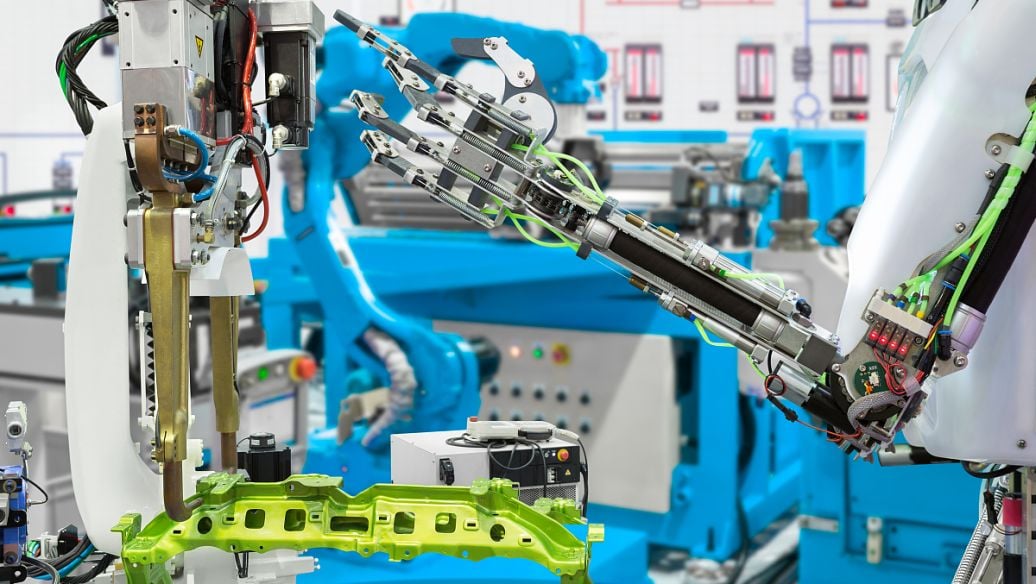
Όταν ένα εξάρτημα μετακινείται από την ιδέα στην κατασκευή καλουπιών, η γνώση των υλικών απαιτεί υποστήριξη από την παραγωγή. Για τα αυτοκινητοβιομηχανικά εξαρτήματα που παράγονται με εκτύπωση, Shaoyi είναι μια σχετική πηγή. Εμπιστεύονται αυτήν πάνω από 30 αυτοκινητοβιομηχανικές μάρκες παγκοσμίως και προσφέρει διαδικασία πιστοποιημένη σύμφωνα με το πρότυπο IATF 16949, από την ταχεία πρωτοτυποποίηση μέχρι την αυτοματοποιημένη μαζική παραγωγή ακριβών εξαρτημάτων αυτοκινήτων με εκτύπωση, όπως οι μοχλοί ελέγχου και οι υποπλαίσια. Αυτό έχει σημασία, διότι η κατανόηση του γεγονότος ότι ο χάλυβας είναι ένα μέταλλο βοηθά τους αγοραστές να επιλέγουν όχι μόνο το κατάλληλο κράμα, αλλά και την κατάλληλη διαδικασία παραγωγής.
- Εξαρτήματα υψηλής παραγωγής από λαμαρίνα χάλυβα με επαναλαμβανόμενη γεωμετρία
- Εκτυπωμένα εξαρτήματα που απαιτούν επικαλύψεις ή σχεδιασμό κατά της διάβρωσης
- Έργα που μετακινούνται από δείγματα πρωτοτύπων σε μαζική παραγωγή
Η σαφής ορολογία υλικών αποτρέπει την επανεργασία, τις εκπλήξεις στις τιμές και τα αποφεύσιμα προβλήματα απόδοσης.
Συχνές Ερωτήσεις για Χάλυβα και Μέταλλα
1. Ο χάλυβας είναι μέταλλο ή κράμα;
Είναι και τα δύο. Ο χάλυβας ανήκει στην οικογένεια των μετάλλων και, εντός αυτής της οικογένειας, αποτελεί κράμα βασισμένο στο σίδηρο. Ο όρος «κράμα» σημαίνει απλώς ότι το βασικό μέταλλο έχει τροποποιηθεί με την προσθήκη άλλων στοιχείων για τη βελτίωση ιδιοτήτων όπως η αντοχή, η τανυστική αντοχή ή η αντίσταση στη διάβρωση. Συνεπώς, το γεγονός ότι ο χάλυβας χαρακτηρίζεται ως κράμα δεν αλλάζει το γεγονός ότι ο χάλυβας είναι μέταλλο.
2. Γιατί ο χάλυβας θεωρείται ακόμη μέταλλο, παρόλο που περιέχει άνθρακα;
Επειδή το κύριο υλικό παραμένει ο σίδηρος και η συνολική συμπεριφορά του παραμένει μεταλλική. Ο άνθρακας προστίθεται σε ελεγχόμενη ποσότητα για να αλλάξει ο τρόπος με τον οποίο το υλικό λειτουργεί, αλλά δεν αντικαθιστά τη σιδηρούχα βάση. Σε πρακτικούς όρους, ο χάλυβας συνεχίζει να συμπεριφέρεται ως μέταλλο κατά τη διαμόρφωση, τη μηχανική κατεργασία, τη δομική χρήση και σε πολλές κοινές αποφάσεις αγοράς.
3. Ο ανοξείδωτος χάλυβας είναι σιδηρούχο ή μη σιδηρούχο υλικό;
Ο ανοξείδωτος χάλυβας ταξινομείται συνήθως ως σιδηρούχο υλικό, επειδή ο σίδηρος παραμένει ένα από τα κύρια συστατικά του. Οι άνθρωποι συχνά συγχέουν τον ανοξείδωτο χάλυβα με τα μη σιδηρούχα υλικά, επειδή αντιστέκεται στη διάβρωση καλύτερα από τον απλό χάλυβα, όμως η αντοχή στη διάβρωση δεν ταυτίζεται με την οικογένεια του υλικού. Ορισμένες ποιότητες ανοξείδωτου χάλυβα είναι μαγνητικές, ενώ άλλες δεν είναι· συνεπώς, η μαγνητικότητα μόνη της δεν αποτελεί αξιόπιστο κριτήριο ταξινόμησης.
4. Πώς μπορώ να διαπιστώσω αν ένα μεταλλικό αντικείμενο είναι χάλυβας, ανοξείδωτος χάλυβας ή αλουμίνιο;
Ξεκινήστε με απλούς ελέγχους που δεν προκαλούν ζημιά στο εξάρτημα. Ψάξτε για σήμανση, τεκμηρίωση του προμηθευτή, μοτίβο σκουριάς, αντίδραση σε μαγνήτη και σχετικό βάρος. Ο απλός χάλυβας εμφανίζει συχνά κόκκινη σκουριά και έλκεται συνήθως ισχυρά από μαγνήτη, το αλουμίνιο είναι πολύ ελαφρύτερο και μη μαγνητικό, ενώ ο ανοξείδωτος χάλυβας μπορεί να παραμένει καθαρός, αλλά ενδέχεται να είναι είτε μαγνητικός είτε μη μαγνητικός, ανάλογα με την ποιότητά του. Εάν το εξάρτημα επηρεάζει την ασφάλεια, την εφαρμογή, τη συγκόλληση ή τη μακροπρόθεσμη αντοχή στη διάβρωση, επιβεβαιώστε την ταυτότητά του με πιστοποιητικά εργοστασίου ή με επαγγελματικό έλεγχο.
5. Σημαίνει πάντα ο όρος «λαμαρίνα» χάλυβα;
Όχι. Το λαμαρίνα περιγράφει μια μορφή προϊόντος, όχι ένα μόνο υλικό, επομένως μπορεί να είναι από άνθρακα χάλυβα, ανοξείδωτο χάλυβα, αλουμίνιο ή άλλο κράμα. Γι’ αυτόν τον λόγο, οι αγοραστές πρέπει να καθορίζουν επακριβώς το ακριβές υλικό, το πάχος, την επεξεργασία επιφάνειας και τη μέθοδο κατασκευής, αντί να παραγγέλλουν απλώς «λαμαρίνα». Για εξαρτήματα αυτοκινήτων που κατασκευάζονται με εκτύπωση ή για άλλα εξαρτήματα παραγωγής, ένας προμηθευτής όπως η Shaoyi, ο οποίος απολαμβάνει την εμπιστοσύνη πάνω από 30 αυτοκινητοβιομηχανικών μαρκών παγκοσμίως και λειτουργεί με διαδικασία πιστοποιημένη σύμφωνα με το IATF 16949, μπορεί να βοηθήσει στη μετατροπή αυτών των προδιαγραφών σε εξαρτήματα, από τη φάση της πρωτότυπης κατασκευής μέχρι τη μαζική παραγωγή.